


















































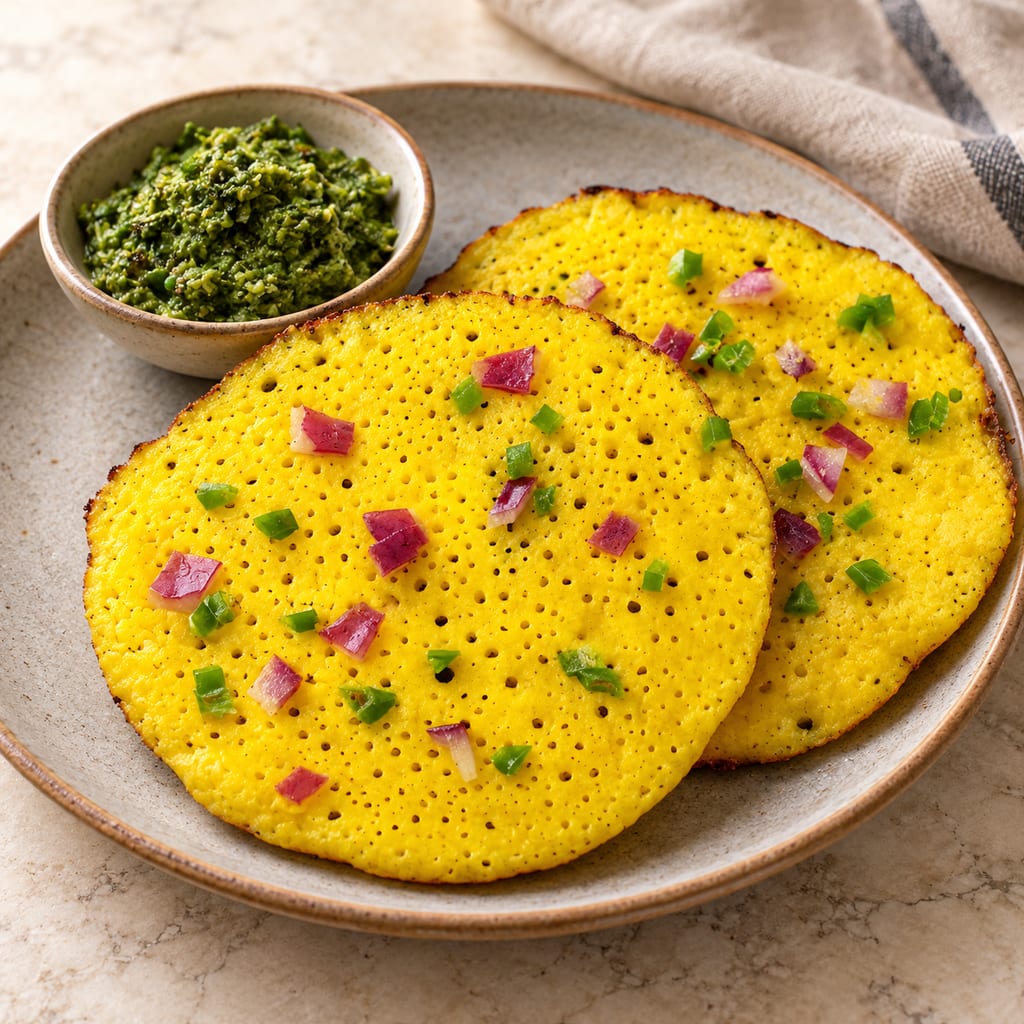
Coconut chile surnoli
Spongy rice-and-coconut pancakes associated with Goa, cooked on one side from a batter that a multicooker's yogurt programme lets rise overnight.
 FermenteaWhere food goes to change
1504 records with their sources, across 11 categories.
 Fermented, enzyme-ripened and mixed seasonings328
 Fruit preserves10
 Legume, seed and plant-protein ferments10
 Garum and fish sauces8
 Adjacent and excluded7
 Koji, mold starters and mold-ripened ferments4
 Acid and oil pickles3
 Fermented fruit and fruit-derived foods3
 Vegetable lactic3
 Dairy ferments2
 Smoked salted and dried foods2
 Cheese1
 Not yet classified1
 Cereal, grain, root and starch fermentations275
 Unfermented breads105
 Koji, mold starters and mold-ripened ferments3
 Not yet classified3
 Adjacent and excluded1
 Beverages1
 Fruit preserves1
 Smoked salted and dried foods1
 Tea cocoa and coffee ferments1
Spongy rice-and-coconut pancakes associated with Goa, cooked on one side from a batter that a multicooker's yogurt programme lets rise overnight.
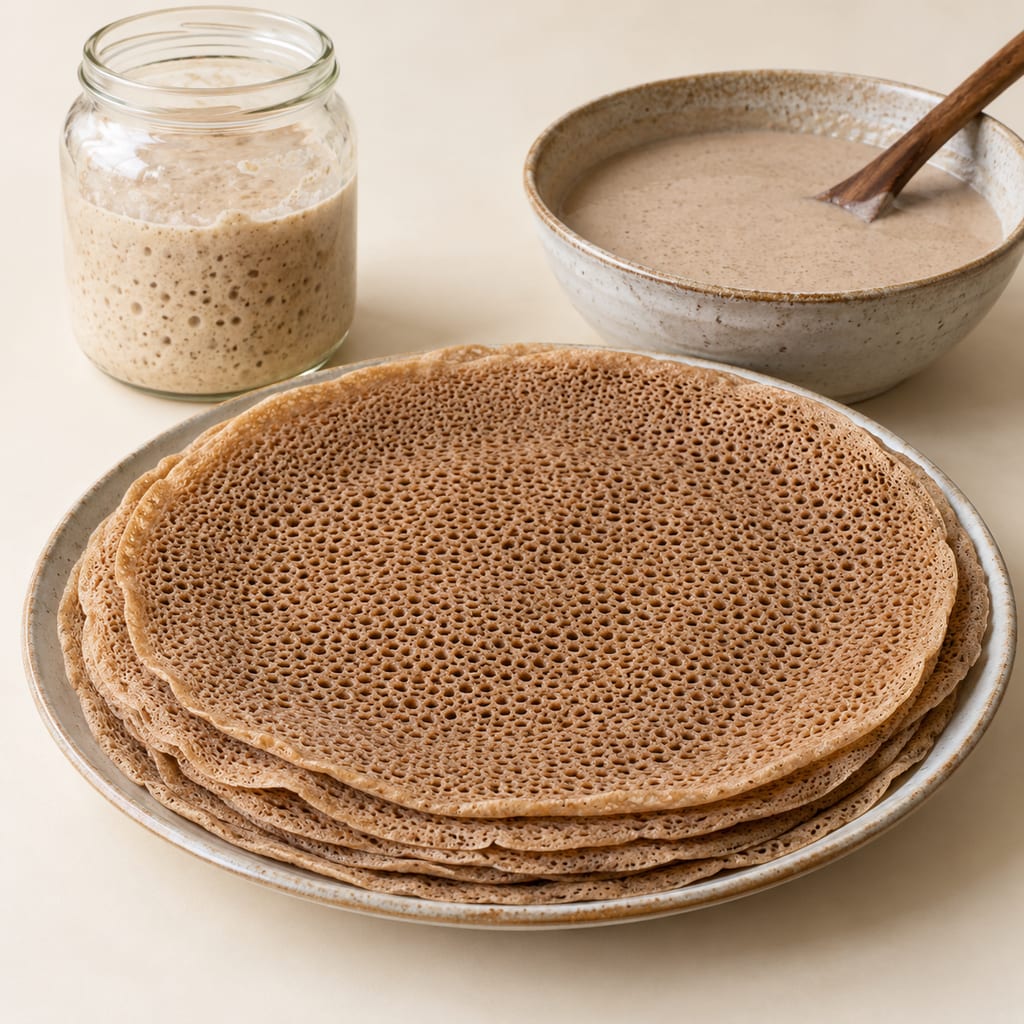
Teff injera made from a three-day teff starter, a three-day main dough fermented under water, and a cooked tempering of part of the batter before griddling.
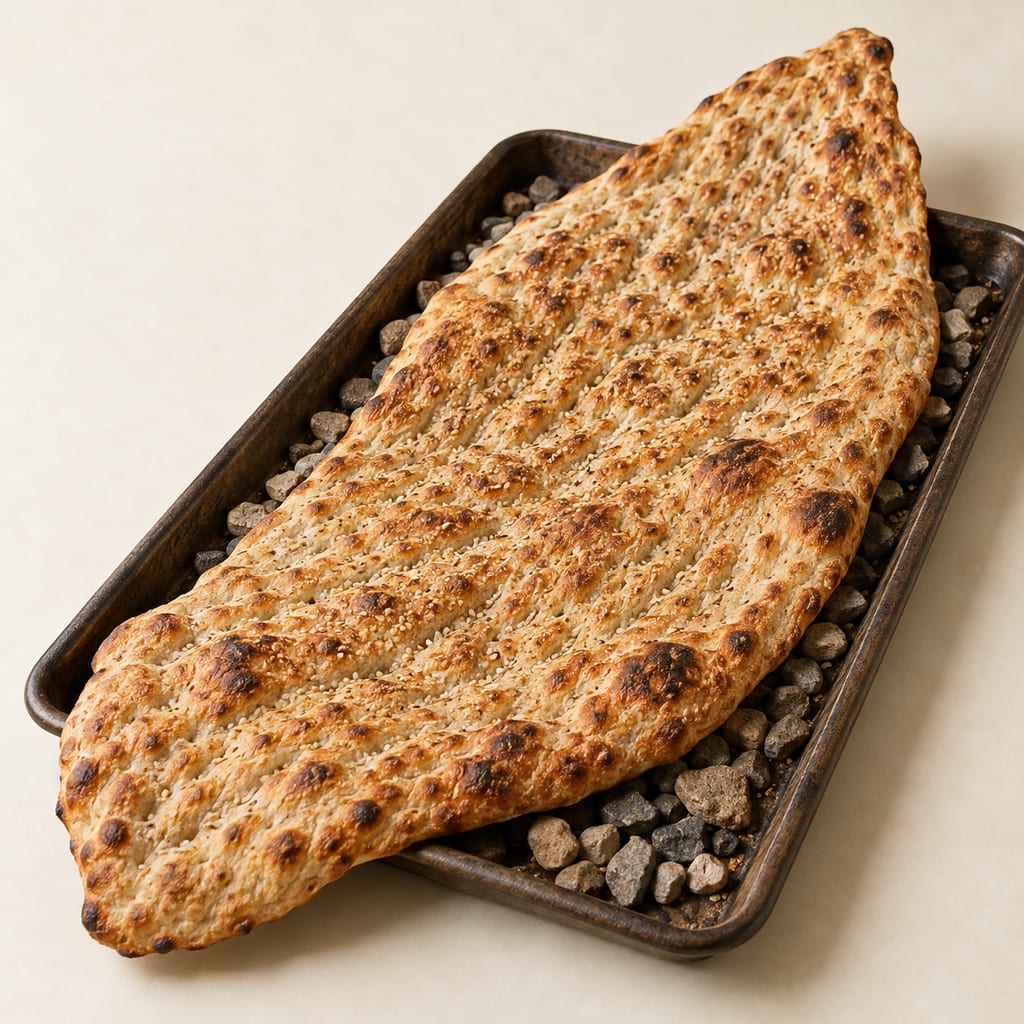
A long, irregular Persian bread baked on a tray of gravel-like stones in a hot oven. This home method uses dried yeast and a mix of wholemeal and bread flour, with an overnight rest.
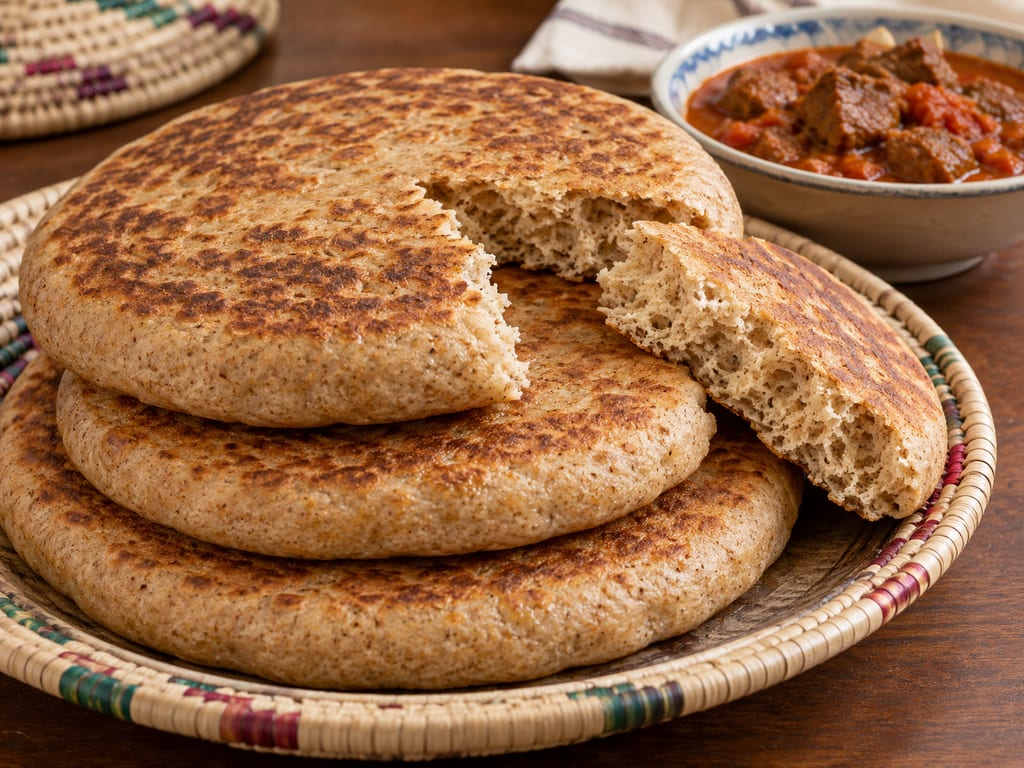
A northern Sudanese wholemeal wheat batter bread, rested with instant yeast and poured in thick rounds onto a lightly oiled pan or saaj.
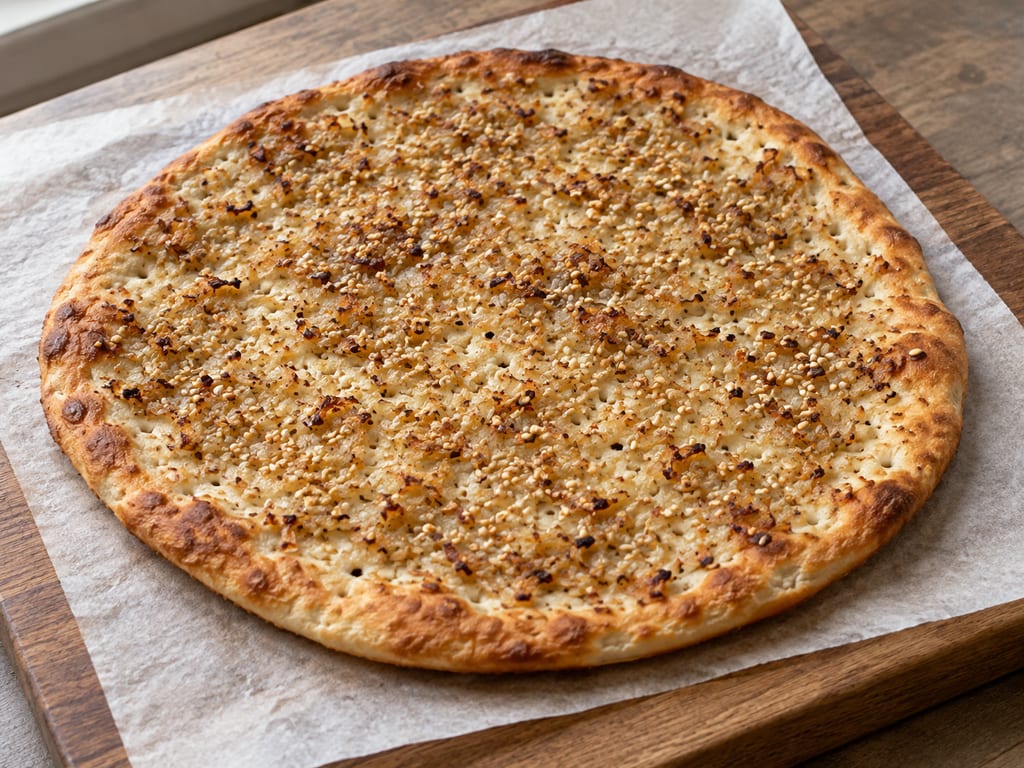
Two round Uyghur sesame-onion flatbreads, made with a yogurt-enriched yeast dough and baked on a preheated stone.
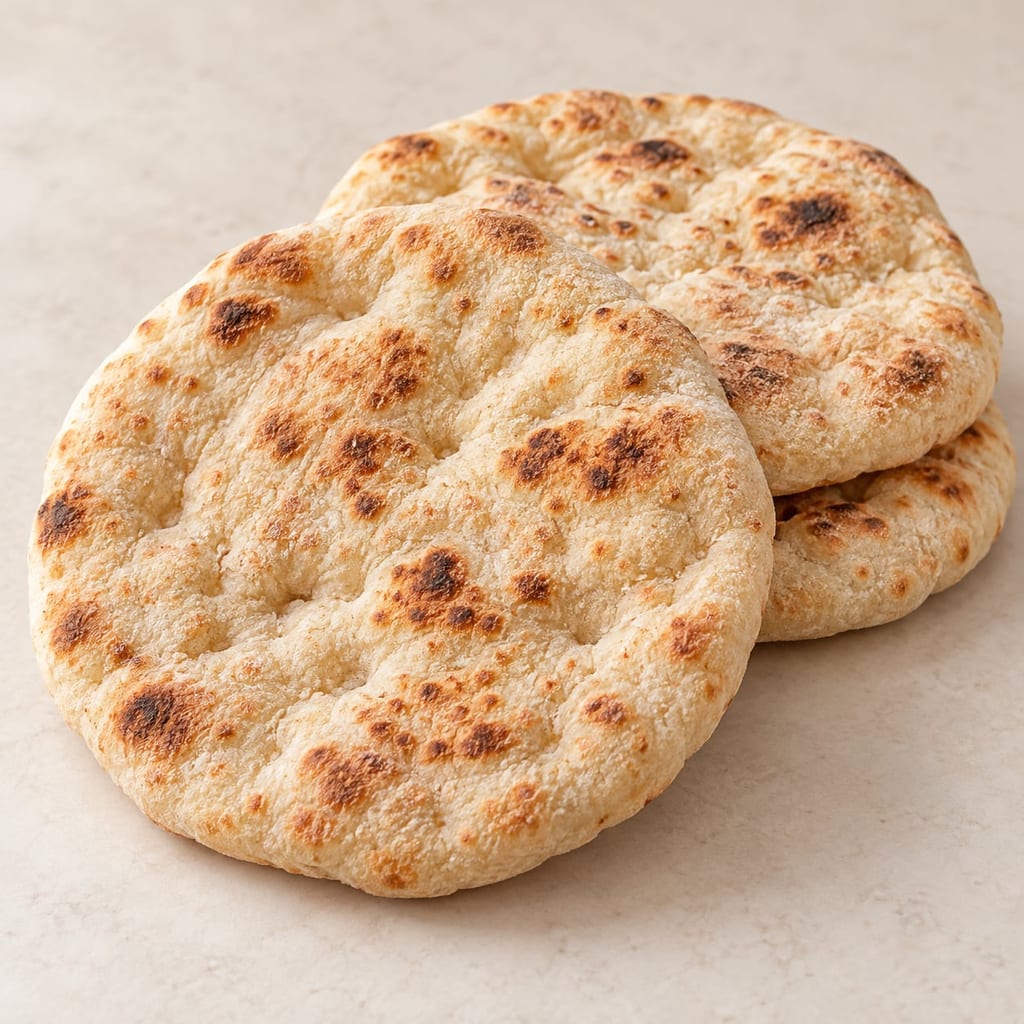
This Palestinian taboon method makes six small wheat flatbreads with a sticky yeast dough, fingertip dimples and a very hot domestic oven surface.
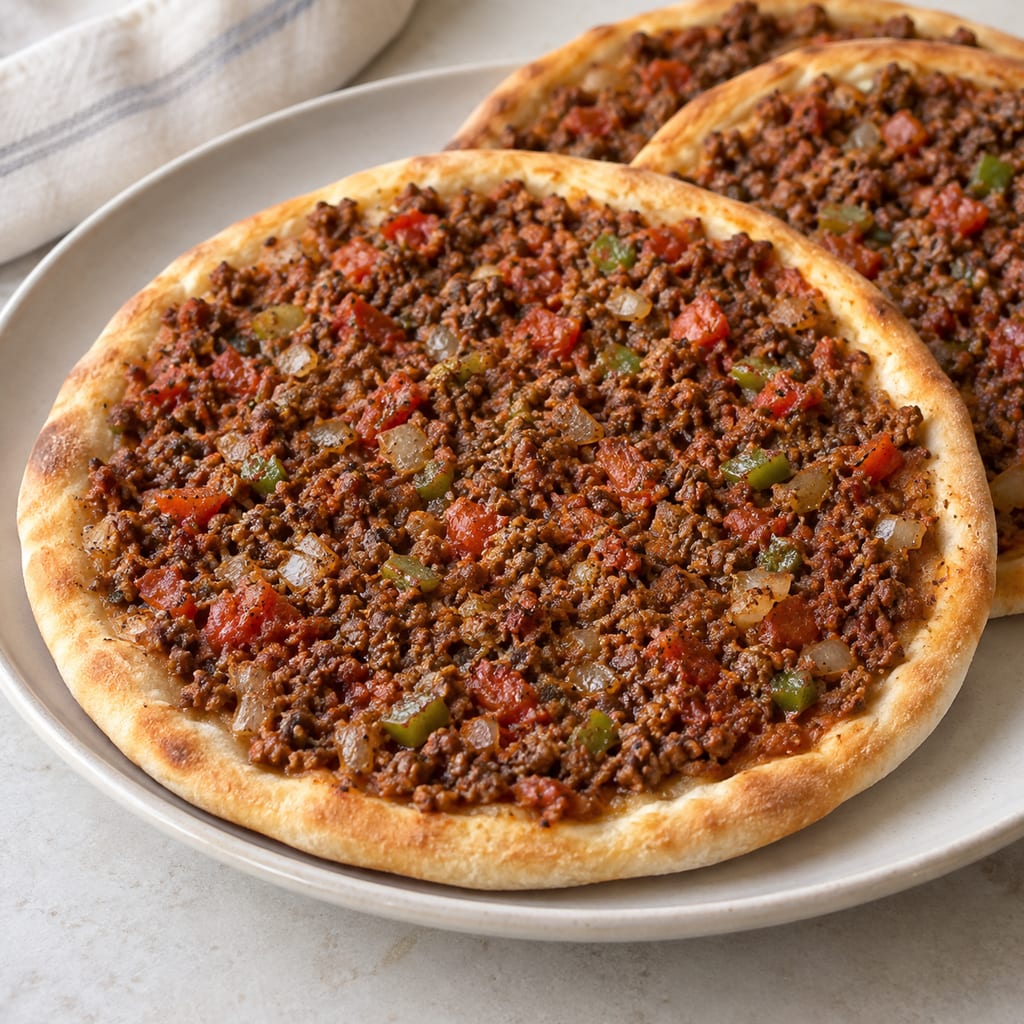
A yeast-raised 8-inch flatbread topped with an evenly spread onion, tomato, pepper and spiced ground-beef mixture. This version follows a Palestinian family recipe shared with Amira Ibrahim and adapted for home baking.
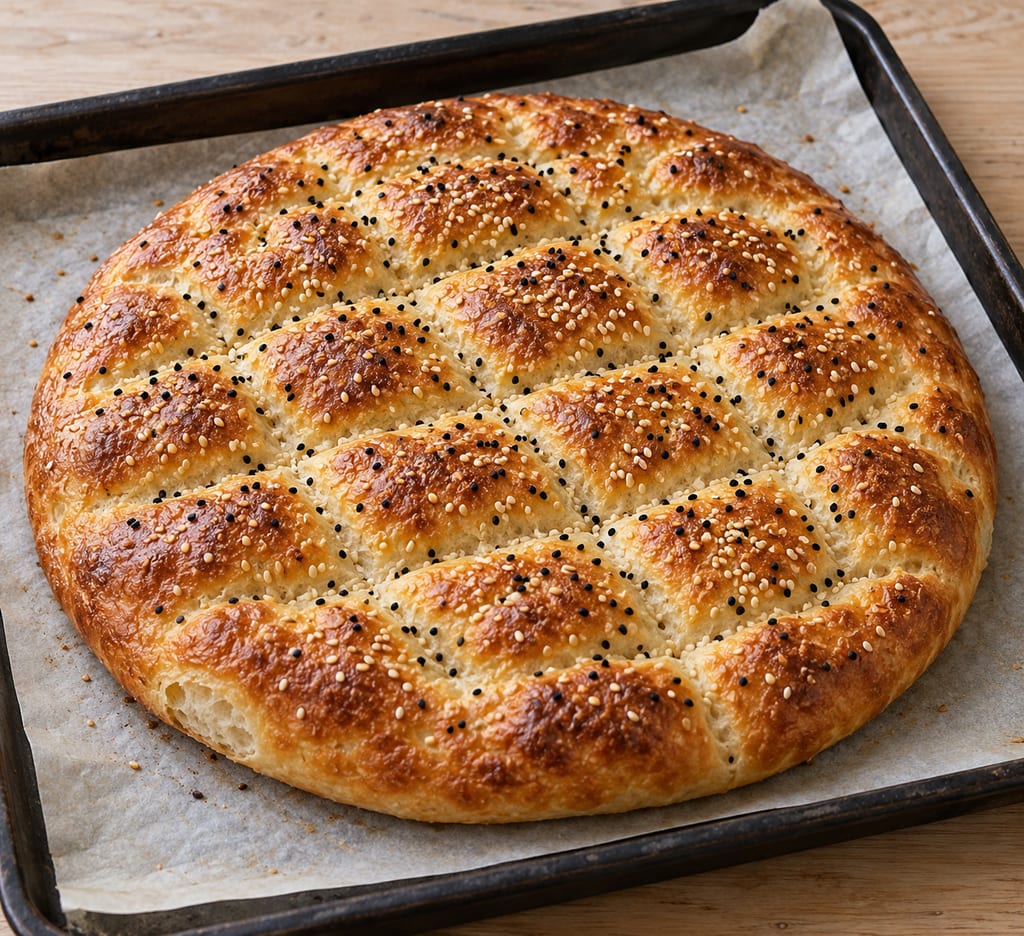
This Ramadan pide is a large Turkish yeast bread patterned with a shallow lattice, brushed with egg and yogurt, and topped with sesame and nigella. This home method makes one 28–30 cm loaf and bakes it in a hot oven.
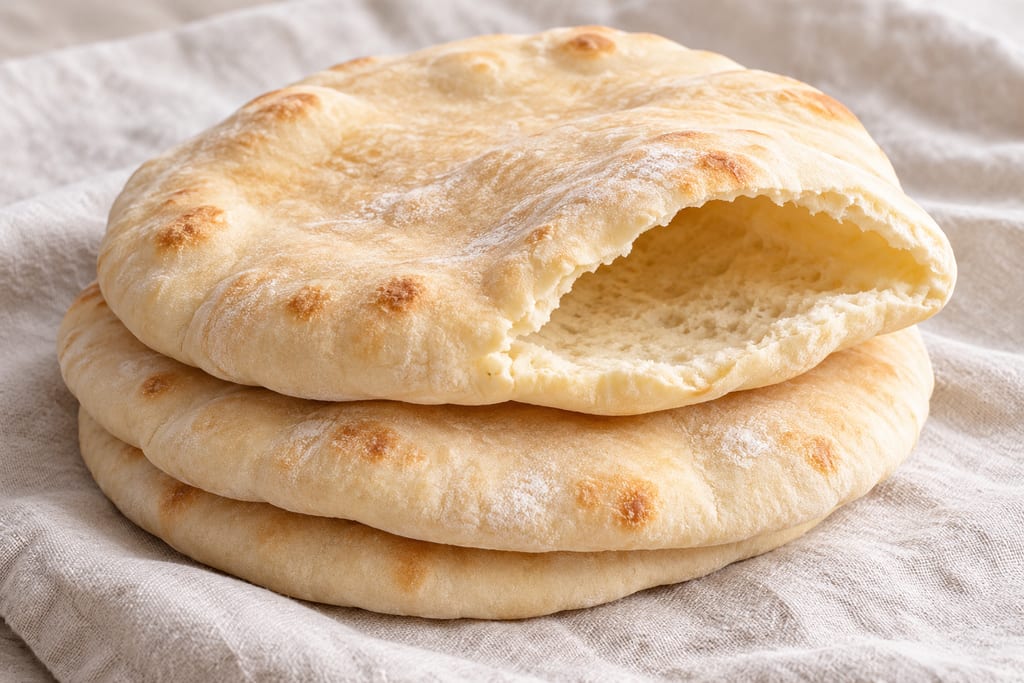
A yeast-raised wheat pocket bread; this measured oven version bakes eight soft rounds on a preheated stone or steel.
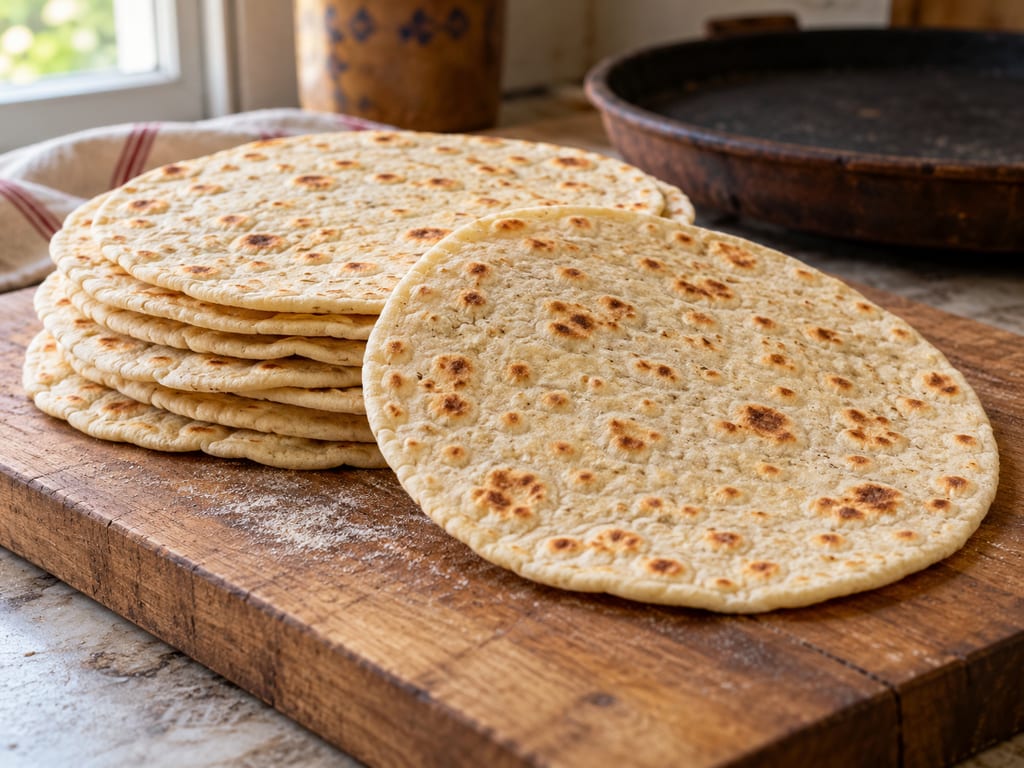
Eight soft Romagna-style flatbreads made from type 00 wheat flour, lard, honey, baker's yeast, milk and salt. Rest the dough for an hour, roll 3–4 mm rounds and cook them quickly on a hot griddle or heavy pan.
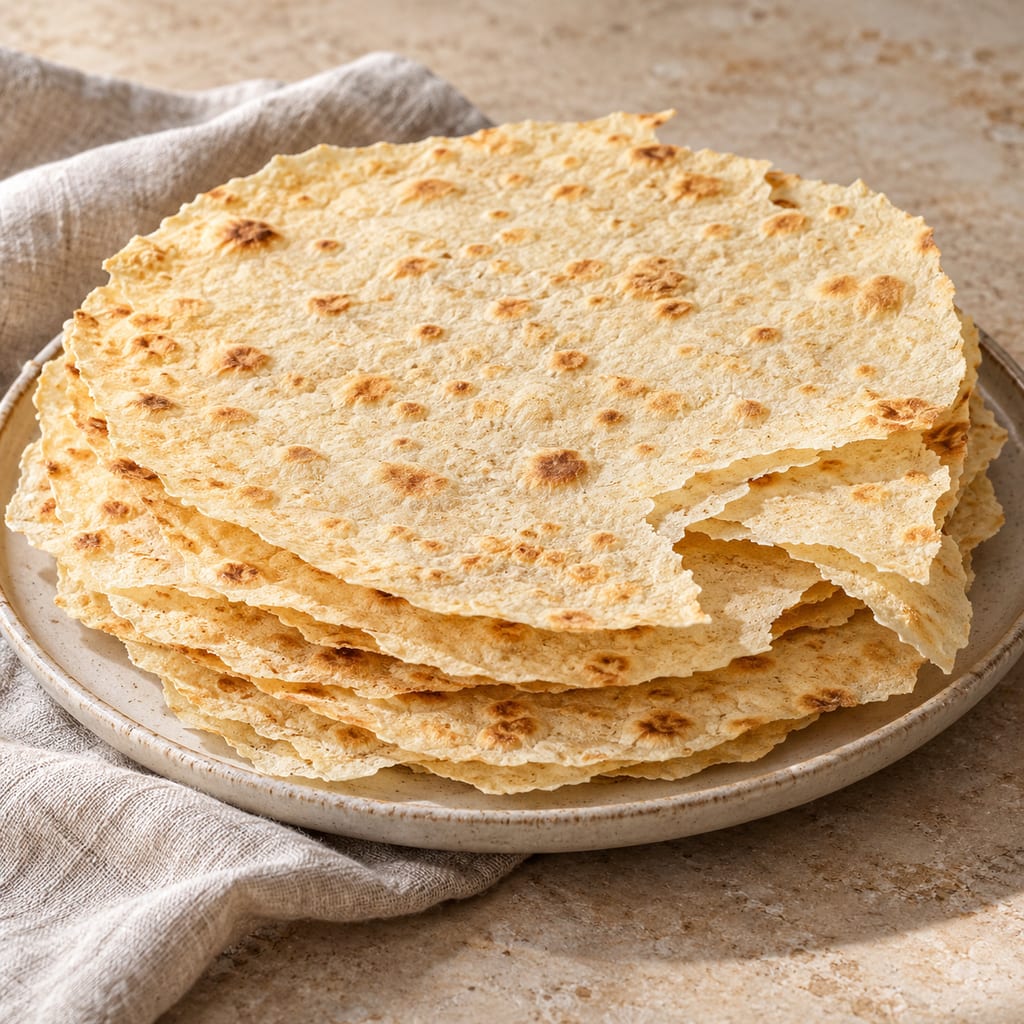
Eight thin Sardinian sheets from a yeast dough of semolina, all-purpose flour, salt and water. Bake each round until it inflates, split it while hot, then bake the sheets again until crisp.
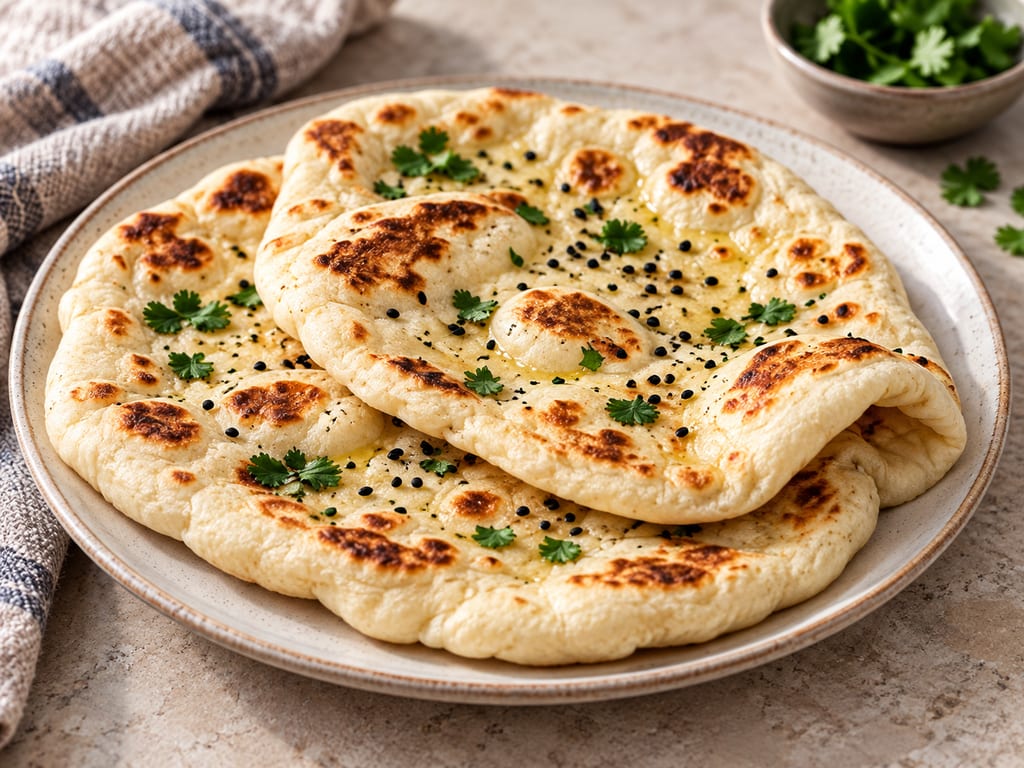
Naan is a South Asian wheat flatbread; this eight-piece home version uses a yogurt-enriched yeasted dough cooked on a hot skillet or griddle.
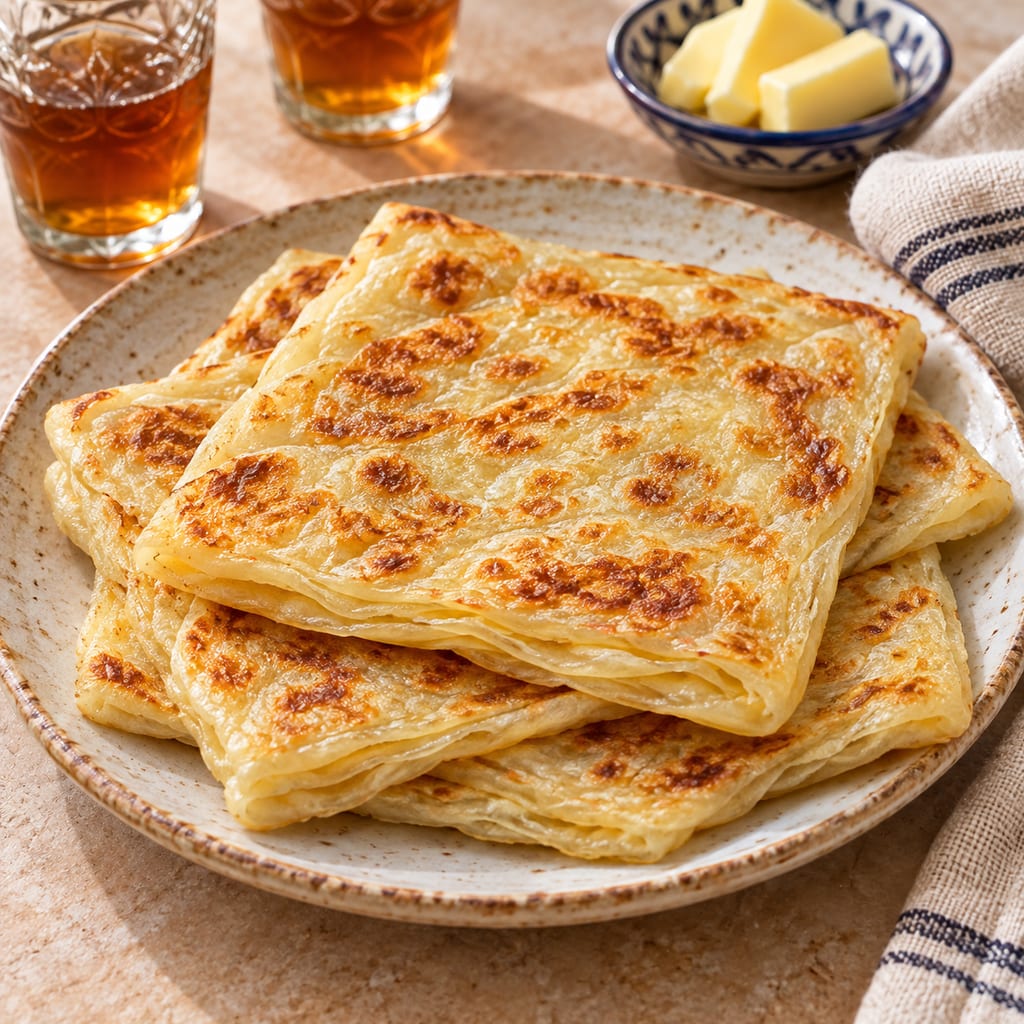
A square Moroccan layered griddle bread made from lightly yeasted wheat dough, stretched thin, folded with semolina and butter, and cooked until crisp and golden.
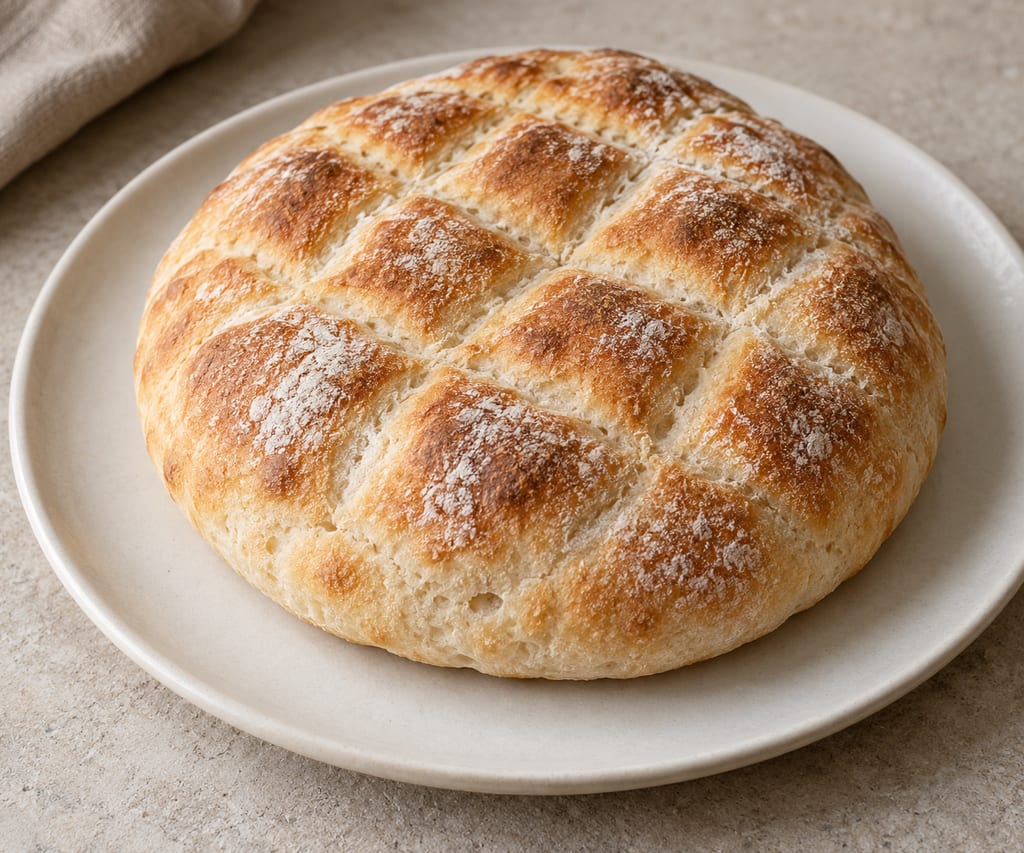
Six soft yeast-raised flatbreads using Jernej Kitchen’s home method.
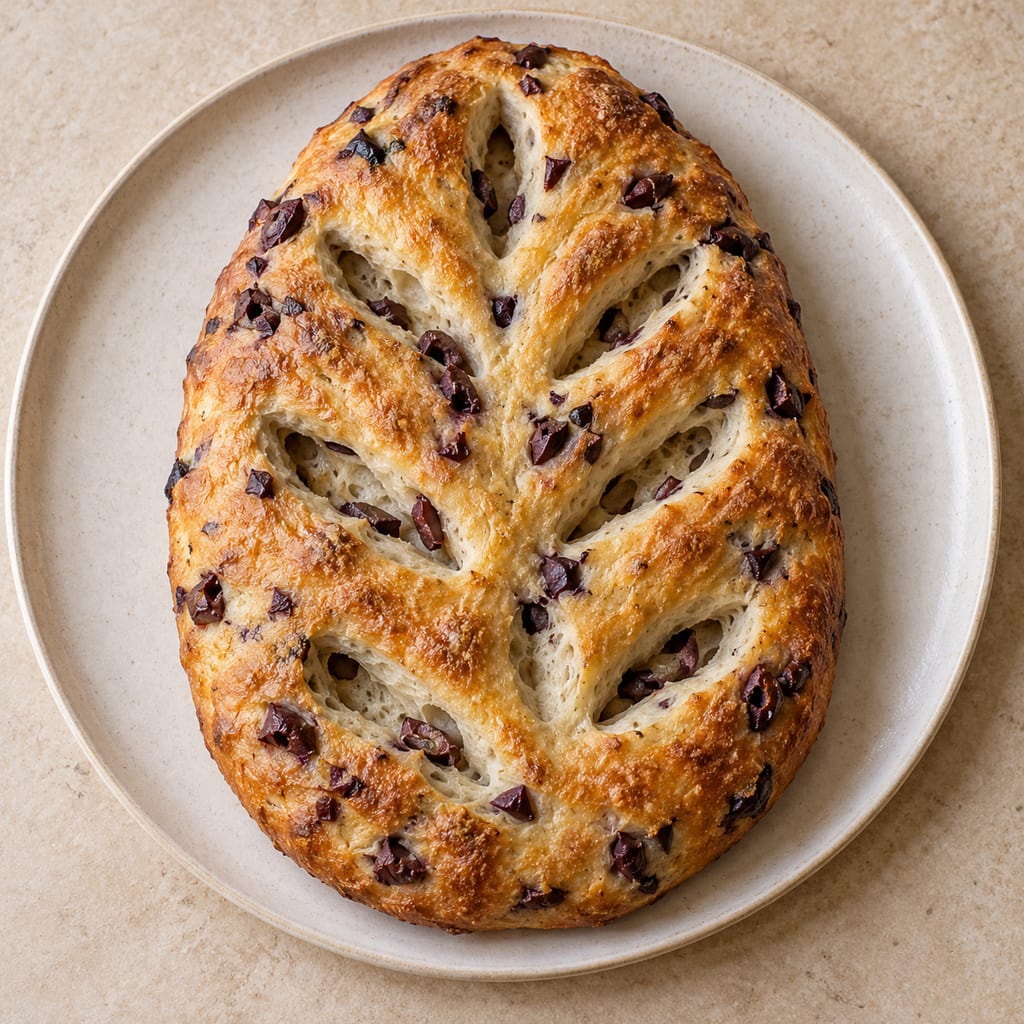
A Provençal olive bread shaped as a flattened oval with seven open slits. This Le Cordon Bleu formula uses wheat flour, fresh yeast, olive oil and Kalamata olives.
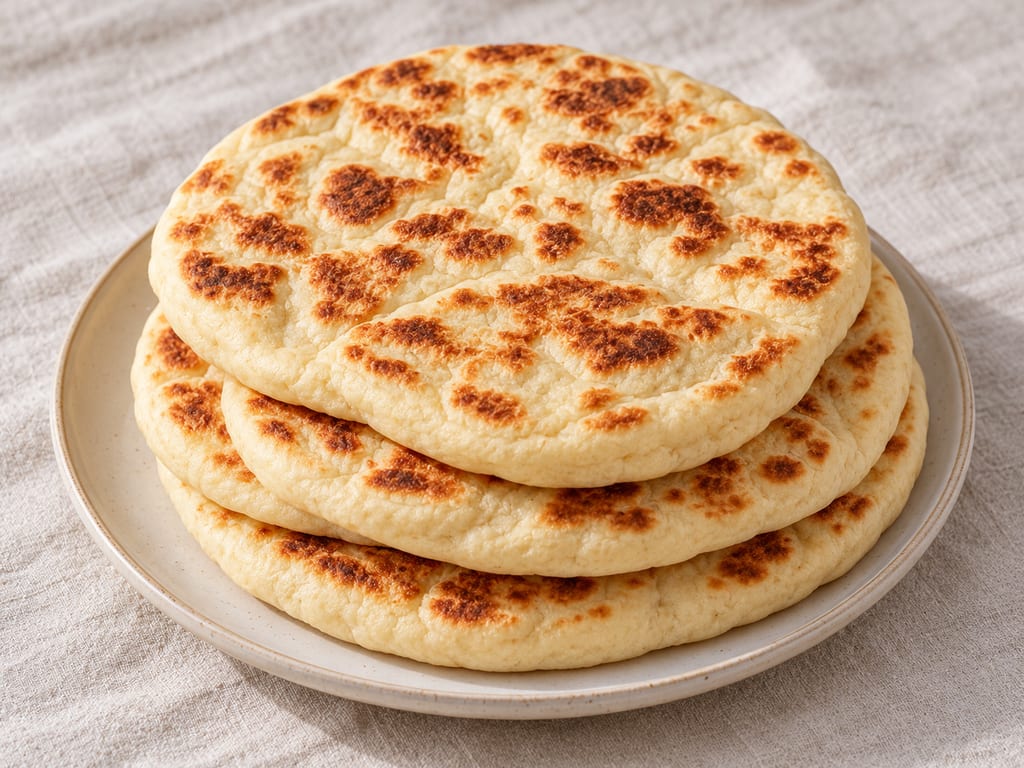
This Turkish bazlama uses yeast, plain yogurt and olive oil for a soft dough cooked in a skillet. Shape it into twelve small or six larger rounds, flip as bubbles appear, and wrap the breads to keep them soft.
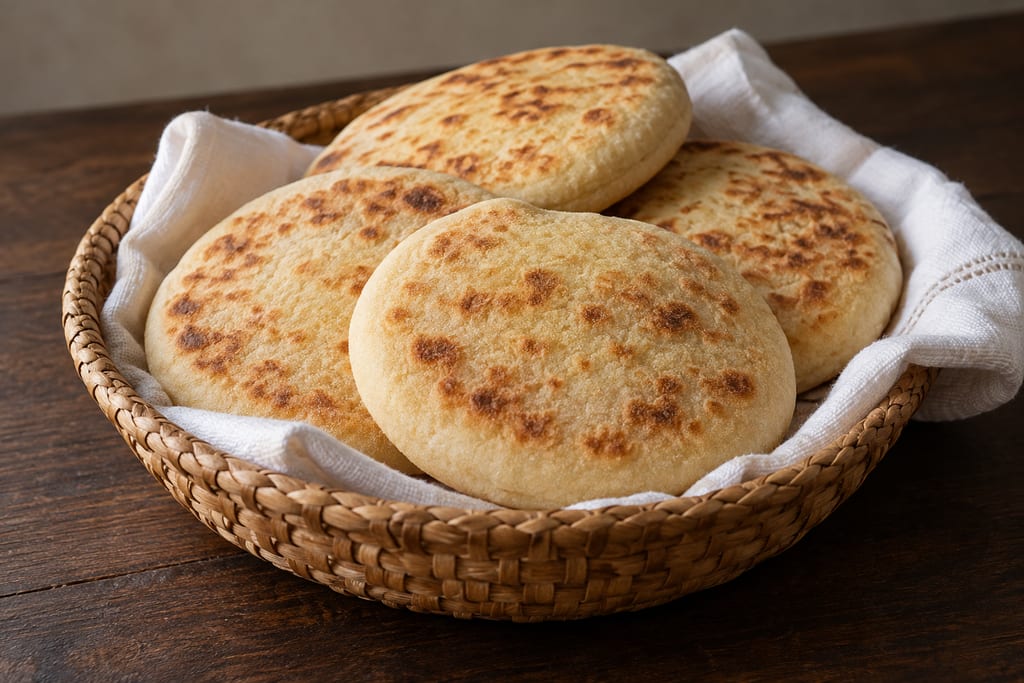
A Moroccan yeast-raised semolina pocket bread cooked on a dry pan or griddle; this measured batch makes about twenty 4-inch rounds.
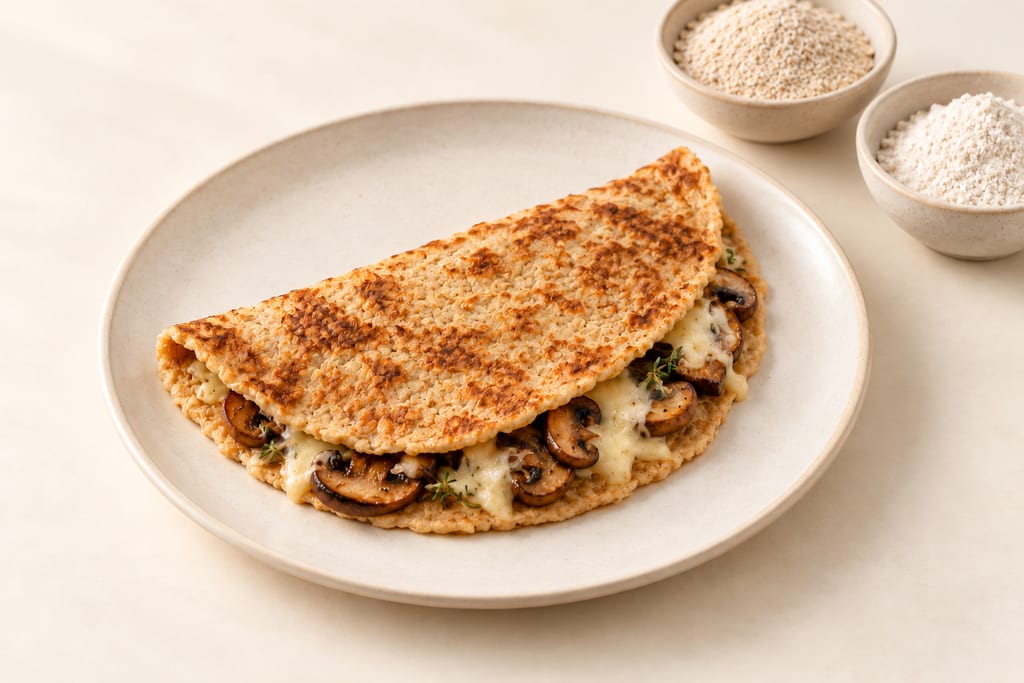
A North Staffordshire speciality, this soft yeast-raised oat-and-wheat pancake is cooked on a pan or griddle and folded around a savoury filling.
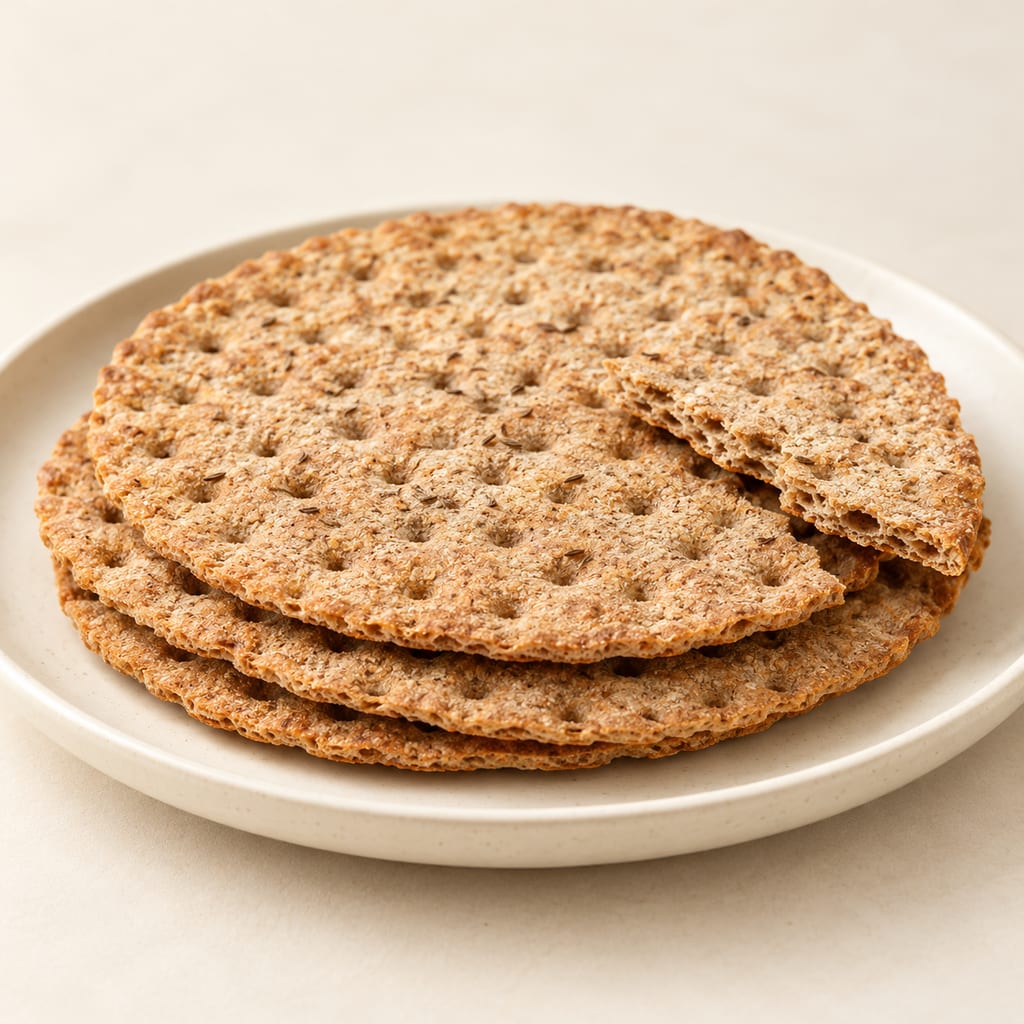
A Swedish home batch of eight thin rye-and-wheat crispbreads, yeast-risen once and baked until hard.
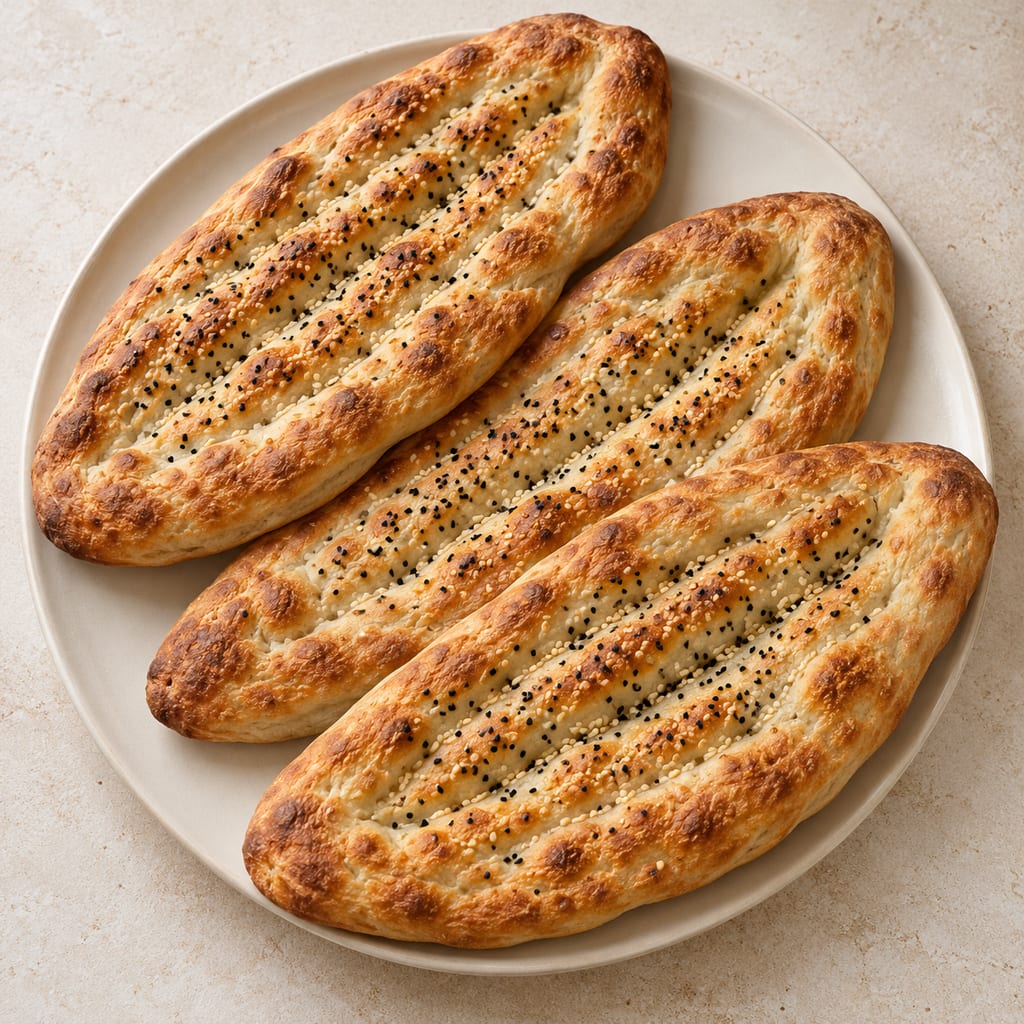
A long oval Afghan wheat bread, leavened with yeast, grooved along its length and baked until crisp outside and chewy within.
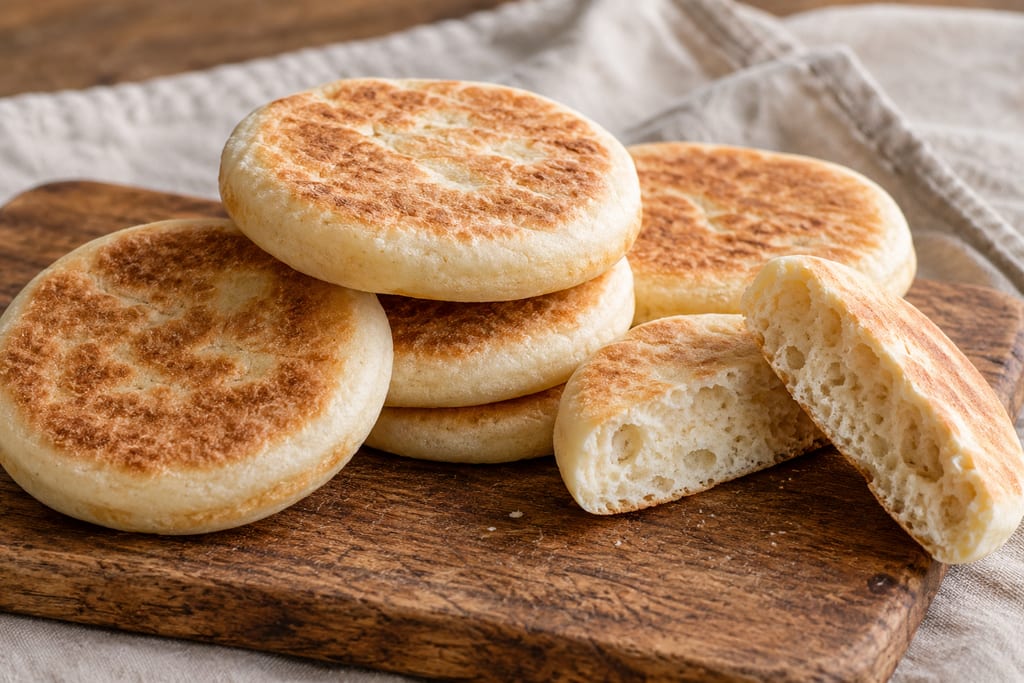
Small Modenese yeast breads cooked between hot plates and served warm.
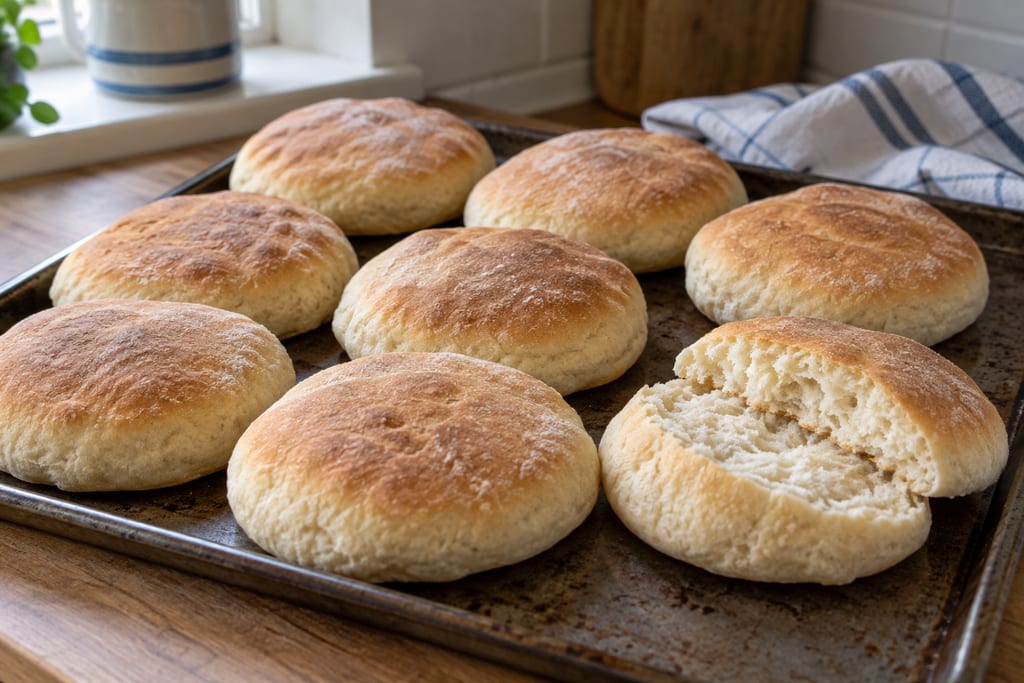
A North East England yeast bread baked as flat round cakes. Terence Laybourne's Newcastle home recipe makes twelve rounds about 1 inch thick and serves them warm.
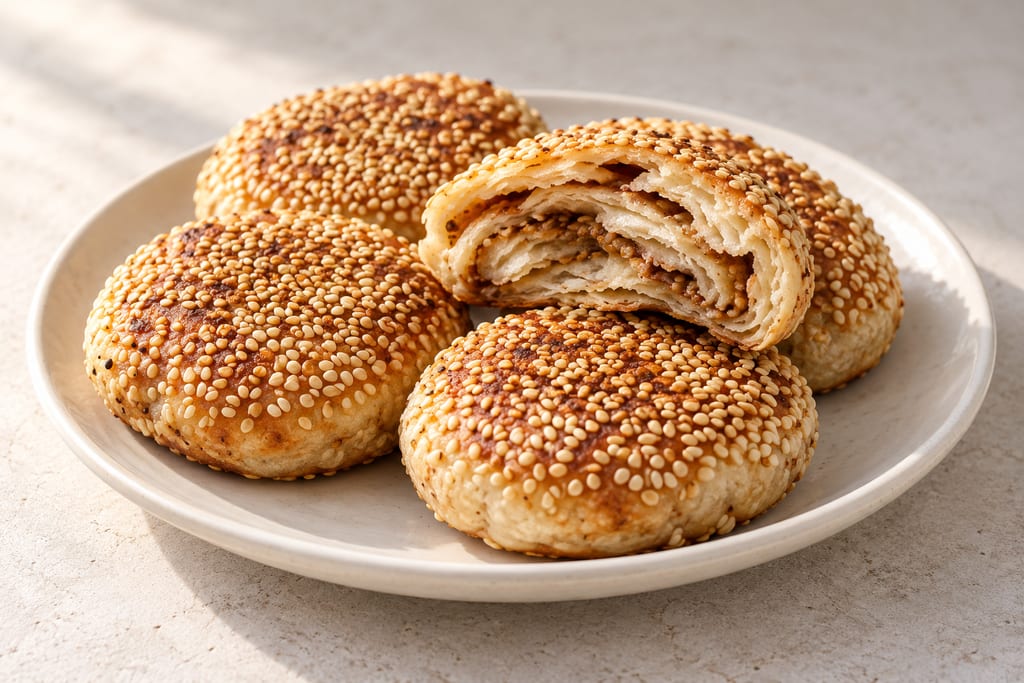
A Beijing-style yeast dough is layered with seasoned sesame paste, sealed into small buns, briefly pan-fried, seeded, and baked.
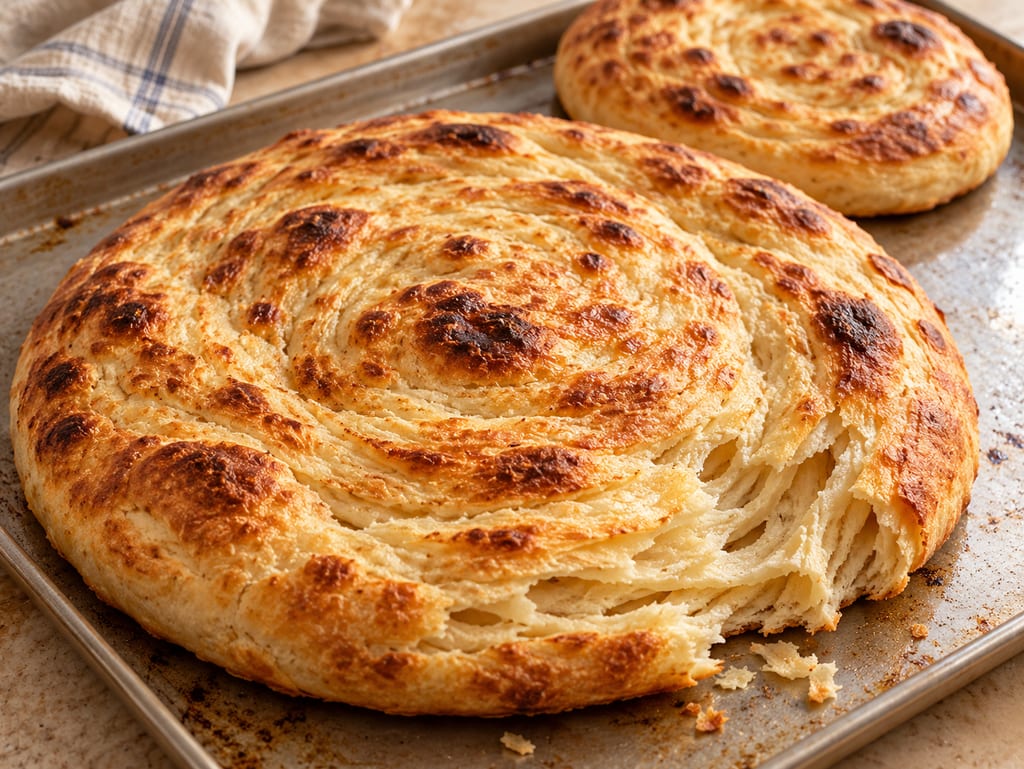
This Yemeni home-oven variation uses a yeast-raised wheat dough, folds it repeatedly with semn and oil, then bakes it as large rounds.
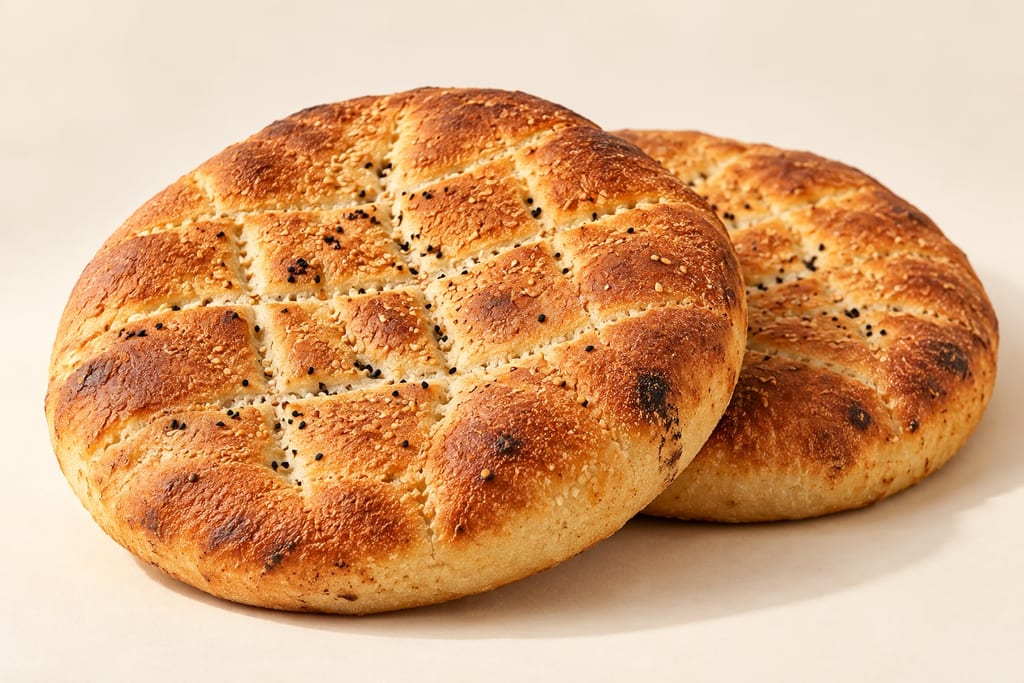
A Tunisian round semolina bread named for the clay oven in which it is traditionally baked, recorded here through one home-oven recipe.
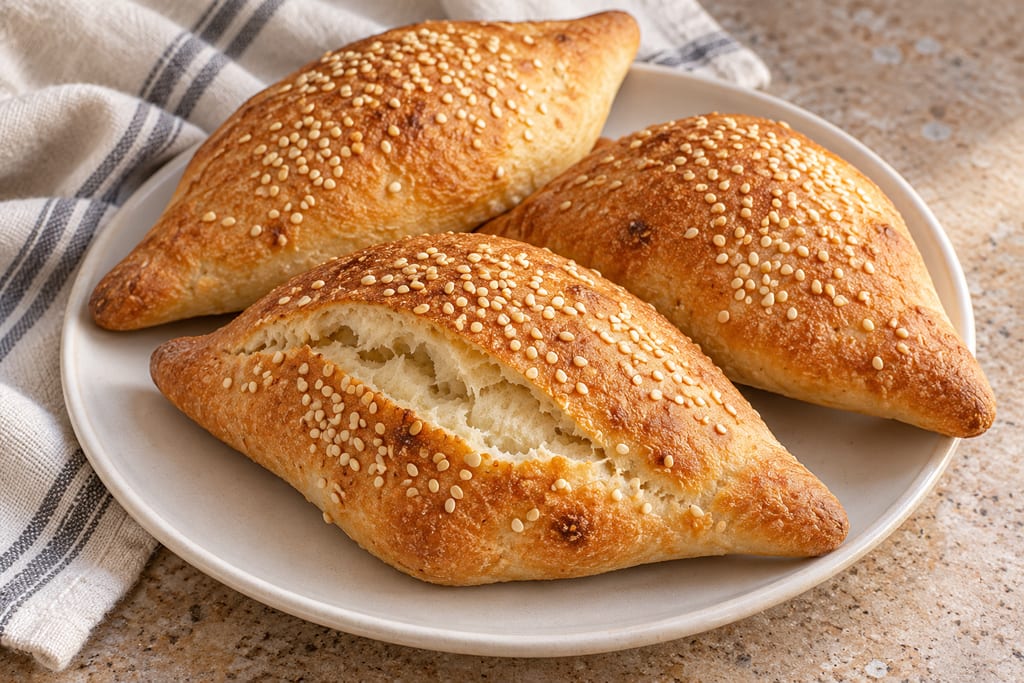
Iraqi diamond-shaped yeast breads topped with sesame and baked in a home oven.
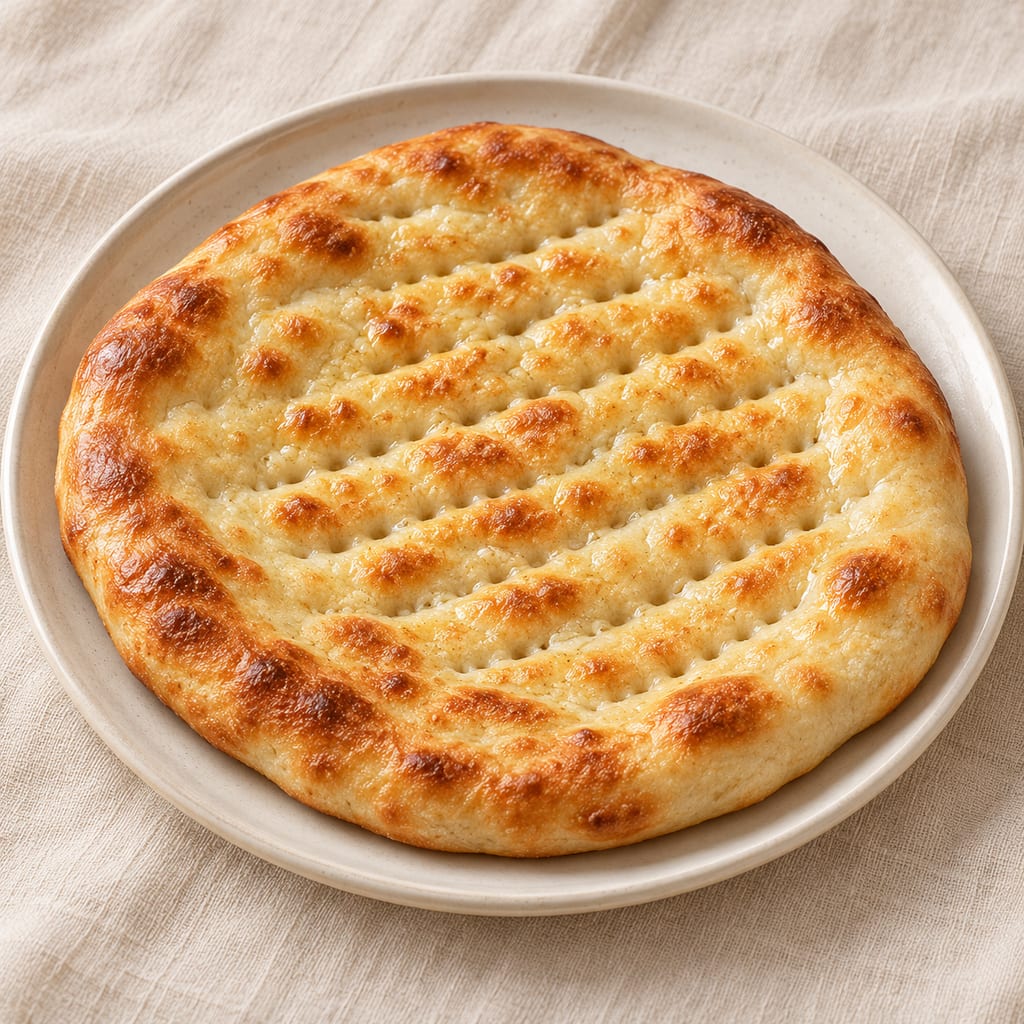
A Pakistani-style enriched yeast naan, marked before baking and finished with butter. This home method serves five.
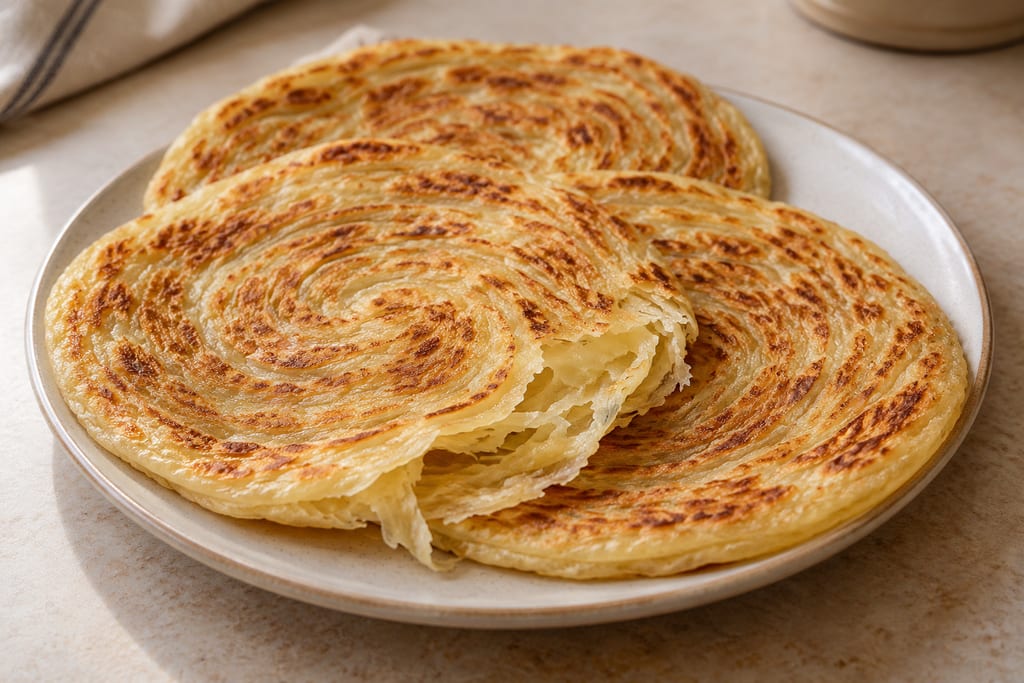
A Moroccan round laminated griddle bread; thin sheets of a lightly yeasted semolina dough are buttered, rolled into layered coils, sliced and flattened.
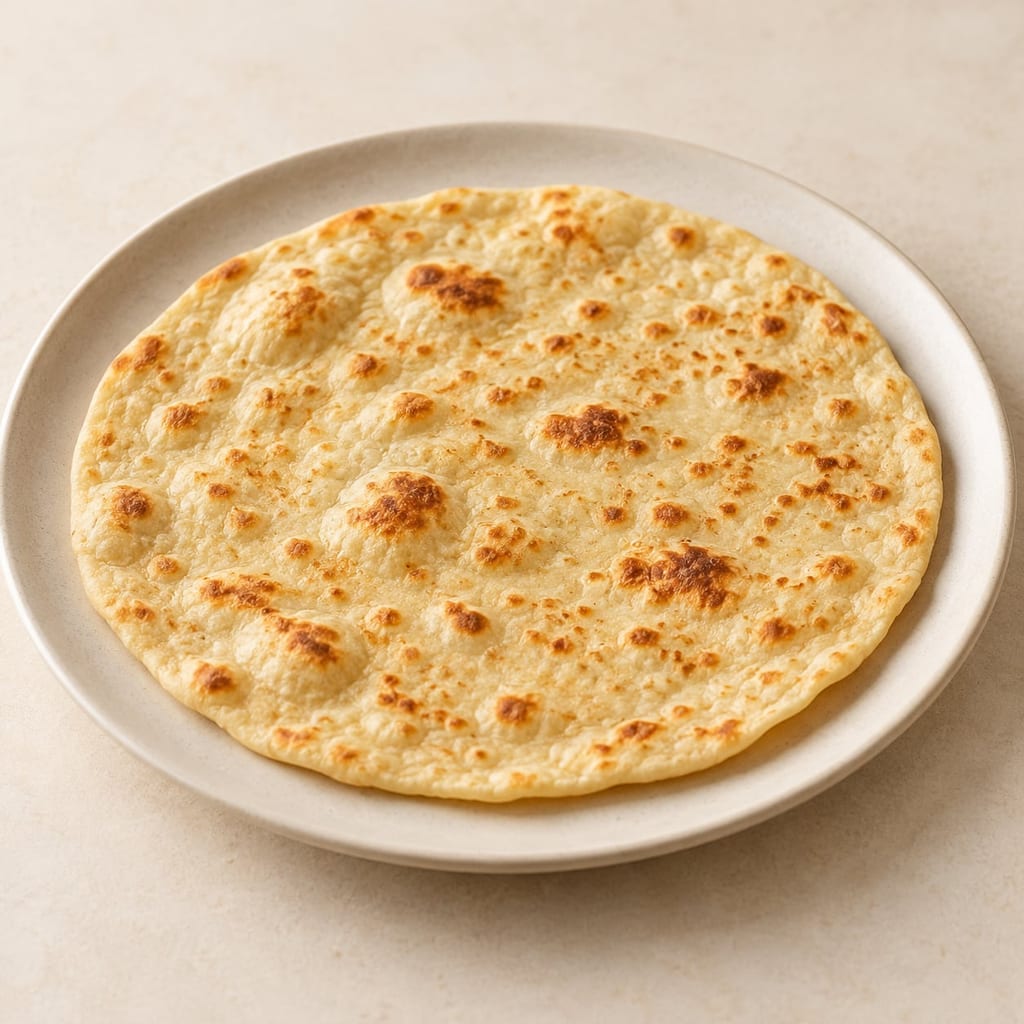
Sandi Wai’s eight-piece Burmese plain naan uses yeast and baking powder, rests for 30 minutes and cooks on a hot nonstick pan without oil.
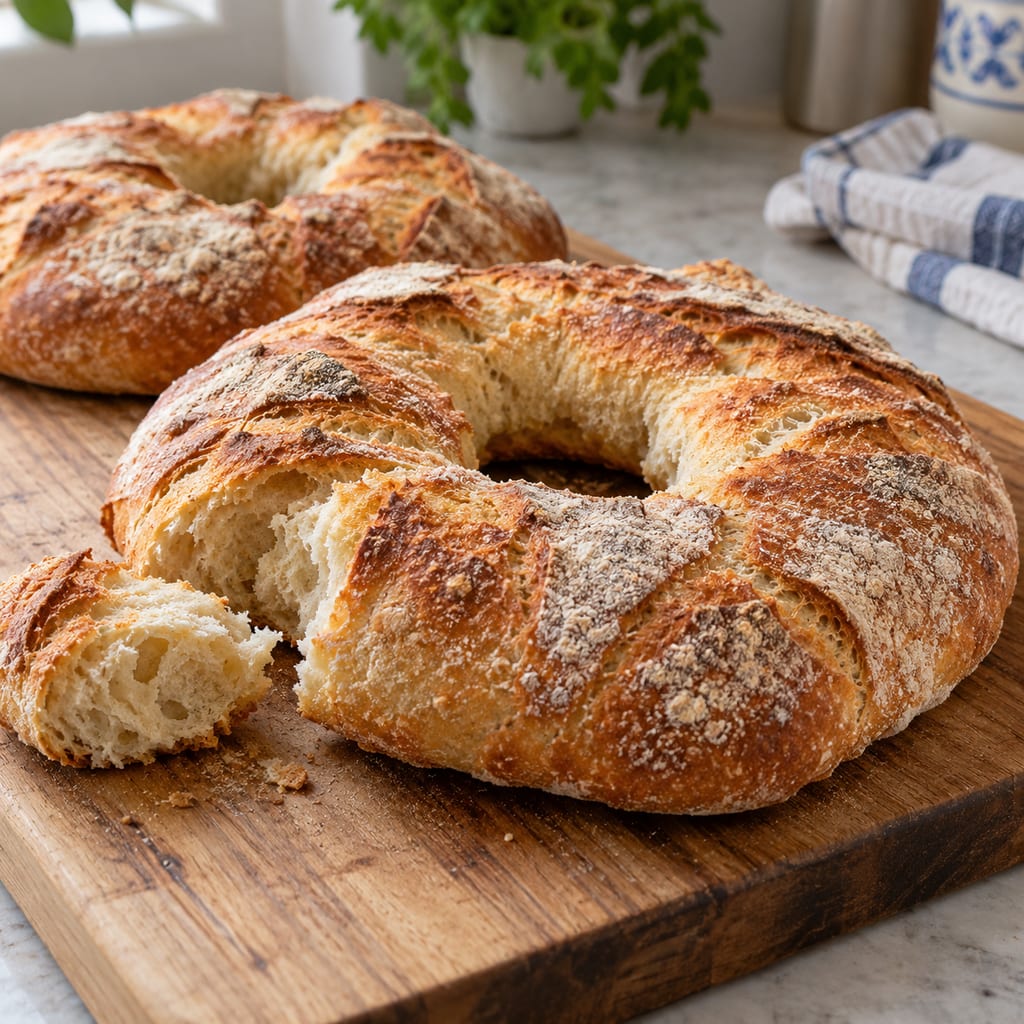
Two flattened Maltese-style ring breads made with dry yeast and baked in a domestic oven.
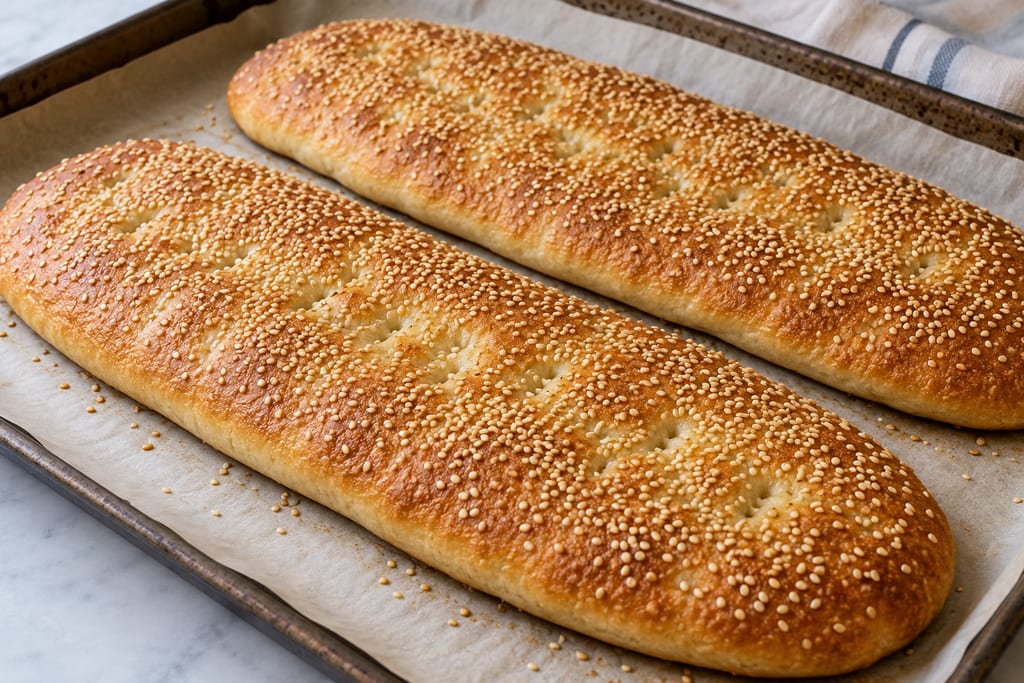
Diane Kochilas’s yeast-raised Lagana makes two wide, sesame-topped loaves for Clean Monday. Her Athens-neighborhood version is distinct from the unleavened Lagana also described in the recipe’s cultural context.
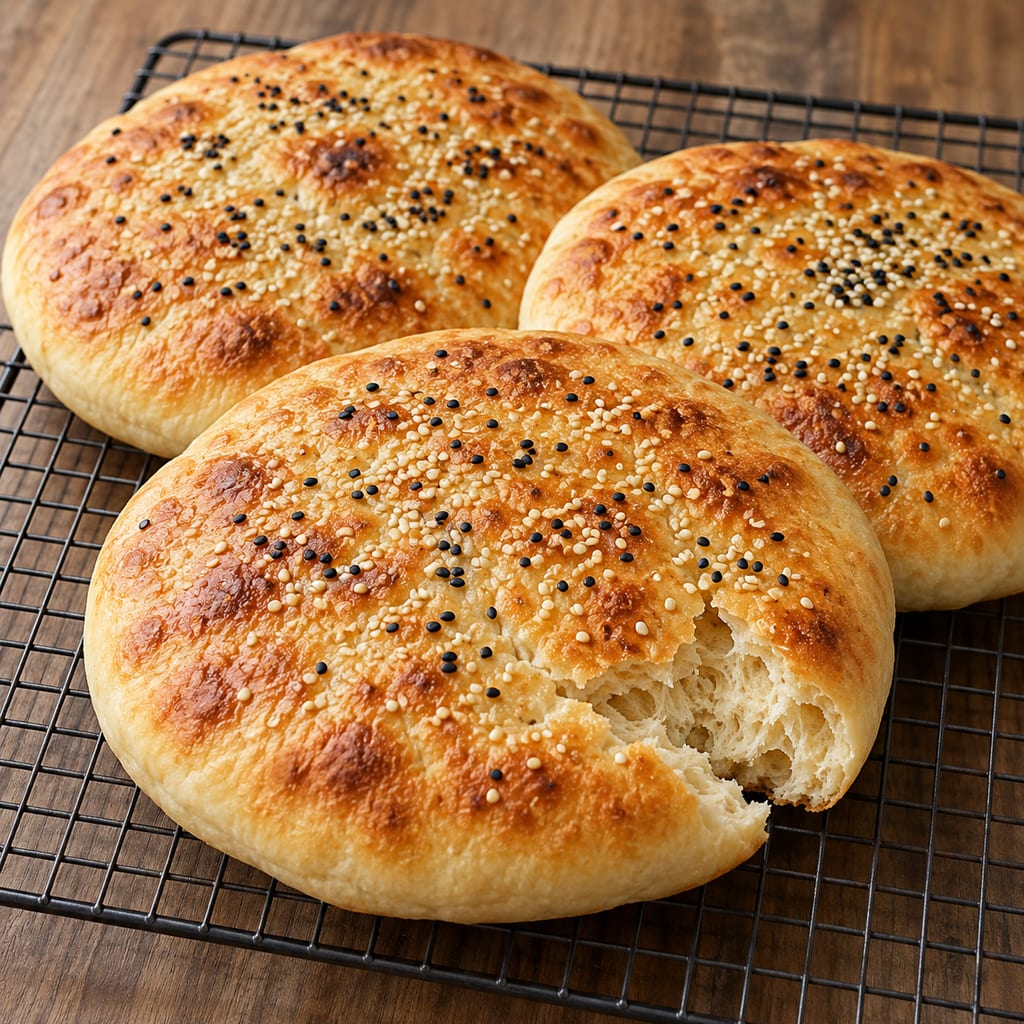
A source-specific Emirati yeast-and-baking-powder bread: soft dough enriched with dry milk is rolled into four rounds and baked briefly in a 550°F oven until it puffs.
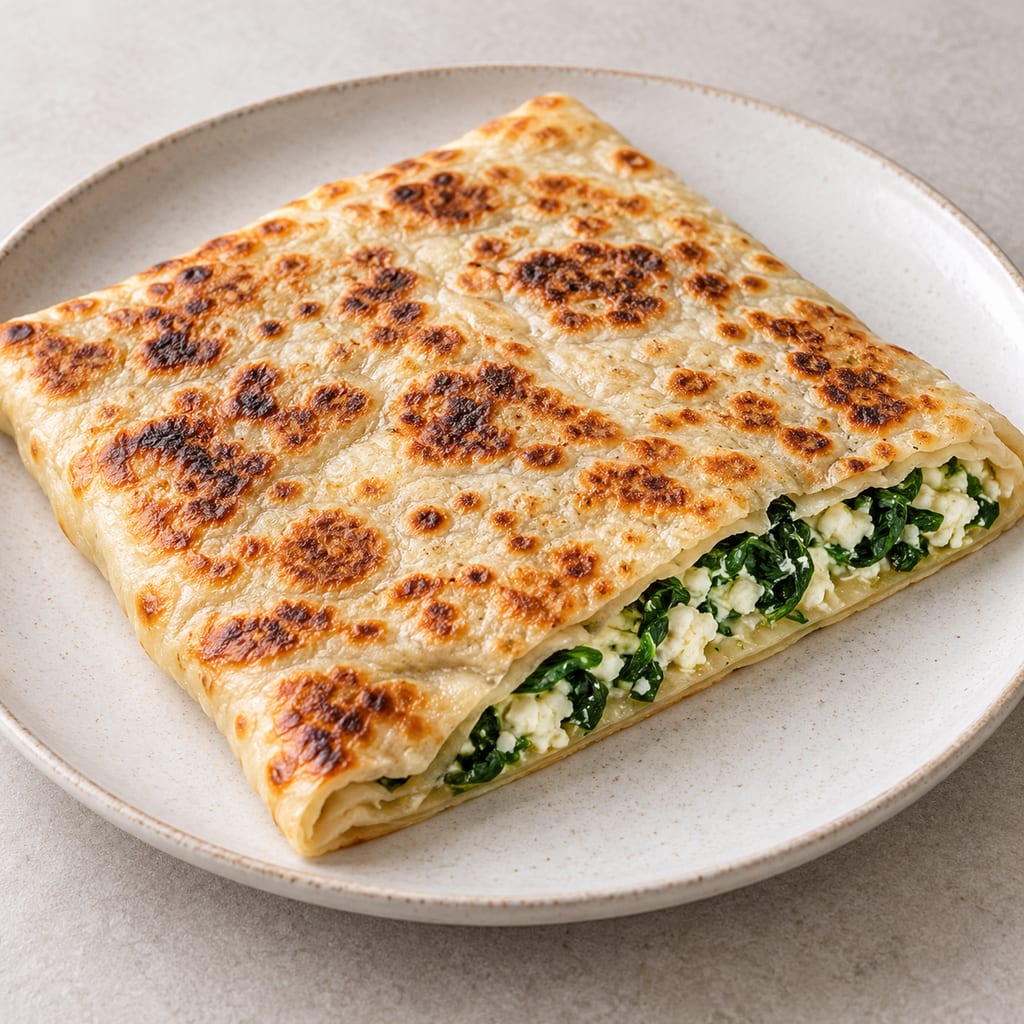
A yeast-and-yogurt dough is rolled into a large thin sheet, filled with spinach, onion and feta, folded closed, then cooked on an oiled griddle. This is Özlem Warren’s spinach-and-cheese family-style version.
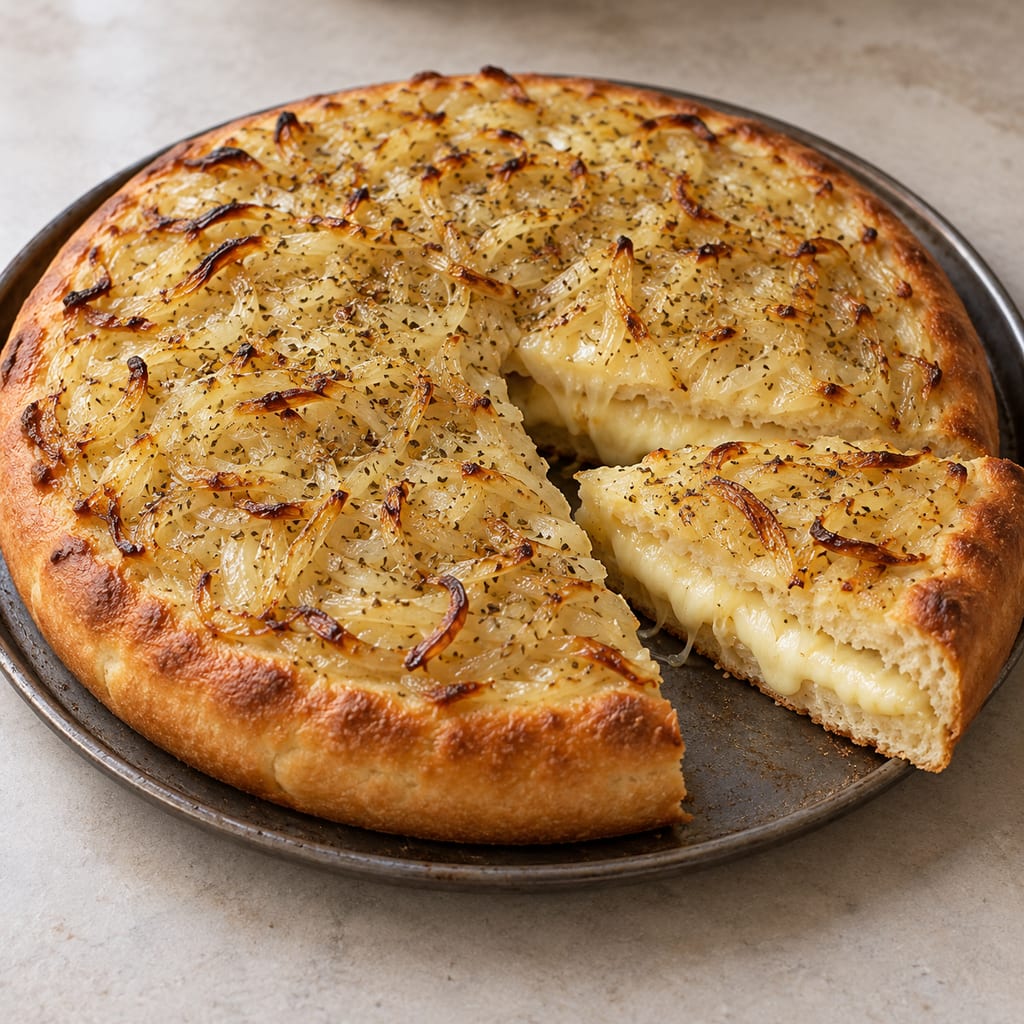
An Argentine-style onion-topped yeast bread with mozzarella and Emmental sealed inside.
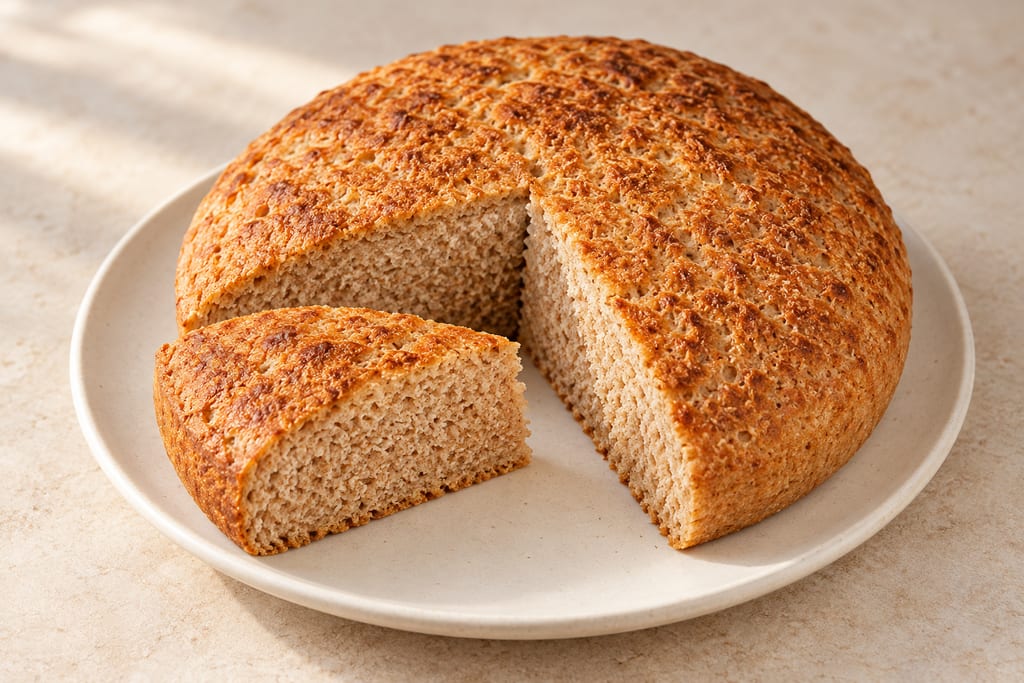
This oven-baked Amdo balep uses yeast, whole-wheat and white flour, a long covered rise and a two-sided bake in a heavy oven-safe pot.
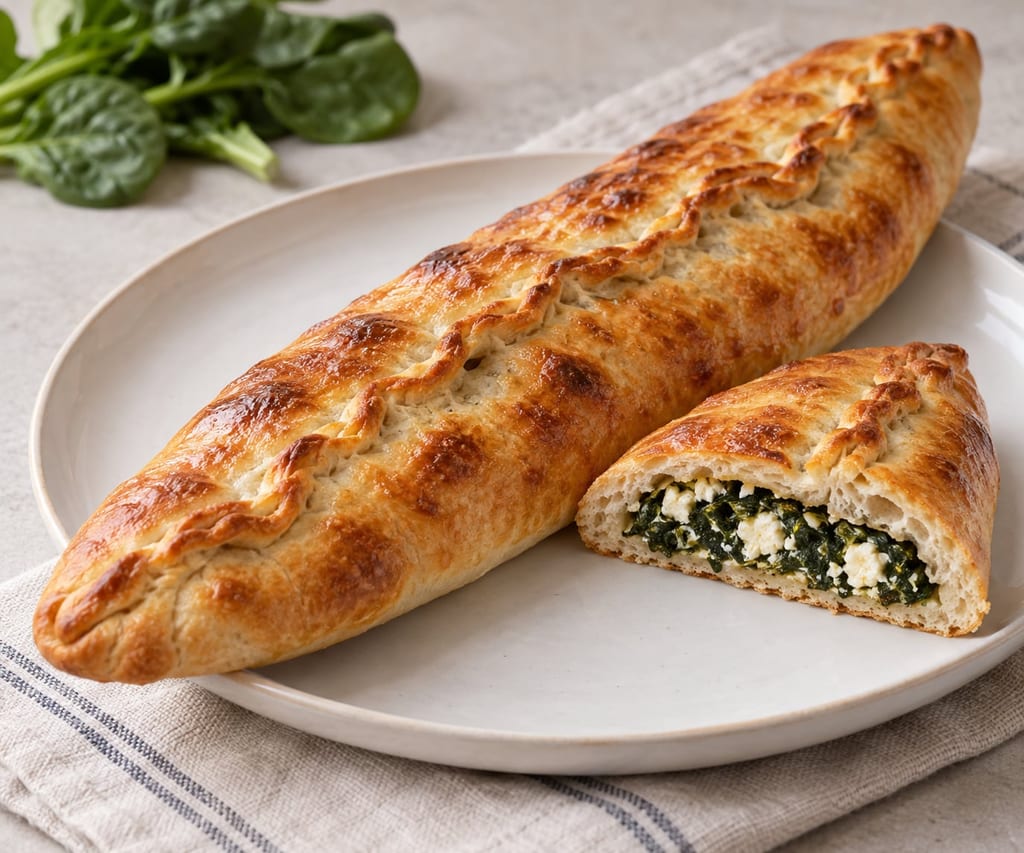
Turkish home-style yeast dough is shaped into closed boats around spinach and cheese, then baked hot until the crust is golden.
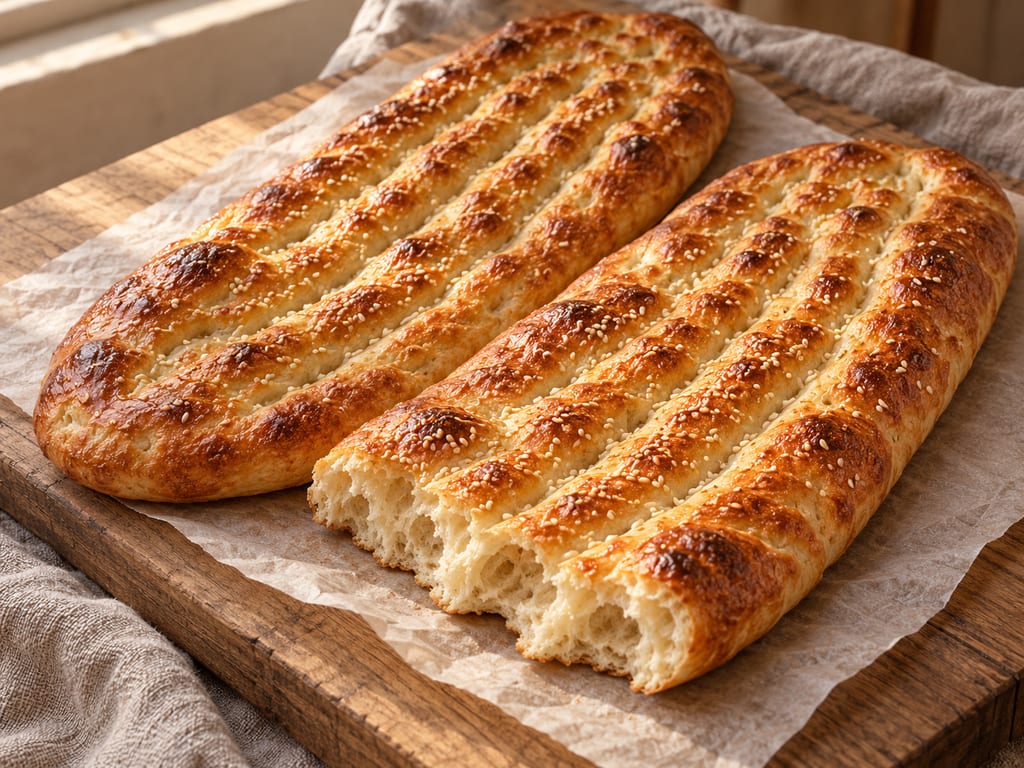
A yeast-raised Iranian flatbread with a crisp roomal-glazed crust, long grooves and a soft interior.
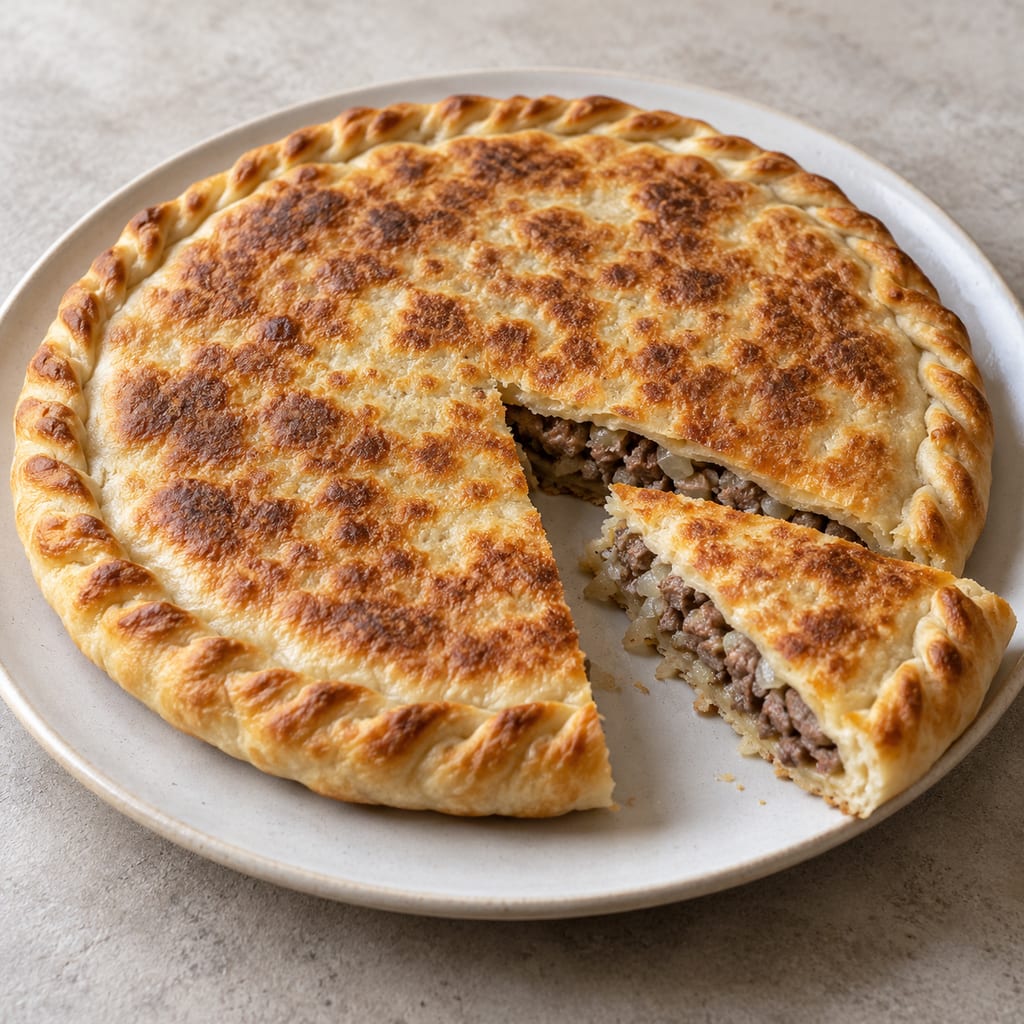
Gosh-naan is a Uyghur meat-filled bread in one family recipe: lamb, onion and cumin are sealed in yeast dough, pan-cooked, and checked at a safe centre temperature.
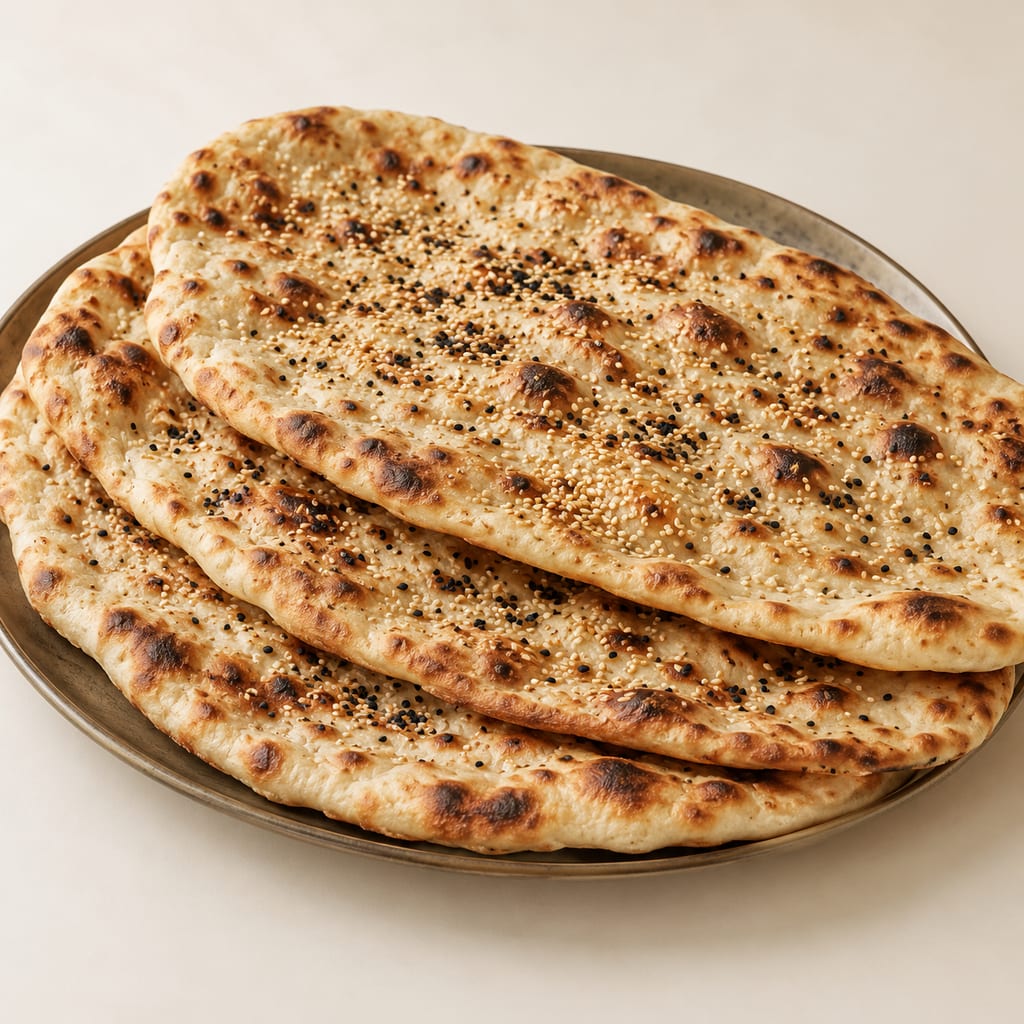
Persian yeast-raised flatbreads, rolled thin, seeded and cooked in a dry skillet.
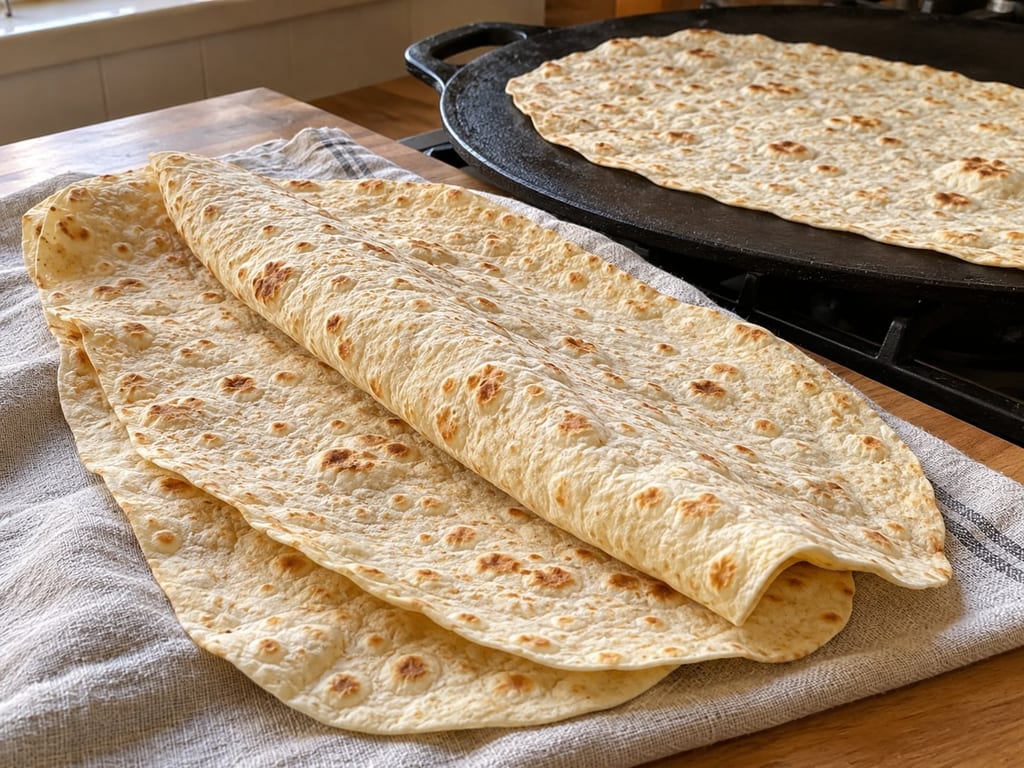
A yeast old-dough lavash method adapted from Armenian baking for the home griddle, producing eight thin, pliable wheat sheets.
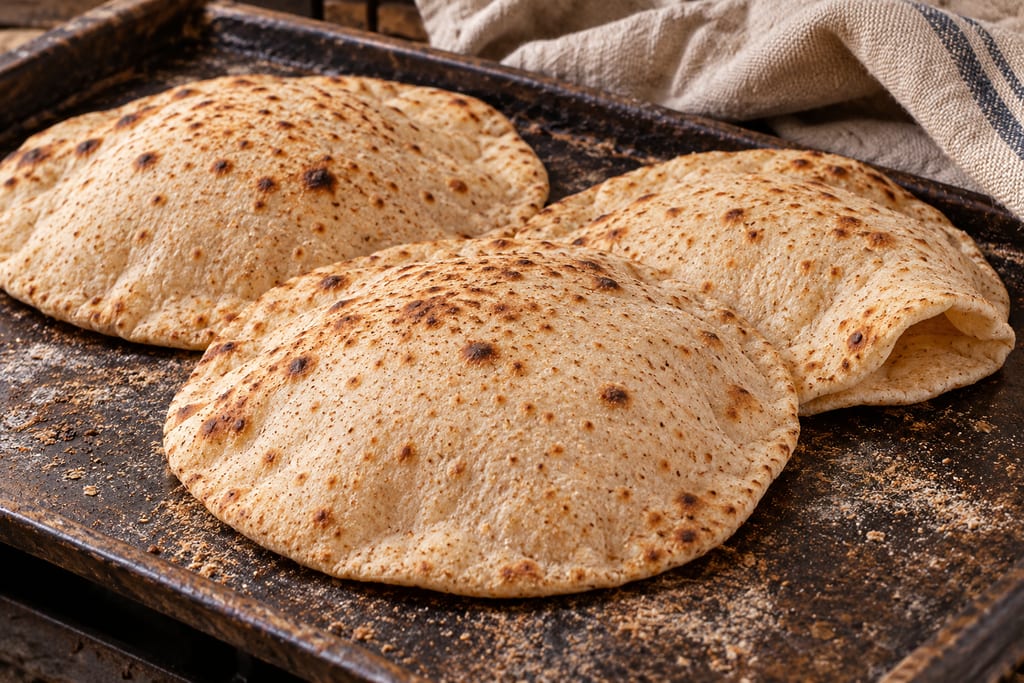
This home adaptation of Egyptian aish baladi uses a refrigerated yeast biga, whole-wheat dough, bran dusting and a very hot baking surface to make 16 pocketed rounds.
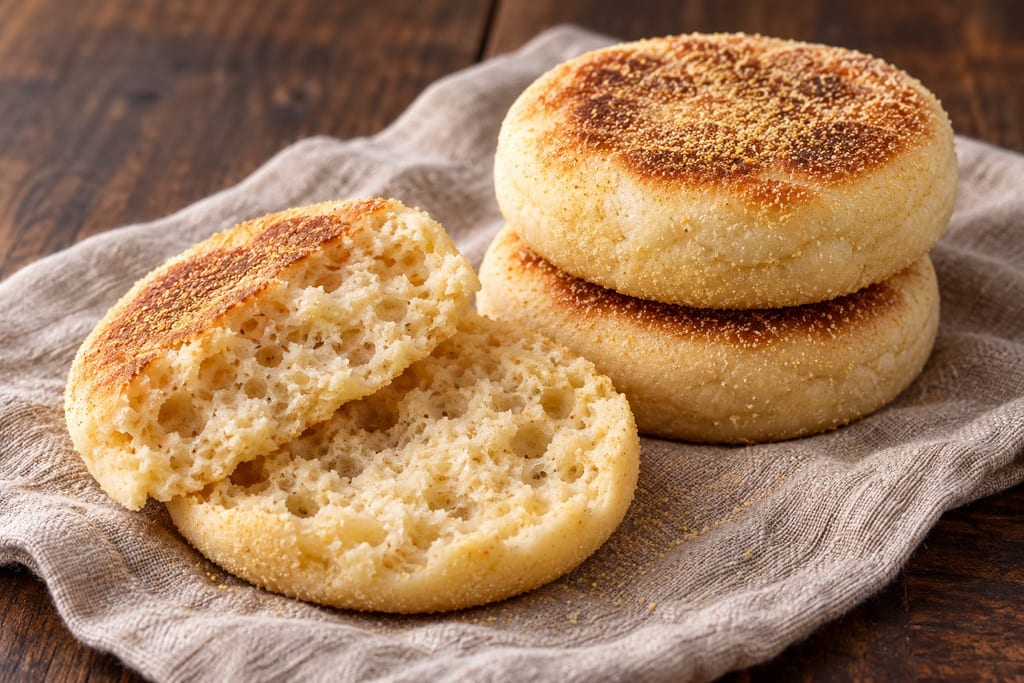
King Arthur’s six-piece English muffin batch uses a yeast preferment, two folds and a skillet or electric griddle; it is distinct from the sourdough-and-yeast version already catalogued.
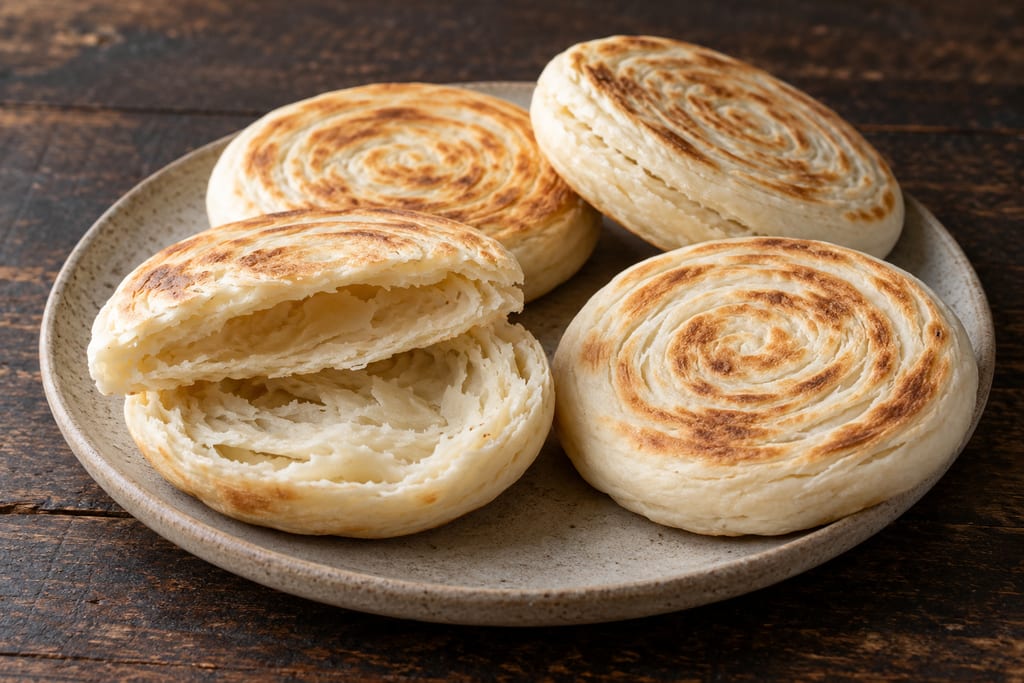
This Shaanxi-associated yeast flatbread uses a simple water dough, coiled shaping and a skillet bake. It is the bread used in roujiamo, not the filled meat dish.
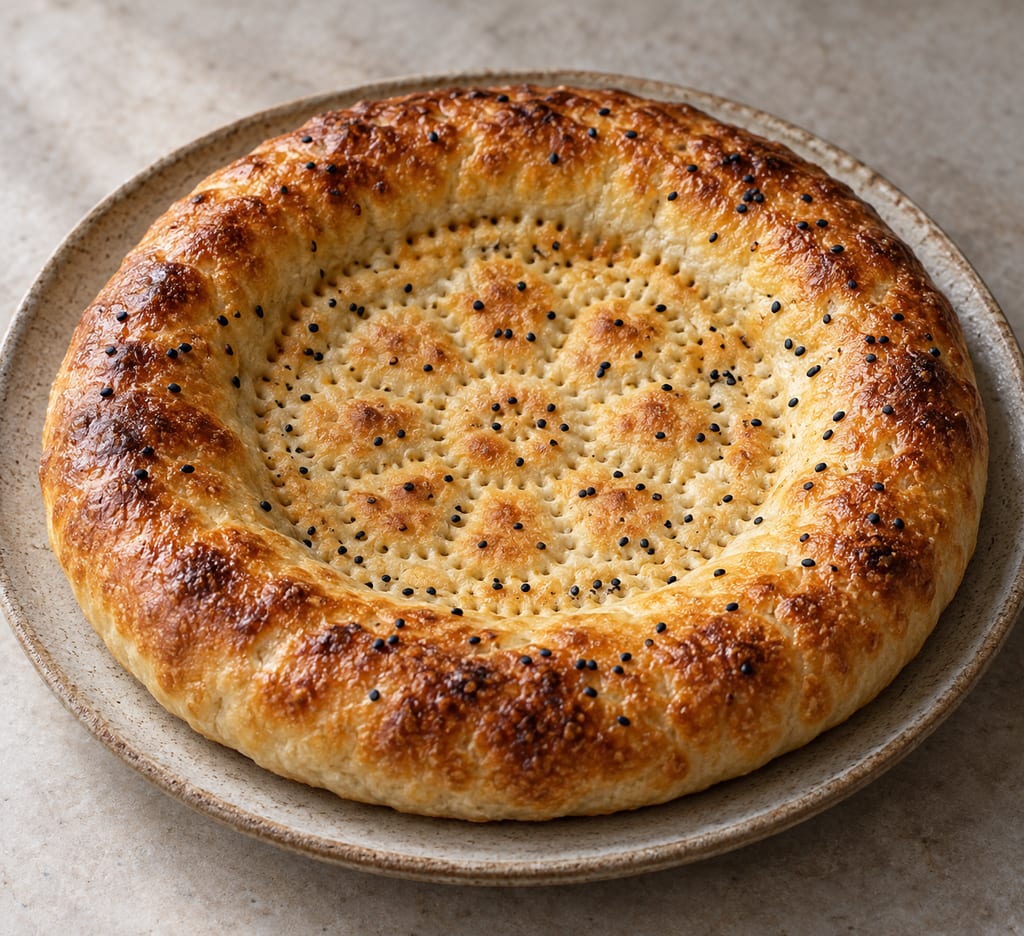
A home-oven adaptation of Central Asian non, with a stamped centre and raised rim. This batch makes one bread.
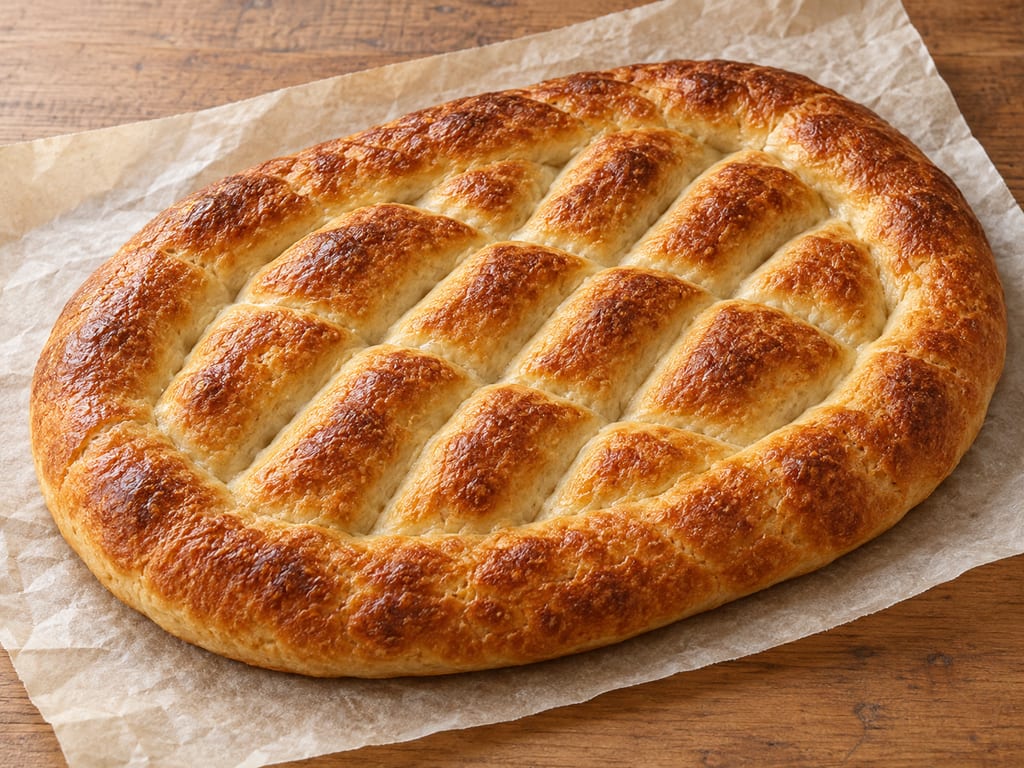
A soft Armenian oval bread with a glossy surface and deep finger grooves, made here with a rye or whole-wheat flour scald and an overnight cold fermentation.
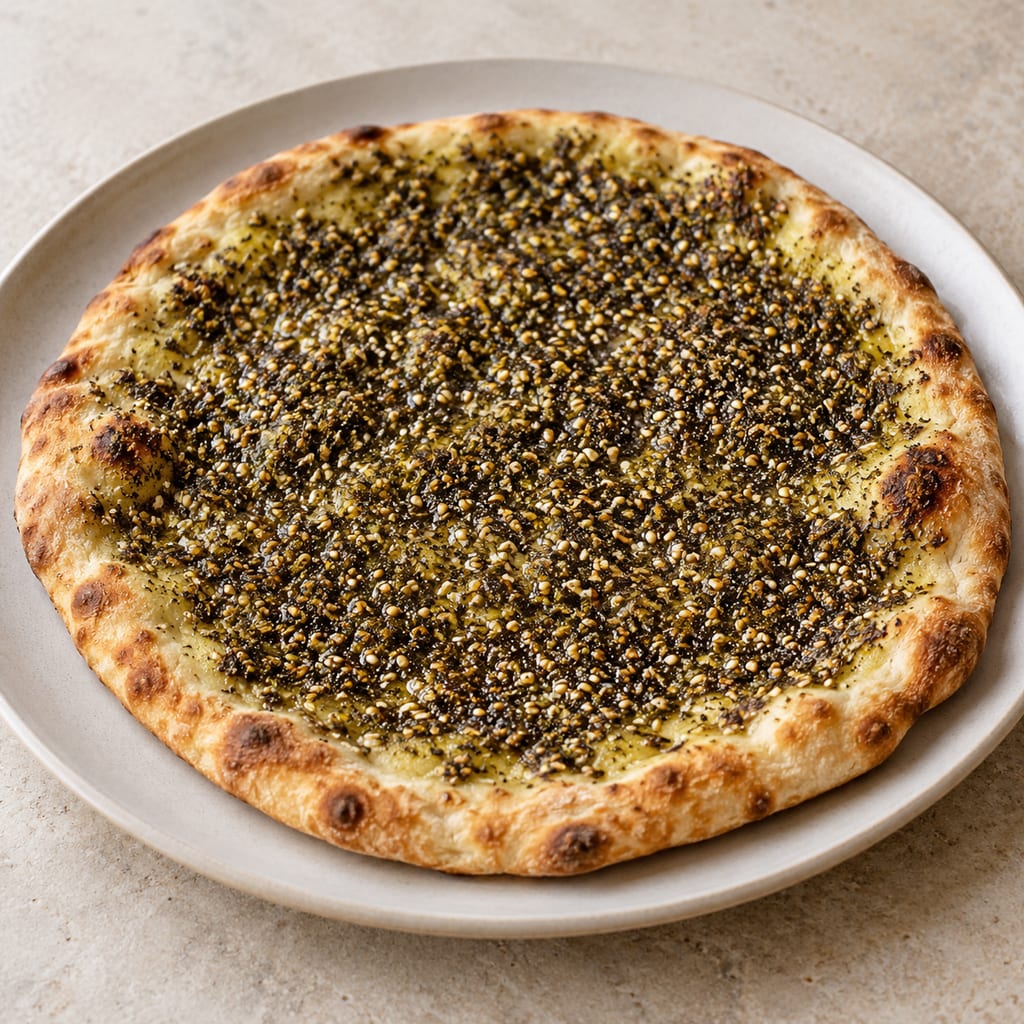
Lebanese za’atar flatbread made from yeast dough, baked on a heated stone or heavy sheet pan until its rim is golden.
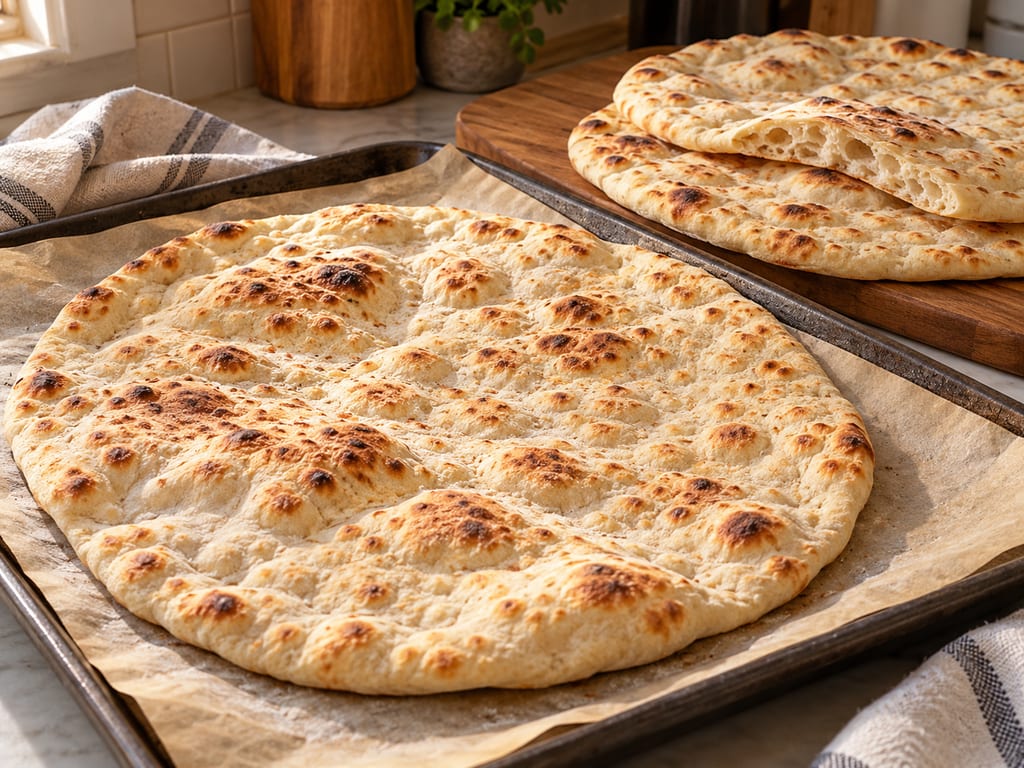
A soft, water-only Iraqi wheat flatbread adapted for a domestic oven with parchment and a preheated baking stone or inverted sheet.
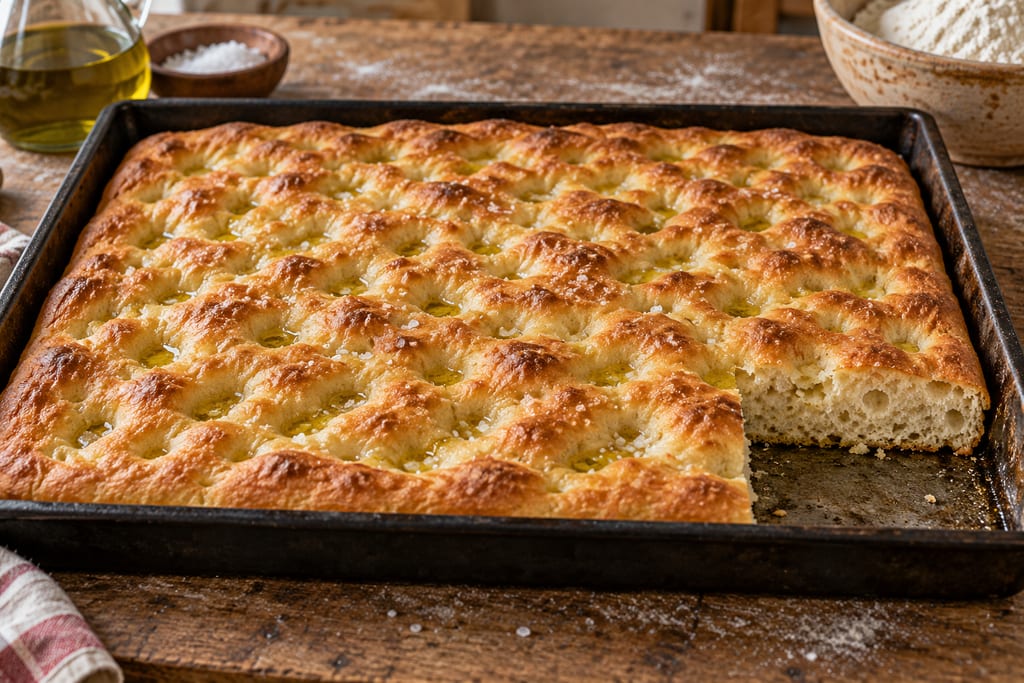
Fresh-yeast focaccia with olive oil and brine in its dimples, made in two 30 × 40 cm trays. It is separate from the sourdough focaccia formula.