











































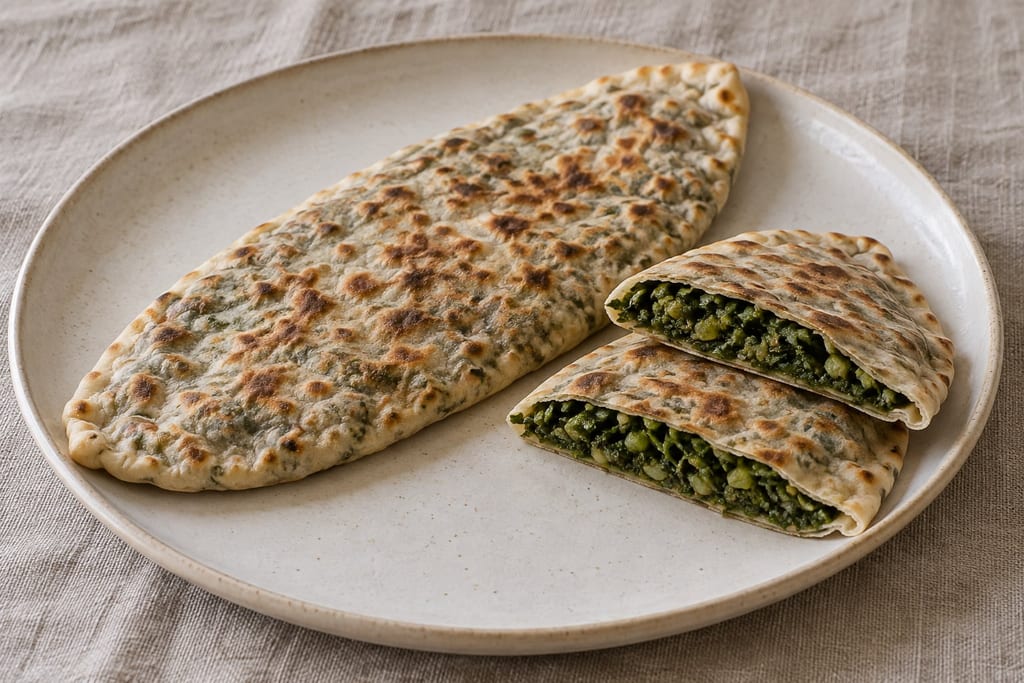
Zhingyalov hats (greens-filled flatbread)
An unleavened Armenian flatbread filled with mixed greens and herbs, sealed into an oval and cooked on a griddle.
 FermenteaWhere food goes to change
1504 records with their sources, across 11 categories.
An unleavened Armenian flatbread filled with mixed greens and herbs, sealed into an oval and cooked on a griddle.
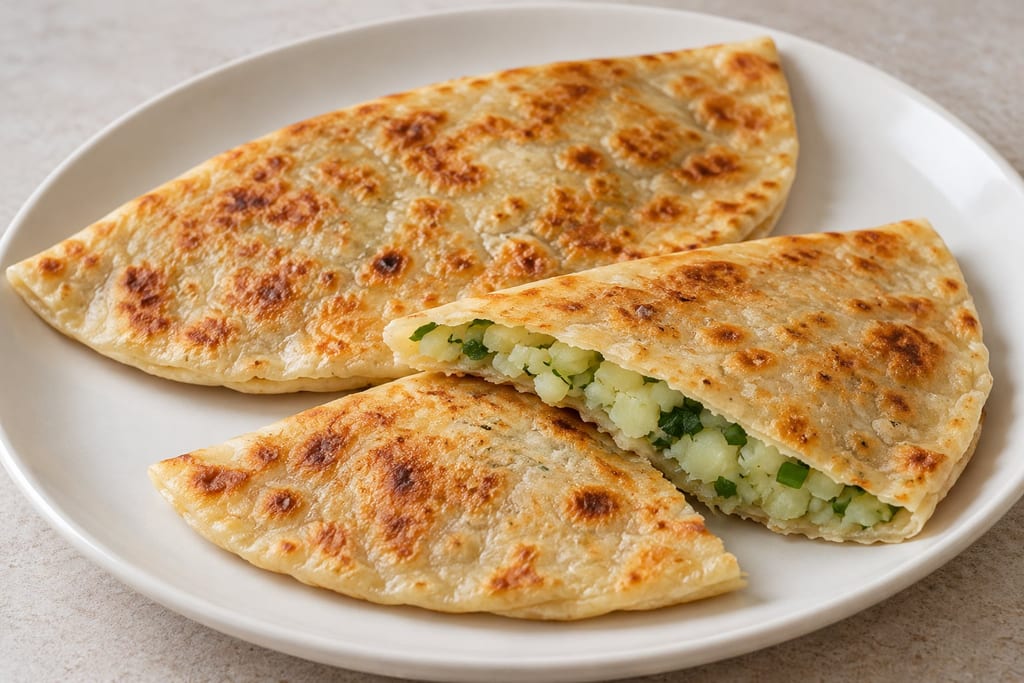
A thin, unleavened Afghan flatbread filled with mashed potato, scallion and cilantro, folded and pan-browned. This version uses a dough made from scratch.
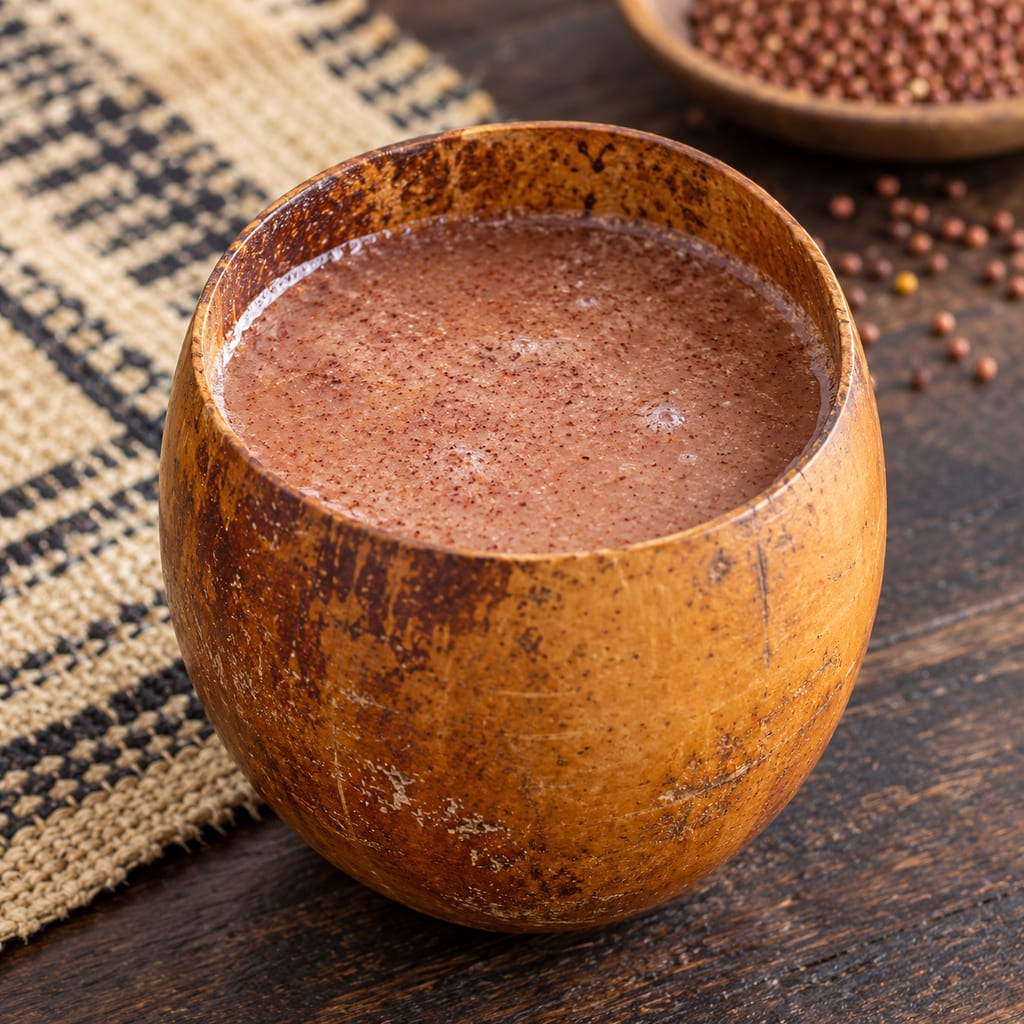
Chagga beer from the slopes of Kilimanjaro in Tanzania, made by combining a fermented banana porridge with a sweet porridge of germinated finger millet and drunk fresh within a day or two.
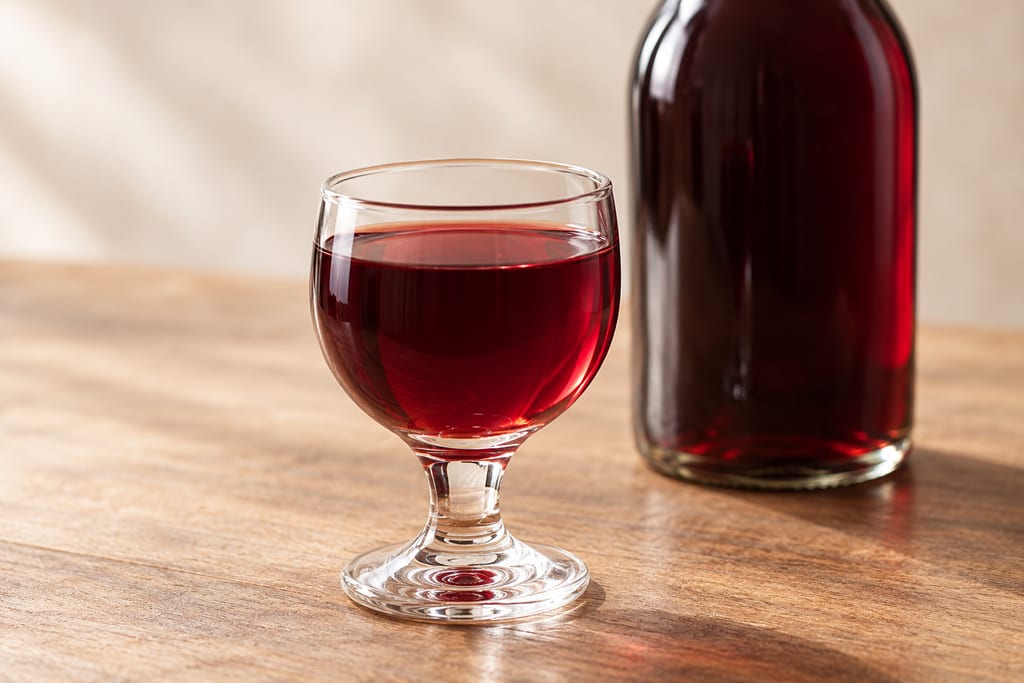
Korean black raspberry wine: crushed bokbunja berries with their seeds, sweetened to 20 °Brix, fermented 15 days at 25 °C with wine yeast, filtered and matured three months.
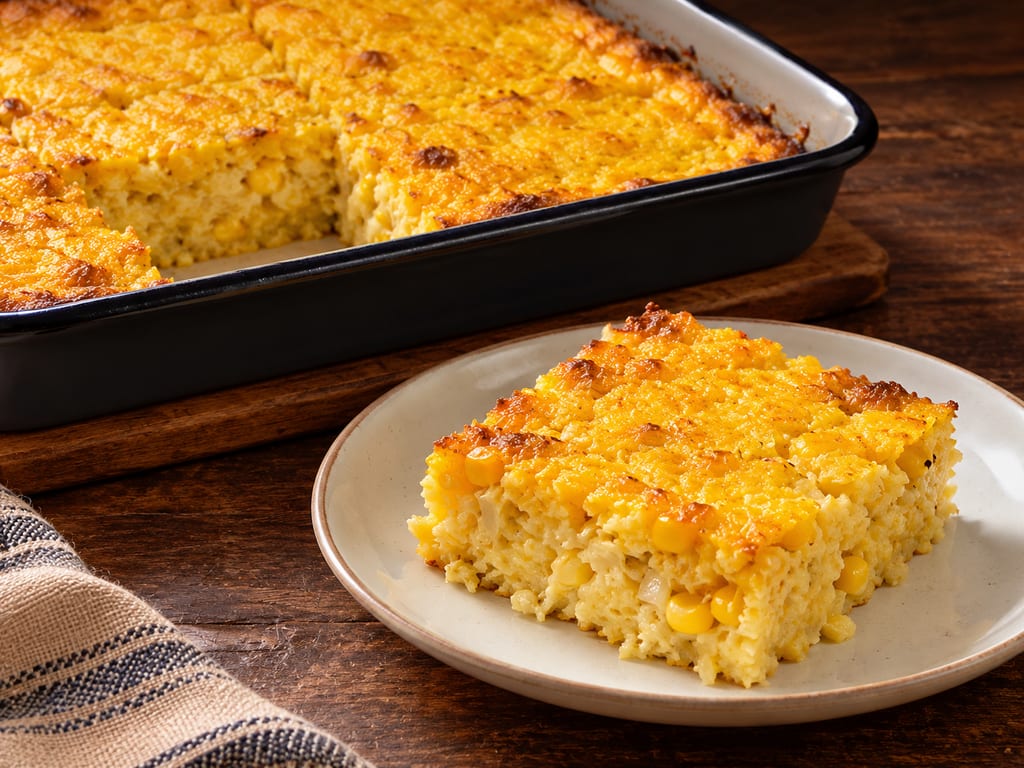
A Paraguayan fresh-corn bake mixed with Queso Paraguay, onion, eggs and milk, served in moist squares.
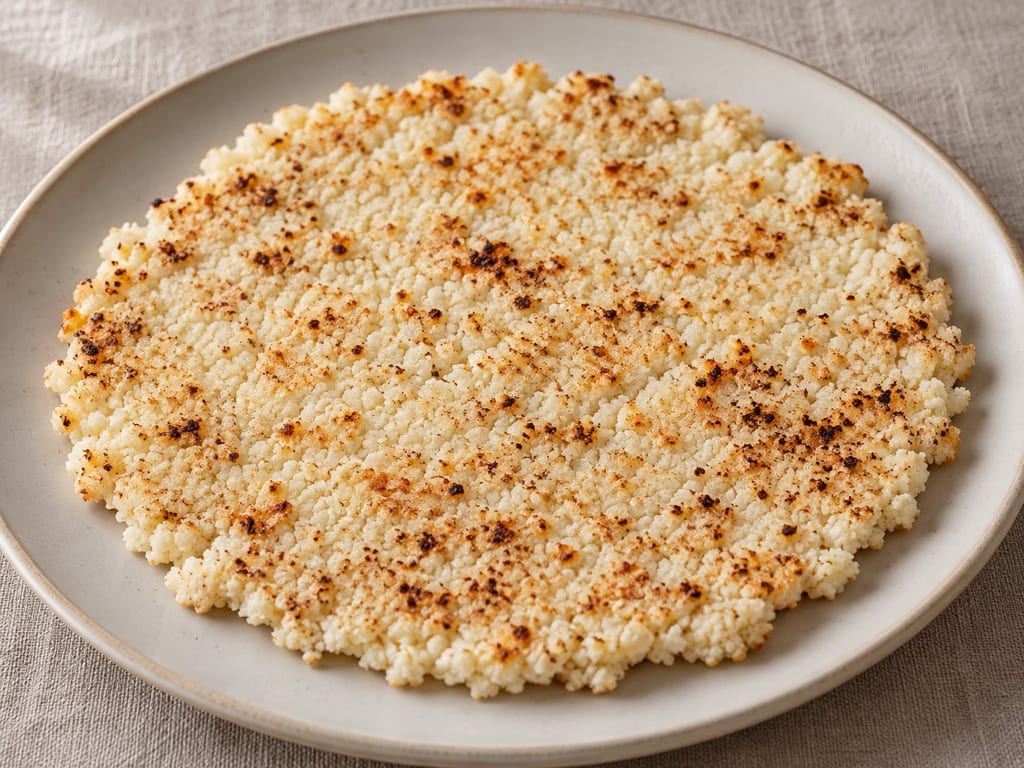
A Paraguayan mbejú campaña made by rubbing cassava starch, queso Paraguay and fat into a loose, sandy mixture. Small scoops are gently pressed into skillet cakes, which bind as the cheese heats.
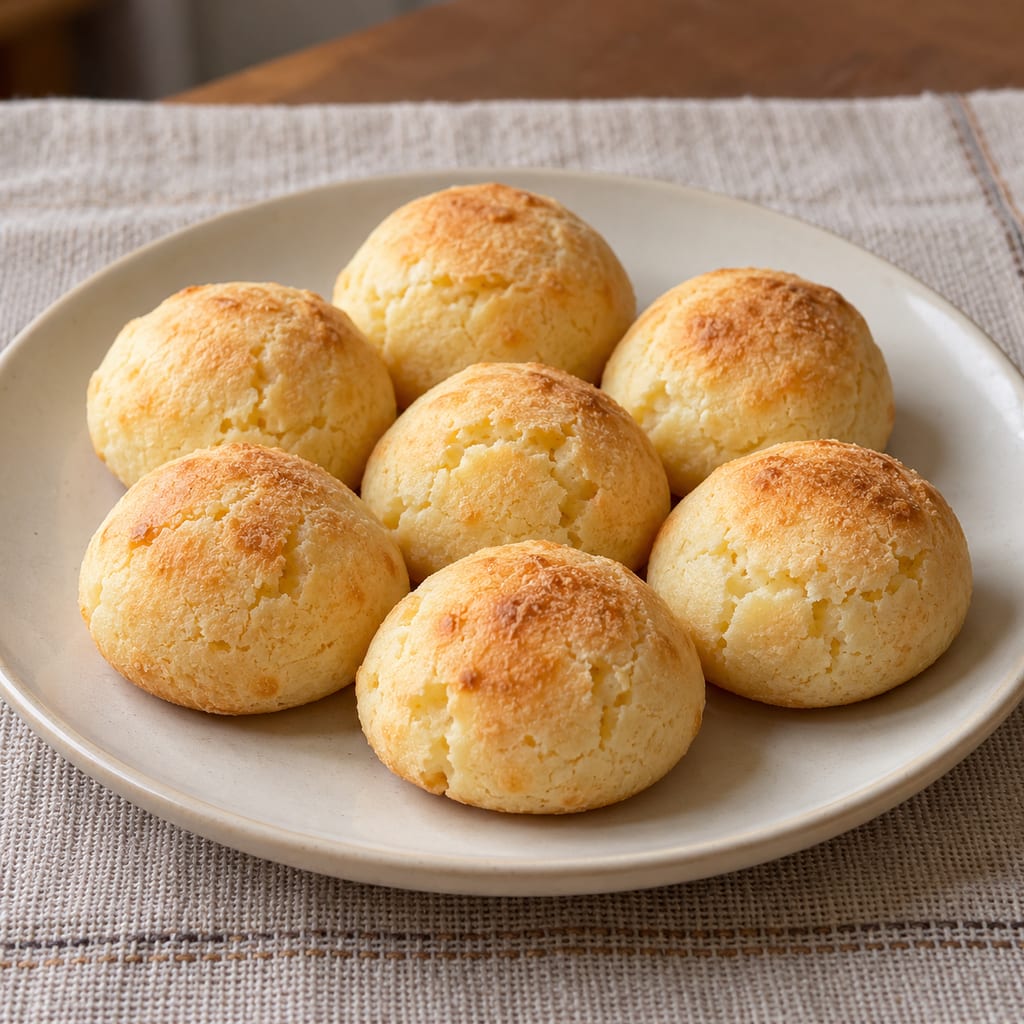
A Santa Cruz cheese-and-starch bread made with grated cheese, eggs, butter and milk as needed; optional cooked yuca makes the dough. This municipal formula bakes small balls on a tray.
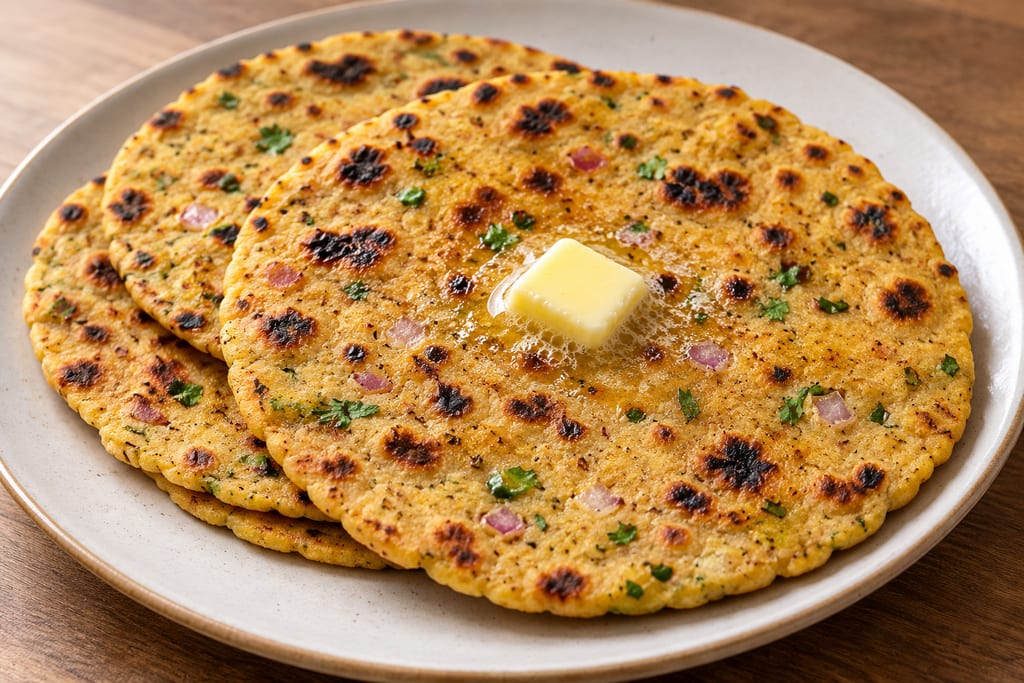
A chickpea-and-wheat flatbread made with spices, onion and herbs, rolled and cooked on a tawa. This batch makes sixteen.
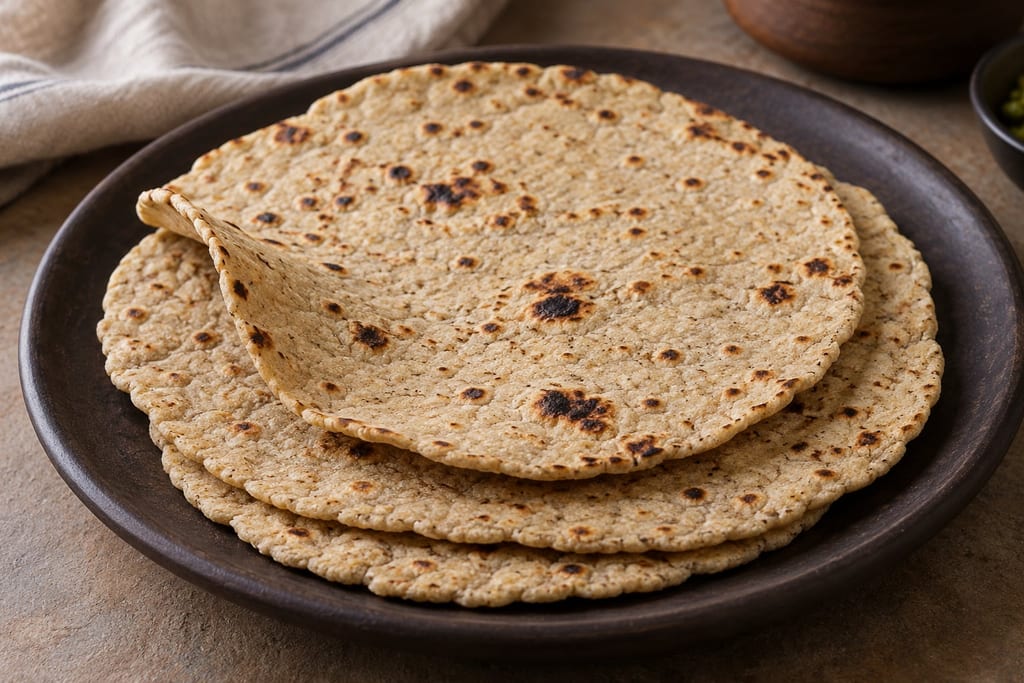
Jowar bhakri is an unleavened sorghum flatbread, hand-patted or gently rolled and griddle-cooked across parts of Maharashtra and Karnataka.
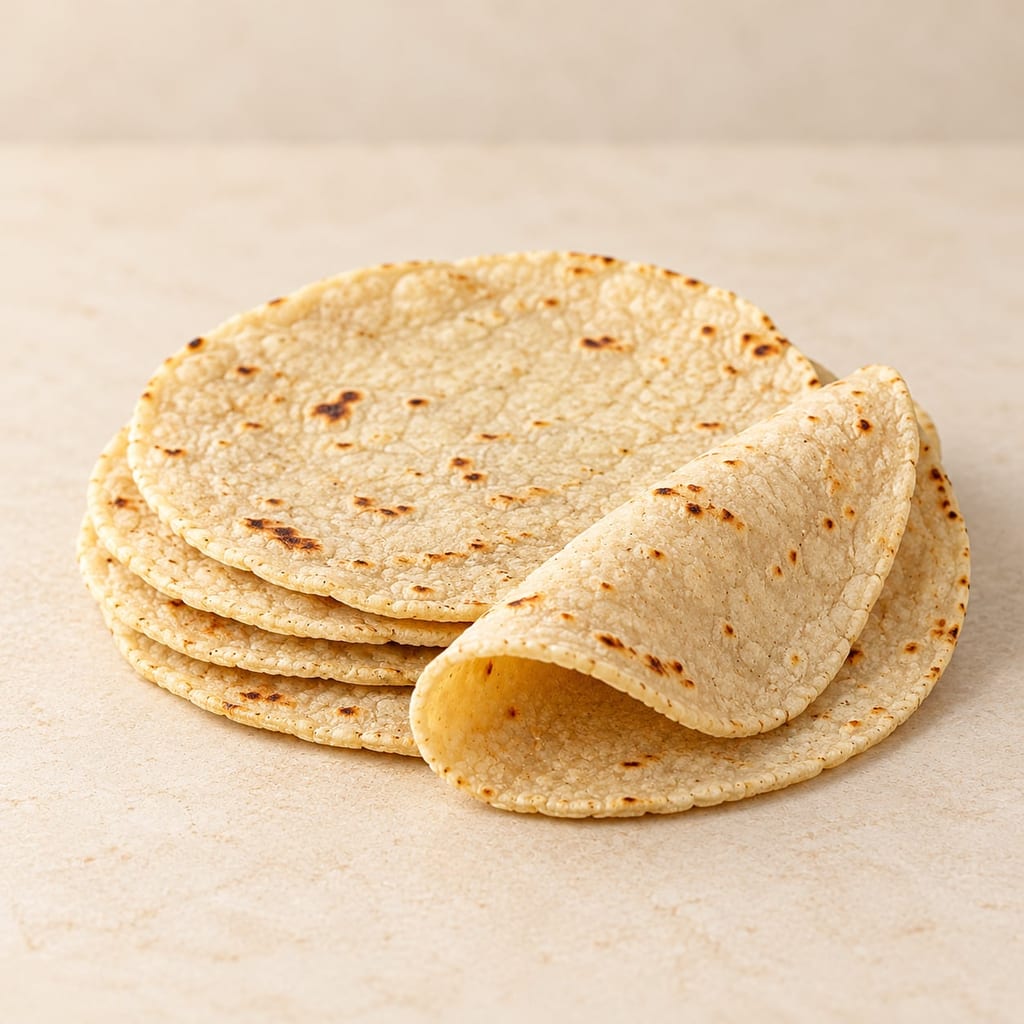
Fresh nixtamalized maize is ground into masa, pressed into thin rounds and cooked on a comal. This Mexican home formula uses food-grade cal viva and makes about 20 tortillas.
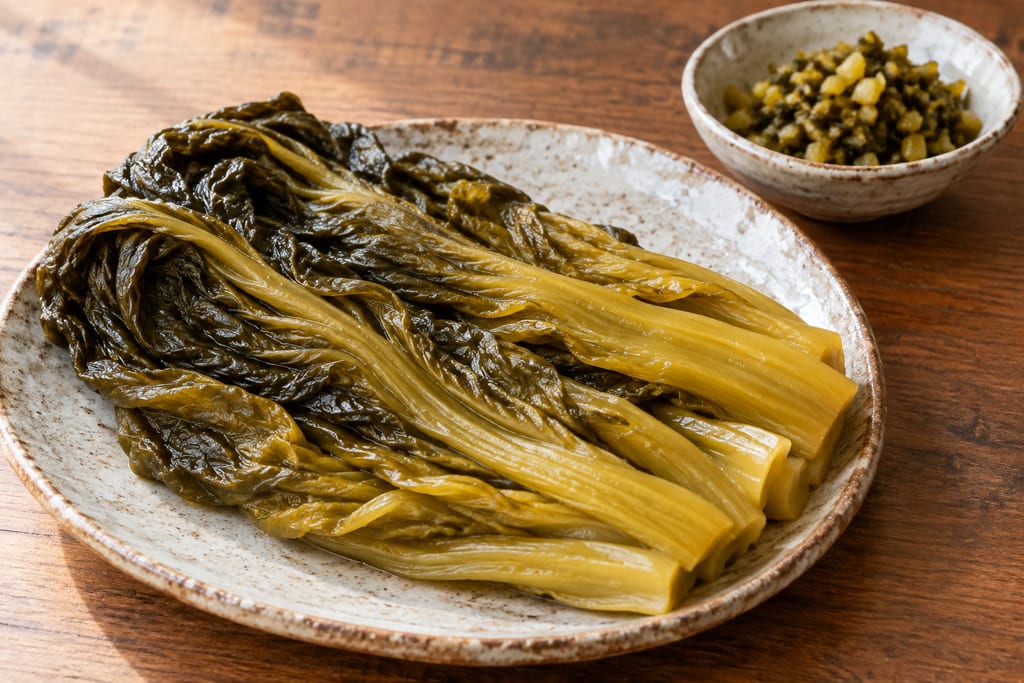
Giant red mustard leaves are dried, layered with salt and chile, pressed in a wooden tub, drained after a week and left through the rainy season.
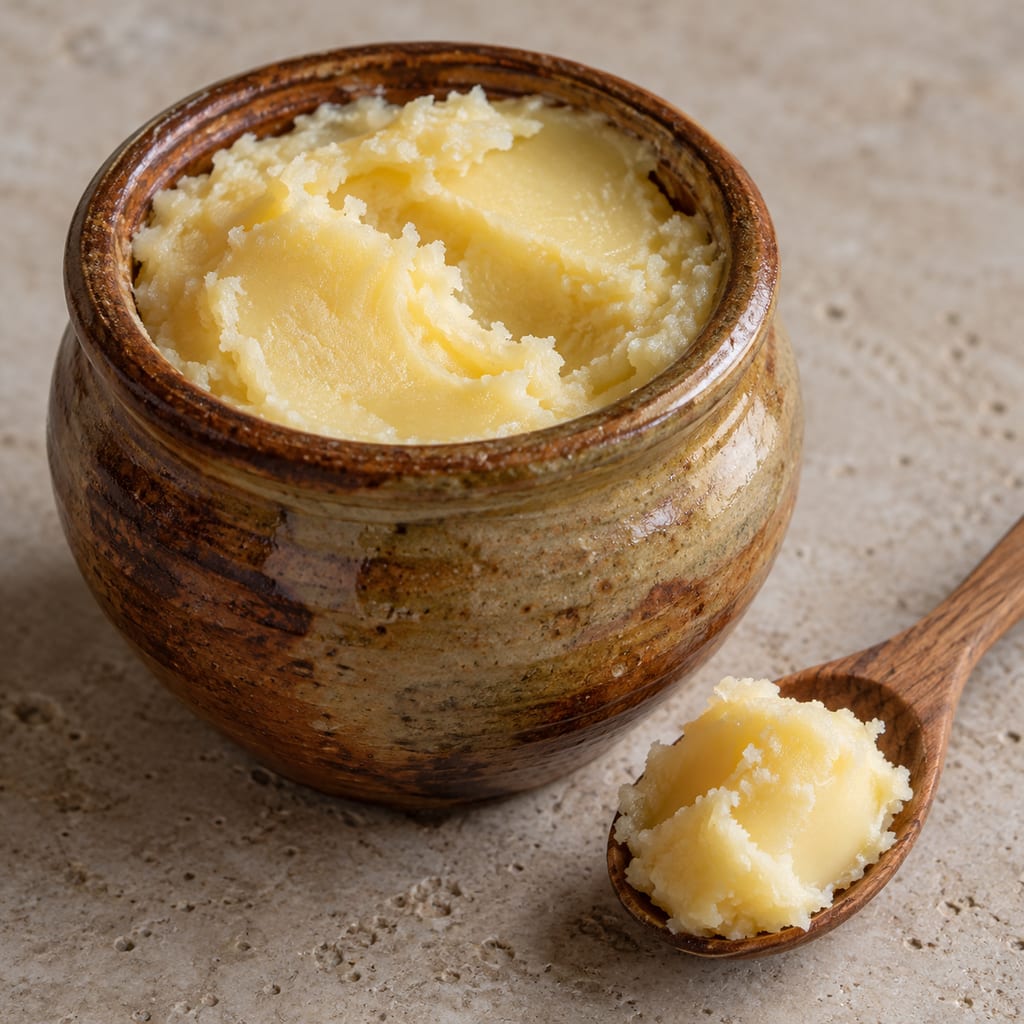
North Africa's matured butter: soured milk churned, the butter washed, heavily salted and left for months until lipolysis turns it into a pungent, cheese-like seasoning used a spoonful at a time.
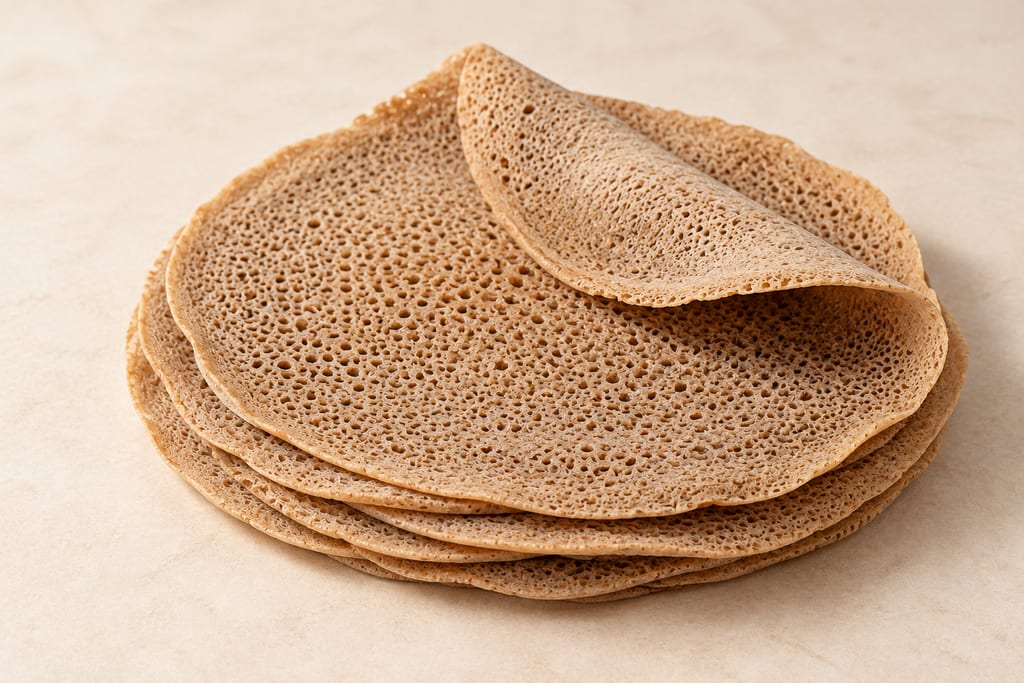
A two-stage Ethiopian teff injera method begins with saved ersho, ferments the main batter beneath refreshed surface water, then adds cooked absit before a final warm rest and griddle baking.
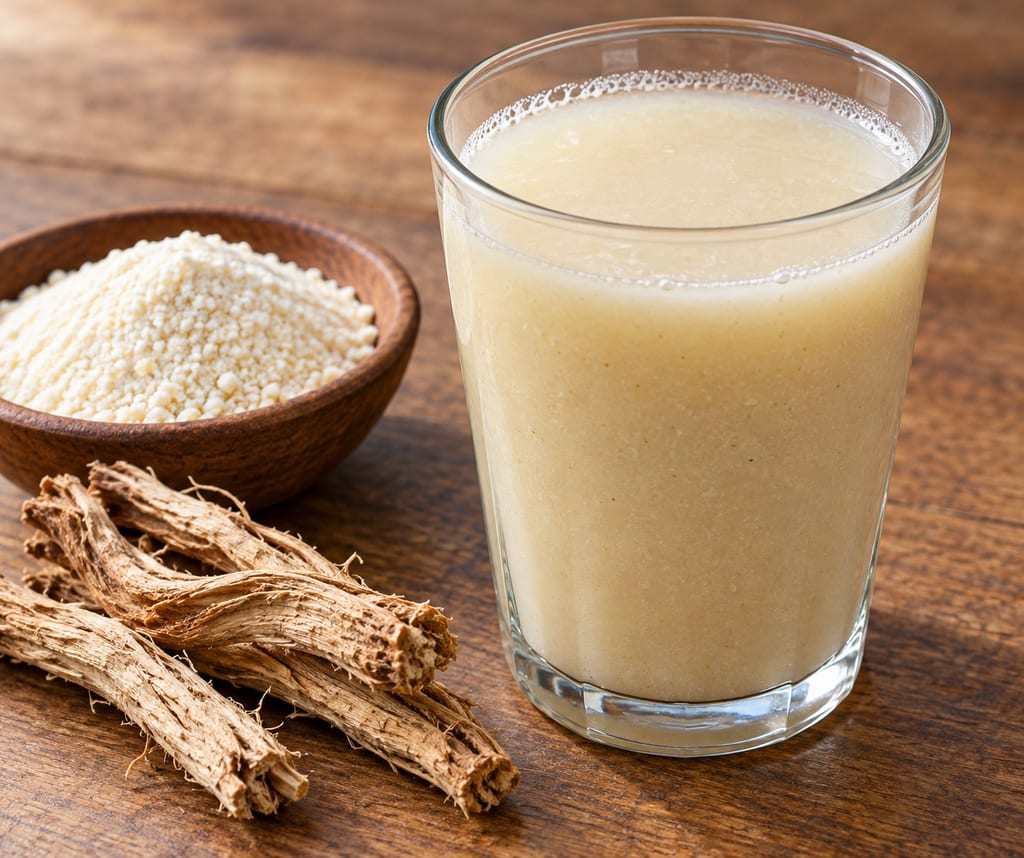
A creamy, mildly sour Zambian cereal drink in which the dug roots of wild legumes supply both the enzymes that break the cooked starch down and the microorganisms that then ferment it.
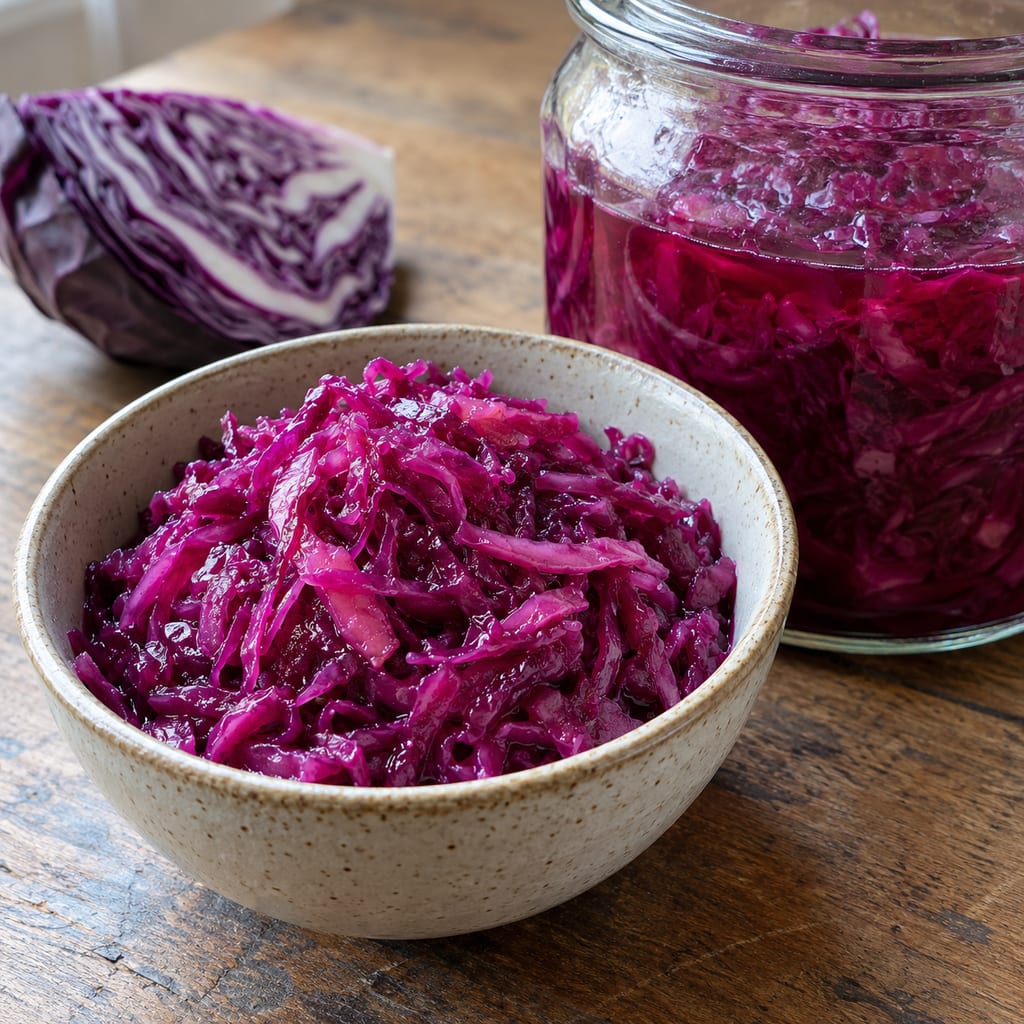
Red cabbage shredded, salted and fermented in its own brine; the pigment gives a deep violet kraut with a sharper flavour than the white-cabbage form.
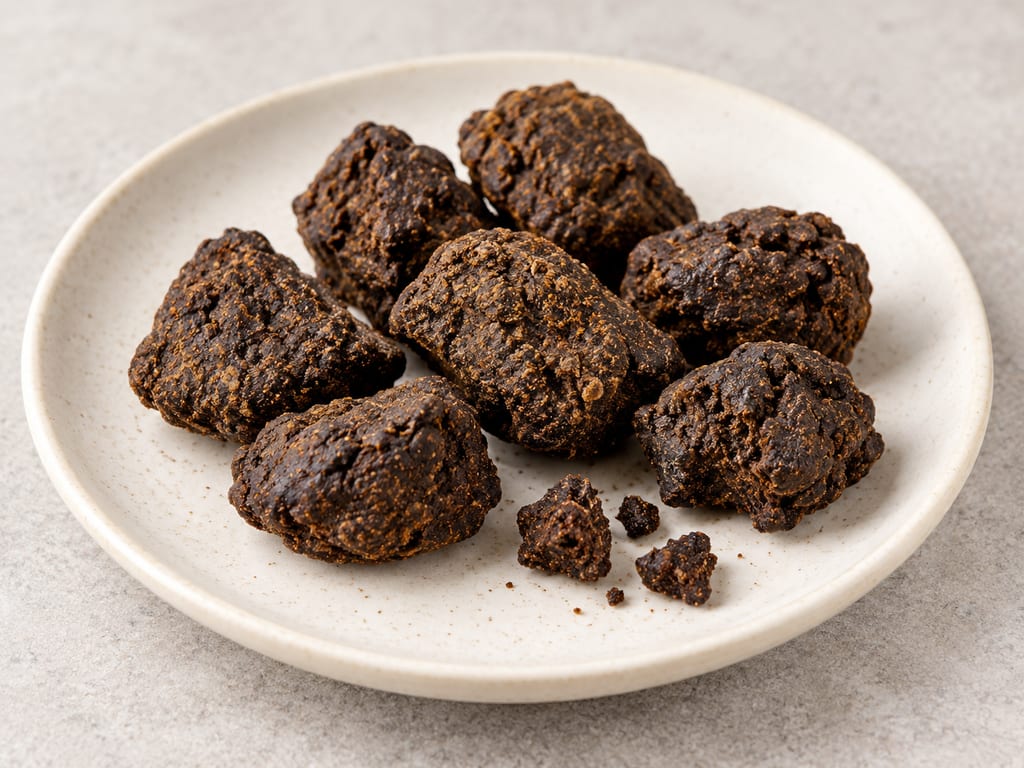
Ogiri-okpei is a Nigerian condiment of cooked Prosopis africana cotyledons left to ferment spontaneously in leaf-lined containers, then ground and dried.
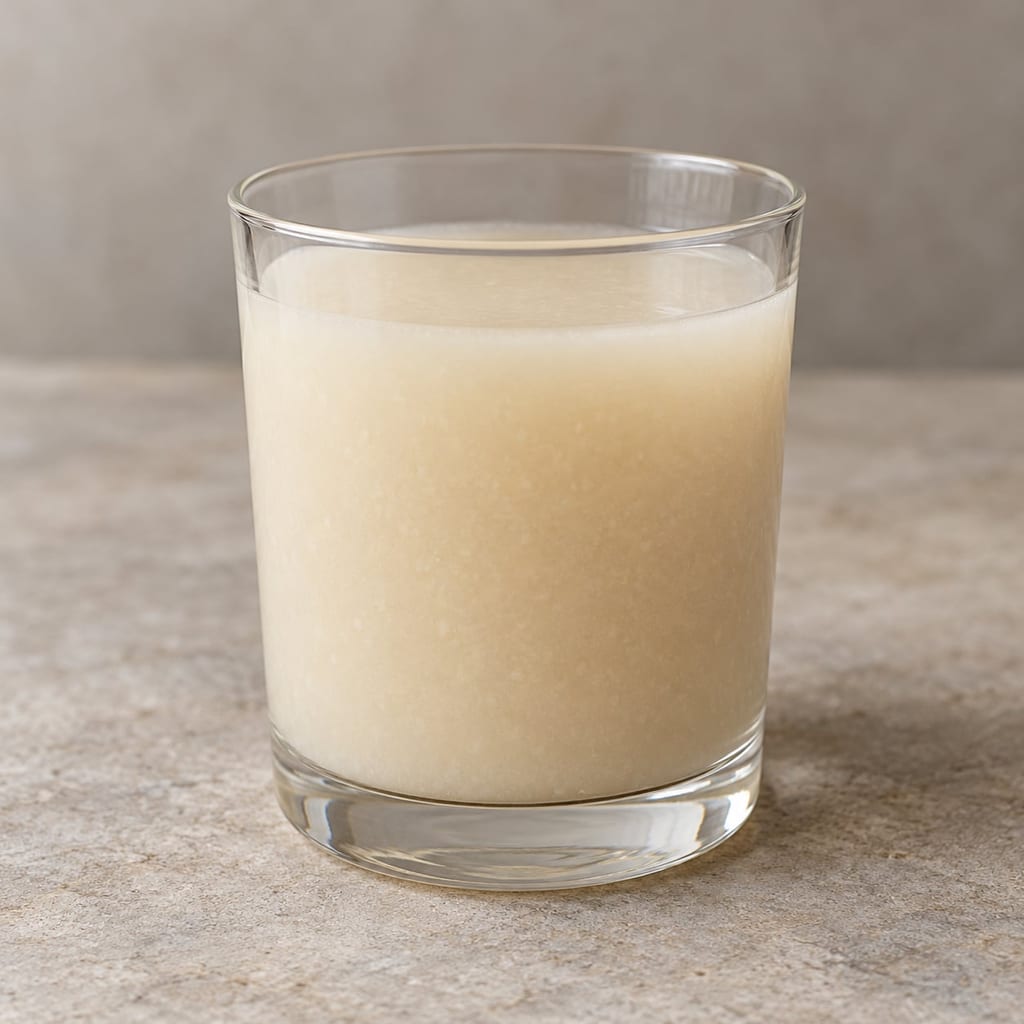
An alcoholic rice beer from Maroua, Cameroon, brewed from boiled rice flour with some malt and started with chai or bili-bili.
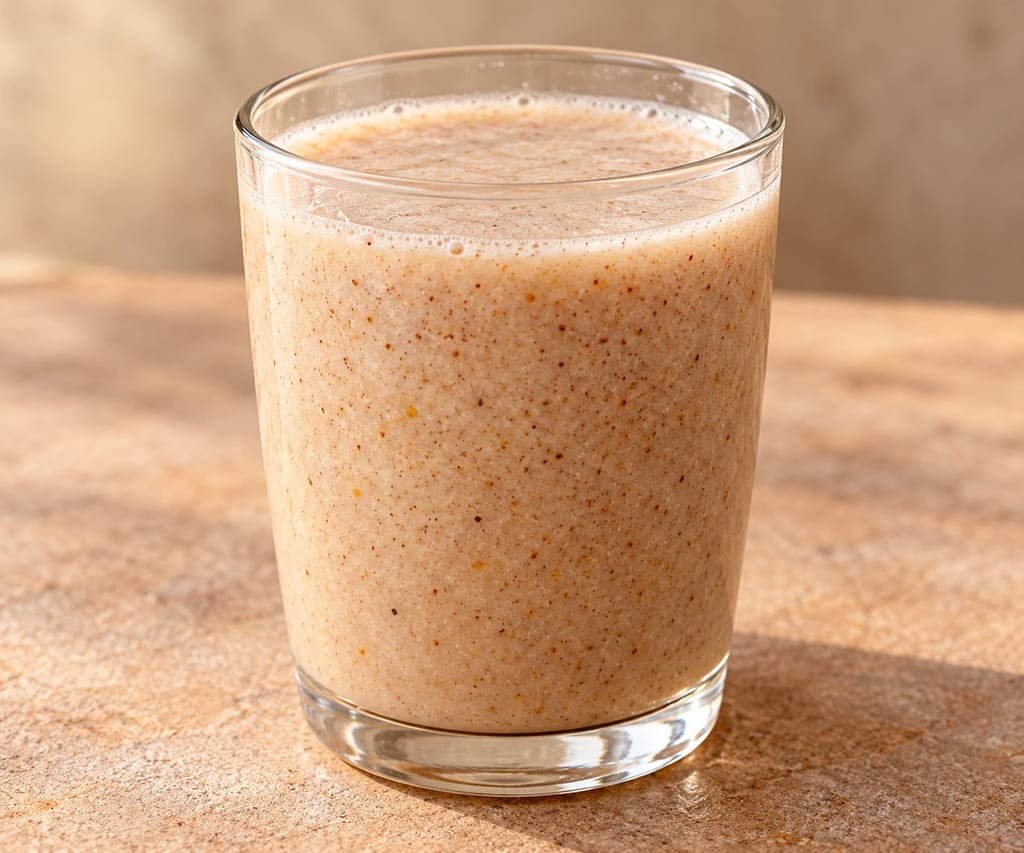
A thick, sweet-sour Malawian drink of boiled maize flour into which sorghum flour is stirred before an overnight spontaneous fermentation.
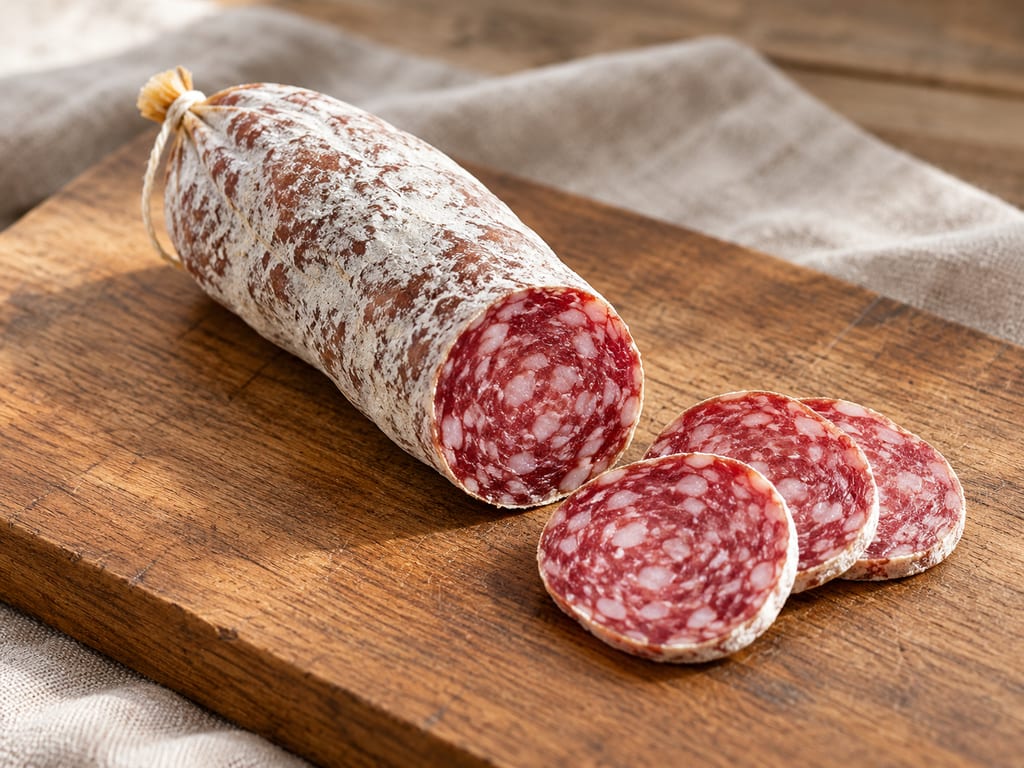
Small Italian hunter-style salami of lean pork, firm fat, salt, pepper and garlic, mildly acidified and dry-matured; protected as Salamini Italiani alla Cacciatora DOP.
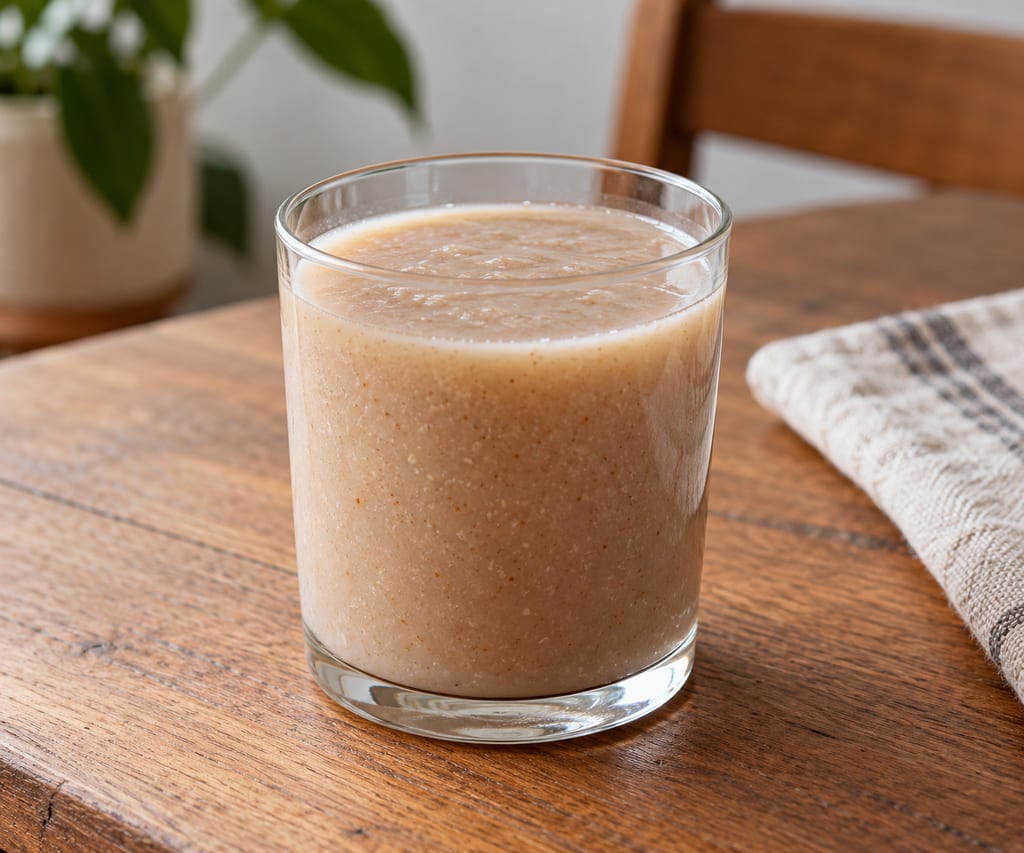
A Tanzanian cereal drink of cooked maize and sorghum flour thinned by sorghum-malt enzymes, soured by lactic acid bacteria and often started with a little of the previous batch.
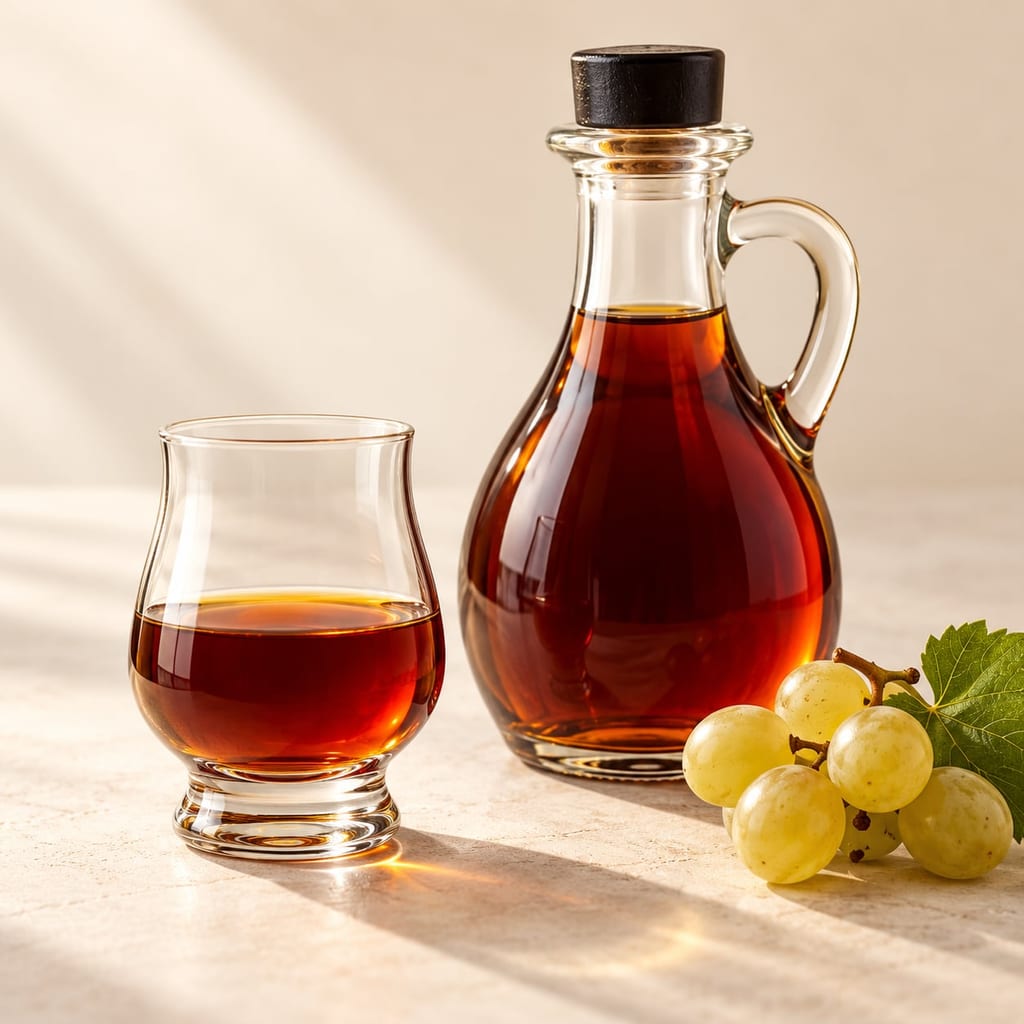
Vinagre de Jerez is made by acetifying eligible Jerez wines and ageing the vinegar in wood. Its protected name belongs to a defined Andalusian zone and a cellar tradition joining wine, oxygen, acetic bacteria and long ageing.
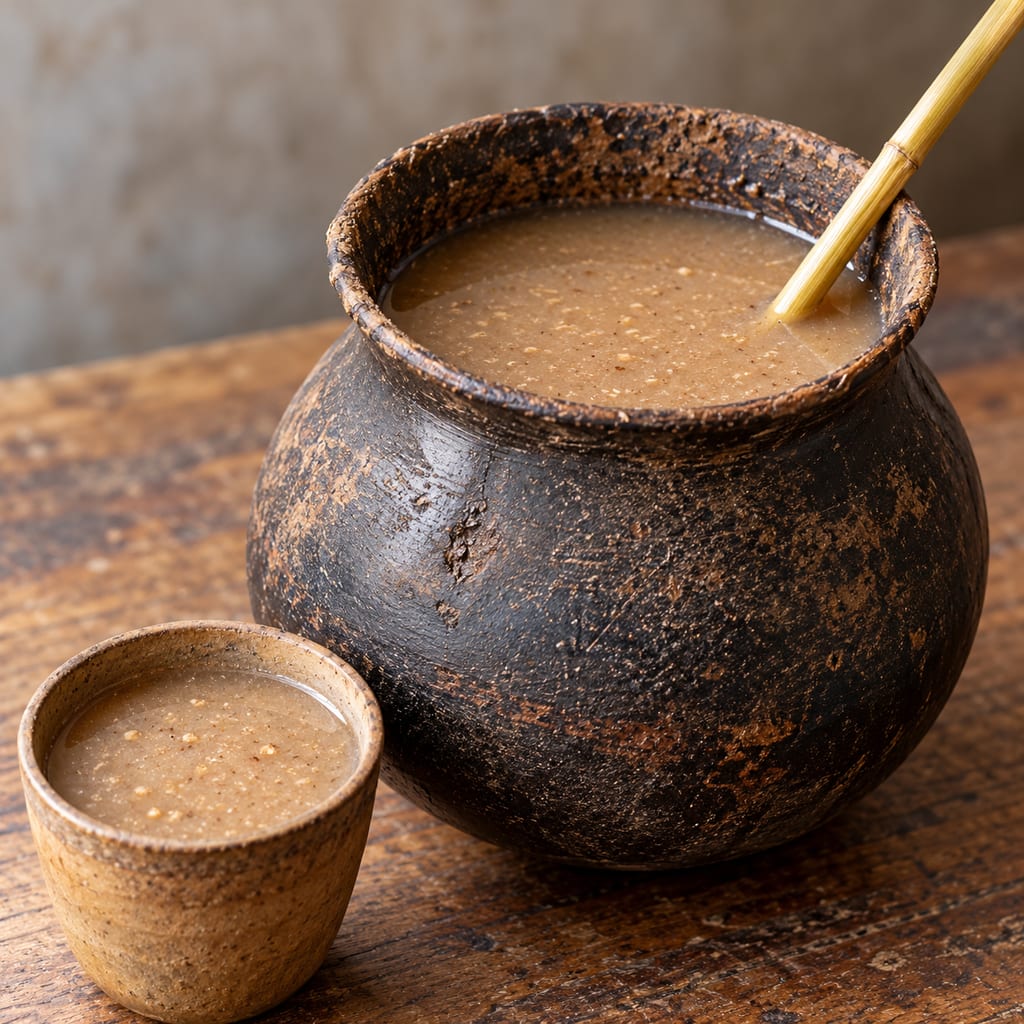
An opaque Kenyan maize beer: fermented maize paste is roasted into tsimbale, then mixed with finger-millet malt called kimera at ten to one and fermented a second time.
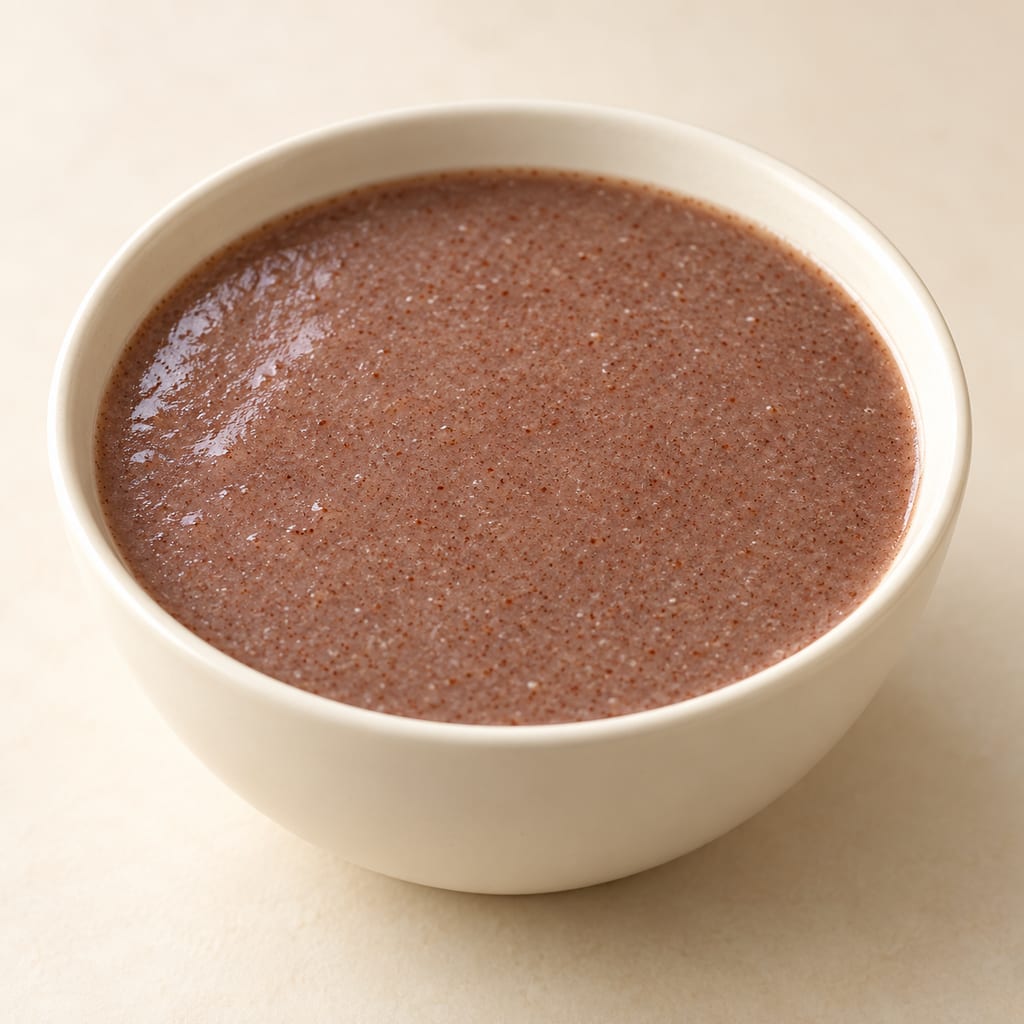
A thin, sour porridge of western Kenya made by fermenting unroasted finger-millet flour in water for a day or two, then diluting it and cooking it through.
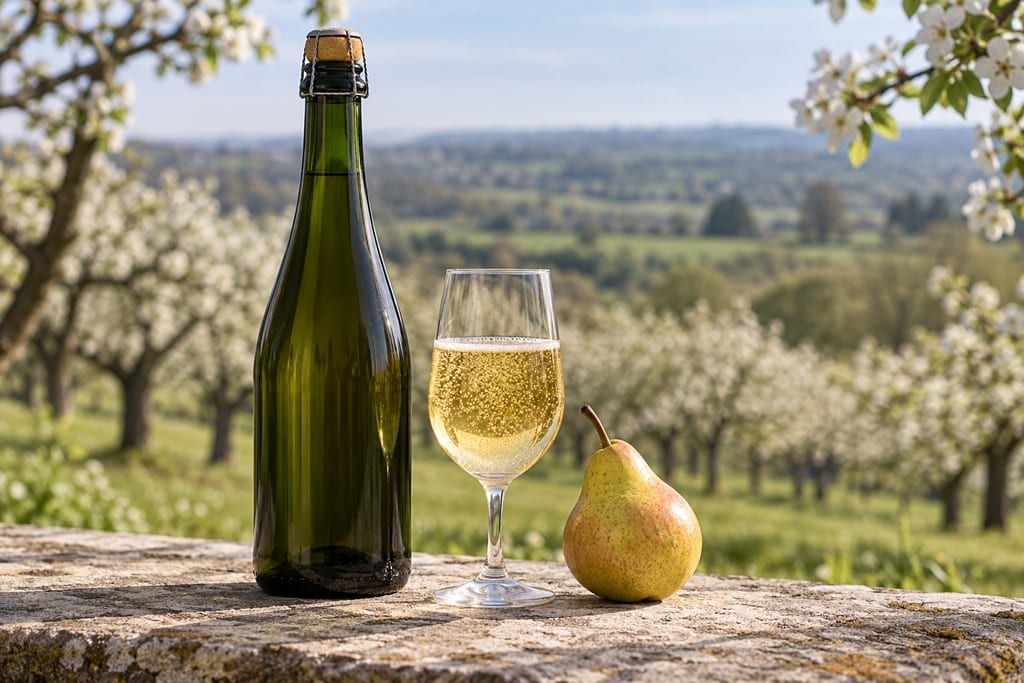
Naturally sparkling perry from the Bas Domfrontais in Normandy, pressed from high-stem orchard pears with at least 40% Plant de Blanc and carbonated by fermentation in the bottle.
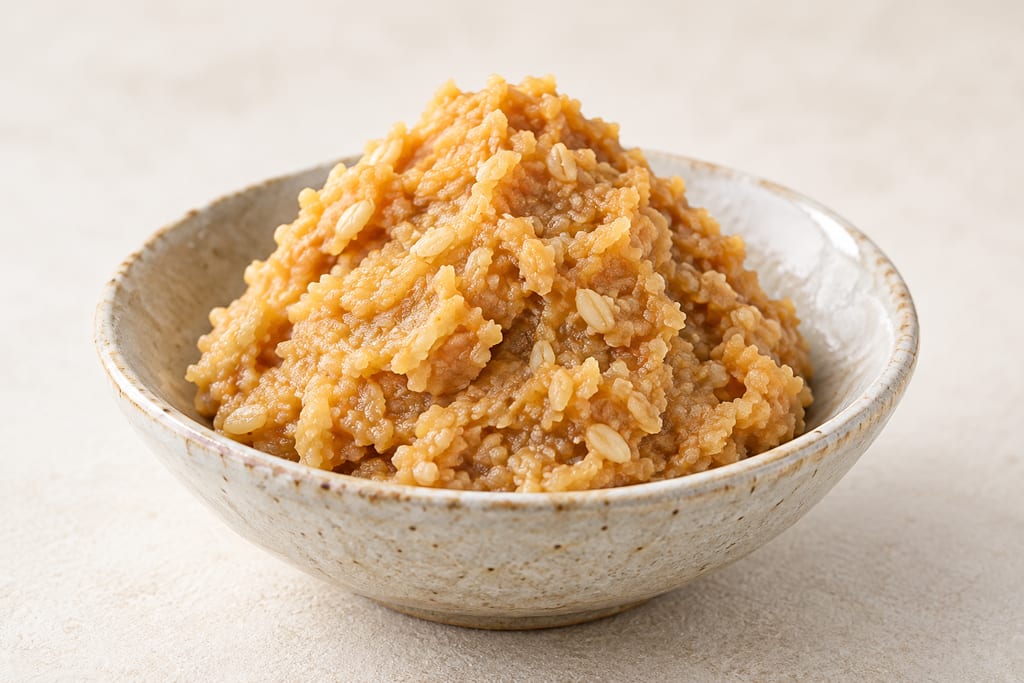
A Japanese soybean paste fermented with barley koji and salt, made mostly in Kyushu, Shikoku and western Japan. It is sweet, savoury and grainy.
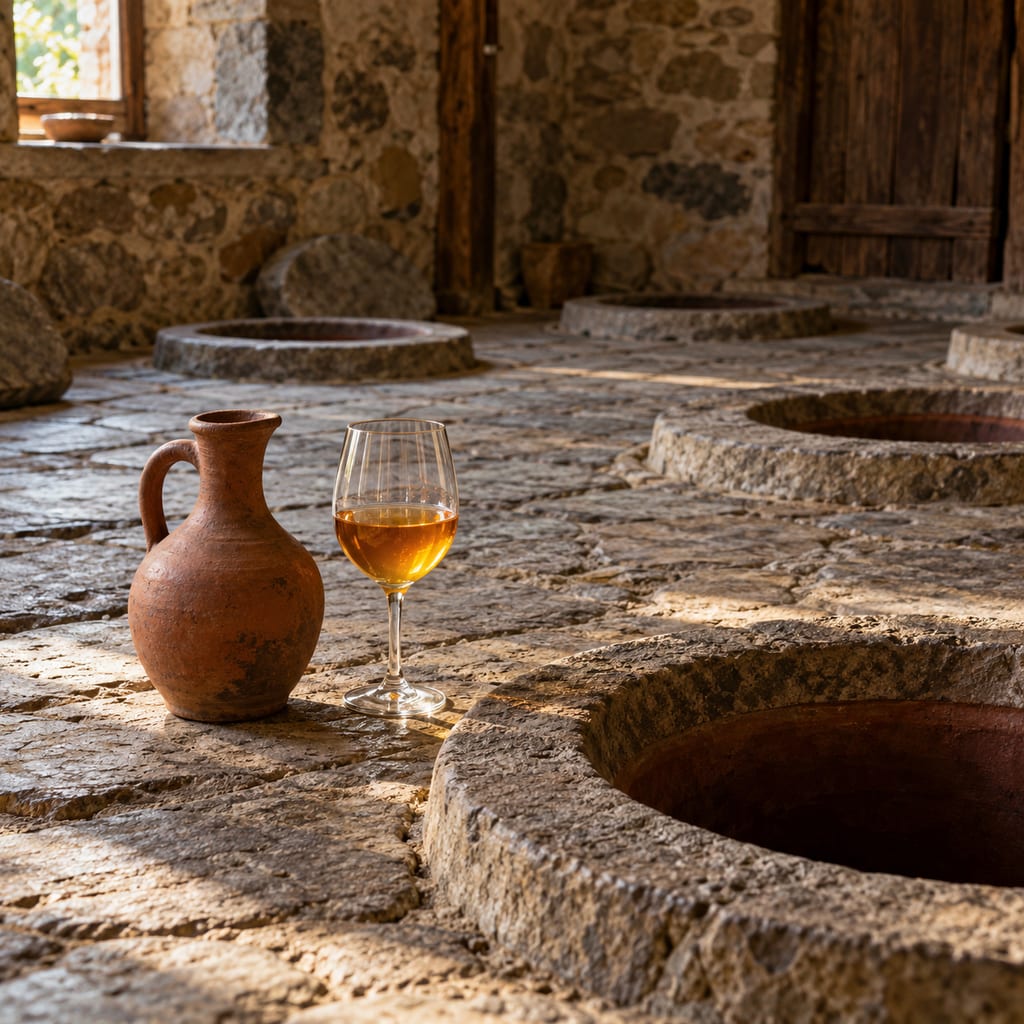
Georgian wine fermented and matured in buried clay vessels called qvevri, usually with grape skins, pips and sometimes stems, in styles from amber to red that differ by region.
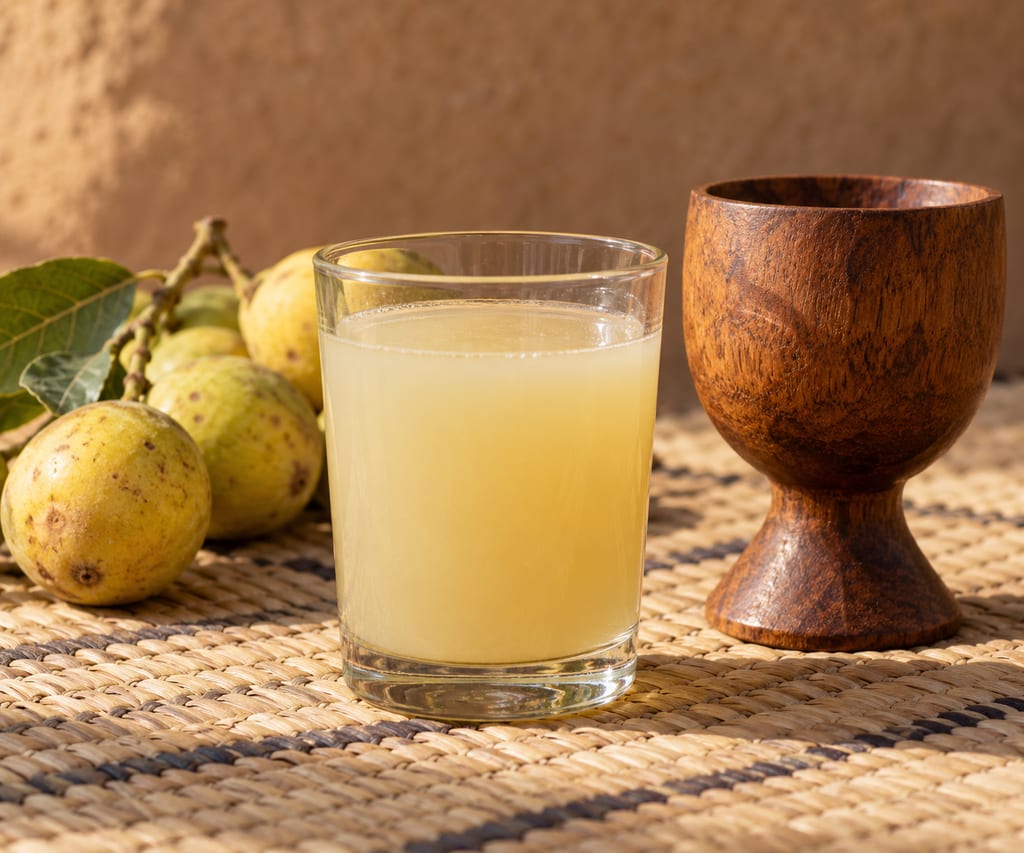
The fermented marula drink of northern Namibia's Aawambo communities, pressed from ripe Sclerocarya birrea fruit and left to the yeasts already on it, and drunk at the Oshituthi shomagongo festival.
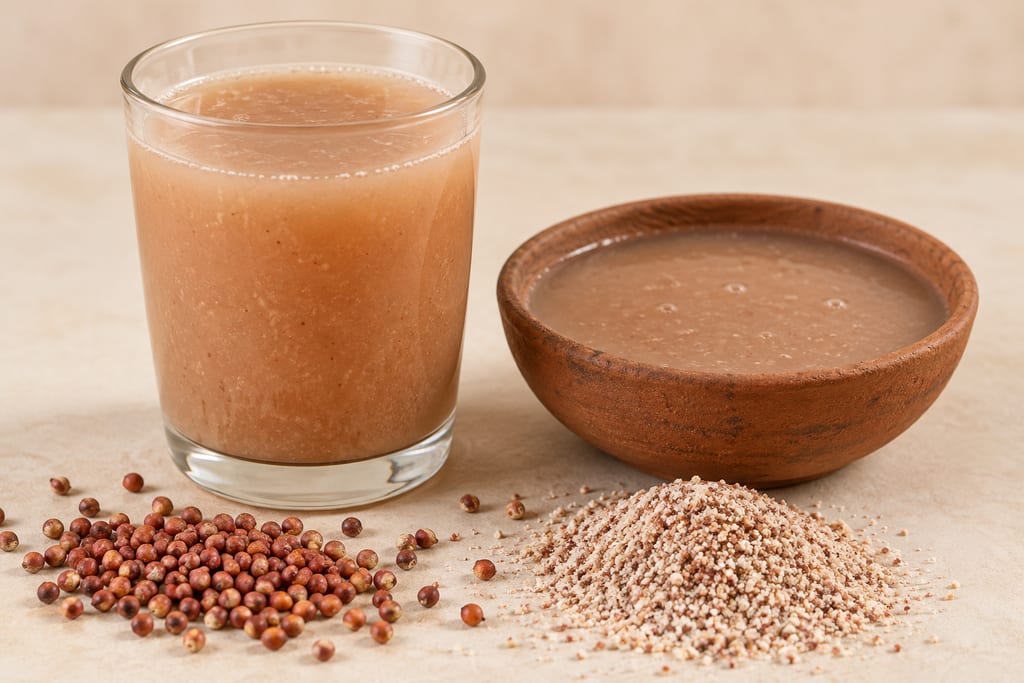
Sudanese opaque sorghum beer made from soured, toasted, cooked and malted grain through three linked fermentations, drunk fresh while still fermenting.

Soft, spreadable Calabrian pork sausage made with a great deal of red chilli and fatty pork, stuffed into natural casings, sometimes smoked and matured while staying soft.
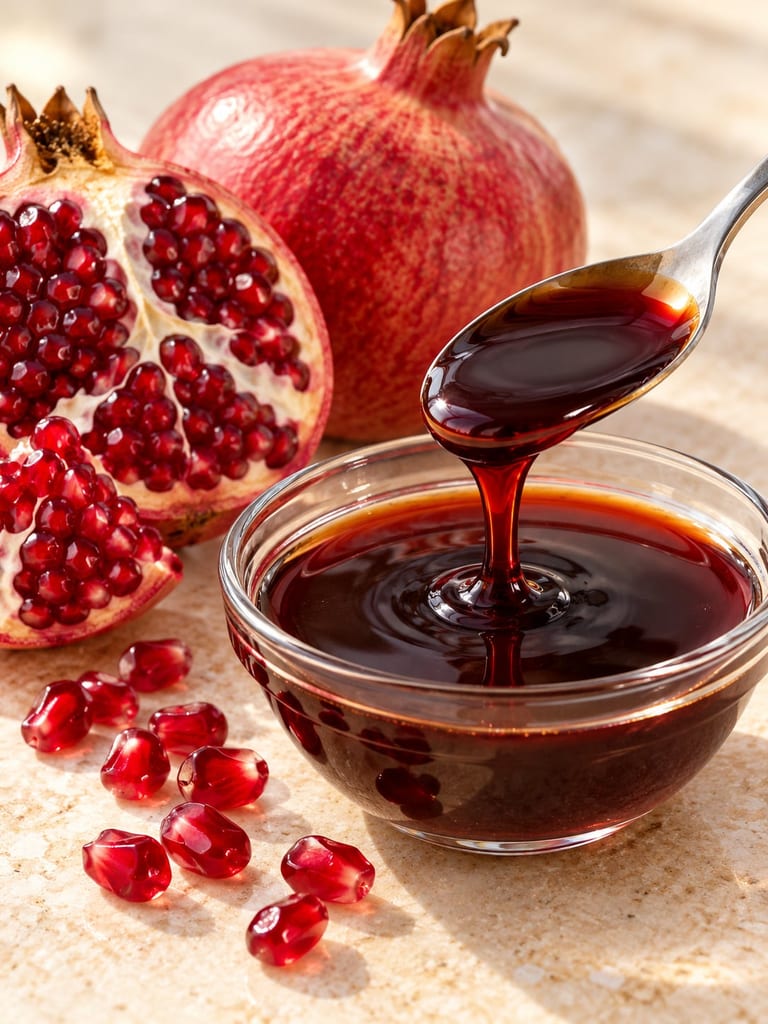
The registered Hatay method presses pomegranate arils and slowly concentrates the strained juice. Its 100 kg source batch and experienced-producer endpoint are retained; no home-scale time or shelf-life is inferred.
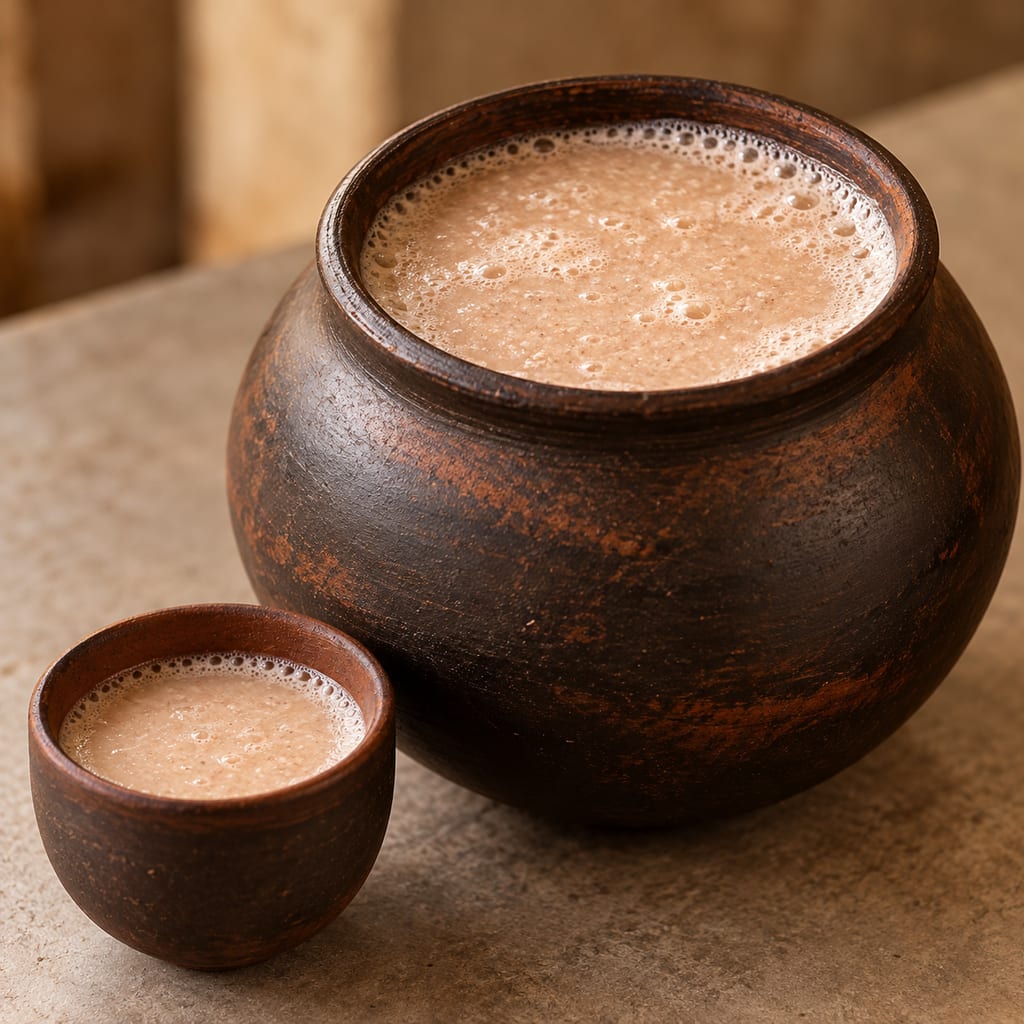
South Africa's opaque sorghum beer, soured by lactic acid bacteria before its mash is cooked and fresh malt stirred in, leaving a cloudy, creamy, cereal-thick drink that keeps only a day or two.
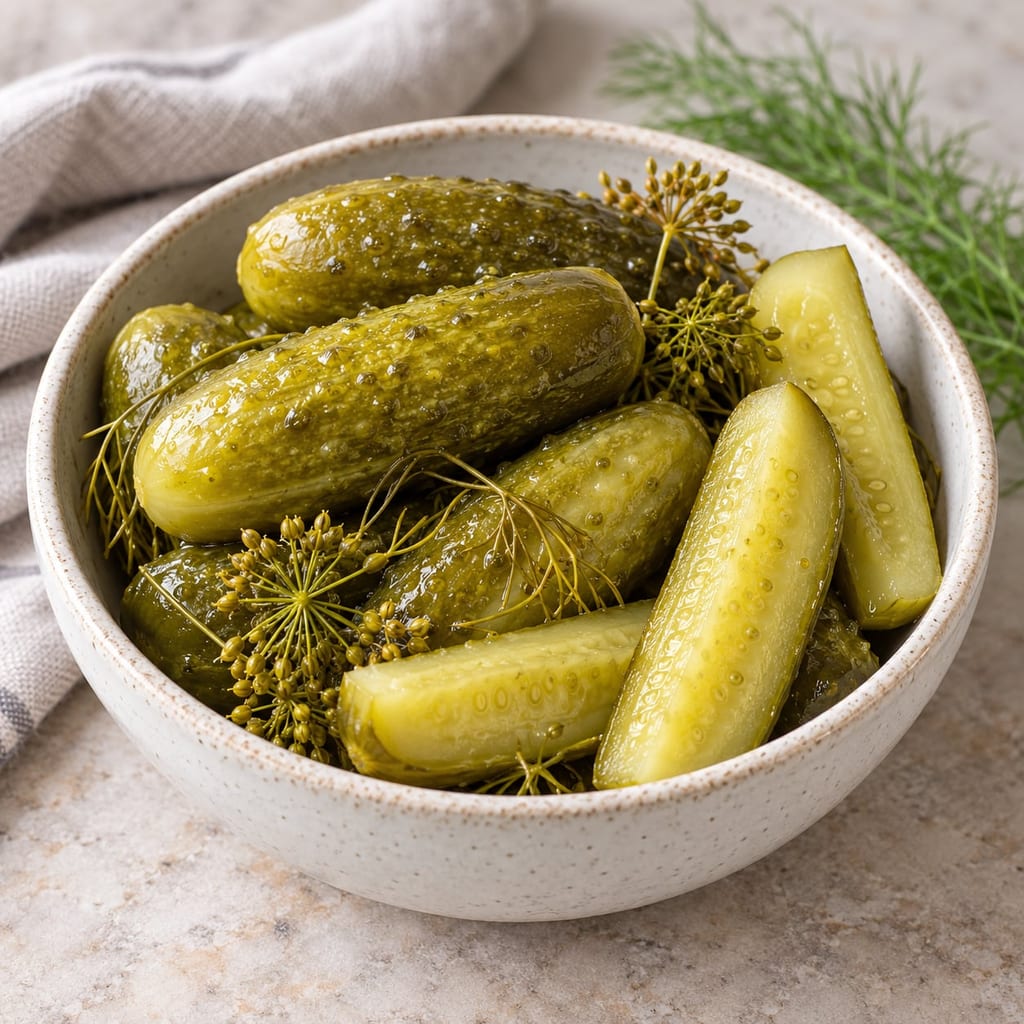
Trimmed cucumbers layered with dill and covered with a salt brine containing 5% vinegar, weighted and fermented three to six weeks.
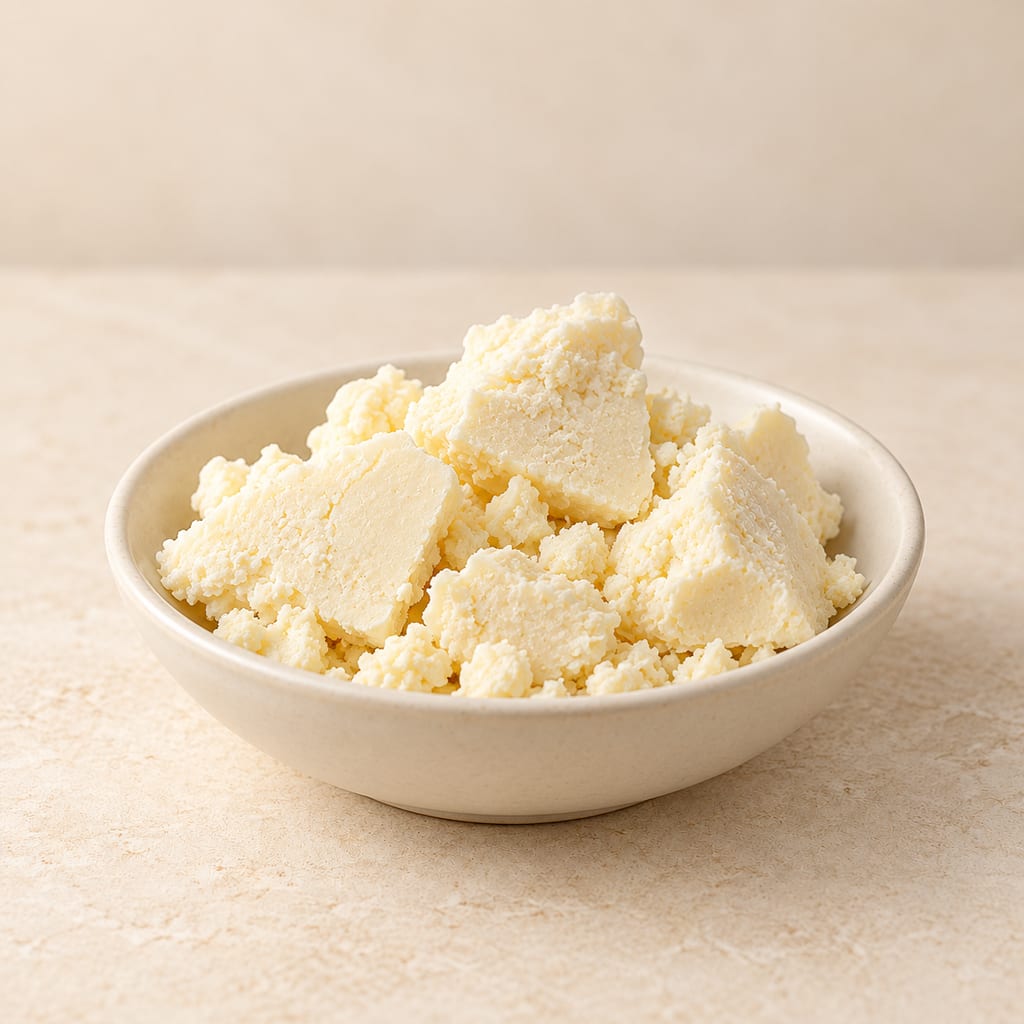
Tulum peyniri is a Turkish cheese traditionally packed into animal-skin bags to mature. This sheep-milk method adds a thermophilic yogurt culture before renneting, draining and dry salting.
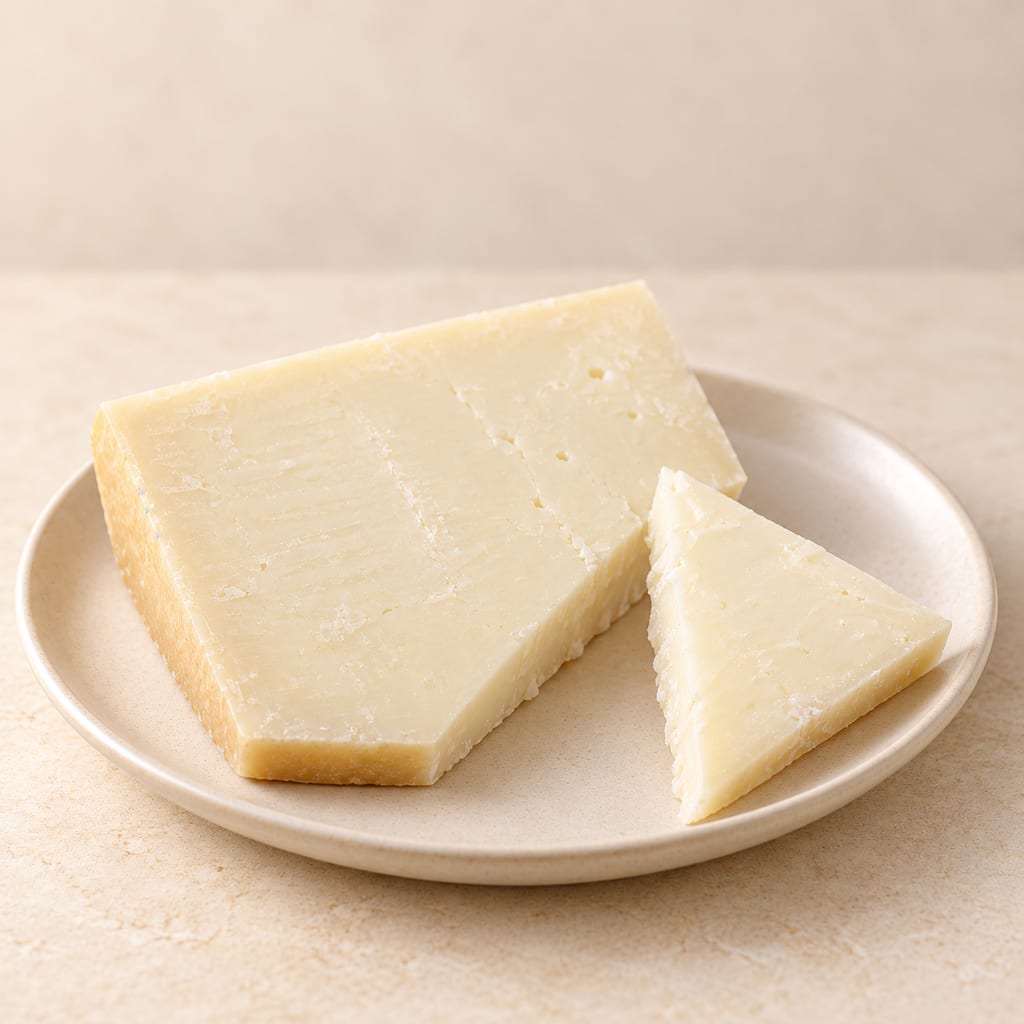
Kefalotyri is a hard sheep-and-goat-milk cheese made in Cyprus as well as Greece. This Cypriot method cooks and presses the curd, then brines, coats and matures the cheese.
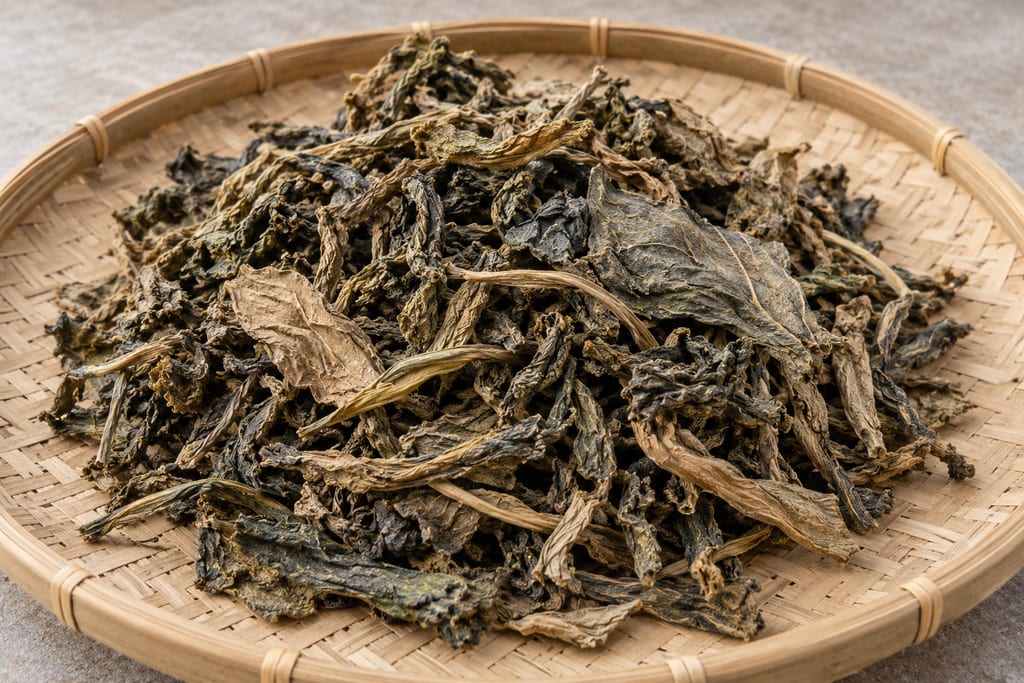
Wilted and shredded Brassica rapa rayo-sag leaves, packed under warm water in earthenware, fermented five to seven days, then sun-dried as Nepali gundruk.
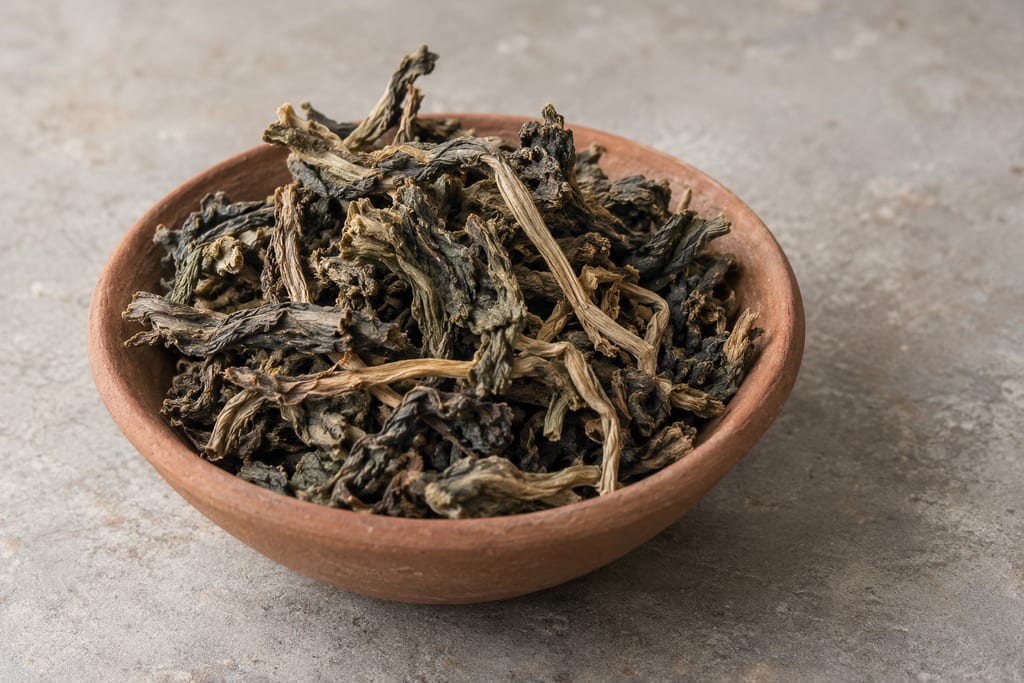
Radish greens wilted, packed into an earthen pot with warm water and fermented without salt, then sun-dried into Nepal's dark, sour gundruk.
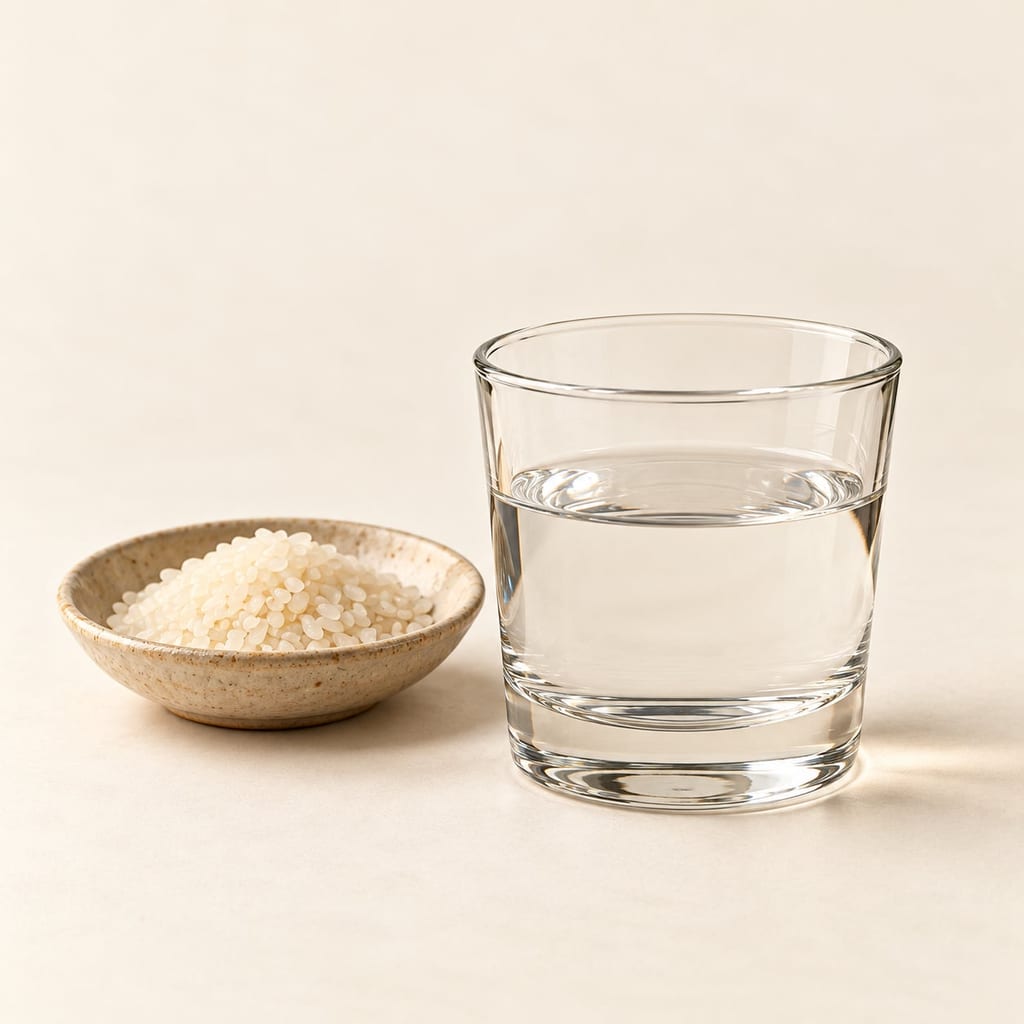
An Okinawan rice spirit made by turning all the rice into black koji, fermenting it with water and yeast, then pot-distilling and maturing the spirit.
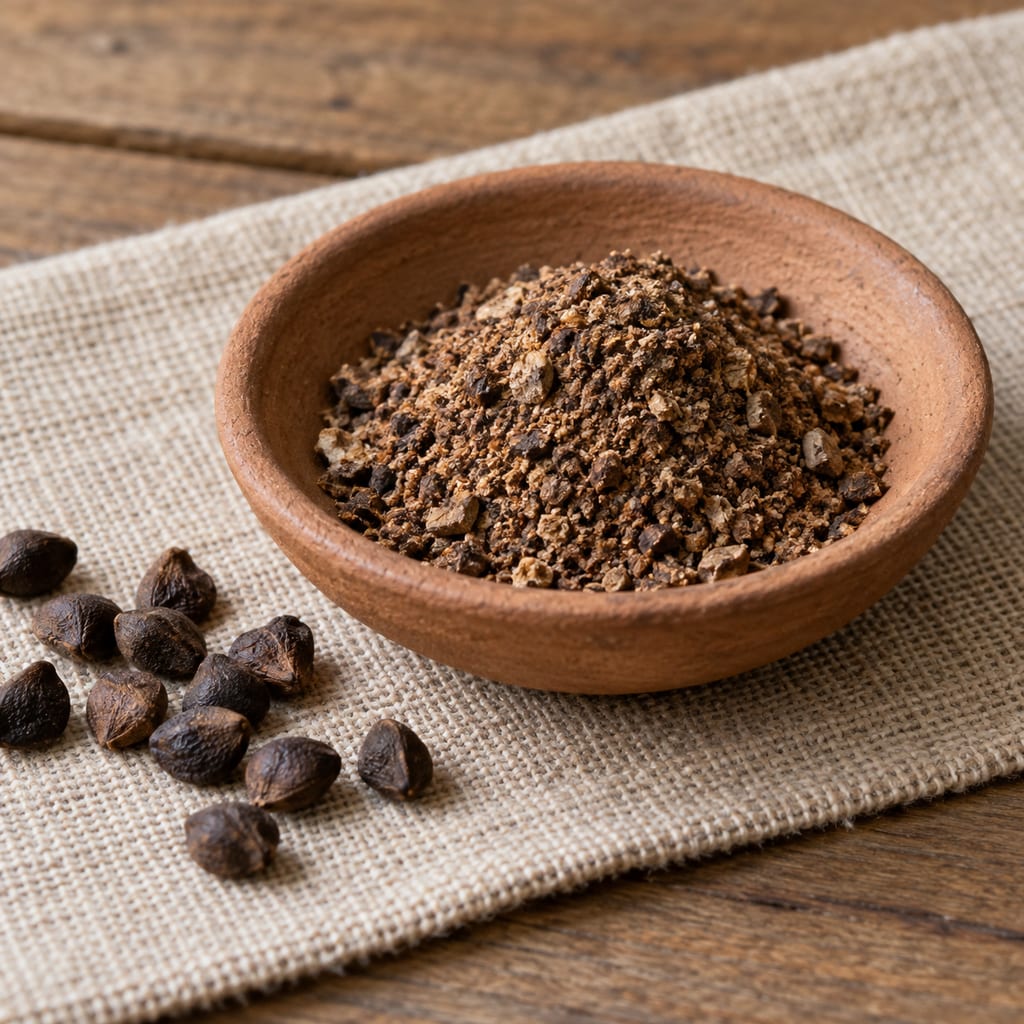
A traditional Beninese inoculum made from fermented roselle, cotton or baobab seeds, rich in bacterial spores, added to cooked African locust beans to speed up fermentation and soften them into sonru.
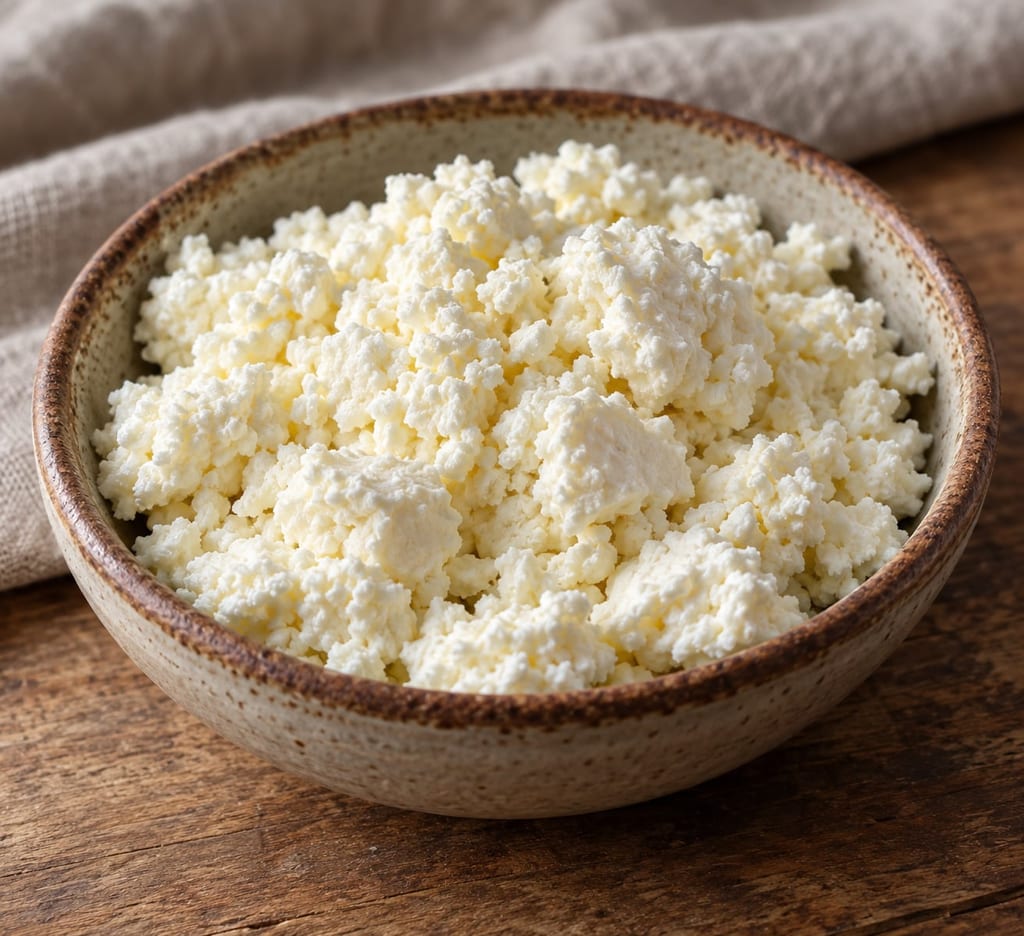
Vurda is a Hutsul whey cheese made by reheating the whey left after budz, often with fresh milk or sour whey, to recover soft pale curds that are lifted out and drained.
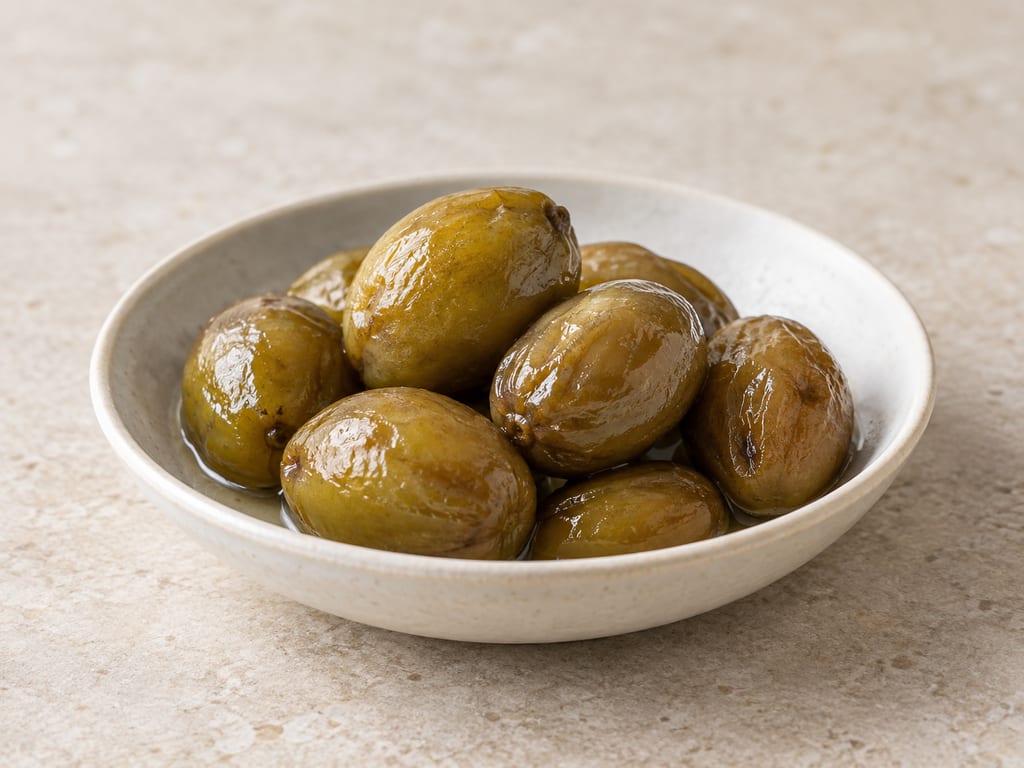
Mature Spanish plums are covered with a 20% volume salt solution and fermented under shade for ten days.
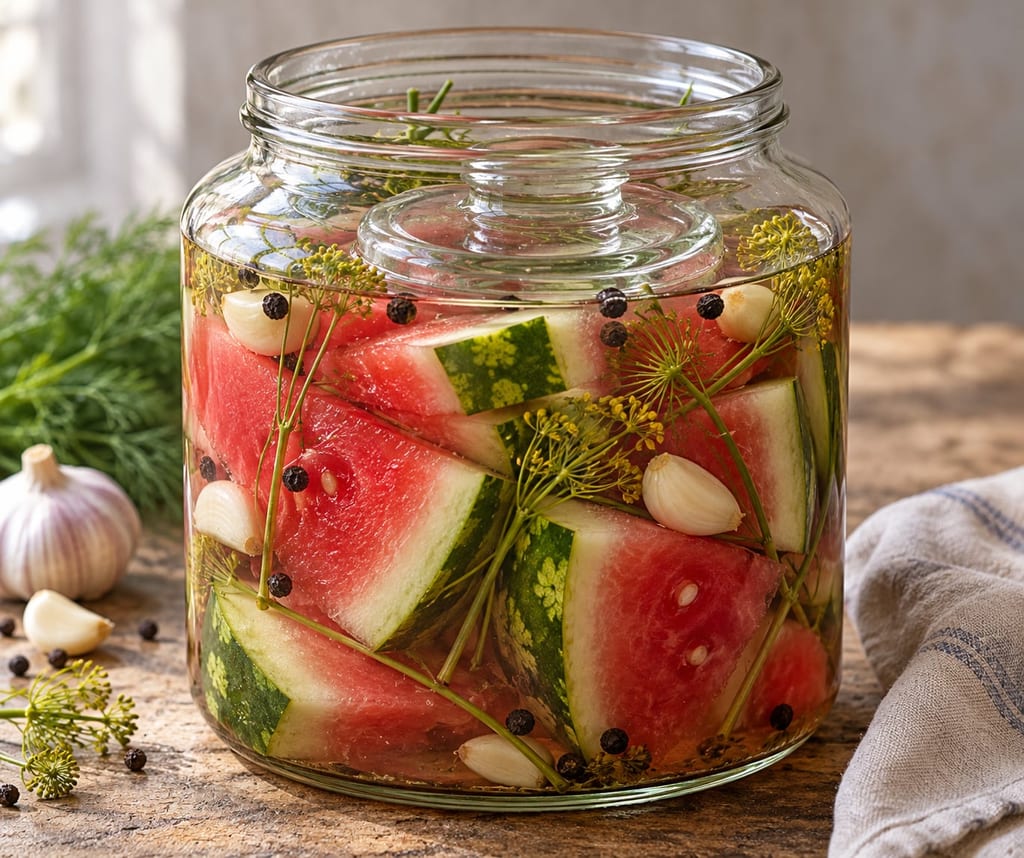
Watermelon pieces with rind ferment in a dill, garlic and pepper brine in a family preparation linked to Kishinev, Moldova.
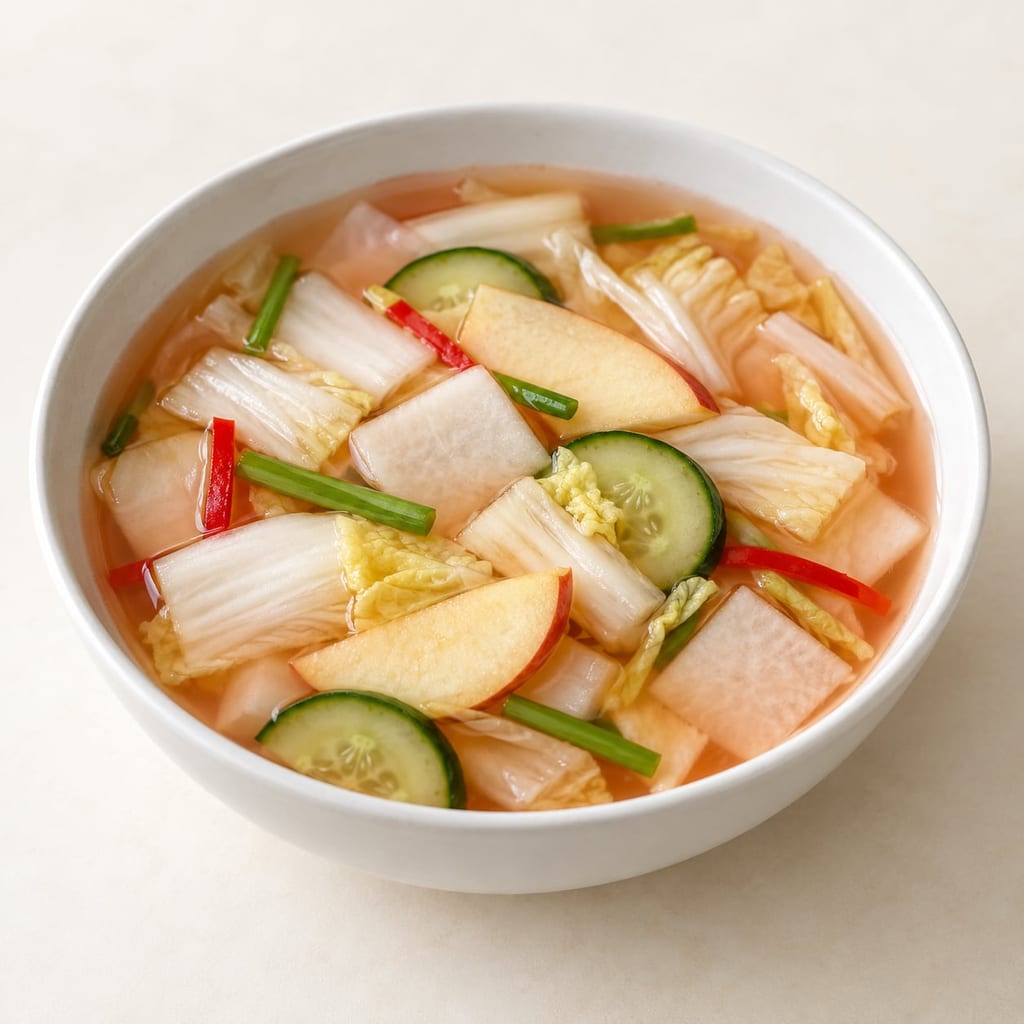
Napa cabbage and radish ferment in a rose-coloured broth with cucumber, apple, pear, alliums and chile.
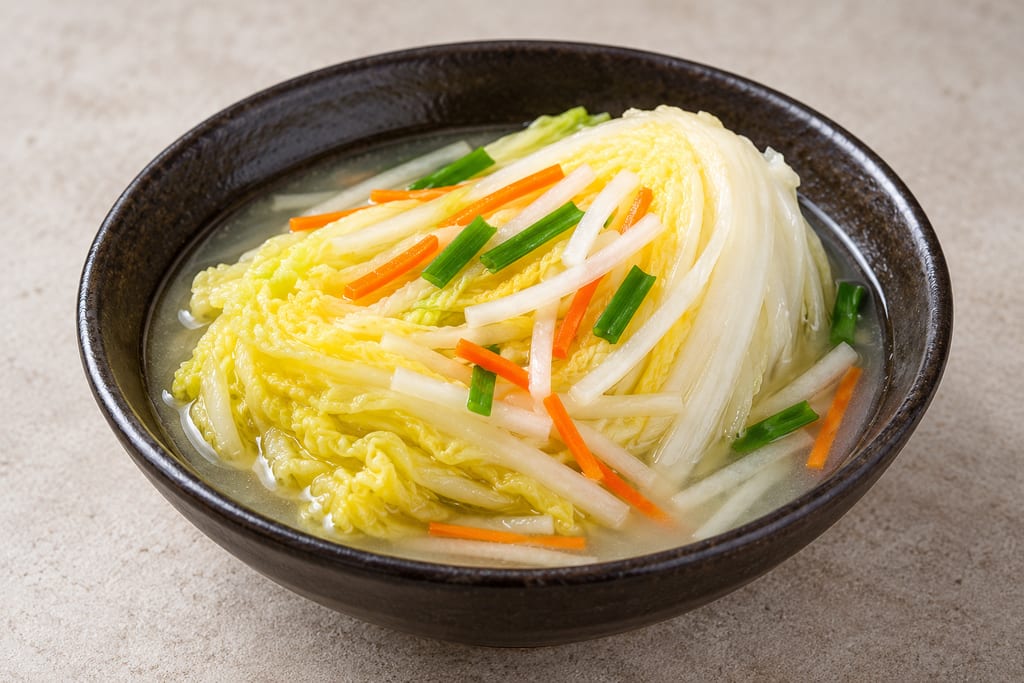
Napa cabbage is brined and filled with pear, radish, alliums, chives and fruit; this Korean kimchi omits red pepper flakes.
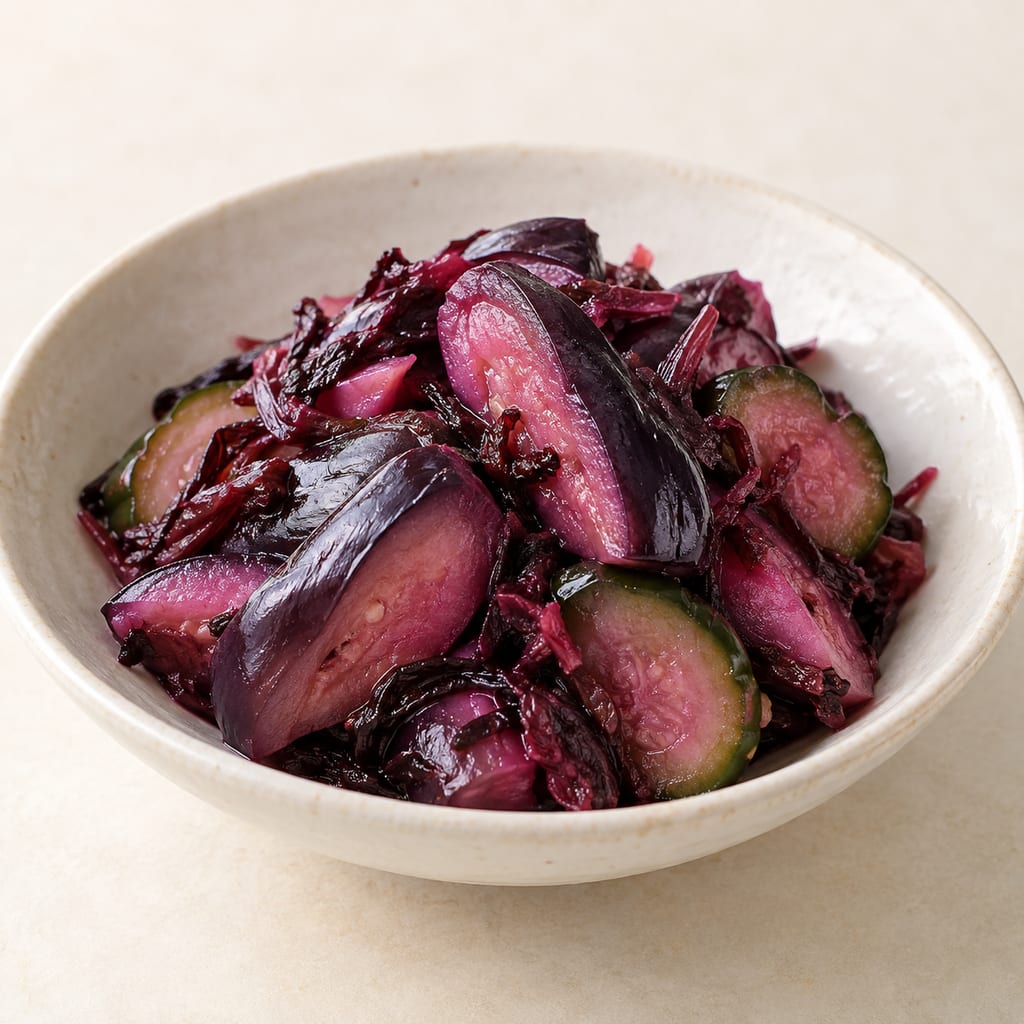
Eggplant and perilla are layered with cucumber, myoga and chiles, pressed with salt and left to mature into Kyoto’s sour purple pickle.
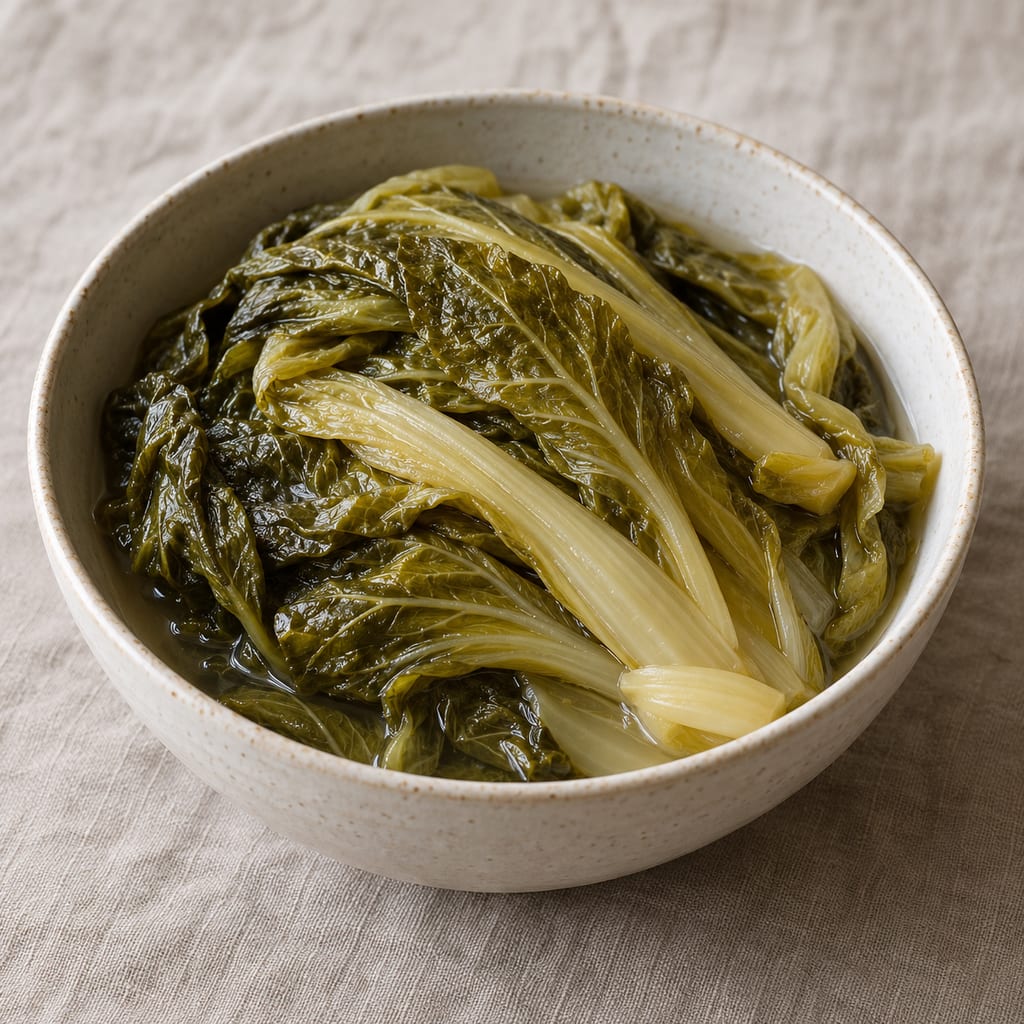
Wilted flat mustard leaves ferment with rice water and salt as a Filipino appetizer and cooking ingredient.
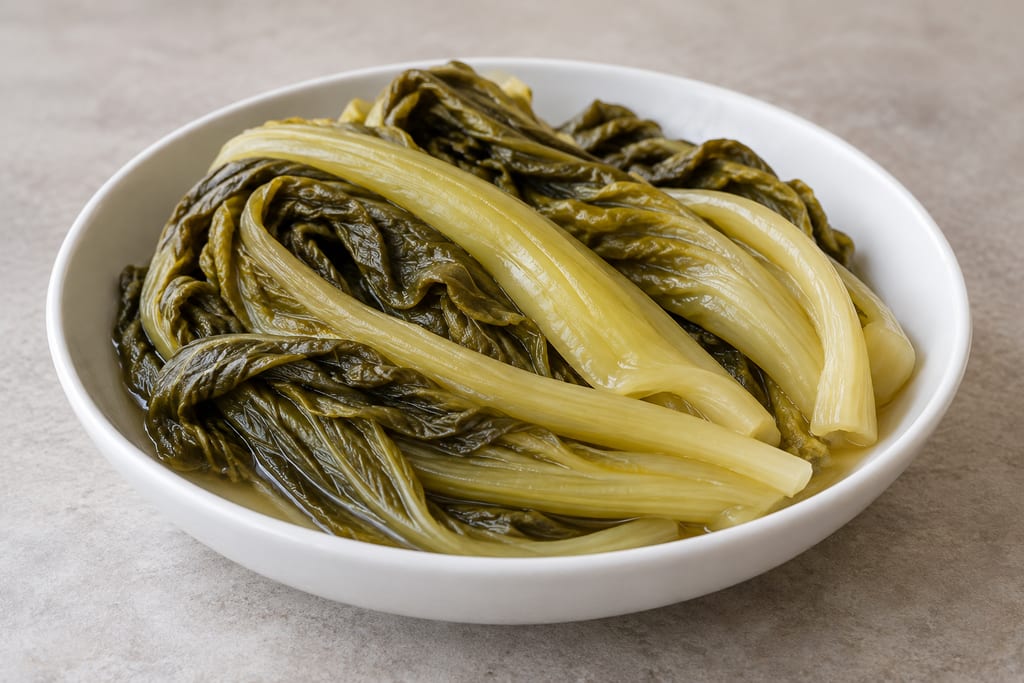
Indonesian salted mustard cabbage, wilted, rubbed with 2.5 to 5% salt by weight, and fermented covered in boiled-rice liquid.
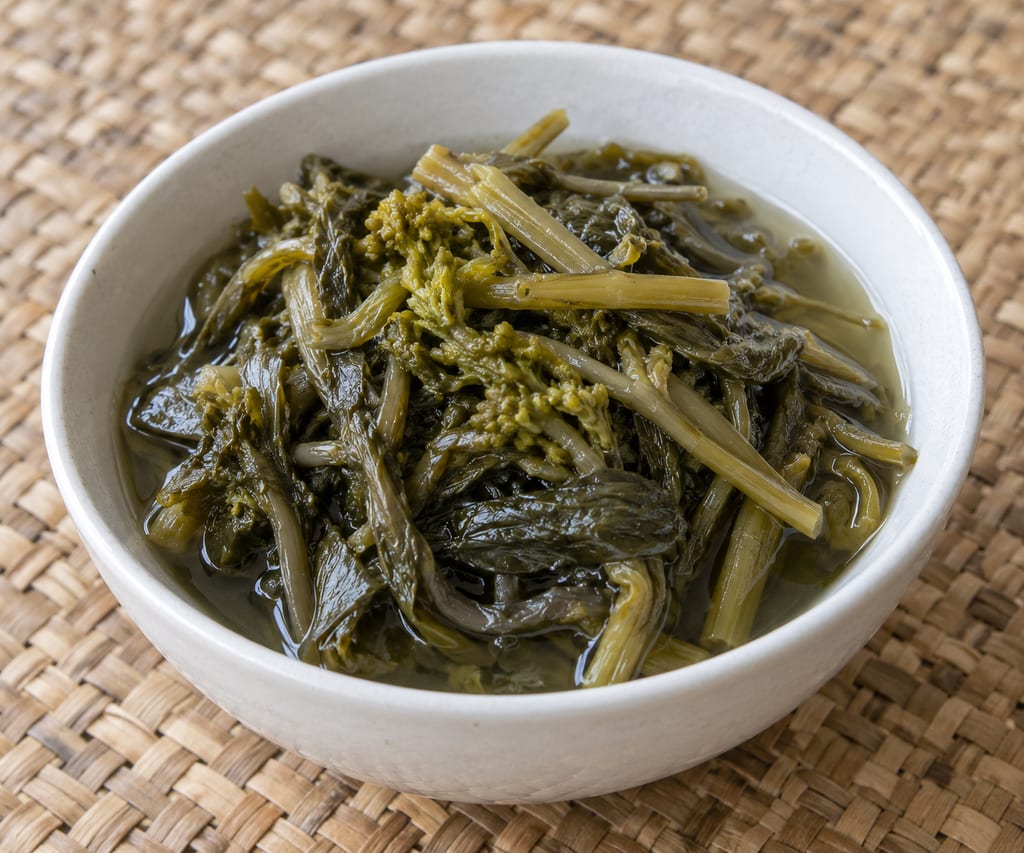
Young spider-flower greens packed with salt and cooked rice and left to sour for a few days; a Thai leafy-vegetable ferment eaten as a sharp side dish.
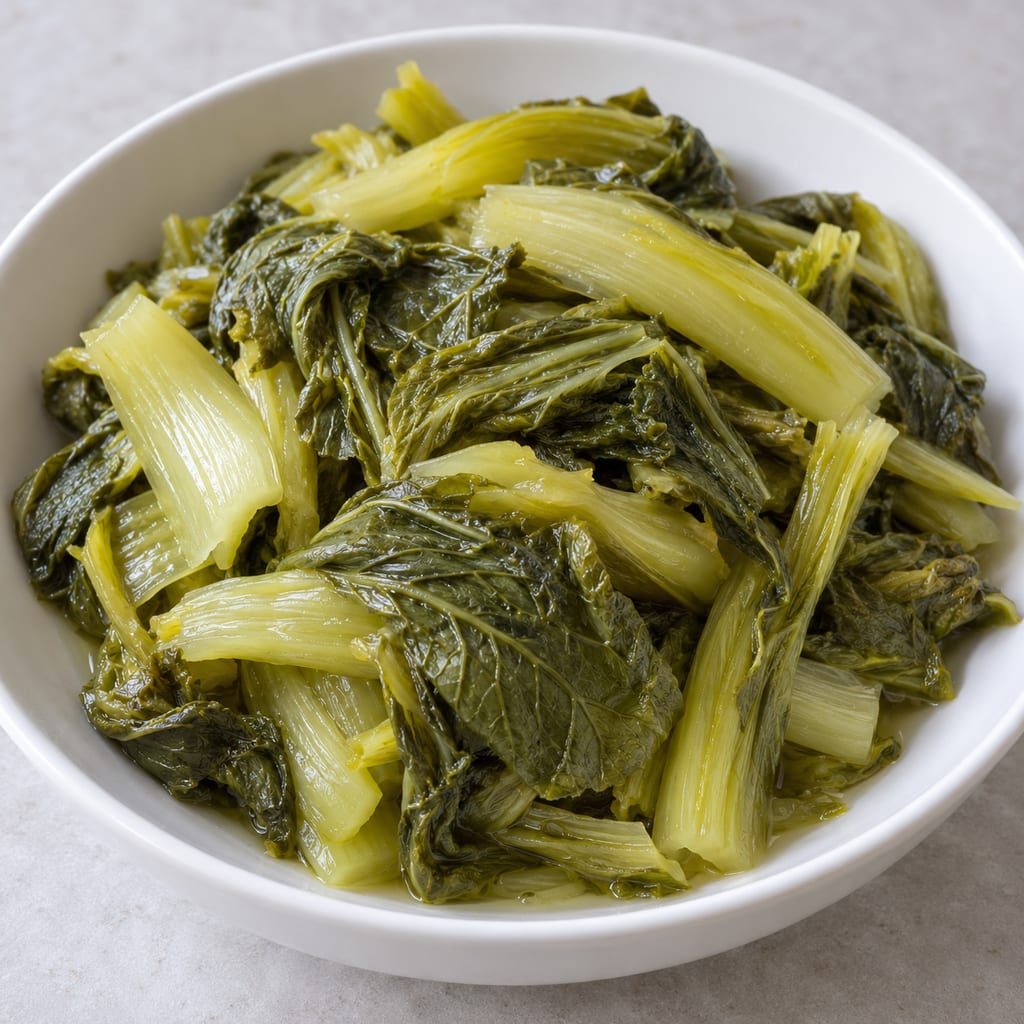
Pak-gard-dong is a Thai mustard-green pickle salted first and drained, then fermented with sugar added to the drained greens.
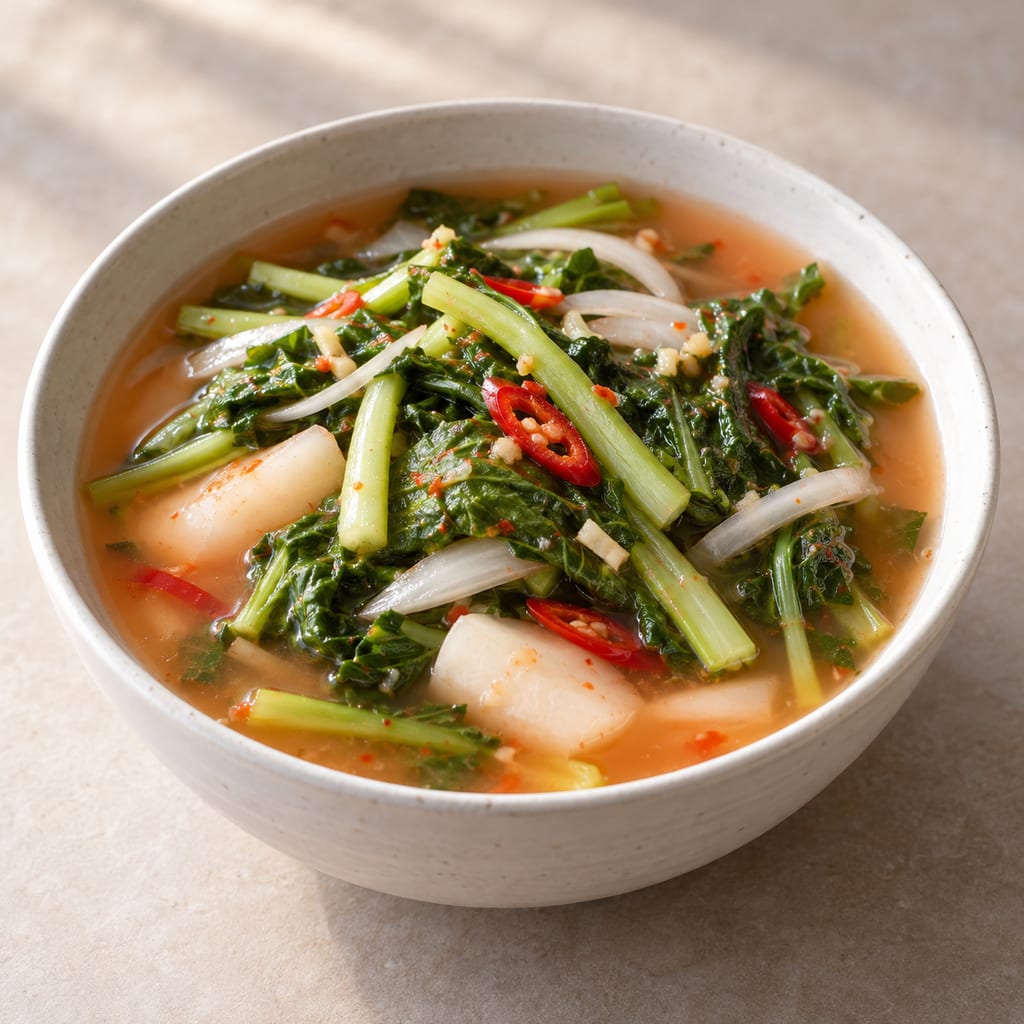
Summer water kimchi of young radish, seasoned with fish sauce and chiles, brined in salted water with cooked flour.
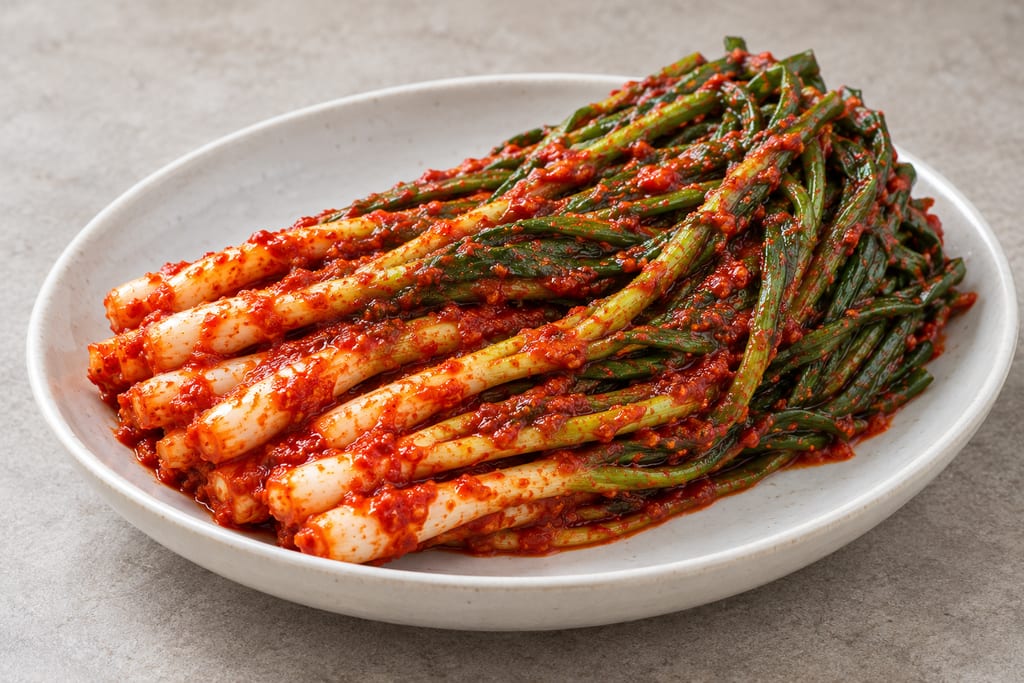
Pa-kimchi is a Korean kimchi of whole green onions salted, dressed with chilli and fish sauce, and fermented until pungent and sour.