High risk
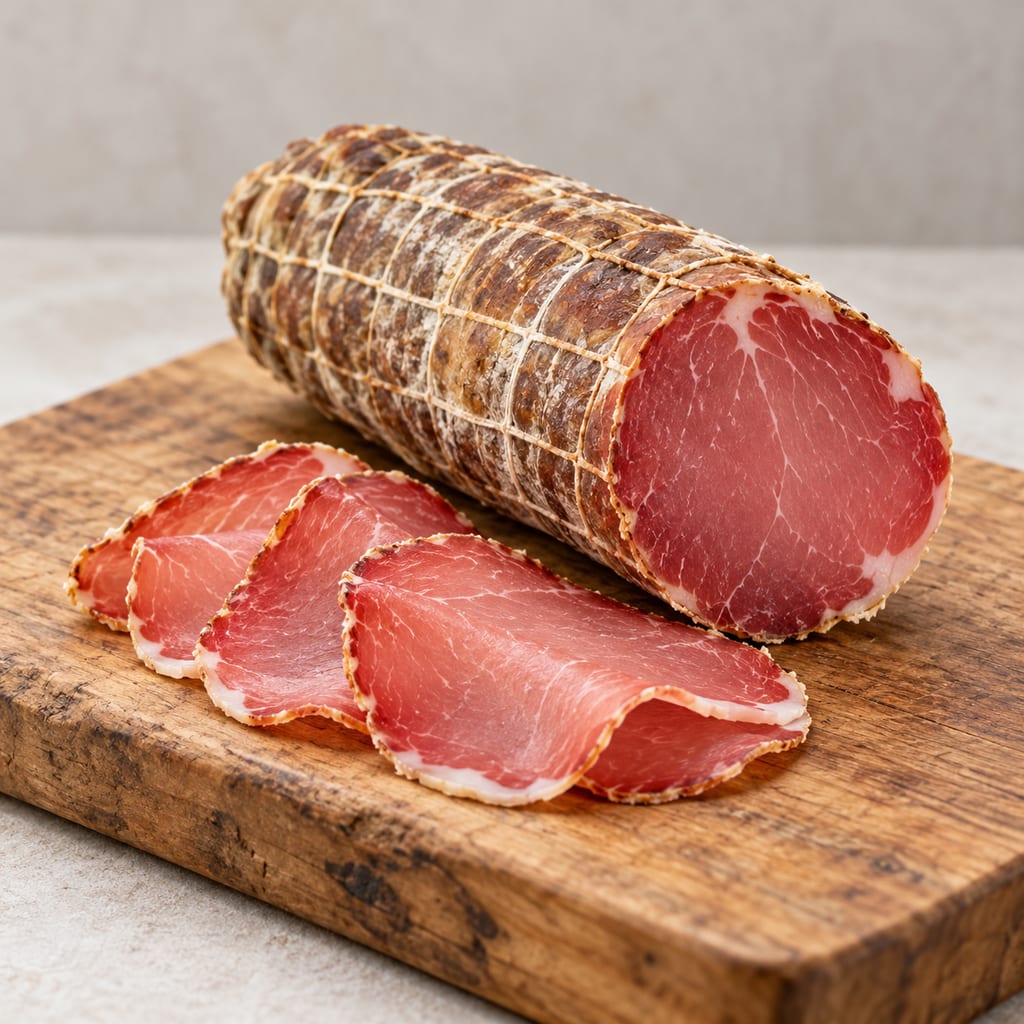
Lonzino
Documentary account of Italian regional cured-loin traditions, including Tuscan and Marche variations; no home-cure instructions are provided because the published professional methods lack validated safety controls.
 FermenteaWhere food goes to change
1504 records with their sources, across 11 categories.
Documentary account of Italian regional cured-loin traditions, including Tuscan and Marche variations; no home-cure instructions are provided because the published professional methods lack validated safety controls.
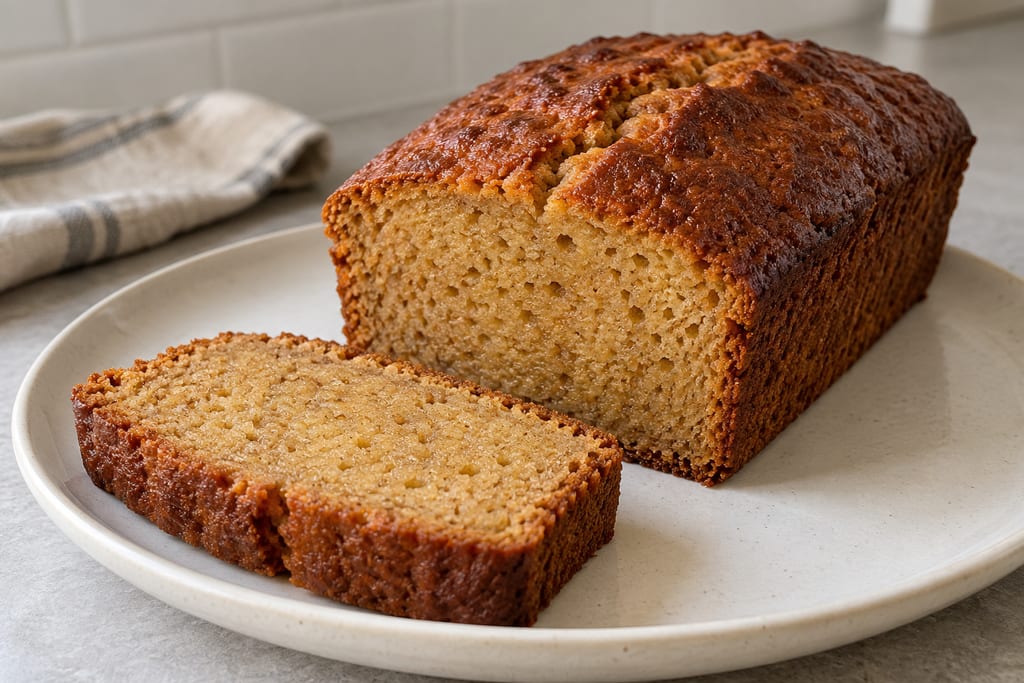
A Liberian-inspired rice-flour loaf with ripe plantain, banana and spices, baked until set.
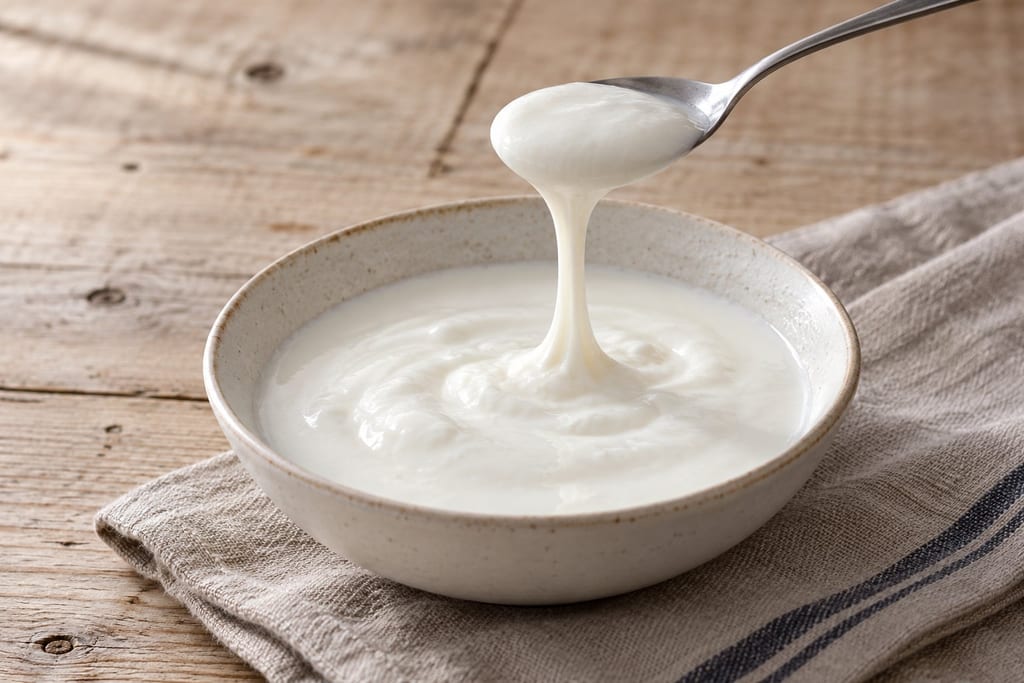
Långfil and tettemelk are traditional Swedish and Norwegian cultured milks with a mild sour taste and a stretchy texture produced by ropy lactic acid bacteria.
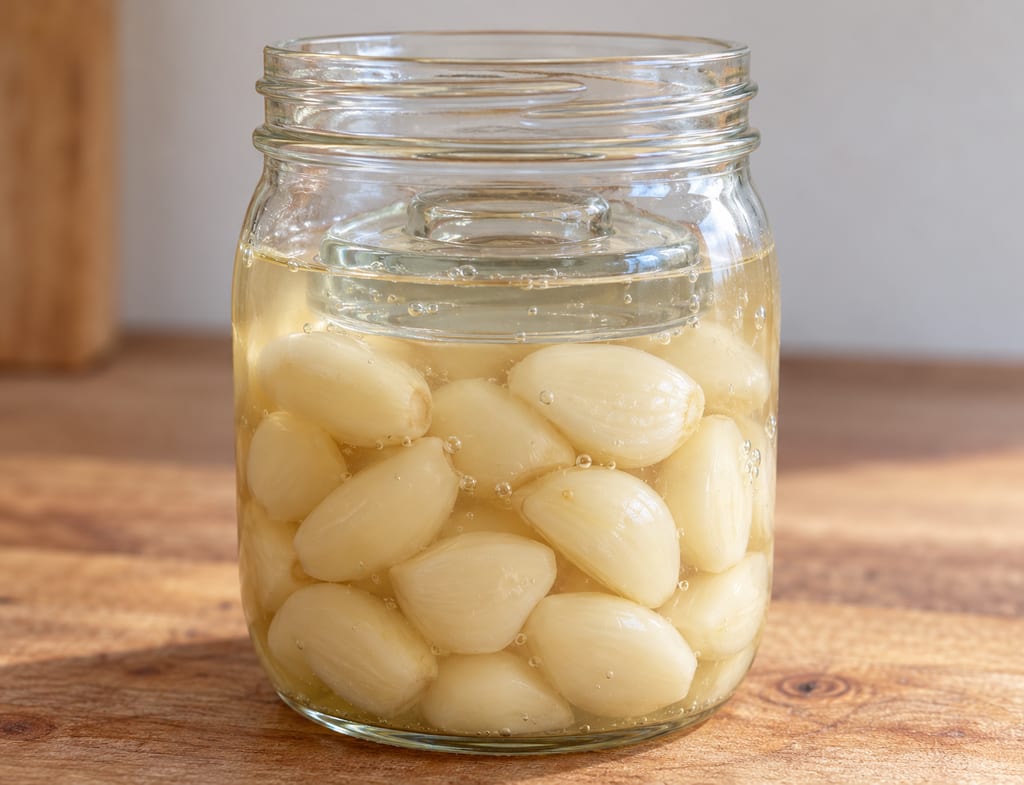
A small brine ferment of peeled garlic; the video also demonstrates optional onion and herbs.
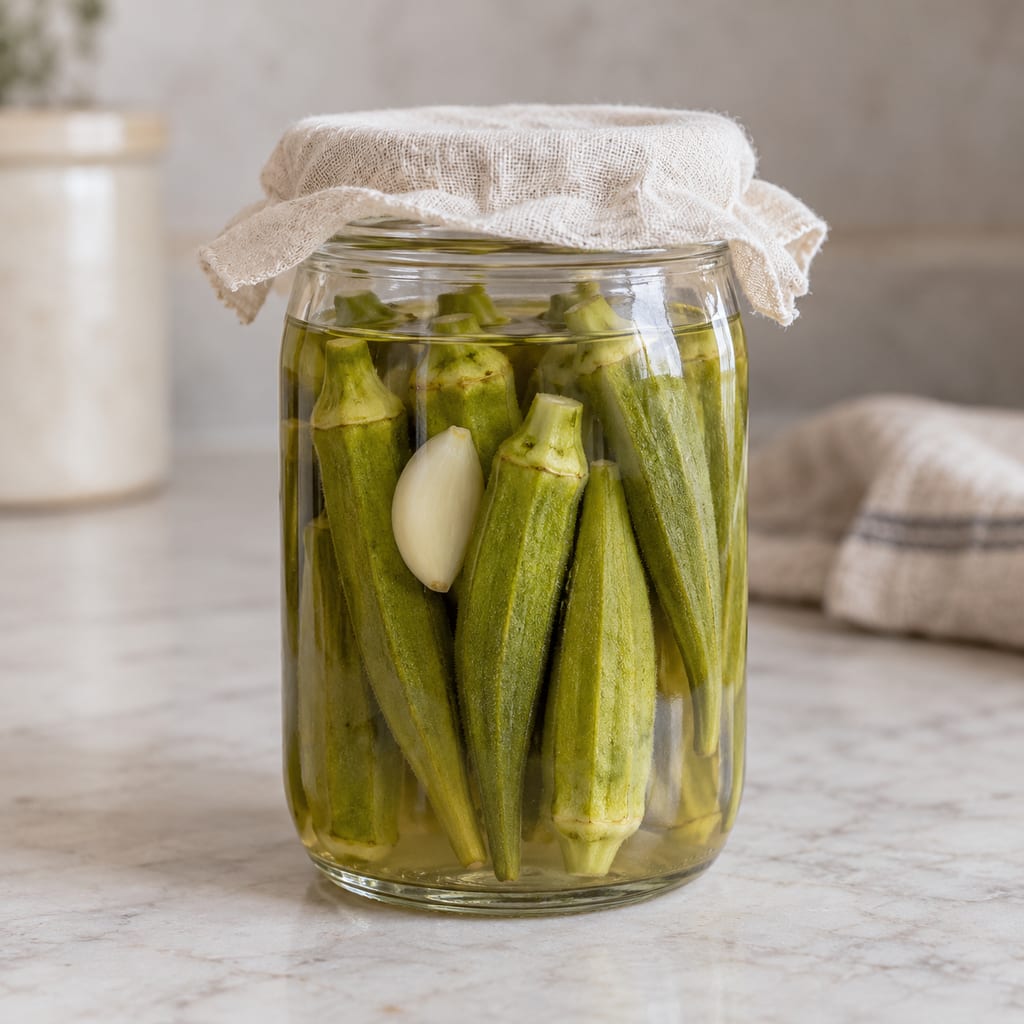
Whole okra packs into a pint jar with garlic, salt, whey and water for a short room-temperature fermentation.
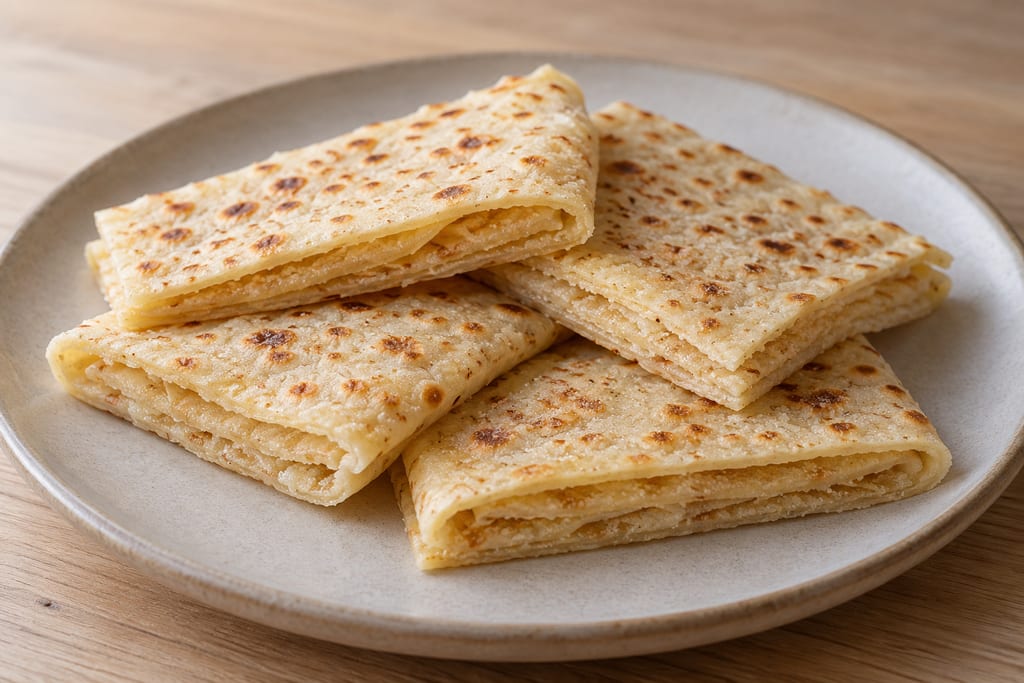
Soft Norwegian wheat and semolina flatbreads, cooked thin on a griddle and finished with butter and sugar.
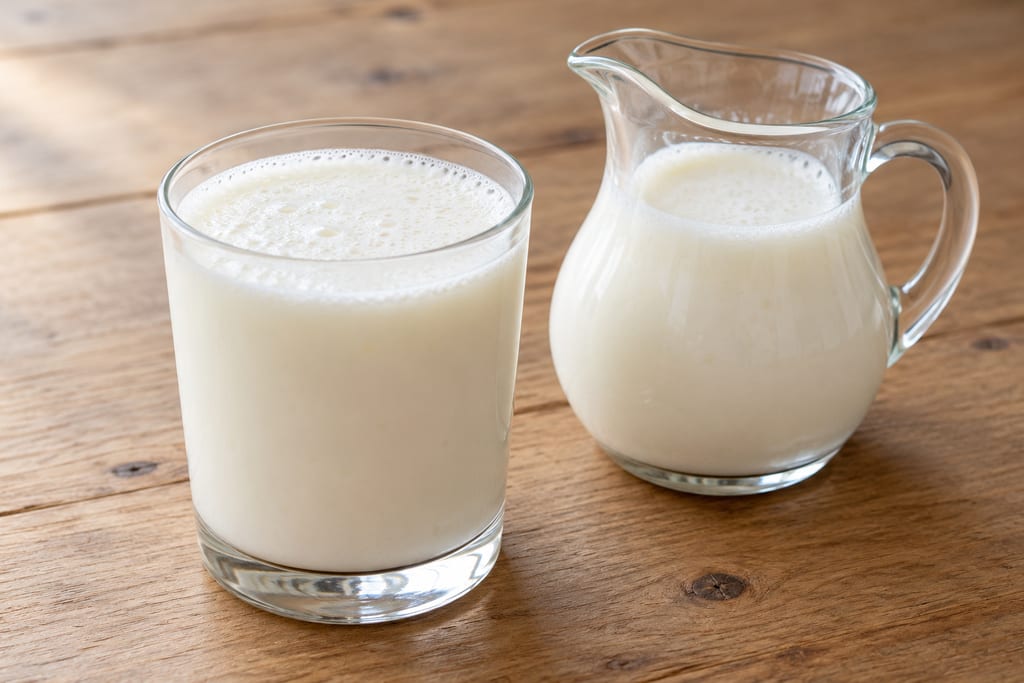
Khurunga is a traditional Buryat fermented milk made with a kept mixed bacteria-and-yeast starter, giving a sour, lightly alcoholic and often fizzy drink that is also the base for milk spirit and curds.

Ethiopia's fermented enset staple: the scraped leaf sheaths and pounded corm of Ensete ventricosum packed into a leaf-lined pit, where lactic fermentation turns them into a sour mass that keeps and is later baked as flatbread.
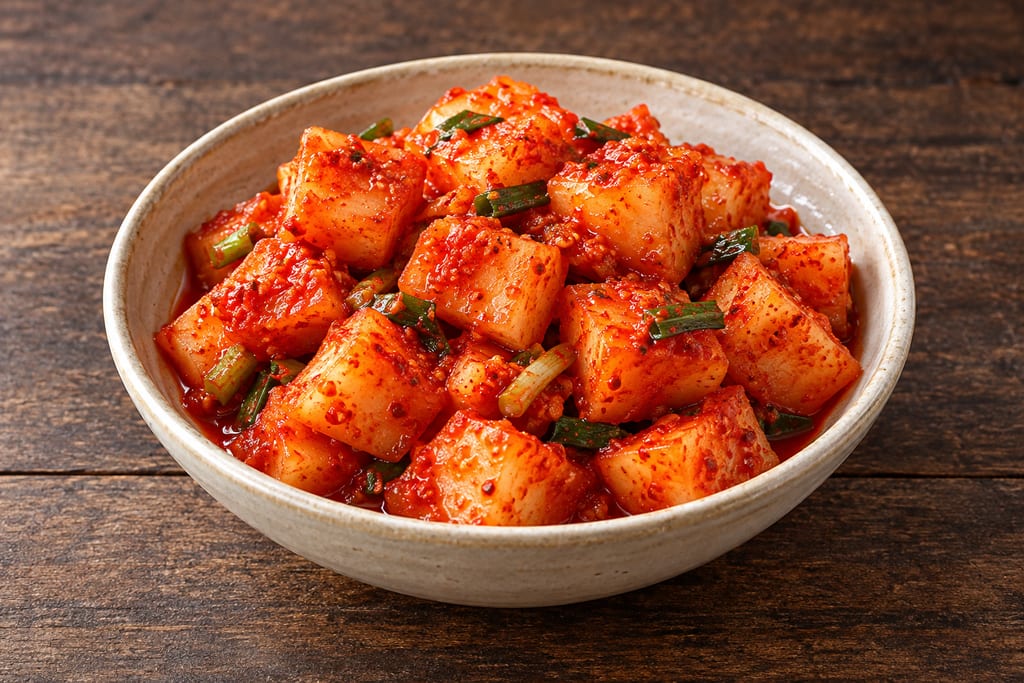
A radish kimchi cut into cubes and seasoned with gochugaru, fish sauce, garlic and ginger, eaten fresh or fermented a few days at room temperature.
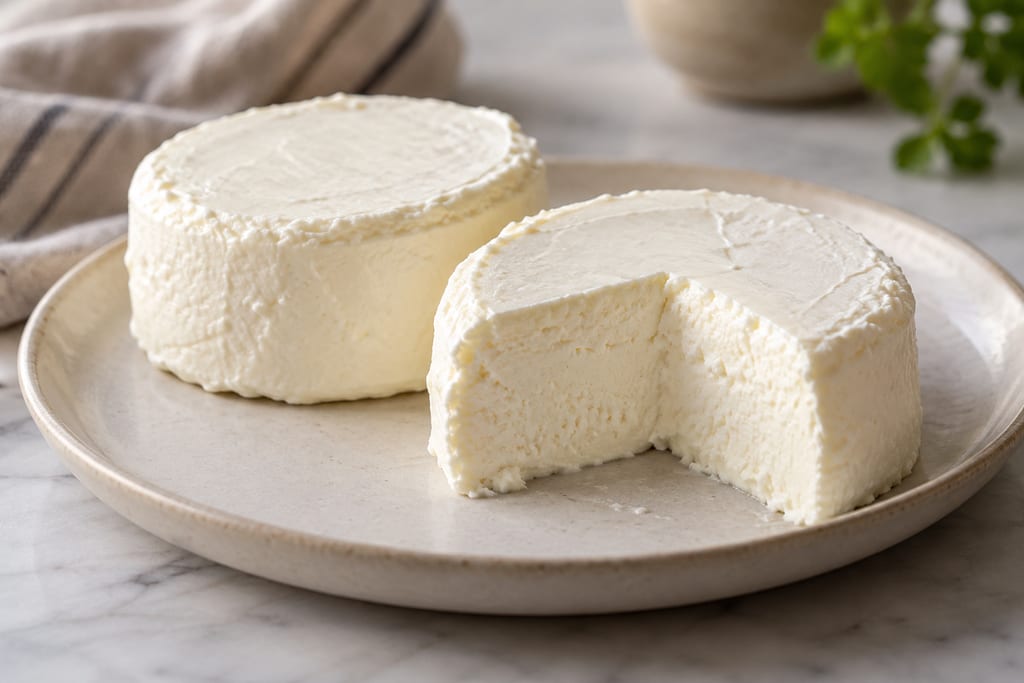
Pasteurized milk cultured with buttermilk or yogurt and set with rennet makes this soft, smooth Neufchâtel-style cheese, pressed into small forms and chilled.
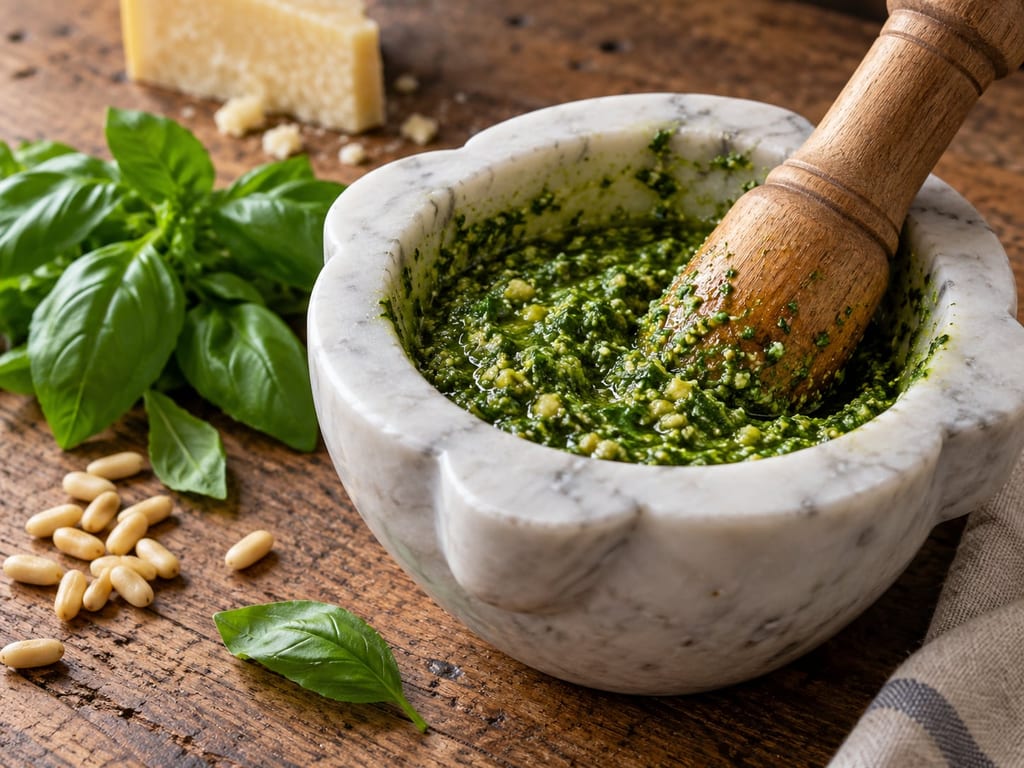
Pesto Genovese is a Ligurian uncooked basil sauce pounded with garlic, pine nuts, salt, hard cheeses and olive oil, traditionally made in a mortar.
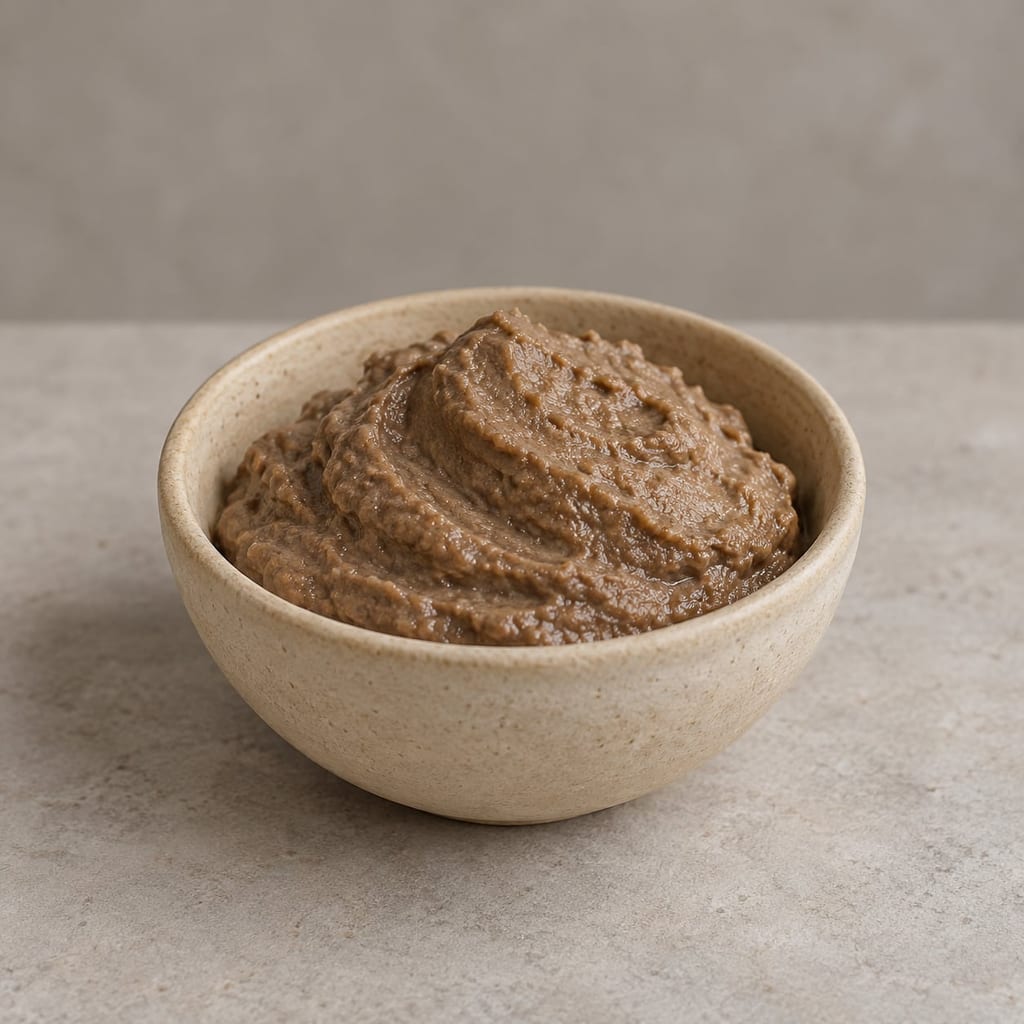
Mindeshi (also Mendeshi) is a Sudanese fermented paste made from small fish, pounded and sometimes dried. Sources disagree about how it relates to Terkin and do not establish one validated process or safety control.
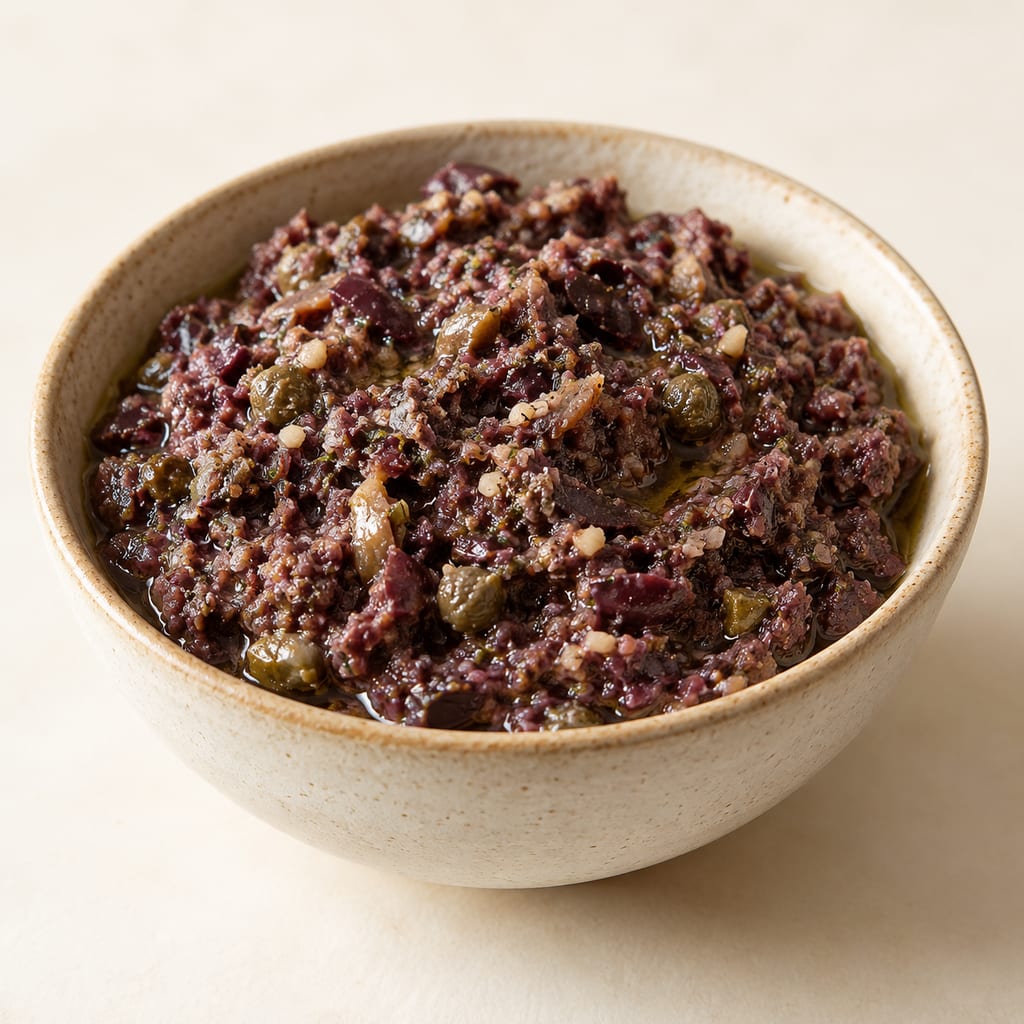
A Provençal olive spread built around olives and capers, with anchovy, garlic, lemon and olive oil in Marseille’s current recipe. Both coarse and finely worked versions are documented.
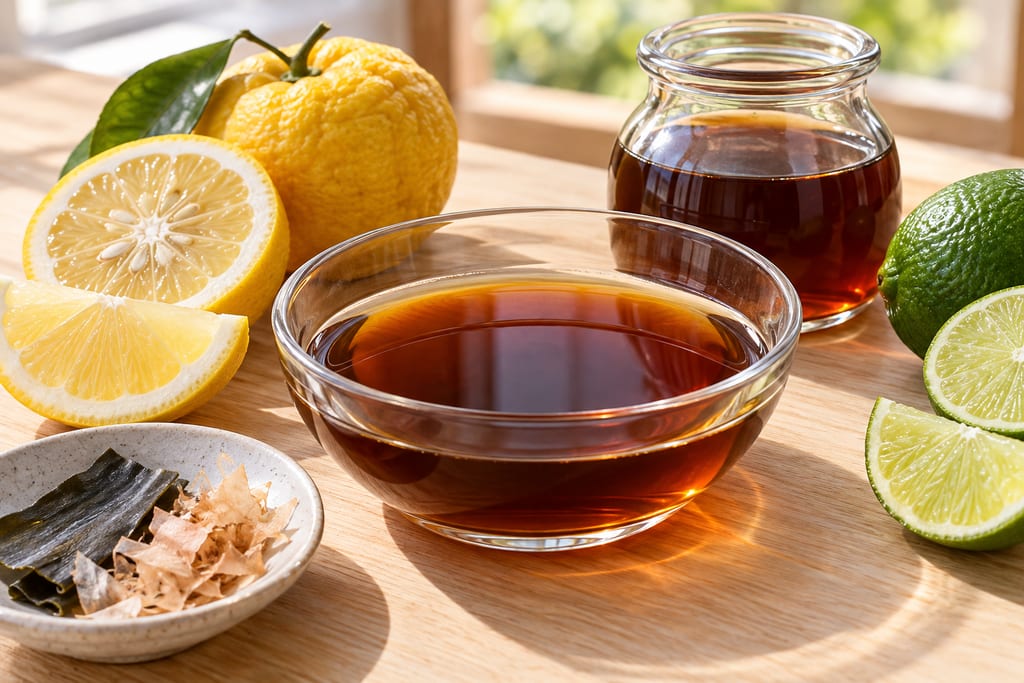
This fresh ponzu-shoyu mixes Japanese koikuchi soy sauce with yuzu or a lemon-lime blend, rice vinegar, water and sugar; optional kombu and bonito give a short chilled infusion.
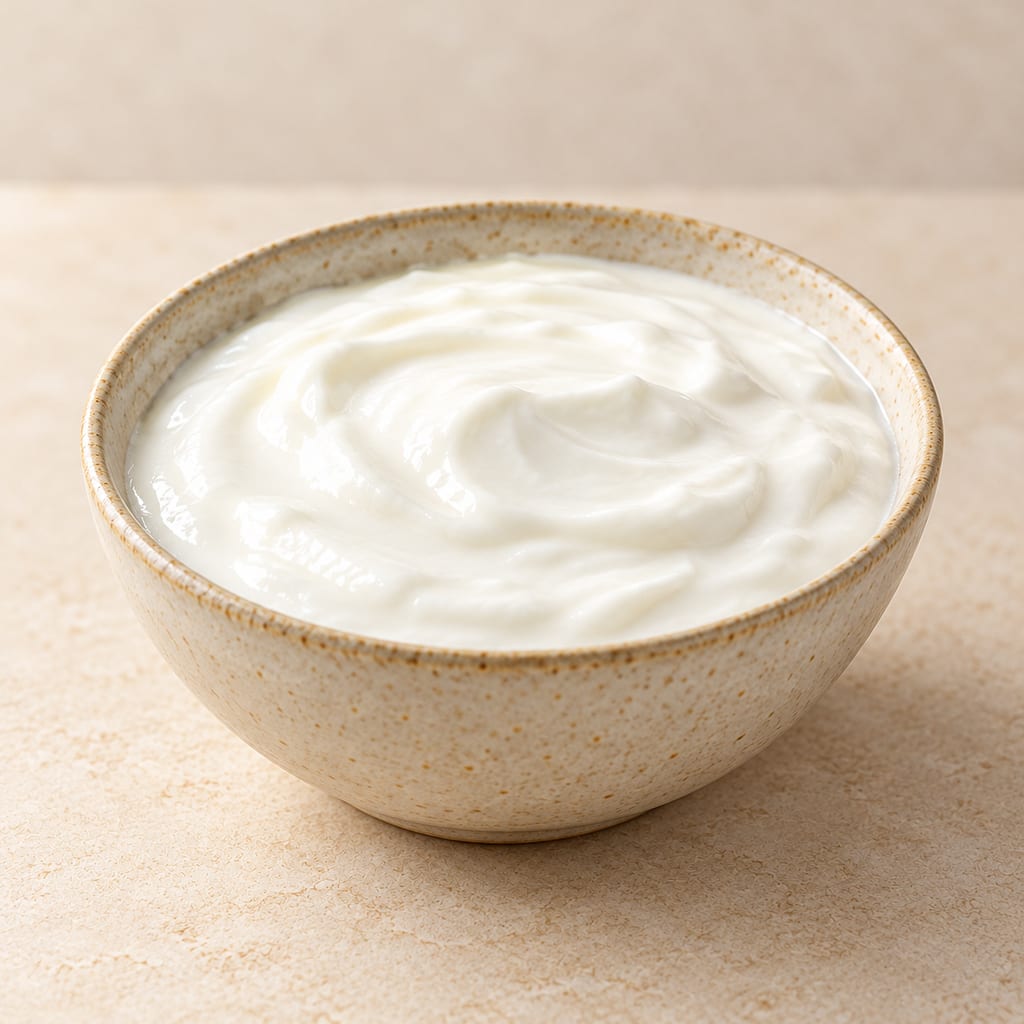
Katyk is a traditional fermented milk of Turkic-speaking peoples, made by souring heated milk with lactic bacteria, often with a spoonful of the last batch, into a thick, sour curd.

Byzantine murrī is a cooked imitation of murrī from the medieval Arabic repertoire, made from scorched honey, toasted bread, walnuts, quince, carob and spices rather than from a long grain fermentation.

Japanese vinegar from ripe persimmons: yeast turns the fruit sugar to alcohol and acetic bacteria turn that to acid; made at home in a month and by makers in Wakayama and Nagasaki over several years.
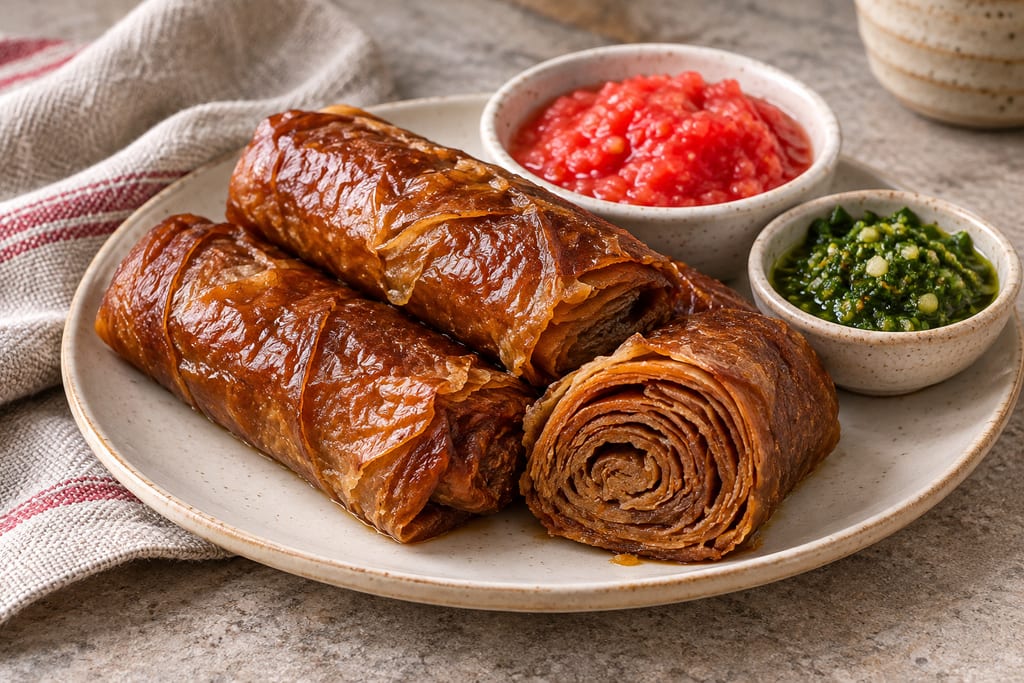
Jachnun is a rolled, butter-layered wheat pastry baked covered for hours at very low oven heat and served warm, often with grated tomato and schug.
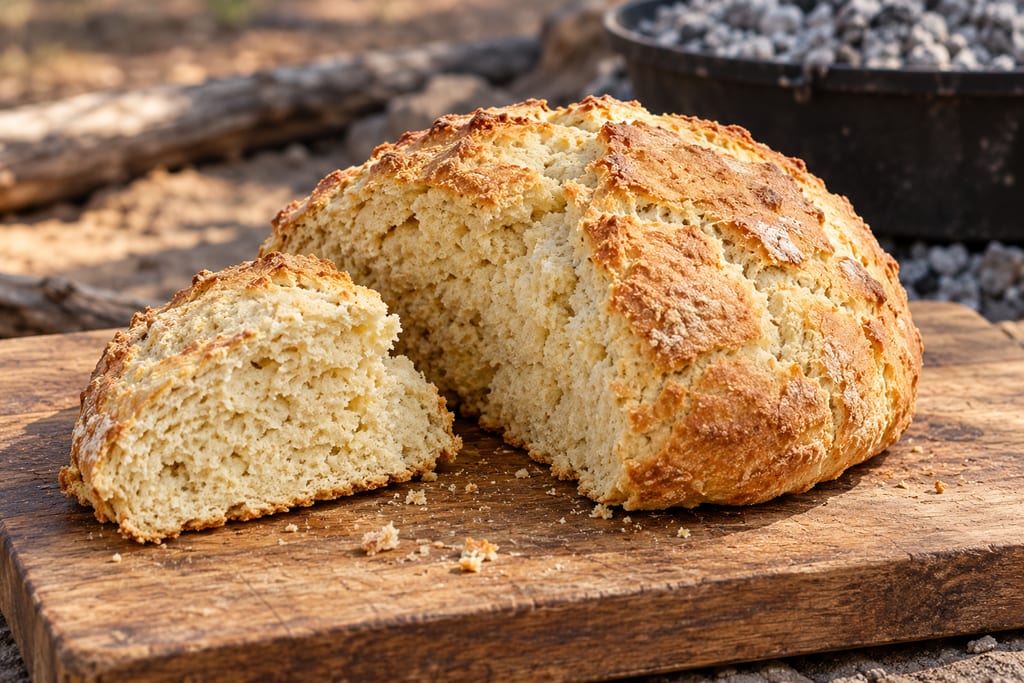
A quick stockcamp loaf of self-raising flour, powdered milk, sugar, salt and water, mixed to a soft dough and baked in an oven or camp oven.
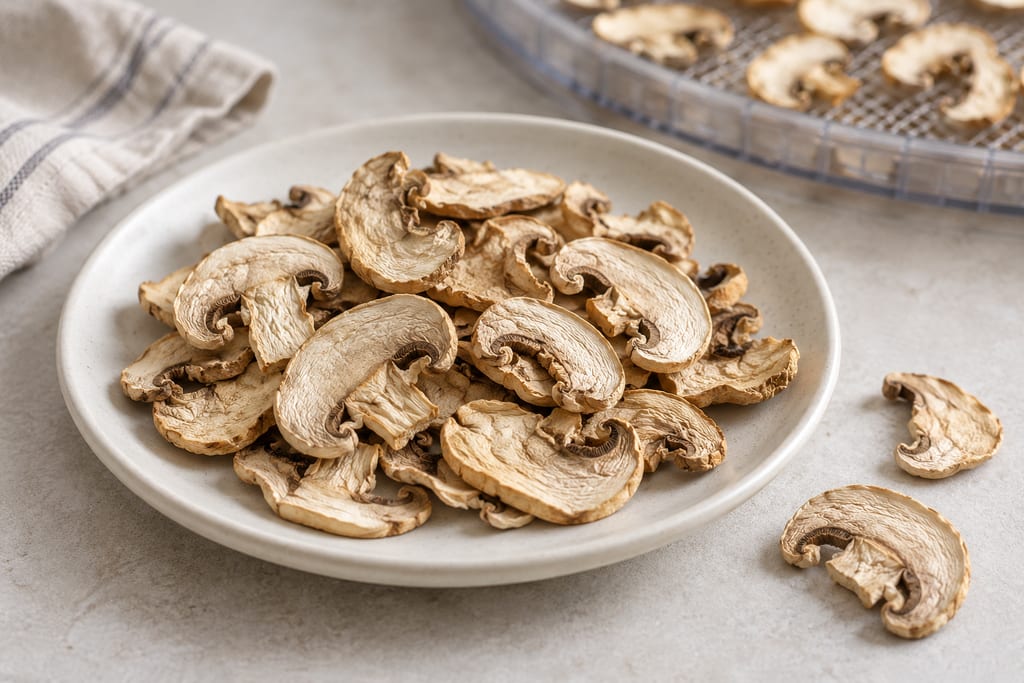
Hot-air dehydrated mushrooms are sliced mushrooms dried in a dehydrator or dryer with heated, moving air; a 2011 study dried button mushroom slices at 60 °C and compared them with microwave-vacuum and freeze-drying.
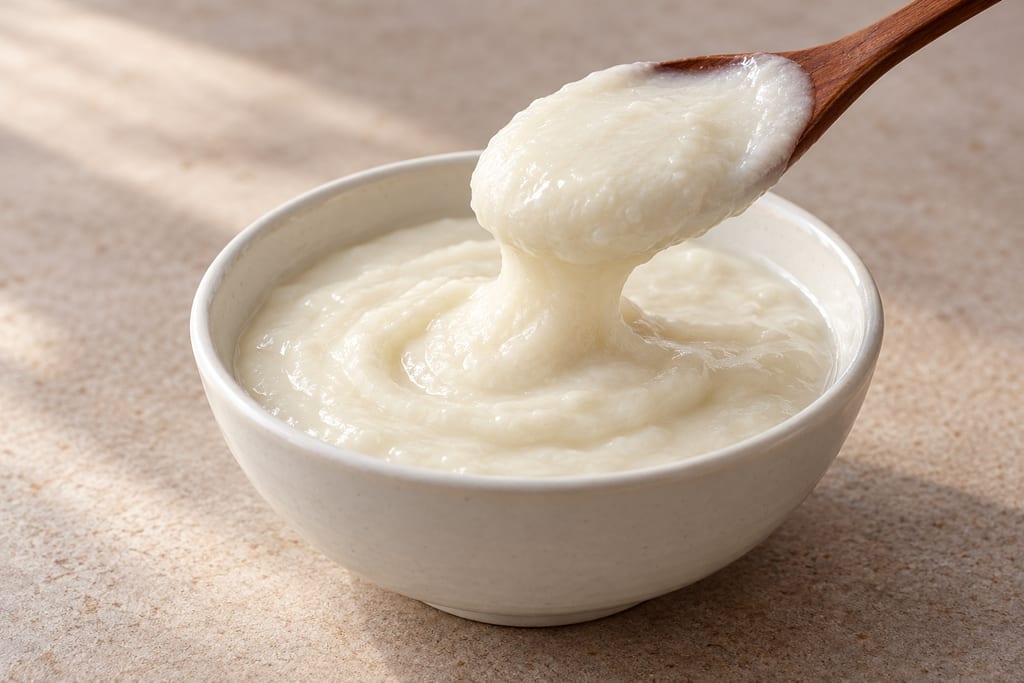
Thick, sweet Korean rice wine made with a rice-based starter called ihwagok and almost no added water, fermented into a paste that is eaten with a spoon or thinned with cold water.
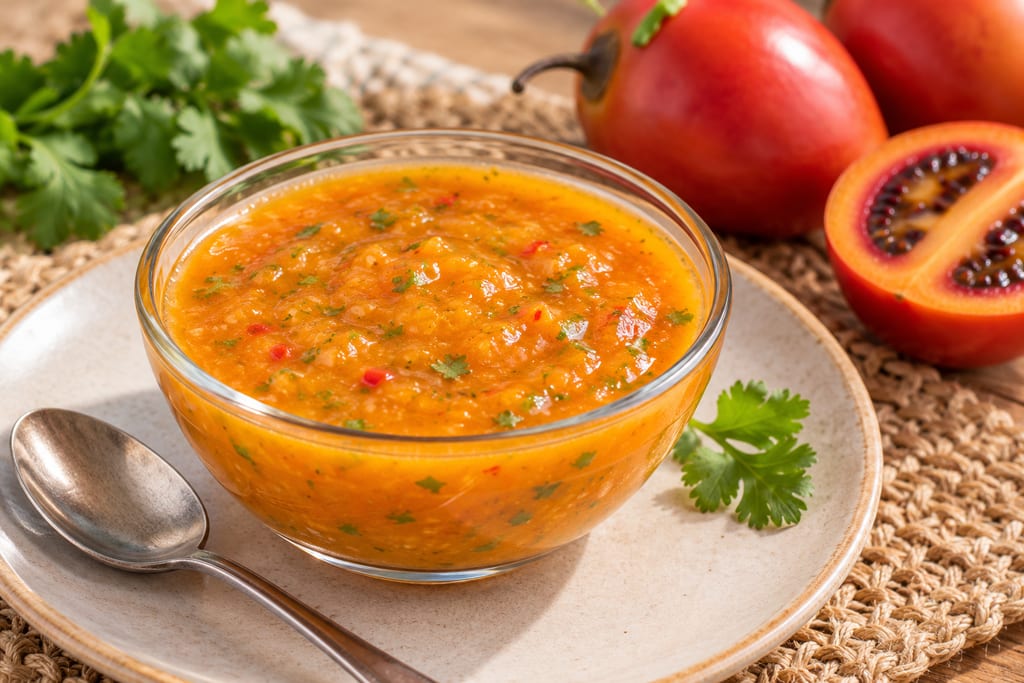
An Ecuadorian hot sauce built on tamarillo, a tart fruit that gives a sharper, fleshier base than ordinary tomato salsa.
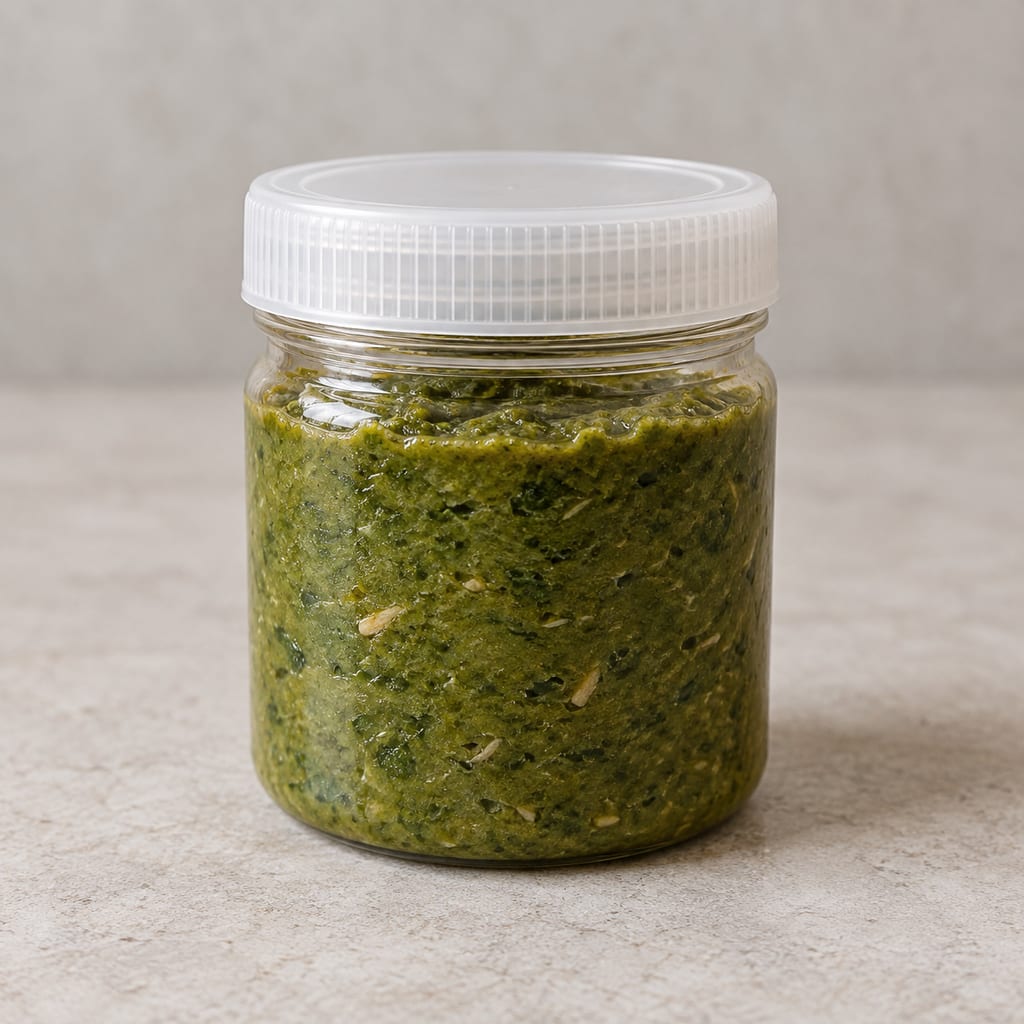
Dixon's 2007 thesis records ten toroi study batches, five with puha and five with watercress, each from 2 kg of shell-on green-lipped mussels and about 600 g of greens. Its method is a laboratory one.
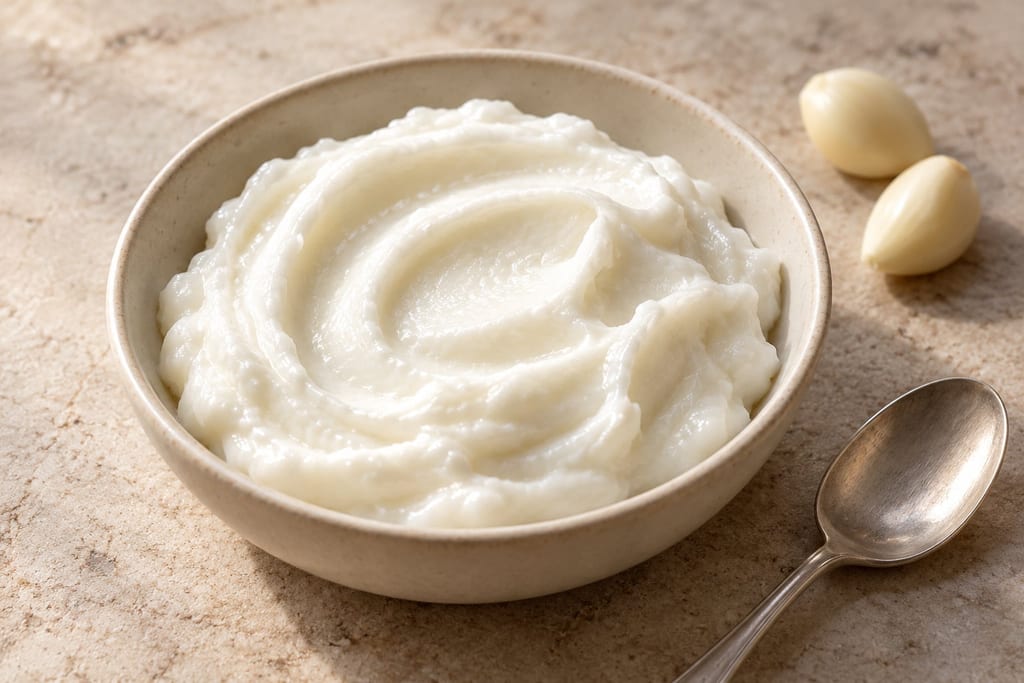
Toum is a Lebanese garlic-and-oil emulsion: raw garlic, salt, lemon and a little water are processed into a dense, pale, egg-free sauce. Slow oil addition builds its fluffy texture; it is served with grilled foods, sandwiches and mezze.
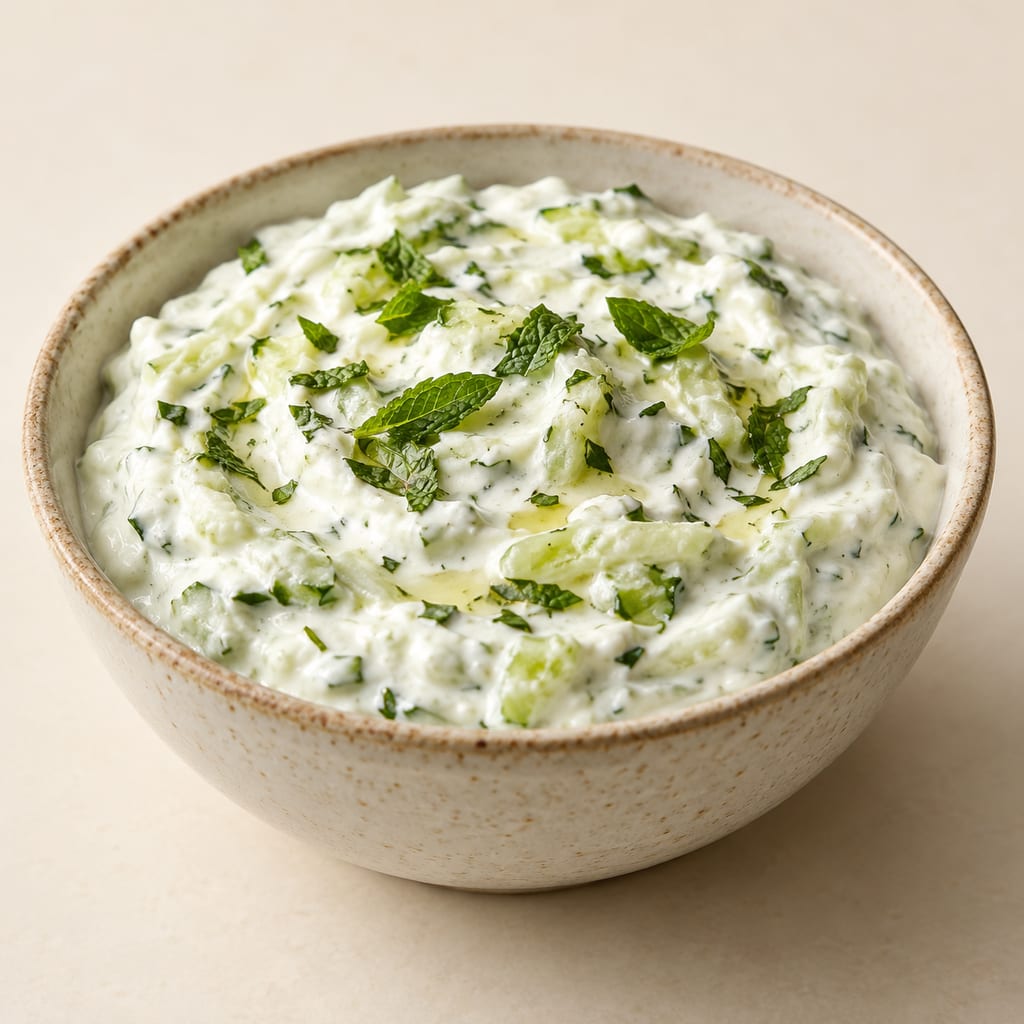
The Cypriot form of tzatziki: strained yogurt and grated cucumber with garlic, finished with mint and lemon juice where the Greek version uses dill and vinegar.
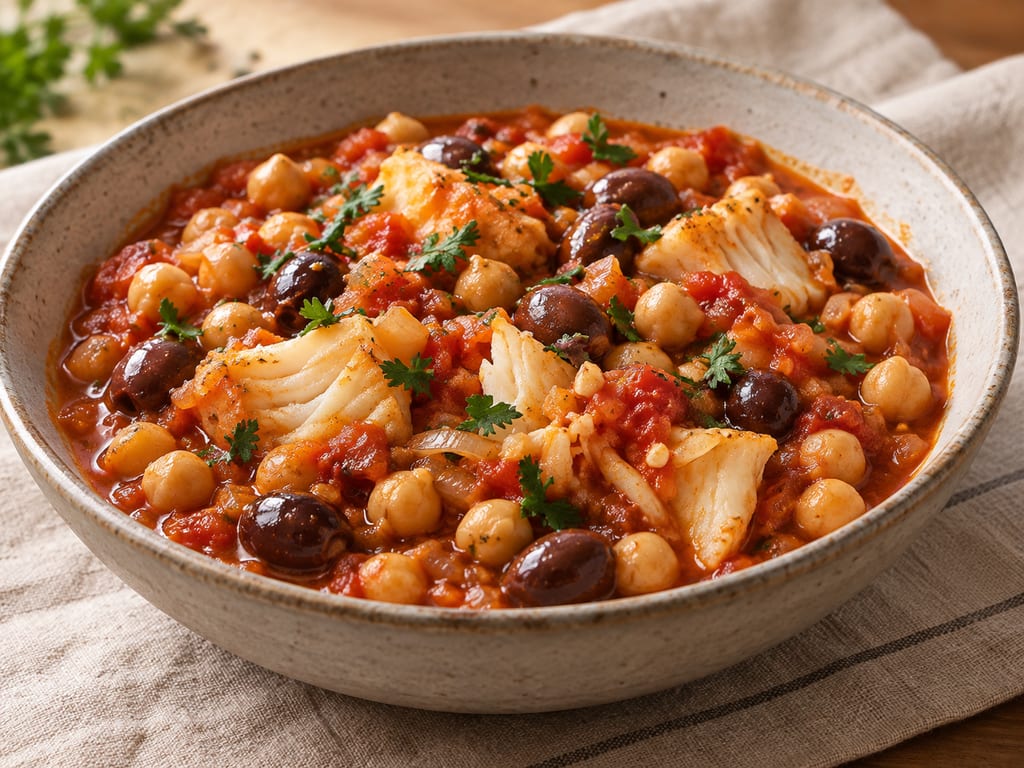
A contemporary Mediterranean-style stew in which poached stockfish flakes are folded into a paprika-spiced tomato sauce with cooked chickpeas and olives.
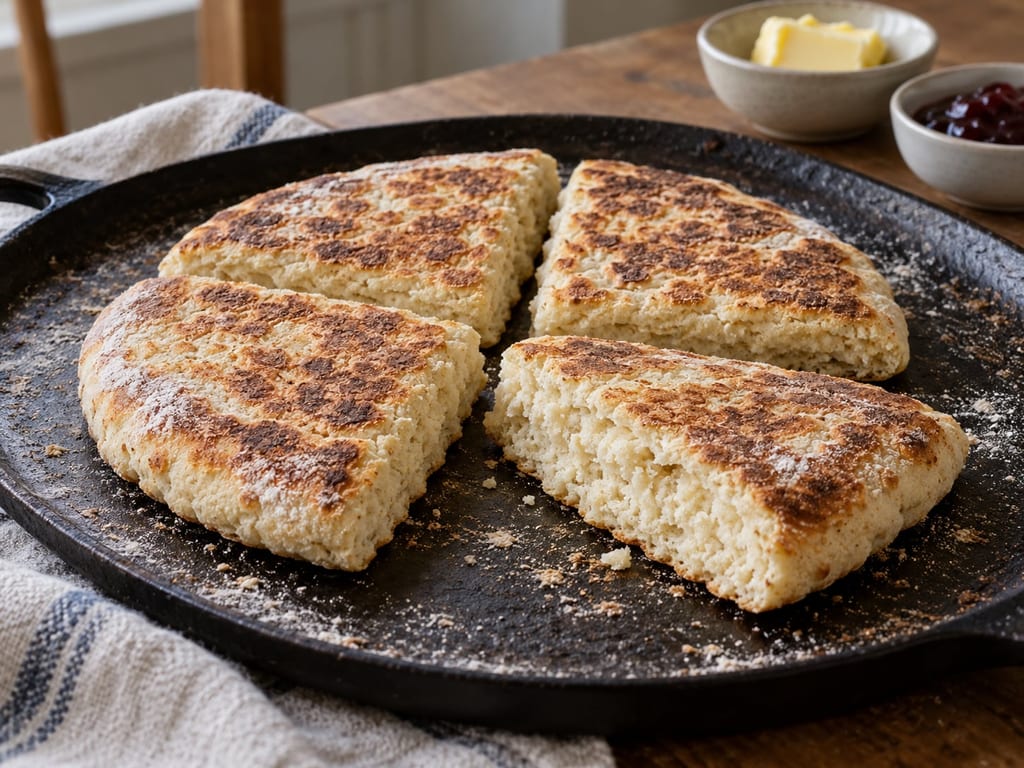
A buttermilk-and-soda wheat dough cut into quarters and cooked on a griddle, following Paula's plain version for Discover Ulster-Scots.
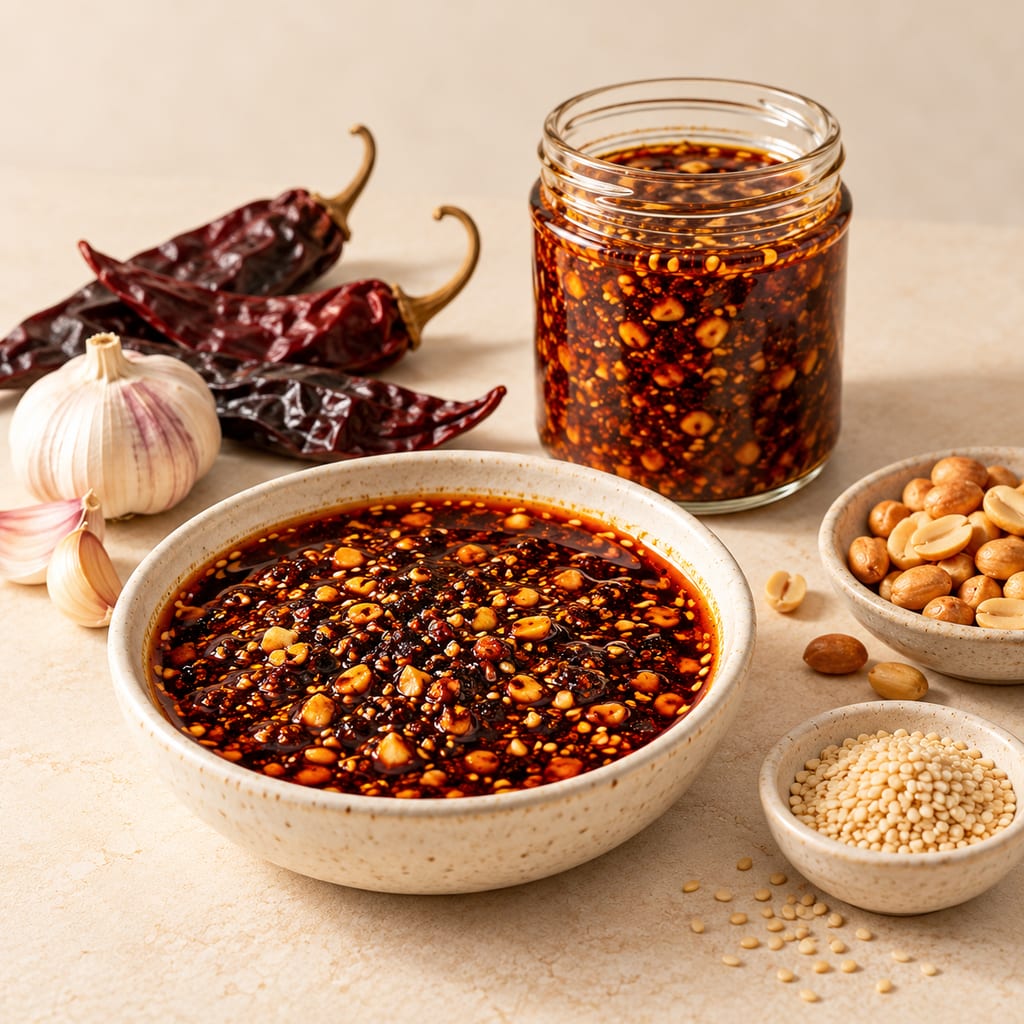
Salsa macha is a Mexican chile-and-oil condiment, often coarse with garlic, peanuts and sesame; this version follows a documented gentle-cook method and stays refrigerated.
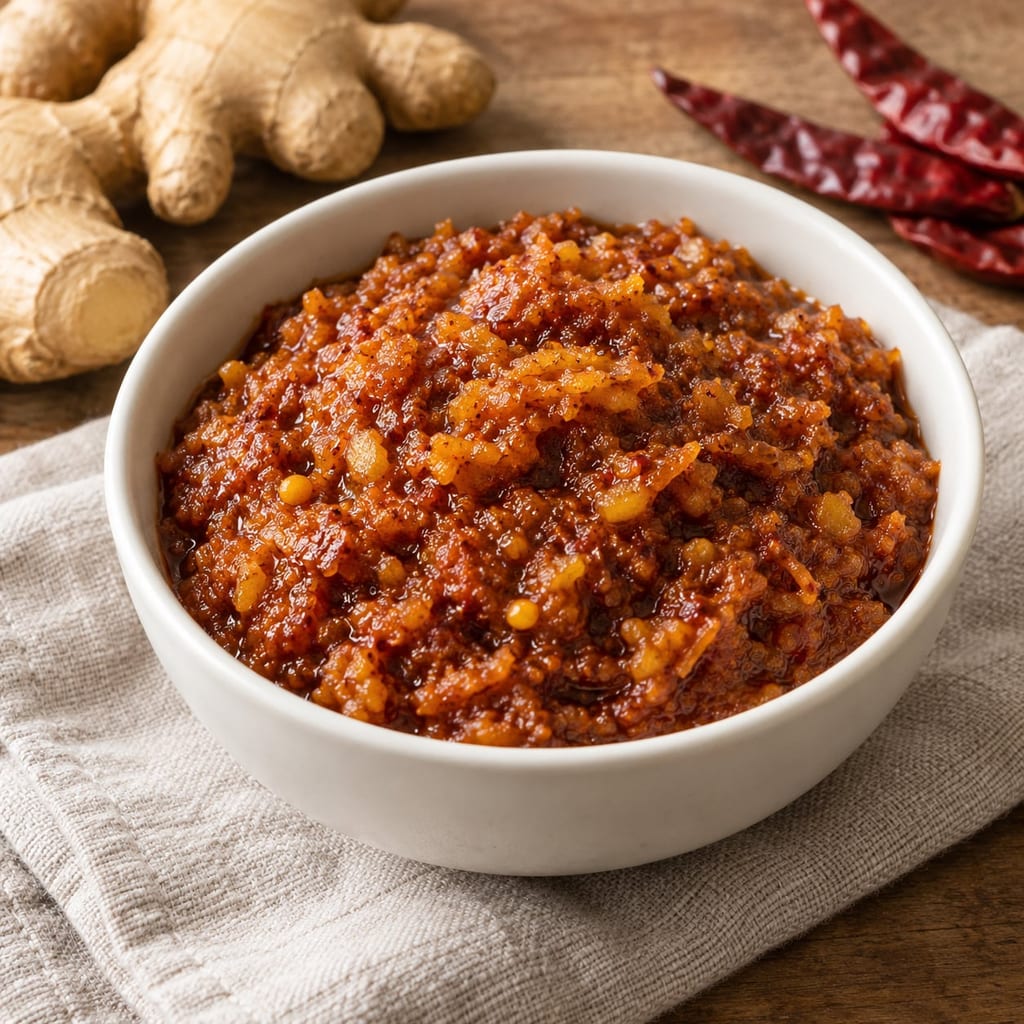
An Andhra ginger-and-urad chutney in which browned dal and briefly fried ginger and chillies are cooled, then ground with jaggery to a coarse paste.
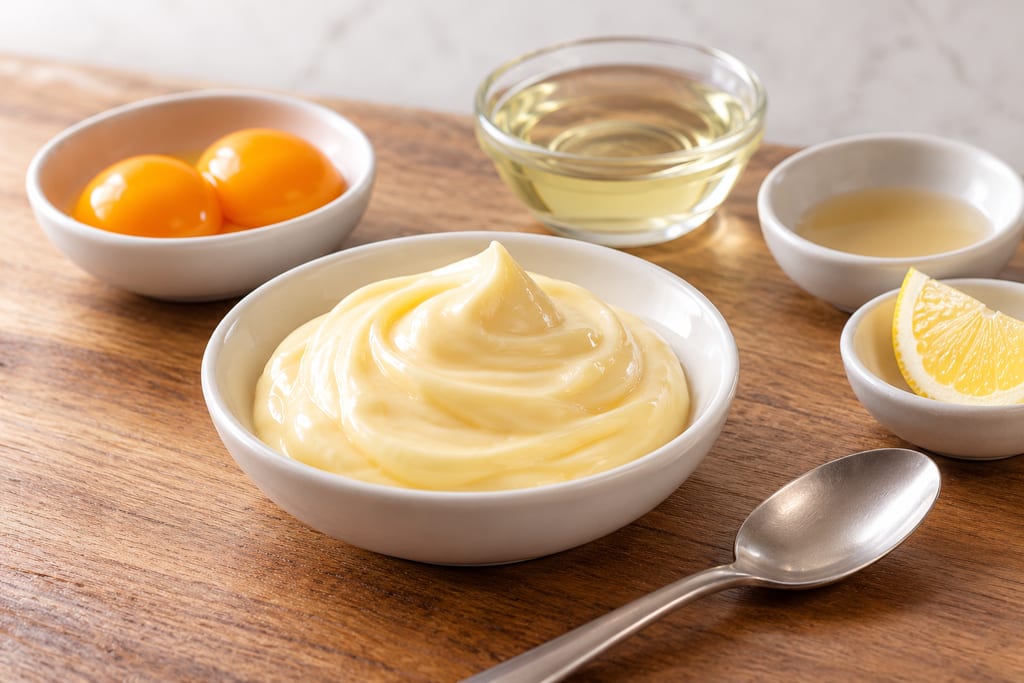
A one-cup Japanese mayonnaise batch made in a small food processor with pasteurized room-temperature egg yolks and oil added in three stages around the seasonings and acids.
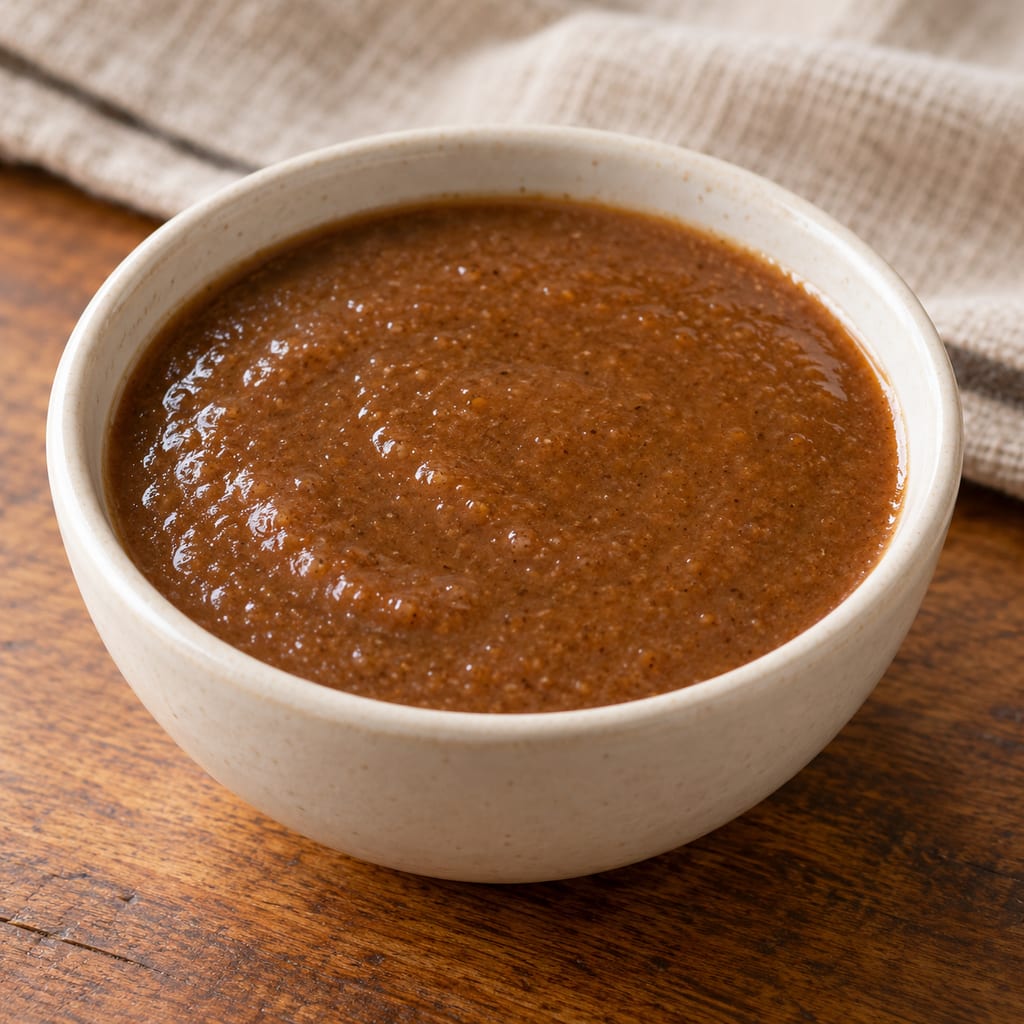
A cooked Filipino roast-meat sauce thickened from canned liver spread, vinegar, water, sugar and breadcrumbs, with browned garlic and softened onion.
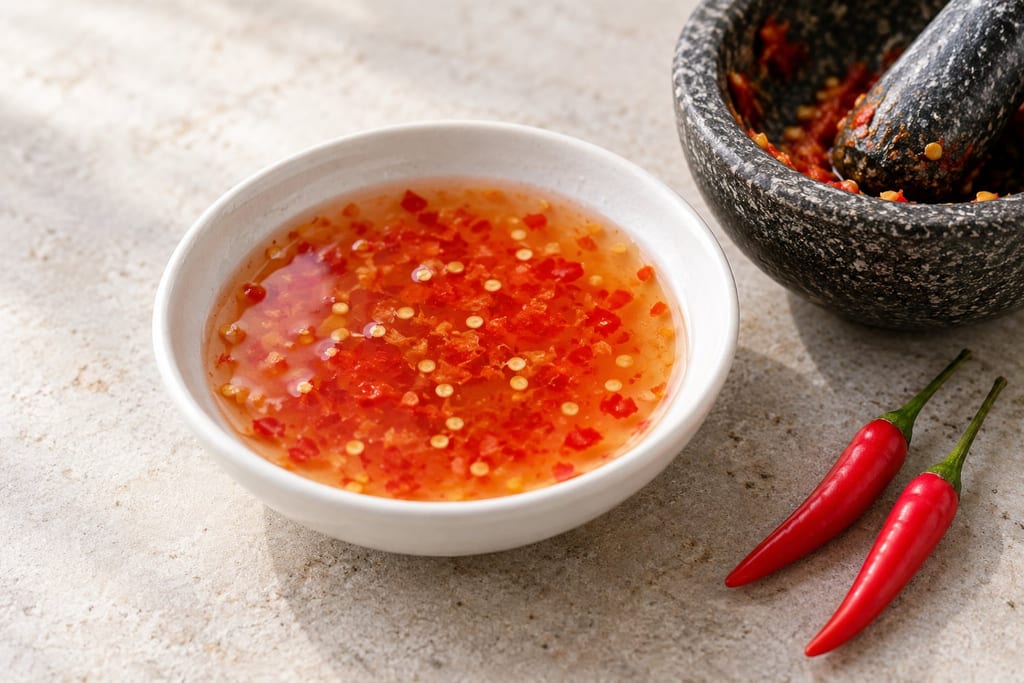
Pailin Chongchitnant's fresh prik nam som card pounds two or three Thai chillies, optionally with garlic, before stirring in white vinegar; charring is a separate optional step.
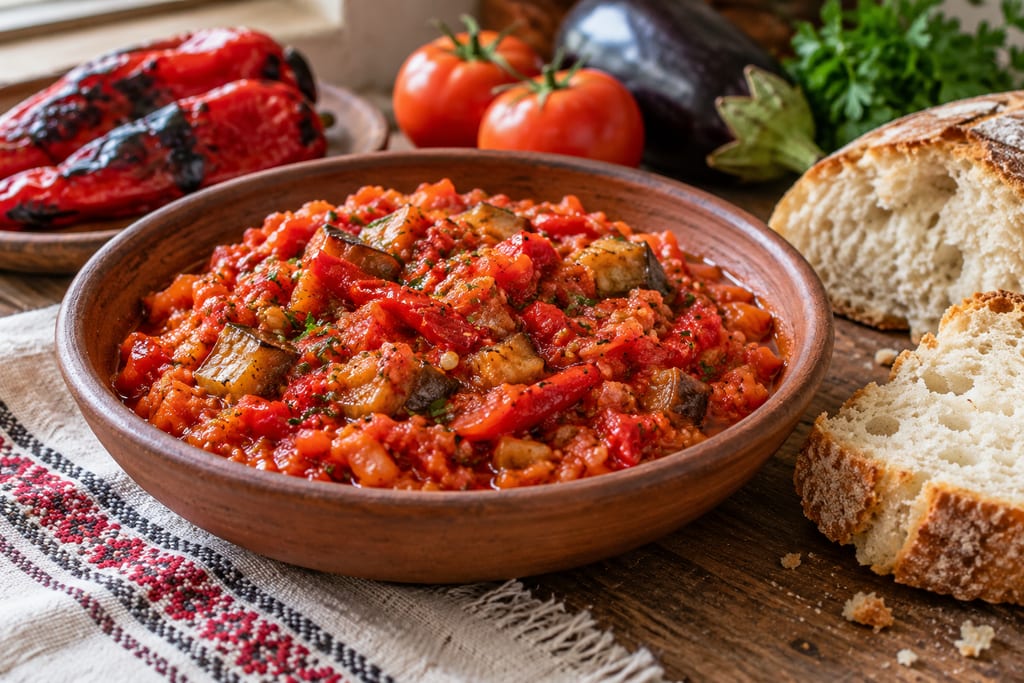
A Balkan relish of roasted red peppers and tomatoes, often with aubergine and garlic, cooked down into a spread for the winter store.
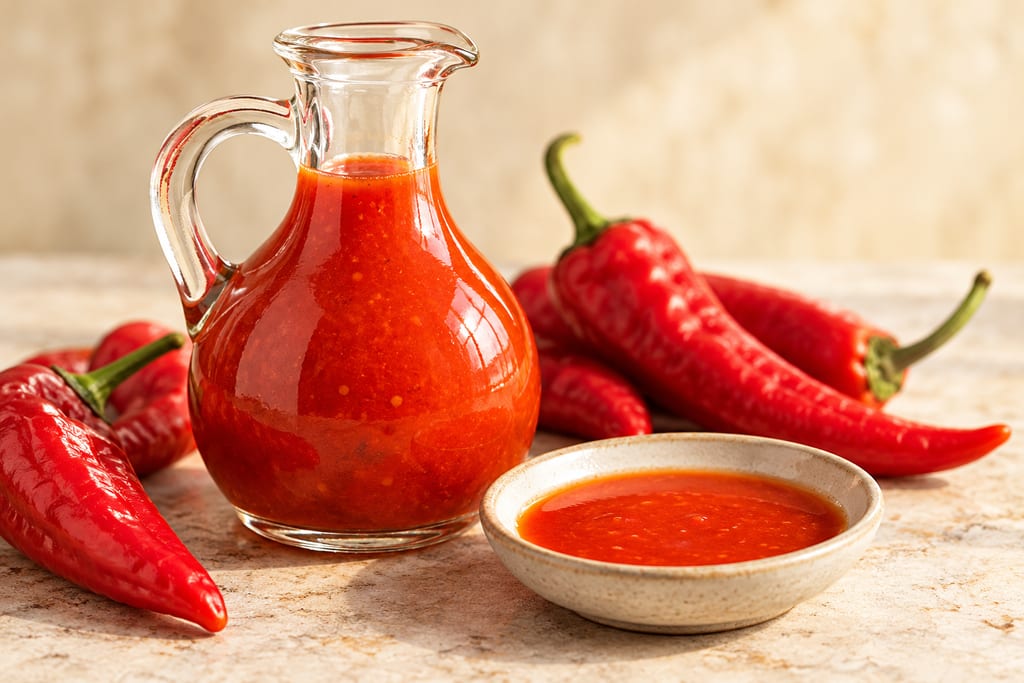
Fresh hot peppers ferment beneath a measured salt brine, then become a bright, tangy sauce blended from the peppers and their liquor.
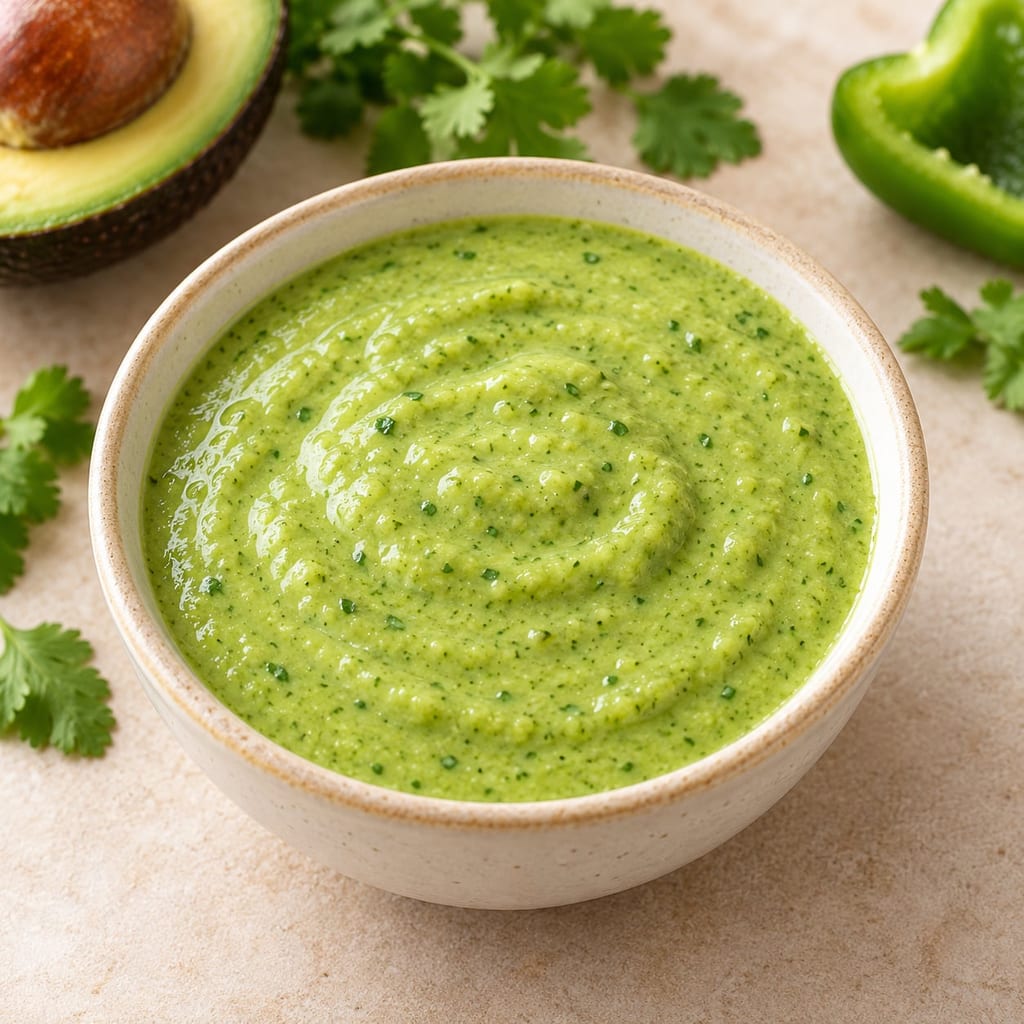
Guasacaca is a Venezuelan green sauce of avocado, herbs, sweet pepper and onion, sharpened with vinegar or lime. It is served with grilled meat, arepas and empanadas.
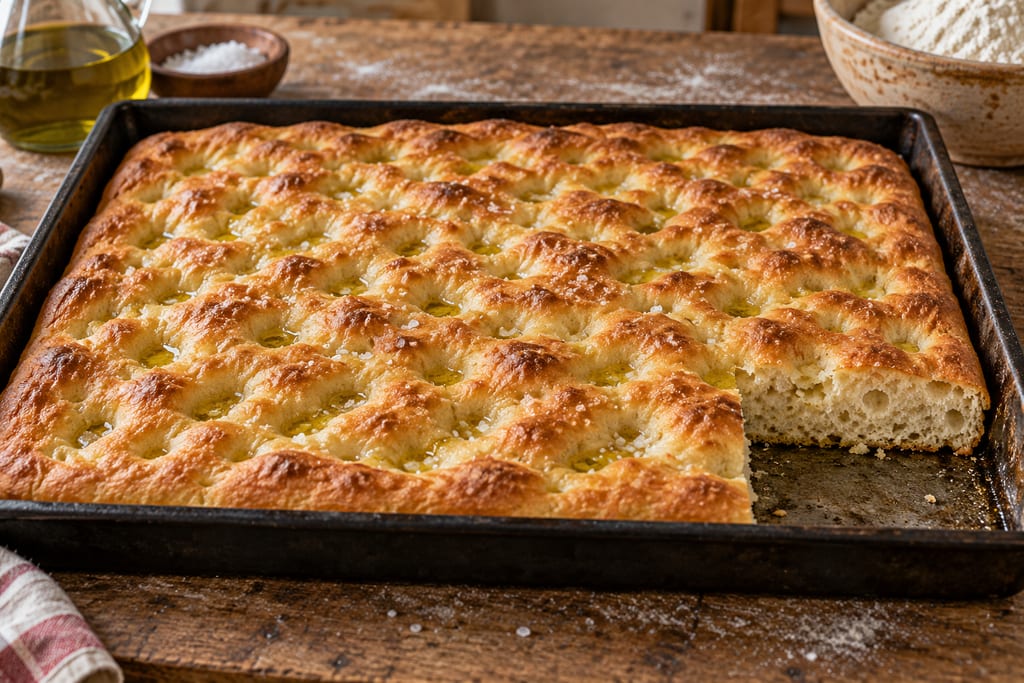
Fresh-yeast focaccia with olive oil and brine in its dimples, made in two 30 × 40 cm trays. It is separate from the sourdough focaccia formula.
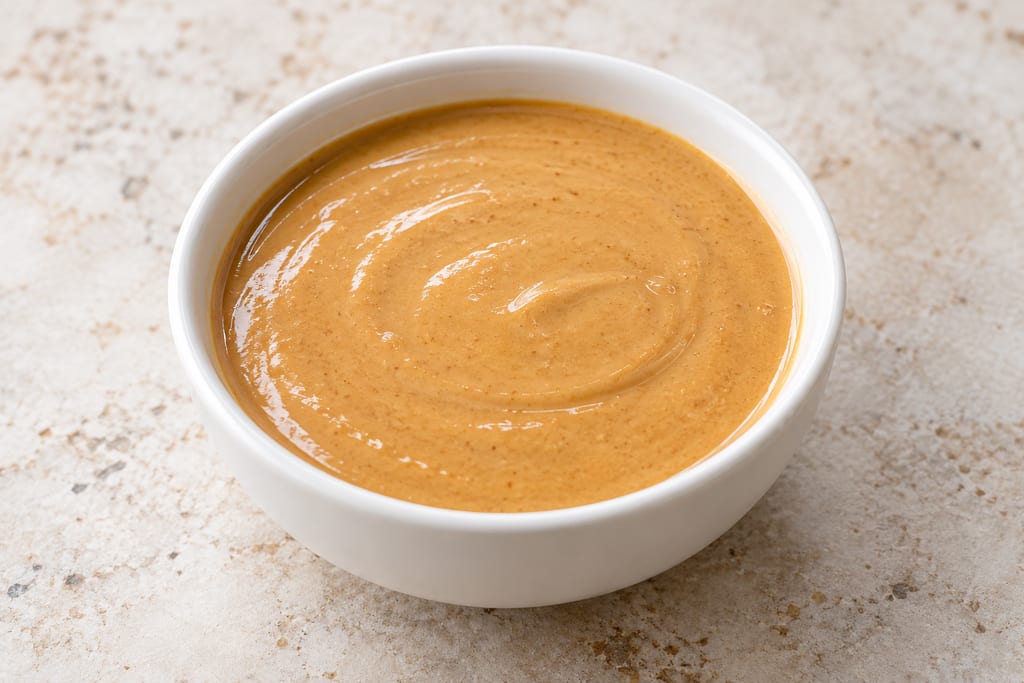
A smooth dressing of peanut butter, oil and lime, tossed into a Sudanese-style tomato salad and served at once.
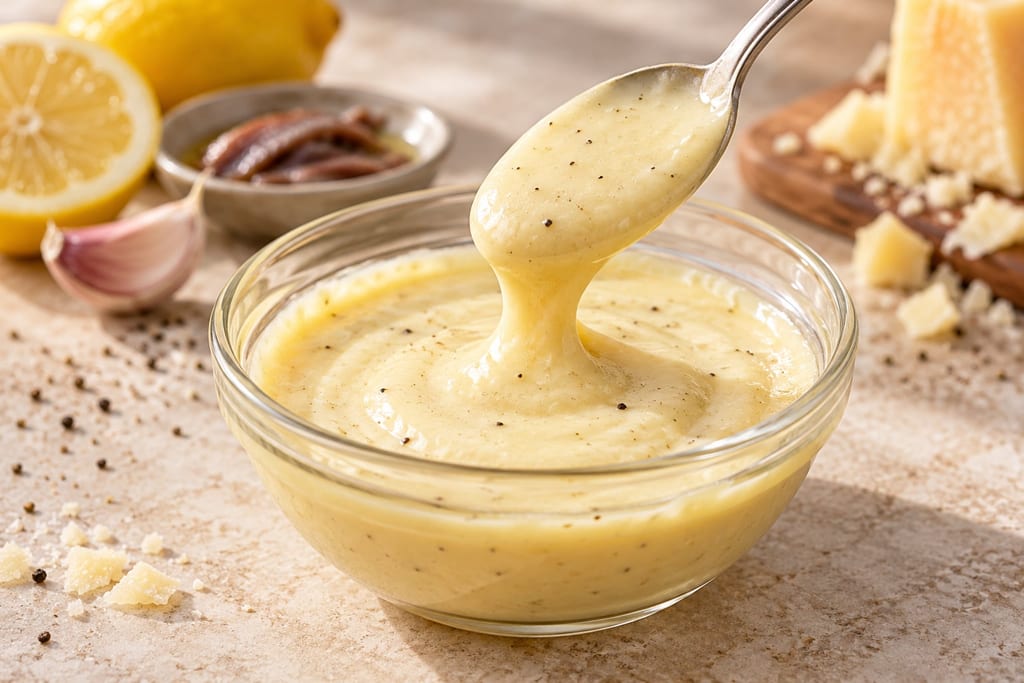
A source-specific Caesar dressing made with pasteurized egg yolks, Parmesan, lemon, anchovy, garlic, mustard and olive oil. This modern Vitamix formulation is distinct from the salad’s disputed 1924 origin accounts.

A warm dip of garlic, anchovy and olive oil, often enriched with butter, that Piedmont serves over a flame with raw and cooked vegetables and bread.
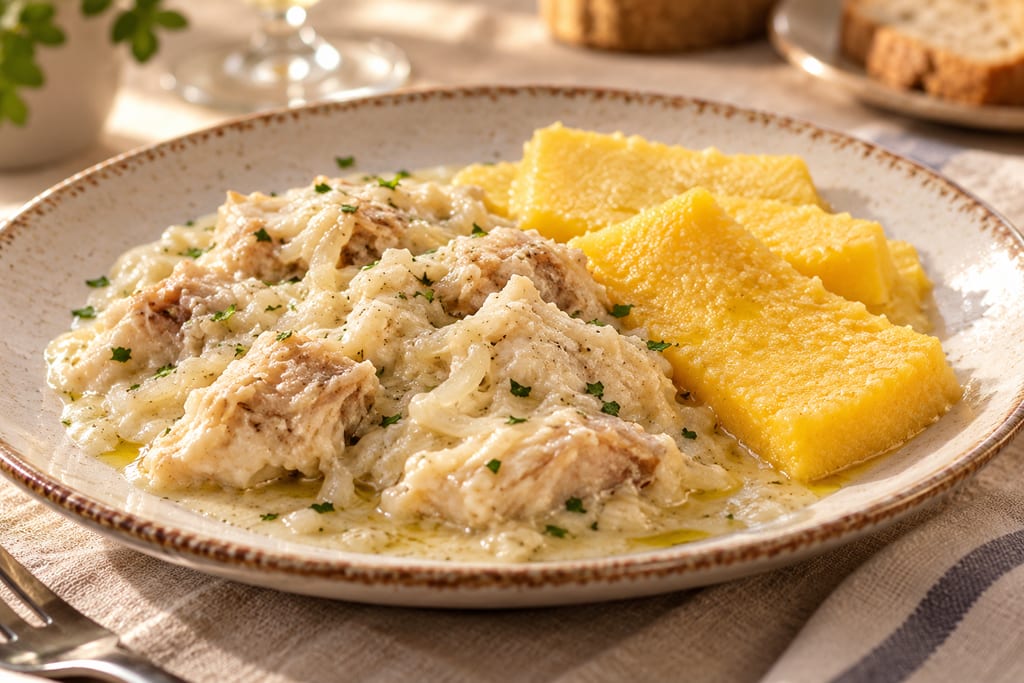
Stockfish from Vicenza, left barely bubbling for hours with onion, preserved anchovy, olive oil, milk and a little cheese until it is tender under a dense pale sauce, and eaten with polenta.

A cold dip, soup or sauce of strained yogurt, cucumber and garlic, eaten across Greece, Turkey and the wider Balkans and Levant under names that include cacık and tarator.
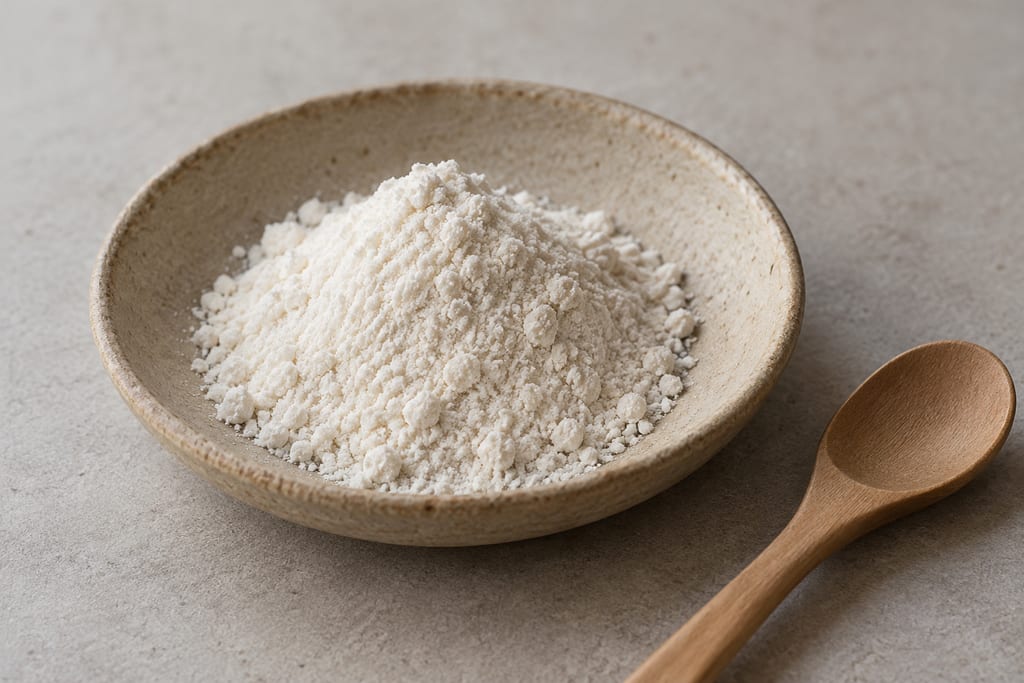
Starch released from giant woodland lily bulbs by pounding, washed out in water, settled and dried: the refined fraction of an Ainu process that also yields fermented cakes from the residue.
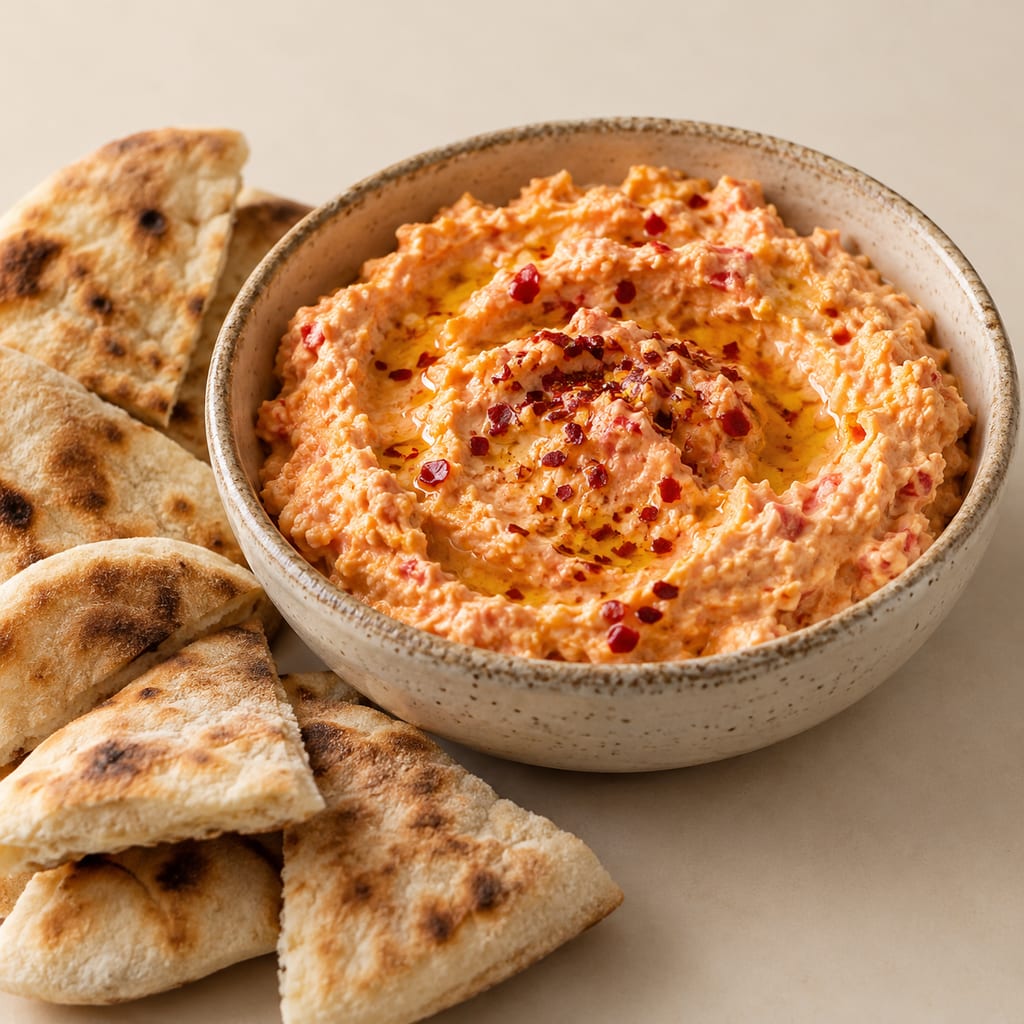
A Greek spread of feta cheese and hot chilli, sometimes with roasted peppers, yogurt or oregano, eaten with warm pita as part of a meze.

Salted mushrooms are a traditional wild-mushroom preserve, especially of Finnish and Russian milk caps, made by layering boiled mushrooms with coarse salt or keeping them under brine, and kept cold.
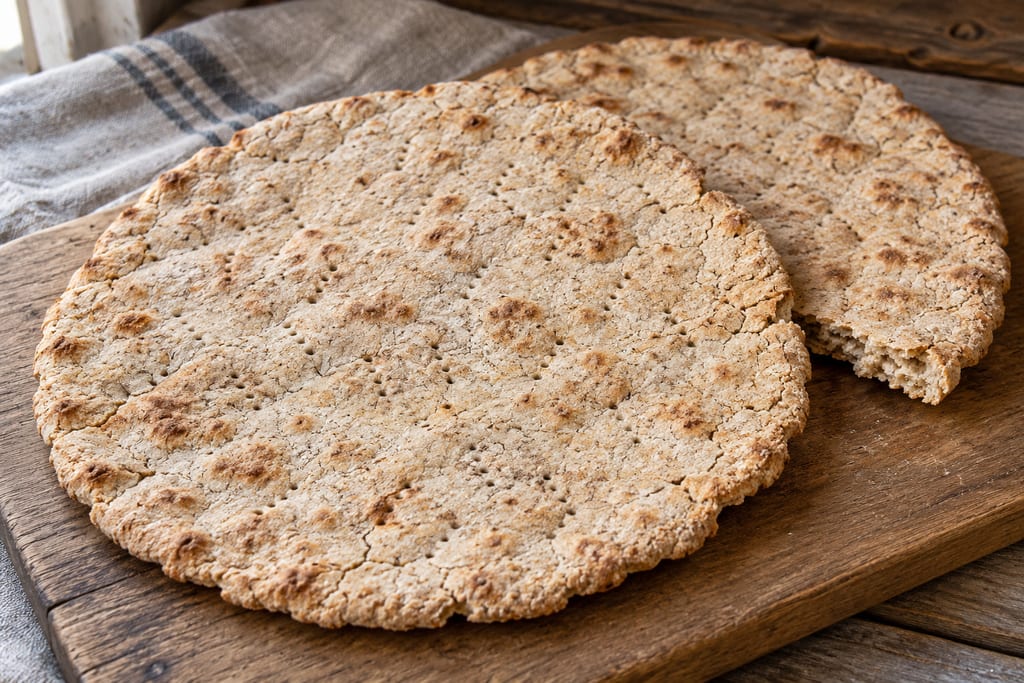
Two barley flatbreads made with cold dough and baked rapidly on a hot sheet, following Timo Lepistö's northern Finnish formula.
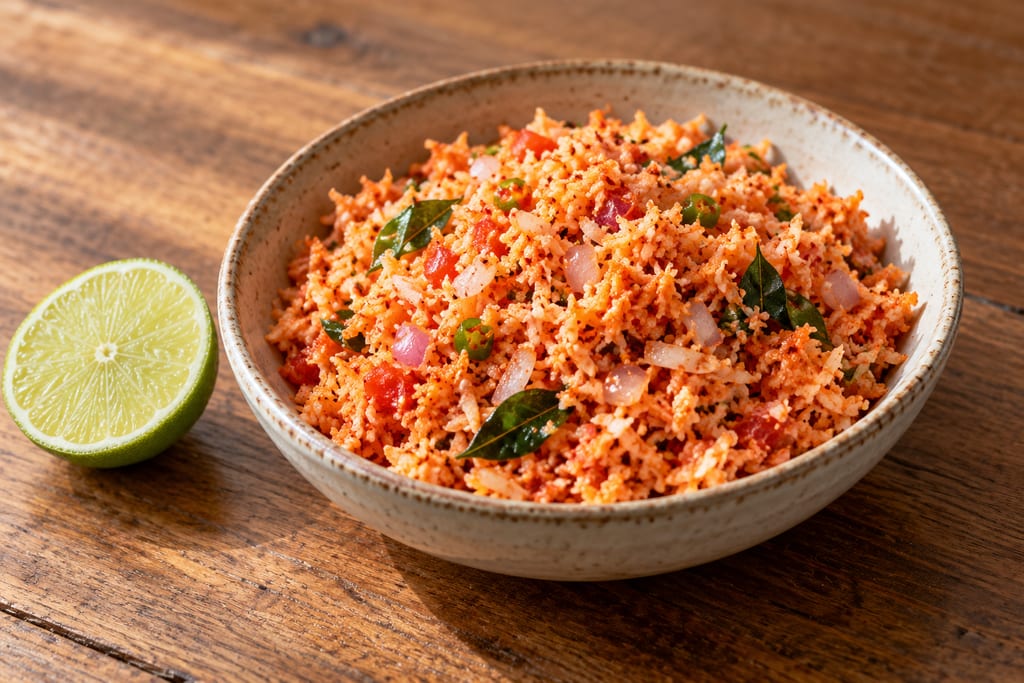
A Sri Lankan coconut relish made from grated coconut, aromatics, chilli, lime and optional Maldive fish; a seasoned paste is folded through the coconut by hand.
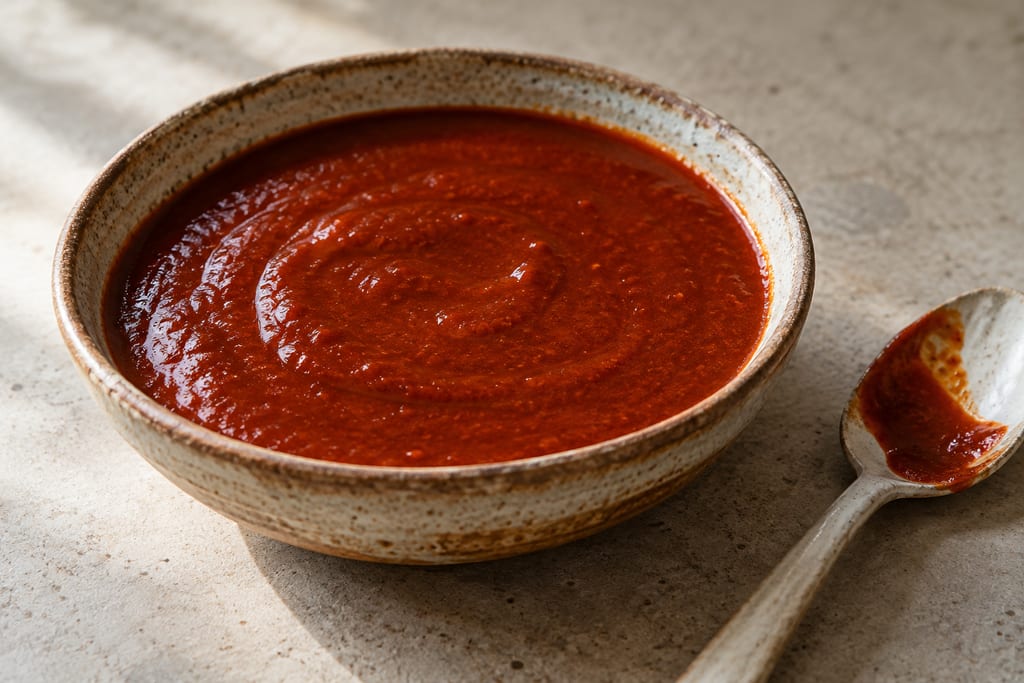
New Mexican red chile sauce is a smooth, cooked sauce of dried red chile, thickened with a little flour and loosened with water, and used to coat enchiladas and to build chile con carne.
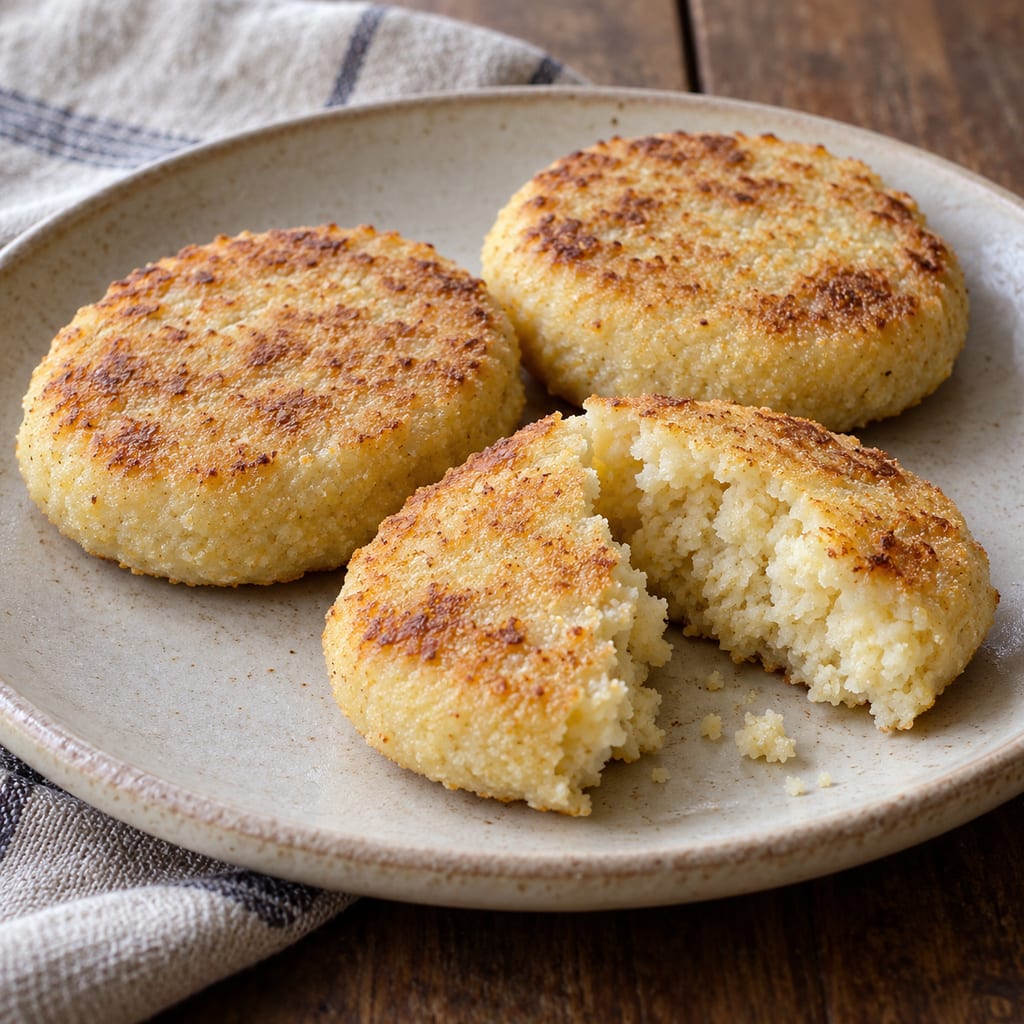
Unleavened cornmeal cakes mixed with cold water and cooked on both sides in a covered-then-uncovered pan. Cheese is served alongside rather than mixed into this dough.
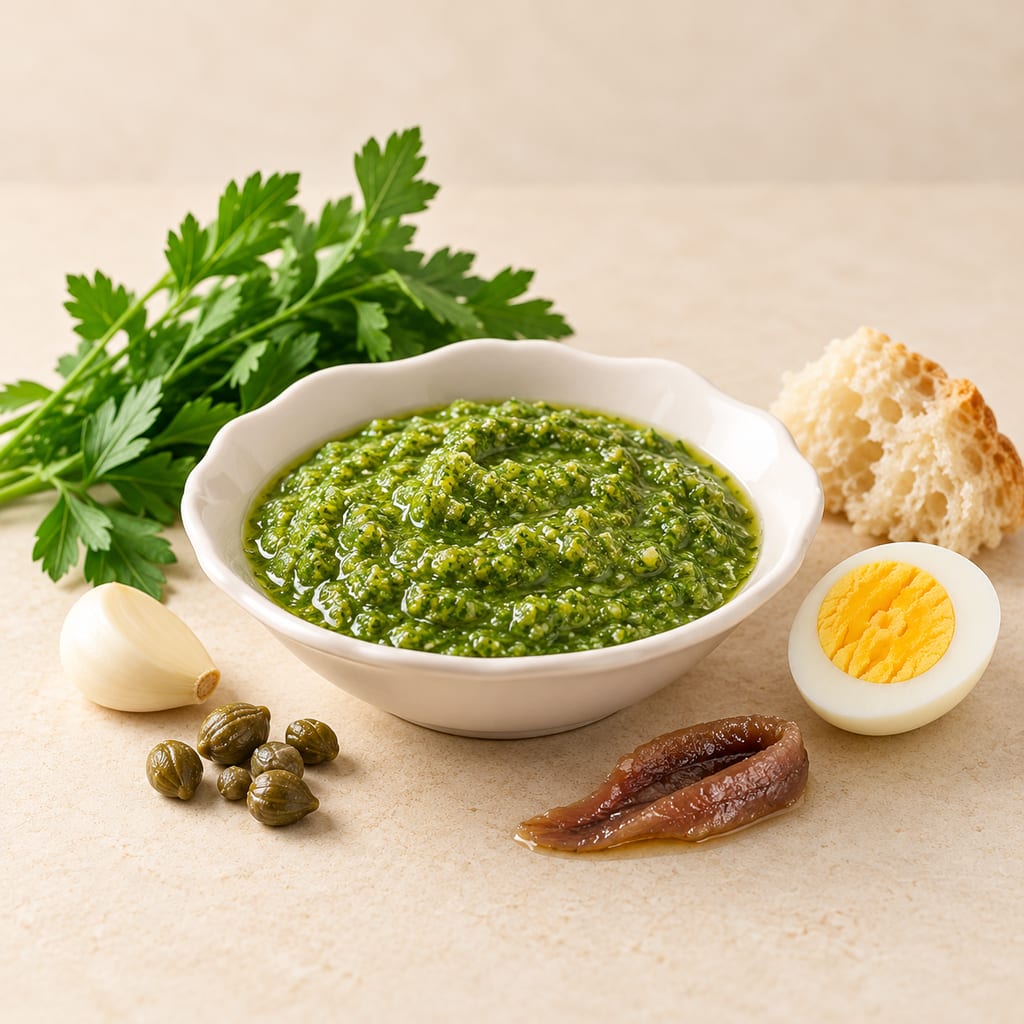
A cold parsley sauce of capers, anchovy, garlic, olive oil and vinegar, with bread or egg in some regional versions, served across Italy with boiled meats and fish.
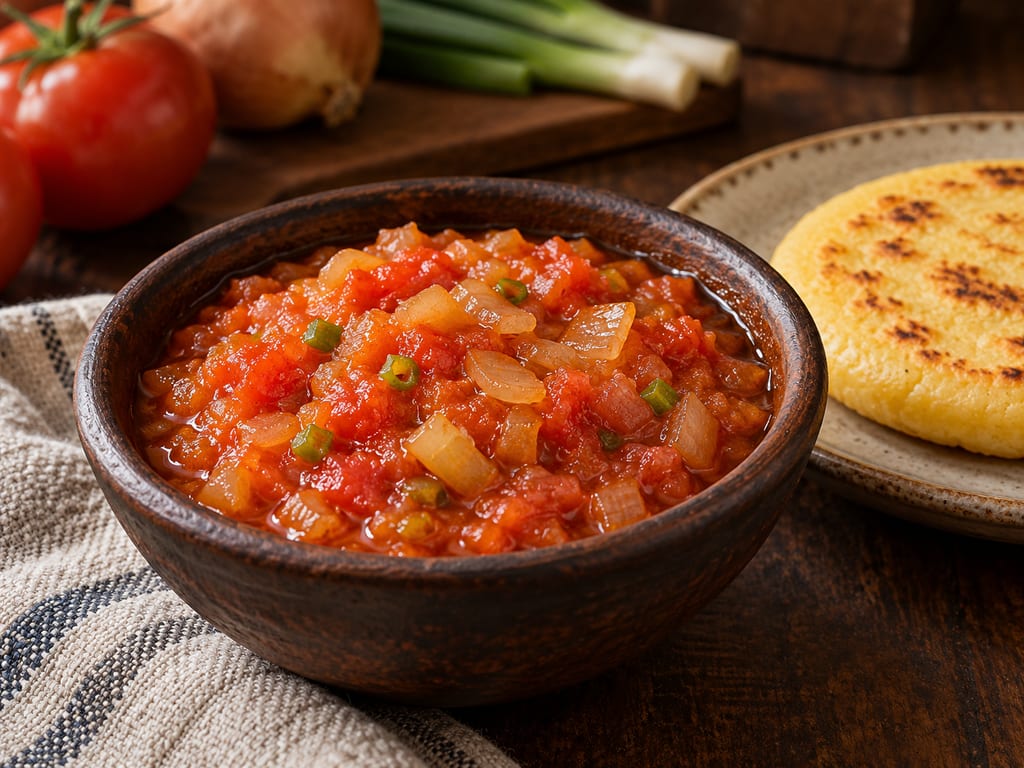
A slow-cooked Colombian sauce of tomato, onion and scallion that serves as the base of many dishes and as a topping for arepas and patacones.