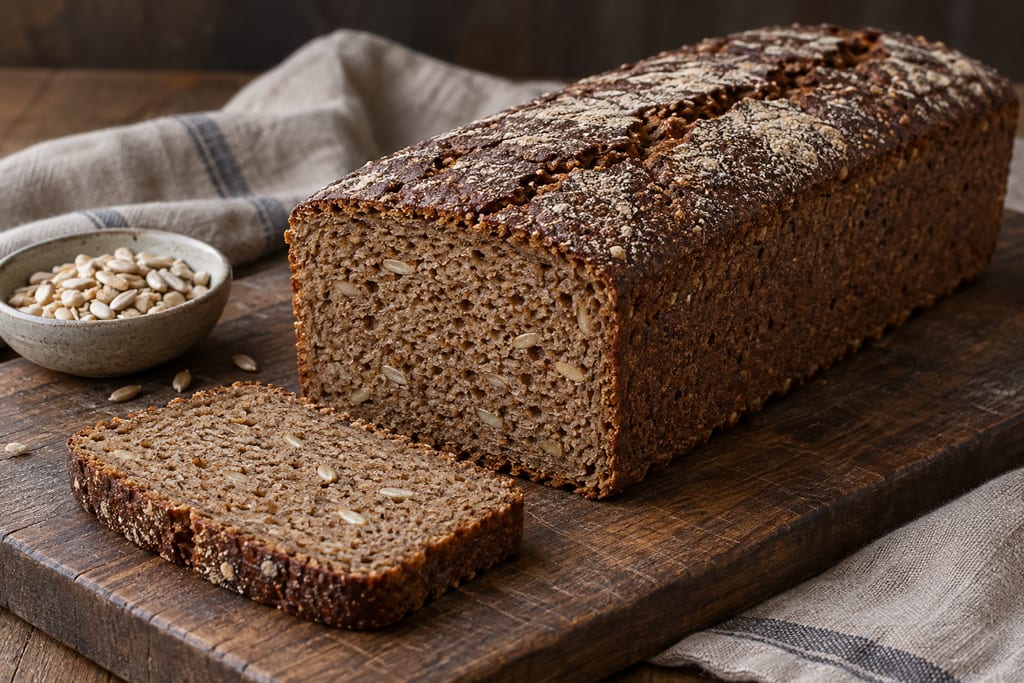
Vollkornbrot (whole-rye loaf)
A dense whole-rye loaf with a sourdough preferment, soaked rye chops and sunflower seeds. It bakes in a long loaf pan and rests for 24–48 hours before slicing.
 FermenteaWhere food goes to change
1504 records with their sources, across 11 categories.
A dense whole-rye loaf with a sourdough preferment, soaked rye chops and sunflower seeds. It bakes in a long loaf pan and rests for 24–48 hours before slicing.
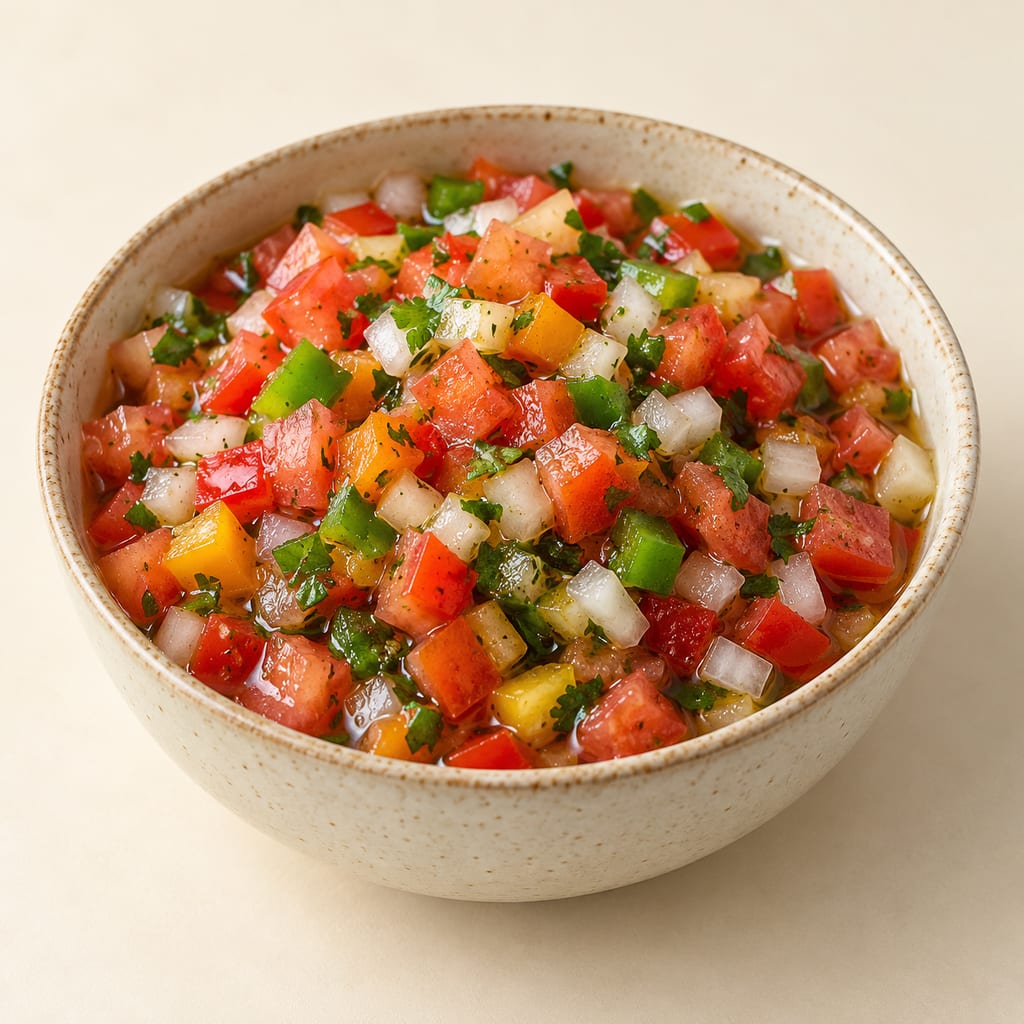
Vinagrete, also called molho à campanha, is a Brazilian relish of finely chopped tomato, onion and peppers dressed with vinegar and olive oil. It is served with grilled meat and feijoada.
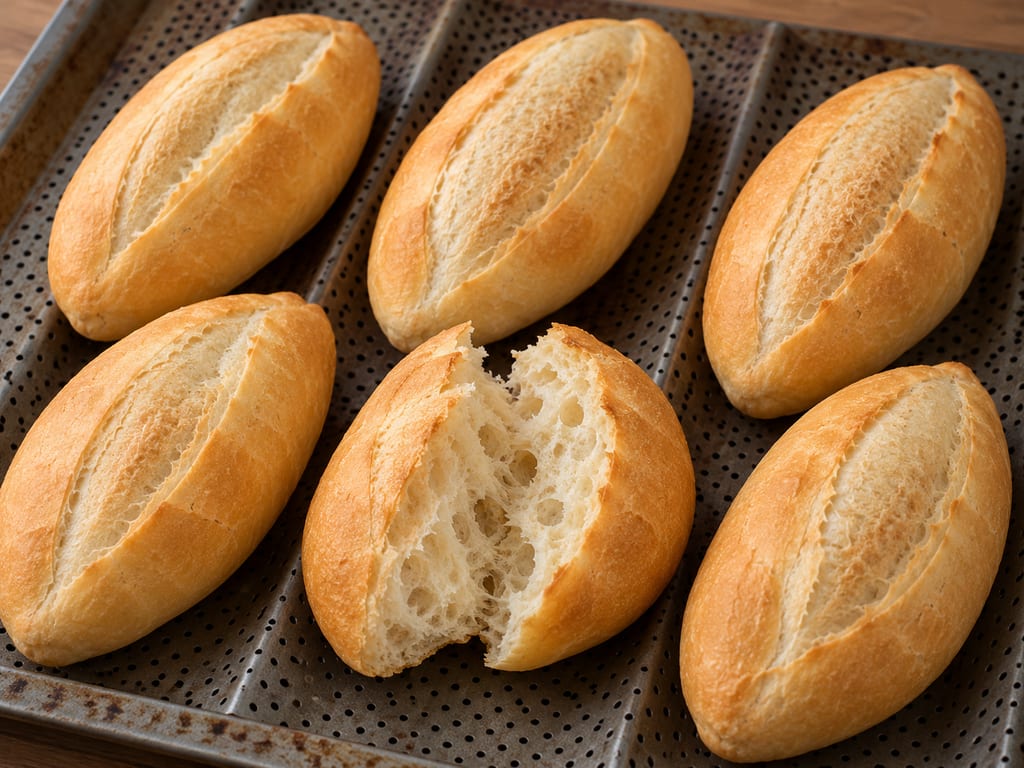
Six light baguettes with a thin crust and airy crumb, made from a Vietnamese home formula with bread flour, yeast, egg and butter.
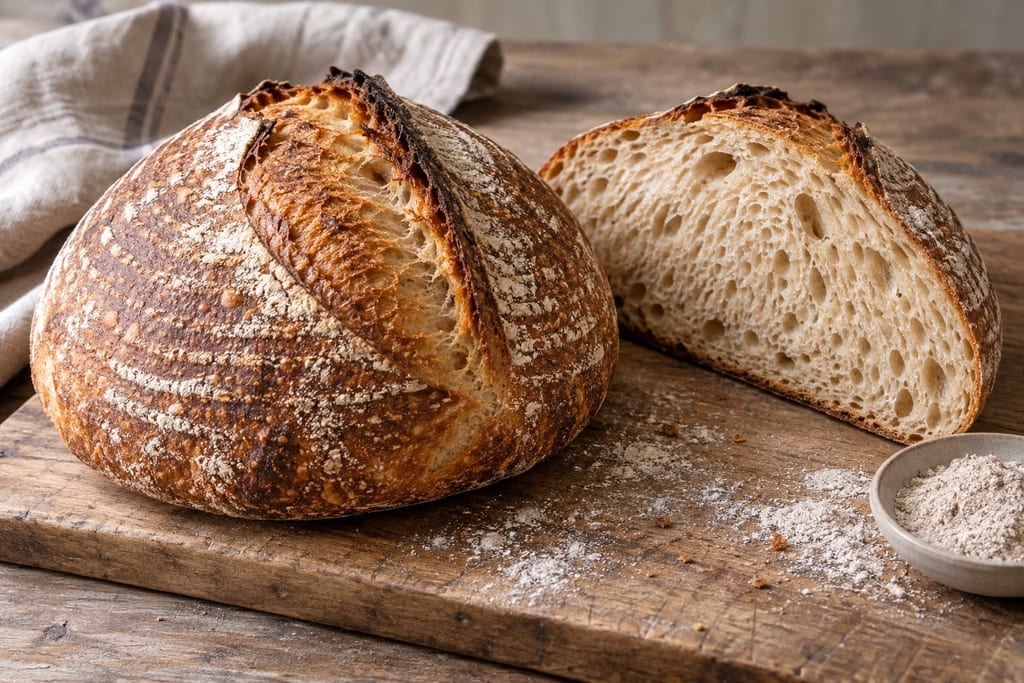
Jeffrey Hamelman's Vermont sourdough builds a liquid wheat levain before adding a modest measure of rye flour blend. The dough is folded, shaped and baked as two crusty loaves with a tender, open crumb.
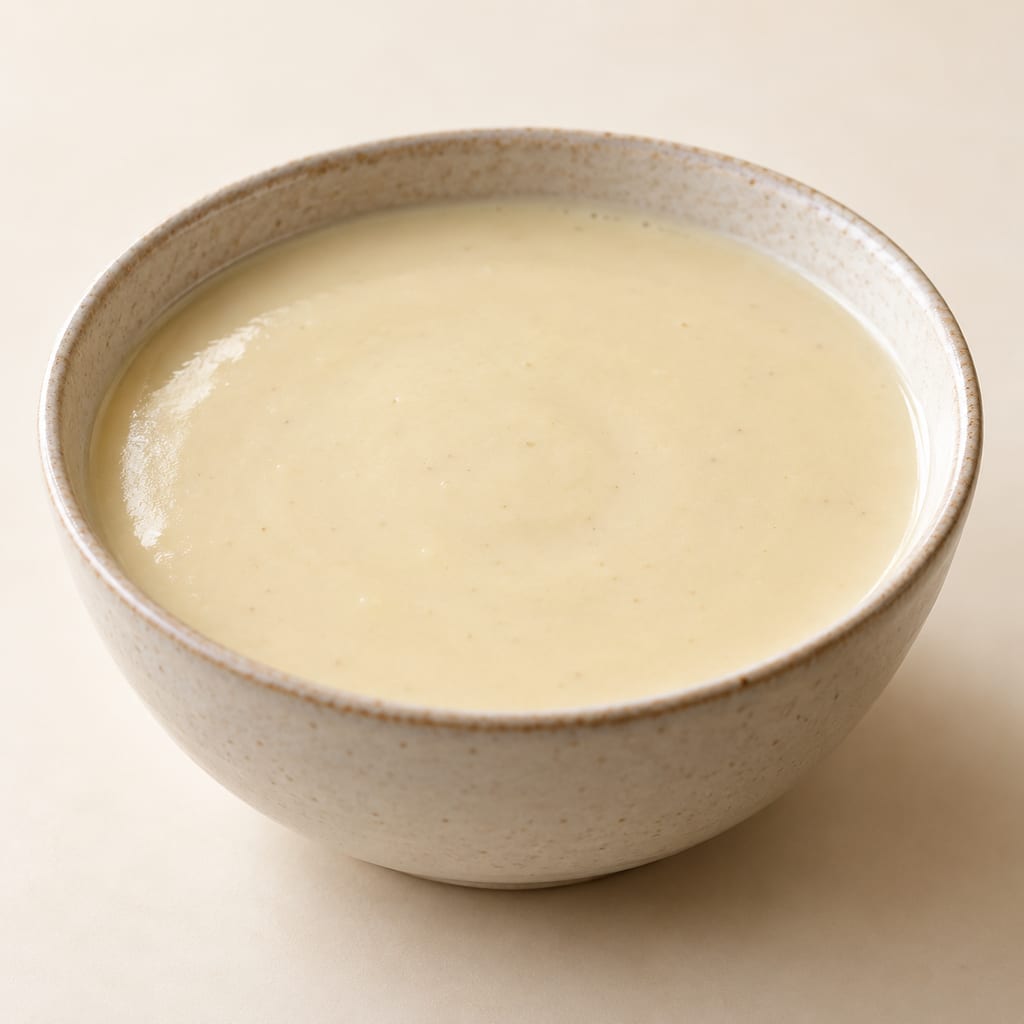
Veloute is a light stock sauce thickened with a blond roux, one of the French mother sauces, and the base for named sauces built on chicken, fish or veal stock.
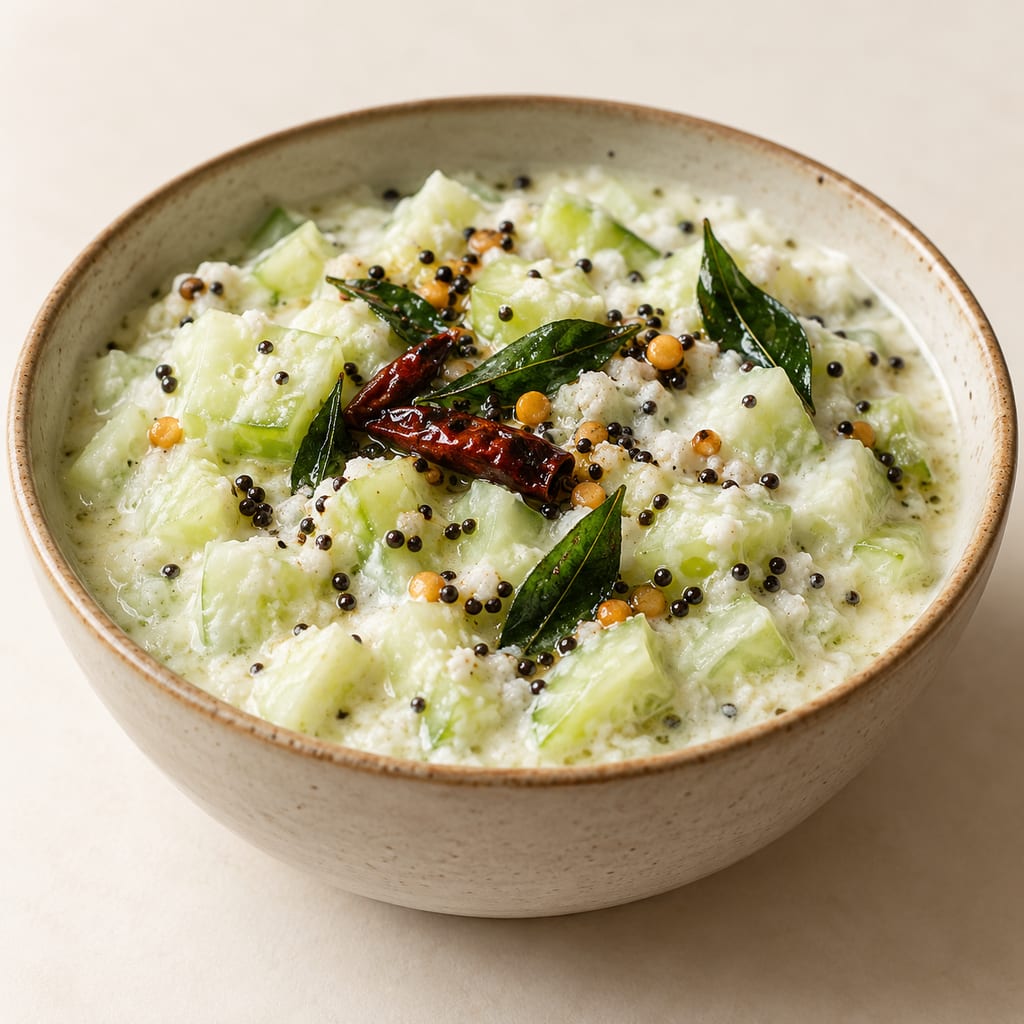
A Kerala cucumber kichadi for an Onam sadya, finished with coconut, yogurt and a coconut-oil tempering.
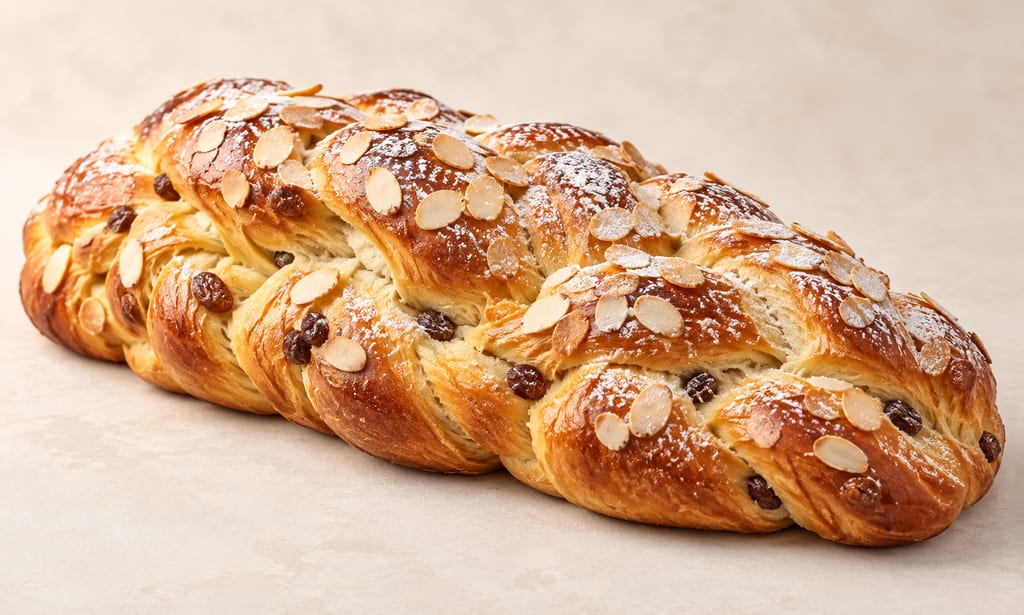
A Czech enriched yeast loaf with raisins, lemon zest and almonds, braided from six strands, proofed twice and baked in two oven stages.
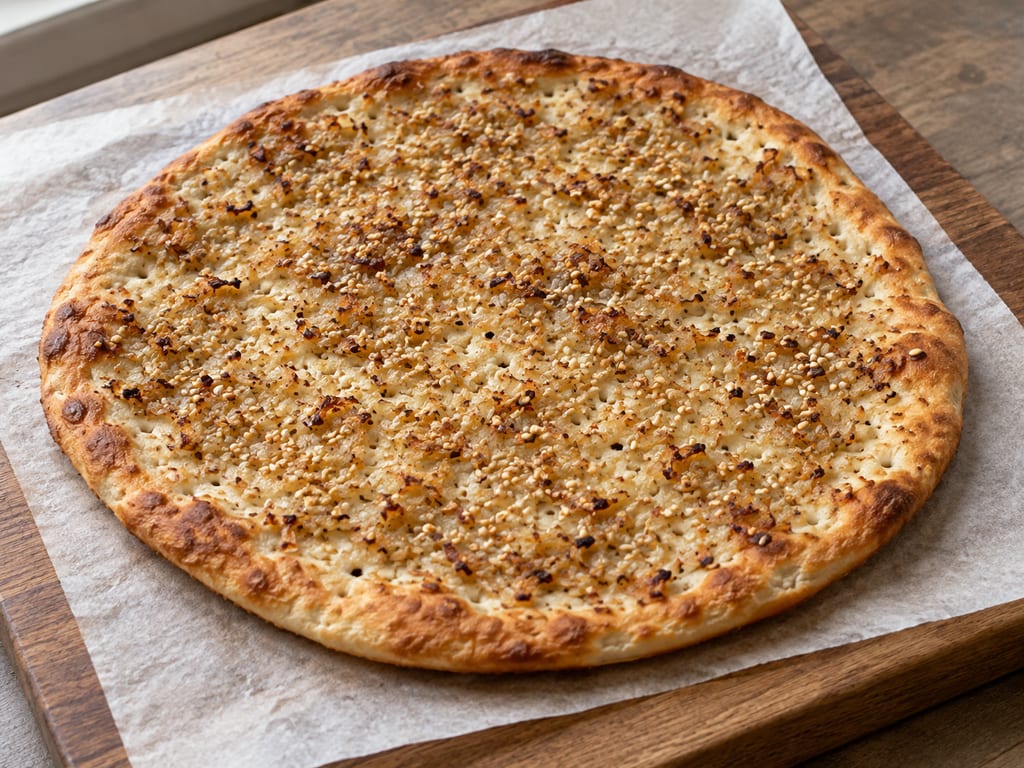
Two round Uyghur sesame-onion flatbreads, made with a yogurt-enriched yeast dough and baked on a preheated stone.
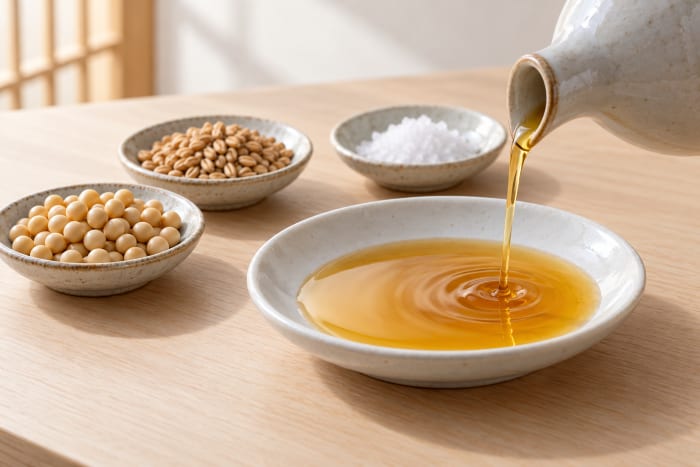
Usukuchi is Japan's light-coloured soy sauce, a Kansai style identified by its pale colour rather than by lower salt, with the colour set by production choices made during brewing.
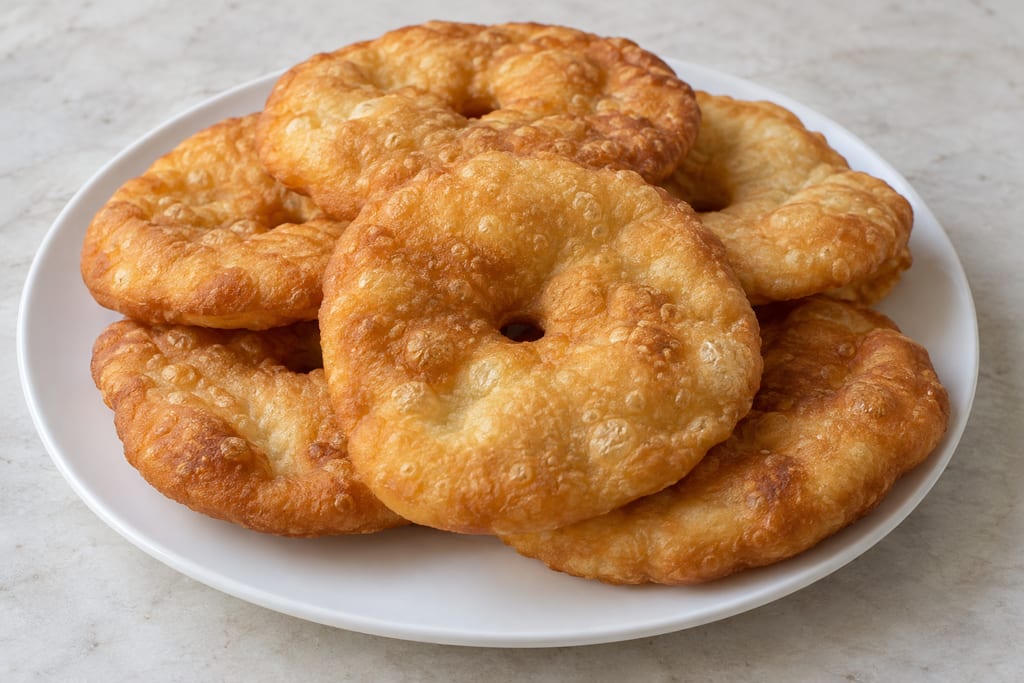
A University of the Republic of Uruguay recipe for ten yeast-raised tortas fritas. The dough rests for an hour, is divided into ten rounds with a hole in each, then fried in fat at 160°C and drained.

In Tunisia chermoula is a cooked sweet-sour dish: floured fried fish returned briefly to a sauce of onions cooked in oil with harissa, vinegar, water, honey and raisins.
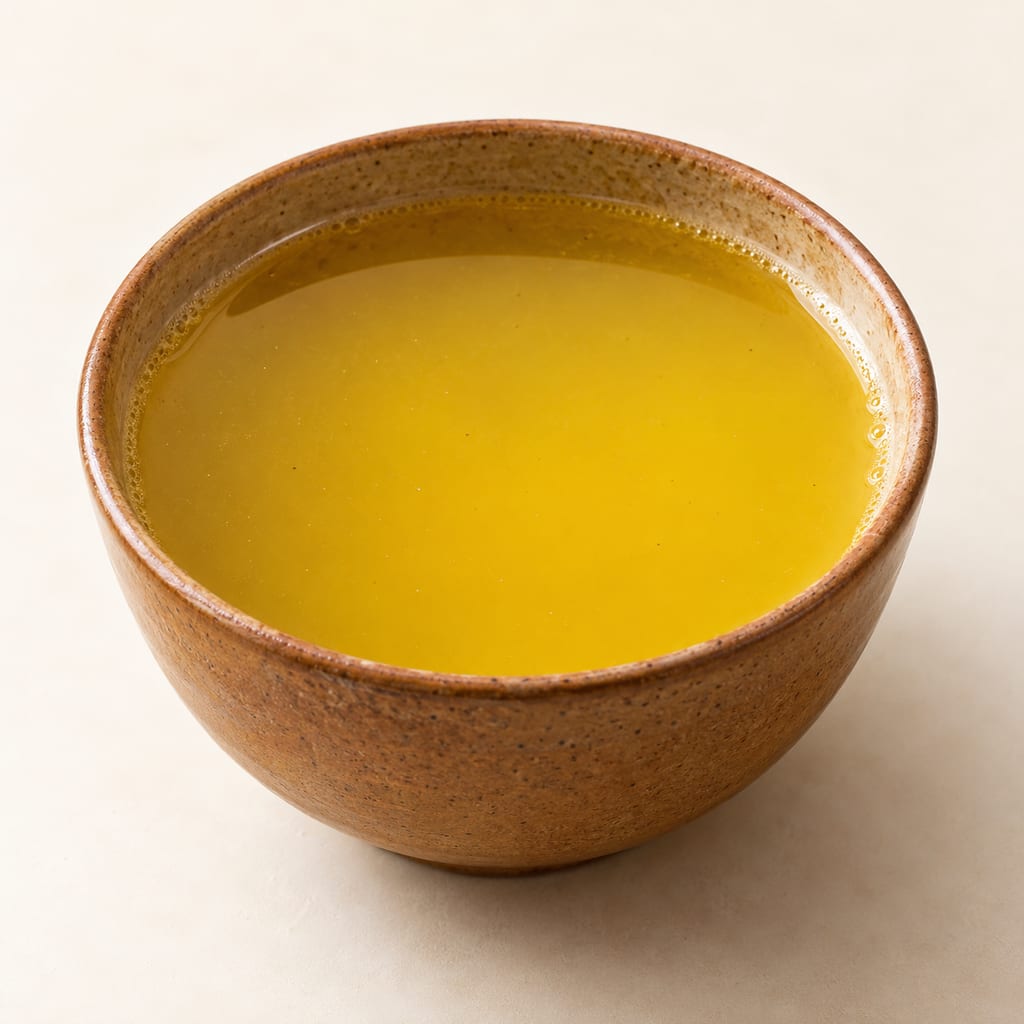
Tucupi is a yellow, sour liquid from the Brazilian Amazon, made from the juice of bitter manioc that is settled, fermented and cooked. It is the base of duck in tucupi and tacacá.
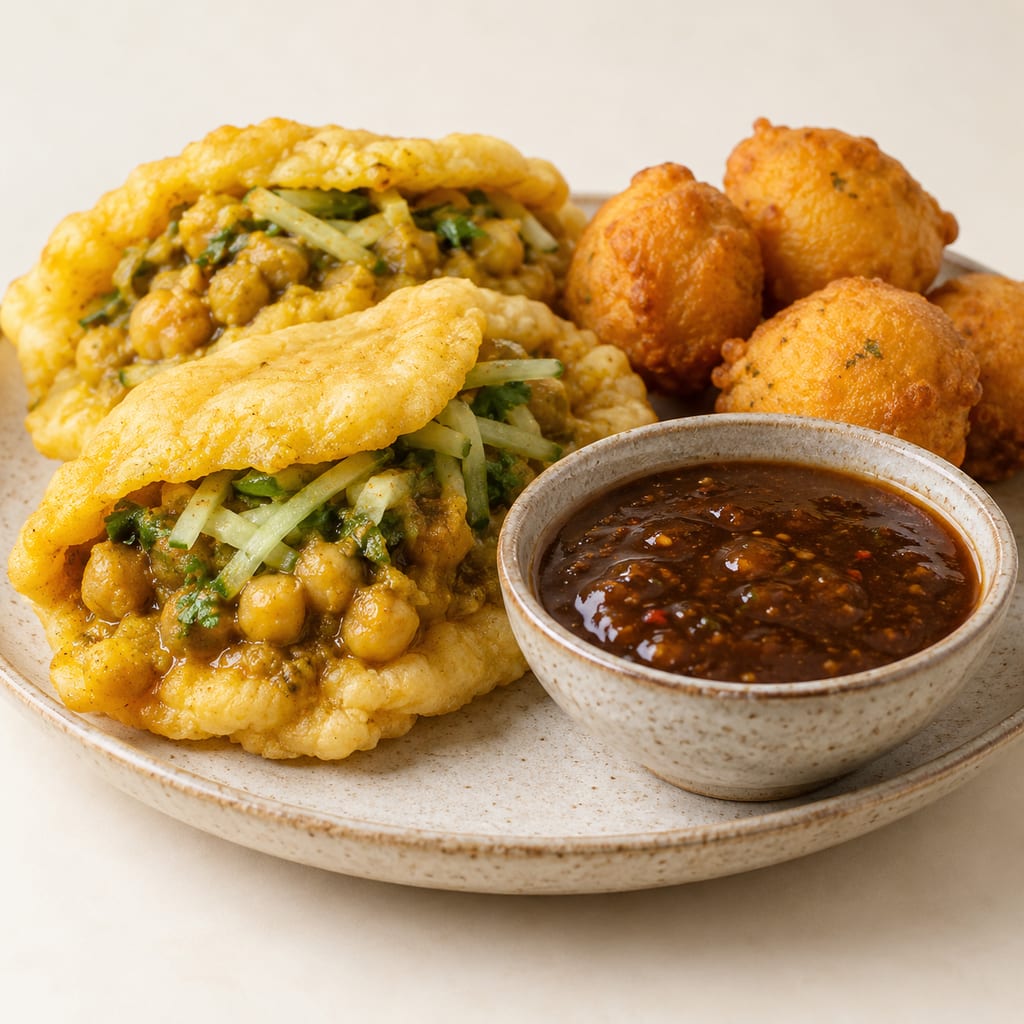
A sweet, sour and spiced tamarind sauce from Trinidad, made from tamarind pulp with garlic, Scotch bonnet, culantro, cumin, anchar masala and brown sugar, served with doubles and pholourie.
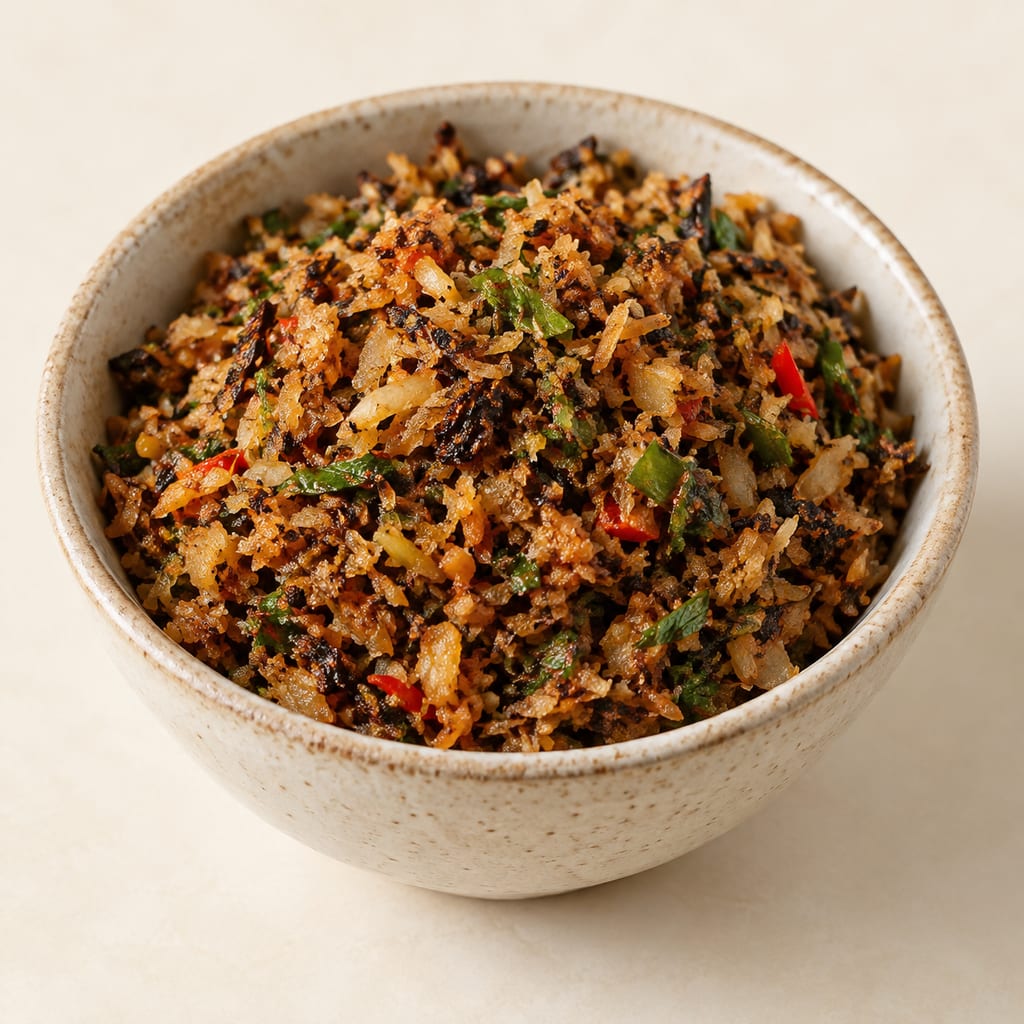
Trinidad coconut chutney is dried coconut roasted until charred, then ground on a stone with garlic, hot pepper, pimento and chadon beni to a coarse paste.
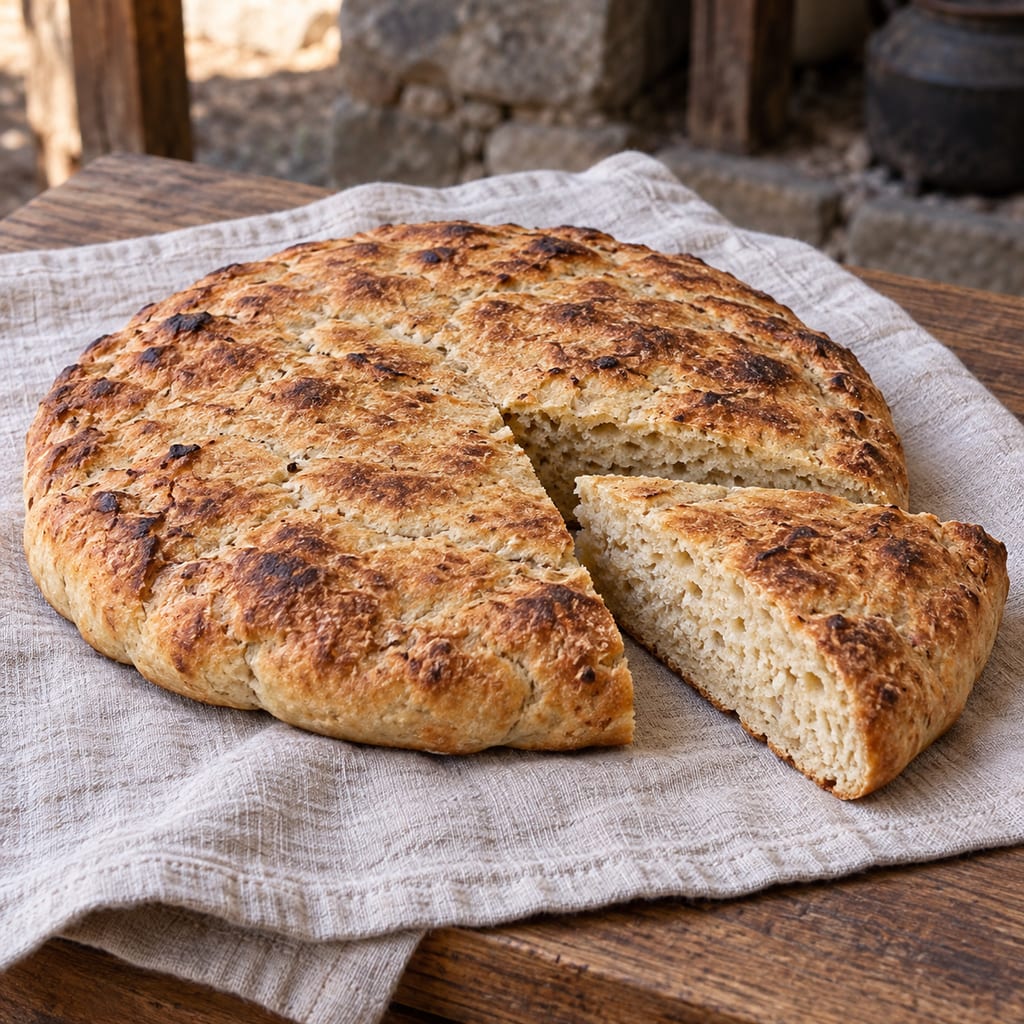
A Chilean hearth bread from Quilleco, leavened with instant yeast and bicarbonate, then cooked under hot ash in a traditional ember hearth.
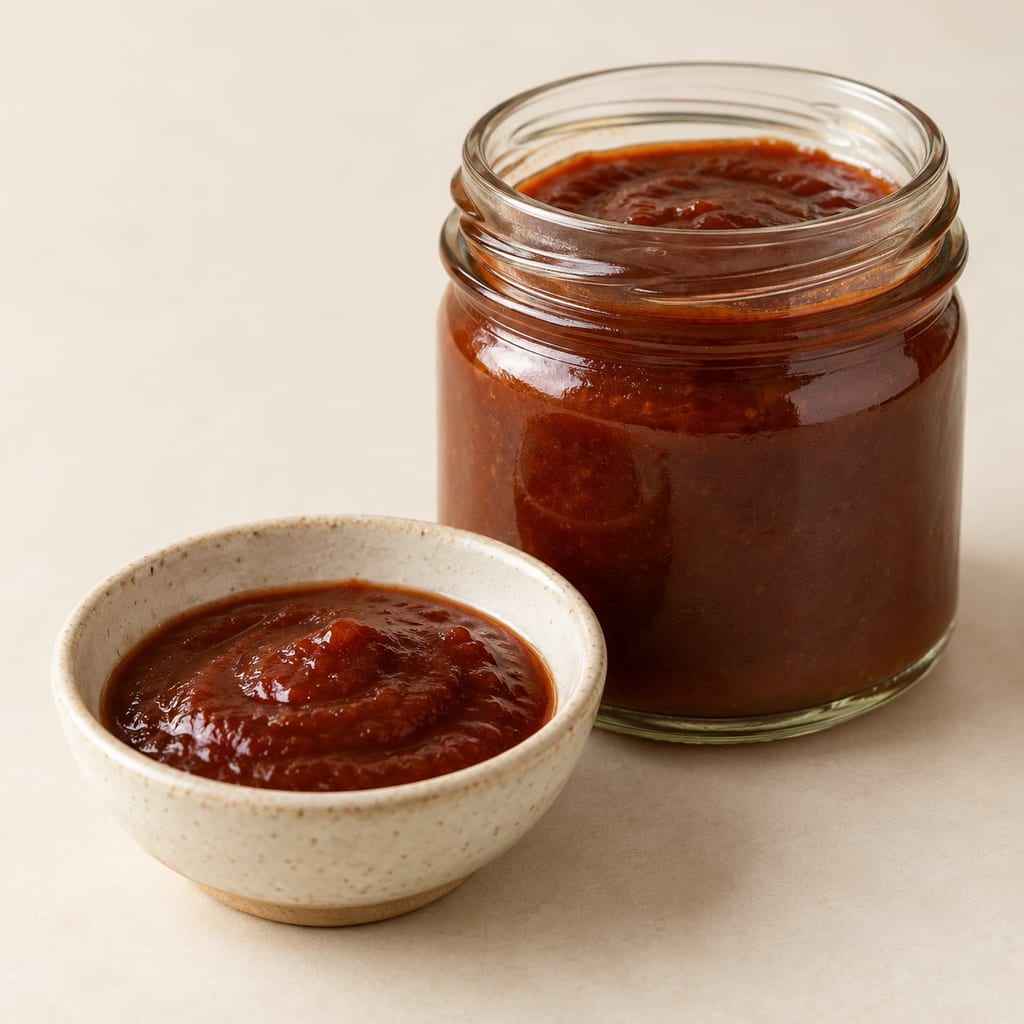
Mary Randolph's tomato soy, a tomato condiment and not soybean sauce: tomatoes salted in layers for three days, boiled for a day, passed through a sieve and spiced with cloves, allspice, black pepper and cayenne.
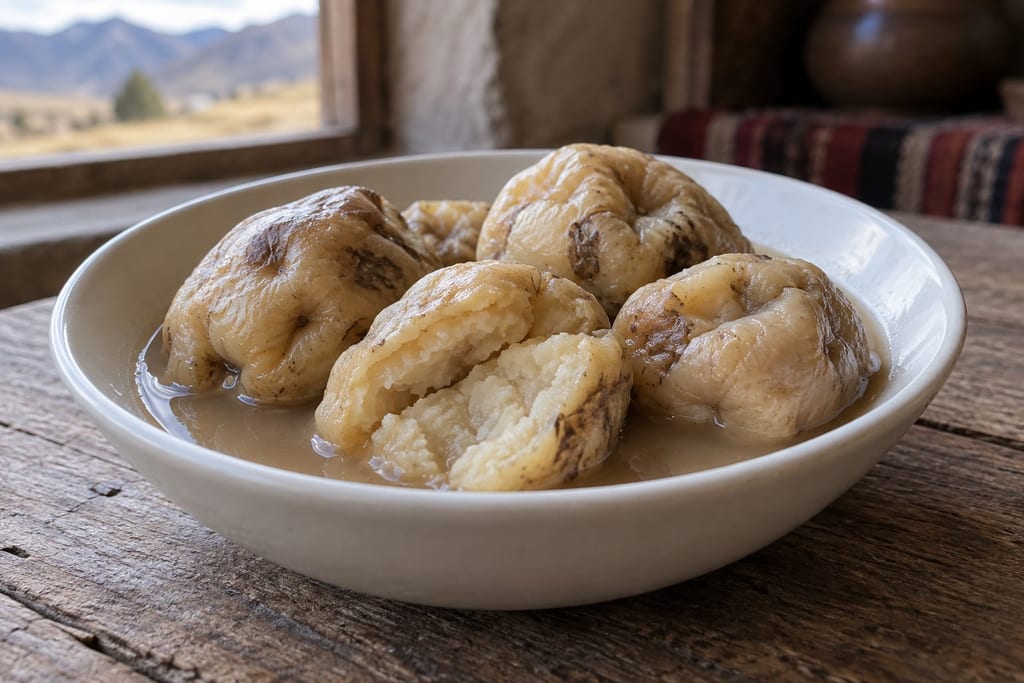
Peruvian Andean fermented potato: tubers held in water-fed earthen wells for a long lactic fermentation, giving an acidic food that can be dried and ground into flour for storage.
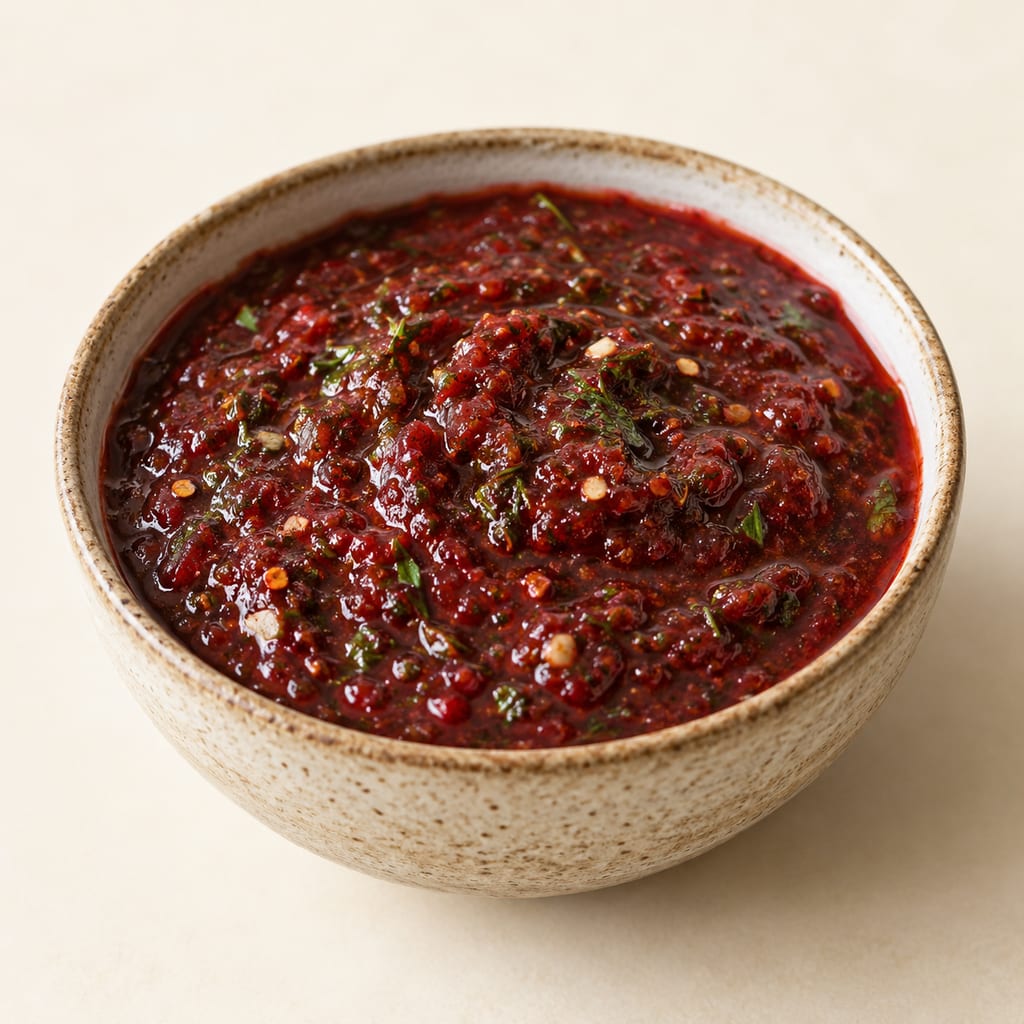
A Georgian sour plum sauce of cherry plums cooked with garlic, coriander, dill-family herbs and chilli. Its sourness comes from the fruit, and it is served as a condiment with grilled meat, poultry and potatoes.
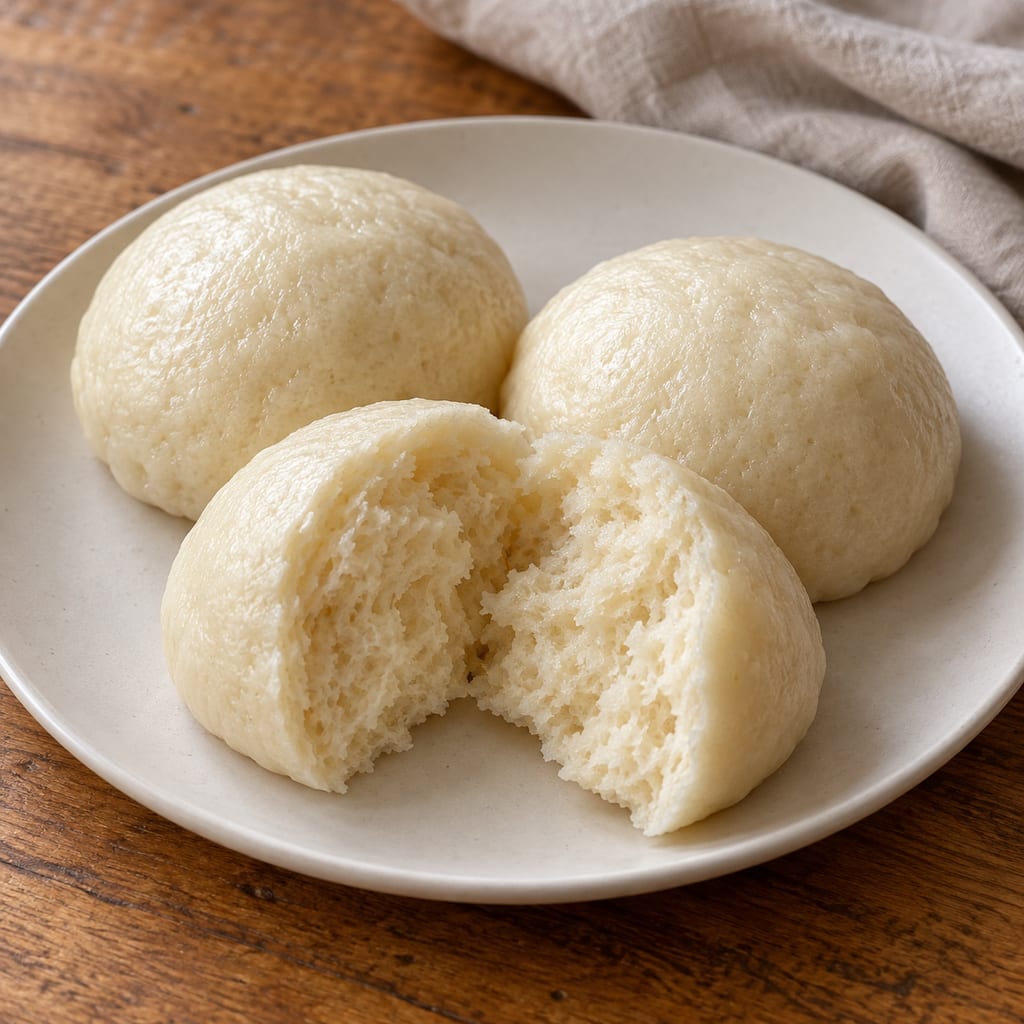
This tin-steamed South African dombolo uses yeast dough with bread flour and olive oil. It rises twice, steams for about an hour, and is checked with a clean skewer.
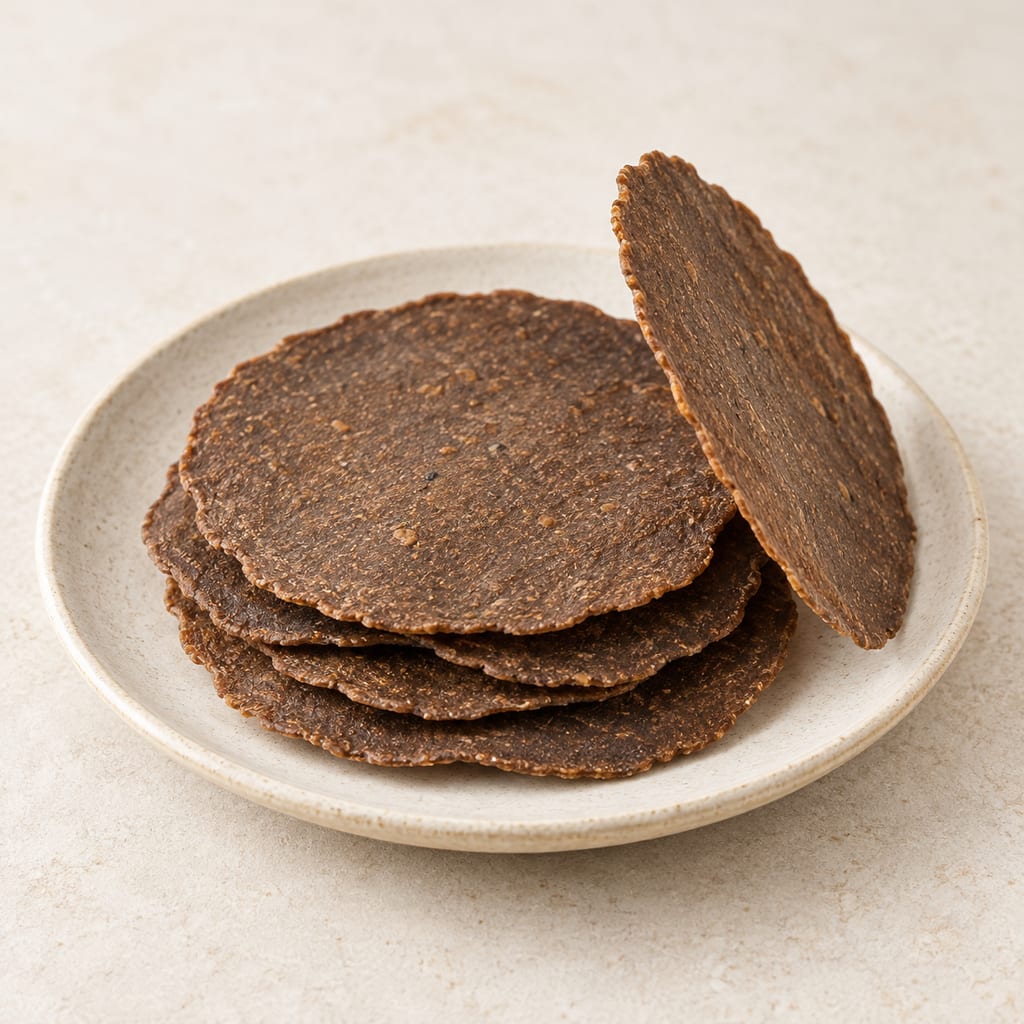
Northern Thai fermented soybean shaped while still soft into flat cakes and dried, so the bacterial soybean ferment becomes a durable, shelf-stable seasoning reserve.
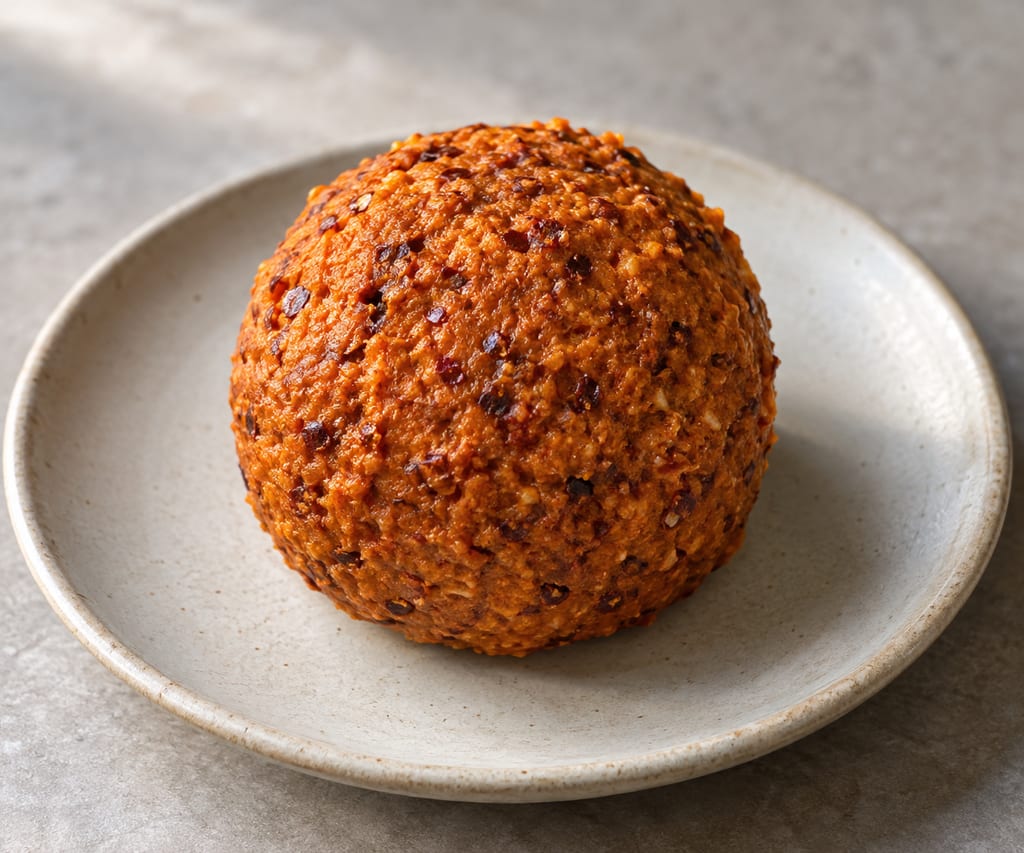
A Kerala chammanthi of coconut and red chillies roasted over a flame, then ground with shallots, tamarind, curry leaves, lemon leaves and salt and shaped into a ball.
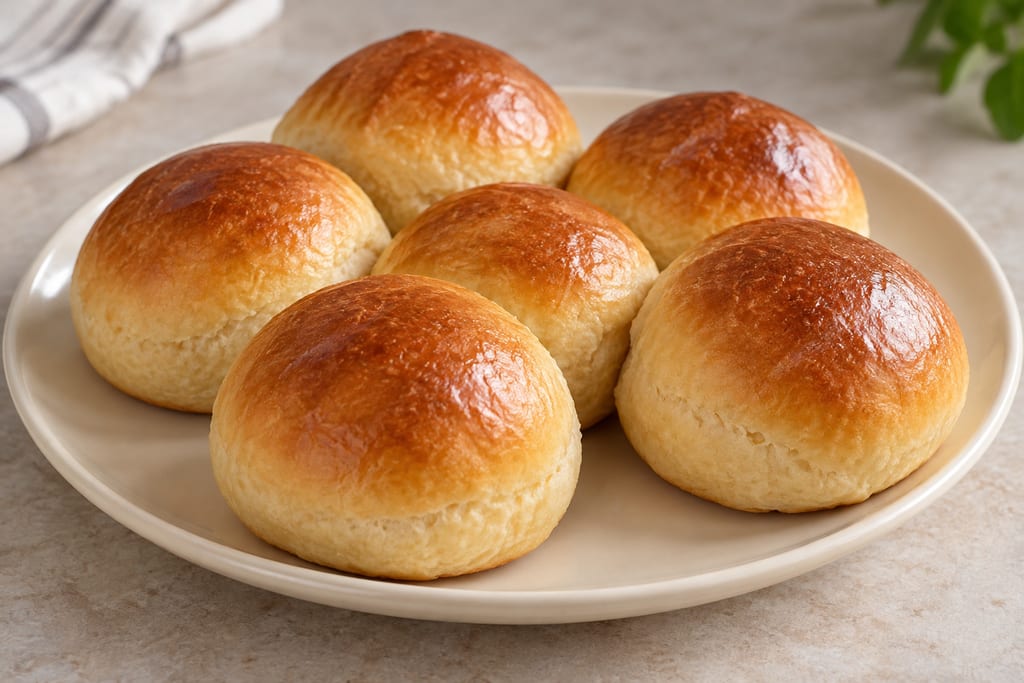
Guyanese tennis rolls are small, round, sweet yeasted breads flavoured with lemon and vanilla. They are often split and eaten with cheddar; this recipe is separate from Guyanese plait bread.
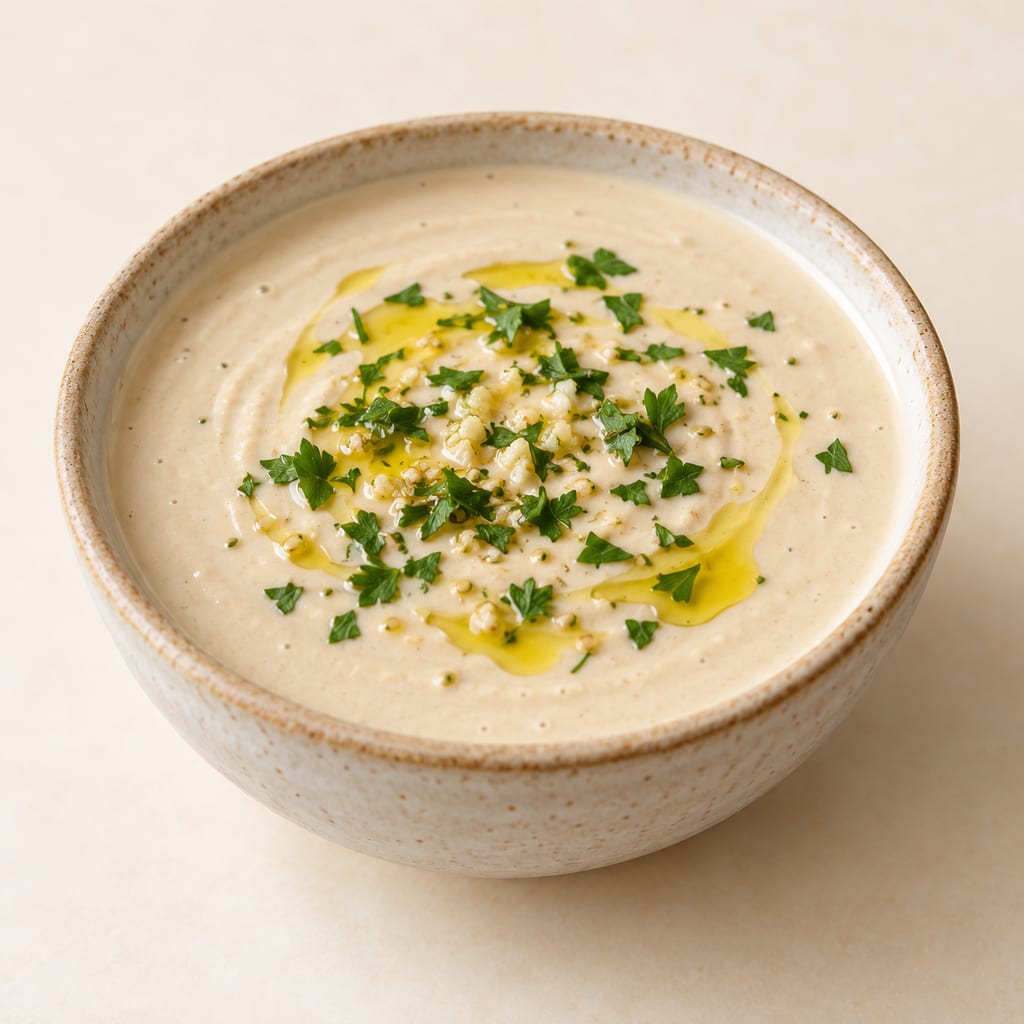
A Levantine sesame sauce of tahini thinned with water and brightened with lemon and garlic, the base of tarator served with falafel and shawarma, with Egyptian and Iraqi variants.
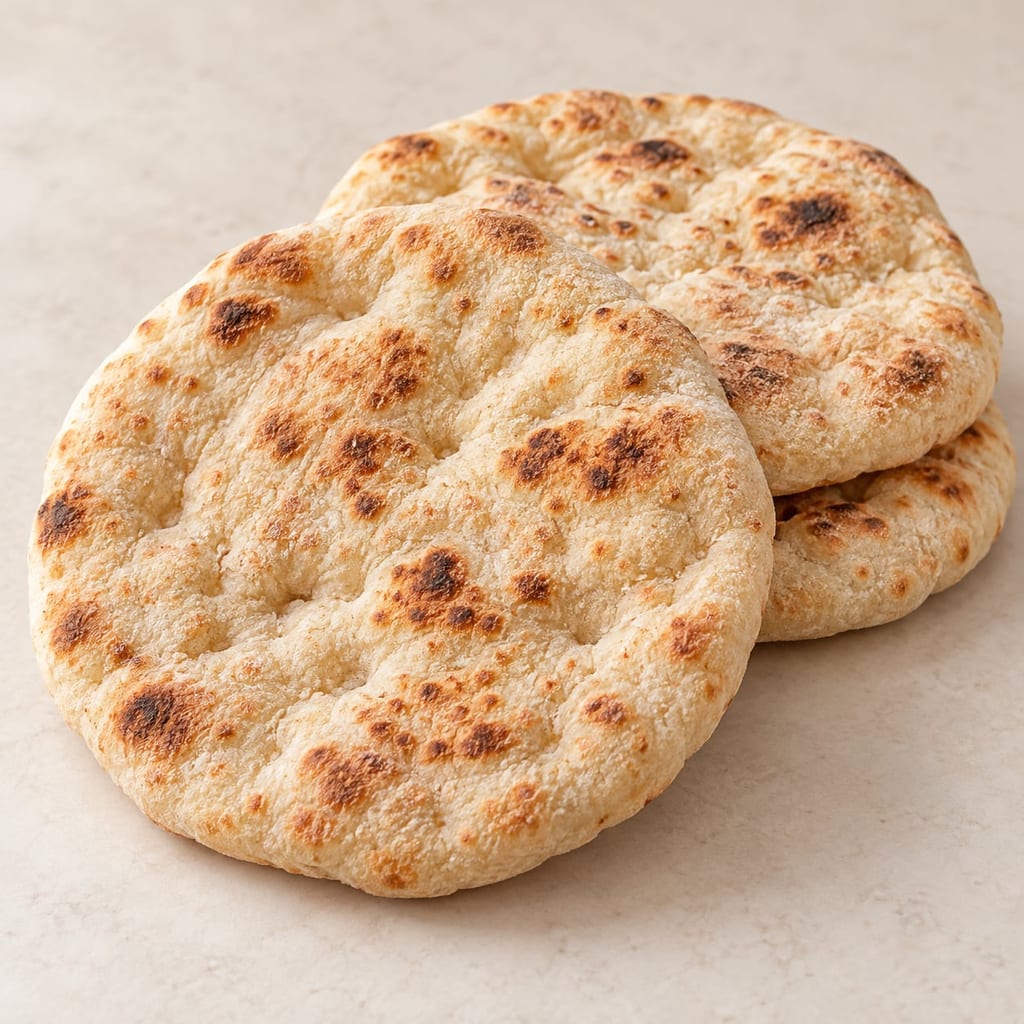
This Palestinian taboon method makes six small wheat flatbreads with a sticky yeast dough, fingertip dimples and a very hot domestic oven surface.
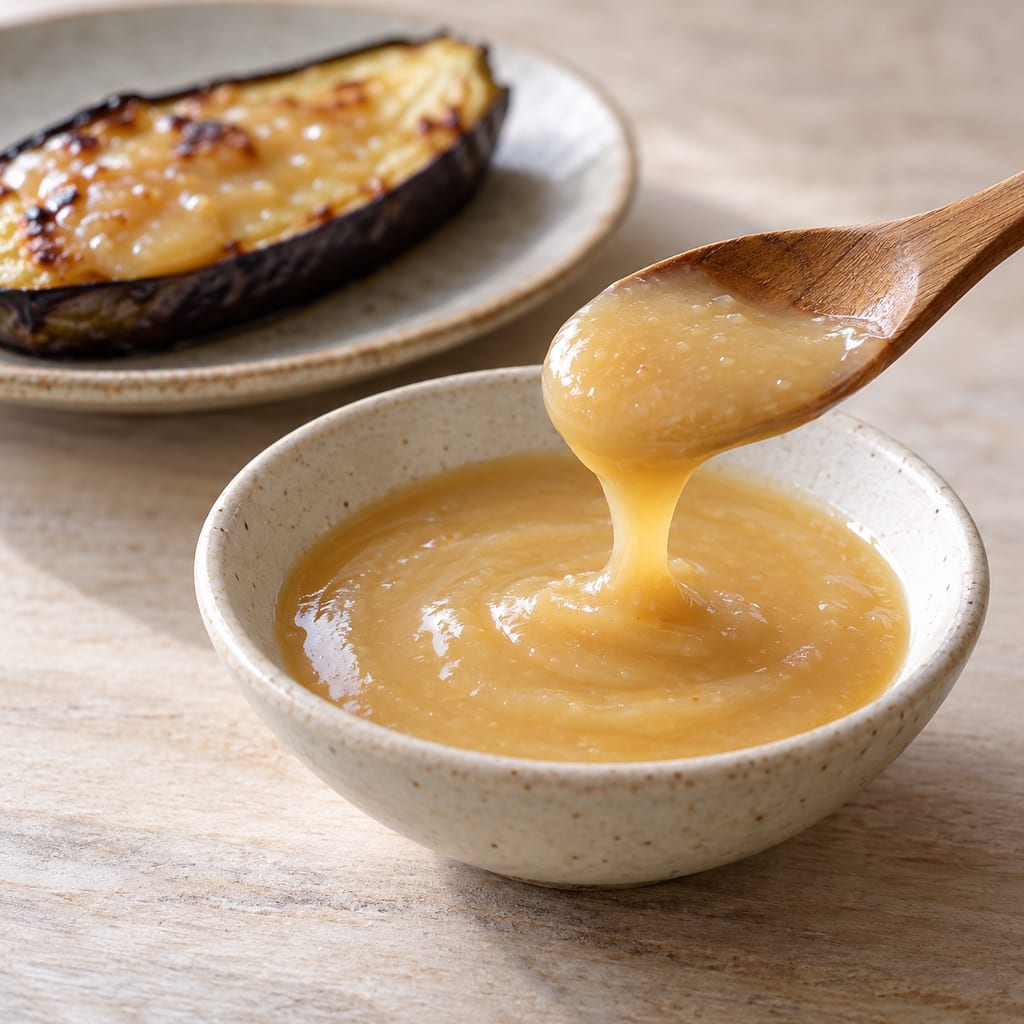
A Japanese-style glaze of pale rice miso, water, sugar and rice vinegar, heated gently until it coats a spoon and spread over cooked aubergine, tofu or vegetables.
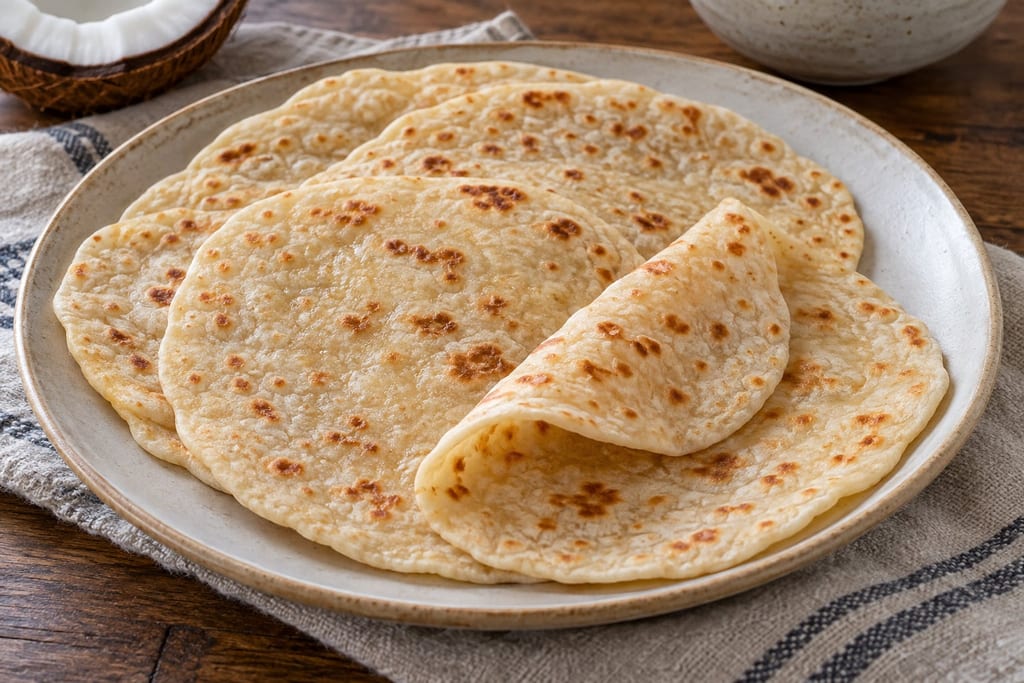
A sweet, soft CHamoru flour titiyas made with wheat flour, coconut milk, butter and cream of coconut, rolled thin and cooked on a dry skillet.
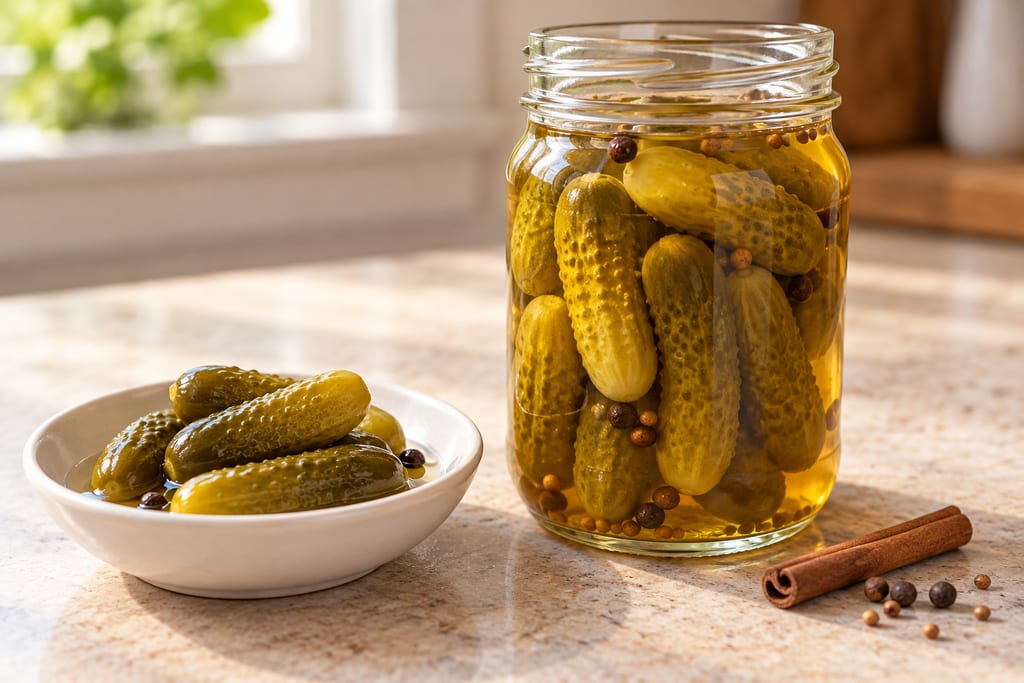
Sweet gherkin pickles are small whole cucumbers preserved in a spiced, sweet vinegar syrup. This four-day U.S. canning method uses repeated hot-water soaks, staged syrup additions, and a boiling-water process.
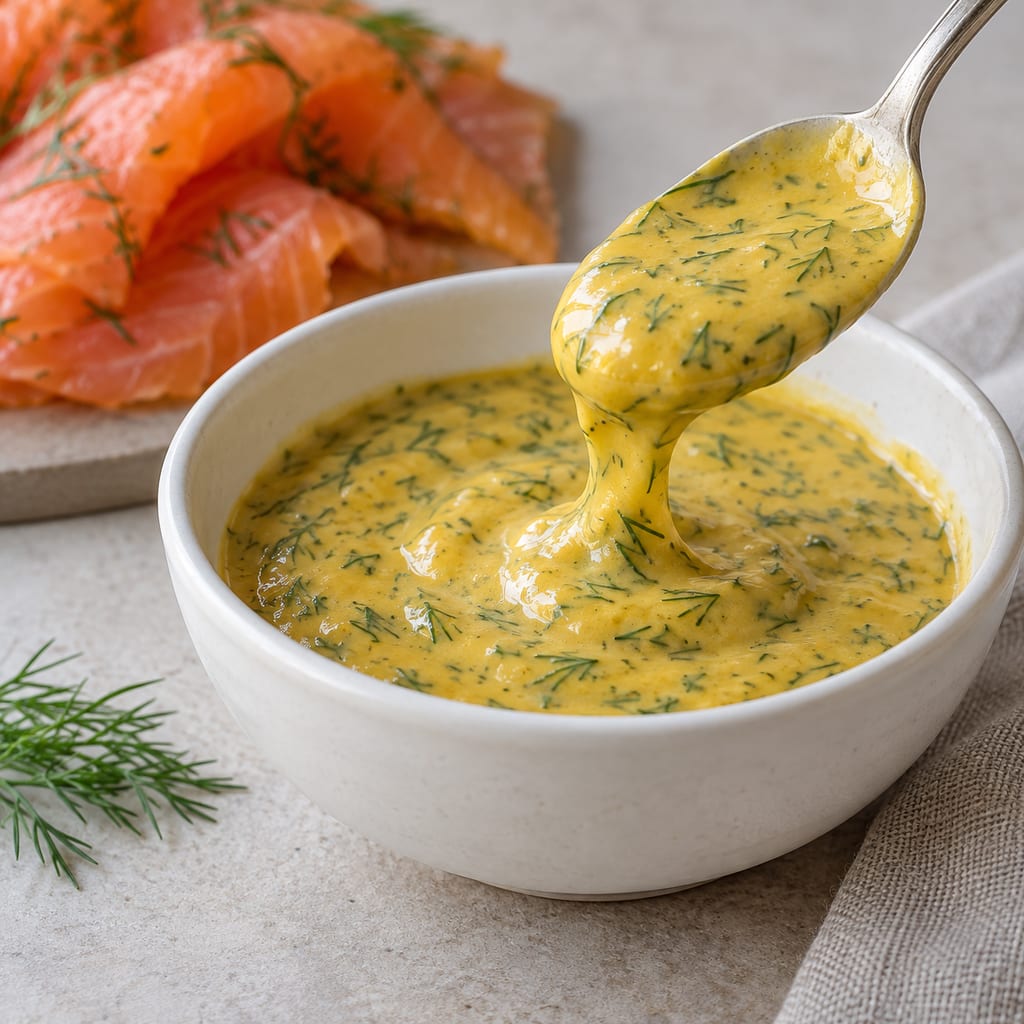
Sweet mustard and Dijon whisked with sugar and white-wine vinegar, thickened with oil added slowly and finished with fresh dill: a hovmästarsås-style sauce for salmon.
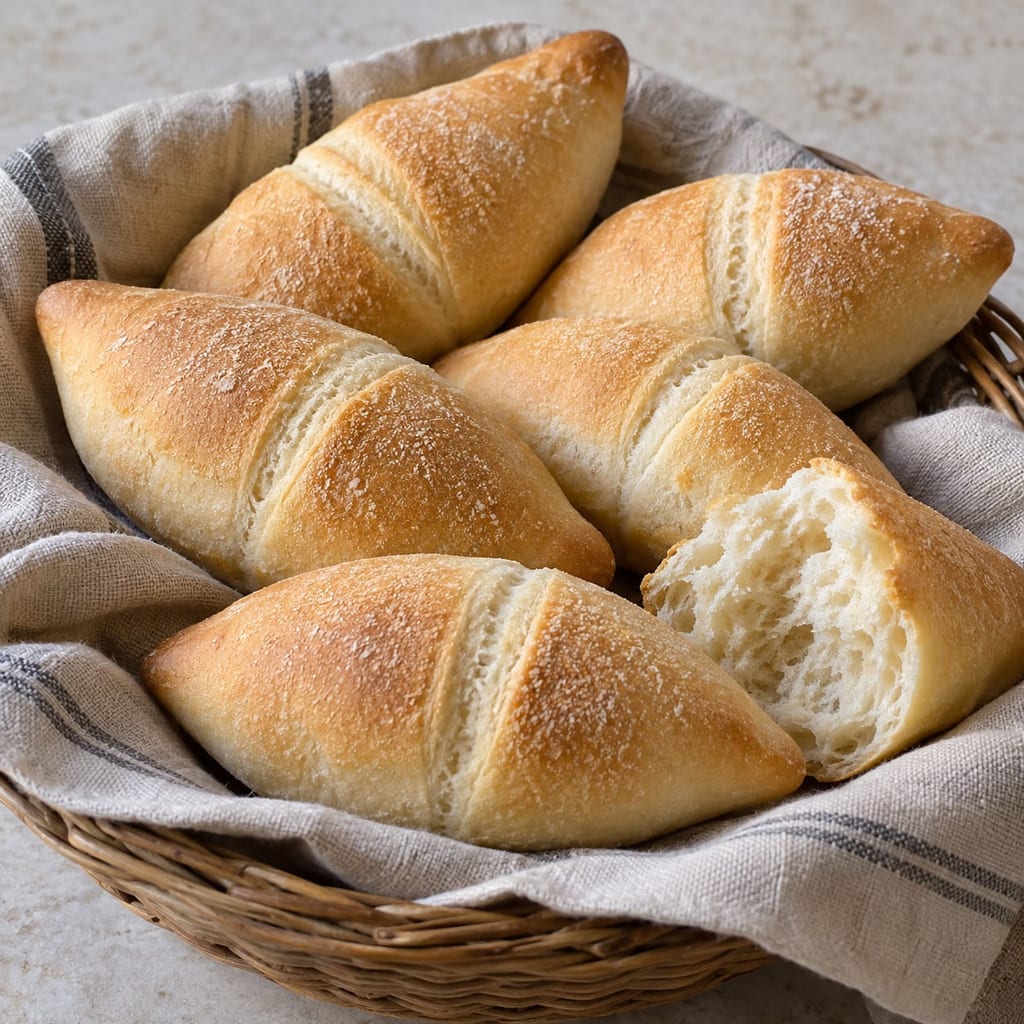
Pointed, yeast-raised Surinamese rolls with a light crumb and a thin crust, shaped with a pressed seam and baked with a semolina coating.
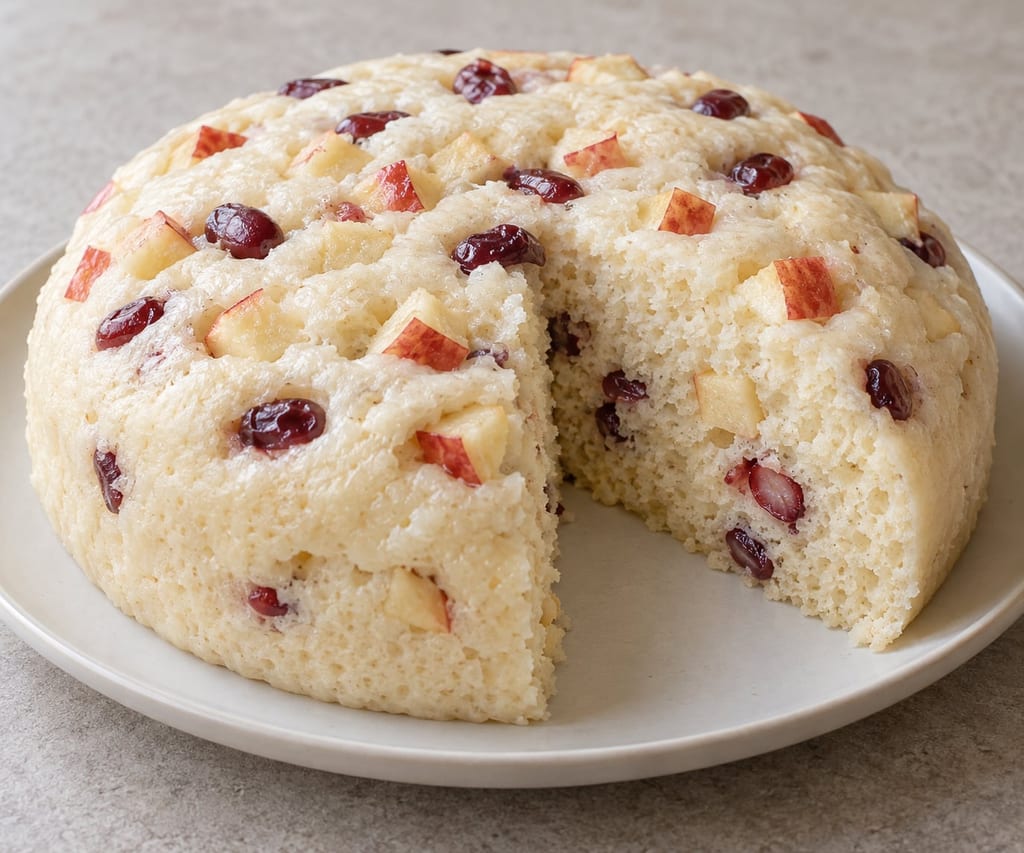
A soft Korean steamed wheat bread leavened with dry yeast and raw makgeolli, with apple pieces and fresh beans folded through the surface.
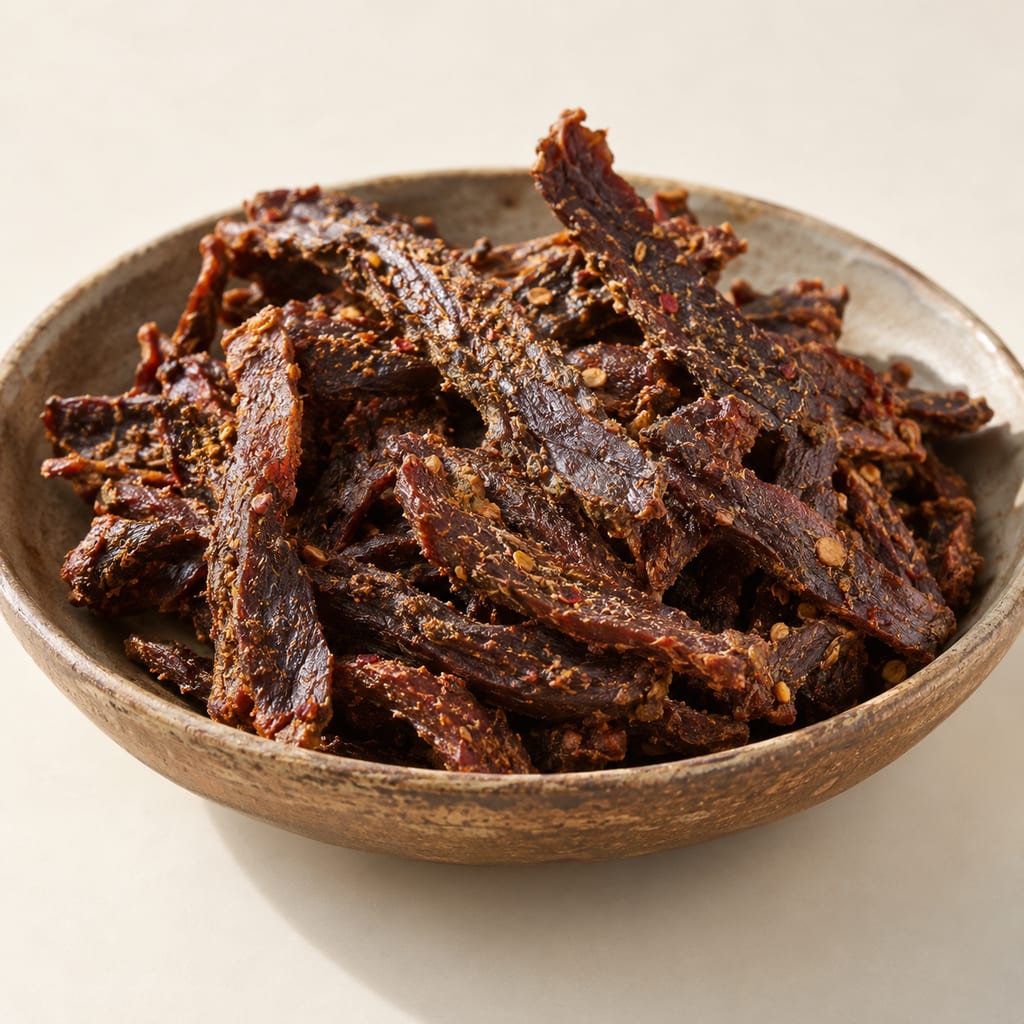
Sukuti is Nepali dried meat, most often buffalo, cut into thin strips, seasoned with spices, dried over smoke or in the sun, and later fried or roasted before eating.
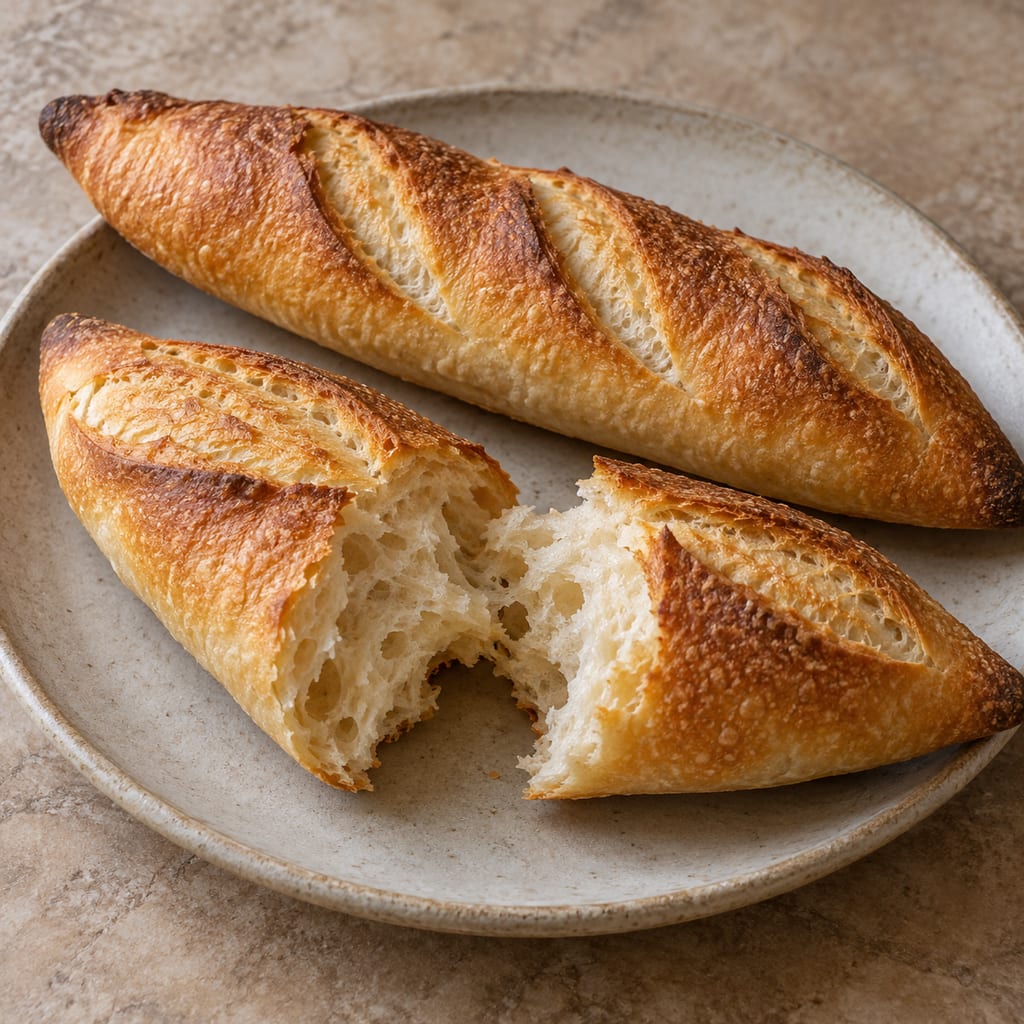
This four-baguette sticky-rice dough is the bread component of Saeng Douangdara’s khao jee pâté recipe. She presents the sticky-rice addition as her own variation; it is not a universal or traditional Lao baguette formula.
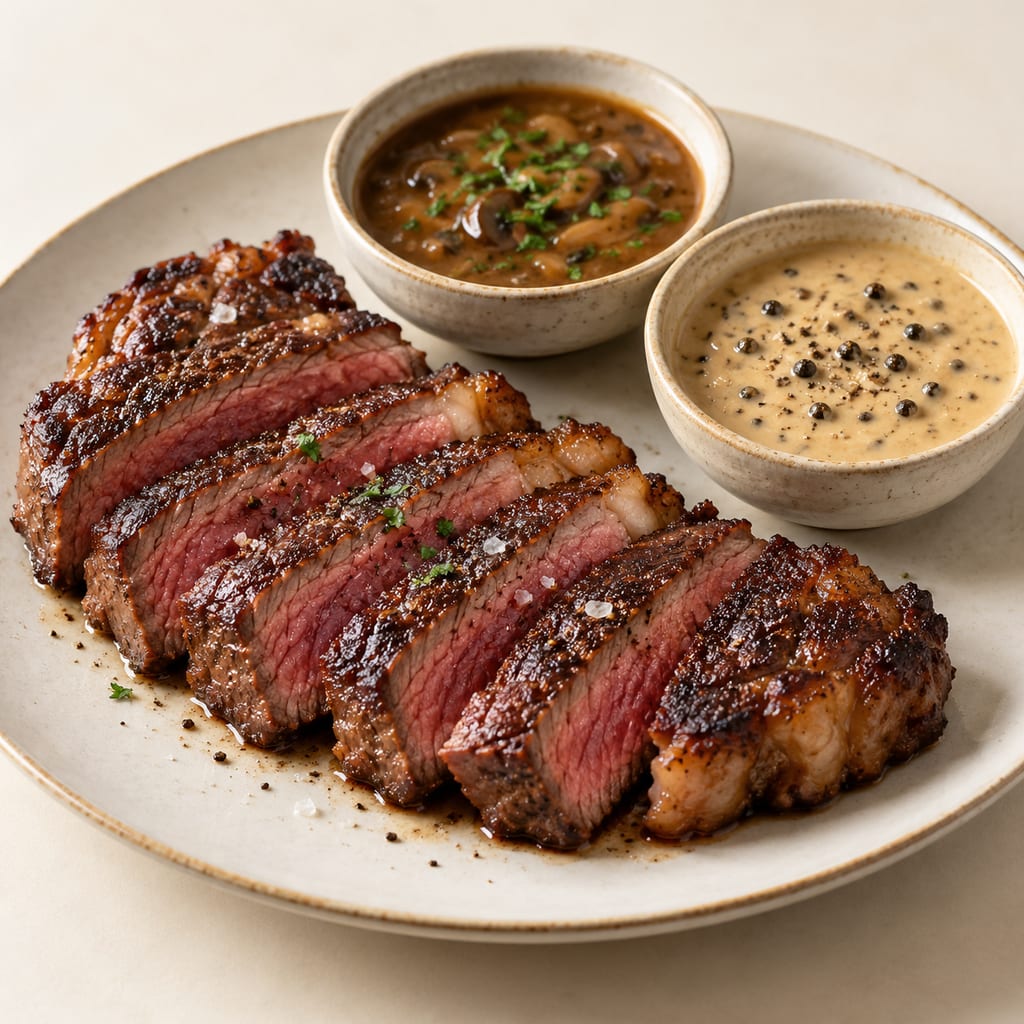
Steak Diane is a restaurant pan sauce of seasoned butter, Worcestershire and parsley, often flamed; the related peppercorn cream sauce is reduced from cream and crushed peppercorns for steak.
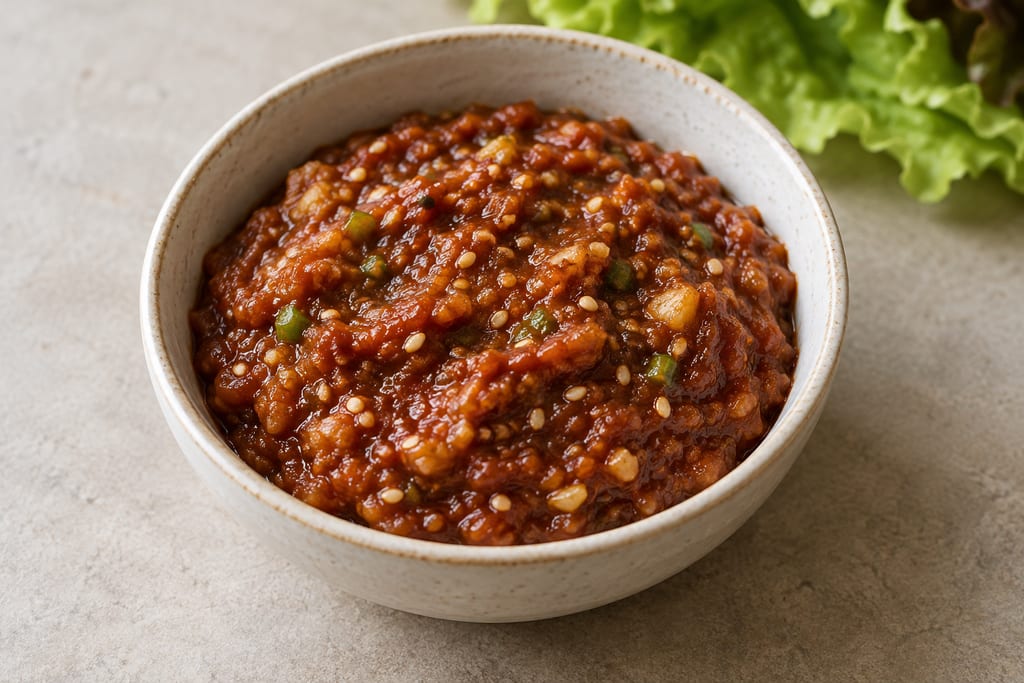
Doenjang and gochujang stirred together with sesame oil and seeds, a little honey, water, raw garlic and spring onion: a thick, savoury sauce for lettuce wraps with rice.
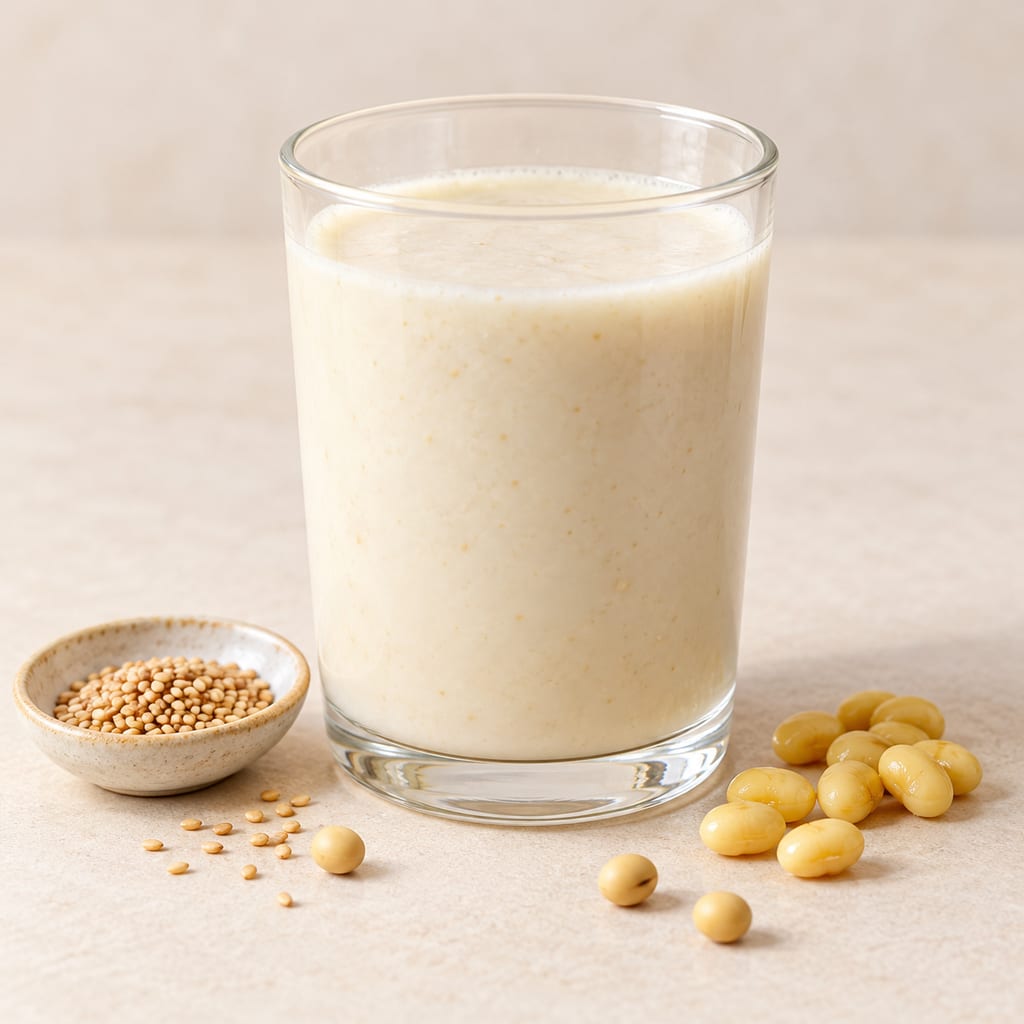
A Korean-style soy drink of cooked whole soybeans blended with cold water, sesame and salt and served at once; tofu-making soy milk is a different, filtered milk.
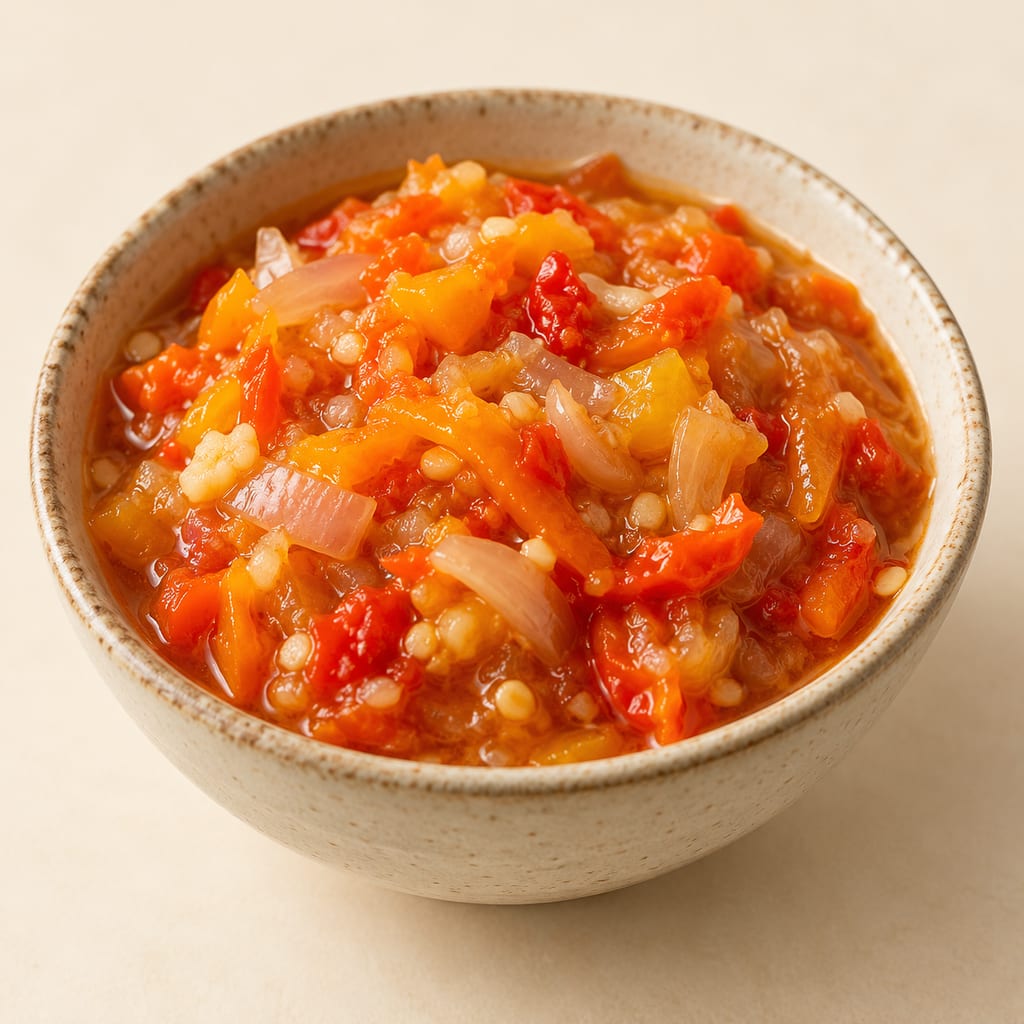
A Haitian hot sauce of habanero or Scotch bonnet, onion, shallot and garlic, softened in vinegar and lime, simmered briefly and served on grilled or fried meat and seafood.
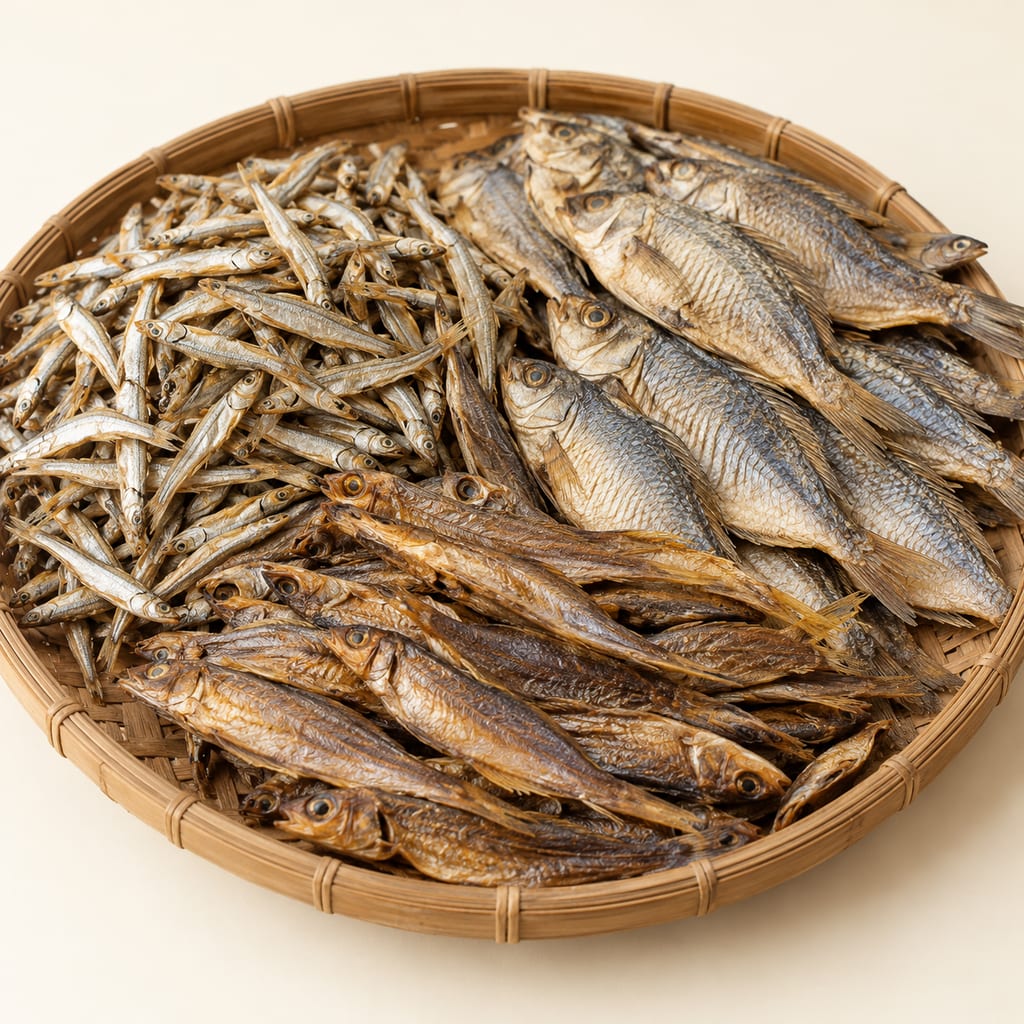
Small Lake Malawi fish, usipa, utaka and ndunduma, dried on racks inside UV-treated polythene solar tents. Tested in Malawi as a drier, less lossy alternative to open sun drying on racks.
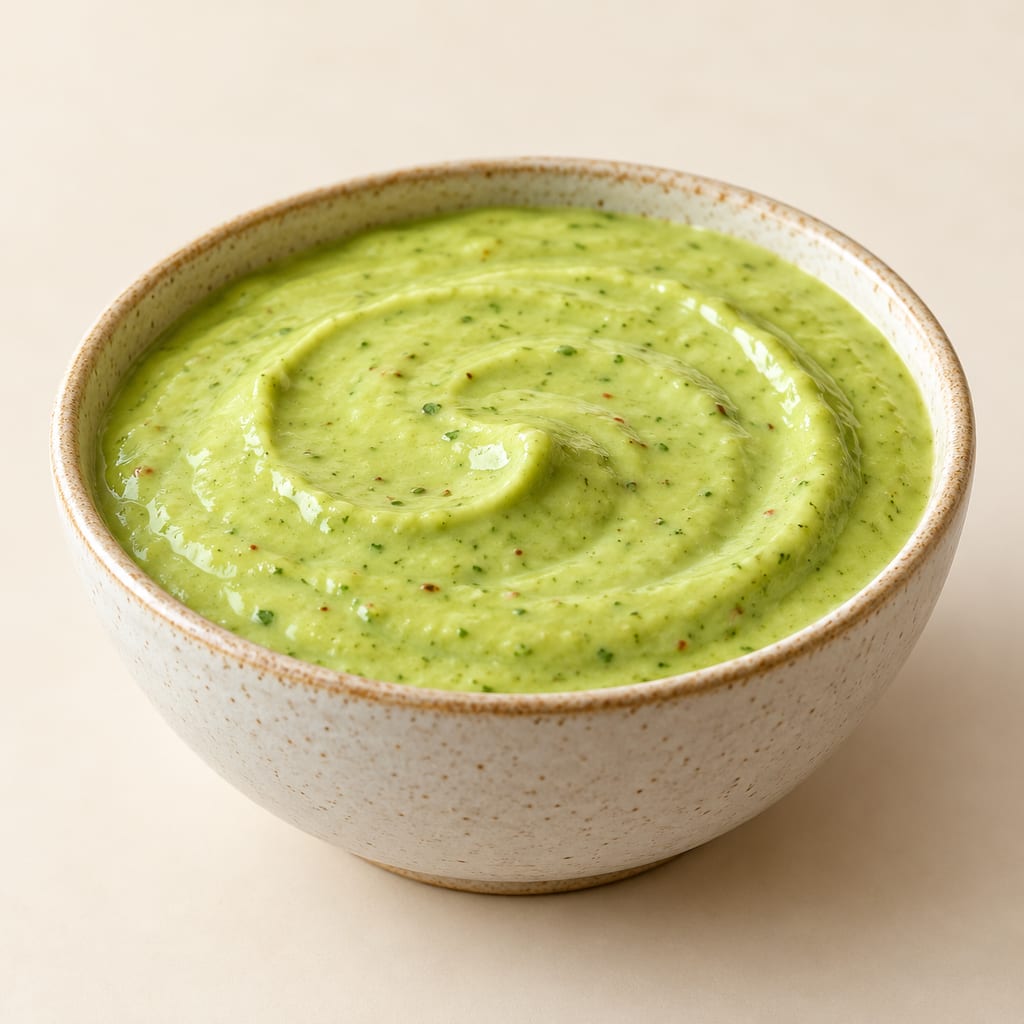
A pourable sauce of ripe avocado, lime, chile, herbs and onion, blended or mashed to a smooth body. It is an avocado sauce, not every green taquería sauce.
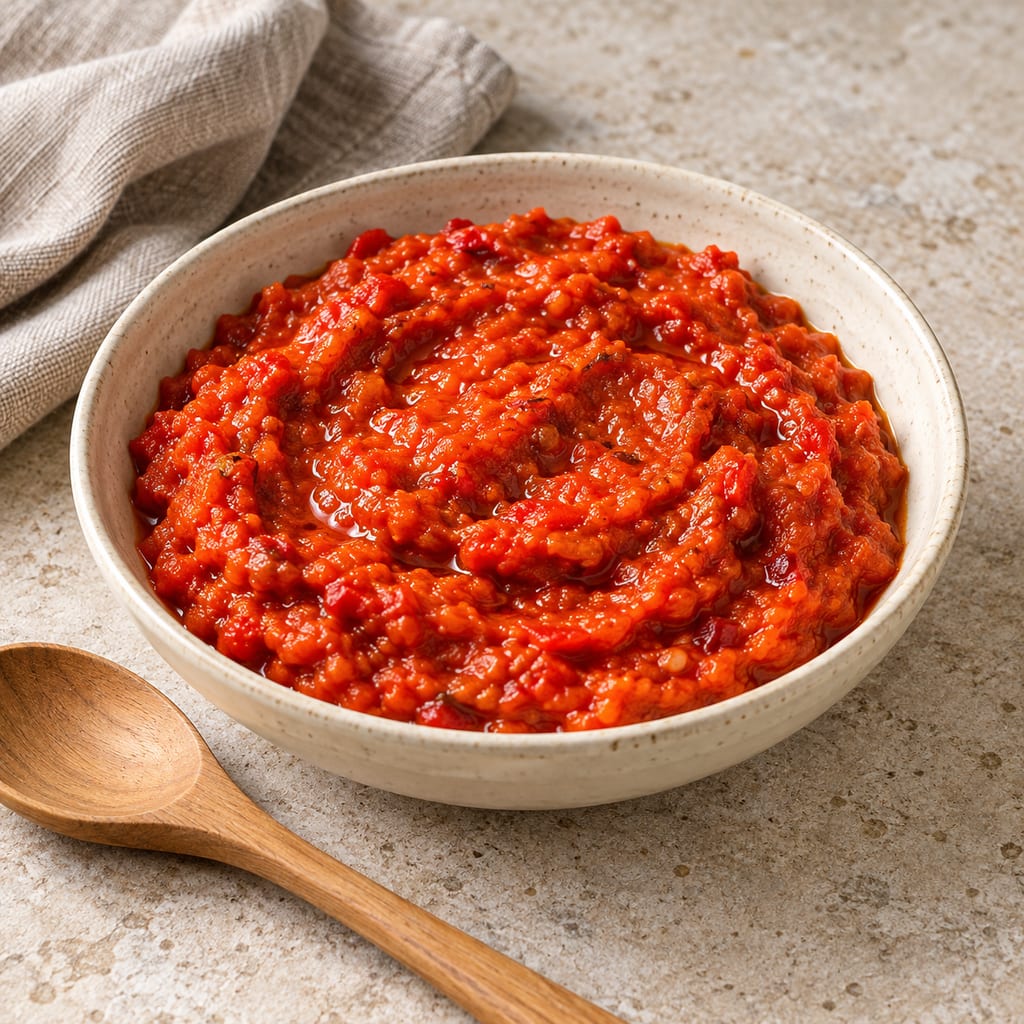
A small roasted red-pepper and eggplant relish with sunflower oil, wine vinegar, garlic and salt. It is a modern ajvar-style trial, not a validated winter preserve or a copy of a commercial formula.
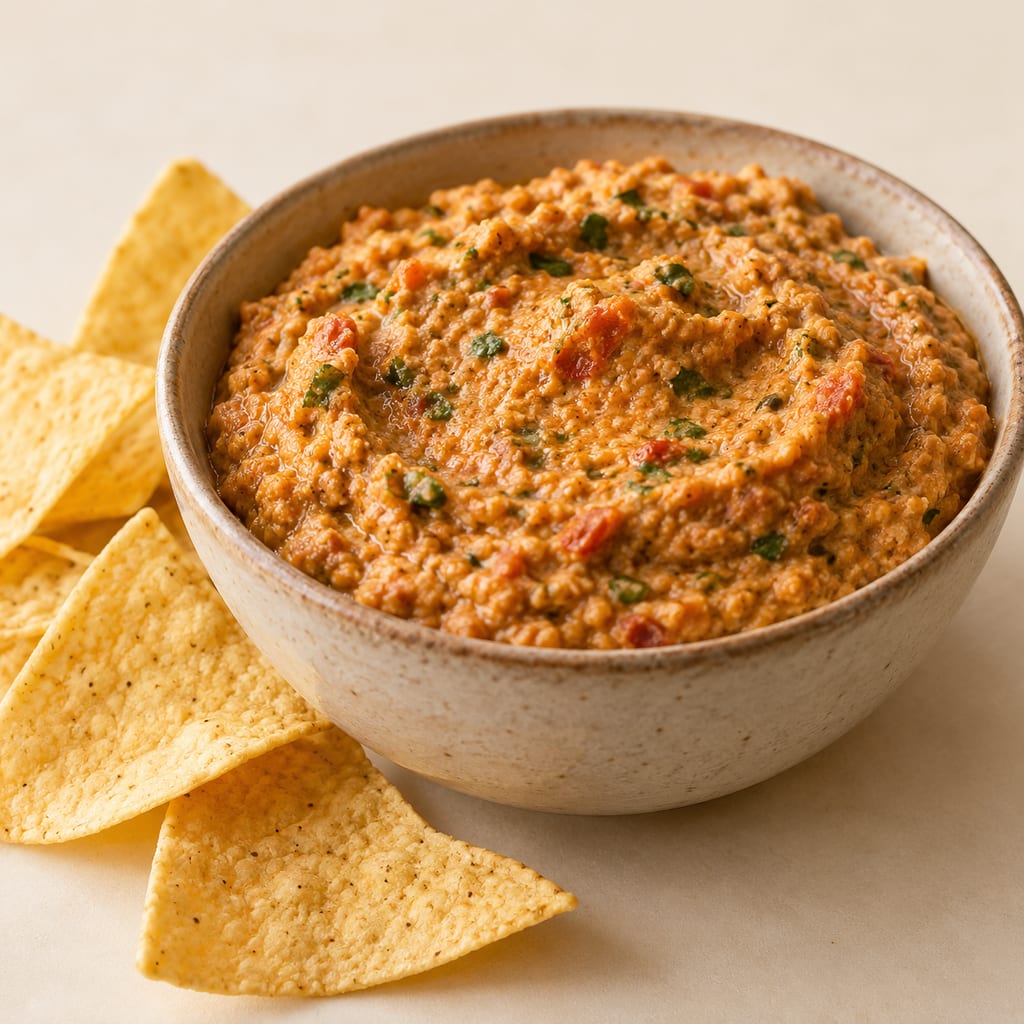
Sikil p’ak is a Yucatecan dip of toasted, ground pumpkin seeds mixed with roasted tomato, habanero, onion and herbs, served with tortilla chips or warm tortillas. Its name is built from Maya words for pumpkin seed and tomato.
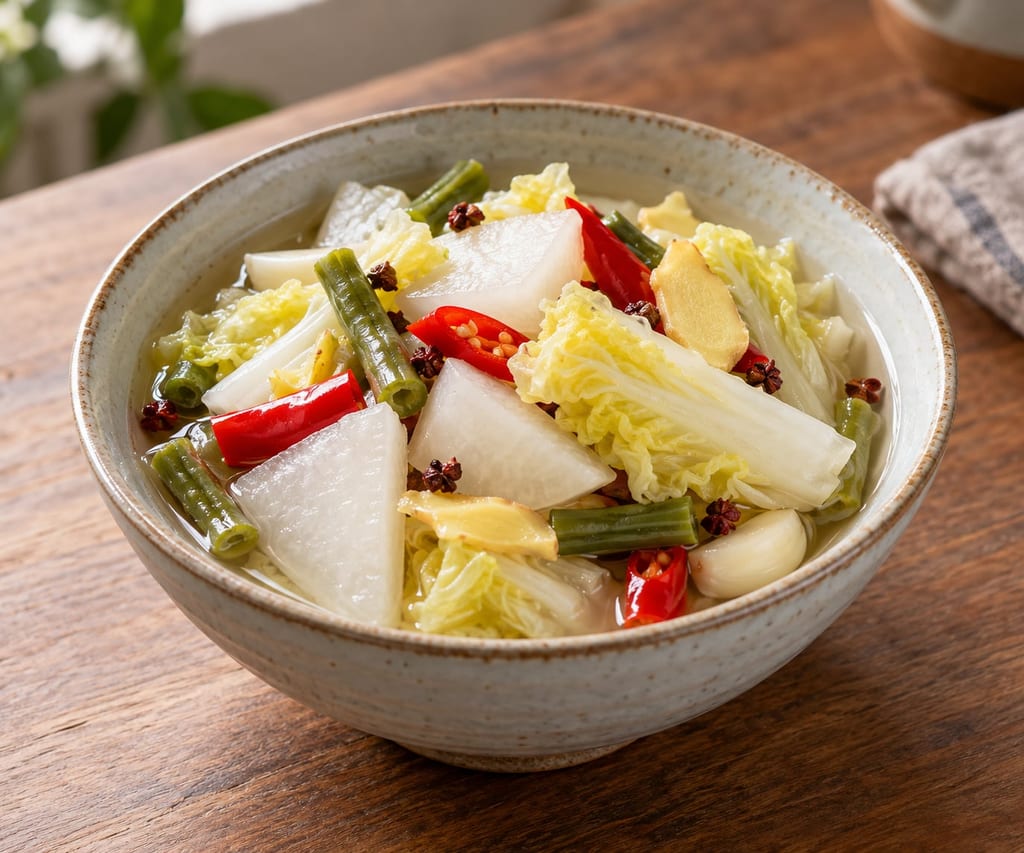
Sichuan paocai is a family of vegetables, most often radish, fermented by lactic-acid bacteria in a salted, spiced brine in a water-sealed pottery jar, with mature brine kept and reused.
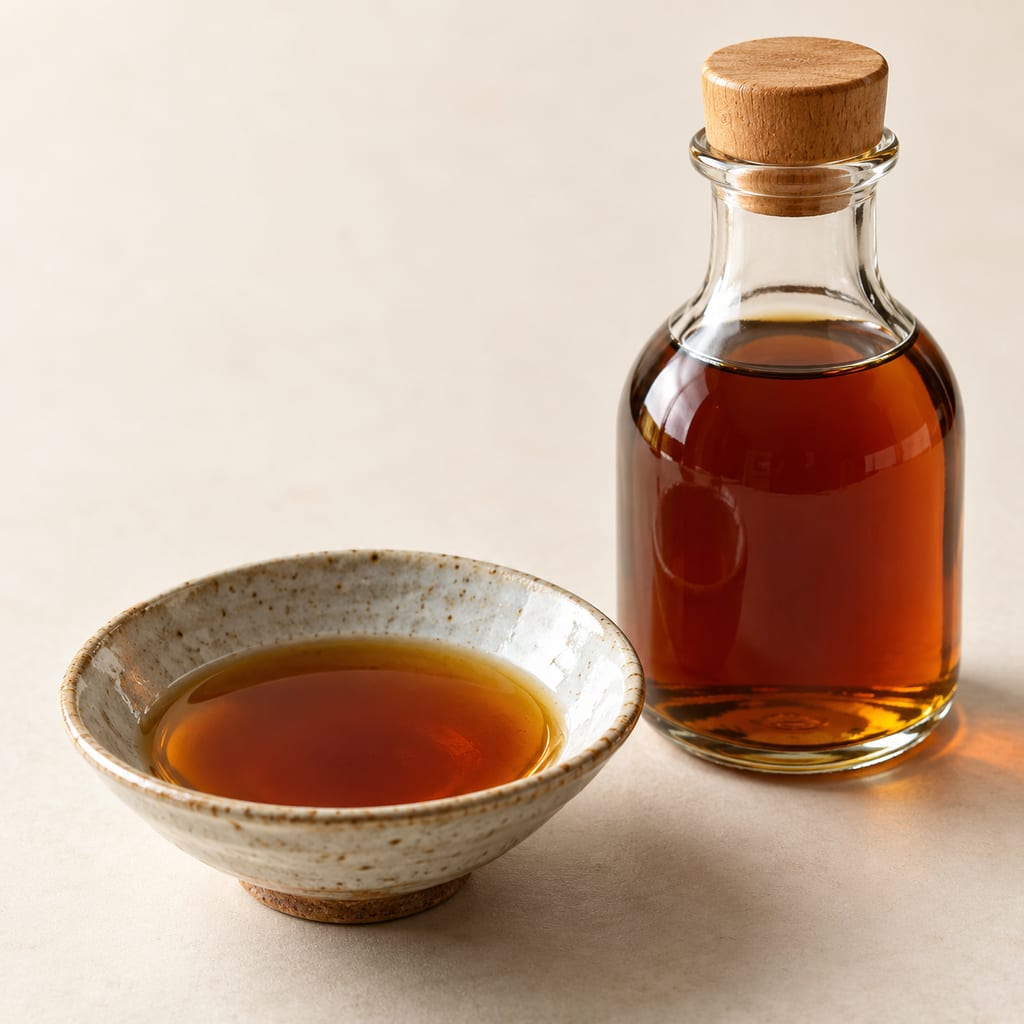
Shottsuru is the fish sauce of Akita, Japan, made from salted fish, most often the sandfish hatahata, which liquefies over a long maturation of a year or more.
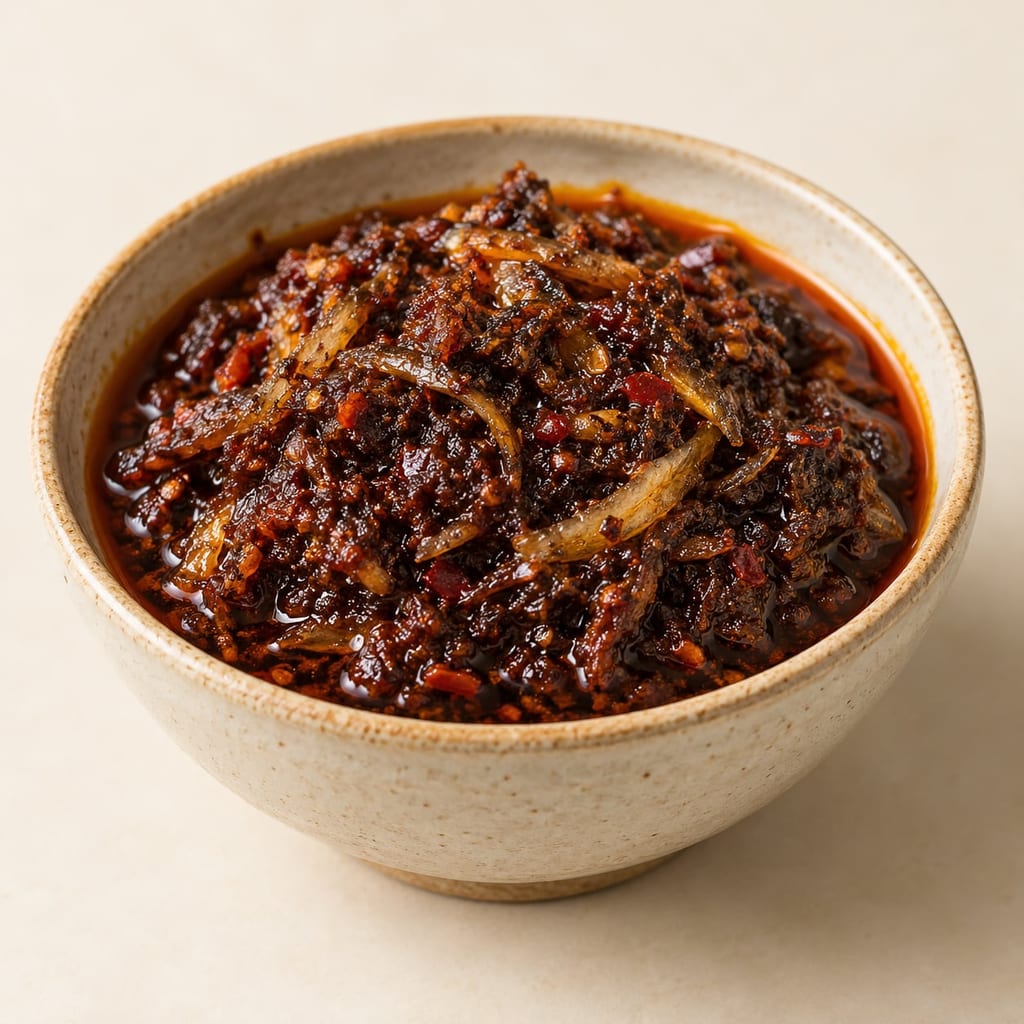
Shito is a hot Ghanaian pepper condiment with fish-rich, oil-cooked and fresh pepper forms; this measured version follows a recipe collected in Ghana’s Northern Region.
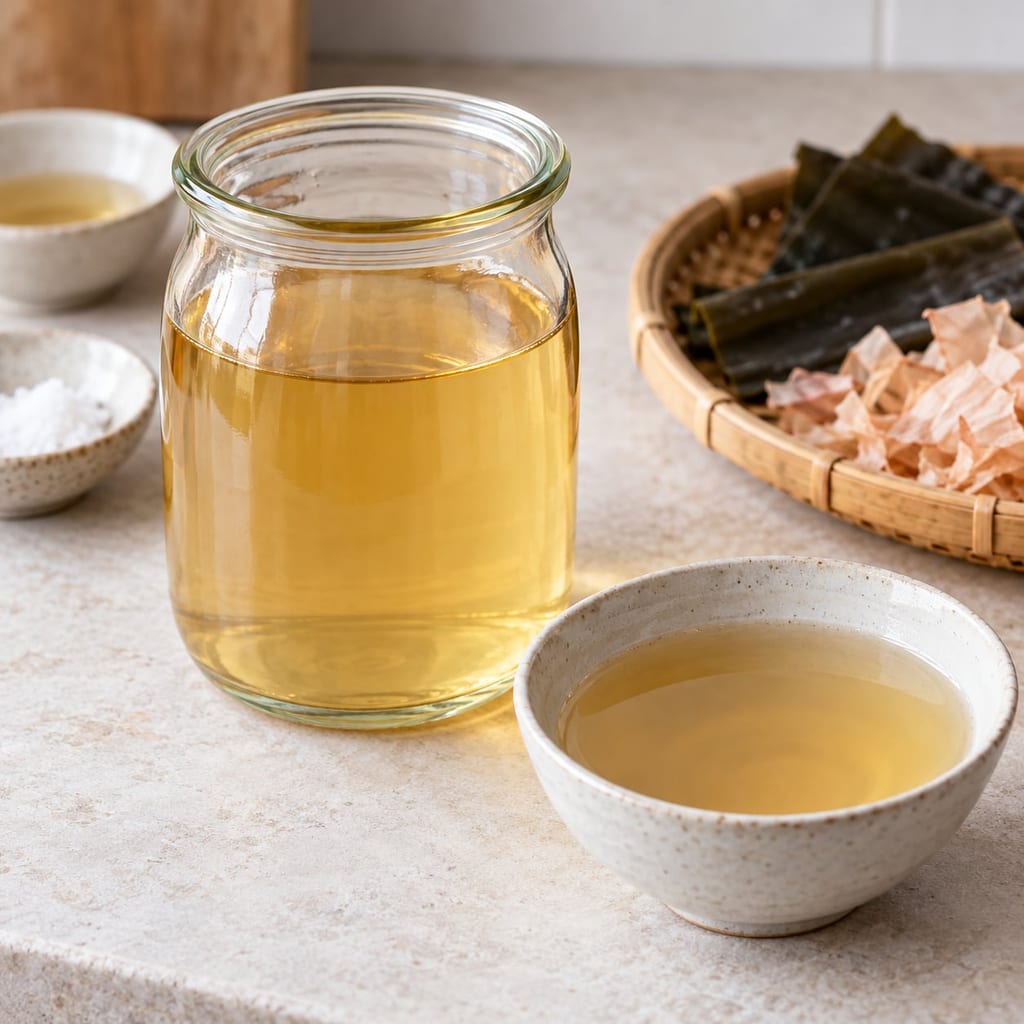
Shiro dashi is a pale Japanese seasoning stock of kombu and bonito dashi, light soy sauce, mirin and salt, used to flavour dishes without darkening them.
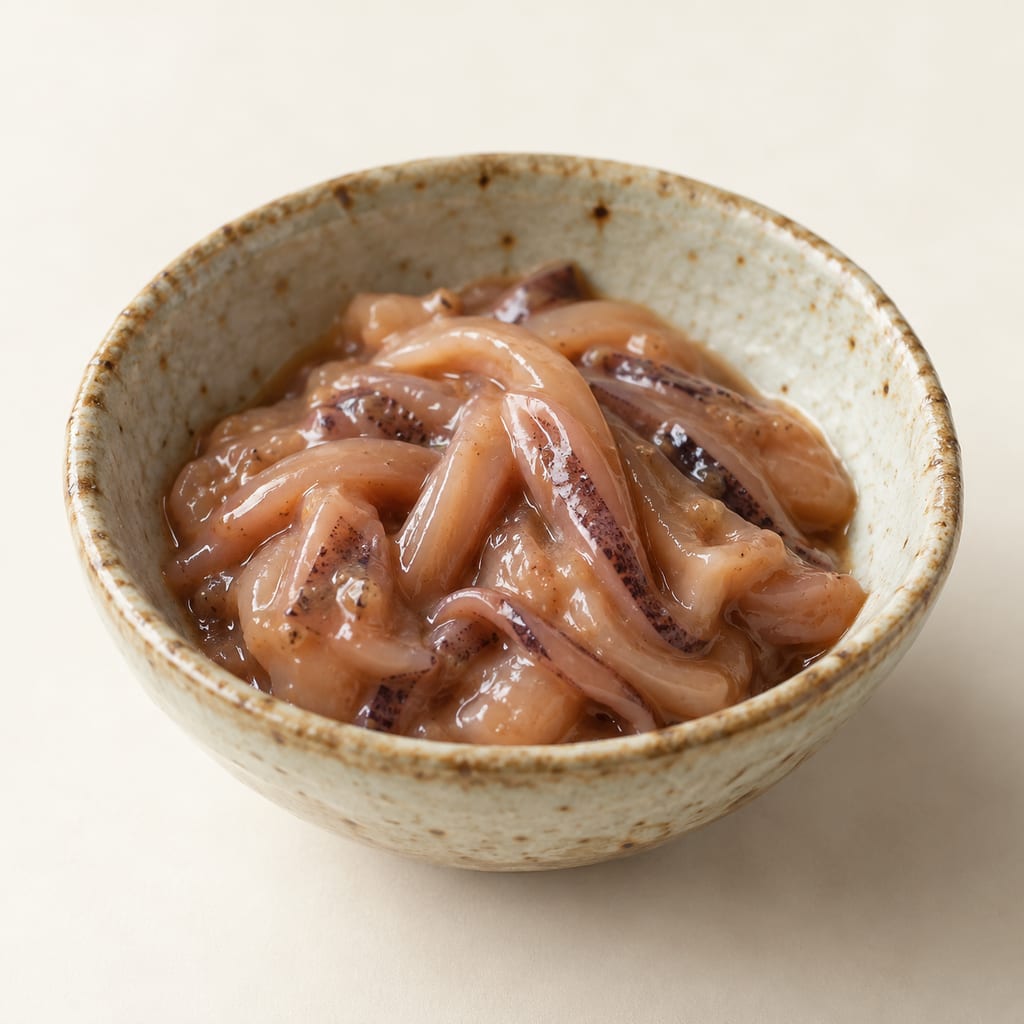
Shiokara is a Japanese salted and fermented seafood preparation, in which squid or the organs of other fish are matured in salt until the flesh breaks down into a thick, savoury paste that keeps its solids.
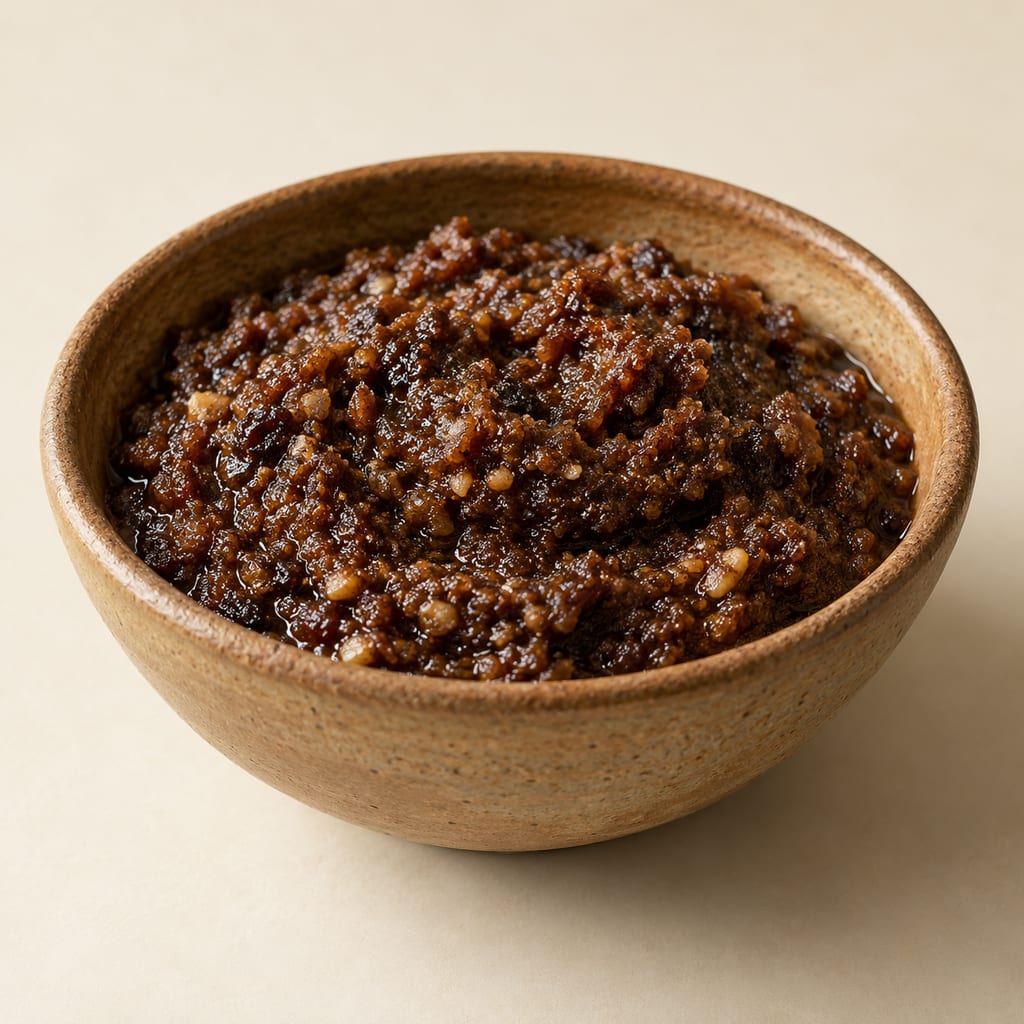
A medieval English sauce of pounded dried currants, nut kernels, bread crusts and warm spices, tempered with vinegar. It is an unfermented sauce from The Forme of Cury, not a preserving recipe.
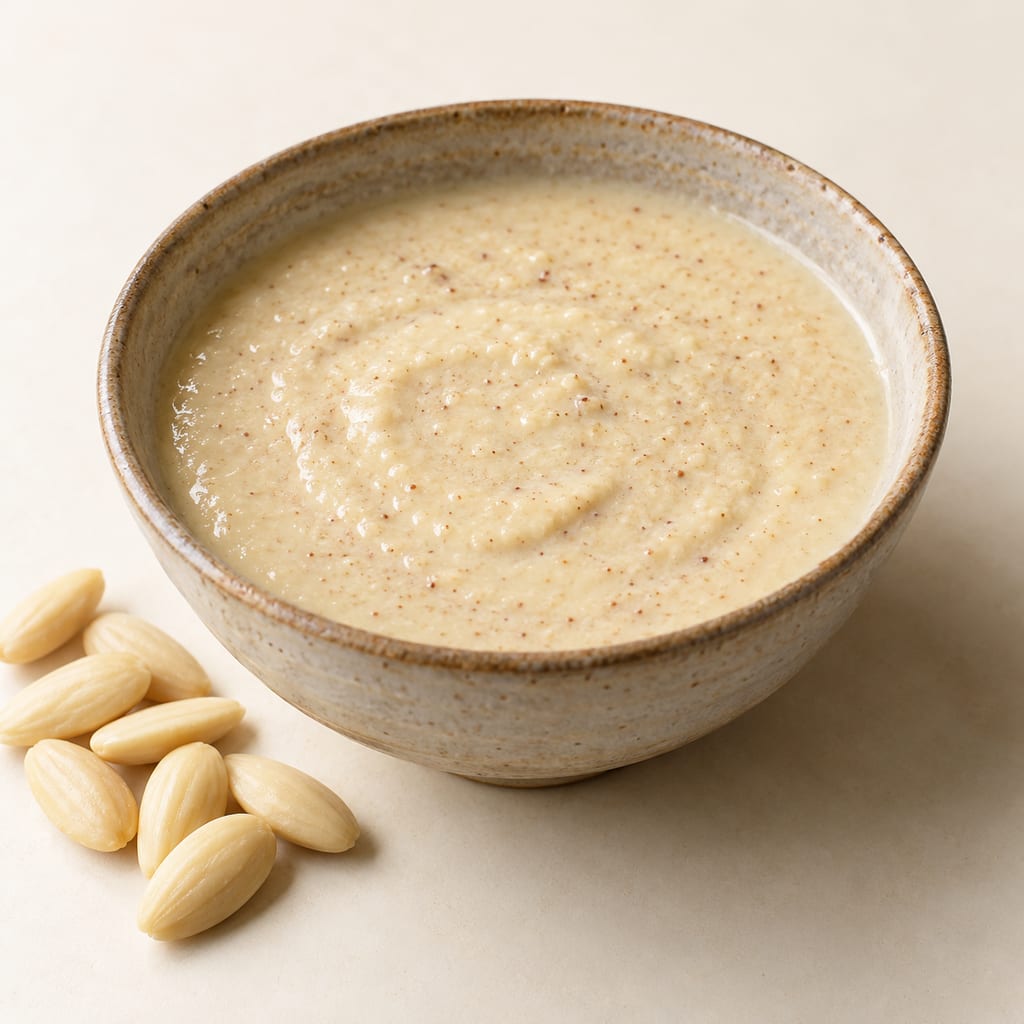
A pale English sauce from The Forme of Cury, about 1390, of blanched almonds ground to a dust, tempered with verjuice and seasoned with powdered ginger. It is a historical sauce, not a modern bechamel.
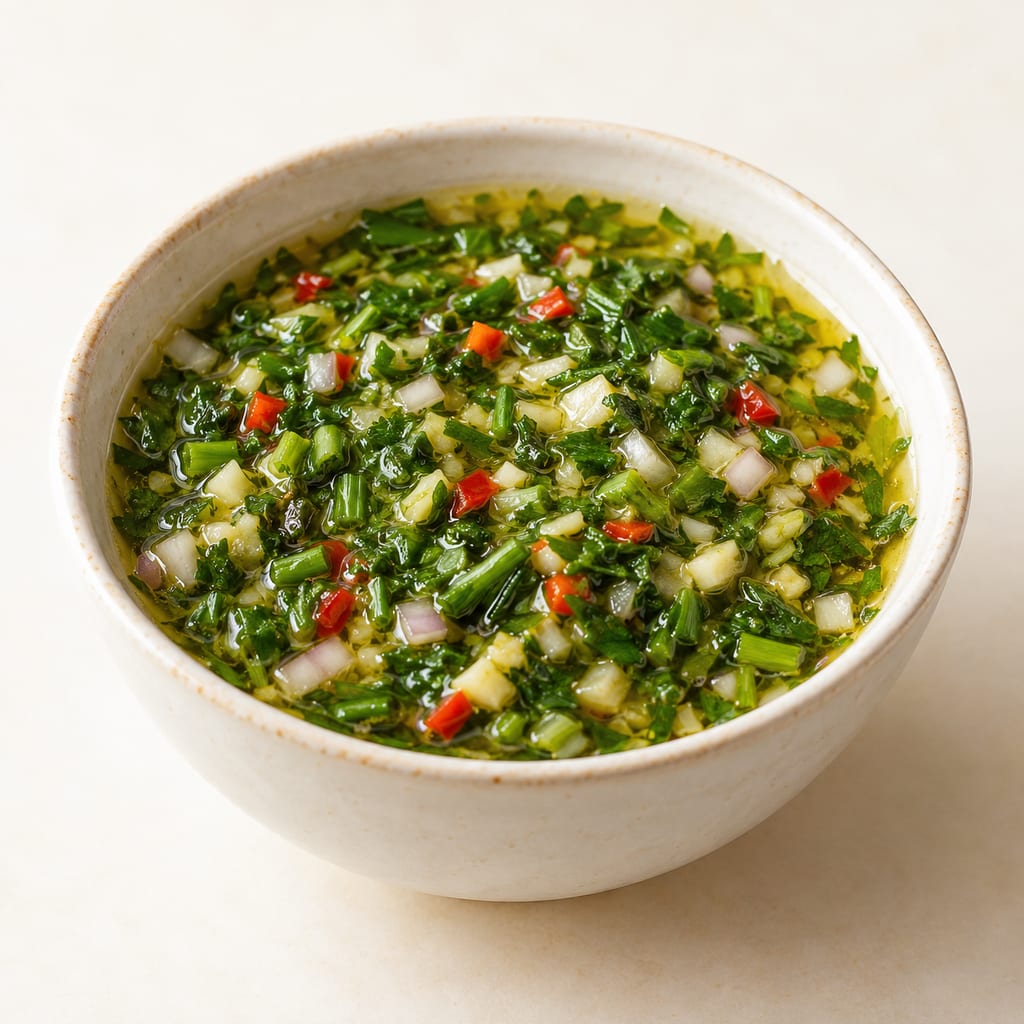
Sauce chien is a fresh French Antillean sauce of chopped chives, parsley, garlic, shallot and hot pepper, steeped in hot water with oil and lime.
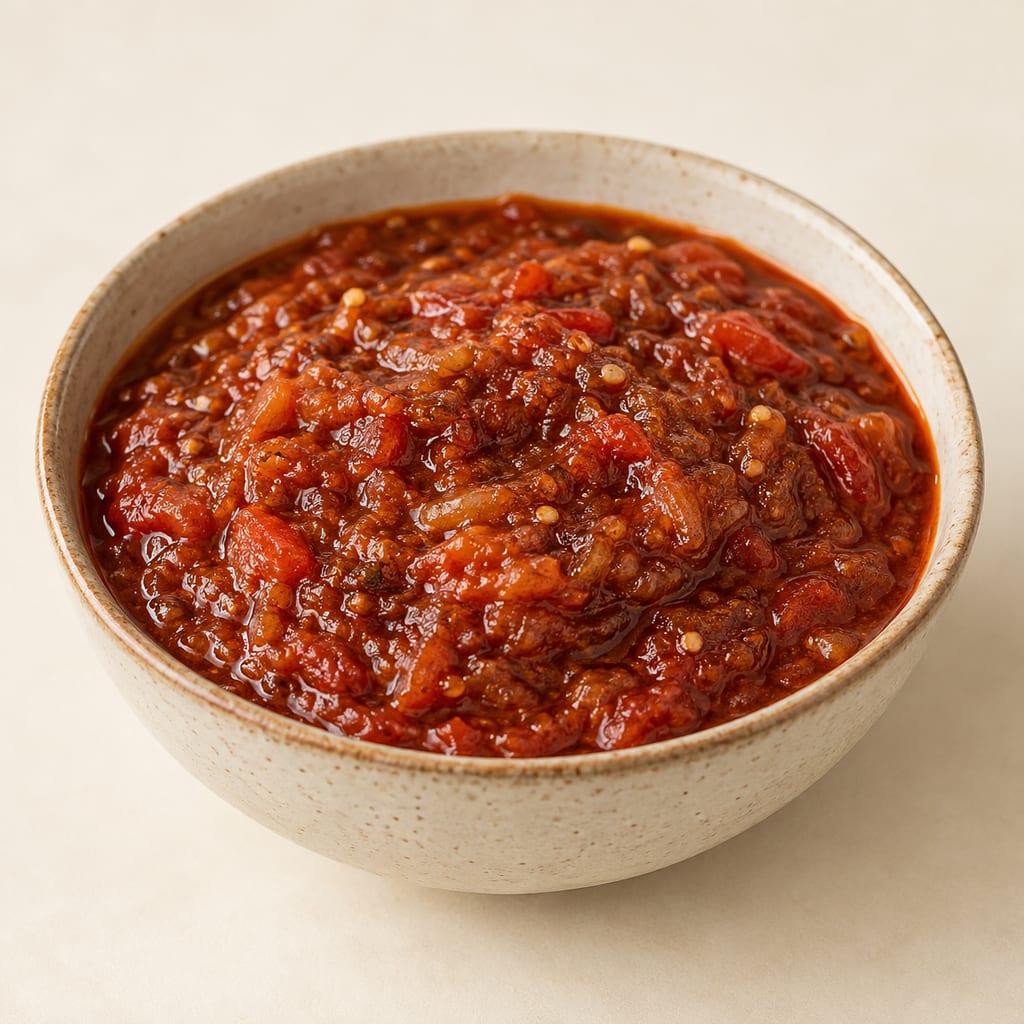
Shidni, also called shigni, is a Somali tomato, chilli and tamarind sauce. An everyday version is fried for about five minutes; a festive chutney with dates and mango cooks for about two hours under the name basbaas alla-bari.
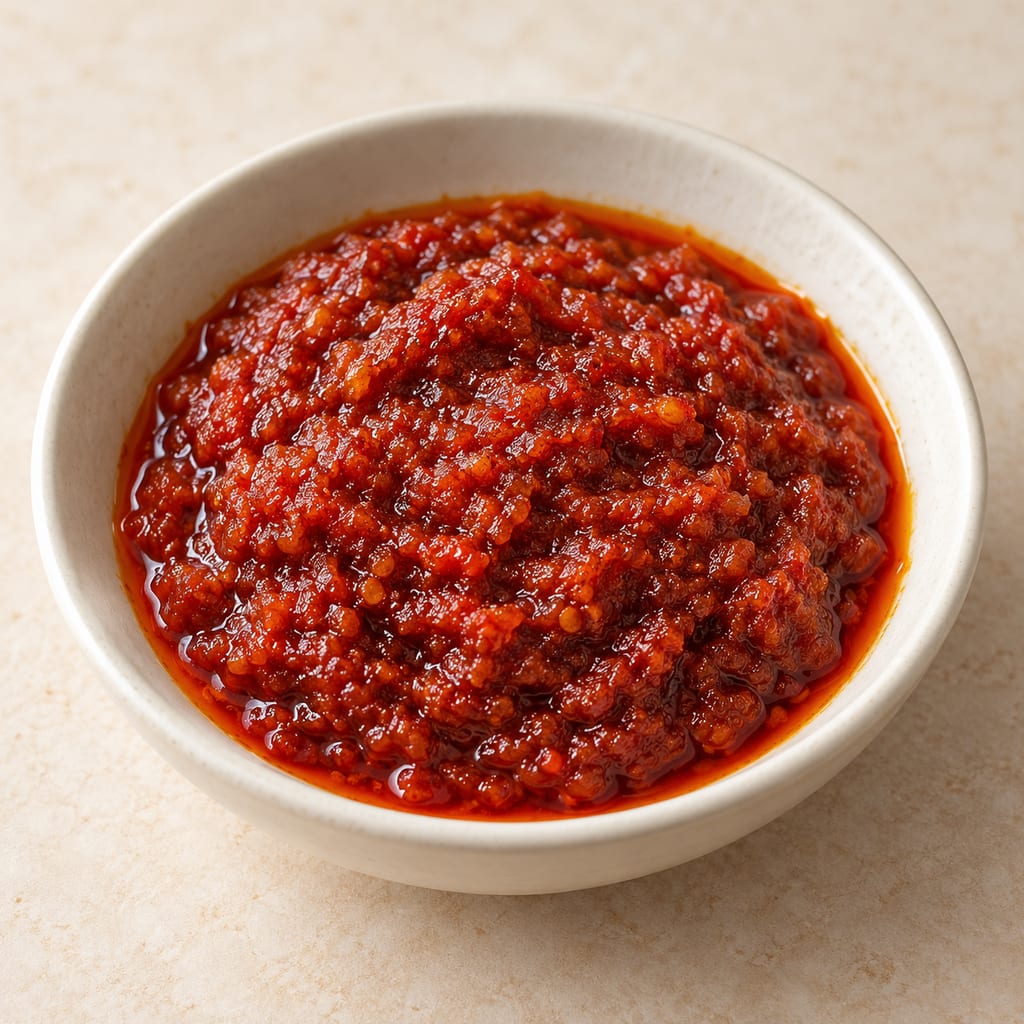
Sambal tumis is a Malaysian chilli paste fried in oil until it breaks, then simmered with tamarind and sugar, used as a condiment and as a cooking base.