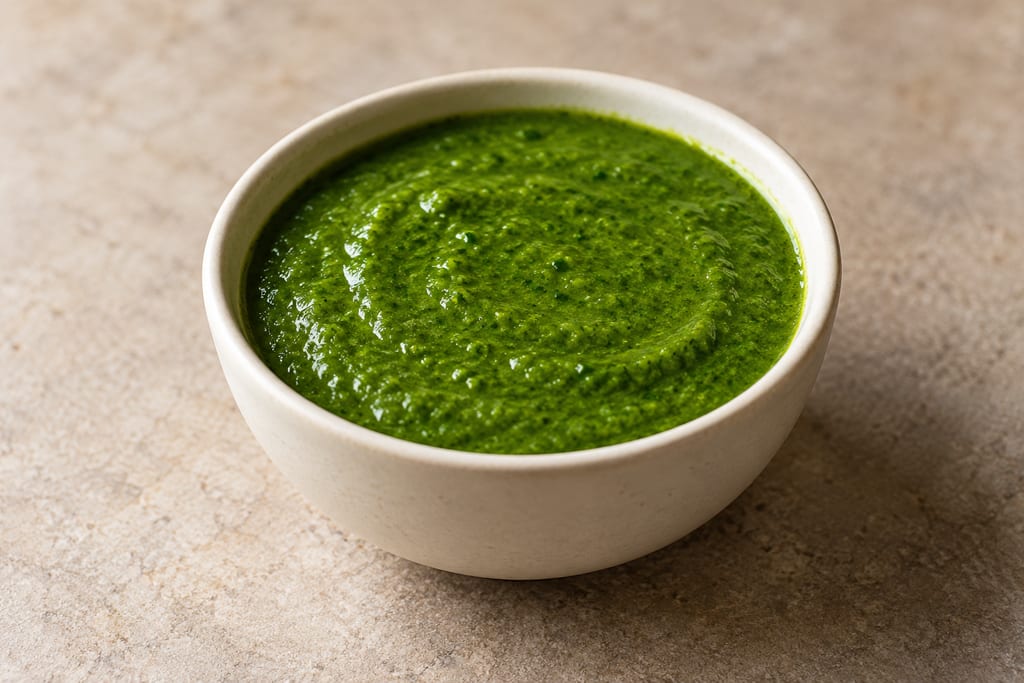
Coriander-mint chutney
A cold-blended coriander and mint chutney with ginger, green chilli and optional cumin and lemon; the author serves it with snacks, chaat and sandwiches.
 FermenteaWhere food goes to change
Recipes by the places recorded in their sources.
A cold-blended coriander and mint chutney with ginger, green chilli and optional cumin and lemon; the author serves it with snacks, chaat and sandwiches.
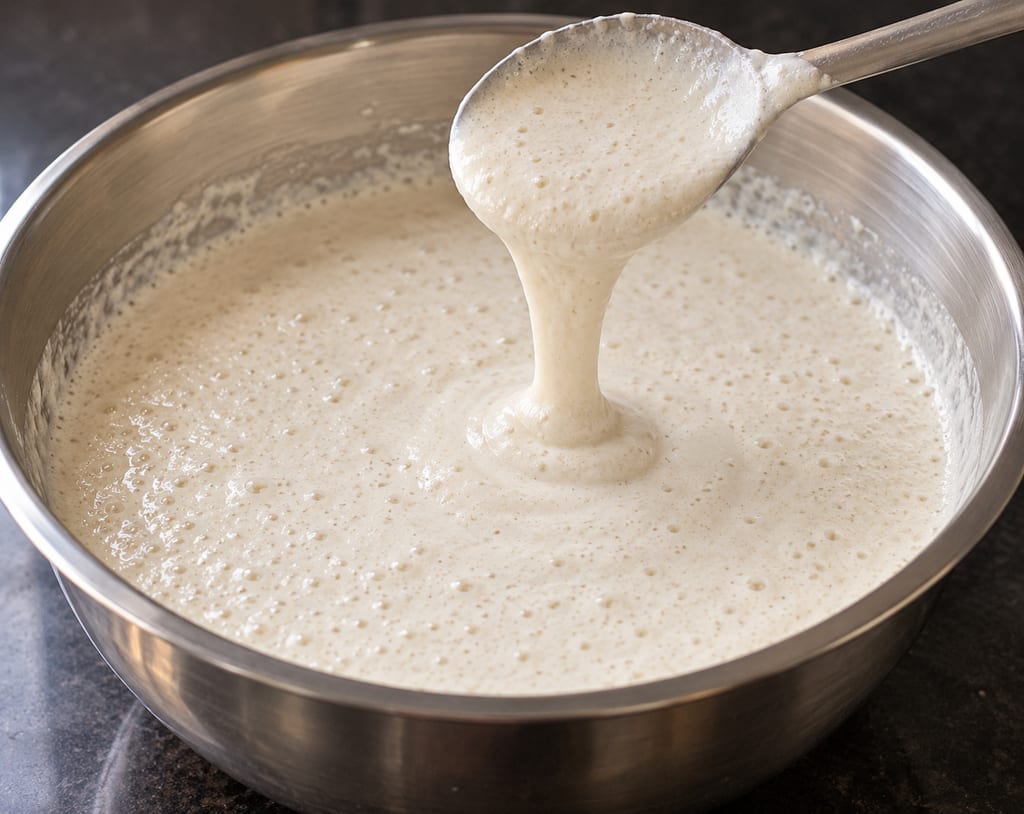
A naturally fermented South Indian rice-and-urad batter, ground fine and spread thin on a hot griddle. Fermentation lightens the batter and develops its gentle tang.
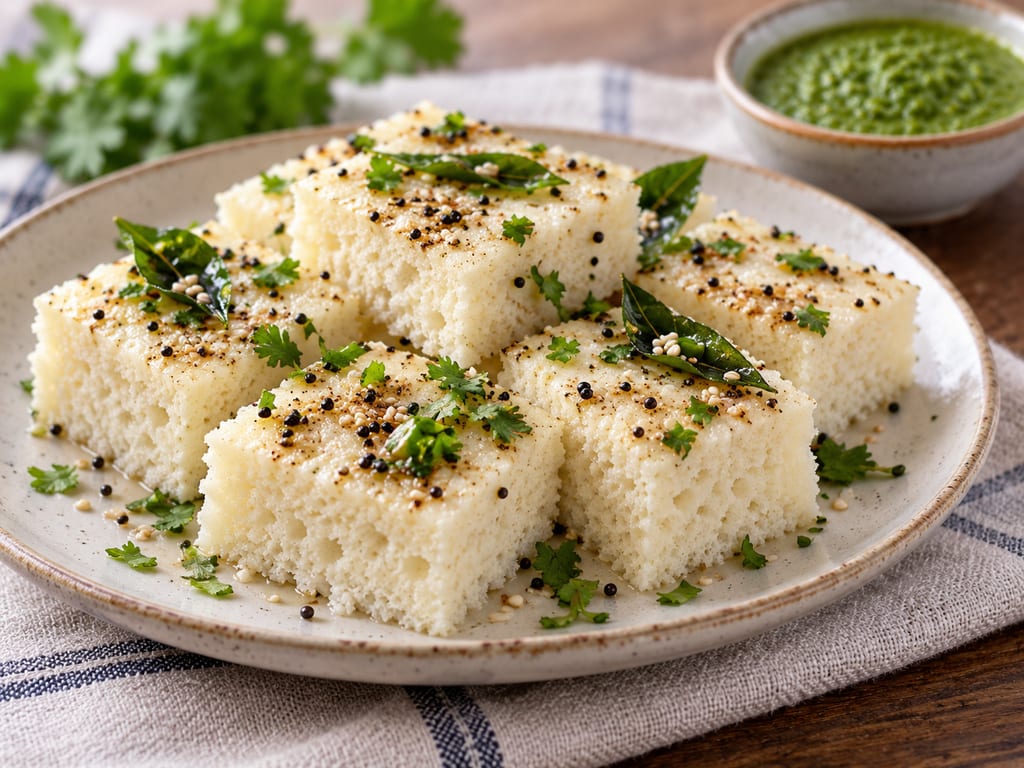
Dhokla is a Gujarati savoury steamed cake made from a fermented rice-and-pulse batter, whose lactic bacteria and yeasts give acidity, aroma and a porous crumb before steaming.
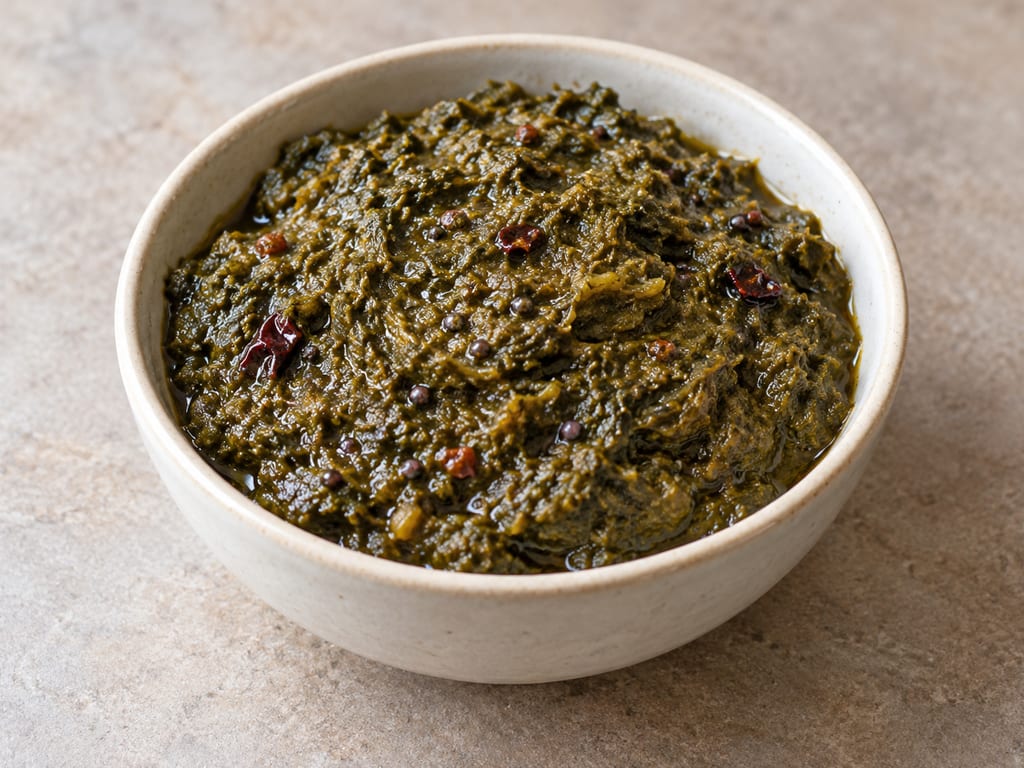
A hot, sour Andhra chutney of gongura (sorrel) leaves cooked soft and ground with fried dried chillies, garlic and onion, then finished with a hot tempering of dals, mustard and curry leaves.
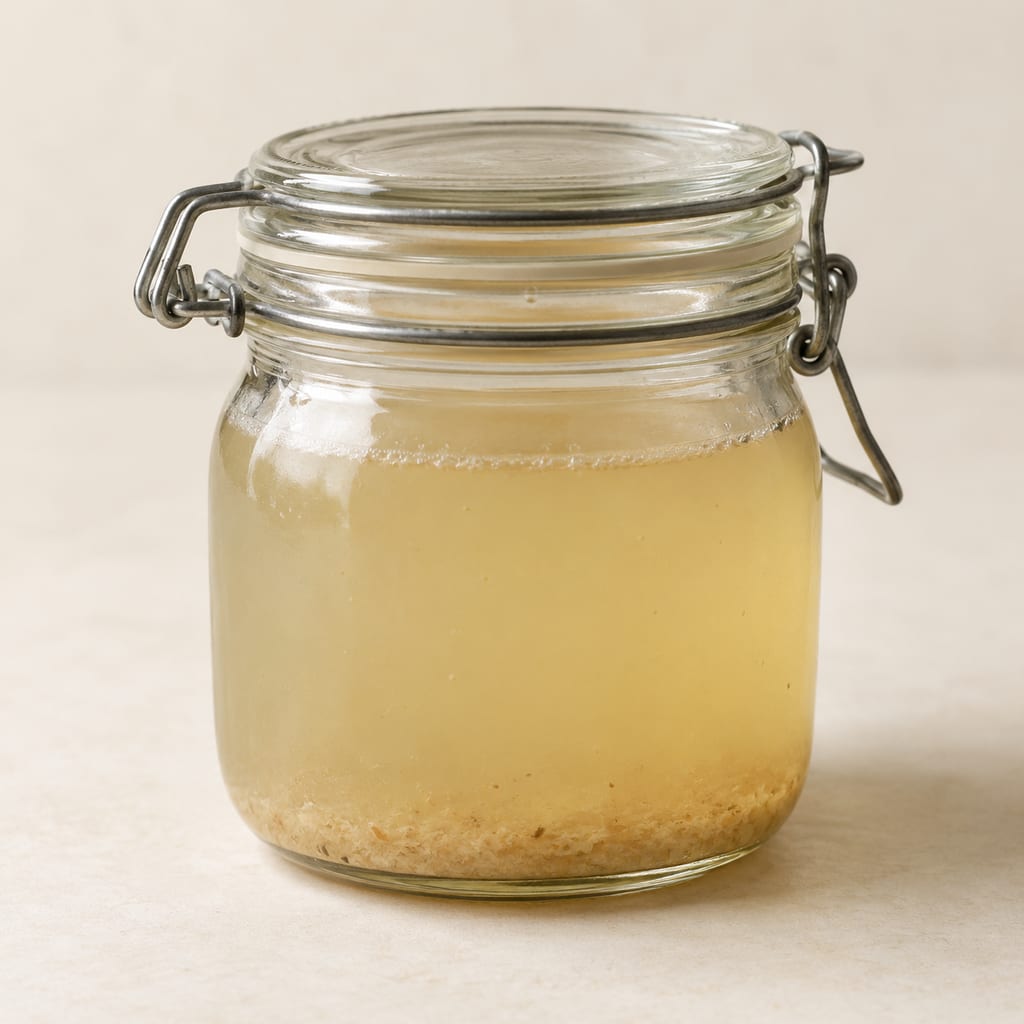
The sour liquid that forms during Manipuri Soidon fermentation, kept to start the next batch and used to sour curries.
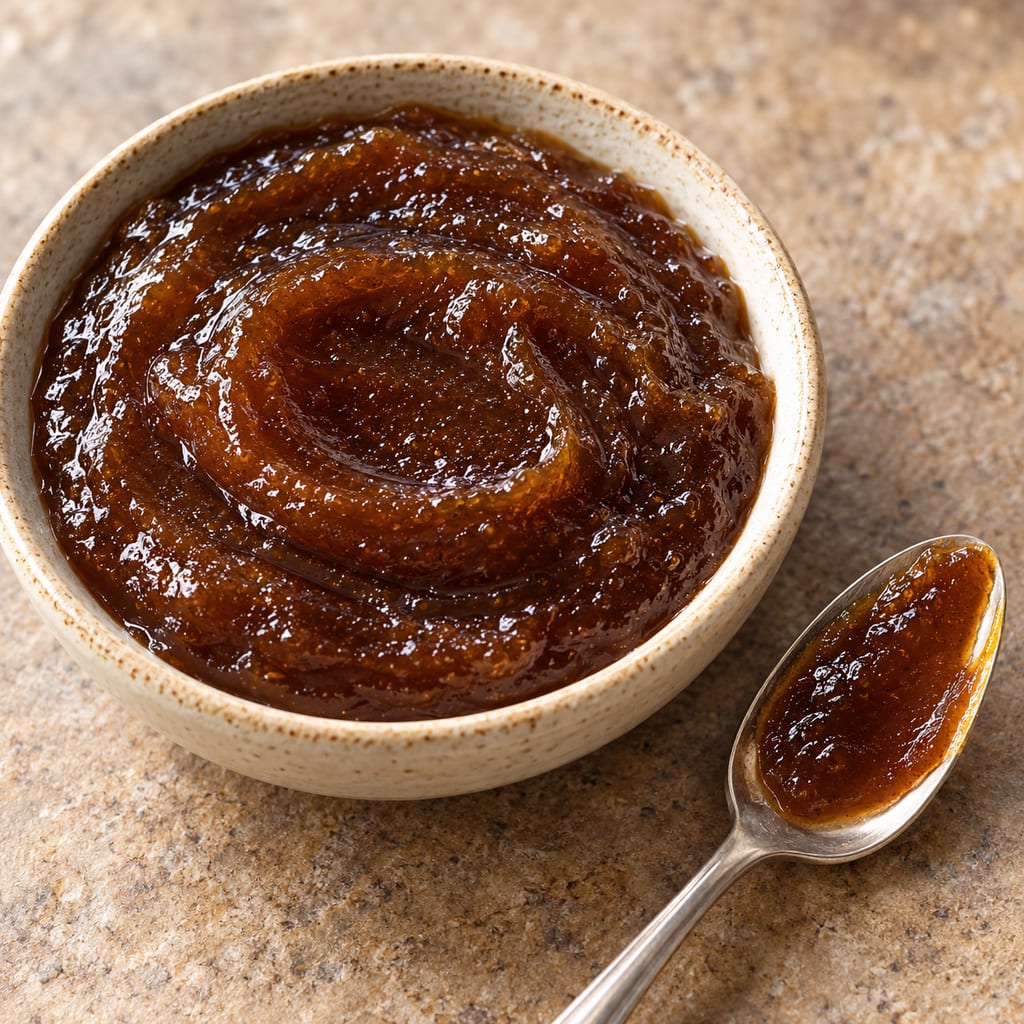
An experimental sweet mushroom preserve developed in Indian food-processing research, made by cooking mushroom pulp with sugar, added pectin and citric acid until concentrated into a thick, spreadable jam.
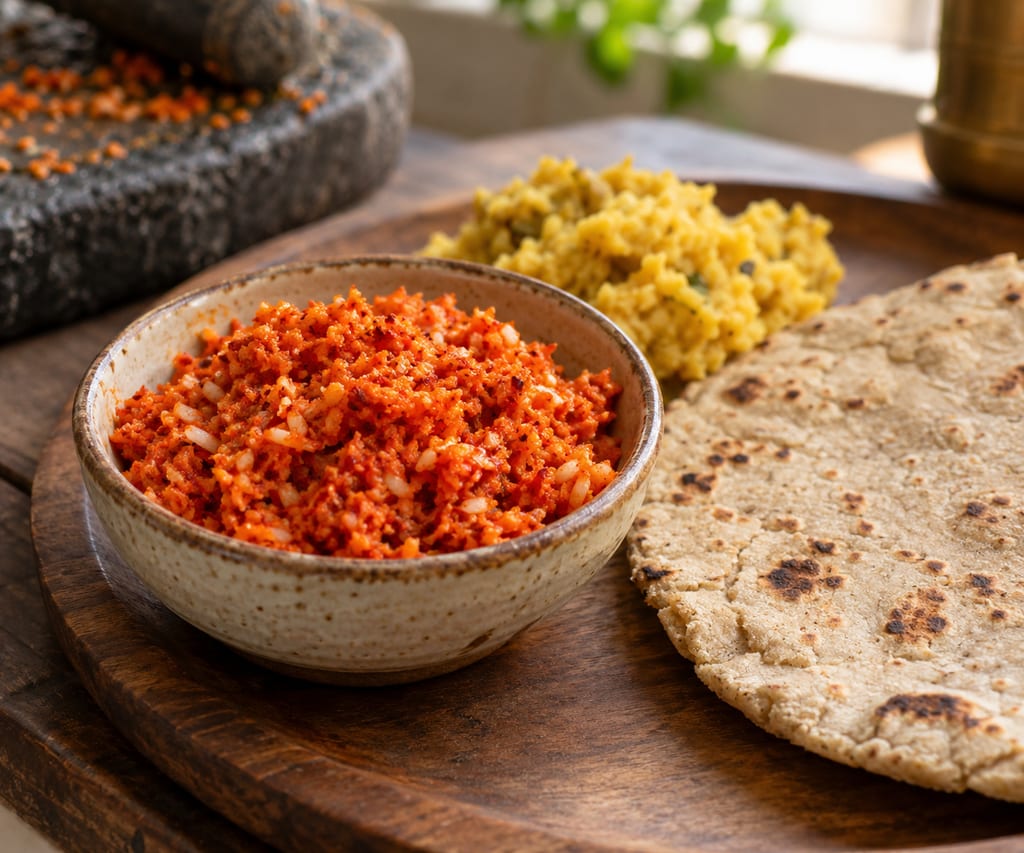
A fresh Maharashtrian chutney of wet coconut and garlic, ground with chilli and salt and finished with lemon; Royal Chef Sujata serves it with jhunka-bhakri.
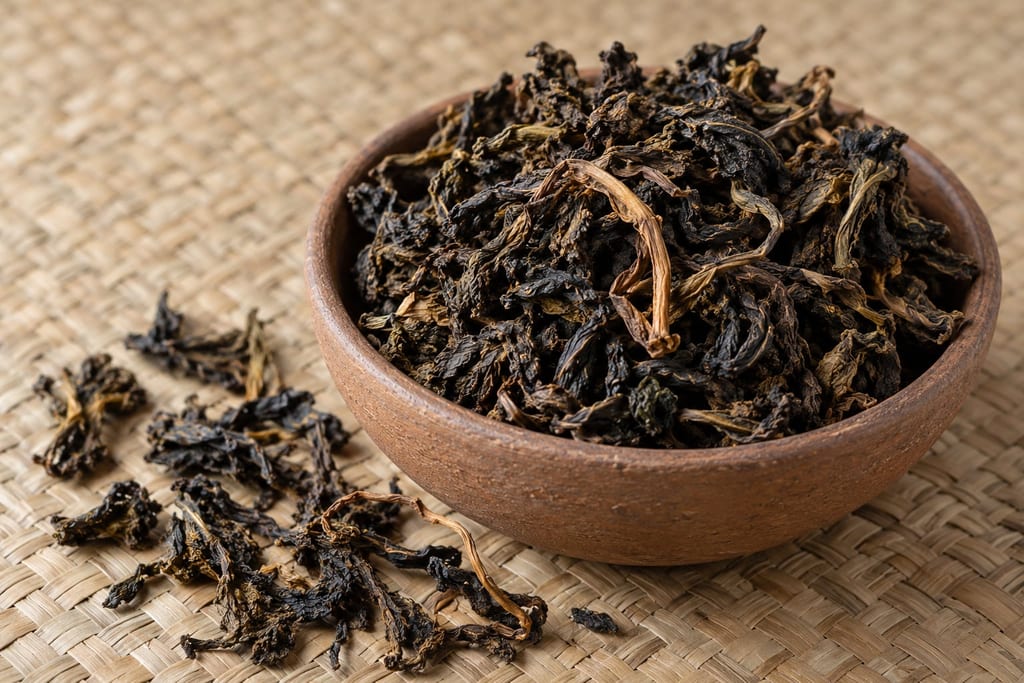
Mustard leaves wilted, bruised and packed tight into an earthenware vessel to sour without salt, then sun-dried into dark tangled pieces that carry Himalayan meals through the year.
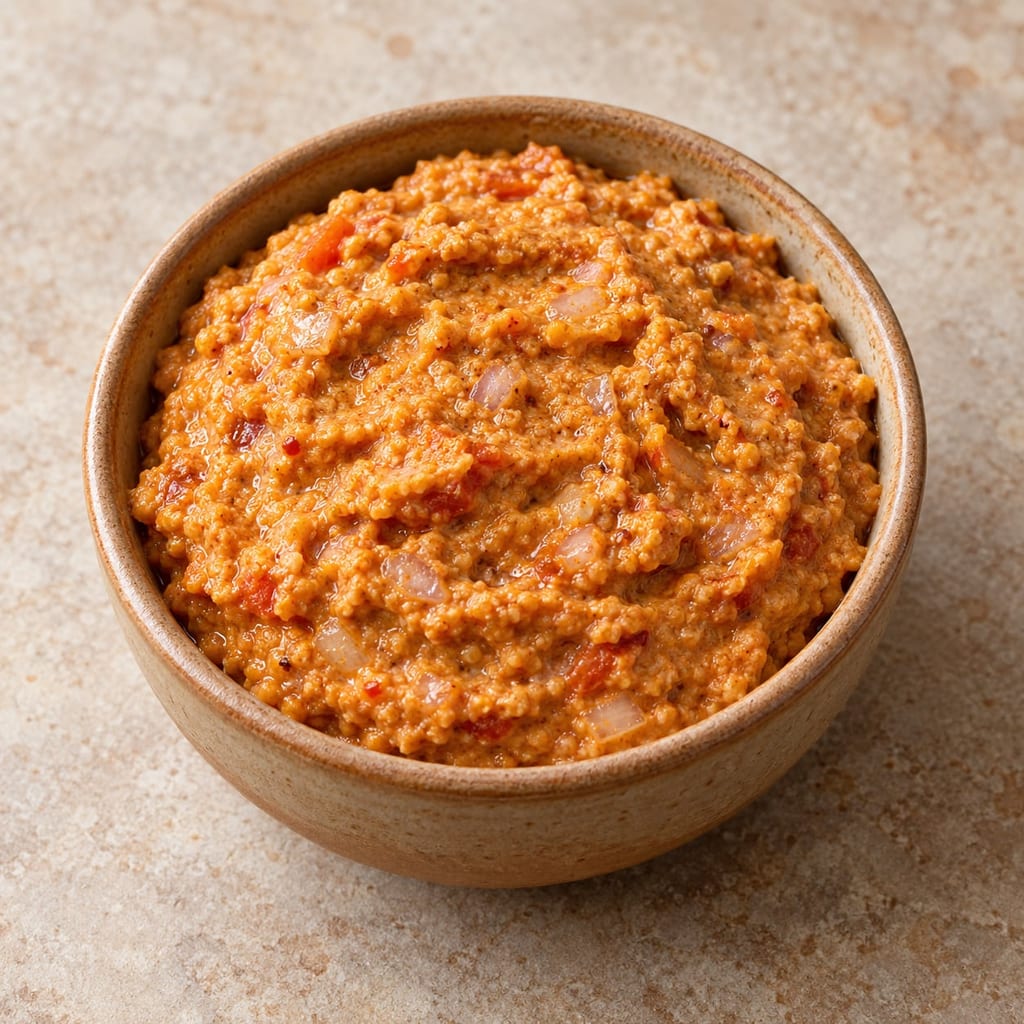
A moist Andhra peanut chutney: roasted groundnuts ground with fried dried chillies and tamarind, folded into a roasted tomato-and-spice mix with raw onion, and eaten with khichdi, attu or idli.
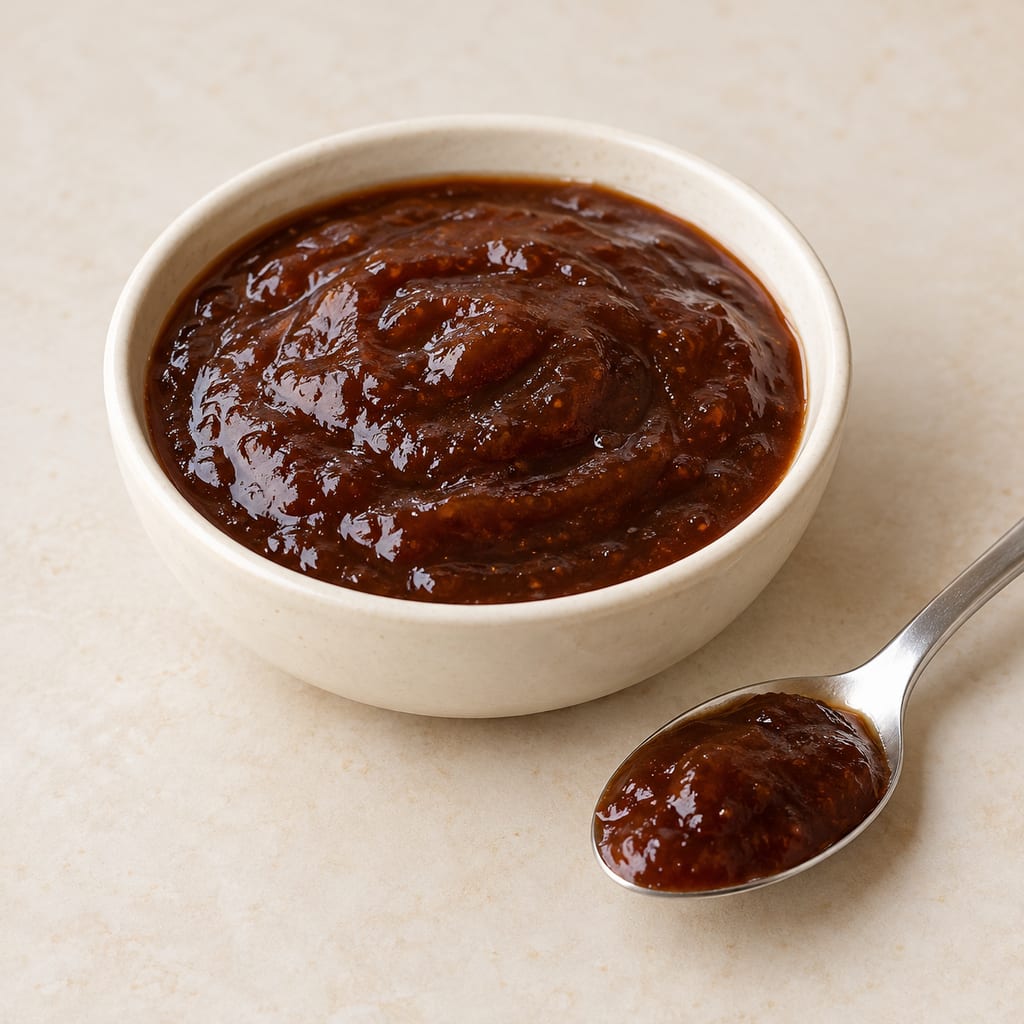
A sweet-sour cooked chutney of tamarind, dates, jaggery, ginger and roasted cumin. An untested measured batch is given beside four documented Indian formulas and their storage claims.
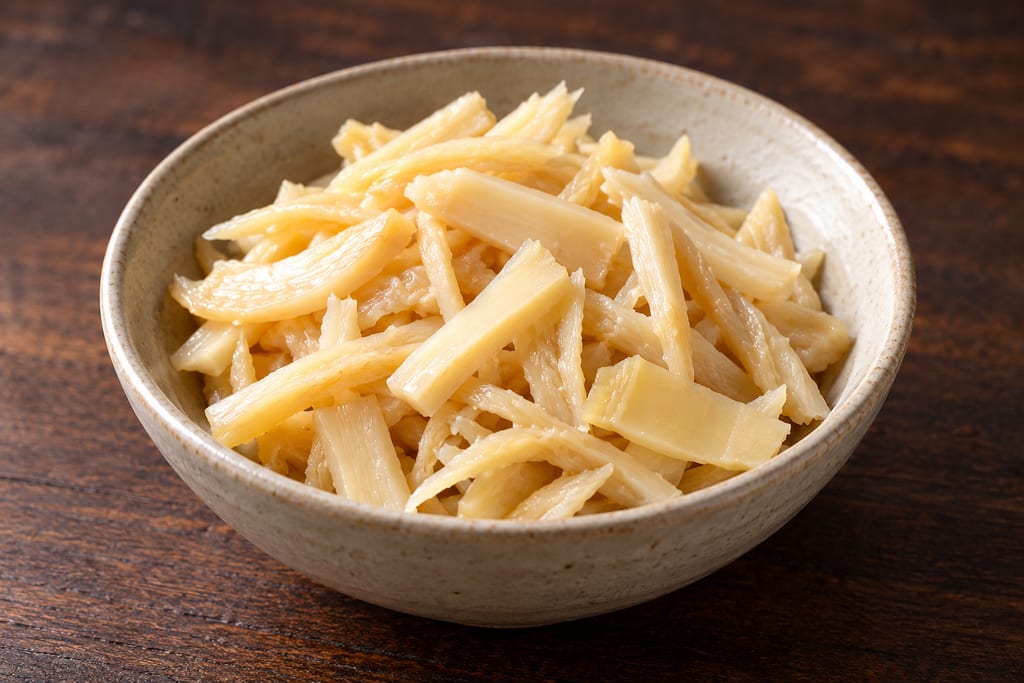
Tender bamboo shoots fermented without salt in a hollow bamboo tube for about one to two weeks in Sikkim and Darjeeling, eaten as a sour pickle or in curry.
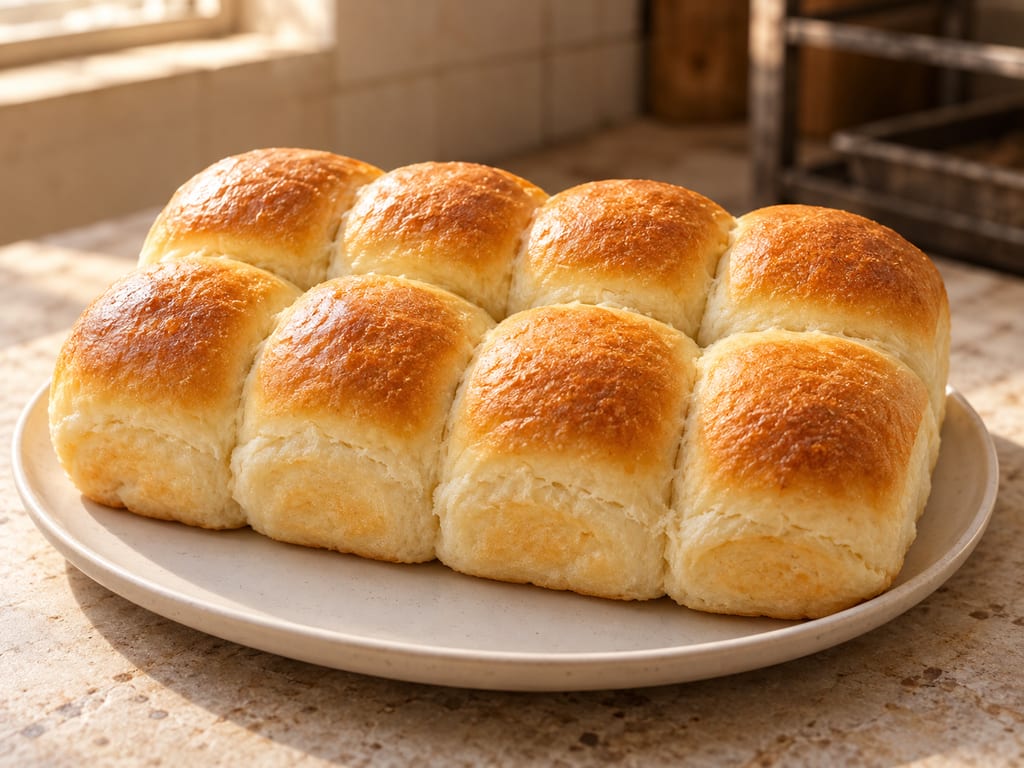
Soft Mumbai-style wheat rolls made with an instant-yeast sponge and baked together. This home batch makes eight.
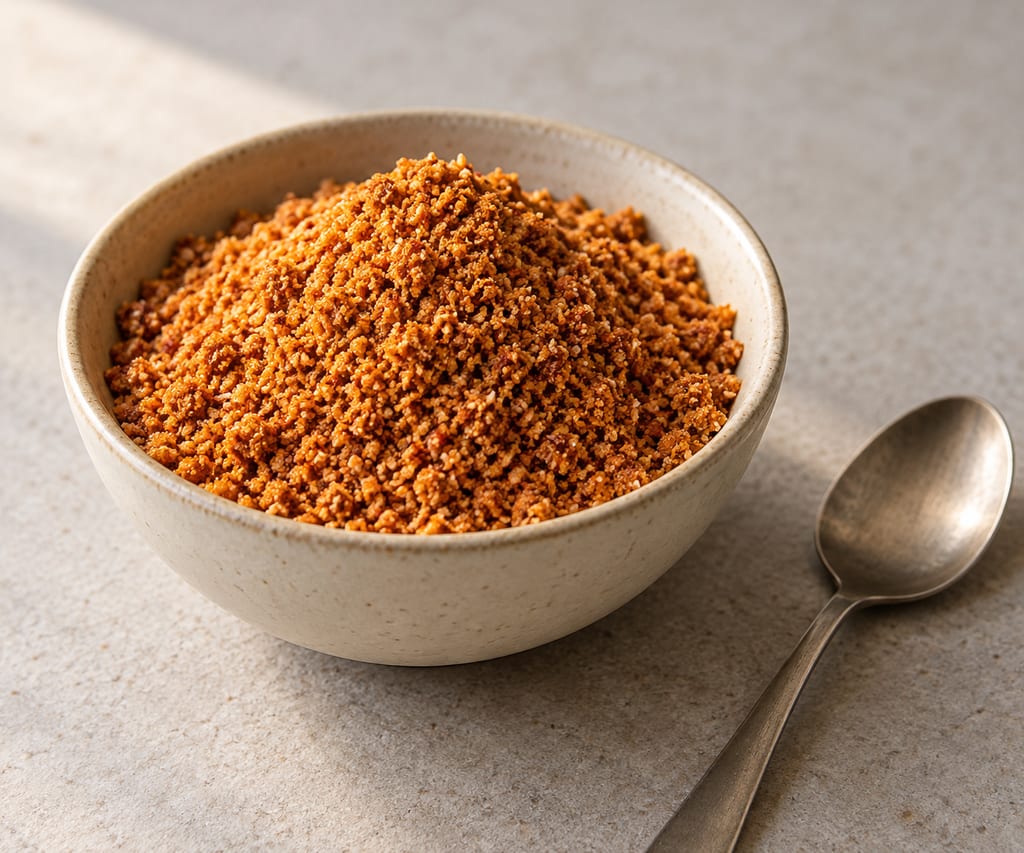
A Maharashtrian dry chutney of slowly roasted sesame and coconut ground fine with garlic, chilli powder, cumin, tamarind and sugar, kept in a bottle and eaten as a winter side.

An ethnographic record of marcha (murcha), a dry starter cake used in Eastern Himalayan cereal fermentations. This page documents source-specific community knowledge and is not a recipe for making or storing starter.
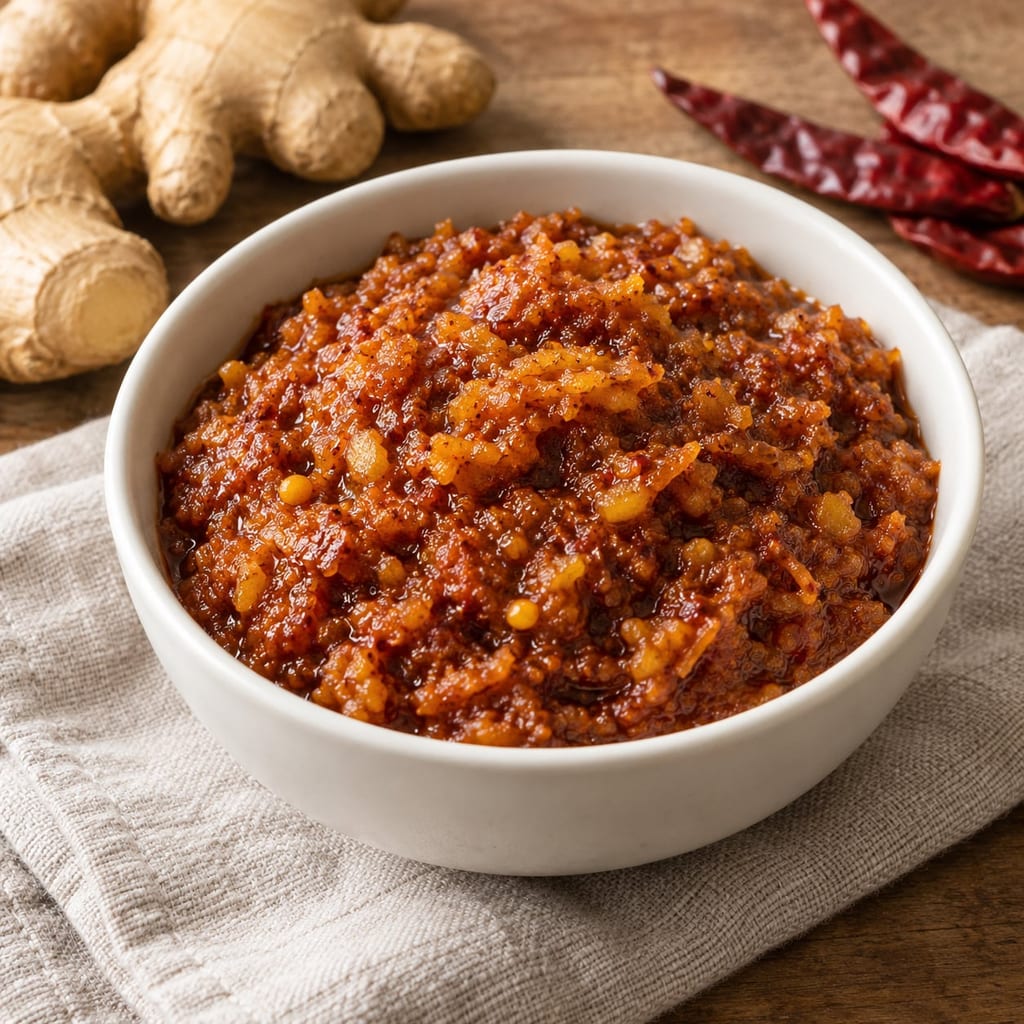
An Andhra ginger-and-urad chutney in which browned dal and briefly fried ginger and chillies are cooled, then ground with jaggery to a coarse paste.
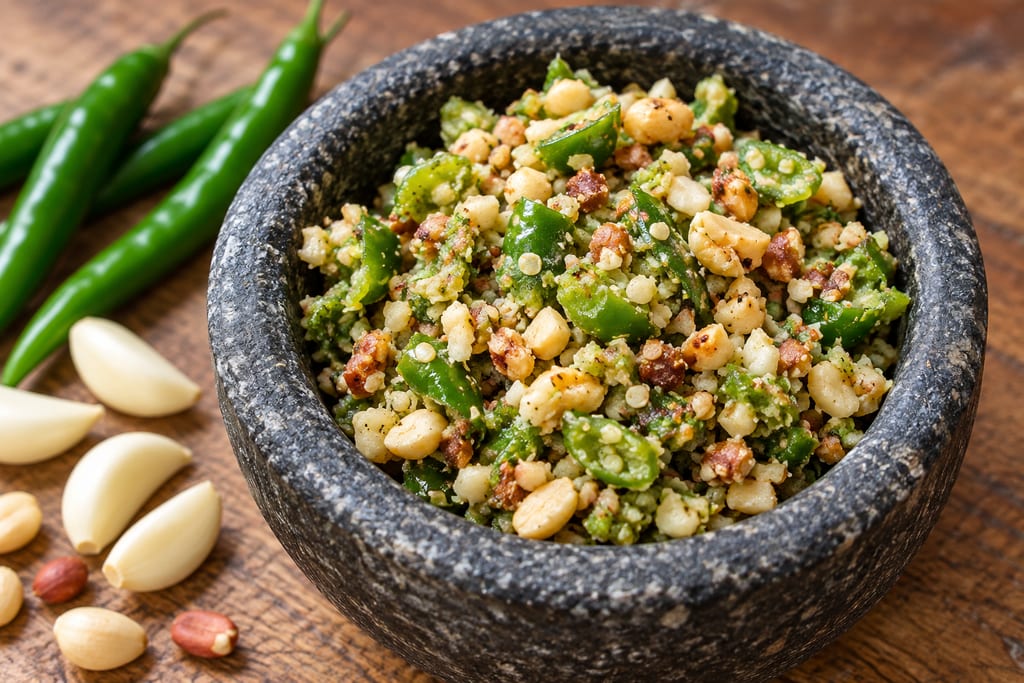
A fresh Maharashtrian thecha of green chillies, peanuts and garlic, roasted separately in the same oil and crushed with salt. Optional coriander joins the pan before grinding; serve with bhakari.
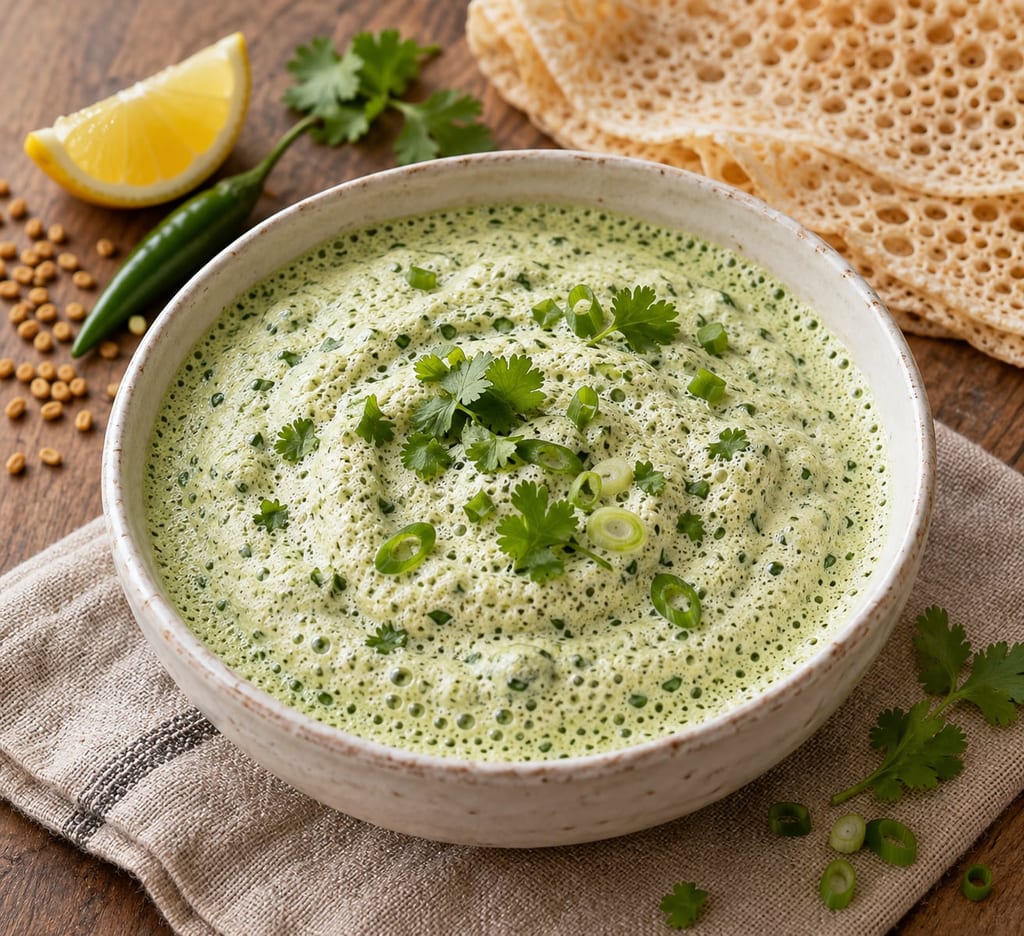
A whipped condiment of soaked ground fenugreek seed, aerated until foamy and finished with herbs, chilli and lemon. It comes from Yemen.
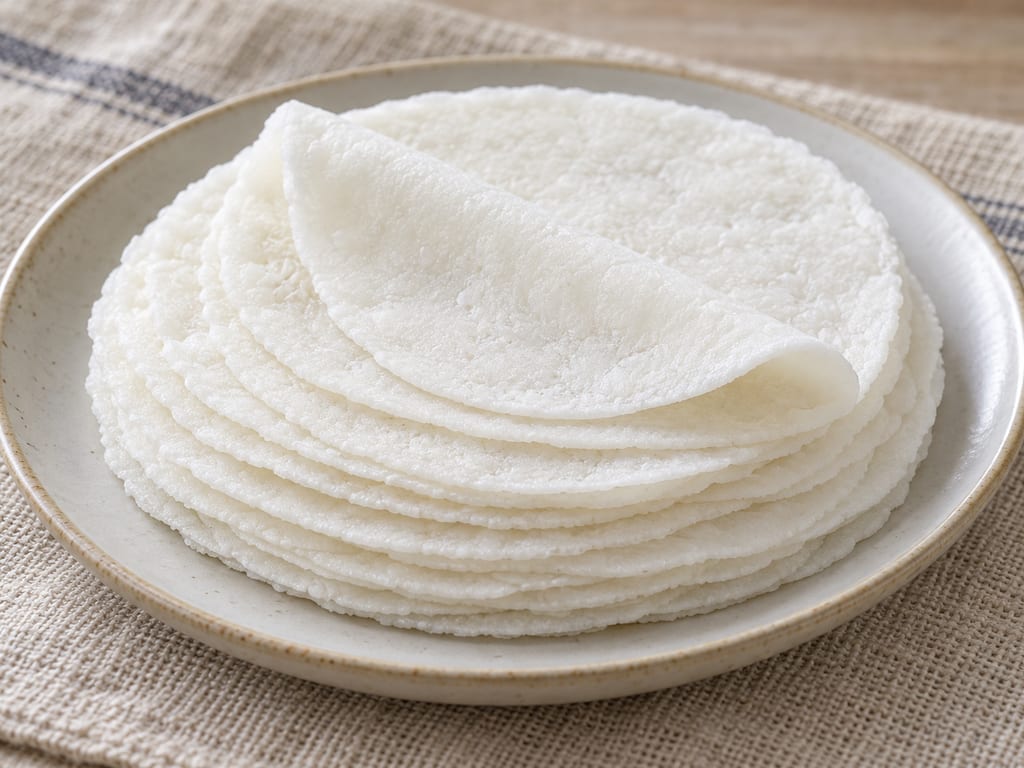
Thin Malabar rice-flour rounds made from roasted rice flour cooked into salted boiling water, kneaded after cooling, and rolled to about 1 mm. They cook on a hot griddle without taking on colour.
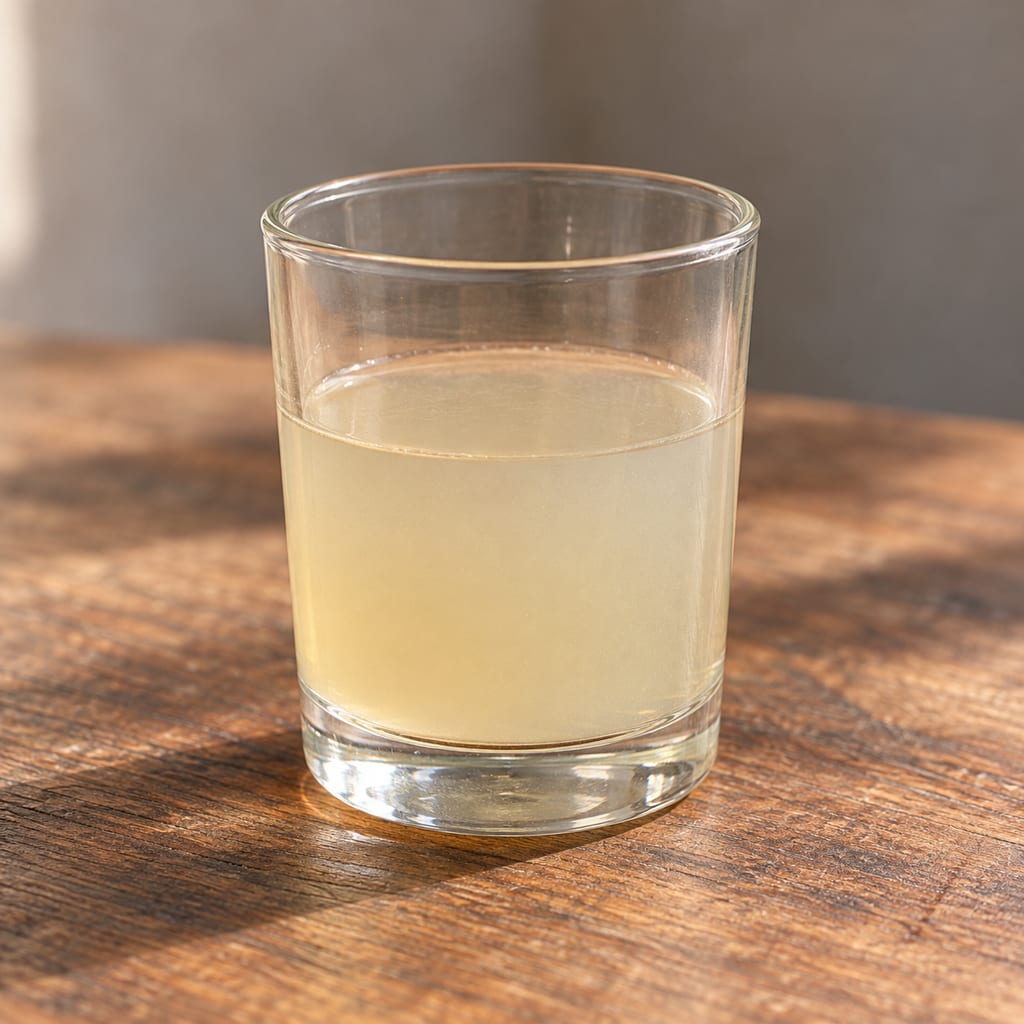
Judima is a Dimasa fermented rice drink from Assam. A 2022 Dhansiri account describes humao starter and rice fermentation, but sources disagree on the thembra bark species and do not provide a complete or validated home batch.

Appam, or hoppers, are South Indian and Sri Lankan rice pancakes made from a fermented coconut-and-rice batter and cooked in a curved pan to a crisp lacy rim and a soft, spongy centre.
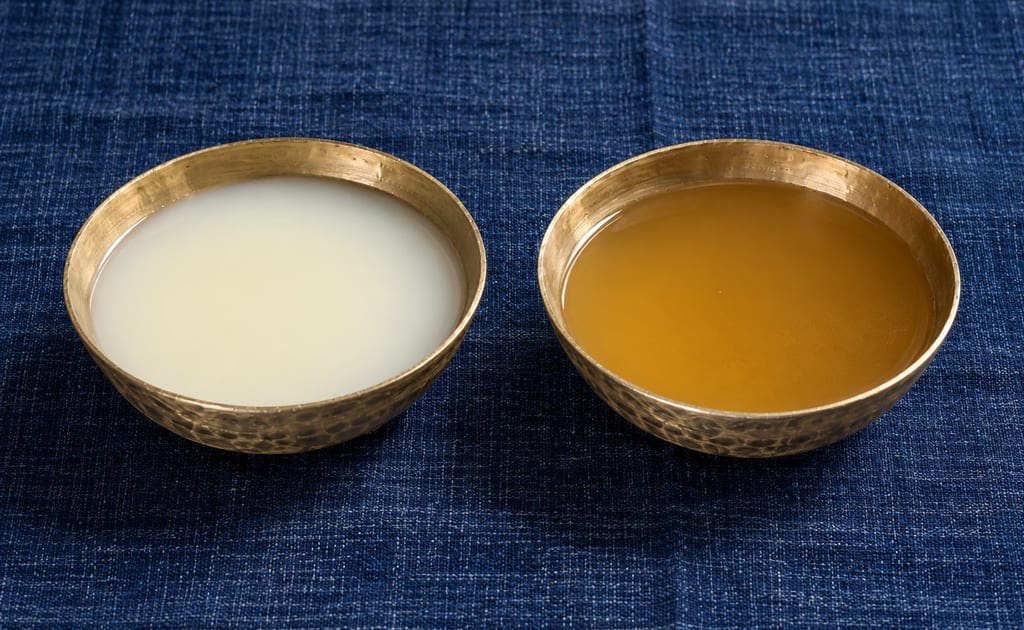
Apong names Mising rice beverages in Assam, including pale Nogin and ash-associated Po:ro. Sources describe distinct preparations and do not establish one unified household recipe or validated safety endpoint.
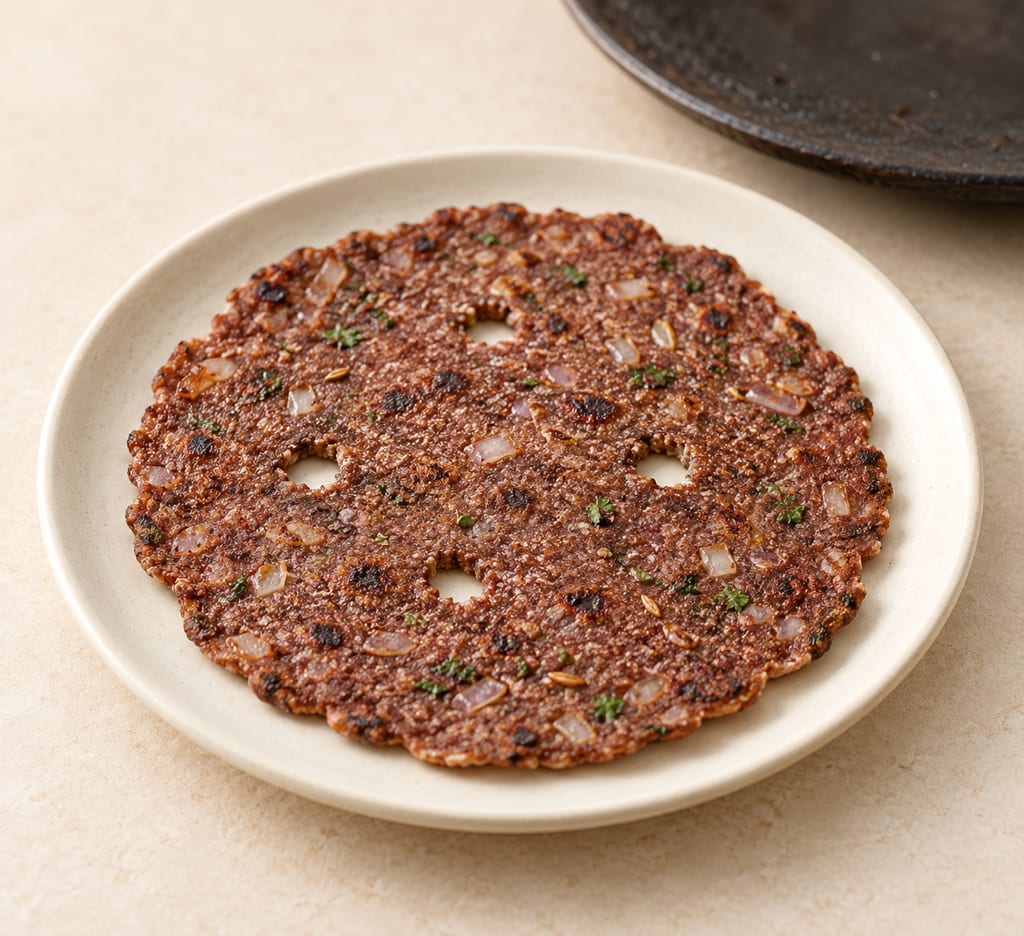
A Karnataka finger-millet flatbread with onion and spices, hand-patted and cooked on a covered tawa. This batch makes four.
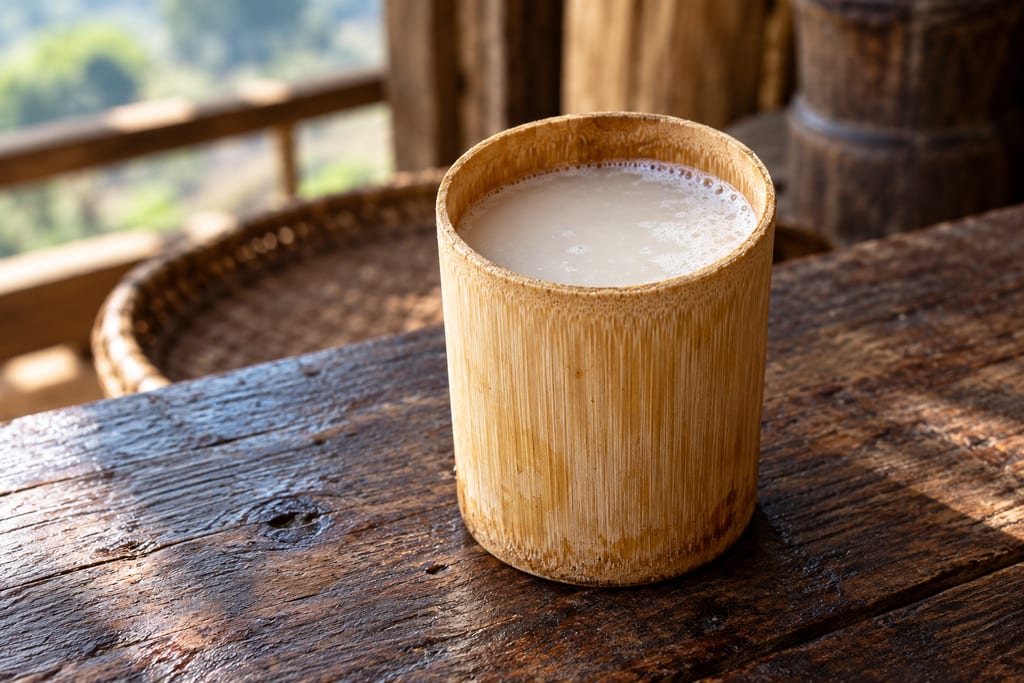
Angami rice beer from Nagaland. A surveyed method mixed cooked rice with piazu, fermented it for about four days in summer or a week in winter, then added water and filtered it. The starter ratio leaves the rice-weight basis unclear.
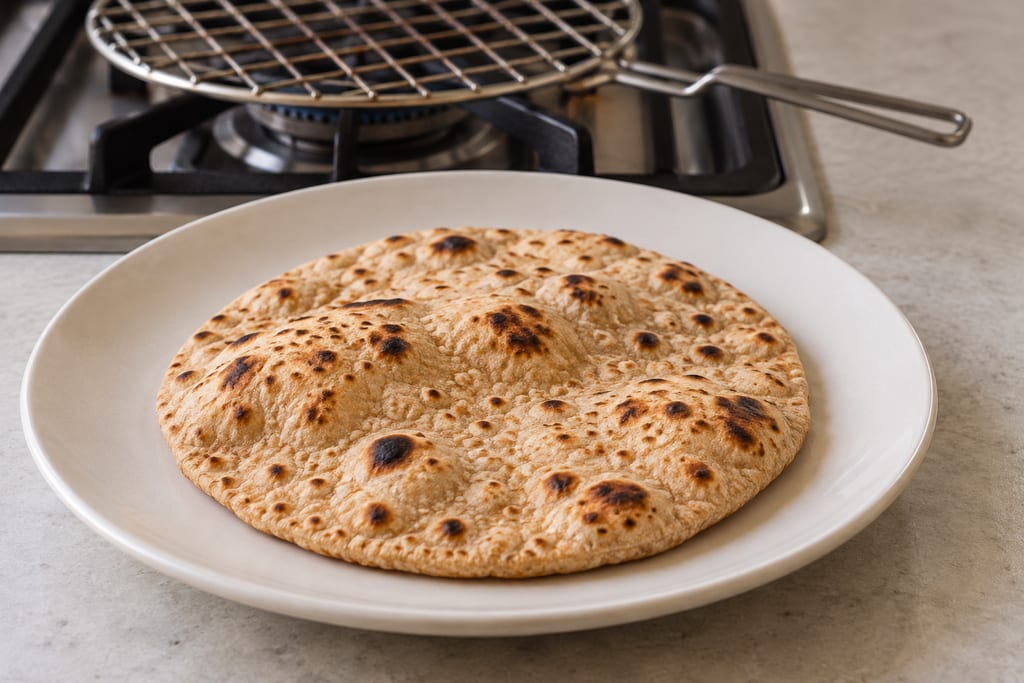
This unleavened North Indian tandoori roti uses atta, salt and water, then cooks on a handled wire rack over a low-to-medium flame. It makes 13 medium breads with tandoor-style browning.
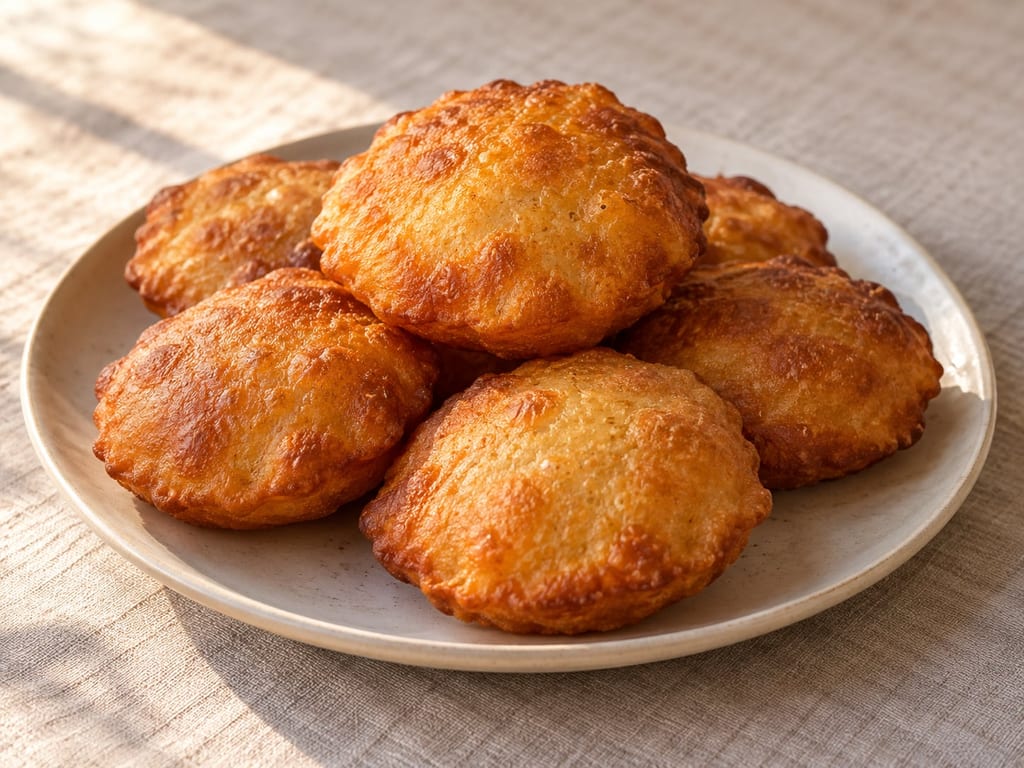
Sweet banana and wheat breads, rolled into rounds and fried. This coastal Karnataka home version rests the dough for 30 minutes.
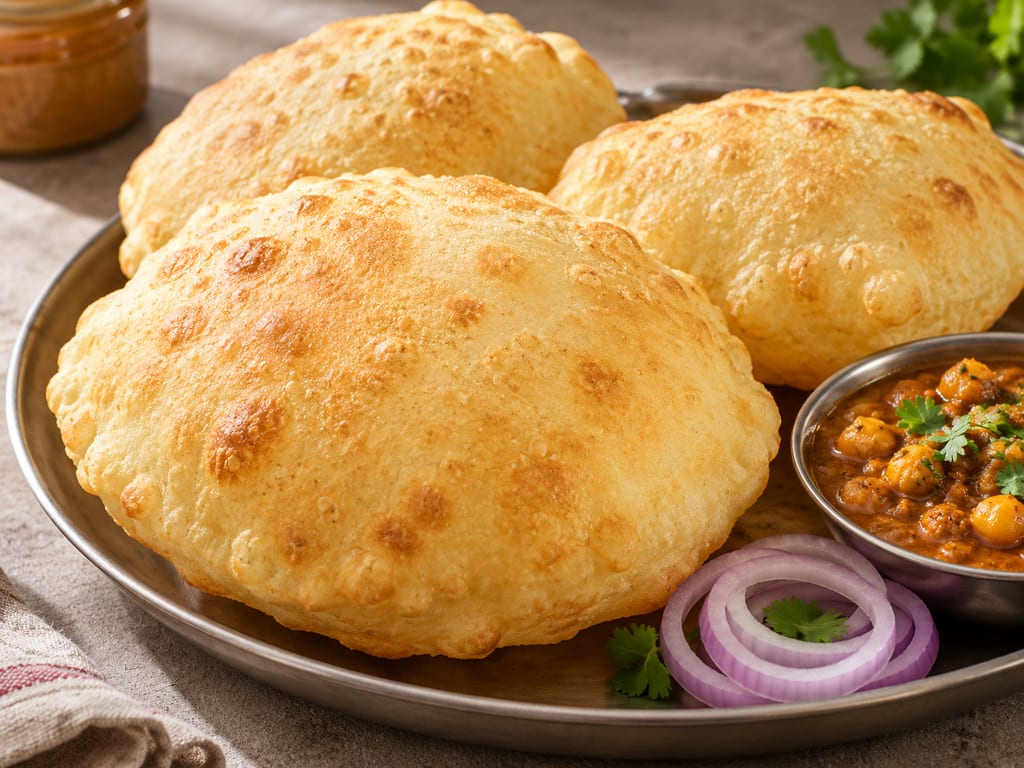
A North Indian fried bread made with yogurt, wheat flour and chemical leaveners. This source batch makes eight.
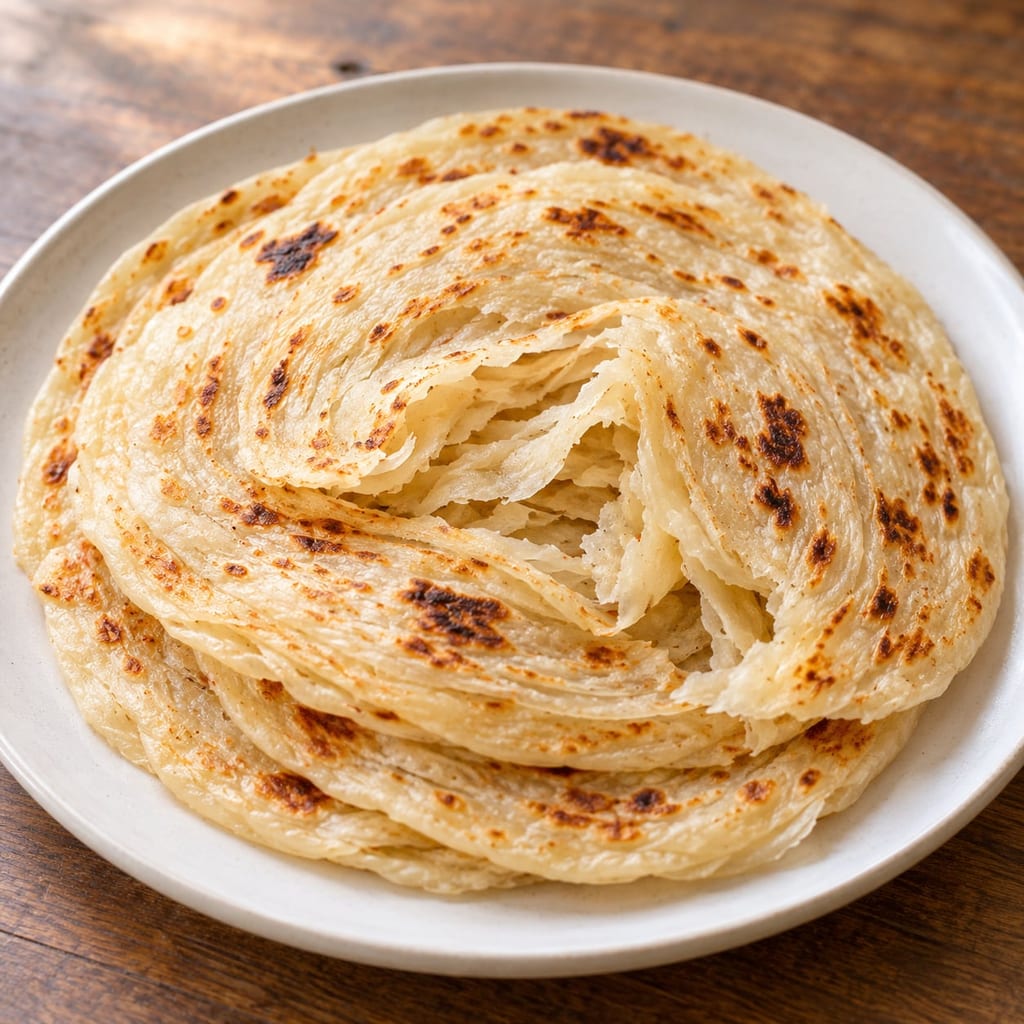
A layered Kerala flatbread made with an unleavened refined-wheat dough, stretched, coiled and cooked on a tawa.
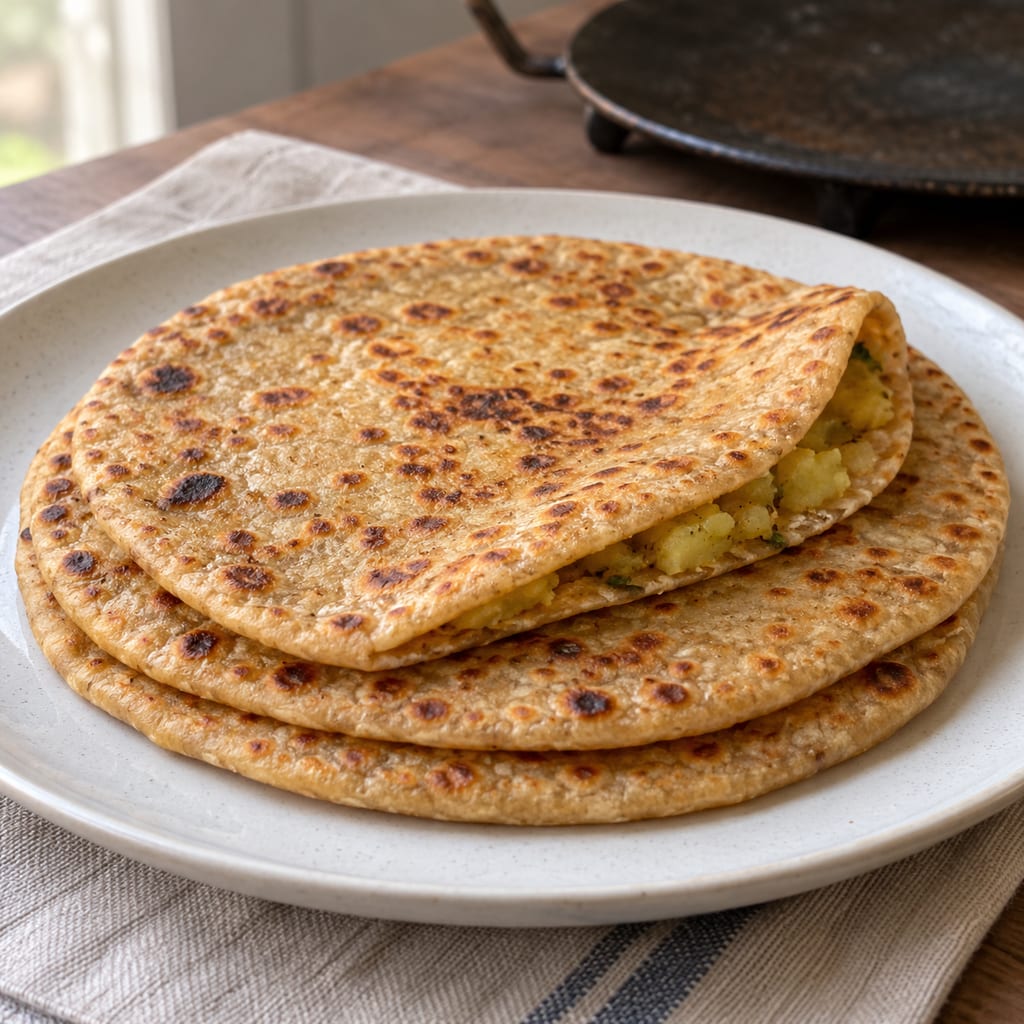
Unleavened wheat flatbreads filled with seasoned mashed potato and cooked on a tawa. This Punjabi-style batch makes eight.
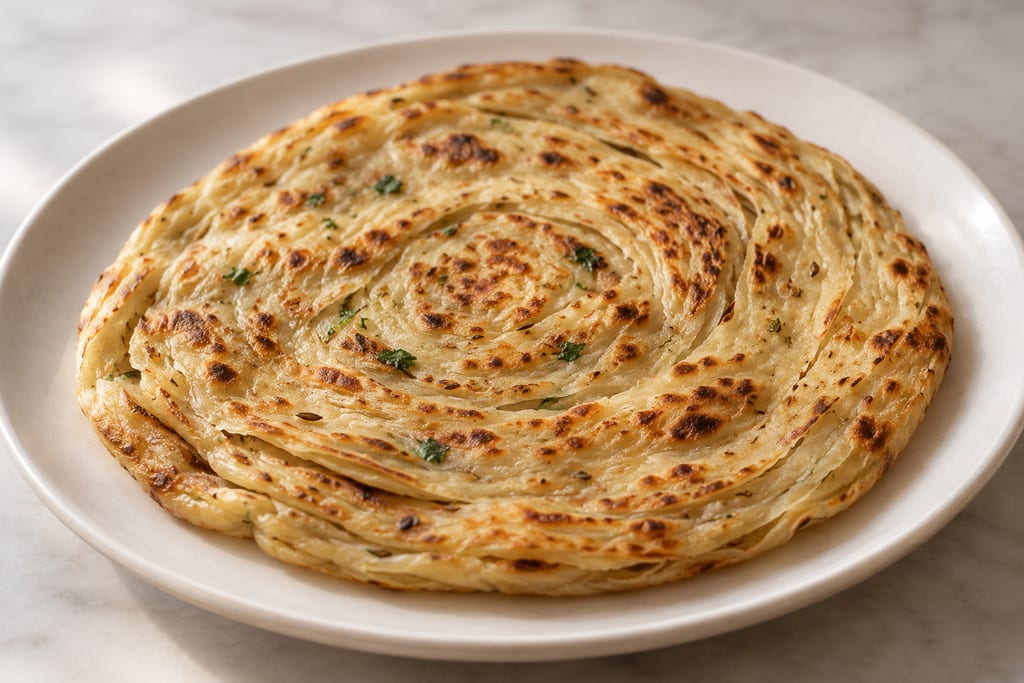
A layered wheat paratha, rolled with ghee, coriander, garlic and cumin and cooked on a tawa. This batch makes twelve.
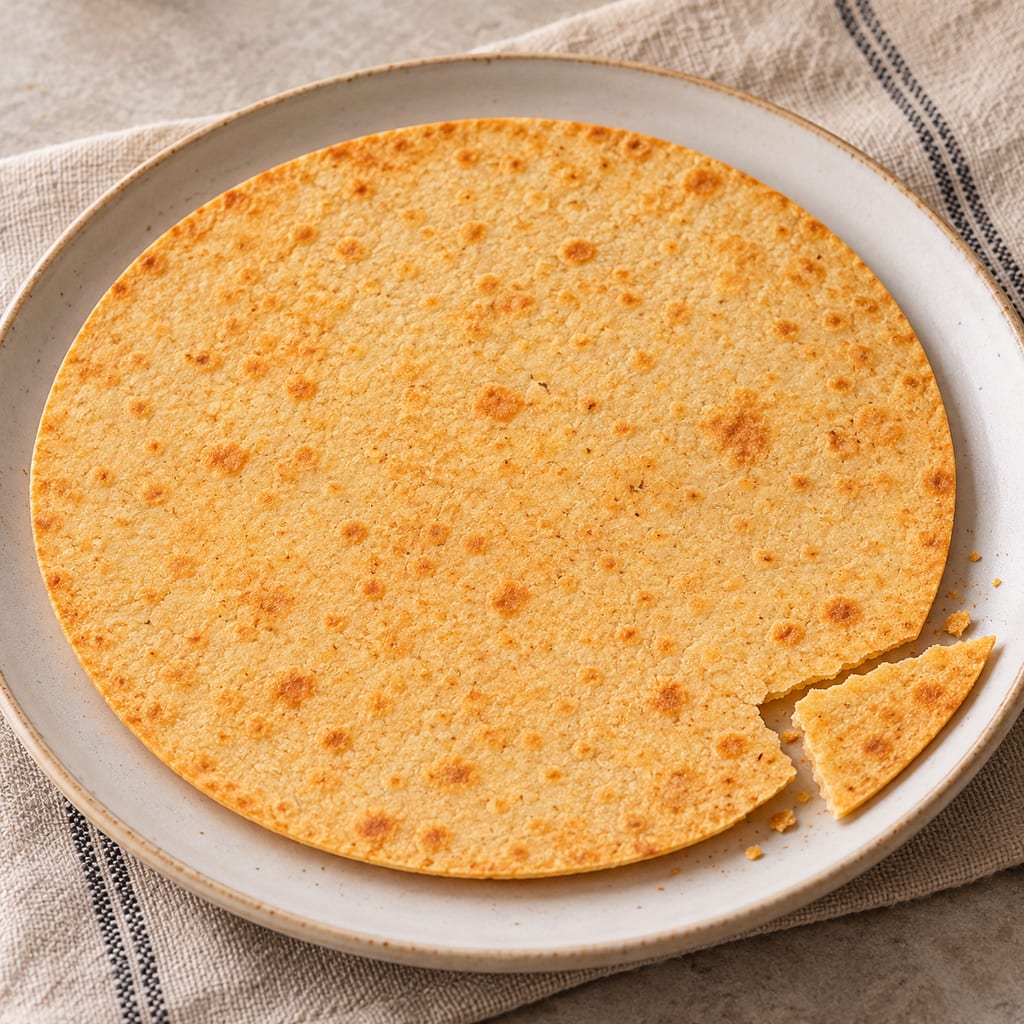
A thin Gujarati wheat flatbread, pressed and roasted over low heat until crisp and lightly browned.
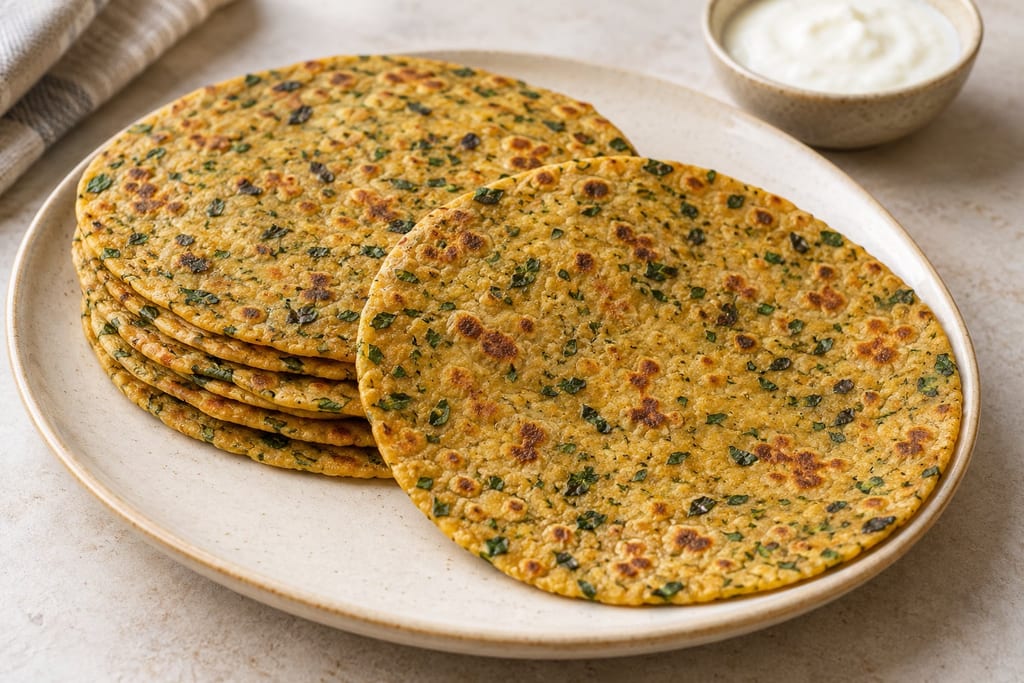
A Gujarati flatbread made with fresh fenugreek leaves, wheat, gram and millet flours, and spices. This batch makes about 11.
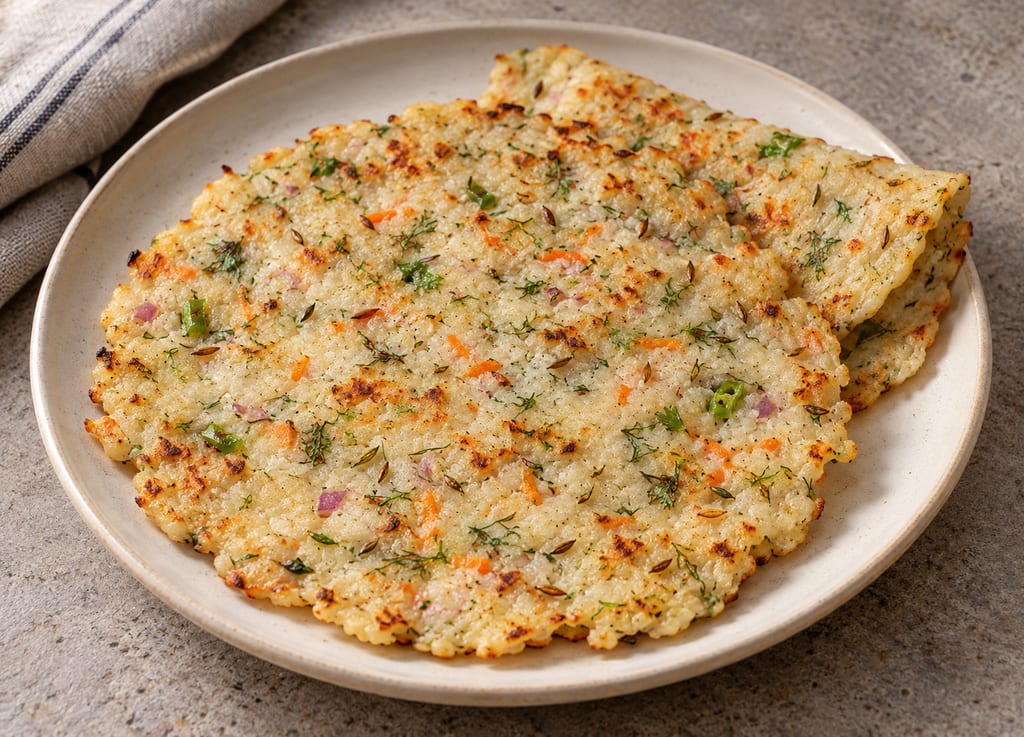
This Karnataka-style akki rotti mixes fine rice flour with vegetables, coconut, herbs and spices, then hand-pats and griddle-cooks the dough.
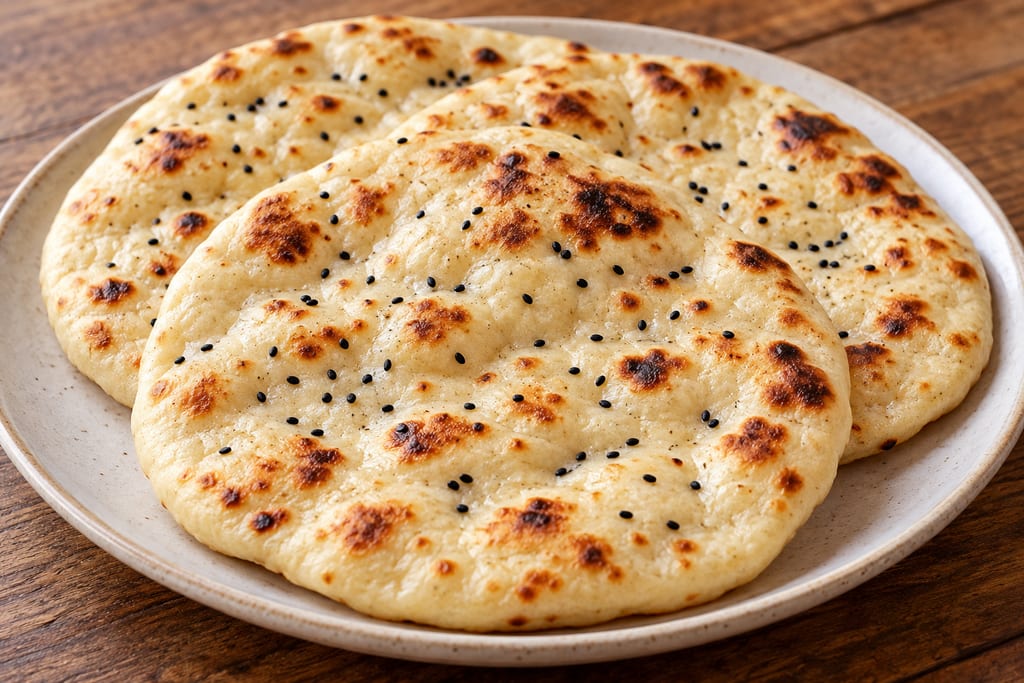
A plain North Indian kulcha uses an all-purpose wheat dough with yogurt, baking powder and soda, then rests and cooks on a hot tawa; optional seeds and roasting fat finish it.
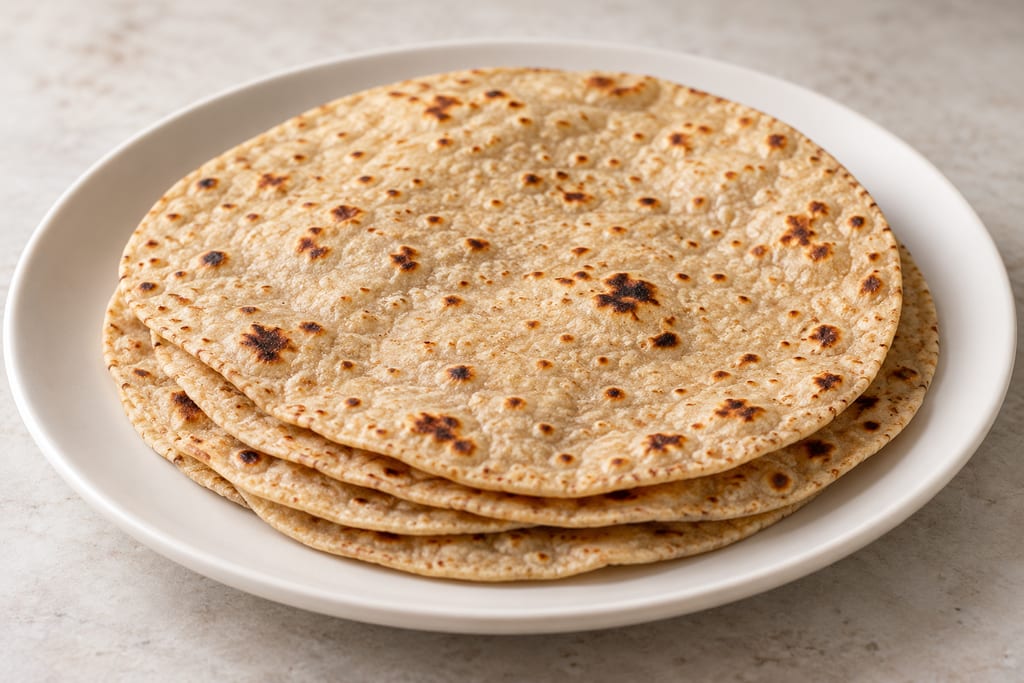
This measured chapati uses whole-wheat atta and water, with salt and oil or ghee optional. Rest the dough, roll it thin and cook through on a hot tawa; it is distinct from the partly cooked, puffed phulka route.
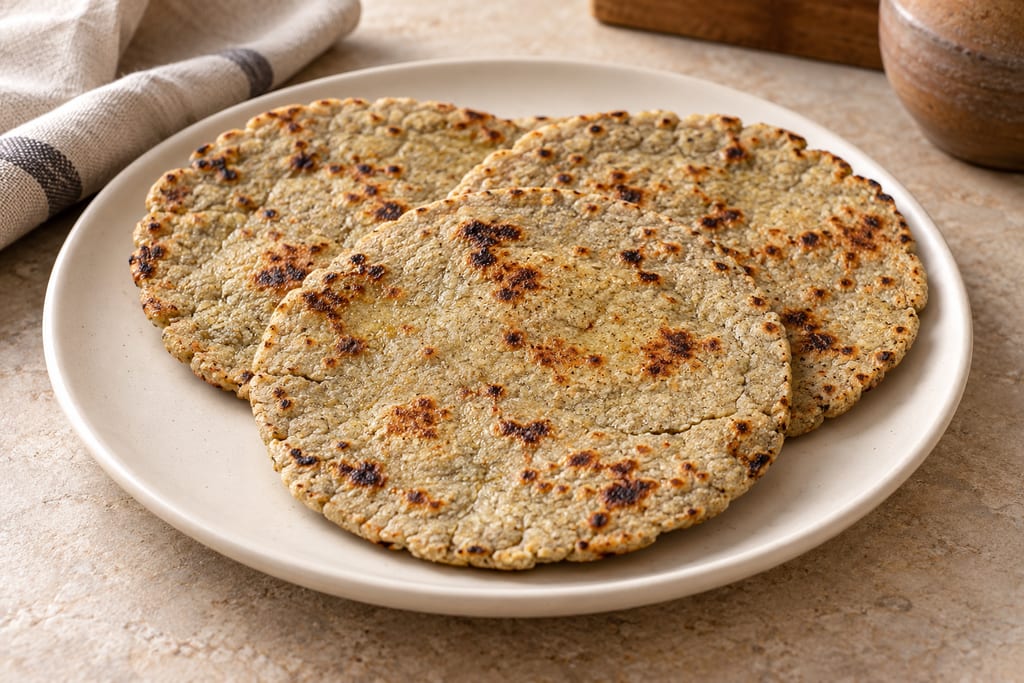
A pearl-millet flatbread shaped between sheets and cooked on a hot tawa. This home batch makes eight.
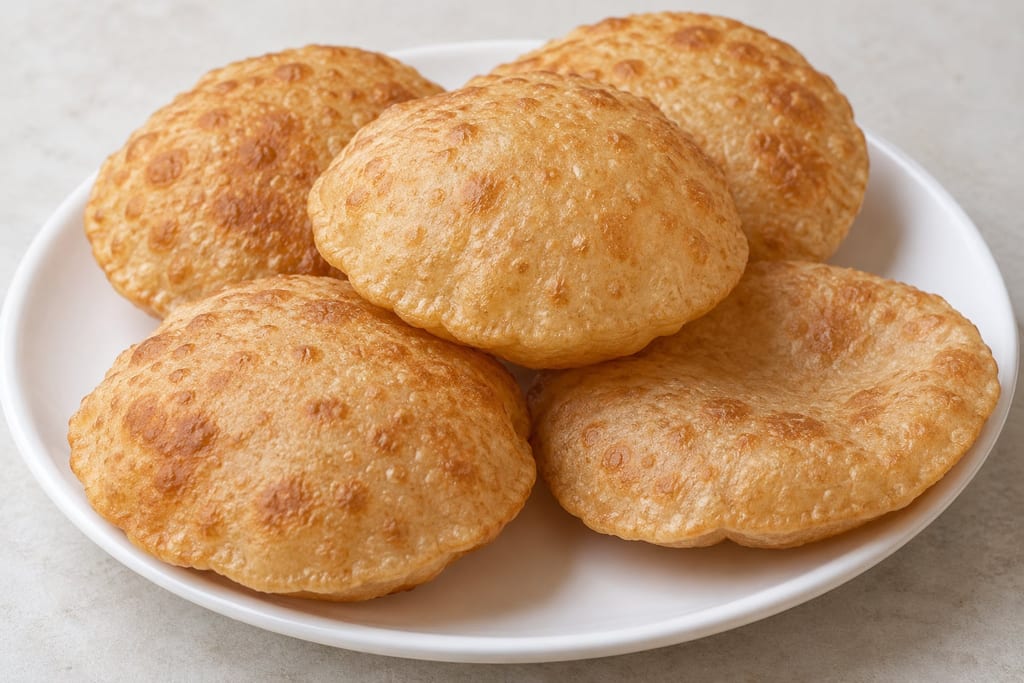
Firm whole-wheat dough rolled into small rounds and deep-fried until puffed. This version is unleavened and distinct from Bengali refined-flour luchi.
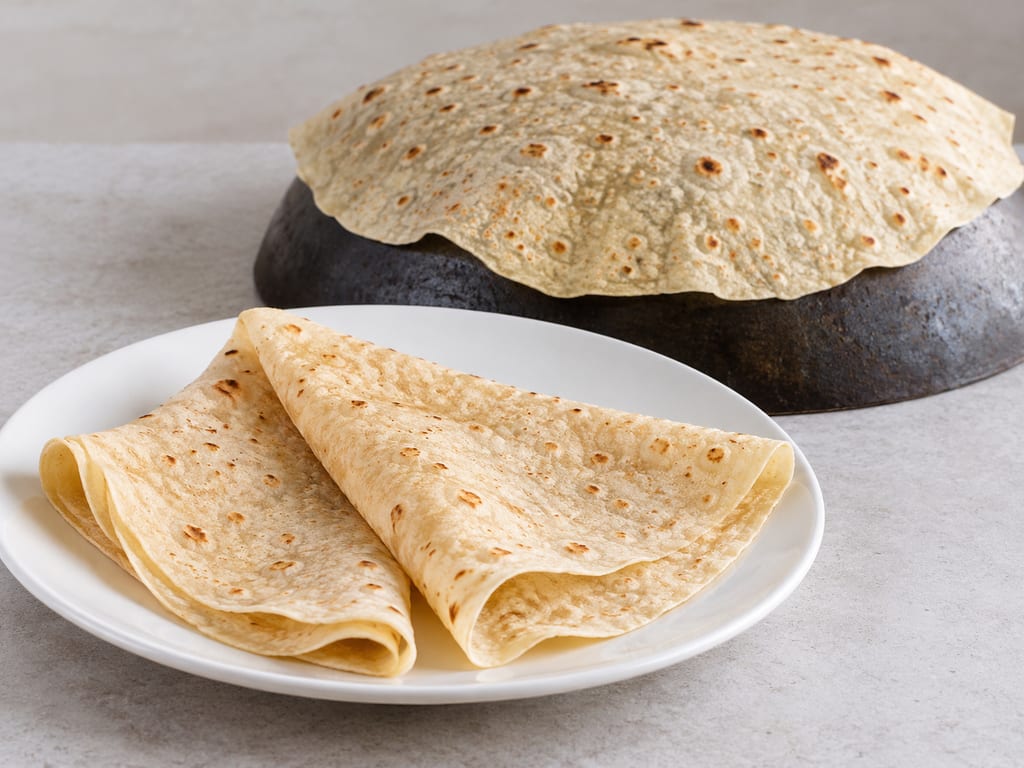
Thin, soft wheat flatbreads rolled wide and cooked quickly on a hot tawa. Their name refers to a handkerchief.
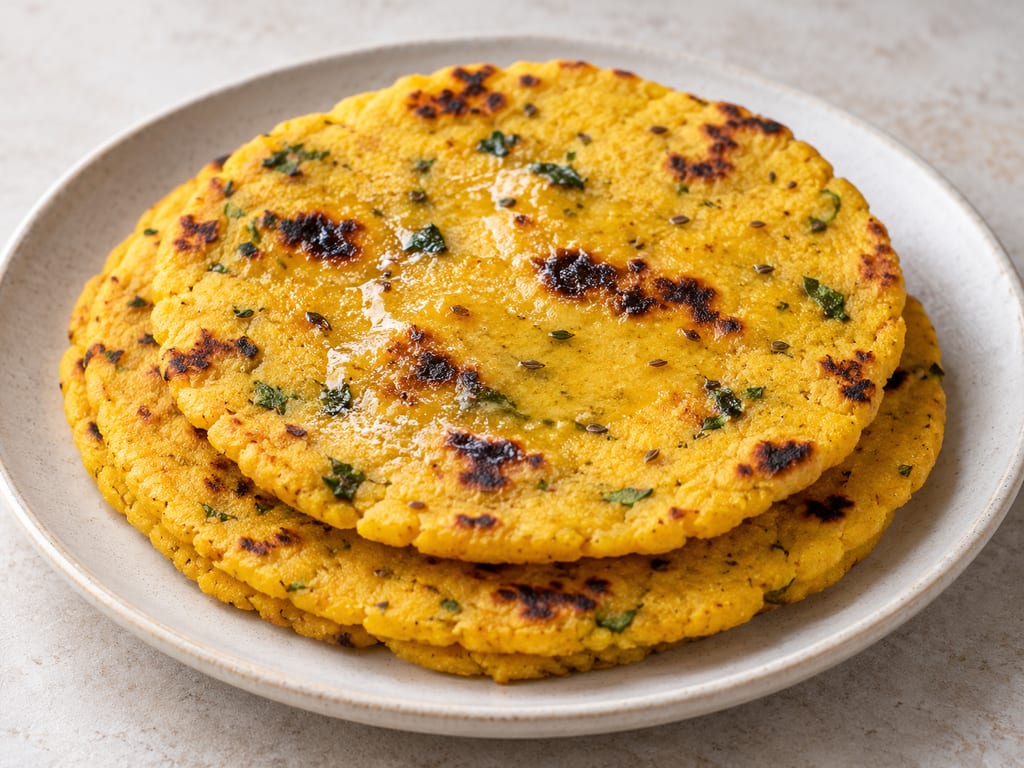
A Punjabi maize-flour flatbread cooked on a tawa. This version adds a little whole-wheat flour and fresh fenugreek.
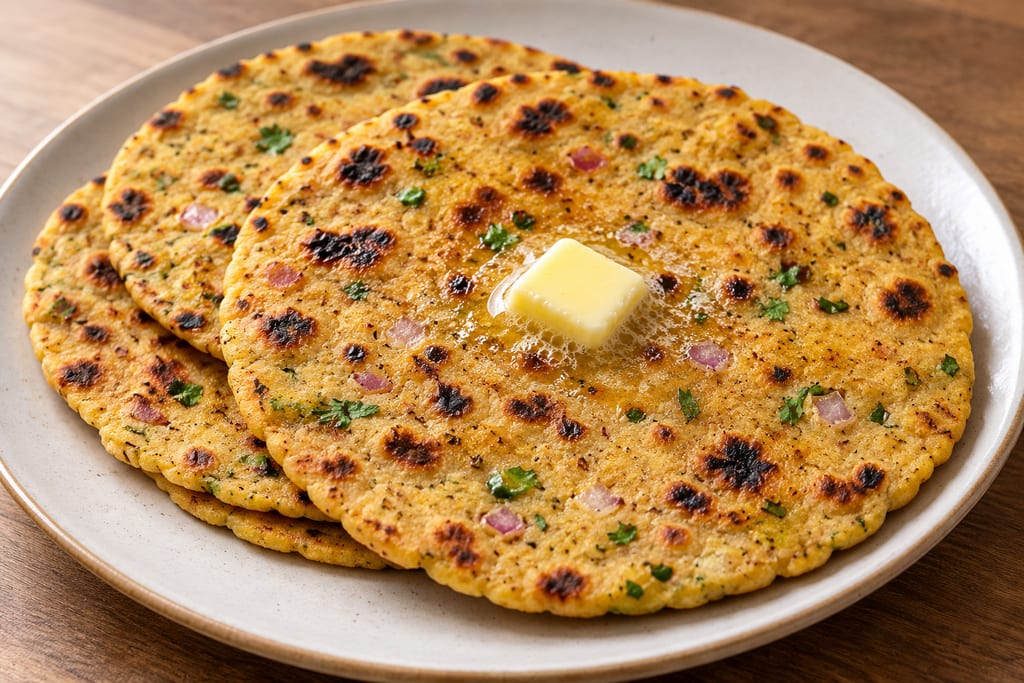
A chickpea-and-wheat flatbread made with spices, onion and herbs, rolled and cooked on a tawa. This batch makes sixteen.
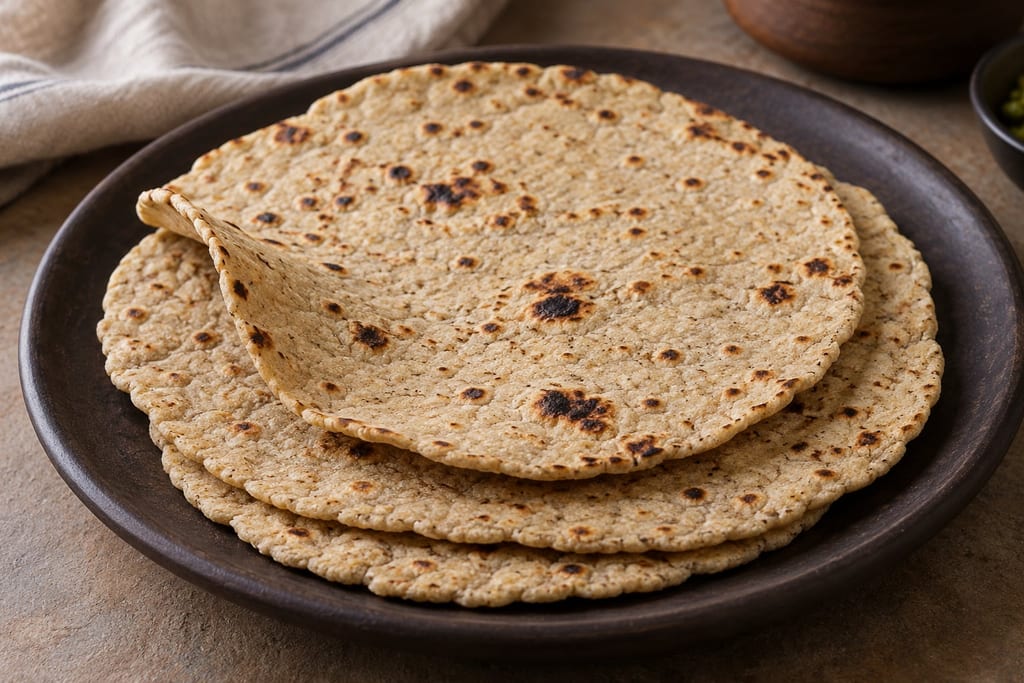
Jowar bhakri is an unleavened sorghum flatbread, hand-patted or gently rolled and griddle-cooked across parts of Maharashtra and Karnataka.
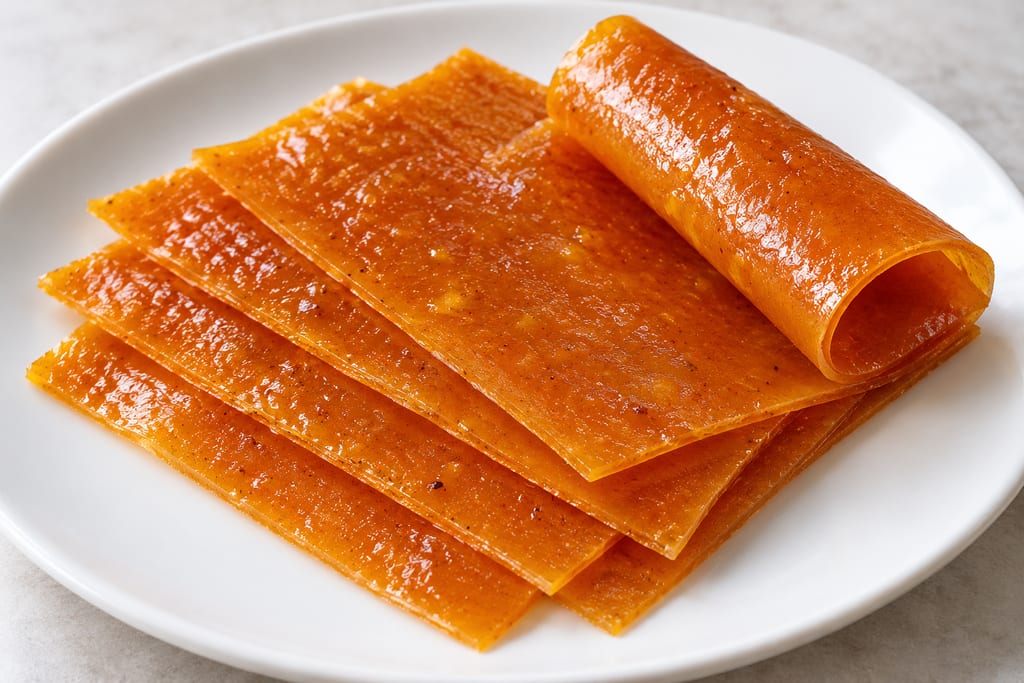
Ripe mango pulp spread thin and dried as a chewy fruit leather. This entry records one controlled unsweetened experiment and distinguishes it from Bengali sun-dried aamshotto and sweetened or spiced variants.
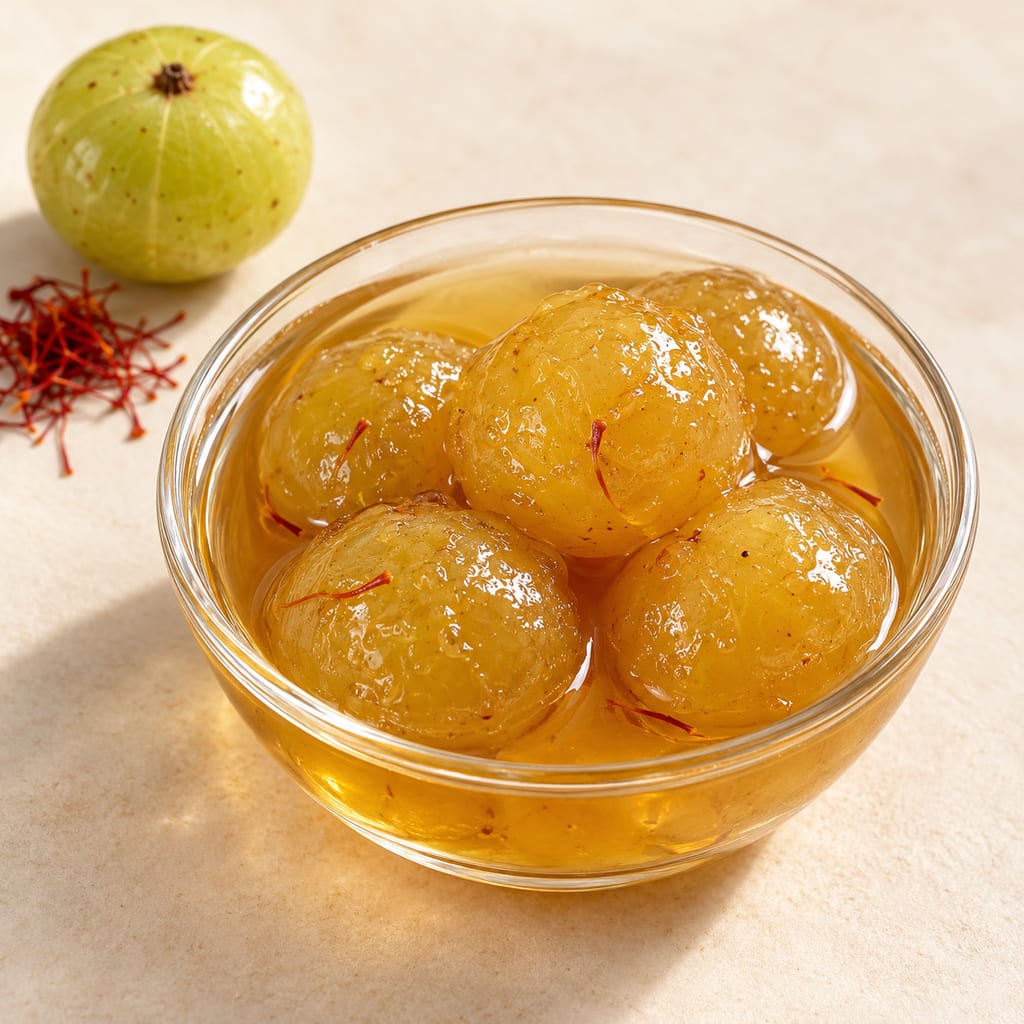
Whole amla simmer in sugar syrup with saffron, black cardamom and pepper in this chef's version of the Indian fruit preserve. The fruit is soaked overnight before cooking.
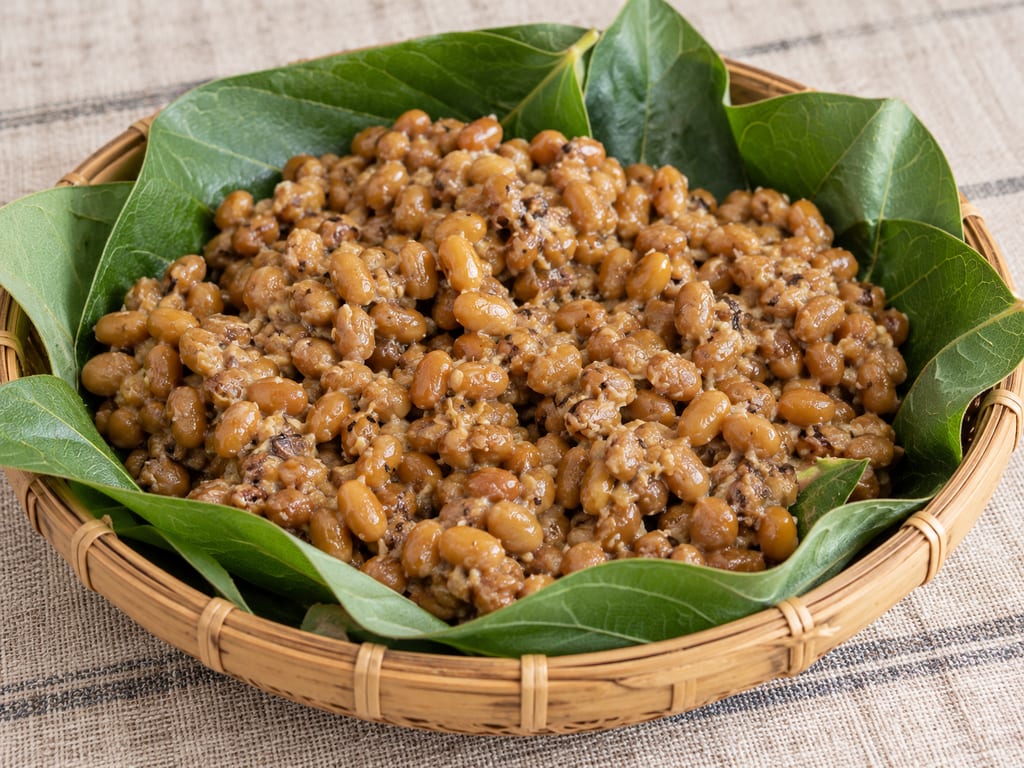
A Mizo alkaline soybean ferment made by holding cooked beans in leaf-lined containers, sometimes with wood ash, until they turn sticky, soft and pungent; eaten fresh or used as a seasoning.

Soybeans boiled soft and fermented in a leaf-lined basket by the hearth, then in many Naga households pounded, wrapped in leaves and fermented again into a dark, pungent seasoning paste.
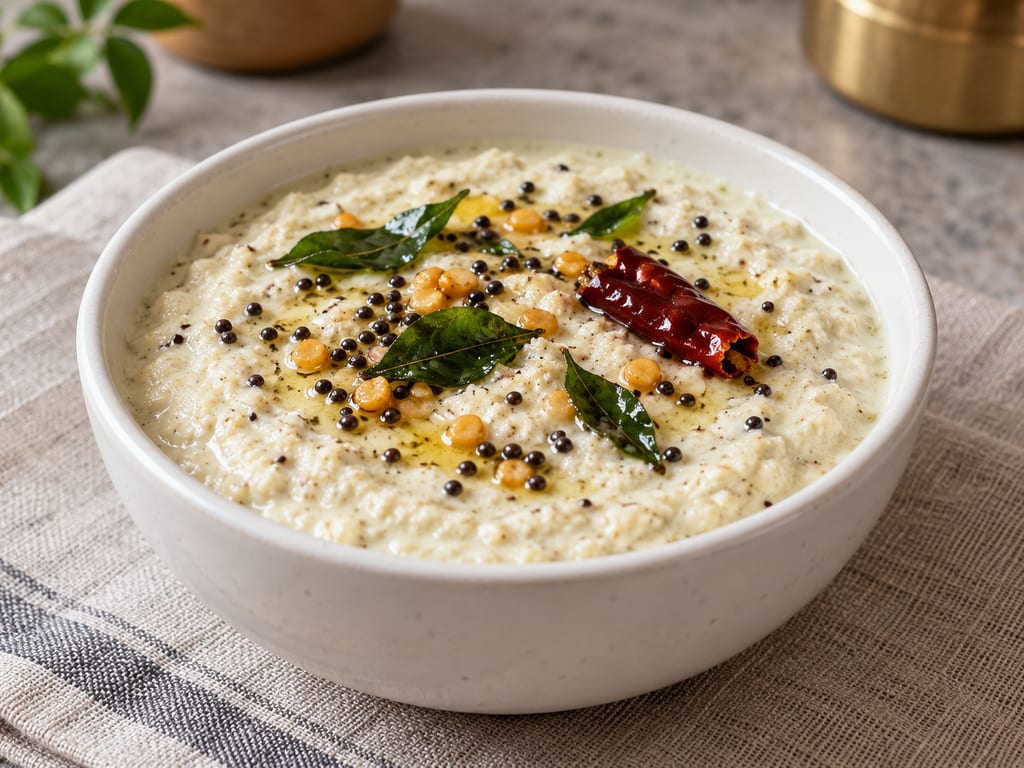
A coconut chutney whose ground base is finished with a separate oil tempering of mustard, urad dal, curry leaves and spices; the author pairs it with South Indian breakfast foods and snacks.