Recipes

1504 records with their sources, across 11 categories.

Filtered to

Recipes

Elevated risk

Hogweed barszcz

The original Polish barszcz: young hogweed leaves soured in warm water for a few days, then boiled into soup with egg, butter, cream or millet. Recorded from 1595, with warnings about the sap and lookalikes.

Kraków · Traditional method
· Vegetables
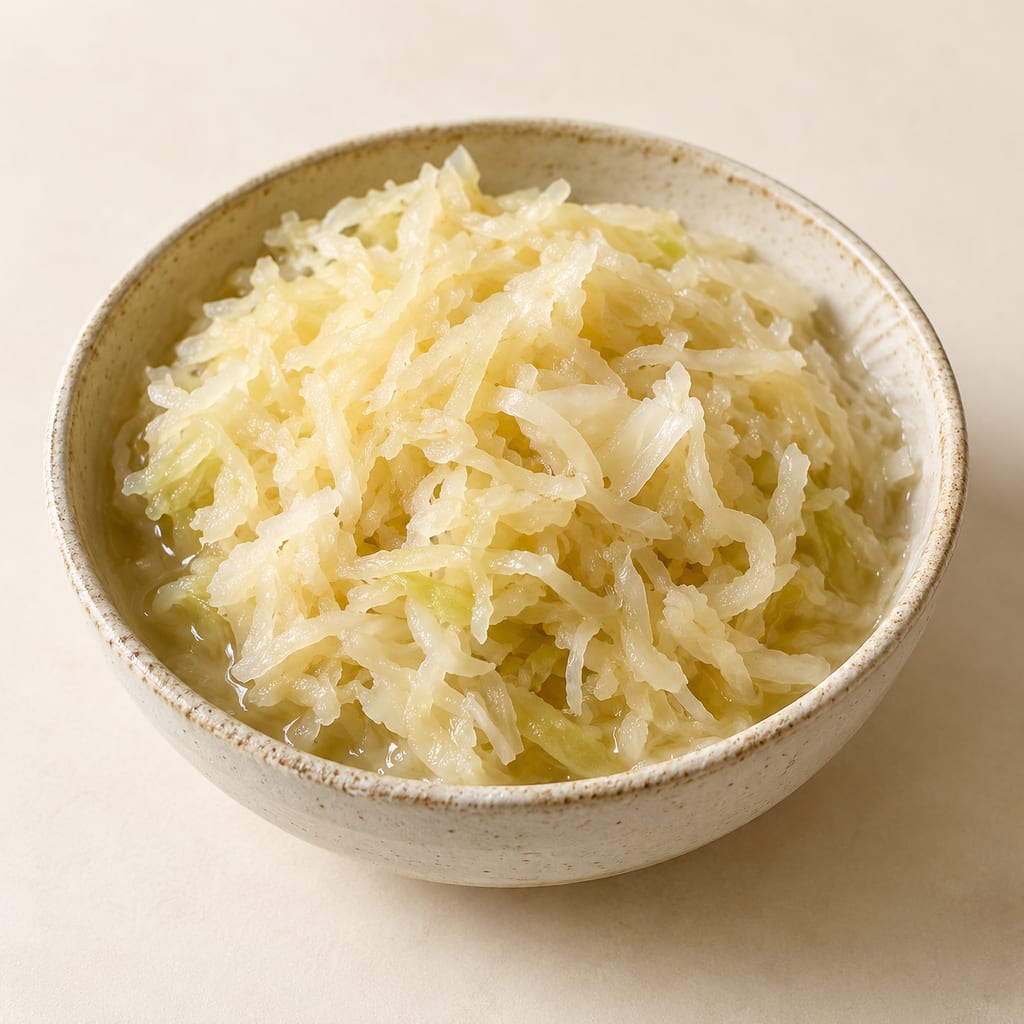
Photograph of White cabbage sauerkraut.

White cabbage sauerkraut

A Penn State Extension crock method mixes 5 lb of shredded cabbage with 3 tablespoons of canning or pickling salt, packs it under its own brine and ferments it in a covered container.
Traditional method
· Vegetables
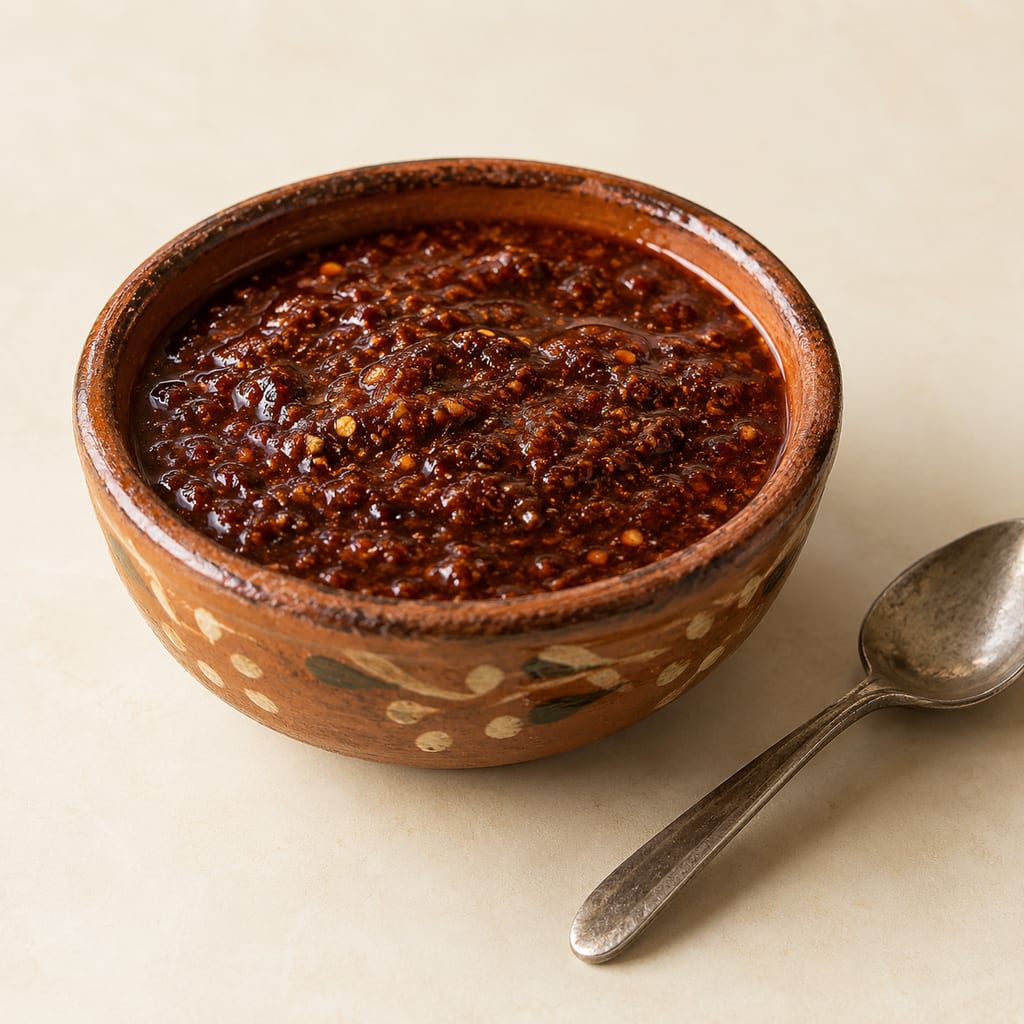
Photograph of Salsa borracha.

Salsa borracha

A chile sauce of dried pasilla peppers whose liquid is an alcoholic drink, pulque in the old form and beer where pulque is not available. It is served with barbacoa in Mexico City and the central states.
Mexico City and central Mexico · Traditional method
Condiments
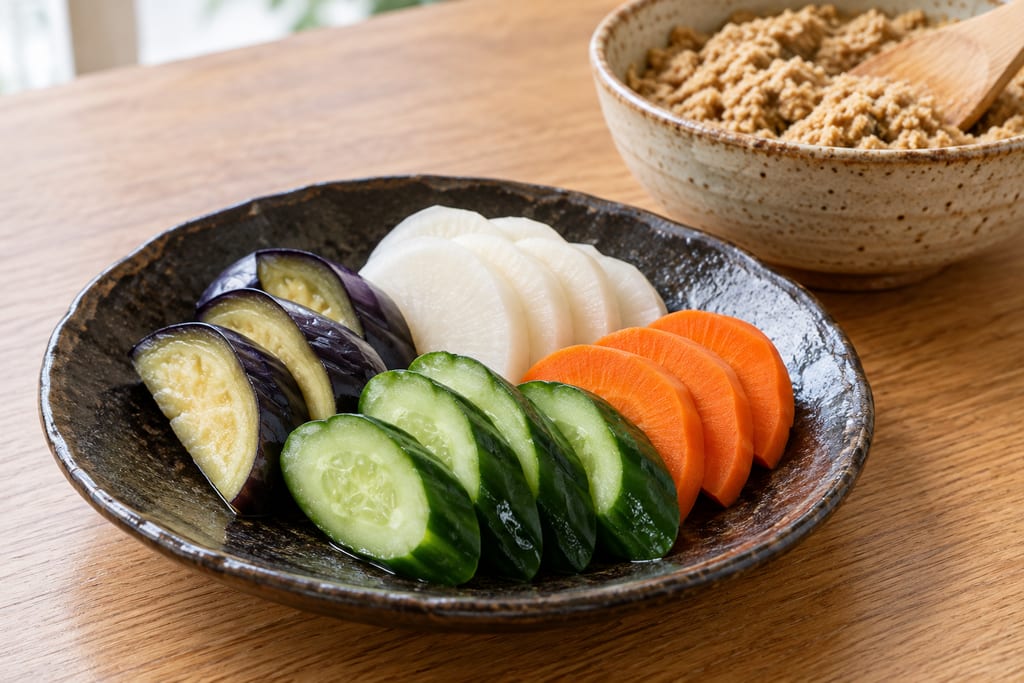
A dark ceramic plate of crisp sliced cucumber, daikon, carrot, and Japanese eggplant nukazuke, with a bowl of rice-bran pickling bed behind it.

Nukazuke

Japanese pickles made by burying vegetables in nukadoko, a reusable bed of rice bran, salt and water that is turned daily and ripened by lactic and yeast fermentation.
Japan · Traditional method
· Vegetables
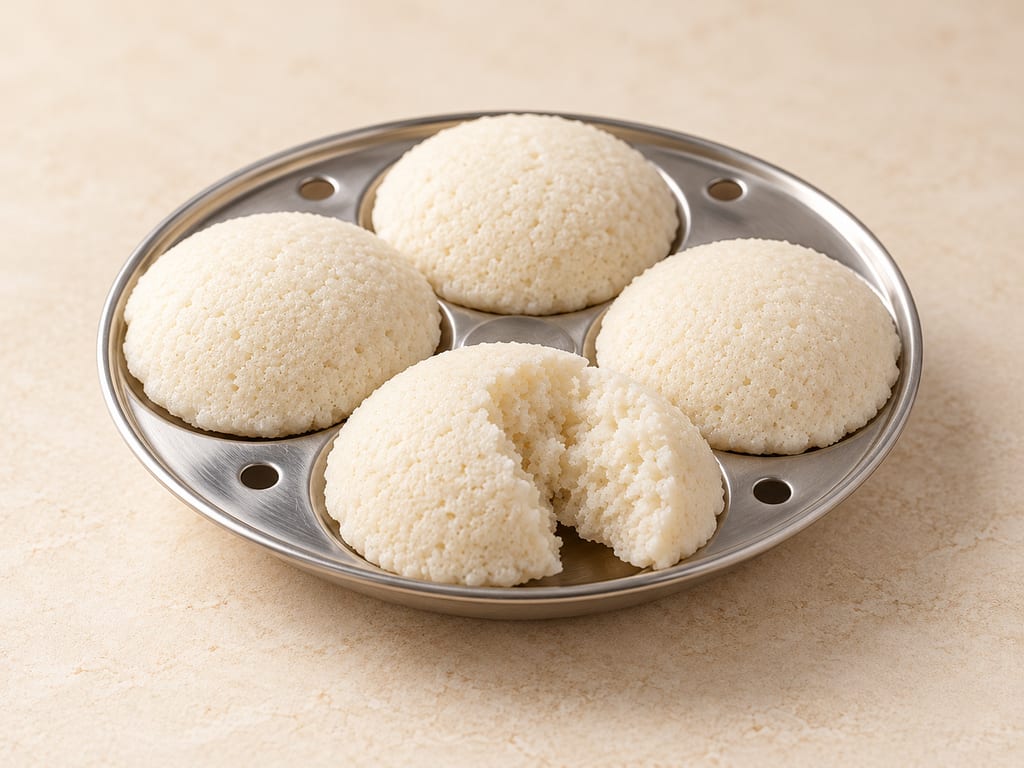
Soft, round South Indian idli on a stainless-steel mould plate against a warm ivory background.
Elevated risk

Idli batter

Rice and black gram are soaked separately, ground, salted and fermented into a thick batter for idli. The batter is portioned into moulds and steamed into soft savoury cakes.

South India · Traditional method
· Grains and starches
Asturian natural cider being poured from a plain green bottle into a small cider glass.

Sidra natural

Dry, lightly sparkling cider from Asturias in northern Spain, pressed from cider apples, fermented without added sugar, matured through the winter and poured from a height.
Principality of Asturias · Traditional method
· Drinks
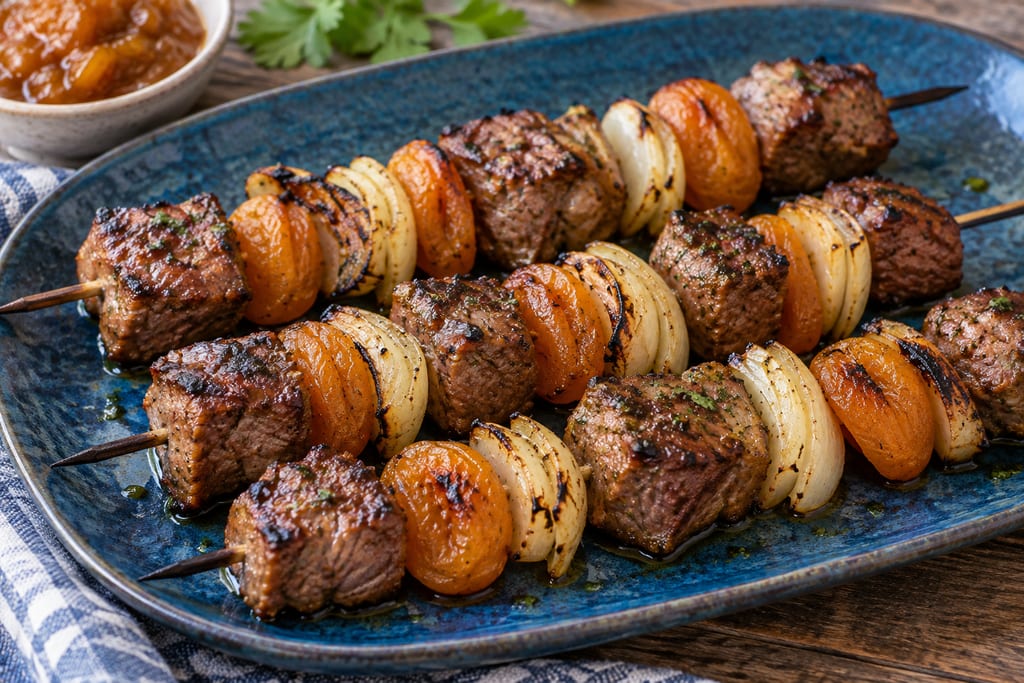
Cape-style lamb sosaties: grilled lamb cubes on skewers with dried apricot and onion.

Sosaties

Cape skewers of marinated lamb or mutton threaded with onion, fat or dried fruit and grilled, their marinade balancing curry spice against vinegar or tamarind and something sweet.
South Africa · Traditional method
· Meat
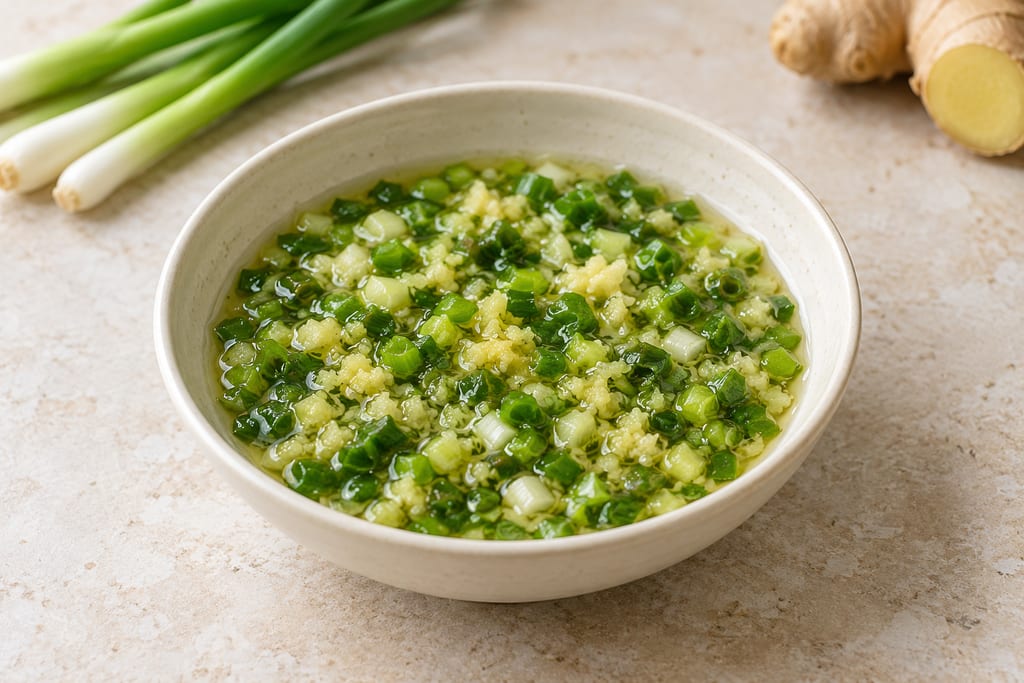
Illustrative serving of raw ginger-scallion oil: finely minced scallions and fresh ginger in neutral oil. Not a photograph of a particular historical batch.

Raw ginger-scallion oil

A raw Cantonese-style condiment of minced scallions, fresh ginger, vegetable oil and salt; it is mixed without heating and serves eight.

Cantonese cuisine · Traditional method
· Condiments
finished chakalaka

Chakalaka

A spicy South African vegetable relish of onion, carrot, pepper, tomato, curry seasoning and beans, cooked briefly and served warm or cold beside pap and grilled meat.
South Africa · Traditional method
· Vegetables
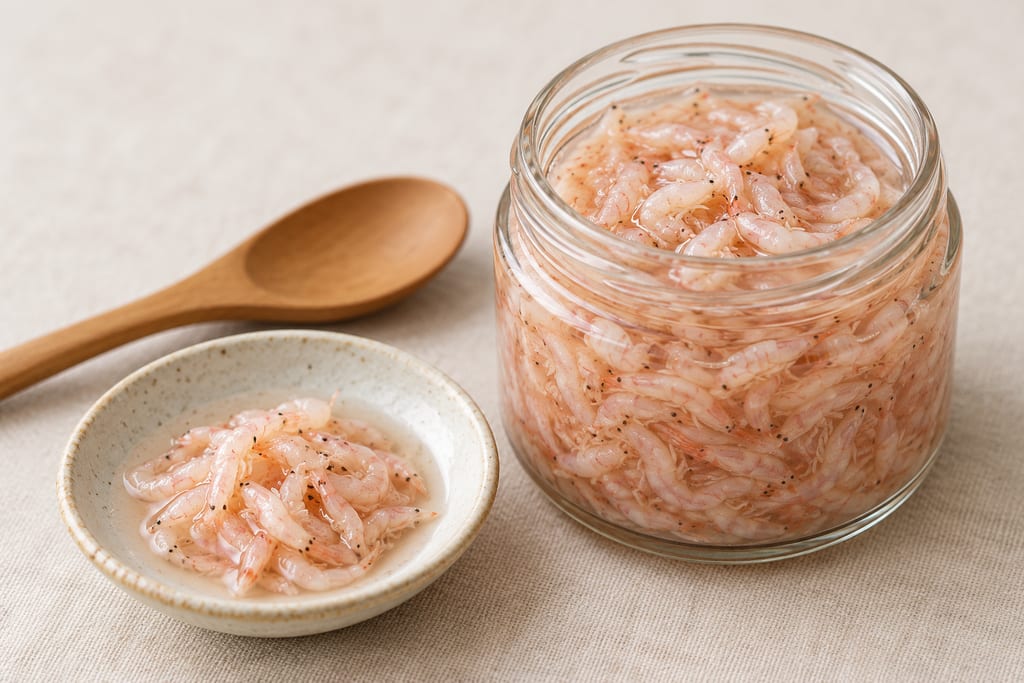
Korean saeujeot, small pale salted shrimp in brine in a glass jar with a serving dish.
High risk

Saeujeot (Korean salted fermented shrimp)

Korean fermented seafood made by salting whole small shrimp and maturing them in their own brine, used as a seasoning, in kimchi and with pork.
Korean western and southern coasts · Traditional method
· Fish and seafood
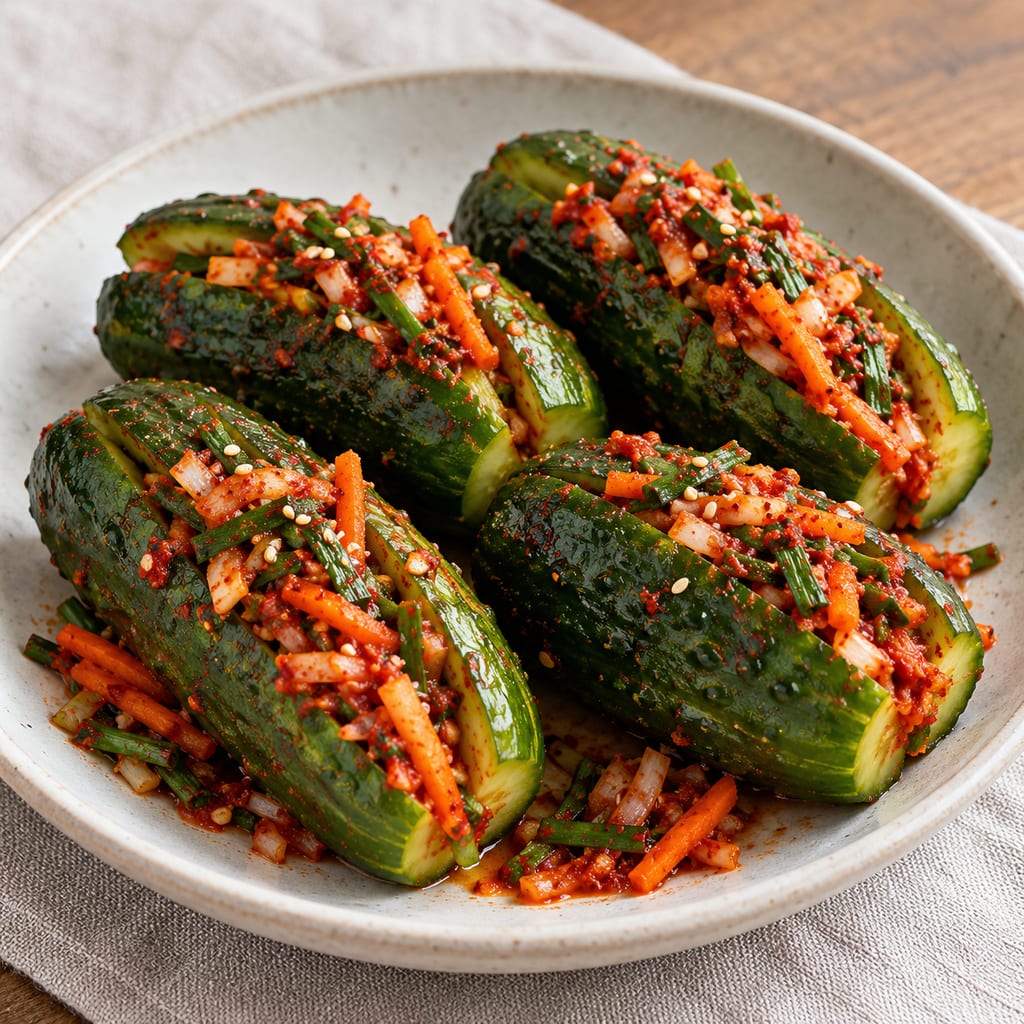
Illustrative plate of freshly prepared Korean oi-sobagi, cross-cut cucumbers filled with red chili and vegetables; not a photo of a specific batch.

Oi-sobagi

Oi-sobagi is a Korean stuffed cucumber kimchi: salted cucumbers slit and filled with a chive-and-chilli seasoning, eaten fresh or left to ferment.
Korea · Traditional method
· Vegetables
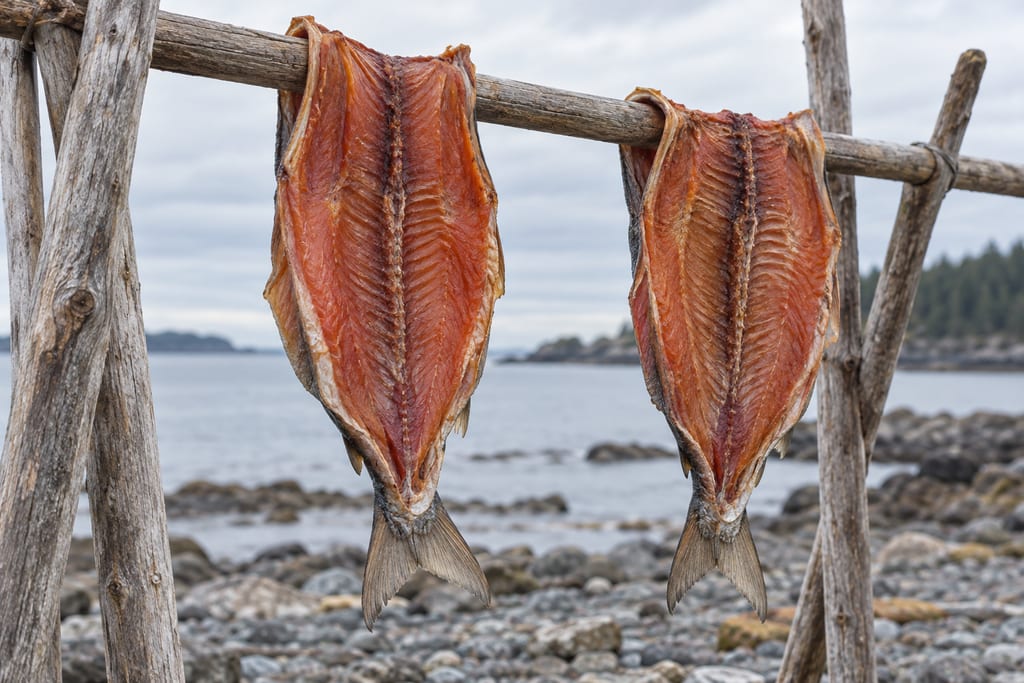
Illustrative opened, air-dried Pacific salmon yukola hanging from a simple wooden rack; not a specific historical household or evidence of a safe drying endpoint.
High risk

Yukola (Nivkh dried salmon)

Pacific salmon opened along the backbone and hung on elevated wooden frameworks to air-dry, the winter provision at the centre of Nivkh household fishing on Sakhalin and the Lower Amur.
Northern Sakhalin · Traditional method
· Fish and seafood
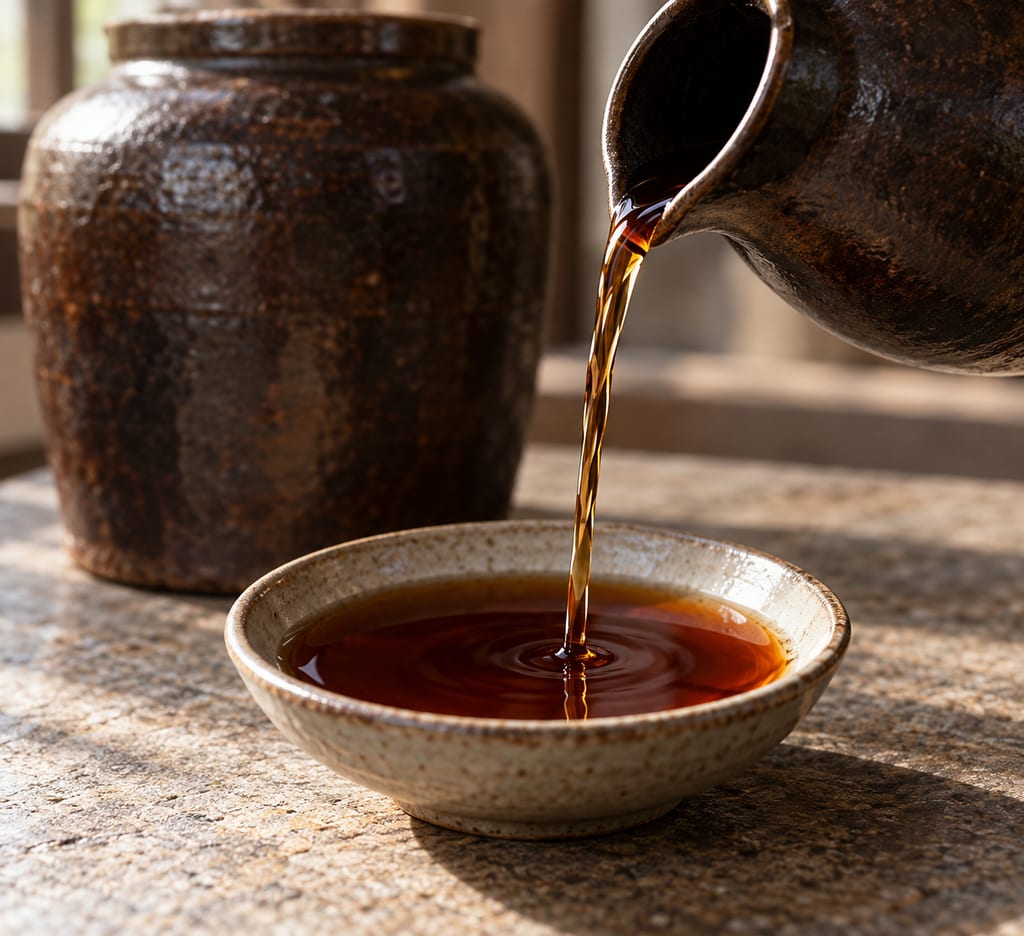
A thin stream of clear, reddish-brown Yongchun aged vinegar poured into a ceramic dipping dish, with an aging jar softly out of focus; illustrative generic appearance.

Yongchun aged vinegar

Dark Fujian rice vinegar: glutinous rice and red Monascus koji make a red rice wine, liquid acetification turns it to vinegar, and it ages at least three years.
Yongchun County · Traditional method
· Condiments
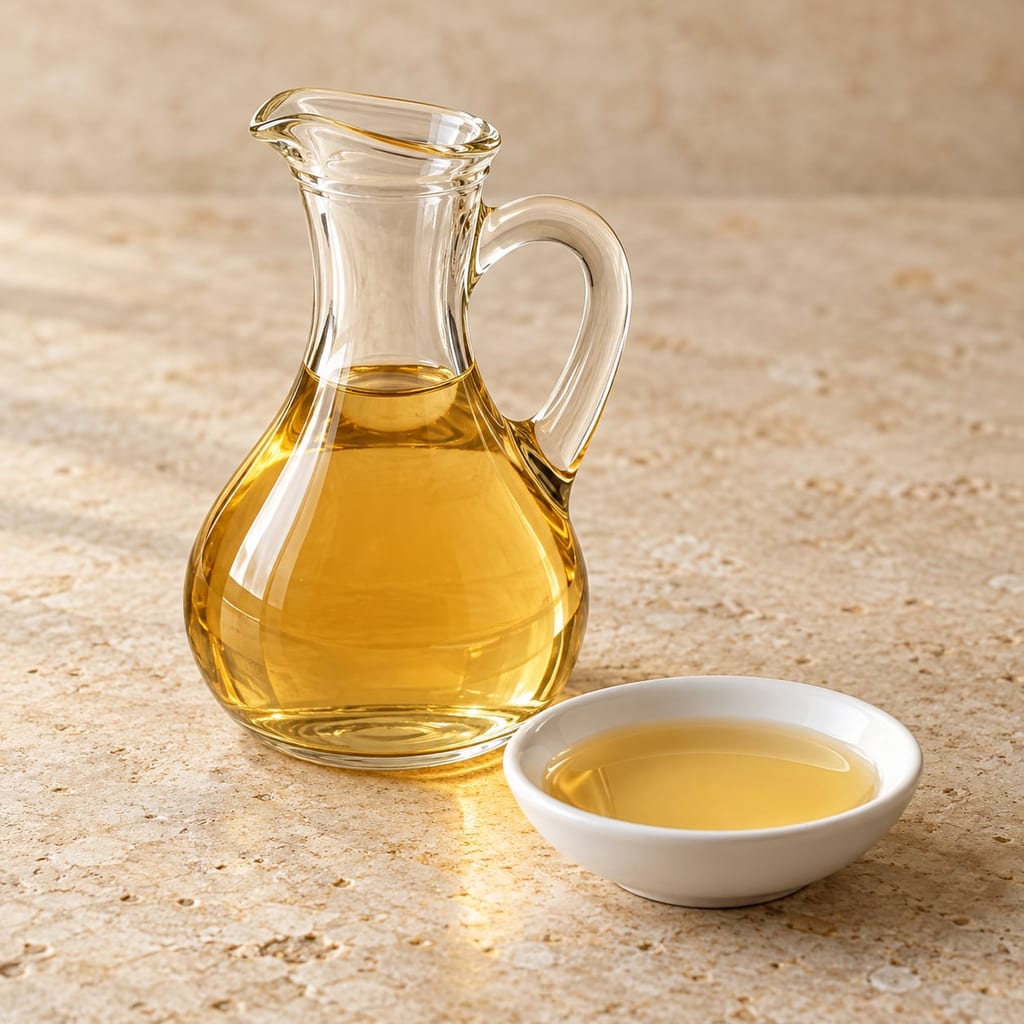
Illustrative unlabelled cruet and dish of pale amber wine vinegar. Montilla-Moriles includes multiple styles, so this is not an exact product or variant depiction.

Vinagre de Montilla-Moriles

Protected Andalusian wine vinegar made by acetifying certified Montilla-Moriles wine, dry or sweetened with Pedro Ximénez or Moscatel must, and often aged in oak by solera or añada.
Montilla-Moriles protected production area · Traditional method
· Condiments
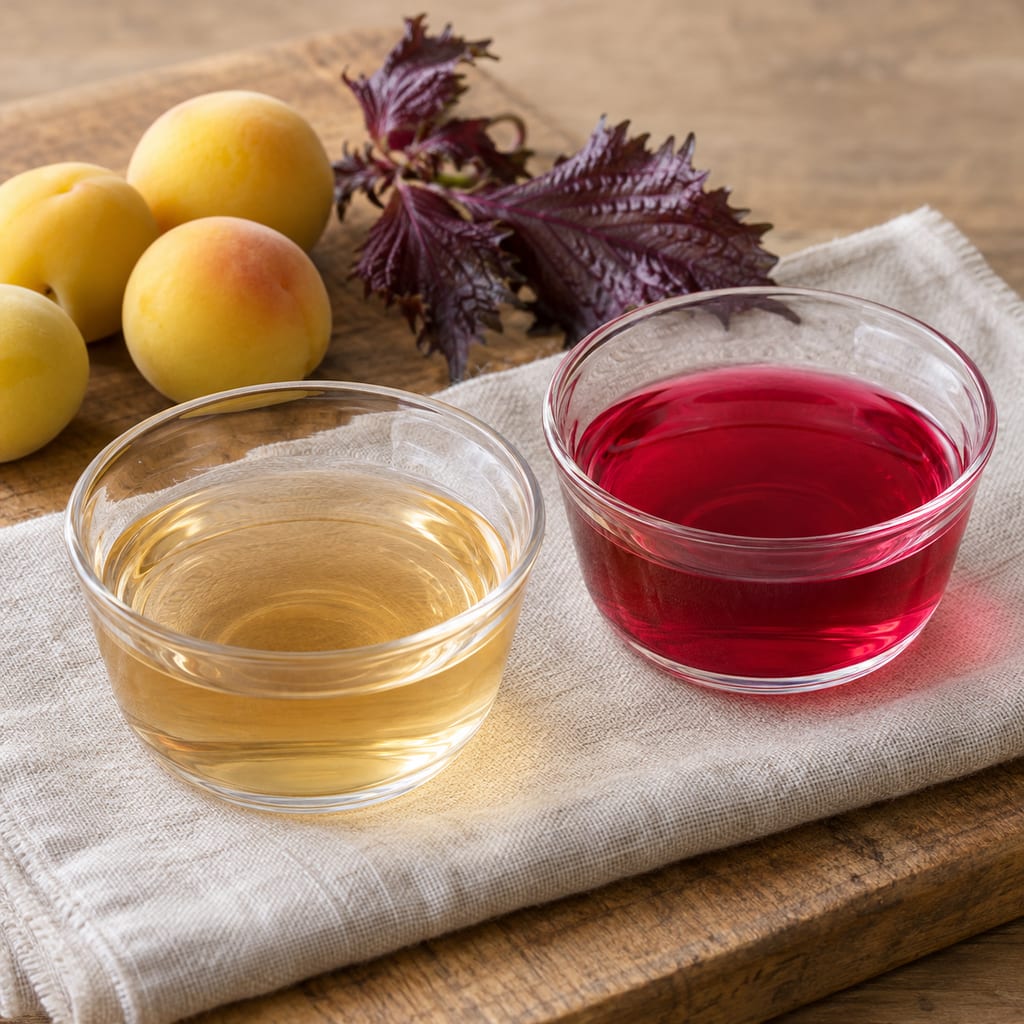
White shiro-umezu and red shiso umezu in clear bowls with ripe ume and red shiso.

Umezu (ume pickling liquid)

The very salty, sour liquid drawn out of Japanese ume fruit by salt during umeboshi making: acidity from the fruit's citric and malic acid, not from acetic fermentation; white, or red with shiso.
Wakayama · Traditional method
· Condiments
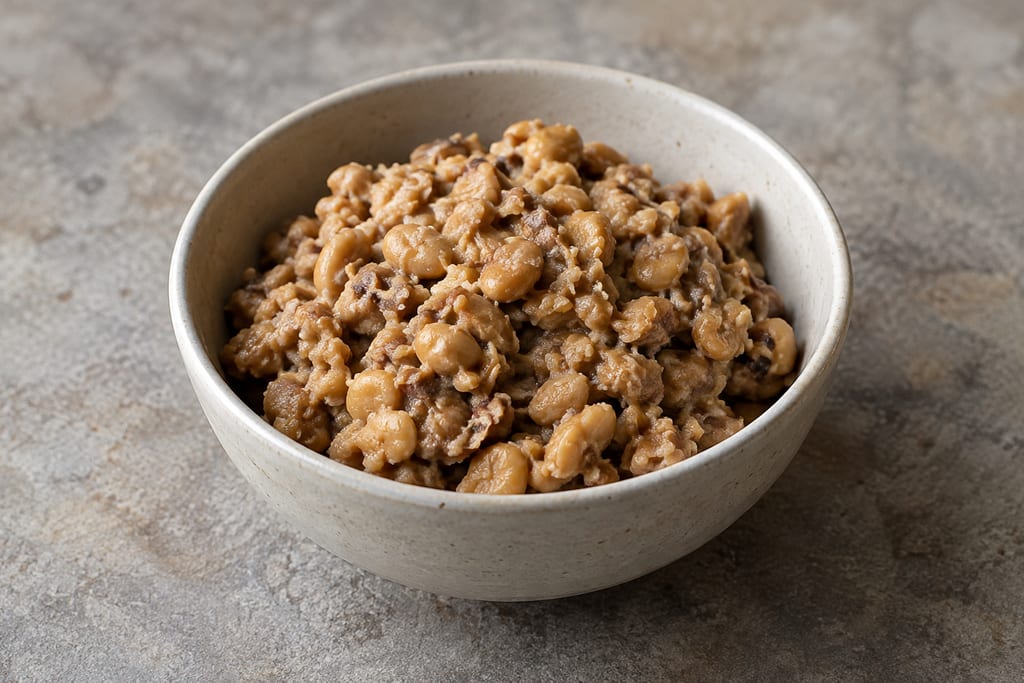
Illustrative close-up of a coarse pounded fermented soybean base for tungrymbai; exact appearance varies and this is not a photograph of the documented village batch.

Tungrymbai

A Khasi and Jaintia fermented soybean food from Meghalaya: cooked beans ferment naturally in leaf-lined baskets above a fire, giving a sticky, pungent, savoury mass.

Meghalaya · Traditional method
· Legumes and seeds
A small cube of red-pink Okinawan tofuyo, its creamy interior visible beneath glossy red-koji sauce, served in a handmade ceramic saucer with a wooden pick.

Tofuyo

An Okinawan fermented tofu: dried tofu cubes matured in rice koji, awamori and salt, traditionally with red Monascus koji, until the curd turns smooth and intensely savoury.
Okinawa Prefecture · Traditional method
· Legumes and seeds
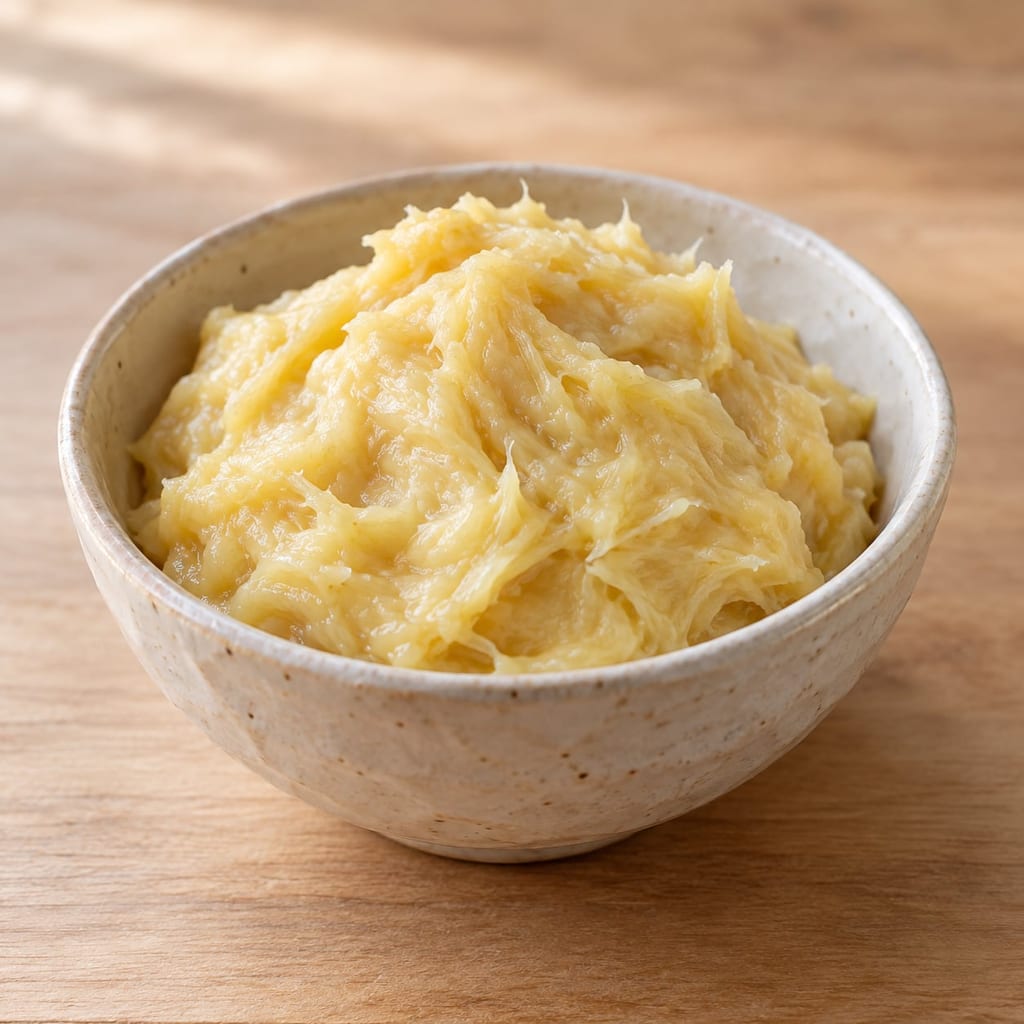
A small ivory ceramic bowl of thick pale yellow tempoyak, with a softly mashed, subtly fibrous texture, representing the fermented durian paste itself.

Tempoyak (fermented durian paste)

Durian flesh is mashed with salt and fermented in a covered container as a Malay condiment or cooking ingredient.
Indonesian Malay communities · Traditional method
· Fruit
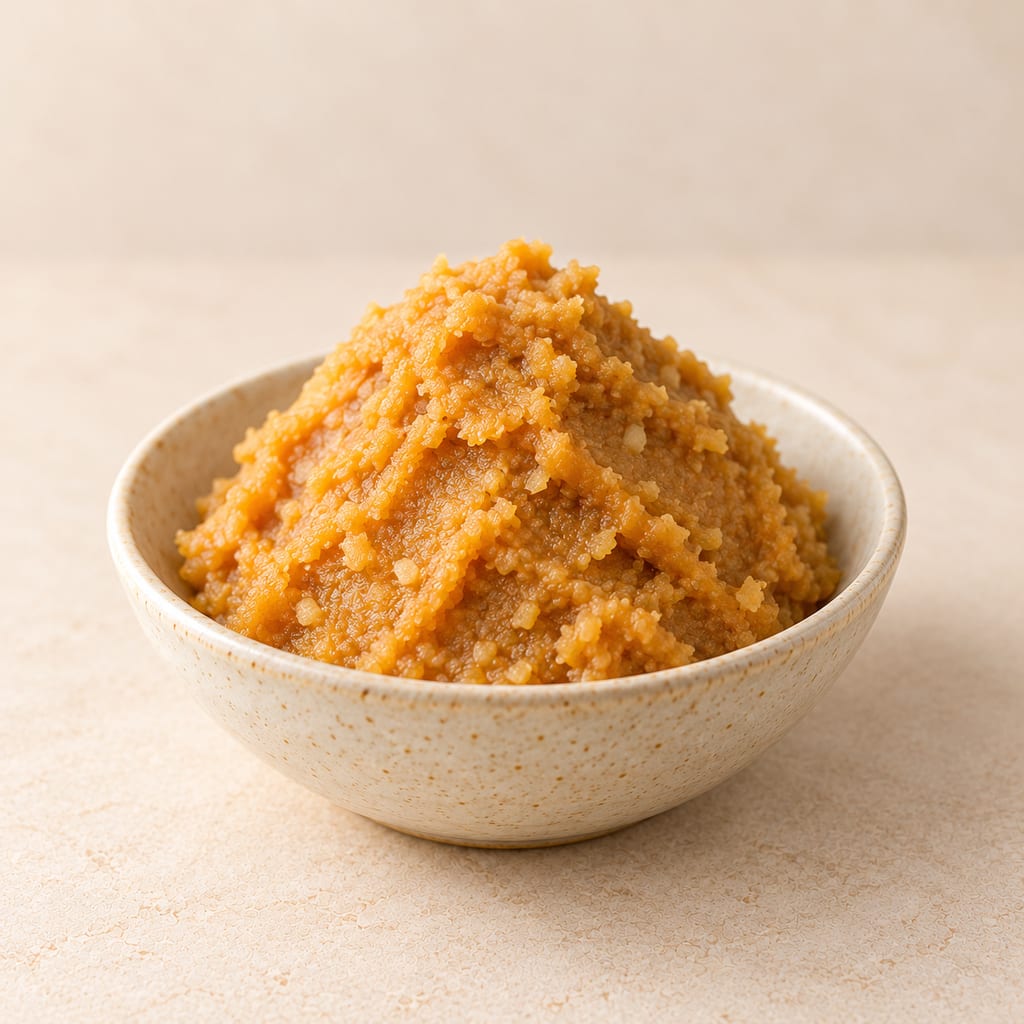
Golden, textured rice-koji soybean miso piled in an ivory ceramic bowl on a warm ivory surface.
Elevated risk

Rice-koji soybean miso

A traditional Japanese fermented paste made by mixing cooked soybeans with rice koji and salt. This guide details the ratio, the long enzymatic breakdown, and the months-long maturation required for depth.
Japan · Traditional method
· Legumes and seeds
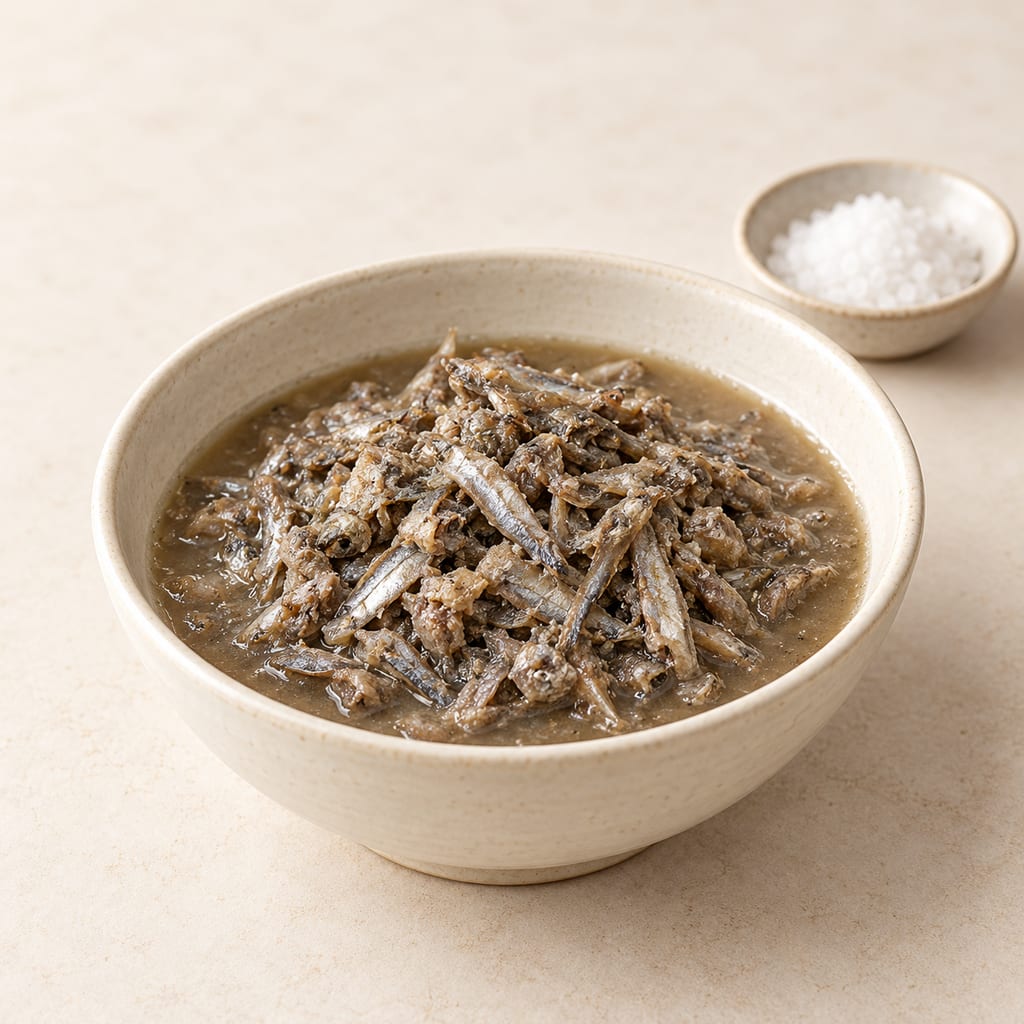
Salted fermented anchovies in cloudy brown brine in an ivory bowl, with coarse salt in a separate dish.
High risk

Myeolchi jeot

Salted anchovies mature in a covered jar with brine. The fish can be seasoned for a meal, while the expressed liquid seasons kimchi and other dishes.
Gyeonggi-do · Traditional method
· Fish and seafood
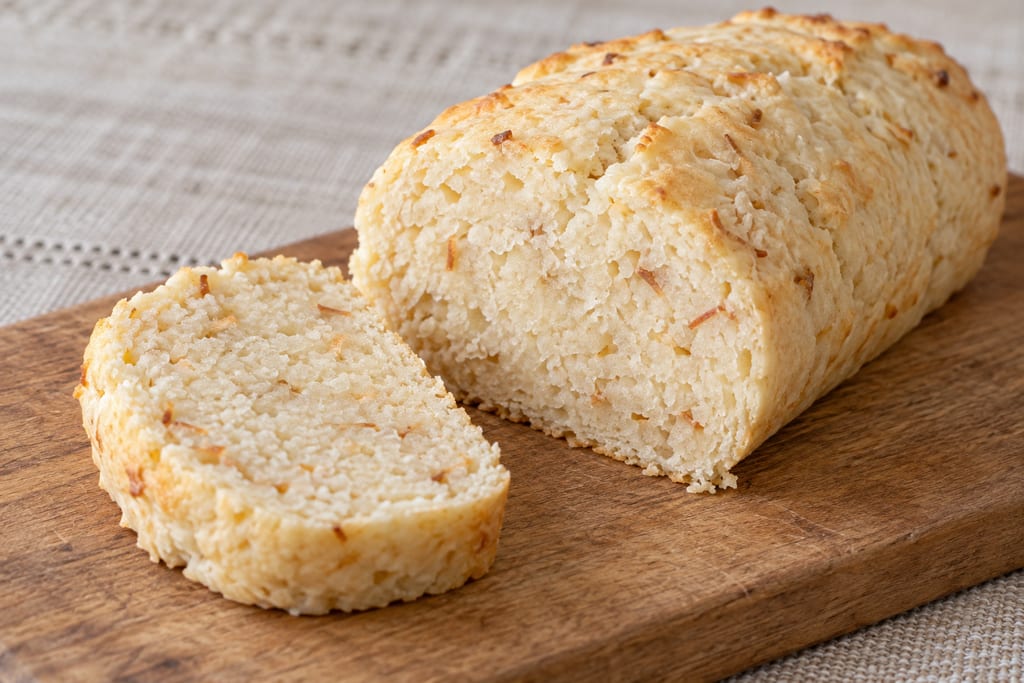
A pale Tahitian coconut bread log with a cut slice showing soft crumb flecked with toasted coconut.

Tahitian coconut bread

Sweet dough with grated coconut is divided into ten logs, wrapped in foil and baked slowly in this Polynesian Cultural Center version demonstrated by Gina Pasi.
French Polynesia · Traditional method
· Grains and starches
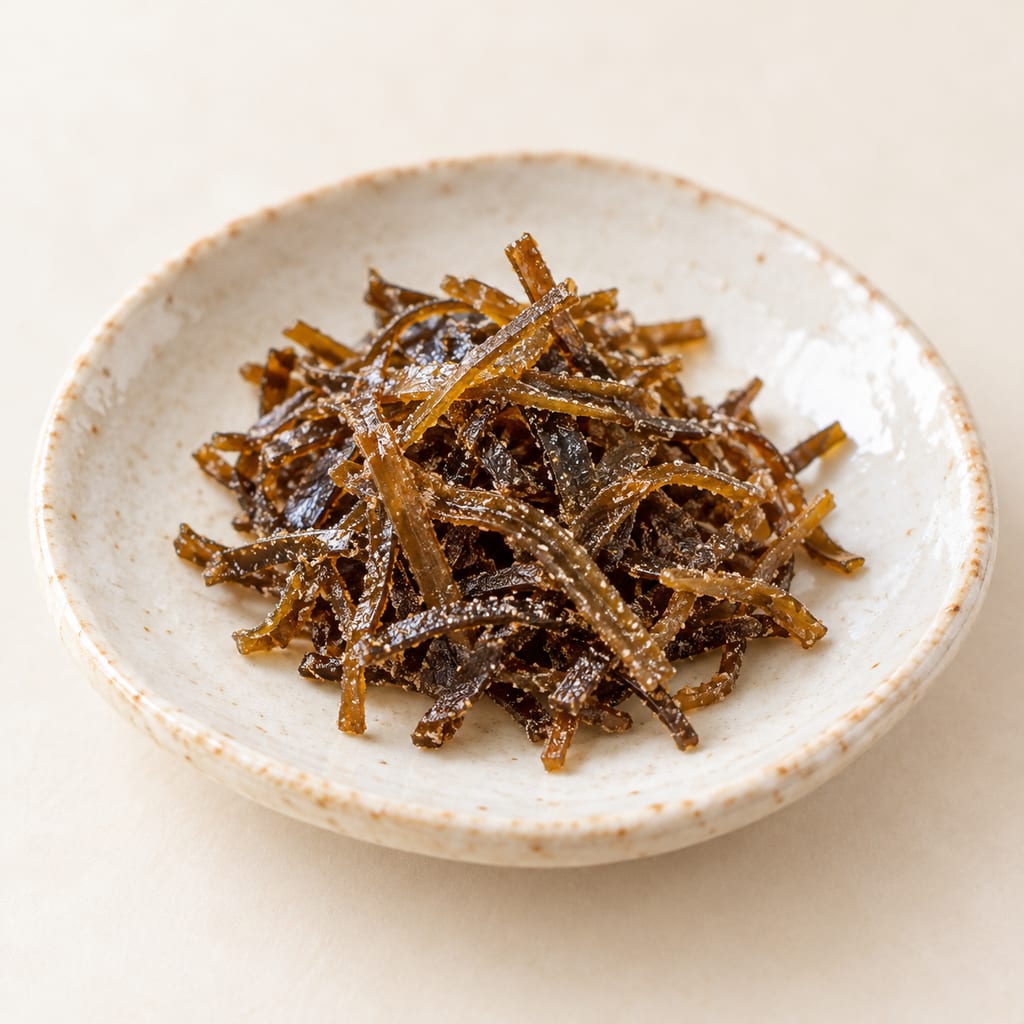
Semi-moist, soy-seasoned kelp strips lightly coated with salt, served on a small ceramic plate.
Elevated risk

Shio Kombu (Seasoned Salted Kelp)

Japanese kelp simmered in soy sauce and seasonings, sometimes dried and salted, eaten with rice or used as an umami seasoning.
Osaka · Traditional method
· Condiments
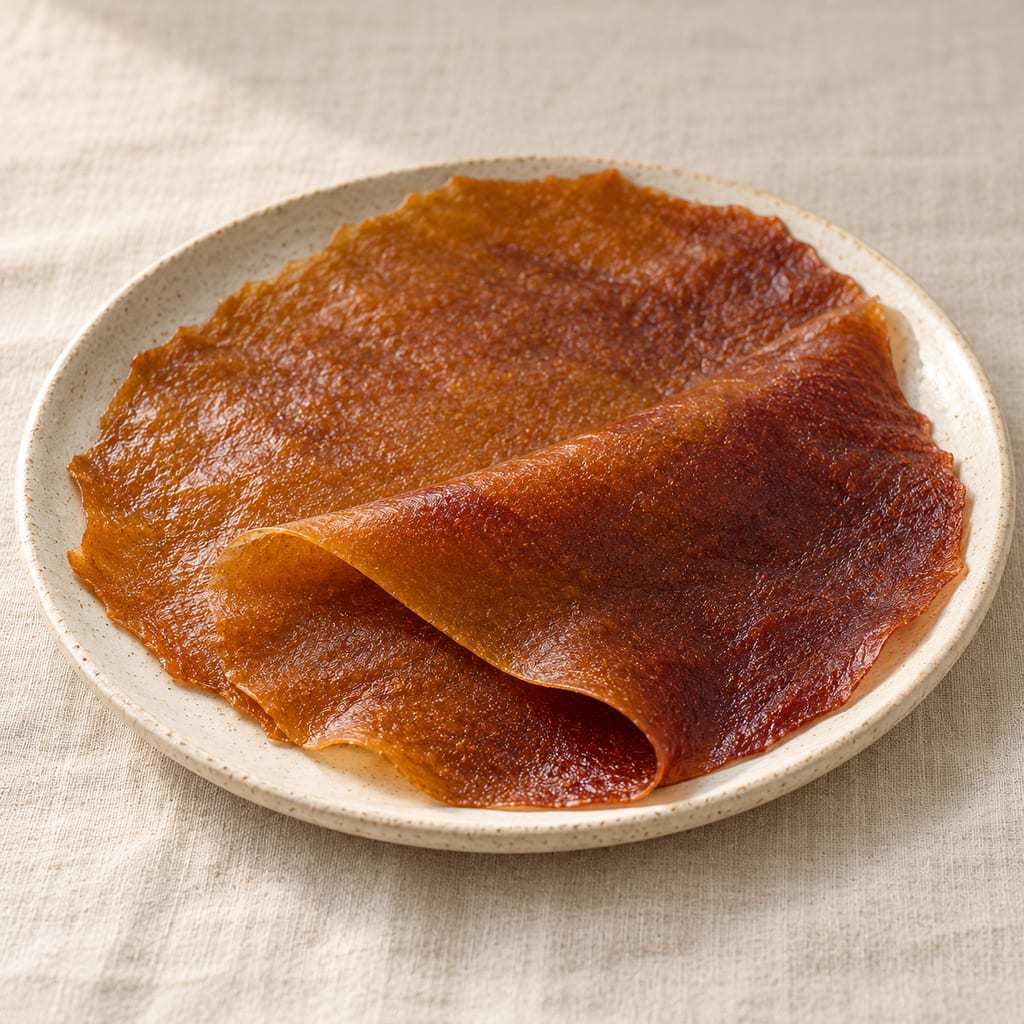
A thin, flexible amber-brown mulberry tklapi sheet loosely folded on a pale ceramic plate.

Meskhetian mulberry tklapi

A reported Khizabavra household method cooks mulberry juice with wheat flour into a thin porridge before drying it on cloth; batch measures and a measured endpoint are absent.
Khizabavra, Aspindza · Traditional method
Fruit
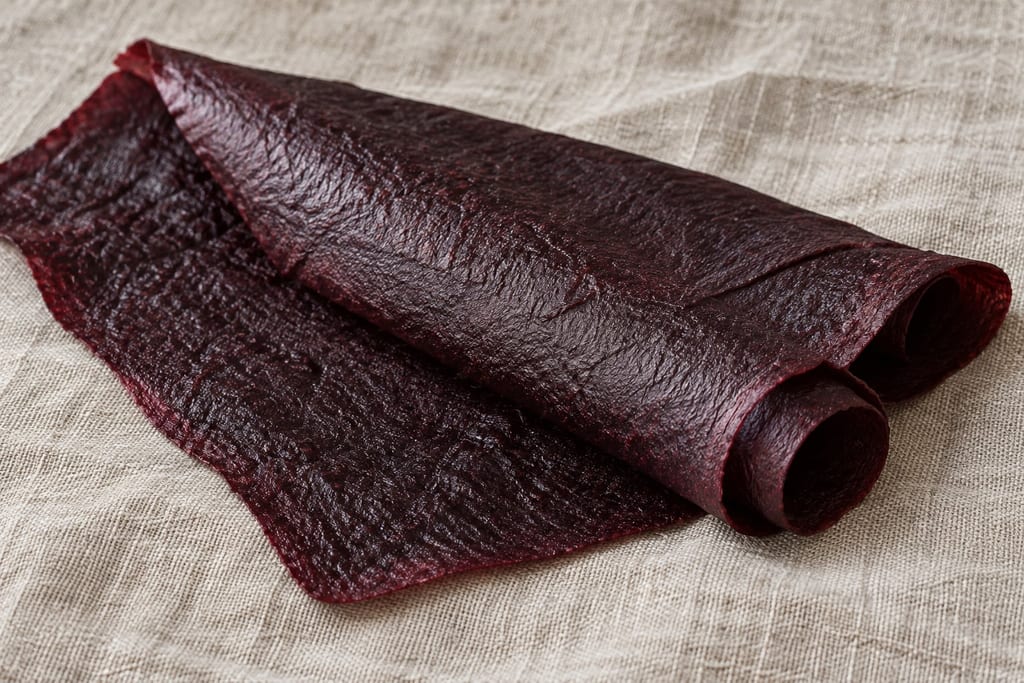
Illustrative rolled sheet of dark mulberry tklapi, the dried fruit sheet described in the FAO Georgian recipe; not a historical photograph.
Elevated risk

Mulberry tklapi

Georgian field notes describe mulberry tklapi with wheat flour but omit how the paste is cooked. FDA warns raw flour can carry harmful bacteria; this incomplete account is documentary, not a home recipe.
Georgia · Traditional method
Fruit
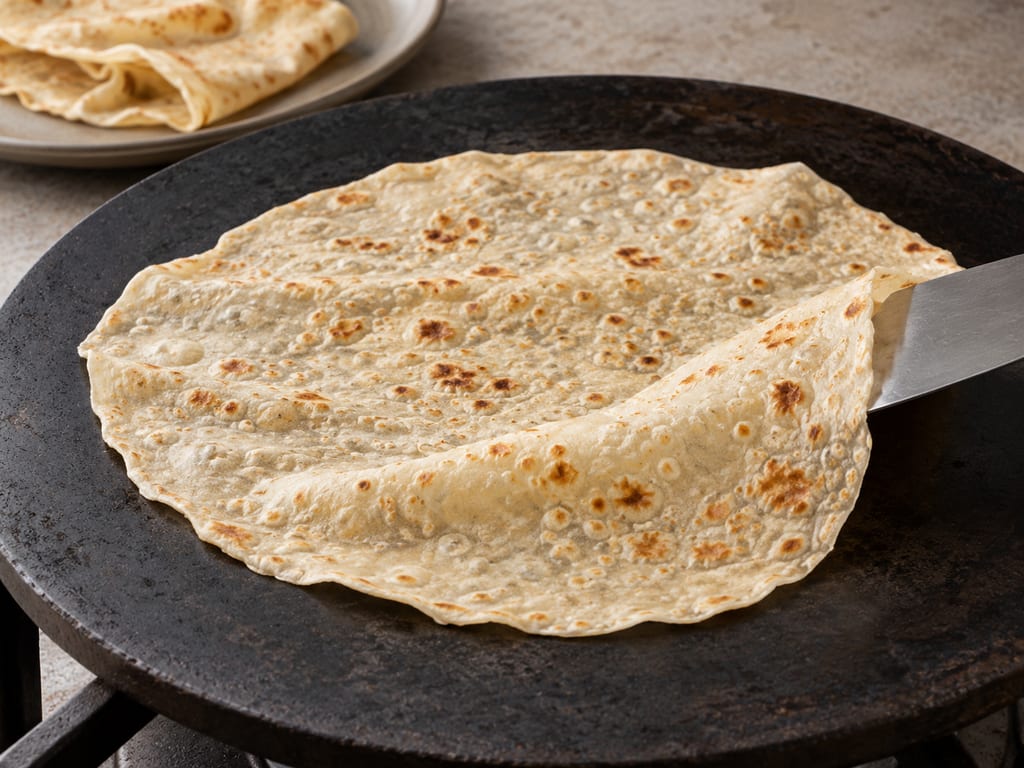
Plain Emirati regag: a paper-thin wheat griddle bread with delicate bubbles and scattered golden-brown spots, lifted at the edge with a palette knife.

Regag (Emirati paper-thin griddle bread)

Regag is a thin Emirati wheat bread cooked on an ungreased pan. This measured home method uses a soft dough that rests covered, then gets spread thin with a palette knife or bench scraper.
United Arab Emirates · Traditional method
· Grains and starches
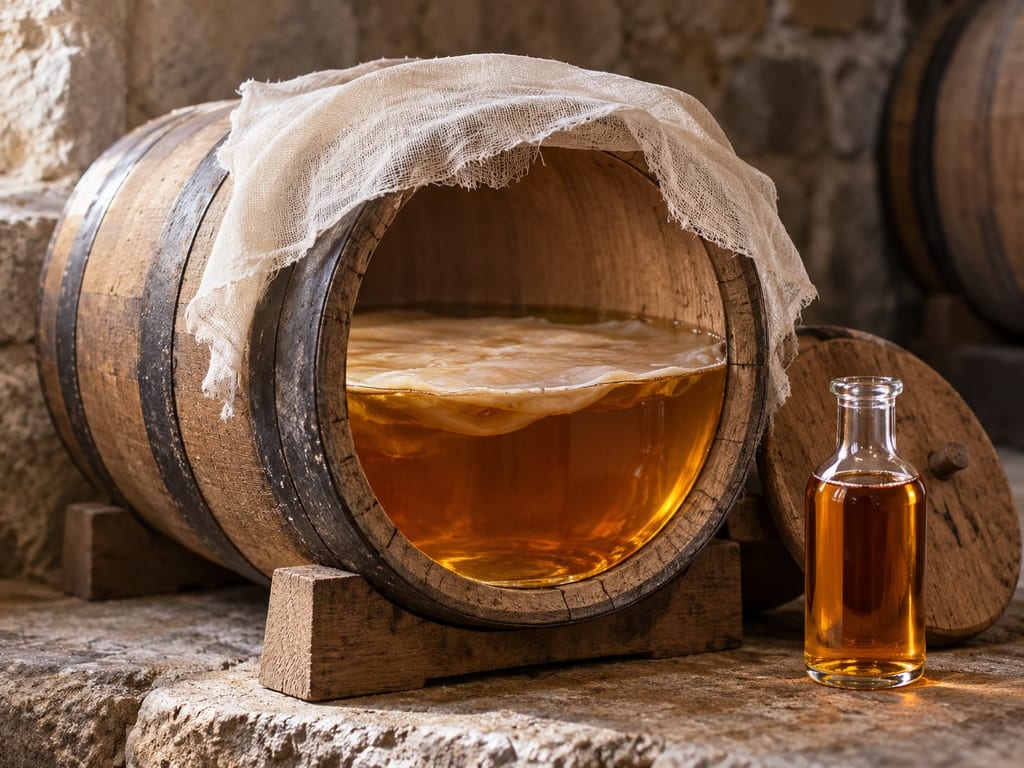
Amber fruit-wine vinegar under a floating vinegar mother in a muslin-covered oak cask; an illustrative view of the traditional Orléans method.

Fruit vinegar (Orleans method)

Fruit wine turned into vinegar by acetic acid bacteria at the surface of a half-filled, air-vented vessel. The Orleans method takes one to three months for a 9% wine.
Orleans, France · Traditional method
· Condiments
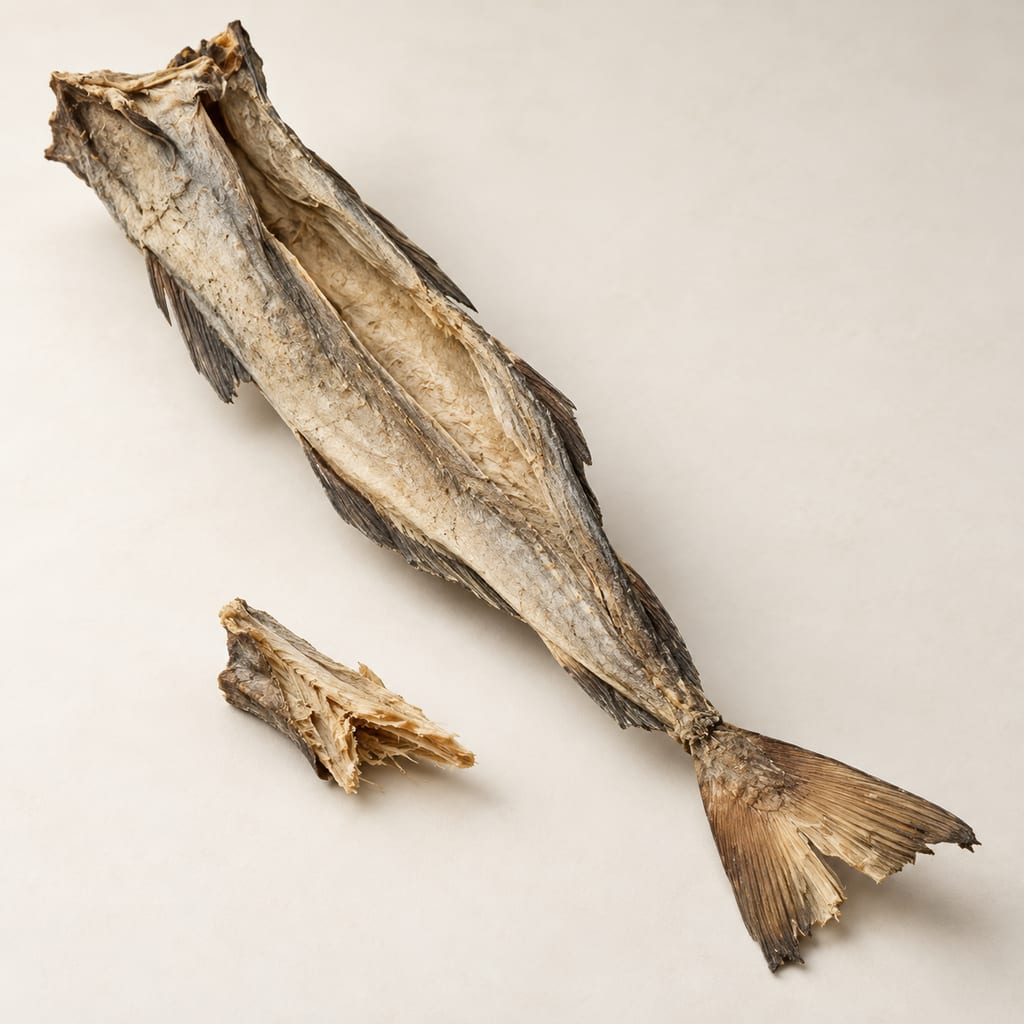
Finished Norwegian stockfish, unsalted air-dried cod, split open with its tied tail and a dry broken sample.
High risk

Stockfish

Cod hung on open racks in cold northern air until most of its water has gone, leaving a hard, light, unsalted fish that keeps and travels and must be soaked for days before cooking.
Lofoten · Traditional method
· Fish and seafood
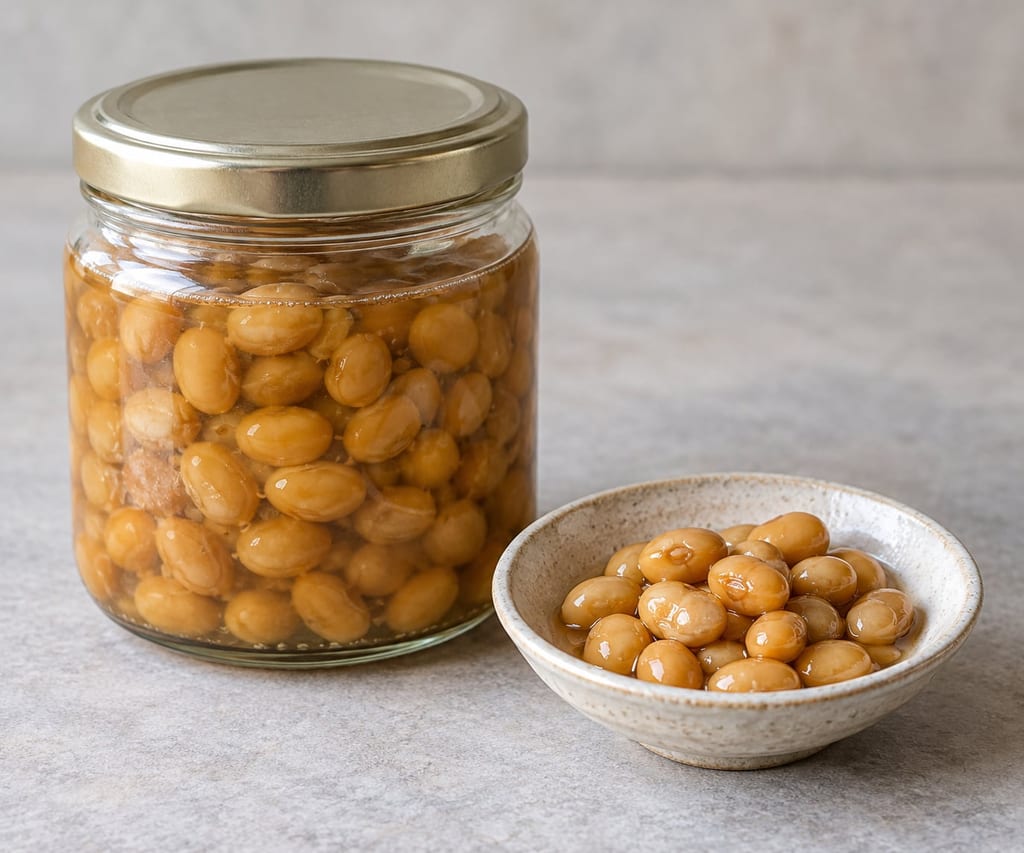
Cambodian Sieng: whole golden-brown fermented soybeans preserved in light salt brine.

Sieng

A Cambodian fermented soybean food in which cooked beans ferment into a sticky alkaline mass, then are preserved and matured in salt brine, sometimes sweetened with sugar.
Cambodia · Traditional method
· Legumes and seeds
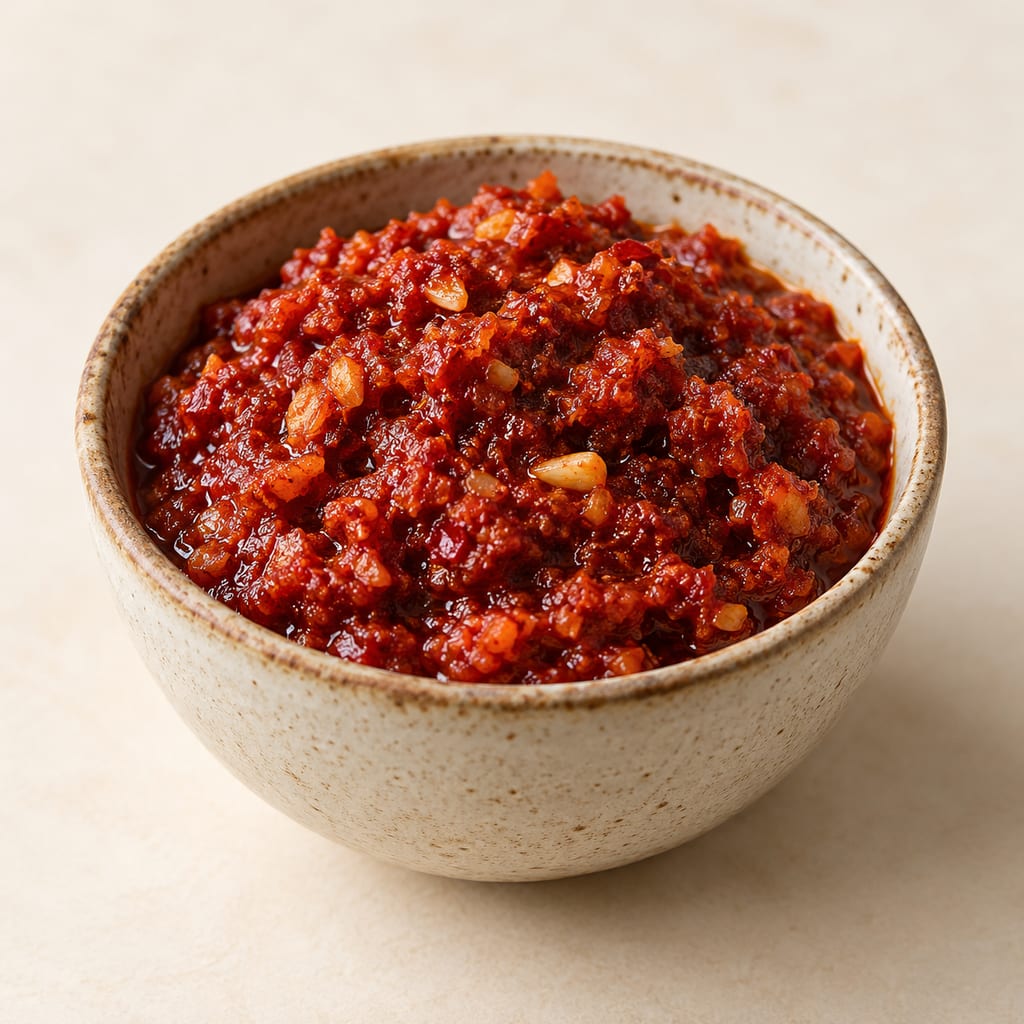
Photograph of Pilpelchuma (chilli-garlic paste).

Pilpelchuma (chilli-garlic paste)

A chilli and garlic paste from the Libyan Jewish community, built on steamed dried peppers, garlic and cumin, now a common condiment in Israel.
Libya · Traditional method
Condiments
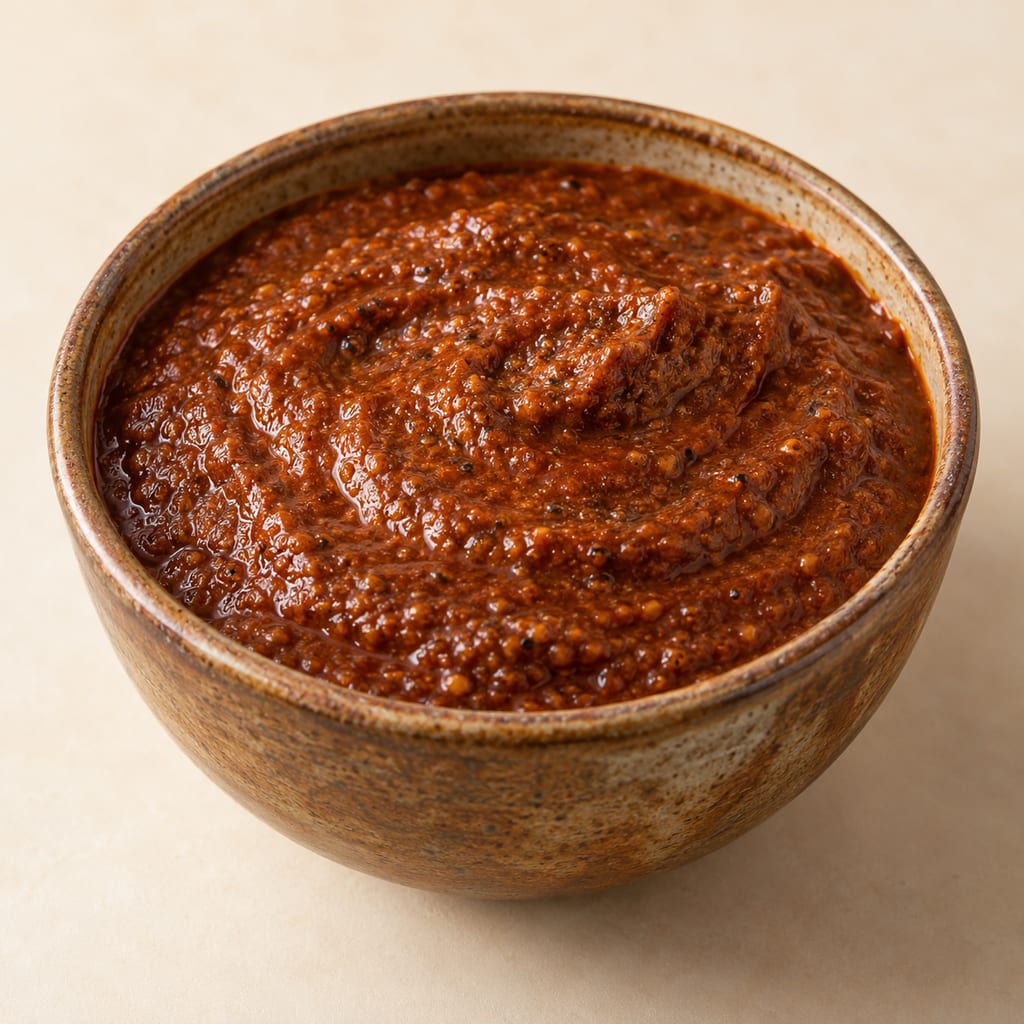
Photograph of Pepián recado.

Pepián recado

The roasted chile, seed and vegetable sauce that thickens and colours Guatemalan pepián stew.

Guatemala · Traditional method
Condiments
Pure amber maple syrup pouring into a wooden spoon beside a jar of finished syrup.

Maple syrup (batch method)

Maple sap of about two percent sugar boiled down in a shallow pan until it reaches syrup density, the sugar concentration the standard defines, then filtered hot and packed hot.
Minnesota · Traditional method
Condiments
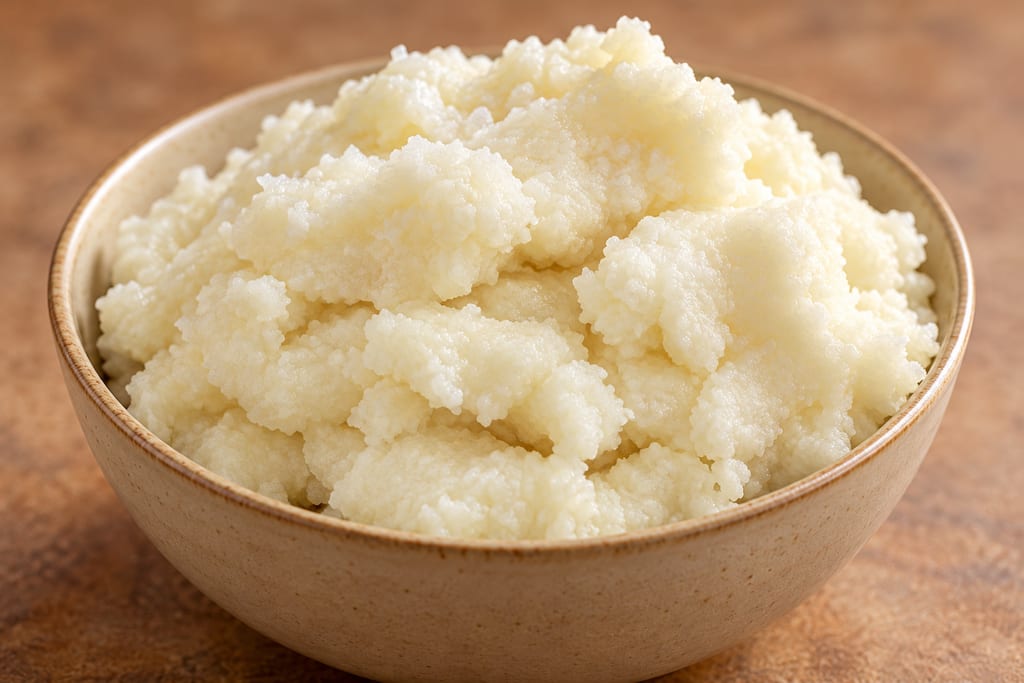
finished maize porridge

Mieliepap

South Africa's maize-meal porridge, which the same white meal turns into a soft breakfast pap, a firm sliceable mound or the separate moist granules of phuthu depending only on water and handling.
South Africa · Traditional method
· Grains and starches
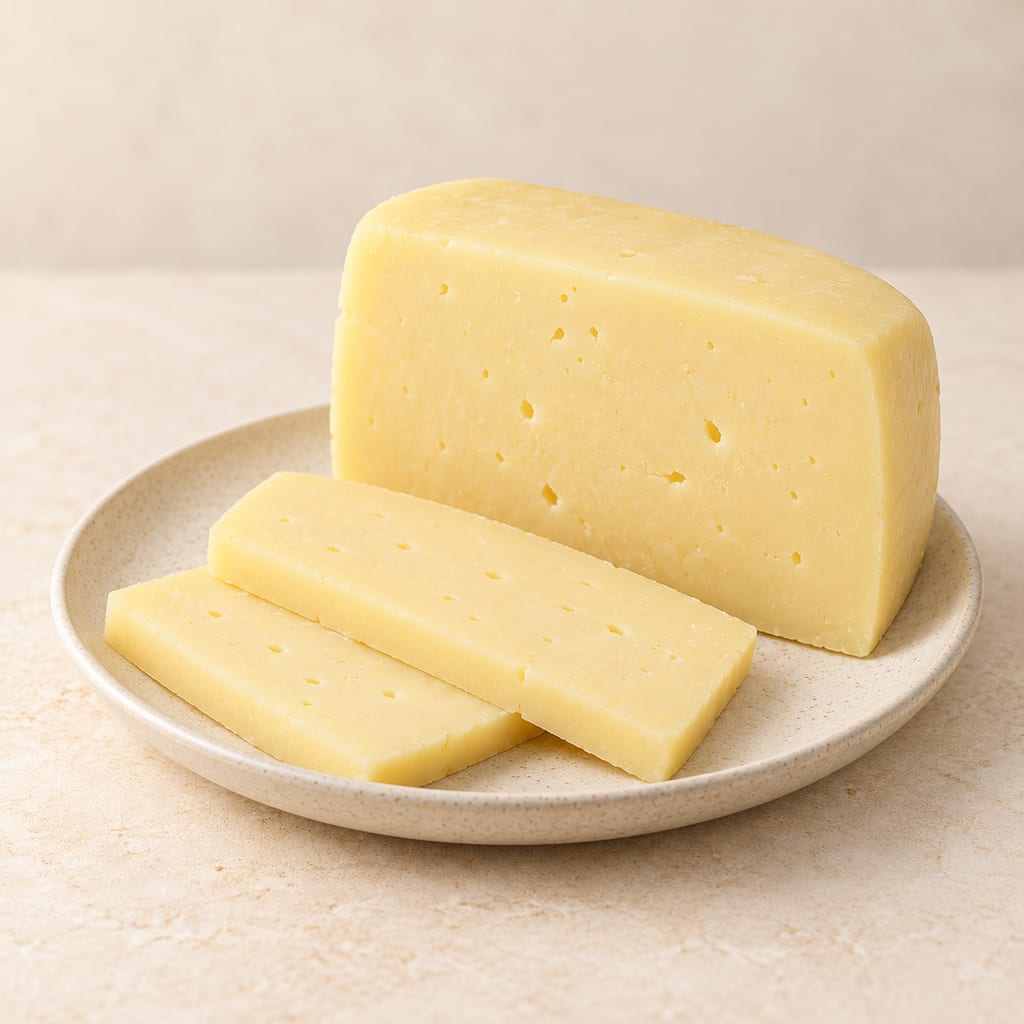
A firm pale-yellow kaşar cheese portion and two slices on an ivory plate.
High risk

Kaşar peyniri

Kaşar peyniri is a Turkish stretched-curd cheese. This entry documents a traditional raw-milk process described by the FAO and its regional history; it is not a home cheesemaking recipe.
Turkey · Traditional method
Dairy
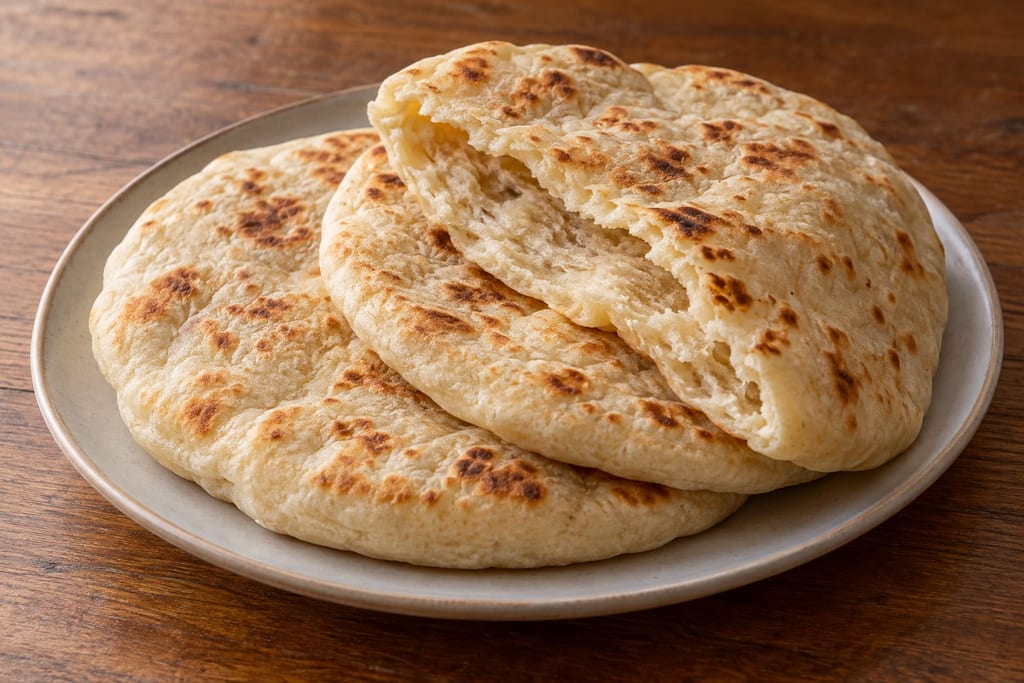
Original editorial photograph of plain Trinidadian sada roti with a soft interior and browned griddle marks. Illustrative rendering of the published baking-powder recipe, not a named cook’s batch.

Sada roti

A Trinidad and Tobago baking-powder flatbread cooked on a hot stone, then briefly exposed to direct heat to puff.
Trinidad and Tobago · Traditional method
· Grains and starches
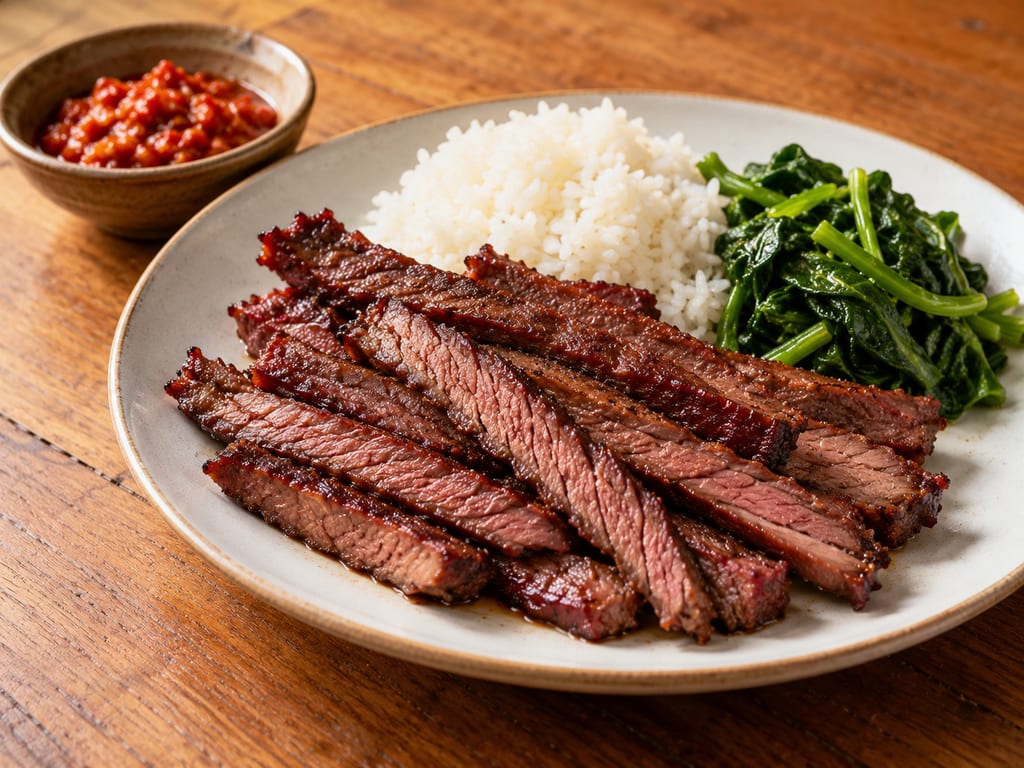
Illustrative serving of se’i sapi: reddish-brown smoked beef strips with steamed rice, cooked greens and sambal.
High risk

Se'i (Timorese smoked meat)

Smoked meat of Timor and Rote in eastern Indonesia: salted strips of beef or pork cooked over kosambi-wood embers under fresh kosambi leaves, served warm with rice, sambal lu'at and greens.
Rote Ndao · Traditional method
· Meat
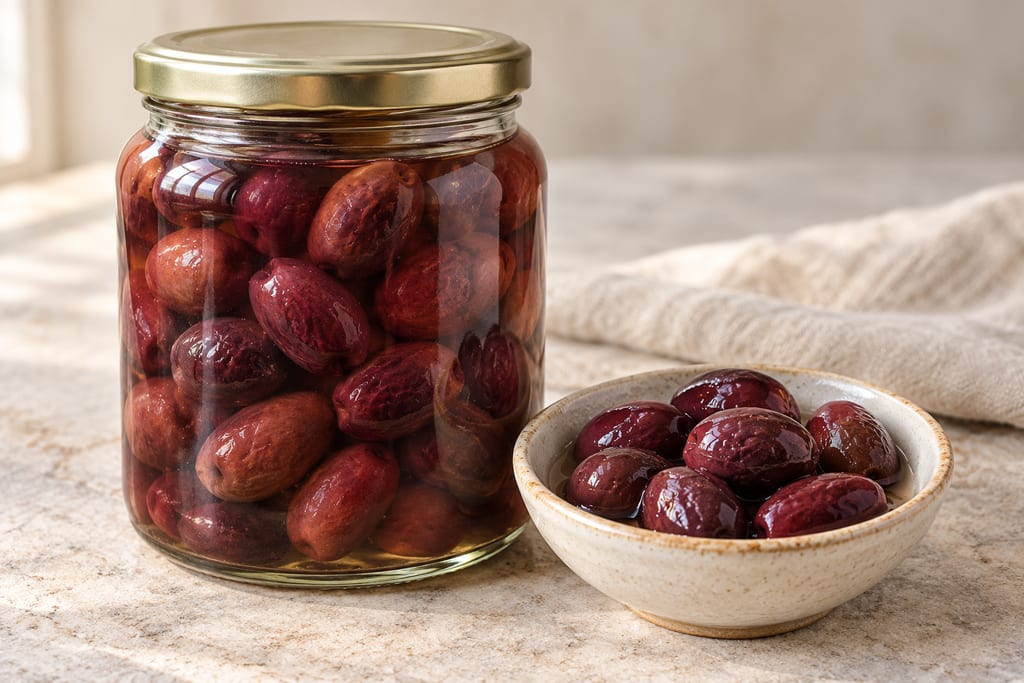
Whole mature purple-black Greek olives in clear brine in a glass jar, with a small bowl of olives beside it.
Elevated risk

Greek-style black olives in brine

Ripe olives go straight into brine with no lye and cure for months, mostly by yeasts. The home method here is the University of California two-stage brine.
Peloponnese and Central Greece · Traditional method
· Vegetables
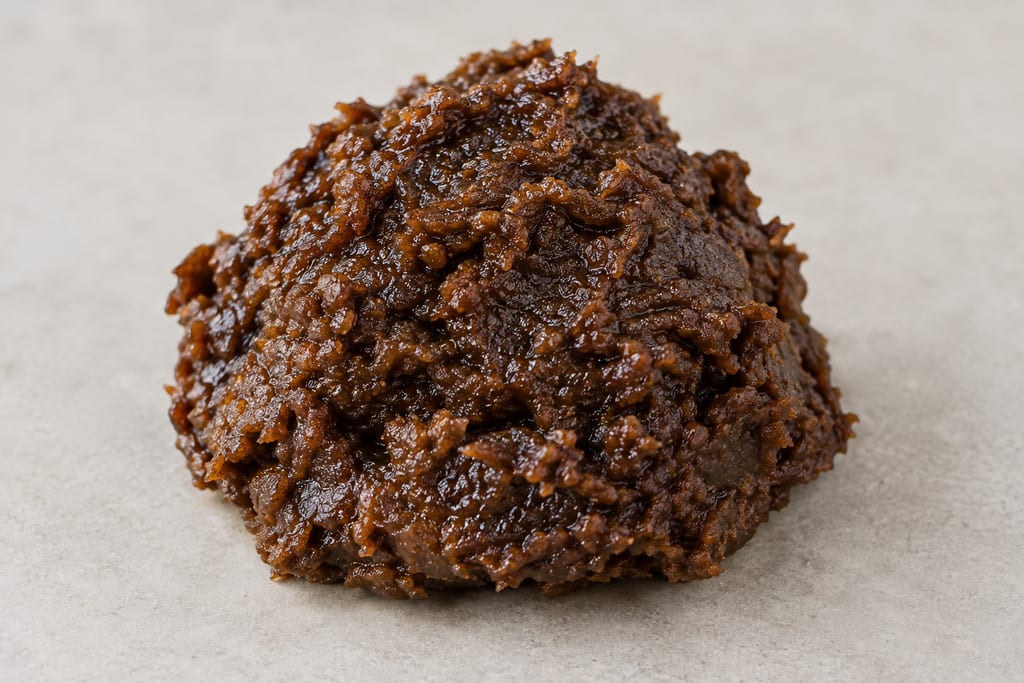
AI-generated visual interpretation of dark-brown, sticky Maari based on published descriptions; not a documentary photograph.

Maari (Burkinabè fermented baobab seeds)

Maari is a Burkinabè baobab-seed condiment documented in producer studies. This is a non-instructional account, not a home recipe: sources vary, omit key process details and establish no validated safety control.

Burkina Faso · Traditional method
· Condiments
Chunky galgal pickle in amber-red mustard oil with fennel and thyme seeds, shown as a conservative illustration of the Himachal survey method.

Galgal pickle with fennel and thyme

In a surveyed Himachal method, ripe galgal is blanched, sun-dried, cooked with mustard oil, fennel and thyme, then left to ferment.
Kullu district, Himachal Pradesh · Traditional method
Fruit
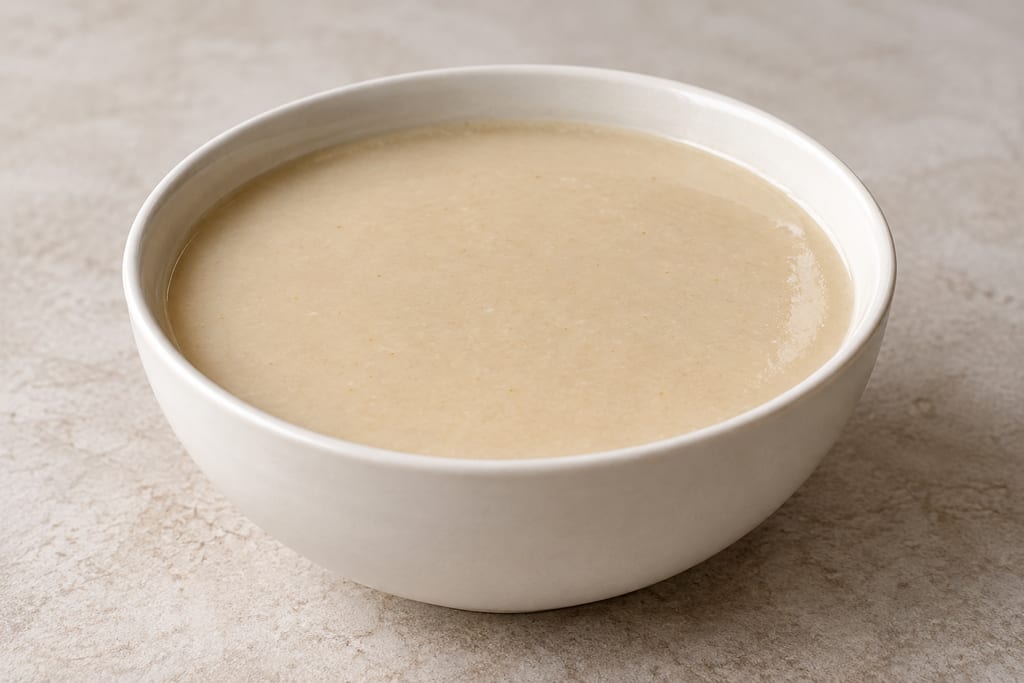
A smooth, fine-textured pearl-millet gruel, cooked and served in a plain bowl. This original illustration follows the documented fluid form of Ben-saalga; it does not depict a specific historical vessel or producer batch.
Elevated risk

Ben-saalga

A fermented pearl-millet gruel documented in Ouagadougou, Burkina Faso. Whole grain is soaked, wet-milled and sieved; the settled paste ferments again before it is cooked with its liquid.

Ouagadougou · Traditional method
· Grains and starches
Illustrative finished Lunu dehi: light-brown whole salted limes with visible cuts, chilli and peppercorns in a little vinegar-lime juice, served in an open bowl.

Lunu dehi

Lunu dehi is Sri Lankan salted lime pickle. This version sun-dries cut, salt-stuffed ripe limes, then packs them with dried lime juice, chillies, spices and vinegar.
Sri Lanka · Traditional method
Fruit
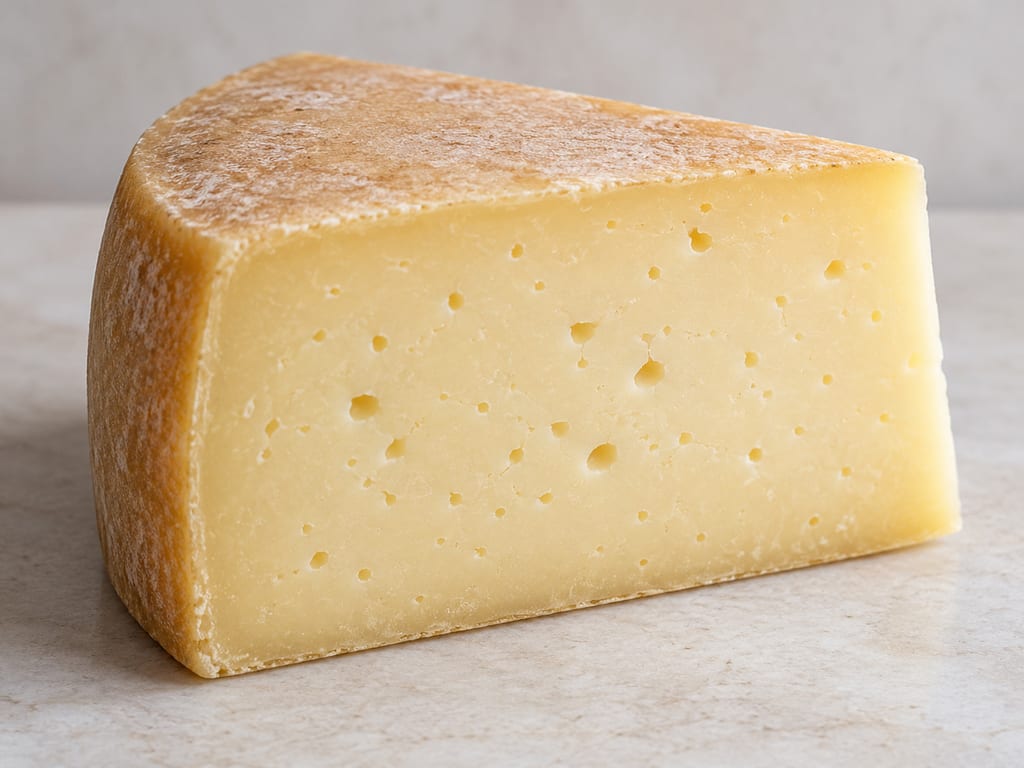
Original illustrative photograph of a hard, mature sheep-milk Graviera wedge with a smooth dry rind and rounded internal eyes, reflecting source-documented traits of the Cypriot method; not a photograph of a specific producer or batch.
High risk

Graviera, Cypriot sheep-milk method

This Cypriot graviera is a hard sheep-milk cheese with a dry rind and round eyes. Its curd is heated, pressed and dry-salted before a long cool ripening.
Cyprus · Traditional method
· Dairy
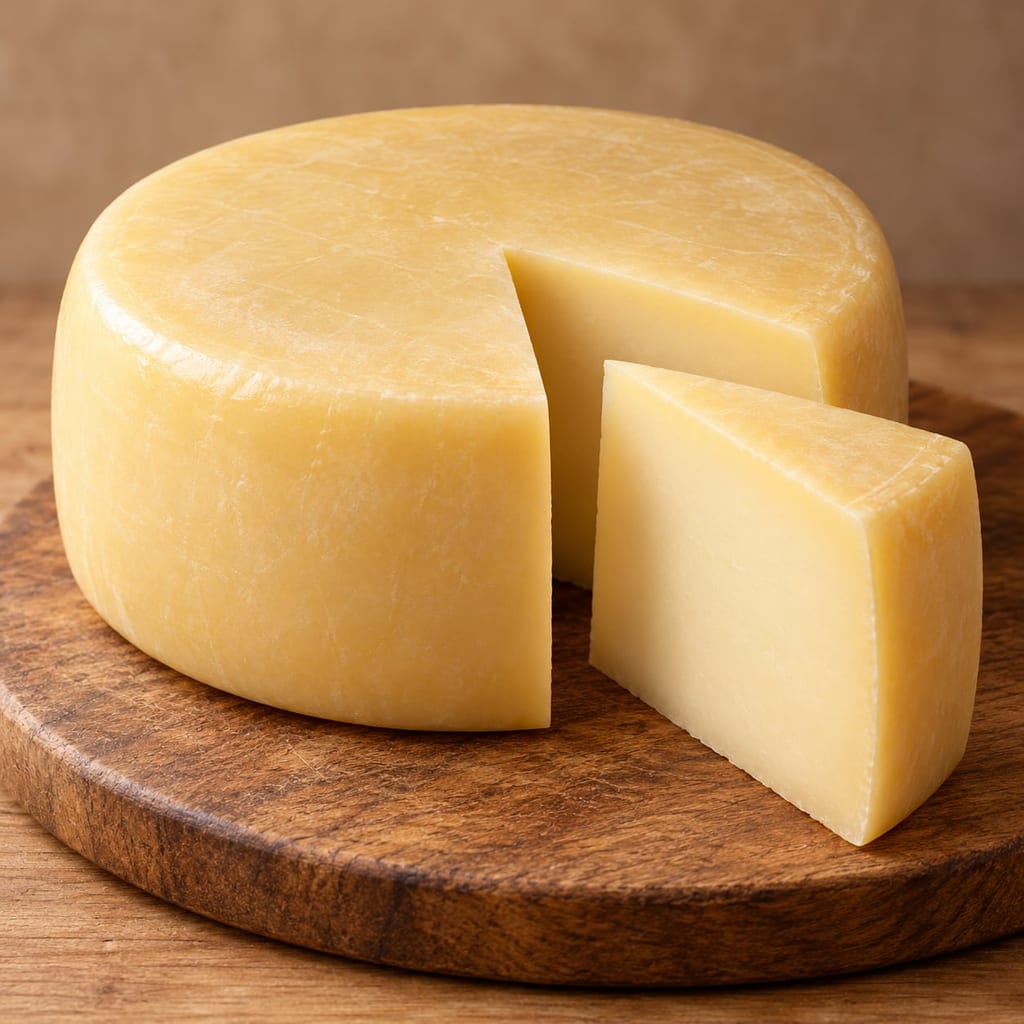
Illustrative traditional-style sheep-milk Kashkaval: a smooth-rinded semi-hard cylindrical cheese wheel with a uniform pale-yellow interior and one cut wedge.
High risk

Kashkaval, traditional sheep-milk method

Kashkaval is a firm sheep-milk cheese whose acidified curd is worked in hot brine. This large-batch method finishes with repeated dry salting, wax coating and cool ripening.
Bulgaria · Traditional method
· Dairy
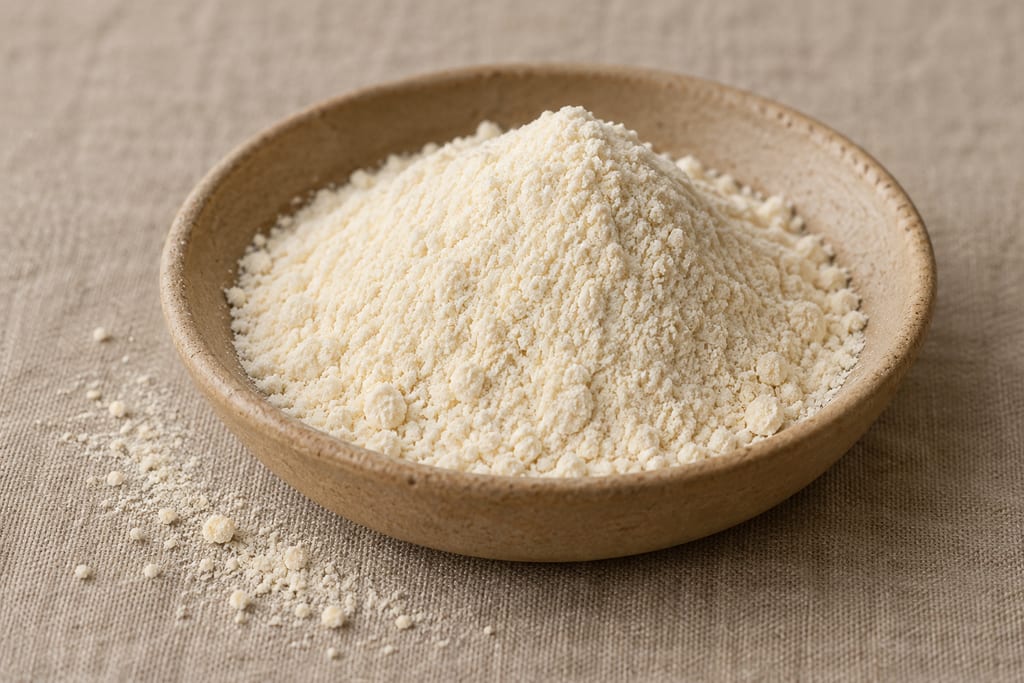
Illustrative still-life of pale maize flour, the milled end form described for fermented fuba; not a photograph of a specific Umbundu batch.
Elevated risk

Fermented fuba (Umbundu maize flour)

Fermented fuba is an Umbundu maize-flour preparation made by lactic fermentation of dehulled, degermed kernels before milling, sun-drying and sieving.
Angola · Traditional method
· Grains and starches
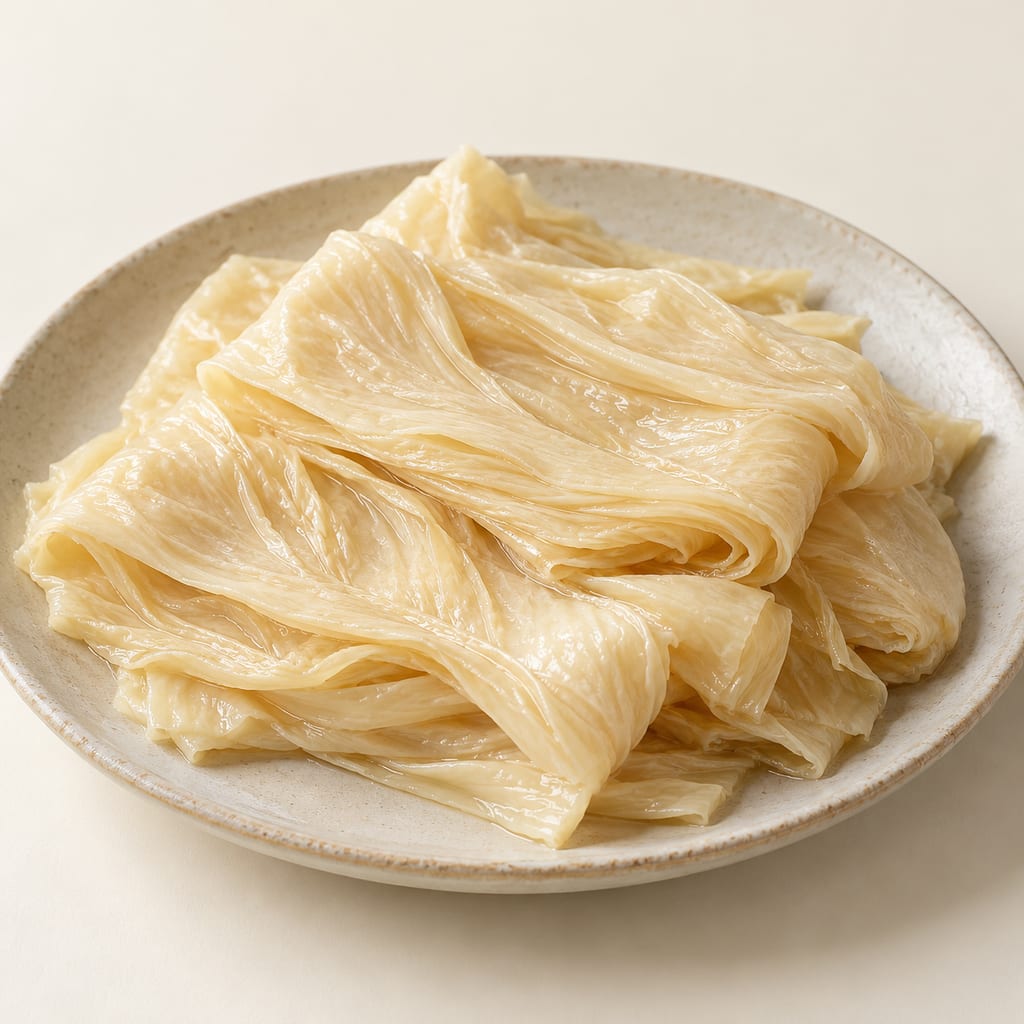
Photograph of Yuba (soy milk skin).

Yuba (soy milk skin)

The protein-lipid film that forms on hot soy milk, lifted sheet by sheet from a wide shallow pan; eaten fresh, or dried for later use.
Kyoto, Japan · Traditional method
· Legumes and seeds
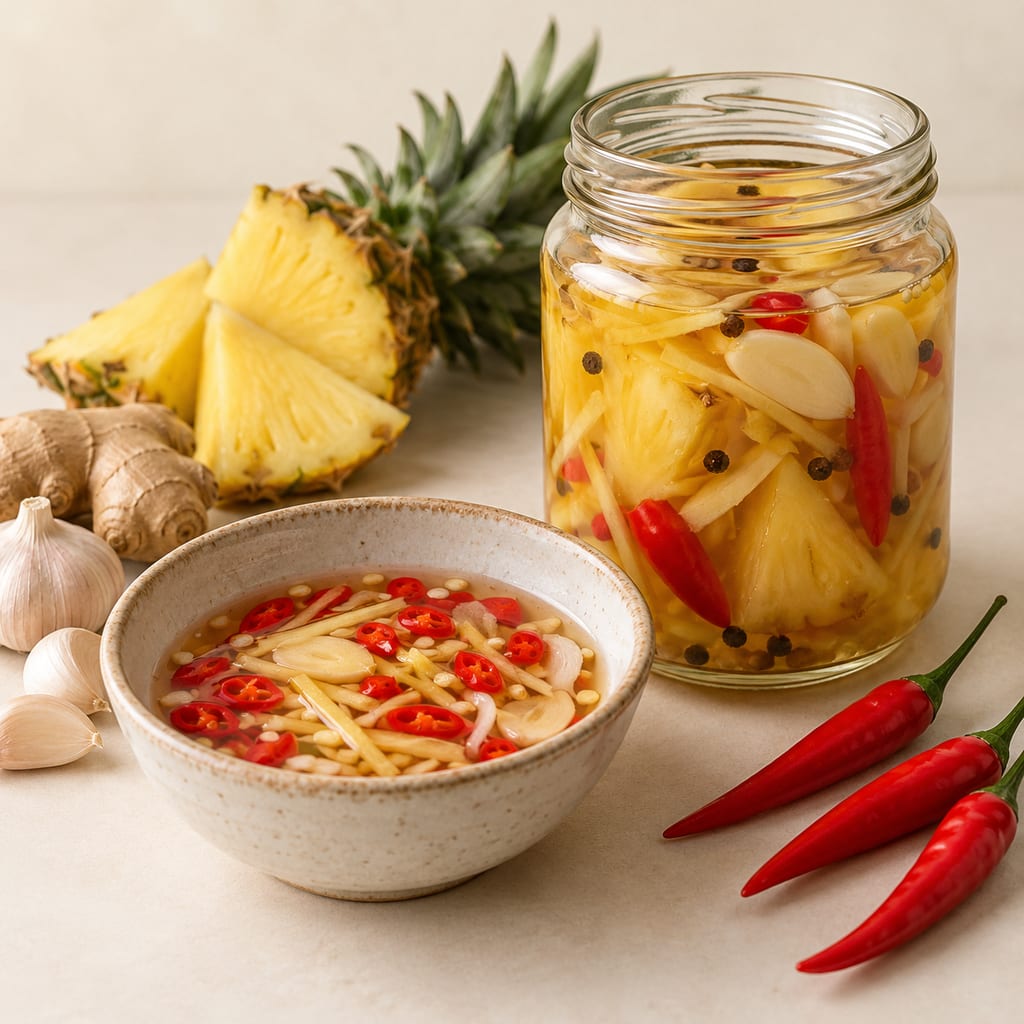
Photograph of Suka and sawsawan (Filipino vinegar and dipping sauces).

Suka and sawsawan (Filipino vinegar and dipping sauces)

Filipino vinegar dips: vinegar steeped or mixed with chilli, garlic, ginger and other aromatics, from the pineapple sinamak of Iloilo to coconut-vinegar sawsawan. Not a single formula.

Philippines · Traditional method
· Condiments
A fresh, coarse bowl of one reported Ezay version with red chilli, tomato, onion, coriander, crumbled cheese and pepper.

Ezay

Ezay is a Bhutanese red-chilli seasoning served with rice, salads, momo and other dishes; this reported version combines chillies, tomato, onion, coriander, cheese and pepper.
Bhutan · Traditional method
· Condiments
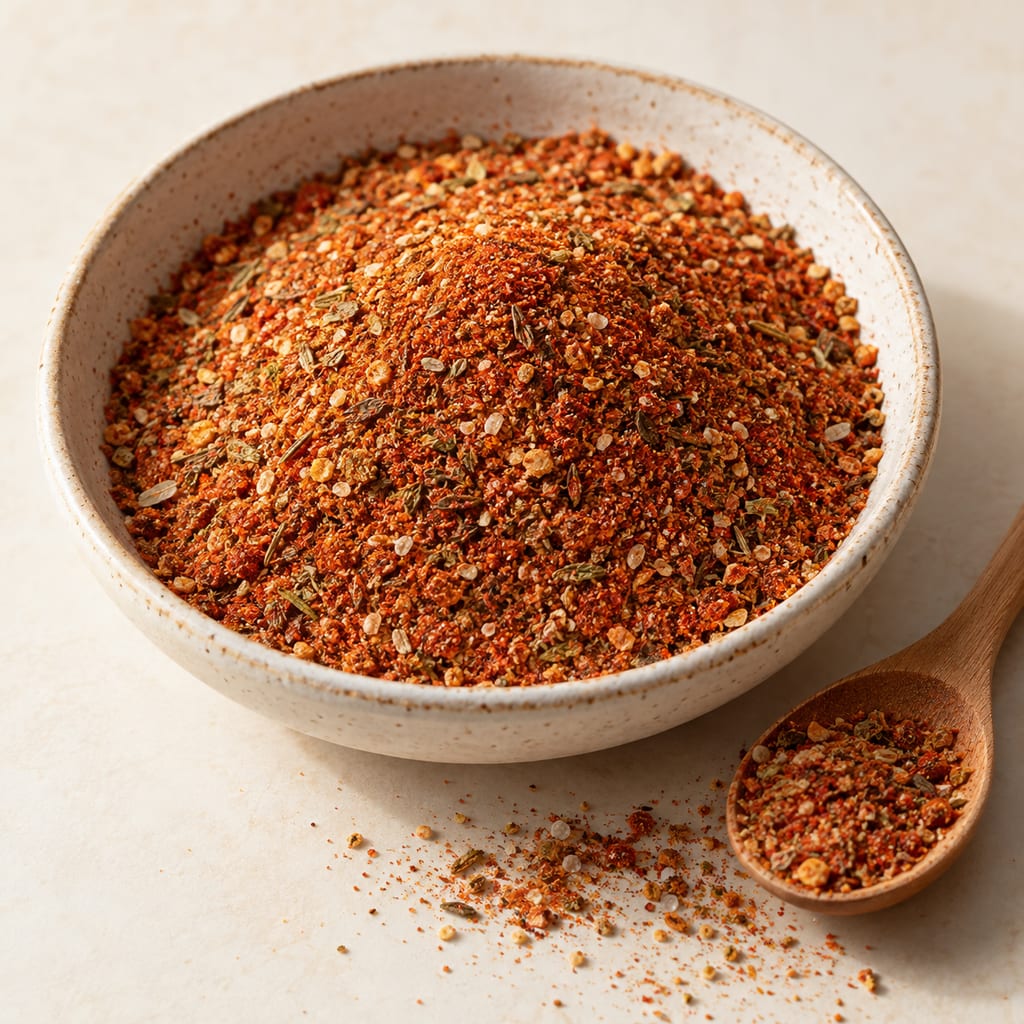
A shallow ceramic dish of red-orange Bulgarian sharena sol, speckled with dried savory, spice and salt.

Sharena sol

Bulgarian dry seasoning of salt, paprika, dried herbs and spices, with household and regional variations.
Bulgaria · Traditional method
Condiments
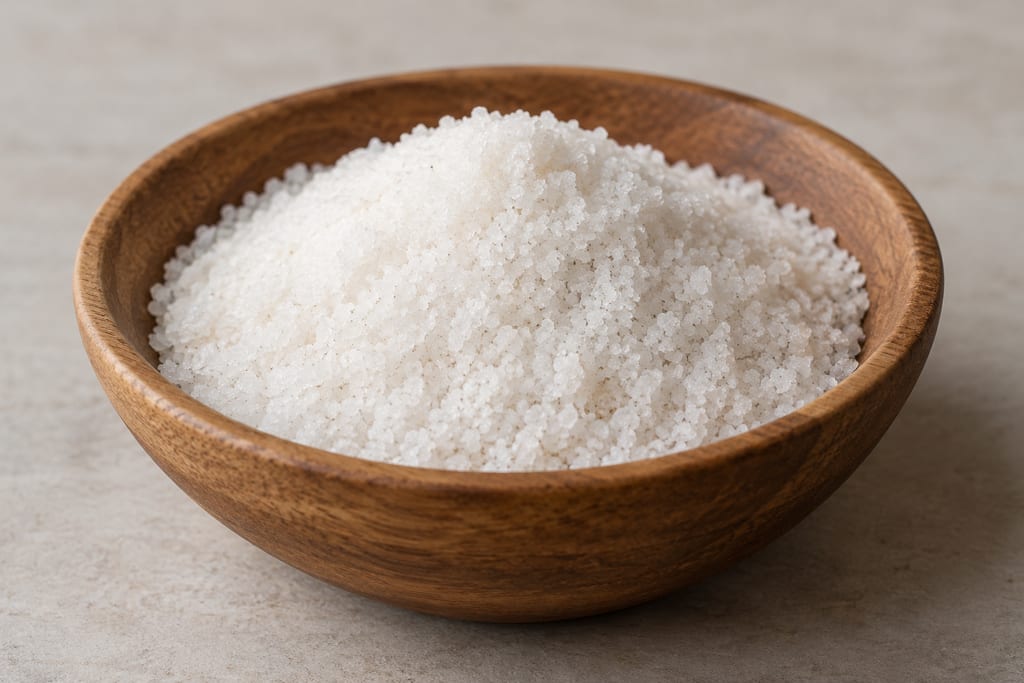
A modest bowl of fine pale Asin sa buy-o salt crystals, shown without packaging.

Asin sa buy-o

Asin sa buy-o is a fine sea salt made in Panayunan, Botolan, and packed in a woven nipa pouch called a buy-o. Salt-bearing coastal earth is leached with seawater, and the brine is boiled to crystals.

Botolan · Traditional method
· Condiments
High risk

Suān zhǎ ròu (酸鲊肉)

A Tujia sour pork preparation documented in southeastern Chongqing. Its rice-flour pork method is distinct from the wider suān ròu forms; a sixth-century pork-zha text is an earlier attestation, not proof of direct continuity.
Southeastern Chongqing · Traditional method
Meat
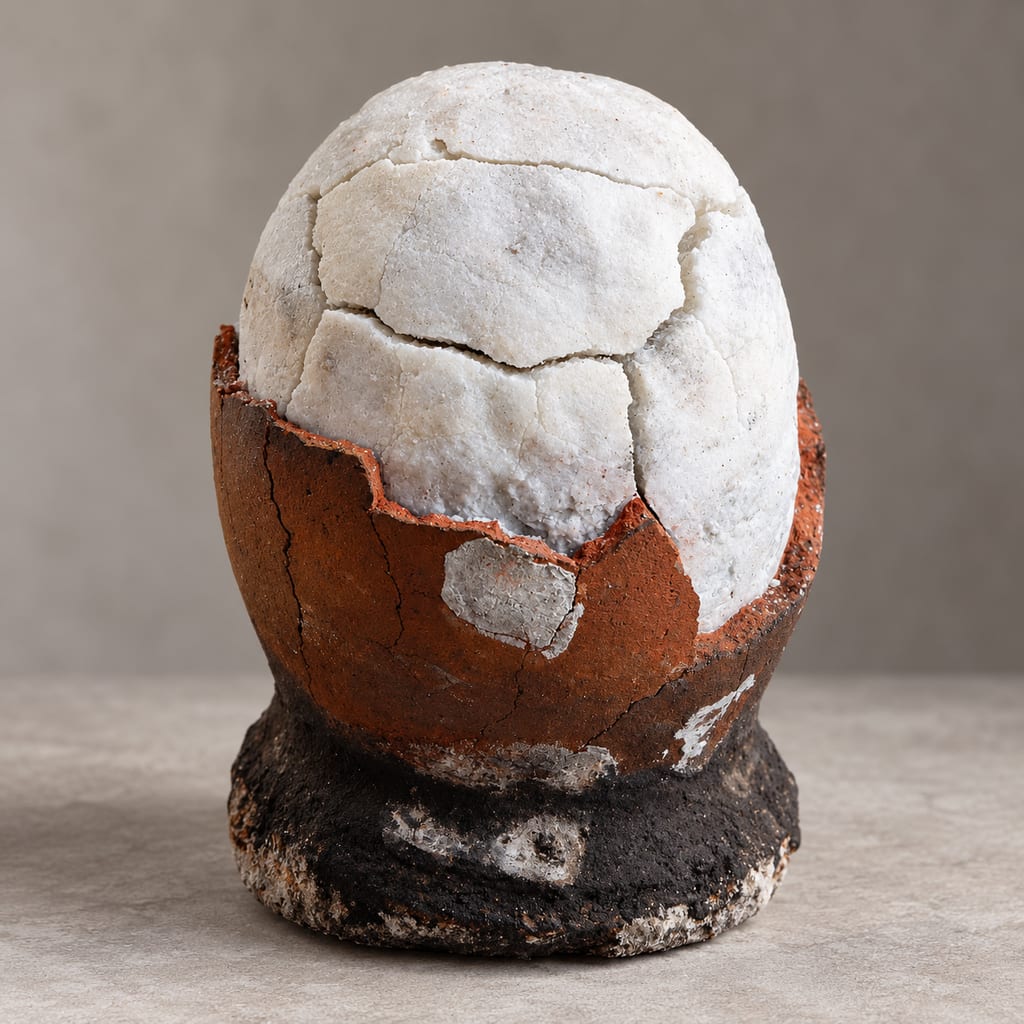
Illustrative finished Bohol asin tibuok salt: a pale solid salt form exposed inside its cracked reddish-brown clay pot.

Alburquerque Asin Tibuok

Asin tibuok is a Boholano salt-making craft that turns seawater-soaked coconut husks into a salt-rich ash, brine and formed sea salt in specialized clay pots. This record follows one published account of the community process; it is not a validated household formula.

Alburquerque · Traditional method
Condiments