Beefsteak fungus
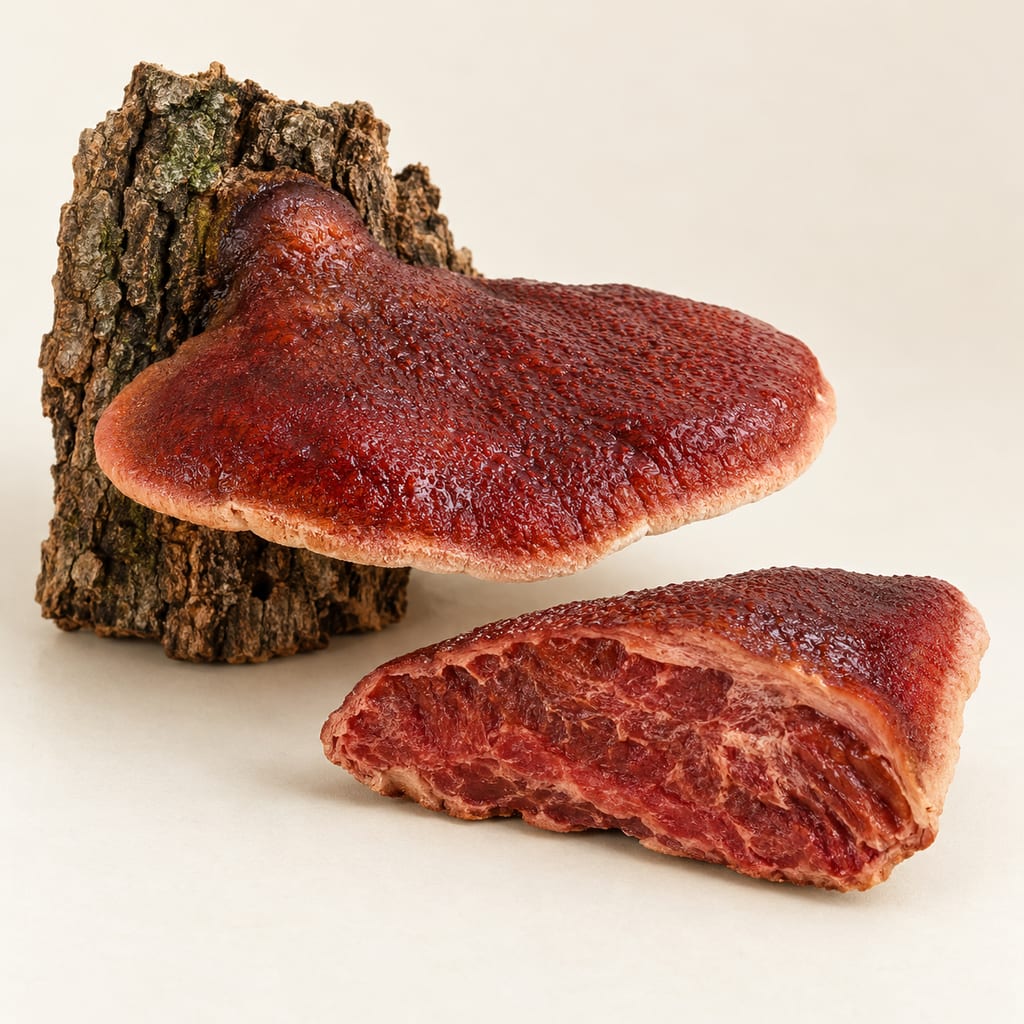
Beefsteak fungus (Fistulina hepatica) is a wild bracket fungus of oak and sweet chestnut wood. Its sour, meat-like flesh is eaten in parts of Europe, but only after cooking, and sources advise care with older specimens.
 FermenteaWhere food goes to change
1086 articles on substrates, cultures and additives.
Beefsteak fungus (Fistulina hepatica) is a wild bracket fungus of oak and sweet chestnut wood. Its sour, meat-like flesh is eaten in parts of Europe, but only after cooking, and sources advise care with older specimens.
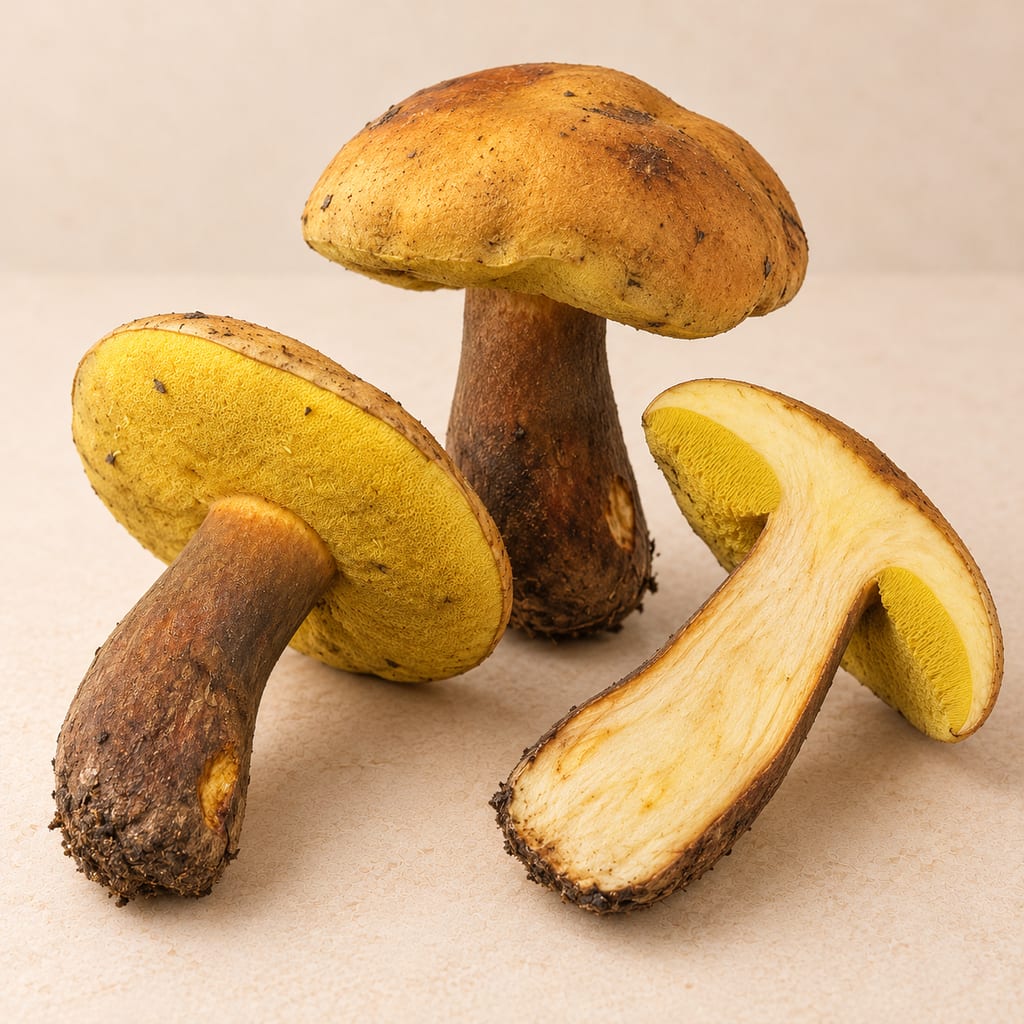
Phlebopus beniensis, a bolete of tropical South American forests and savannas, recorded as a food in Brazil and Paraguay, where it is known locally by names such as chapéu-de-baiano.
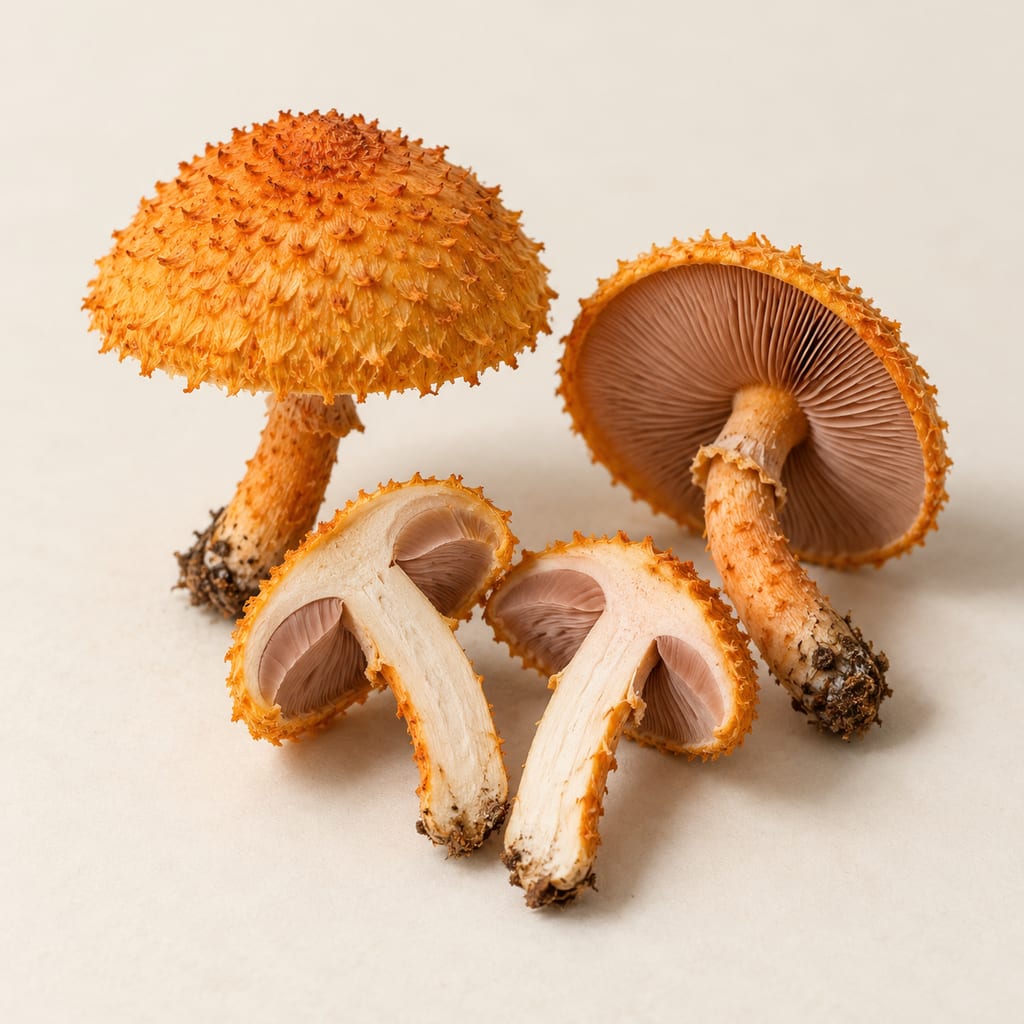
A forest mushroom of the genus Agaricus, recorded as a wild food in the Tshopo province of the Democratic Republic of the Congo in a voucher-backed ethnomycological survey.
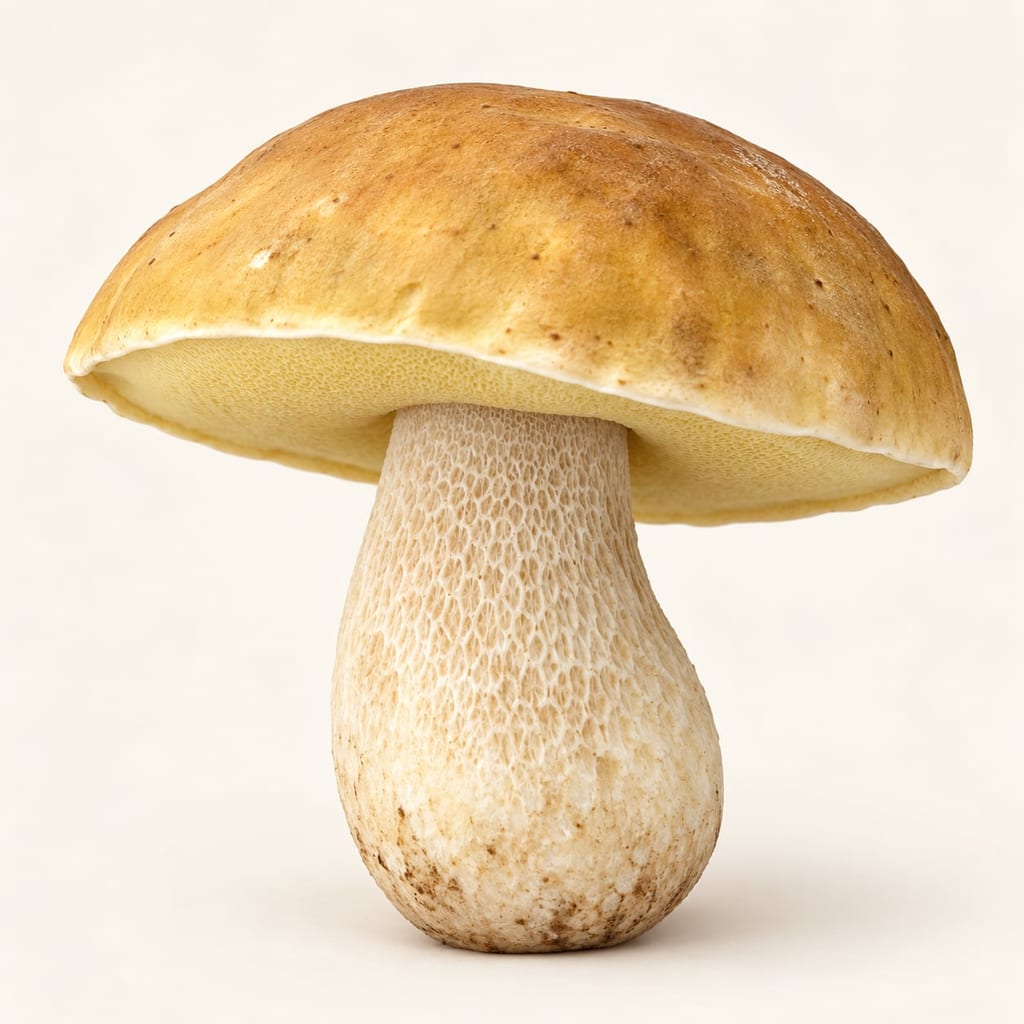
A Chinese bolete described as Boletus sinoedulis from subalpine spruce and fir forests in southwestern China. A 2026 Chinese catalogue lists it as edible or edible-and-medicinal; that listing is not a safety assessment.
A wild Andean gilled fungus eaten in Peru under the name q’oncha. A 2017 study moved it from Pleurocollybia to Gerhardtia, and it features in Cusco festival tradition.
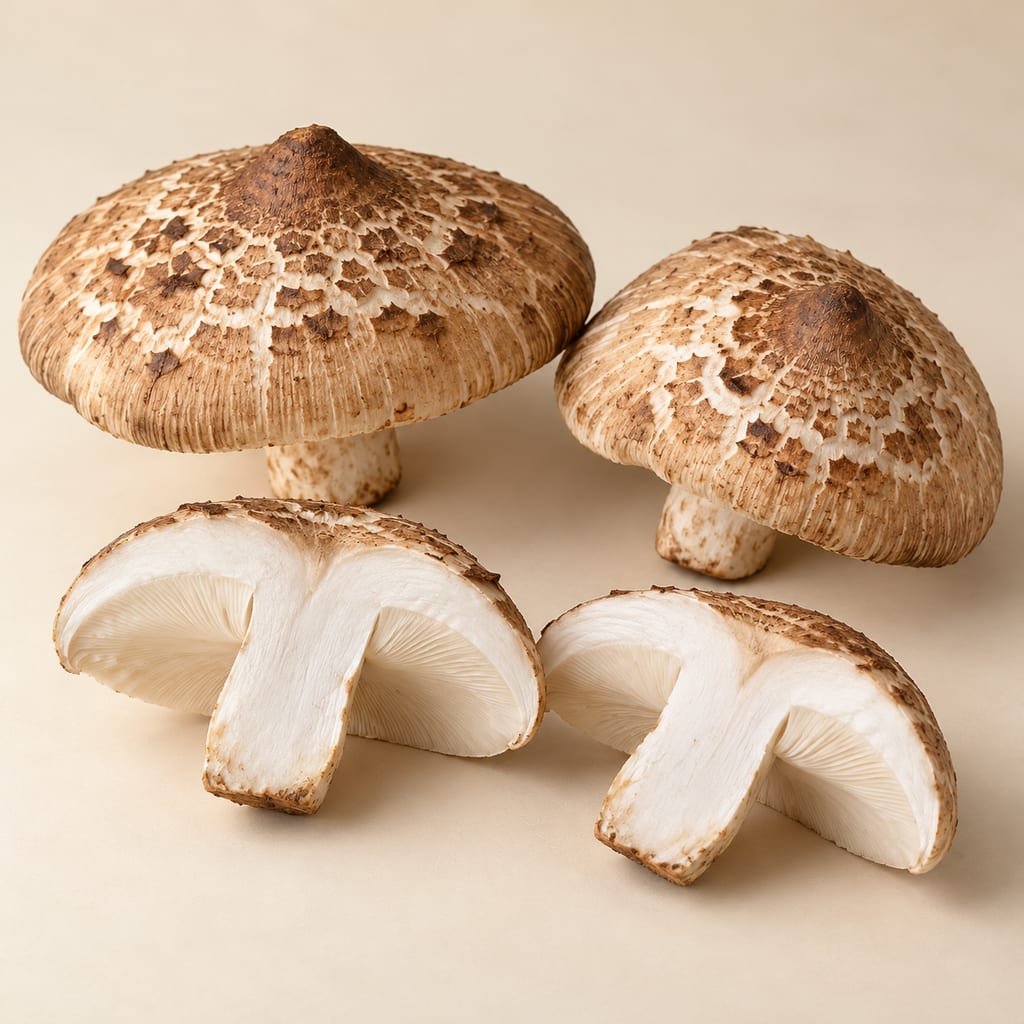
The termite mushroom, a large wild fungus of tropical Africa that fruits on Odontotermes termite mounds. The EFTA inventory lists it but gives no edibility rating or preparation.
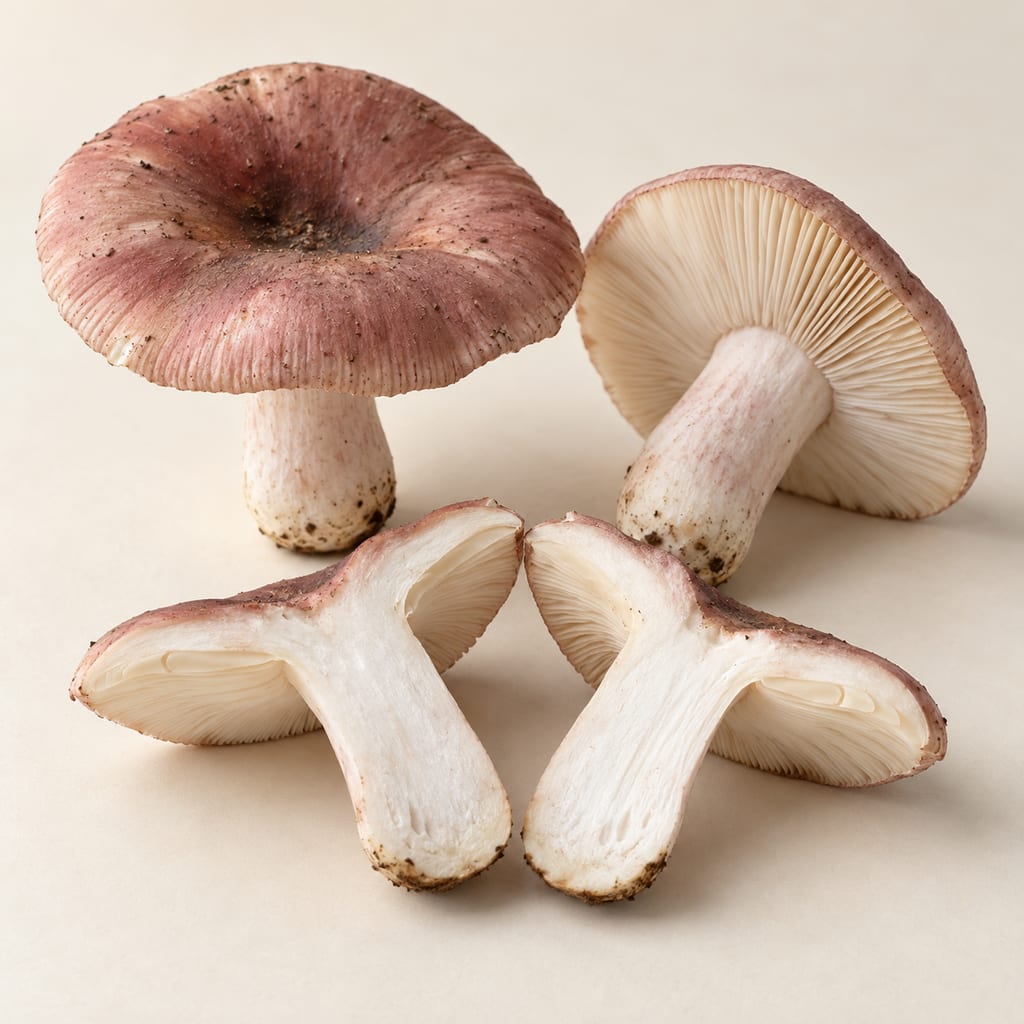
A wild Russula recorded as locally eaten in Tshopo province, DR Congo, in voucher-backed interviews. No preparation or toxicity assessment is recorded.
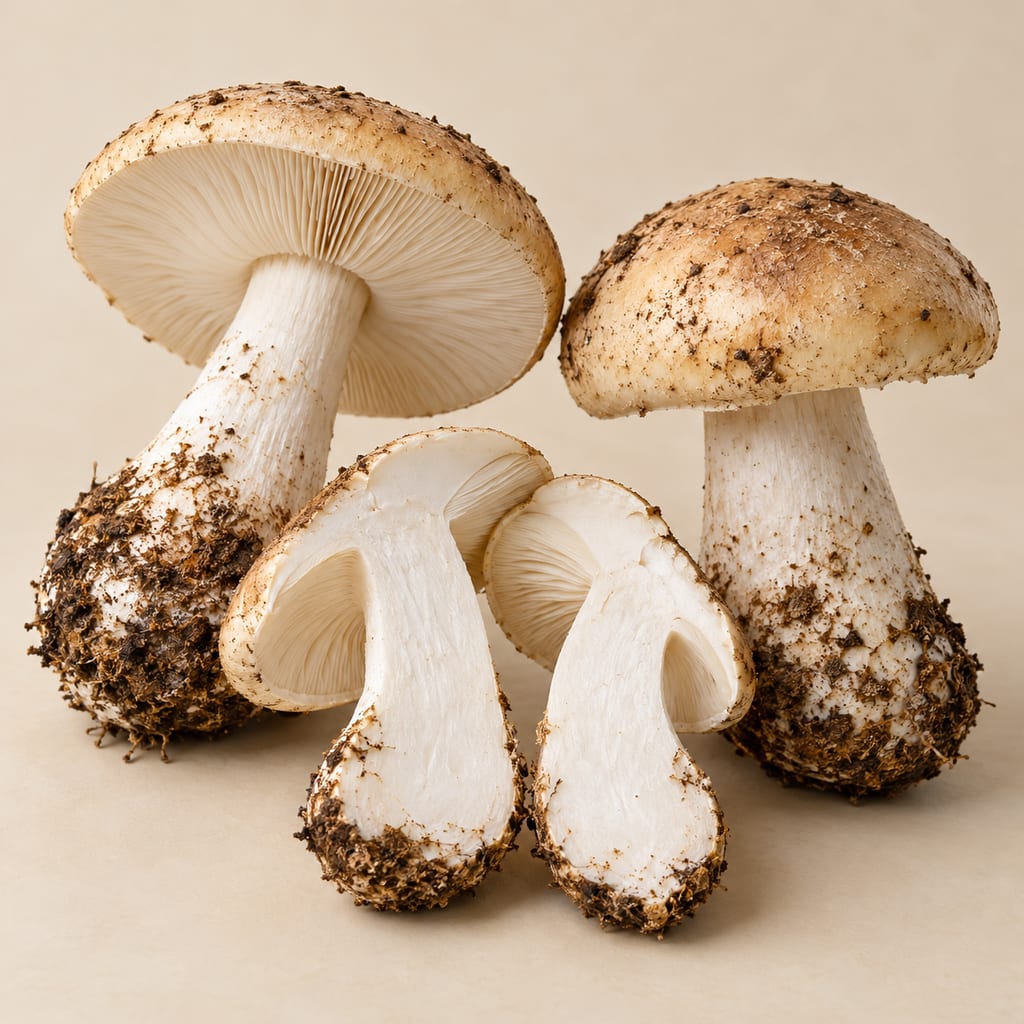
The Spanish name for a wild Amanita of the Iberian Peninsula. Spain’s 2009 mushroom decree lists it among wild species that may be sold fresh; it is a high-consequence identification.
A wild brittlegill of African miombo woodland listed in the EFTA edible-fungi inventory across eight countries. The inventory gives no preparation and no explicit edibility rating.
A wild bolete recorded as locally eaten in Tshopo province, DR Congo, in voucher-backed interviews. No preparation was established and no toxicity assessment is recorded.
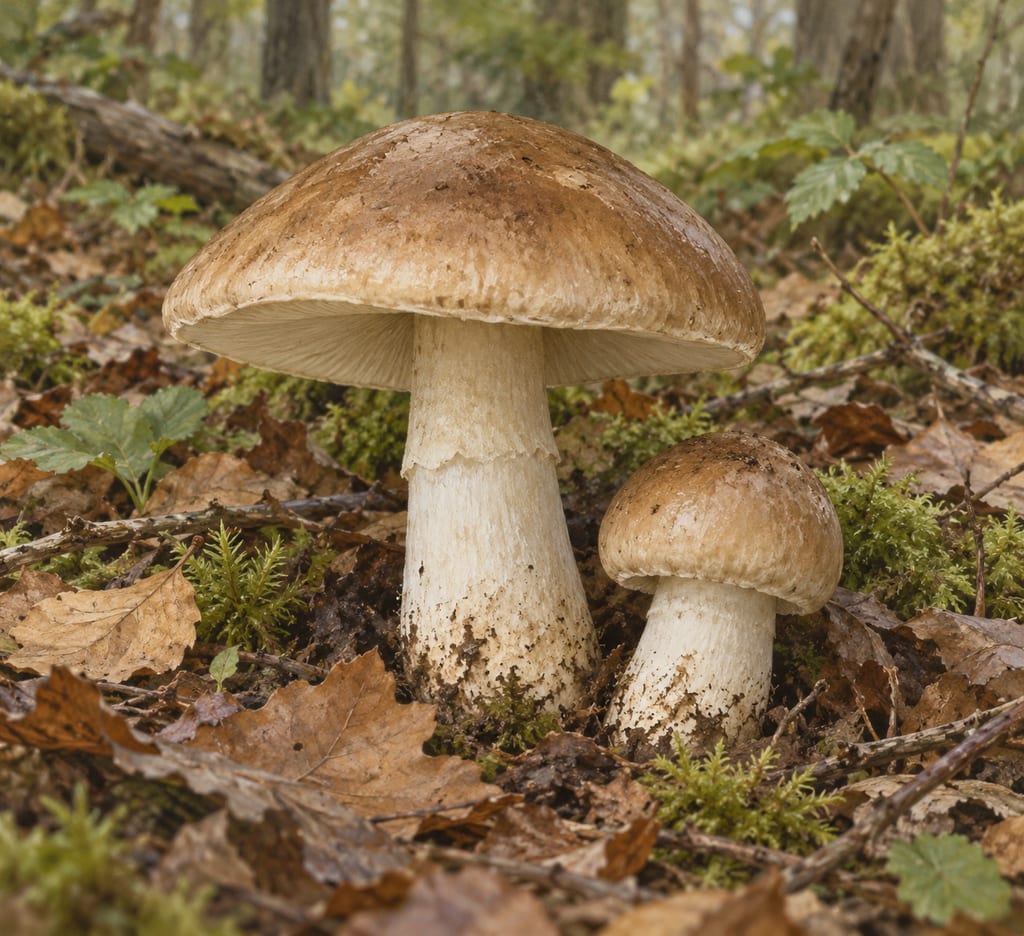
A wild Amanita that a 2026 Chinese catalogue of edible and medicinal fungi lists as edible or edible-and-medicinal. The genus holds deadly species, so identification carries high risk.
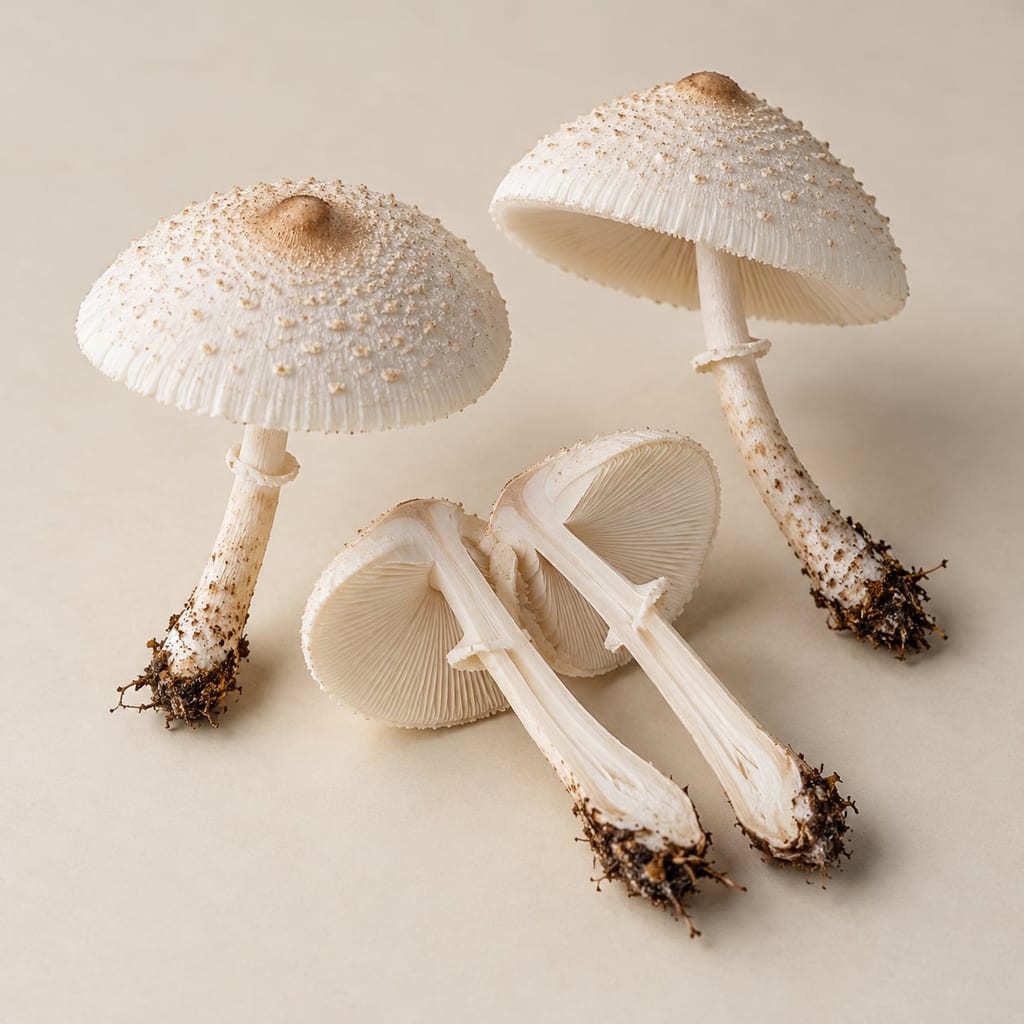
Leucocoprinus cepistipes is a forest saprotrophic mushroom of the Congo Basin. A Tshopo consumption report conflicts with inedibility reports, so it is recorded here as a research item, not a food recommendation.
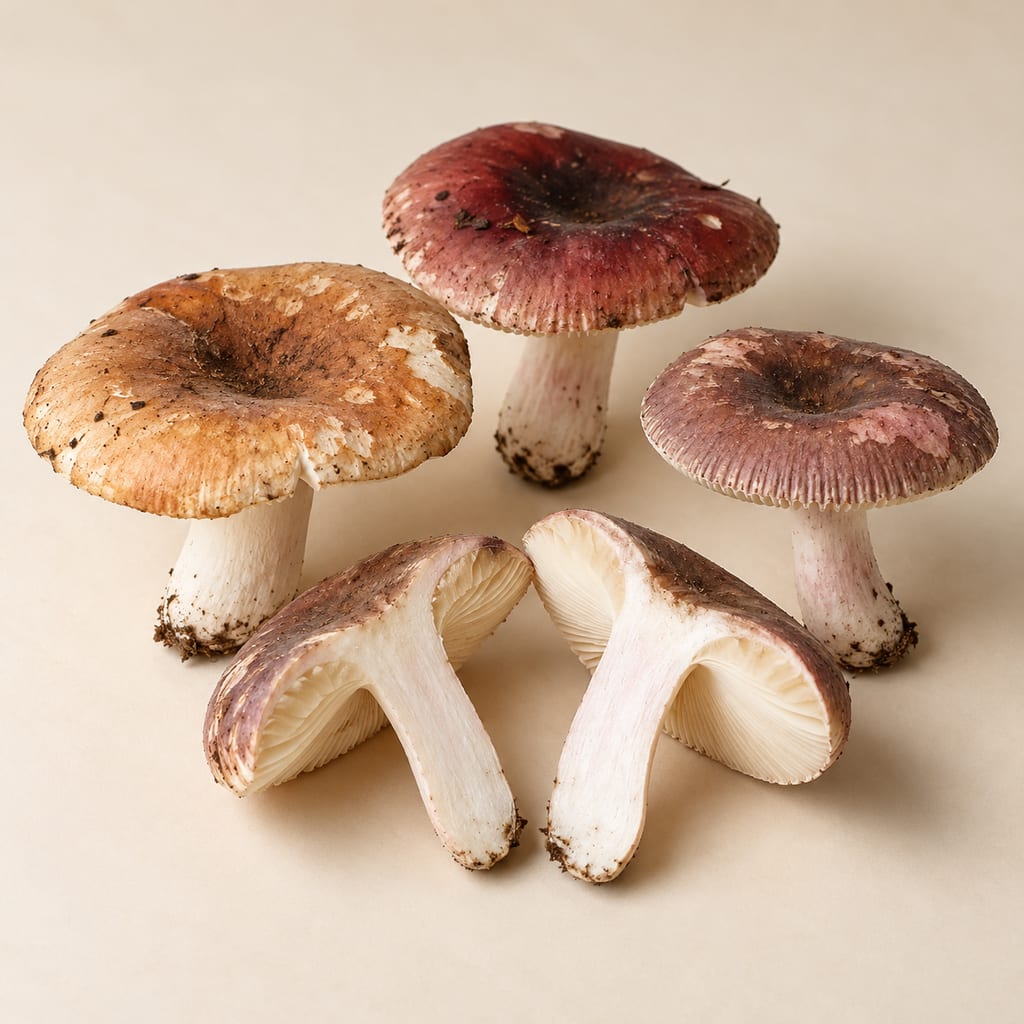
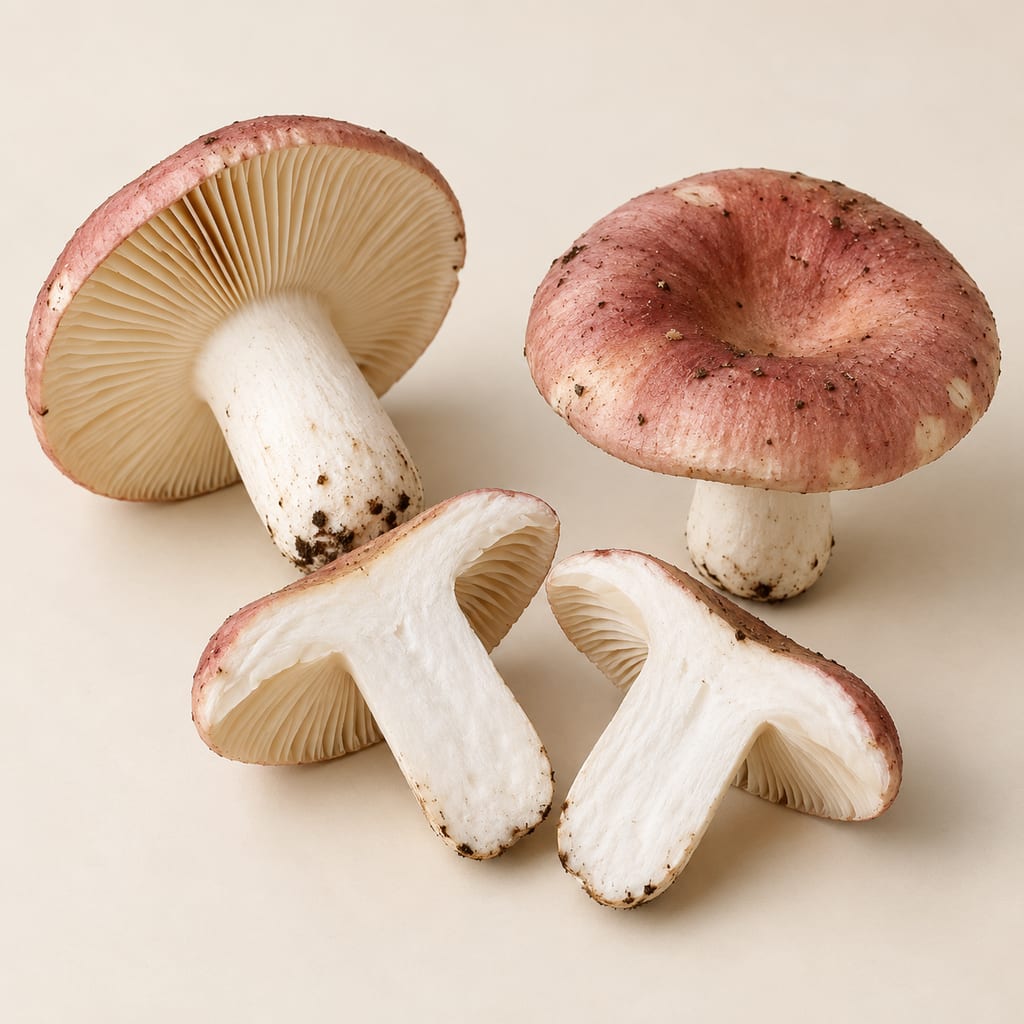
Russula xerampelina, the shrimp brittlegill, is a wild mushroom of conifer and mixed woods with a shellfish smell. Guides rate it edible and mild-tasting, but its red relatives include acrid look-alikes.
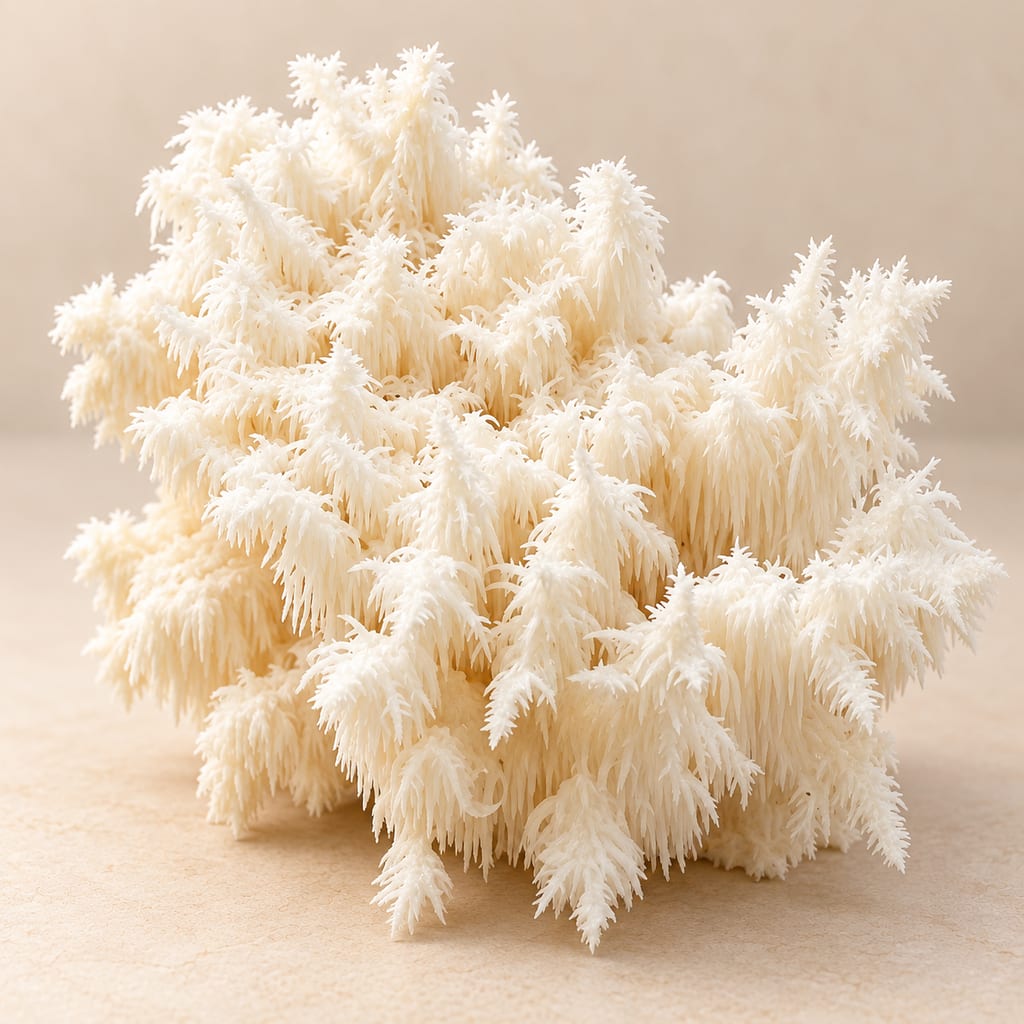
Hericium coralloides, the coral tooth, is a wild fungus of dead hardwood. Its young, white, branching fruit bodies are eaten; older ones turn brittle, yellow-brown and bitter.
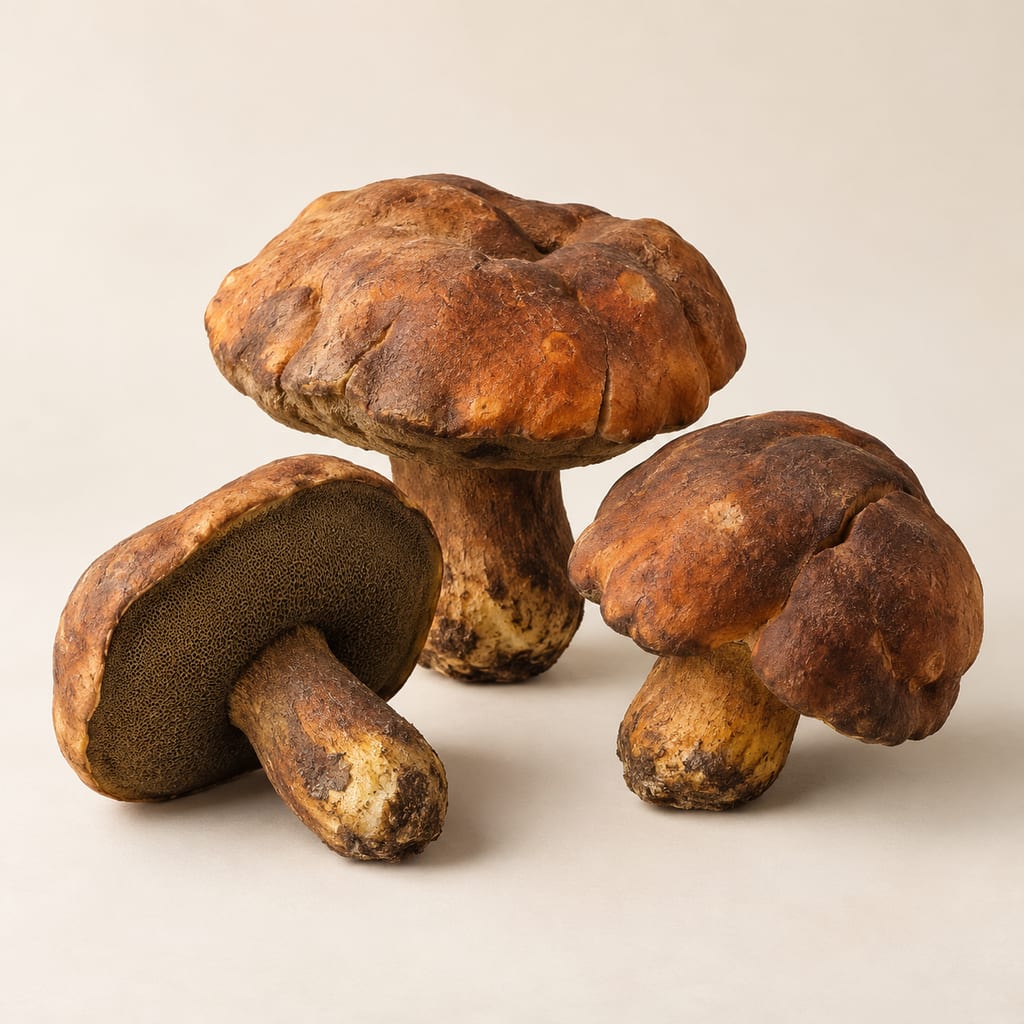
Phlebopus sudanicus, the African giant bolete, is a tropical African bolete eaten in parts of Central and southern Africa. Sources disagree on its toxicity, and its boiling is a practice rather than a validated detoxification.
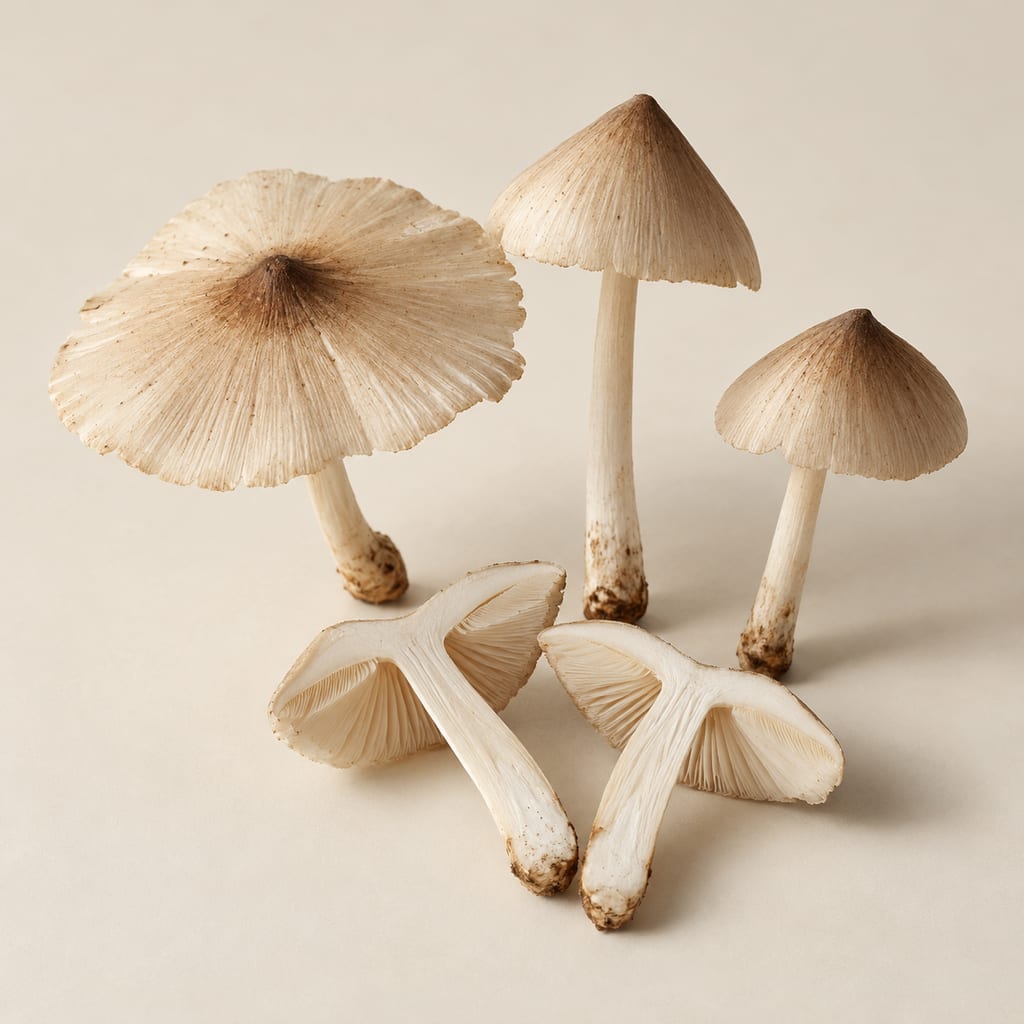
A wild mushroom of humid tropical forests that grows from the fungus combs of fungus-growing termites, recorded as a food in parts of Central and West Africa and in Yunnan, China.
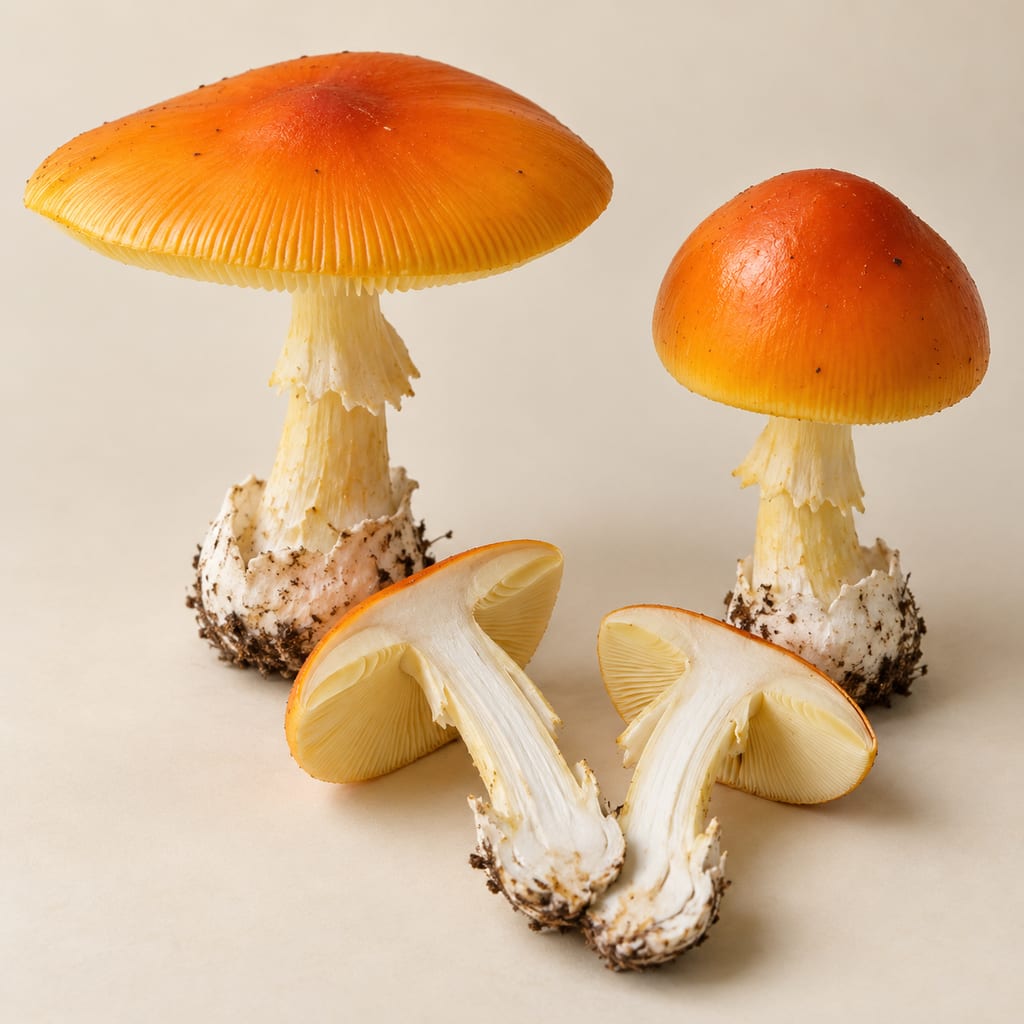
A wild Amanita valued in local foodways of Mexico and Guatemala. Community studies document seasonal gathering, market trade and distinct cooked preparations; species identity and Amanita safety require particular care.
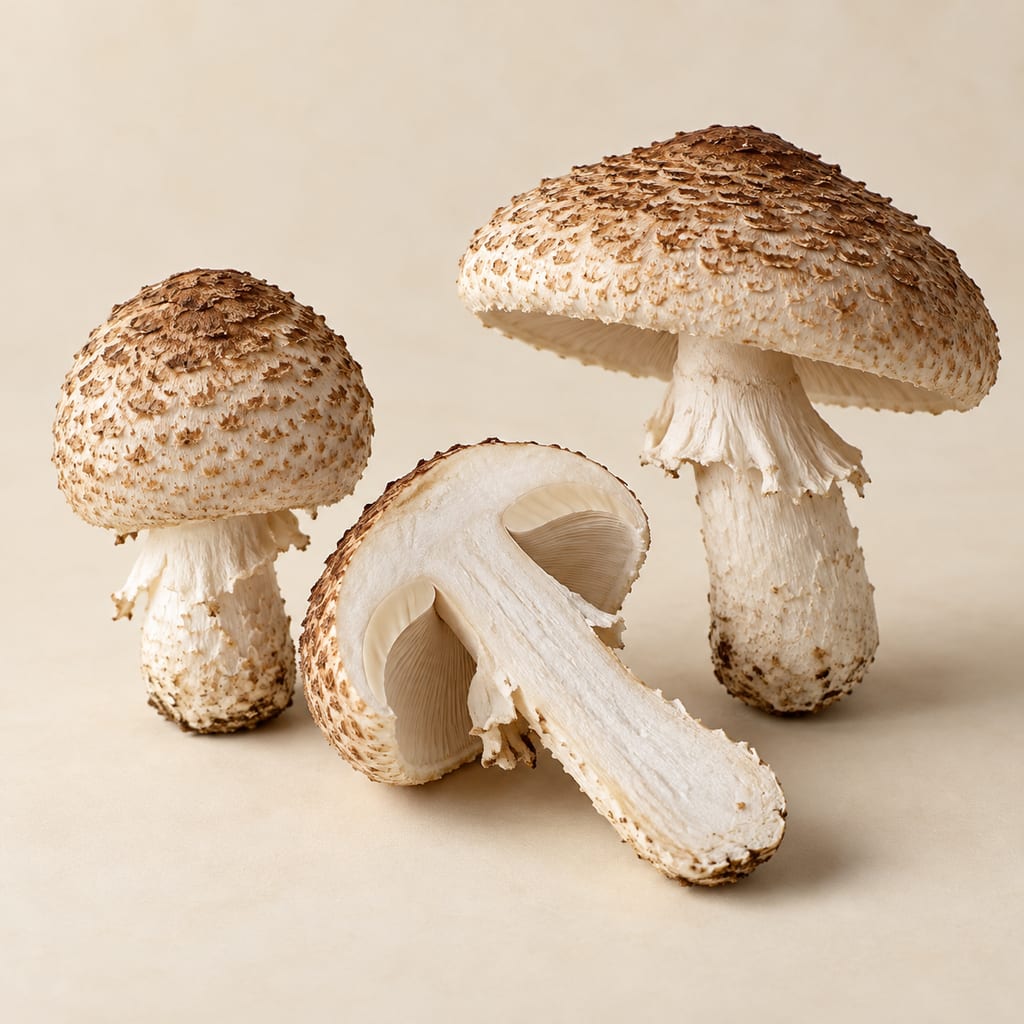
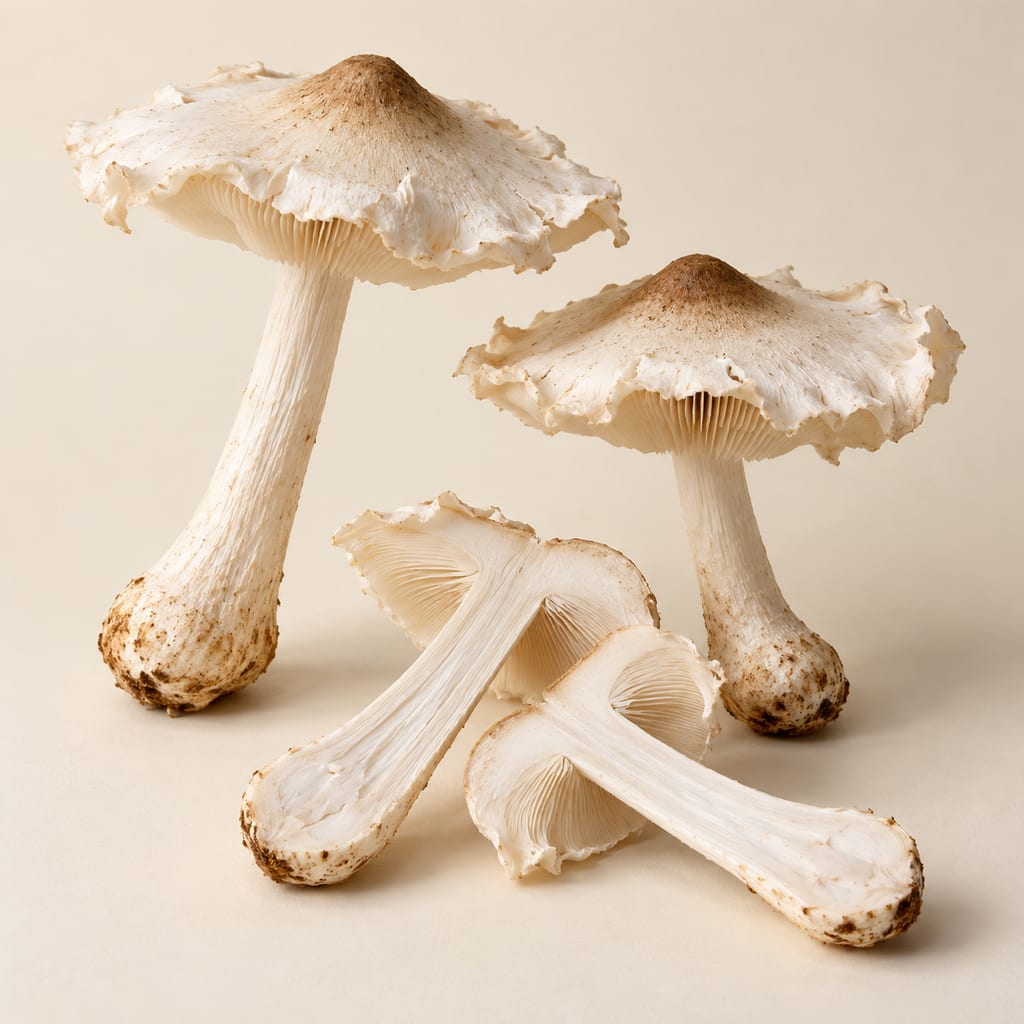
The prince (Agaricus augustus) is a large wild mushroom with a pale, brown-scaled cap and sweet almond-like aroma. Field guides describe it as edible, with species-specific contaminant cautions.
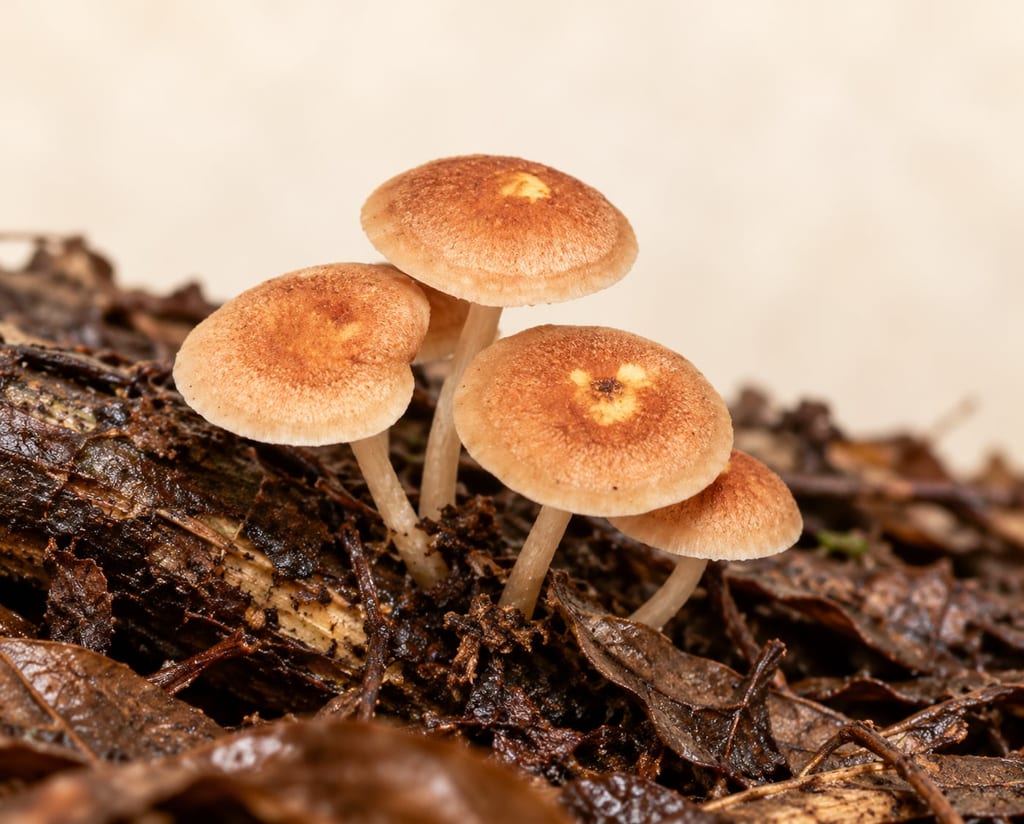
Marasmius buzungolo is a wild African saprotrophic mushroom recorded as food in Tshopo and around Kikwit in DR Congo. Its exact season and preparation remain undocumented.
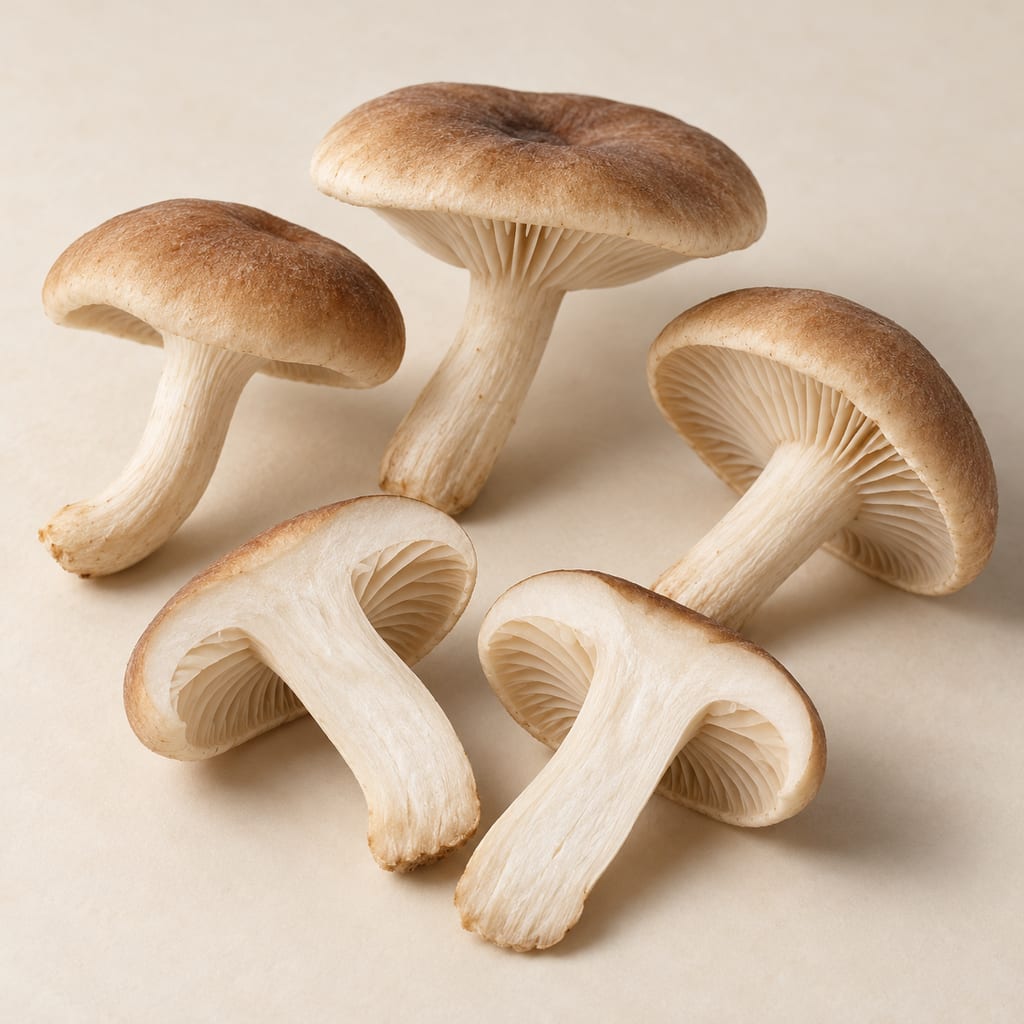
Cyclocybe chaxingu is a cultivated edible wood-decaying mushroom best known in China, where related market names can blur species identity.
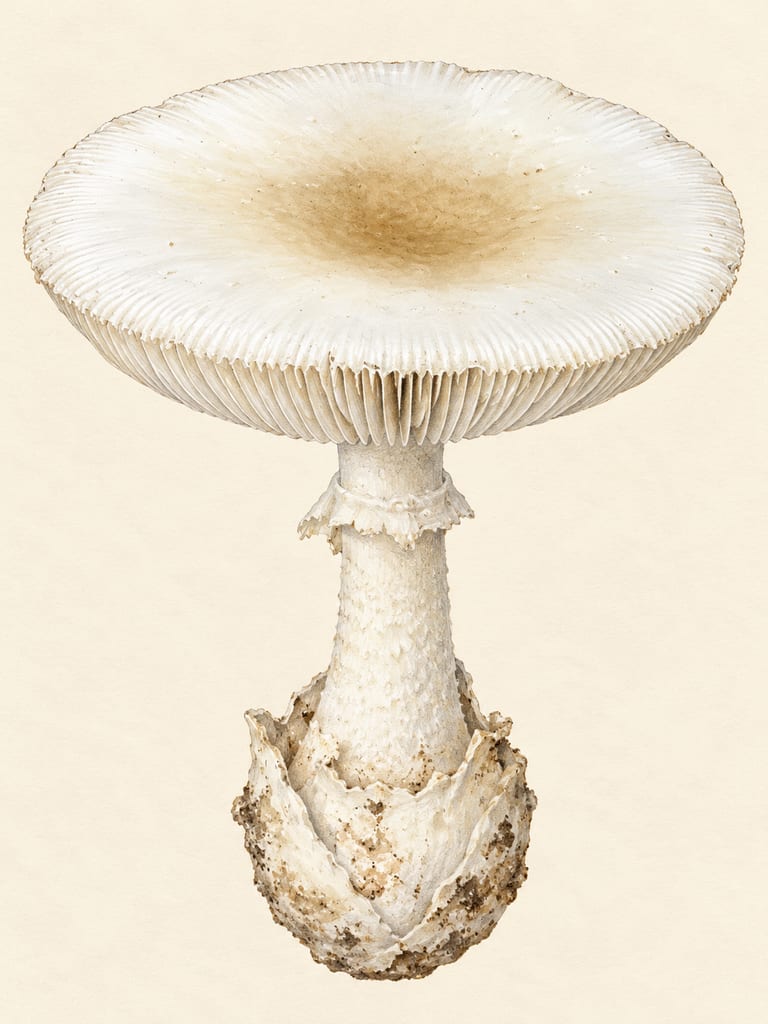
Amanita loosei is a large wild Amanita of tropical African miombo and open woodland, gathered and sold as a valued seasonal food. Regional food-use evidence is not a guide to identifying wild mushrooms.
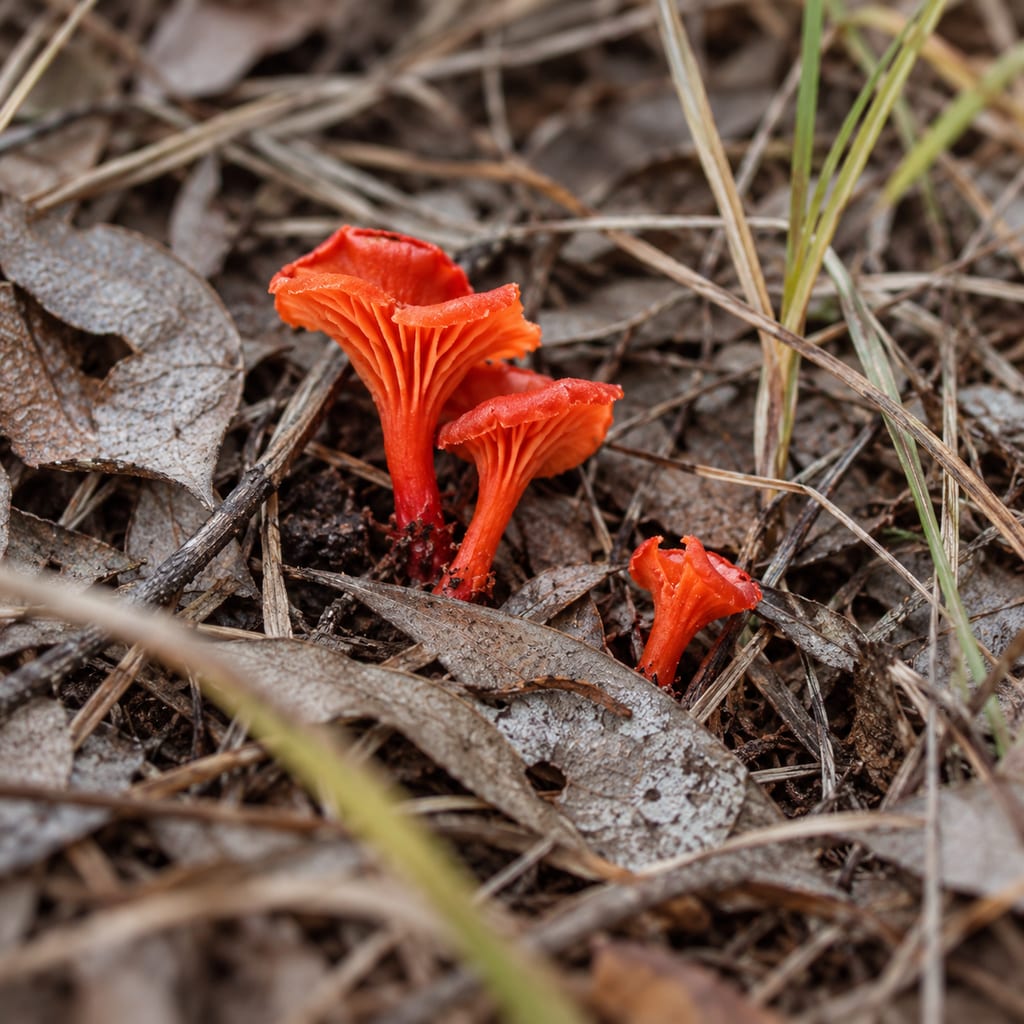
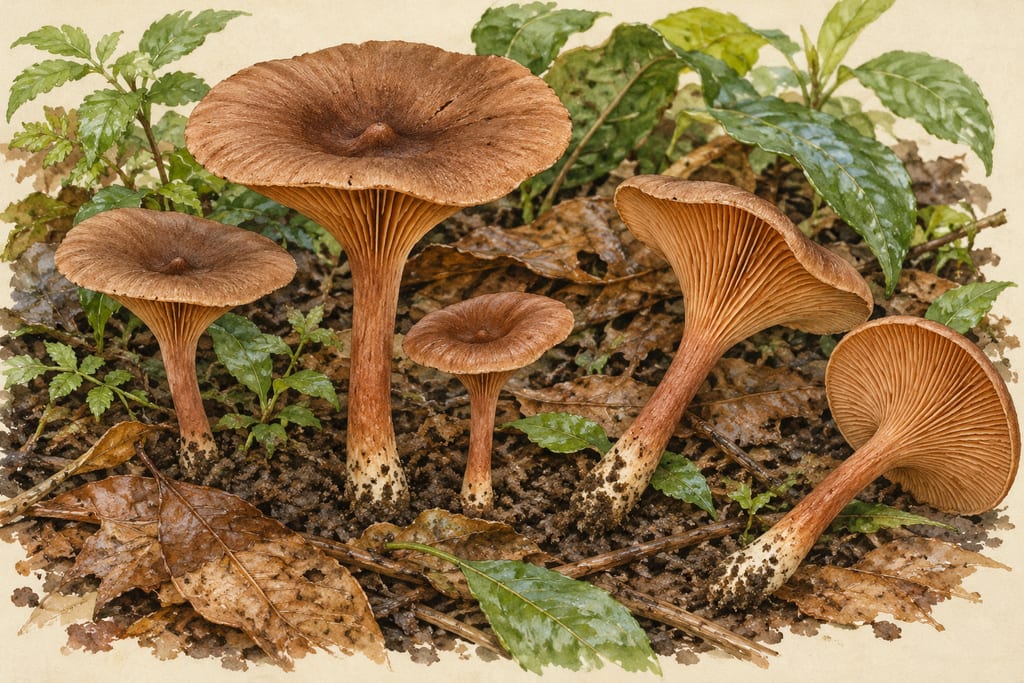
A small red ectomycorrhizal chanterelle of African open forest and miombo. Sources document regional food use but differ on taste and harvesting preference; older records as C. floridulus or C. miniatescens require care.
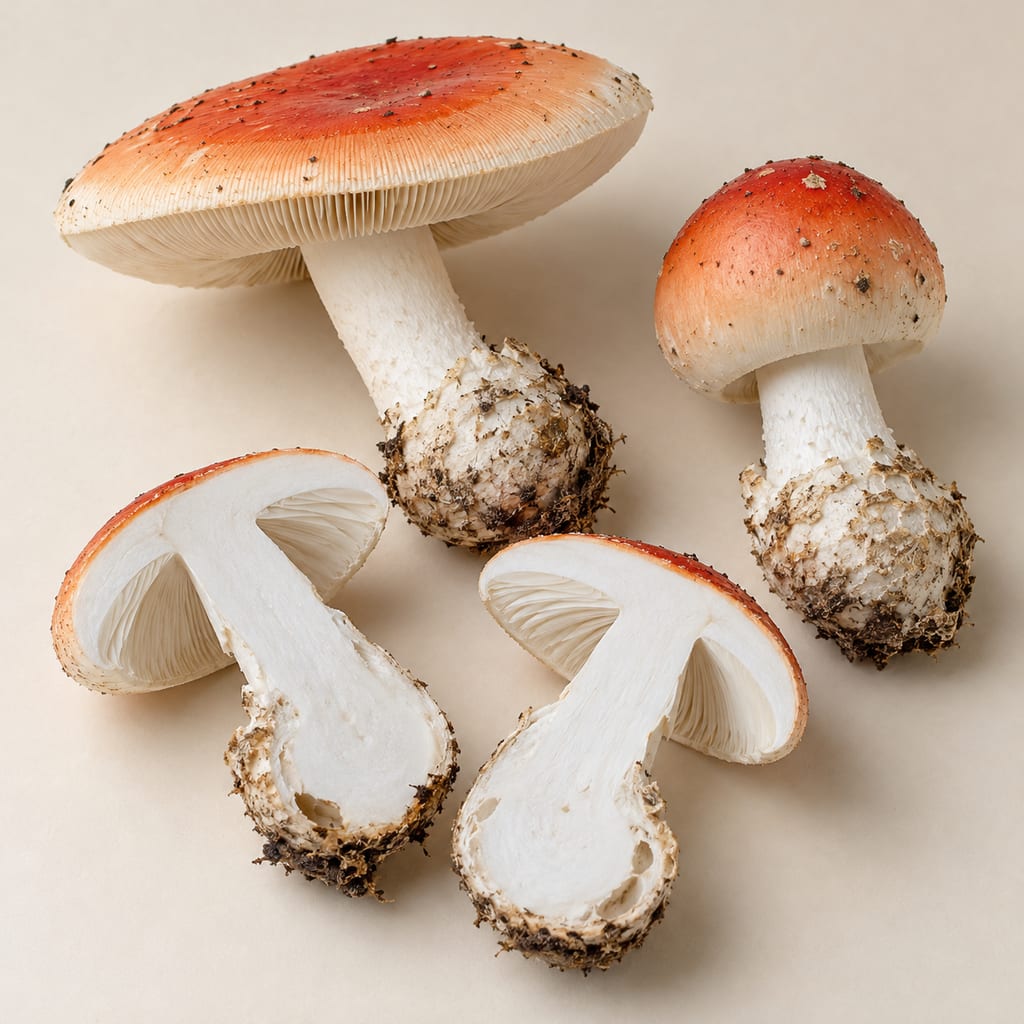
Amanita robusta Beeli is a poorly documented Central African Amanita known from voucher-backed rainforest collections in the Democratic Republic of the Congo and Cameroon. A Tshopo study reports local food use for a taxonomically supported voucher, but neither that record nor the name makes an unknown Amanita safe to identify or eat.
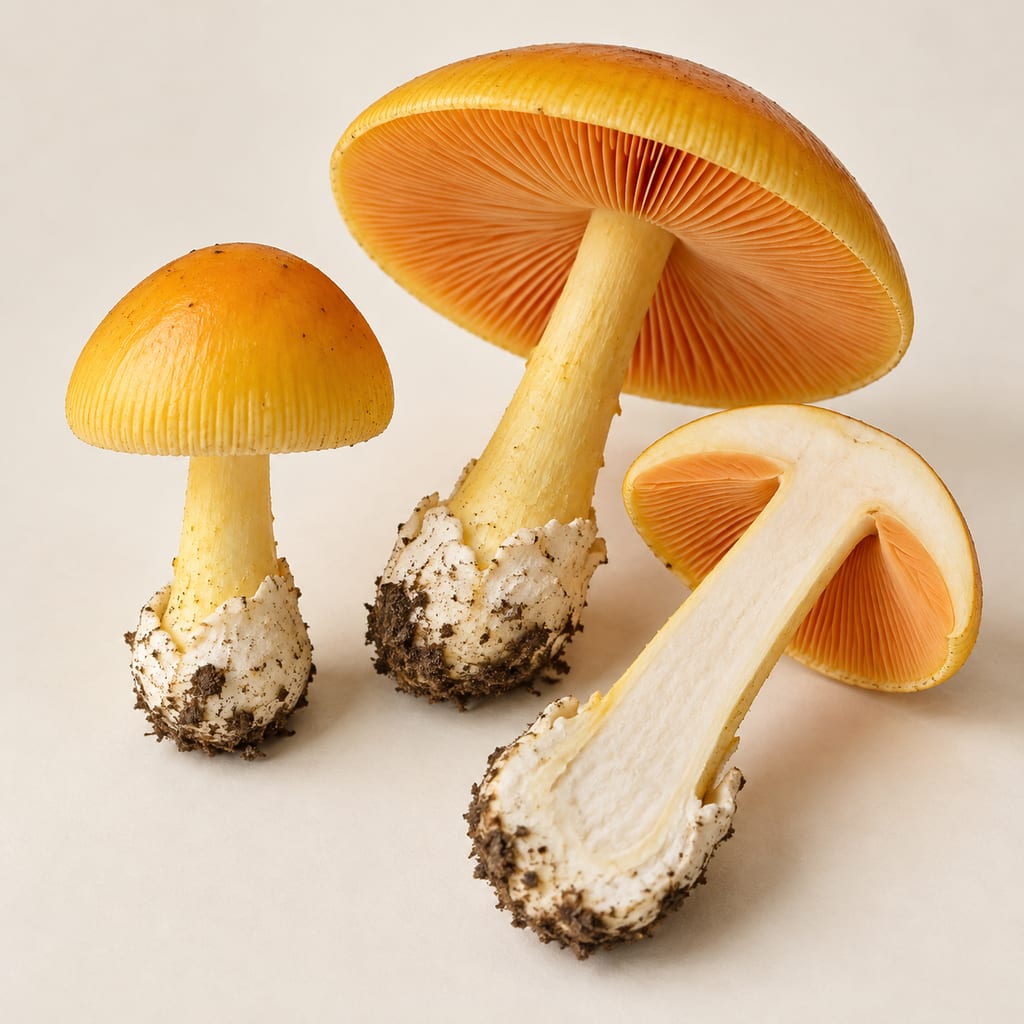
A wild miombo Amanita recorded as a local food in northern Zambia, with collections also documented in Haut-Katanga, DRC. The evidence is regional and does not make wild identification safe.
Tawny grisette (Amanita fulva) is a ringless, volva-bearing woodland Amanita with documented but taxonomically qualified food use in a few regions.
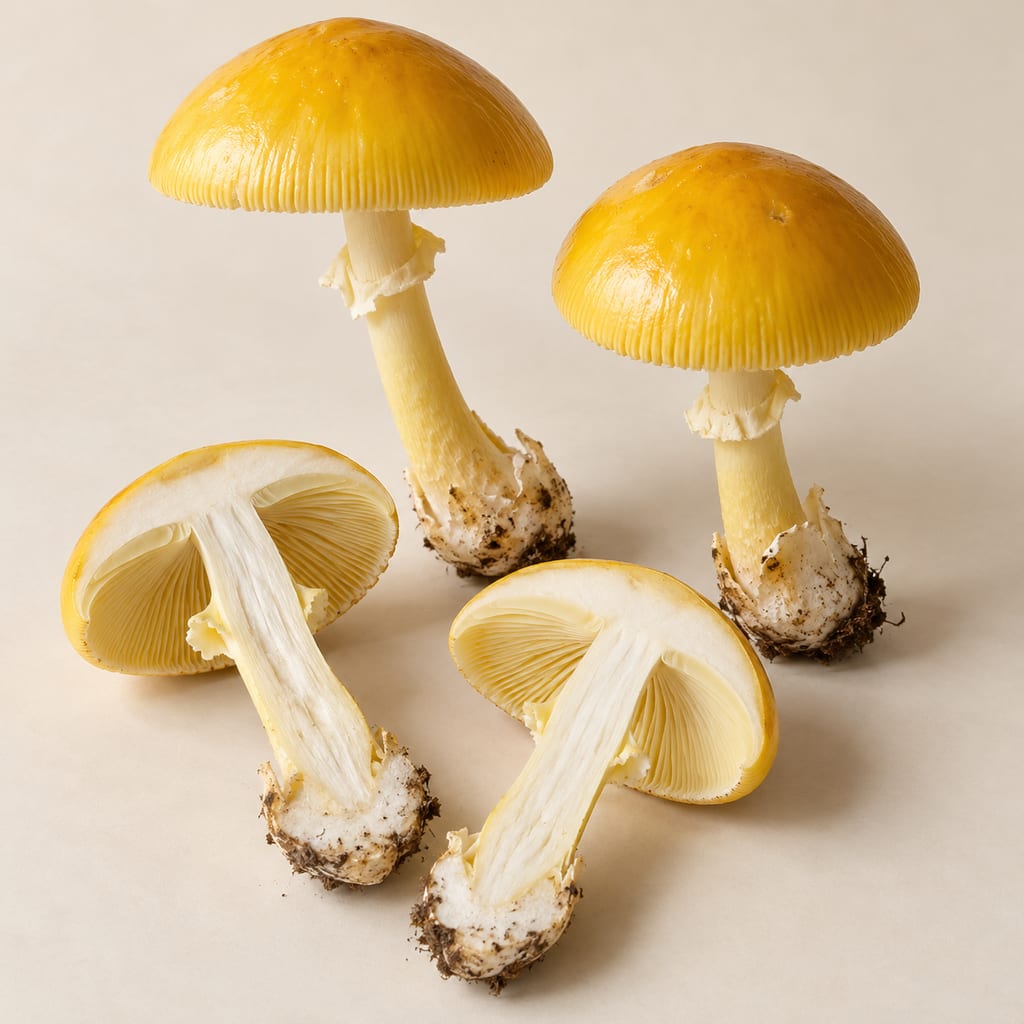
A yellow Caesar’s amanita now recognized as Amanita kitamagotake, a distinct species documented in Japan and China. Scientific catalogues list it as edible, while field identification is complicated by close relatives and lethal lookalikes.
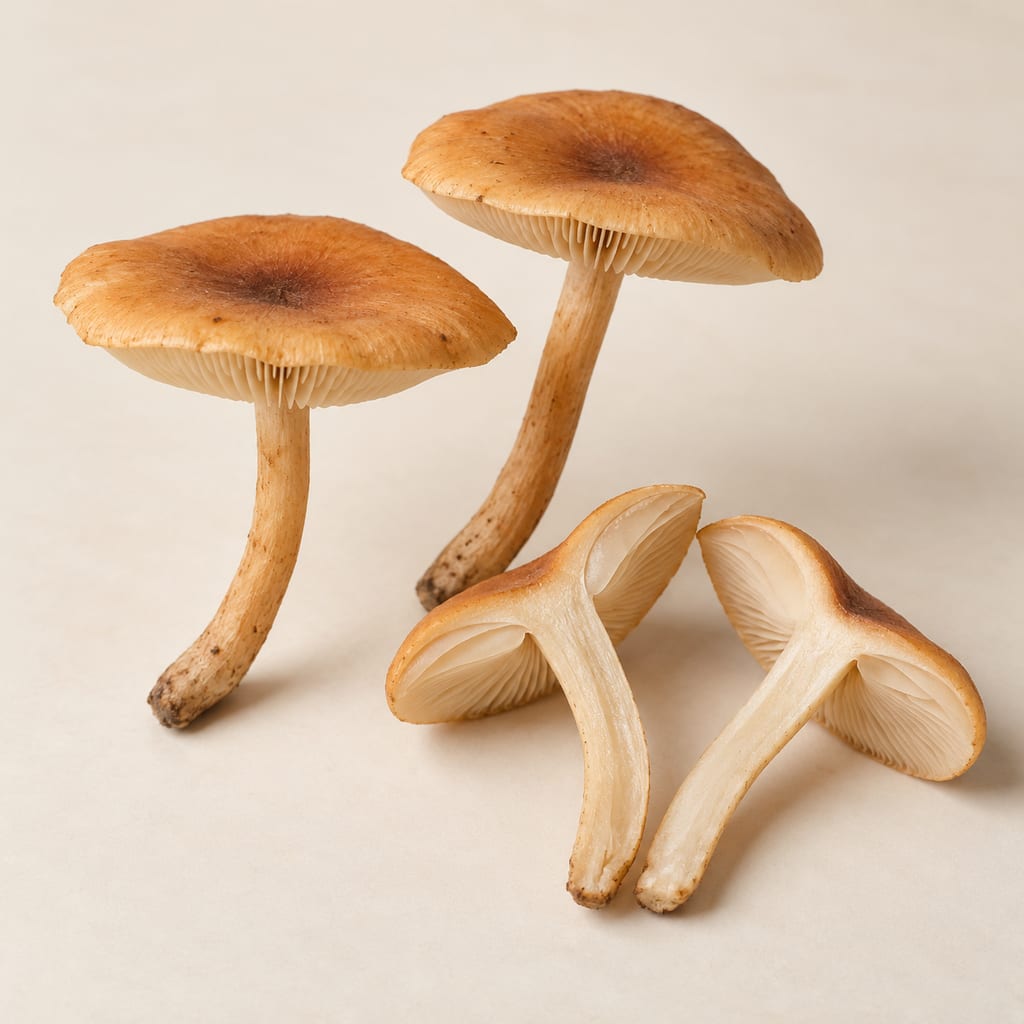
A wood-associated Armillaria recorded in Yunnan and Sichuan, China, and listed as edible in a 2026 Chinese catalogue.
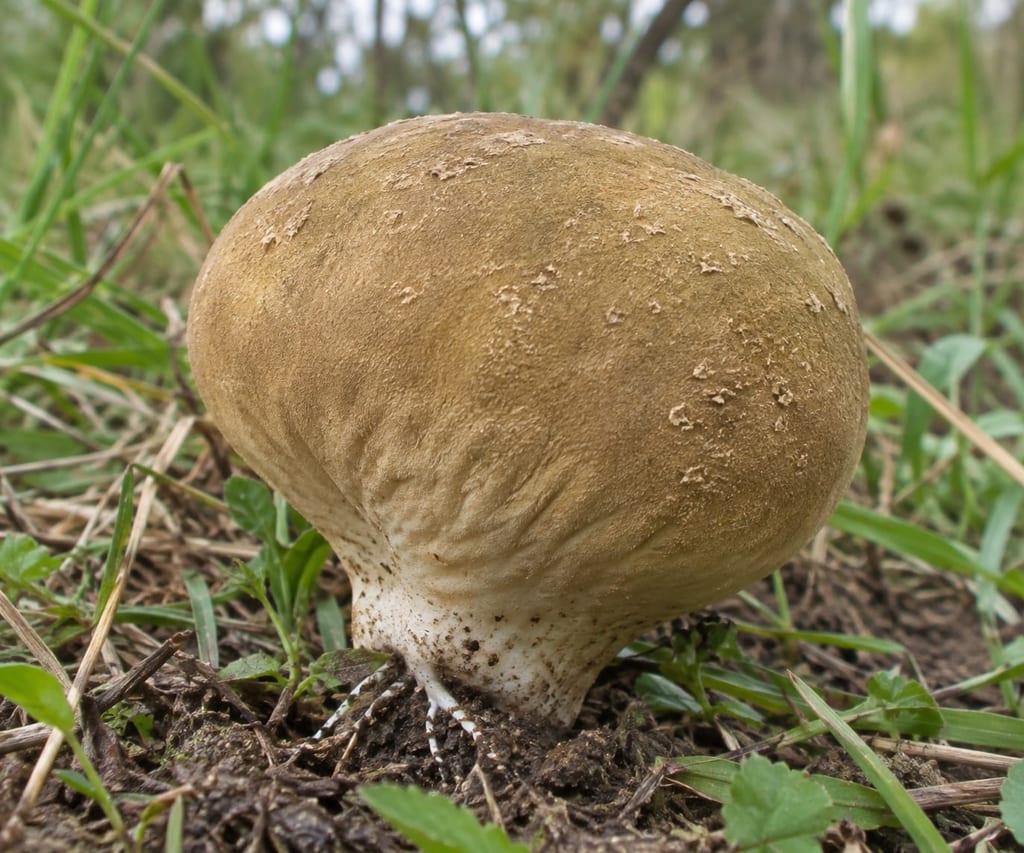
A tropical African puffball recorded in West African range accounts and Ethiopian edible-mushroom studies. Ethiopian use evidence is qualified; Benin identification and safety remain unresolved.
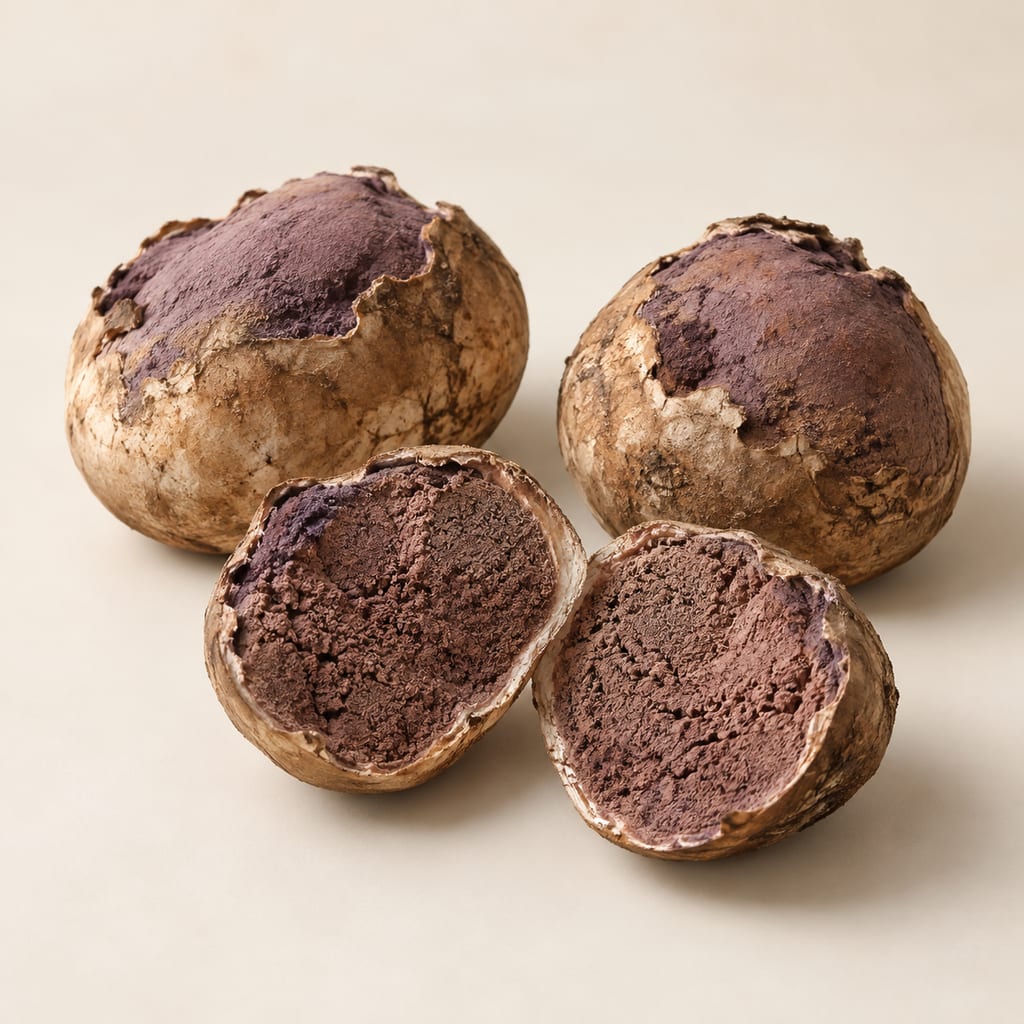
A soil-growing puffball, Calvatia cyathiformis, with white immature gleba that darkens purple as spores mature; food and seasonal records are local and do not establish a universal identification or safety rule.
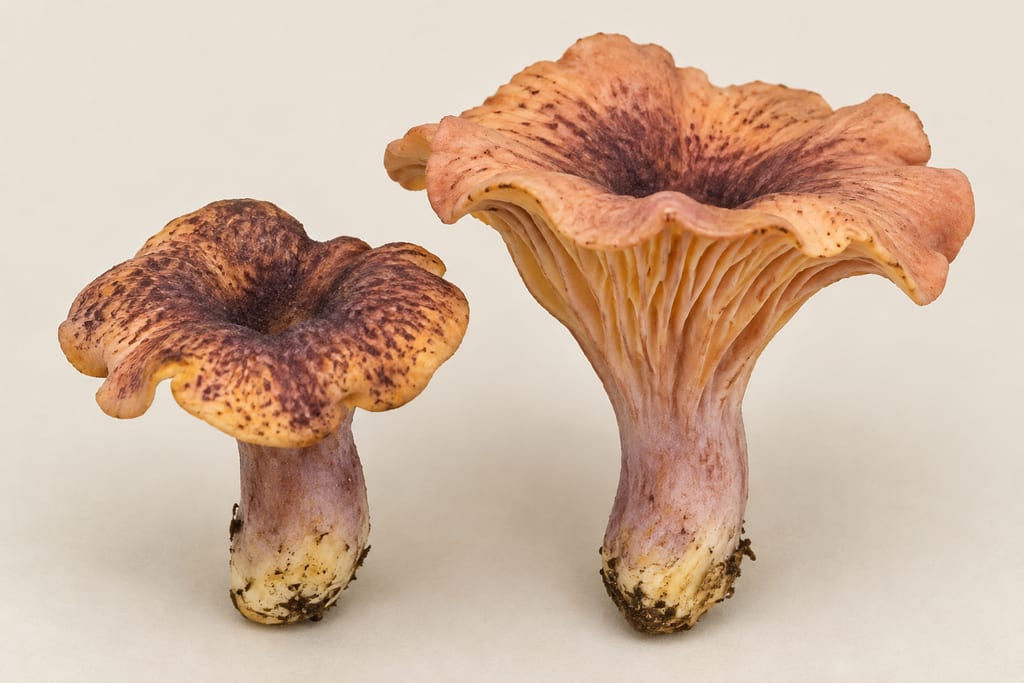
Wild Central African chanterelle recorded as locally eaten in voucher-backed Tshopo interviews. Historical country claims exceed the current revised range; preparation, fermentation and toxicology remain undocumented.
Cantharellus magnus is a large Chinese chanterelle recorded in five provinces. A national scientific catalogue lists it as edible, but evidence here does not establish preparation or local food traditions.
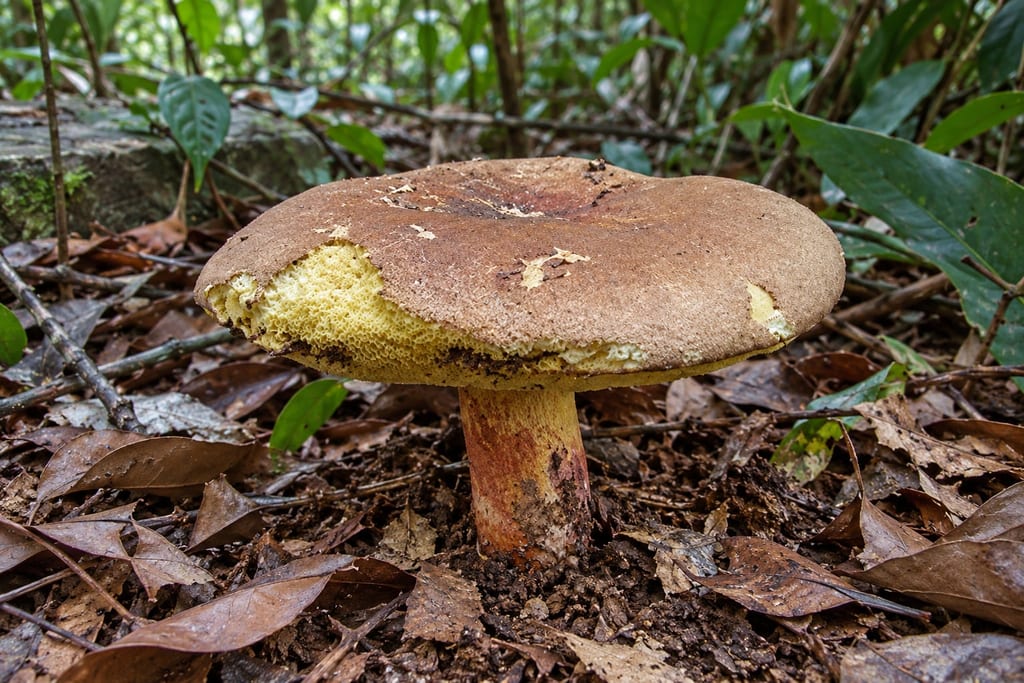
Butyriboletus huangnianlaii is a Chinese butter bolete described from Fujian and later found at market in Pu’er, Yunnan. The local edible label is limited evidence; recurring season and preparation remain unestablished.
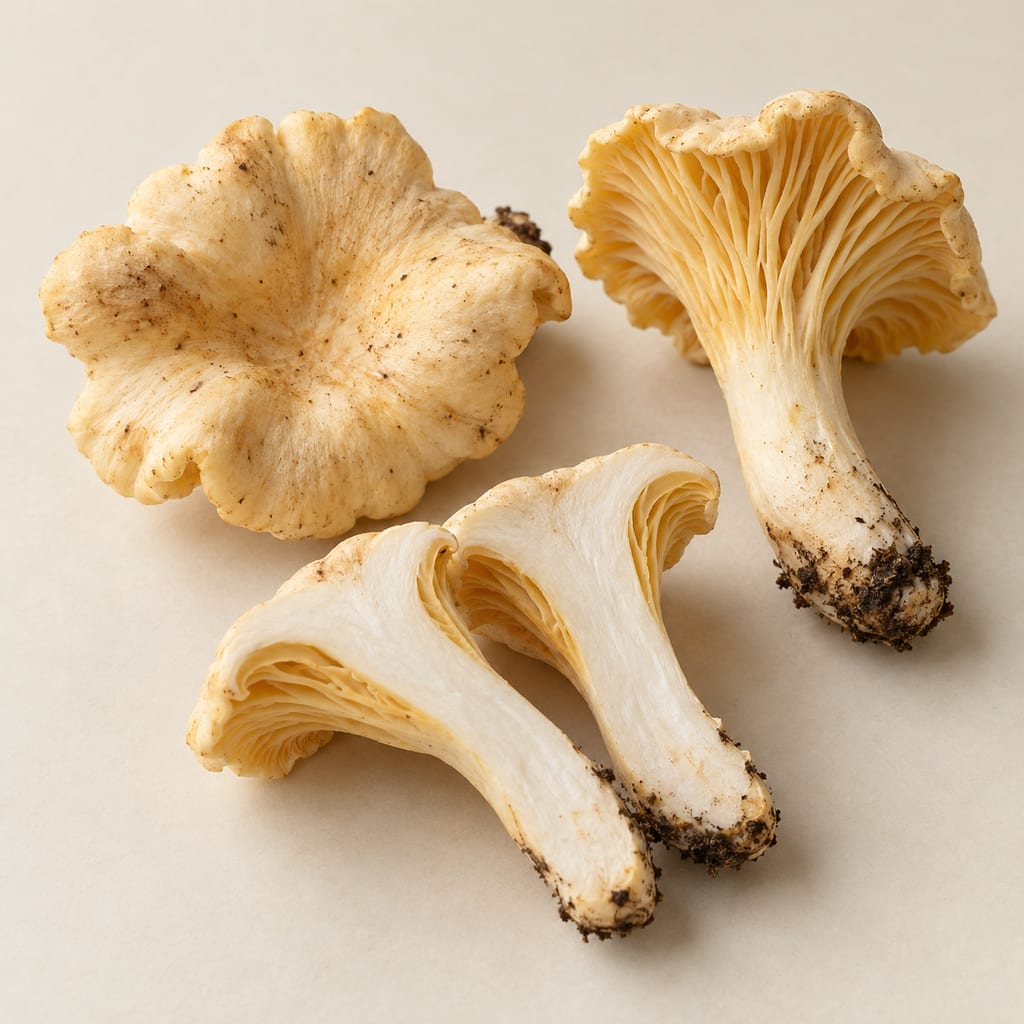
Cantharellus pallens is a pale, fleshy European chanterelle with orange-yellow folded ridges. It is gathered and sold as food in documented regional traditions, but its variable appearance makes photographs unreliable for identification.
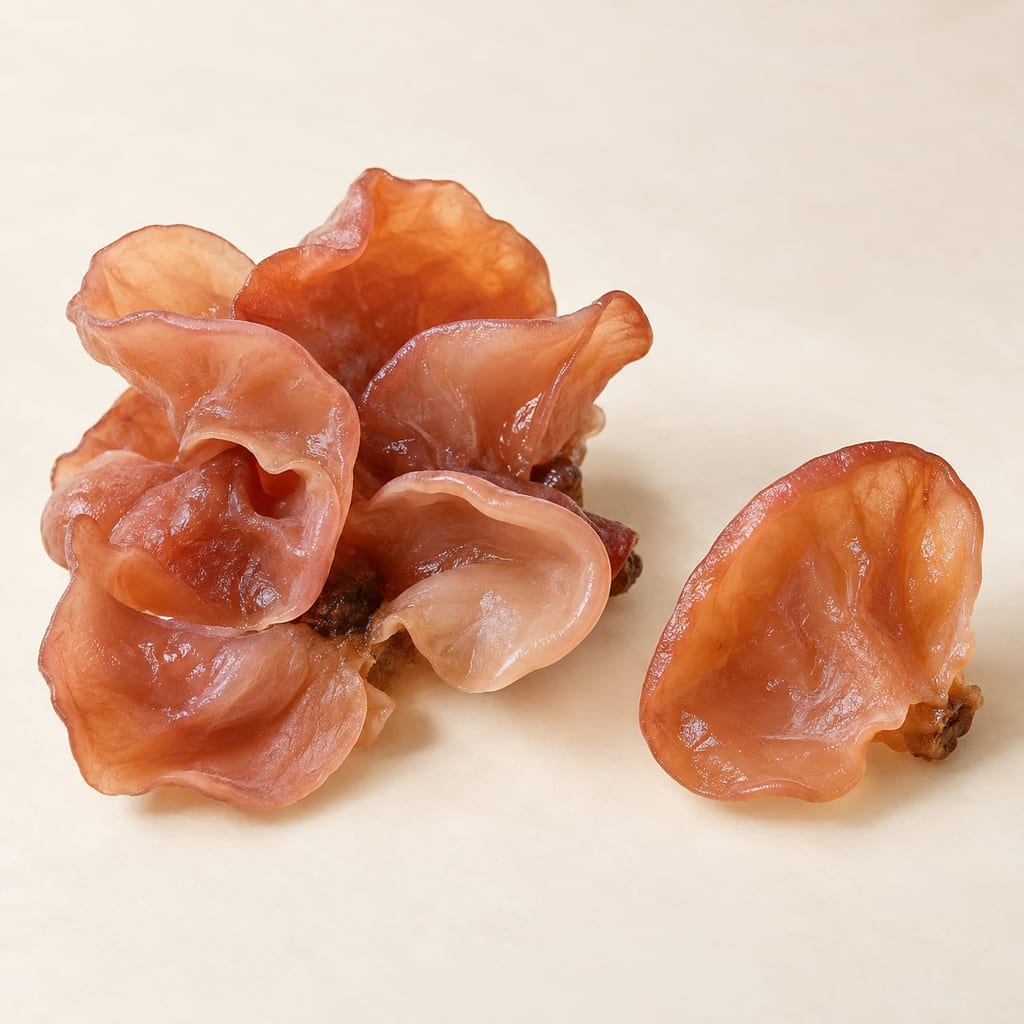
Auricularia thailandica is a thin, gelatinous wood ear described from Southeast Asian collections. Research reports it edible and experimentally cultivable, but species-specific recipes and everyday handling guidance are scarce.
Clavulina ruchengensis is a gray, branching coral fungus described from Hunan, China, where a 2024 study documents local collection and cooking.
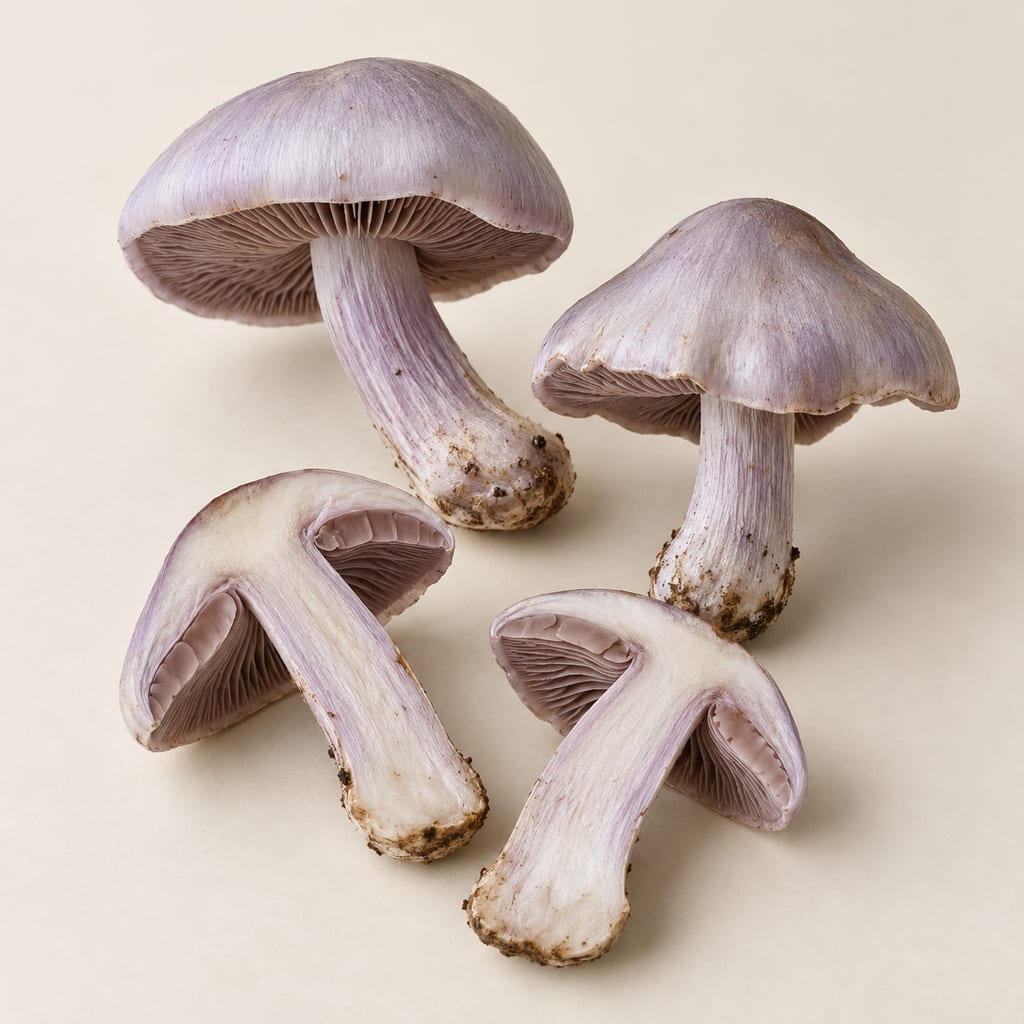
A violet woodland webcap with conflicting edible classifications. Current field guidance discourages eating it; this entry does not recommend collecting or consuming it.
A historical account records Entoloma argyropus as eaten at Amani, Tanzania. It does not establish safe modern identification, preparation, or current use.
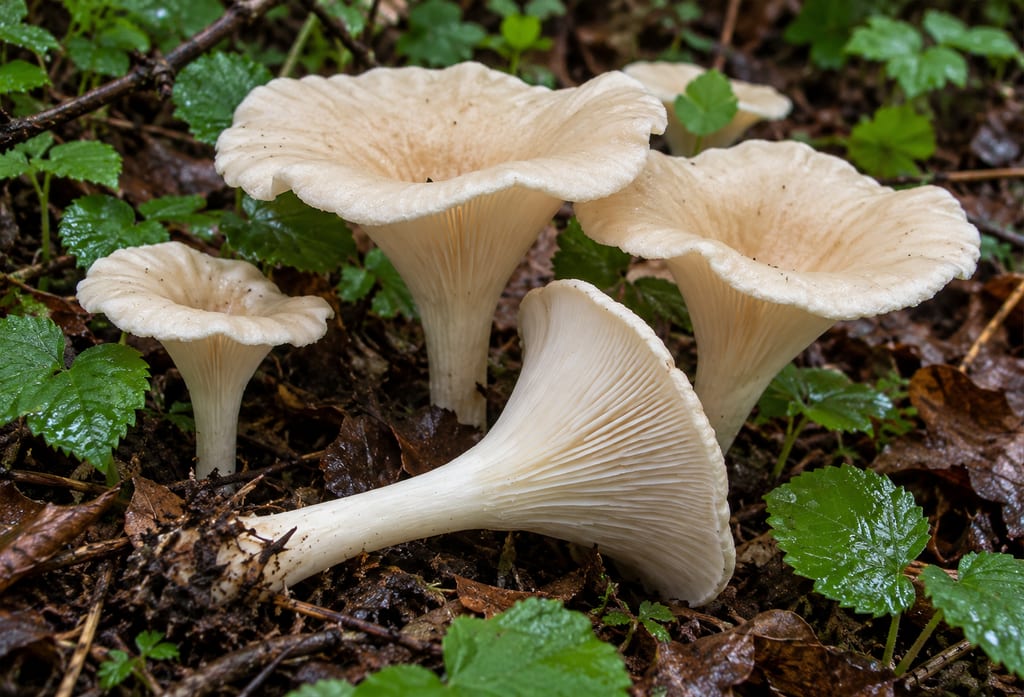
A pale funnel mushroom listed as edible in one Chinese scientific catalogue, but with unsettled taxonomy, uncertain Brazilian records and dangerous lookalikes. The evidence does not support a foraging or preparation recommendation.
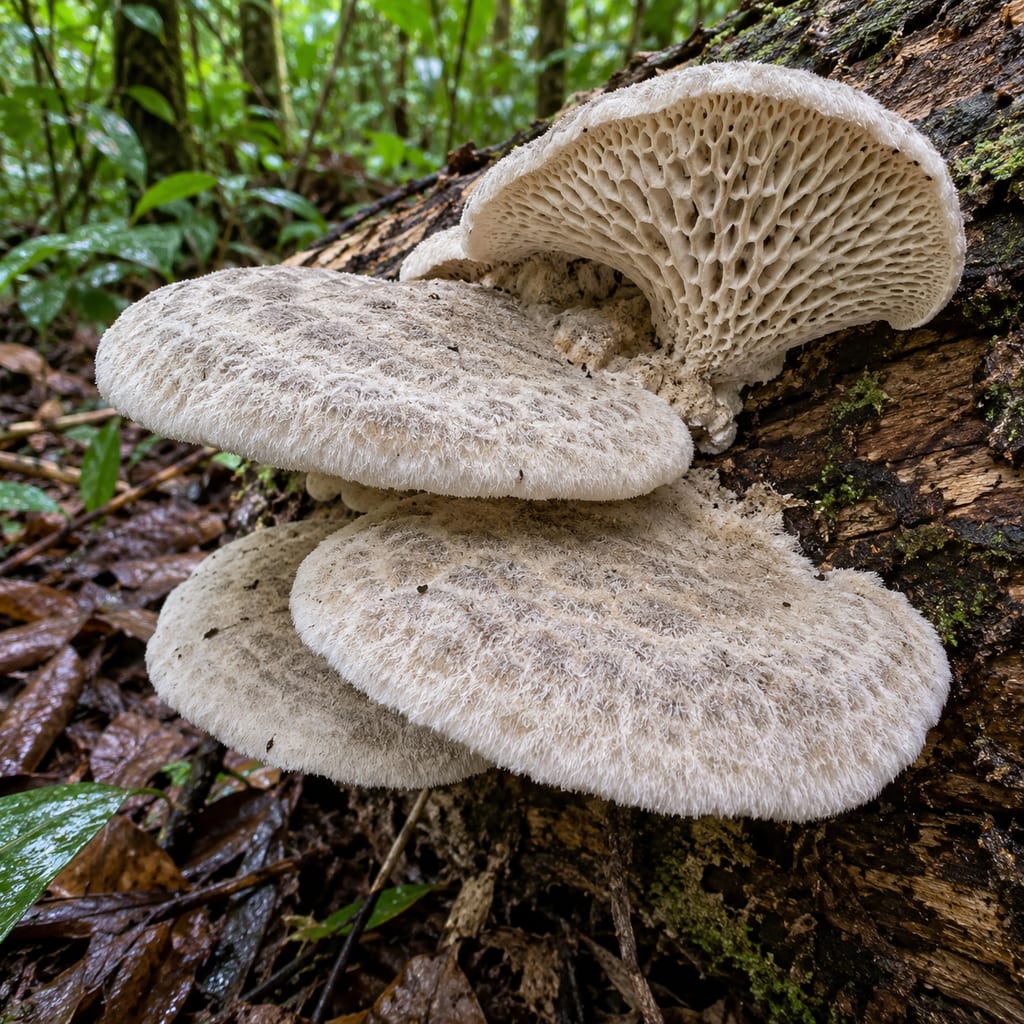
Favolus tessellatus is a tropical wood-decaying polypore with a tessellated cap and honeycomb pores. Brazilian sources record it as food, but the evidence does not establish one traditional recipe or a universal harvest season.
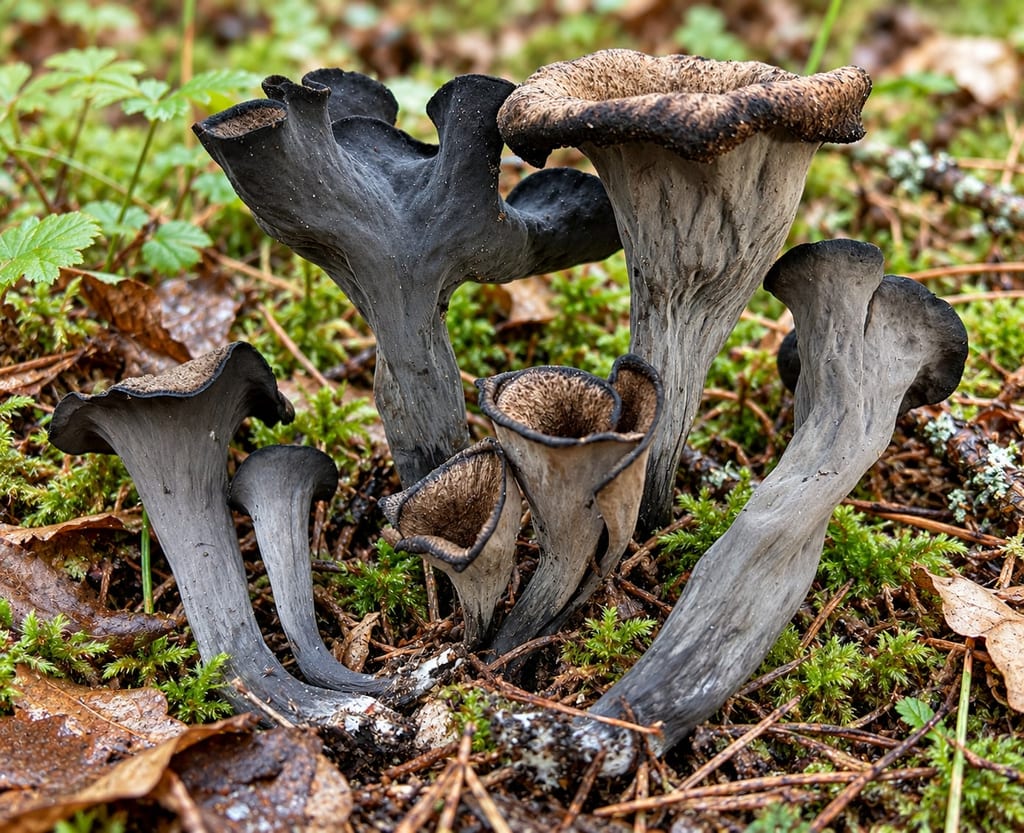
Black trumpet, or horn of plenty, is Craterellus cornucopioides, a dark hollow woodland mushroom used in cooked dishes and dried seasonings, with regional identity and range limits.
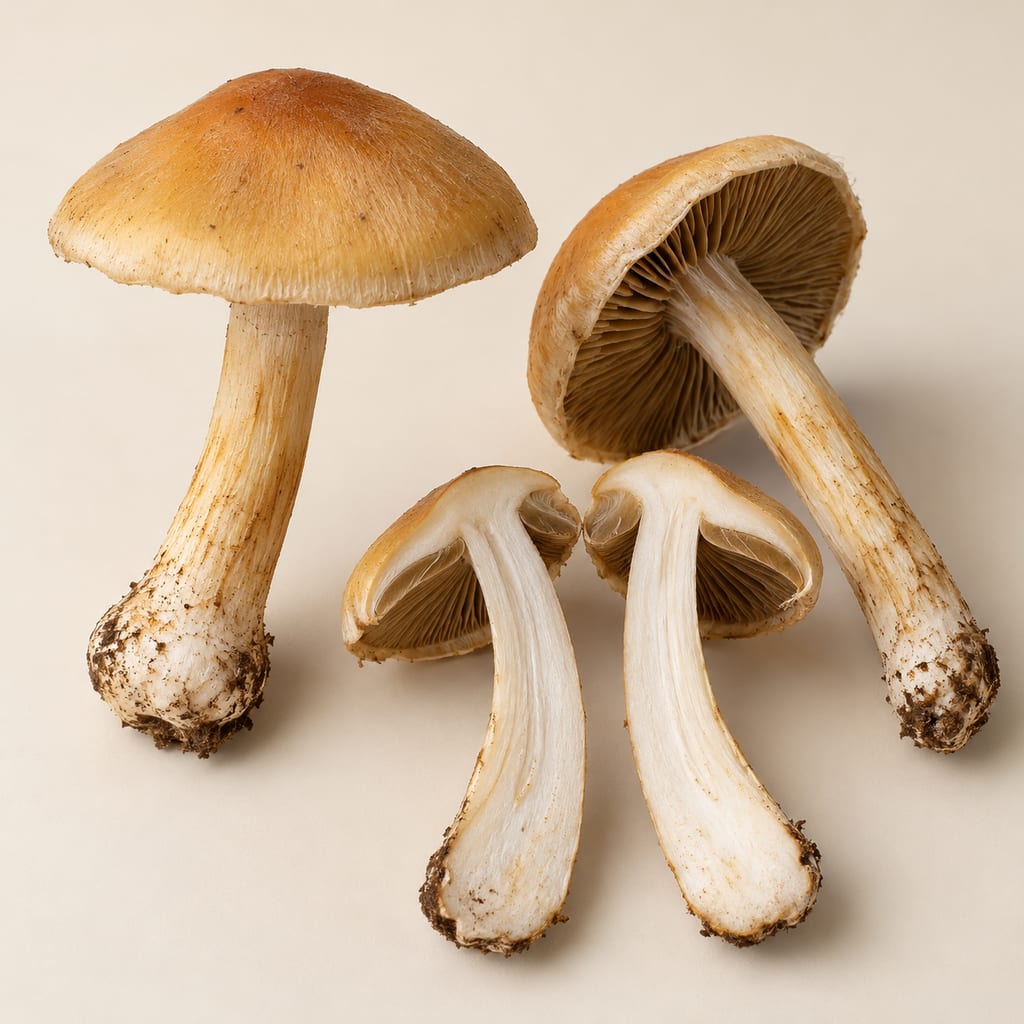
A Japanese woodland webcap listed as edible in older sources, but food use and safety evidence are limited. Toxic lookalikes and changing taxonomy make this entry unsuitable as consumption advice.
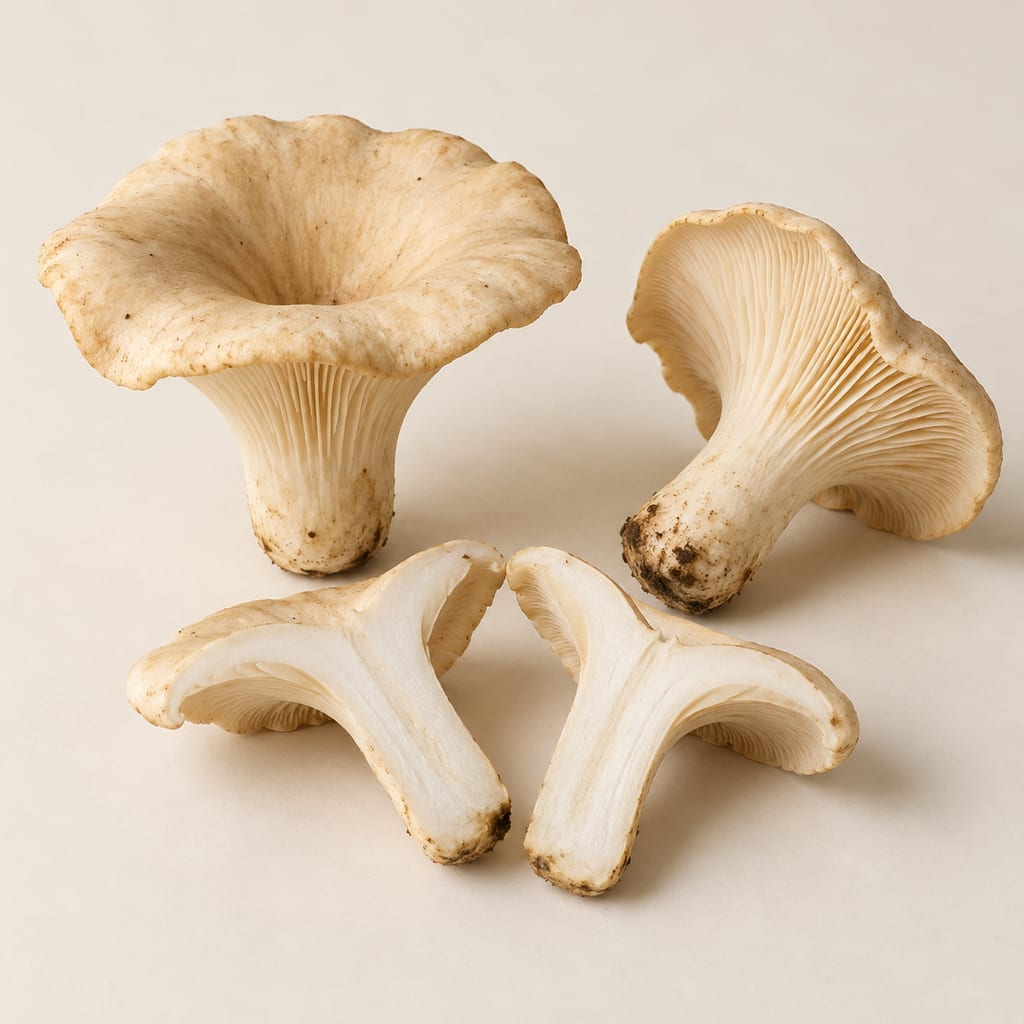
A wild litter-decomposing mushroom with a documented European food and market history. Historical country claims conflict with a recent Chinese catalogue’s toxic label; this account is not an identification or foraging guide.
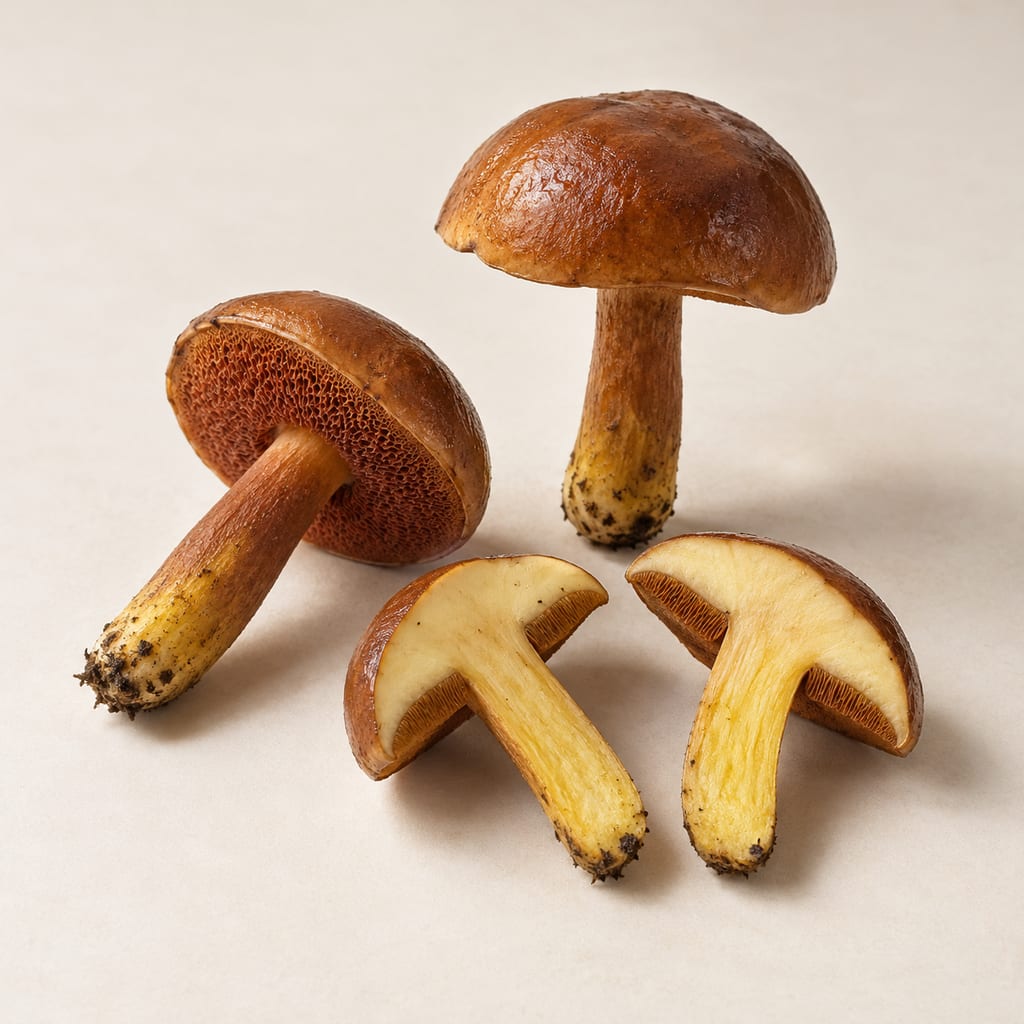
A peppery woodland bolete with historical edible labels and reported condiment use in Querétaro. Current mycological references call its edibility suspect or unestablished; this entry does not recommend consumption.
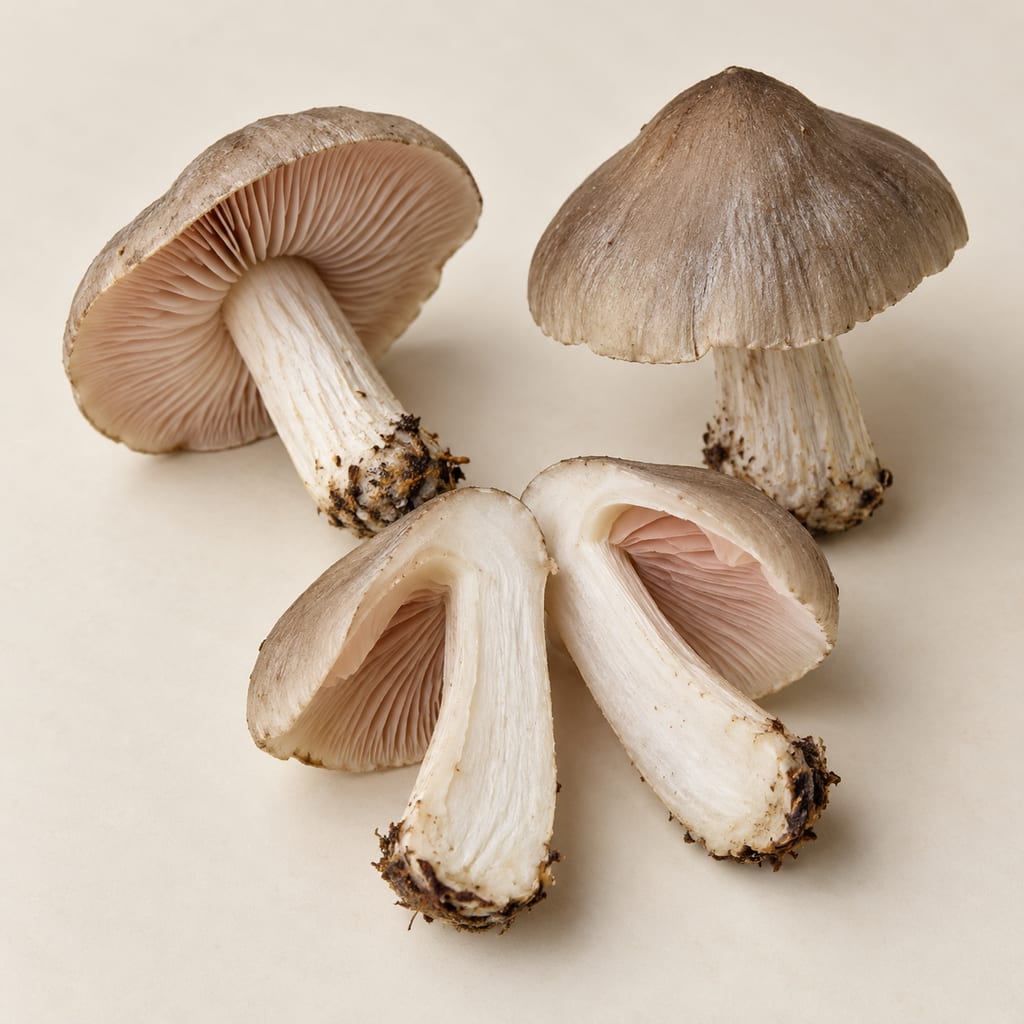
A woodland pinkgill reported as local food in Sikkim and parts of Italy, but difficult to identify and subject to strong regional warnings about confusion with toxic Entoloma species.
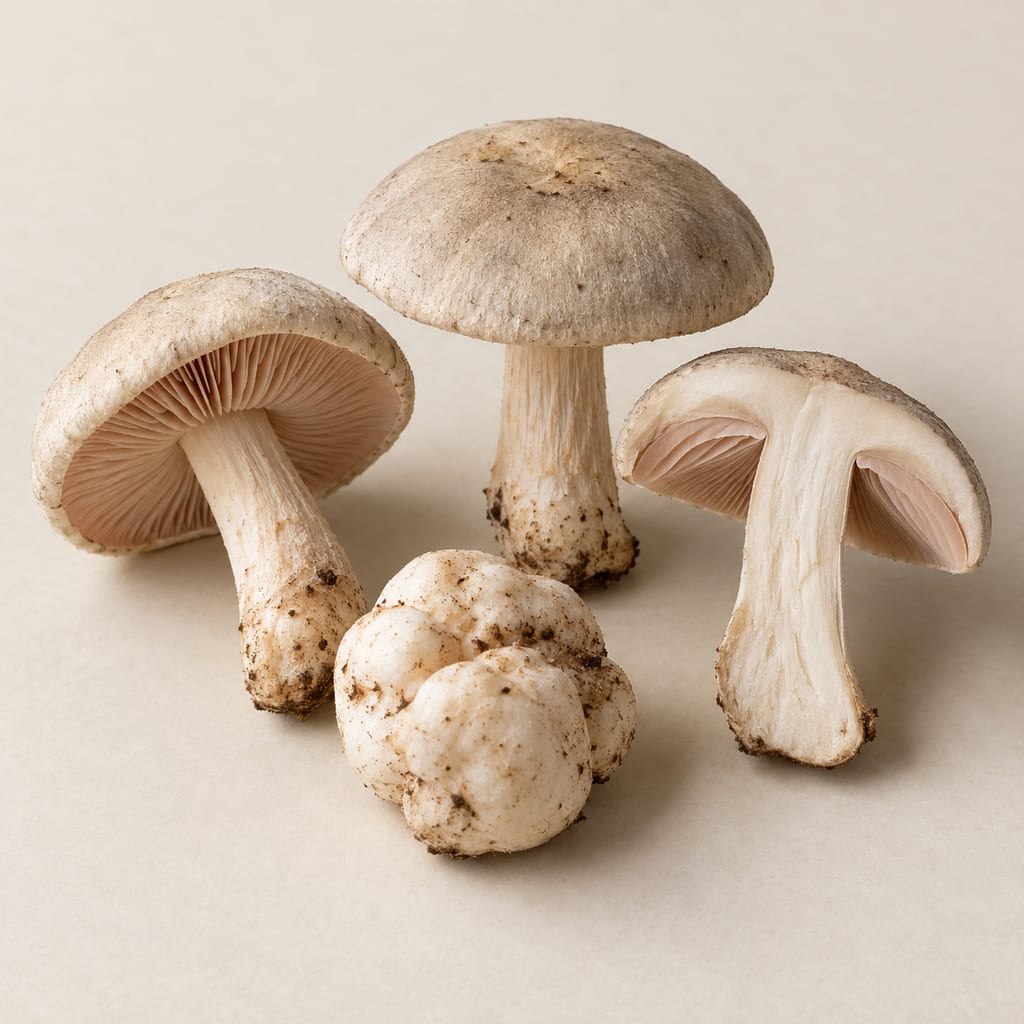
Entoloma abortivum is a woodland mushroom recorded as food in Puebla, Mexico, and in China’s edible-fungi catalogue; the latter is a checklist entry, not a safety assessment.
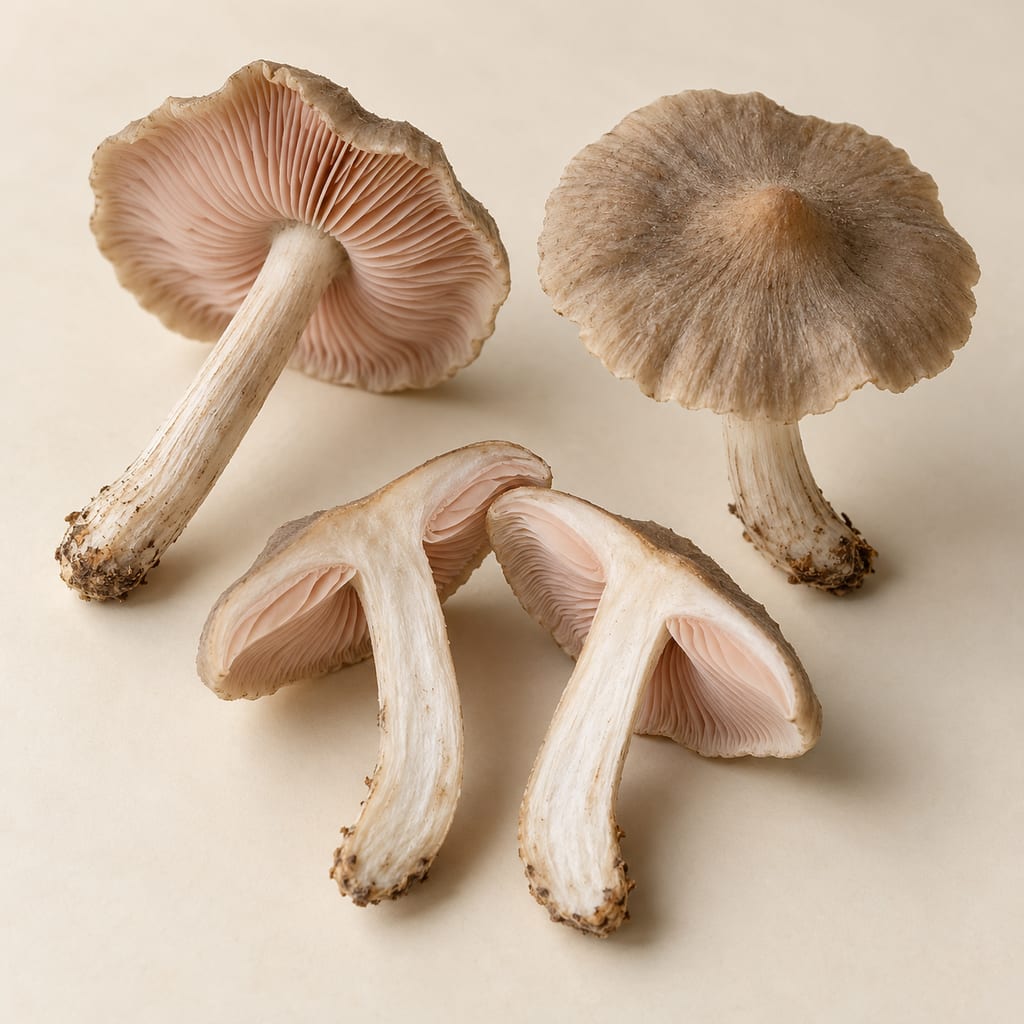
A spring pink-spored mushroom associated with Rosaceae. European food use is documented, alongside a Turkish poisoning report and unresolved species-complex records in Mexico.
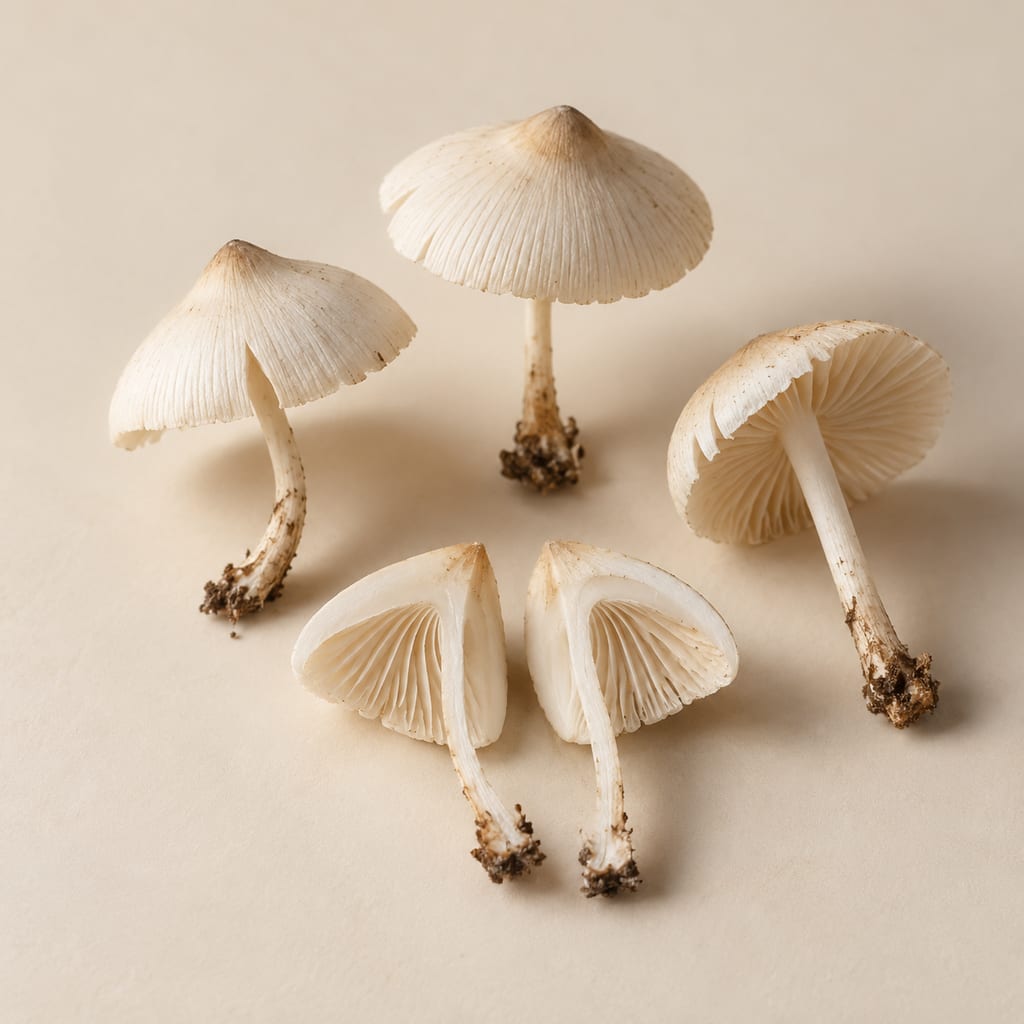
A small wild termite-associated mushroom recorded as food in parts of India and elsewhere. Its name has a taxonomic history, and some African records are treated cautiously because they may represent a different lineage.
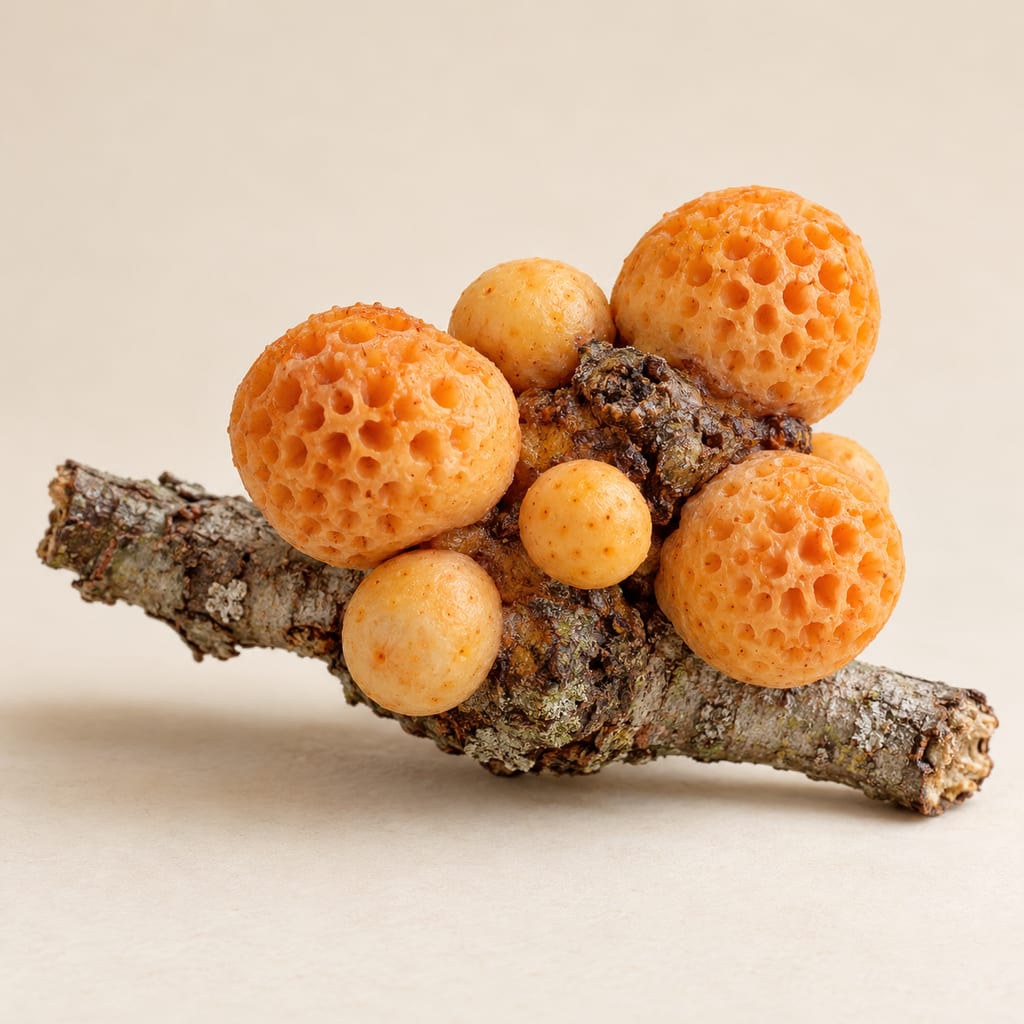
Darwin’s fungus is a pitted orange stroma that grows from galls on living southern beeches in southern Chile and Argentina. Sources document regional food use, especially in Tierra del Fuego.
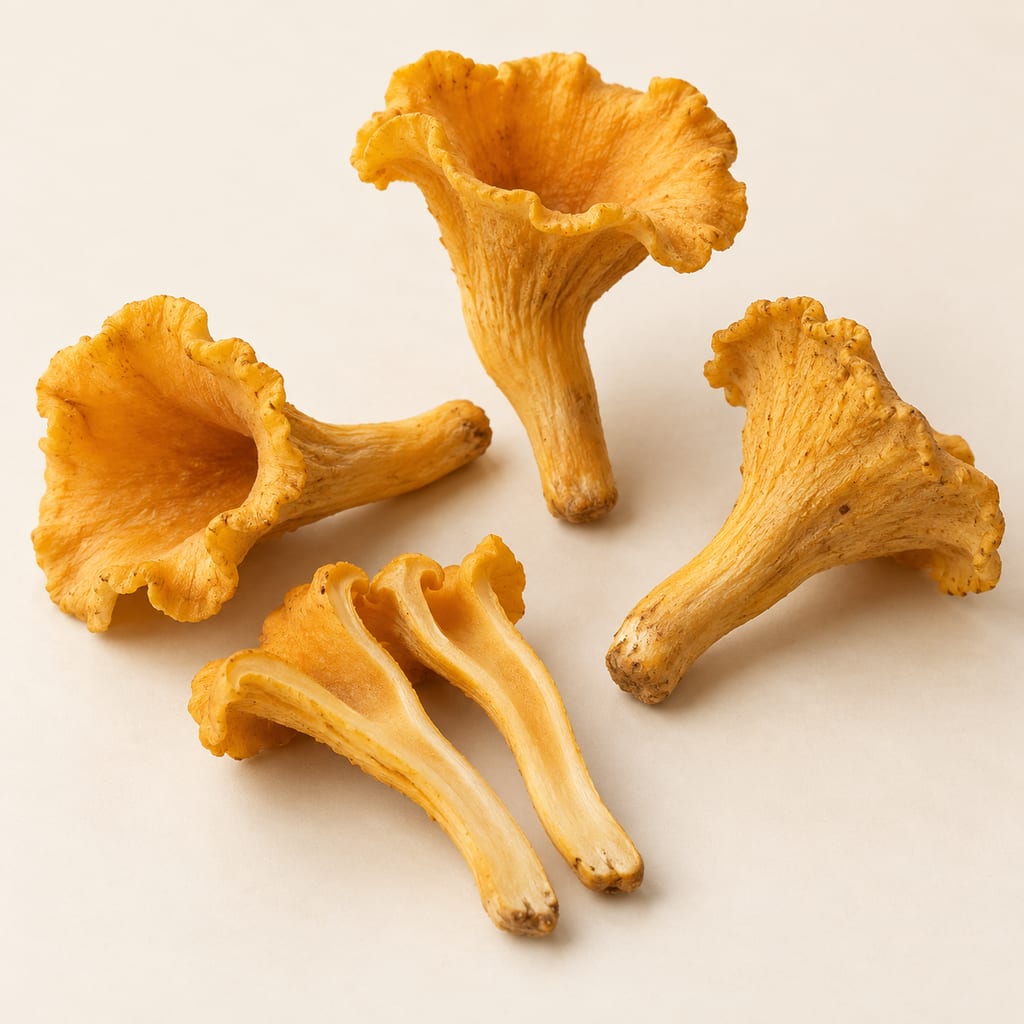
A golden funnel mushroom described from Hong Kong and documented from China; reported as food in several regions, with African taxonomy unresolved.
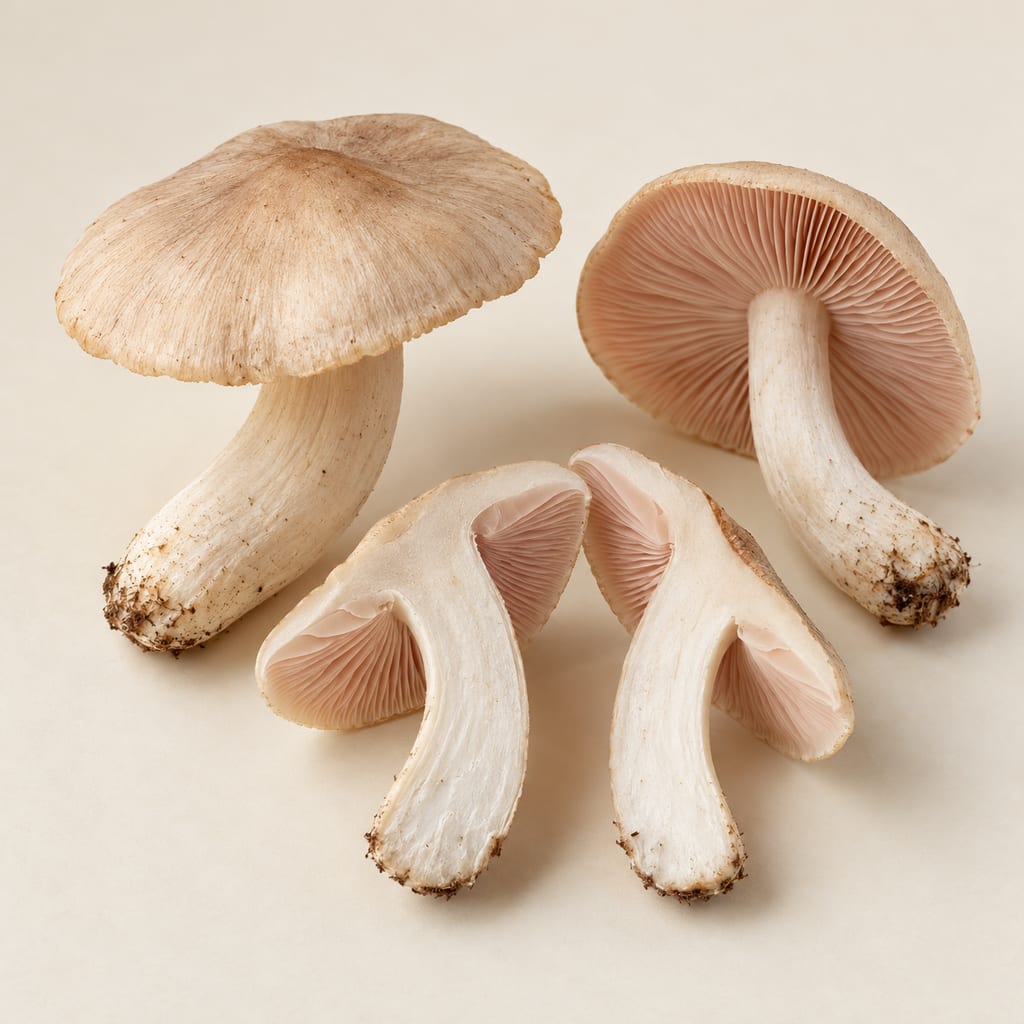
Entoloma sepium is a spring pinkgill associated with Rosaceae. Chinese and European sources list it as edible or conditionally edible, while taxonomic uncertainty and a poisonous lookalike warrant caution.