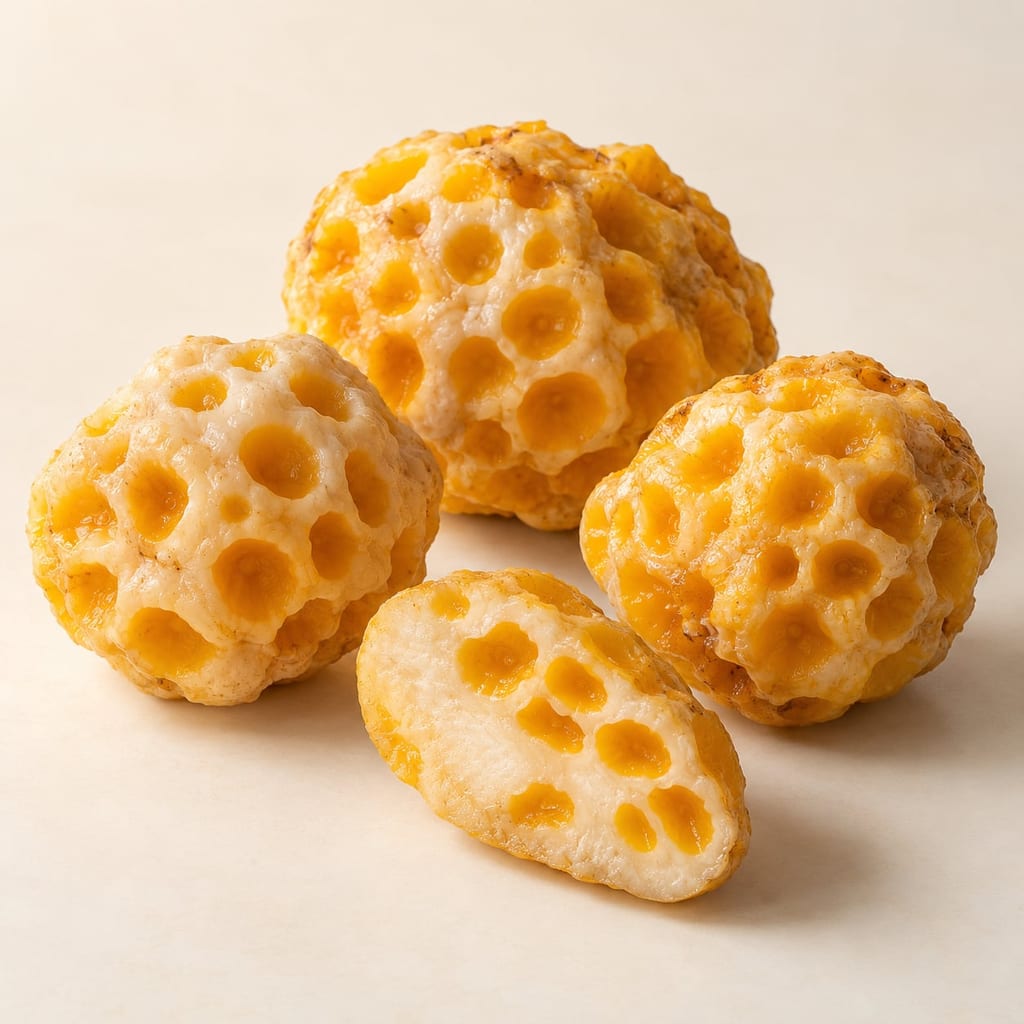
Llao-llao
Llao-llao is the orange, gelatinous fruiting body of a southern-beech parasite in the Andean–Patagonian forests of Chile and Argentina. Regional sources document its food history, including Mapuche use in chicha.
 FermenteaWhere food goes to change
1086 articles on substrates, cultures and additives.
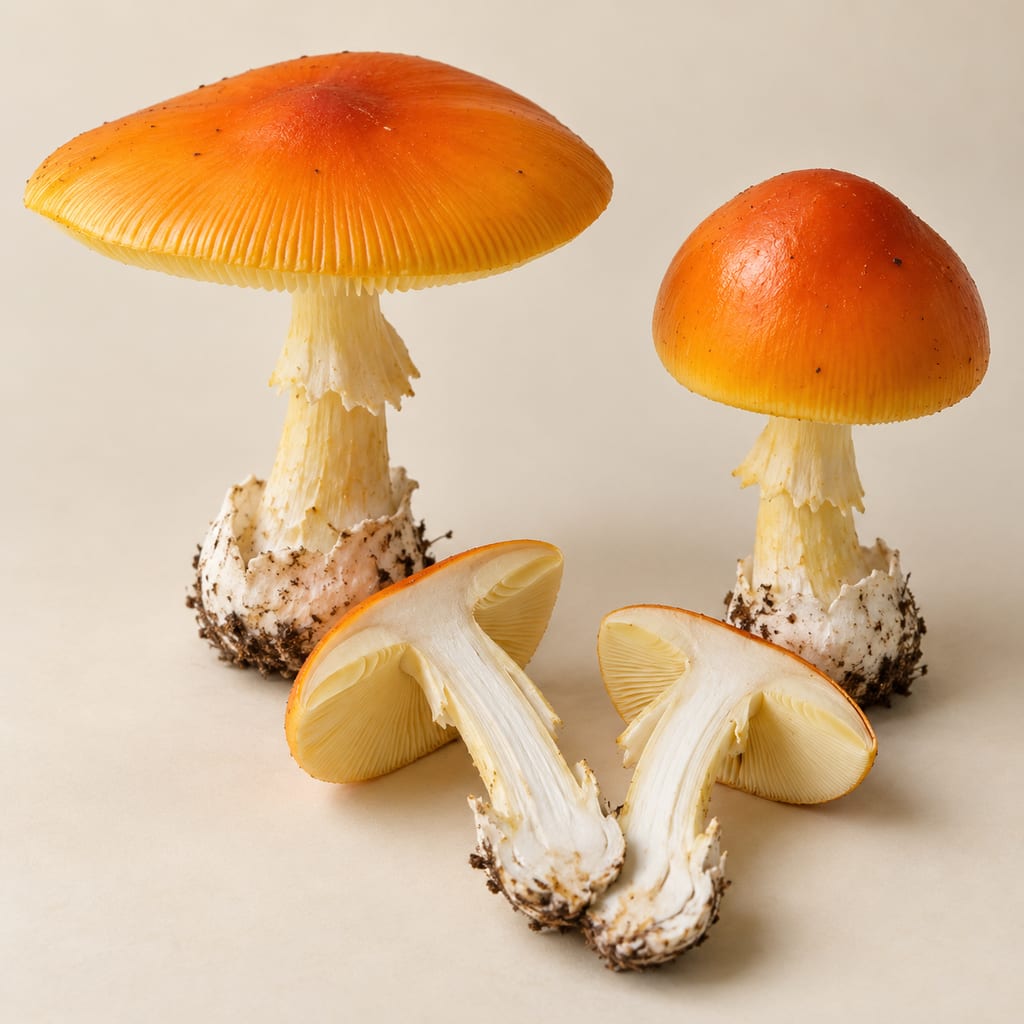 Edible mushrooms319
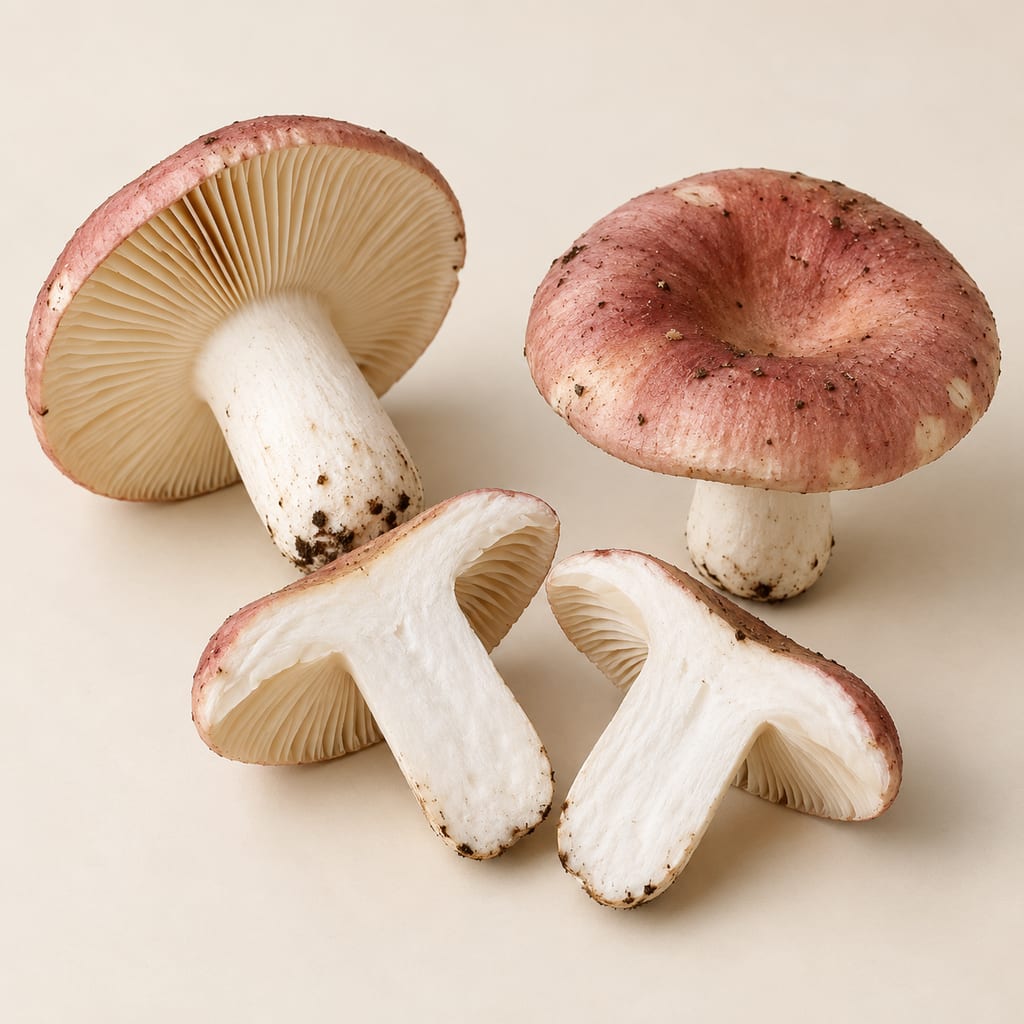 Brittlegills24
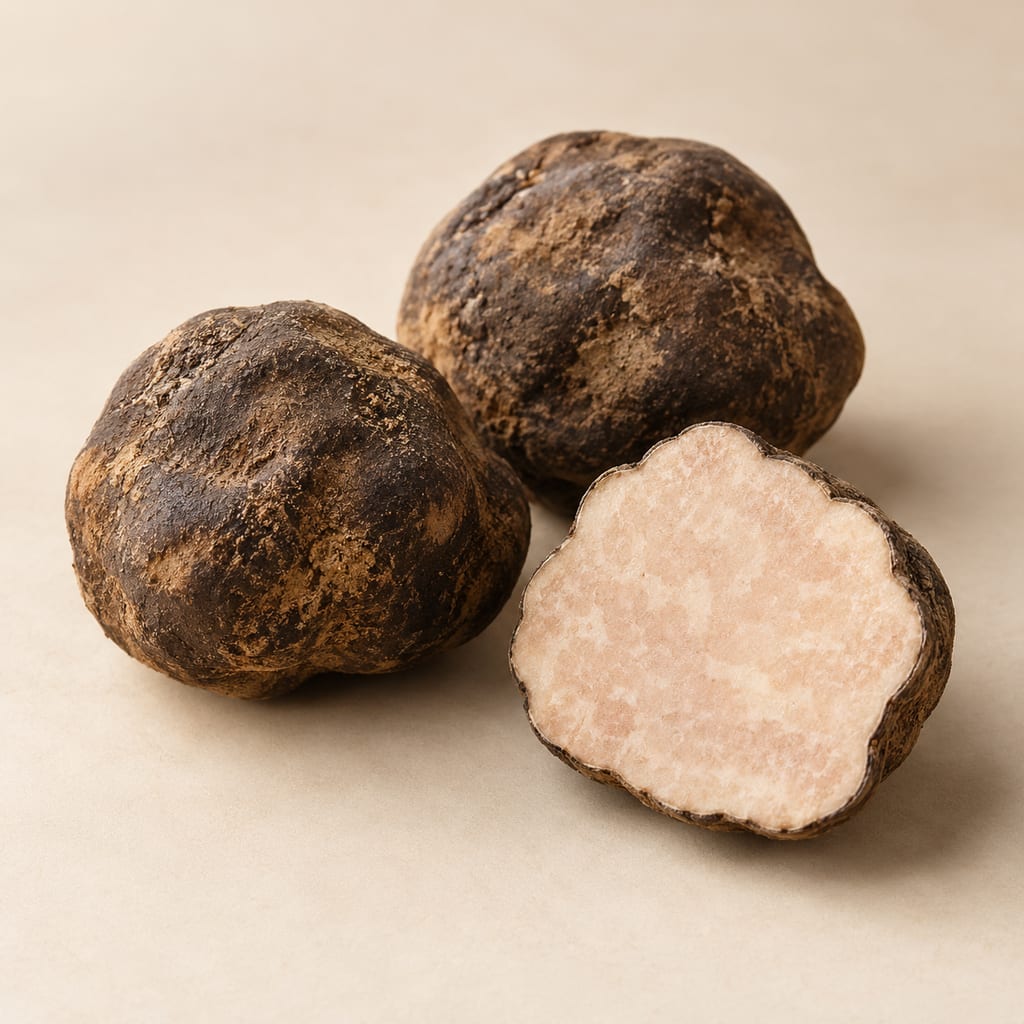 Truffles19
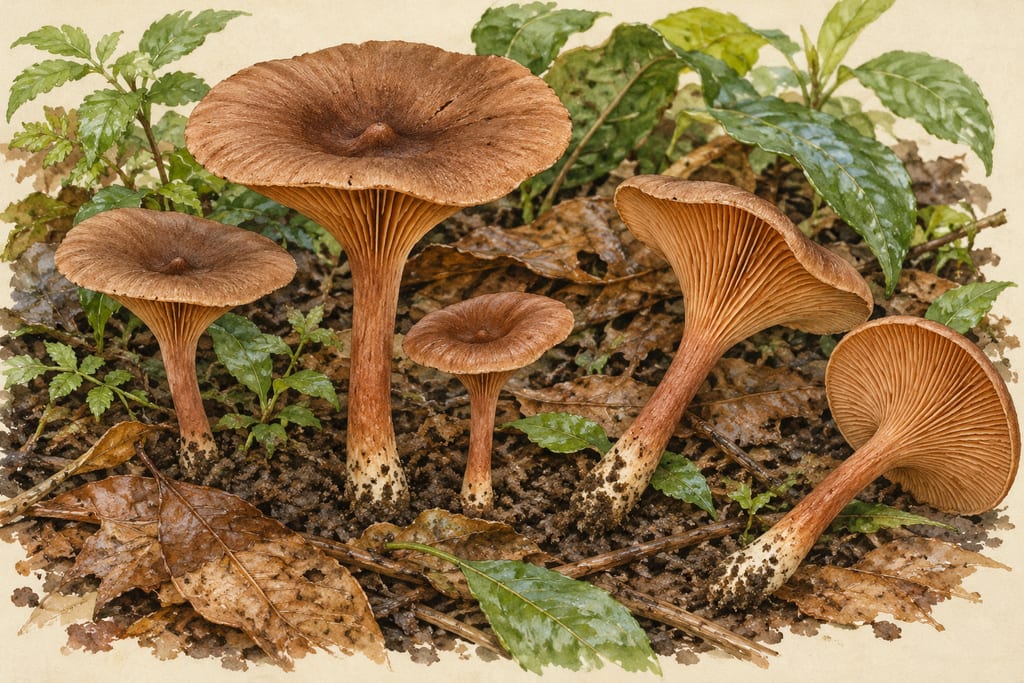 Milkcaps17
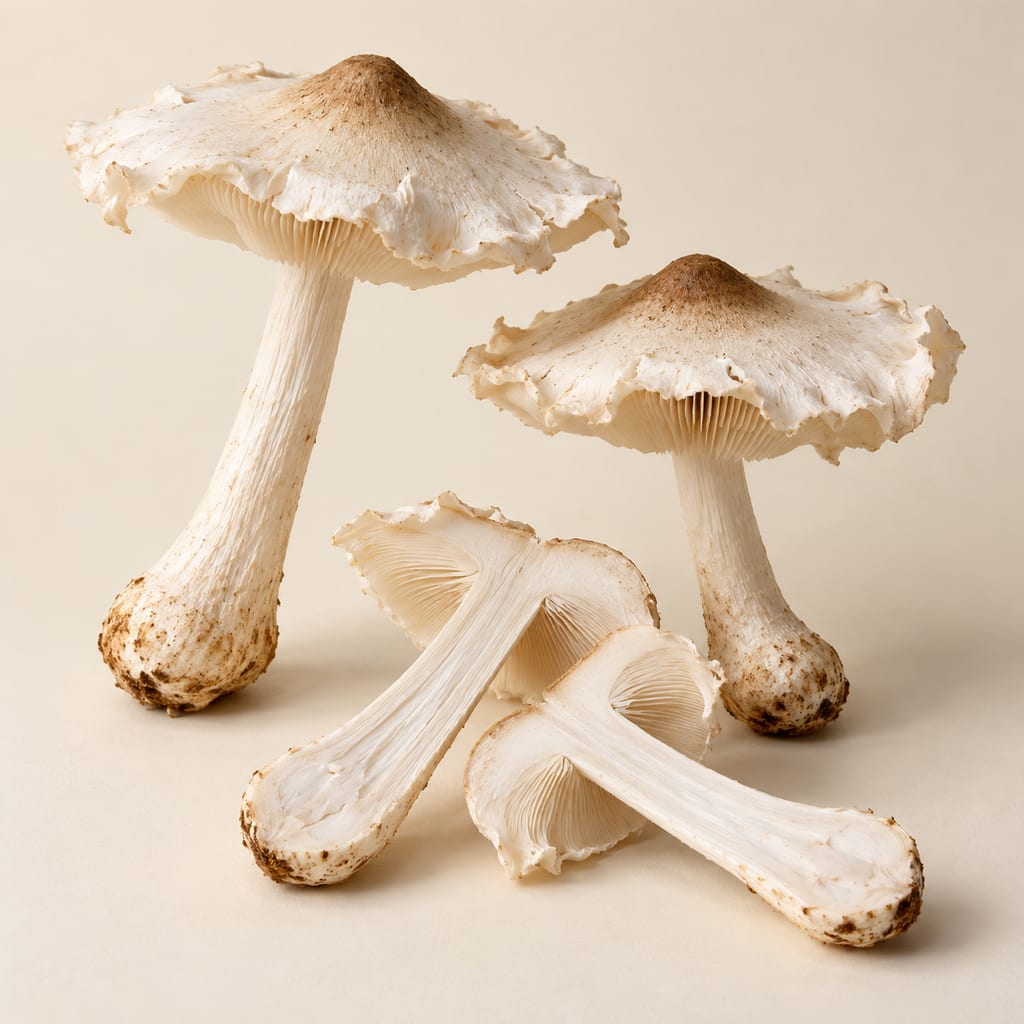 Termite mushrooms17
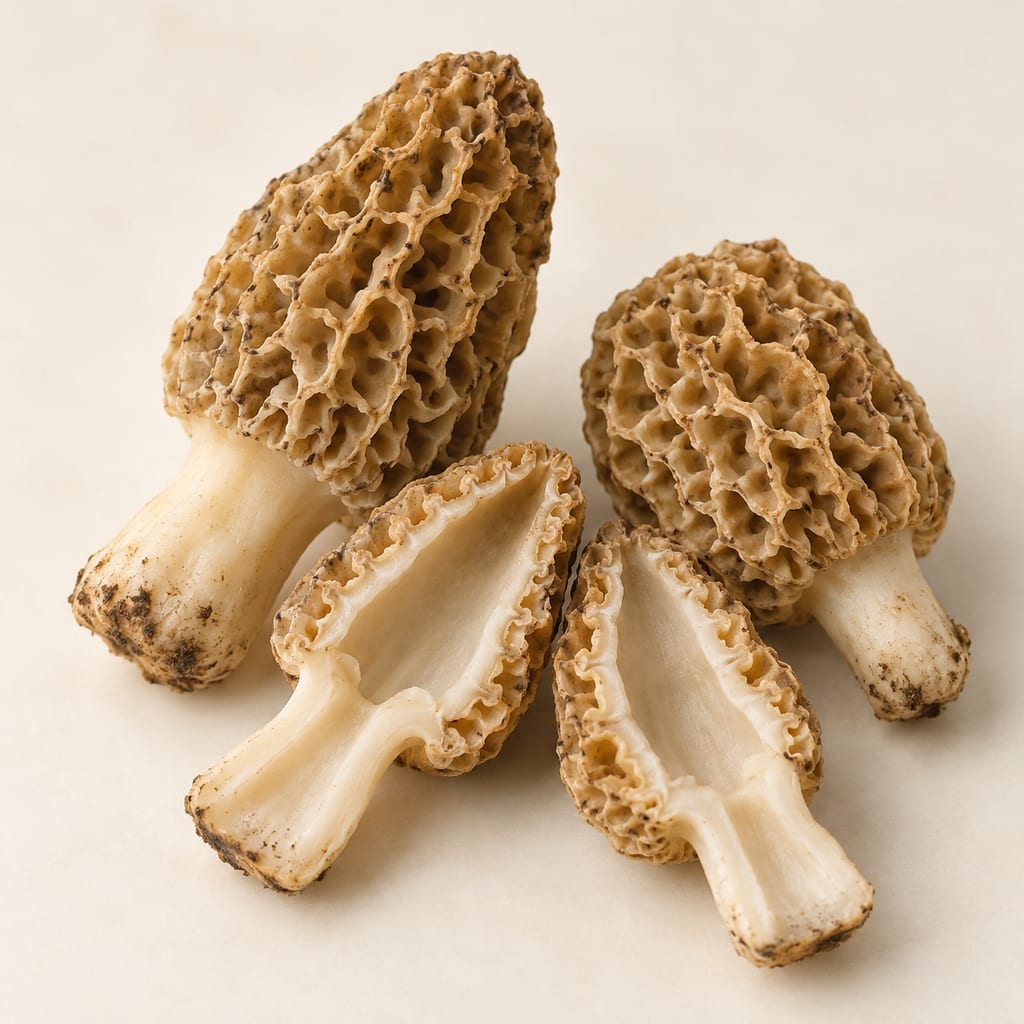 Morels4
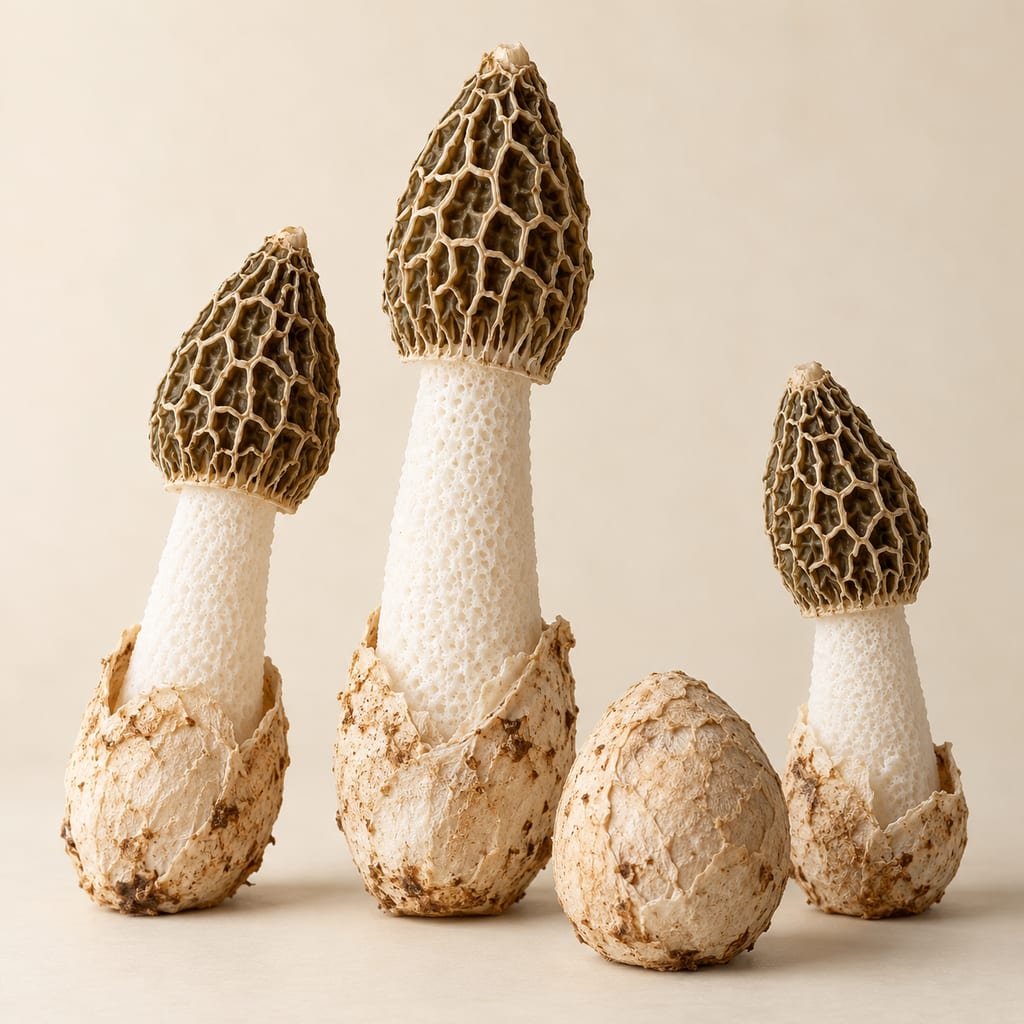 Stinkhorn fungi4
 Fungi3
Llao-llao is the orange, gelatinous fruiting body of a southern-beech parasite in the Andean–Patagonian forests of Chile and Argentina. Regional sources document its food history, including Mapuche use in chicha.
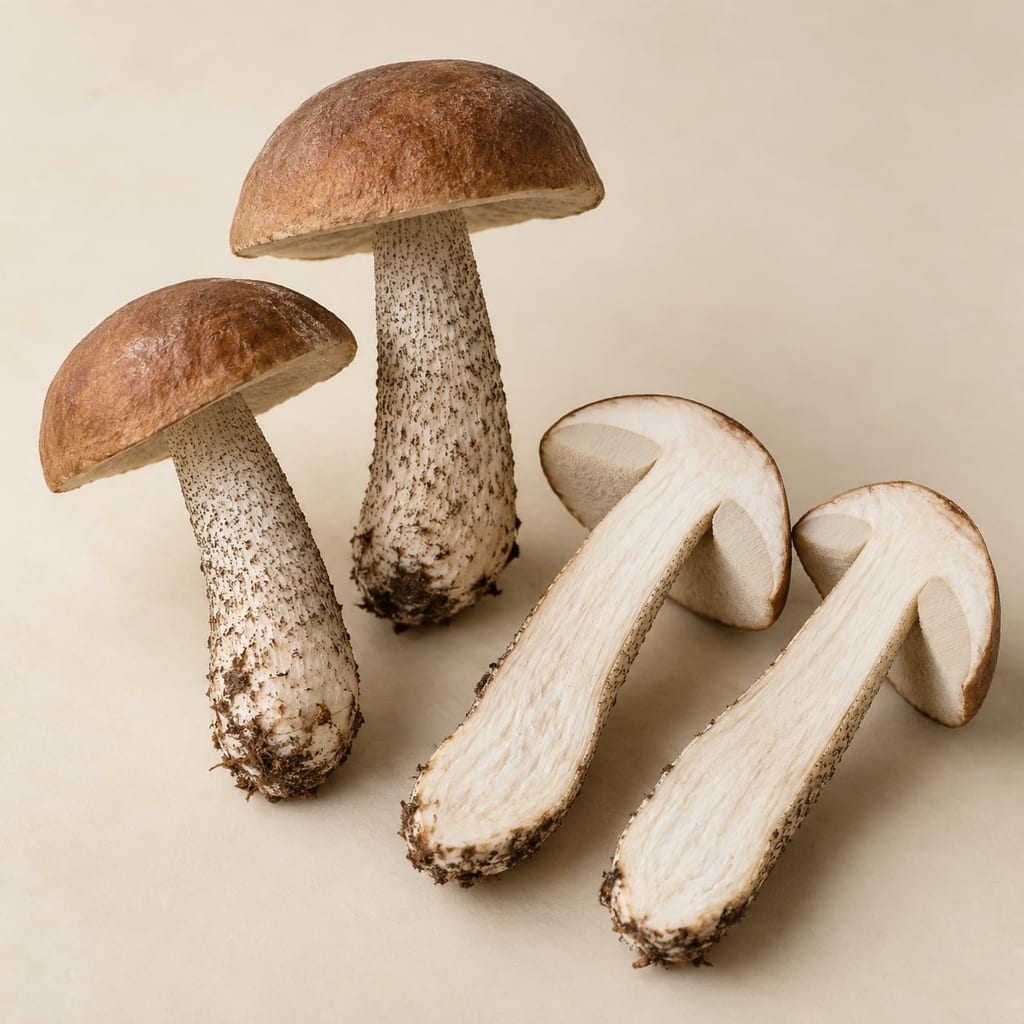
A wild birch-associated bolete eaten in parts of Europe. Its older name, Boletus scaber, remains common in historical sources; regional food records and cooking cautions require source-specific reading.
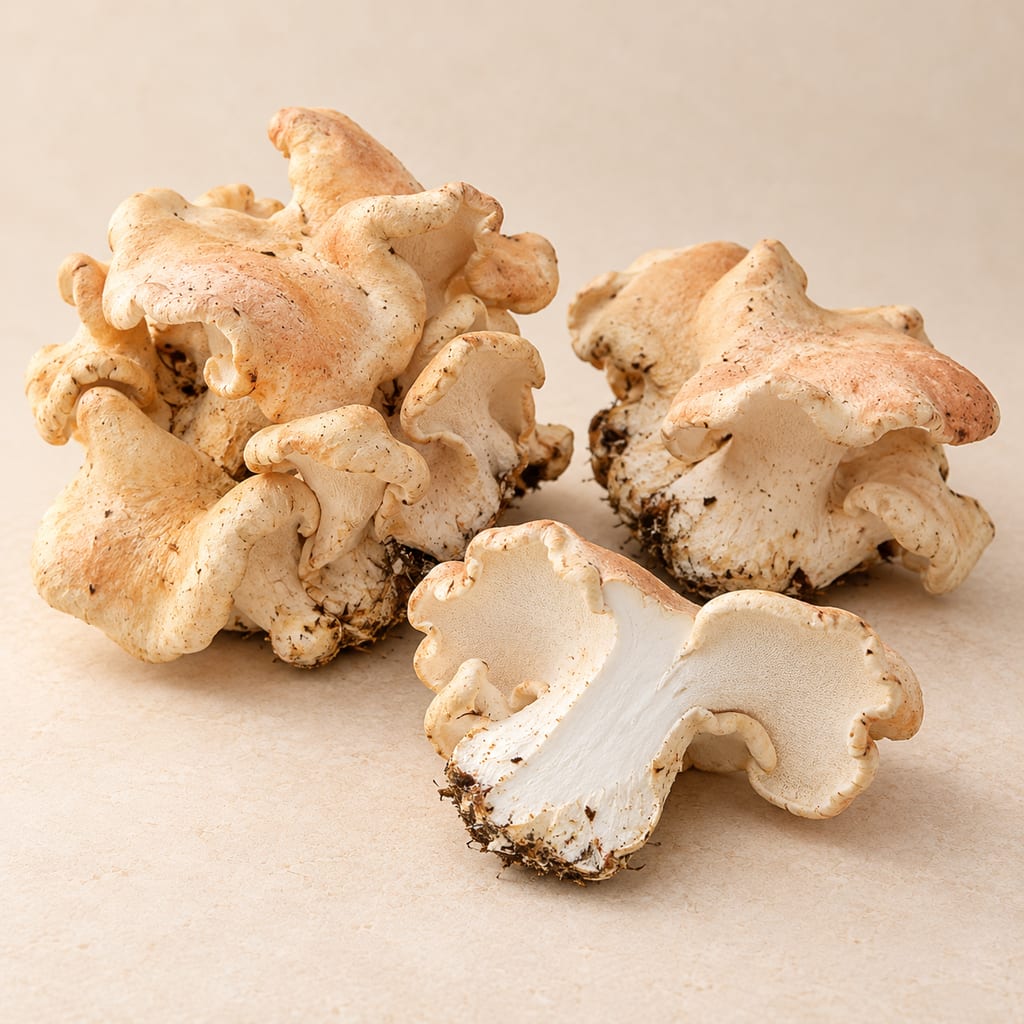
Albatrellus confluens is a ground-growing polypore with fused buff-orange caps. Sources document Chinese market use and regional edibility, but others reject it as too bitter; taxonomy also varies between Albatrellus and Albatrellopsis.
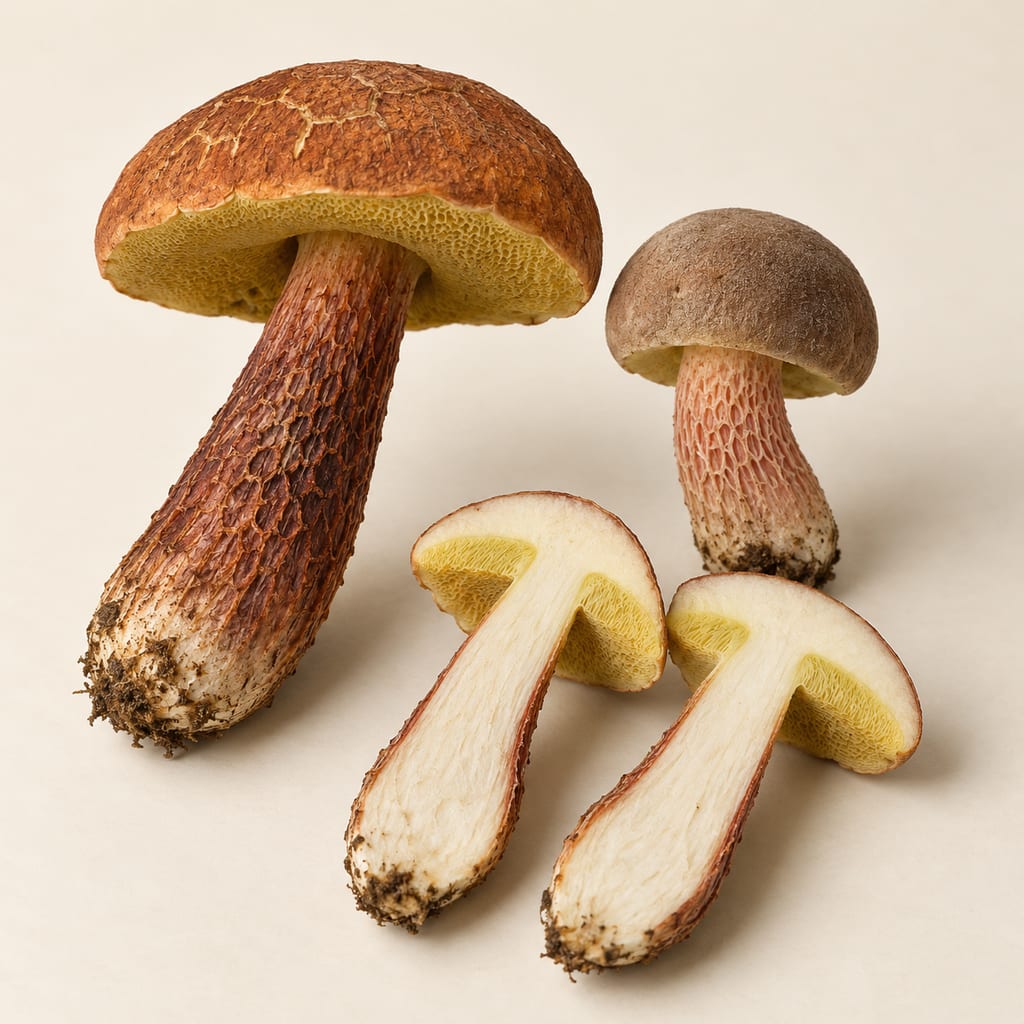
Russell’s bolete is a woodland bolete now called Aureoboletus russellii, with documented regional food use in Mexico and an unresolved historical China claim.
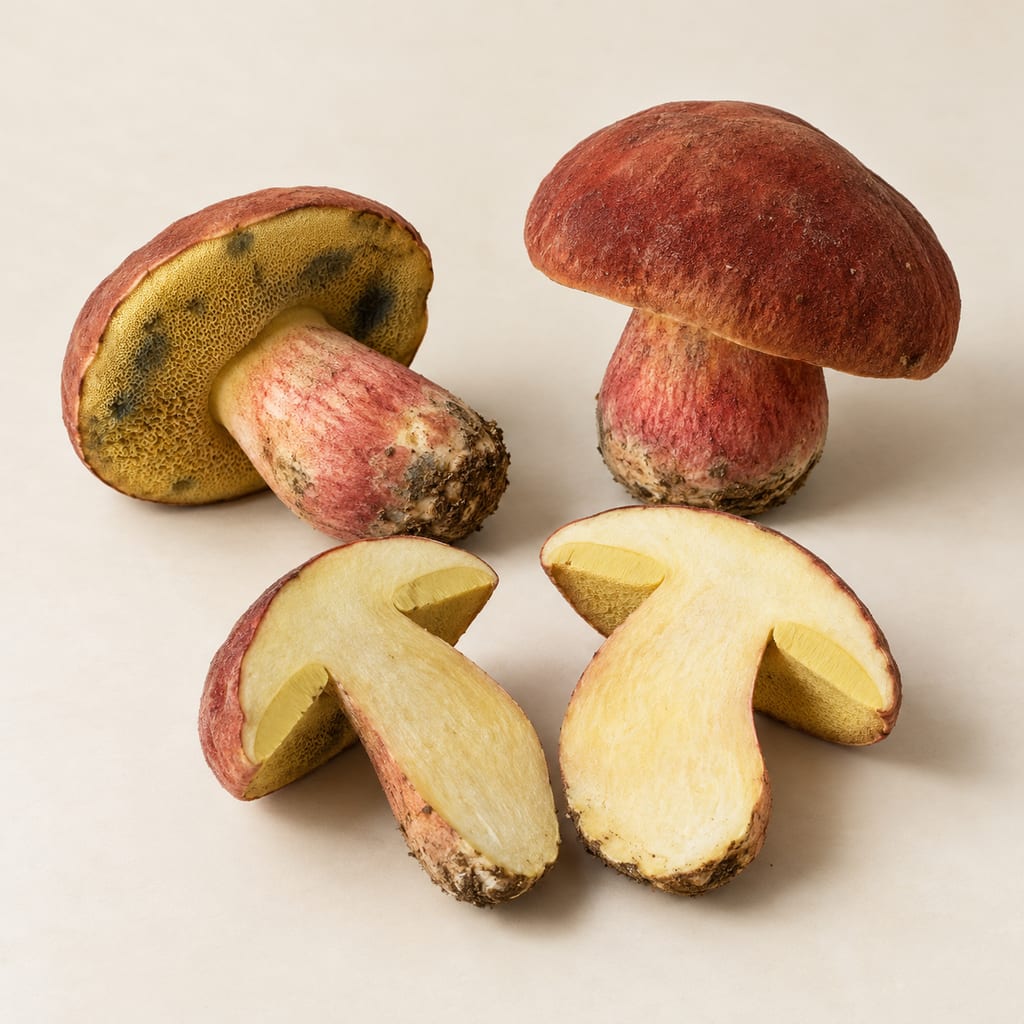
A red-and-yellow bolete described from Michigan and also listed in Mexican fungal records. Historical sources classify it as food, but its species limits, Mexican range and safe food use need careful qualification.
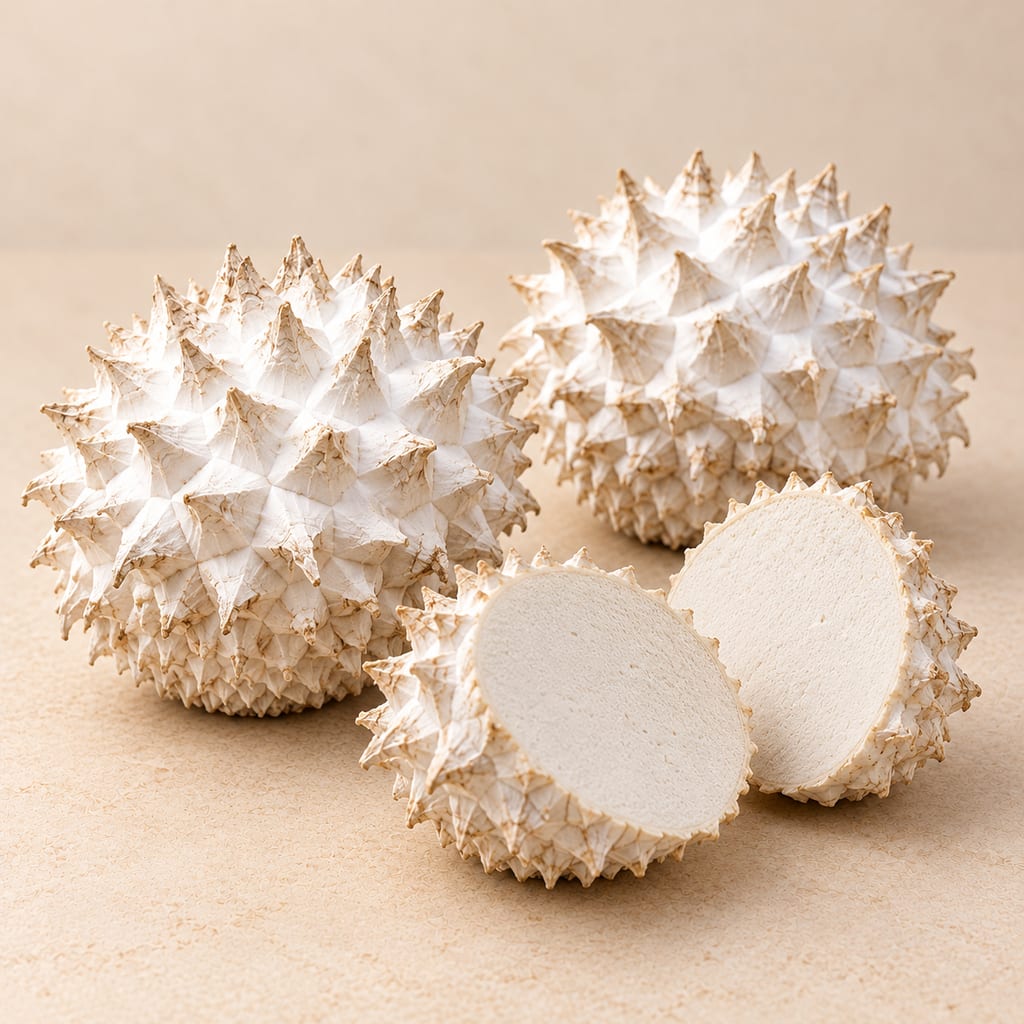
Calvatia sculpta is a high-elevation western North American and rarely reported Brazilian puffball, named for its tall, terraced pyramidal warts.
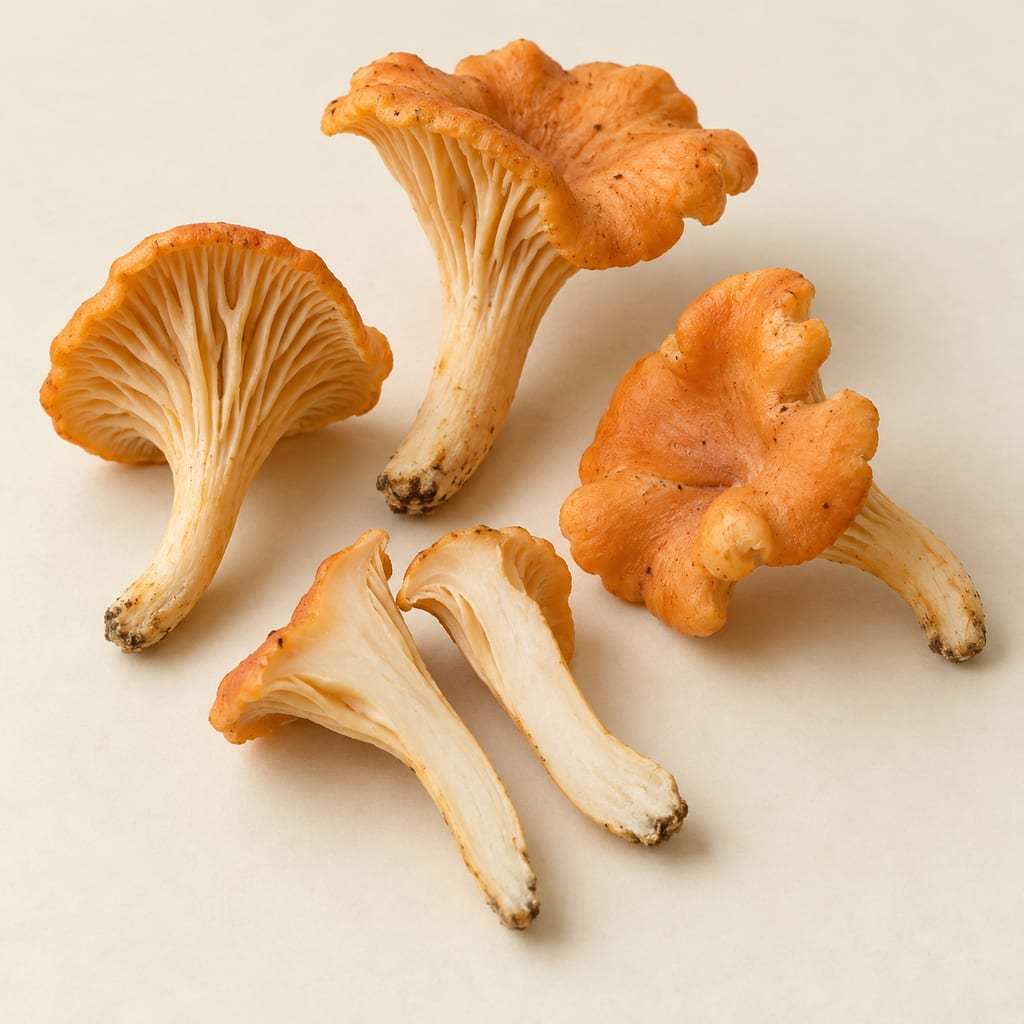
A tropical African chanterelle anchored by a sequenced epitype from Cameroon. Voucher-backed Tshopo research records local food use; older records and illustrations require taxonomic caution.
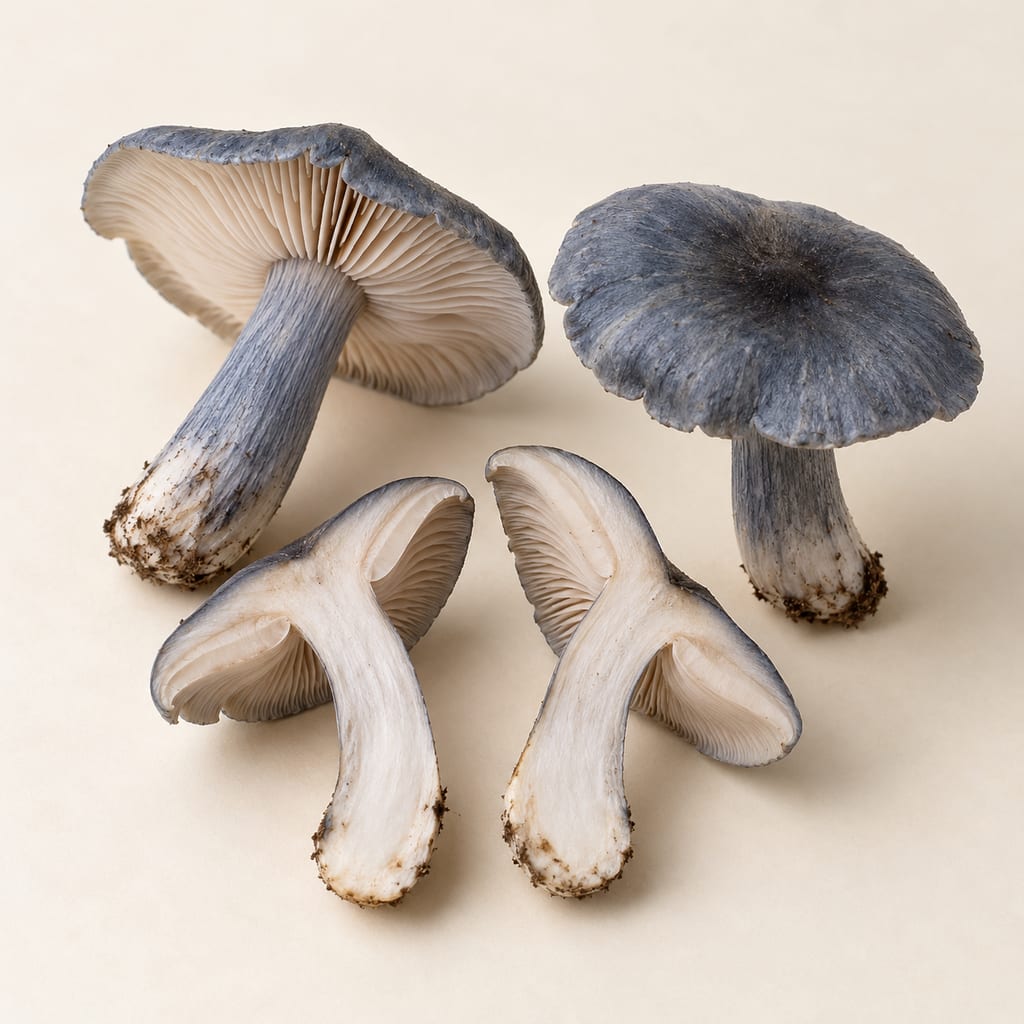
Bloxam's entoloma is a rare pink-gilled mushroom of old grasslands. Historical sources call it edible, but food-use evidence and older identifications remain uncertain; this does not recommend gathering or eating it.
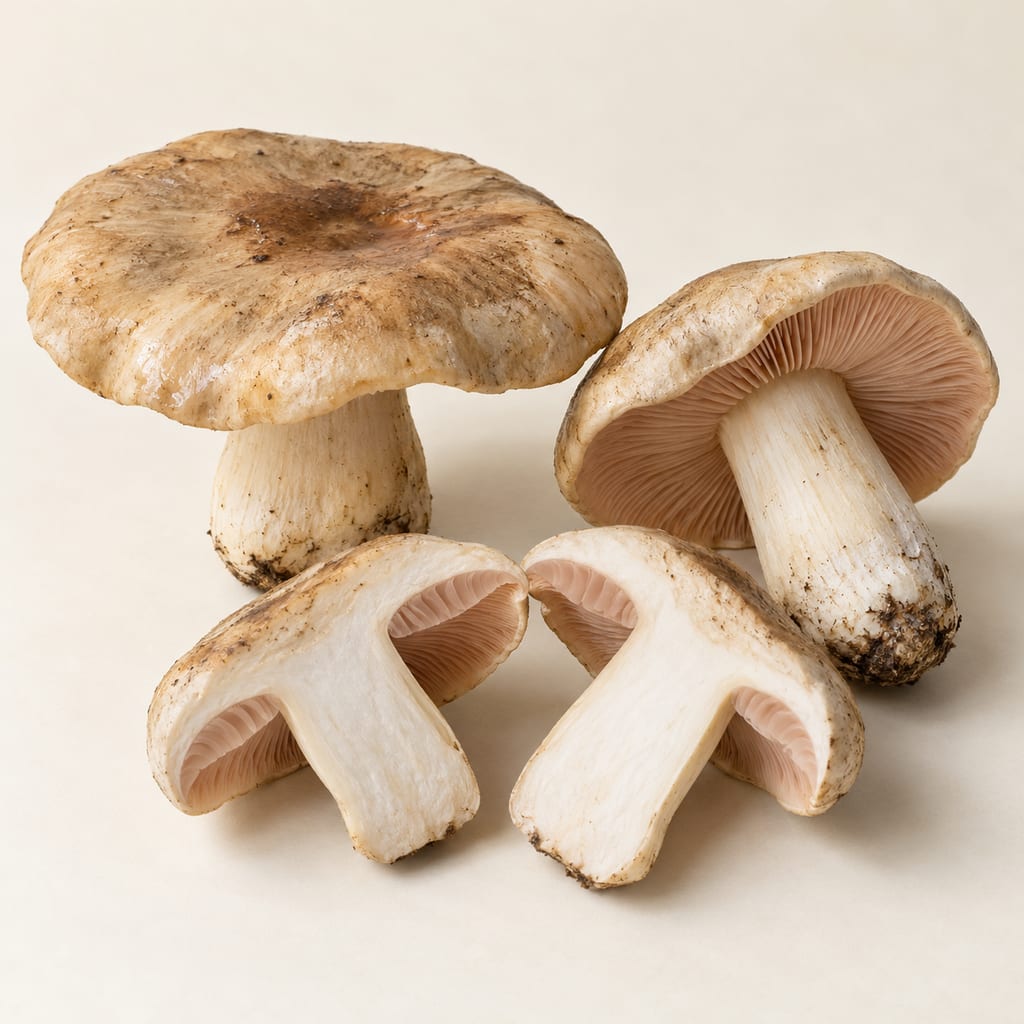
Entoloma sarcopum is a large, bitter autumn mushroom reported as food in Japan. Older sources call it Entoloma crassipes; related poisonous Entoloma make identification a serious concern.
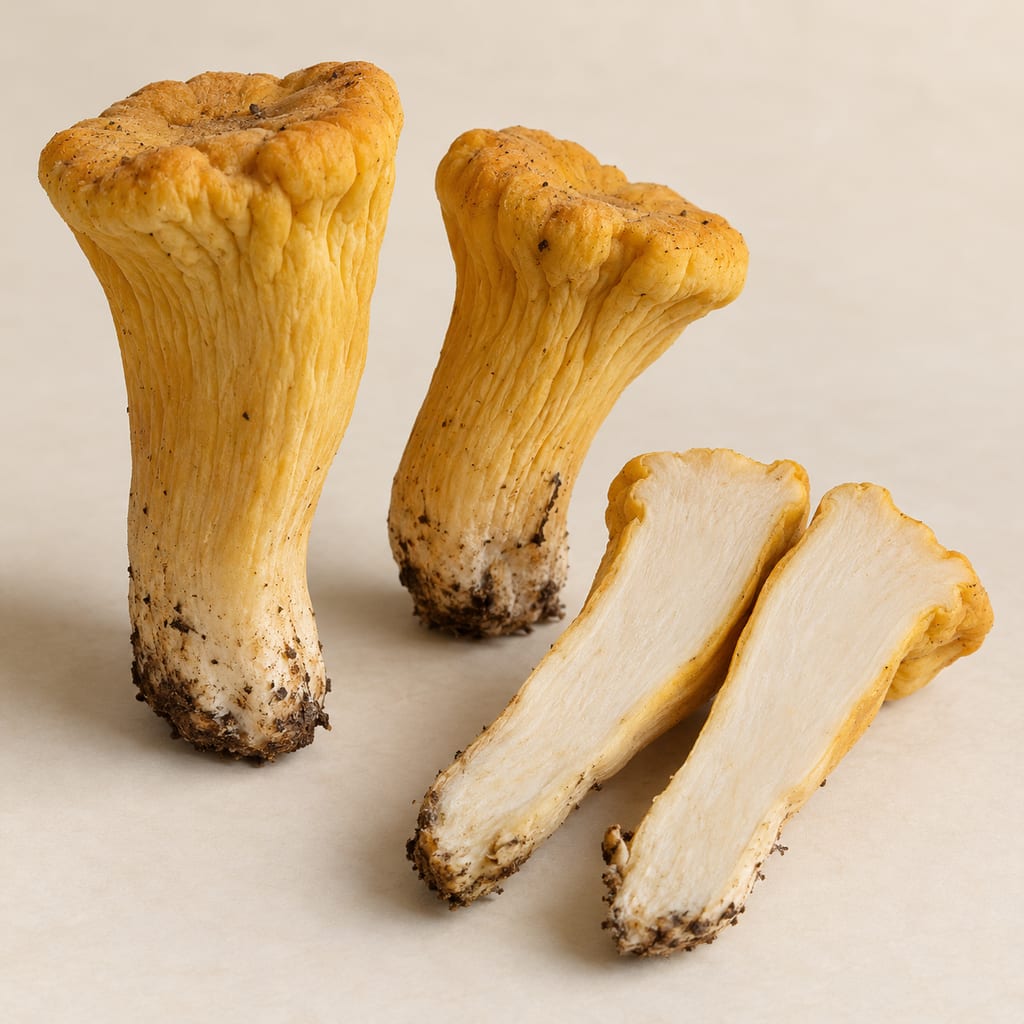
A yellow to ochre club fungus reported as food in parts of Mexico and in historical country lists. Local acceptance and taxonomy vary, and some Chinese records may refer to Clavariadelphus amplus.
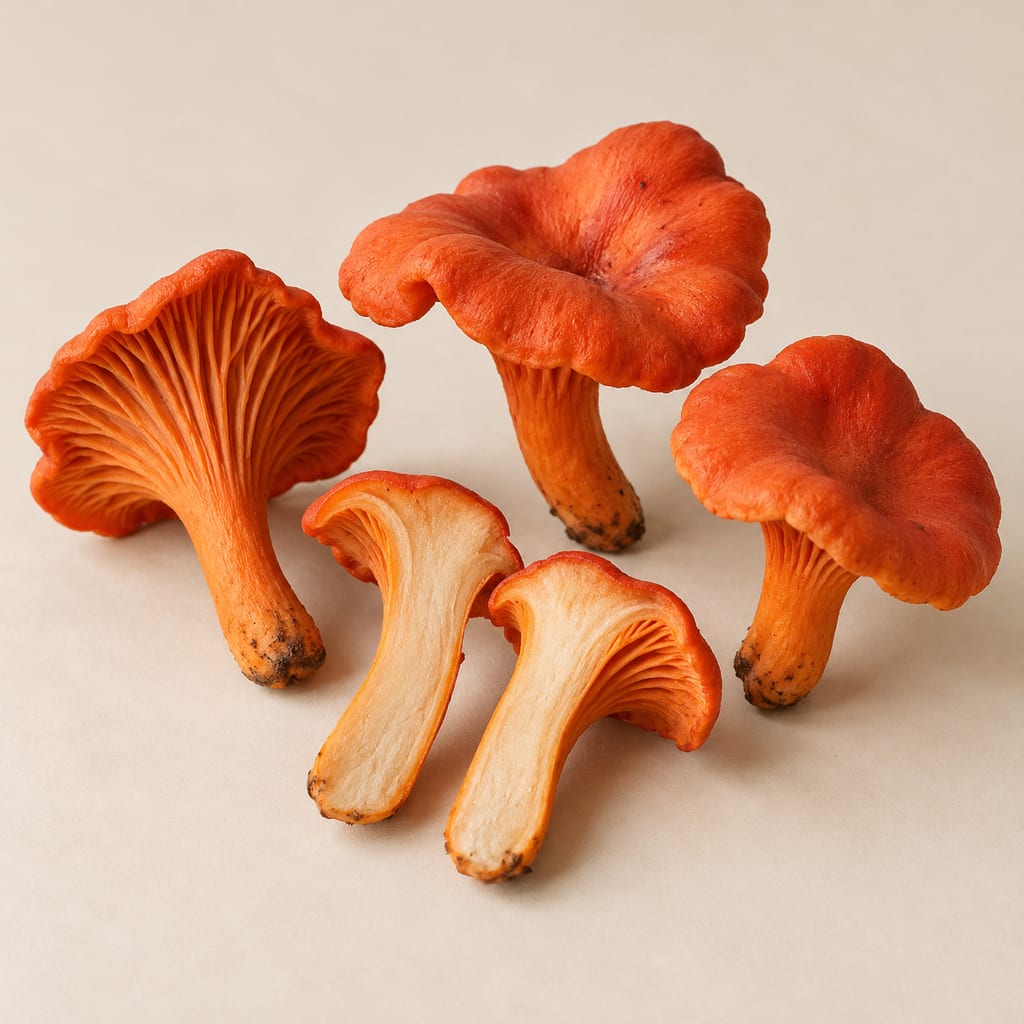
A small red-orange chanterelle of eastern North American hardwood forests, gathered as food for its mild flavour and vivid colour that persists through cooking.
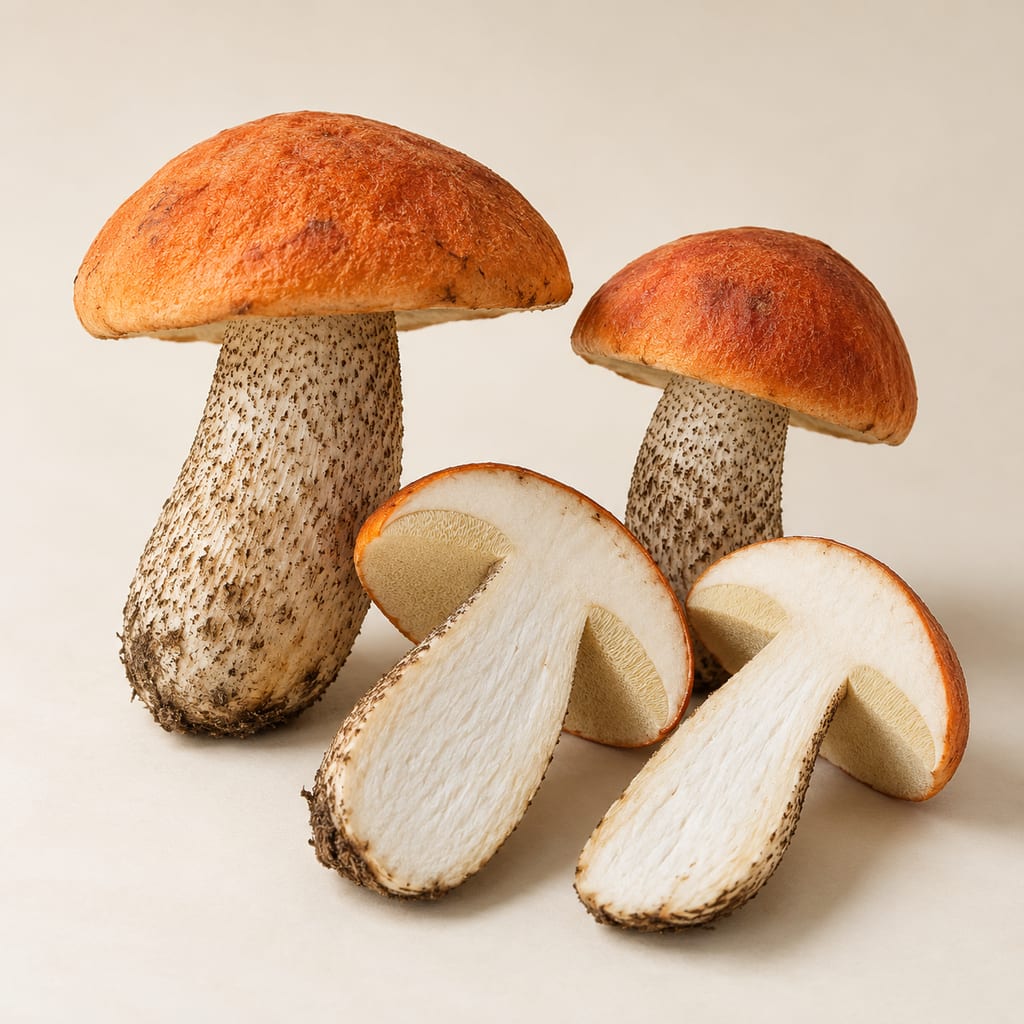
Orange bolete is the red-capped scaber-stalk bolete, accepted as Leccinum aurantiacum (Bull.) Gray; Boletus aurantiacus Bull. is its basionym. Culinary accounts are conditional on confident identification and thorough cooking.
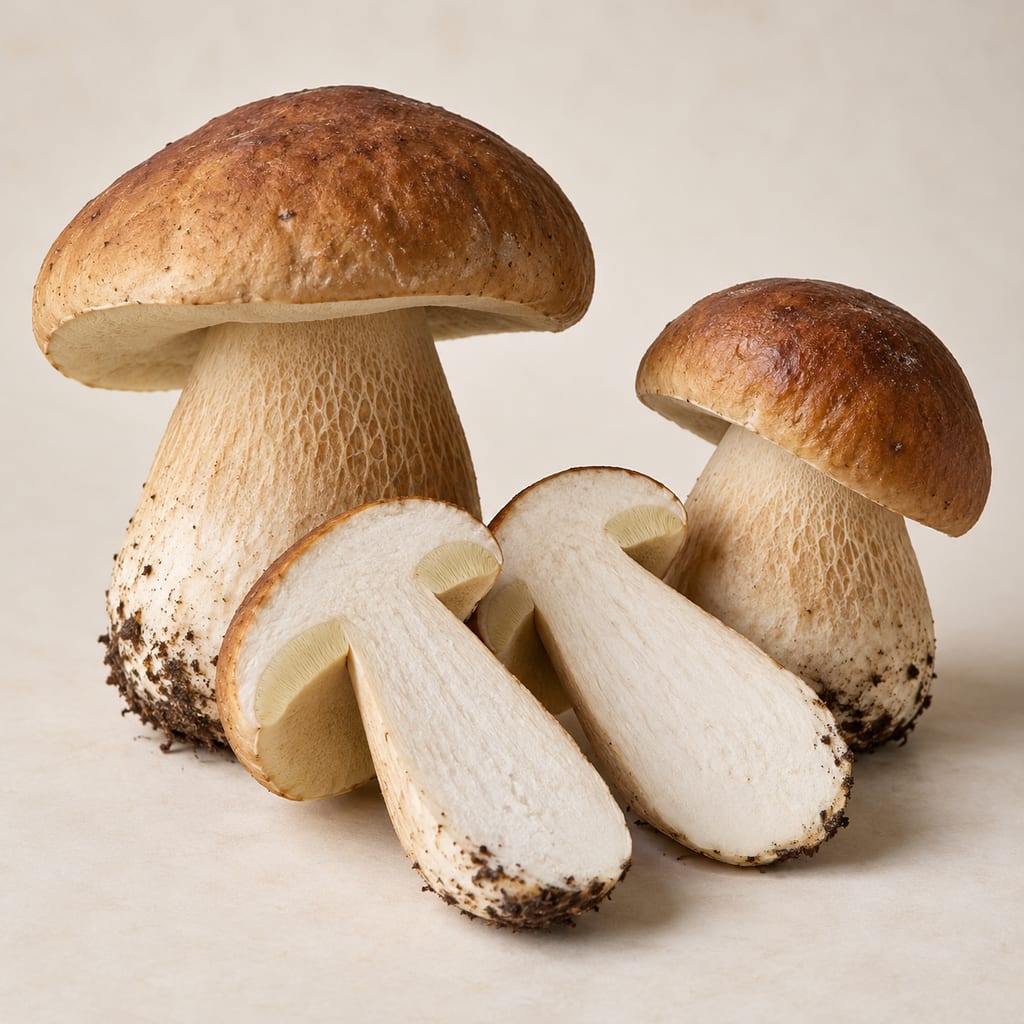
A wild European bolete with documented seasonal fruiting in broadleaf woods and culinary use. Sources treat Boletus reticulatus and B. aestivalis as synonyms, though taxonomic authorities differ on the preferred name.
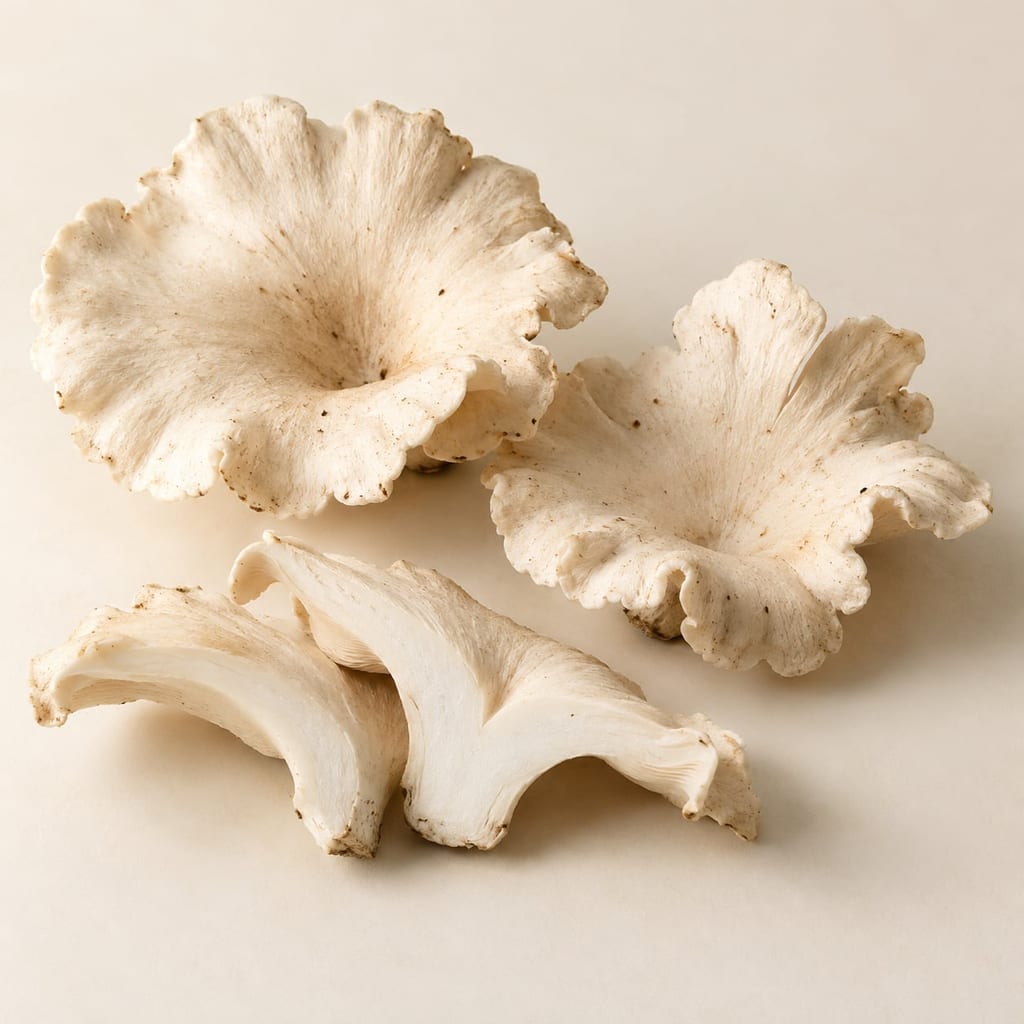
A Neotropical wood-decay mushroom with limited food records in Martinique and São Paulo. Preparation details and a reliable harvest season remain undocumented.
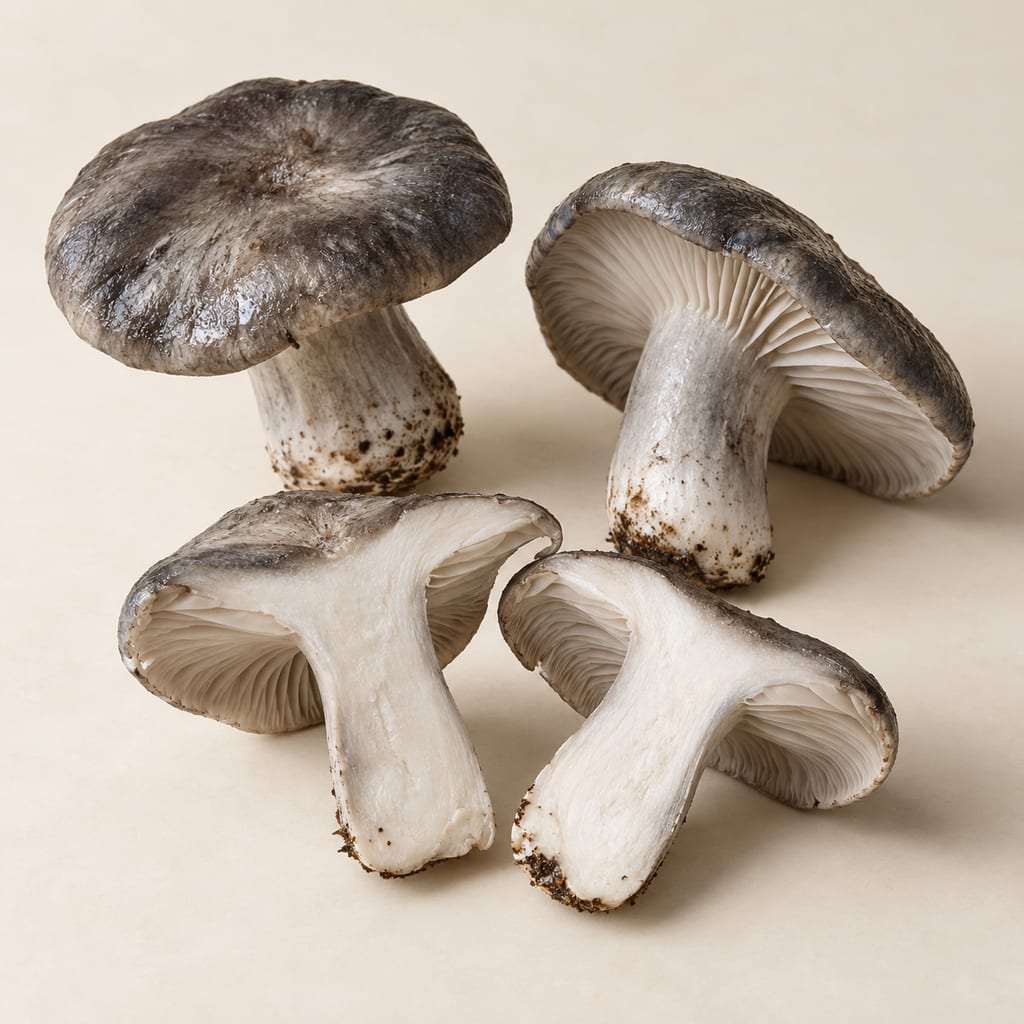
A European mountain mushroom associated with old conifer and mixed forests. It is valued as an early spring edible, but its vulnerable status and local collection rules matter.
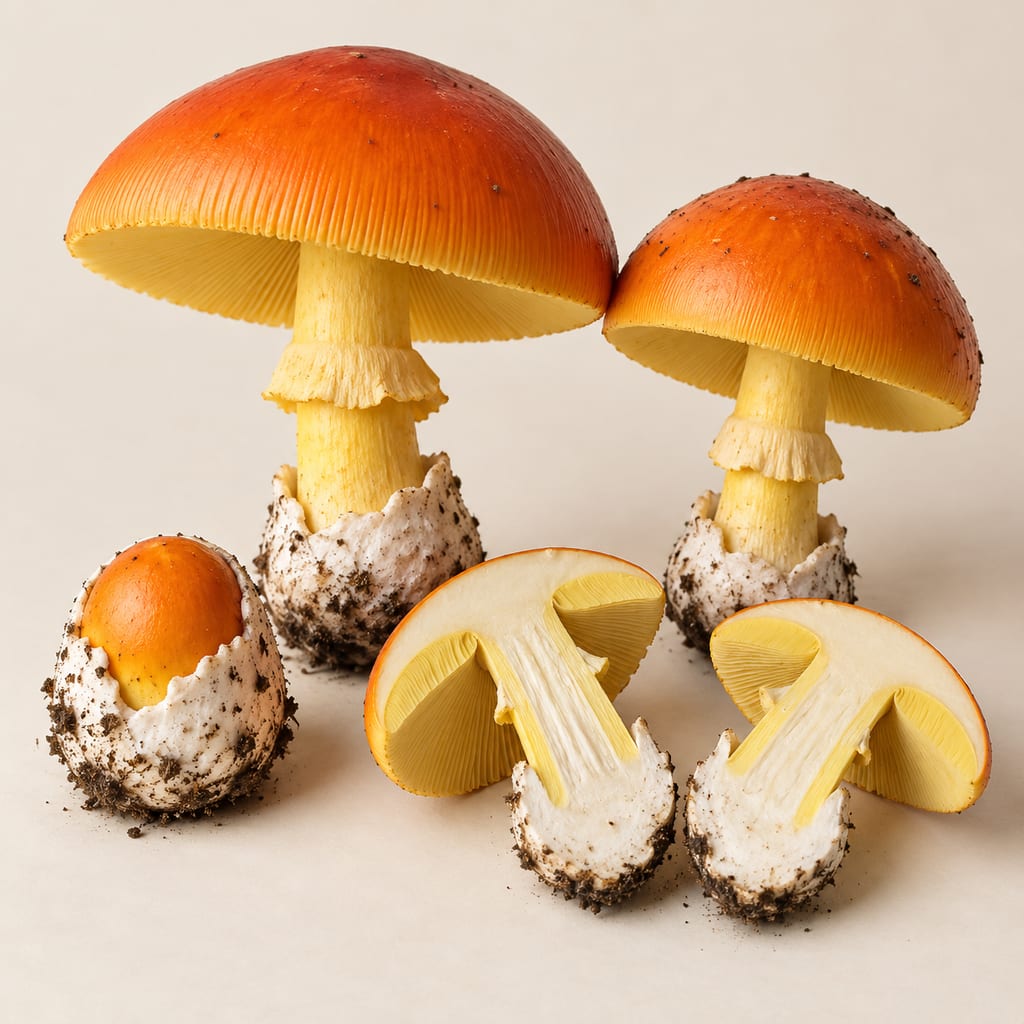
Caesar’s mushroom, Amanita caesarea, is a prized wild, tree-associated fungus of Mediterranean Europe, gathered seasonally for regional dishes. Its celebrated name and food traditions sit beside serious identification risks.
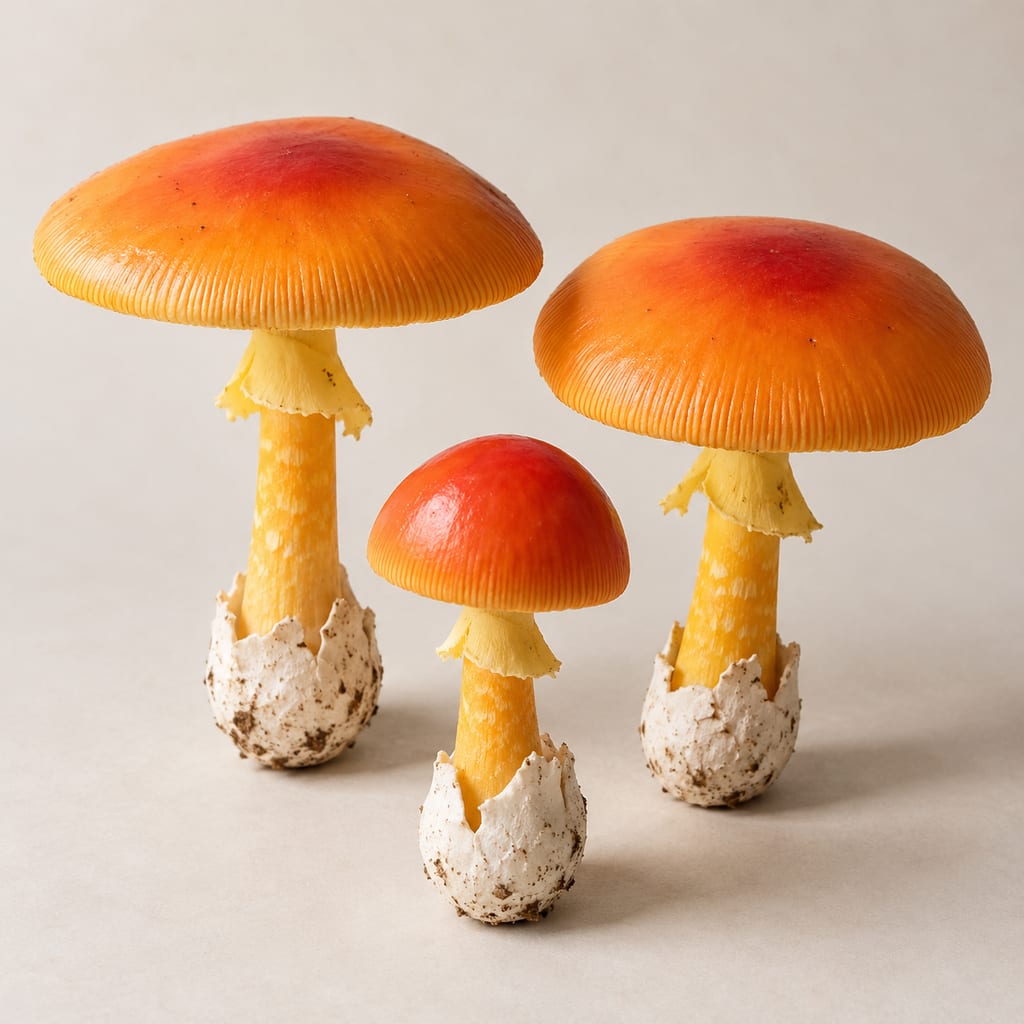
A wild Asian Amanita reported as food in regional literature and listed in China’s edible-fungi catalogue. Lookalikes include lethal species; this record is not a guide to identifying wild mushrooms.
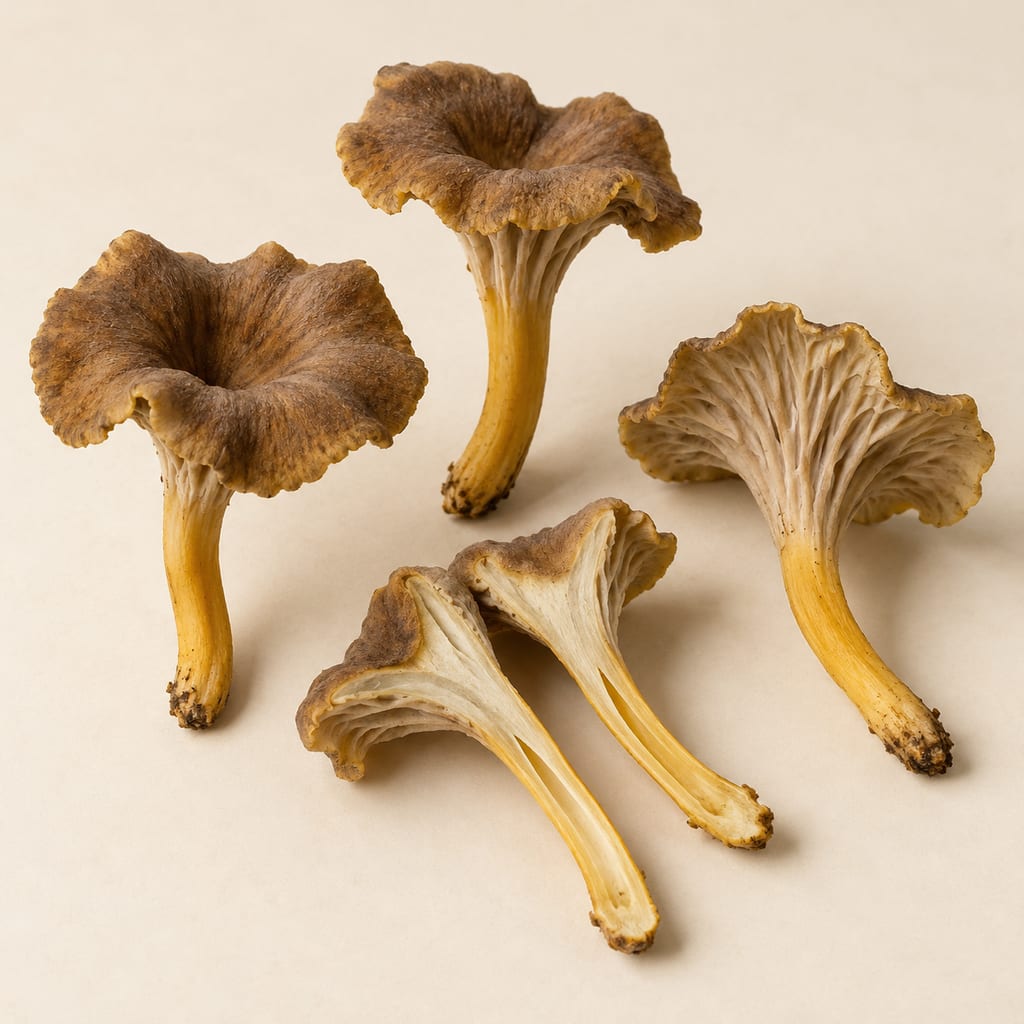
Winter chanterelle (Craterellus tubaeformis) is a funnel-shaped wild mushroom with blunt folds and a hollow yellow-brown stem, gathered in northern Europe’s autumn and winter forests.
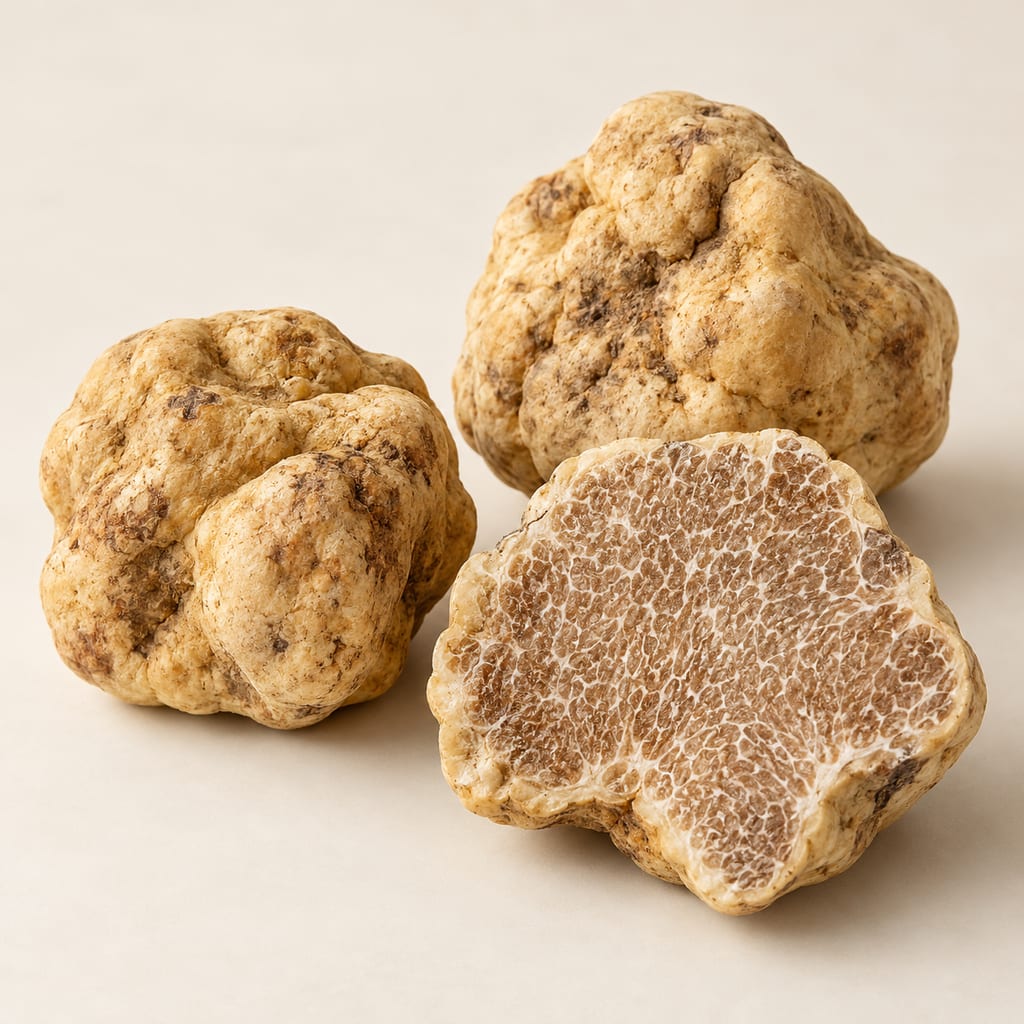
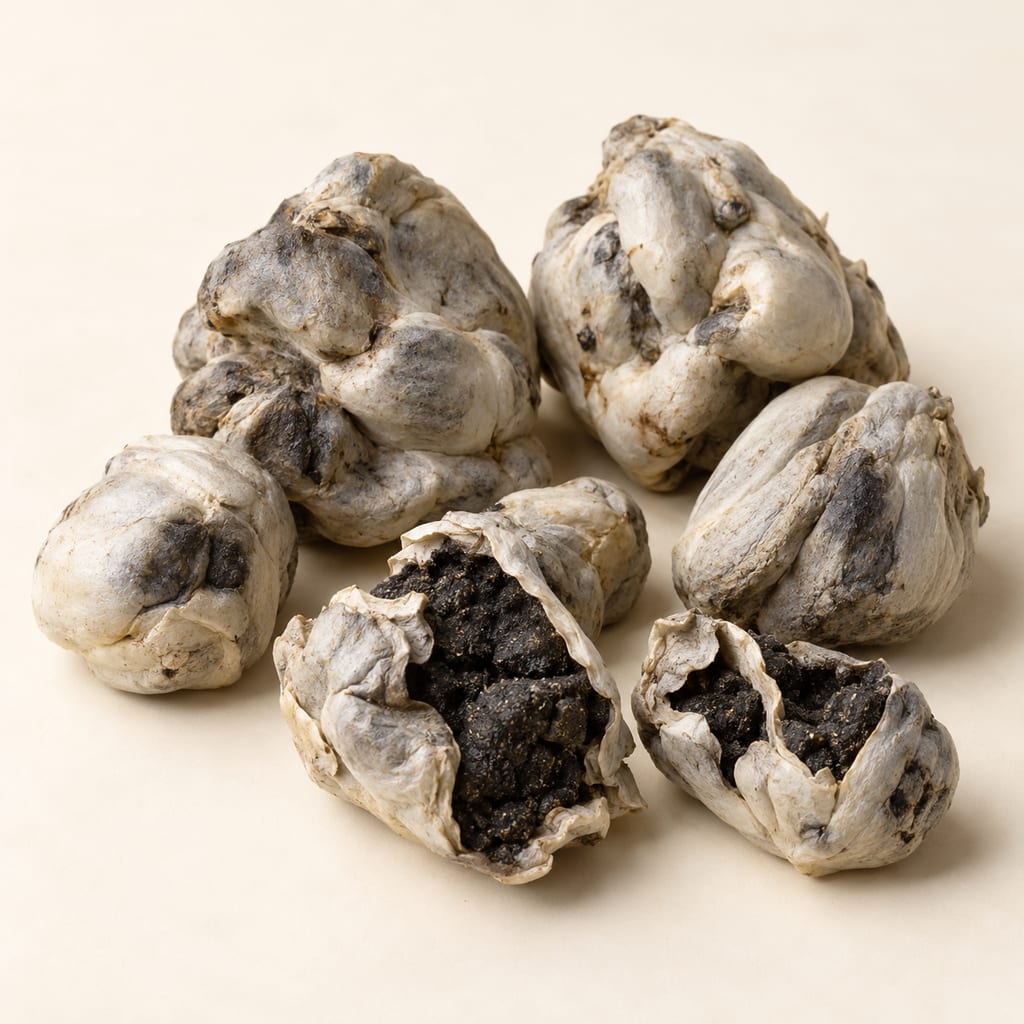
Tuber magnatum is a subterranean, tree-associated European truffle prized for its aroma. It is often shaved raw over warm, simply prepared foods during local autumn and winter seasons.
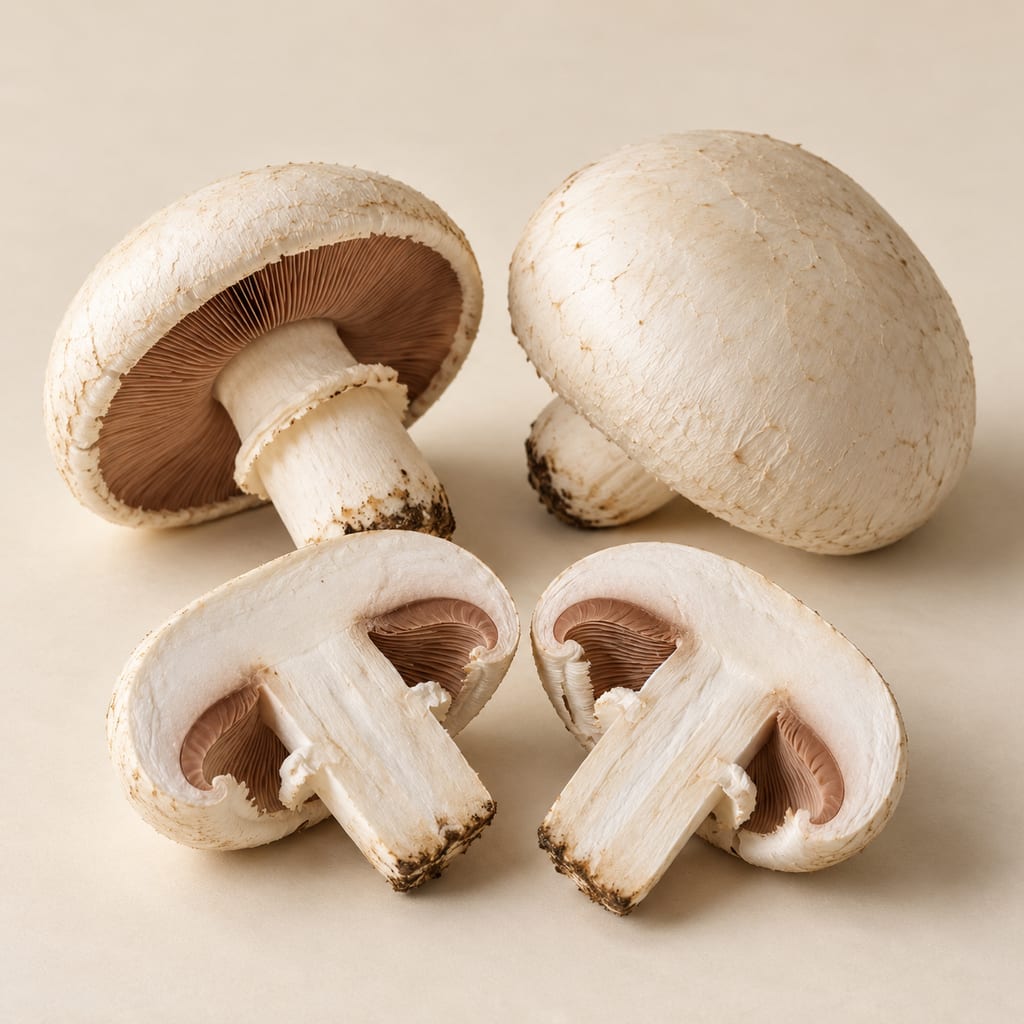
The field mushroom (Agaricus campestris) is a wild grassland fungus with a long record of cooked food use in several regions. Local names, seasons and practices belong to particular communities.
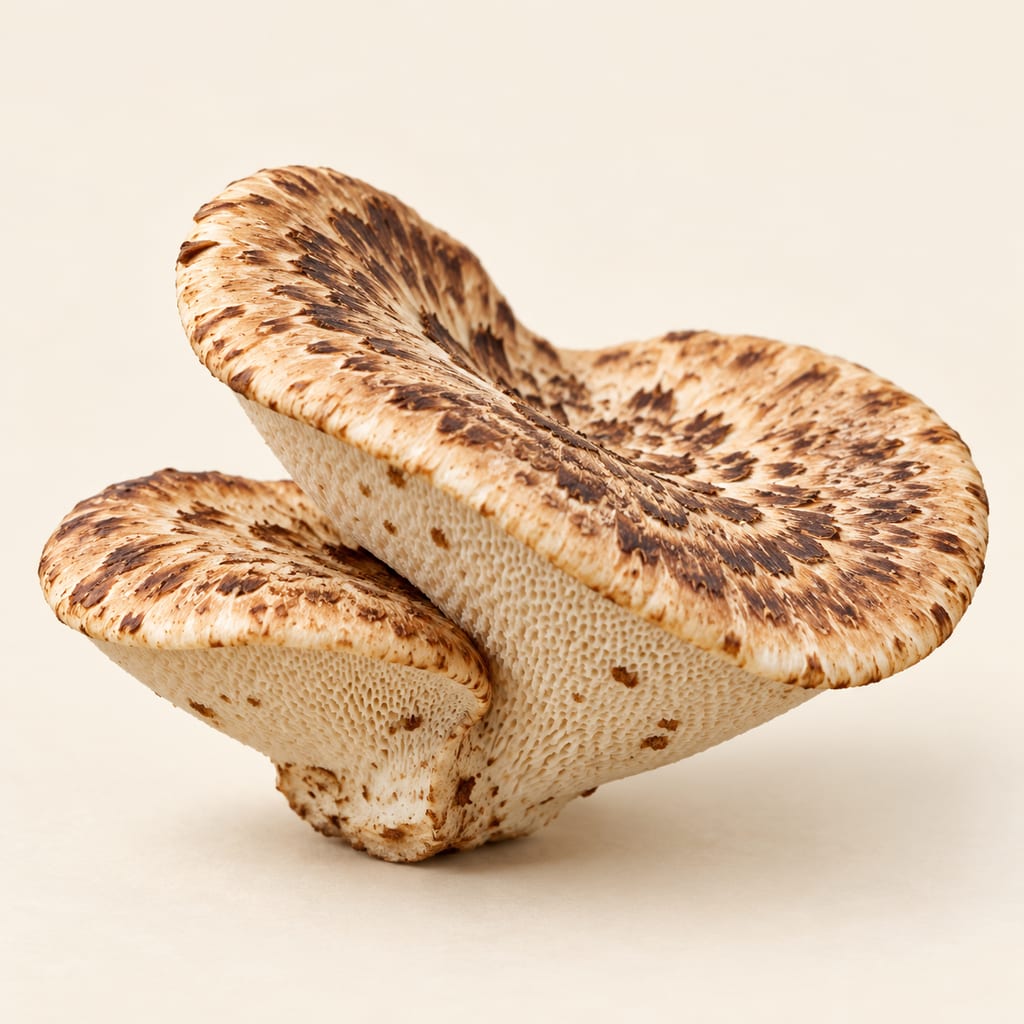
Dryad’s saddle is a wild hardwood polypore whose young tender margins are cooked in some regional food traditions; mature brackets quickly become tough.
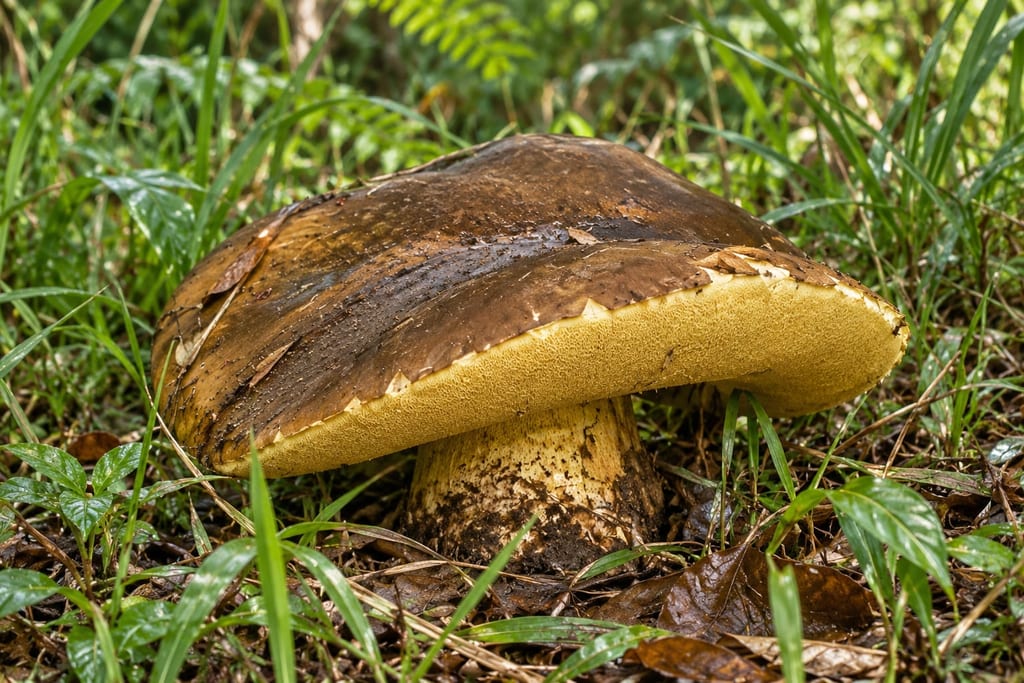
A very large tropical bolete with historical records in Madagascar and documented food-market use in Thailand. Earlier Madagascar food evidence is explicitly uncertain; Thai records provide stronger evidence of seasonal collection and sale.
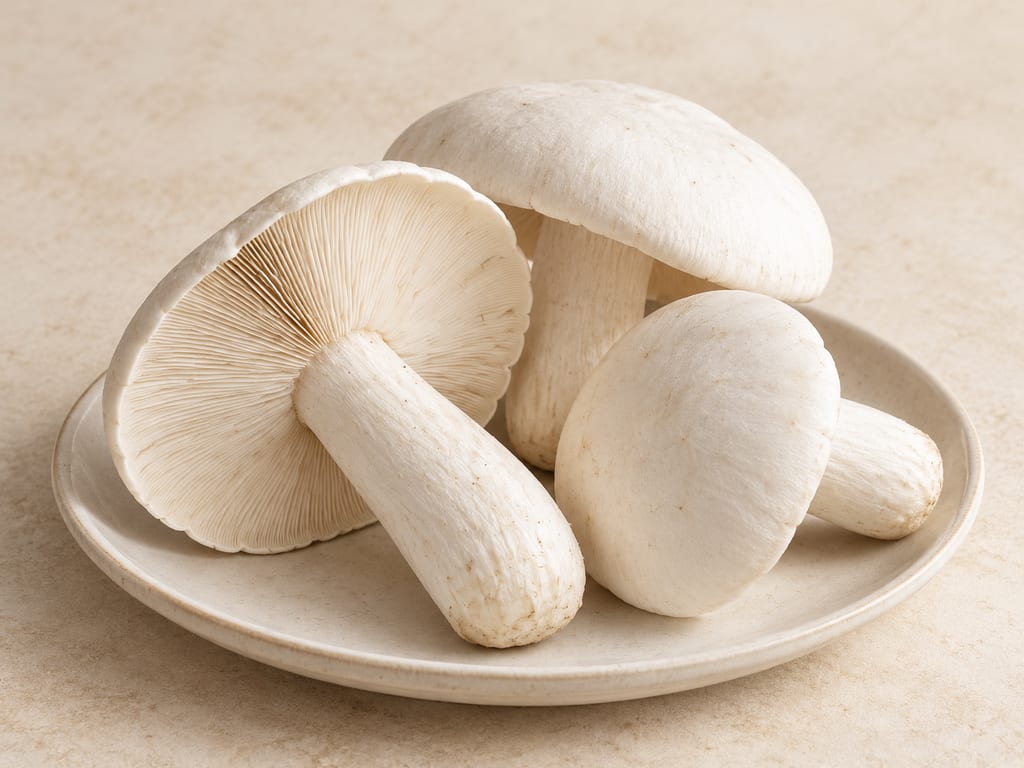
The milky mushroom is a warm-climate cultivated edible, historically named Calocybe indica and now listed by Species Fungorum as Macrocybe indica. Indian cultivation research centres on straw substrates and a separate casing layer.
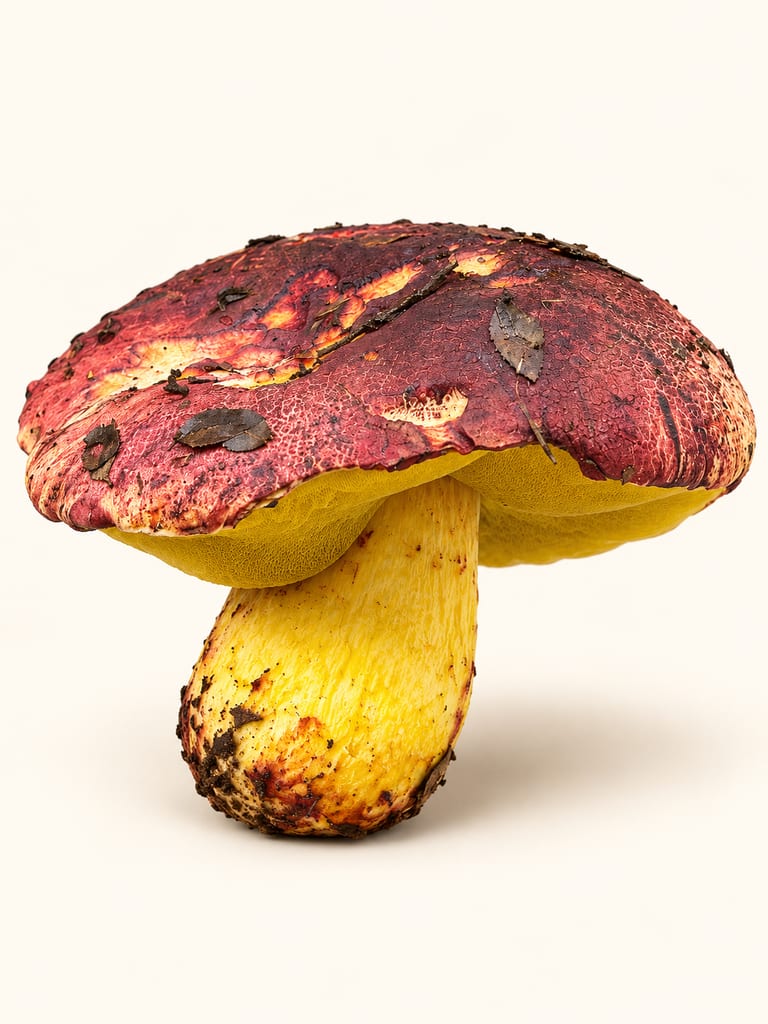
A large, Nothofagus-associated bolete native to central and southern Chile, where it has a documented Mapuche food tradition and local market use. It is listed as Endangered; historical edibility is not a reason to collect it.
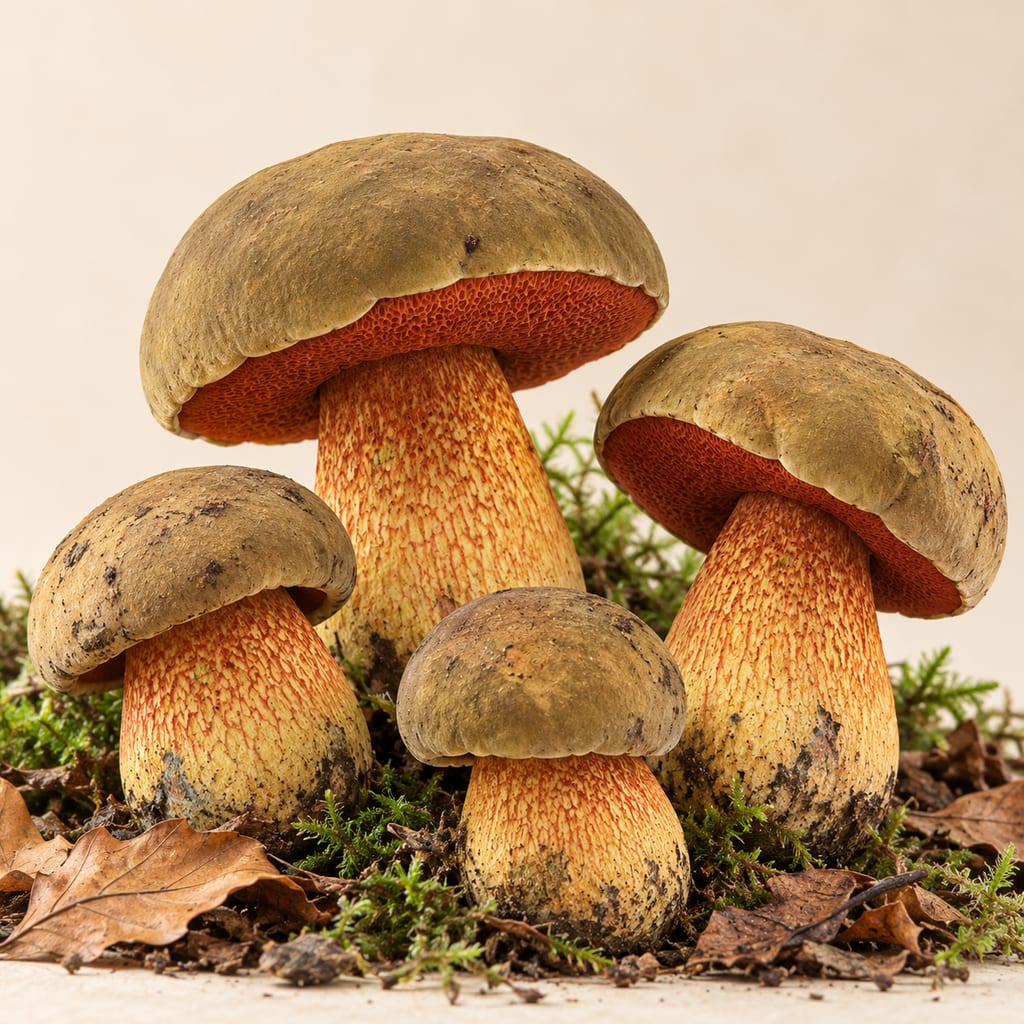
A European bolete reported as food in some regions and treated as toxic or not known to be edible in others. Its name, use and safety cannot be generalized across all records.
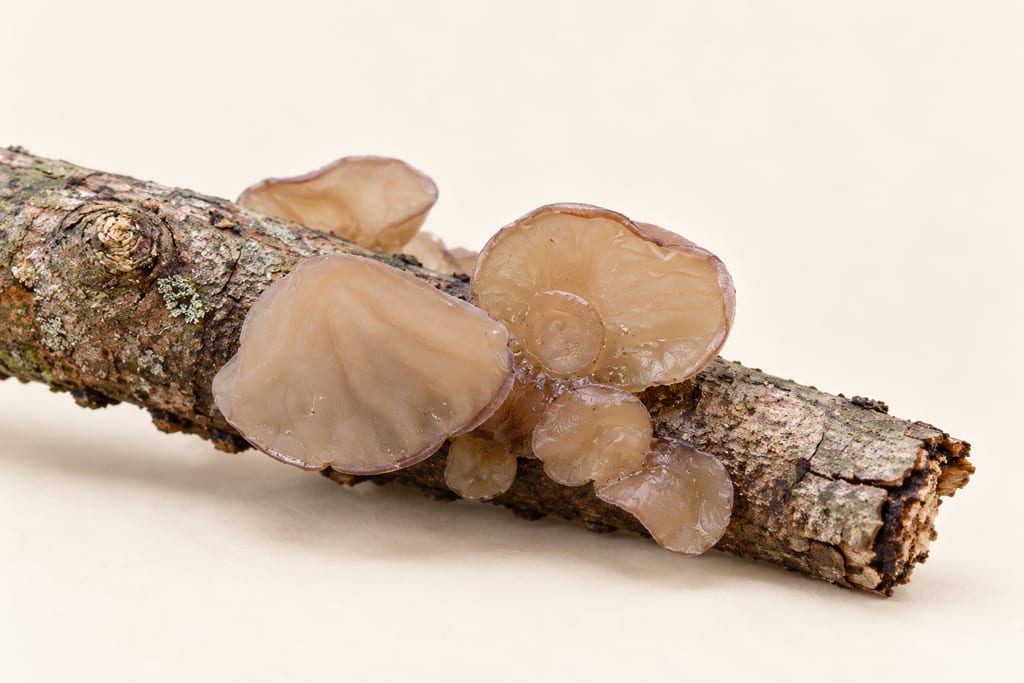
A small wood-decaying jelly fungus recognized as a distinct East Asian species. A Chinese edible-fungi catalogue lists it as edible, but species-specific preparation and safety evidence remain limited.
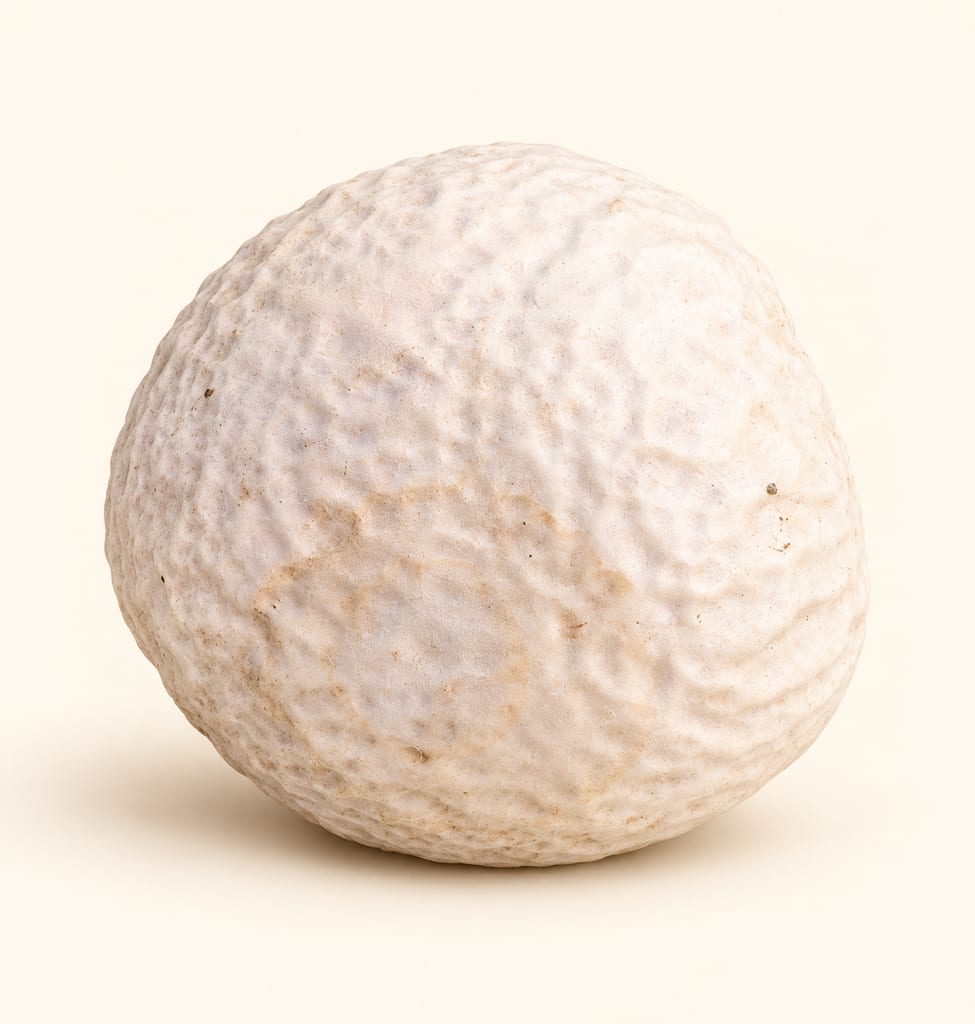
Calvatia lilacina is a lilac-tinted puffball with regional natural-history records and historical edible listings whose taxonomic and safety limits remain important.
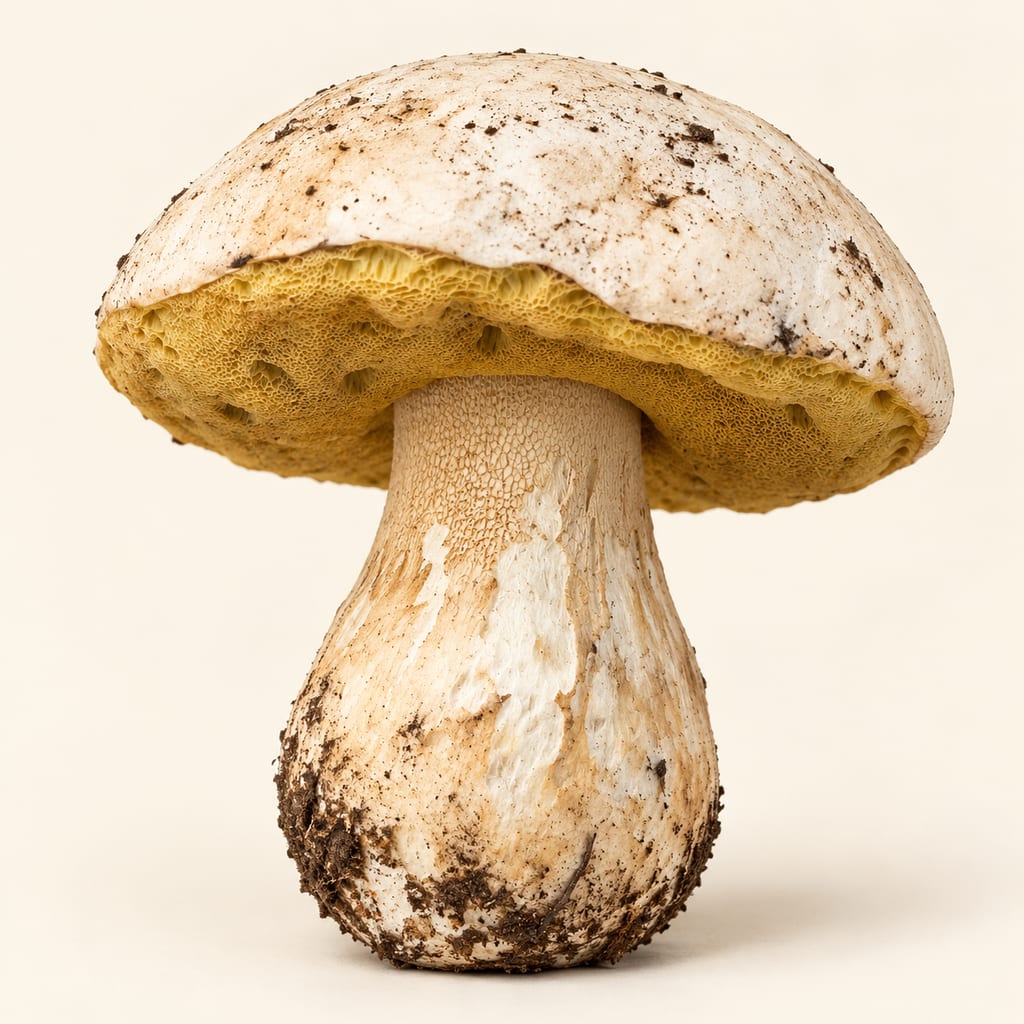
Boletus barrowsii, the white king bolete, is a western porcini relative with documented local food use in Mexico. Its pale cap and netted stem are not enough for field identification.
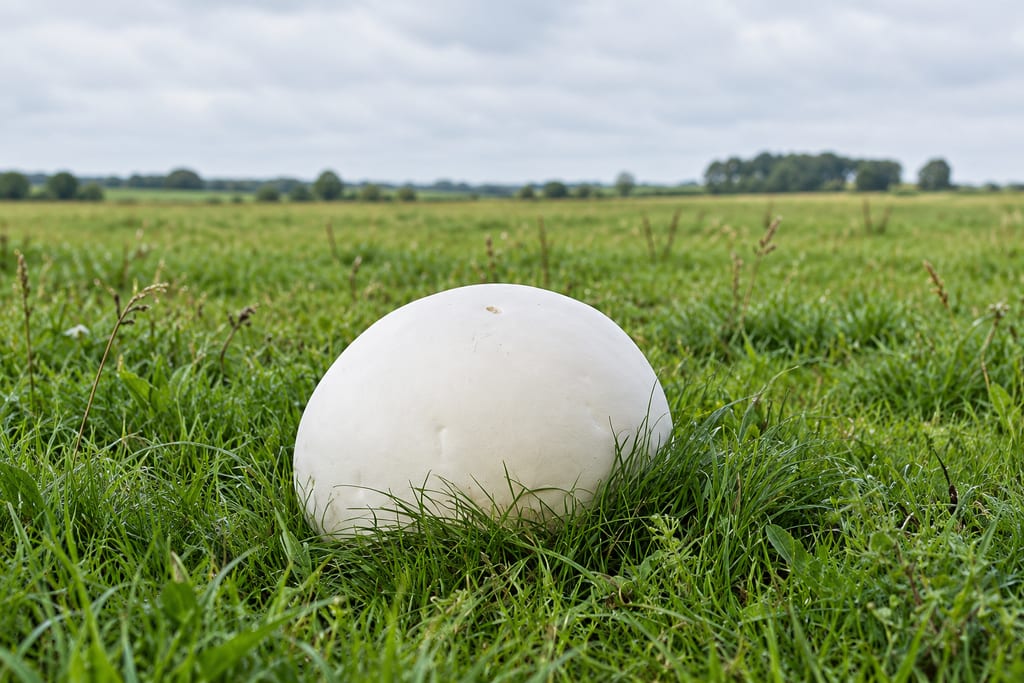
Young Calvatia gigantea is documented as a cooked food in Khiram, South Kashmir; mature or uncertain specimens are not food. Wild mushroom identification requires expert confirmation.
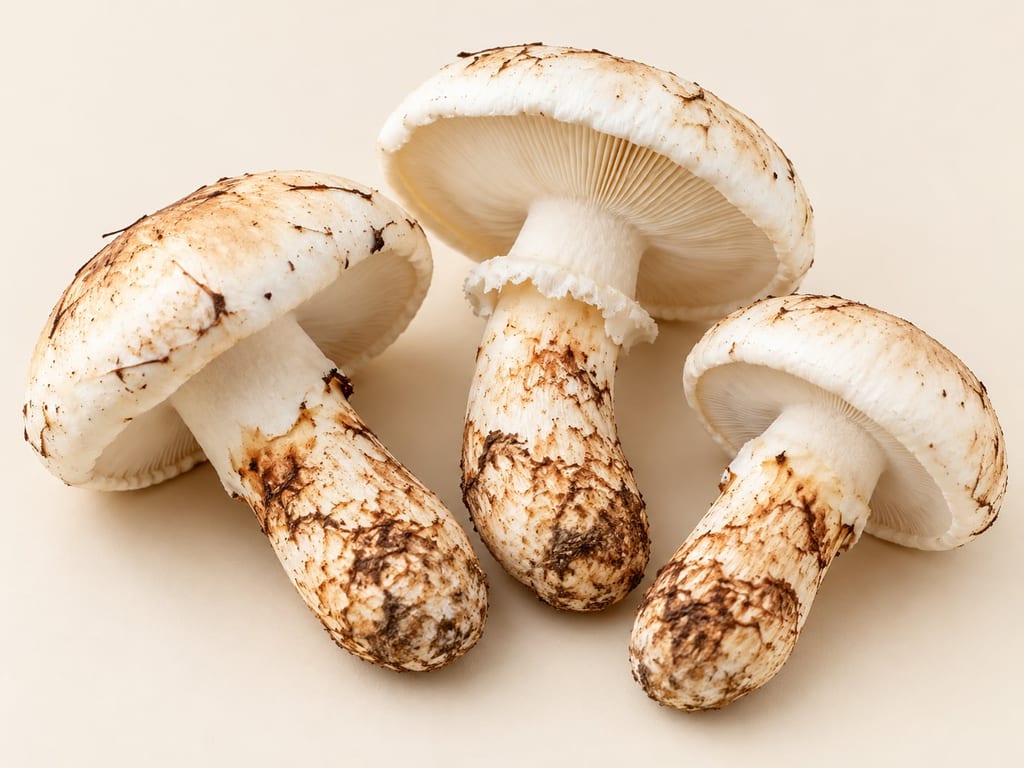
Western matsutake is an aromatic wild mushroom native to western North American forests. Its name overlaps with related matsutake species, so field or market labels alone cannot establish a safe identification.
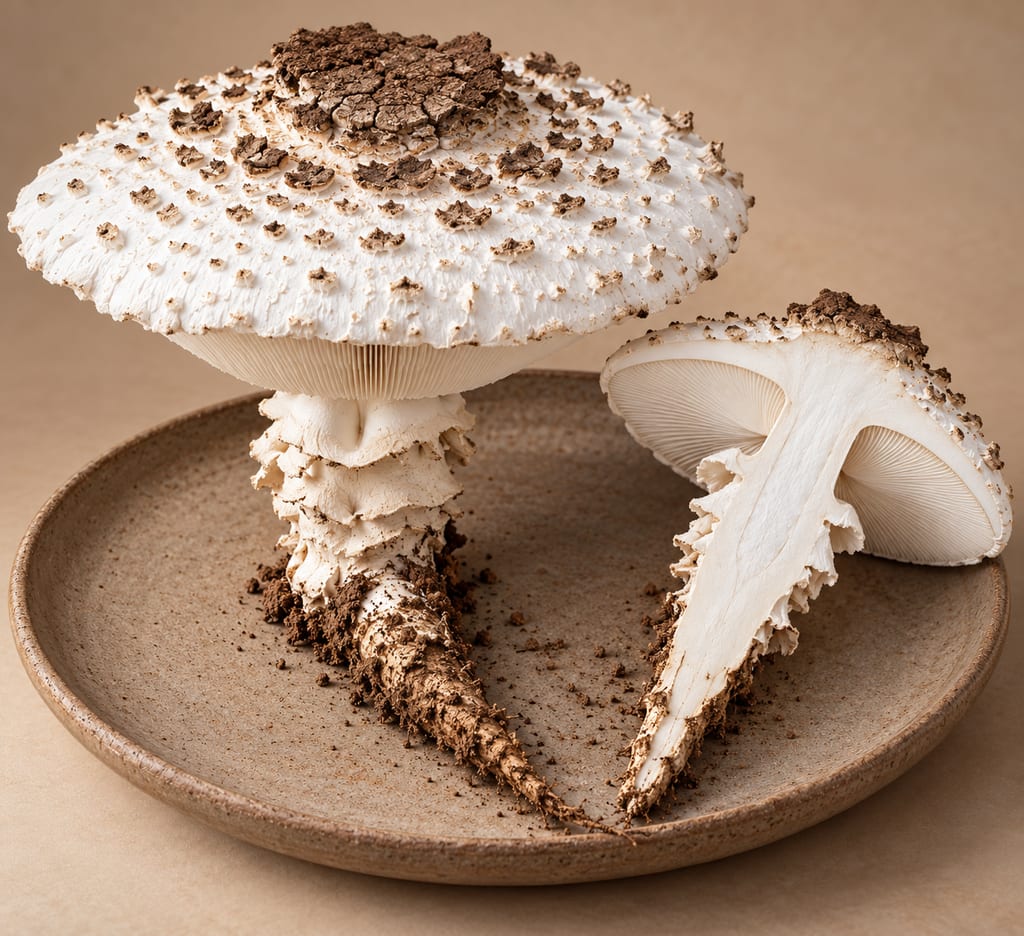
A large wild termite-associated mushroom gathered across parts of tropical Africa. Local food uses and fruiting seasons vary by place and rainfall; its appearance alone cannot establish a safe identification.
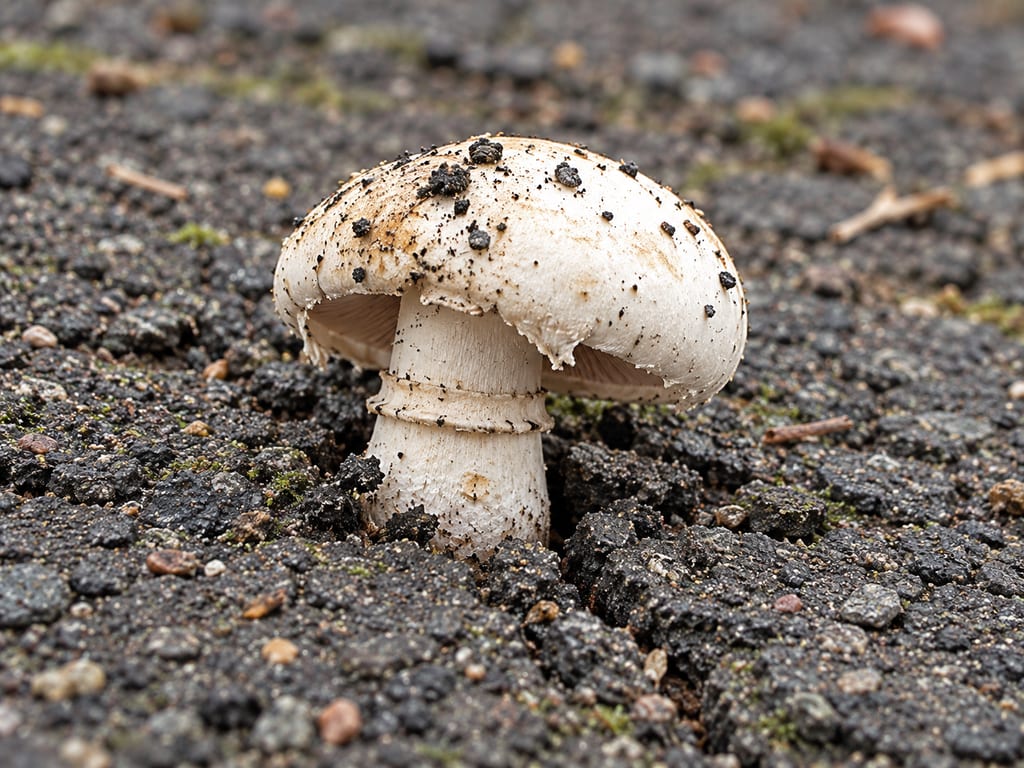
Agaricus bitorquis is a firm edible mushroom known for fruiting in hard, disturbed ground and for its persistent double ring. It is also cultivated in warmer conditions than the common button mushroom.
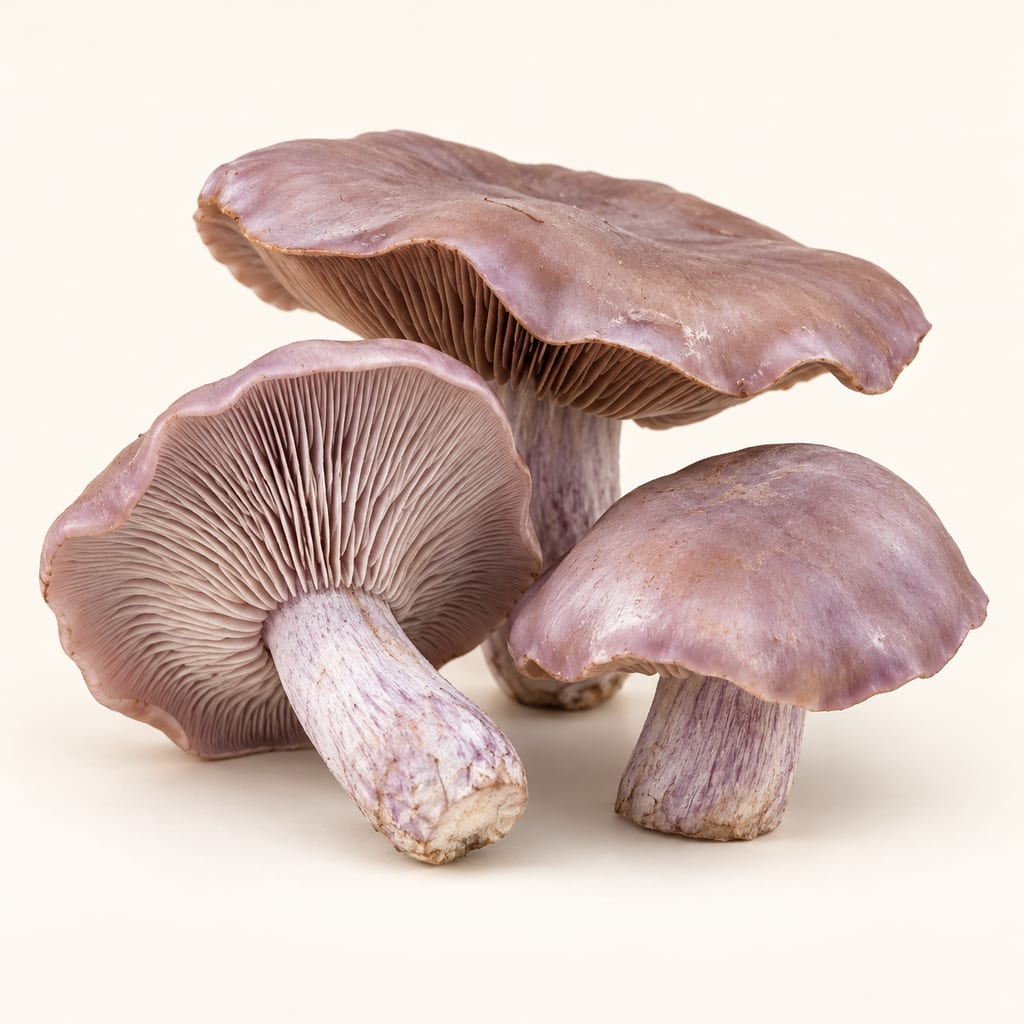
Wood blewit is a violet, litter-feeding mushroom collected and cultivated in parts of Europe. It is eaten only after thorough cooking; raw or undercooked specimens can cause gastrointestinal illness.
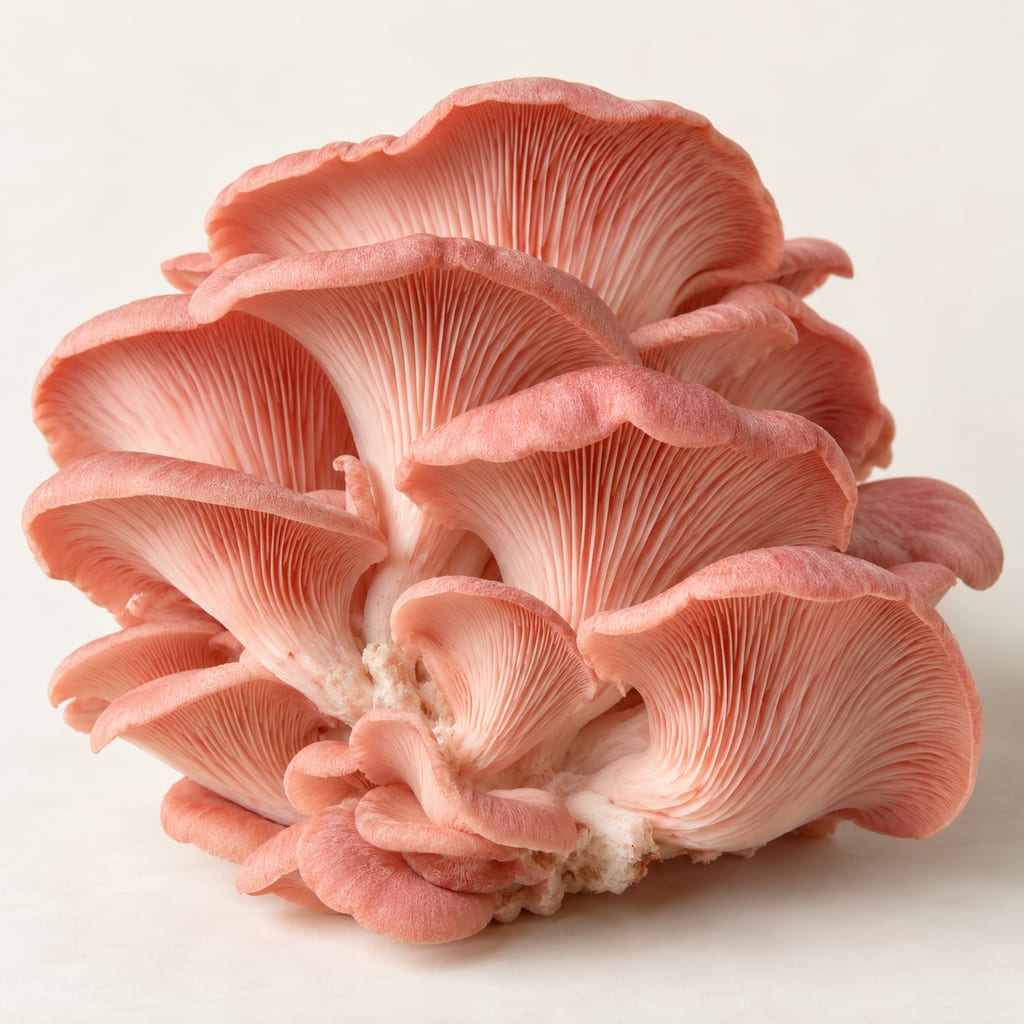
The pink oyster mushroom, Pleurotus djamor, is a pantropical oyster that grows fast on warm-climate agricultural waste, and it is cultivated commercially in parts of Asia.
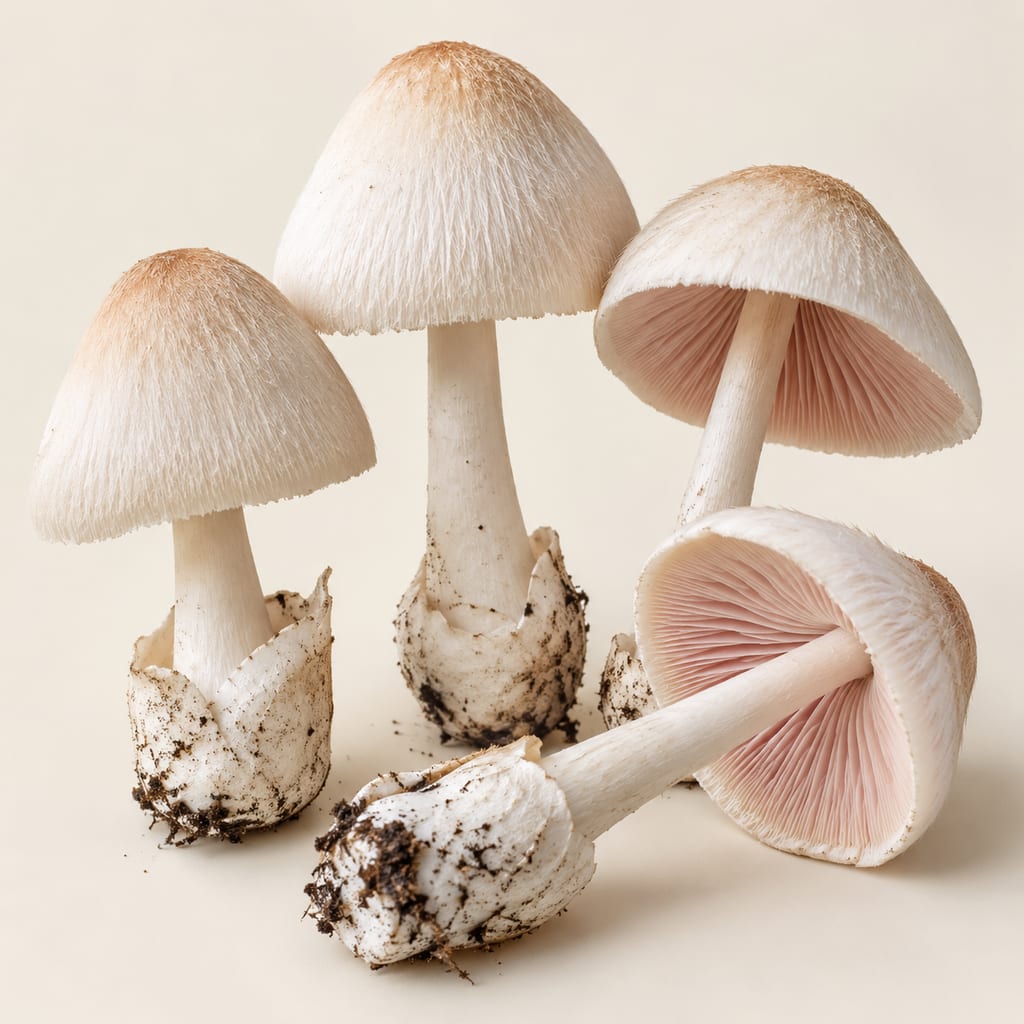
Silky rosegill, Volvariella bombycina, is a wild edible mushroom of dead wood on several continents, grown in laboratory trials and on a small scale in India, and its commercial record is thin.
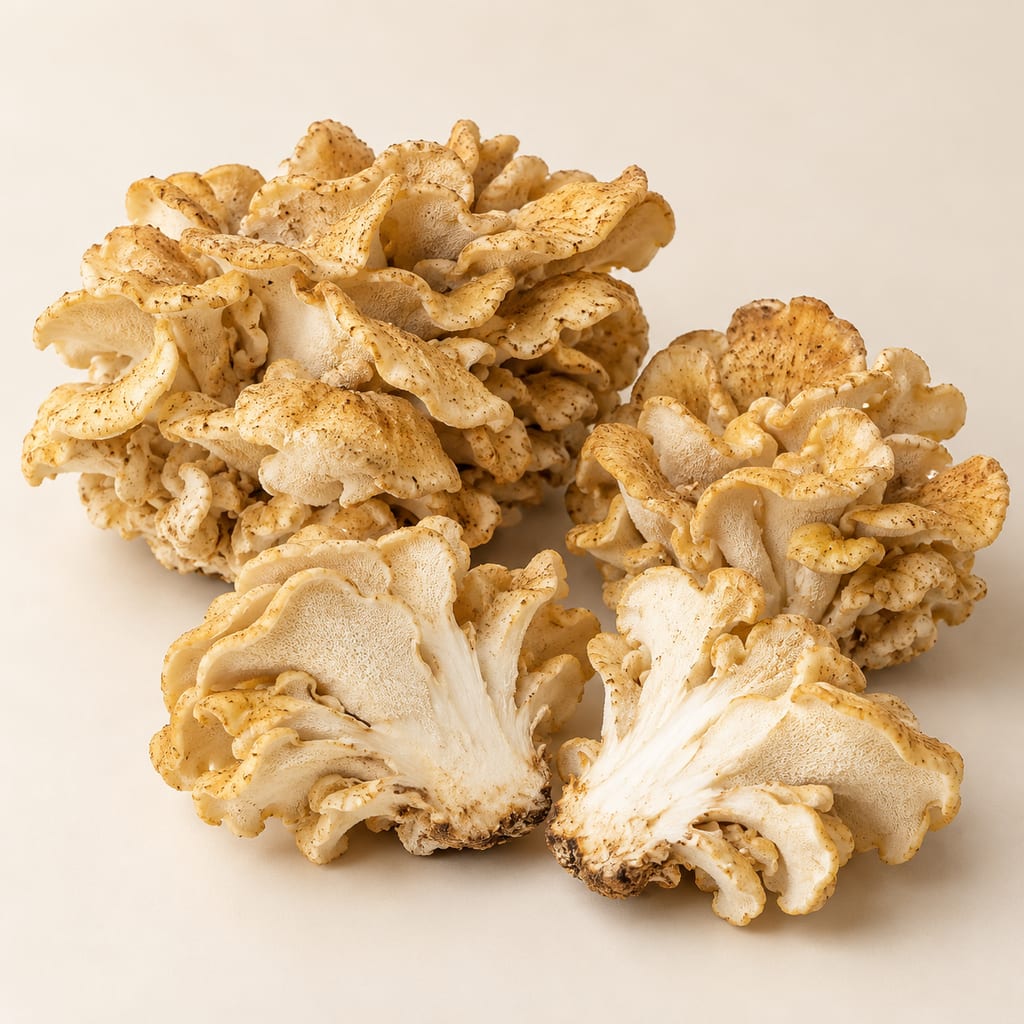
Gargal, Grifola gargal, is a wild mushroom of the Andean-Patagonian forests of Argentina and Chile, prized for its taste and now rated Endangered because wild stocks are declining.
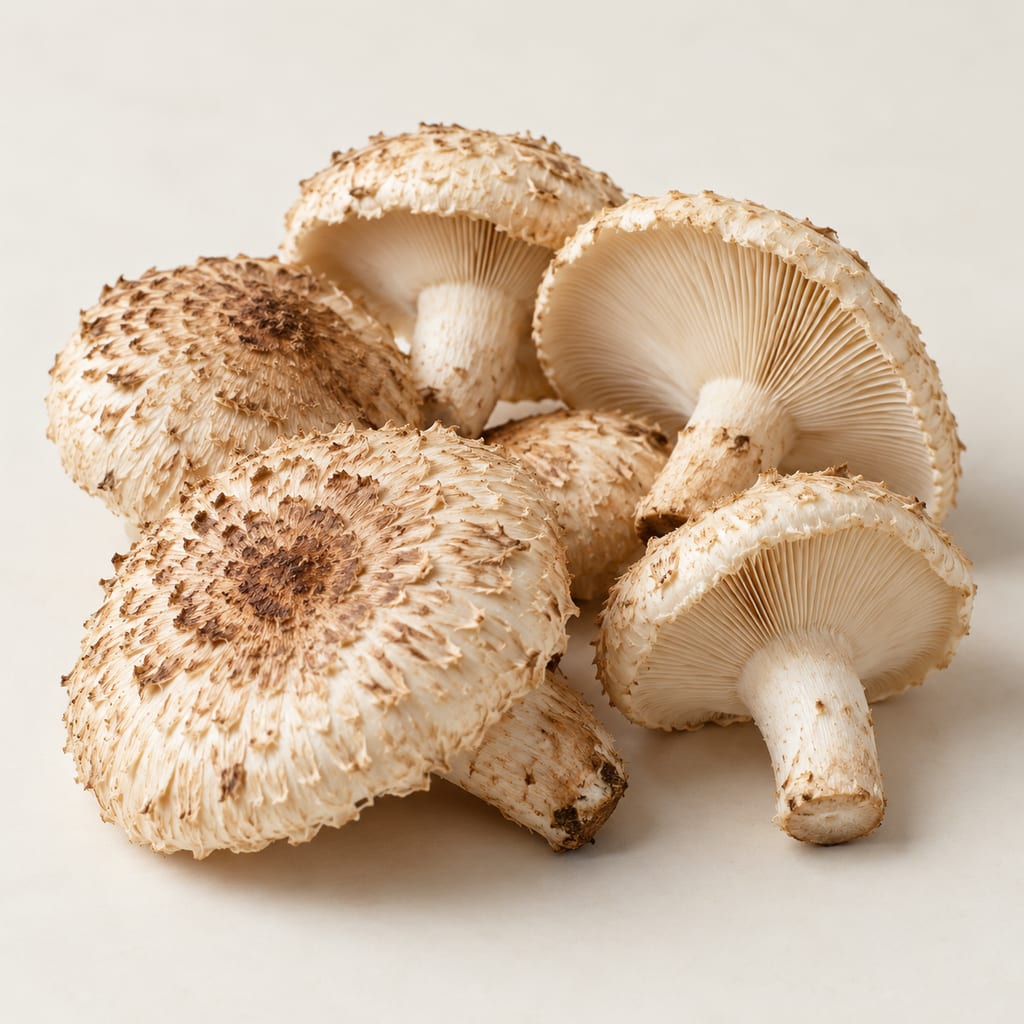
Tropical sawgill, Lentinus squarrosulus, is a wild mushroom of decaying wood in tropical Africa, eaten and valued in some areas, and now under trial on farm waste, with commercial production still early.
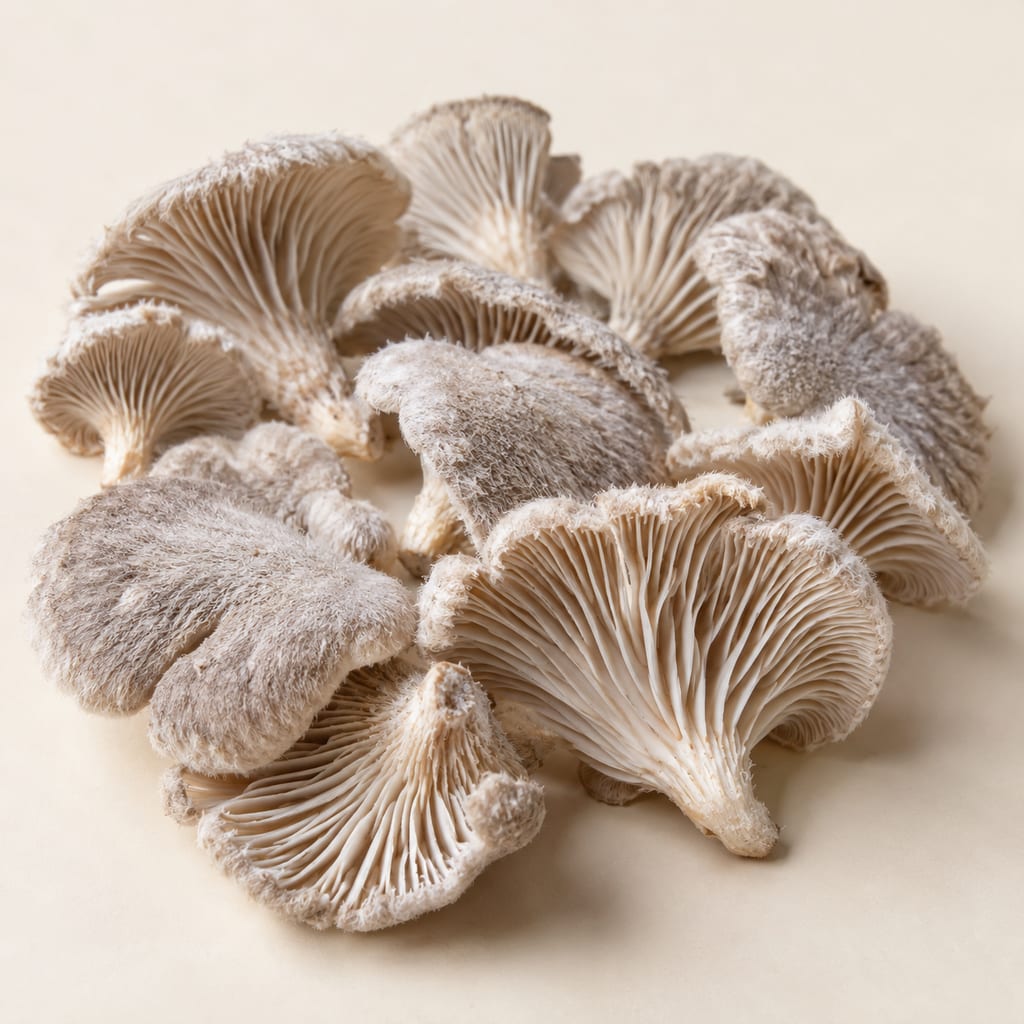
Split gill, Schizophyllum commune, is a common wood-decay mushroom that some sources report as eaten in parts of Southeast Asia and India, with its cultivation history unsettled in the sources.
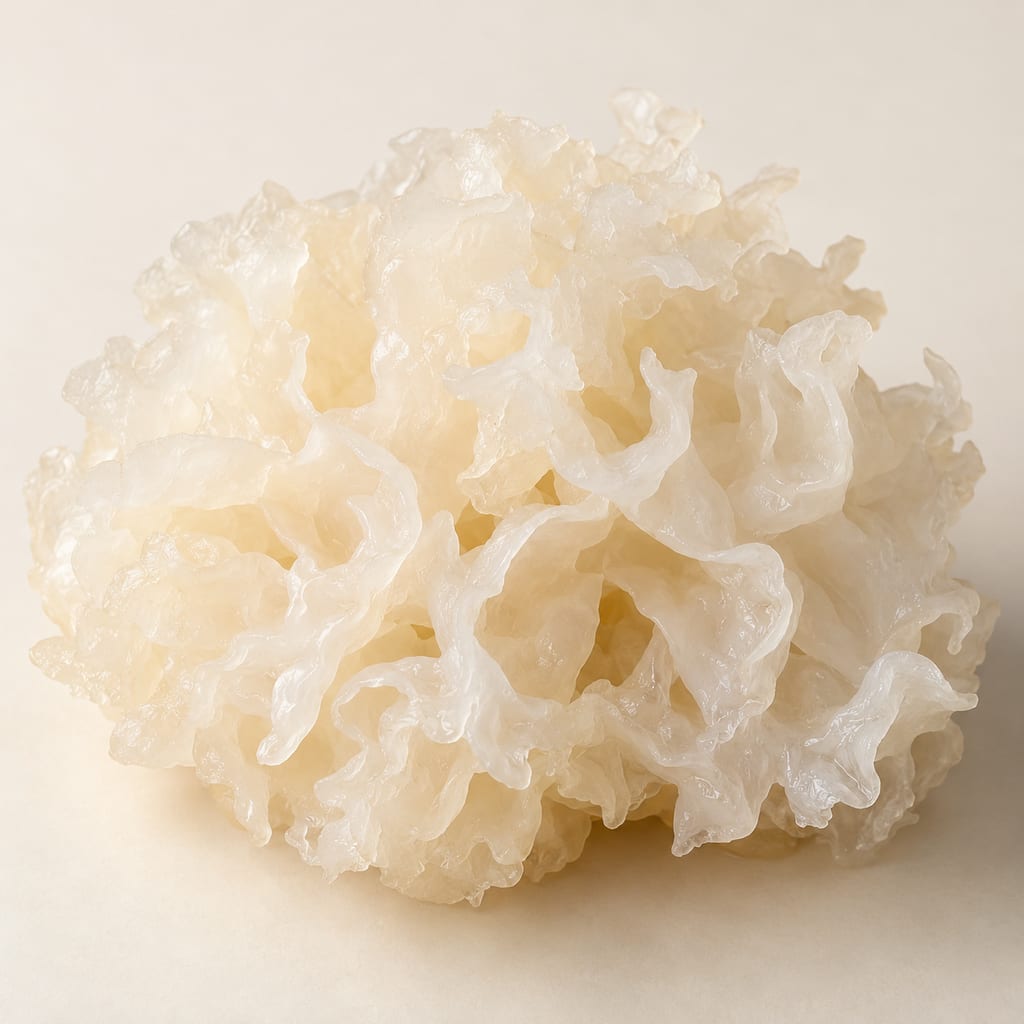
Snow fungus, Tremella fuciformis, is a white, gelatinous fungus that grows on dead broadleaf wood, and it was farmed for centuries in China before cultivation became a regular practice.
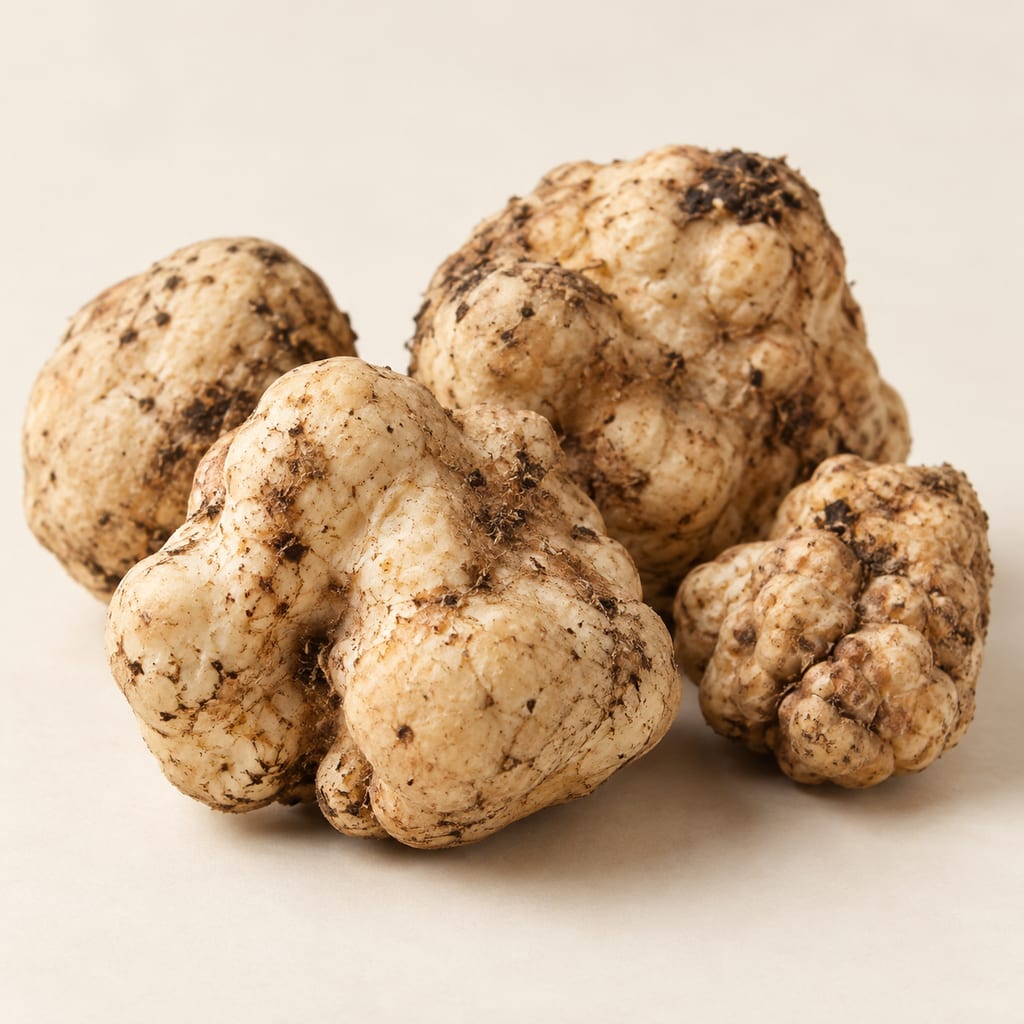
The Oregon spring white truffle, Tuber gibbosum, is a wild truffle of Douglas-fir forests in the Pacific Northwest, valued for a garlic, spice and cheese aroma that often develops only after harvest.
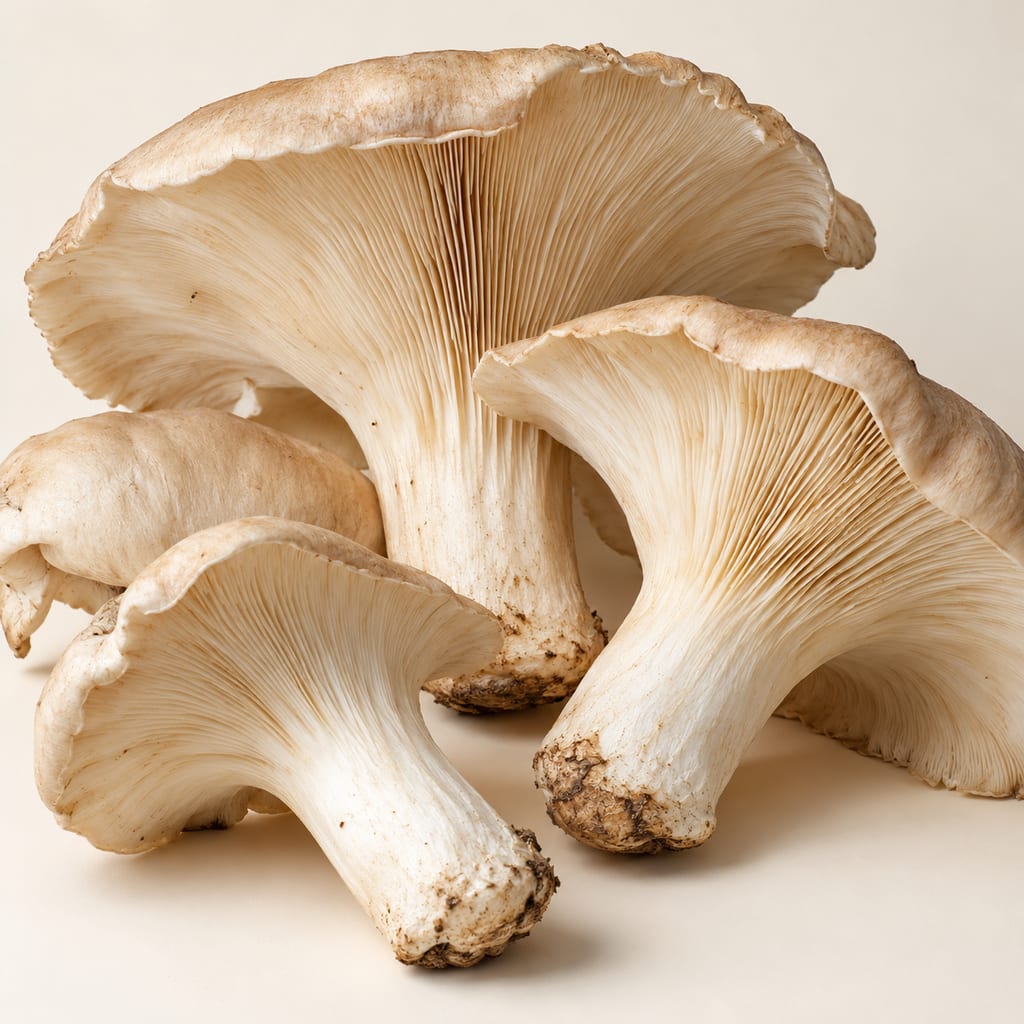
The giant oyster, Pleurotus giganteus, is a large tropical wild mushroom that was once named Lentinus giganteus and is now placed in the oyster genus, eaten in Thailand and Sri Lanka and only recently grown on purpose.

The almond mushroom, Agaricus subrufescens, was cultivated in eastern North America in the 1800s, lost its market, and returned as a cultivated mushroom from Brazil, where it is grown under several names.
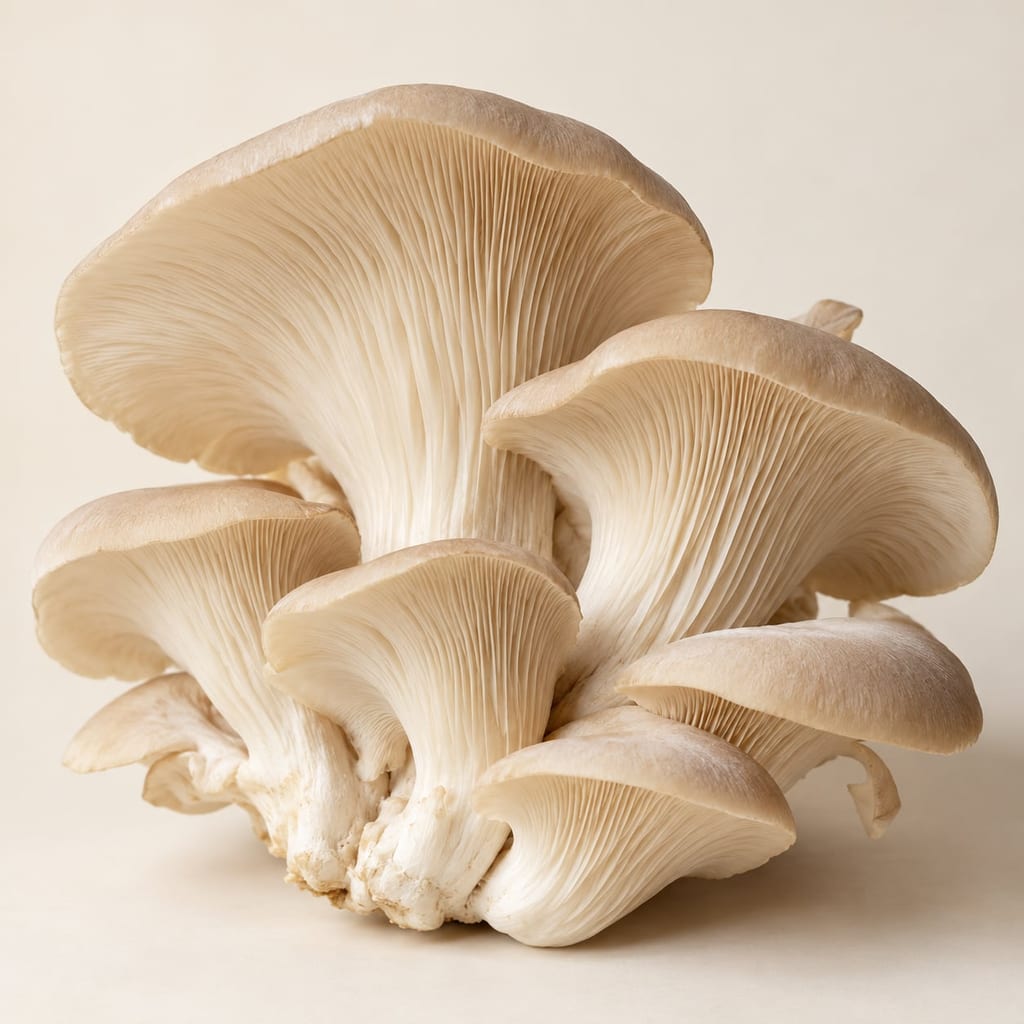
The phoenix oyster, Pleurotus pulmonarius, is a close relative of the oyster mushroom that prefers warmer weather, appears later in summer and is grown on wood-based and straw substrates.
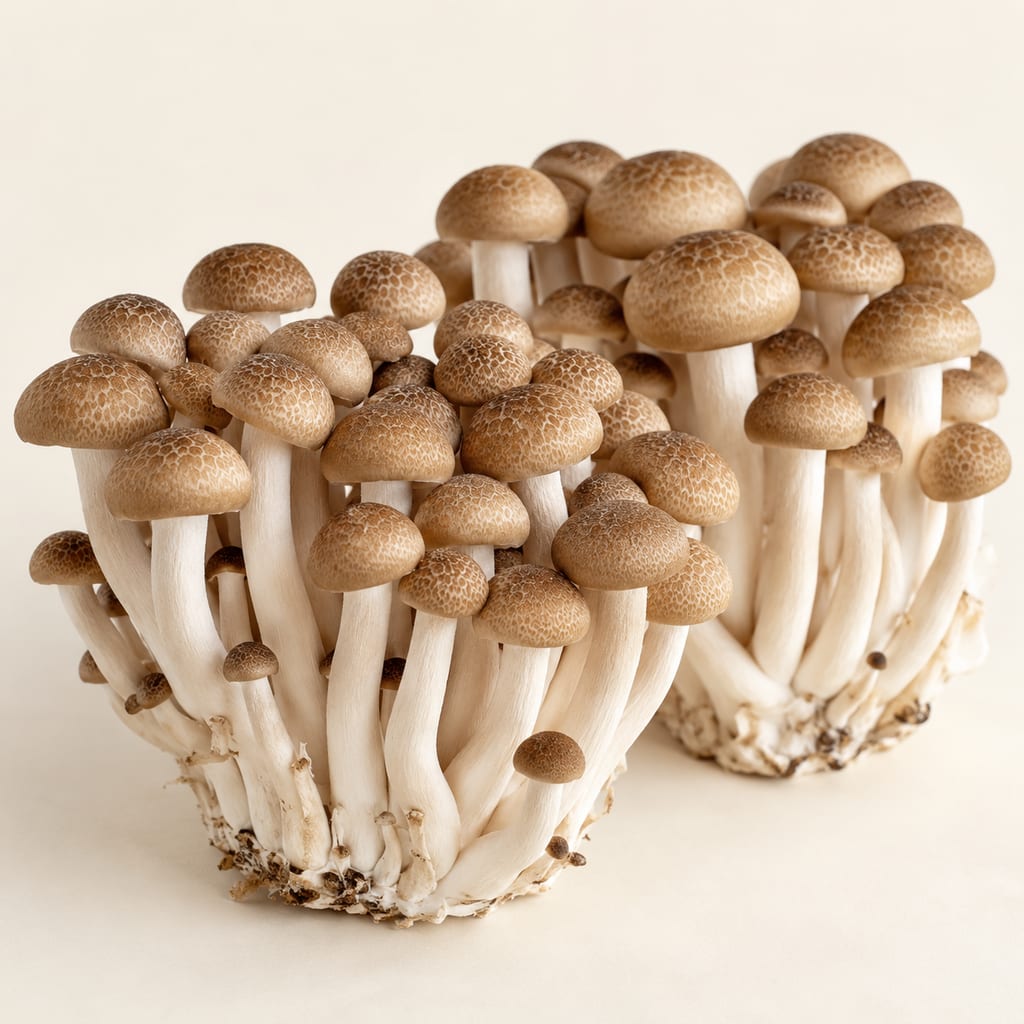
The beech mushroom, known in Japan as shimeji, is a firm, nutty cultivated mushroom sold in brown and white forms, and it needs cooking to remove its bitterness and toughness.
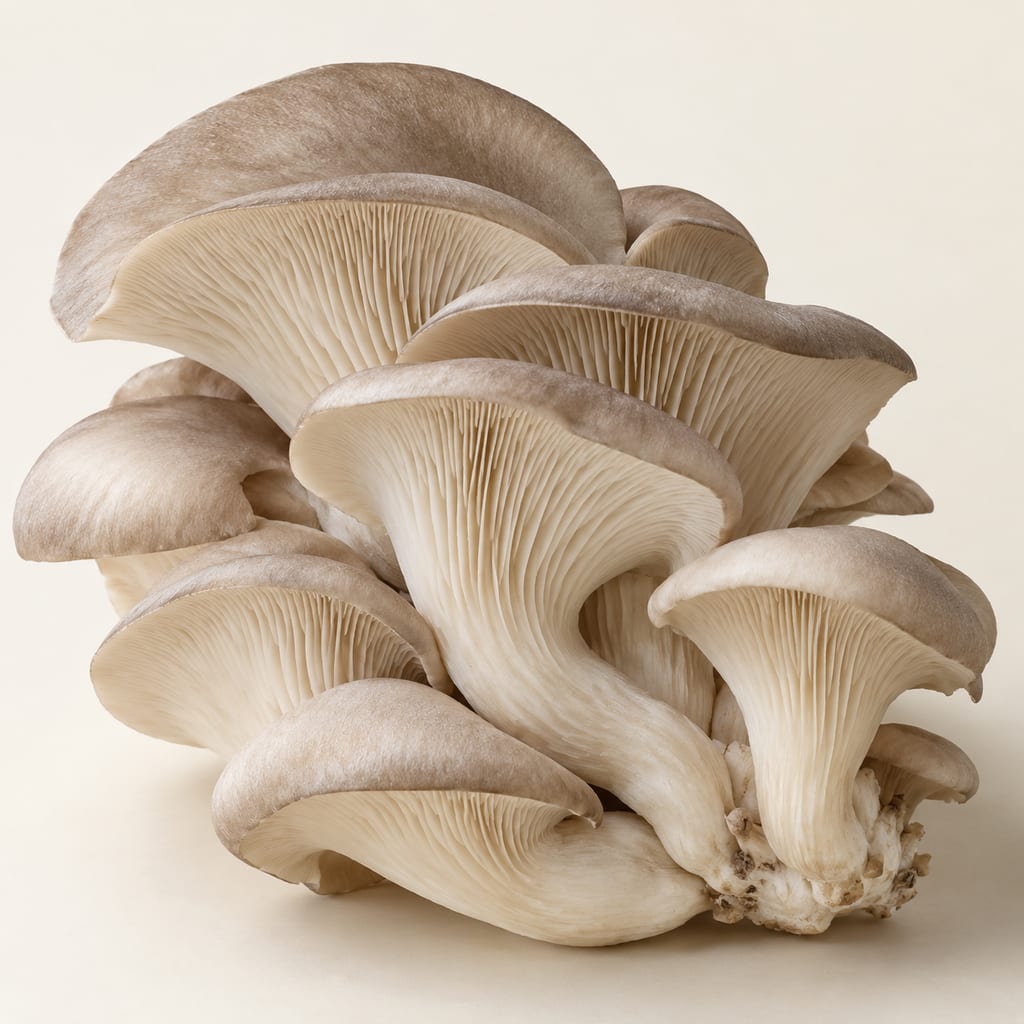
The oyster mushroom, Pleurotus ostreatus, is the most widely grown Pleurotus species, cultivated on straw, sawdust and agricultural waste, and its commercial history is shorter and less settled than its reputation suggests.
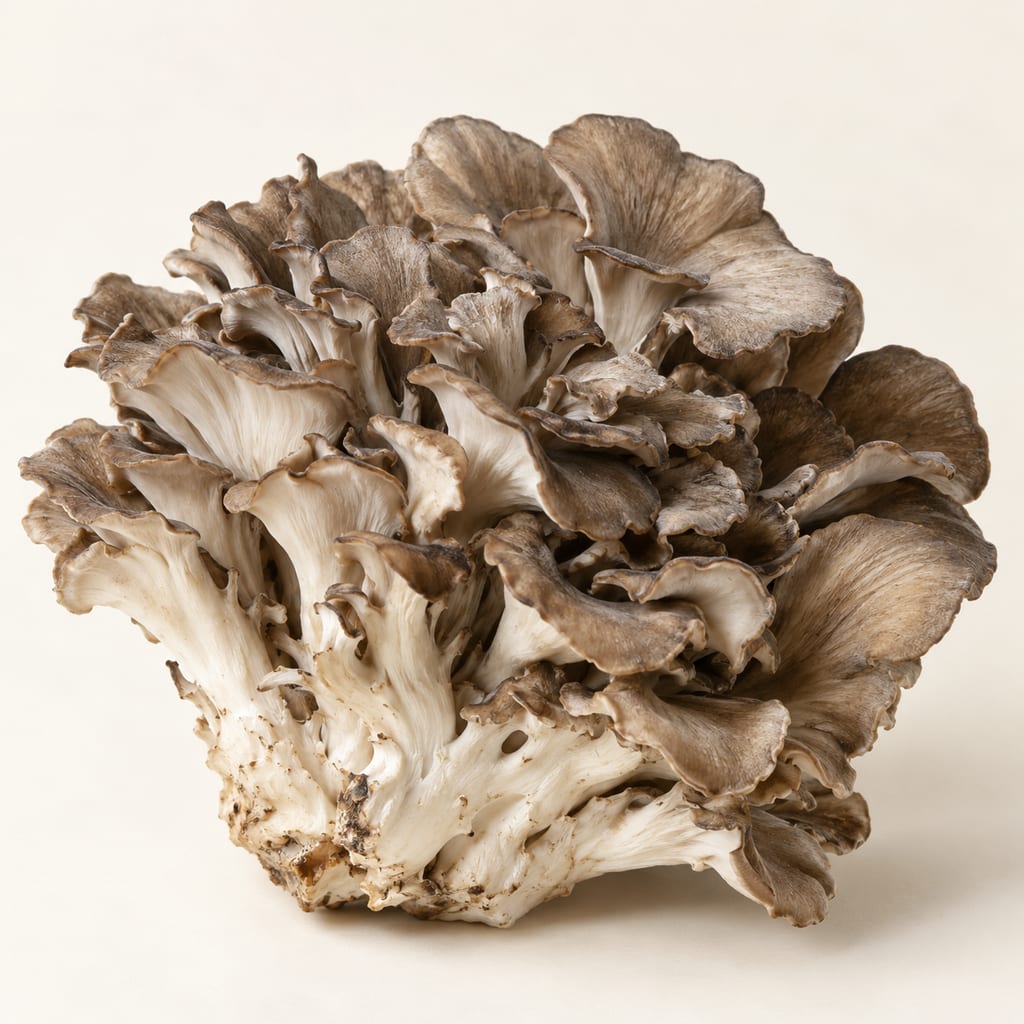
Maitake, Grifola frondosa, is a clustered polypore that grows at the base of old trees, eaten in China and Japan for centuries and cultivated indoors since the 1980s.
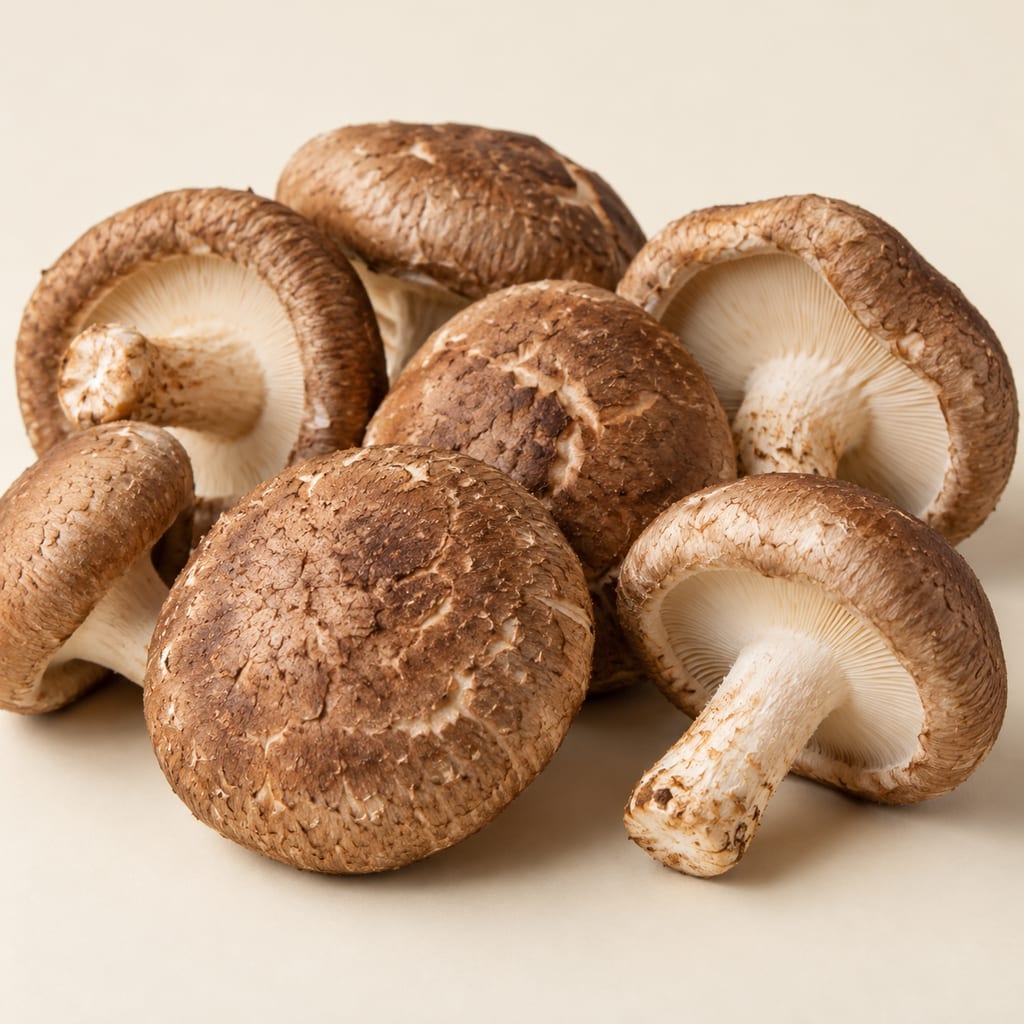
Shiitake, Lentinula edodes, is a wood-rotting mushroom cultivated in East Asia for centuries on logs and sawdust, and dried for storage and stock.
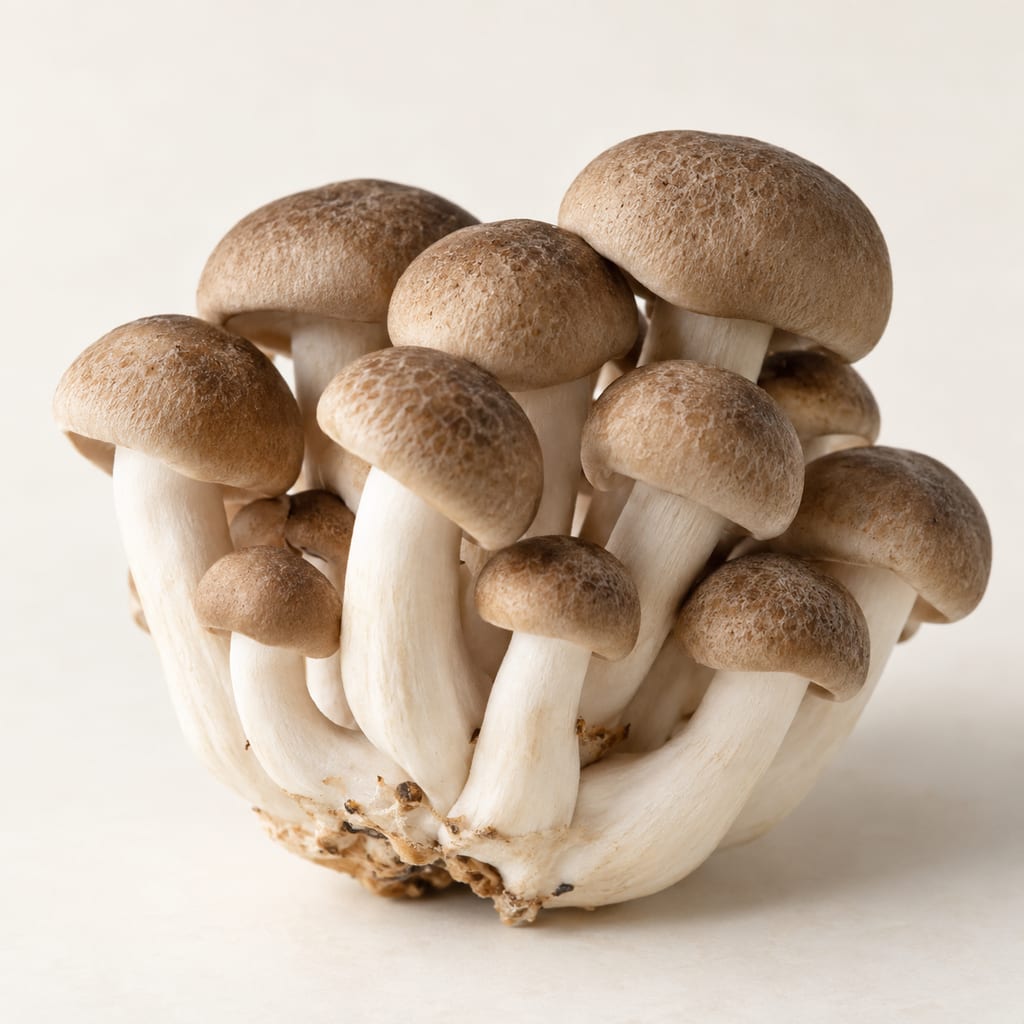
Hon-shimeji is the cultivated Japanese mushroom Lyophyllum shimeji, prized for its firm texture and clean, nutty flavour, and one of the few ectomycorrhizal mushrooms grown commercially without a host tree.
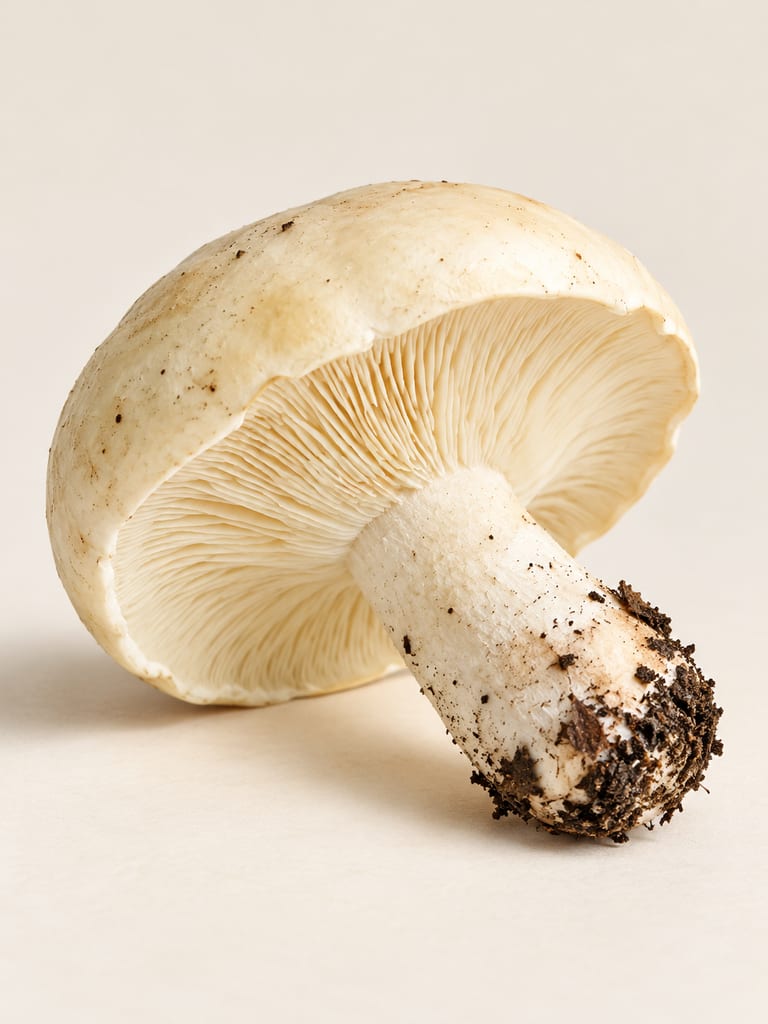
Calocybe gambosa is a spring wild mushroom valued as food in several regions. Pale caps, crowded gills and a flour-like scent are descriptive traits, not a safe identification.
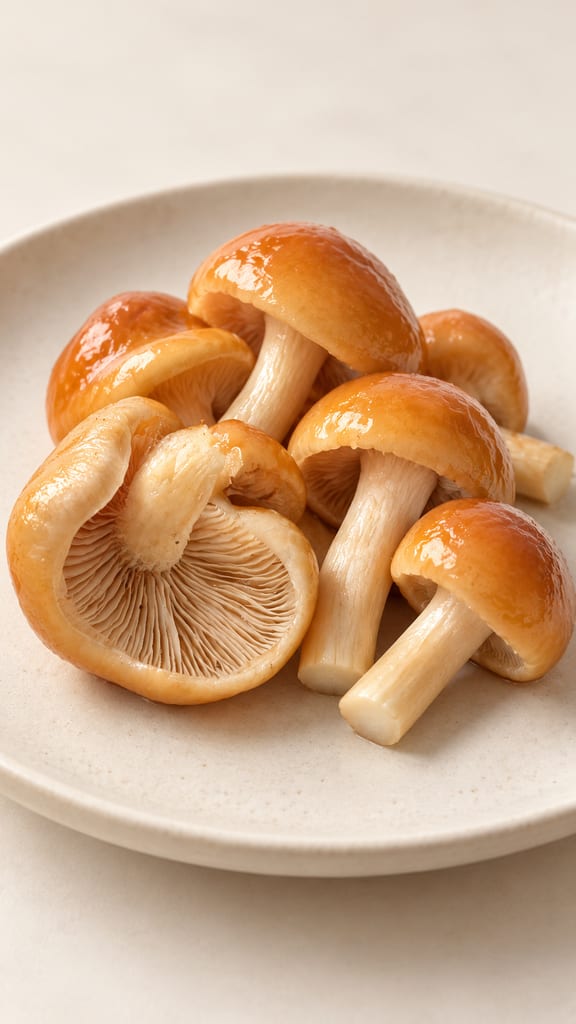
Nameko is a small Japanese mushroom with amber caps and a naturally slippery surface, eaten fresh in soups and other dishes and cultivated on wood-based media.