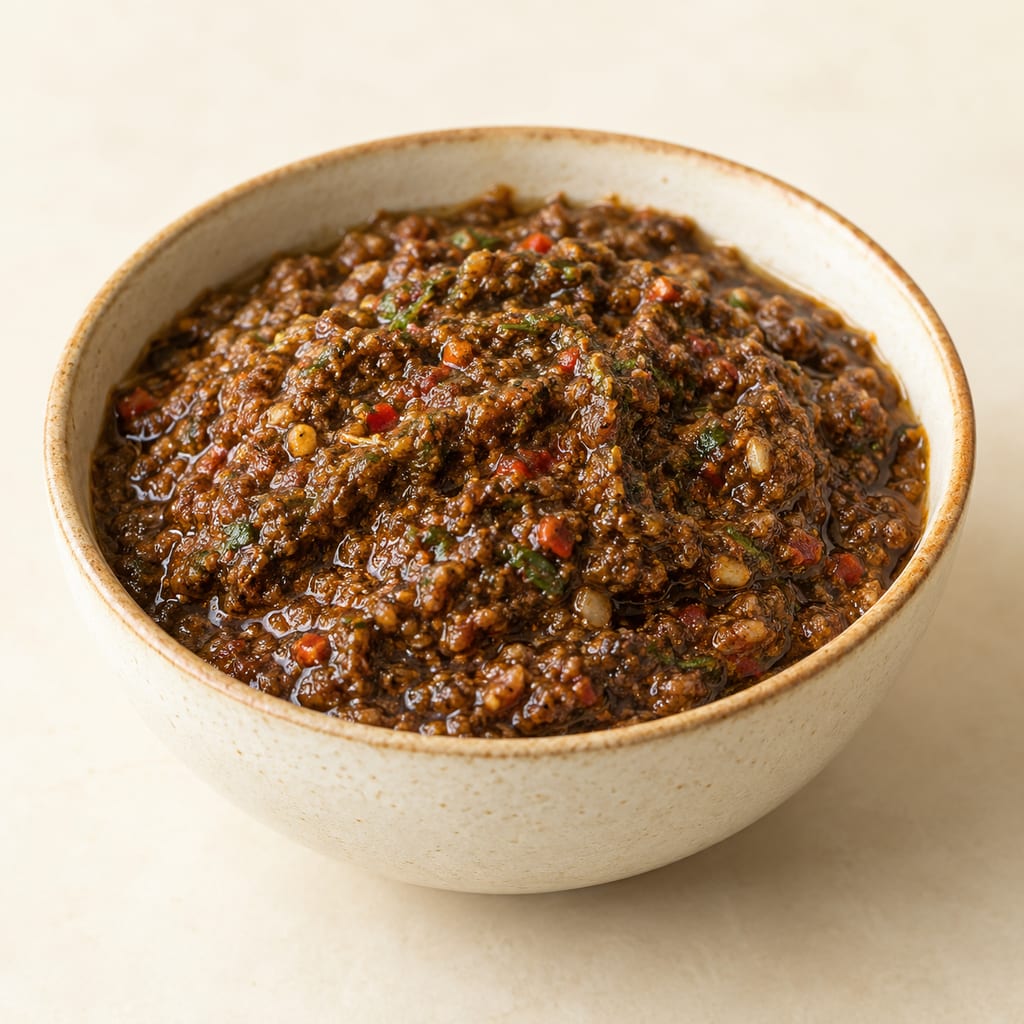
Wet jerk seasoning
A Jamaican wet jerk paste of ground allspice, Scotch bonnet pepper, thyme, scallion, garlic, ginger and nutmeg, loosened with soy sauce, oil, vinegar and lime, used to marinate meat, fish or tofu before cooking.
 FermenteaWhere food goes to change
1504 records with their sources, across 11 categories.
A Jamaican wet jerk paste of ground allspice, Scotch bonnet pepper, thyme, scallion, garlic, ginger and nutmeg, loosened with soy sauce, oil, vinegar and lime, used to marinate meat, fish or tofu before cooking.
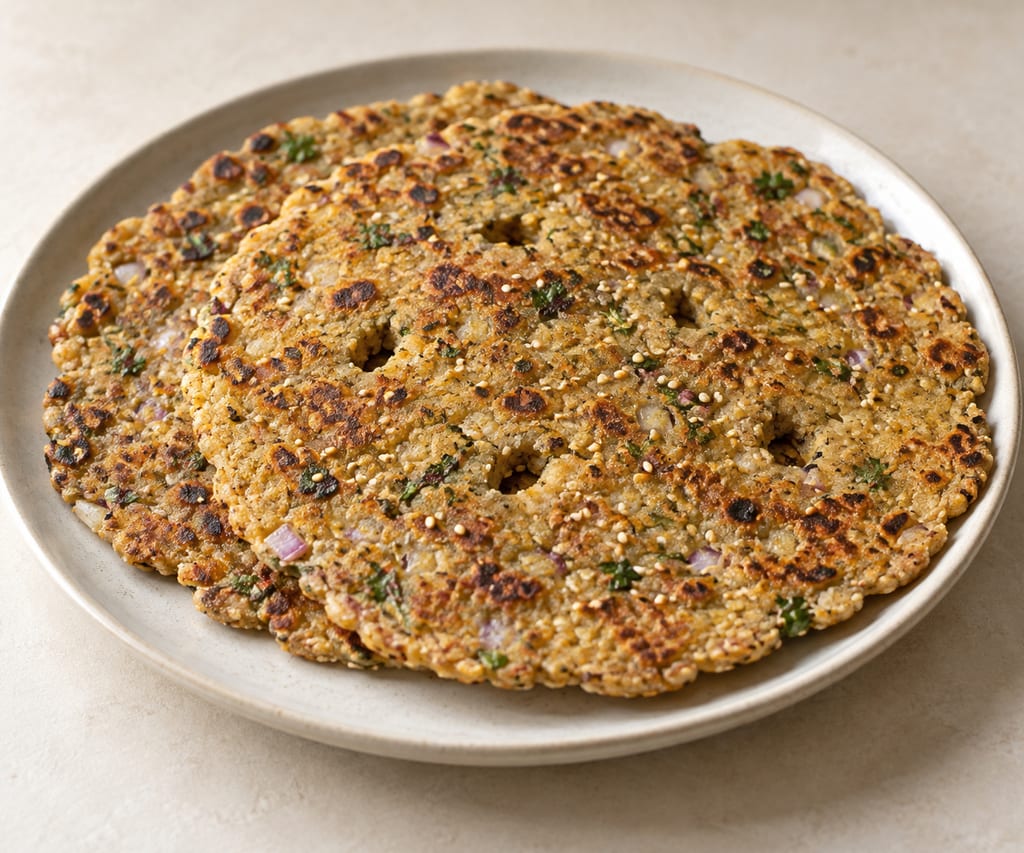
A Maharashtrian multigrain flatbread, patted by hand and cooked on a hot griddle. This home version mixes five flours with onion, sesame and spices.
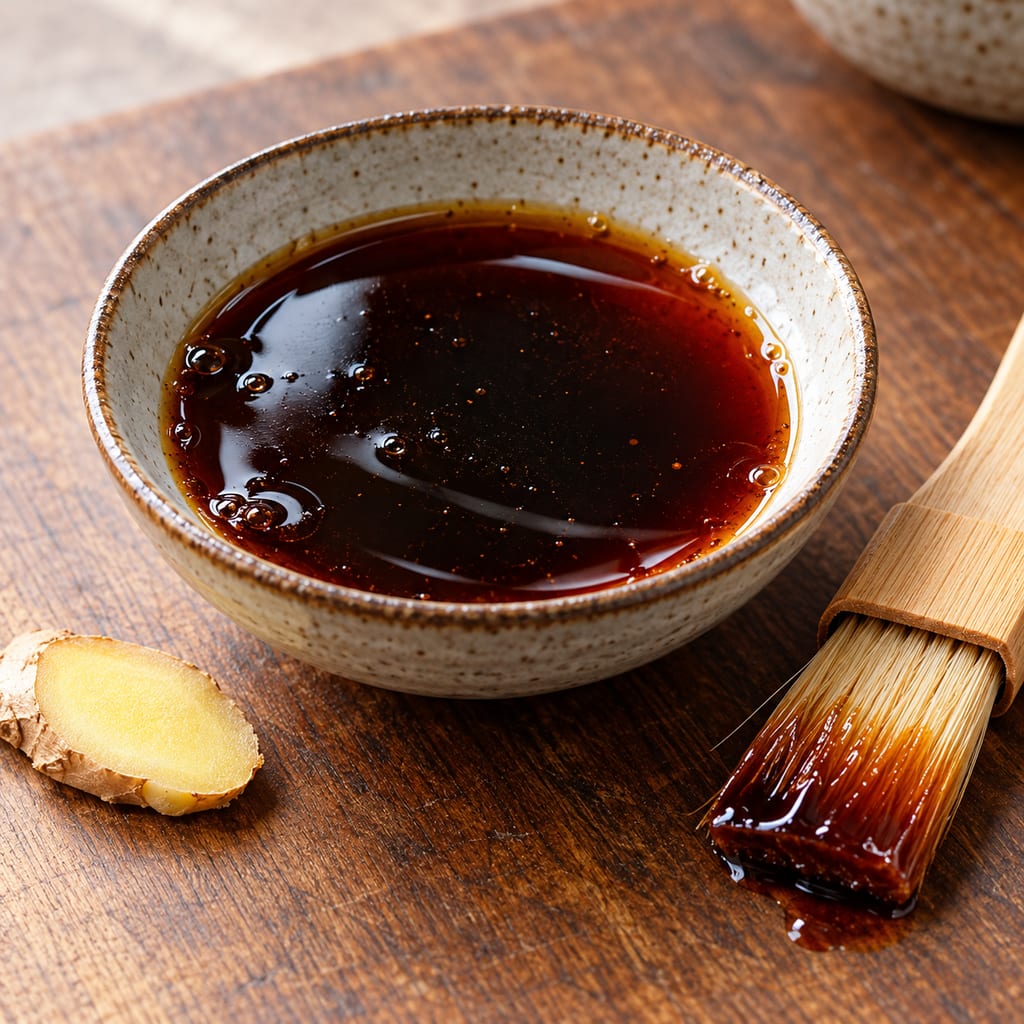
A modern tare-style glaze of koikuchi soy sauce, mirin, water, sugar and optional ginger, gently reduced and brushed onto food near the end of cooking.
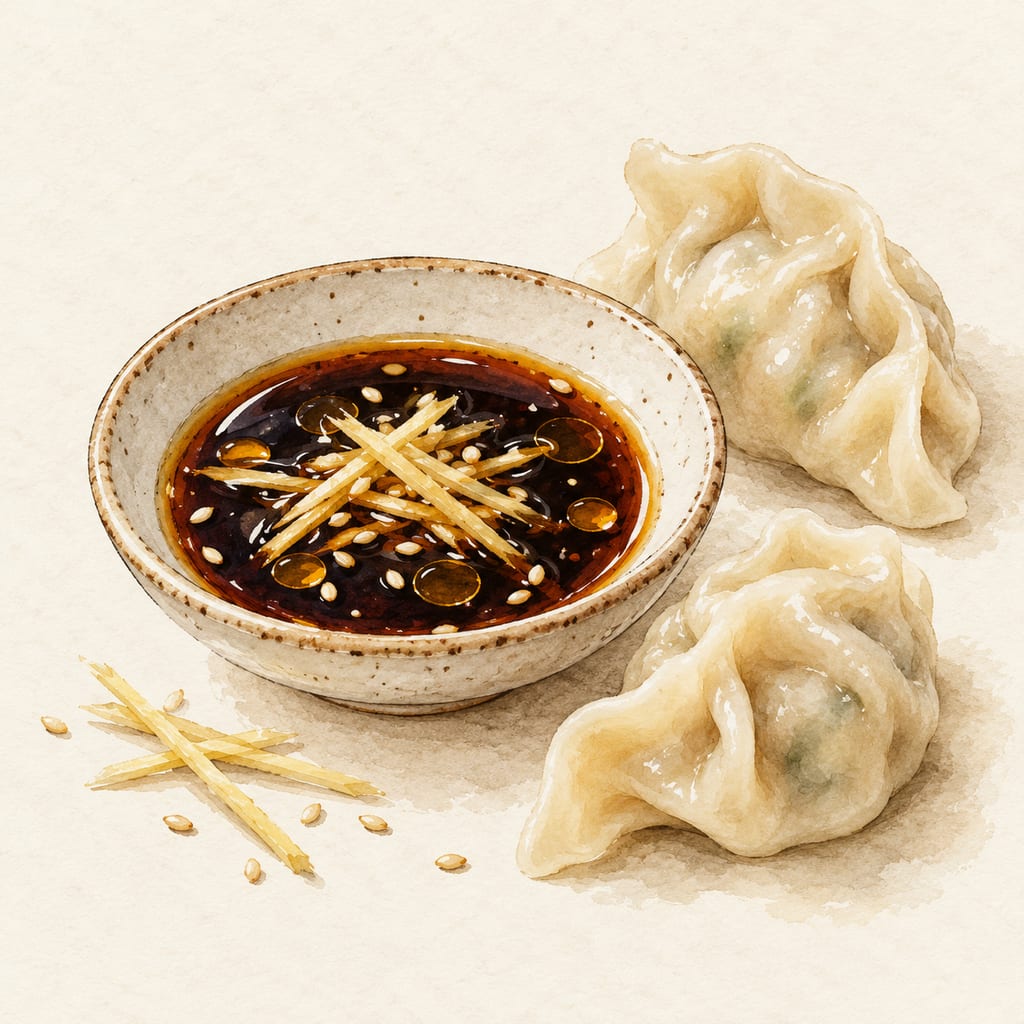
An untested small-batch soy and Zhenjiang black-vinegar dip with ginger and sesame oil, adapted as a modern accompaniment for dumplings or cooked vegetables.
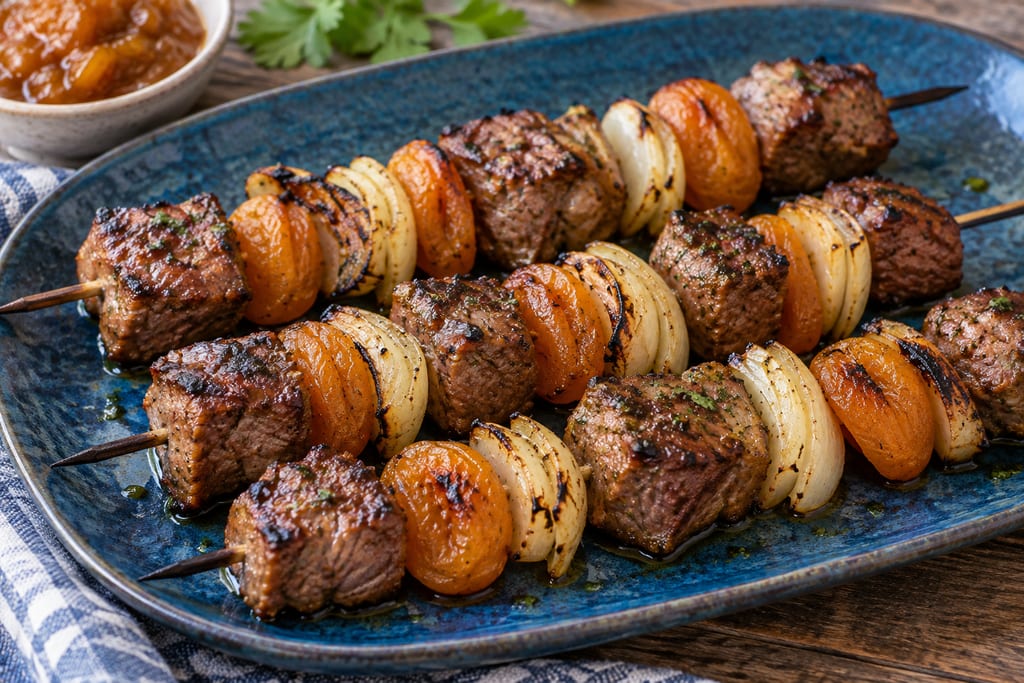
Cape skewers of marinated lamb or mutton threaded with onion, fat or dried fruit and grilled, their marinade balancing curry spice against vinegar or tamarind and something sweet.
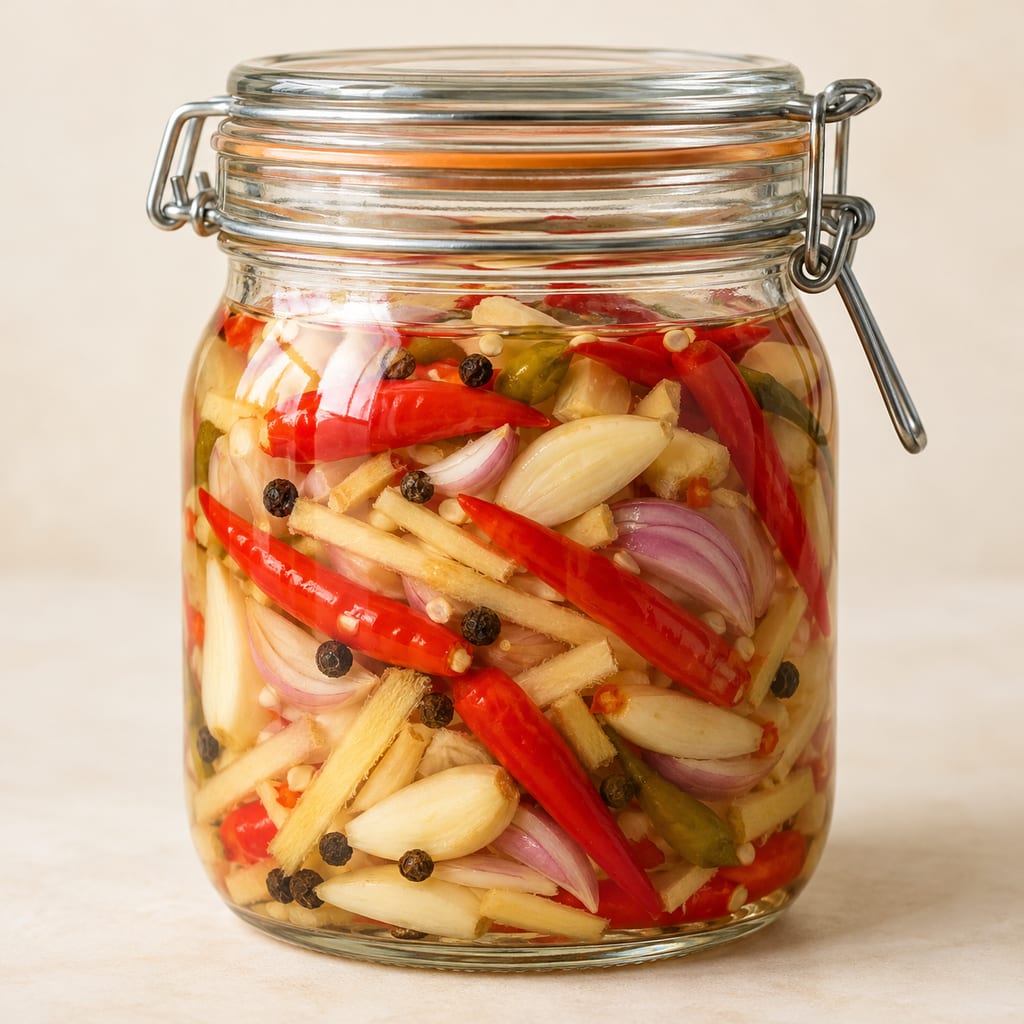
Sinamak is a Philippine spiced vinegar: white, cane or coconut vinegar steeped with chilies, ginger, garlic, onion and peppercorns for days or weeks until it is ready to use as a condiment.
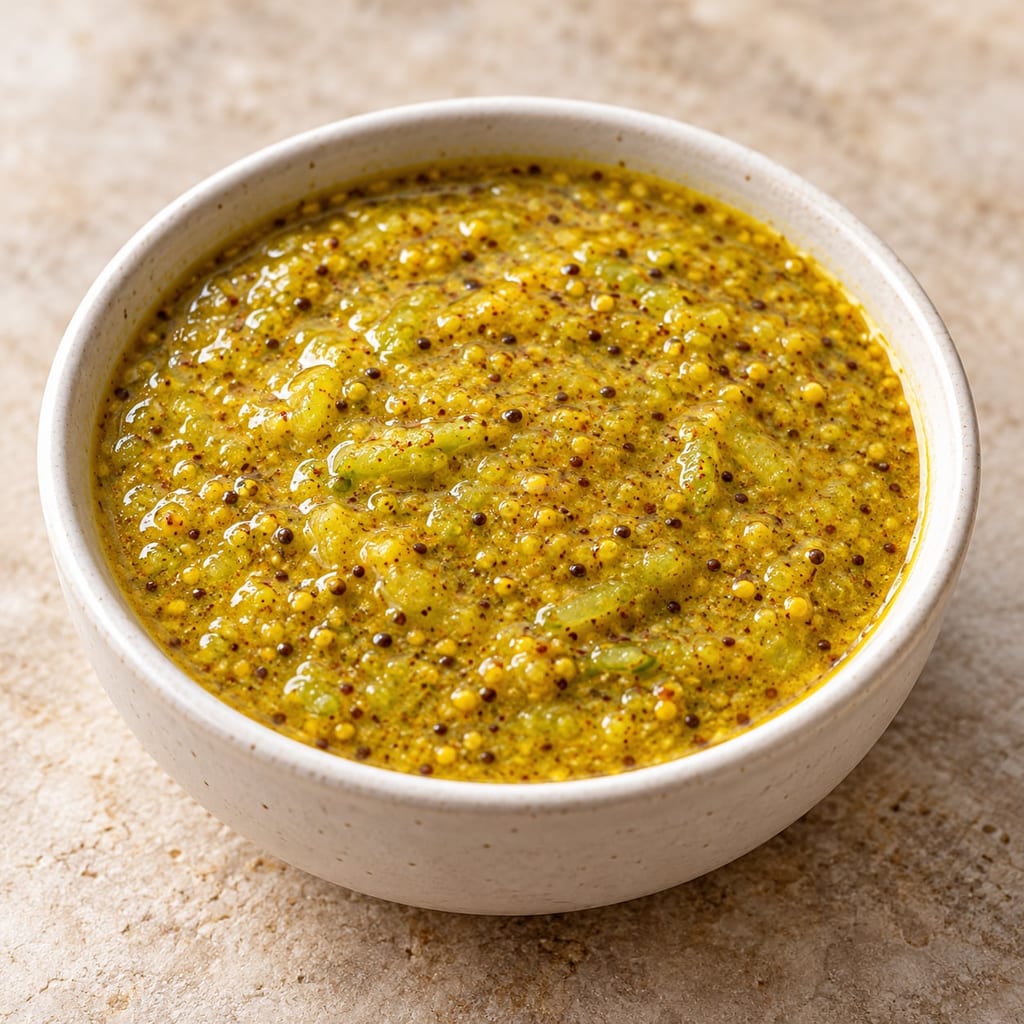
A short-cooked green-mango and mustard sauce with chilli, ginger and turmeric. It borrows a flavour direction associated with Bengali kasundi but is an untested, non-fermented fresh sauce, not traditional kasundi or a shelf-stable pickle.
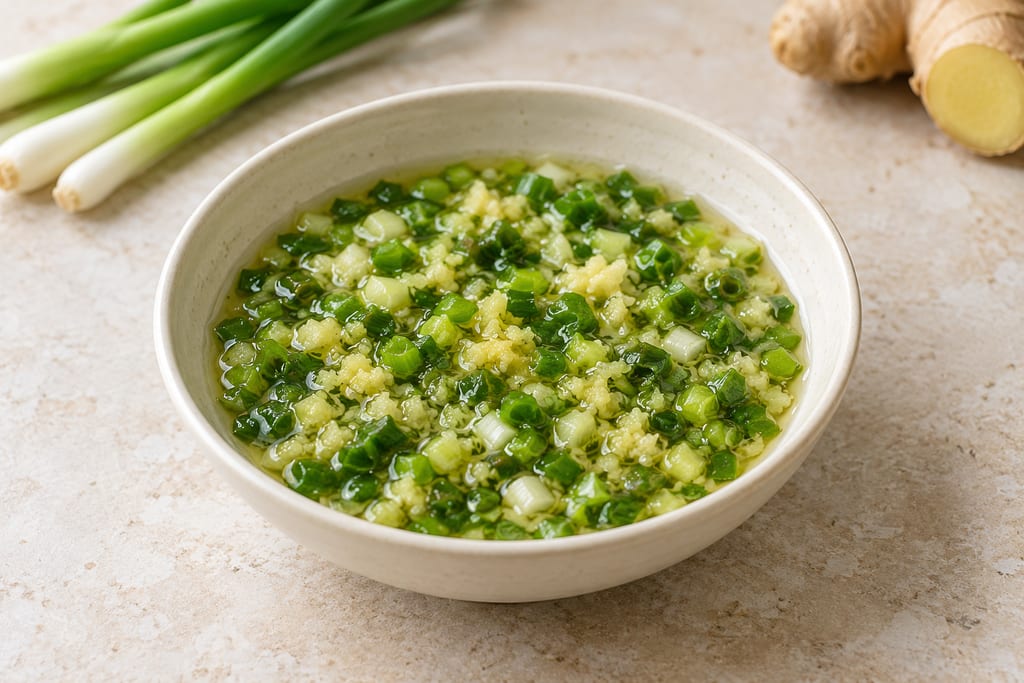
A raw Cantonese-style condiment of minced scallions, fresh ginger, vegetable oil and salt; it is mixed without heating and serves eight.
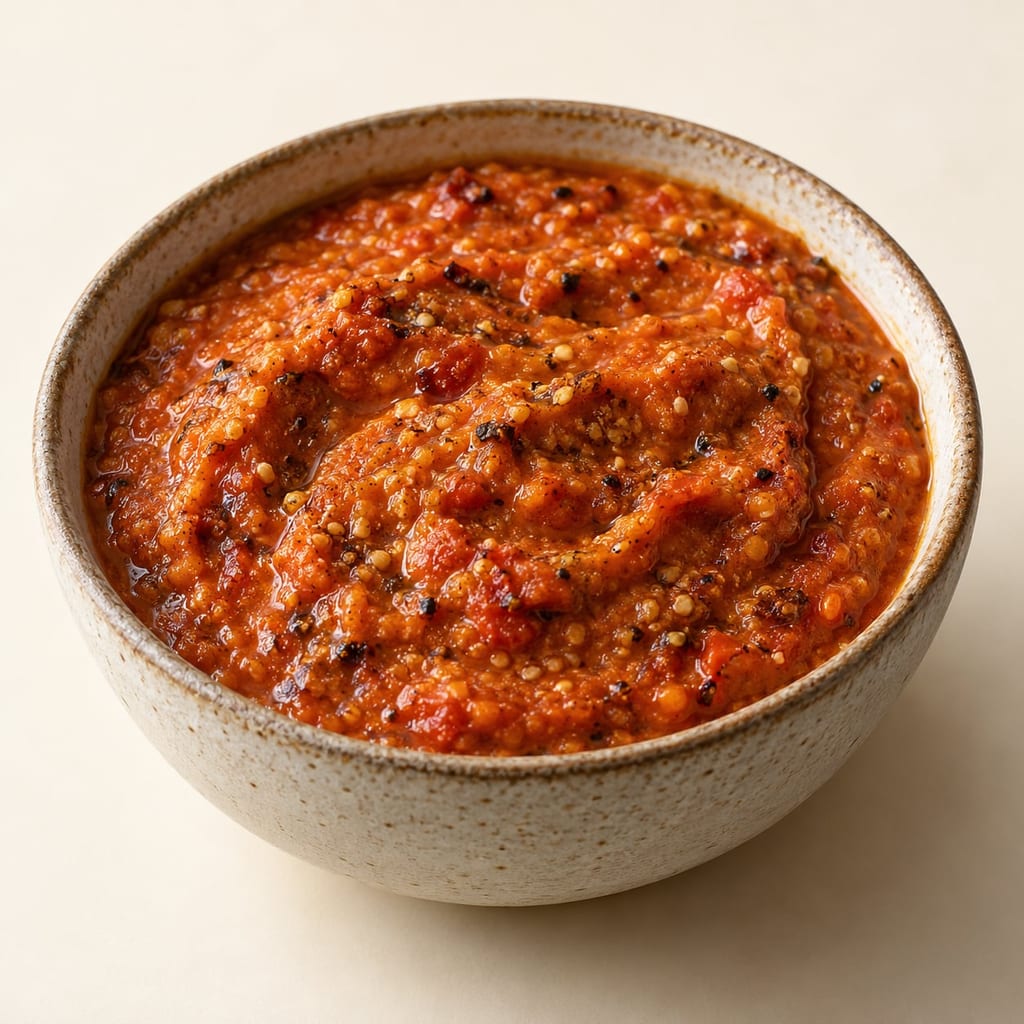
A roasted tomato dip thickened with toasted sesame and seasoned with dried chilli, cumin and timur. This measured version follows a contemporary published momo achar recipe; it is one documented formula, not a national standard.
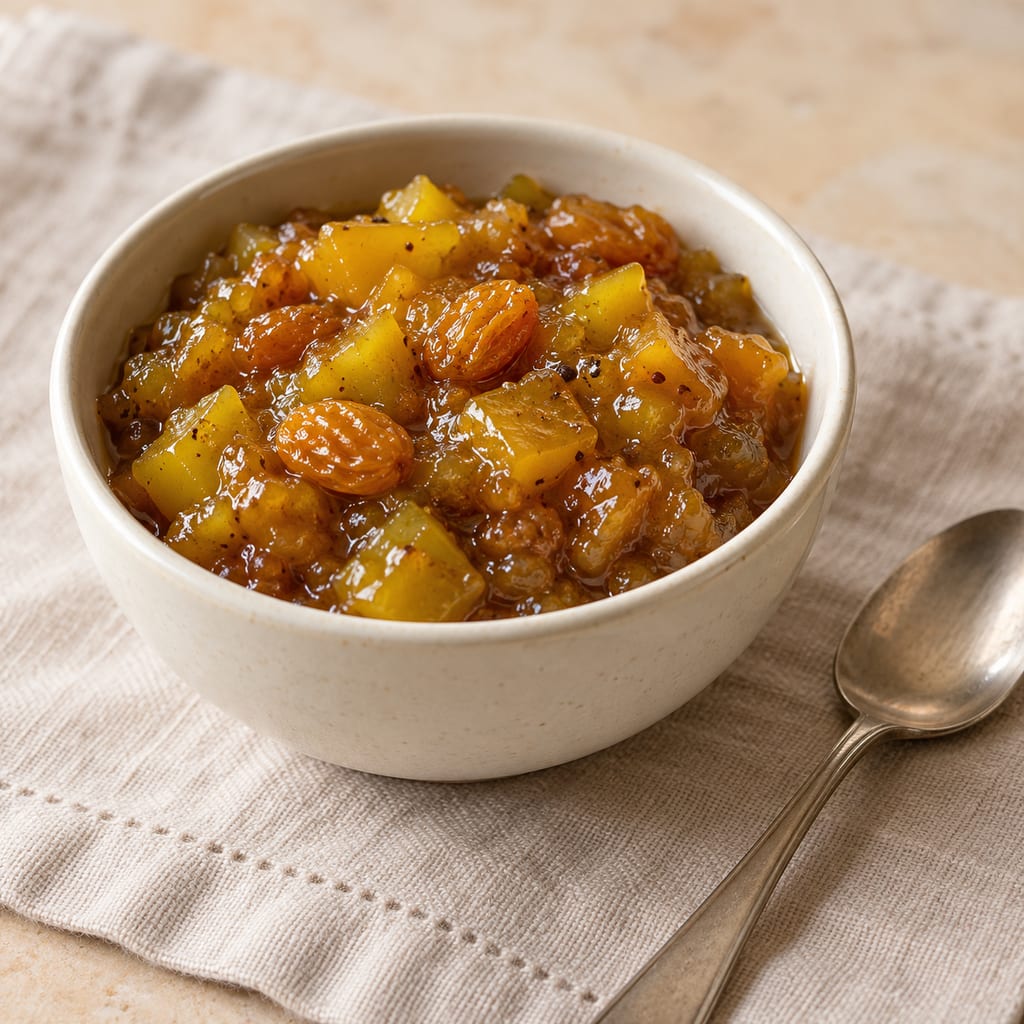
Hard green mango is cooked with vinegar, sugar, raisins, ginger, garlic and chilli in this tested US home-canning recipe.
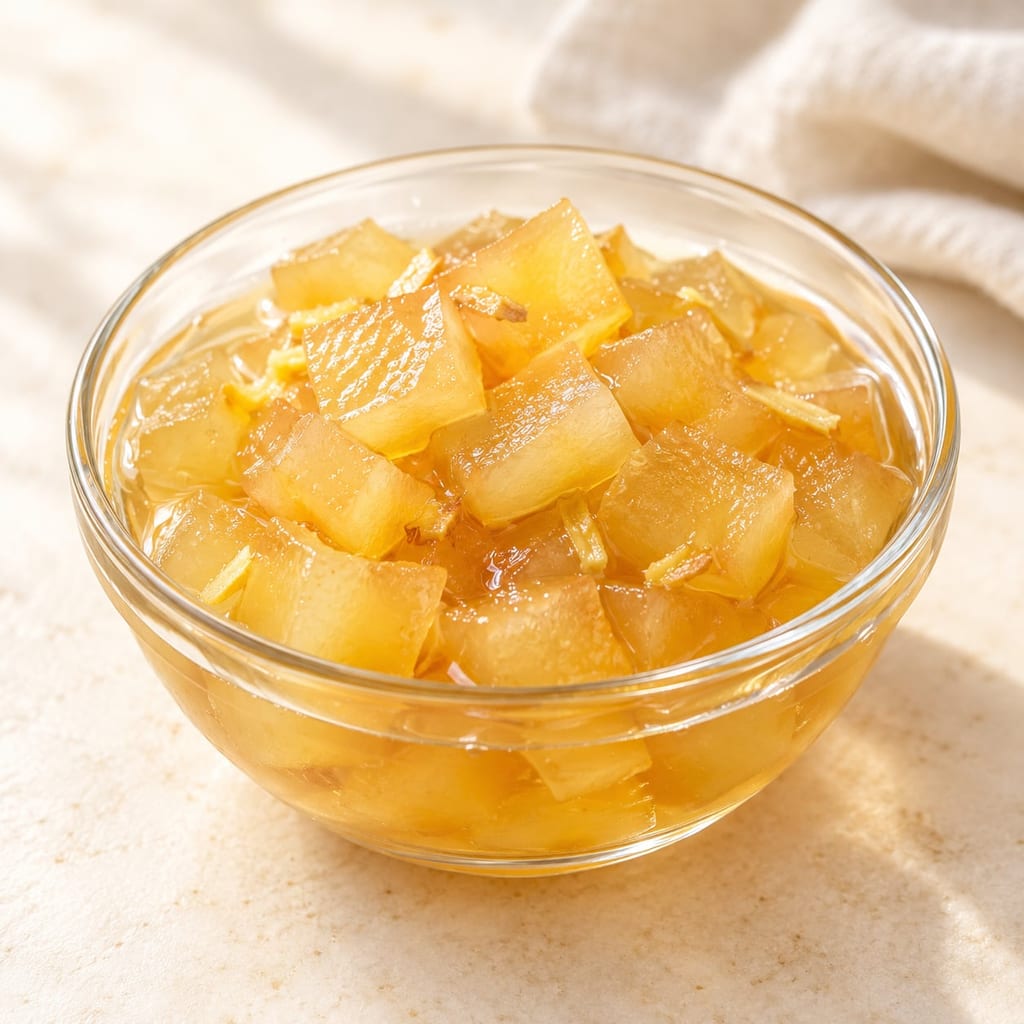
A measured, refrigerated prototype cooks ordinary watermelon’s white rind in lemon, ginger and sugar syrup. It is inspired by makataan konfyt but does not reproduce the traditional fruit or its lime-water treatment.
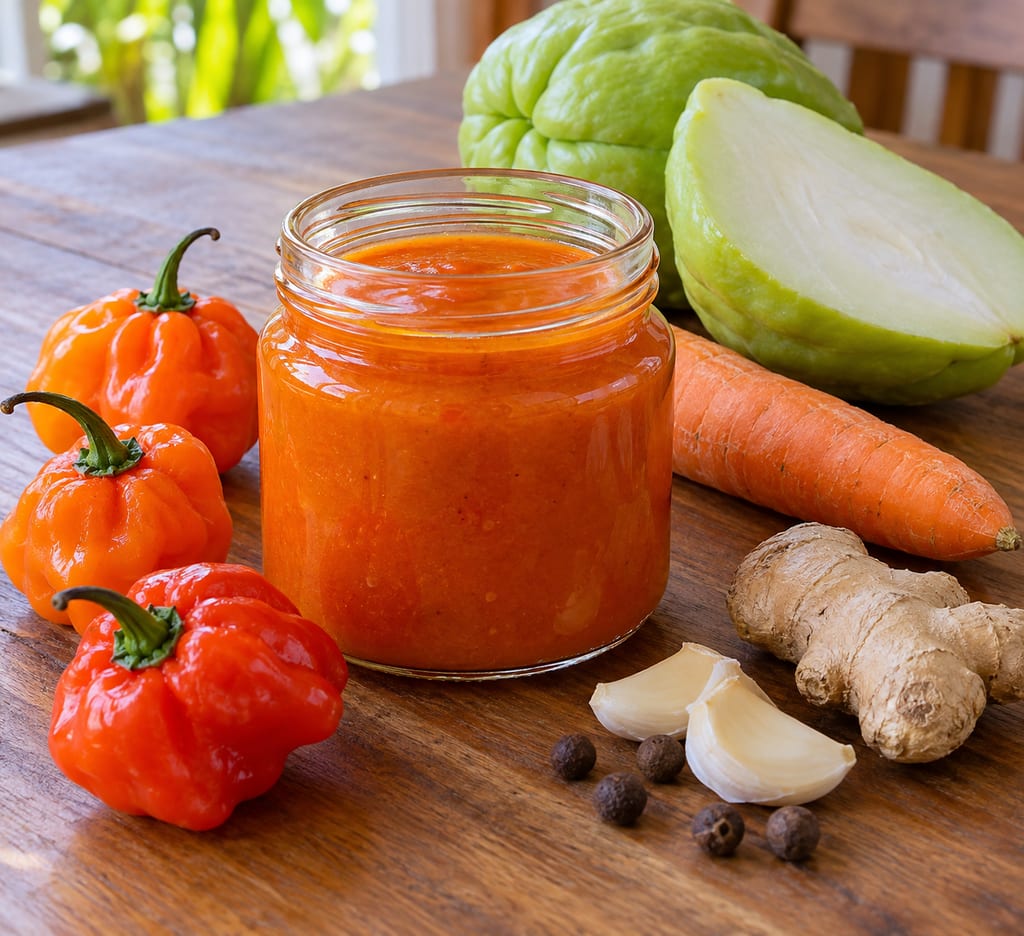
This Jamaican recipe cooks Scotch bonnet peppers with carrot, cho cho, onion, garlic, ginger, allspice and vinegar, then blends and strains the mixture.

A one-liter teaching recipe ferments bruised ginger, lemon, sugar and cream of tartar with measured baker’s or ale yeast, then conditions the drink briefly in PET bottles before refrigeration.
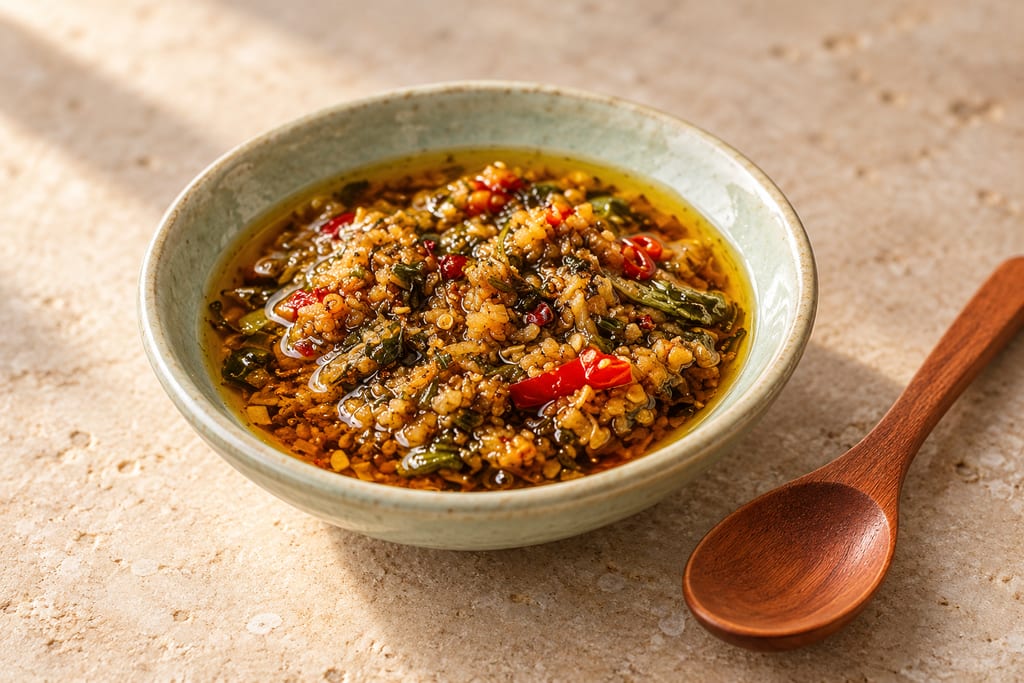
A Cantonese condiment of ginger, garlic, scallion and fresh chilli fried slowly in oil and seasoned with soy sauce, sugar, wine and salt, served over roast meats and poached chicken.
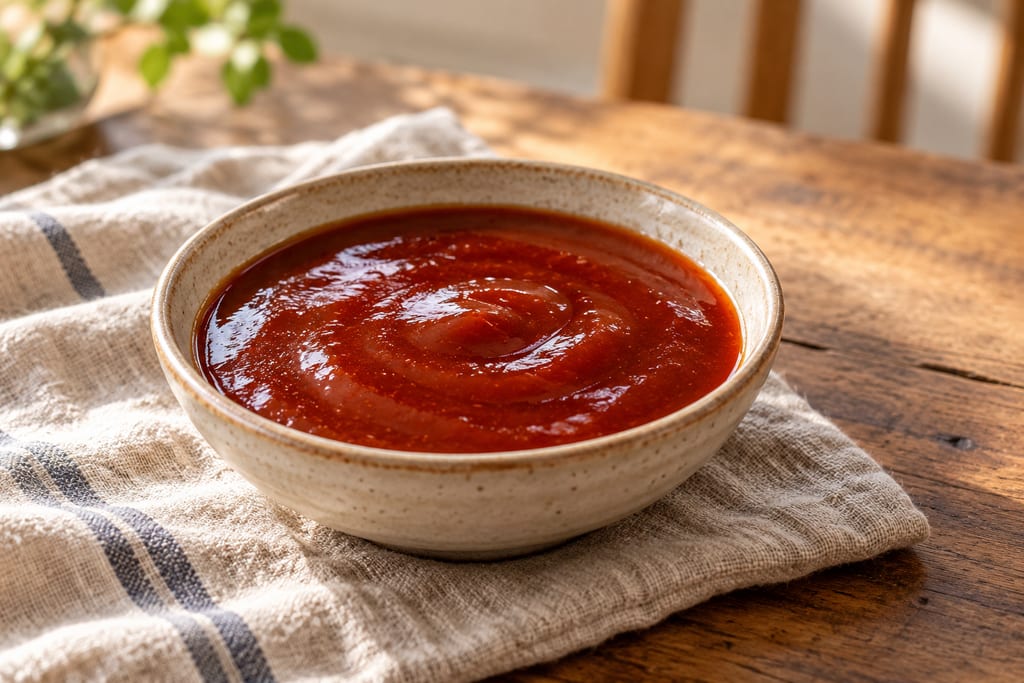
A smooth, tomato-based sweet-and-sour sauce of sugar, vinegar, tomato paste and soy sauce, thickened with starch for dipping or coating; it is not the sauce on Hangzhou's sweet-and-sour ribs.

A spicy South African vegetable relish of onion, carrot, pepper, tomato, curry seasoning and beans, cooked briefly and served warm or cold beside pap and grilled meat.
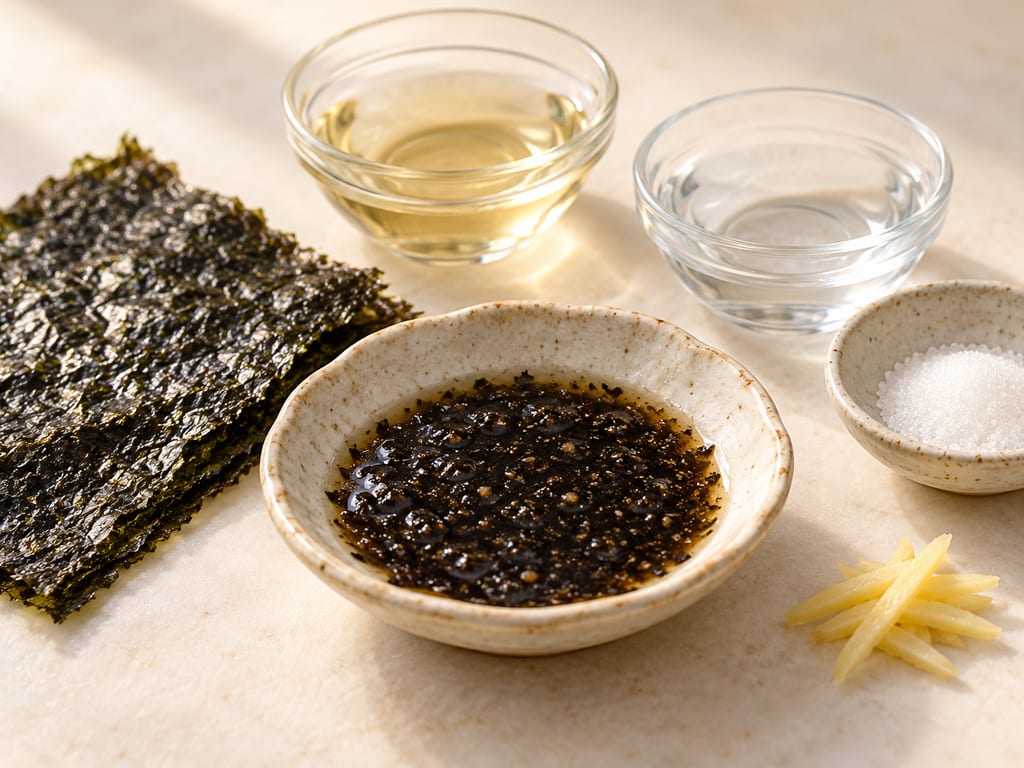
A fresh condiment in which crumbled nori softens in lightly sweetened vinegar and water. It is not vinegar fermented from seaweed.
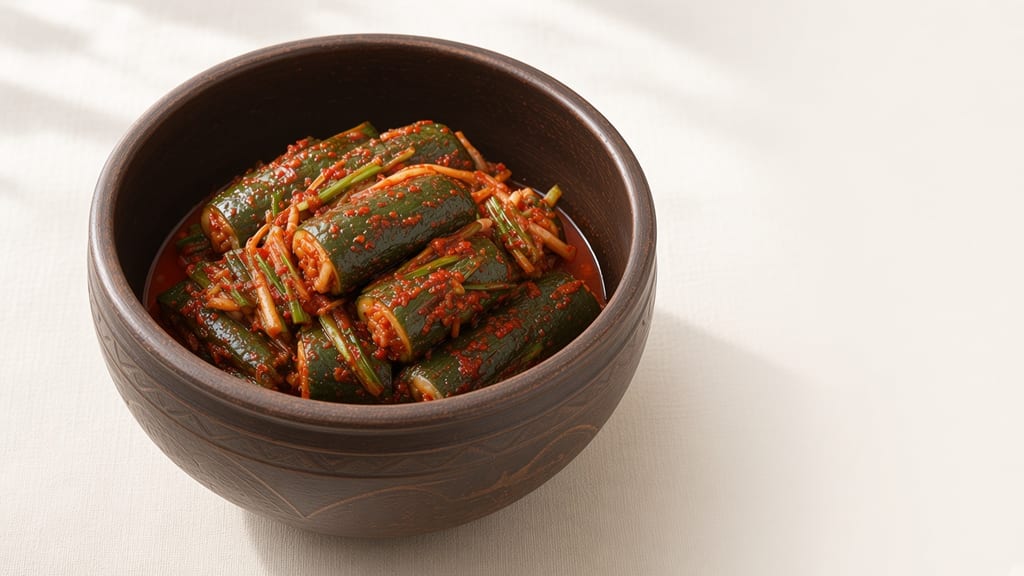
Hwanggwa damjeo is a cucumber kimchi from Yu Jung-rim's Jeungbo sallim gyeongje of 1766. Slit cucumbers are packed with chilli powder and garlic, scalded with hot salted water and sealed overnight.

Iburunge is boiled cassava and kidney beans dressed with strong butter, the Rwandan farm meal Hirata recorded. This home plate uses butter oil and comes with a cold cup of ikivuguto.
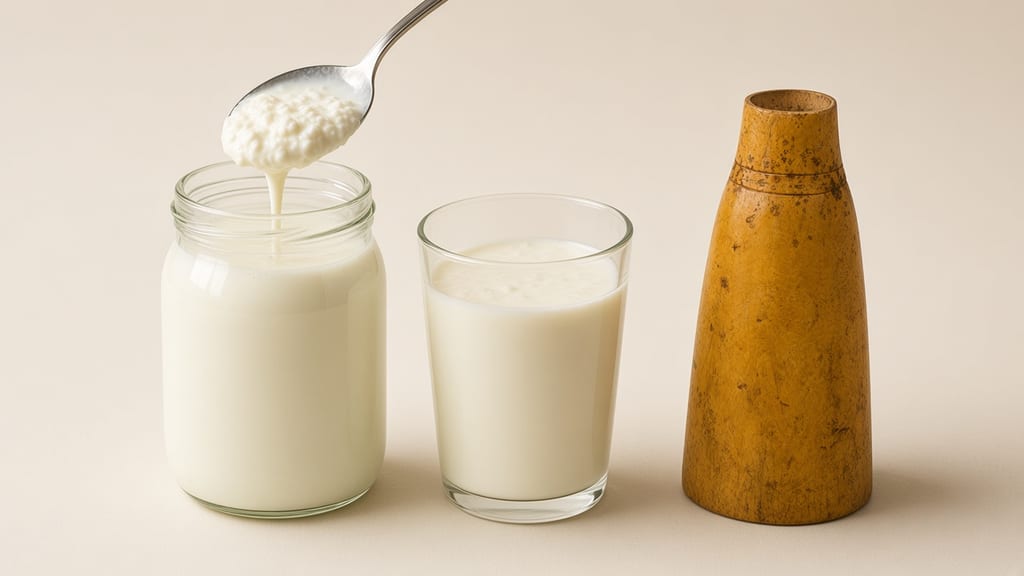
Ikivuguto is Rwanda's thick soured milk. This home version sets pasteurised whole milk with cultured buttermilk overnight at about 21 °C, then chills it for a mild, spoonable drink.
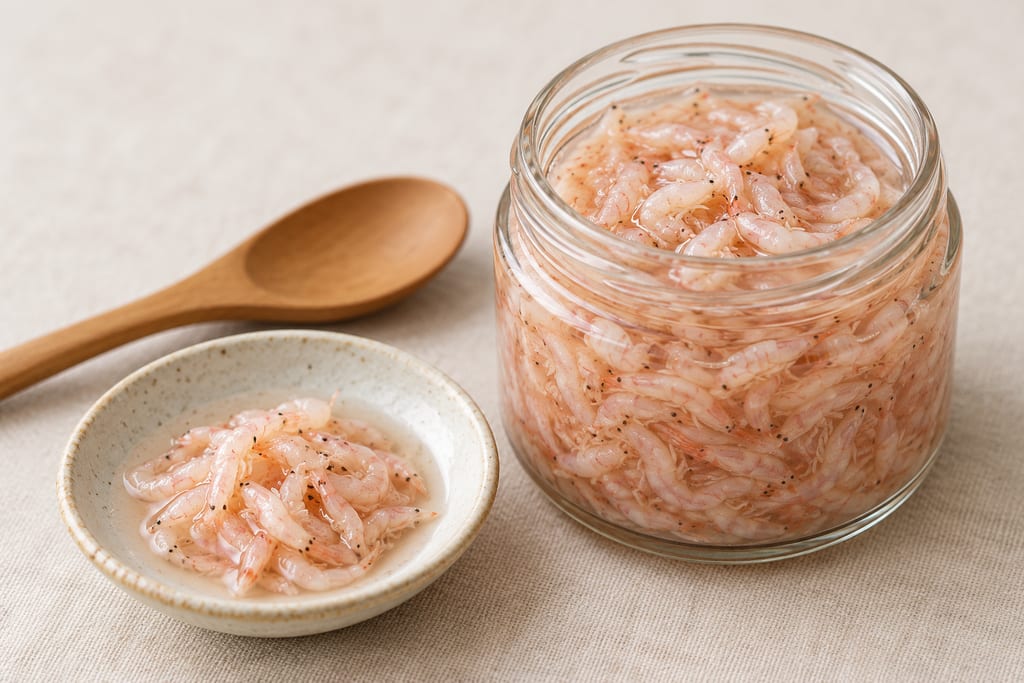
Korean fermented seafood made by salting whole small shrimp and maturing them in their own brine, used as a seasoning, in kimchi and with pork.
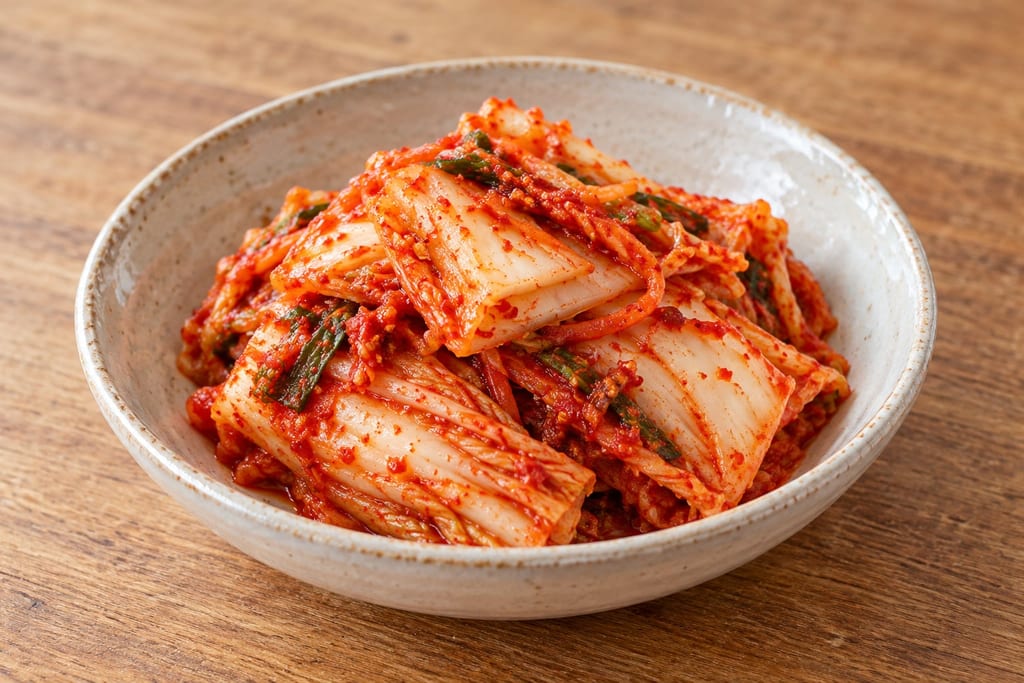
Kimchi is a Korean preserved vegetable food, most often cabbage, salted and seasoned, then fermented by the lactic acid bacteria that arrive with the vegetables. Some studies test added starter cultures, but a home jar is usually spontaneous.
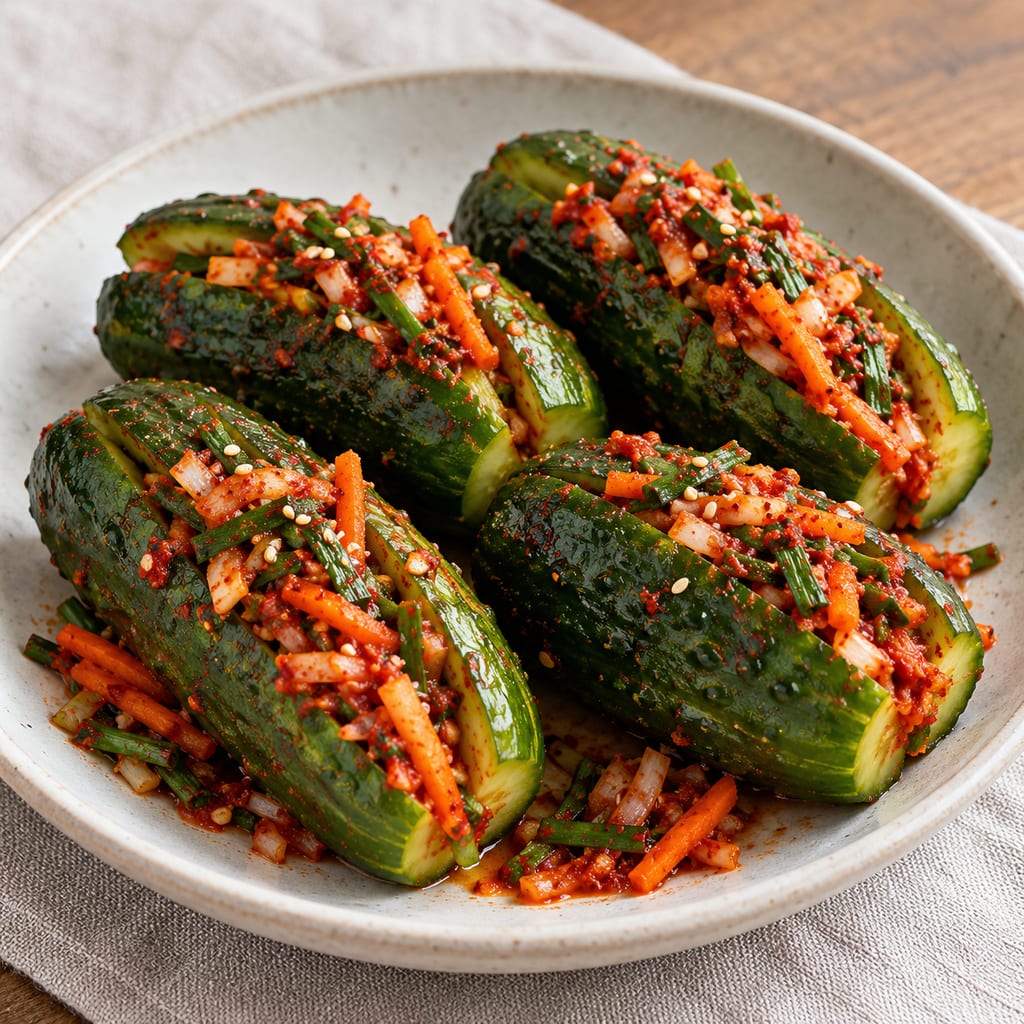
Oi-sobagi is a Korean stuffed cucumber kimchi: salted cucumbers slit and filled with a chive-and-chilli seasoning, eaten fresh or left to ferment.
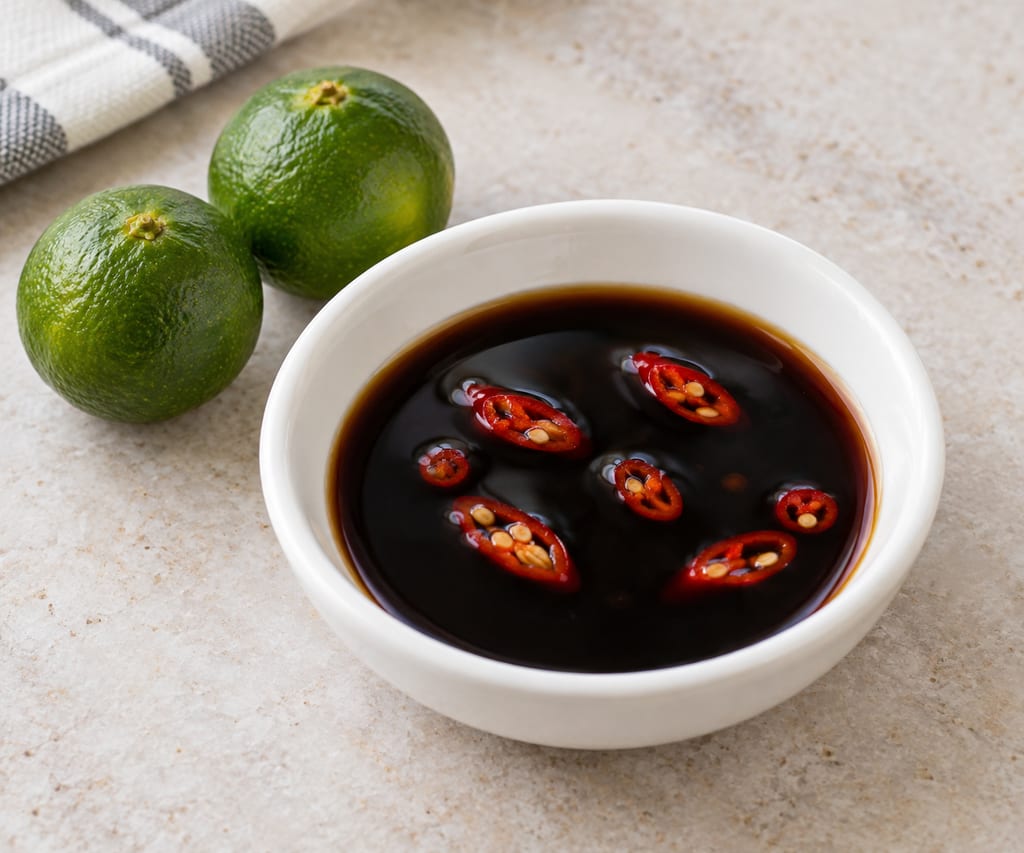
Toyomansi is a Filipino table dip of soy sauce and calamansi juice, served with grilled or fried foods; this version adds sliced chilli and optional sugar.
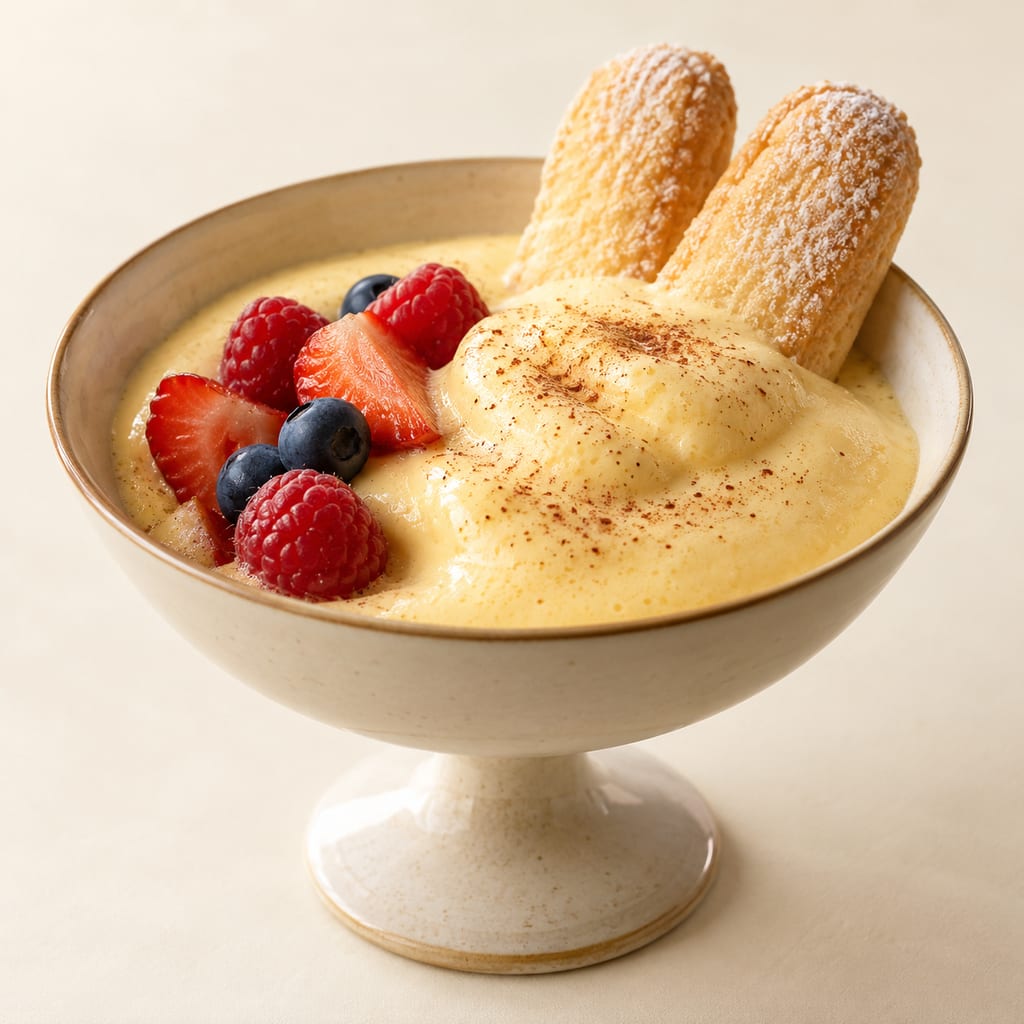
A warm foam of egg yolks, sugar and sweet wine, whisked over gentle heat in a double boiler until light, served at once with fruit or biscuits.
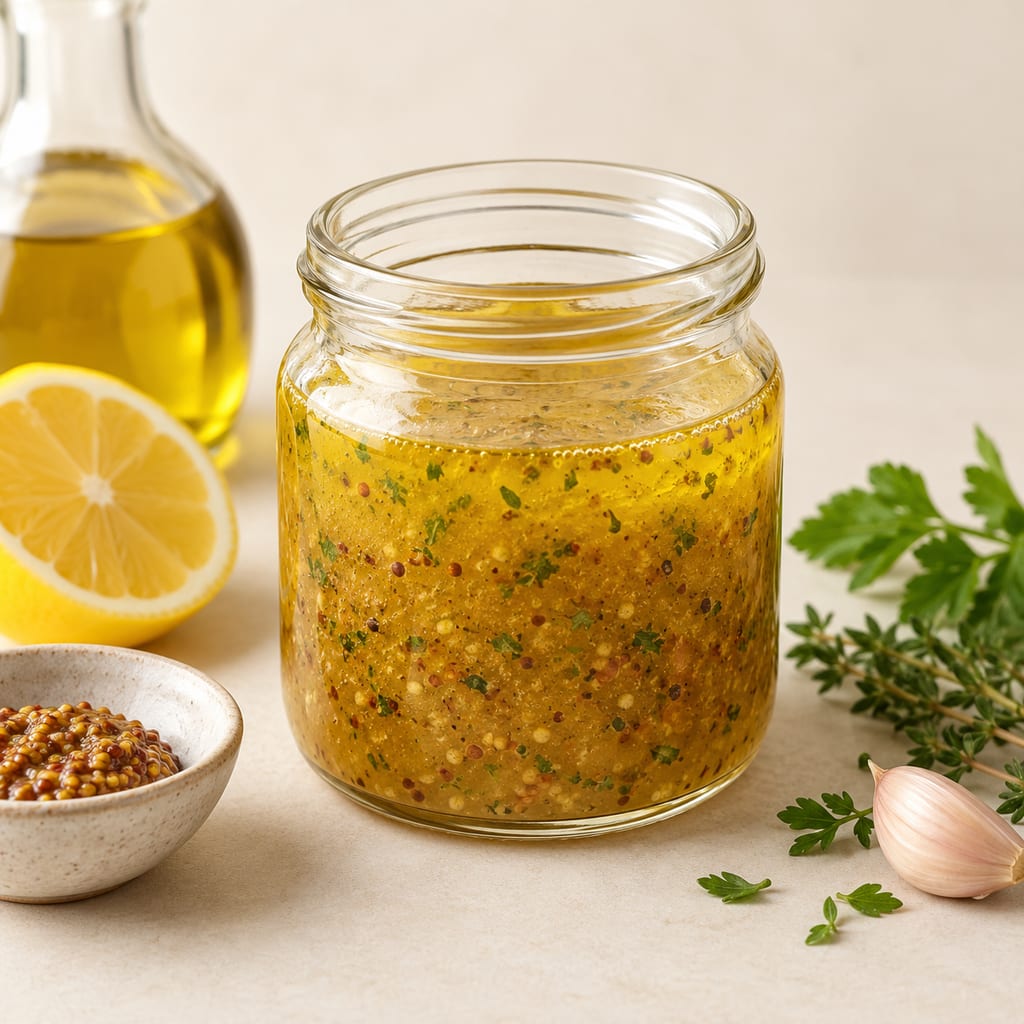
A dressing of edible oil whisked with a mild acid, usually vinegar or lemon juice, seasoned with salt, herbs and mustard, used on salads and as a marinade.

A documentary account of a modern ventricina-style salami source and its Abruzzese context. This page provides no preparation directions or validated home process.
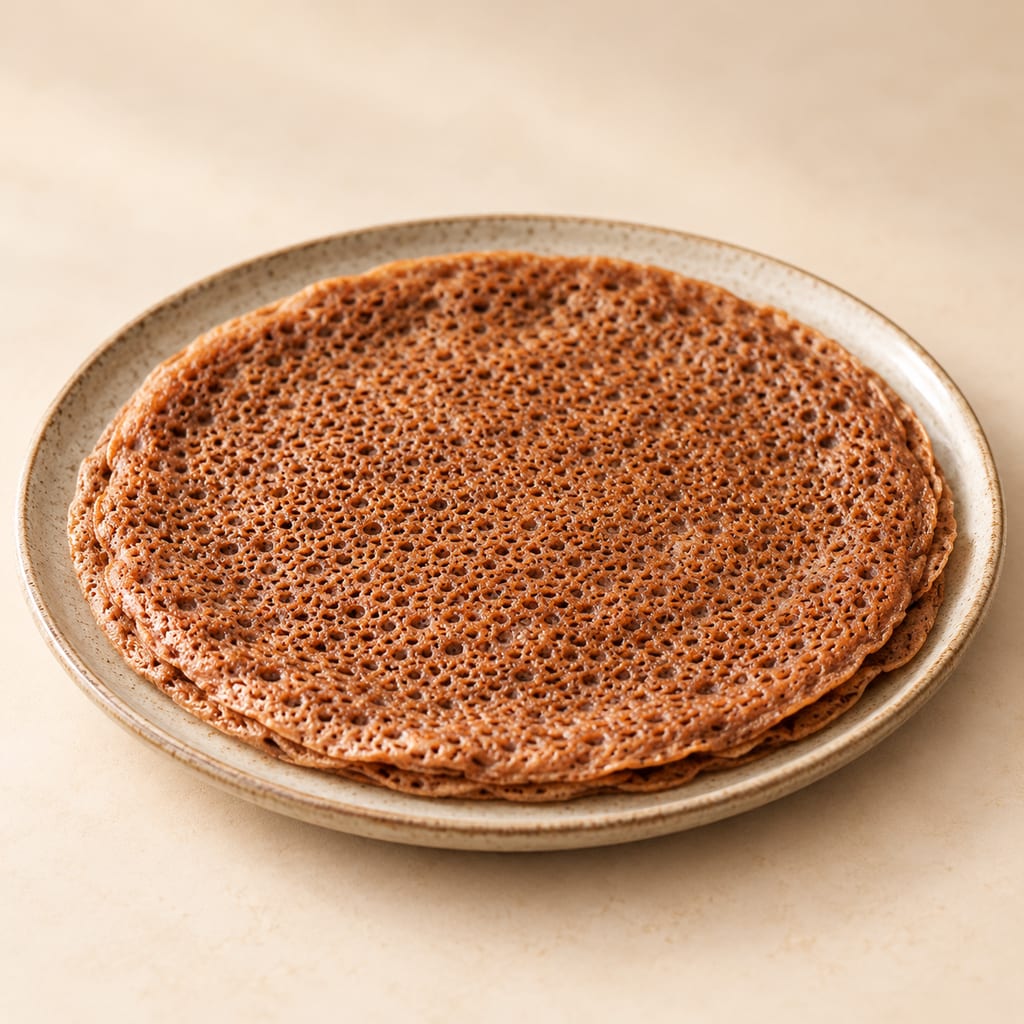
A modern home adaptation of Ethiopian injera using a 24-hour fermentation window. This method balances traditional souring with accessible ingredients like baking powder or starter cultures to achieve the characteristic porous texture.
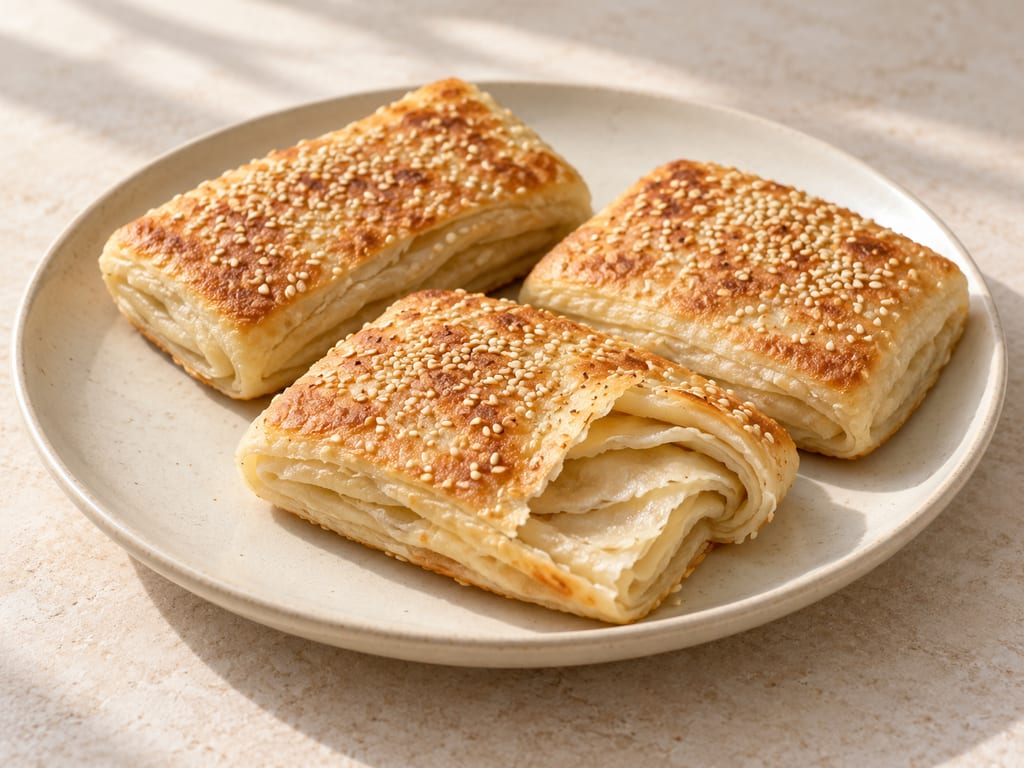
A Taichung family recipe uses a hot-and-cool water dough, vegetable-oil roux, repeated folds and sesame seeds for crisp, layered shaobing.
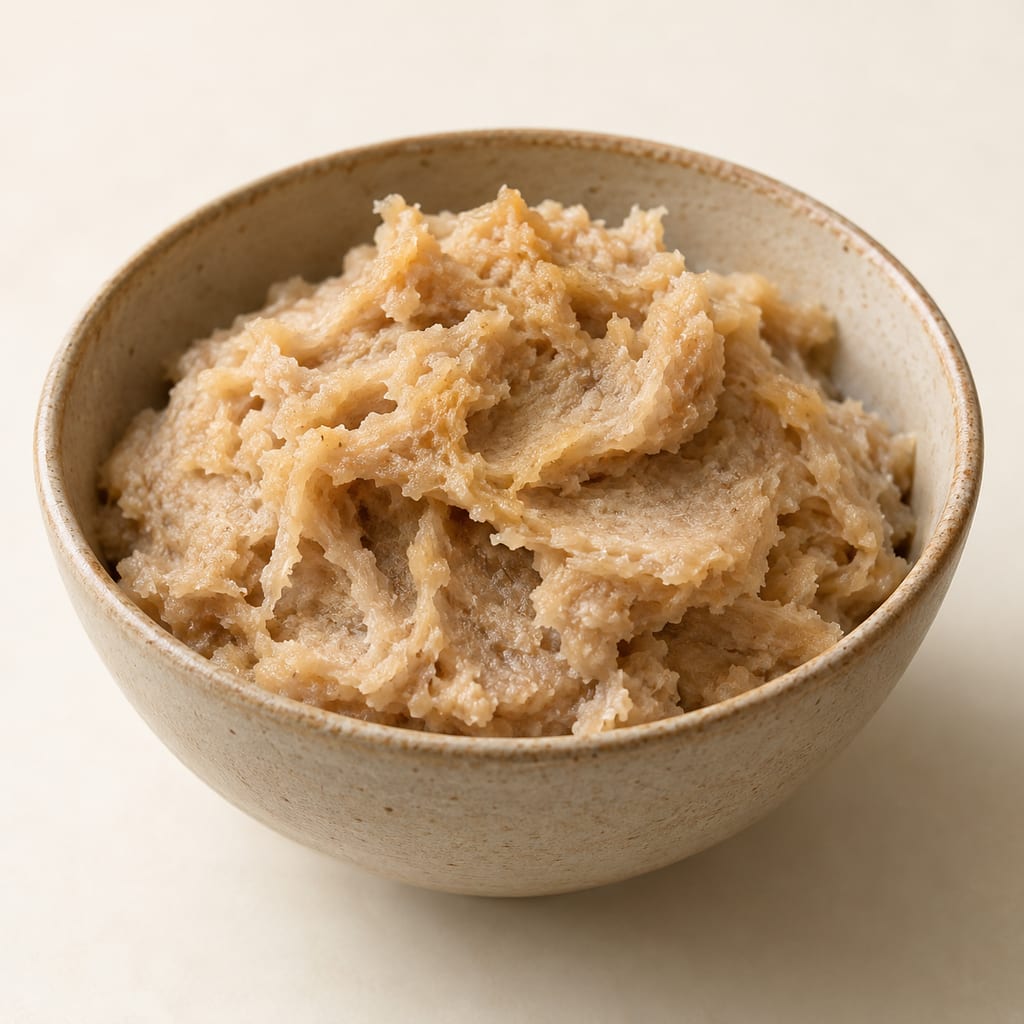
Tahitian mahi is a breadfruit paste wrapped in Cordyline leaves and kept in an earth-covered pit for several months, a scarcity food of French Polynesia. The heritage account gives no validated method.
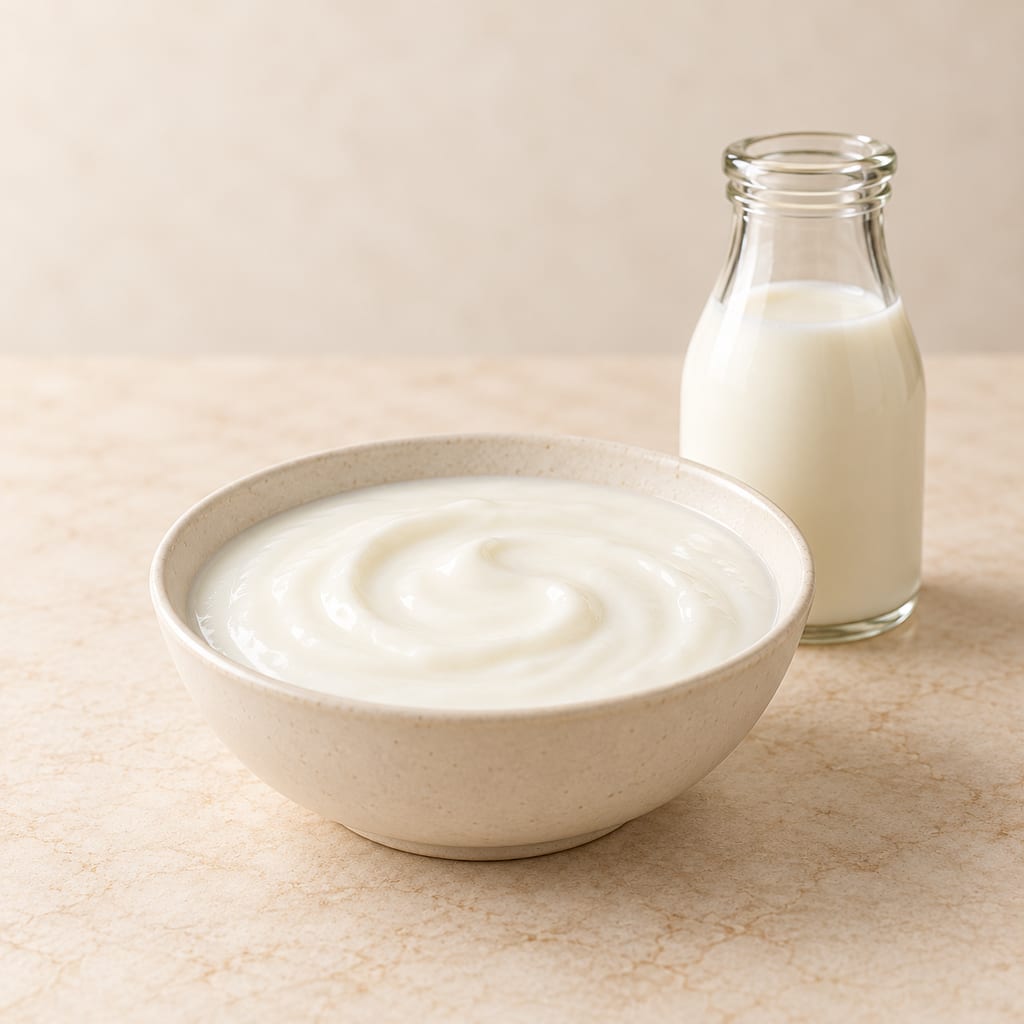
This plain yogurt is heated, cultured warm and stirred smooth after chilling. A Canadian home method uses fresh plain yogurt to start the lactic fermentation.
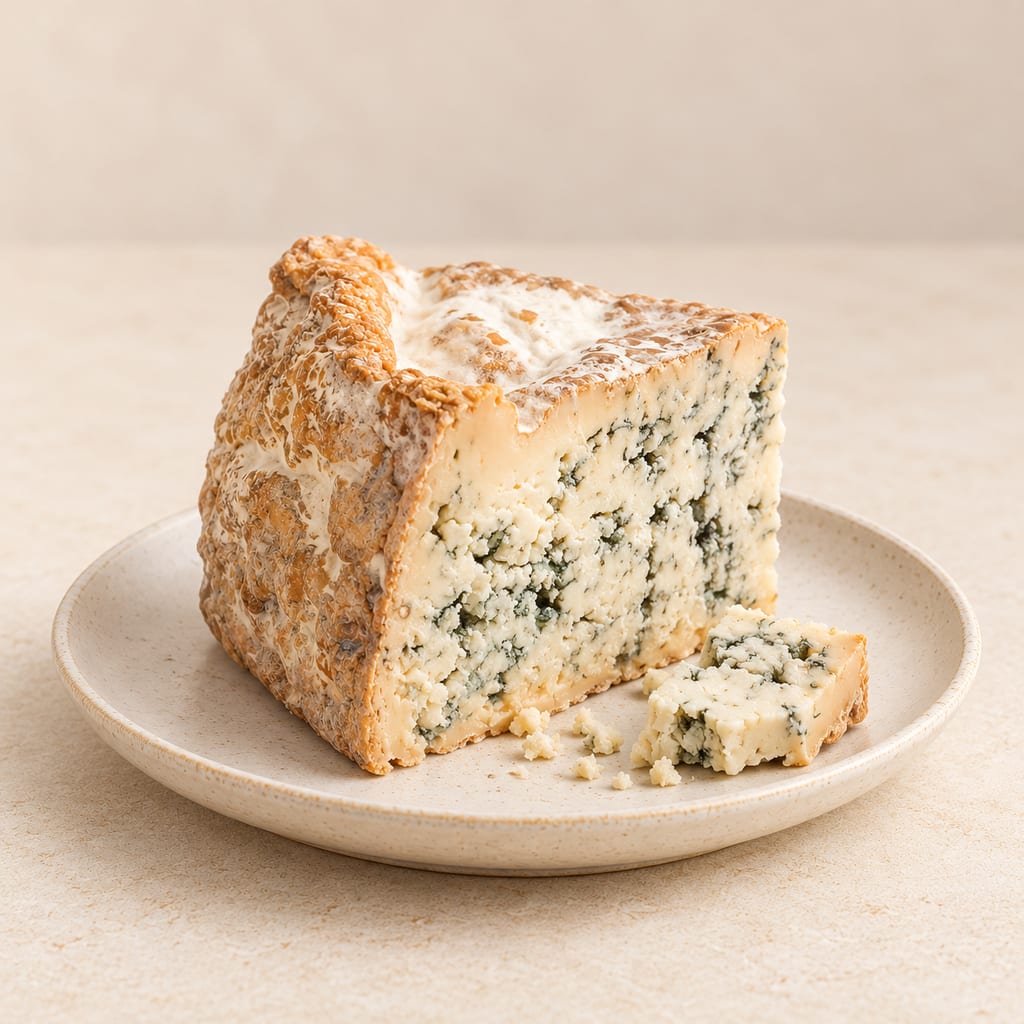
A moist blue cheese inspired by Cantabrian styles, made with pasteurized milk, a lactic starter and Penicillium roqueforti, then ripened in two stages.
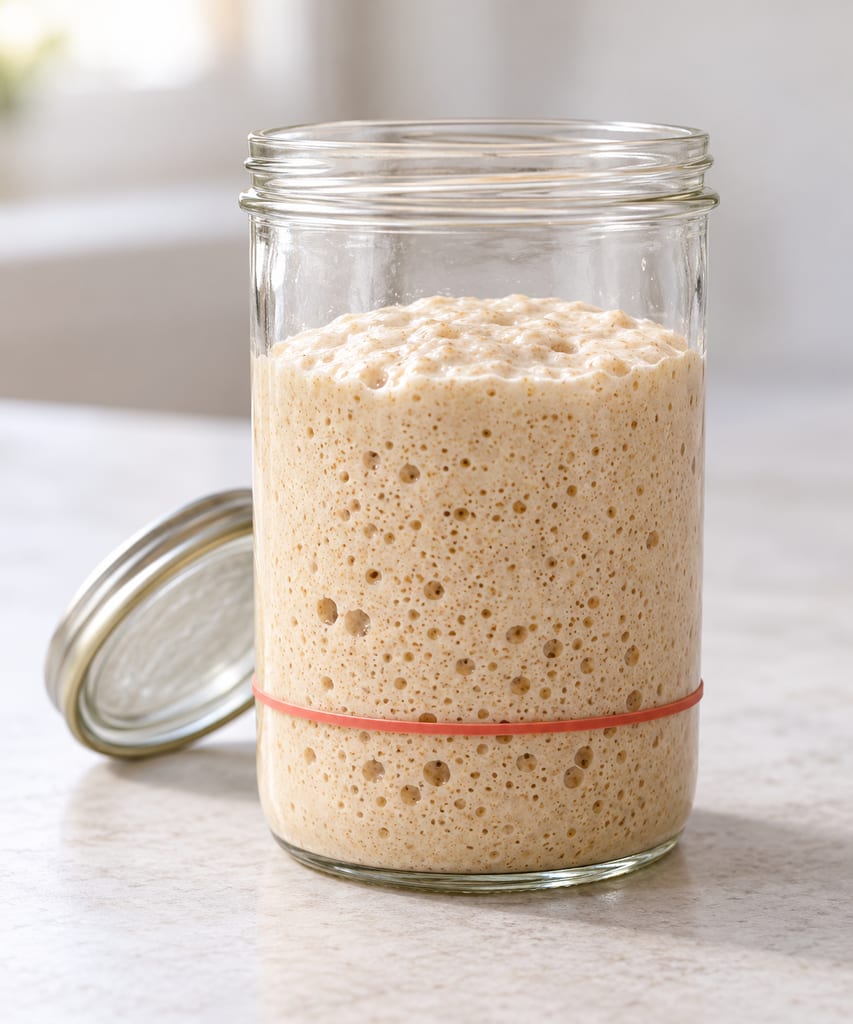
A flour-and-water starter begins with whole-wheat flour, then receives regular all-purpose flour feeds. Once established, this living culture can raise bread dough.
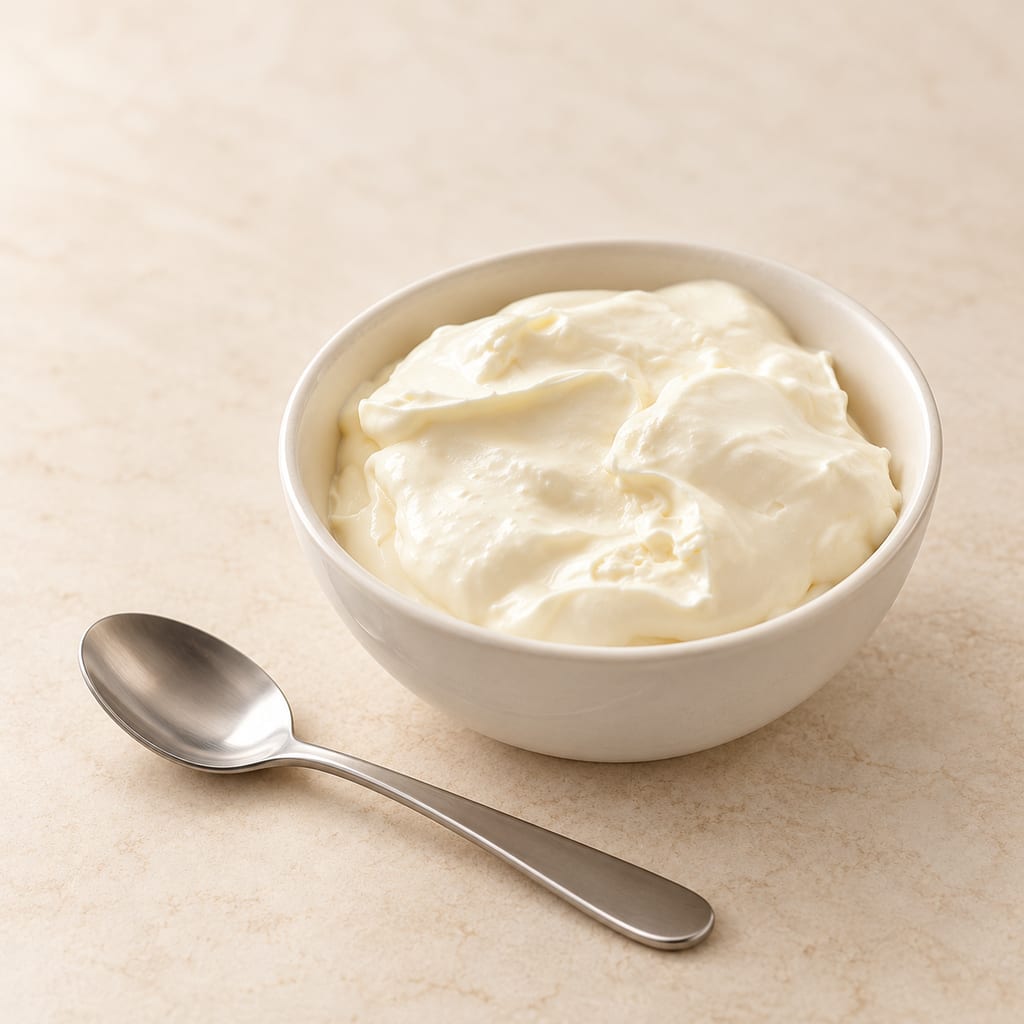
Sour cream is light cream thickened and soured by a lactic starter. This Canadian method uses homogenized cream and lets the gel form in its storage container.
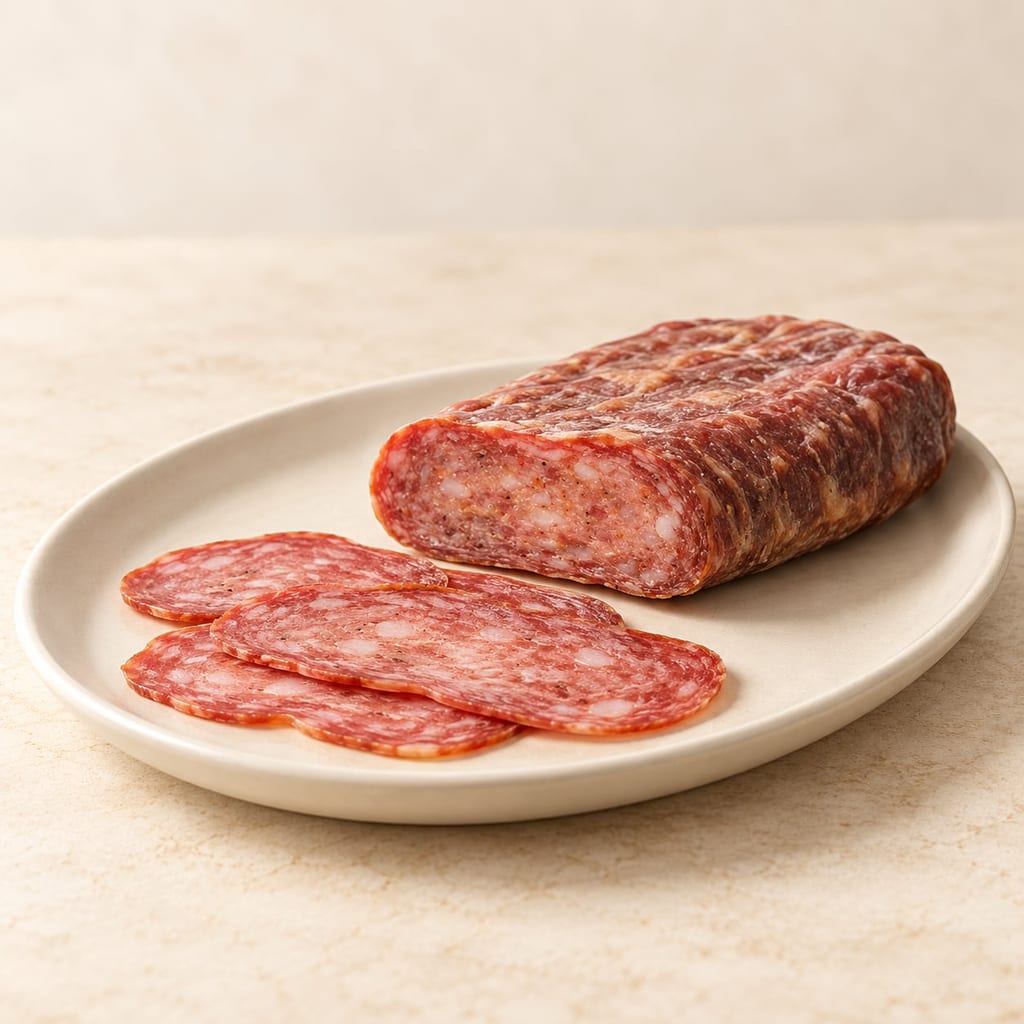
Calabrian soppressata is a flattened pork salami seasoned with pepper and wine. This entry documents a modern starter-cultured adaptation, not household instructions; the process lacks matched pathogen-reduction validation.
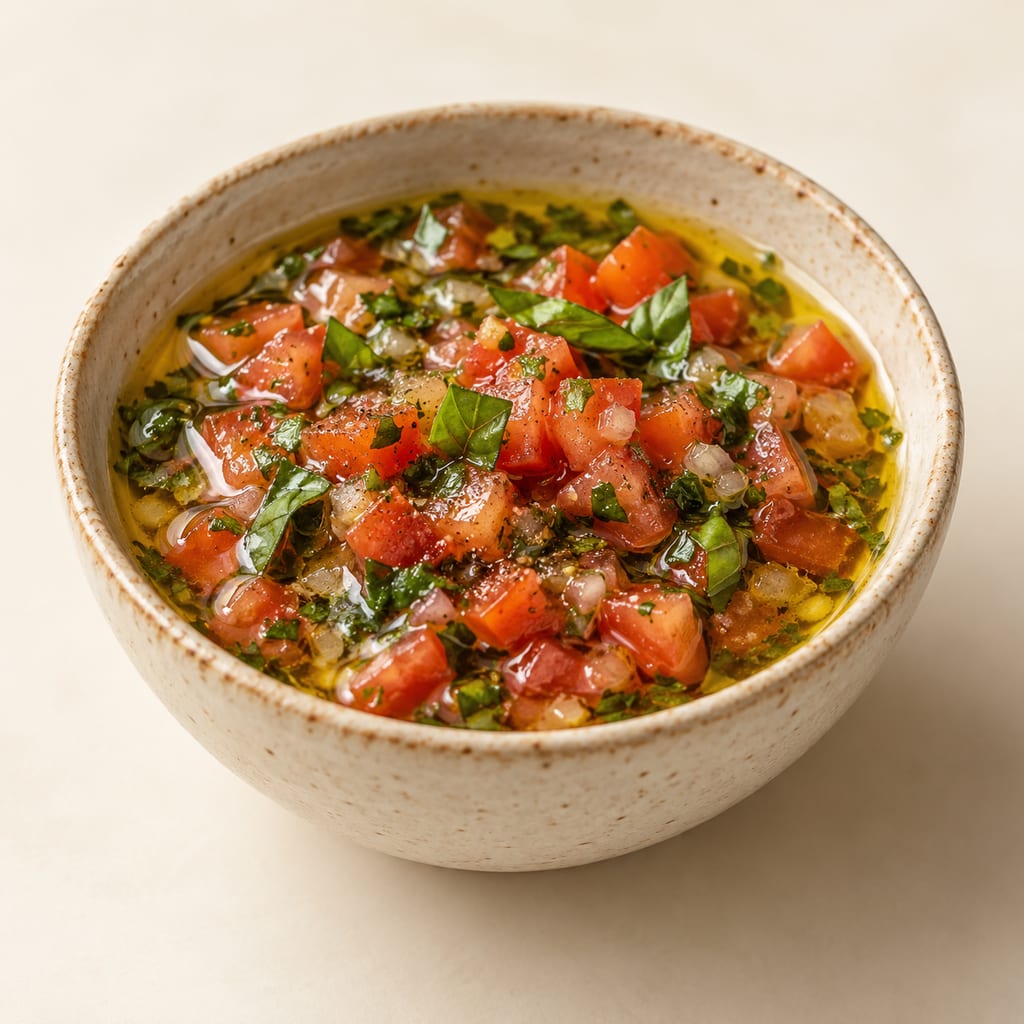
A raw French sauce of olive oil, lemon, chopped tomato and basil, with the herbs infused in the oil, served with fish, shellfish and vegetables.
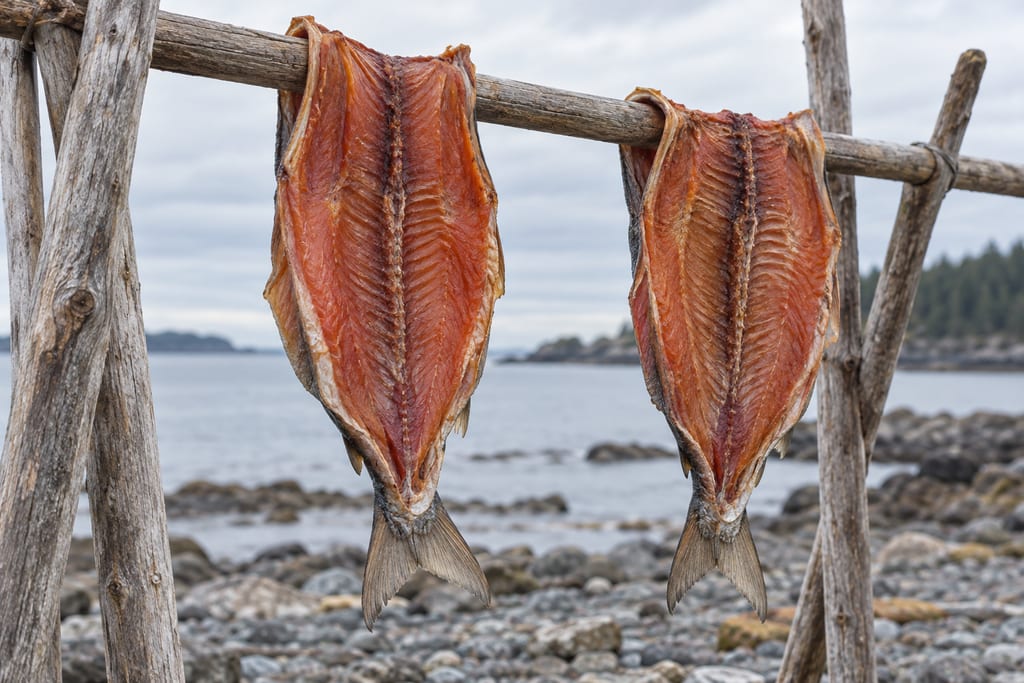
Pacific salmon opened along the backbone and hung on elevated wooden frameworks to air-dry, the winter provision at the centre of Nivkh household fishing on Sakhalin and the Lower Amur.
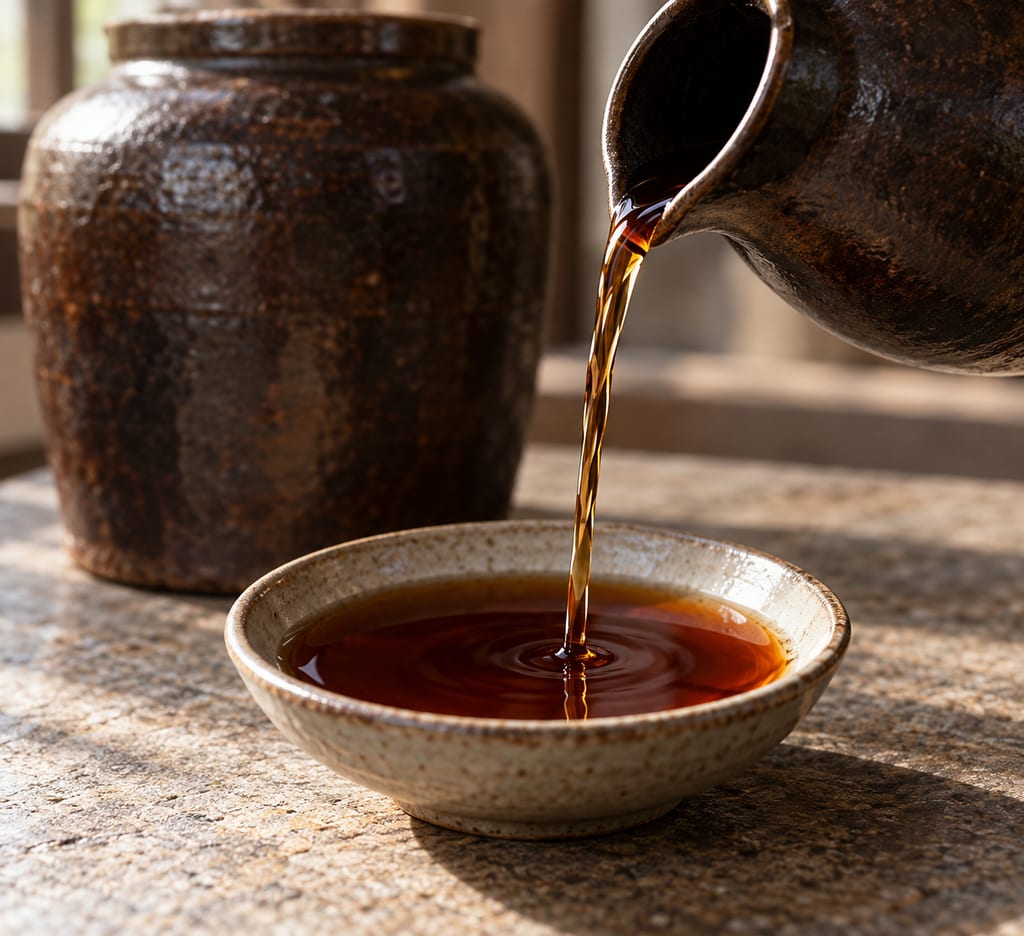
Dark Fujian rice vinegar: glutinous rice and red Monascus koji make a red rice wine, liquid acetification turns it to vinegar, and it ages at least three years.

Vinegar made by fermenting the lactose of cheese whey to alcohol with a Kluyveromyces yeast and then to acetic acid; sold in Switzerland as Lactavinaigre from the 1950s.
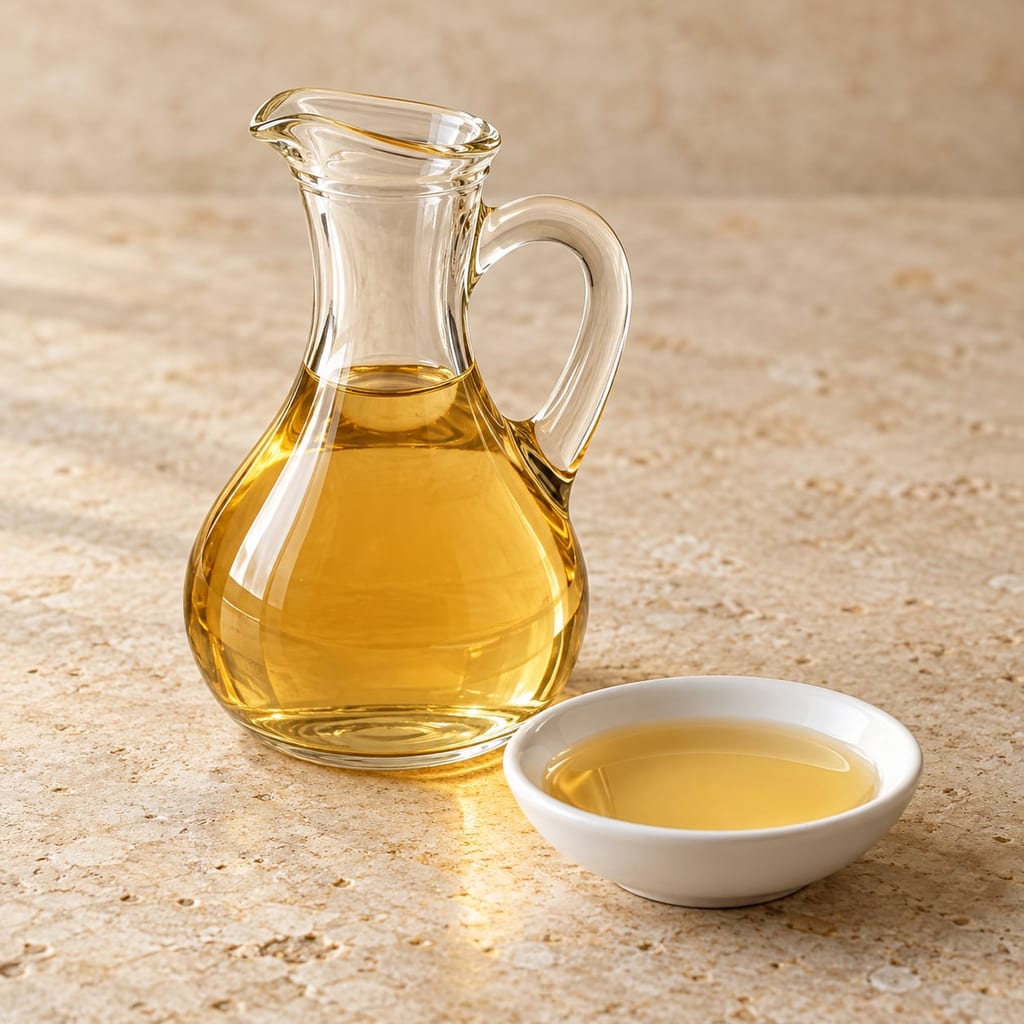
Protected Andalusian wine vinegar made by acetifying certified Montilla-Moriles wine, dry or sweetened with Pedro Ximénez or Moscatel must, and often aged in oak by solera or añada.
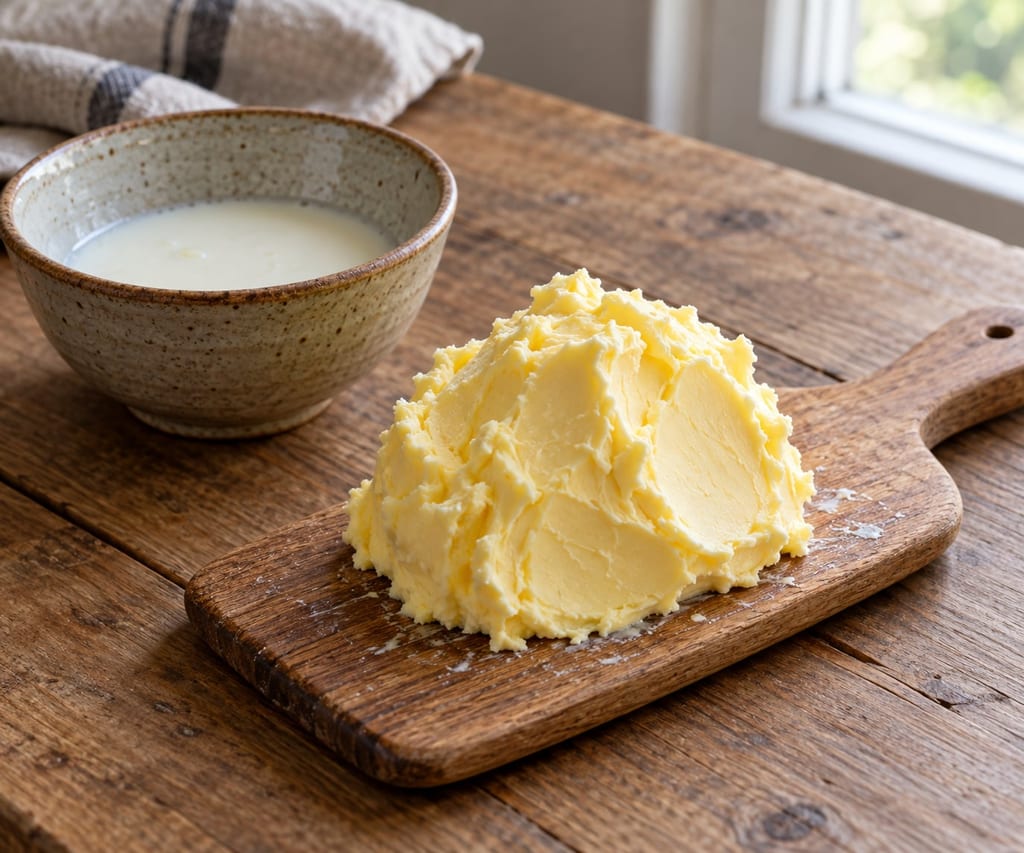
Cream agitated until its fat globules join into a solid mass and release buttermilk, the dairy fat a northern household could concentrate, salt and keep when milk itself would not last.
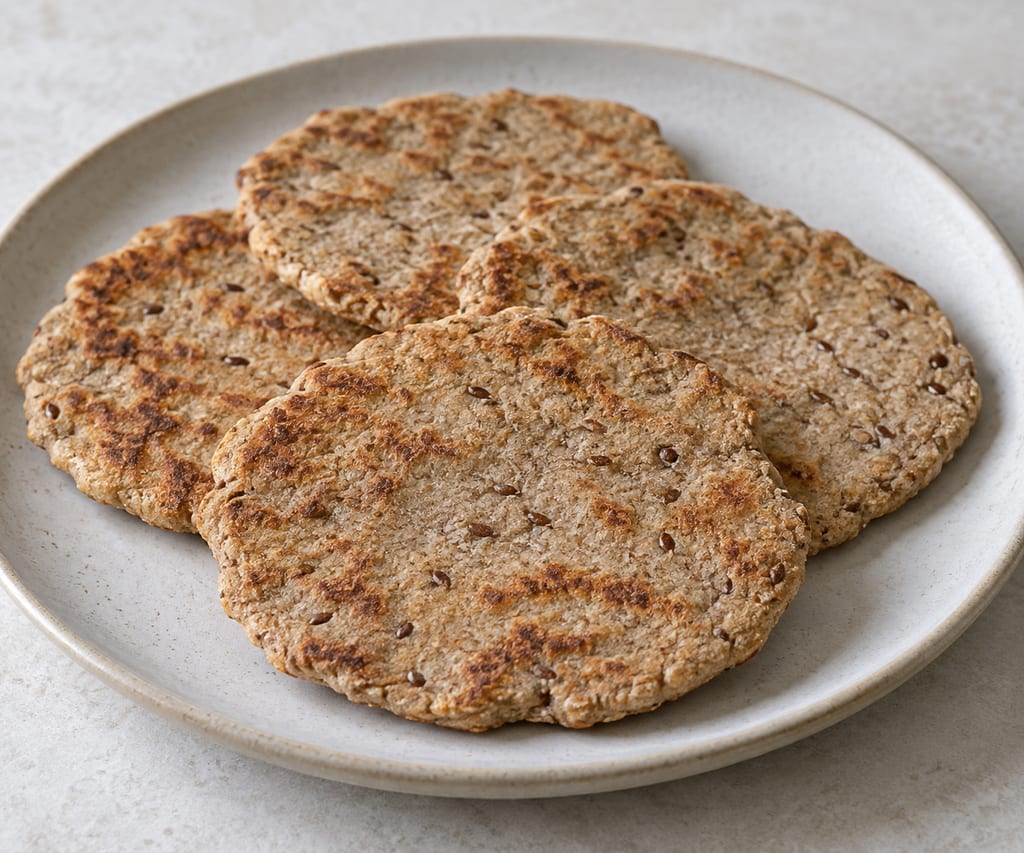
A small, dense cake of ground barley mixed with liquid and cooked against a hot surface, the form a low-gluten northern cereal takes when a household turns stored grain into bread.
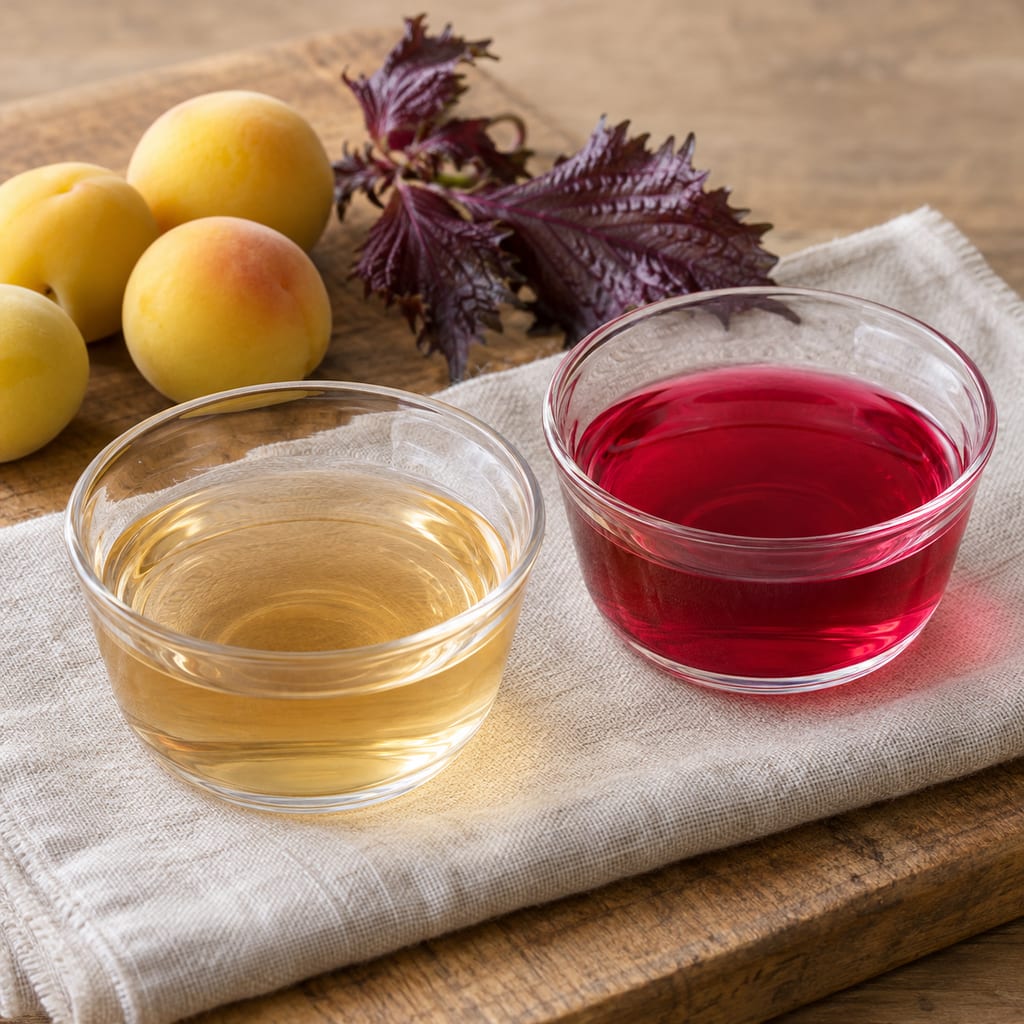
The very salty, sour liquid drawn out of Japanese ume fruit by salt during umeboshi making: acidity from the fruit's citric and malic acid, not from acetic fermentation; white, or red with shiso.
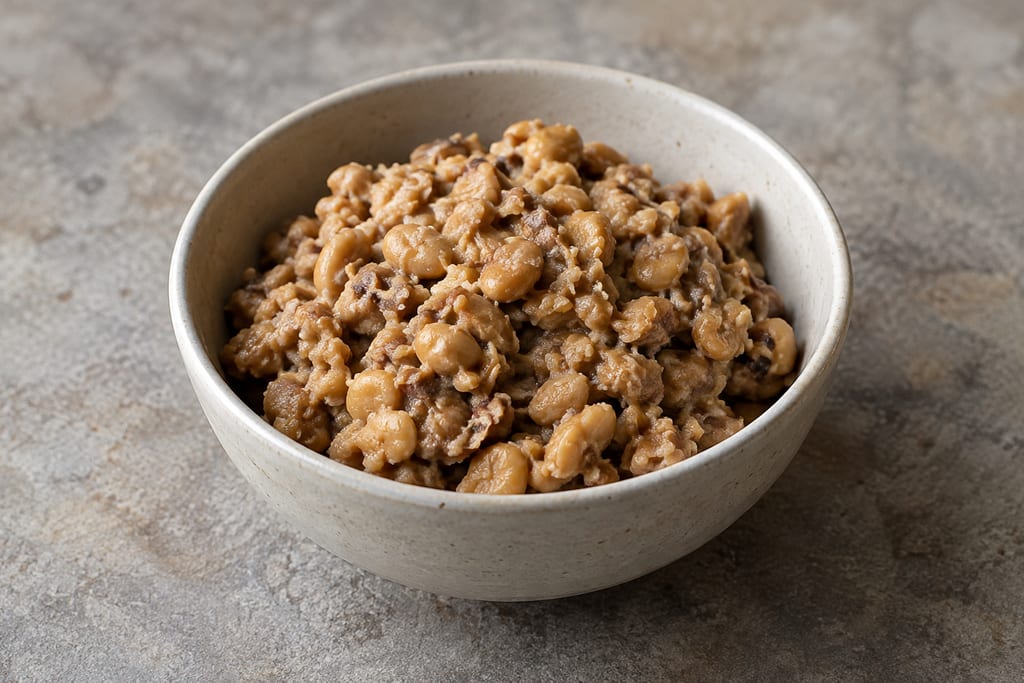
A Khasi and Jaintia fermented soybean food from Meghalaya: cooked beans ferment naturally in leaf-lined baskets above a fire, giving a sticky, pungent, savoury mass.

An Okinawan fermented tofu: dried tofu cubes matured in rice koji, awamori and salt, traditionally with red Monascus koji, until the curd turns smooth and intensely savoury.
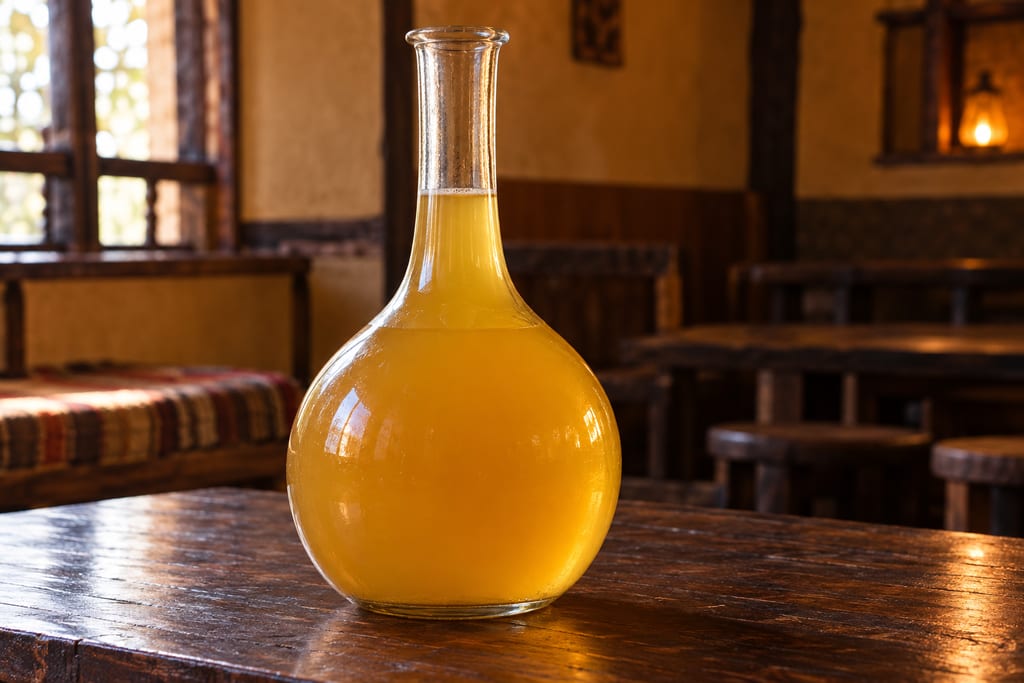
An Ethiopian honey wine made here as a controlled laboratory formulation with honey, water, a mixed bacterial-and-yeast starter, and gesho.
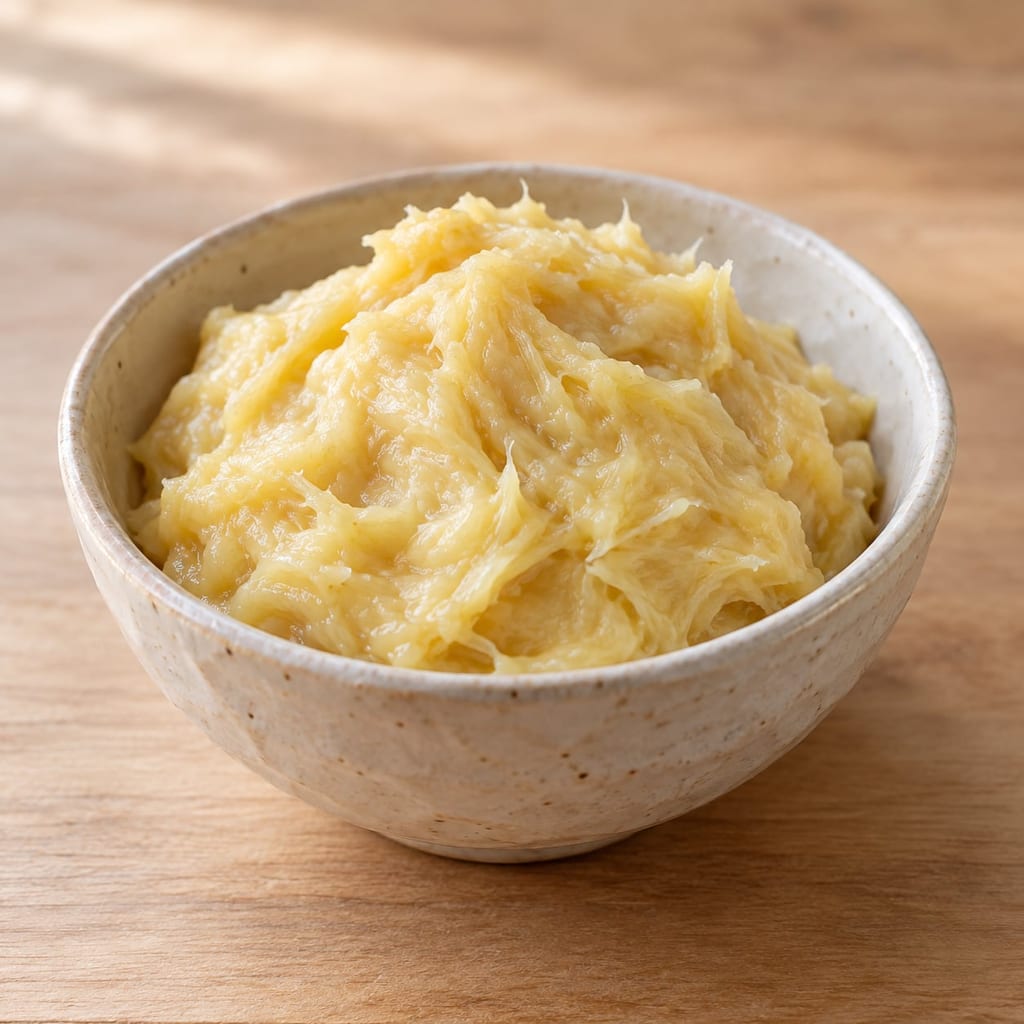
Durian flesh is mashed with salt and fermented in a covered container as a Malay condiment or cooking ingredient.
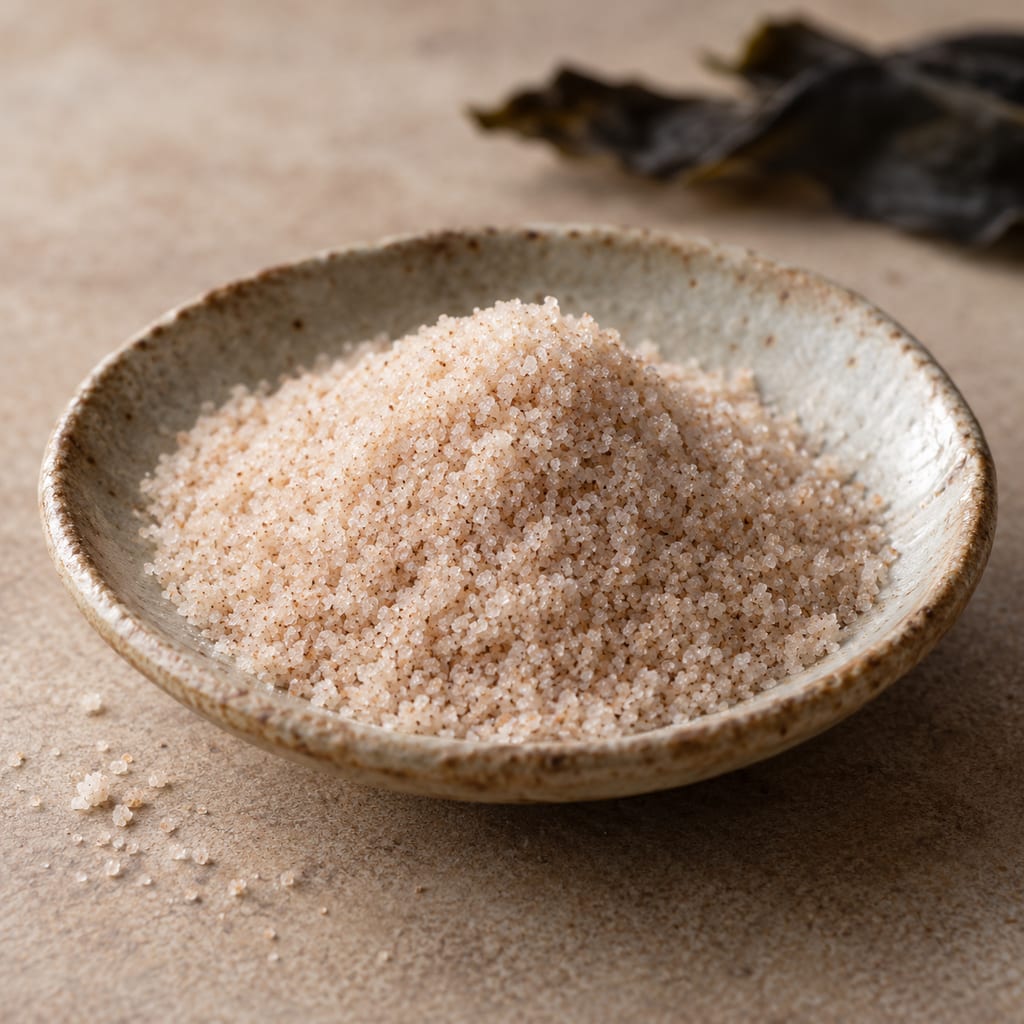
Awaji moshio is a modern Japanese seaweed salt made by TaDa PHILOSOPHY from Awaji Island seawater and seaweed. Its premium process concentrates brine, extracts seaweed flavor, then crystallizes, separates, dries and grades the salt.
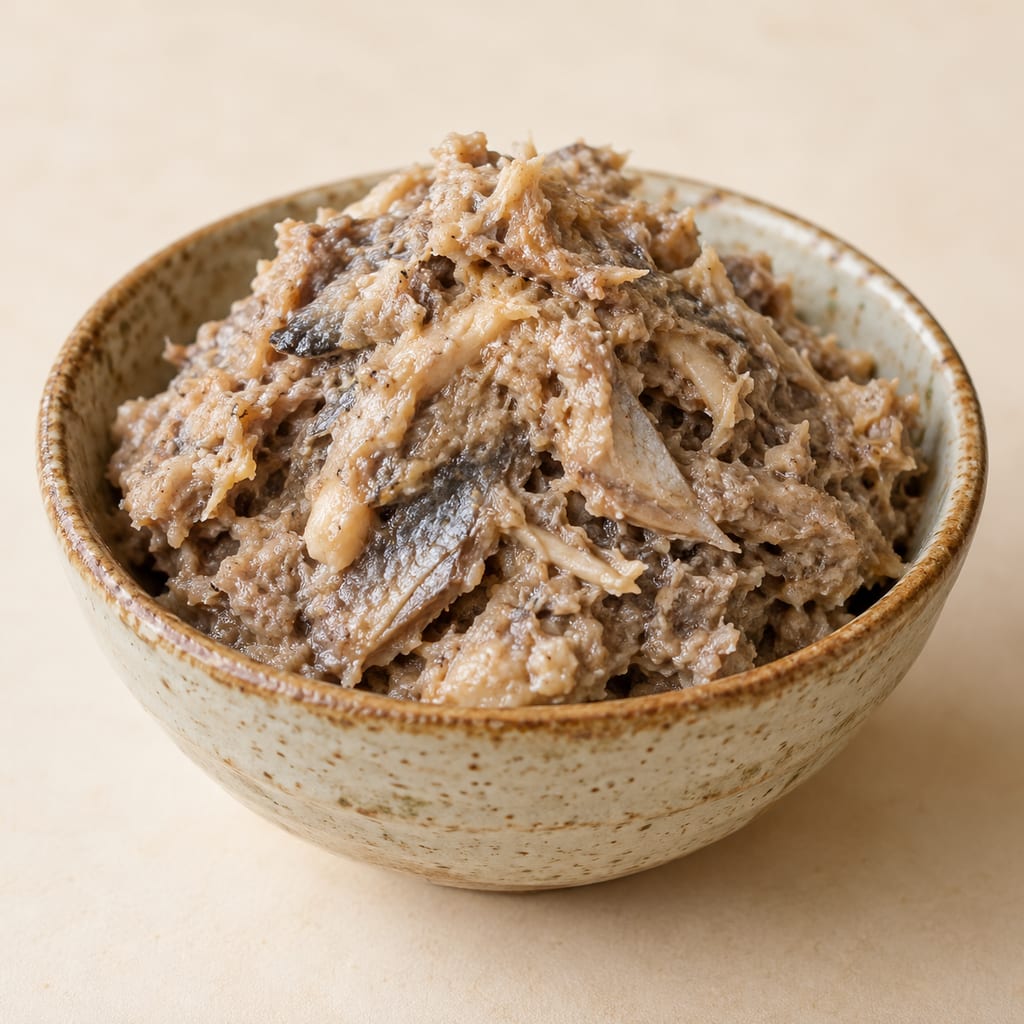
Cambodian fermented freshwater fish paste, central to Khmer cuisine. This entry documents source-specific production accounts and study conditions; it does not give a validated household process.
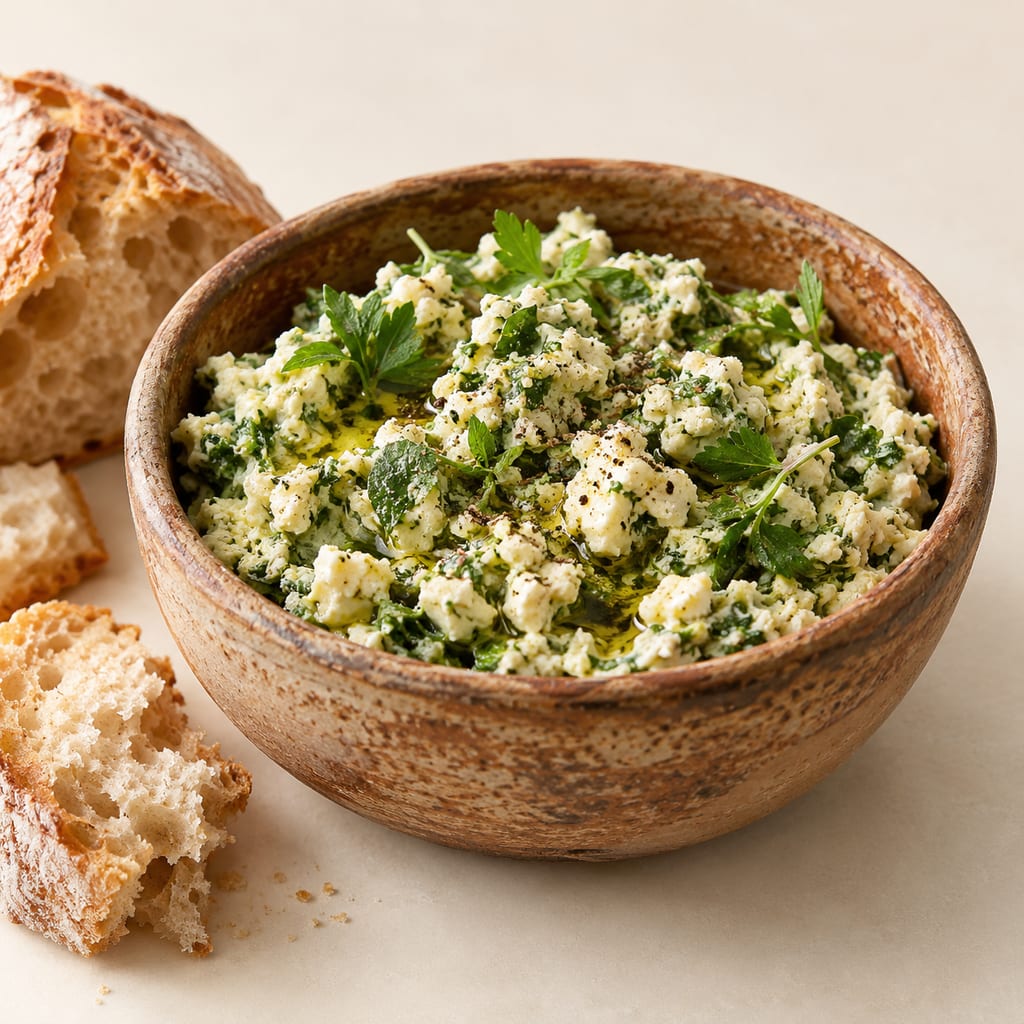
Moretum was a pounded herb and cheese spread of ancient Rome, eaten with bread and named for the mortar in which it was made.