High risk
Darasun
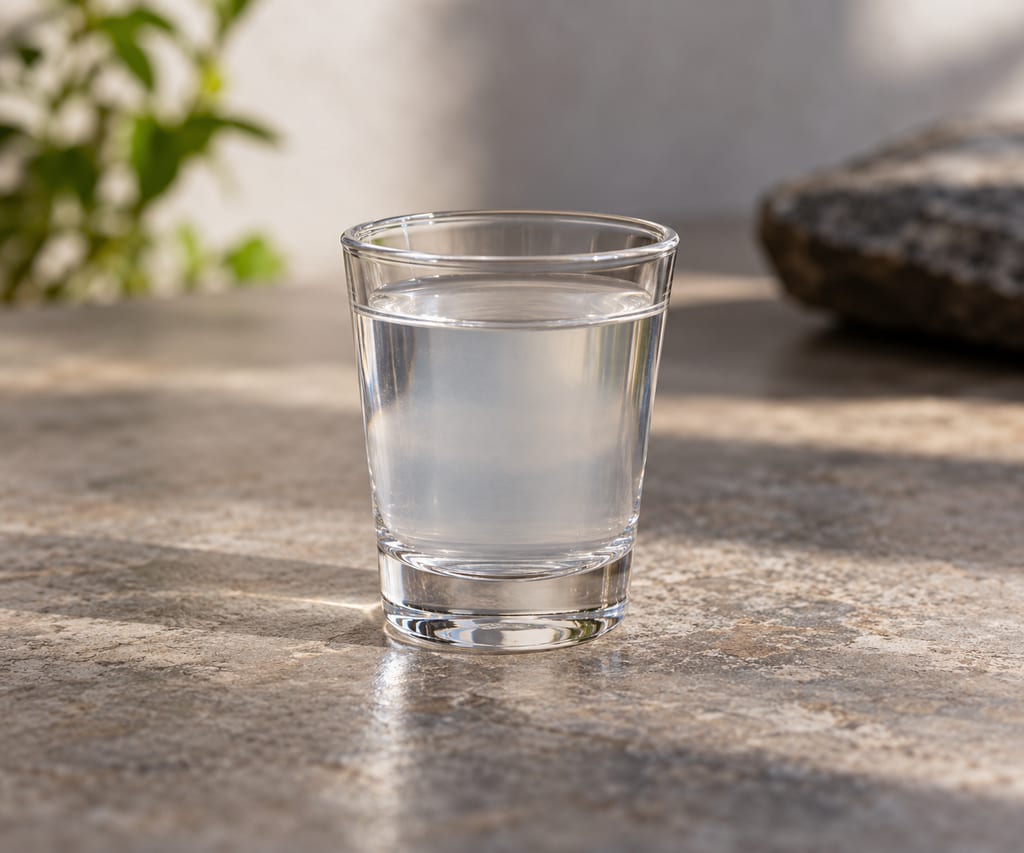
A Buryat milk spirit distilled from khurenge, the backslopped sour dairy ferment, in a cauldron still: a distillate that keeps milky and cheese-like aromas from the dairy it came from.
 FermenteaWhere food goes to change
1504 records with their sources, across 11 categories.
A Buryat milk spirit distilled from khurenge, the backslopped sour dairy ferment, in a cauldron still: a distillate that keeps milky and cheese-like aromas from the dairy it came from.

Rice koji is steamed white rice through which koji mold has grown. It carries the enzymes that turn rice starch into sugar, and it is the starting point of sake, sweet miso, amazake and shio koji.
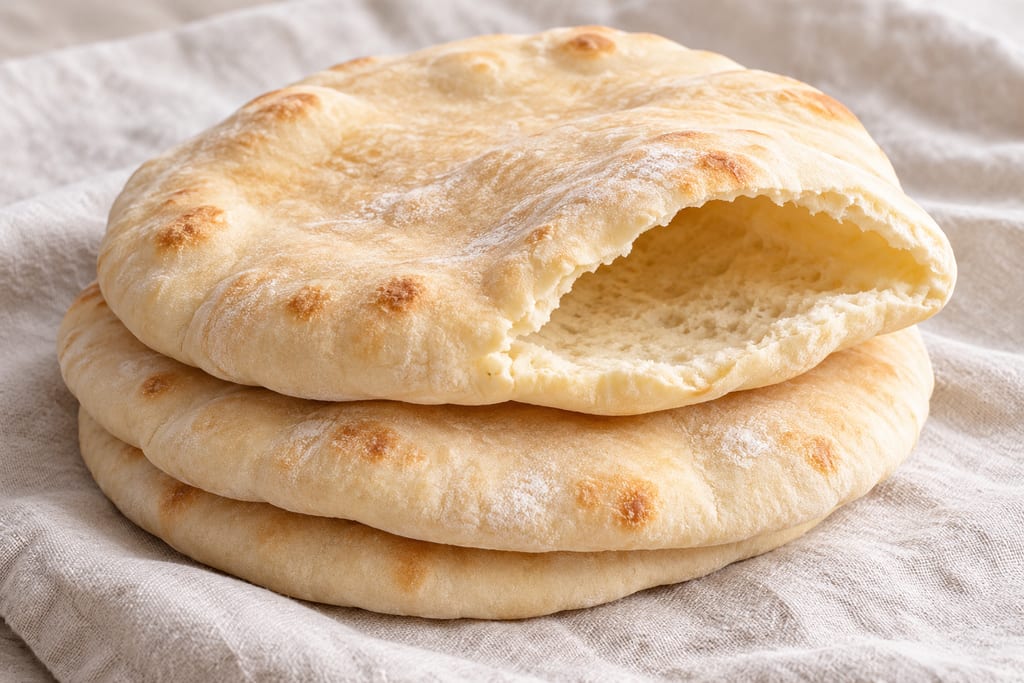
A yeast-raised wheat pocket bread; this measured oven version bakes eight soft rounds on a preheated stone or steel.
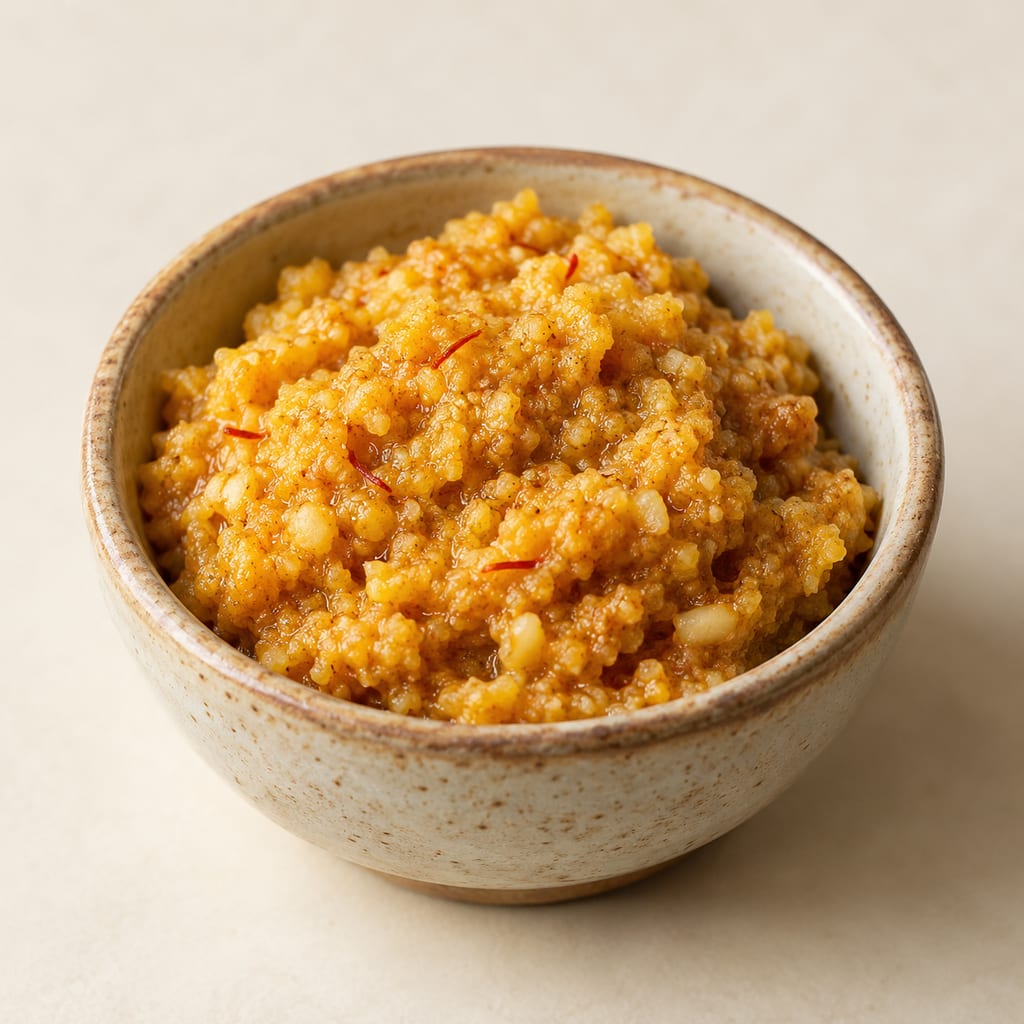
Picada is a Catalan pounded paste of toasted almonds, dry bread, garlic and saffron, stirred into a dish near the end of cooking to thicken and flavour it.
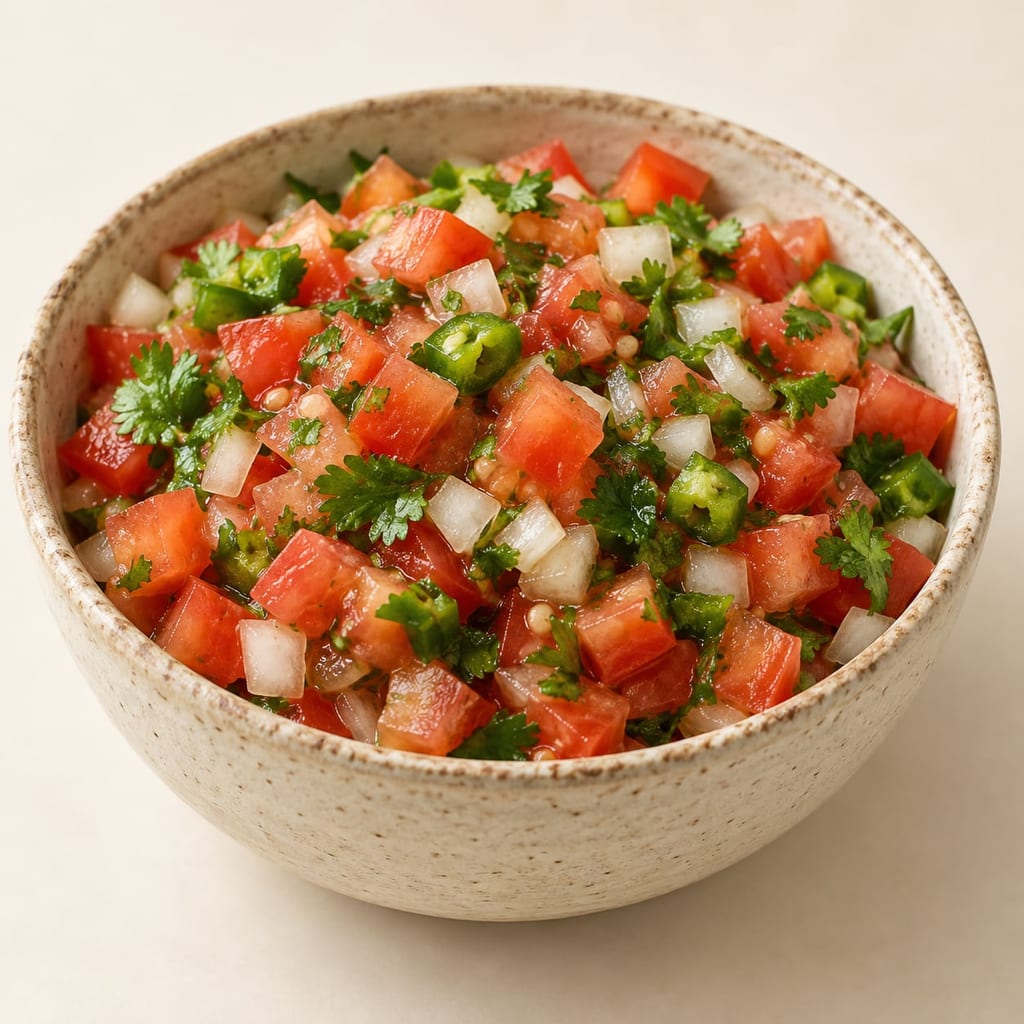
A fresh Mexican condiment of chopped tomato, onion, chile, cilantro and lime, served raw so that its pieces stay distinct. Its name translates as rooster's beak, and its origin is disputed.
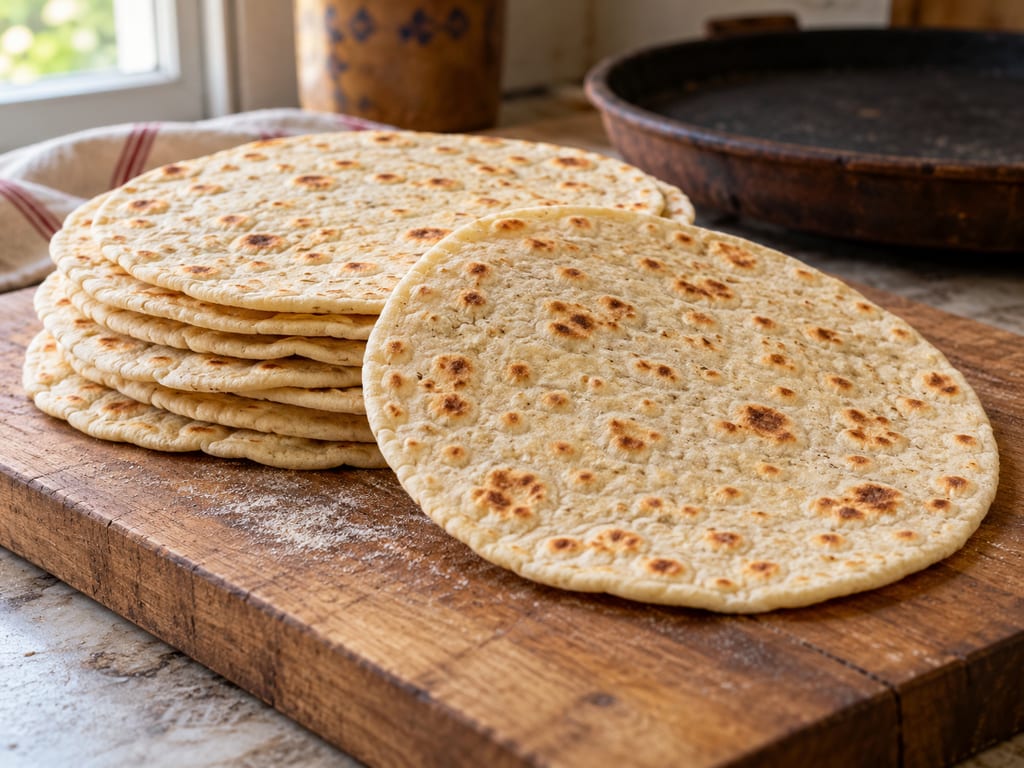
Eight soft Romagna-style flatbreads made from type 00 wheat flour, lard, honey, baker's yeast, milk and salt. Rest the dough for an hour, roll 3–4 mm rounds and cook them quickly on a hot griddle or heavy pan.
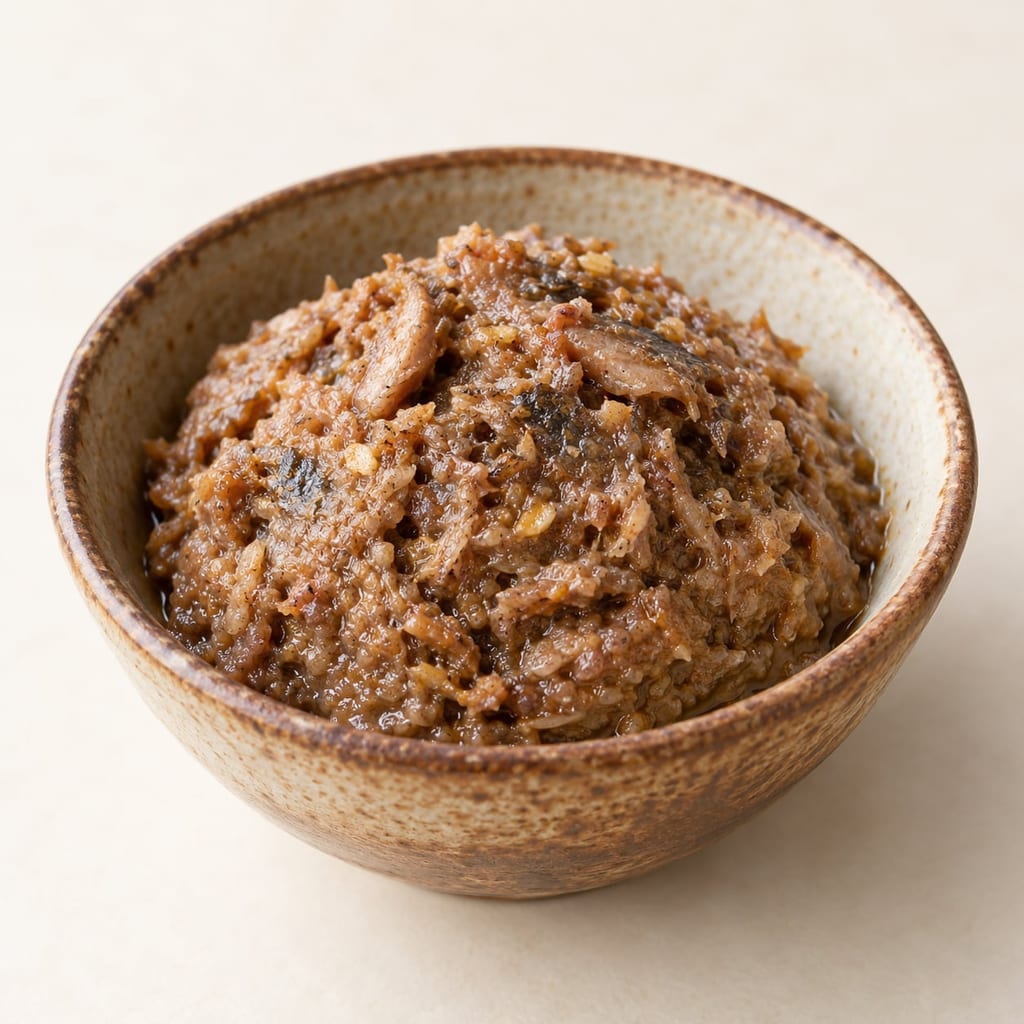
Thai salt-fermented fish paste, matured with rice bran or roasted rice and used as a seasoning in the Northeast and across Thailand. Raw pla ra must be cooked before eating.
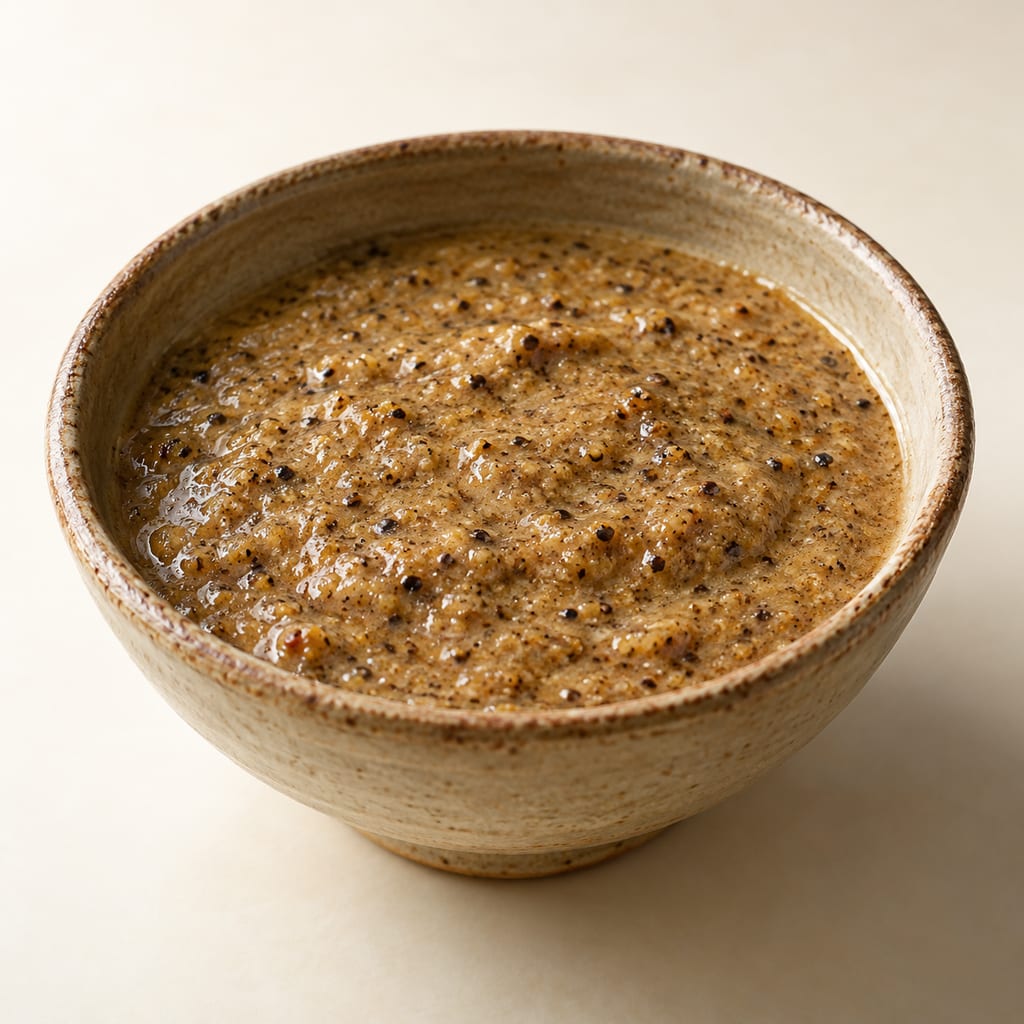
A pepper sauce of fried bread, broth and vinegar, given in The Forme of Cury, about 1390, for veal and venison. It is a historical sauce; the record gives no amounts or holding times.
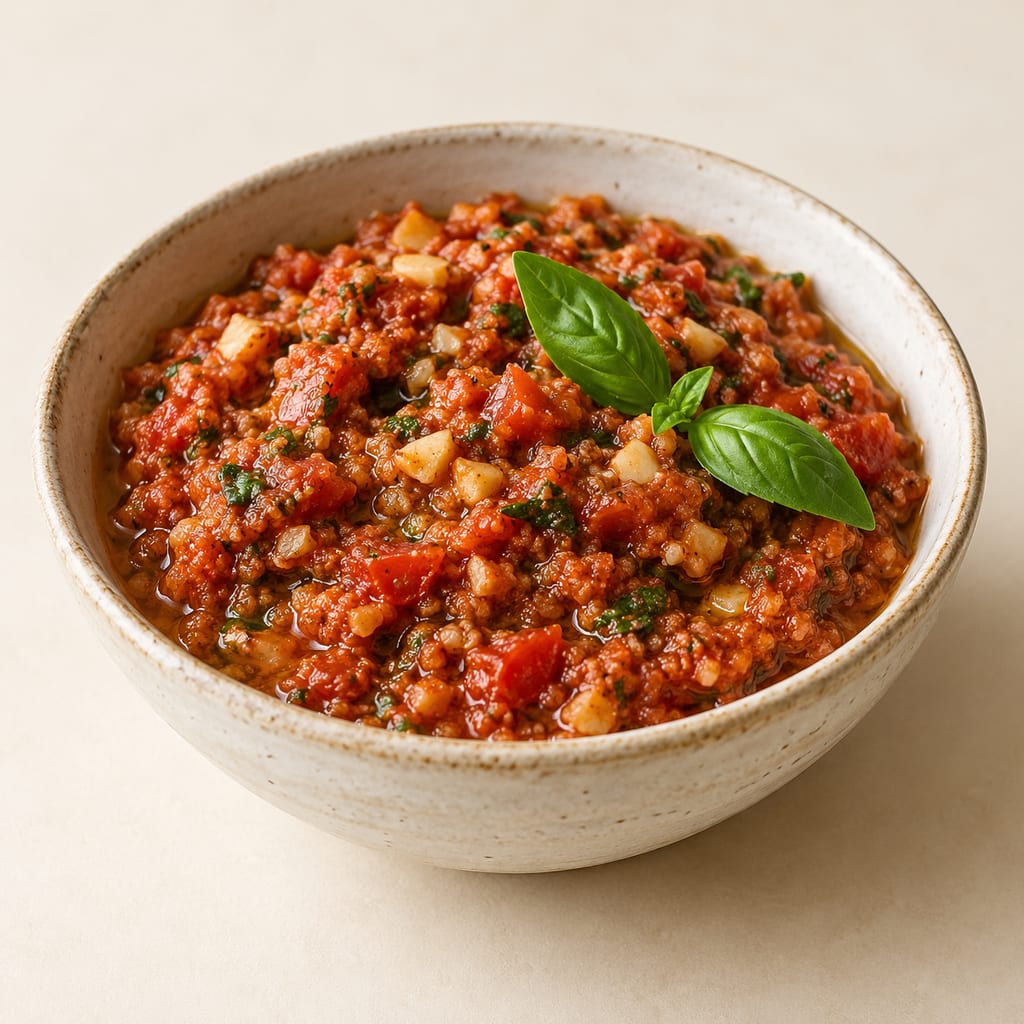
Pesto alla trapanese is a Sicilian sauce of fresh tomato and almonds pounded with basil, a red counterpart to Genoese pesto.
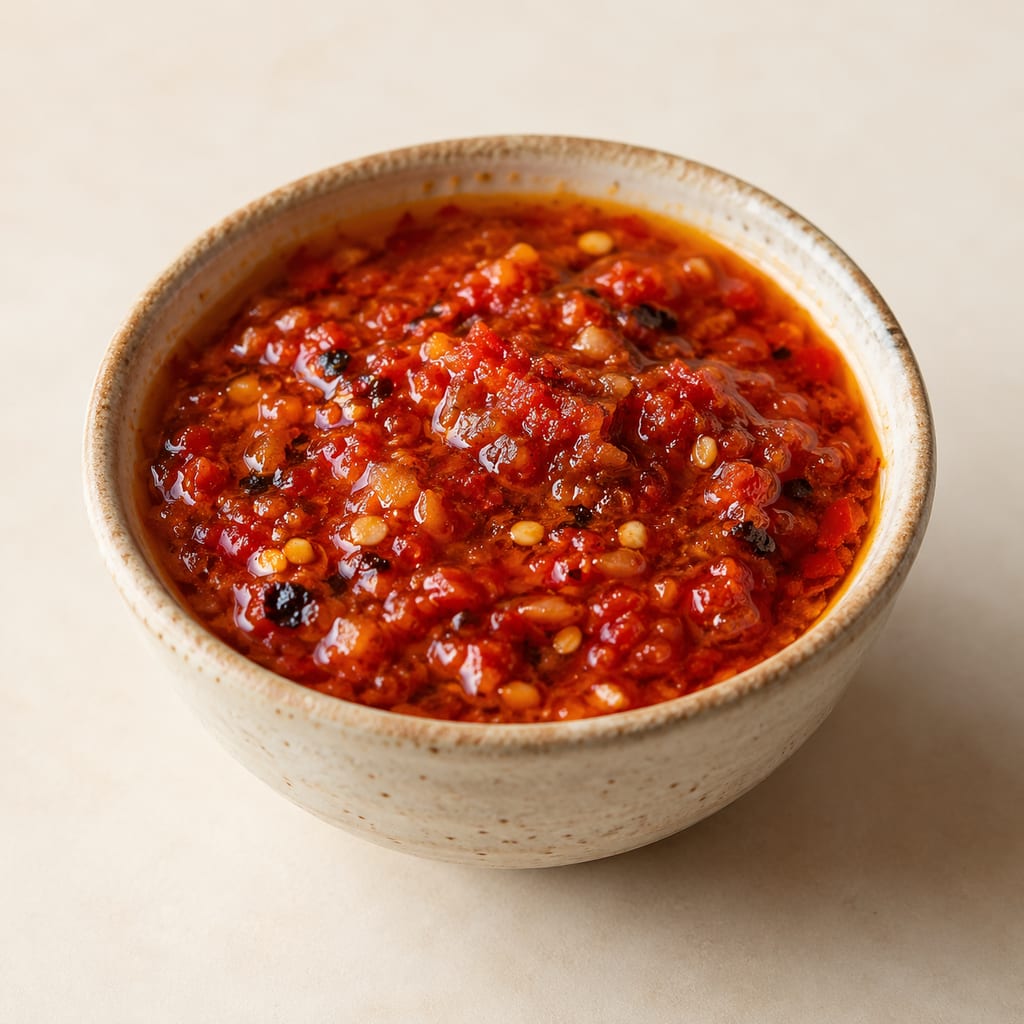
A chilli sauce built on the African bird's eye chilli, the cultivar called piri piri, with garlic, citrus and an oily or acidic base; its origin is uncertain and linked to Portuguese trade in southern Africa.
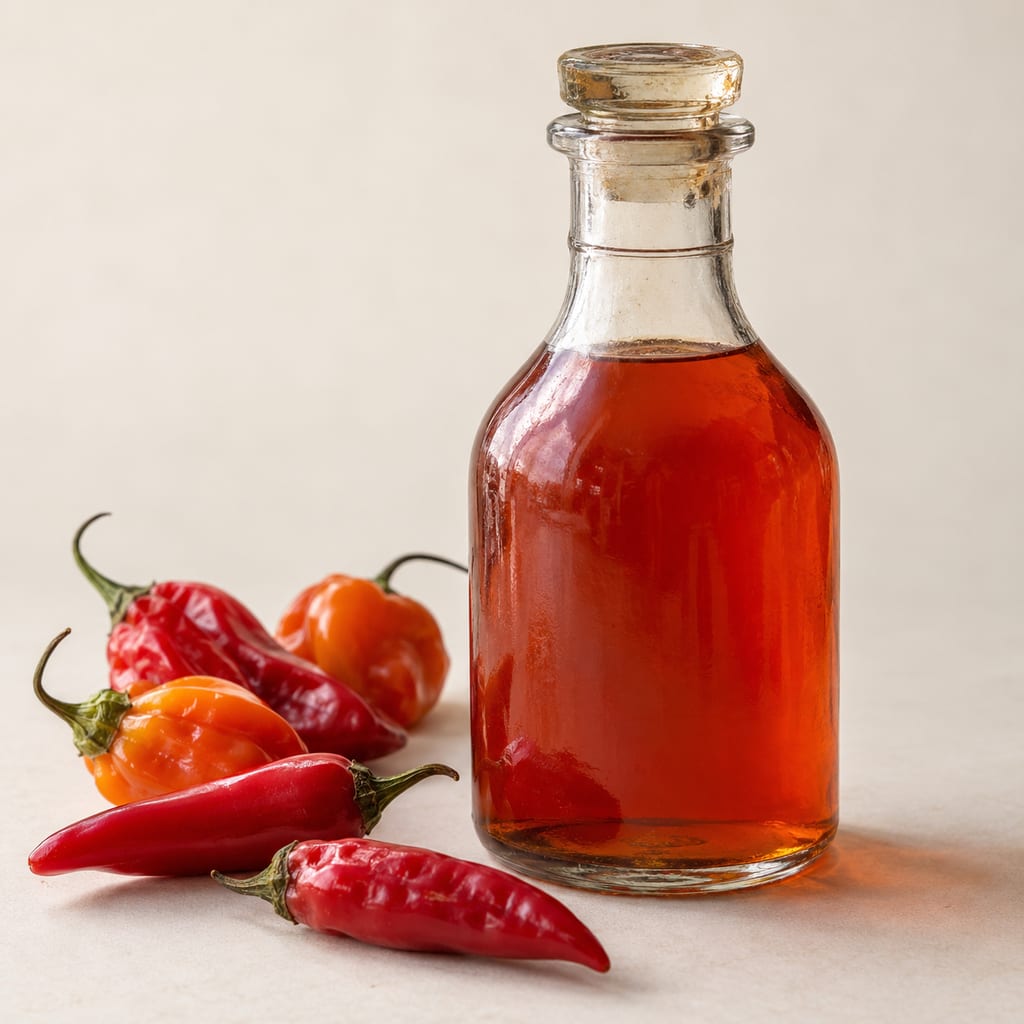
Mary Randolph's pepper vinegar: ripe pepper pods simmered in vinegar until the liquid is reduced to one quart, then strained for use in gravies and catsups. From The Virginia Housewife.
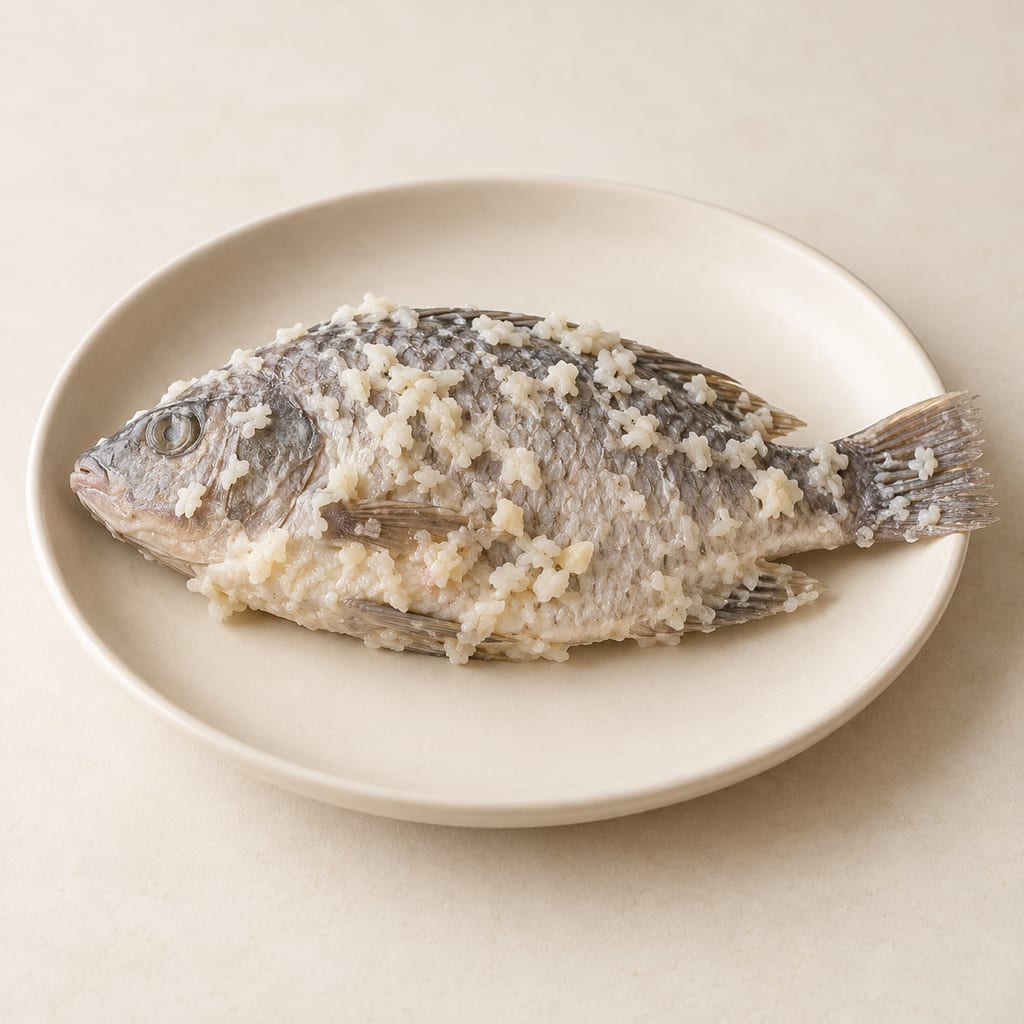
Plaa-som is a Thai sour fish: freshwater fish salted overnight, then mixed with cooked rice and garlic and fermented for about five to seven days at ambient temperature.
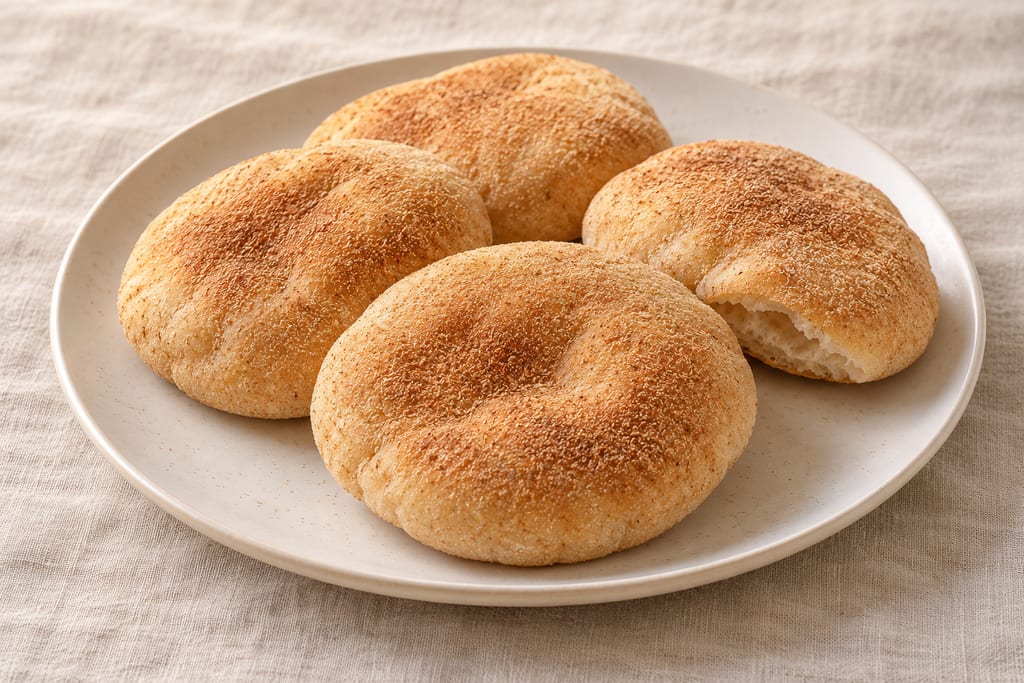
Goan wheat rounds coated in bran and baked hot until they puff. This measured home method uses commercial yeast and makes six poee.
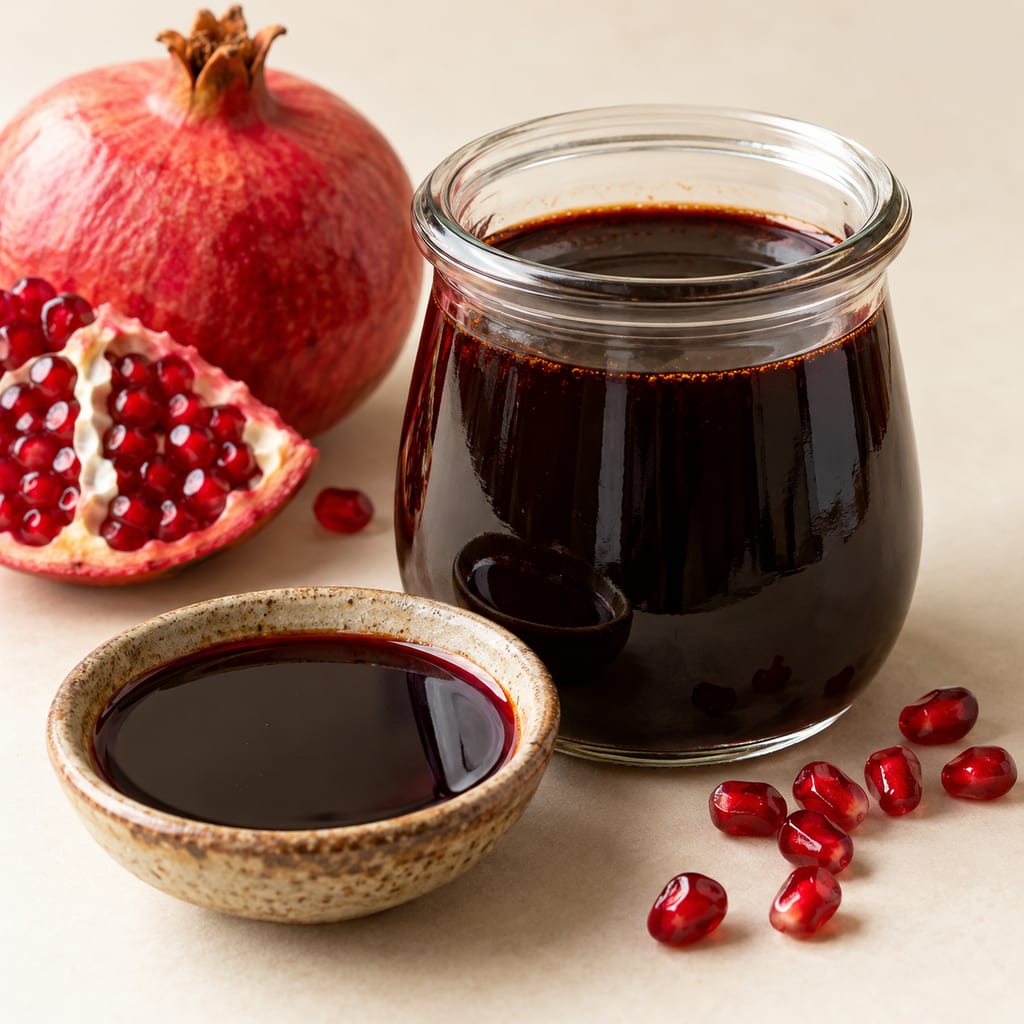
A thick, sour condiment made by reducing pomegranate juice over heat until it is concentrated, used across the Middle East, the South Caucasus and the Balkans in dressings, stews and grilled dishes.
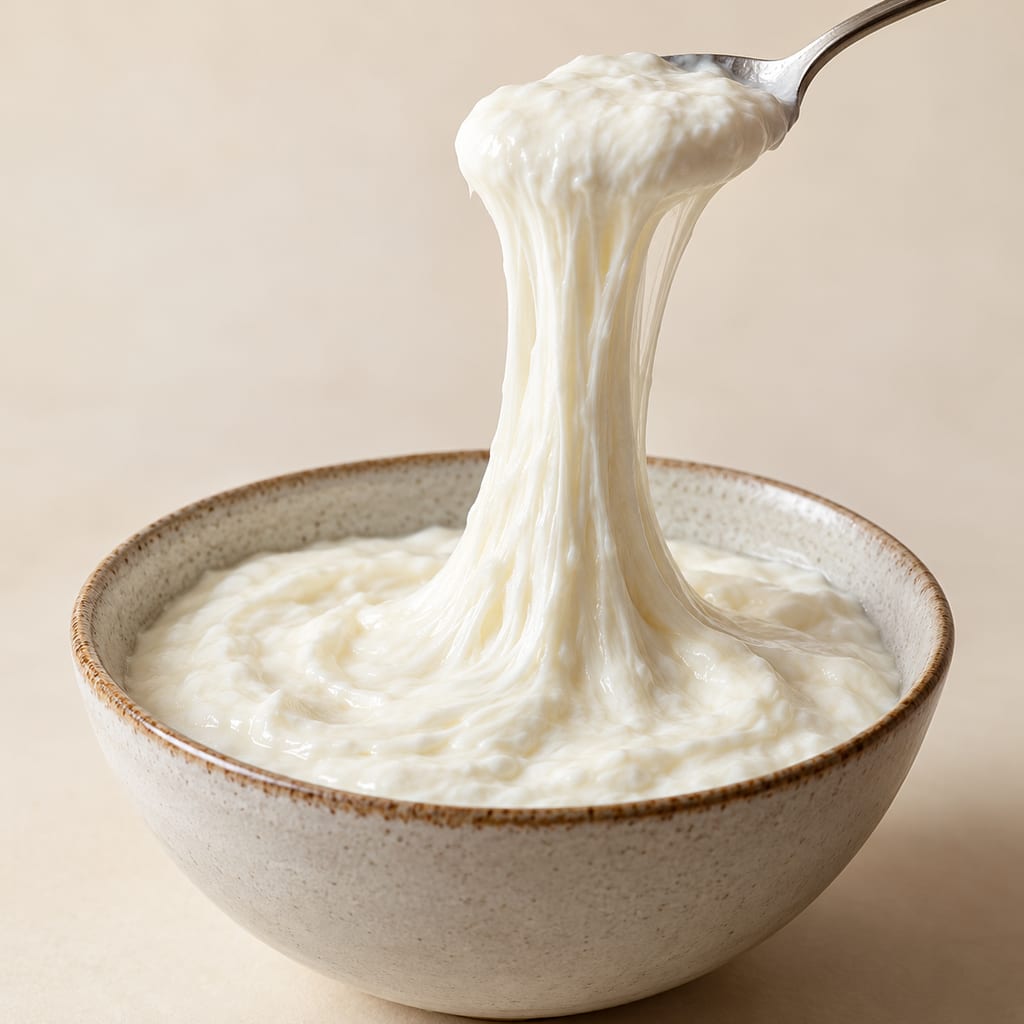
Pitkäpiimä is a Finnish cultured milk whose defining trait is a long, stretchy, ropy texture. It is closely related to viili and is made by lactic fermentation with a specific culture.

Pohnpeian mahr is breadfruit preserved in an earthen pit as an off-season reserve, then kneaded and prepared as bread. The FAO and NTBG accounts give no validated method or storage limit.
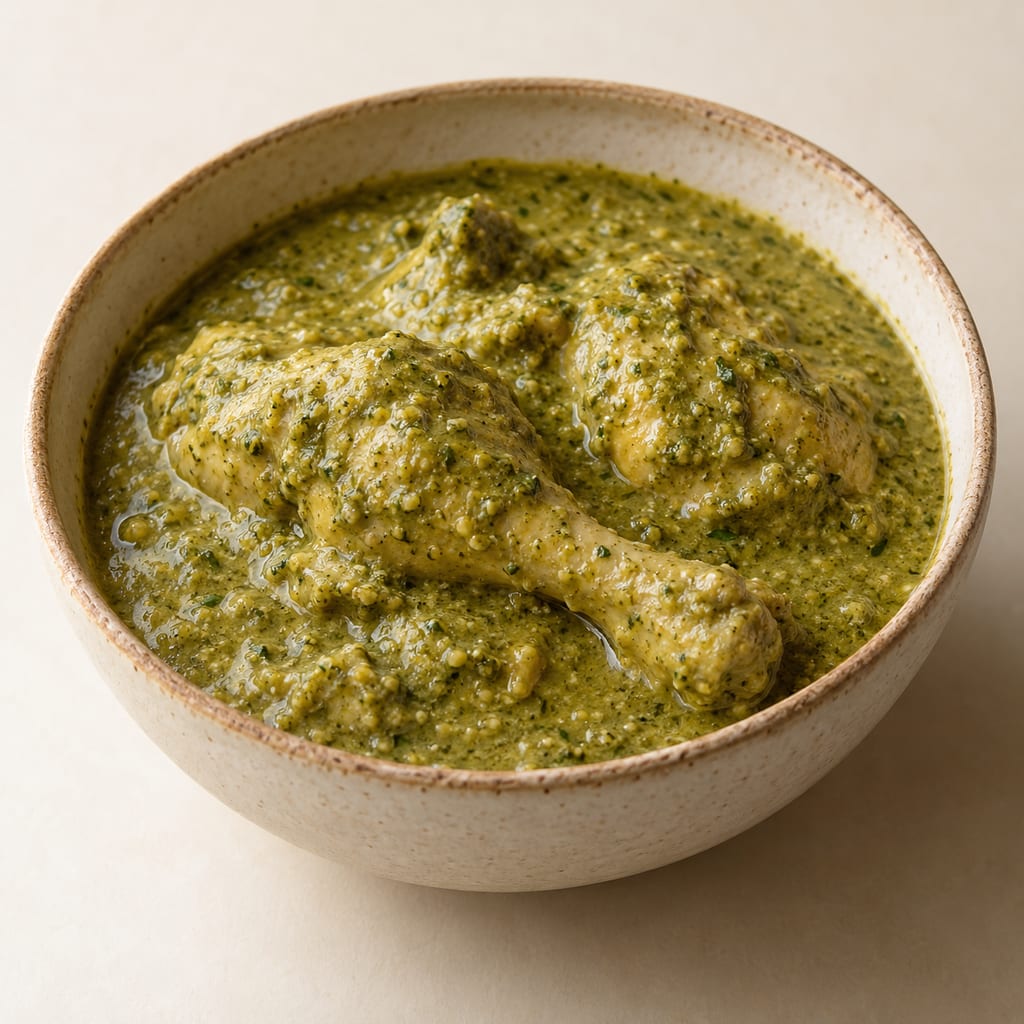
Pipián is a Mexican sauce family built on ground squash seeds, cooked with tomatillo or chile and herbs. The green version uses tomatillo and hoja santa; red versions add peanut, sesame and dried chile.
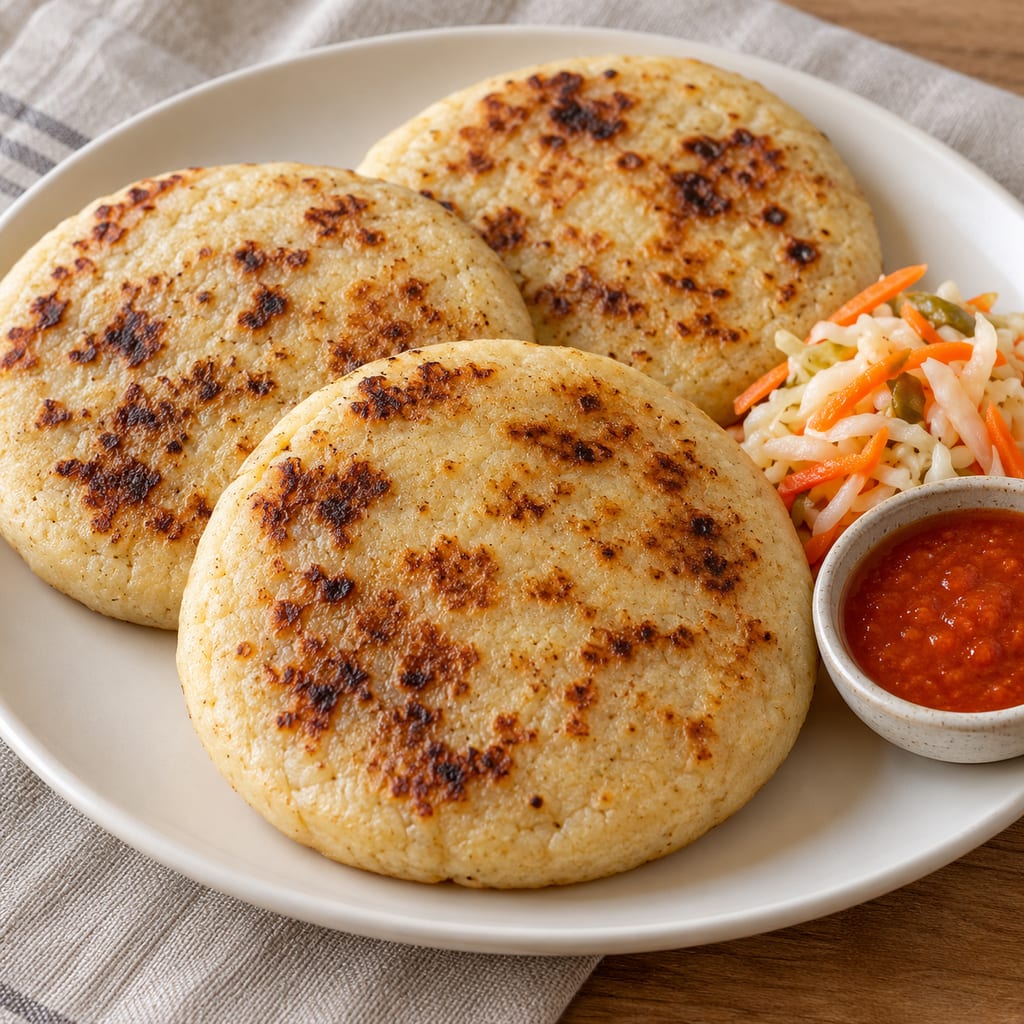
Salvadoran-style masa harina cakes filled with refried beans and cheese, sealed and cooked on an oiled skillet.
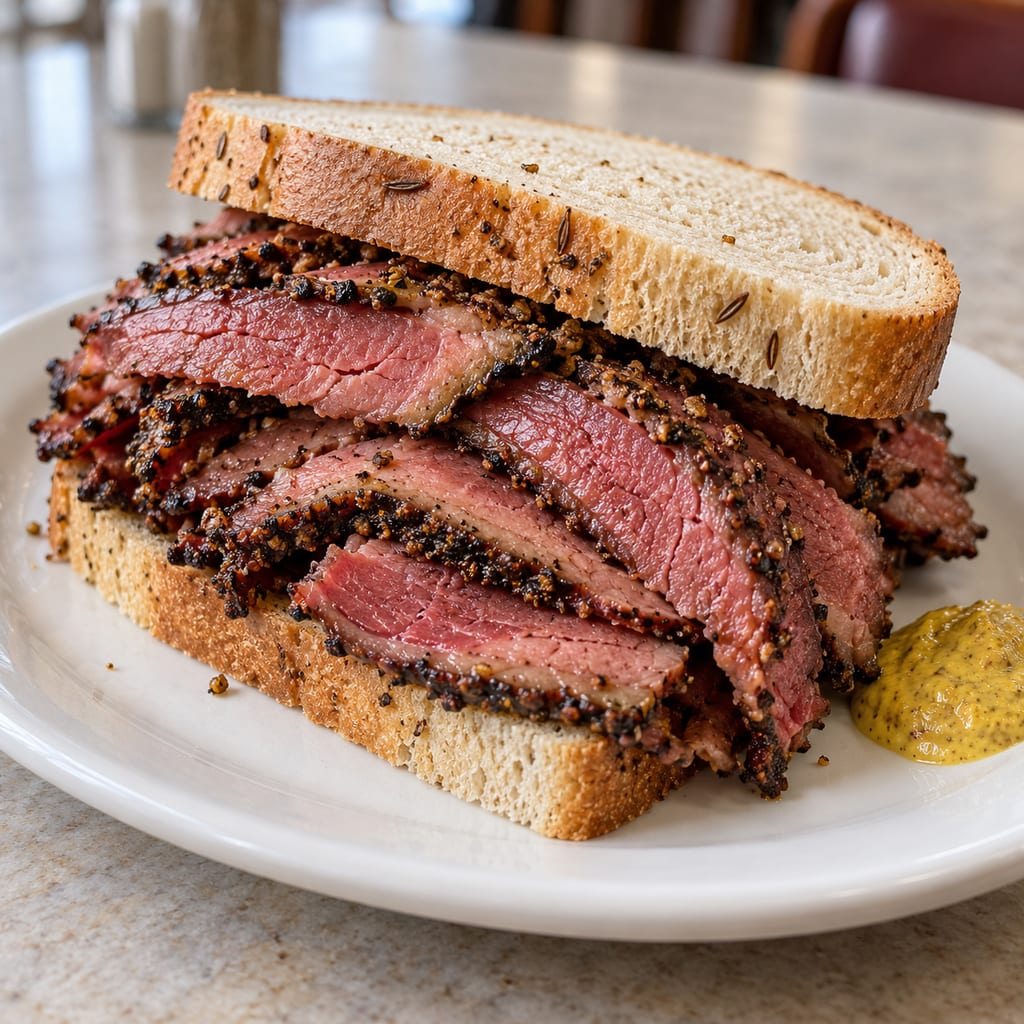
Pastrami is beef brined, rubbed with spices, smoked and steamed, the New York Jewish deli meat served hot and hand-carved on rye. Its origin is argued between competing accounts.
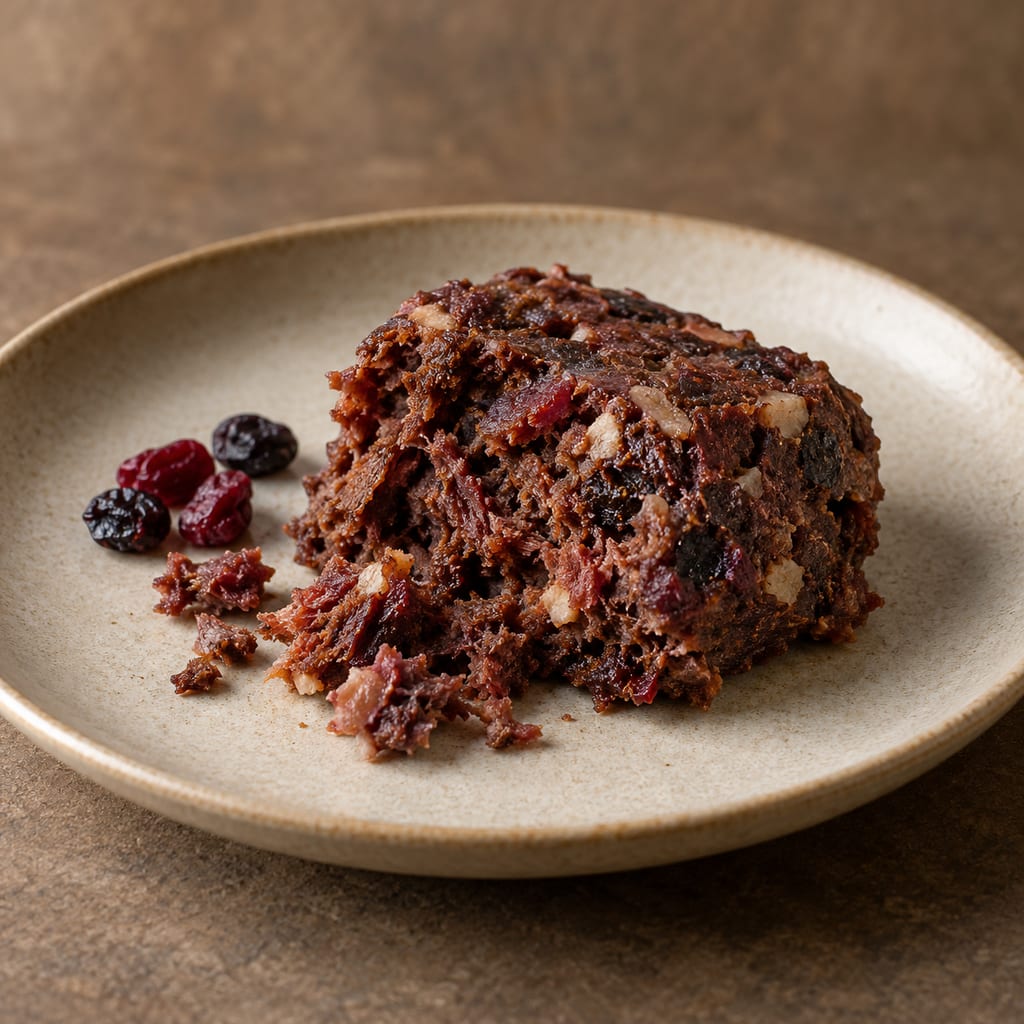
Pemmican is dried meat mixed with rendered animal fat, sometimes with berries. Sources link it to Indigenous North American food traditions and later fur-trade provisioning. This documentary entry gives no home preparation or storage method.
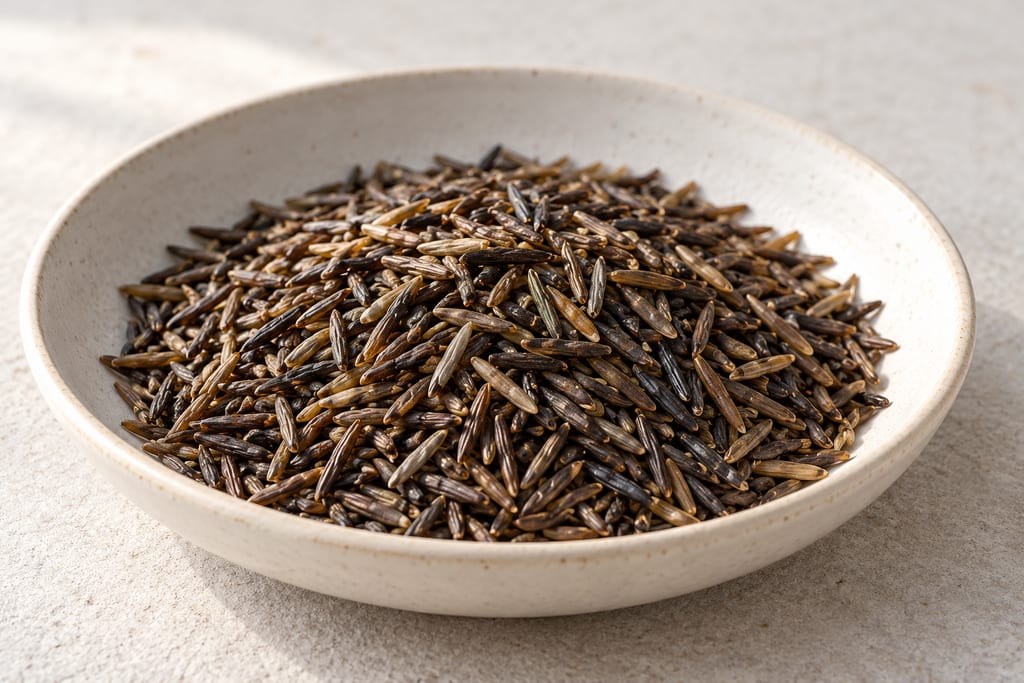
Harvested wild rice dried, parched over heat and hulled, a step that keeps the grain for storage in Ojibwe food systems and does more than cook it.

Peanut butter is a paste of ground roasted peanuts, usually with salt. Smooth and granular versions come from the same method, differing in how finely the nuts are ground.
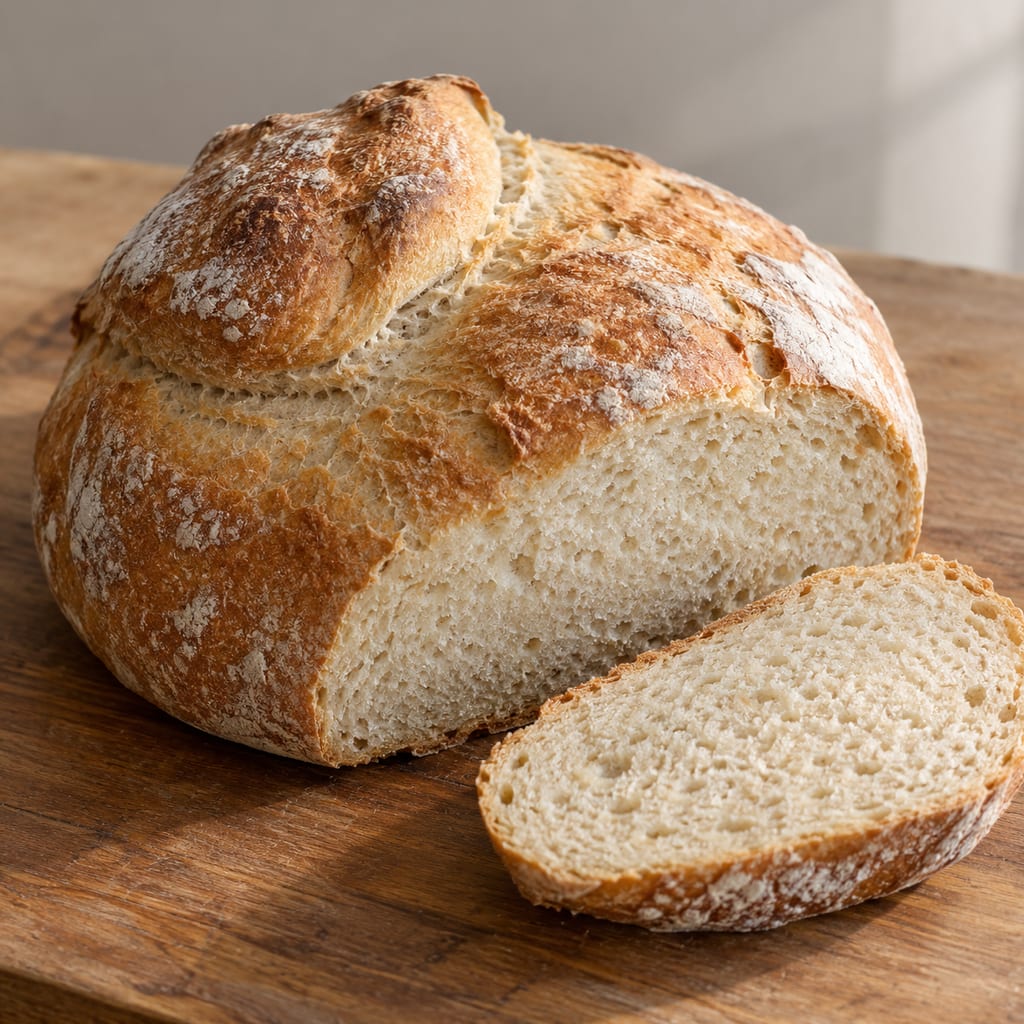
A rounded Alentejo wheat loaf with a raised folded head. This home adaptation uses a fresh-yeast preferment, then proofs the shaped loaf and bakes it with steam.
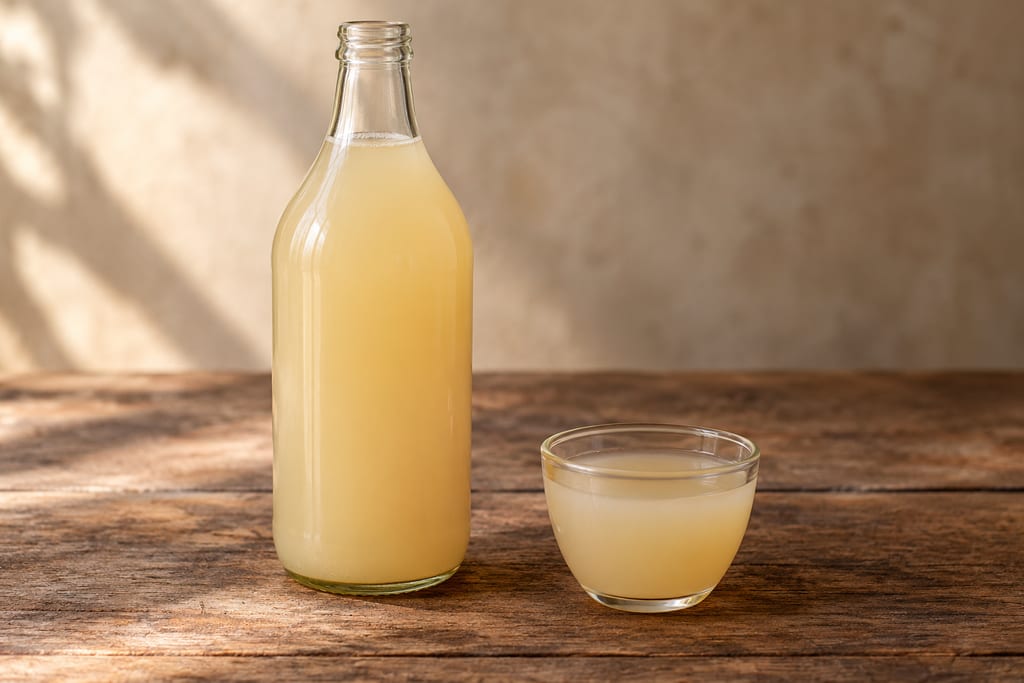
A source-bounded account of Wapishana Parakari in Aishalton, Guyana. It preserves observations of a Rhizopus stage followed by yeast fermentation; it is not a household recipe or cassava detoxification guide.
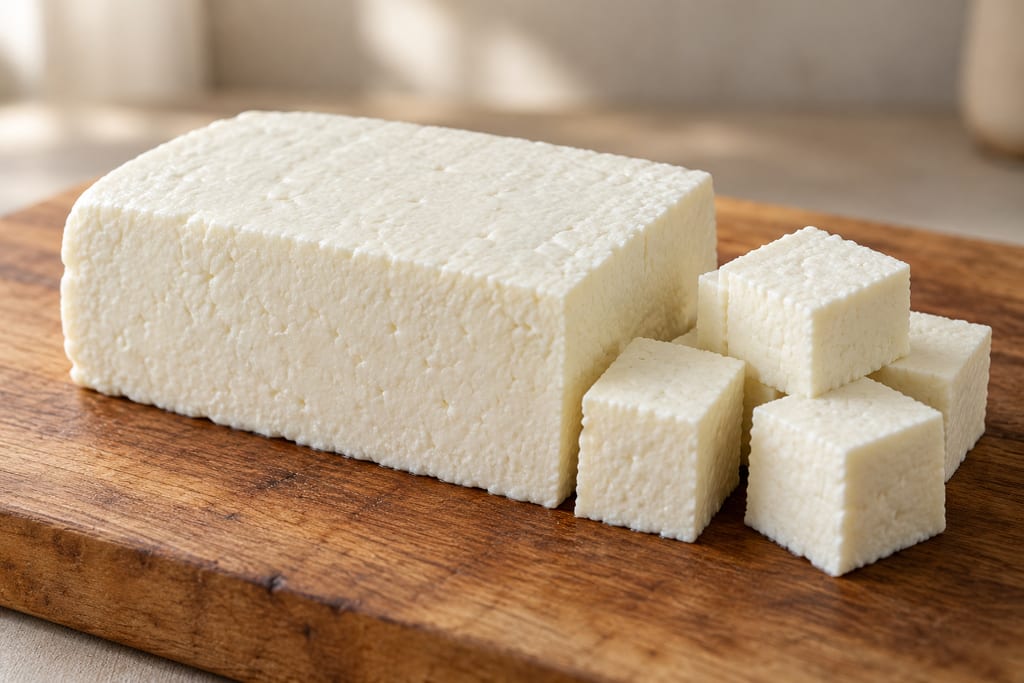
Paneer, a pressed fresh cheese, set by adding yogurt and then lemon juice a spoonful at a time to warm milk, strained, rinsed and lightly pressed.
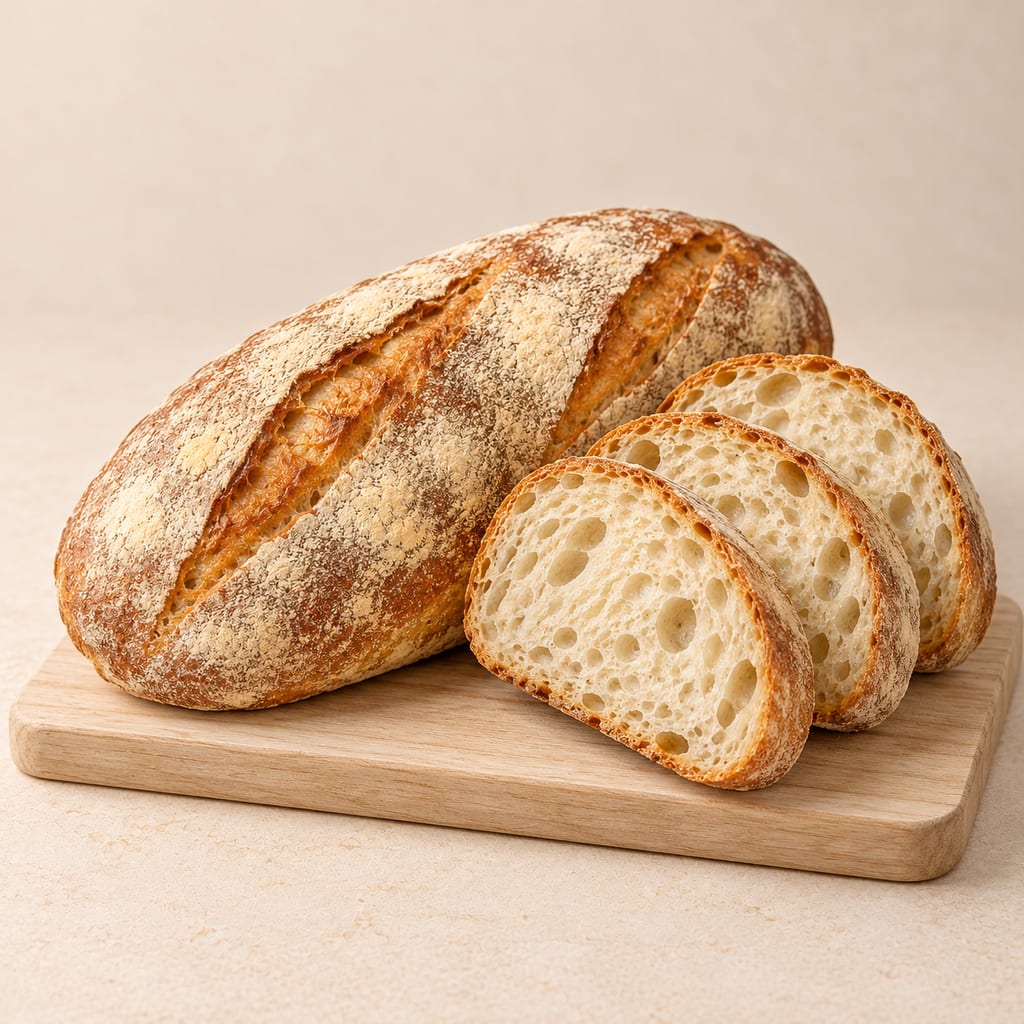
Tuscany's saltless wheat bread, leavened with a sourdough biga: a mild loaf with a crisp dark crust that was made to sit beside salty meats, cheeses and stews.
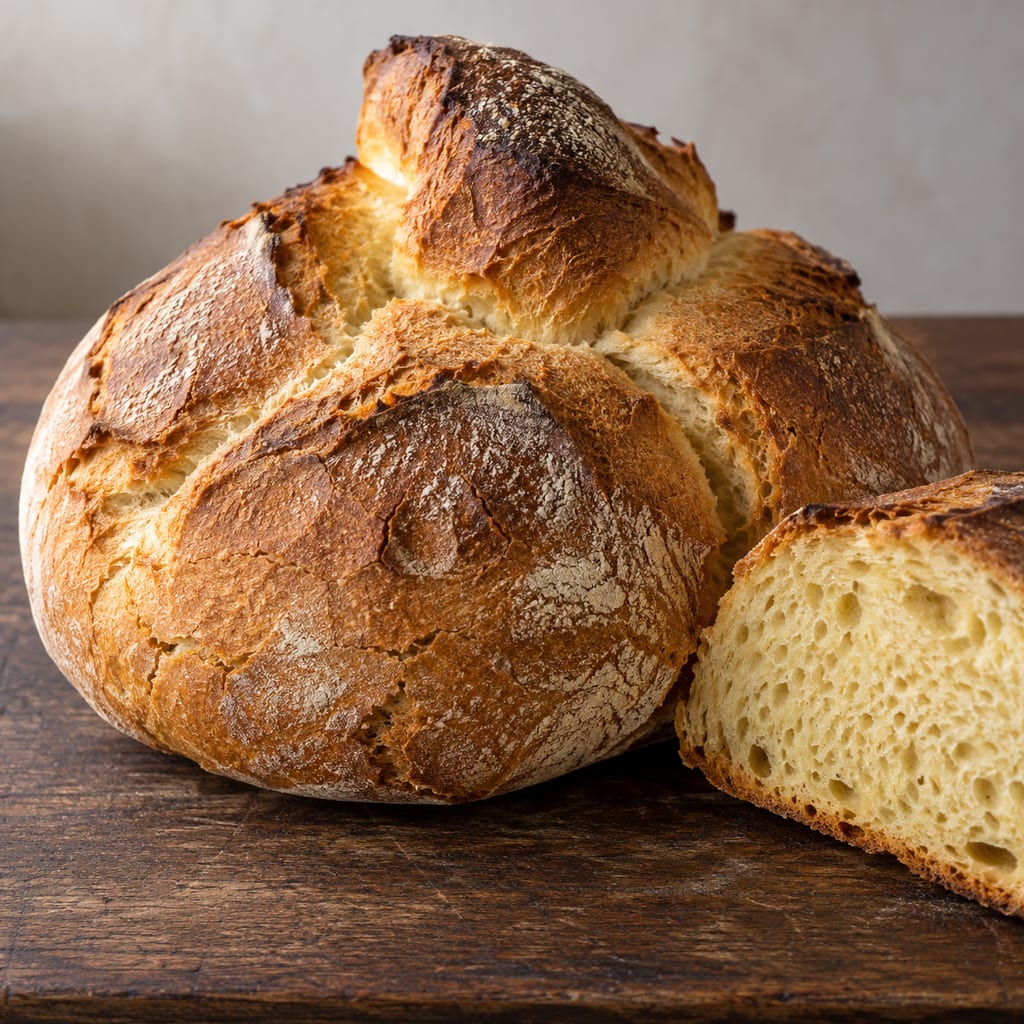
A protected durum-wheat sourdough bread documented by a commercial production specification. The official 100 kg batch and oven process are recorded without inventing a household scale.
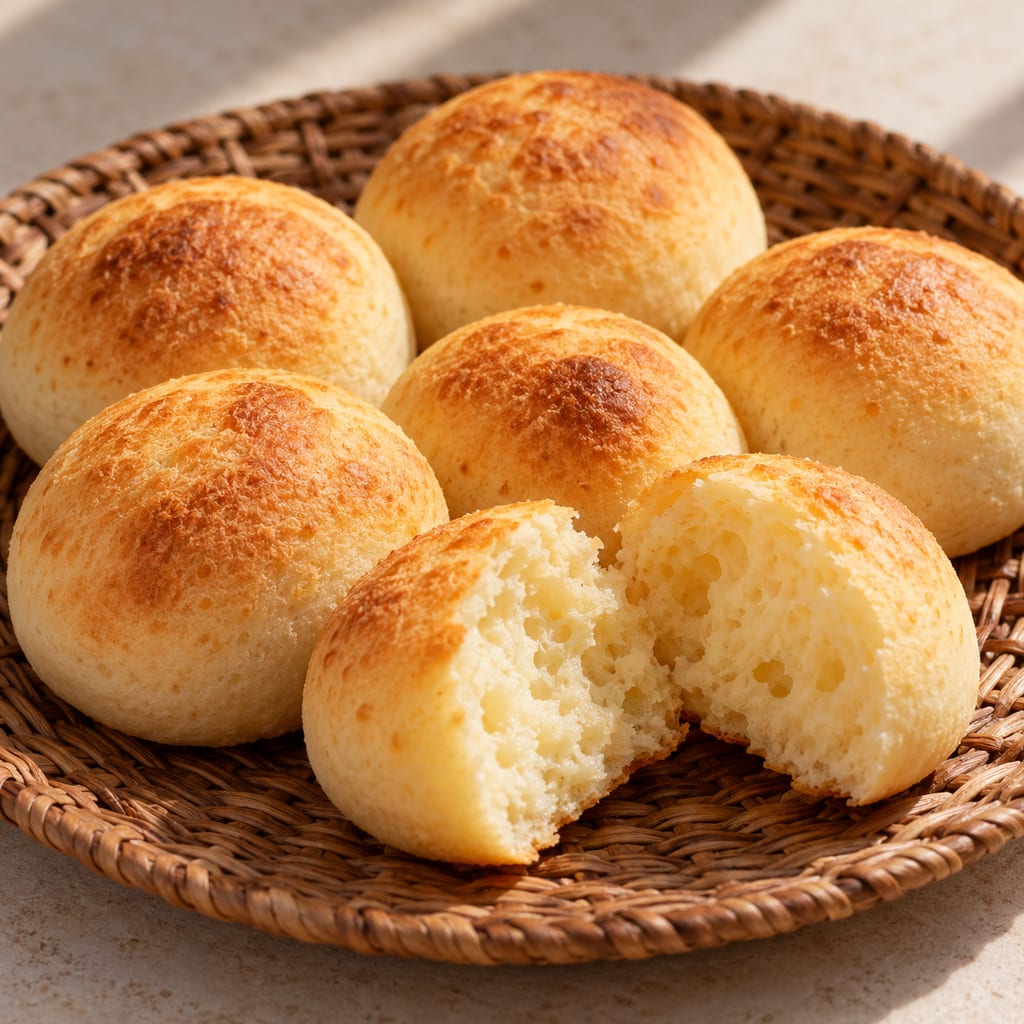
Colombian cheese breads made from cassava starch, precooked cornmeal, queso fresco or quesito, feta and egg; this source's version makes 12 warm, round rolls.
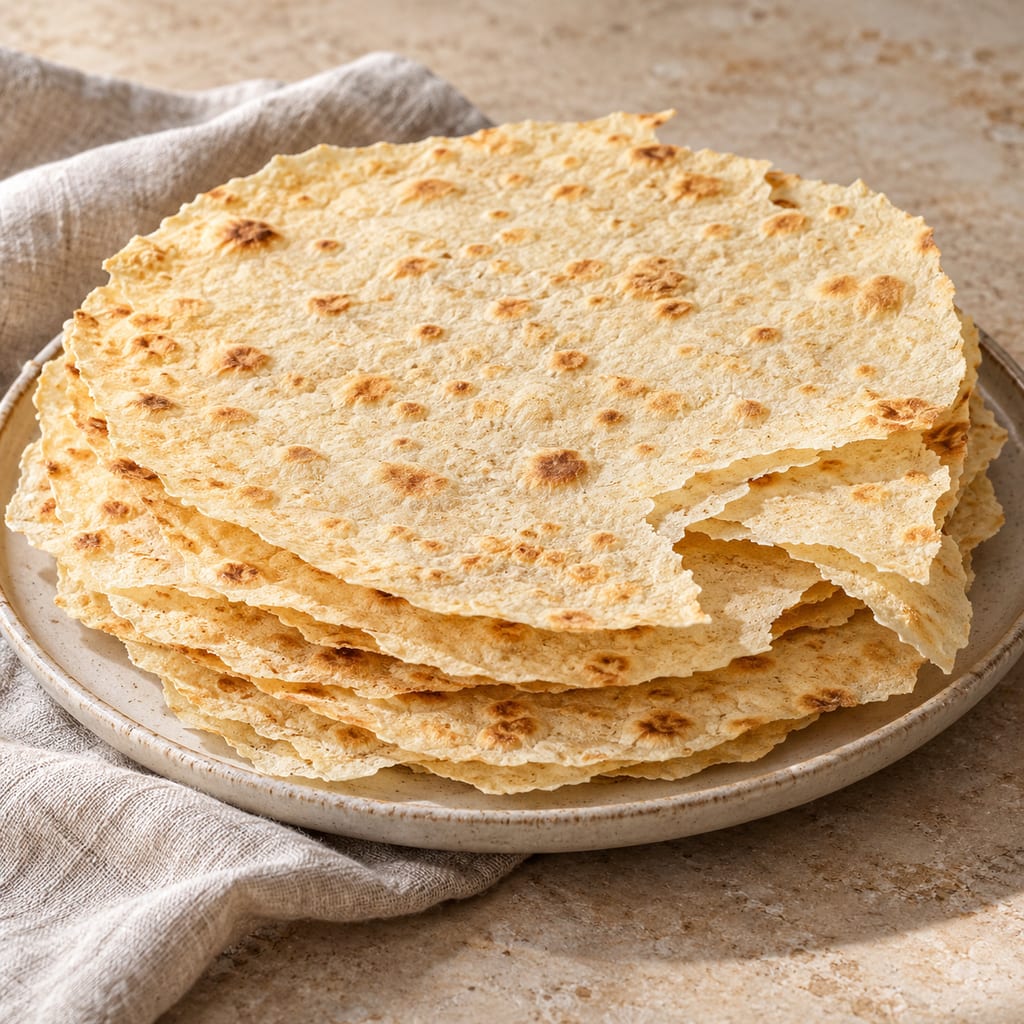
Eight thin Sardinian sheets from a yeast dough of semolina, all-purpose flour, salt and water. Bake each round until it inflates, split it while hot, then bake the sheets again until crisp.
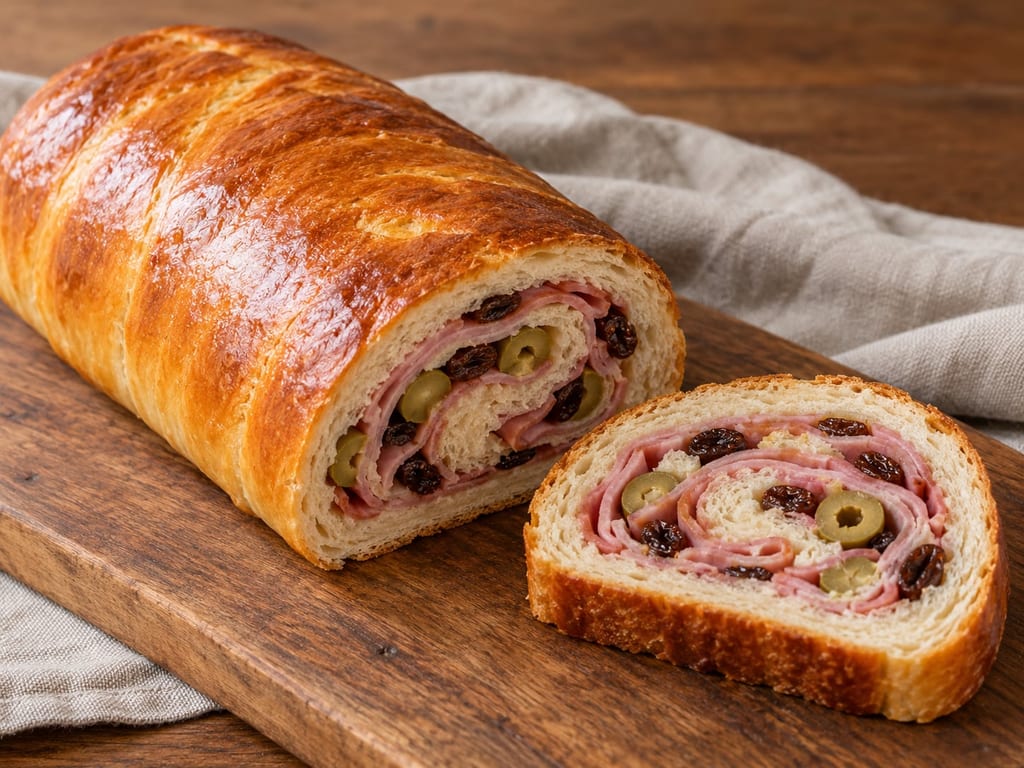
Pan de jamón is a Venezuelan Christmas bread: soft yeast dough rolled around ham, olives and raisins, then baked as a filled loaf.
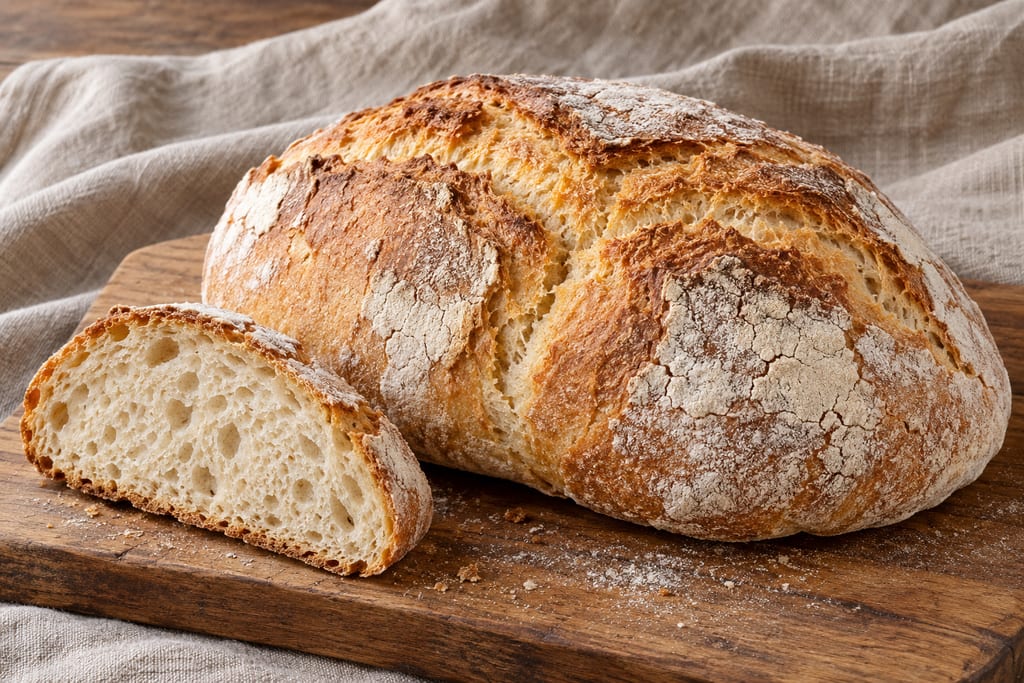
This home sourdough adaptation borrows Pan de Cea’s wheat-forward loaf and central fenda while using a domestic oven and a separately documented modern formula.
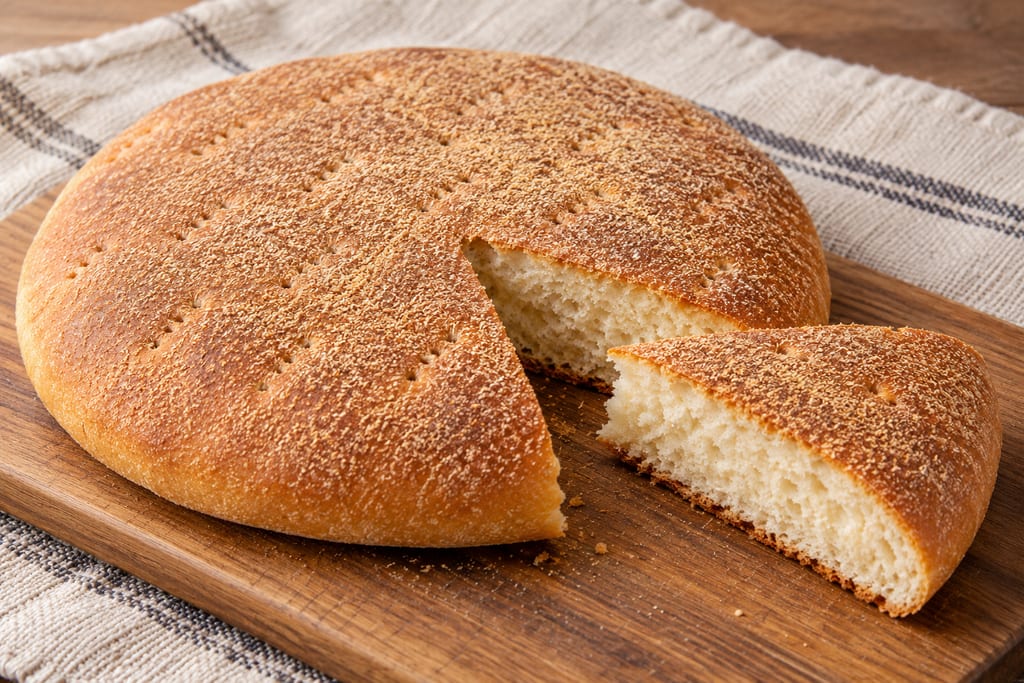
Pan chuta is a broad, lightly sweet wheat loaf associated with Oropesa in Cusco; this home-scale version uses chamomile, brown sugar and butter.
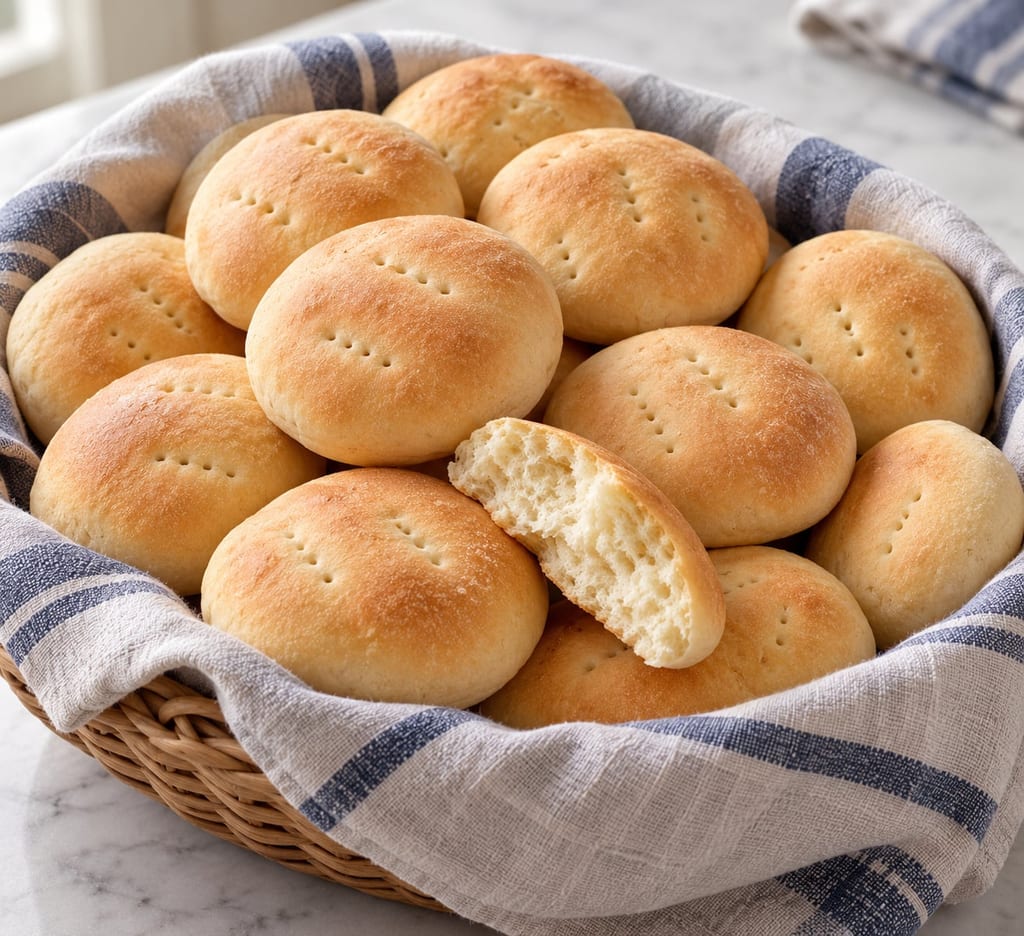
Small, fork-docked wheat rolls made with yeast, water, sugar and butter, a modern home version of Chilean pan amasado.
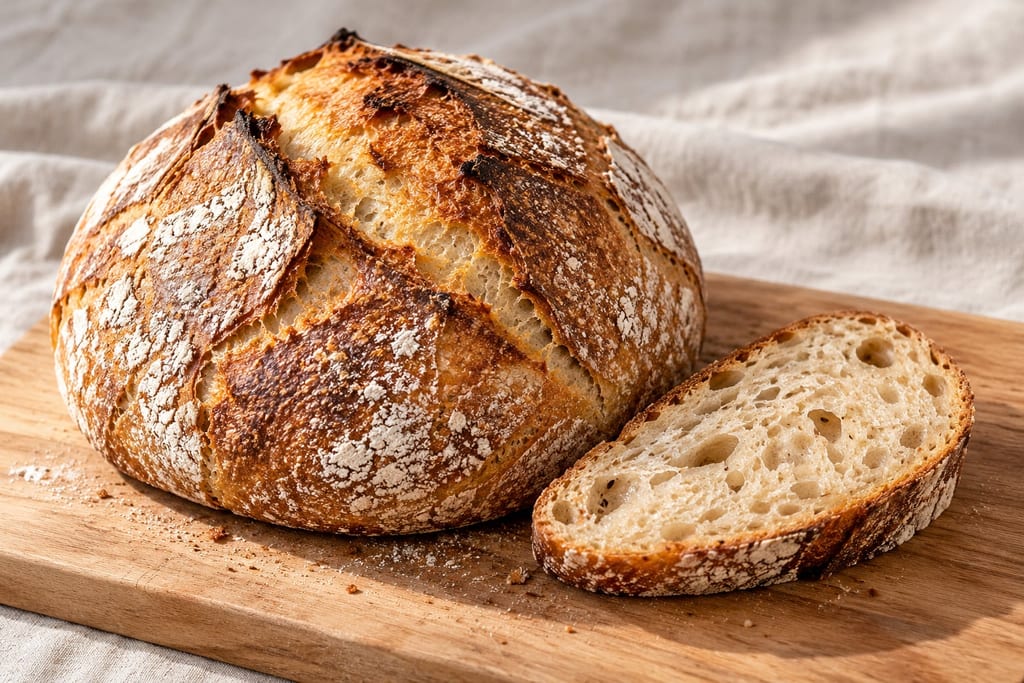
Two large French-style wheat loaves use unfed sourdough starter, whole-wheat flour, long room-temperature fermentation and a covered-pot bake.
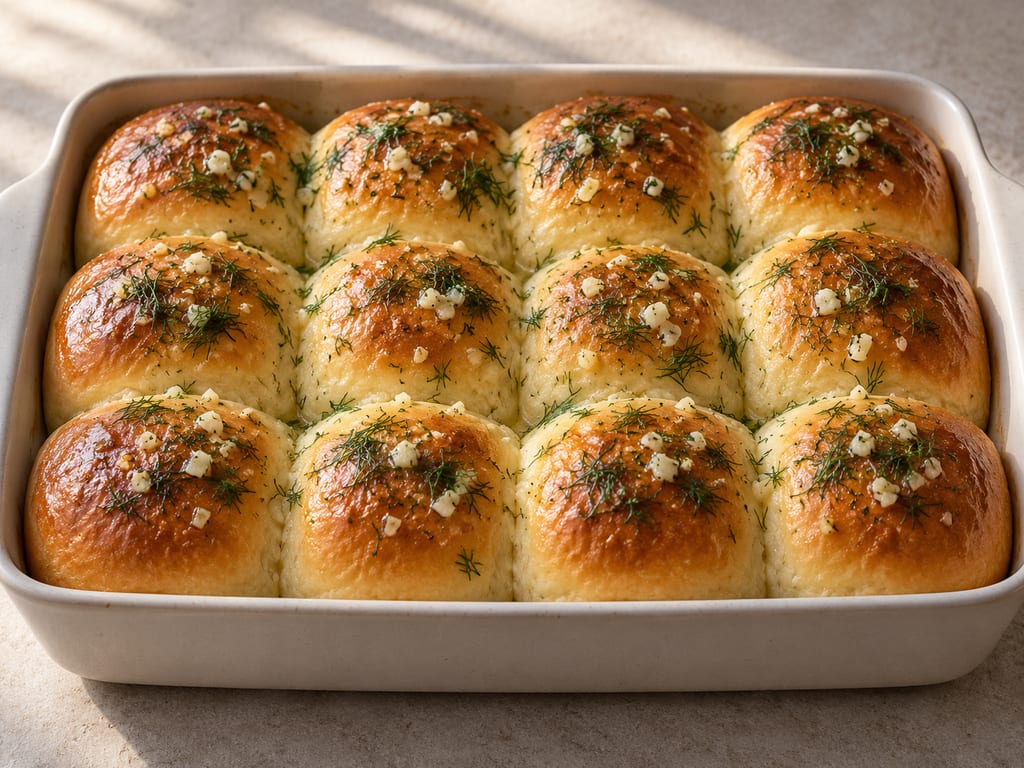
Soft Ukrainian wheat rolls are baked close together and brushed with fresh garlic, dill and oil. This savory garlic-topped baked form is separate from sweet fried pampushky.
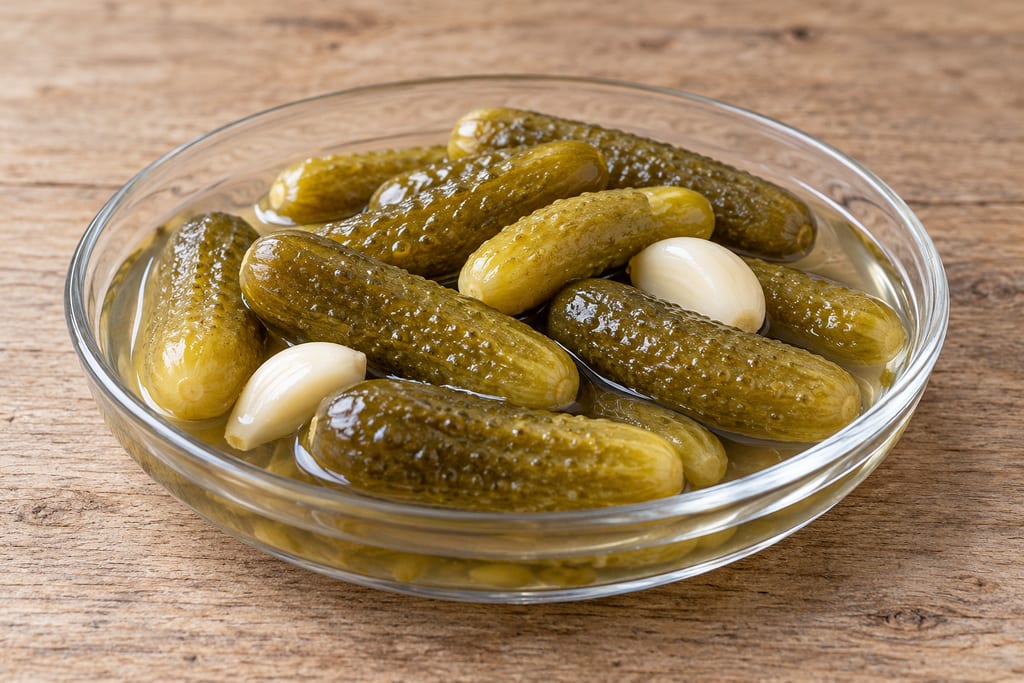
Cucumber variant of the registered Gedelek pickle family from Orhangazi, Bursa: cucumbers in a salt brine with garlic and a small amount of acid, held for about 20 to 30 days.
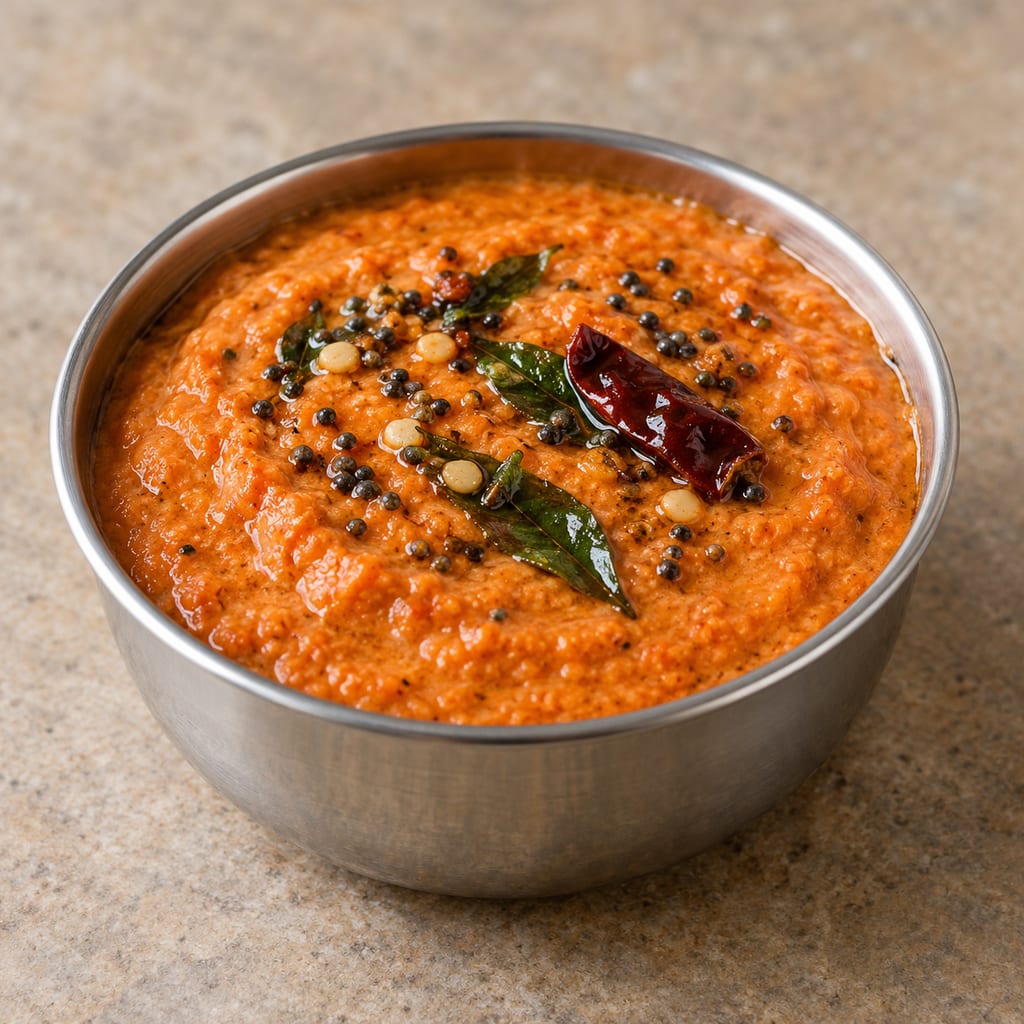
A South Indian chutney of onion and tomato cooked soft with chillies, ginger, tamarind and coconut, cooled, blended and finished with a mustard and curry-leaf tempering, for idli and dosa.
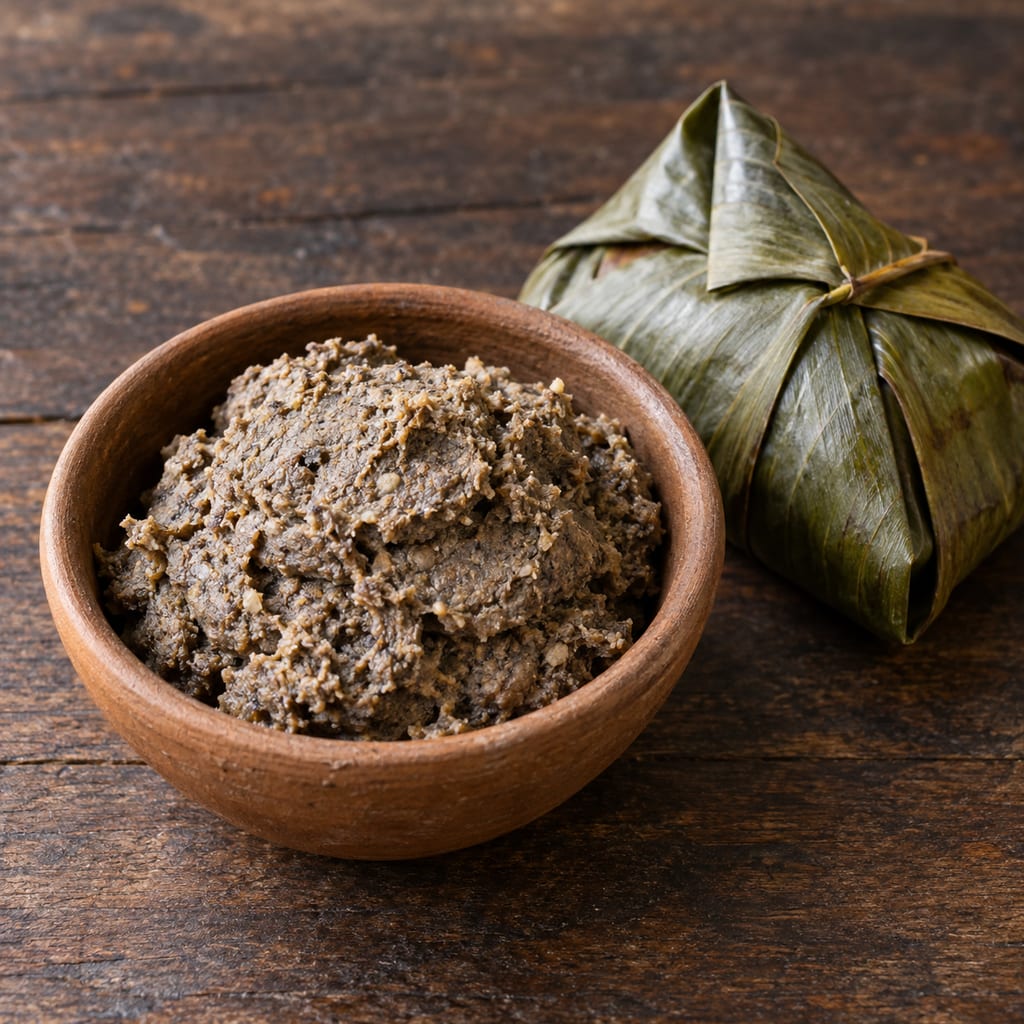
A Nigerian condiment of cooked, fermented melon seeds, wrapped in leaves and held warm for several days, used to thicken and flavour soups and stews.
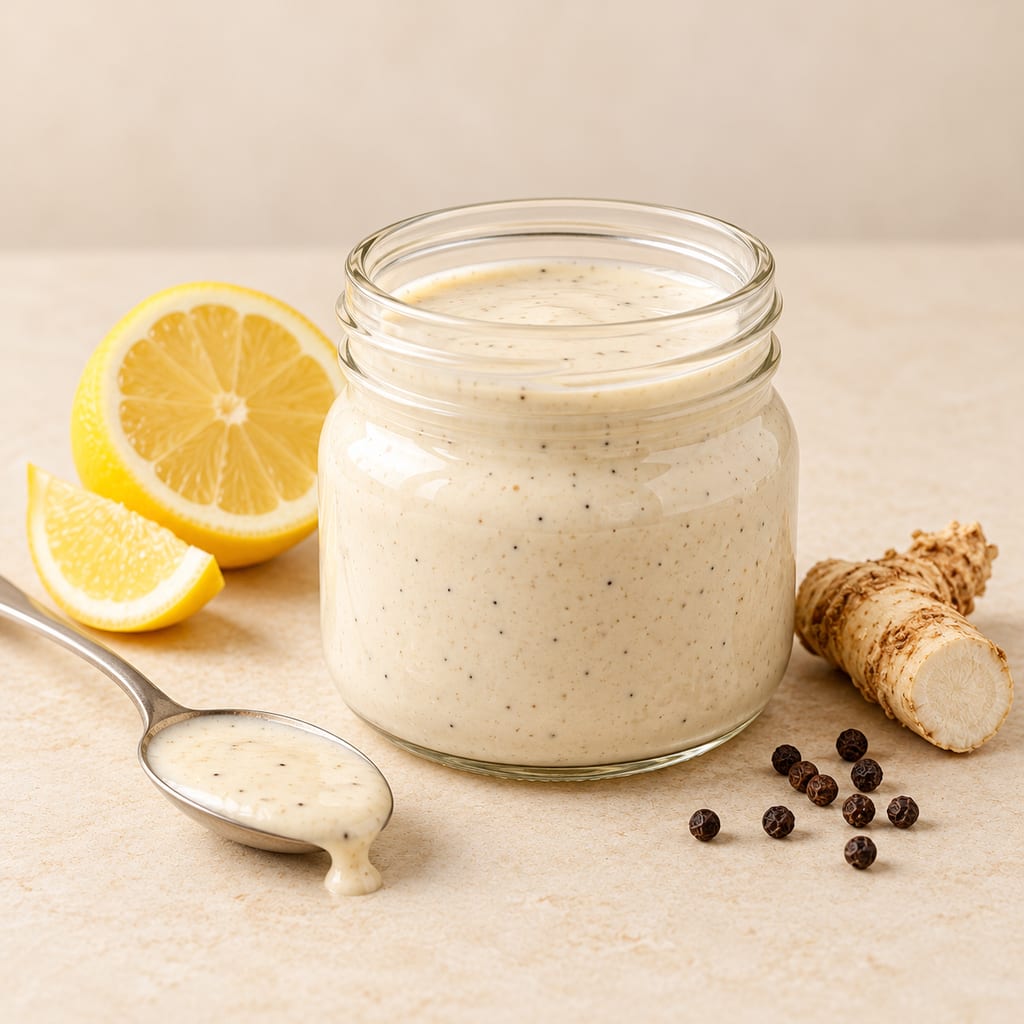
A whisked, mayonnaise-based Alabama-style sauce with vinegar, lemon, honey and horseradish. The measured batch below comes from a contemporary published recipe; it is not presented as Big Bob Gibson’s original or secret formula.
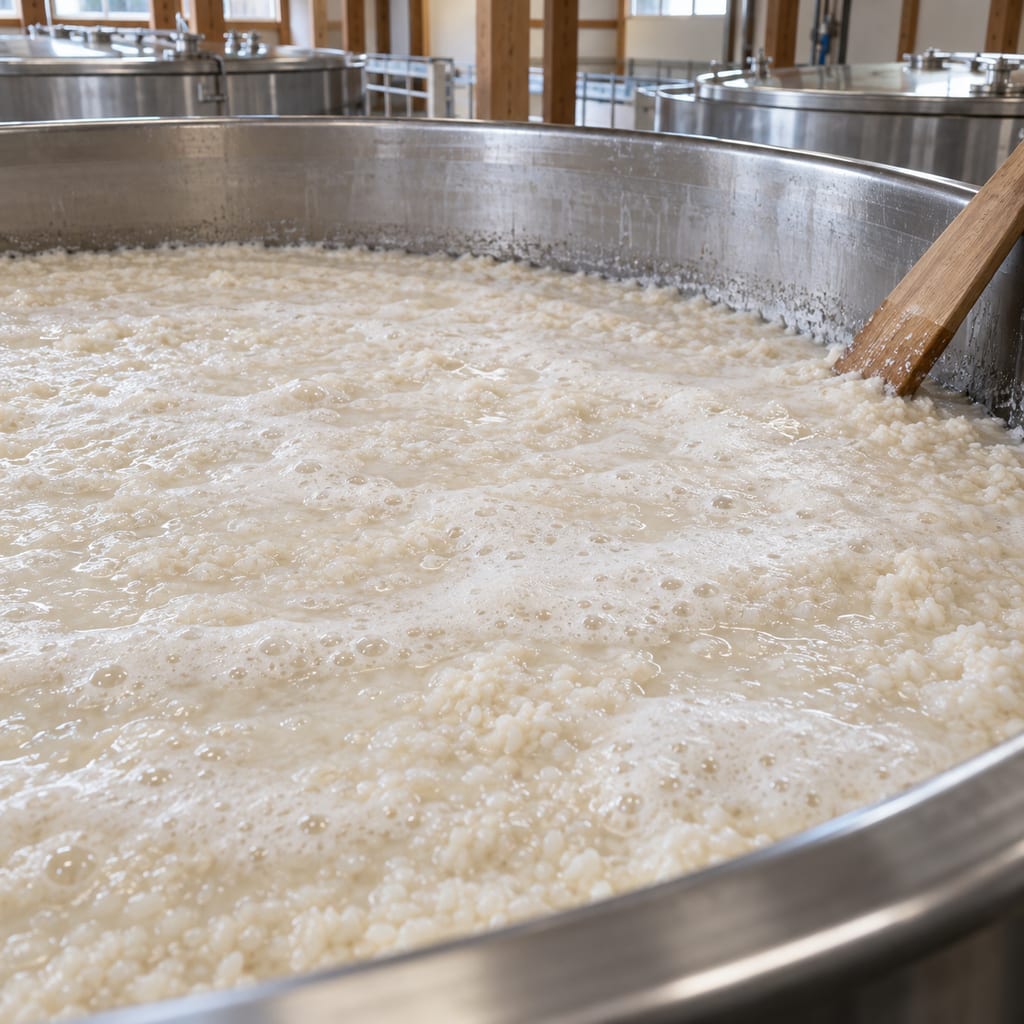
Nihonshu (日本酒), or seishu, is Japanese rice sake: steamed rice, rice koji, water and a yeast starter ferment together in one mash, which is then pressed and finished.
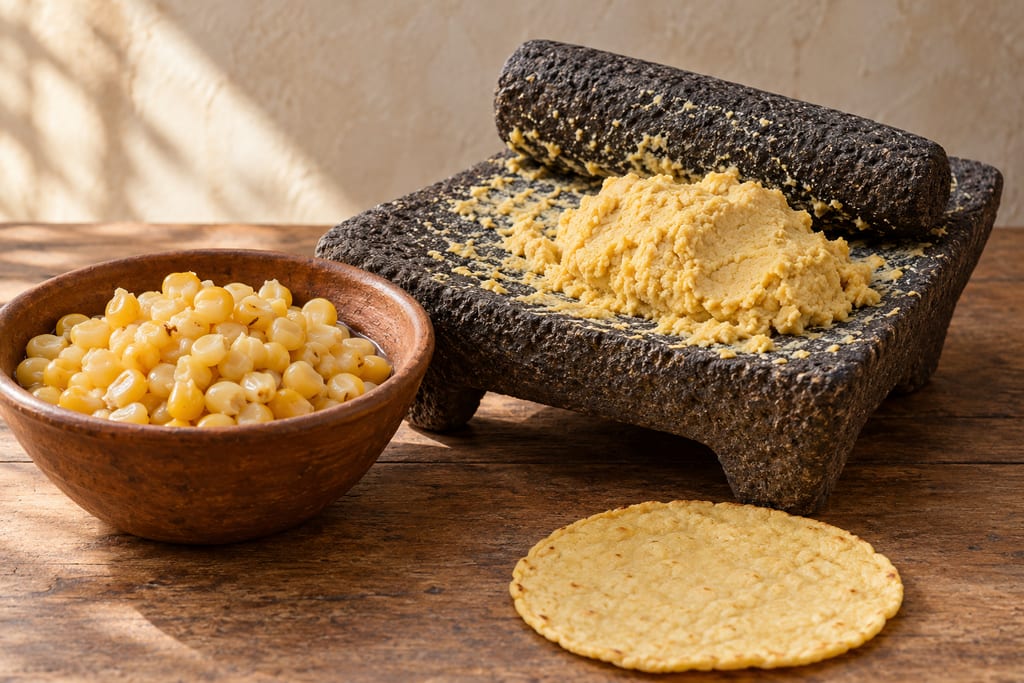
Whole maize cooked and steeped overnight in lime water, washed of its skins and excess lime, then ground into the moist dough used for tortillas.
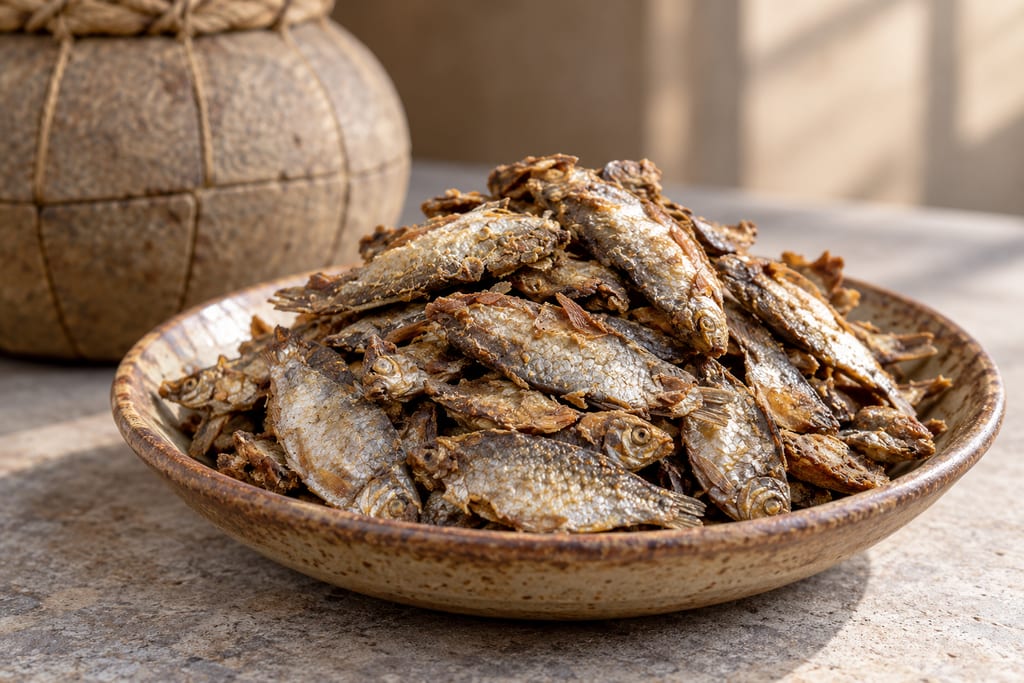
Ngari is a Manipuri fermented fish condiment made from small sun-dried fish, usually Puntius sophore, packed for fermentation. A biochemical study describes a salt-free method; it works as a condiment and ingredient rather than as a filtered sauce.
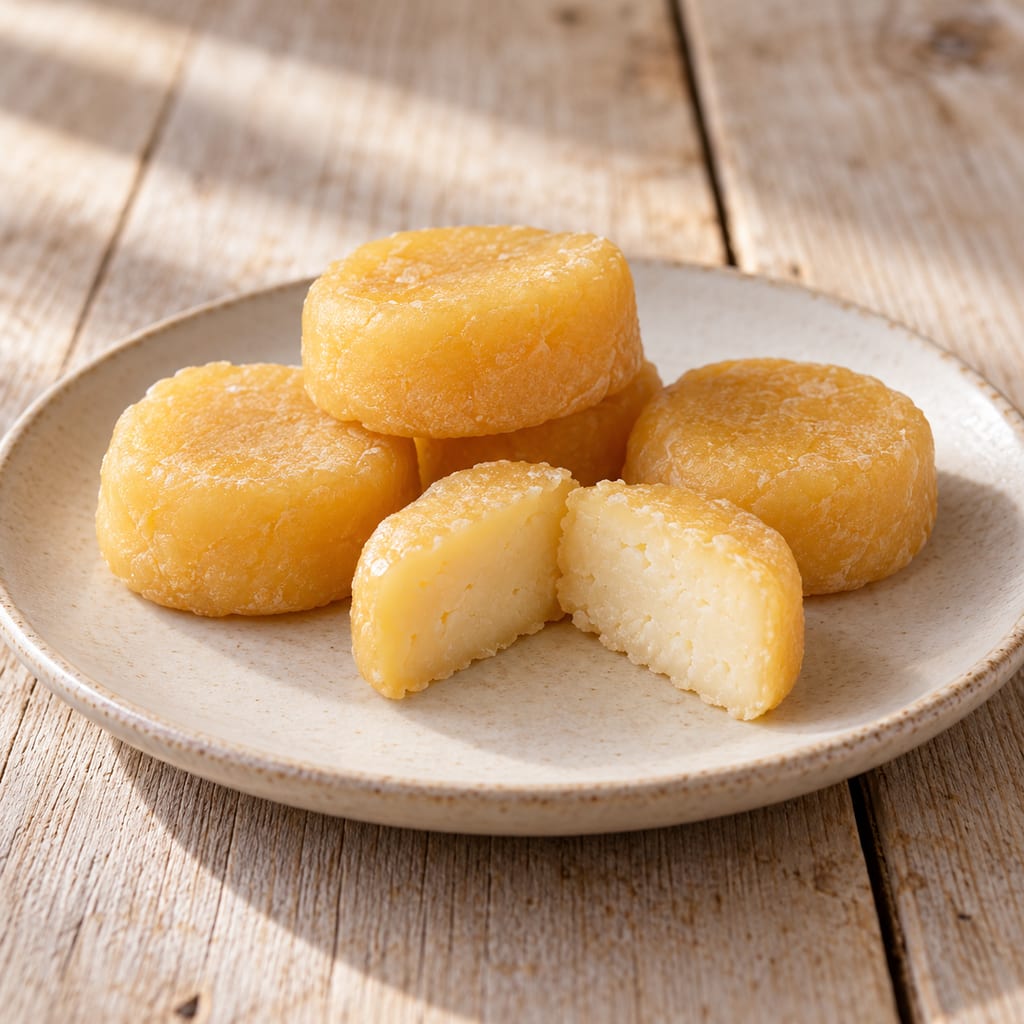
A ripened Czech table cheese made from skimmed acid-set curd, salted, cultured and ripened from the surface inward, with a golden smear and a paler centre.
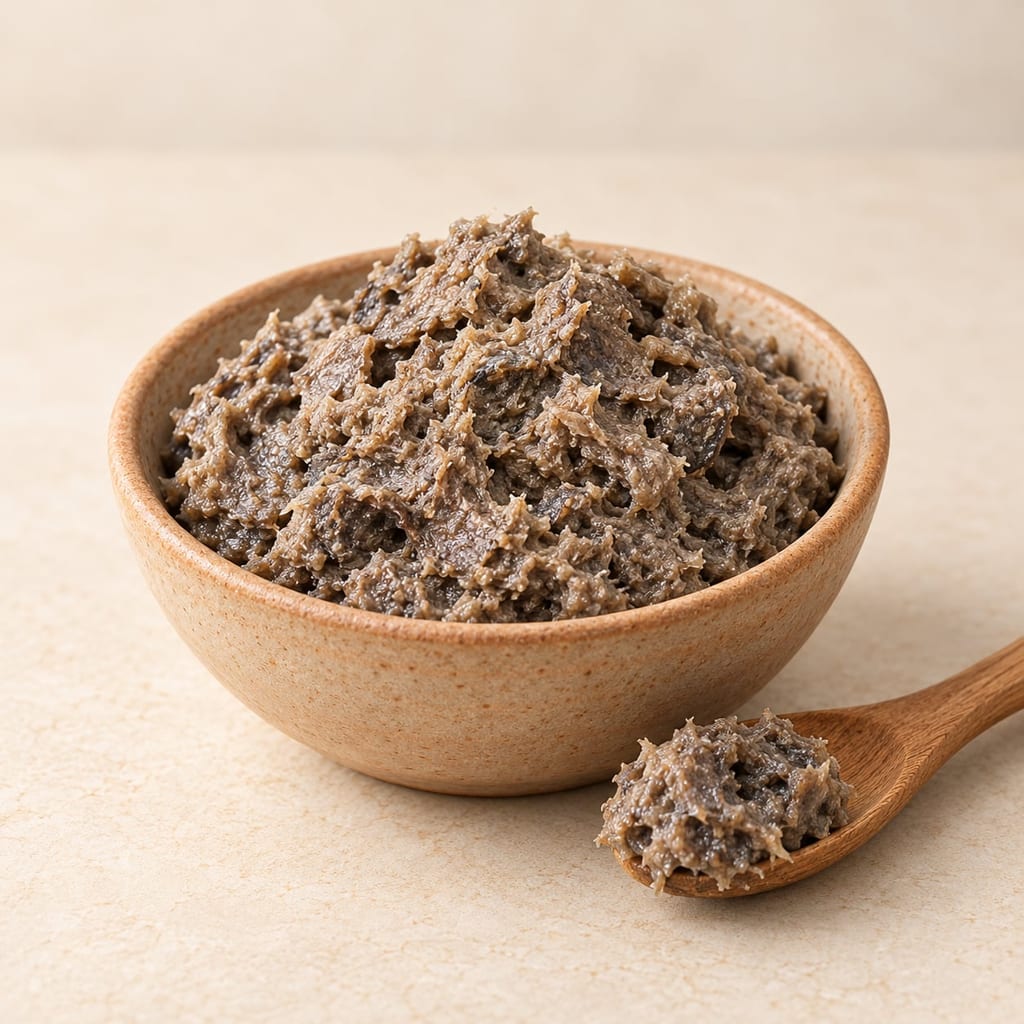
Ngapi is a Myanmar name used for varied fermented fish and shrimp pastes. Selected market and processor samples document differences in species, ingredients, and process; the evidence does not support one nationwide formula.
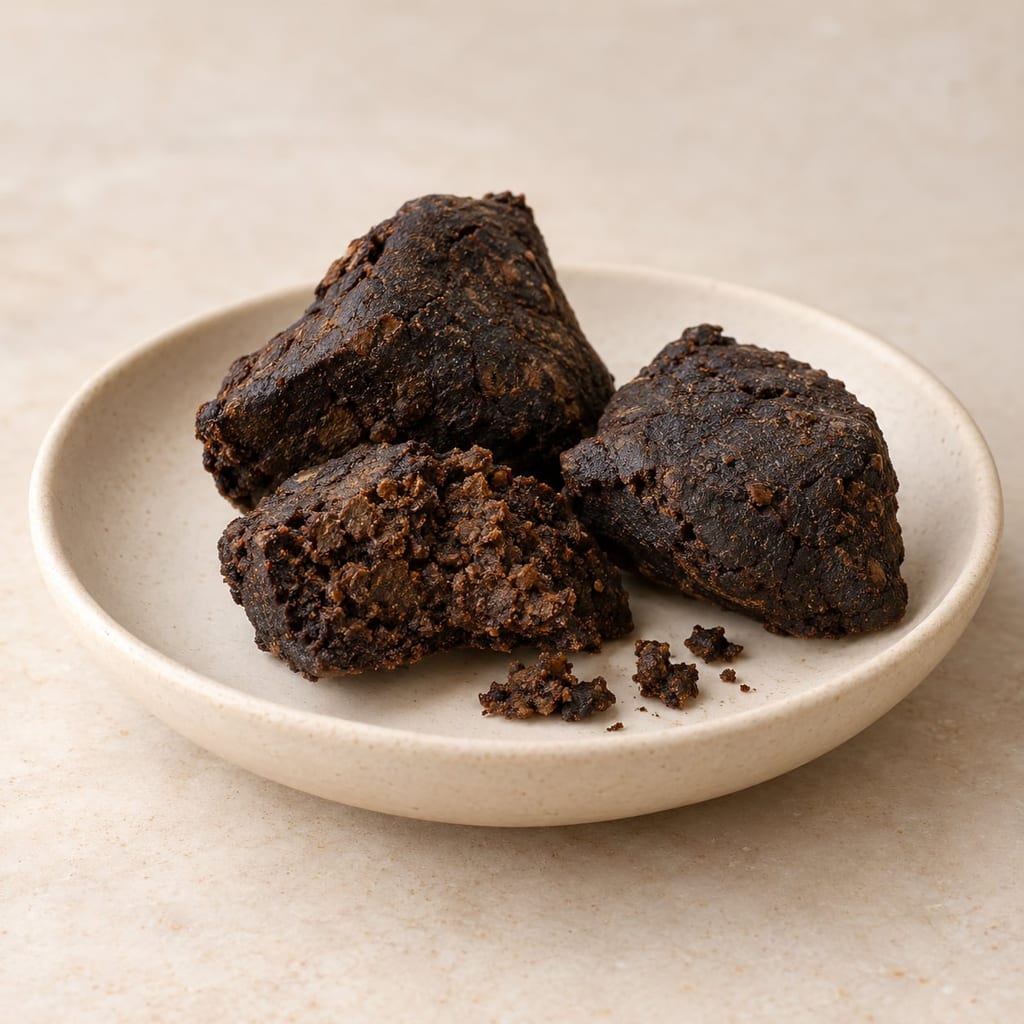
Okpiye, also written okpeye, is a Nigerian condiment from fermented Prosopis africana seeds; published studies describe laboratory batches, not a validated home method.
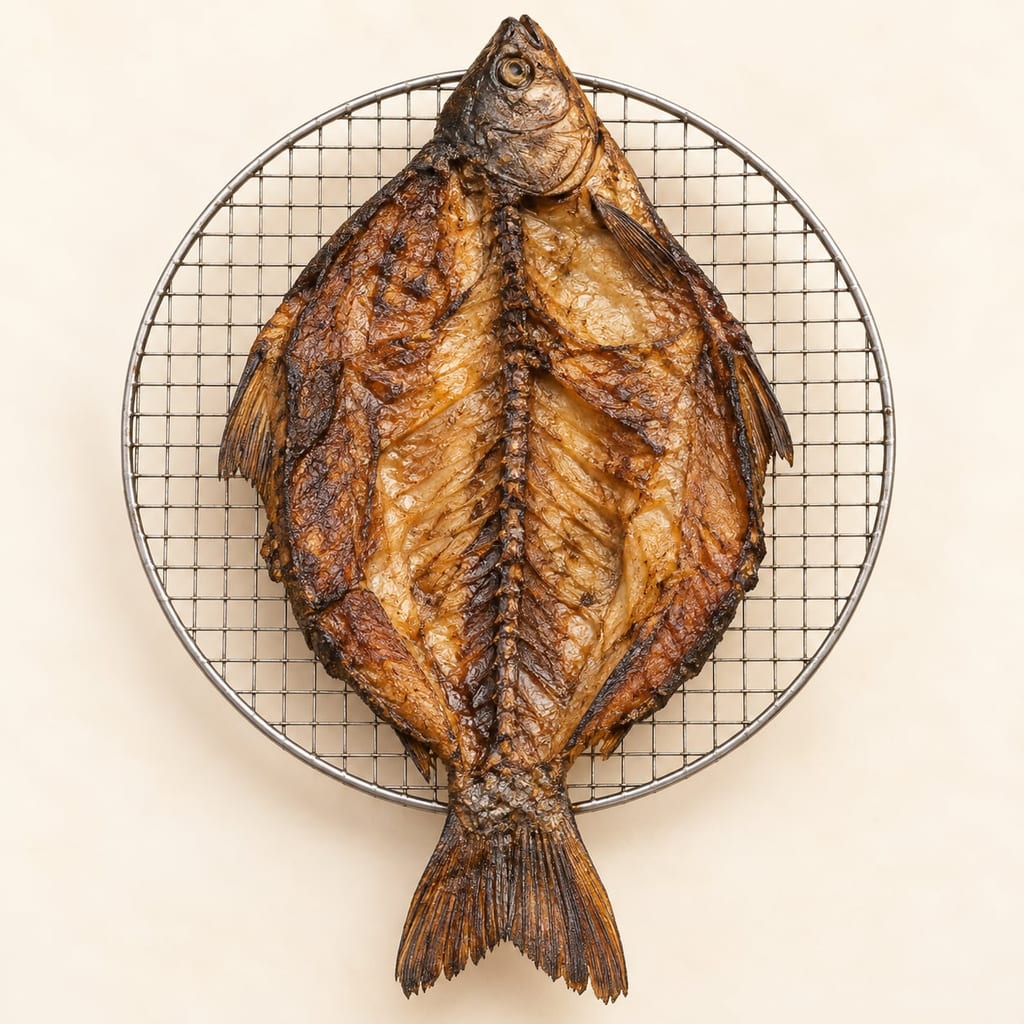
Ngaphak is fish split, flattened and roasted and smoked over an open flame on a wire net or woven bamboo mesh, as practised by fish processors around Loktak Lake in Manipur, India.
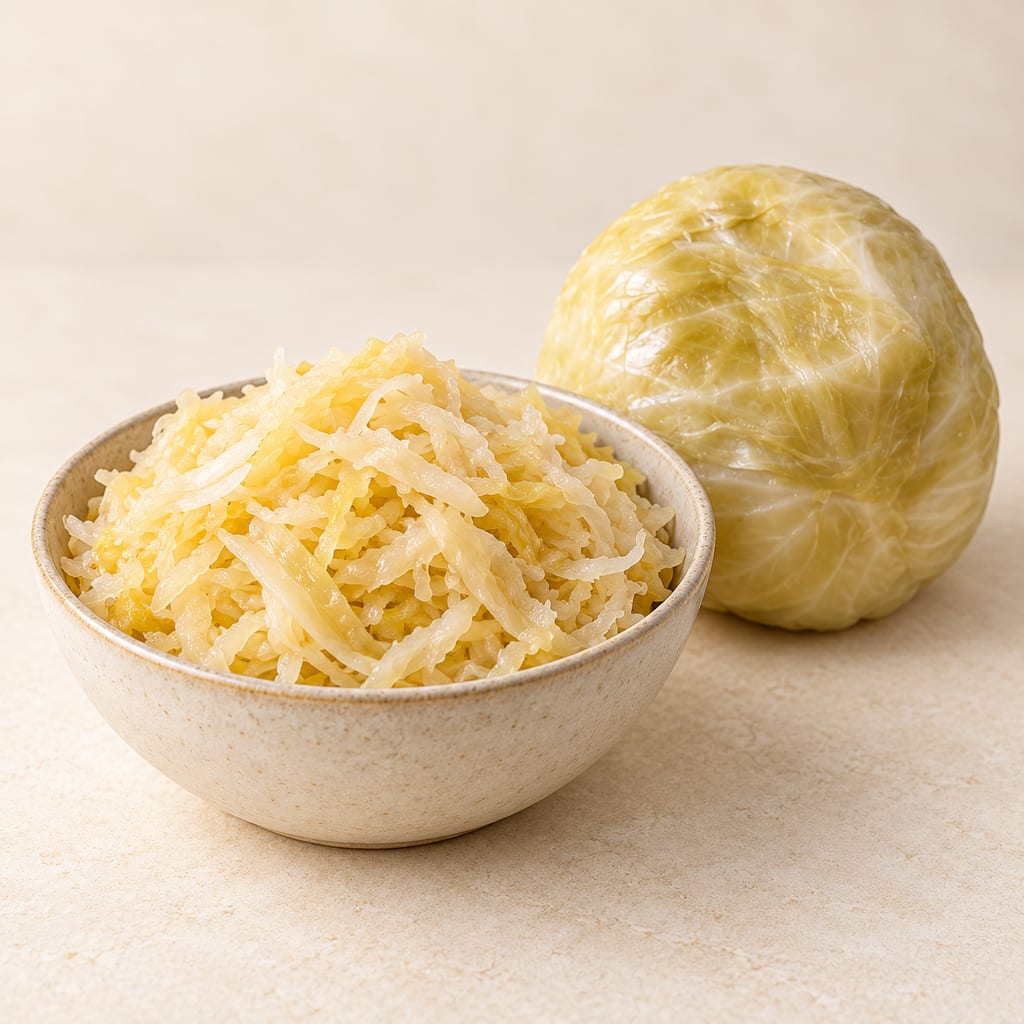
Protected Croatian sauerkraut from the Ogulin area: fresh white cabbage naturally lactic-fermented without preservatives, sold whole or shredded, from registered establishments.
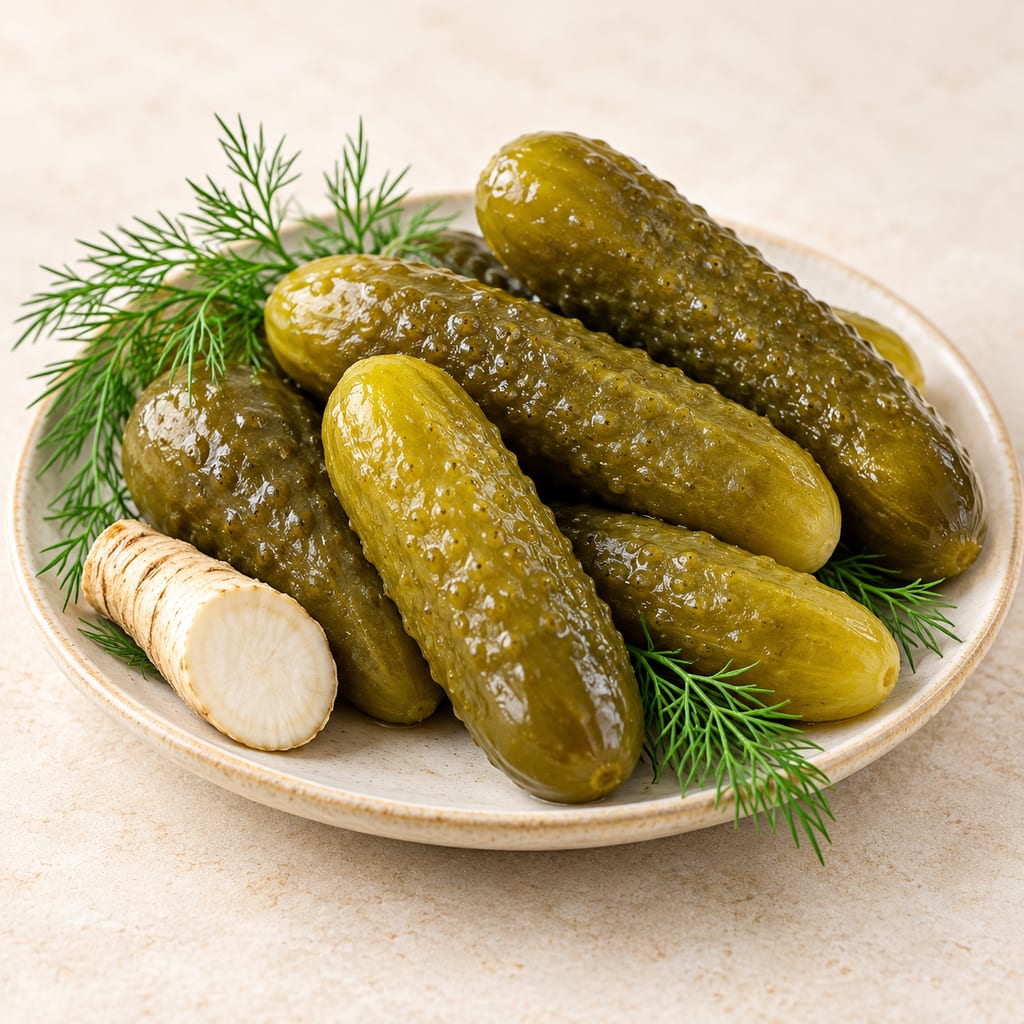
Ogórki kiszone are Polish brine-fermented cucumbers. Two registered local practices keep the barrels in a well near Zakliczyn and under lake water at Kalisz Pomorski. Neither gives a validated process.
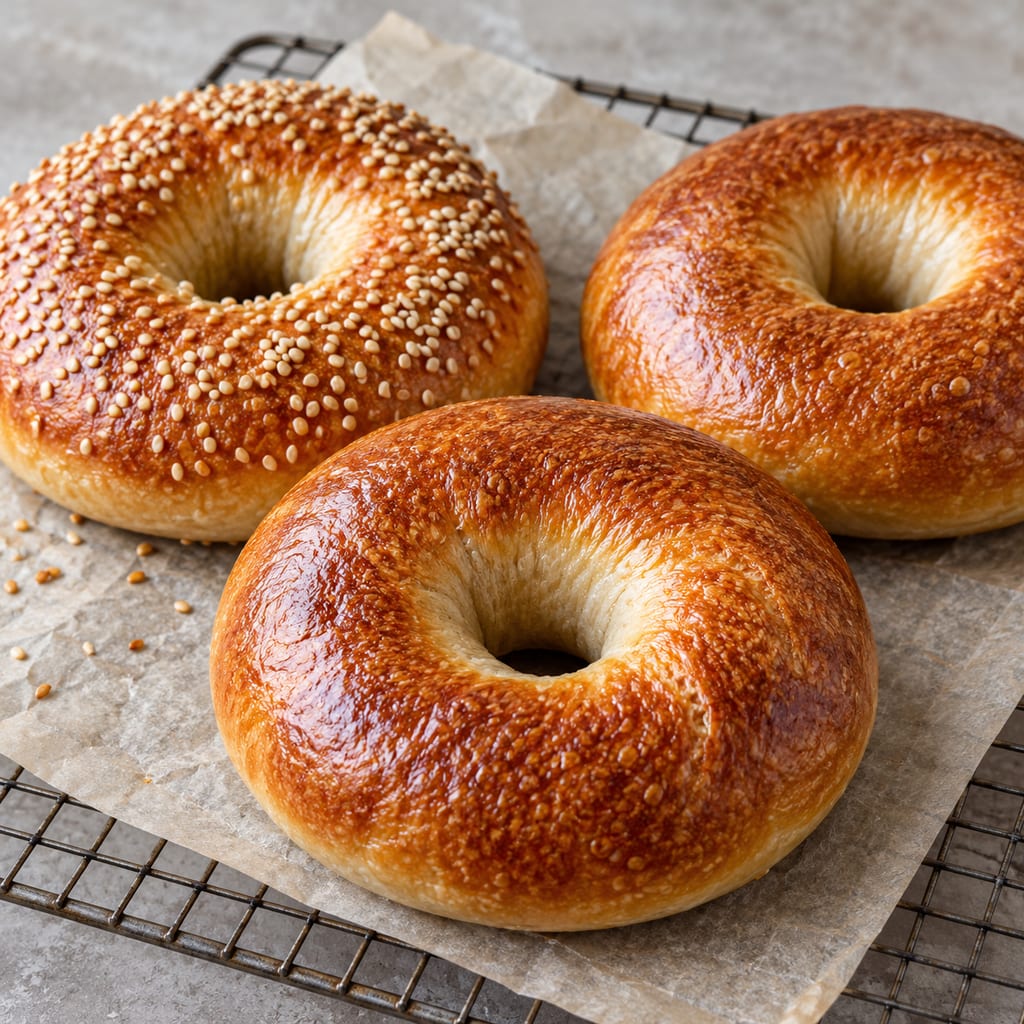
A firm bread-flour dough with barley malt is shaped into rings, refrigerated for 8–14 hours, poached below a boil, then baked hot with steam.
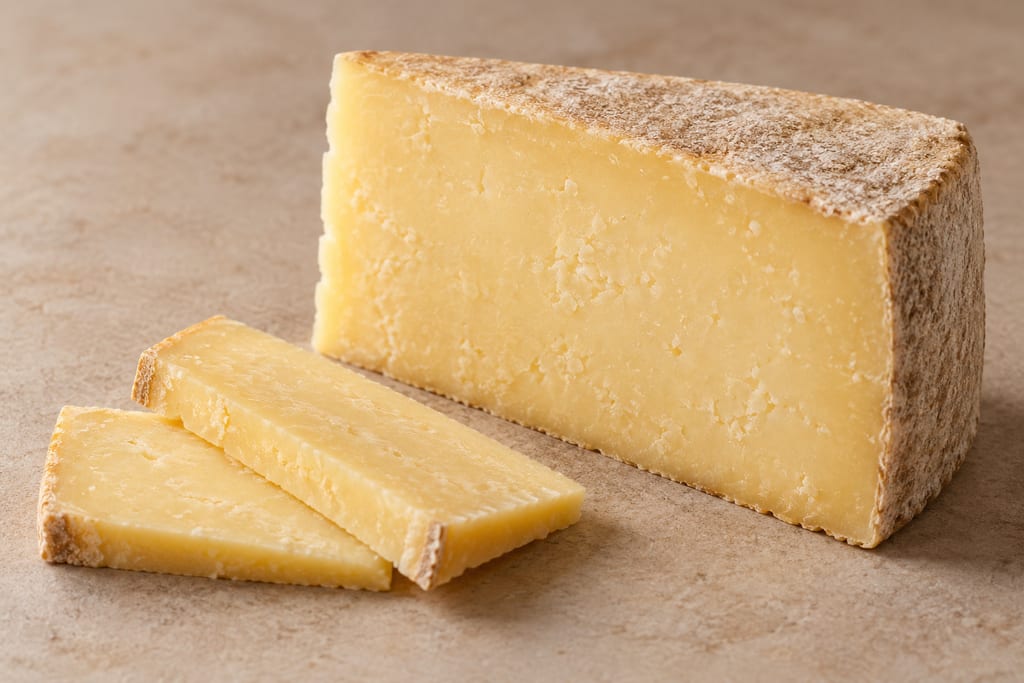
A pressed cheese whose curd is cooked slowly, then cheddared: kept warm in slabs that are turned and stacked for hours before milling, salting and pressing.