










































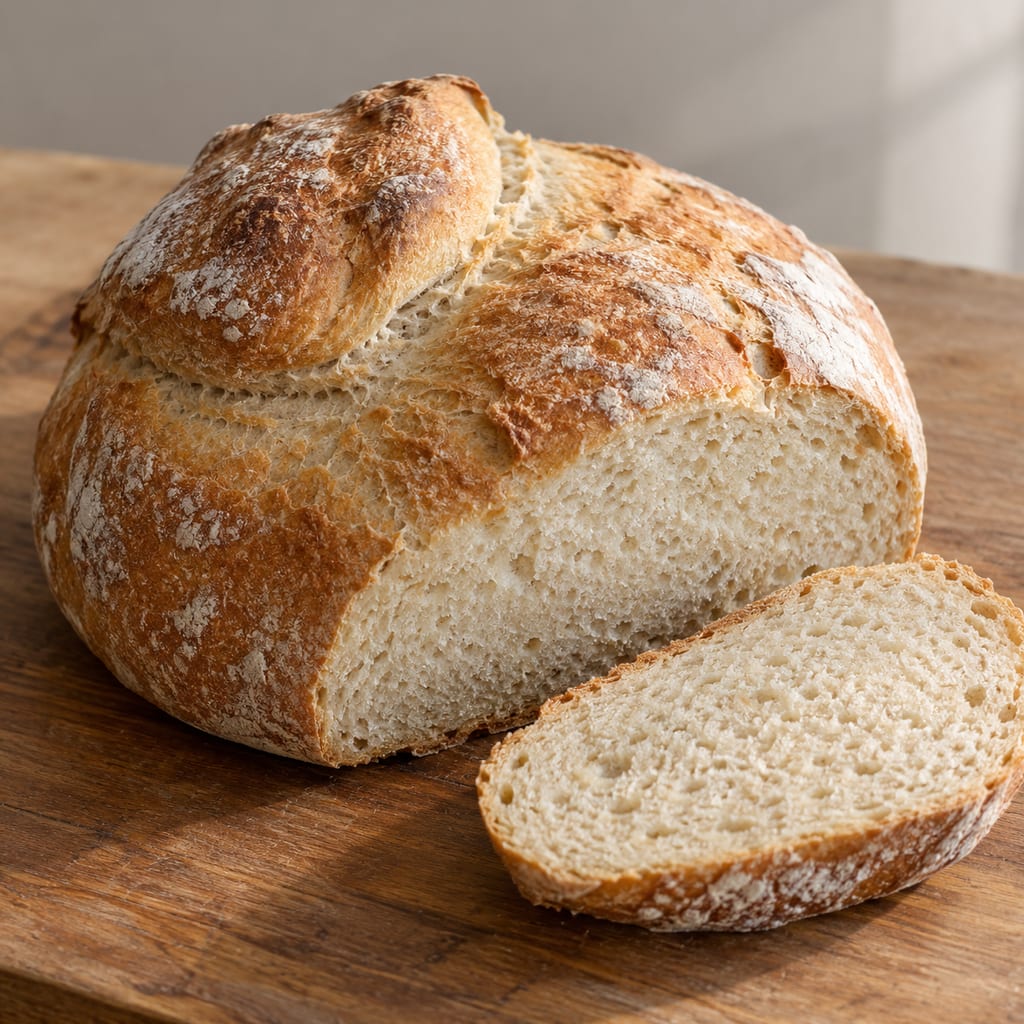
Pão alentejano (yeast-preferment loaf)
A rounded Alentejo wheat loaf with a raised folded head. This home adaptation uses a fresh-yeast preferment, then proofs the shaped loaf and bakes it with steam.
 FermenteaWhere food goes to change
1504 records with their sources, across 11 categories.
 Fermented, enzyme-ripened and mixed seasonings328
 Fruit preserves10
 Legume, seed and plant-protein ferments10
 Garum and fish sauces8
 Adjacent and excluded7
 Koji, mold starters and mold-ripened ferments4
 Acid and oil pickles3
 Fermented fruit and fruit-derived foods3
 Vegetable lactic3
 Dairy ferments2
 Smoked salted and dried foods2
 Cheese1
 Not yet classified1
 Cereal, grain, root and starch fermentations275
 Unfermented breads105
 Koji, mold starters and mold-ripened ferments3
 Not yet classified3
 Adjacent and excluded1
 Beverages1
 Fruit preserves1
 Smoked salted and dried foods1
 Tea cocoa and coffee ferments1
A rounded Alentejo wheat loaf with a raised folded head. This home adaptation uses a fresh-yeast preferment, then proofs the shaped loaf and bakes it with steam.
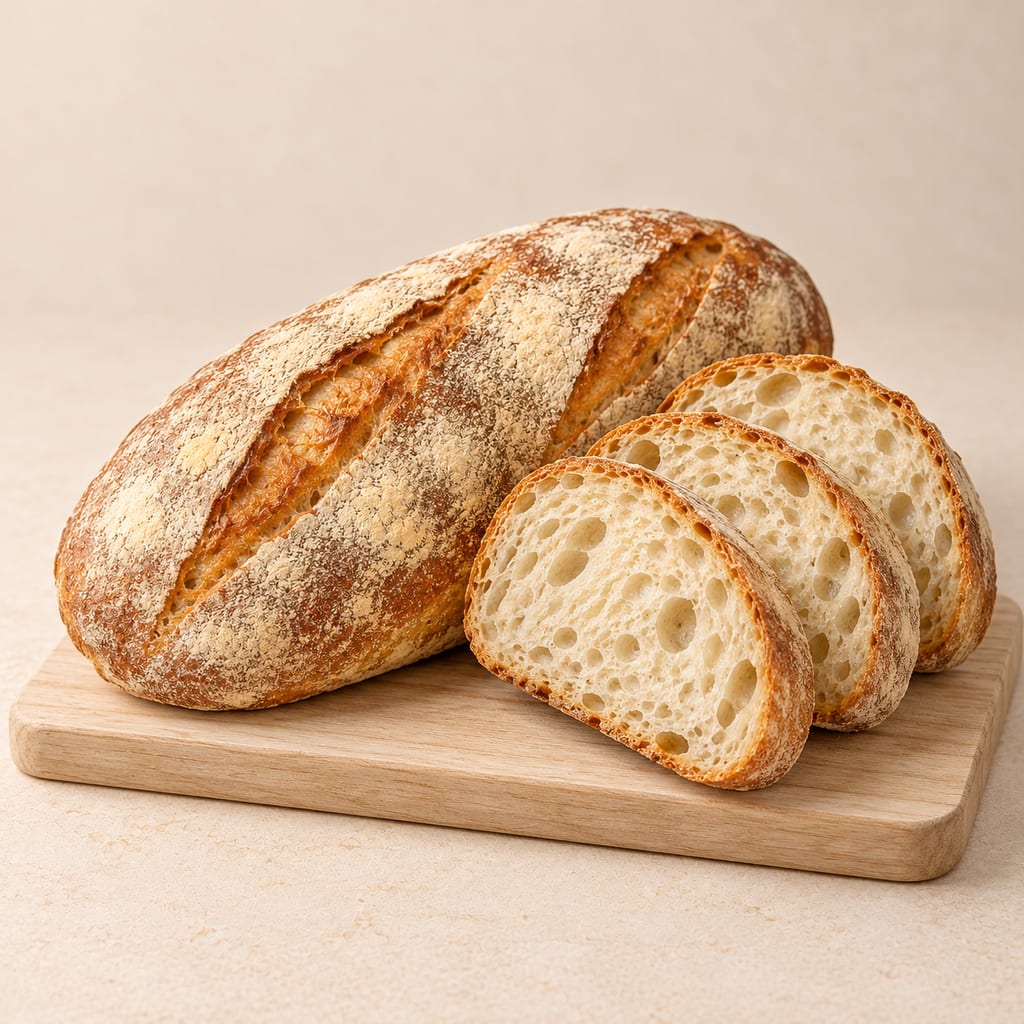
Tuscany's saltless wheat bread, leavened with a sourdough biga: a mild loaf with a crisp dark crust that was made to sit beside salty meats, cheeses and stews.
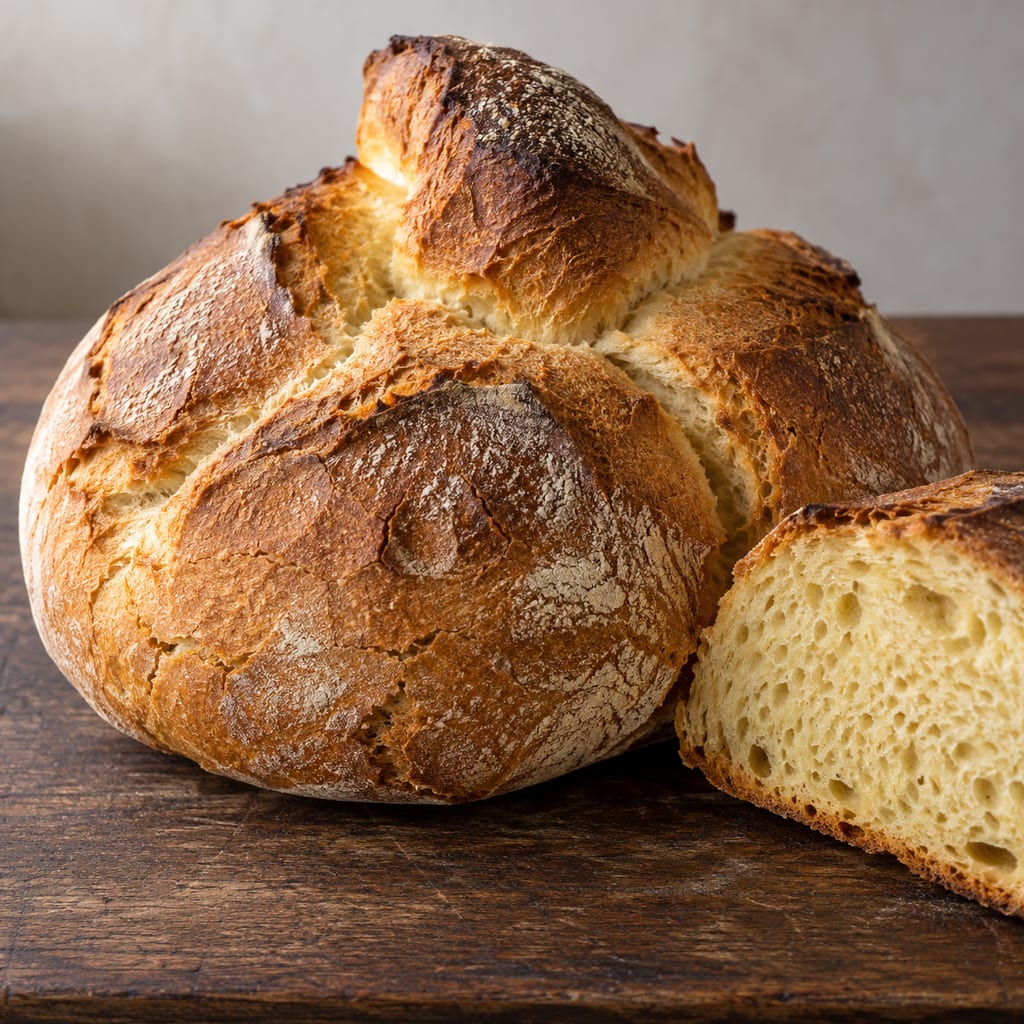
A protected durum-wheat sourdough bread documented by a commercial production specification. The official 100 kg batch and oven process are recorded without inventing a household scale.
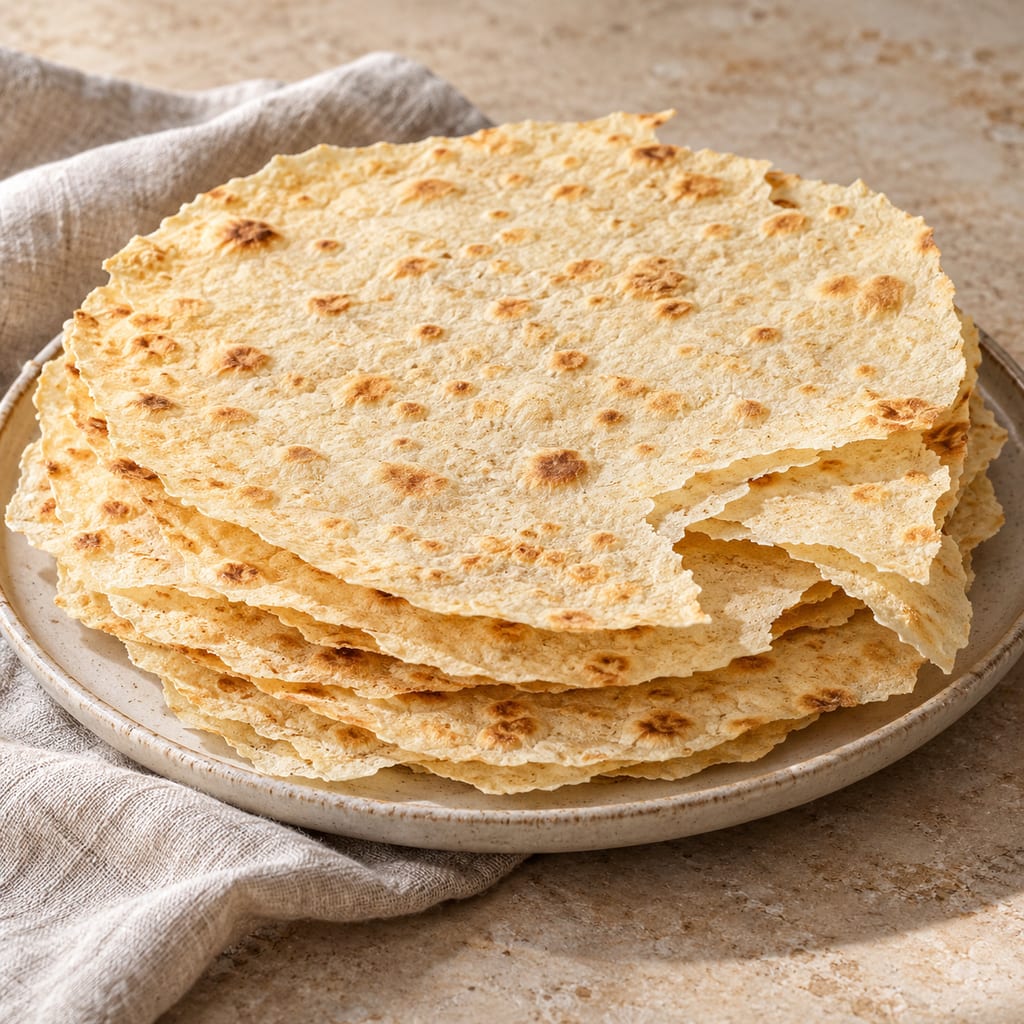
Eight thin Sardinian sheets from a yeast dough of semolina, all-purpose flour, salt and water. Bake each round until it inflates, split it while hot, then bake the sheets again until crisp.
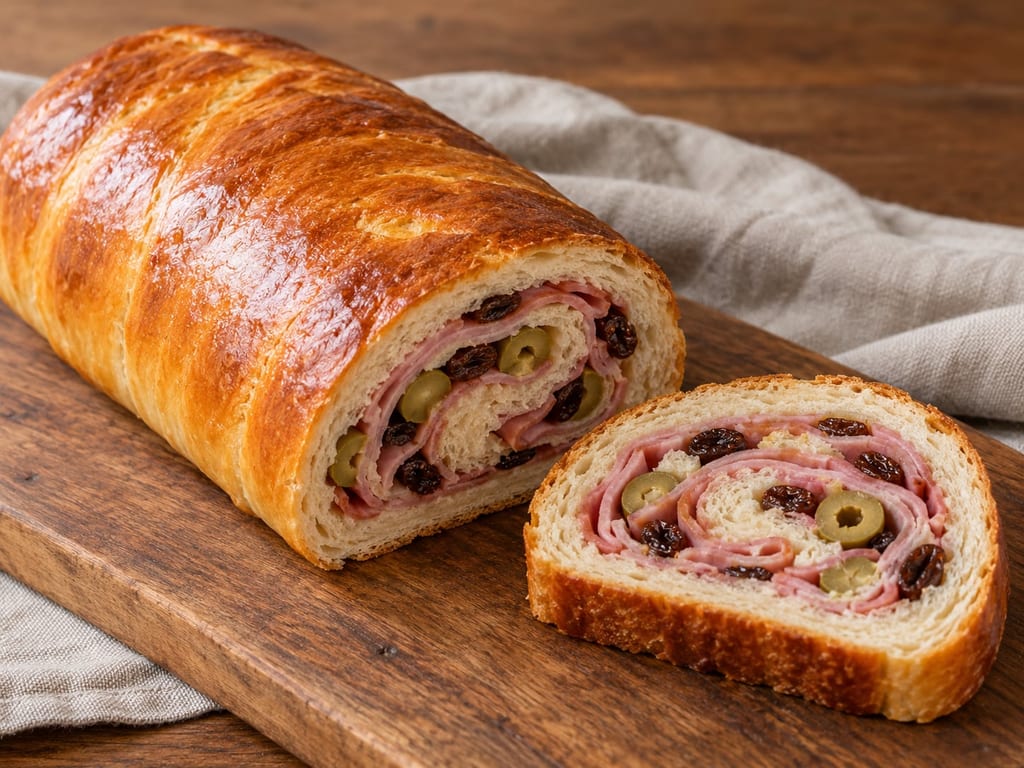
Pan de jamón is a Venezuelan Christmas bread: soft yeast dough rolled around ham, olives and raisins, then baked as a filled loaf.
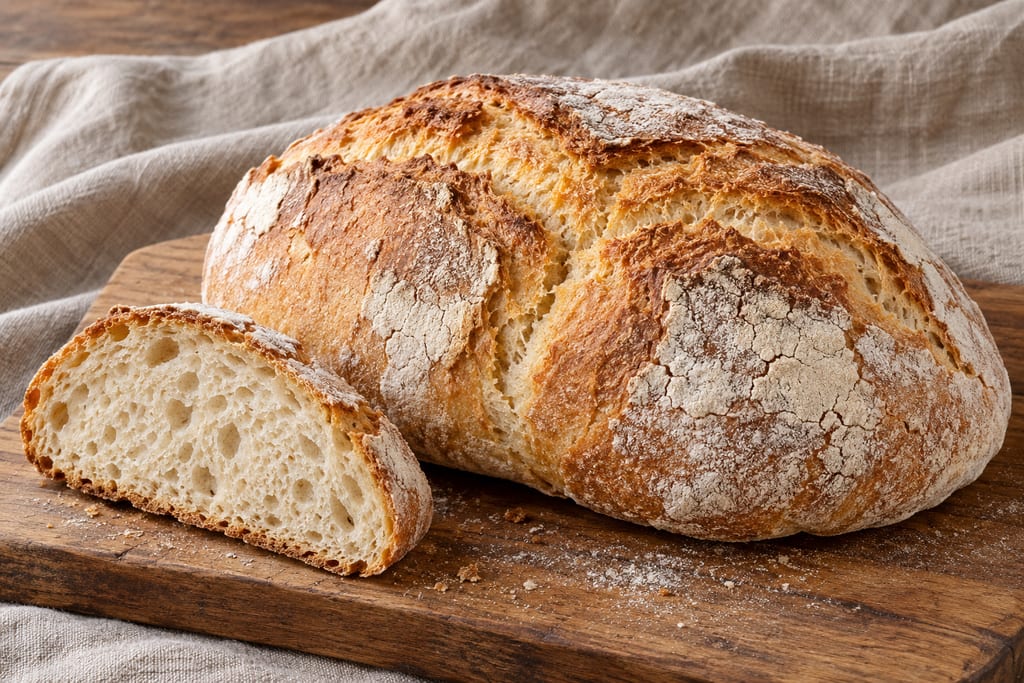
This home sourdough adaptation borrows Pan de Cea’s wheat-forward loaf and central fenda while using a domestic oven and a separately documented modern formula.
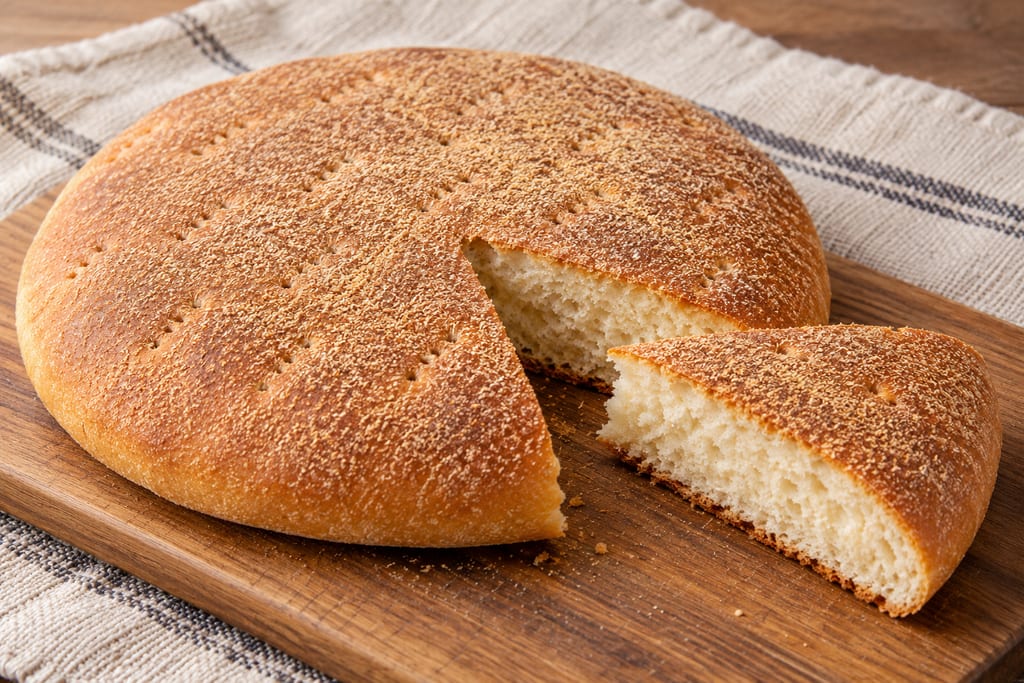
Pan chuta is a broad, lightly sweet wheat loaf associated with Oropesa in Cusco; this home-scale version uses chamomile, brown sugar and butter.
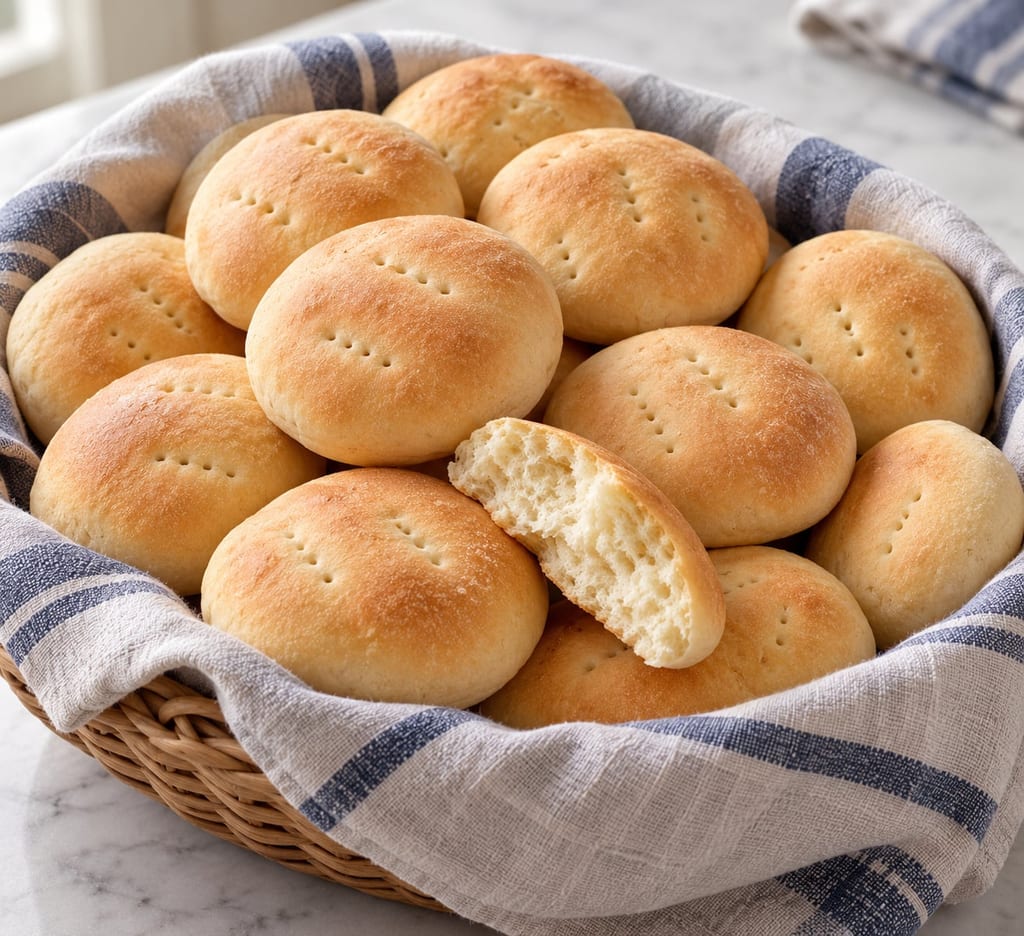
Small, fork-docked wheat rolls made with yeast, water, sugar and butter, a modern home version of Chilean pan amasado.
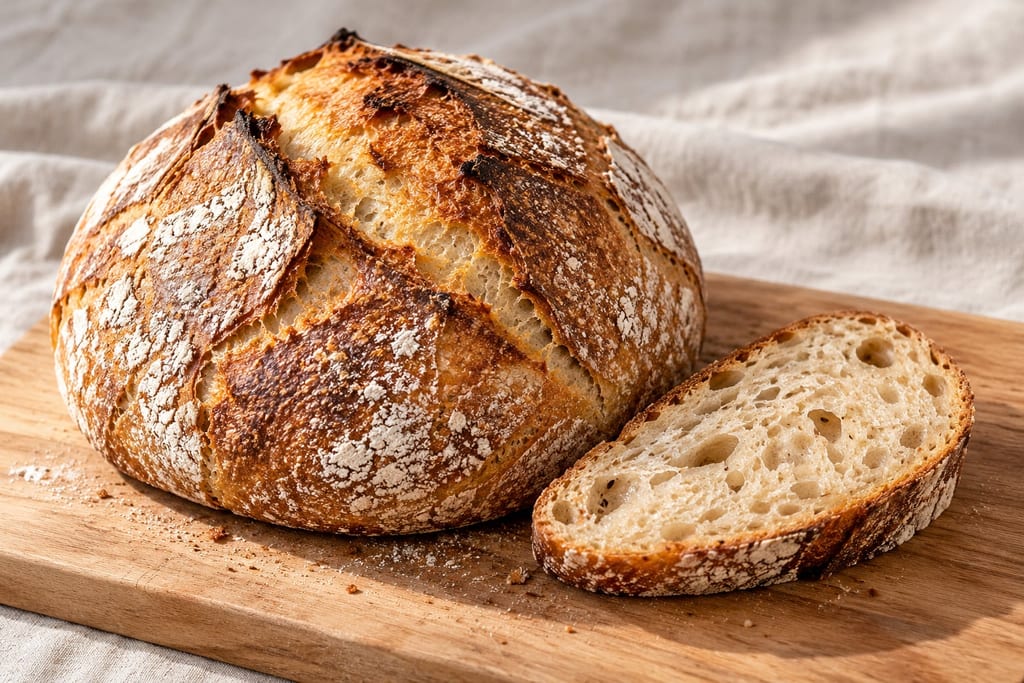
Two large French-style wheat loaves use unfed sourdough starter, whole-wheat flour, long room-temperature fermentation and a covered-pot bake.
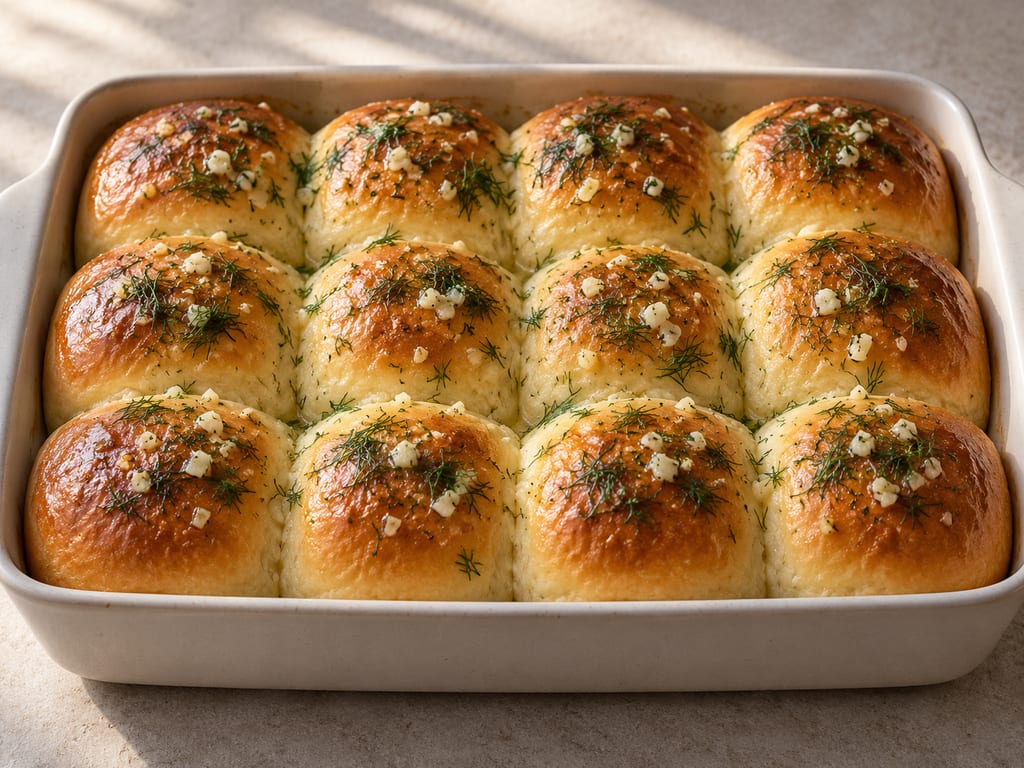
Soft Ukrainian wheat rolls are baked close together and brushed with fresh garlic, dill and oil. This savory garlic-topped baked form is separate from sweet fried pampushky.
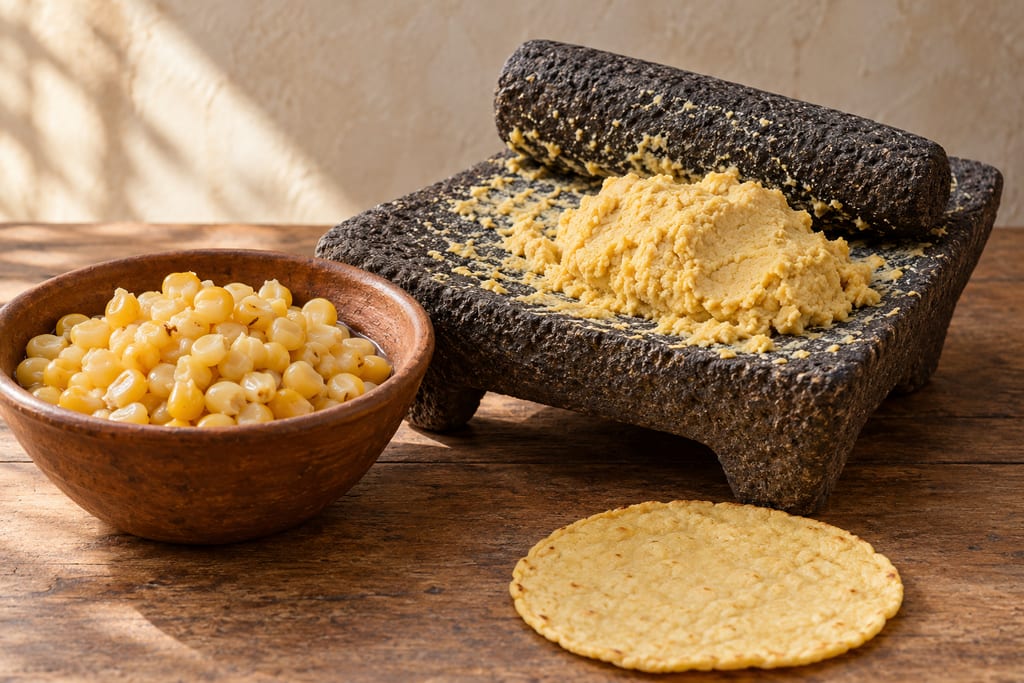
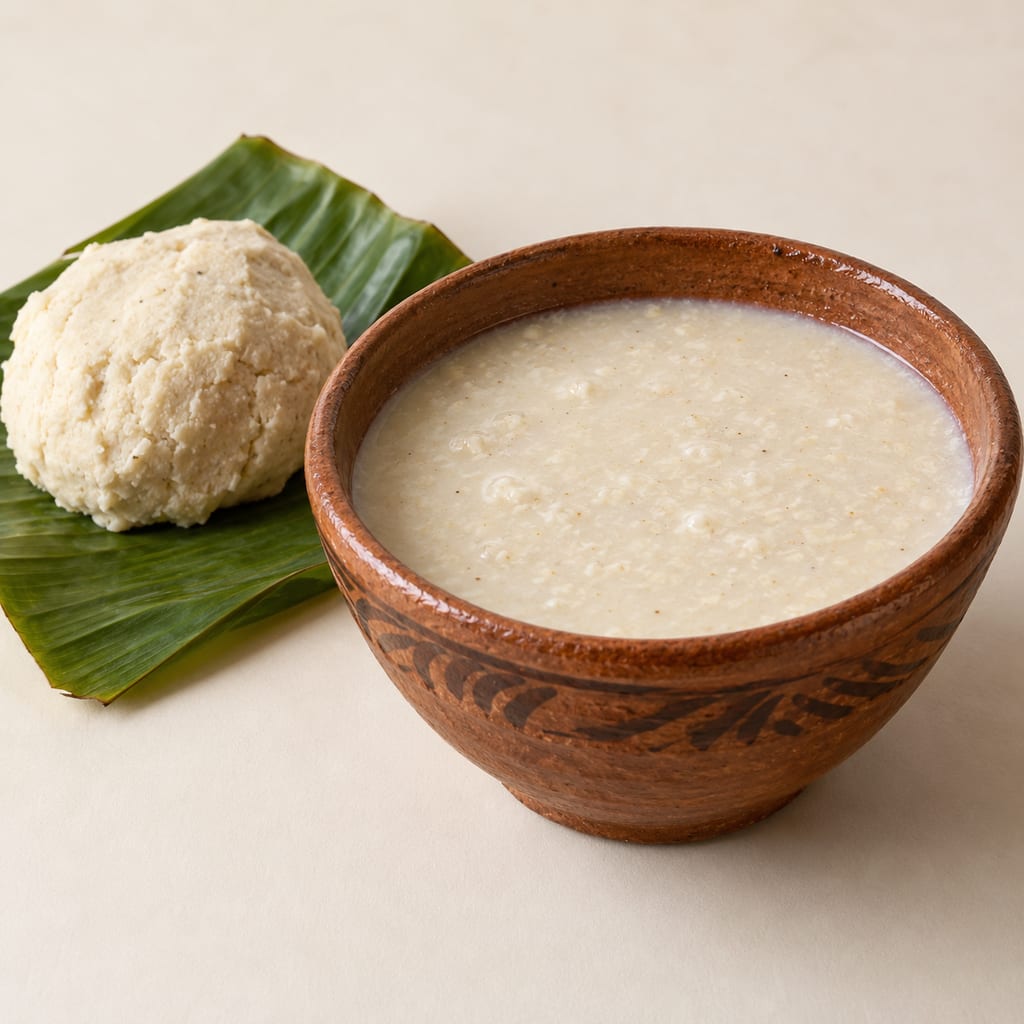
Whole maize cooked and steeped overnight in lime water, washed of its skins and excess lime, then ground into the moist dough used for tortillas.
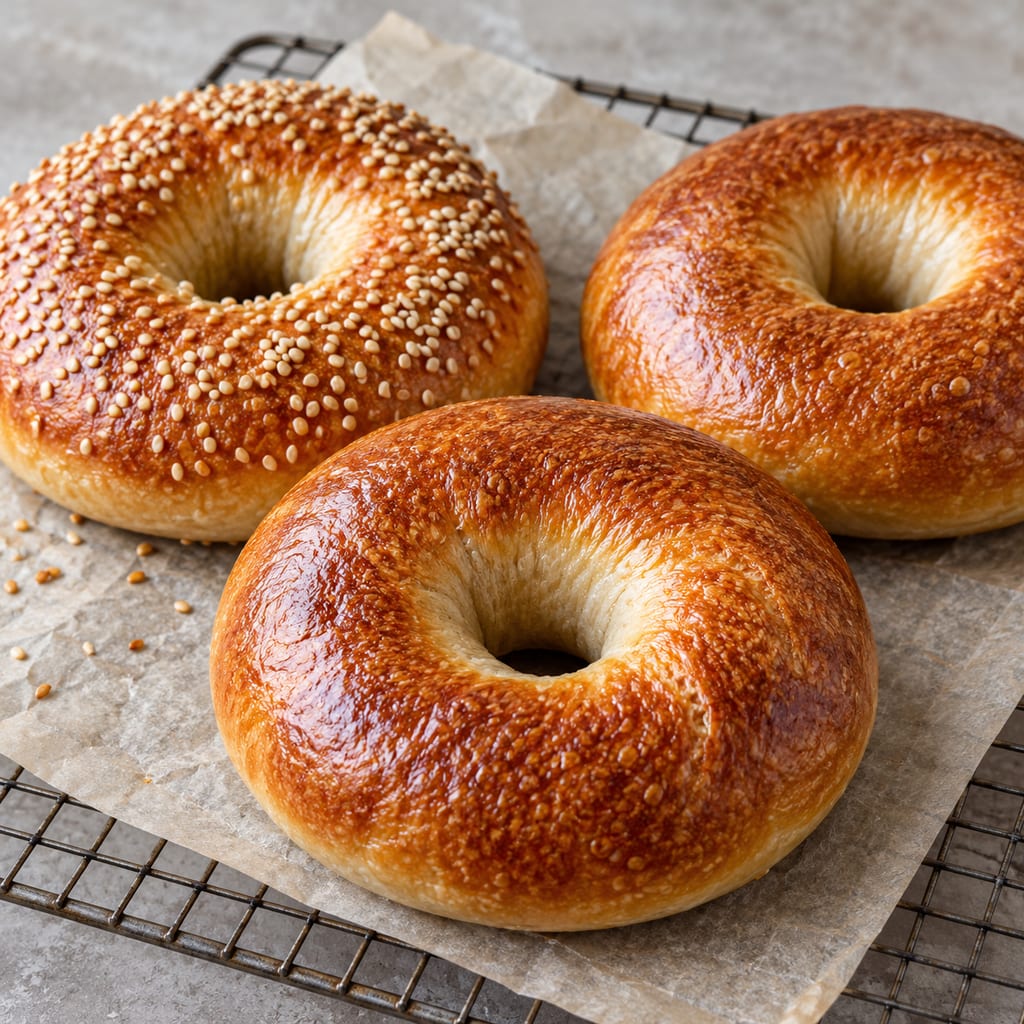
A firm bread-flour dough with barley malt is shaped into rings, refrigerated for 8–14 hours, poached below a boil, then baked hot with steam.
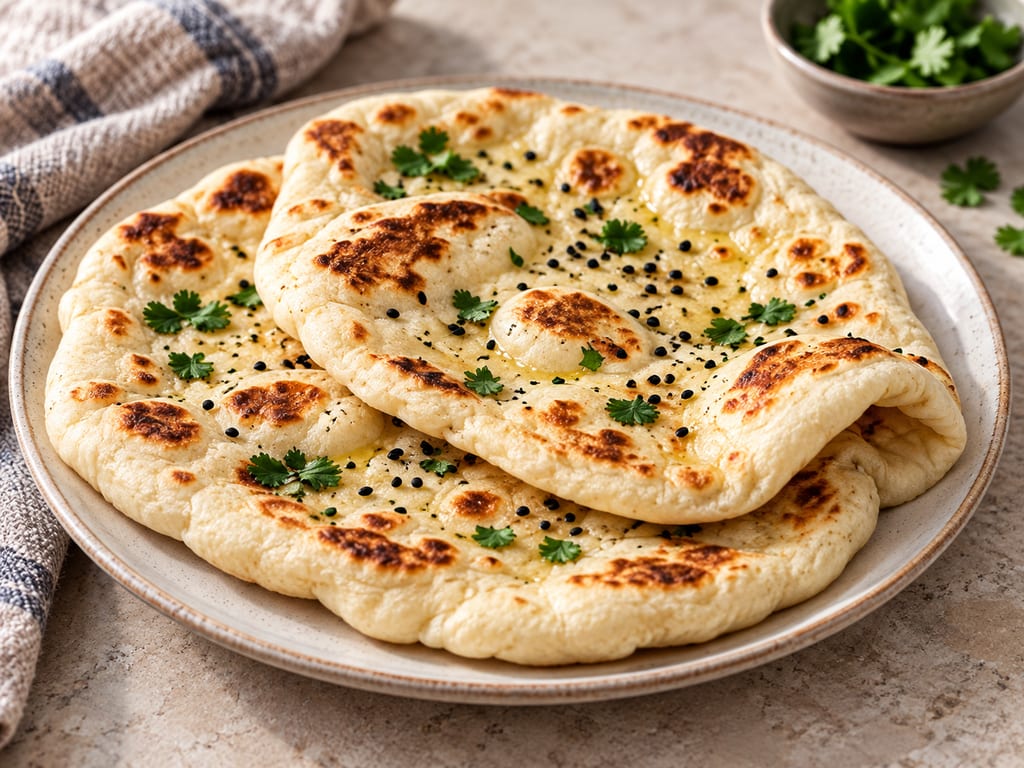
Naan is a South Asian wheat flatbread; this eight-piece home version uses a yogurt-enriched yeasted dough cooked on a hot skillet or griddle.
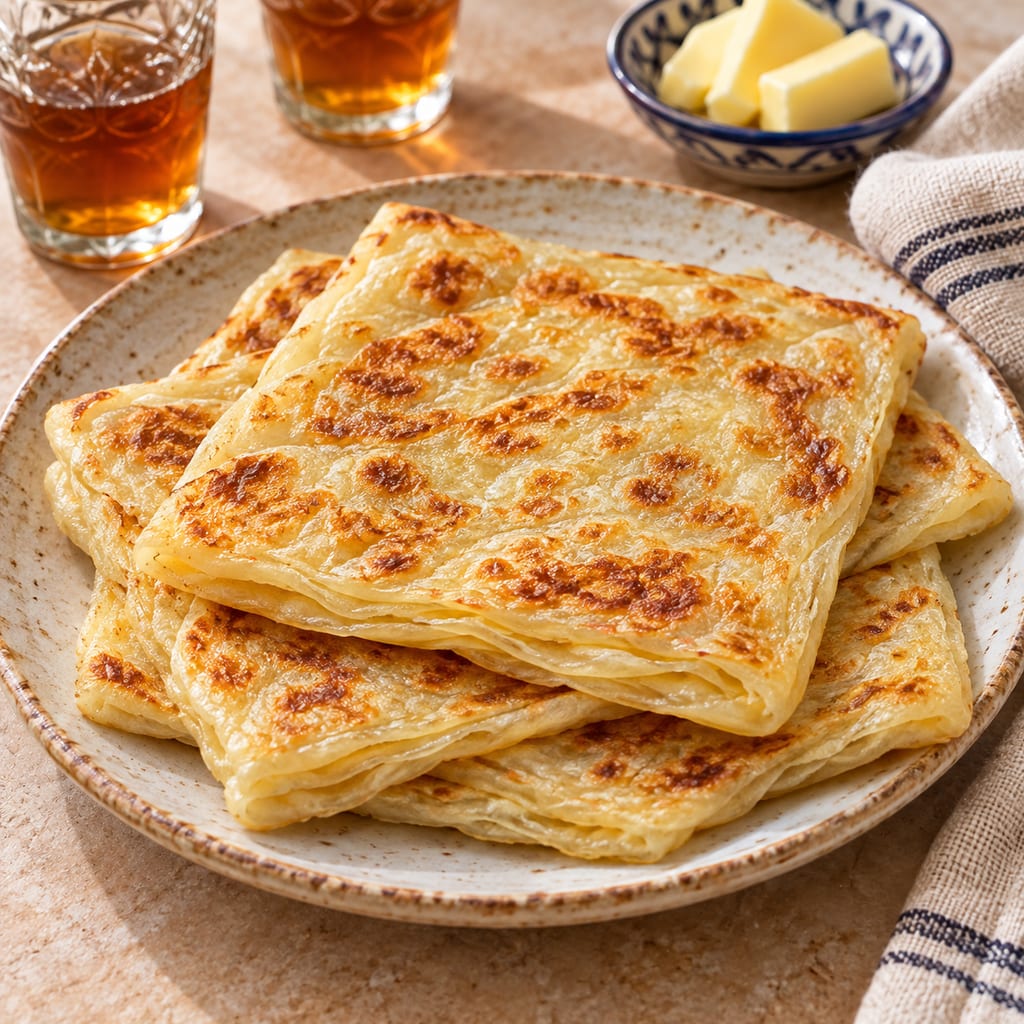
A square Moroccan layered griddle bread made from lightly yeasted wheat dough, stretched thin, folded with semolina and butter, and cooked until crisp and golden.
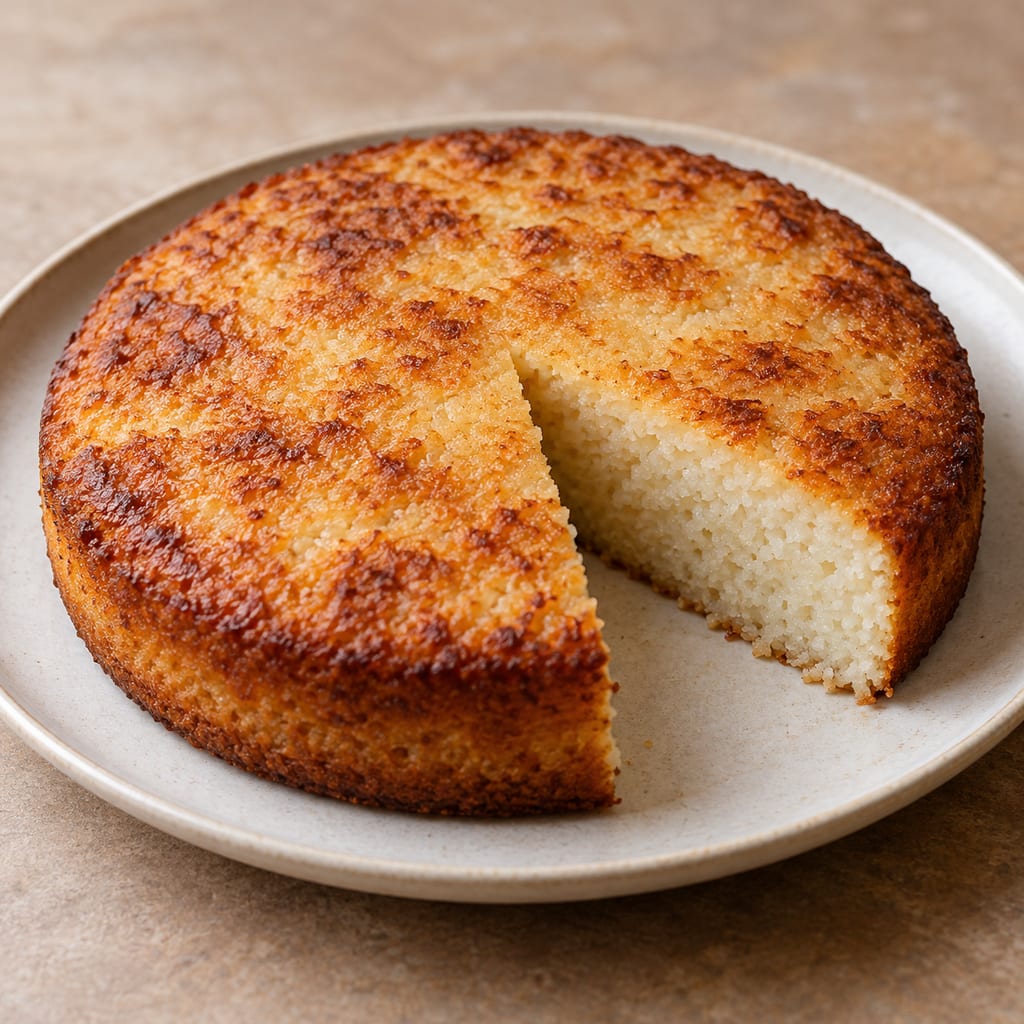
Fauzia’s Mombasa mkate wa sinia blends soaked rice with coconut milk, sugar, cardamom and yeast, then sets it covered on the hob and browns the top under a grill.
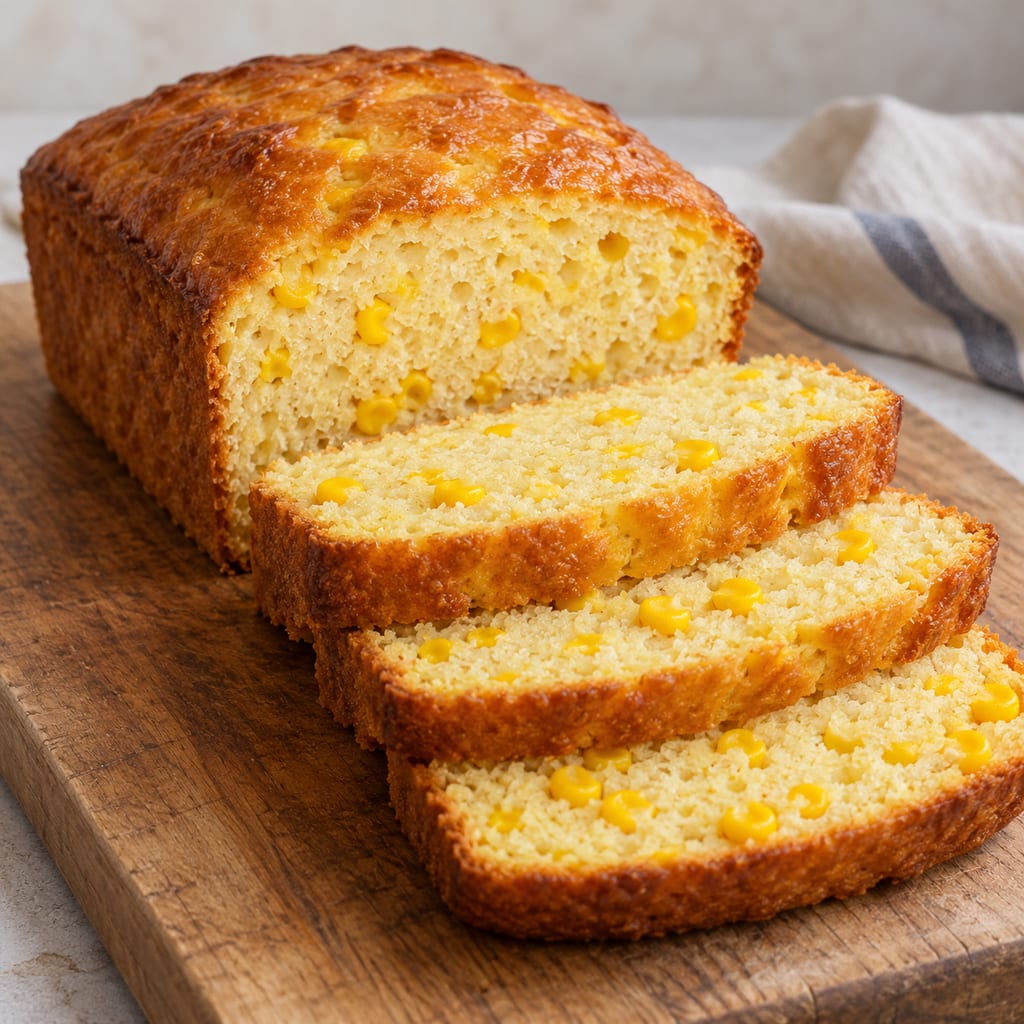
A South African sweetcorn loaf made from a rich, yeast-raised batter with both creamed sweetcorn and drained kernels. This version is baked in a loaf tin; it is distinct from steamed mielie breads and from maize-meal quick breads.
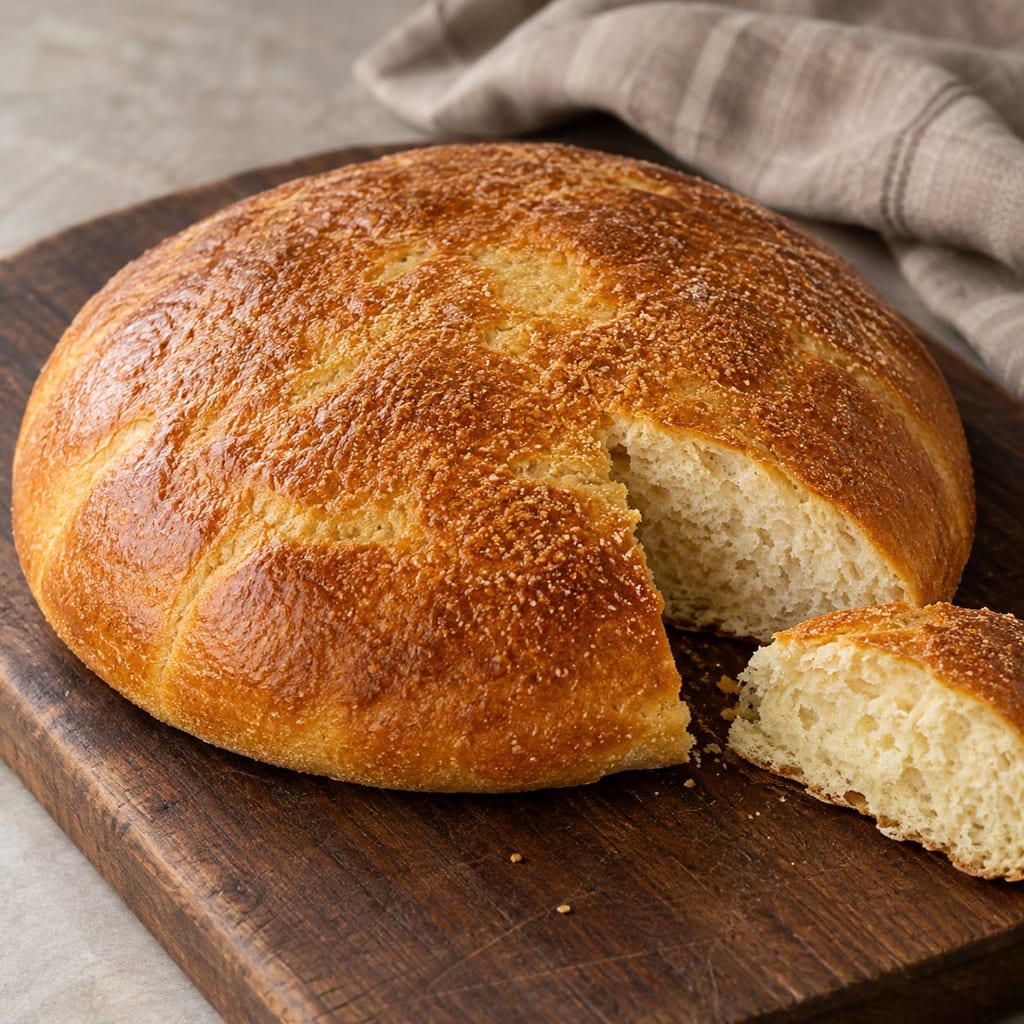
A dairy-free Algerian semolina bread made with yeast, shaped as one round loaf, brushed with egg yolk and baked in a 400°F oven.
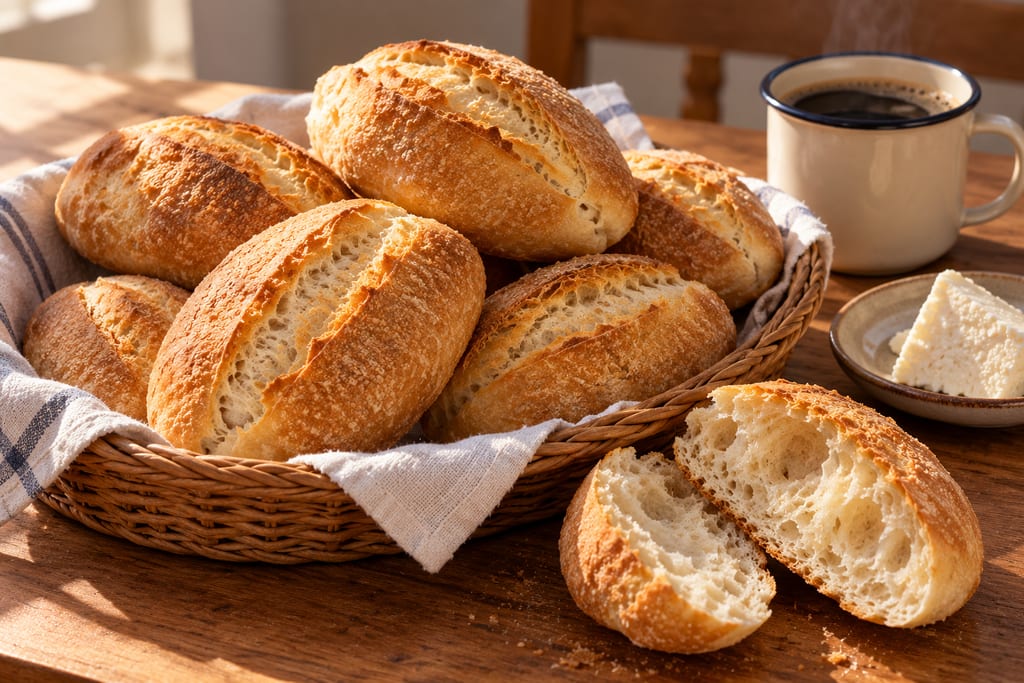
A Bolivian wheat roll shaped with a central slash, proofed twice, and baked with steam for a crisp crust; this measured version is identified as paceño style.
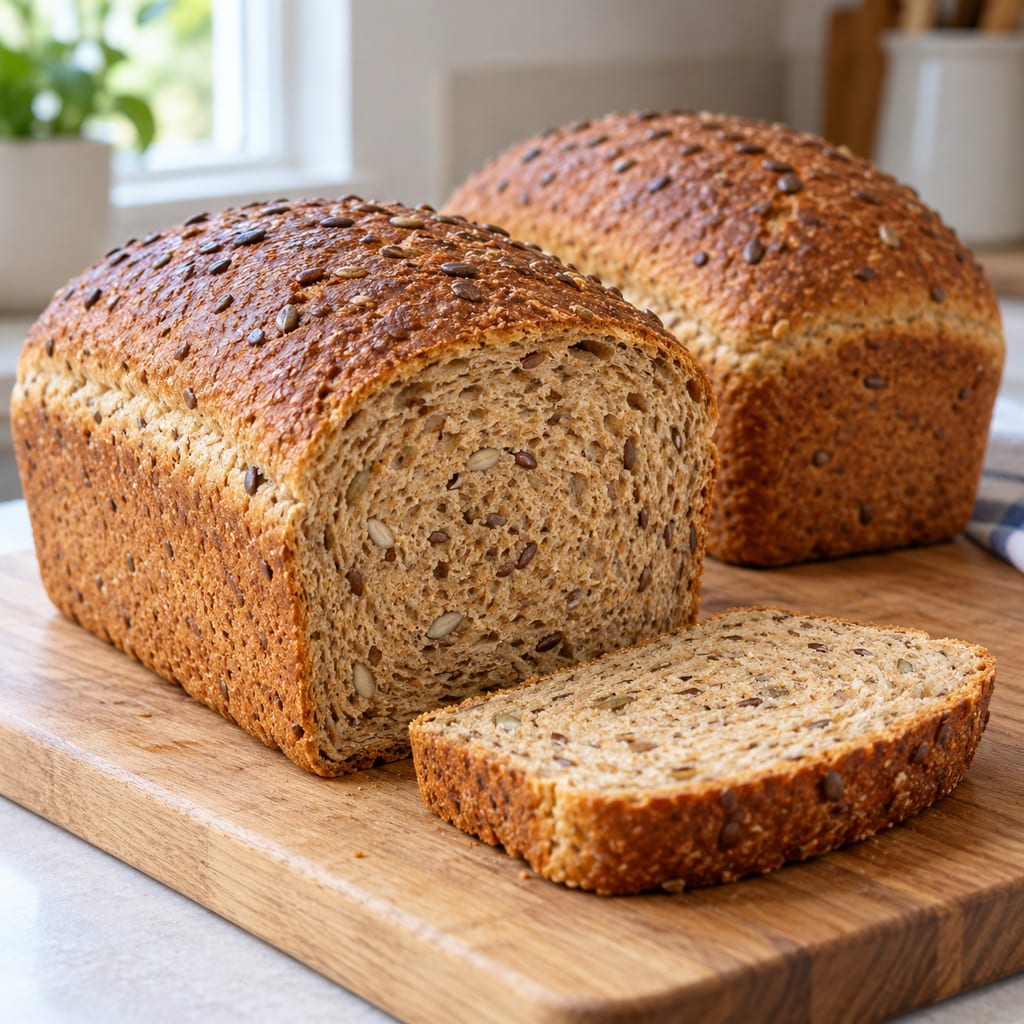
Two soft, savoury-sweet wheat loaves with malted flour, mixed seeds, butter and honey.
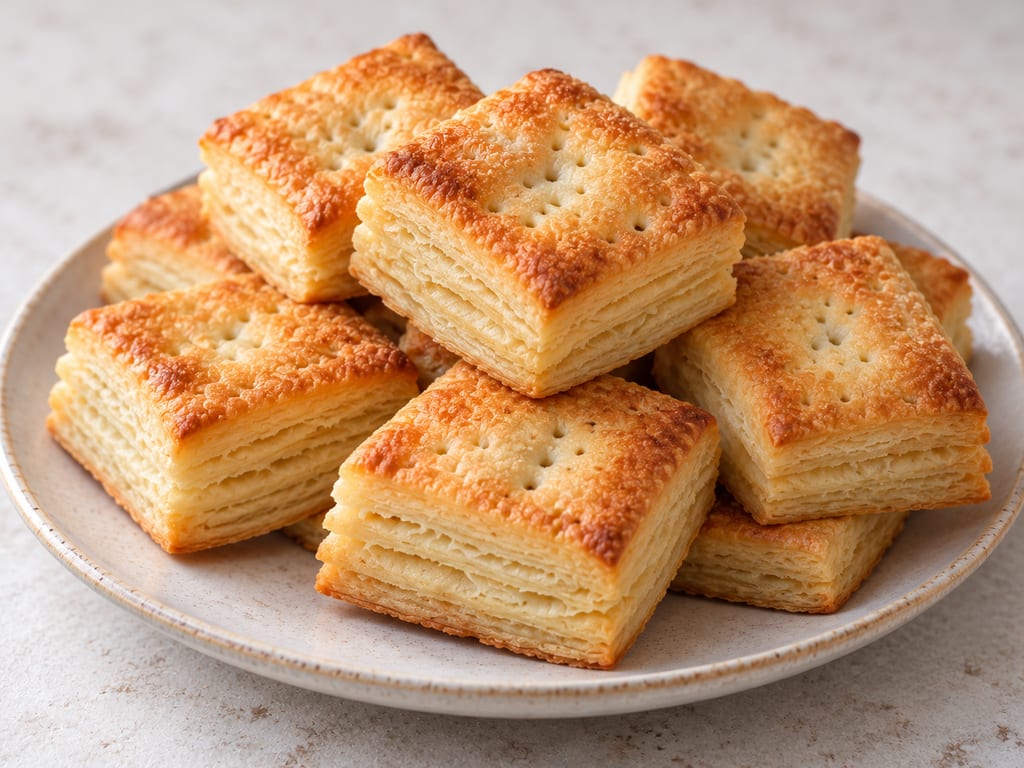
Libritos de grasa are small Argentine laminated yeast rolls made with wheat flour and beef fat, folded into book-like pieces and served with mate.
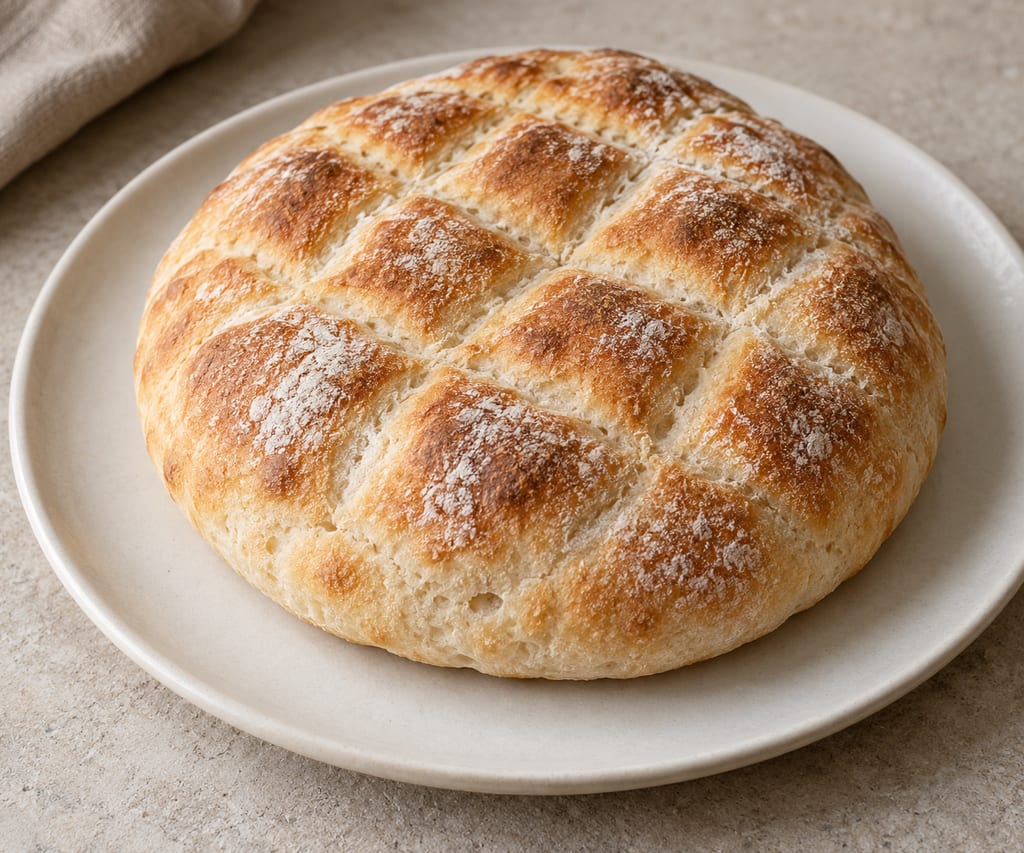
Six soft yeast-raised flatbreads using Jernej Kitchen’s home method.
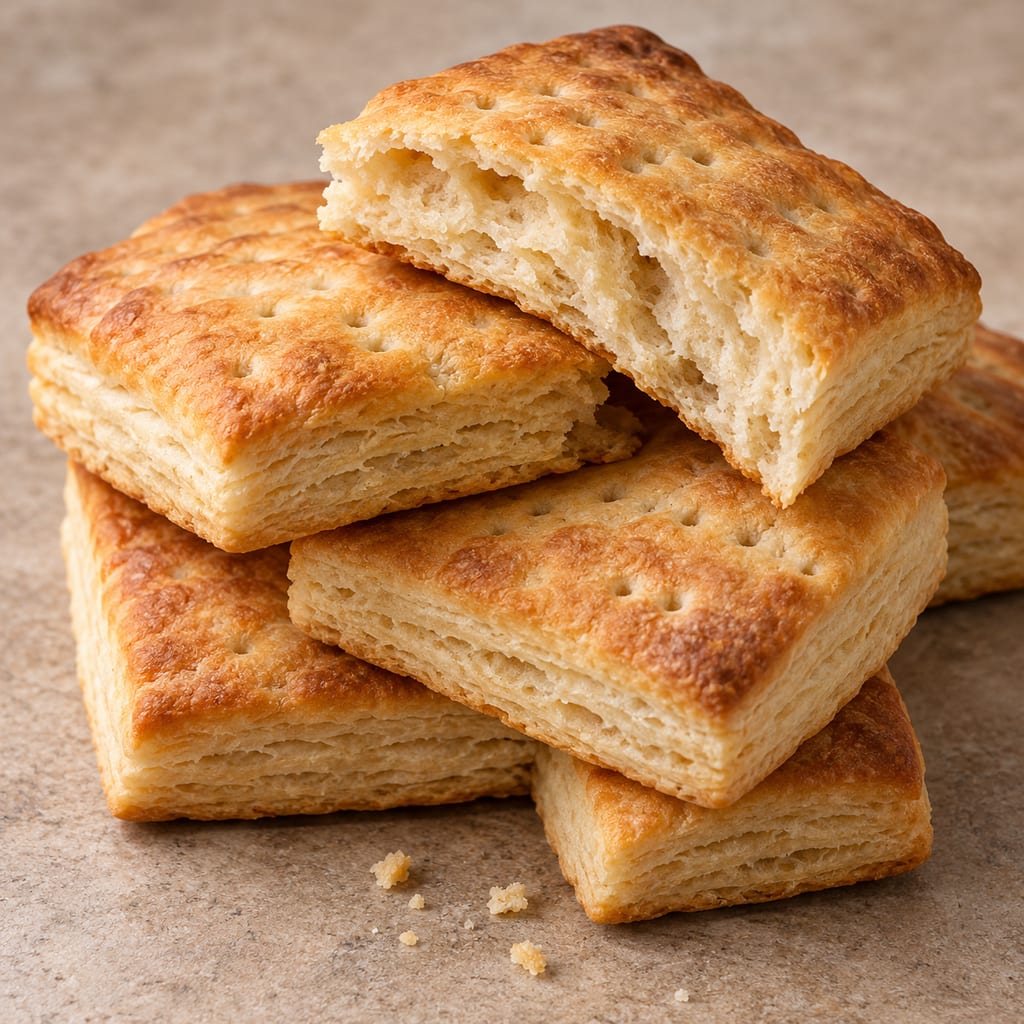
A Uruguayan wheat dough is laminated with fat, cut into squares, proofed until doubled, and baked at 180°C for a crisp outside and layered crumb.
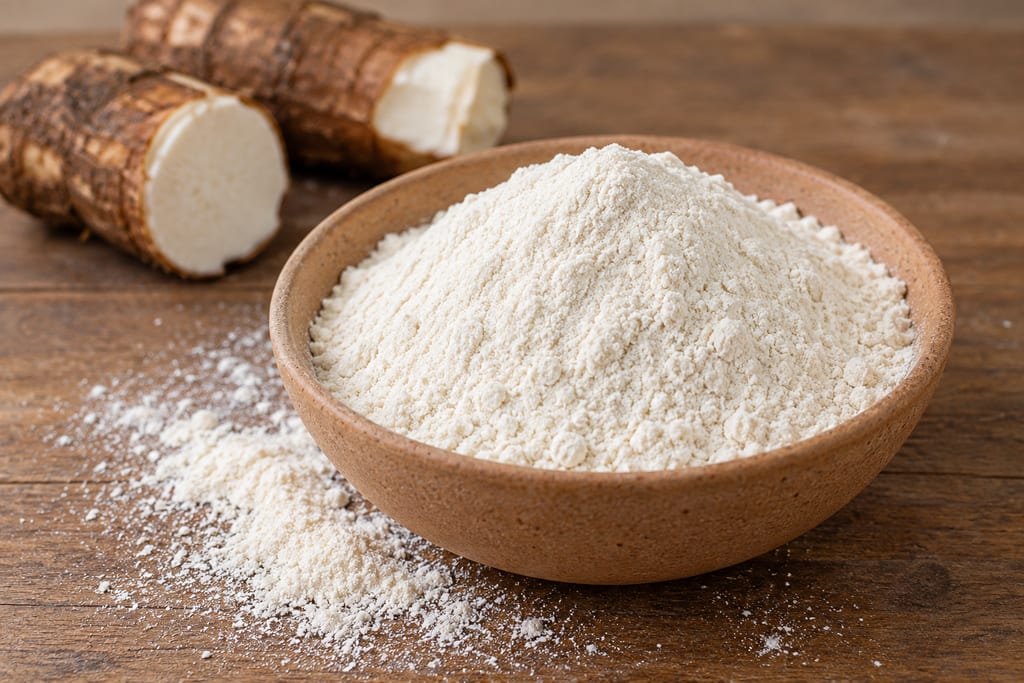
Lafun is a Nigerian fermented cassava flour described in historical accounts. This record documents reported processing stages, not a validated household method or a batch-specific cyanogen and moisture safety endpoint.
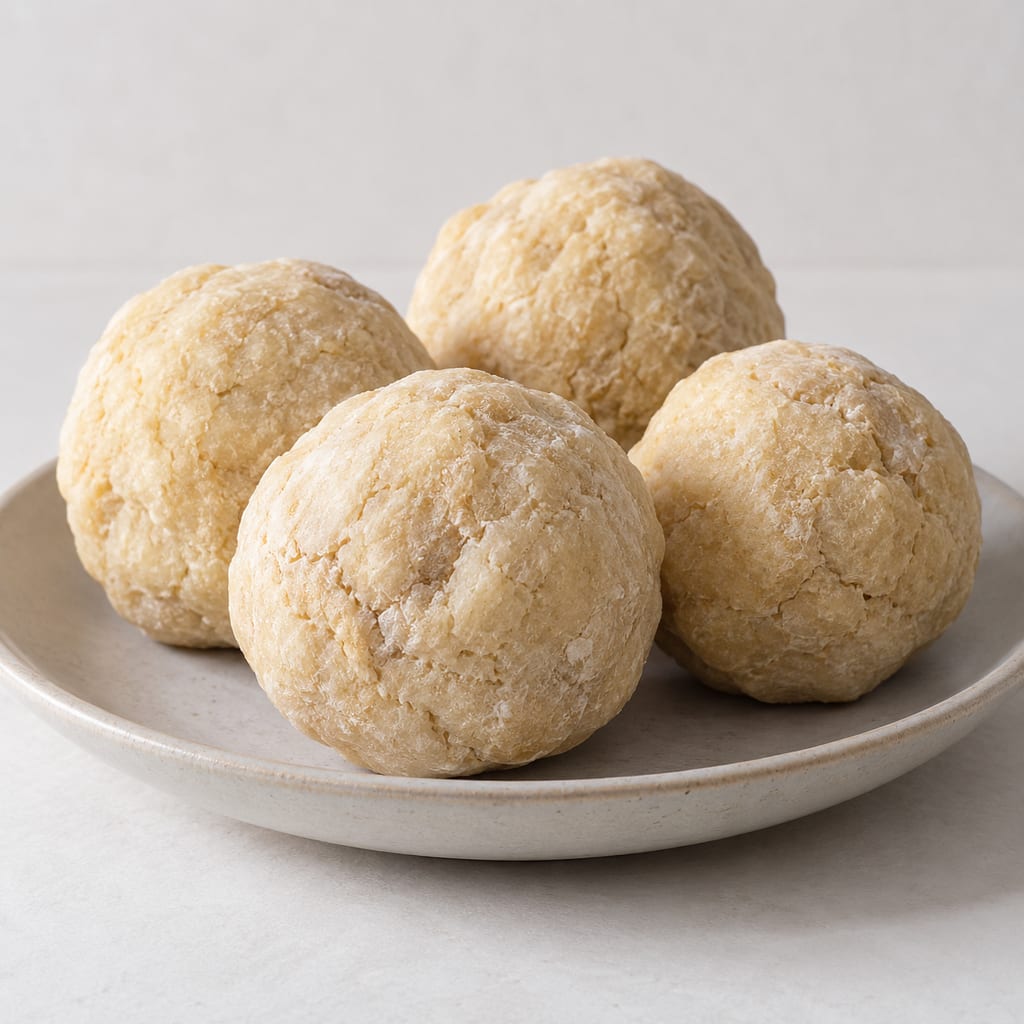
Kumkum is a Cameroonian fermented-cassava preparation described as balls dried over a fireplace and stored or milled into flour. Sources also describe a sun-dried market form; they give no Kumkum-specific safety endpoint.
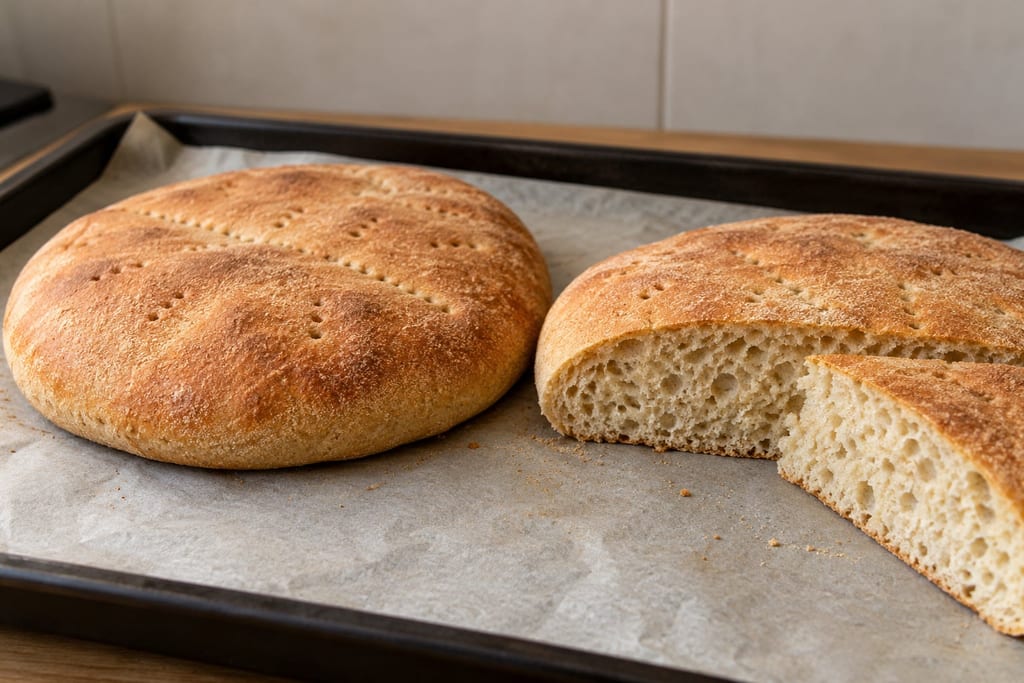
A Moroccan round wheat bread with a firm crust and coarse interior; this home formula makes two 8-inch loaves for serving with meals.

Soft Swedish wheat buns filled with butter, sugar and cinnamon. This 20-bun home batch uses fresh yeast, two short proofs and pearl sugar.
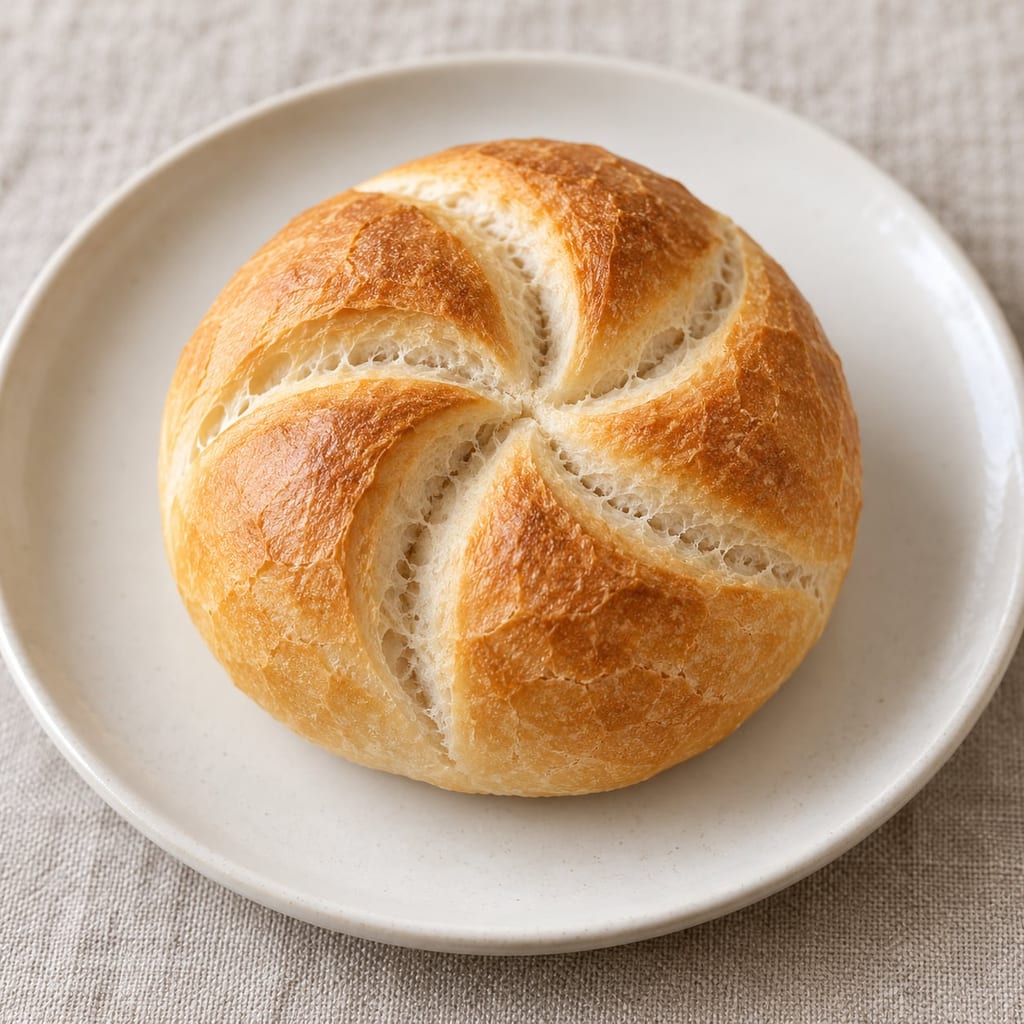
The Kaisersemmel is an Austrian wheat roll with a five-part star, associated with Vienna and the Viennese breakfast. The formula below is a technical bakery batch of 30 rolls from the Austrian ministry.
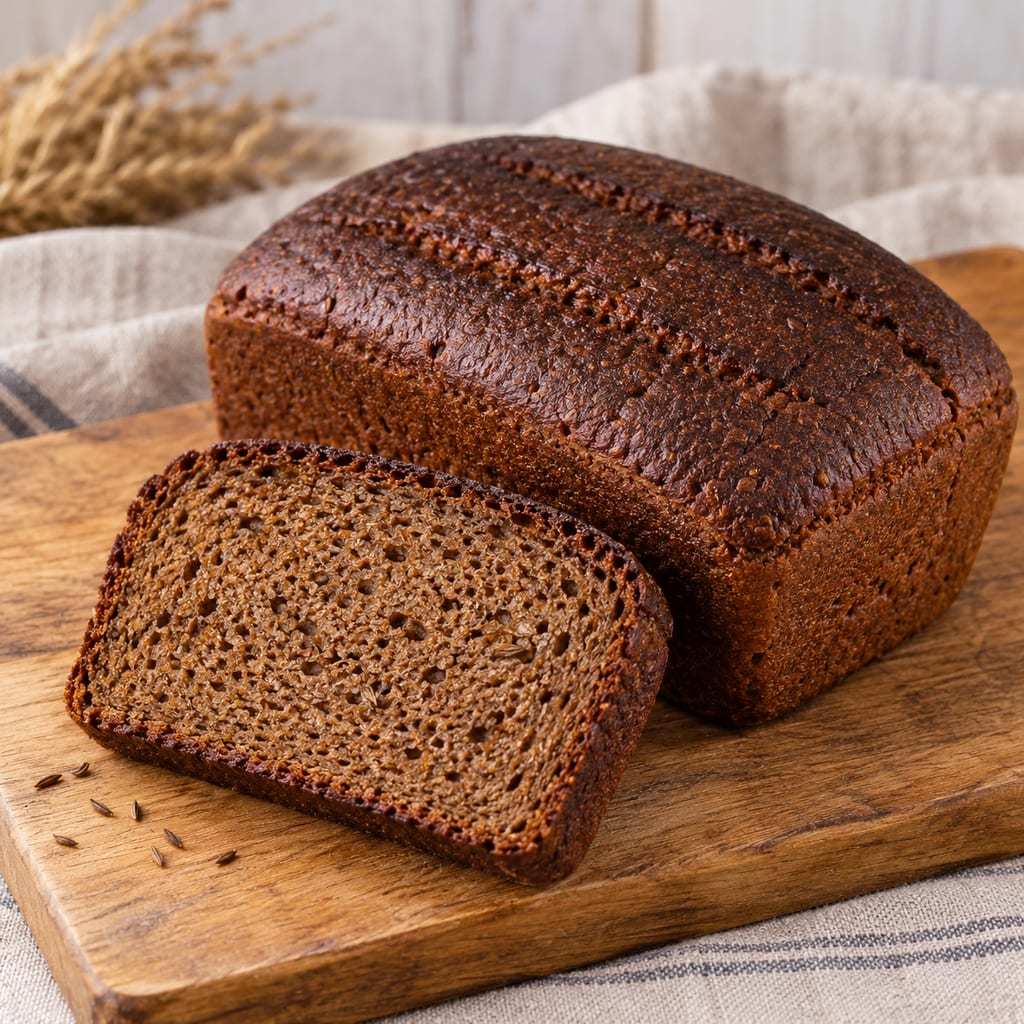
A Lithuanian dark rye loaf made with an overnight rye preferment, caraway, honey and sugar, then proofed in a loaf pan and baked in two stages.
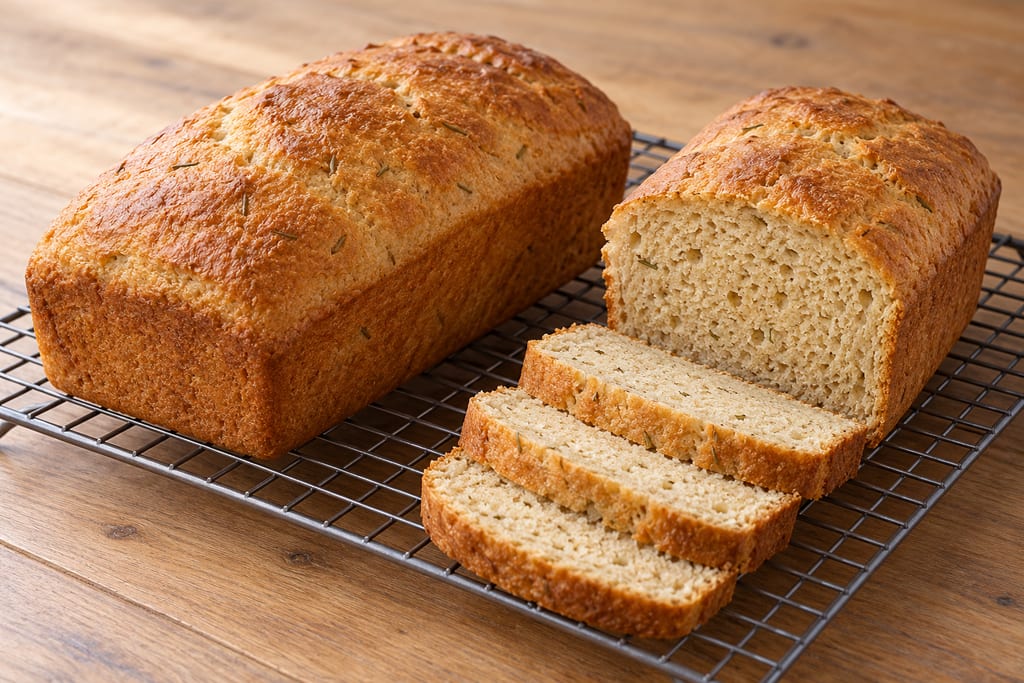
Ethiopian breakfast honey bread: two rosemary-scented yeast loaves shaped in pans and baked at 400°F.
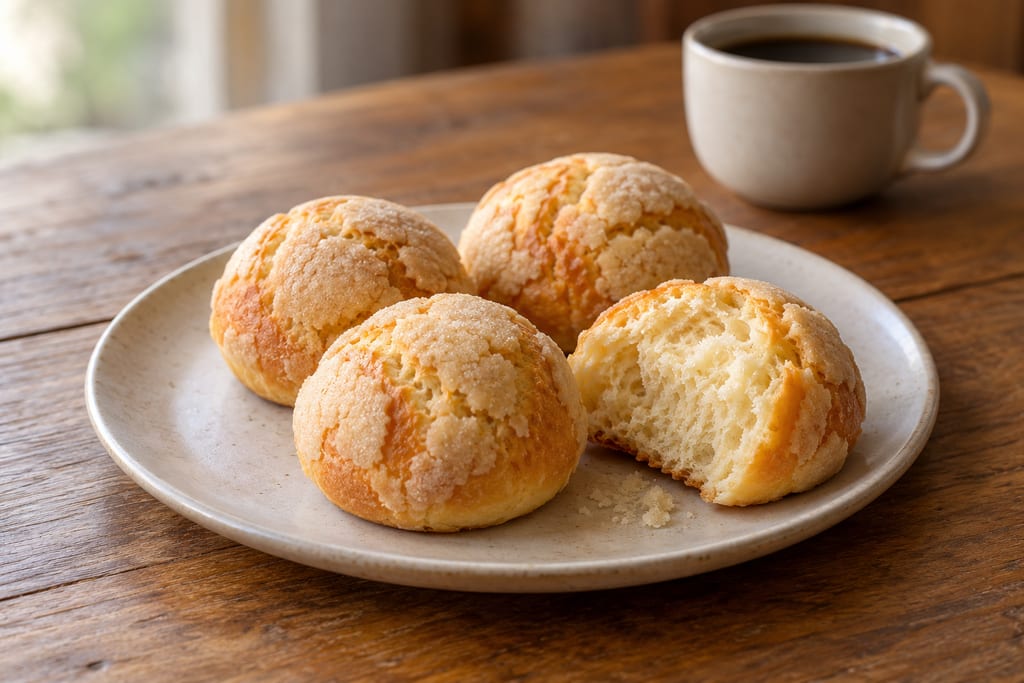
Honduran sweet yeast breads made from an egg-enriched dough, covered in a separate sugar-and-butter paste and baked in golf-ball-sized portions.
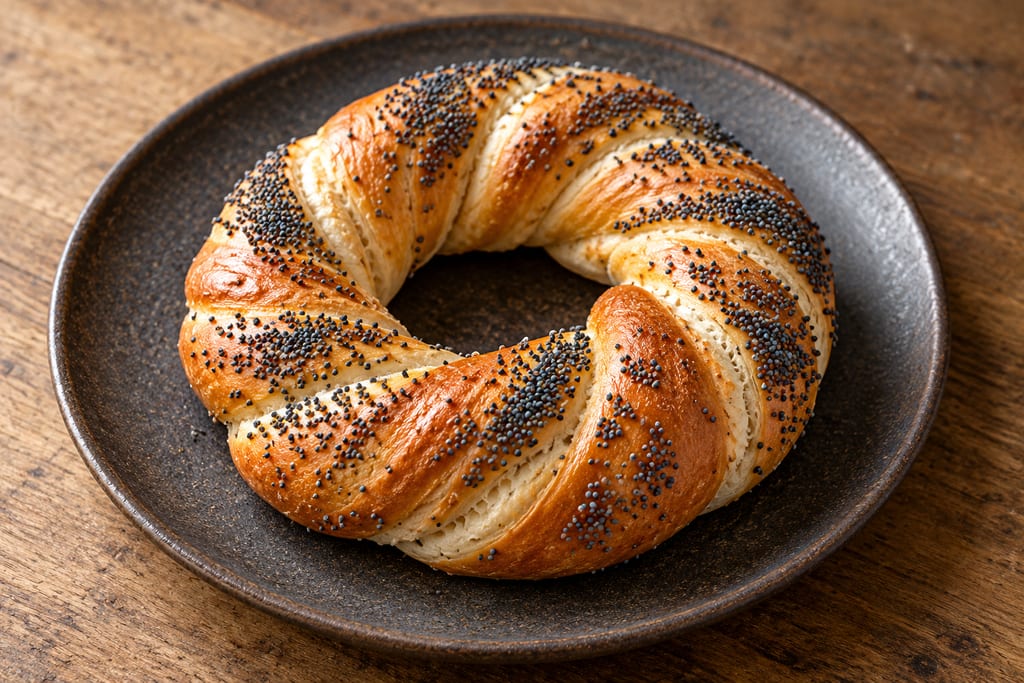
A home version of the Kraków twisted ring: yeast dough is braided, briefly dipped in boiling water, topped with seeds or salt, then baked. It is not represented as a certified PGI product.
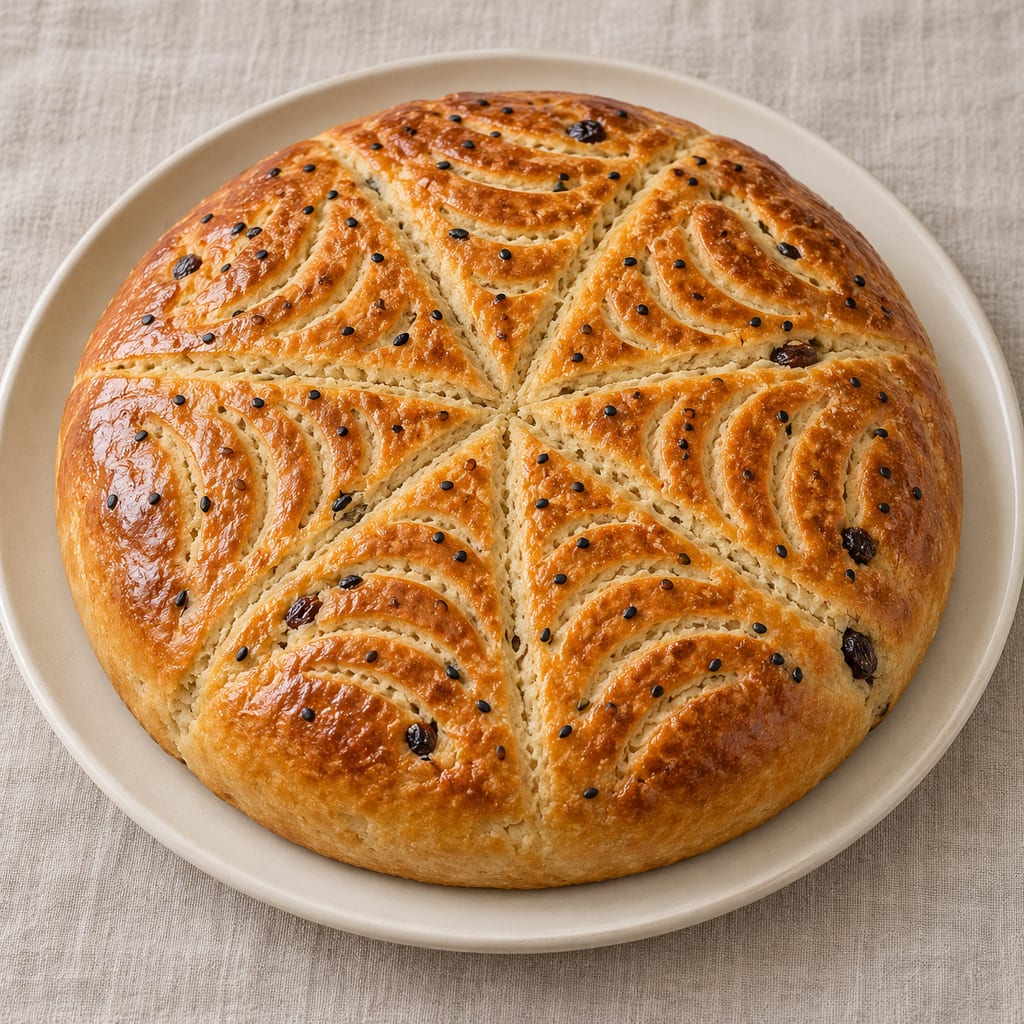
A round, mildly sweet wheat bread leavened with baker’s yeast and marked with a wheel pattern. This source batch uses raisins, black sesame and cardamom.
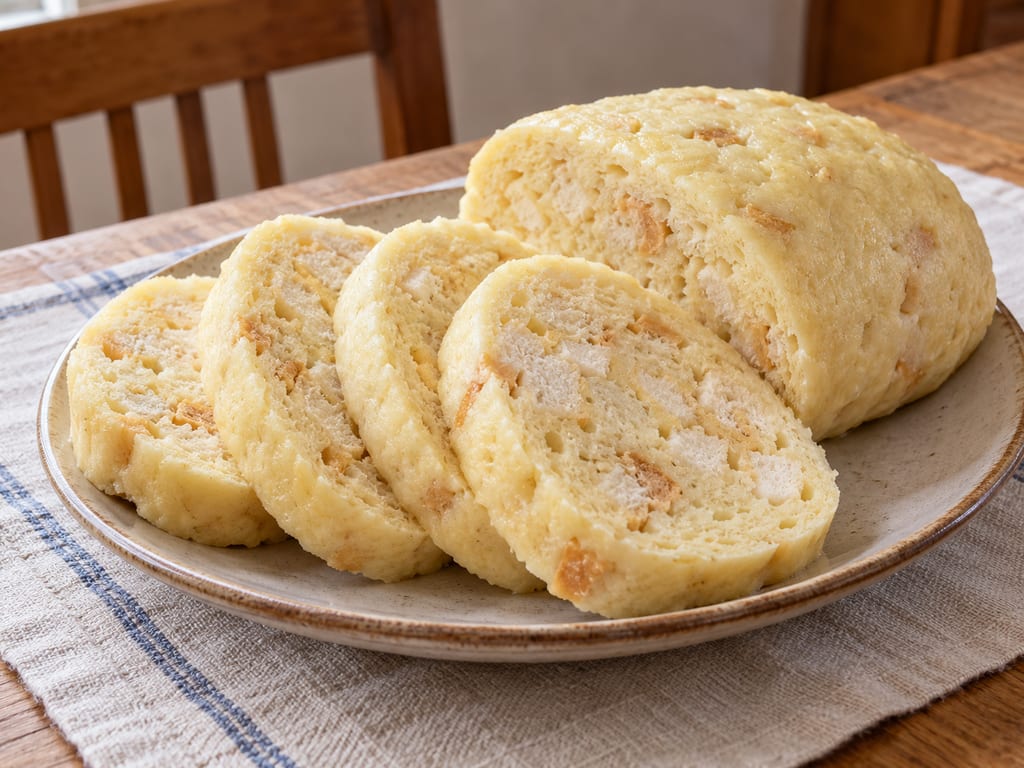
Czech houskové knedlíky are yeast-raised flour dumplings studded with stale white roll cubes, shaped as logs and steamed until tender for serving with sauce.
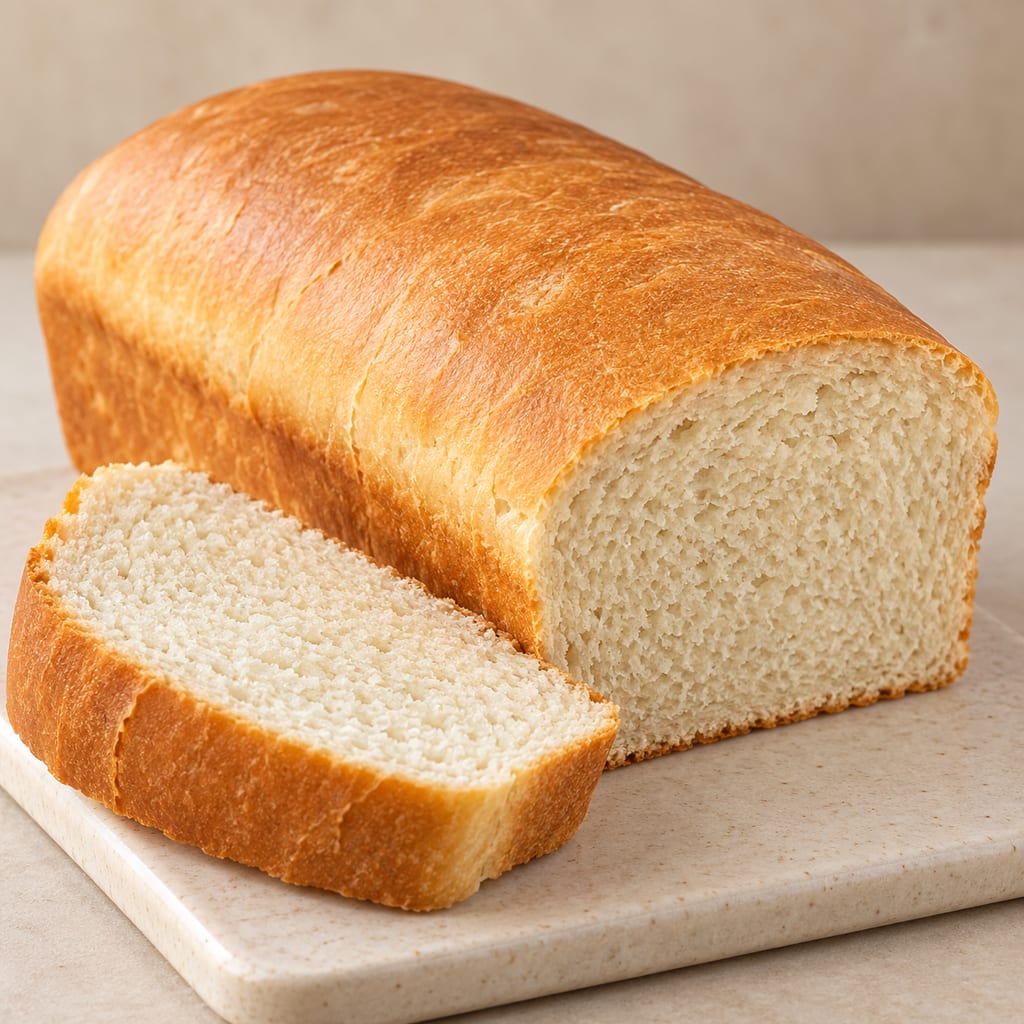
Jamaican hard dough bread is a firm, close-crumbed yeasted wheat loaf with a thicker crust and a soft, chewy interior. Roll the dough tightly and bake it in a loaf tin.
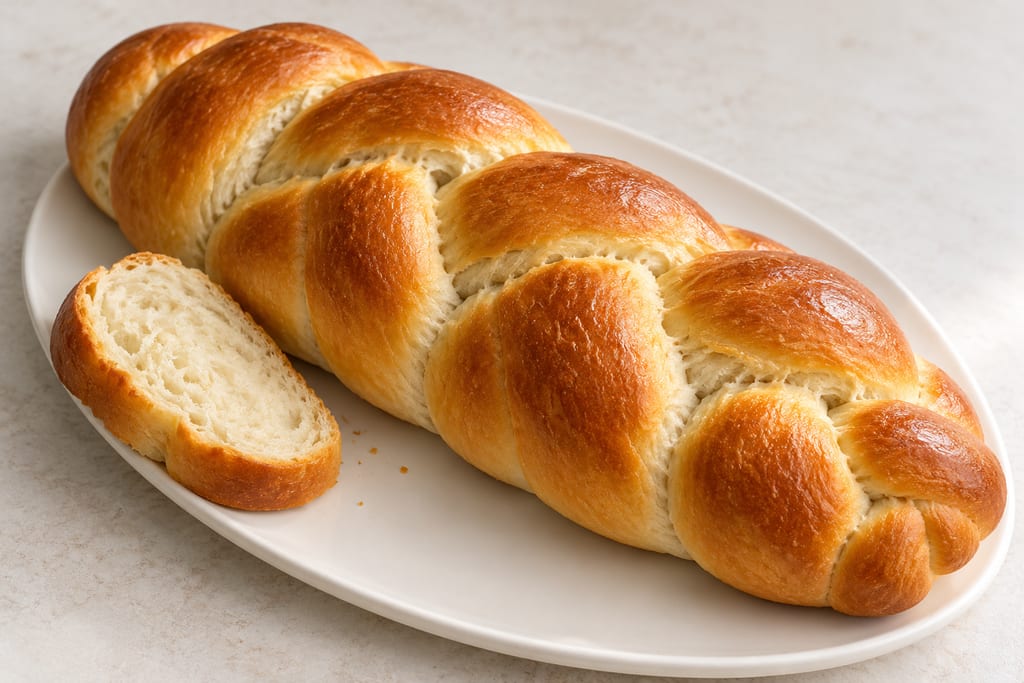
A soft, butter-enriched, eggless Guyanese loaf, shaped into a three-strand plait and baked for Christmas breakfast or everyday meals.
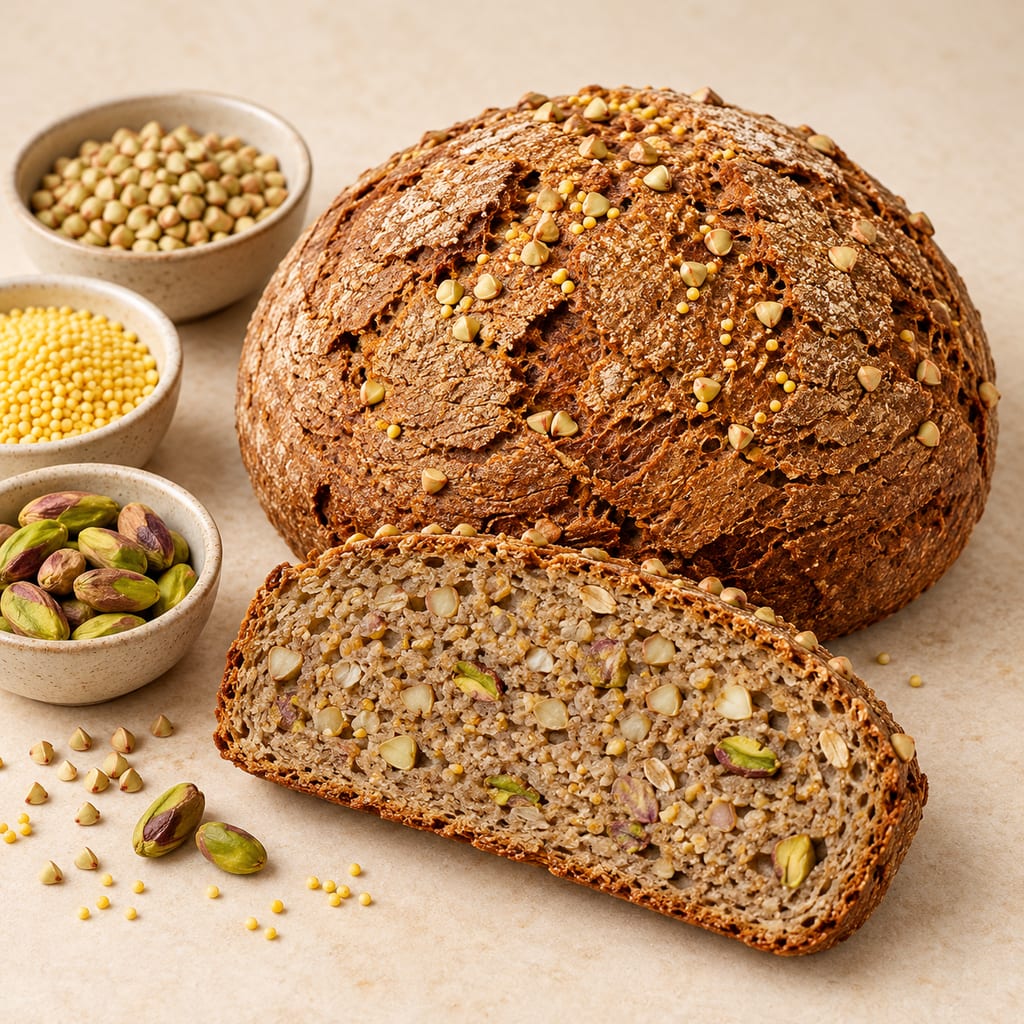
A gluten-free sourdough loaf of about 1 kg. A buckwheat and quinoa starter leavens a dough with cooked whole buckwheat groats, millet and a dark gluten-free bread mix, baked in a lidded pot.
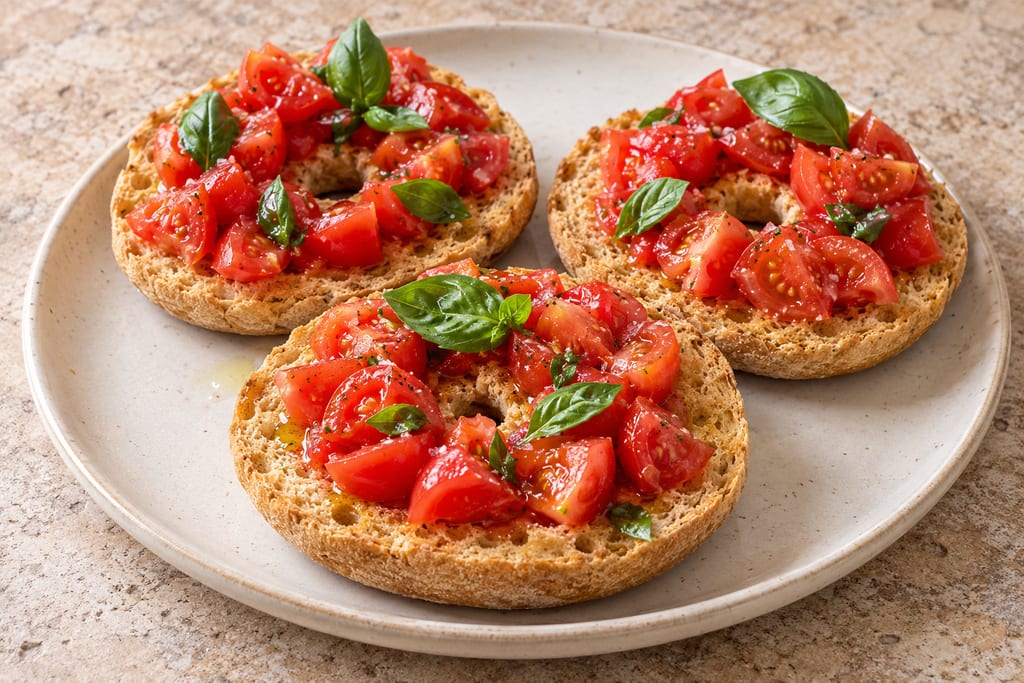
Puglian wheat-and-semolina bread rings are baked, split, then dried in a second bake; briefly moisten and top them before serving.
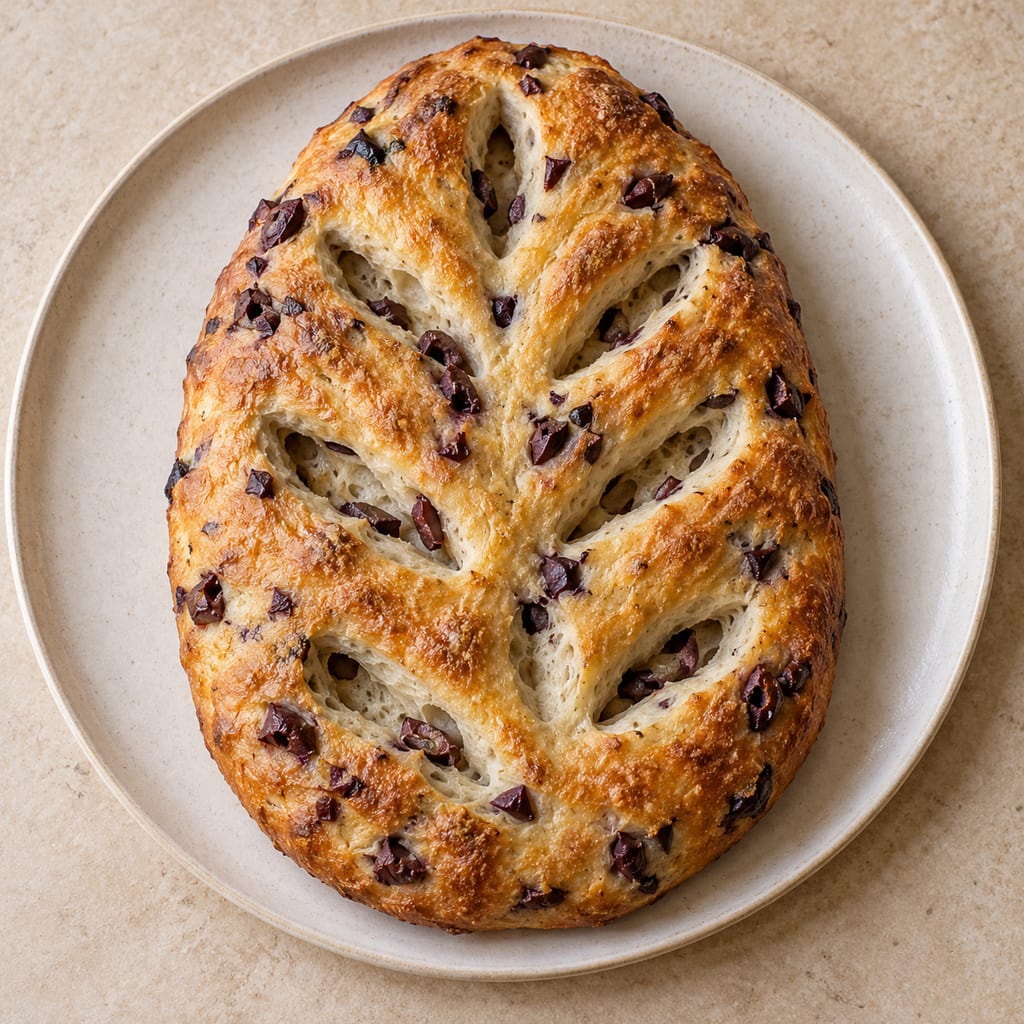
A Provençal olive bread shaped as a flattened oval with seven open slits. This Le Cordon Bleu formula uses wheat flour, fresh yeast, olive oil and Kalamata olives.
Eba is a West African dish of cooked gari, stirred into hot water until it forms a thick paste. It is a cooking stage with no new fermentation, served with soup.
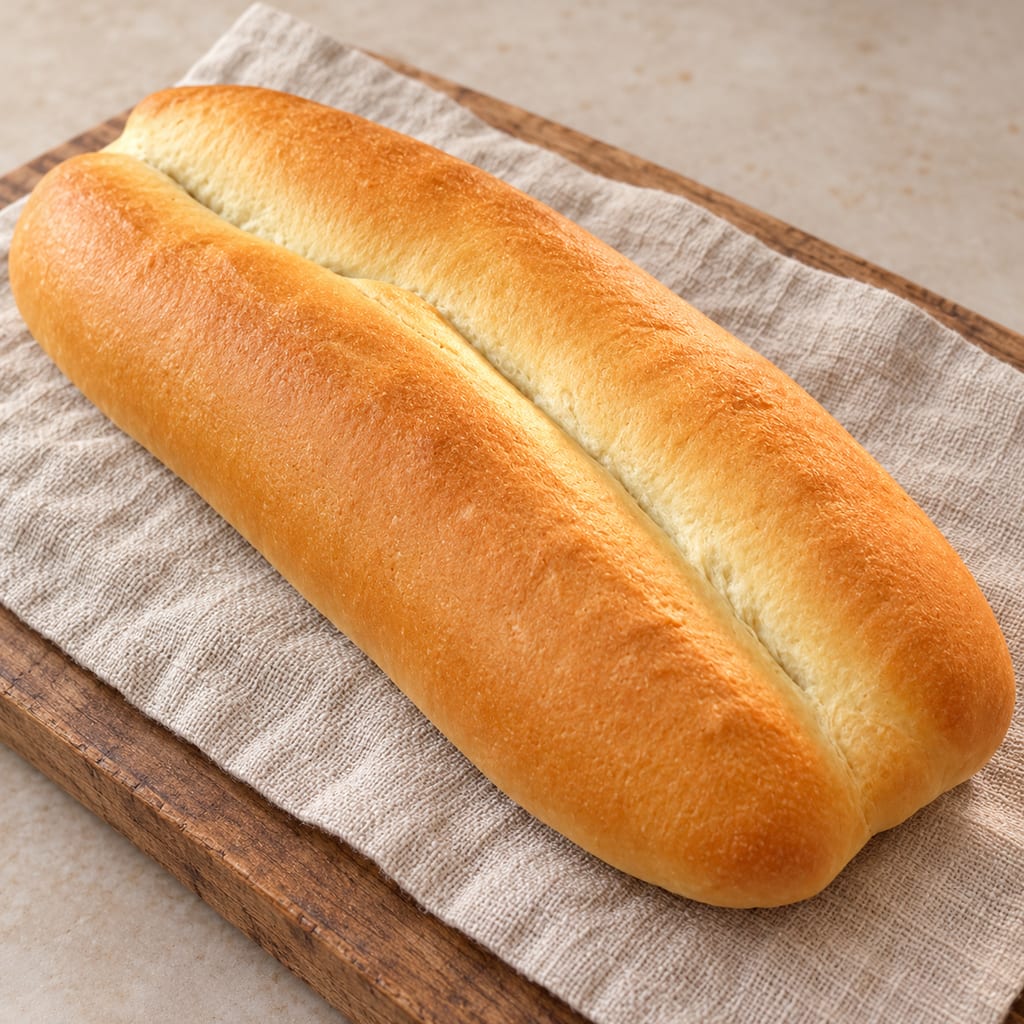
A soft Dominican Christmas loaf enriched with egg and butter, scented with optional anise, and shaped with two rolled ridges around a central seam.

Small Argentine laminated bread bites made with wheat dough, yeast and beef fat or pork lard; this version follows a 40-piece home recipe.
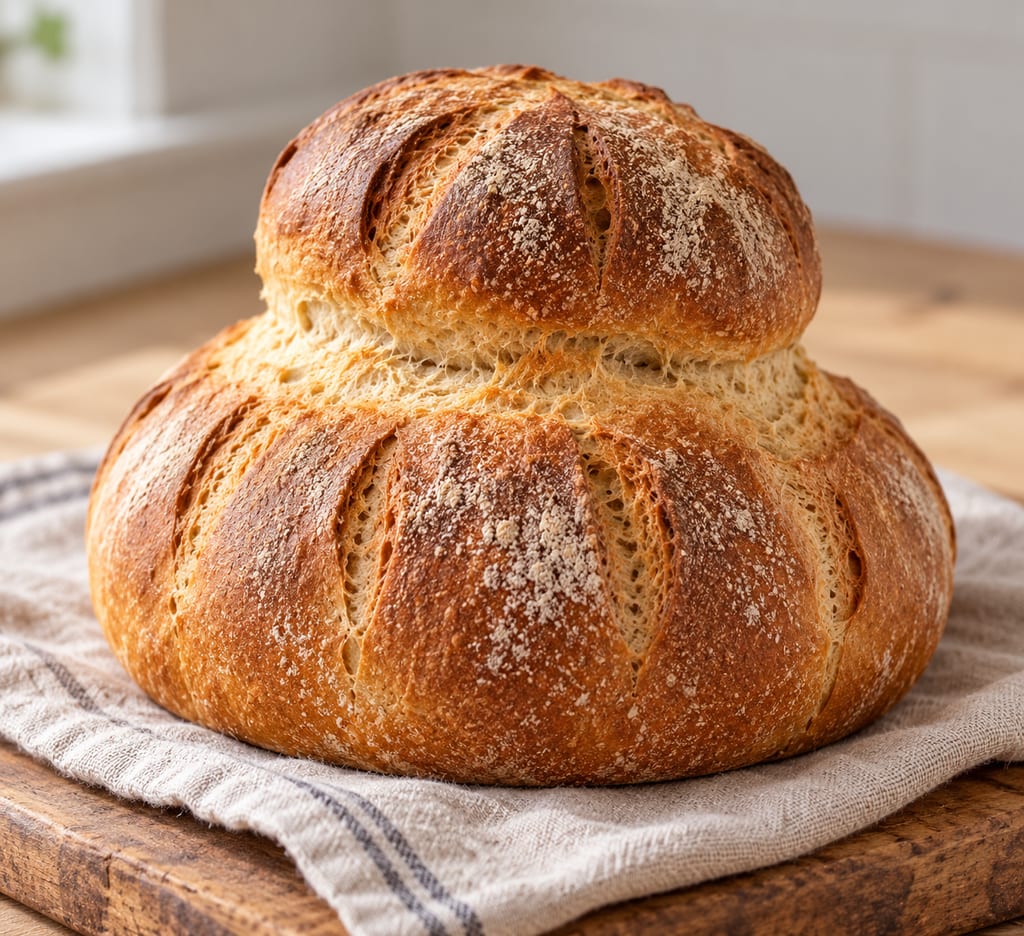
A large English cottage loaf with a smaller round joined atop a larger one. This slow-rise version uses white wheat flour with small portions of wholemeal wheat and rye, and bakes on a hot stone or tray.
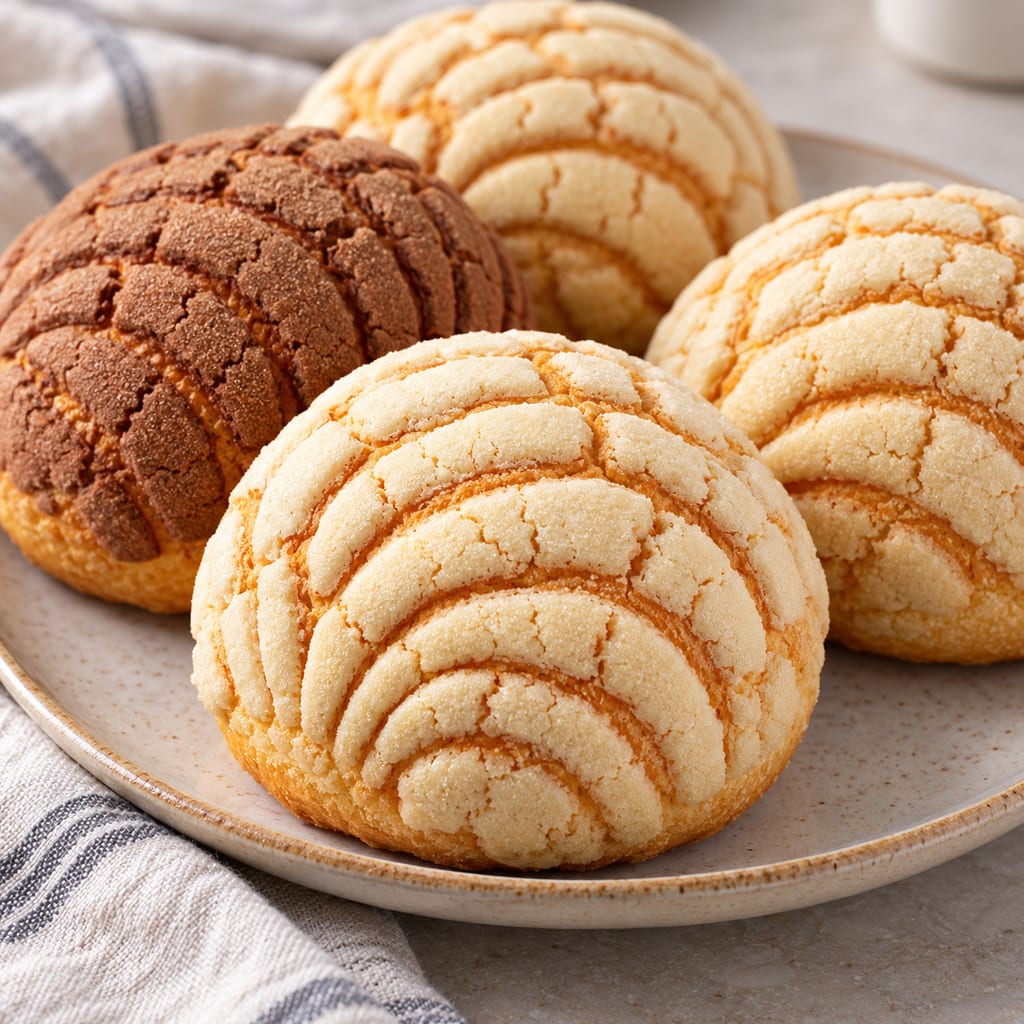
Mexican sweet rolls with a soft enriched yeast dough and a separate scored sugar-flour topping shaped like a shell. This version makes 15 rolls and uses a chilled dough rest before final proofing.
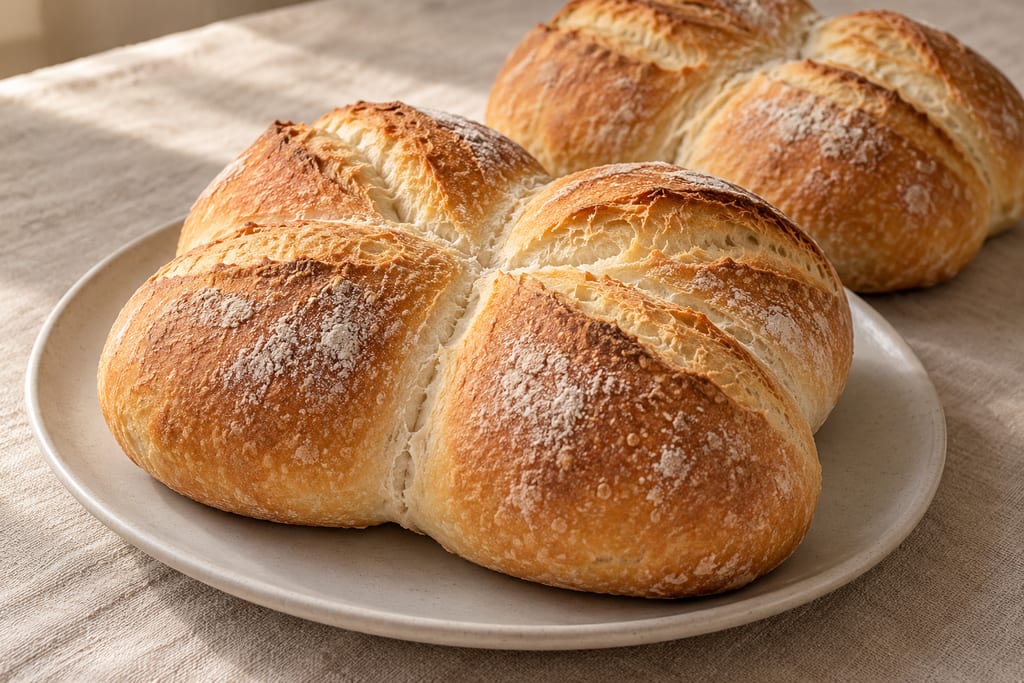
A lean Chilean wheat loaf shaped as two joined lobes, chilled overnight, then baked with steam for a crisp, deeply browned crust.
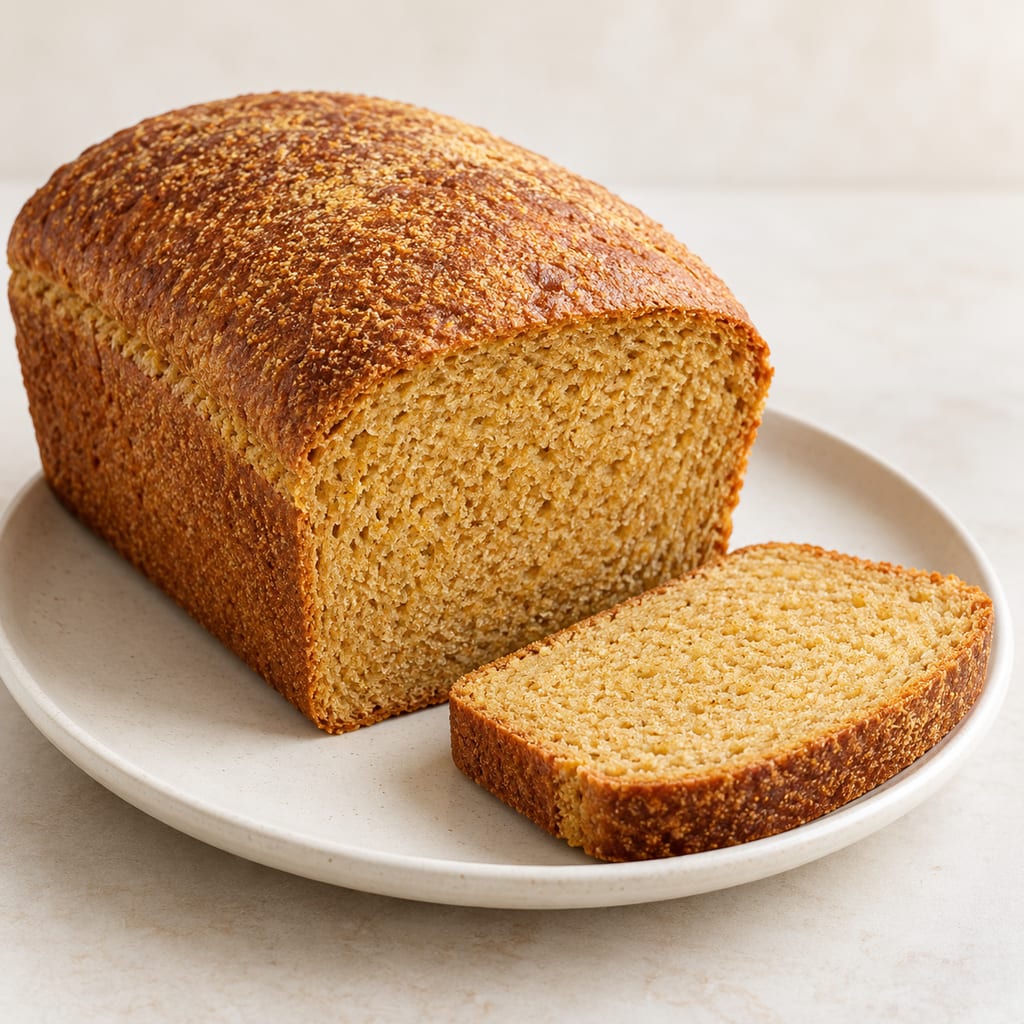
Anadama is a New England yeast loaf made with wheat flour, cornmeal and molasses. Scalded cornmeal enriches the dough, while molasses lends sweetness and a dark crust; it is especially good toasted or beside soup and baked beans.
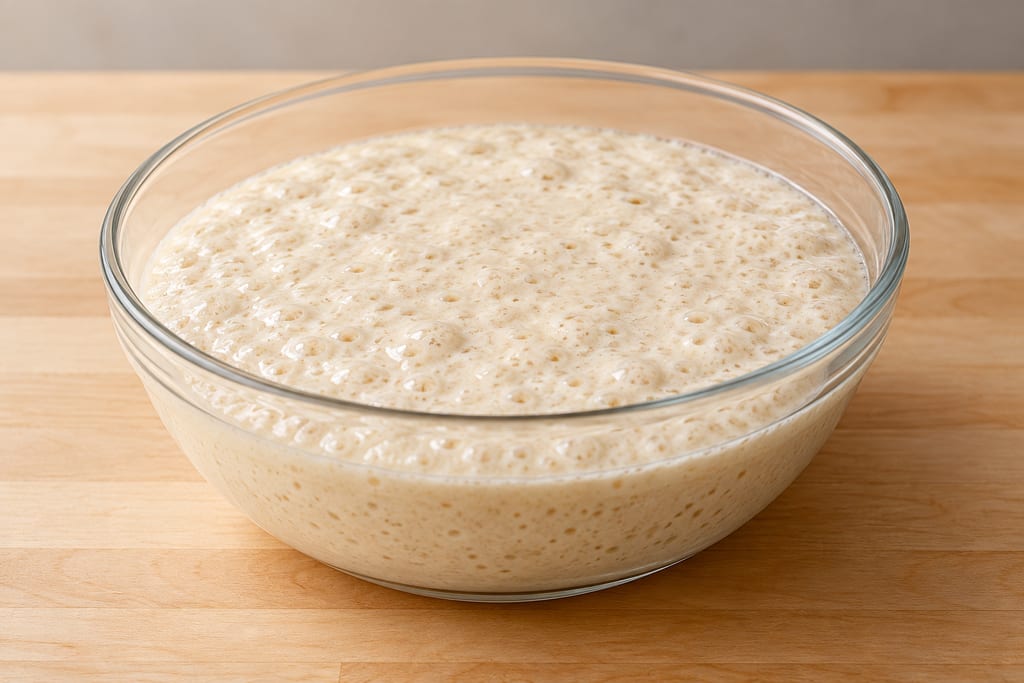
Poolish is a loose, unsalted bread preferment of roughly equal weights of wheat flour and water with a pinch of baker's yeast, left to ripen before it goes into the final dough.
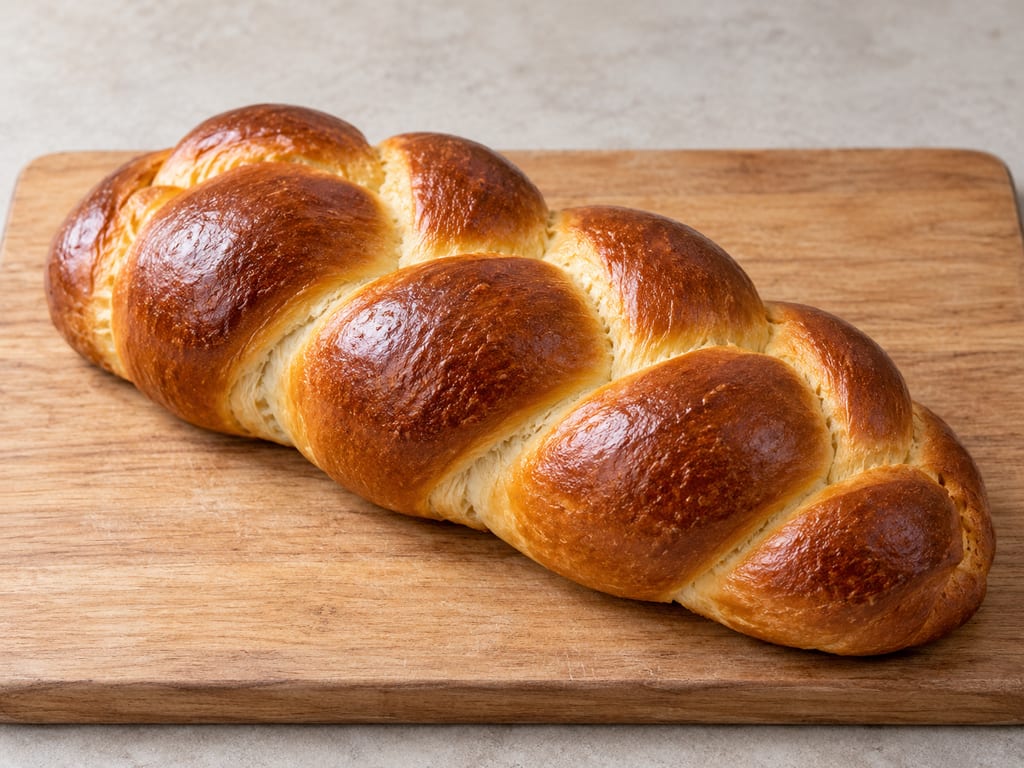
A three-strand yeast-raised challah with flour, salt, yeast, water, neutral oil, honey and egg, based on a Jewish Museum Vienna home recipe.
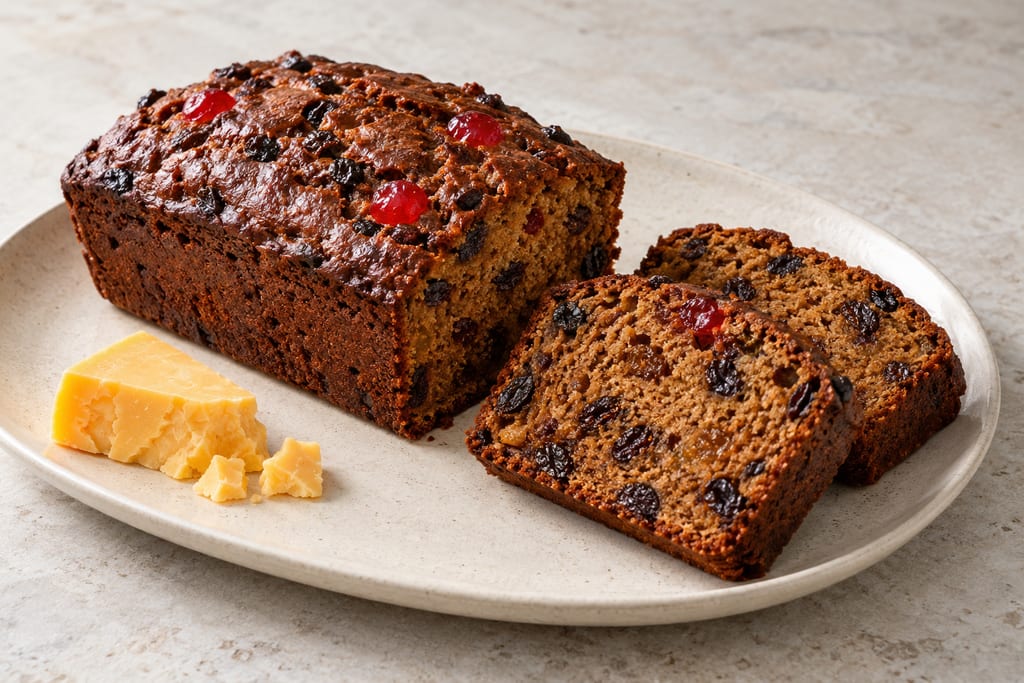
A Jamaican Easter loaf made from a dark, sweet batter of stout, dried fruit and warm spices. This version uses baking powder and a loaf pan; yeast-raised variations are separate preparations.

A German-style Brezel is a yeast-raised wheat dough shaped into a loop and dipped in an alkaline bath before baking. This home version uses baking soda; the original formula uses food-grade lye.
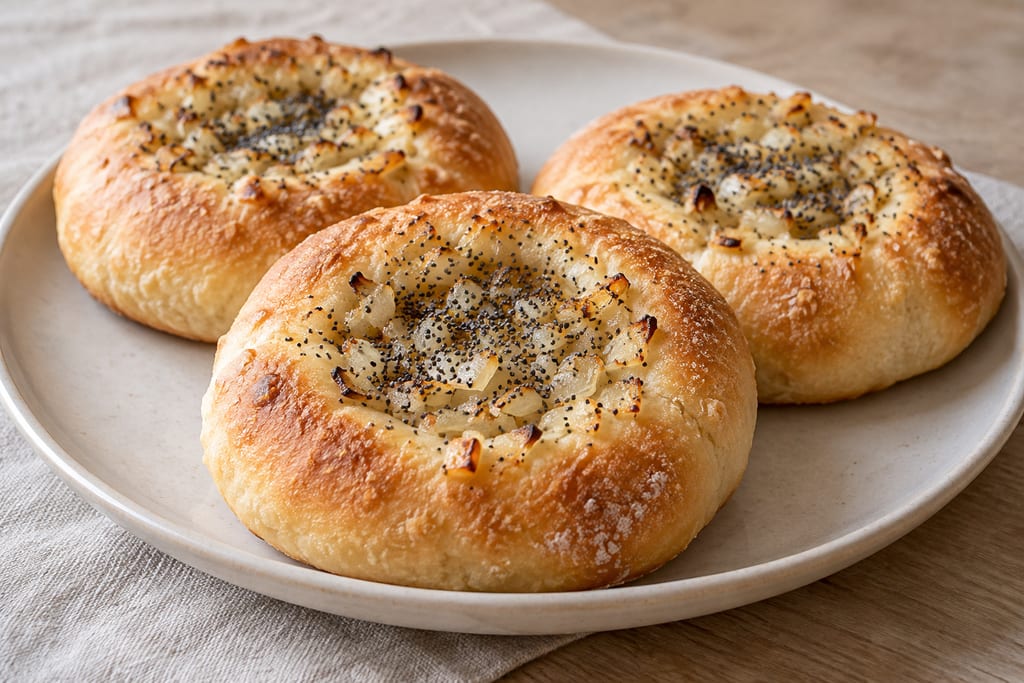
Bialys are soft, yeasted wheat rolls baked without boiling, each shaped with an onion-filled central depression instead of a hole.