












































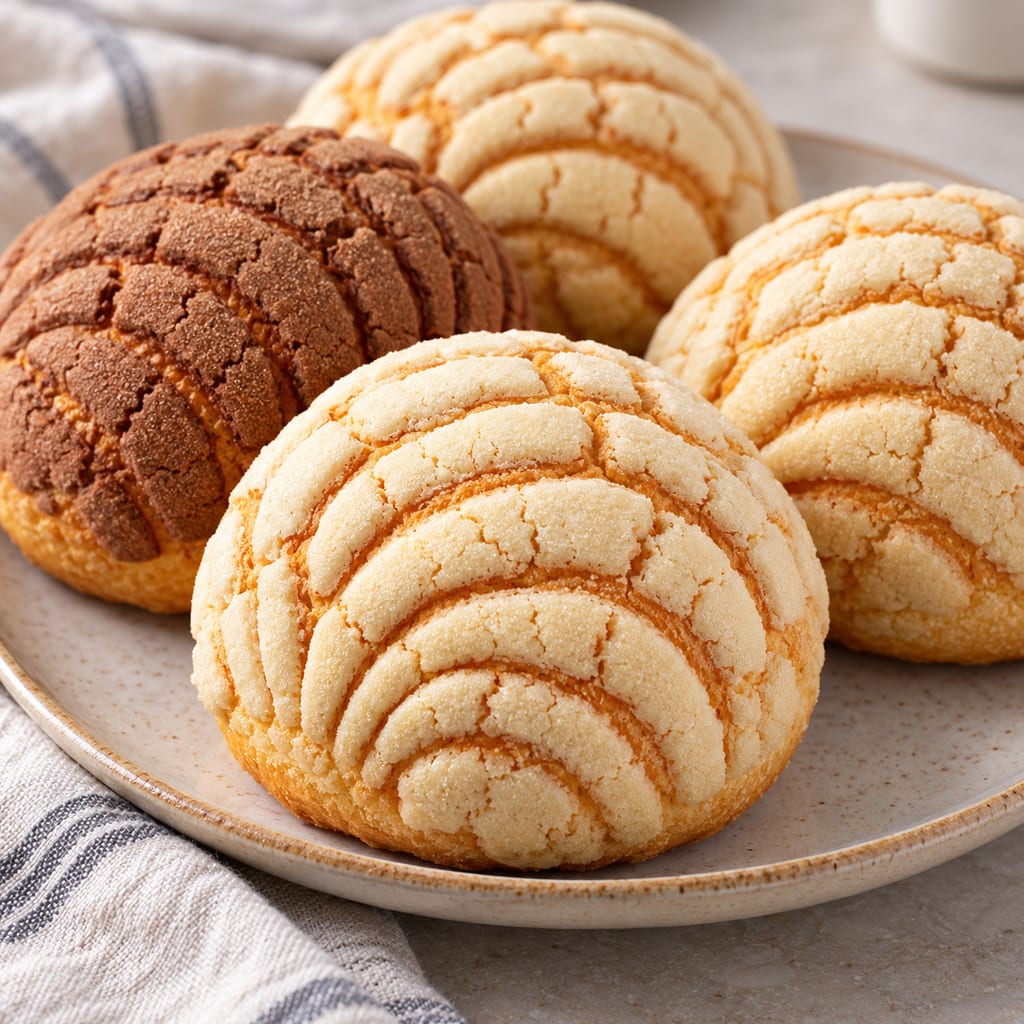
Conchas
Mexican sweet rolls with a soft enriched yeast dough and a separate scored sugar-flour topping shaped like a shell. This version makes 15 rolls and uses a chilled dough rest before final proofing.
 FermenteaWhere food goes to change
1504 records with their sources, across 11 categories.
 Fermented, enzyme-ripened and mixed seasonings328
 Fruit preserves10
 Legume, seed and plant-protein ferments10
 Garum and fish sauces8
 Adjacent and excluded7
 Koji, mold starters and mold-ripened ferments4
 Acid and oil pickles3
 Fermented fruit and fruit-derived foods3
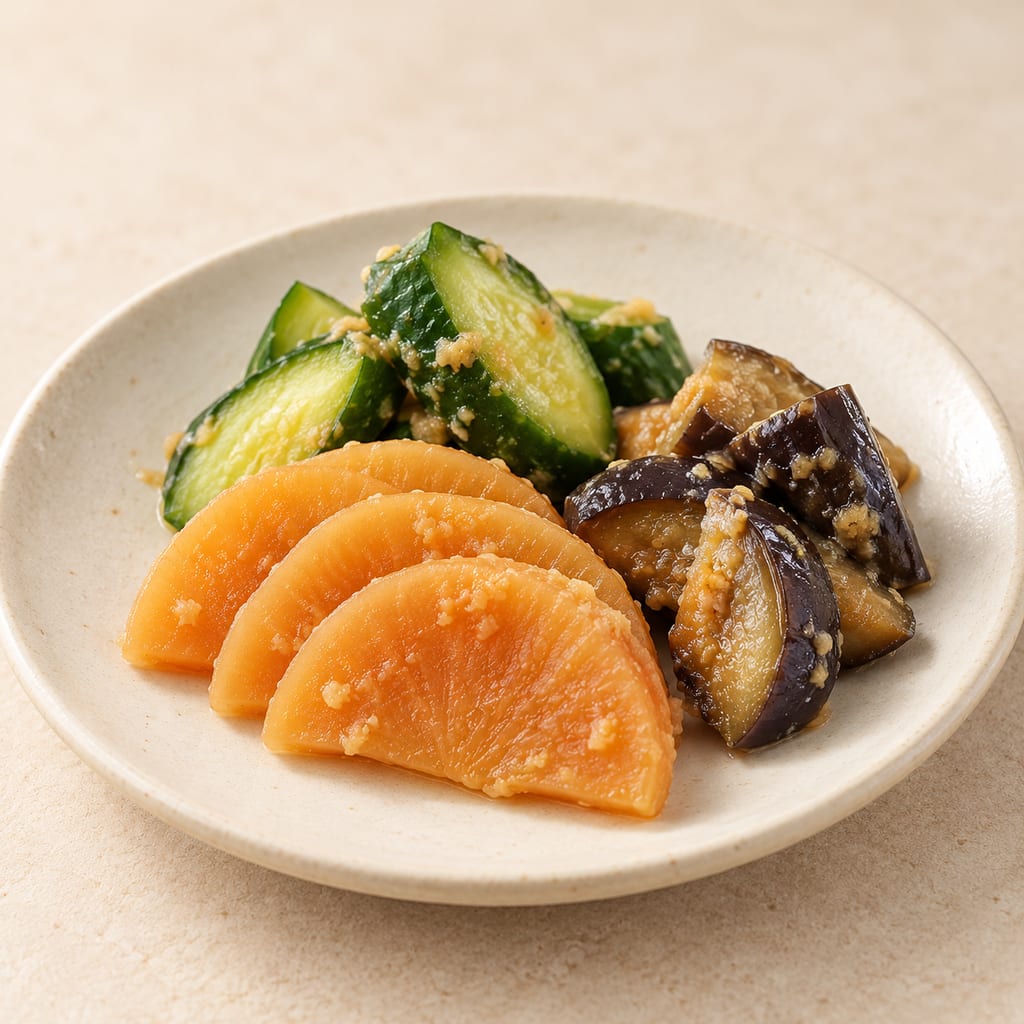 Vegetable lactic3
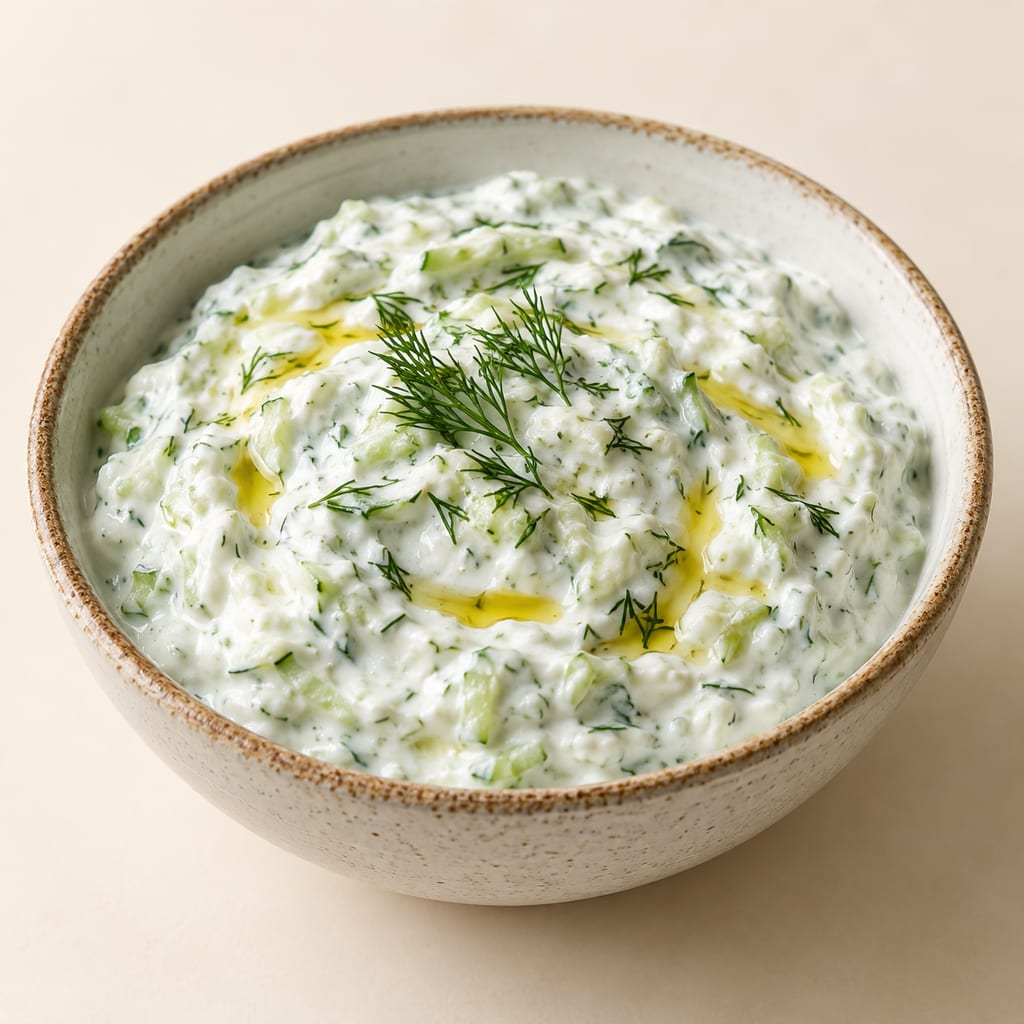 Dairy ferments2
 Smoked salted and dried foods2
 Cheese1
 Not yet classified1
Mexican sweet rolls with a soft enriched yeast dough and a separate scored sugar-flour topping shaped like a shell. This version makes 15 rolls and uses a chilled dough rest before final proofing.
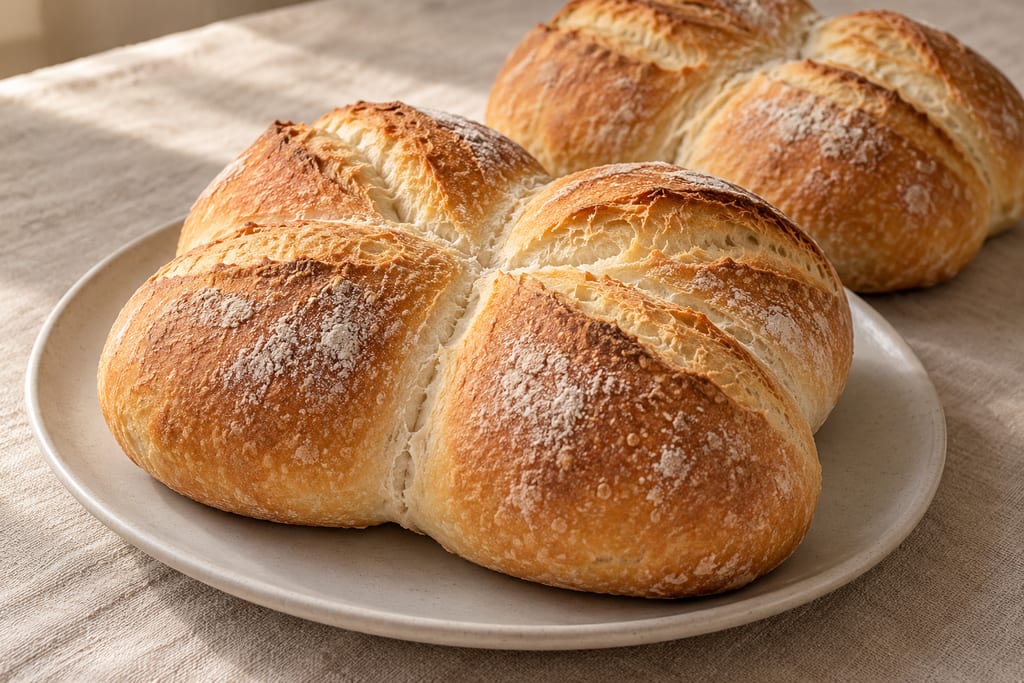
A lean Chilean wheat loaf shaped as two joined lobes, chilled overnight, then baked with steam for a crisp, deeply browned crust.
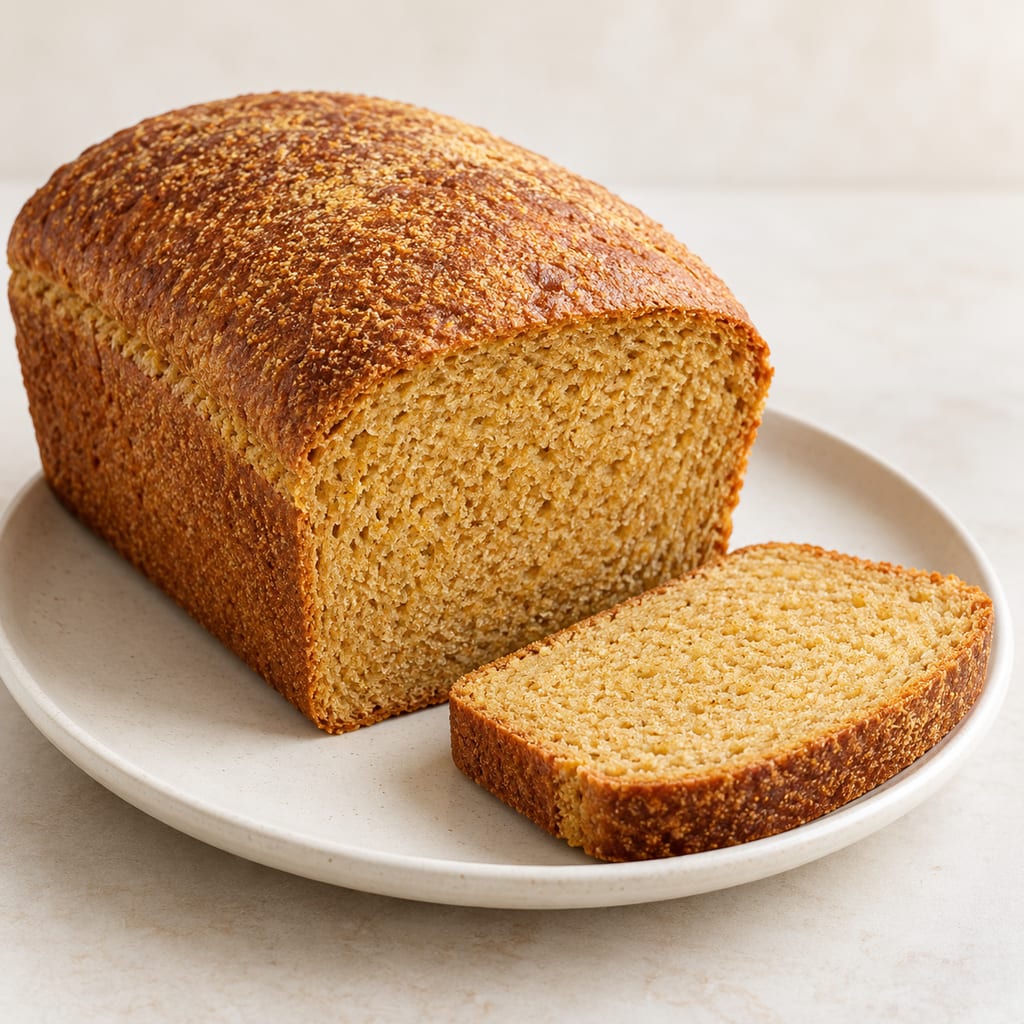
Anadama is a New England yeast loaf made with wheat flour, cornmeal and molasses. Scalded cornmeal enriches the dough, while molasses lends sweetness and a dark crust; it is especially good toasted or beside soup and baked beans.
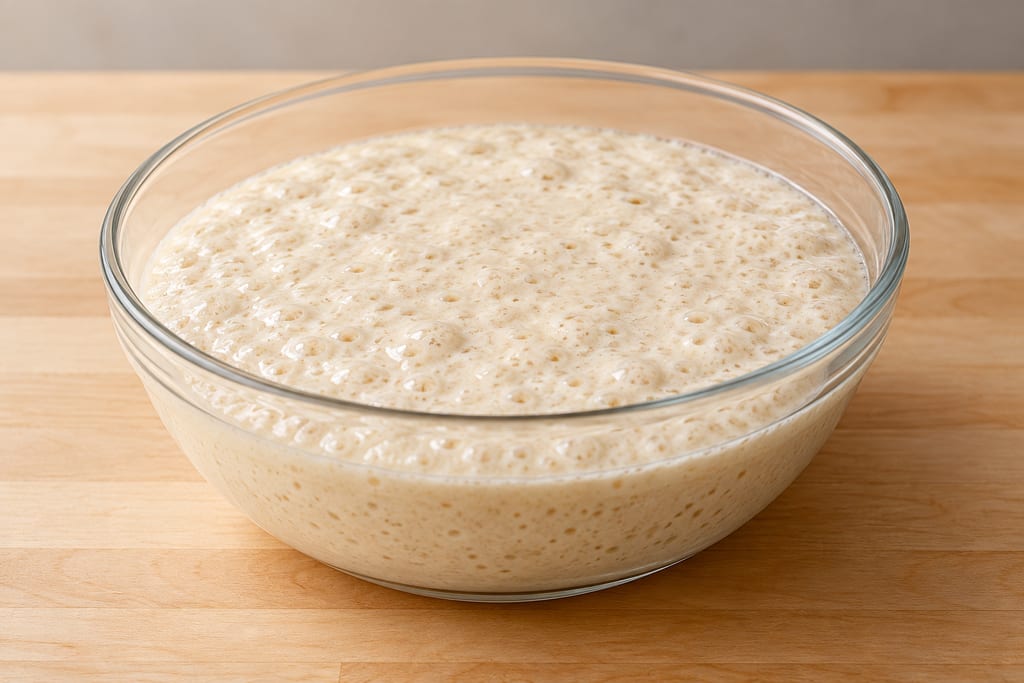
Poolish is a loose, unsalted bread preferment of roughly equal weights of wheat flour and water with a pinch of baker's yeast, left to ripen before it goes into the final dough.
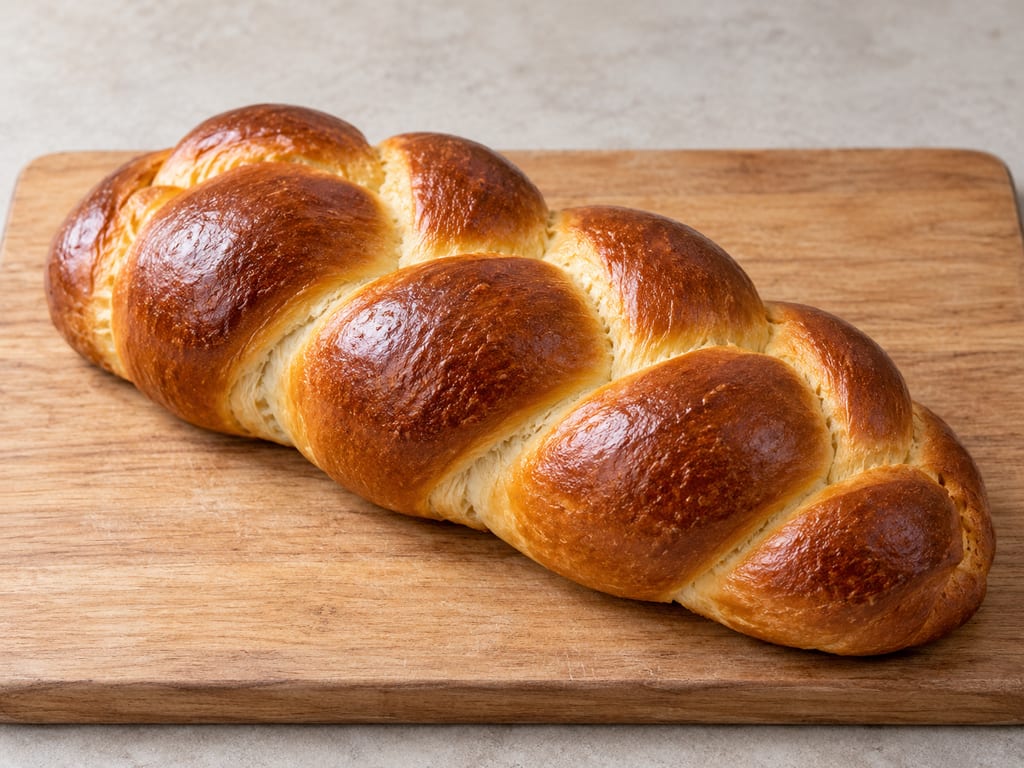
A three-strand yeast-raised challah with flour, salt, yeast, water, neutral oil, honey and egg, based on a Jewish Museum Vienna home recipe.
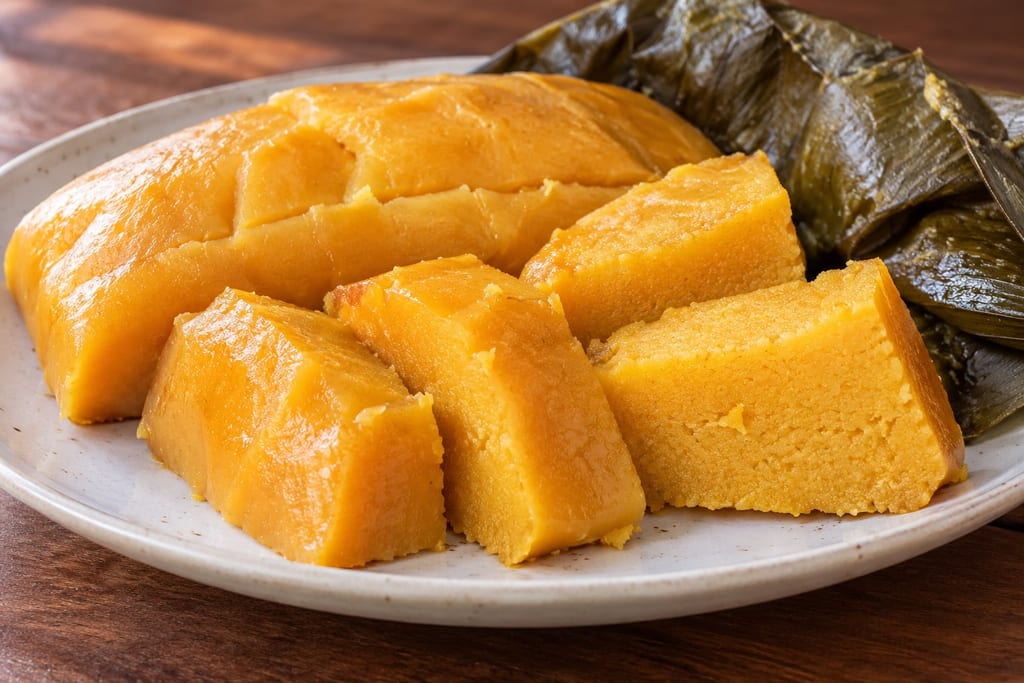
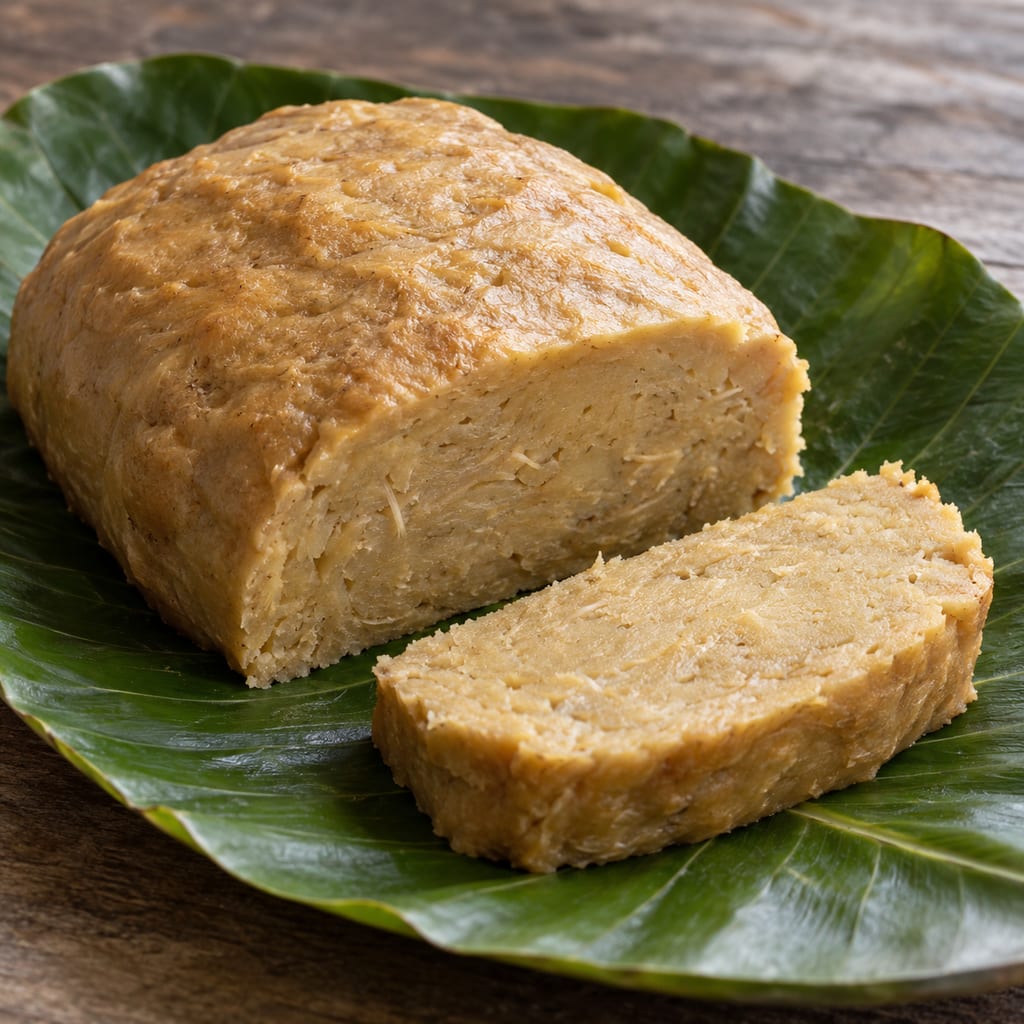
Cameroonian fermented fresh cassava mixed with red palm oil, wrapped and steamed as a cake.
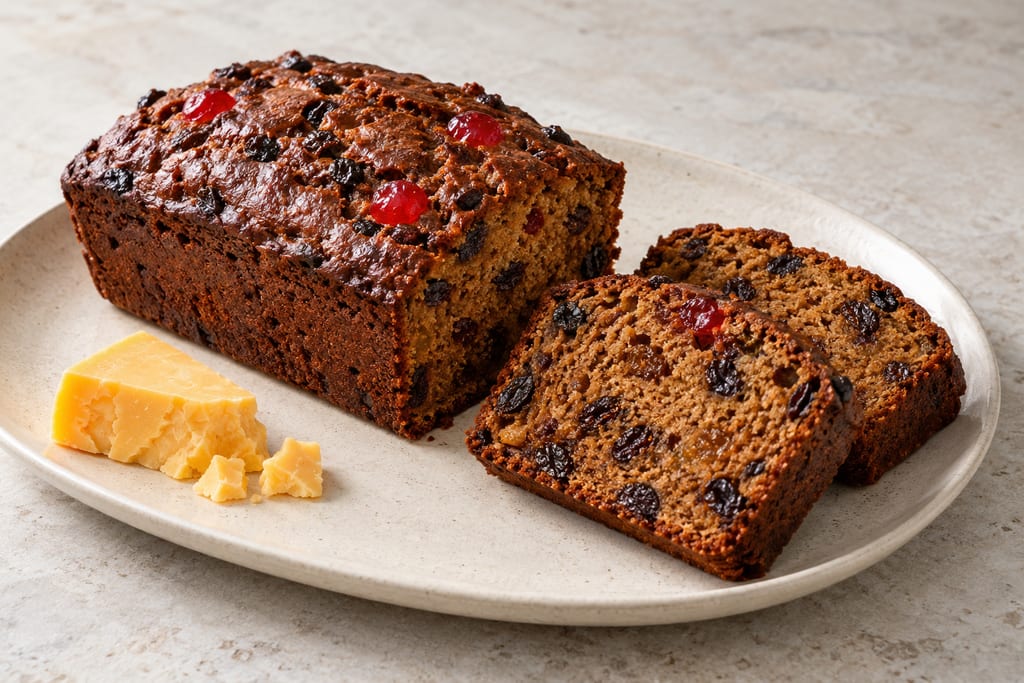
A Jamaican Easter loaf made from a dark, sweet batter of stout, dried fruit and warm spices. This version uses baking powder and a loaf pan; yeast-raised variations are separate preparations.

A German-style Brezel is a yeast-raised wheat dough shaped into a loop and dipped in an alkaline bath before baking. This home version uses baking soda; the original formula uses food-grade lye.
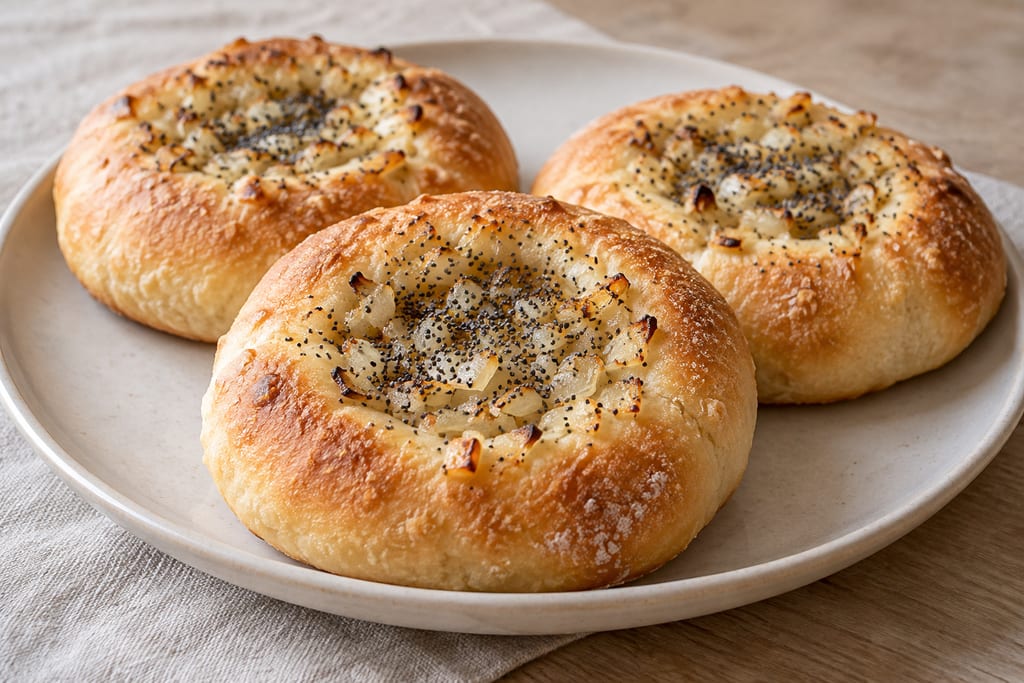
Bialys are soft, yeasted wheat rolls baked without boiling, each shaped with an onion-filled central depression instead of a hole.
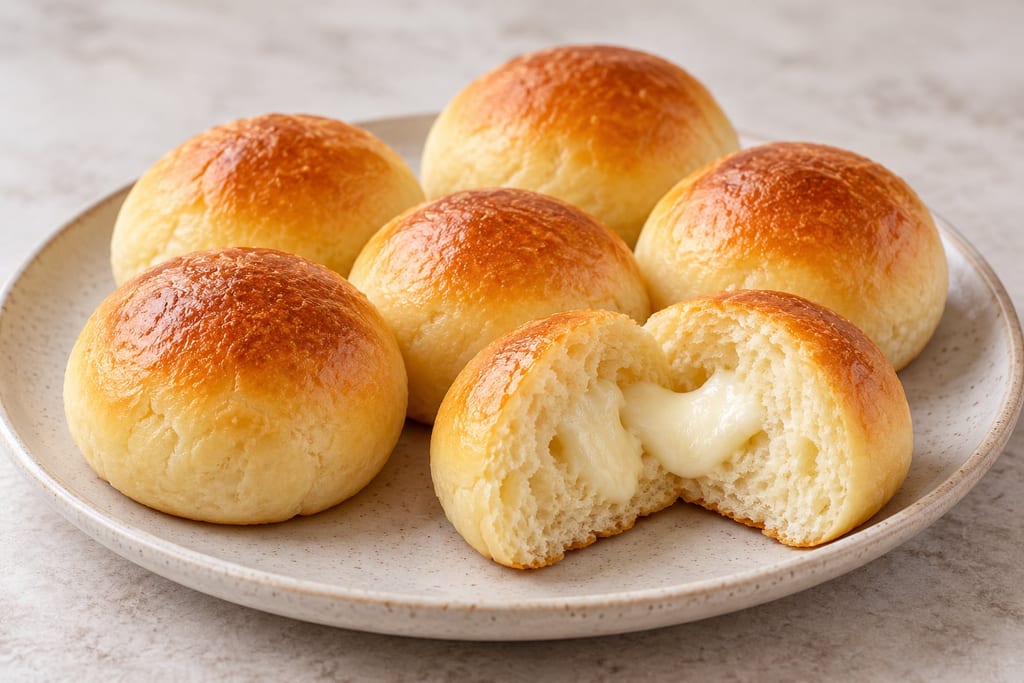
Soft Brazilian yeast rolls use cooked mashed potato in an enriched dough, with mozzarella cubes enclosed before baking.
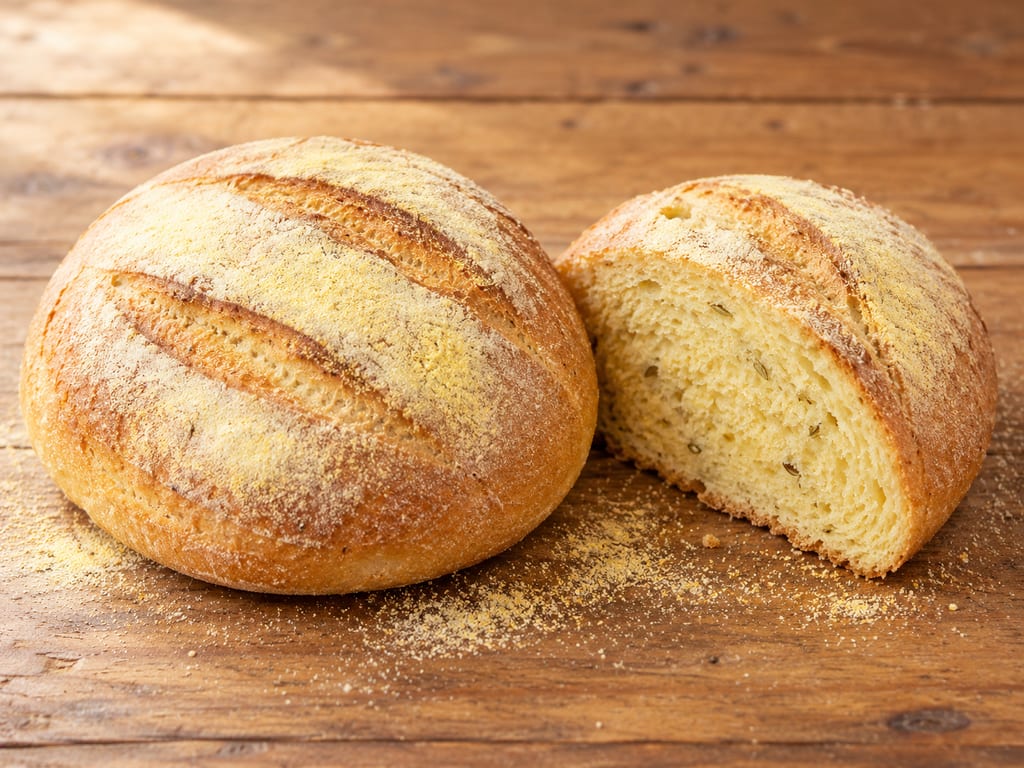
Brazilian broa de milho is a lightly sweet wheat-and-fine-maize bread with fennel and dry yeast, shaped into two small loaves for a Festa Junina or coffee break.
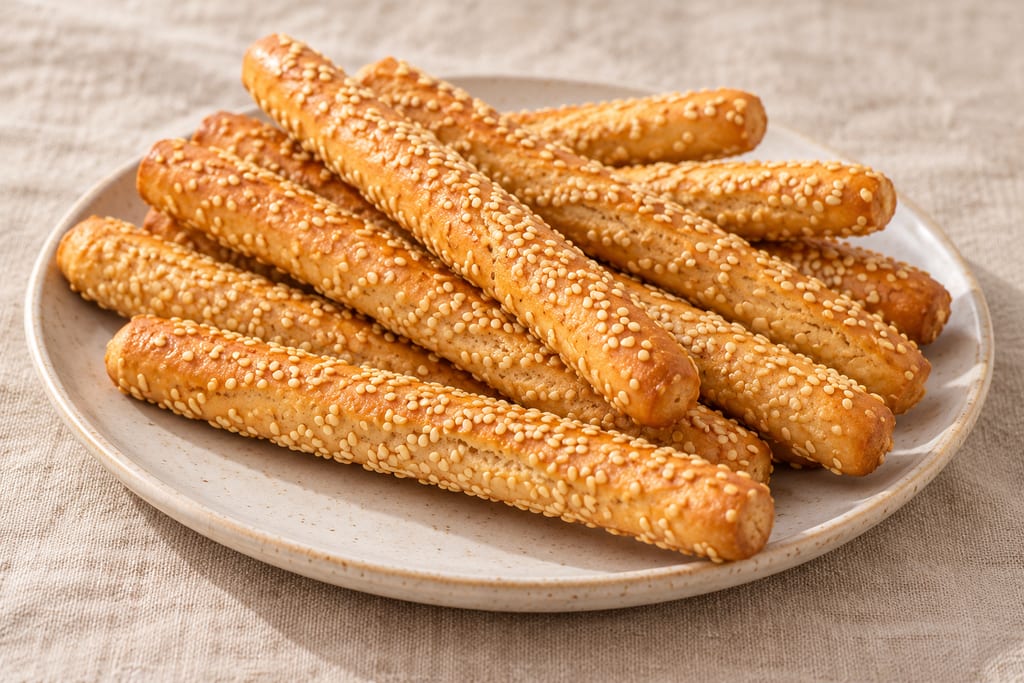
Amira Ibrahim’s Egyptian bosomat are yeast-raised wheat sticks scented with optional fennel and anise, topped with sesame and baked until dry and crisp.
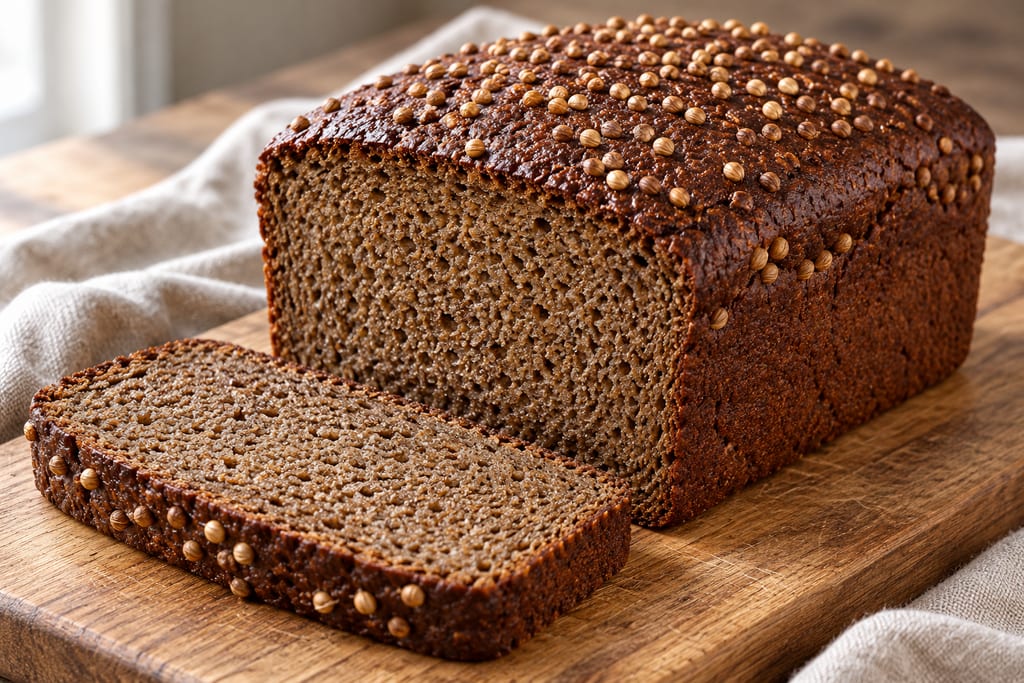
A dark rye sourdough with coriander and roasted barley-malt scald, based on Lily McCann's measured Borodinsk-ish home formula.
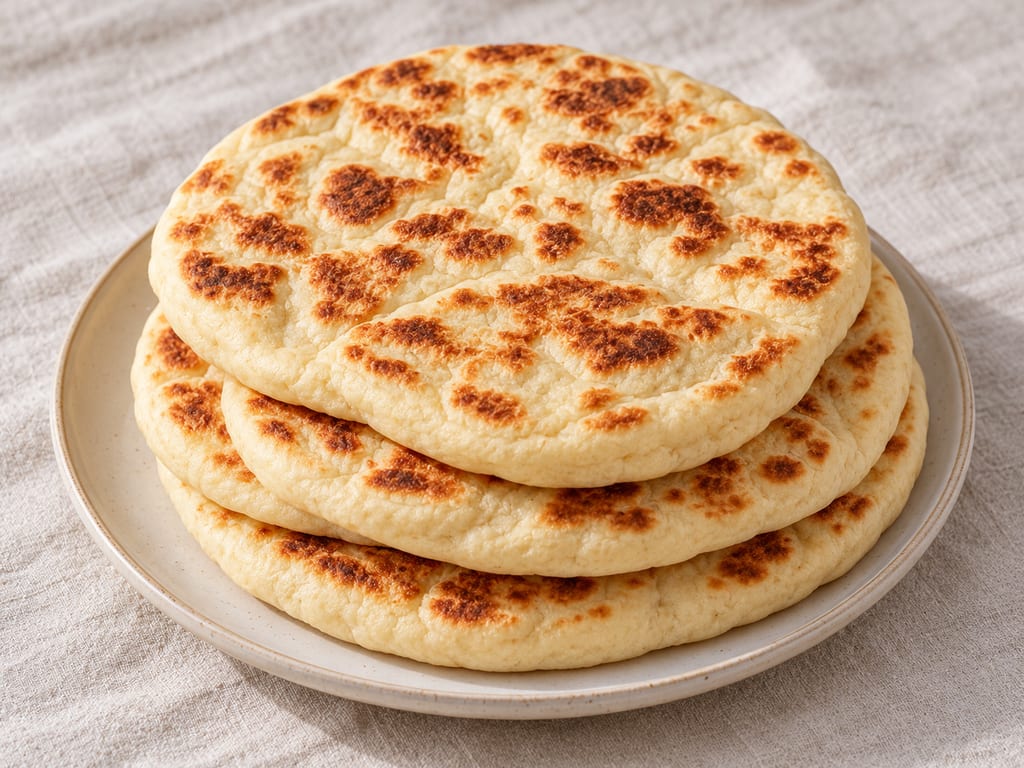
This Turkish bazlama uses yeast, plain yogurt and olive oil for a soft dough cooked in a skillet. Shape it into twelve small or six larger rounds, flip as bubbles appear, and wrap the breads to keep them soft.
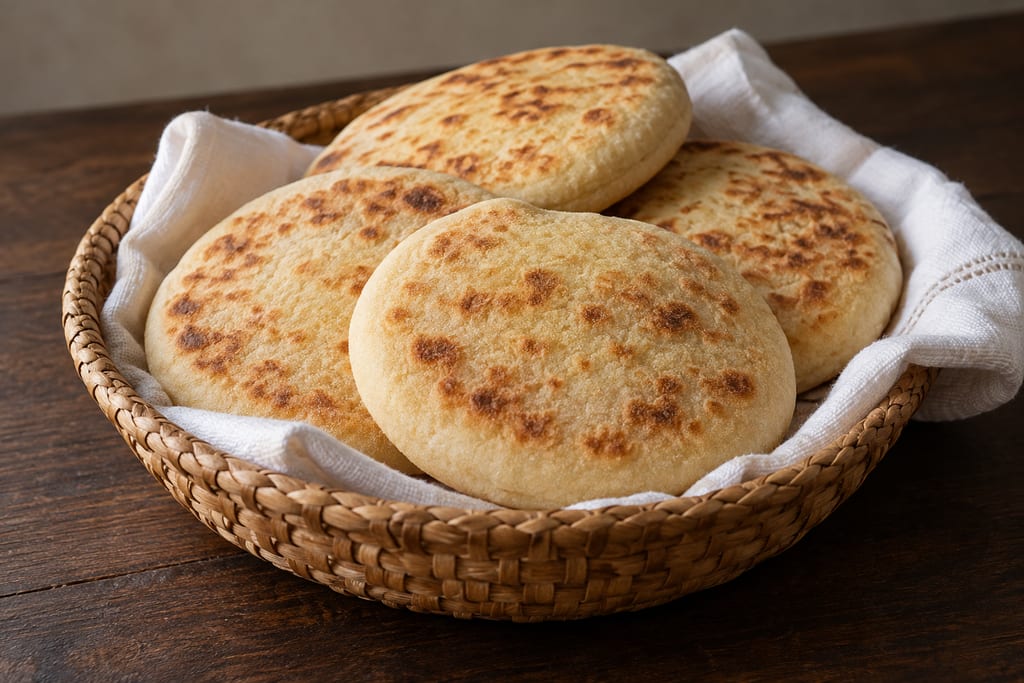
A Moroccan yeast-raised semolina pocket bread cooked on a dry pan or griddle; this measured batch makes about twenty 4-inch rounds.
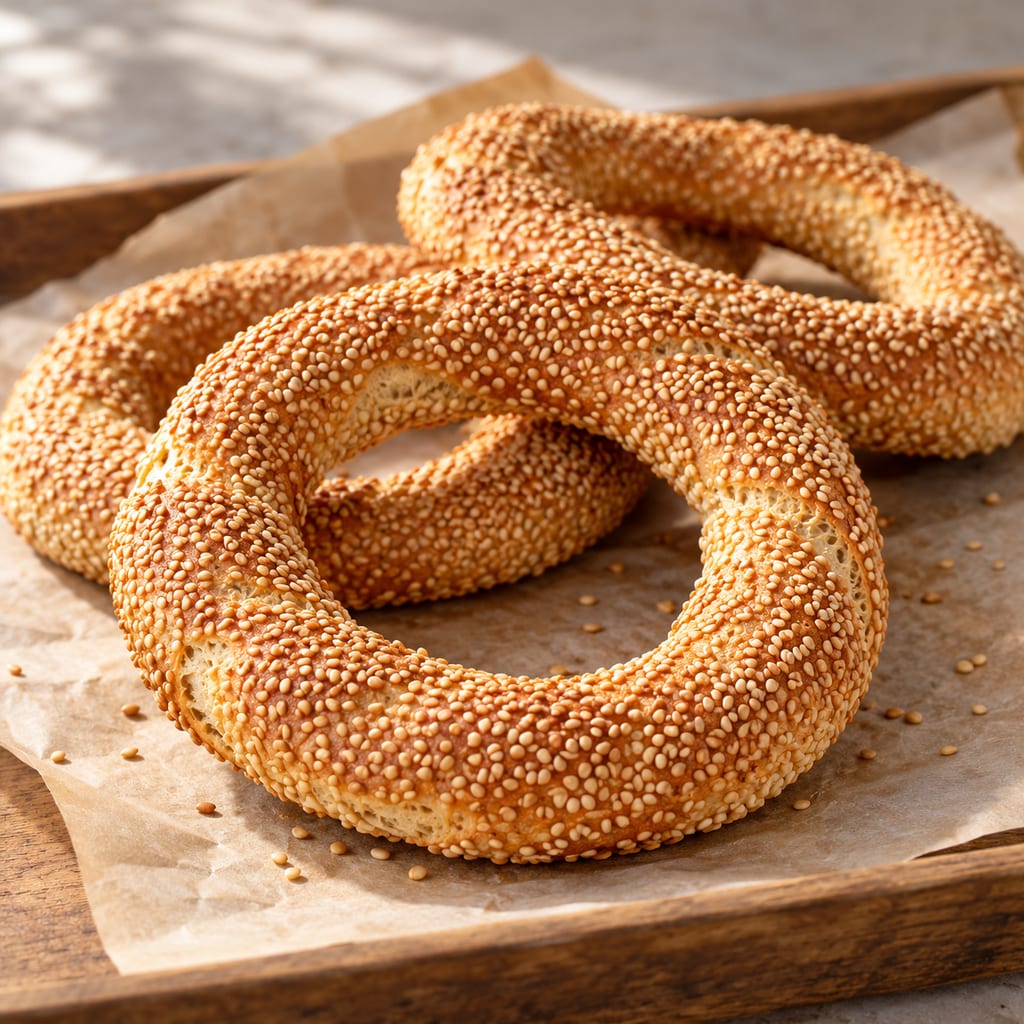
The Thessaloniki City of Gastronomy page gives a 15–18-ring yeast dough, dipped in sweetened water and sesame before baking. Its fresh yeast is listed as one dice without a mass, which remains unresolved.
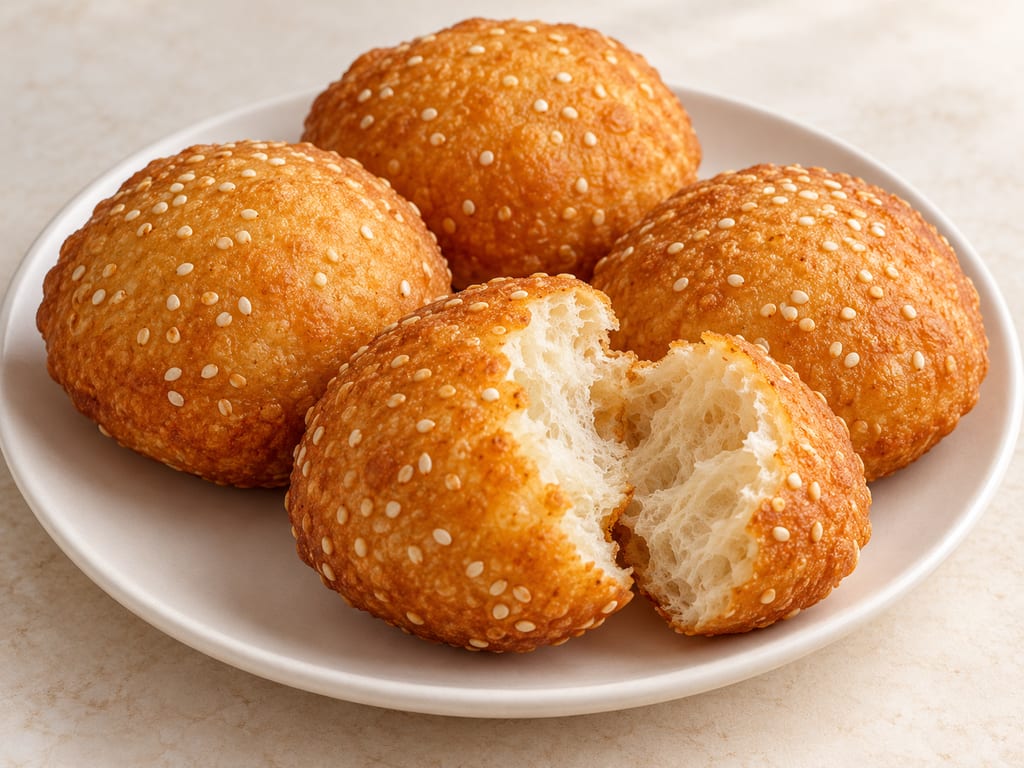
Bánh tiêu is a lightly sweet Vietnamese fried bread coated with sesame. A yeast-raised dough with baking powder is rolled into small rounds and fried until puffed and golden.
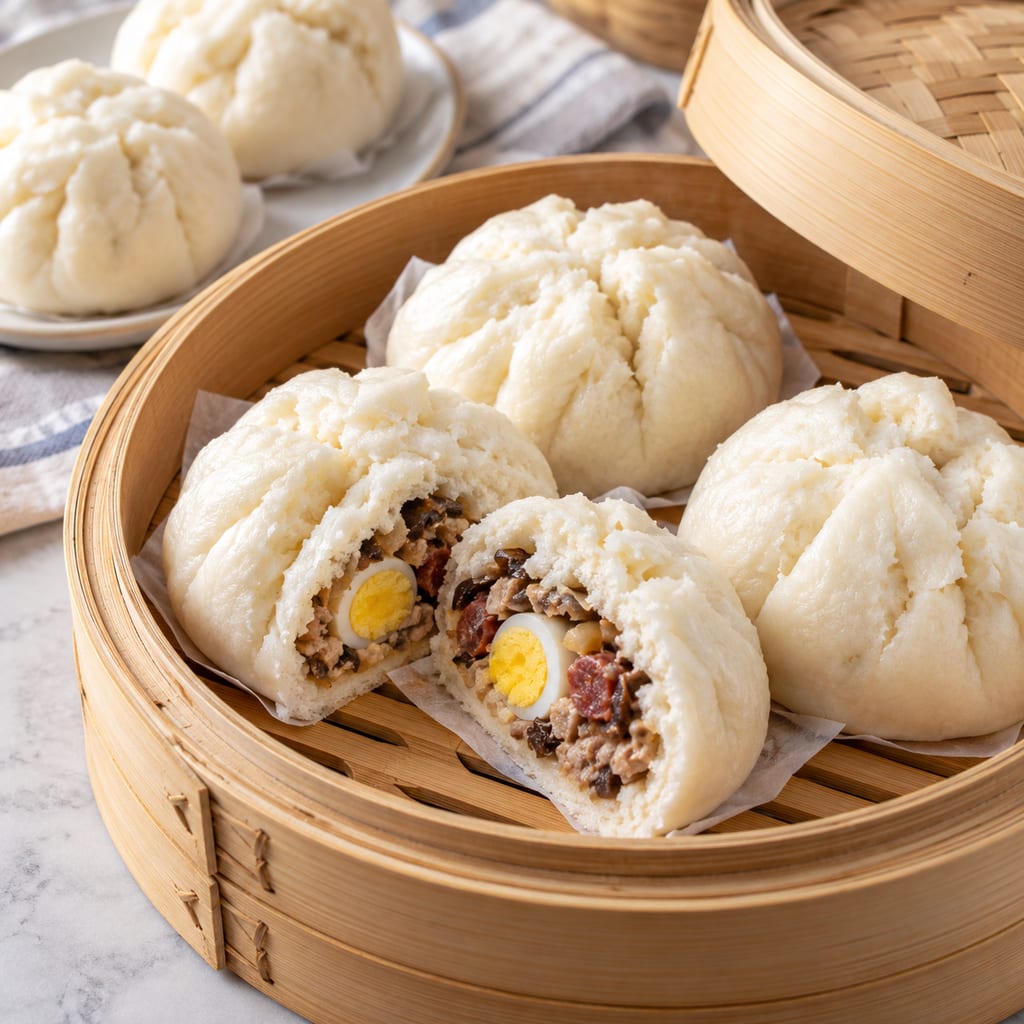
Vietnamese steamed wheat buns wrapped around seasoned pork, mushrooms, Chinese sausage and hard-boiled quail eggs. This from-scratch version uses yeast and self-rising flour.
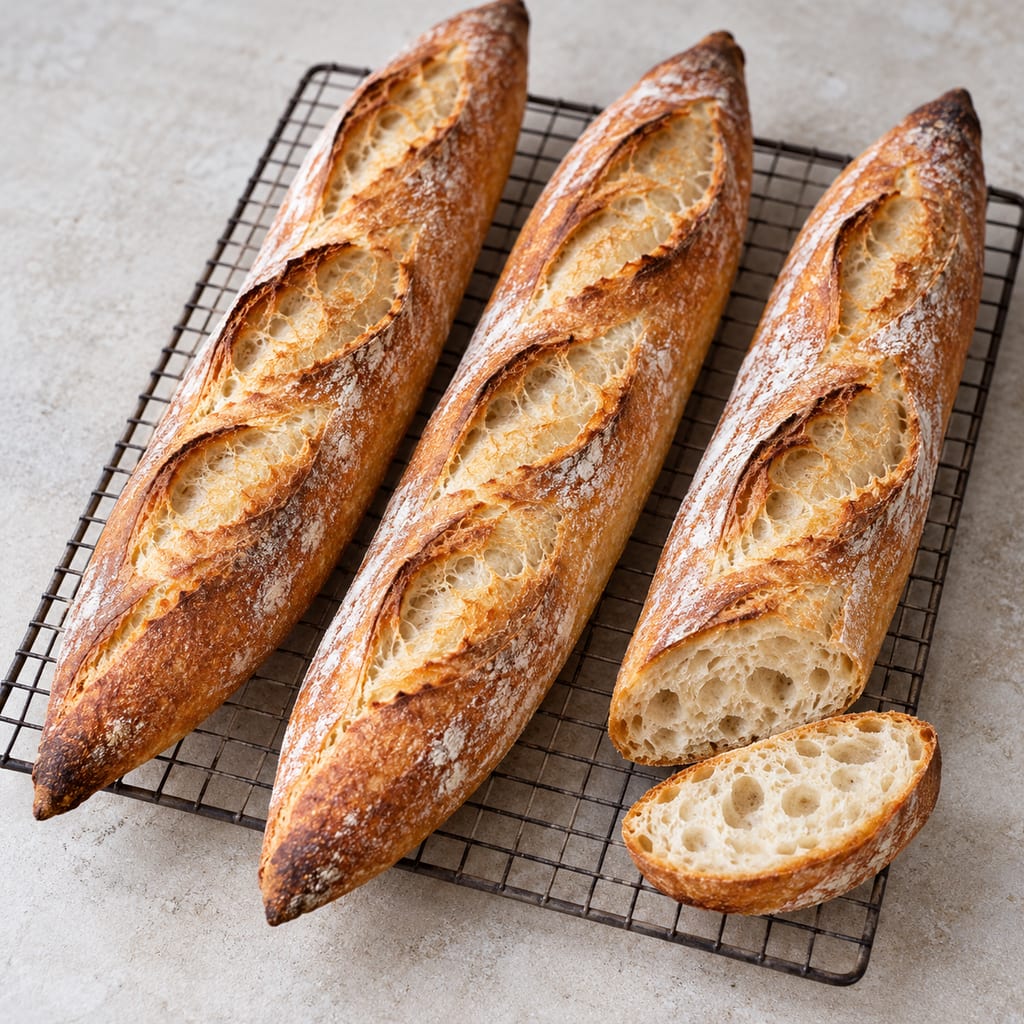
Three long, crusty wheat loaves made with an overnight yeast poolish, shaped by hand and baked with steam for a crisp crust.
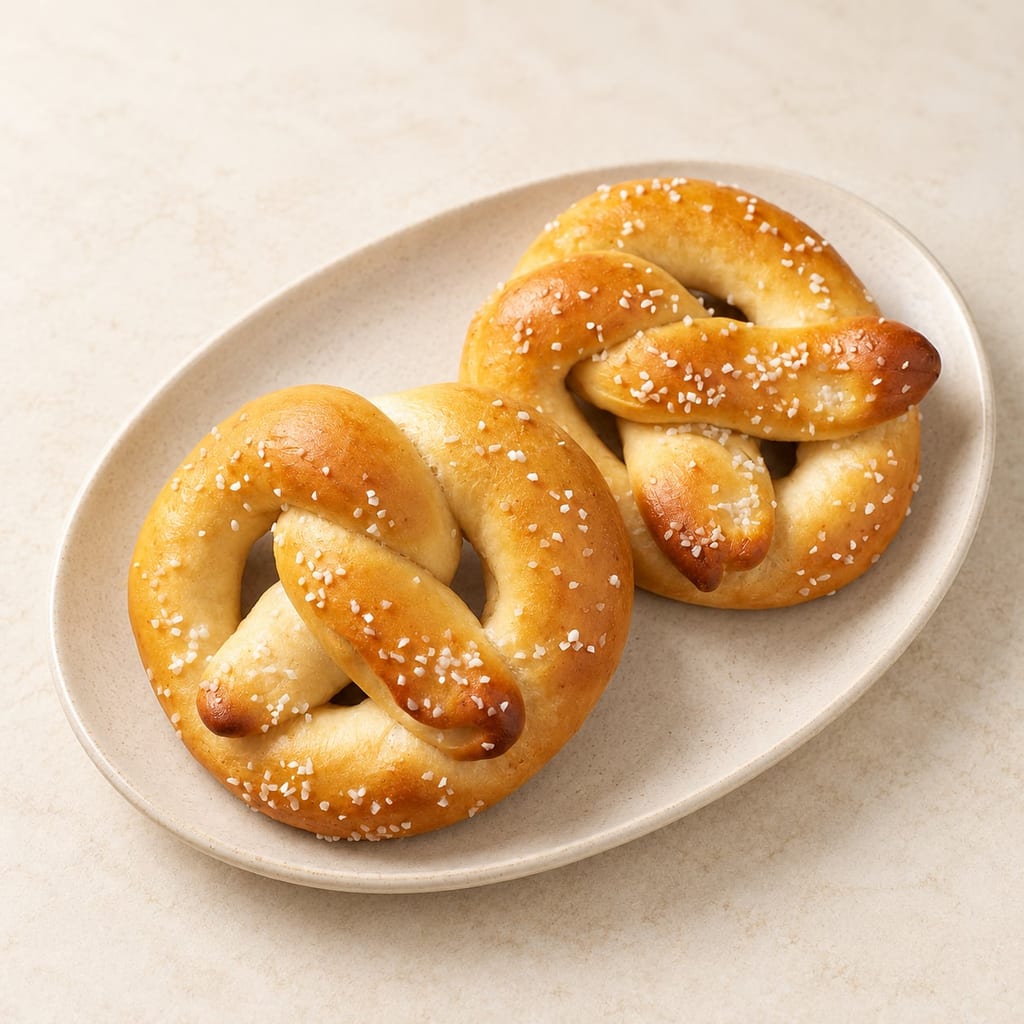
Unfed sourdough starter flavours a soft pretzel dough raised with instant yeast. After a short rest, the dough is shaped, brushed with a sweet wash, salted and baked without a final proof.
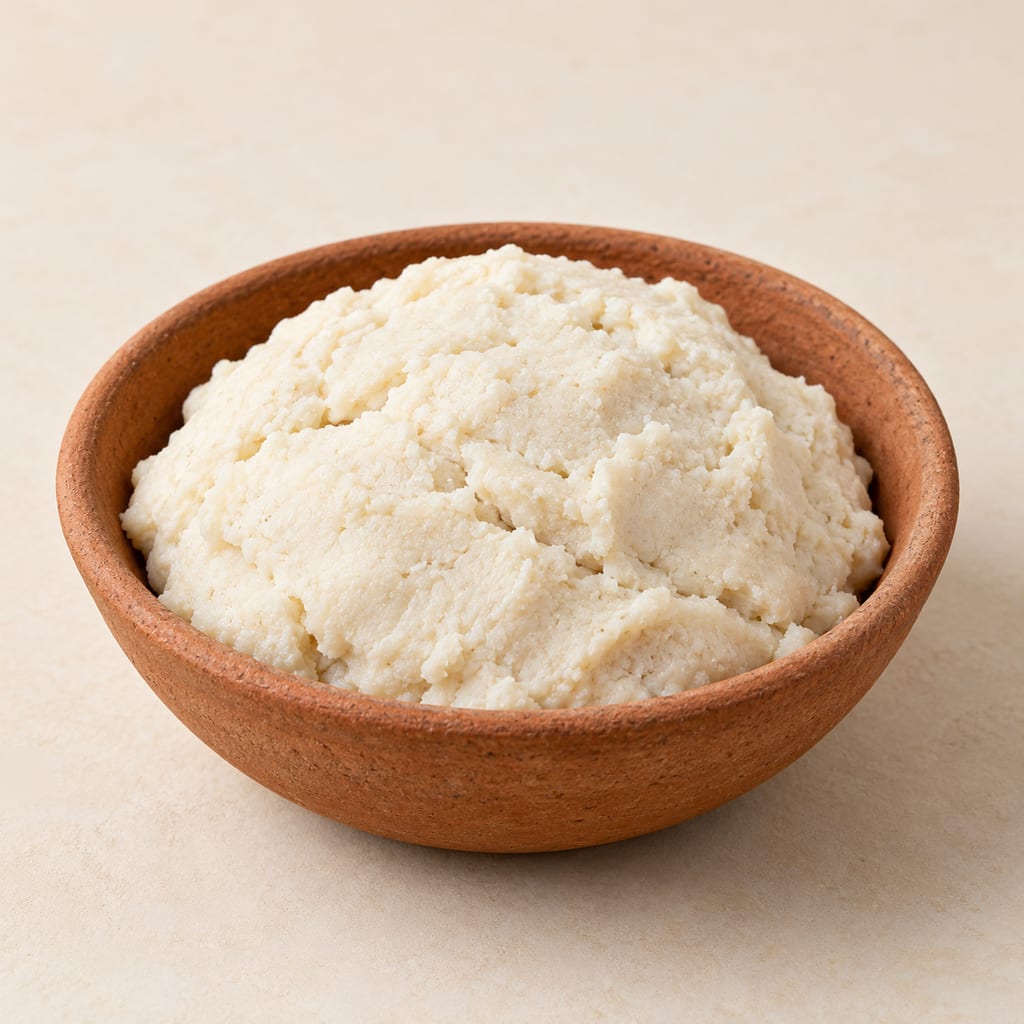
Ghanaian sour cassava dough fermented with traditional inoculum and drained during fermentation. It is used as a base for cooked foods such as banku and akple; process variants and safety outcomes differ.
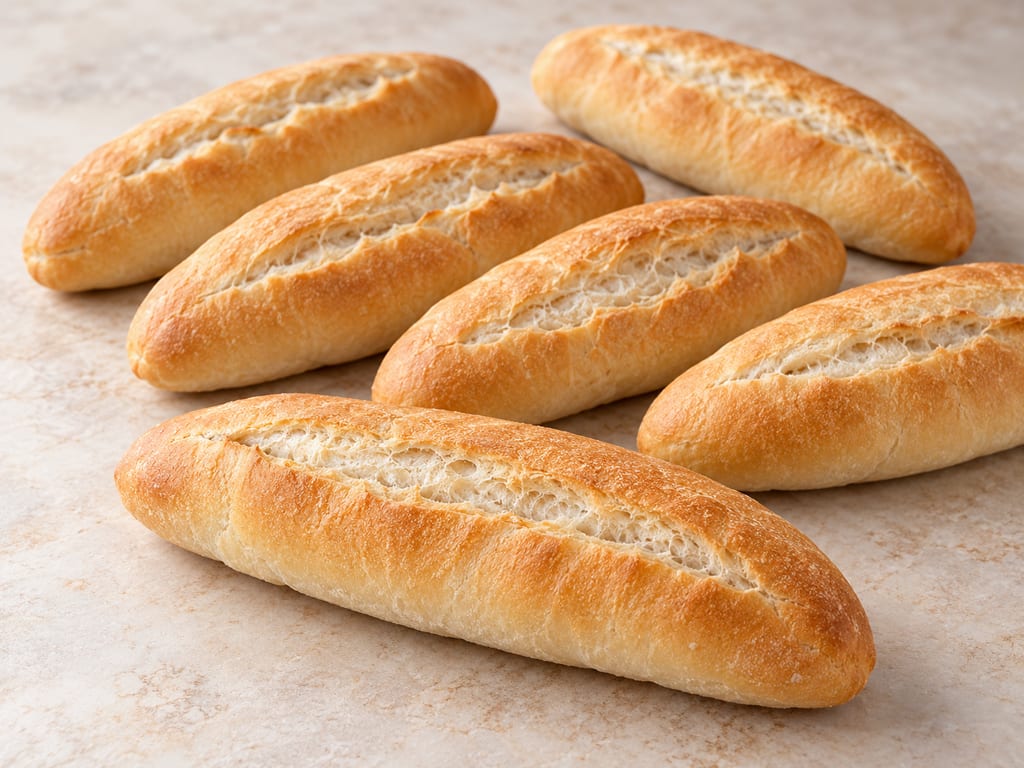
Six yeast rolls for Cuban sandwiches, shaped into long tapered loaves and slashed down the center.

A yeast-raised wheat ring shaped from a firm dough, briefly boiled and baked. This source-batch formula gives a gently malted crust and a chewy crumb.
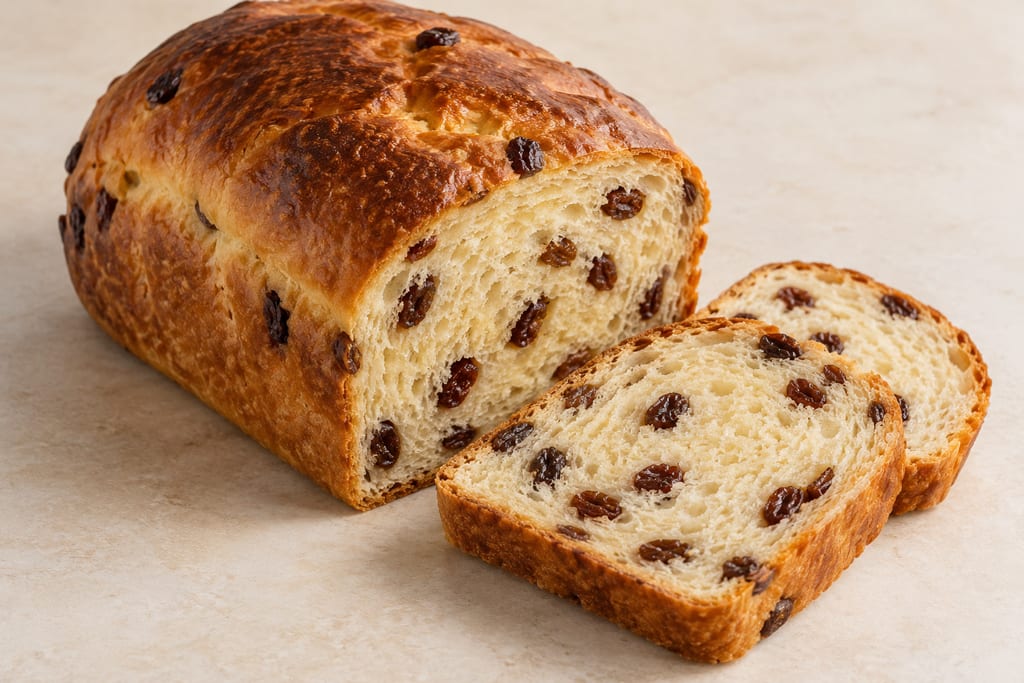
A tender Belgian wheat loaf enriched with milk, butter and egg, with raisins scattered through the crumb. Cramique is sliced for breakfast or a snack, often with butter, jam or chocolate cream.
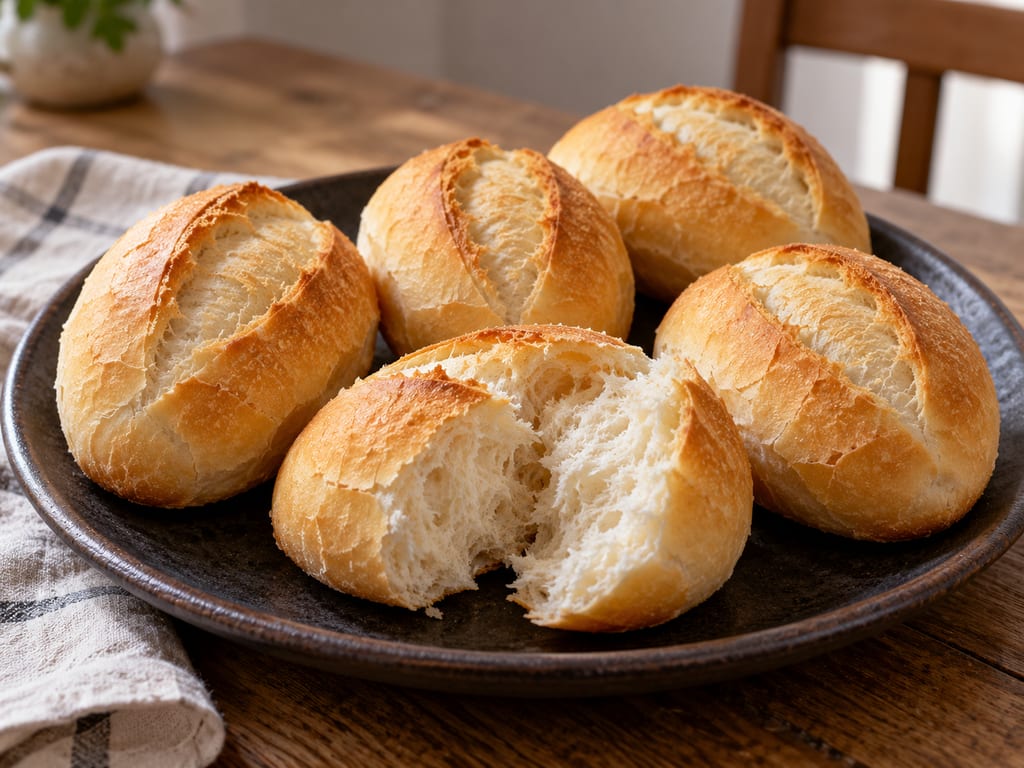
A Brazilian wheat roll with a crisp crust, this home batch uses dry baker’s yeast and a steam-assisted oven bake.
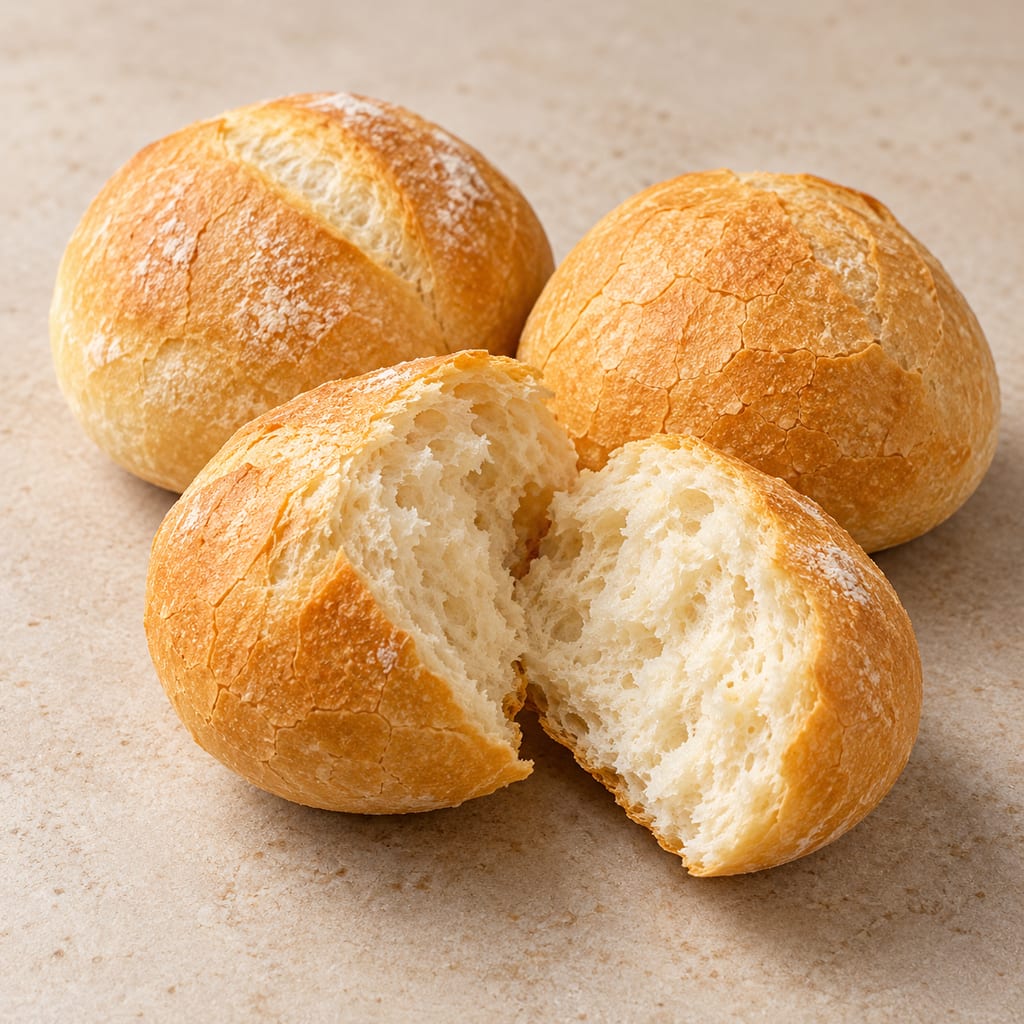
A crisp Belgian roll made from a supplier’s Croc-flour dough, mixed by hand or machine, proofed in rounds and baked with steam.
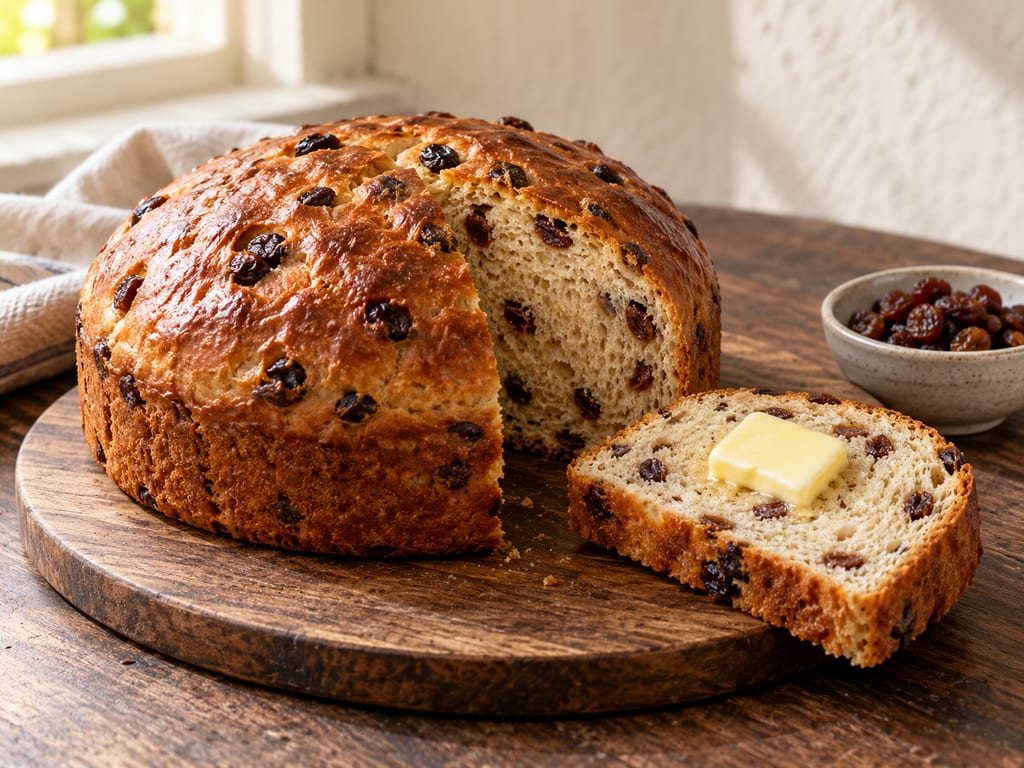
An Irish fruit-studded yeast loaf, associated in a contemporary cultural account with Halloween and often served fresh or toasted with butter.
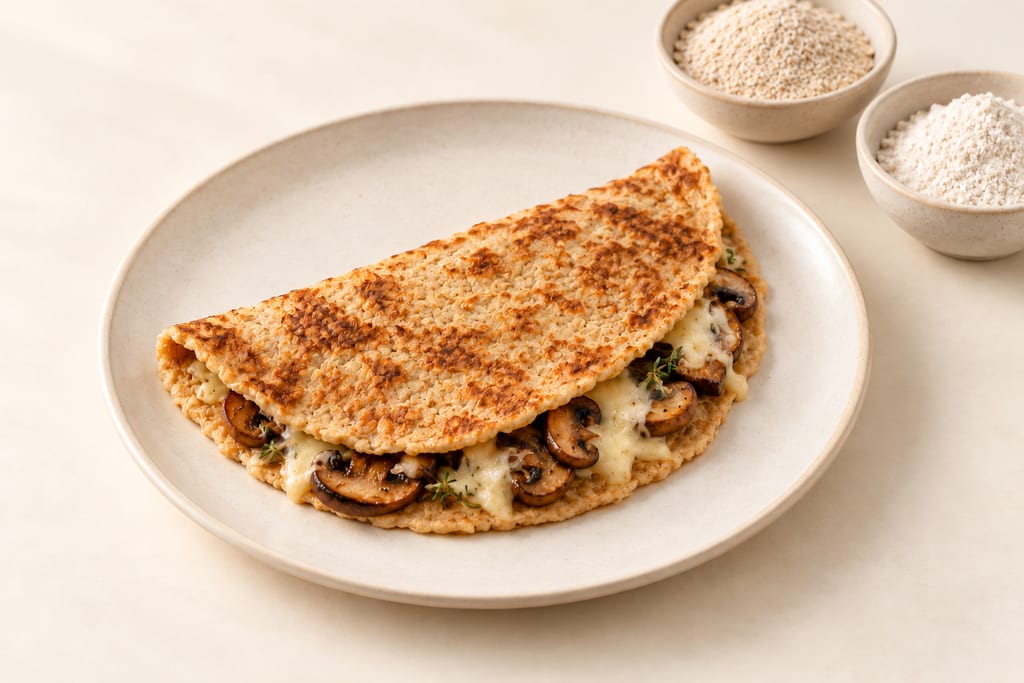
A North Staffordshire speciality, this soft yeast-raised oat-and-wheat pancake is cooked on a pan or griddle and folded around a savoury filling.
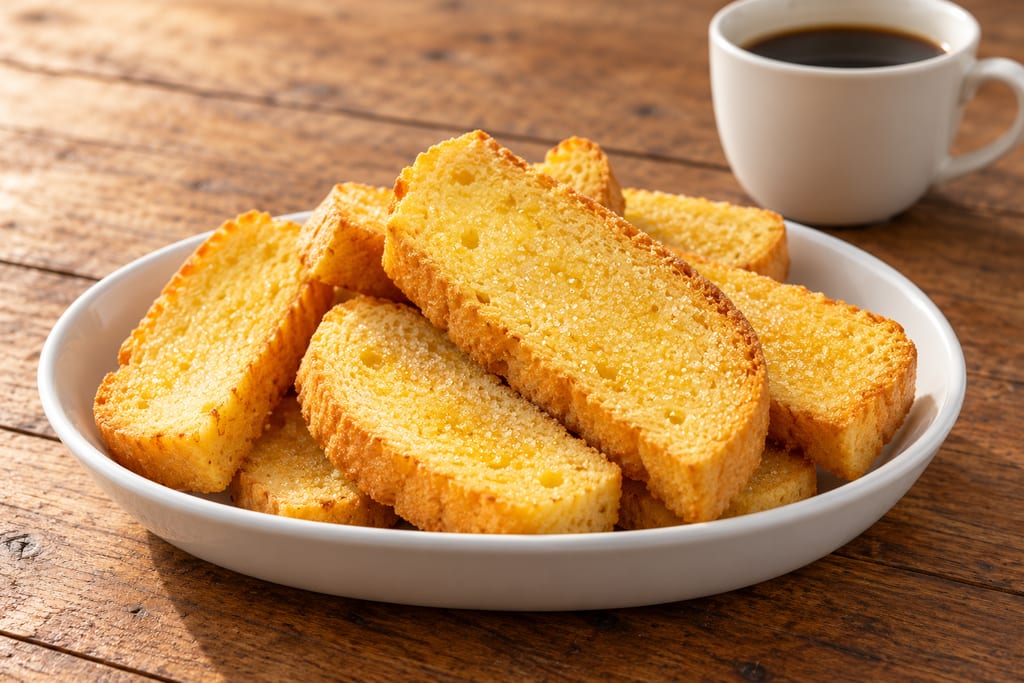
PagkainPinoy’s 24–30 piece version twice-bakes day-old soft bread with a thin butter-and-sugar coating.
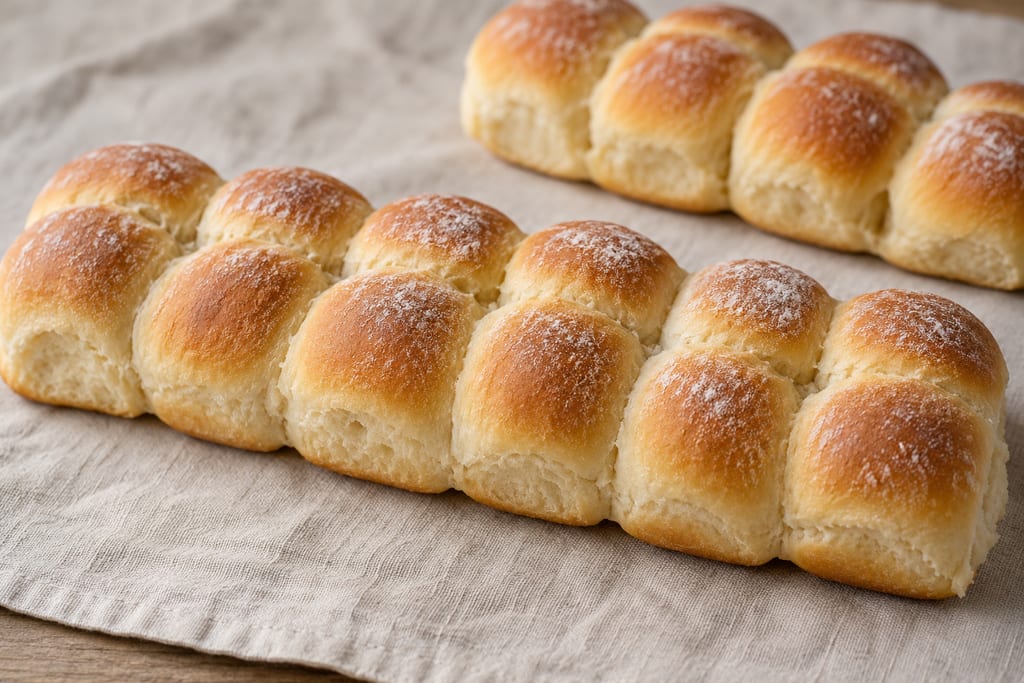
Pan francés guatemalteco is a soft yeast bread shaped as a long strip of joined double rolls and commonly served with dishes such as tamales colorados.
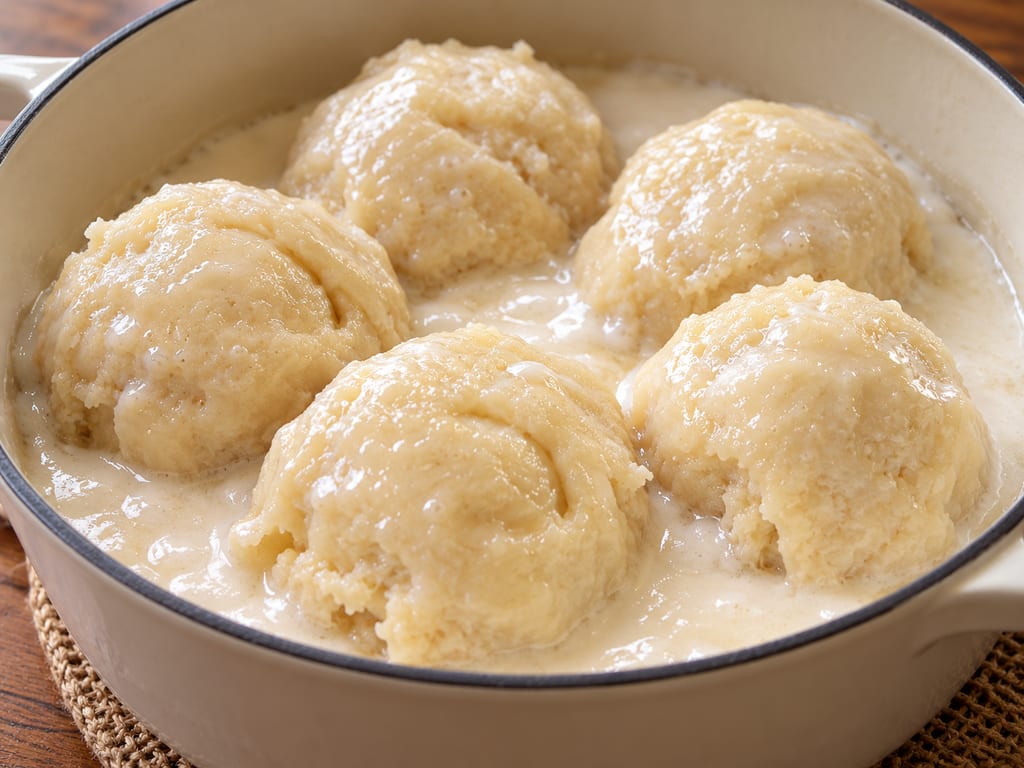
Soft yeast buns shaped by hand and simmered covered in coconut cream diluted with water in a deep pot. This Fijian home version uses a clean knife or fork inserted into the center as its doneness cue.
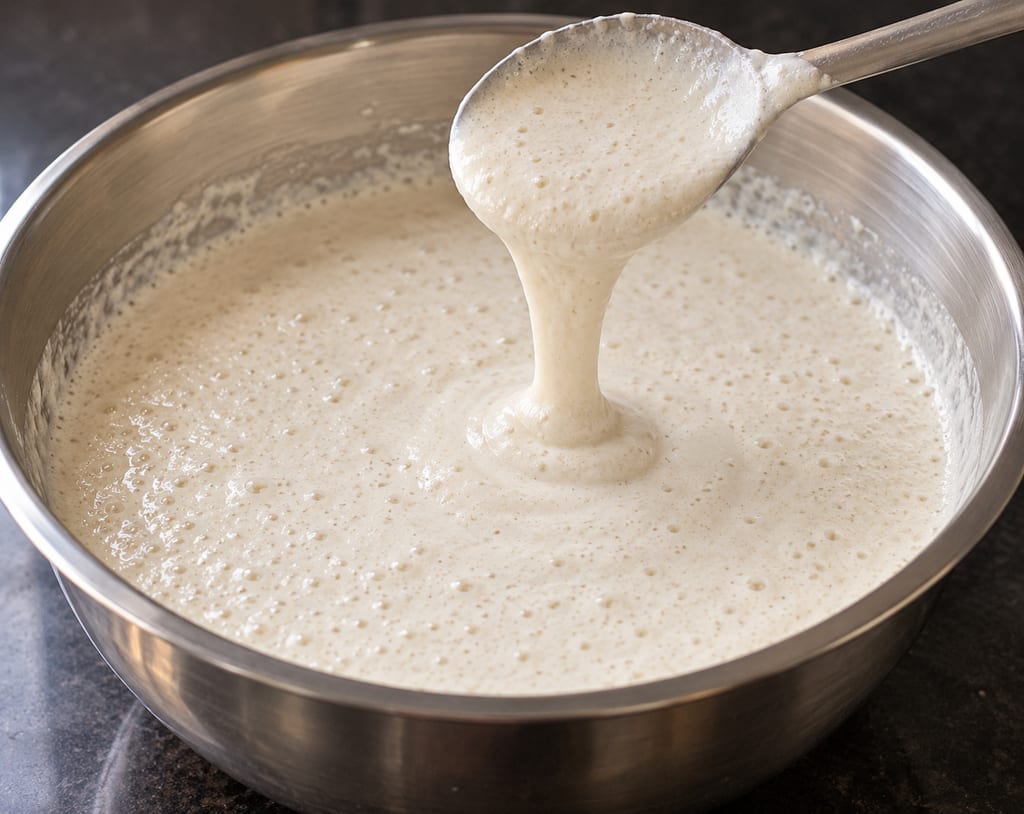
A naturally fermented South Indian rice-and-urad batter, ground fine and spread thin on a hot griddle. Fermentation lightens the batter and develops its gentle tang.
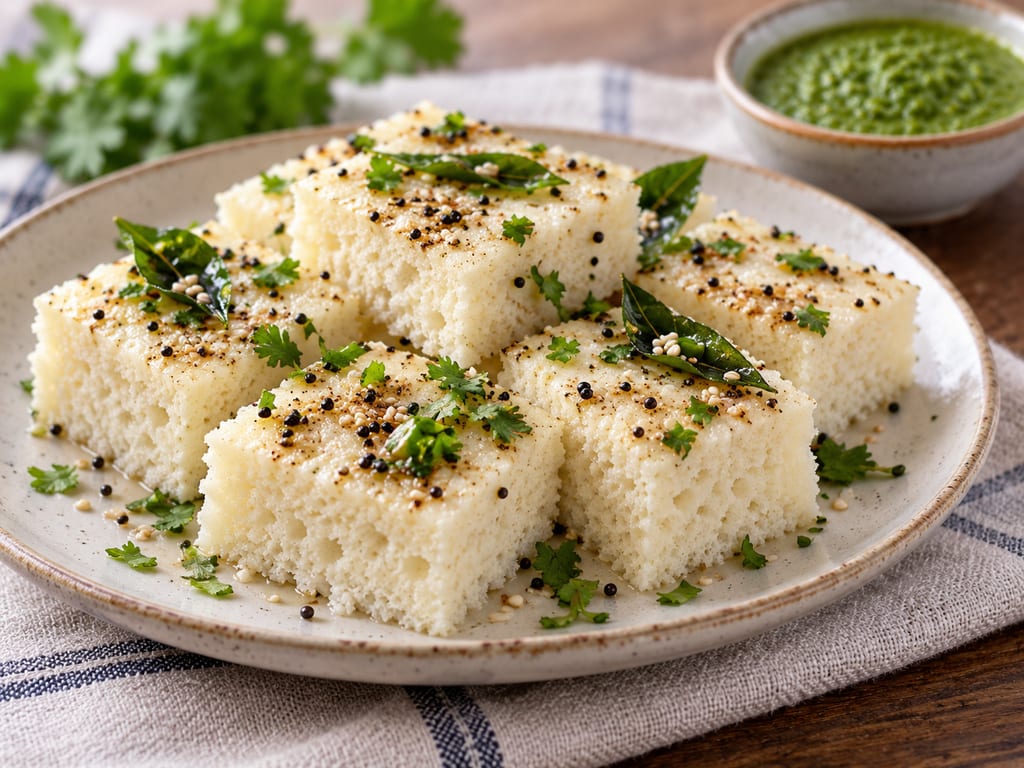
Dhokla is a Gujarati savoury steamed cake made from a fermented rice-and-pulse batter, whose lactic bacteria and yeasts give acidity, aroma and a porous crumb before steaming.

Crushed or milled barley cooked in water until the starch softens and the mixture thickens, the plainest way a northern household turned stored grain into a meal, here with apple and hazelnut.
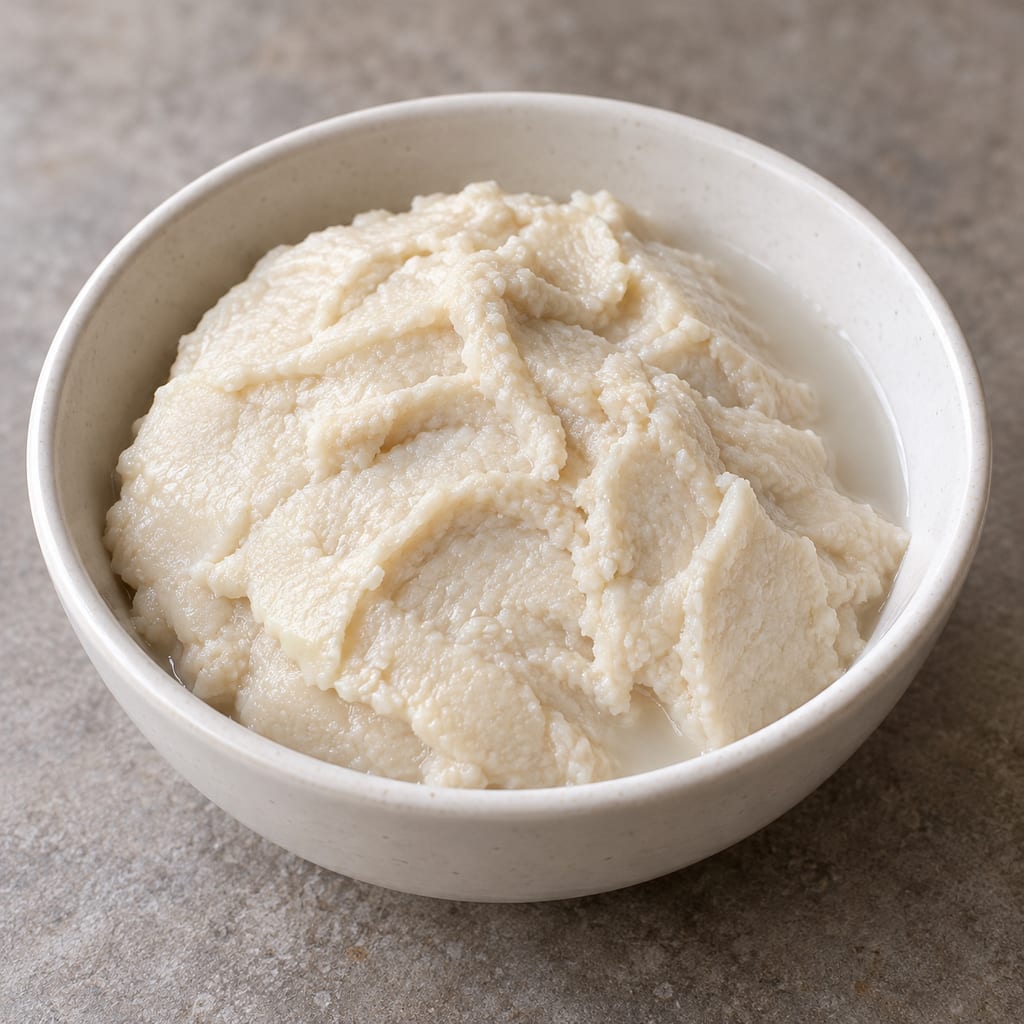
Ogi or akamu is a wet fermented cereal preparation documented in Nigeria and Benin. Grain or maize starch is steeped, milled or sieved, then fermented by process-specific routes; evidence supports no universal method or safety limit.
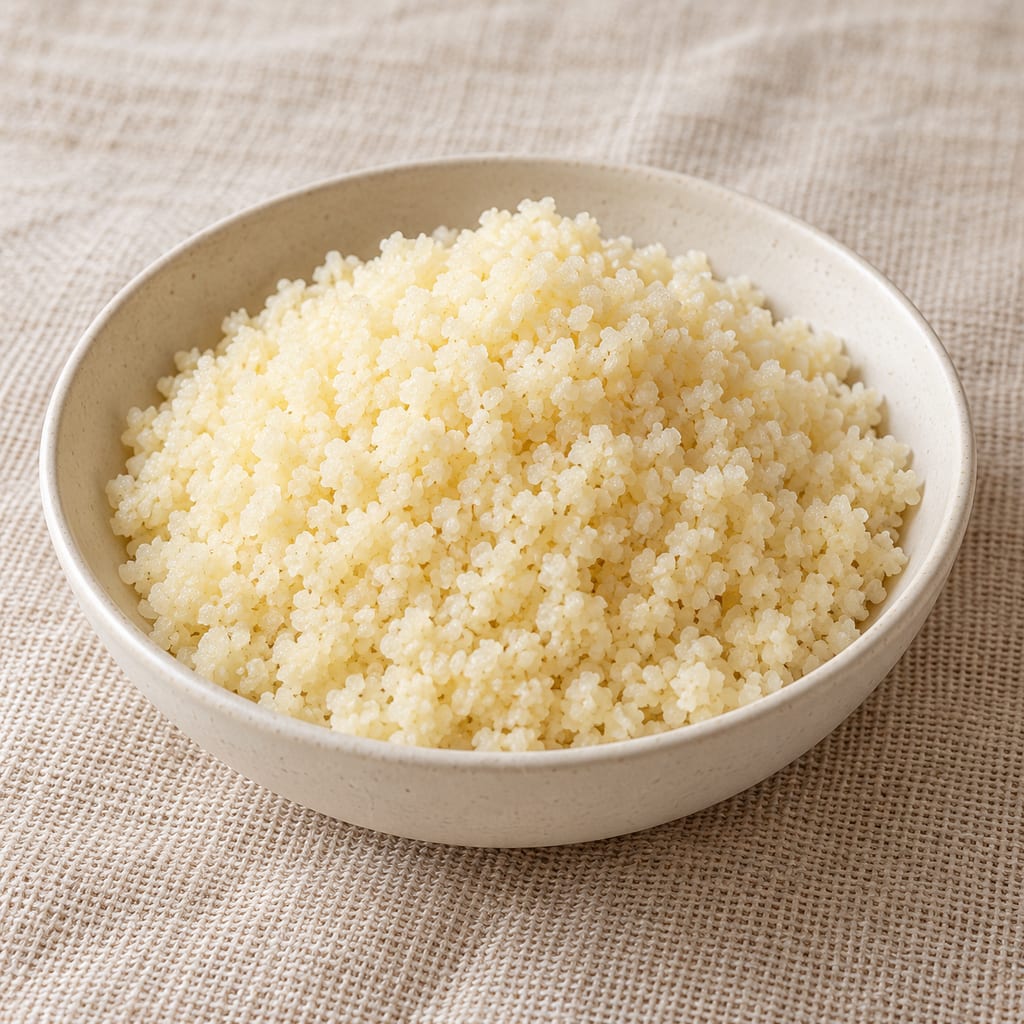
Ivorian cassava semolina: grated cassava is fermented overnight with a traditional inoculum, pressed, sieved into granules, dried and steamed. Documented in a 2006 field study; no sole original process is established.
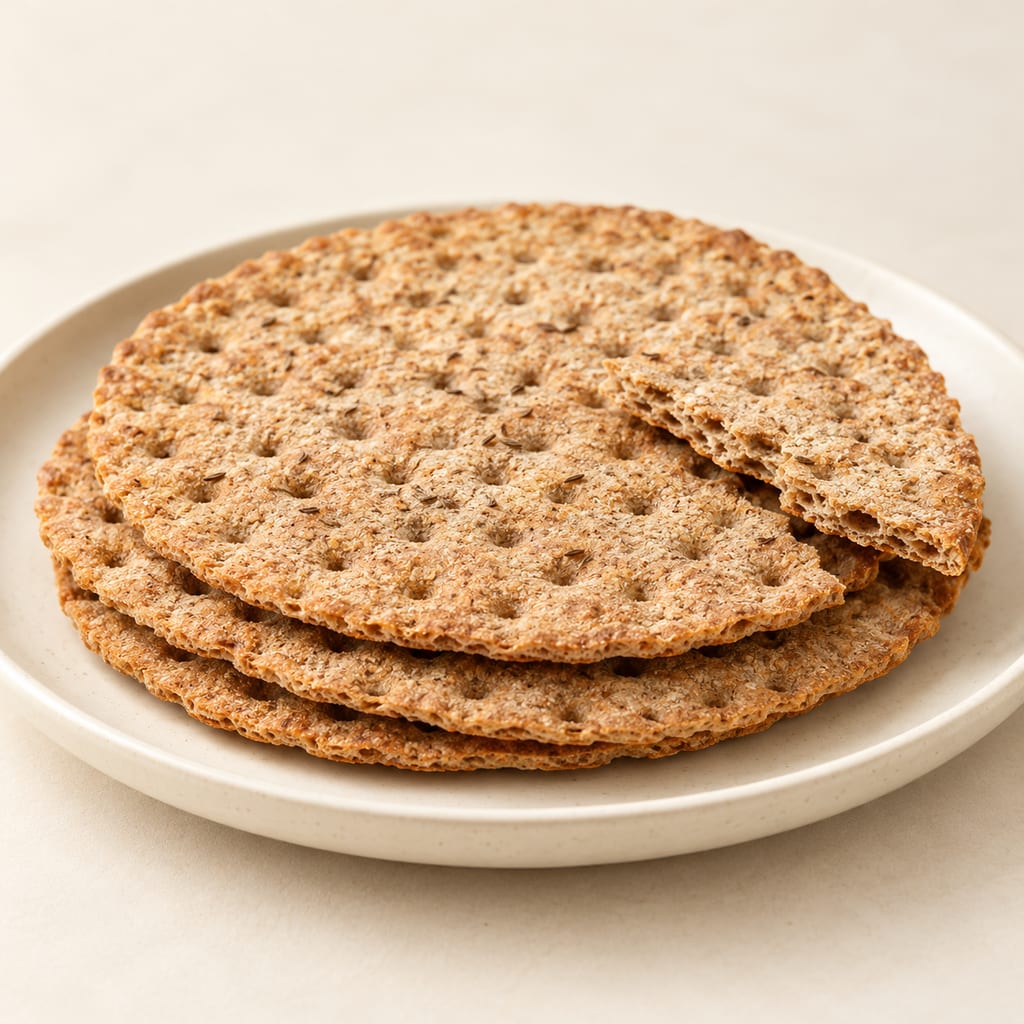
A Swedish home batch of eight thin rye-and-wheat crispbreads, yeast-risen once and baked until hard.
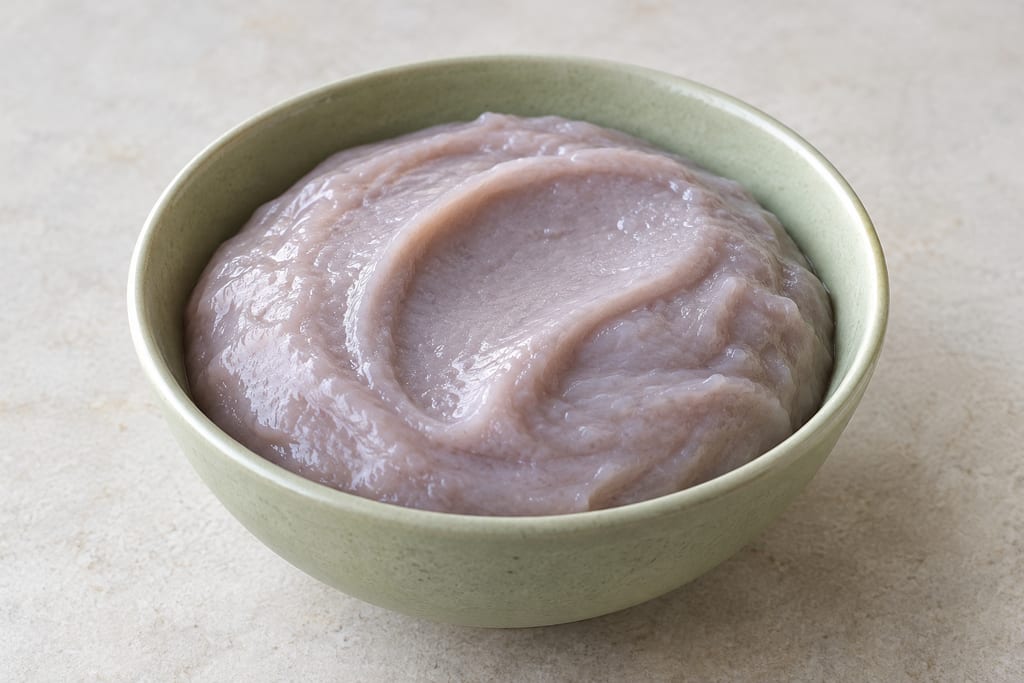
This modern introductory batch boils 500 g edible taro, then pounds it with water into fresh poi. It stops before fermentation and makes no preservation claim.
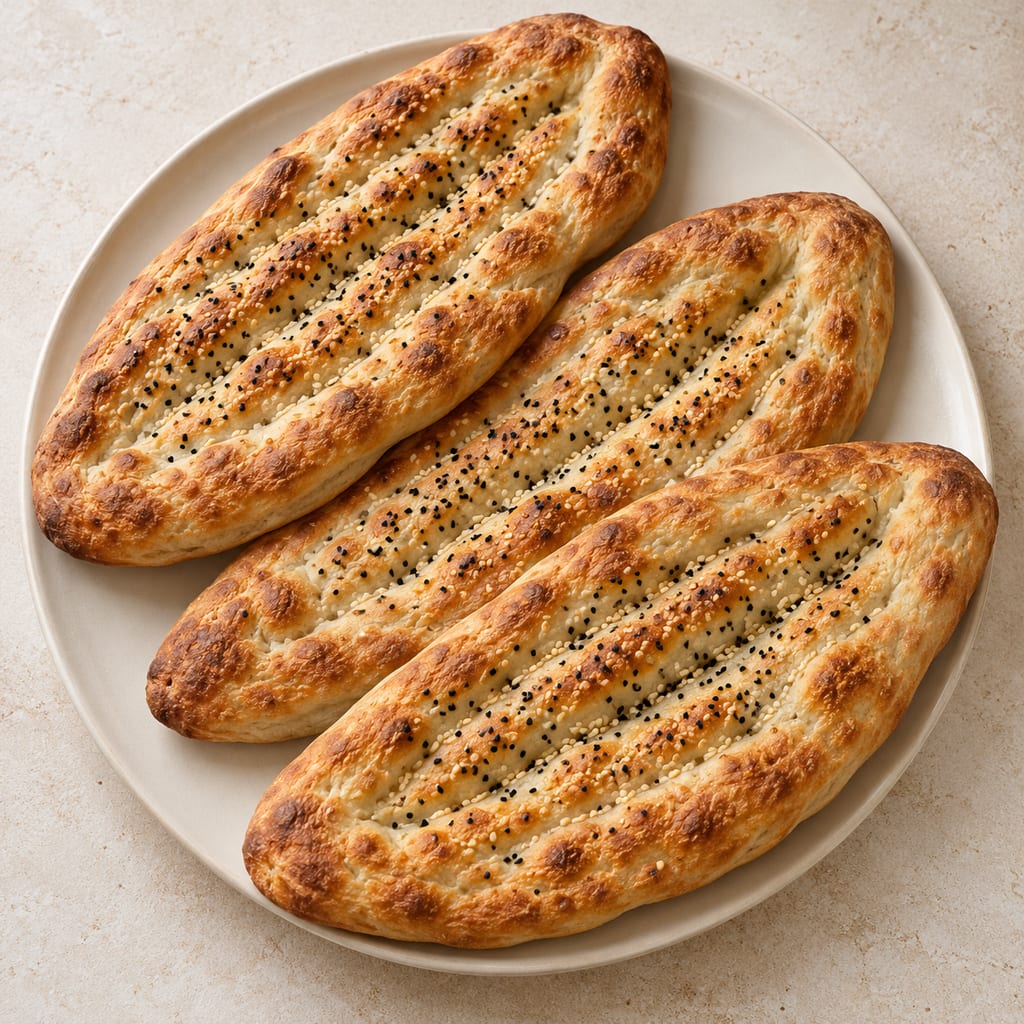
A long oval Afghan wheat bread, leavened with yeast, grooved along its length and baked until crisp outside and chewy within.
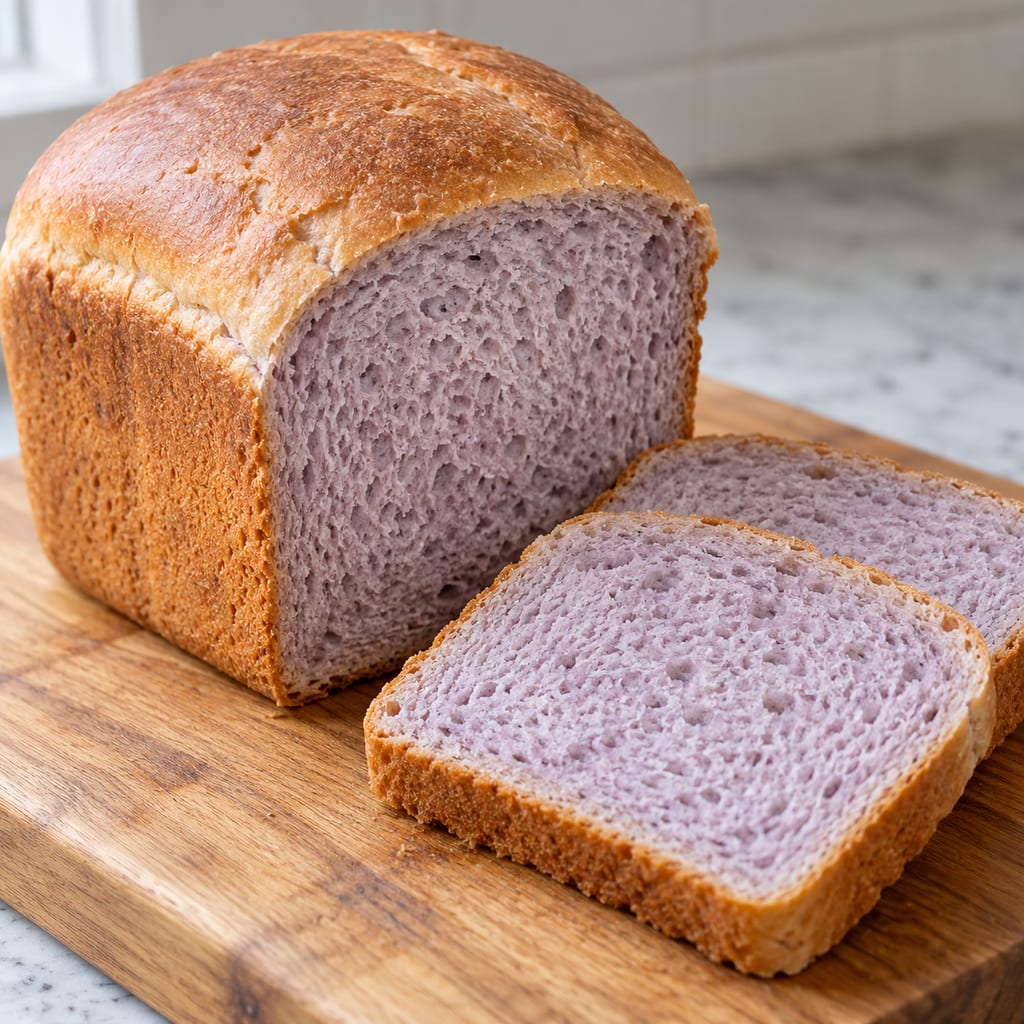
A sweet bread-machine loaf adapted from HI Cookery's version of poi bread, with poi or cooked mashed taro, butter and egg.

Ferrara’s paired bread twists have four pointed horns joined at a soft centre. This VisitFerrara home recipe uses type 0 flour, water, oil, lard, malt and a choice of sourdough or yeast.
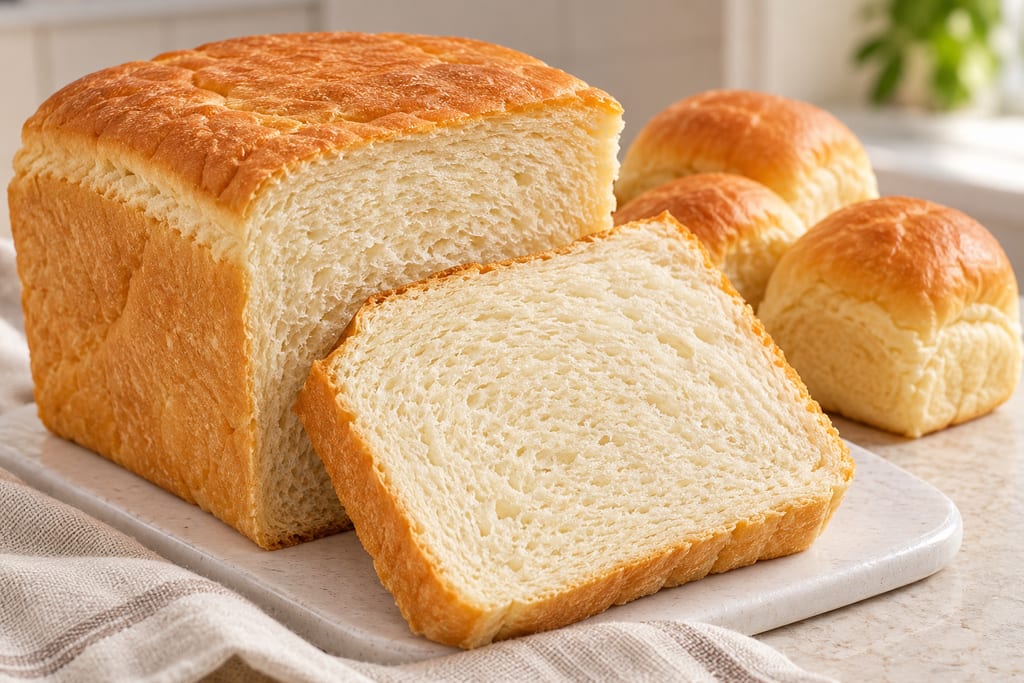
This softer home-style Agege bread uses a scalded flour paste, an enriched yeast dough and a 9×5-inch loaf pan, with rolls from the extra dough.
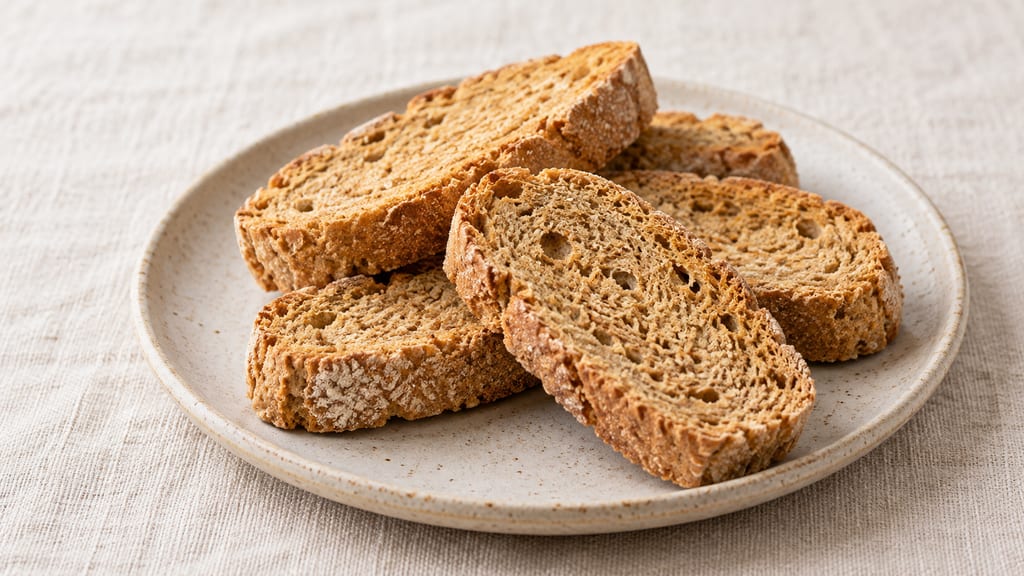
Cretan paximadi is a twice-baked rusk. This barley-wheat version is raised with yeast, baked as a loaf, sliced, and dried slowly until it keeps.
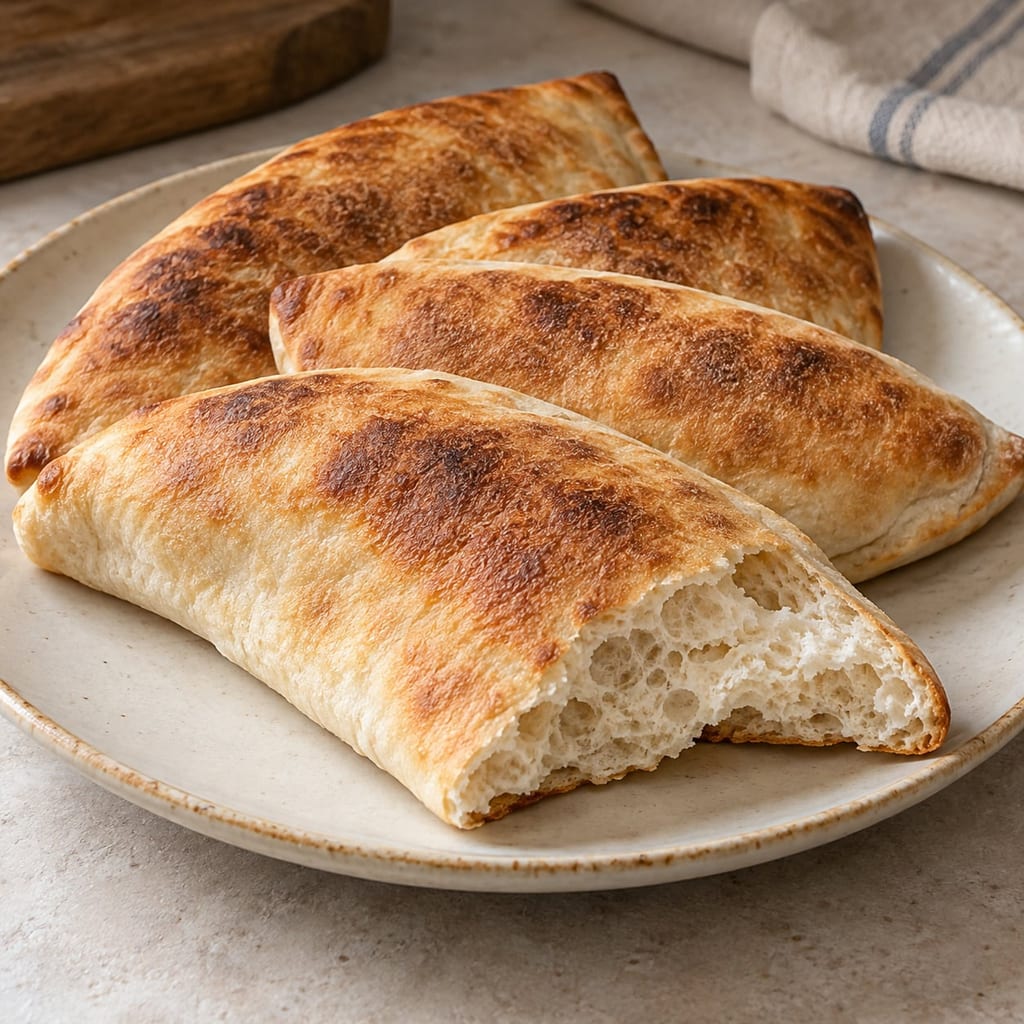
A lean Sri Lankan yeast bread baked as joined flat pieces, separated after the first bake, then grilled on both sides for its crisp crust.
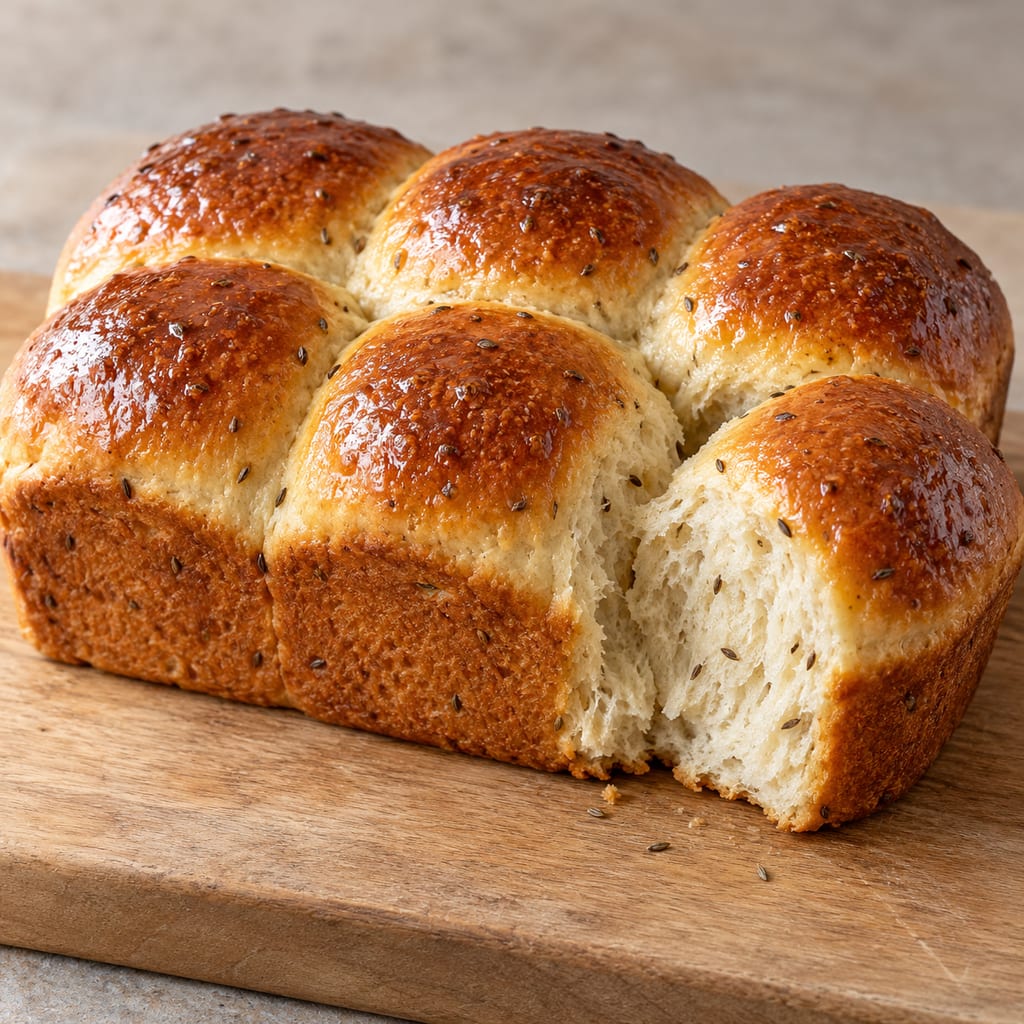
This modern South African mosbolletjies recipe uses white grape juice and instant yeast in an anise-scented enriched dough. It makes two pull-apart loaves; grape juice with commercial yeast is not the traditional fermenting-must leaven.
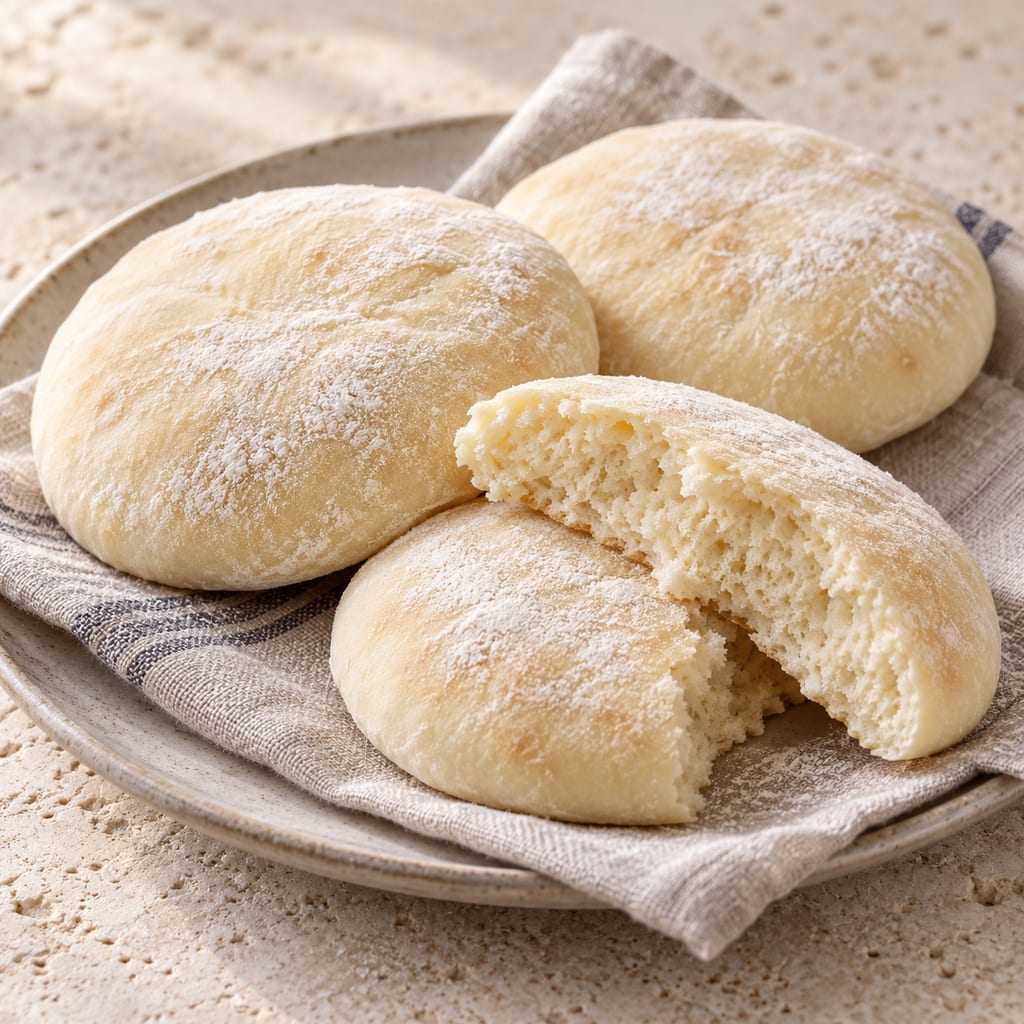
A pale, softly baked, low-profile bread associated with northern France and Tournai. This source-specific household method makes four large faluches; it differs from older accounts of leftover bread dough baked during communal bread baking.
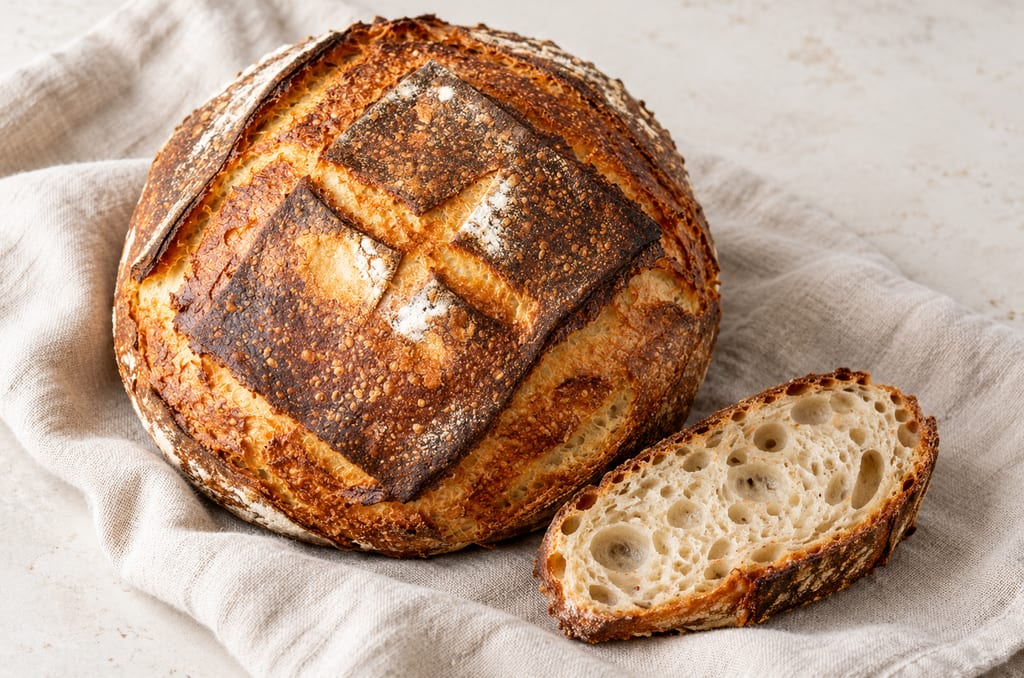
A ripe sourdough starter leavens this modern low-handling loaf. Three hourly folds organize the sticky dough before a long refrigerator rest, final proof and covered bake.
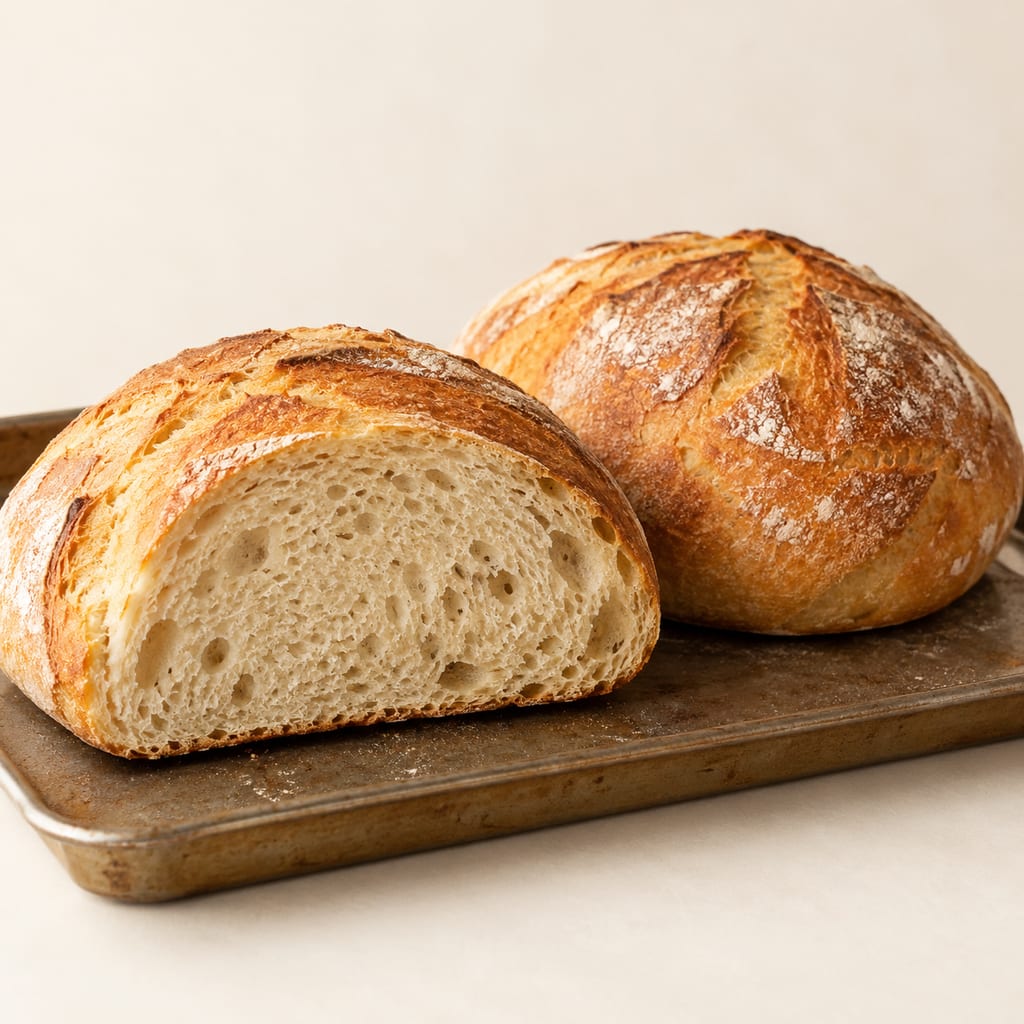
The National Park Service gives a two-loaf yeast bread for a home oven, set beside its account of Pueblo hornos. The home formula is not a horno firing process, which varies by village and family.
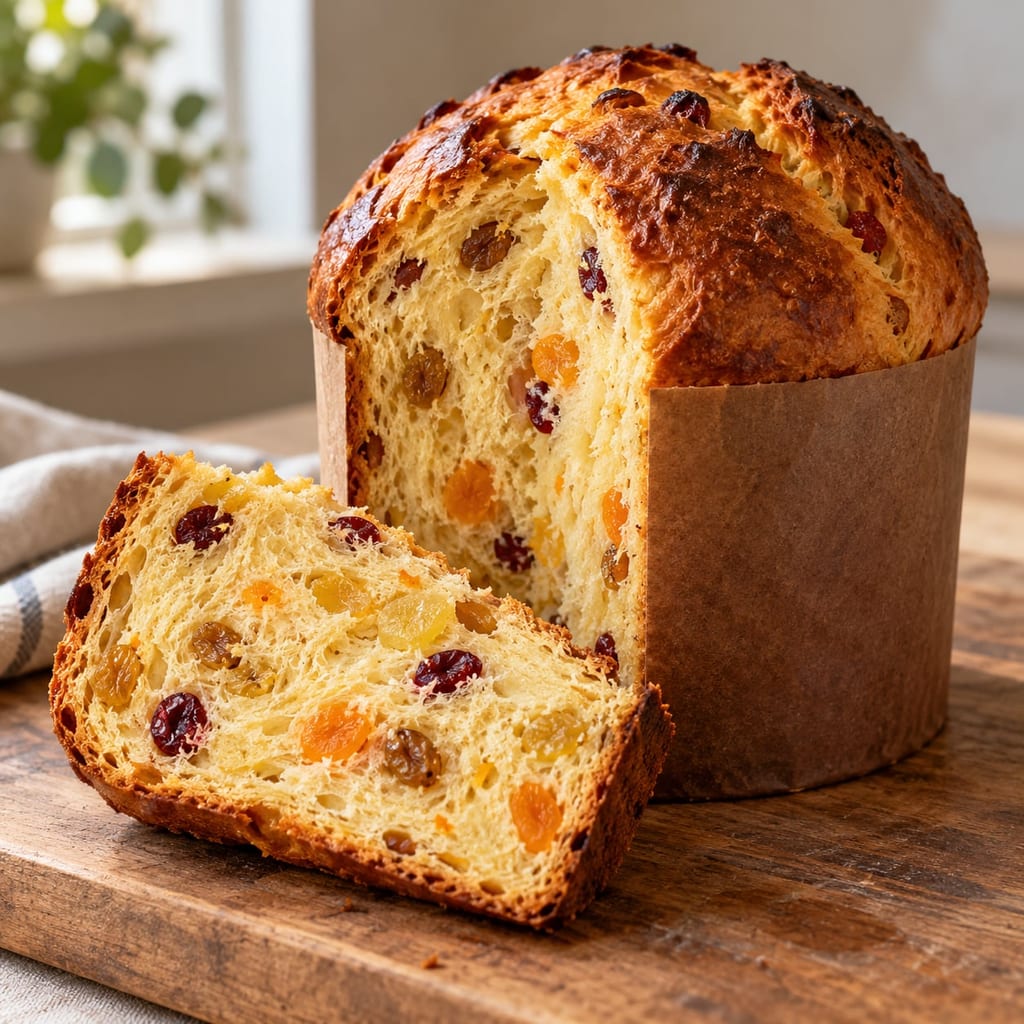
A modern instant-yeast panettone with an overnight flour-and-water preferment and mixed dried fruit. It is separate from specialist sourdough panettone methods.
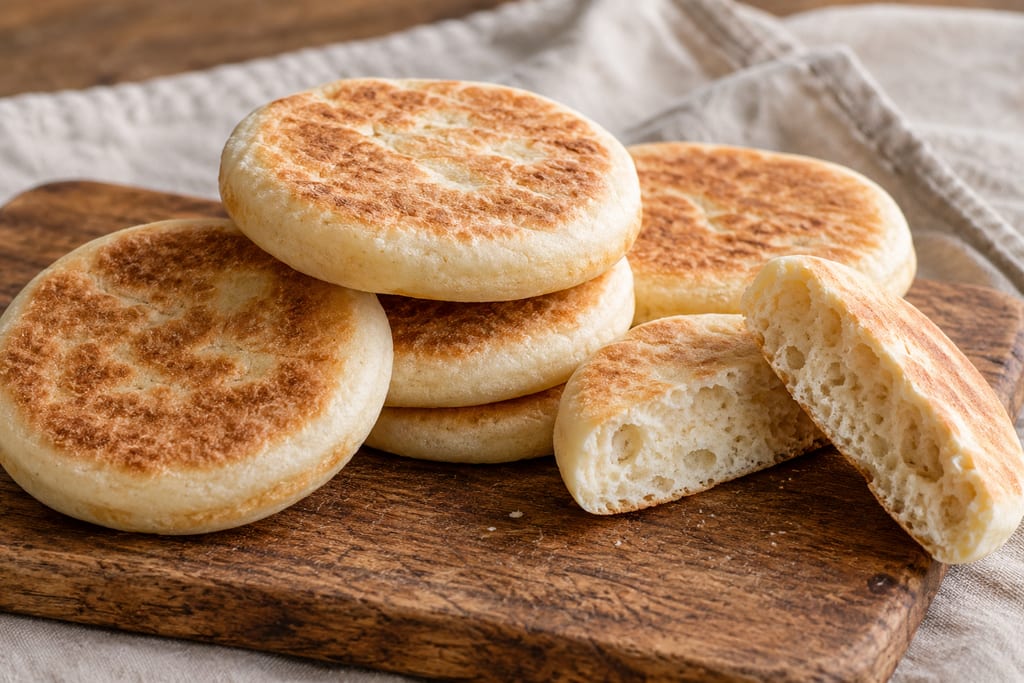
Small Modenese yeast breads cooked between hot plates and served warm.