Elevated risk
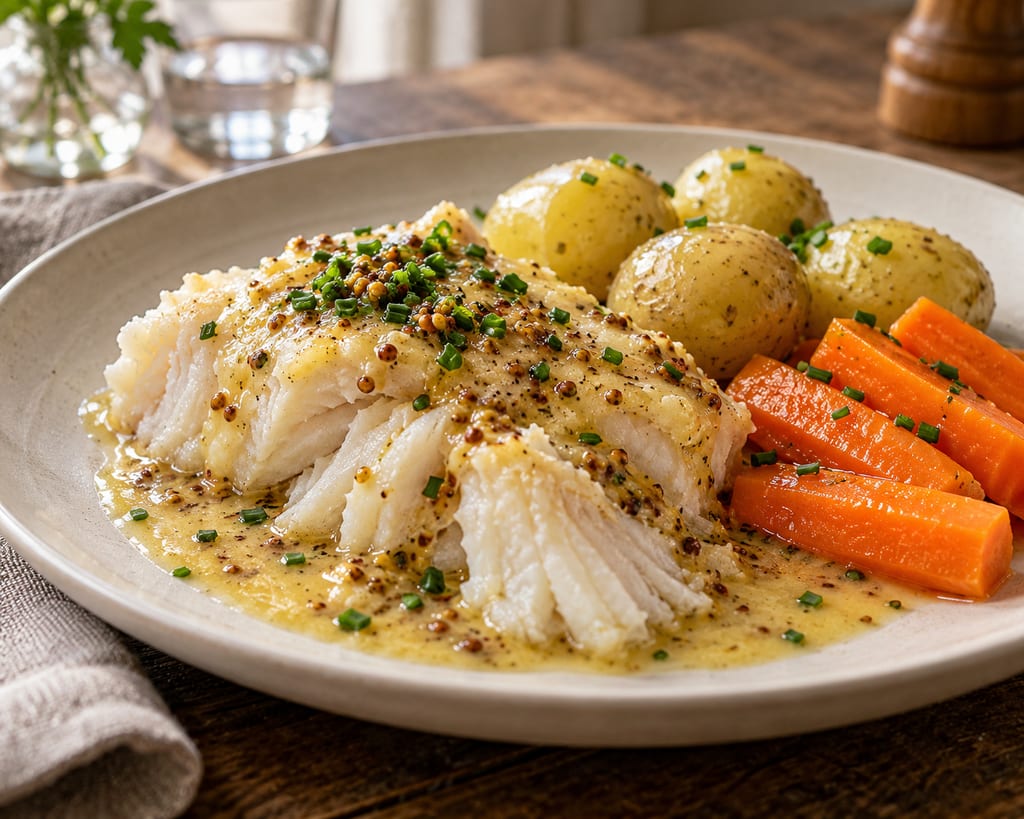
Poached stockfish with mustard butter
Rehydrated air-dried Norwegian cod simmered until it flakes, served with boiled potatoes and carrots under a wholegrain-mustard butter whisked from the fish's own poaching liquid.
 FermenteaWhere food goes to change
1504 records with their sources, across 11 categories.
Rehydrated air-dried Norwegian cod simmered until it flakes, served with boiled potatoes and carrots under a wholegrain-mustard butter whisked from the fish's own poaching liquid.
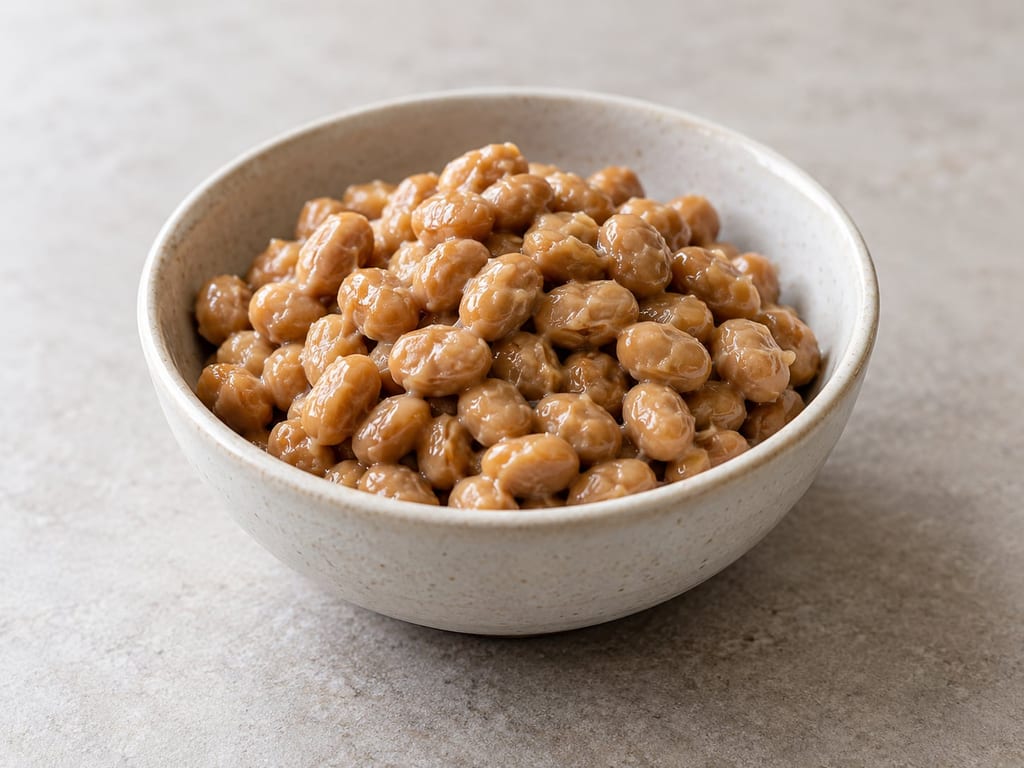
An Apatani fermented soybean food from the Ziro Valley of Arunachal Pradesh: cooked beans are wrapped in ginger leaves and left near the hearth until sticky and savoury, then eaten with rice or as a chilli-seasoned chutney.
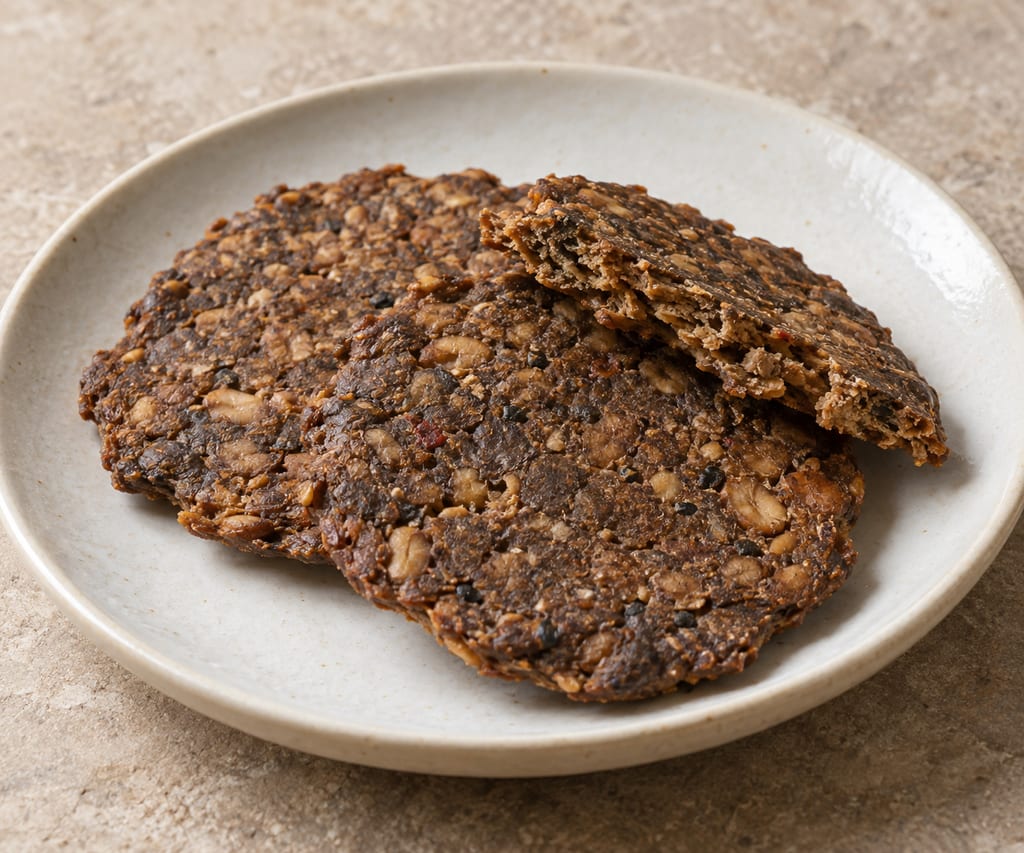
A Myanmar soybean ferment in which cooked beans turn sticky through alkaline bacterial fermentation, then are eaten fresh or seasoned, flattened and sun-dried into savoury wafers.
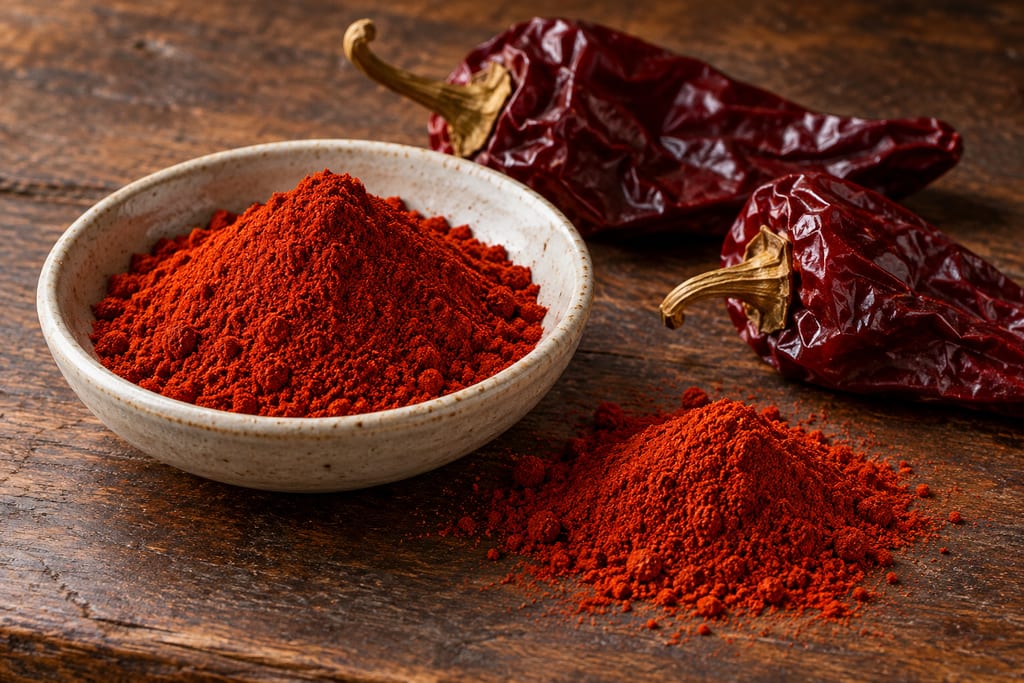
Spanish smoked paprika from Capsicum peppers dried over oak or holm-oak smoke in a dryer called a secadero, then ground. Protected by a designation of origin in La Vera.
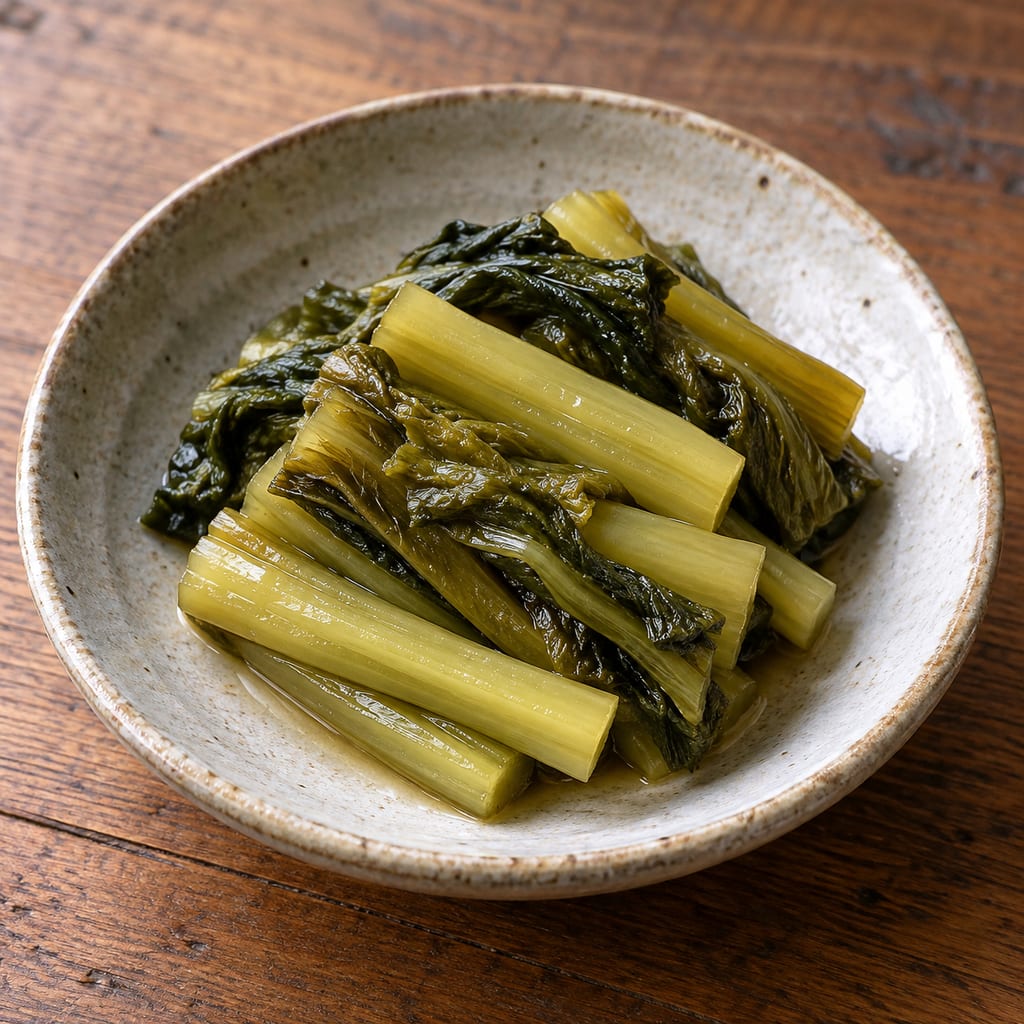
Nozawana greens salted in a barrel and weighted overnight, a Nagano household pickle sampled after about two weeks and soured by a month.
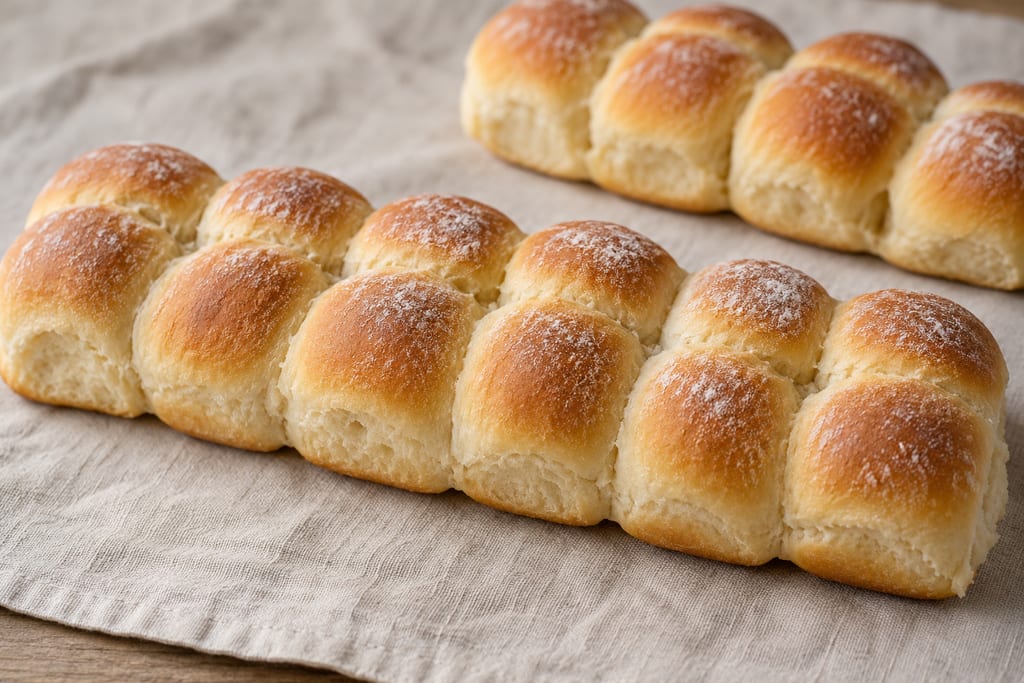
Pan francés guatemalteco is a soft yeast bread shaped as a long strip of joined double rolls and commonly served with dishes such as tamales colorados.
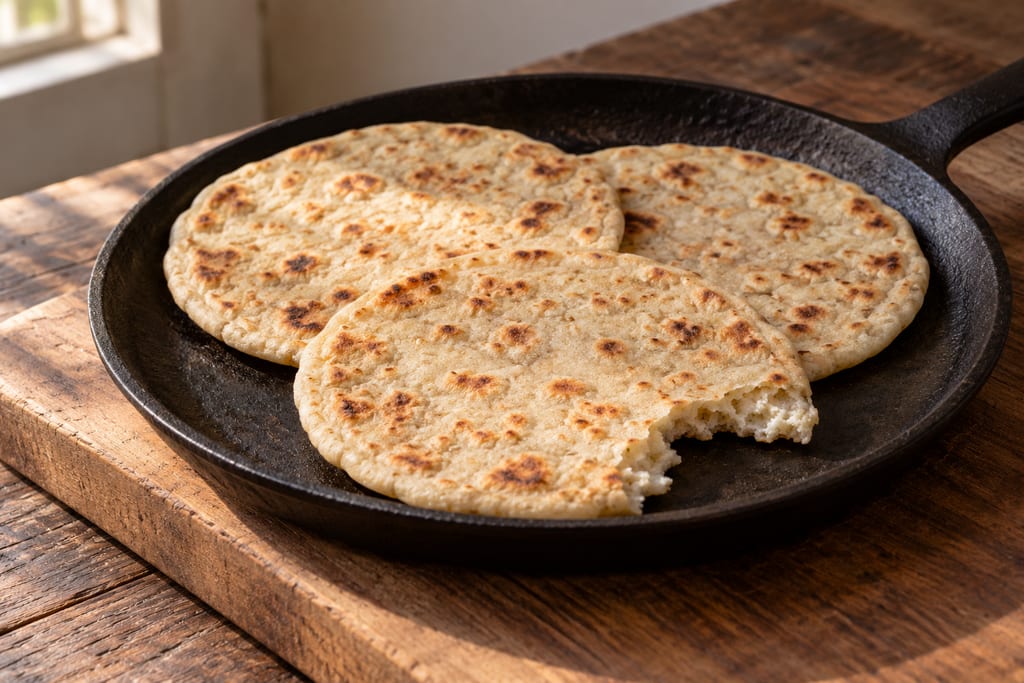
Six quick Chilean wheat flatbreads made with oil, baking soda and baking powder, then cooked in a dry skillet.
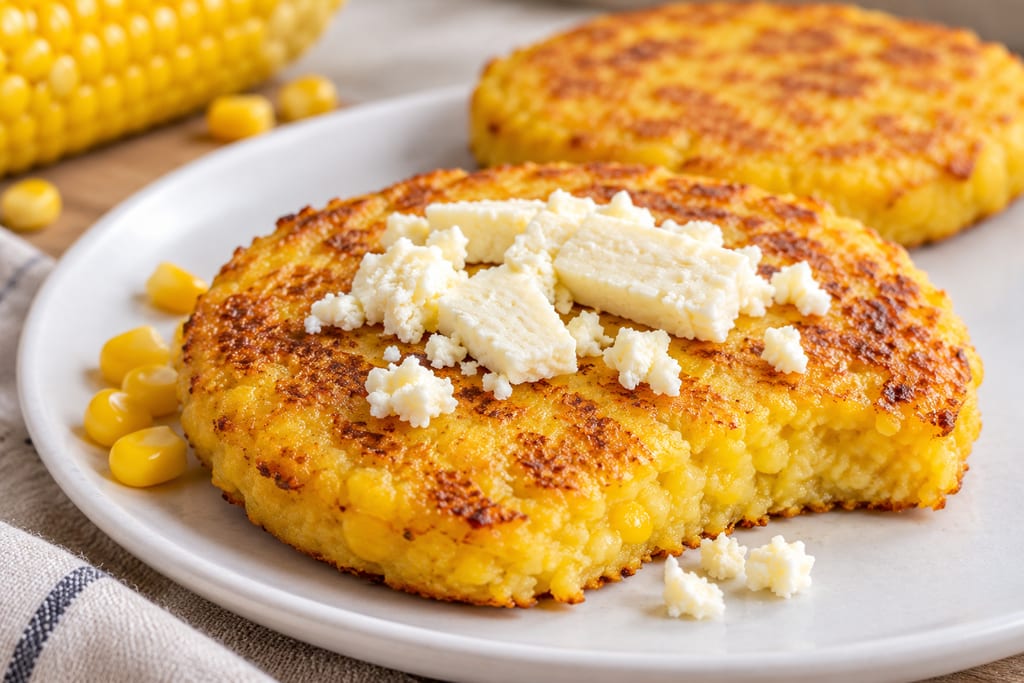
A Colombian Andean griddle cake made from fresh sweet-corn batter, cooked in butter and served with white cheese.
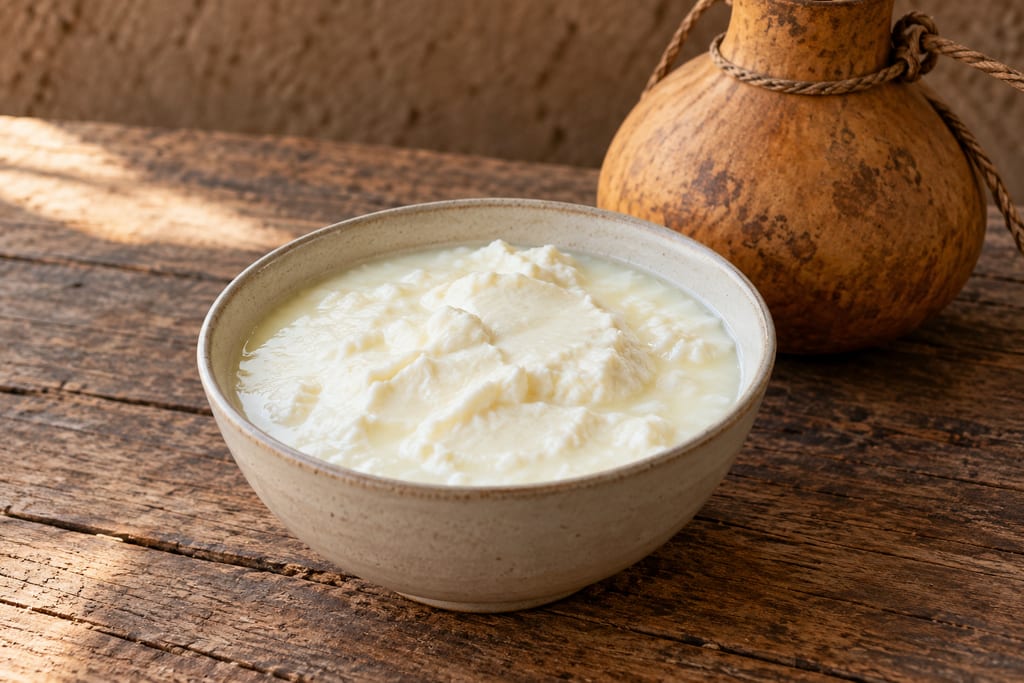
A cultural record of omaere, soured milk associated with Otjiherero-speaking communities in Namibia and Botswana, and documented through household accounts of calabash vessels and fermentation.

Shaped dough dried thoroughly into a portable staple that keeps far longer than fresh dough, in Mediterranean and Asian food systems.
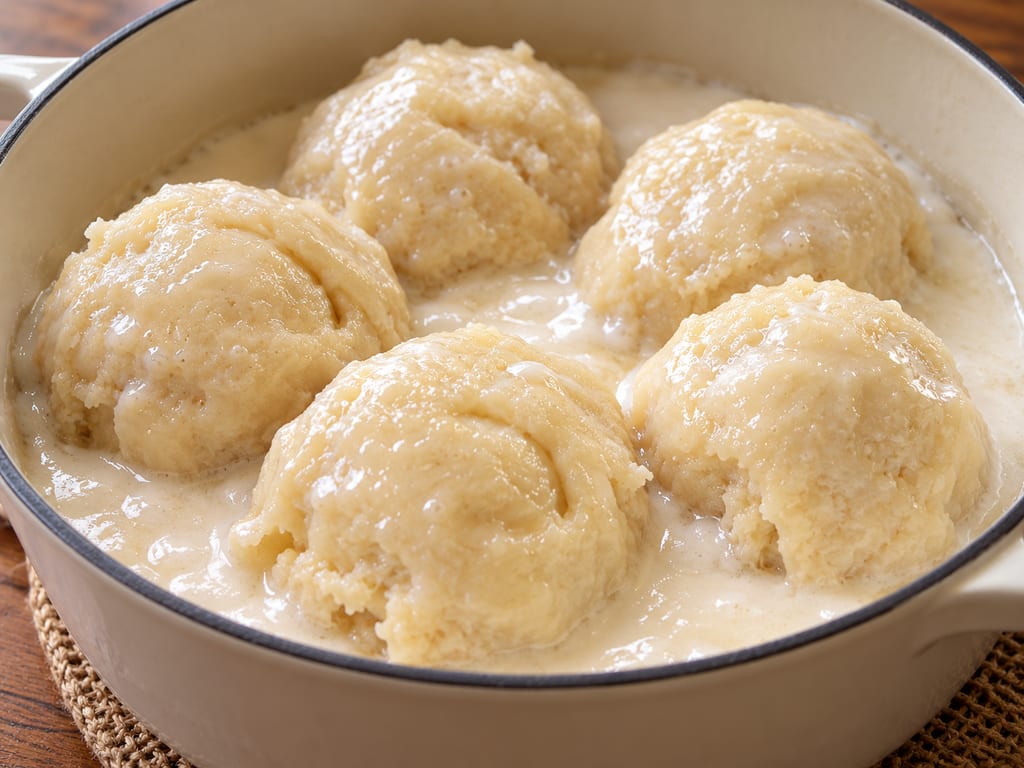
Soft yeast buns shaped by hand and simmered covered in coconut cream diluted with water in a deep pot. This Fijian home version uses a clean knife or fork inserted into the center as its doneness cue.
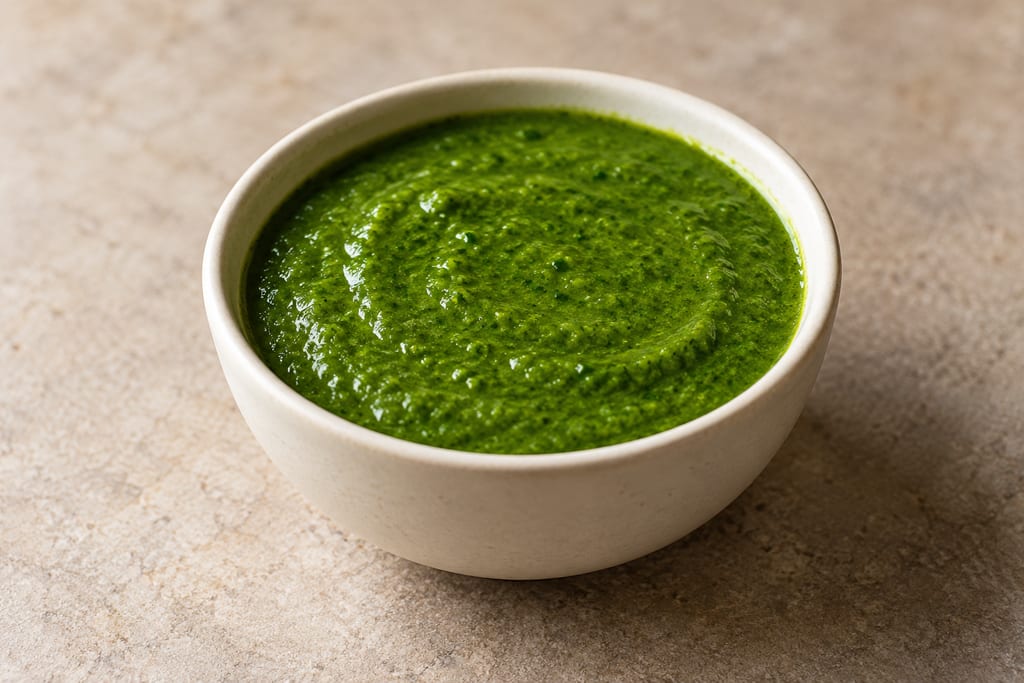
A cold-blended coriander and mint chutney with ginger, green chilli and optional cumin and lemon; the author serves it with snacks, chaat and sandwiches.
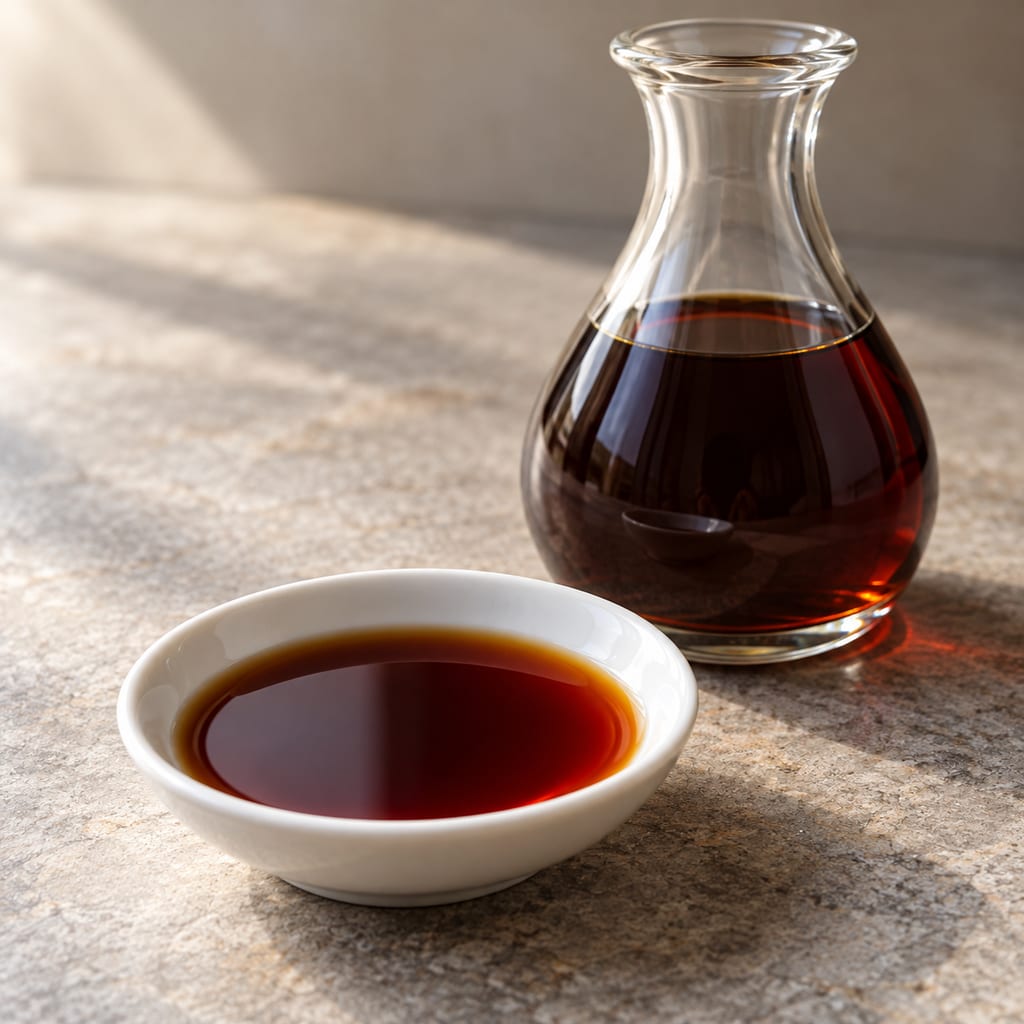
Zhenjiang black vinegar is a Chinese glutinous-rice vinegar made by mixed-culture fermentation, solid-state acetification, roasted-rice extraction and ageing, giving a dark, savoury, mildly sweet condiment.
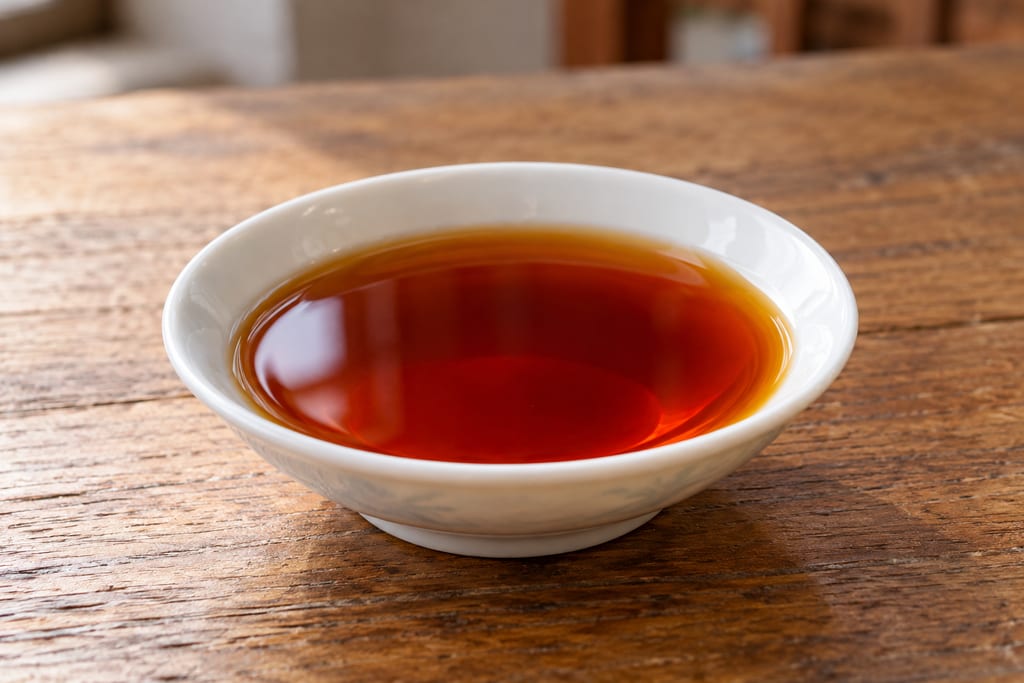
Tianjin grain vinegar of millet and sorghum made with daqu: liquid alcoholic fermentation, two-layer solid-state acetification, and at least three years of outdoor ageing of the grain mash.
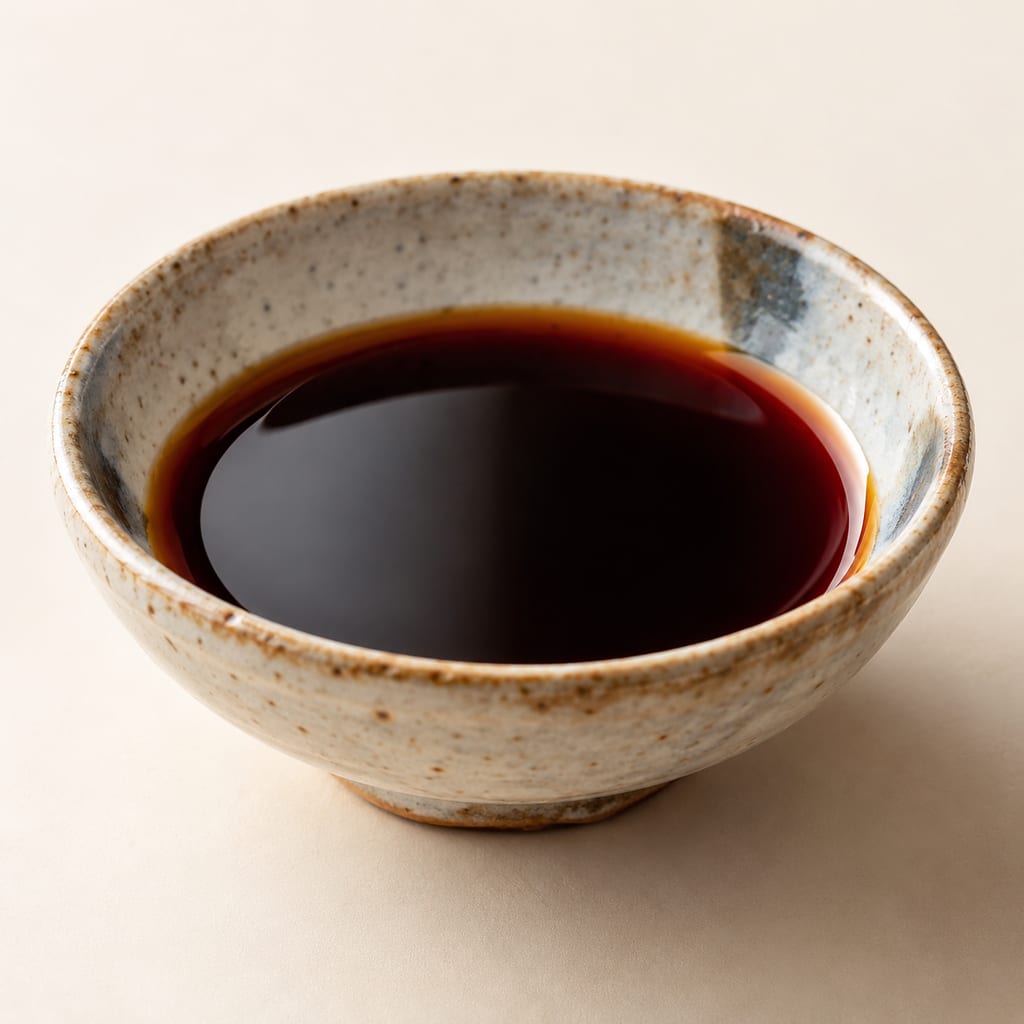
Tamari is the soybean-dominant Japanese soy sauce of the Tokai region, made with little wheat and little brine, and aged longer than koikuchi.
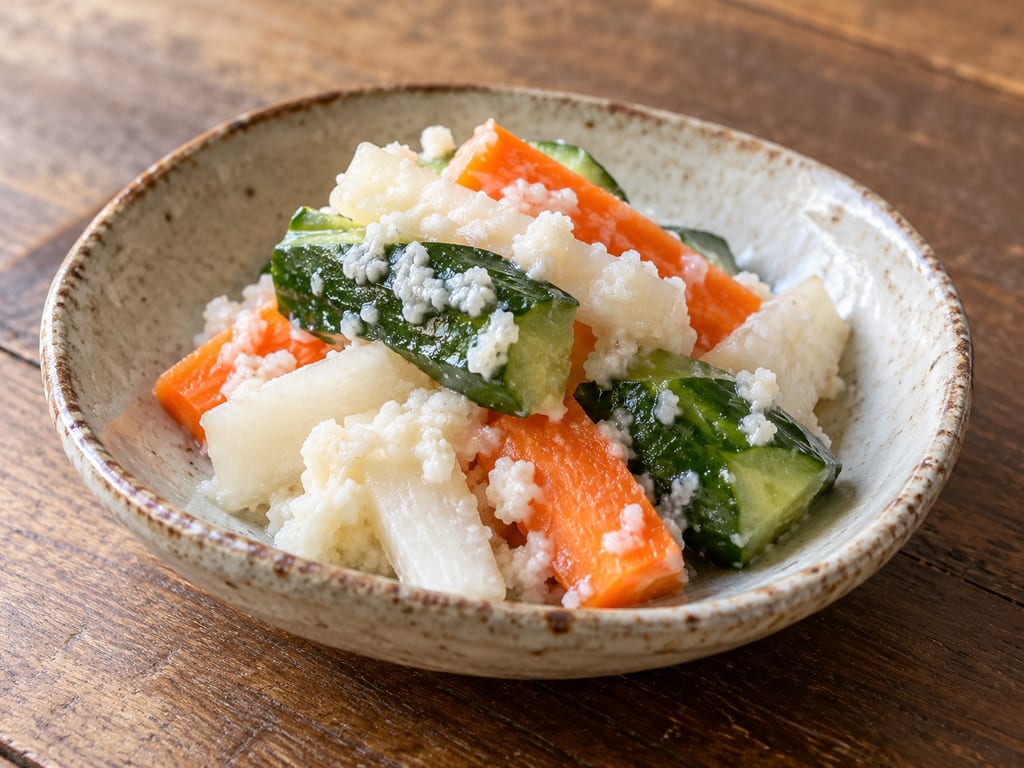
A traditional Japanese koji pickle from the Tohoku region: vegetables pickled in a matured bed of cooked rice, rice koji and salt, where koji enzymes bring sweetness alongside the salt.
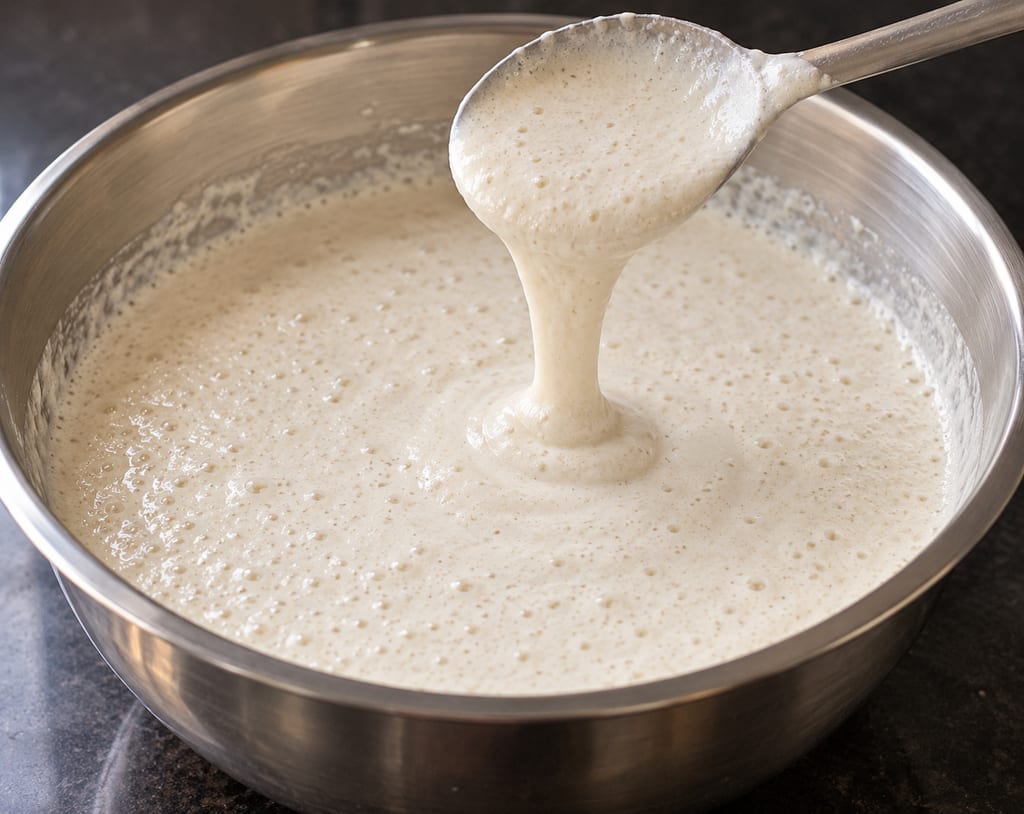
A naturally fermented South Indian rice-and-urad batter, ground fine and spread thin on a hot griddle. Fermentation lightens the batter and develops its gentle tang.
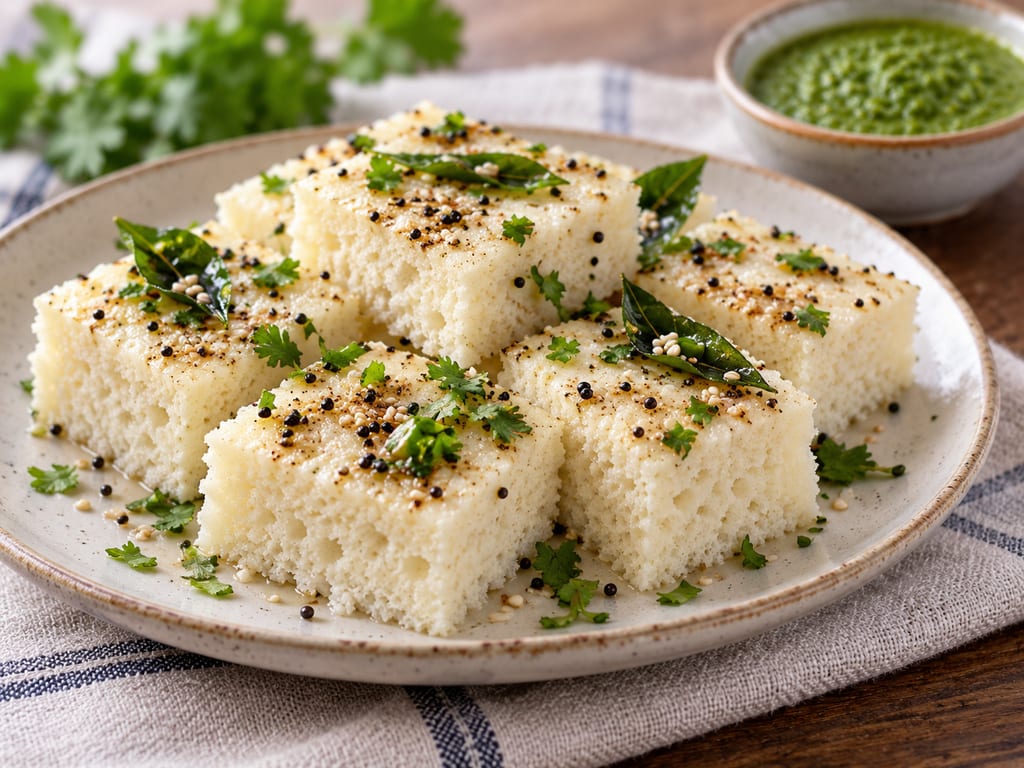
Dhokla is a Gujarati savoury steamed cake made from a fermented rice-and-pulse batter, whose lactic bacteria and yeasts give acidity, aroma and a porous crumb before steaming.
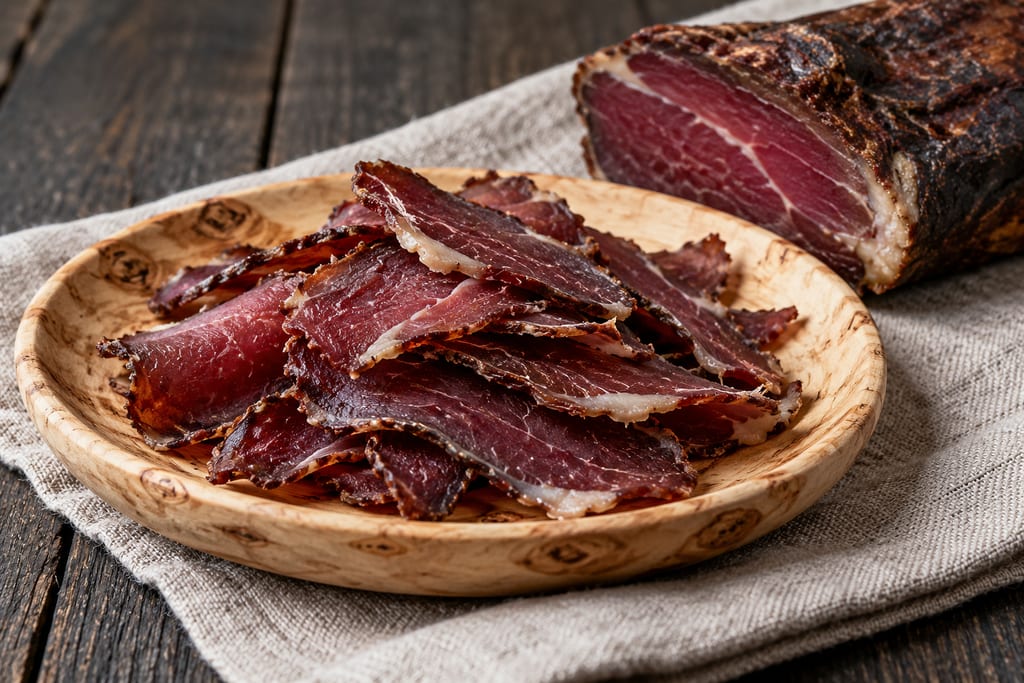
Salted reindeer meat hung in the smoke of a lávvu fire over willow, birch or juniper, then cooled and in some Sámi communities dried outdoors into travelling provisions.
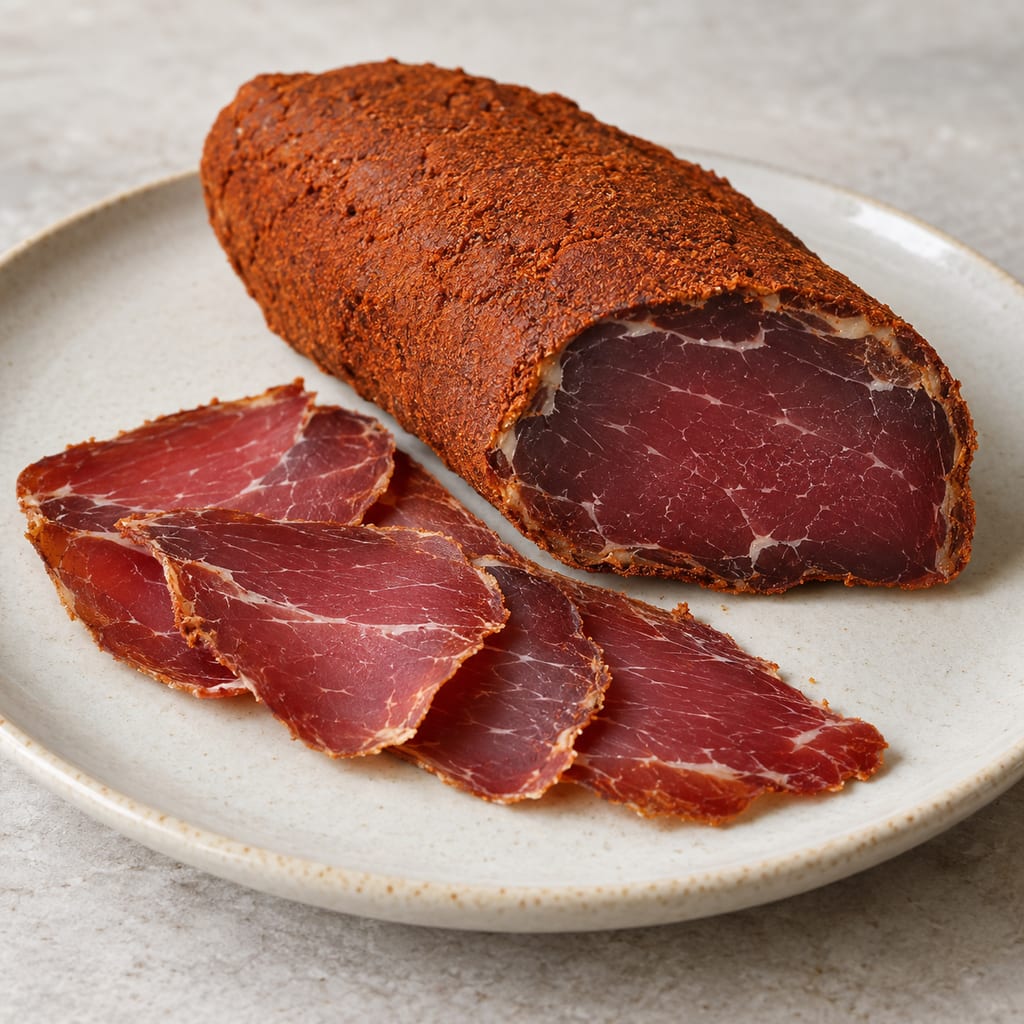
Dry-cured beef salted, air-dried and often coated with a spice paste called çemen before it is sold whole or sliced; a Turkish cured meat whose preservation rests on salting and drying.
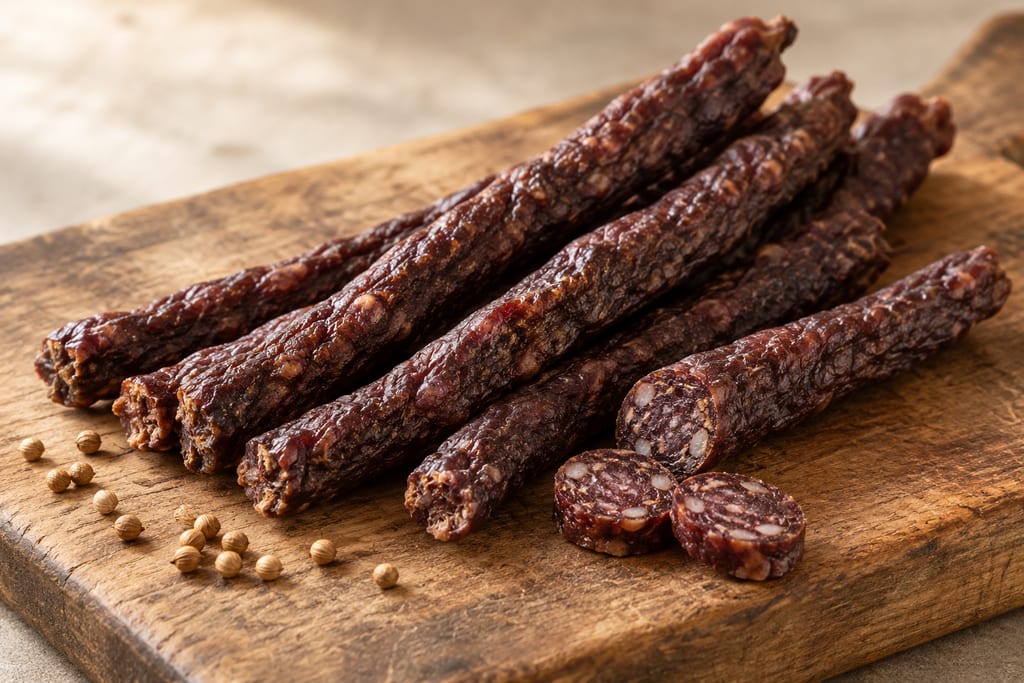
South Africa's dried sausage: seasoned minced meat in narrow casings, dried until it can be eaten without cooking, which makes it a far more demanding product than fresh boerewors.
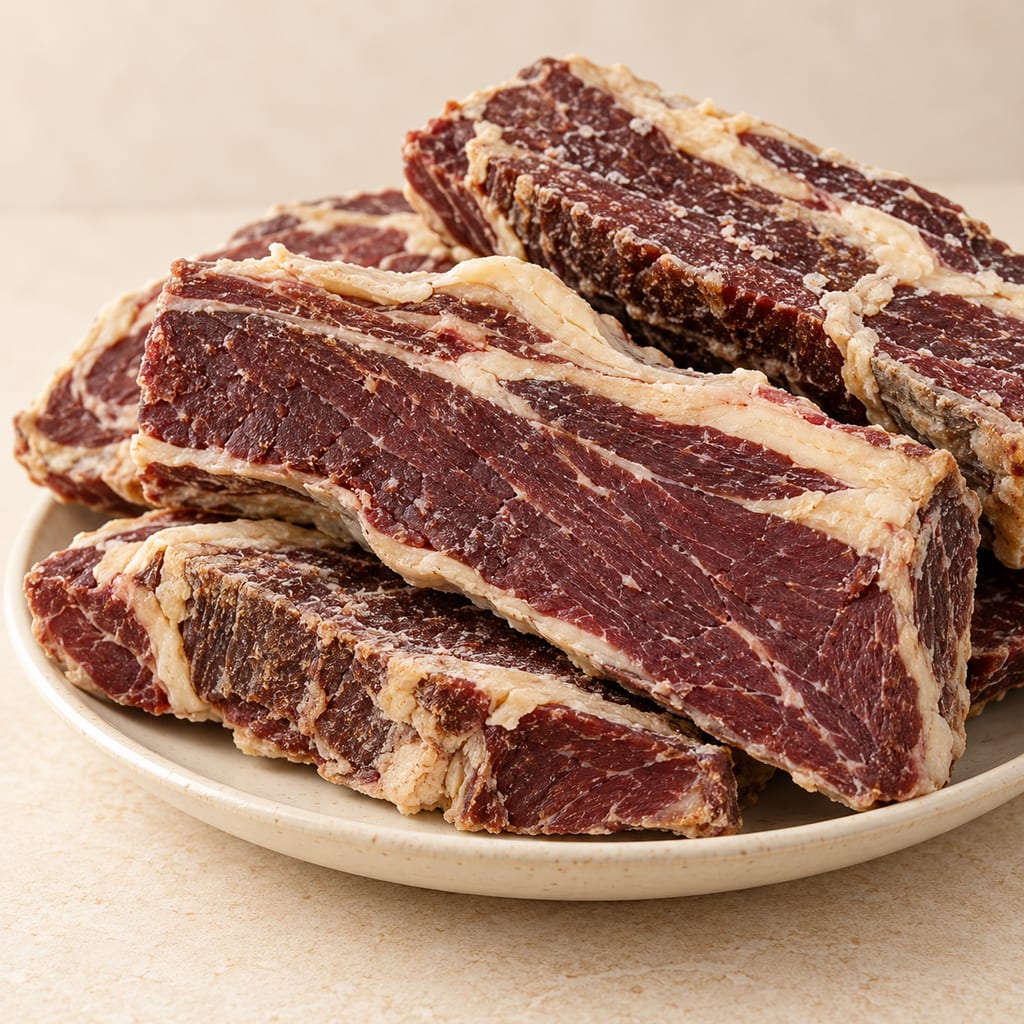
Beef salted heavily and dried into a strongly preserved ingredient that is desalted before it is cooked in stews; a Brazilian form of salt-dried meat that keeps far longer than the lightly salted carne-de-sol.
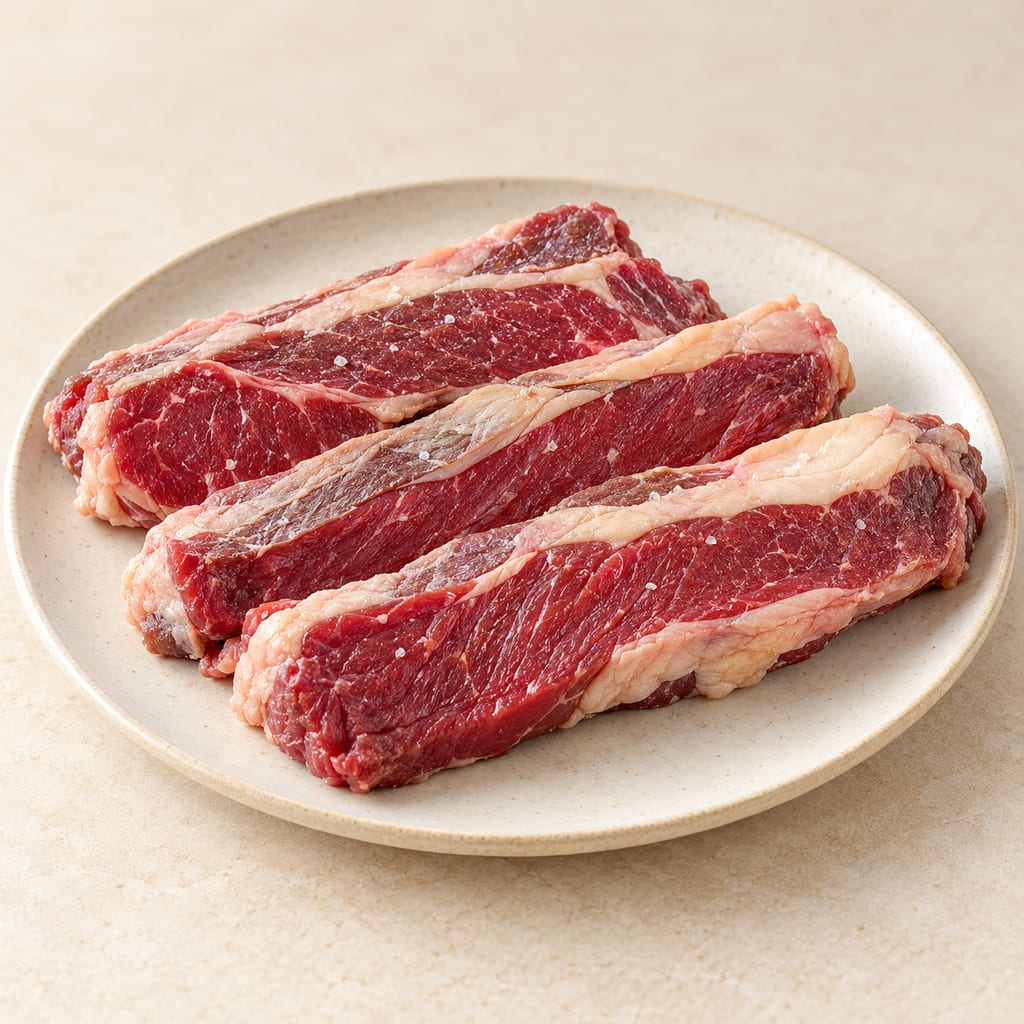
Beef given limited salt and partial surface drying, a short-keeping Brazilian meat that is much less durable than fully dried charque and is treated as a cold-chain product.
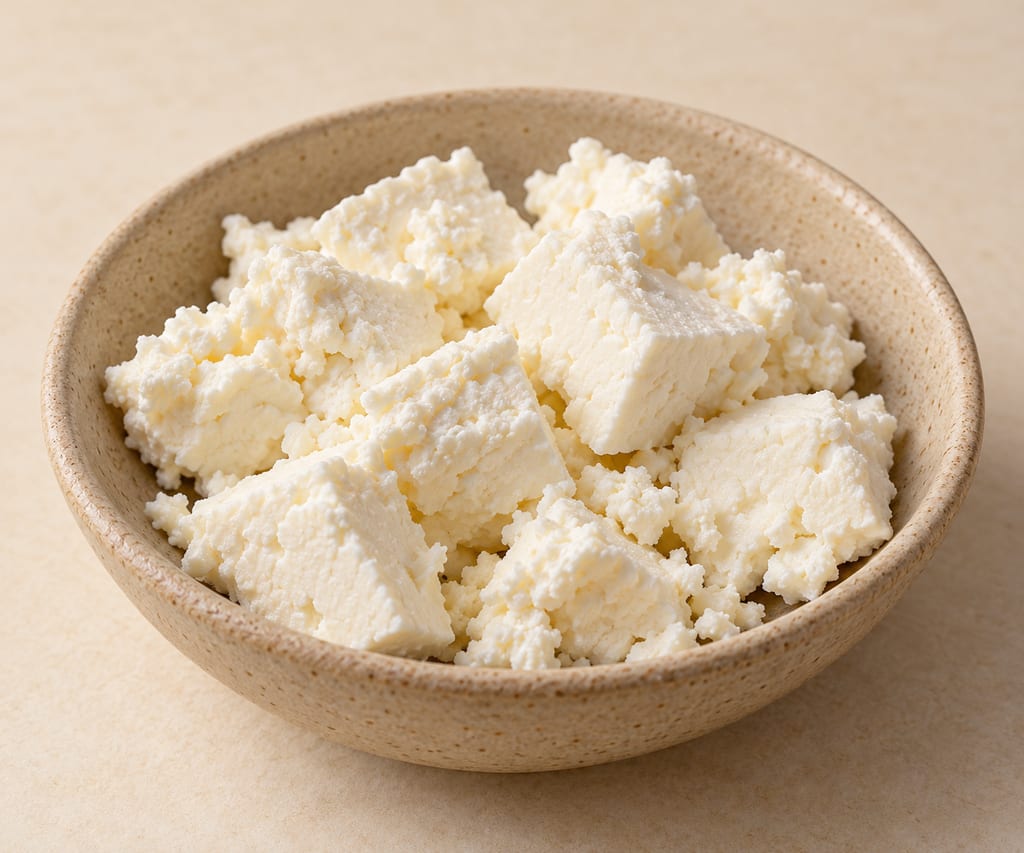
Whole milk set with a mesophilic starter and rennet makes a fresh, crumbly feta-style cheese. Its curds pass through hot salted whey before molding.
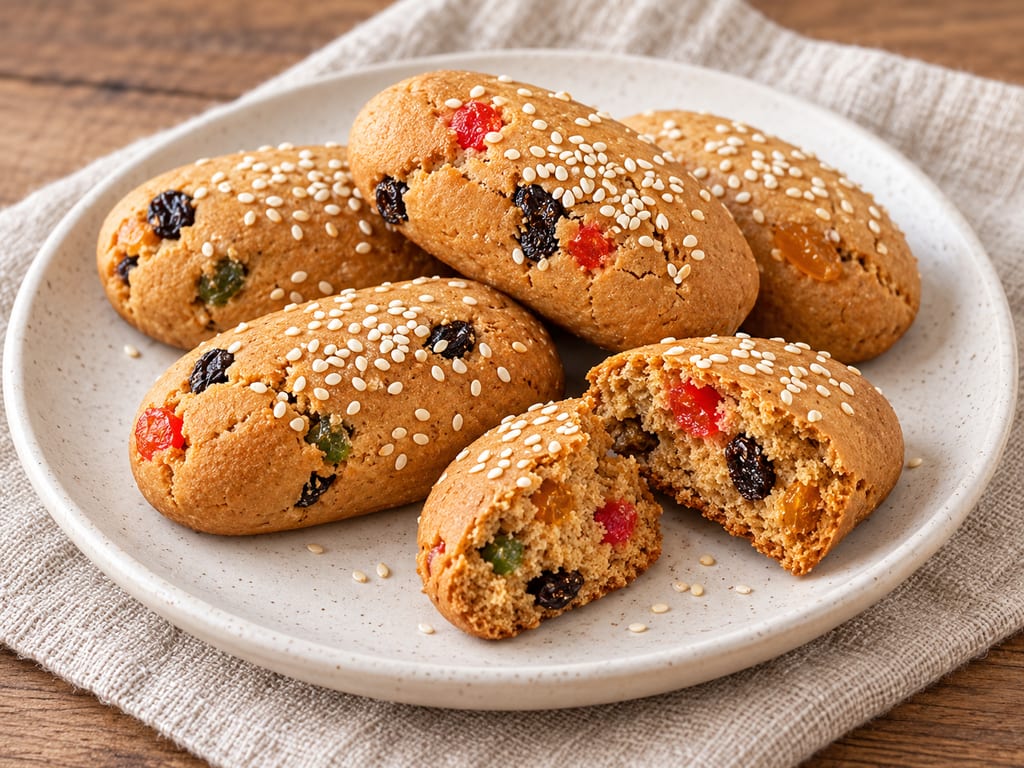
An Indonesian palm-sugar and cinnamon quick bread with dried fruit and sesame.

Traditional Japanese sake yeast starters made from steamed rice, rice koji and water, acidified by naturally growing lactic acid bacteria. Kimoto grinds the rice mash with paddles; yamahai omits that step.
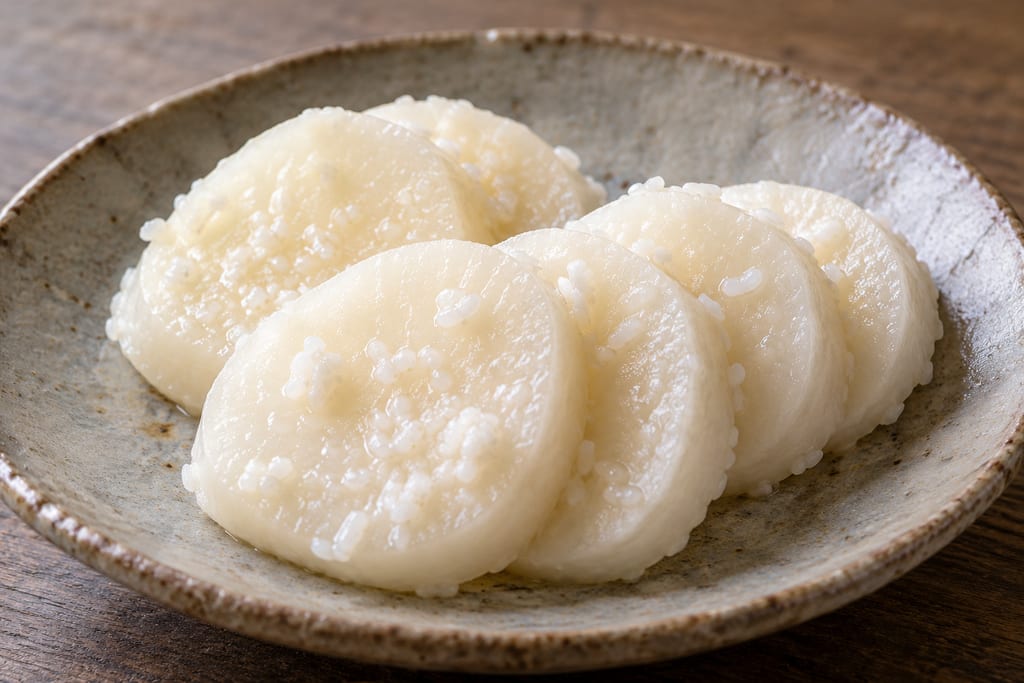
A sweet, crisp Japanese daikon pickle from Tokyo's Nihonbashi district, made by salting fresh radish and dressing it in rice koji, sugar or koji amazake without the heavy drying used for takuan.
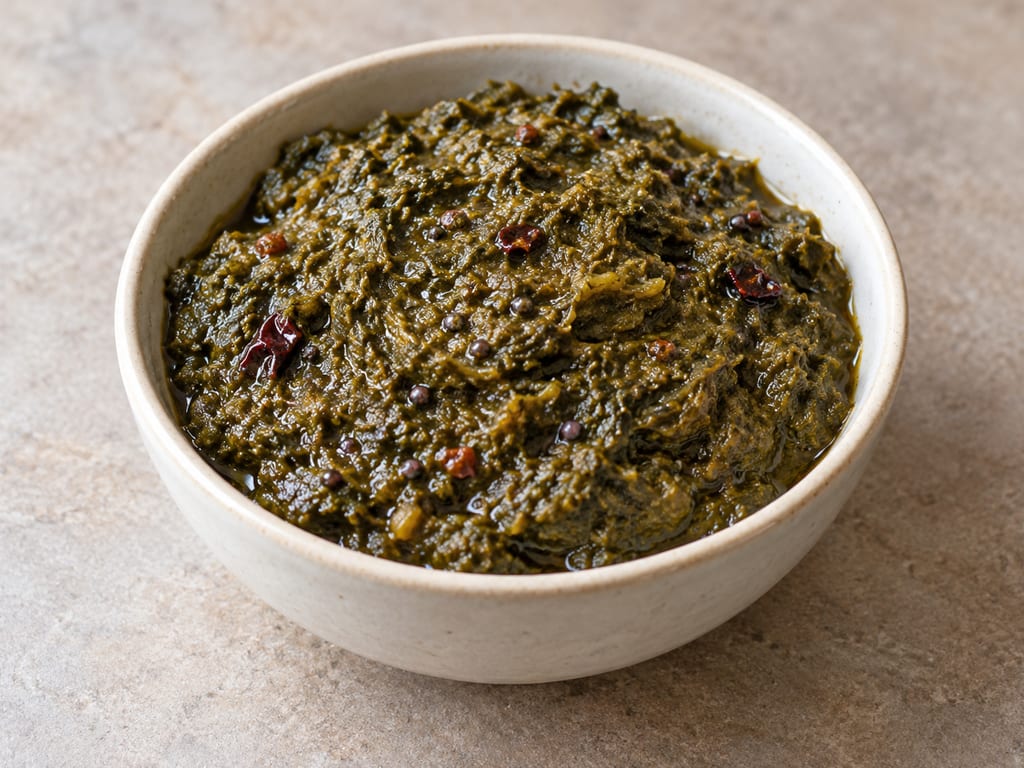
A hot, sour Andhra chutney of gongura (sorrel) leaves cooked soft and ground with fried dried chillies, garlic and onion, then finished with a hot tempering of dals, mustard and curry leaves.
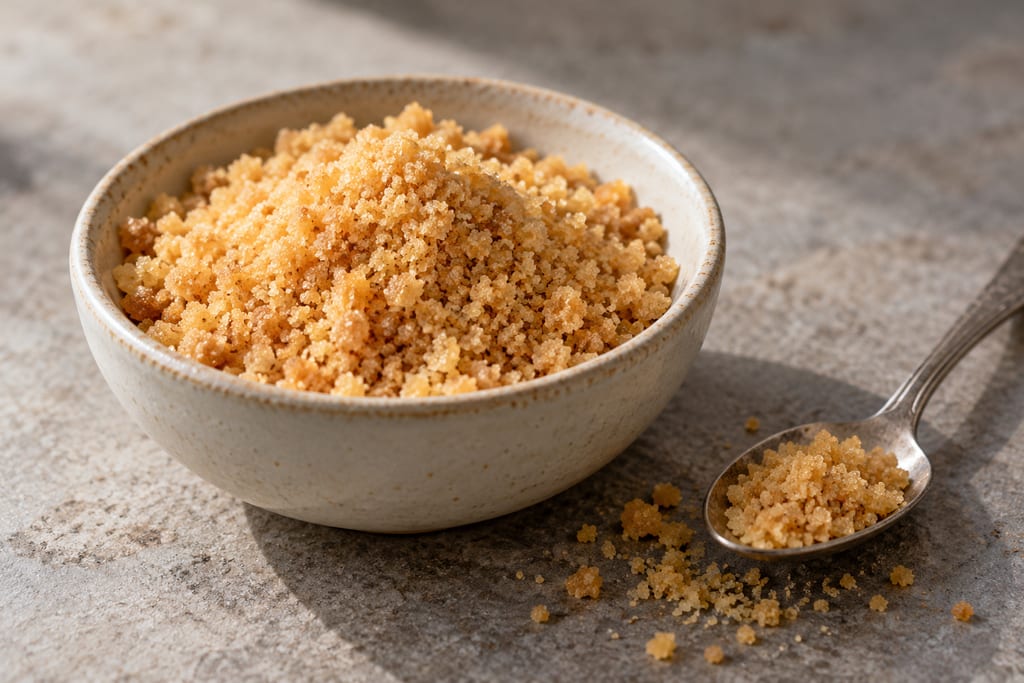
Maple sugar is sap from maple trees boiled down until it granulates. Great Lakes Indigenous makers stored the concentrated sugar for later use and for exchange.
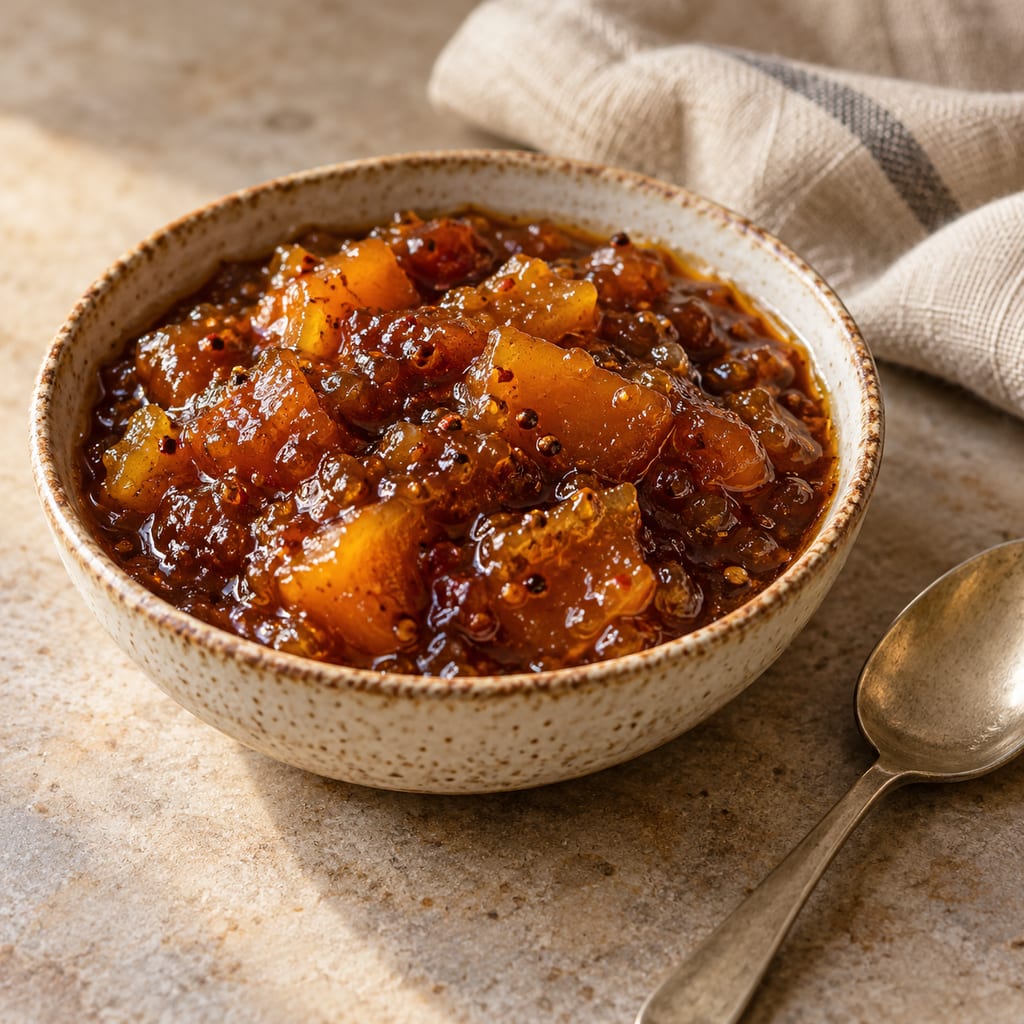
A broad account of cooked chutney traditions: fruit or vegetables combined with sugar, spices and sometimes acid, often boiled into a thick condiment. This record is historical and process context, not a formula or storage recipe.

Fresh herbs and citrus peel infused into spirit in about a minute in a cream whipper charged with nitrous oxide. This is extraction only: it is not ageing and not preservation.
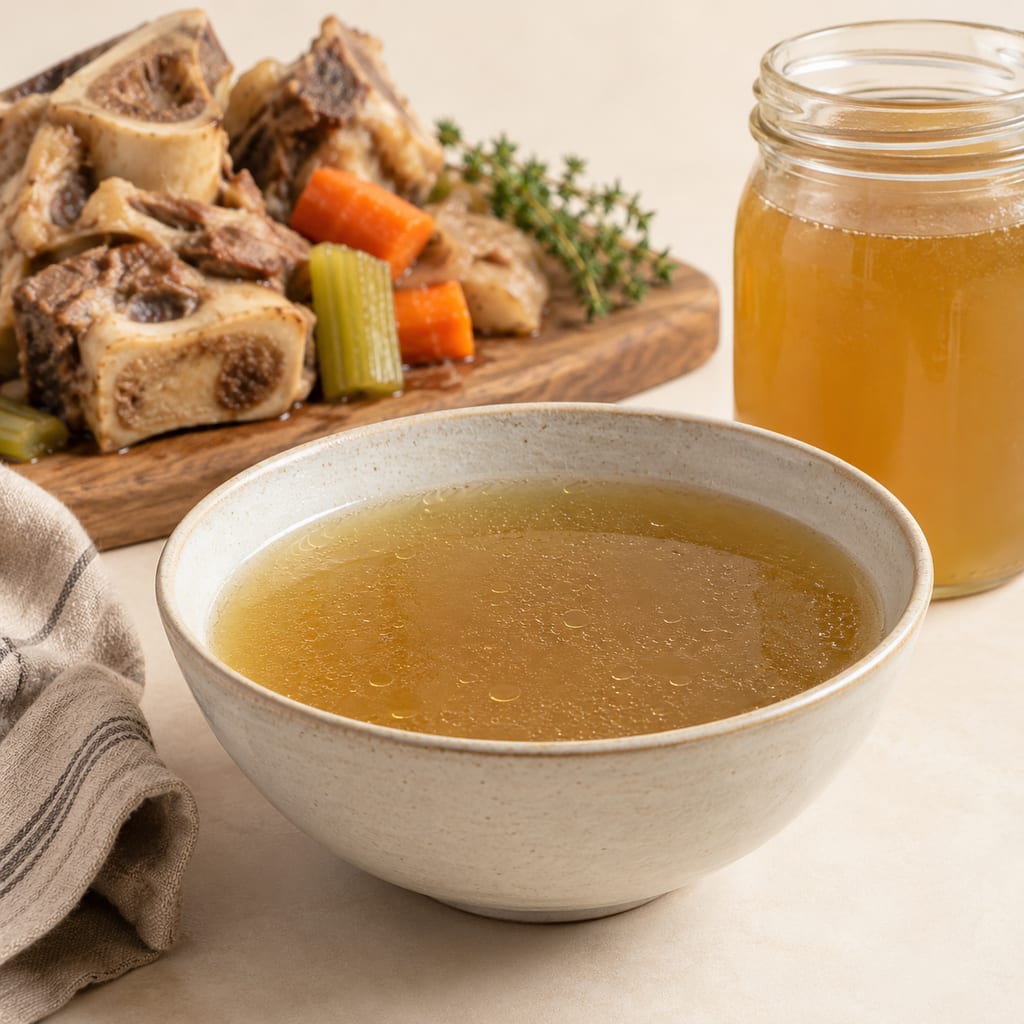
Bones and vegetables pressure cooked for four hours in an electric multicooker and strained into a broth. The gel strength the broth reaches is not established.
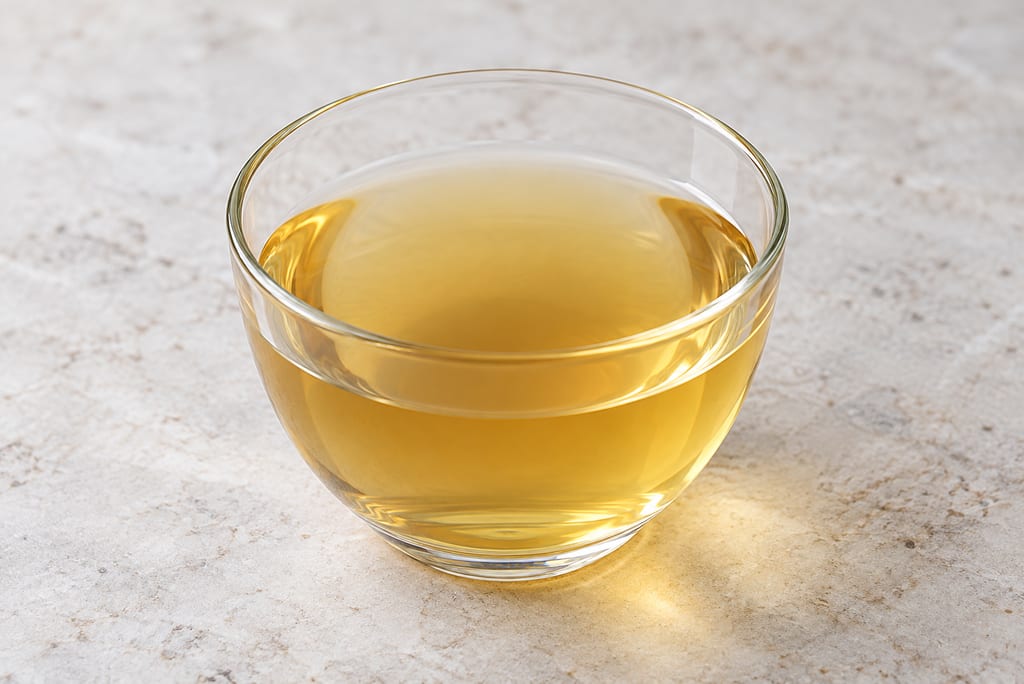
A liquid set with a little gelatin, frozen solid, then thawed through cloth in the refrigerator so that clear liquid drips out and the cloudy gel stays behind.

A pourable dessert sauce of brown sugar, butter and cream, with a little corn syrup and salt. It is the sauce form of the butterscotch confection and is made without water, unlike caramel.
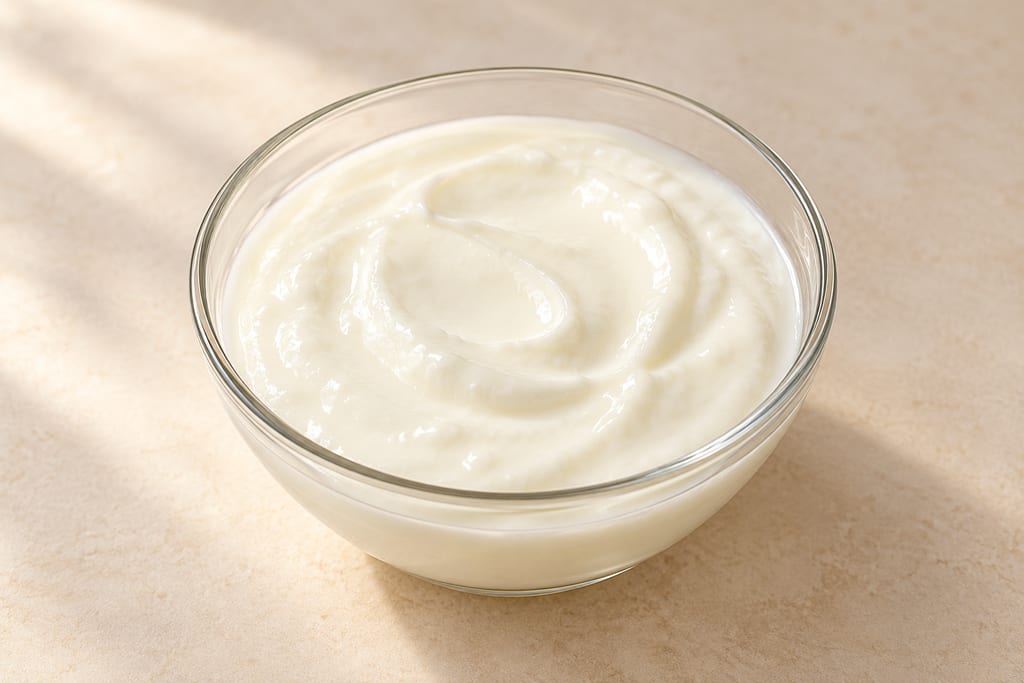
A mild, set yogurt made by inoculating warm pasteurized milk with live-culture yogurt and holding it until it gels. This US extension method uses a short ingredient list and controlled incubation.
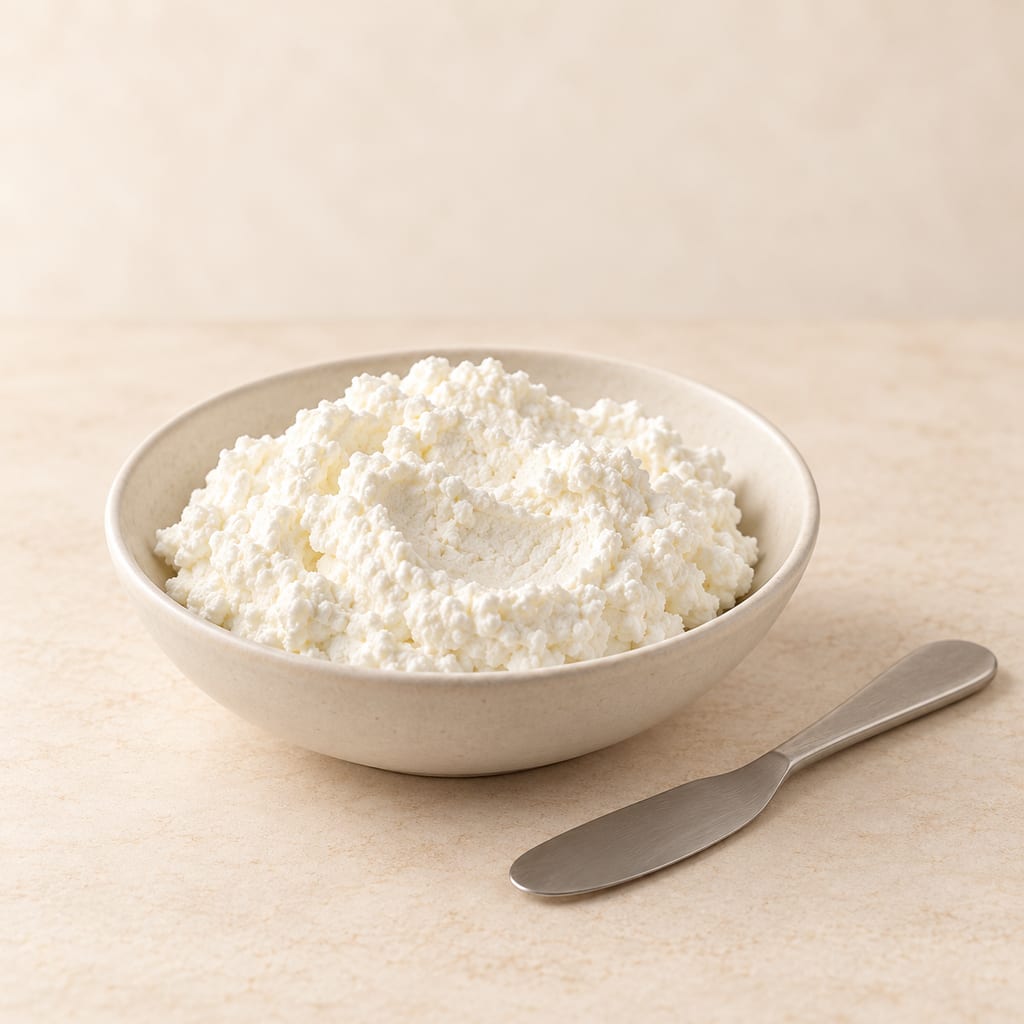
Quark is a soft, fresh curd cheese used in spreads and desserts. This small home batch sets milk with mesophilic culture and rennet before refrigerated drainage.

Foods embedded in salty fermented miso paste, which transfers salt and fermentation products into them; misozuke uses an already transformed medium rather than a fresh vegetable brine.

Fried or cooked food covered in a vinegar-based preparation, the heat and the externally supplied acid working together; a family of methods whose early form is a Roman instruction for treating fried fish with hot vinegar.
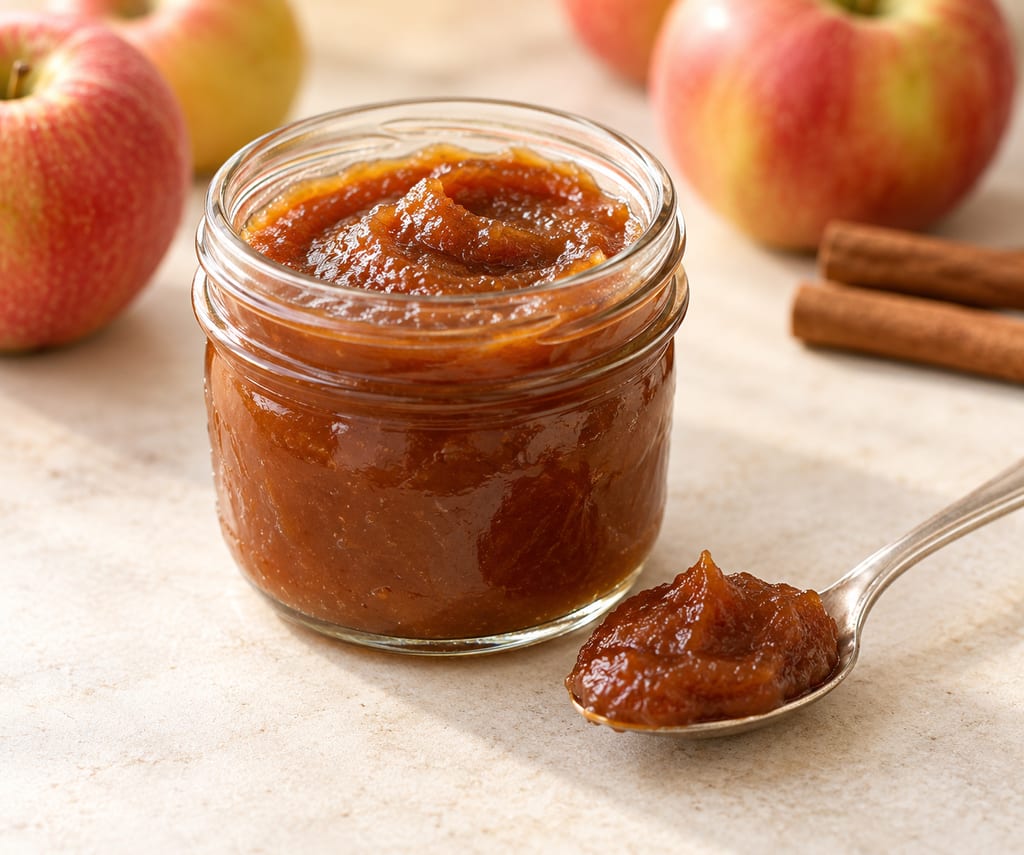
Apple butter is a smooth, concentrated apple preserve cooked with cider, vinegar, two sugars and spices, then hot-filled and processed in a boiling-water canner using the published jar-size and elevation schedule.
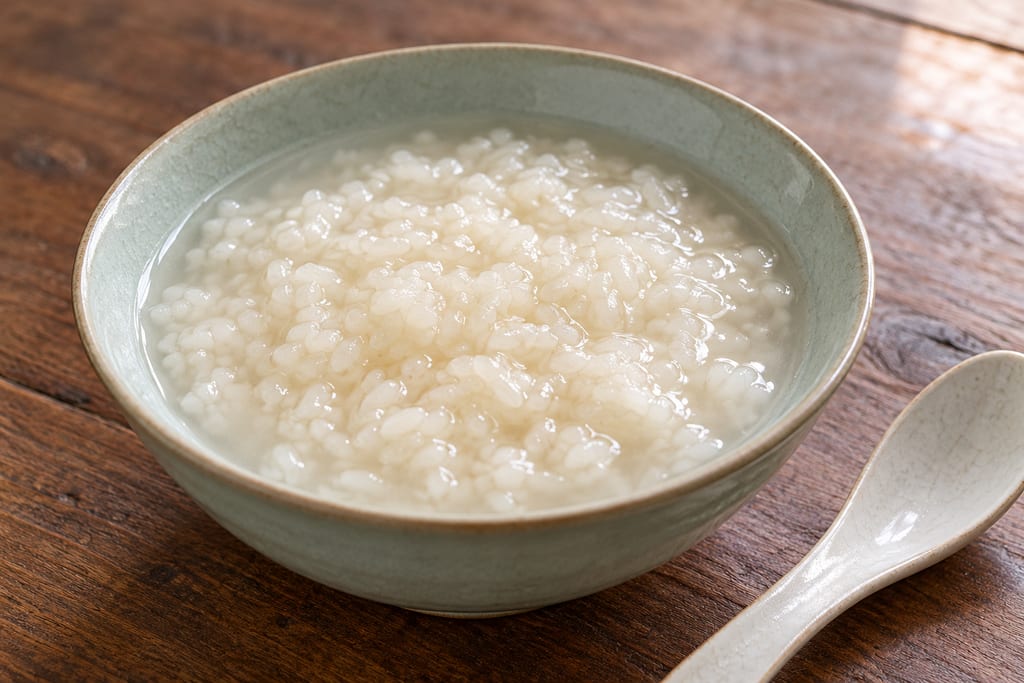
Chinese sweet fermented glutinous rice: steamed rice and a mixed jiuqu starter, where mould enzymes release sugar and yeast makes a little alcohol, eaten with its sweet liquid.
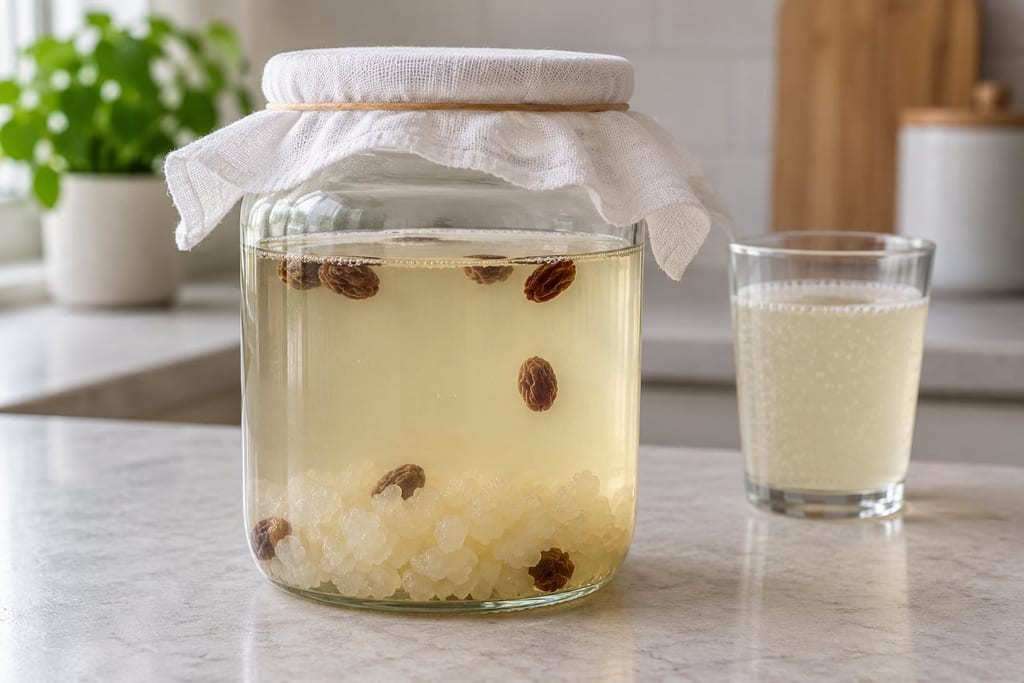
Water kefir grains culture lightly sweetened water into a tart, faintly fizzy drink, with raisins added as an optional dried-fruit nutrient. Alcohol, acidity and fermentation rate vary batch to batch.

Crushed or milled barley cooked in water until the starch softens and the mixture thickens, the plainest way a northern household turned stored grain into a meal, here with apple and hazelnut.
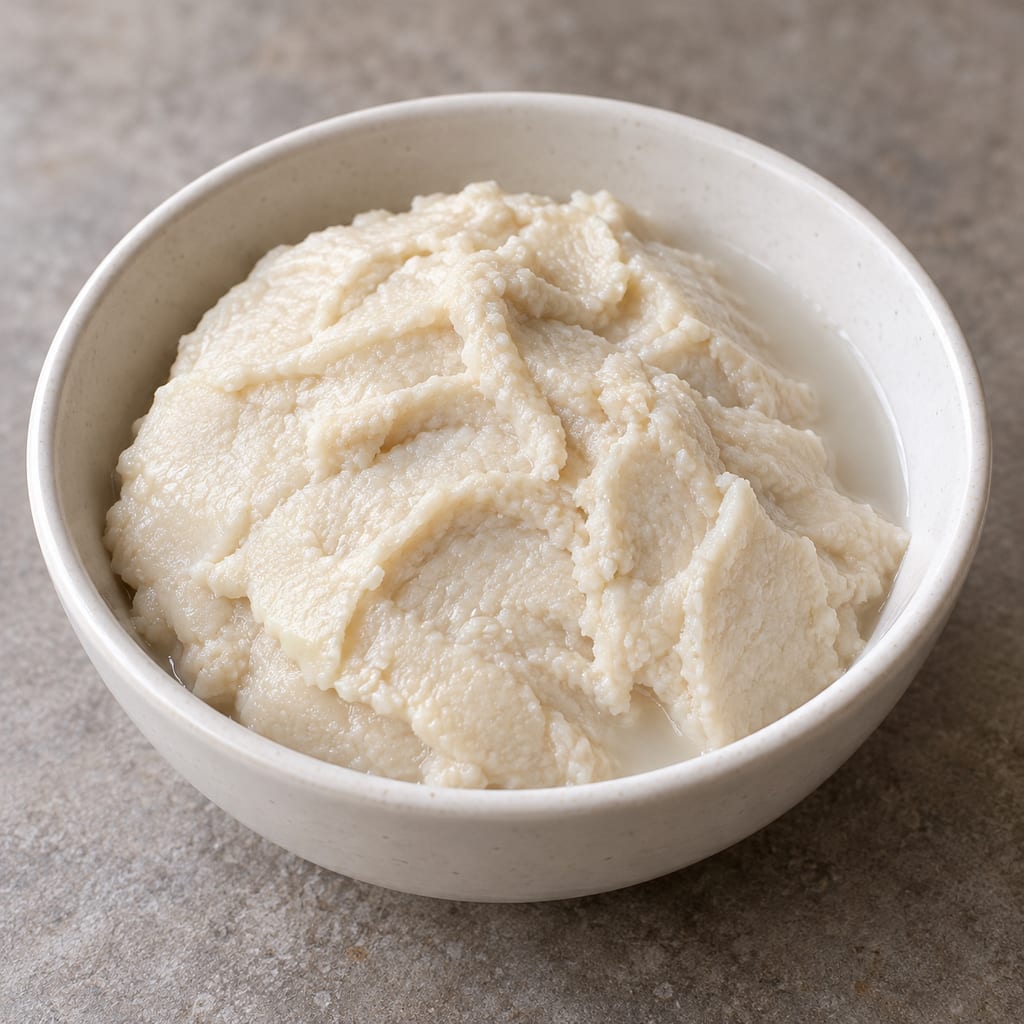
Ogi or akamu is a wet fermented cereal preparation documented in Nigeria and Benin. Grain or maize starch is steeped, milled or sieved, then fermented by process-specific routes; evidence supports no universal method or safety limit.
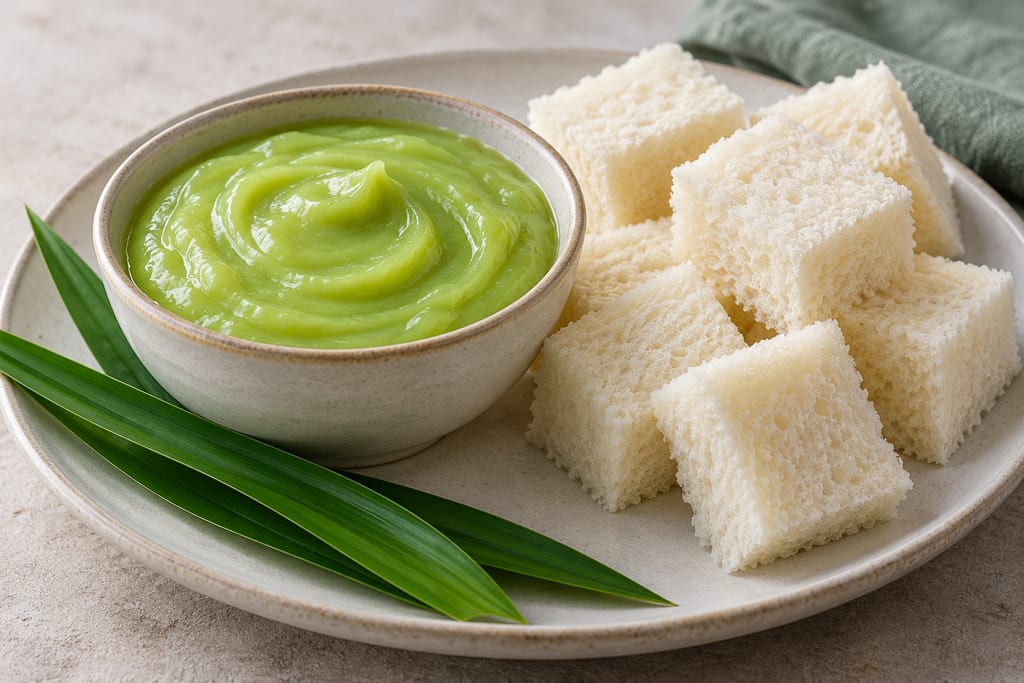
A green Thai custard of pandan juice, coconut milk, egg yolks and sugar, cooked over a water bath until it coats a spoon and served for dipping soft bread, toast or sticky rice.
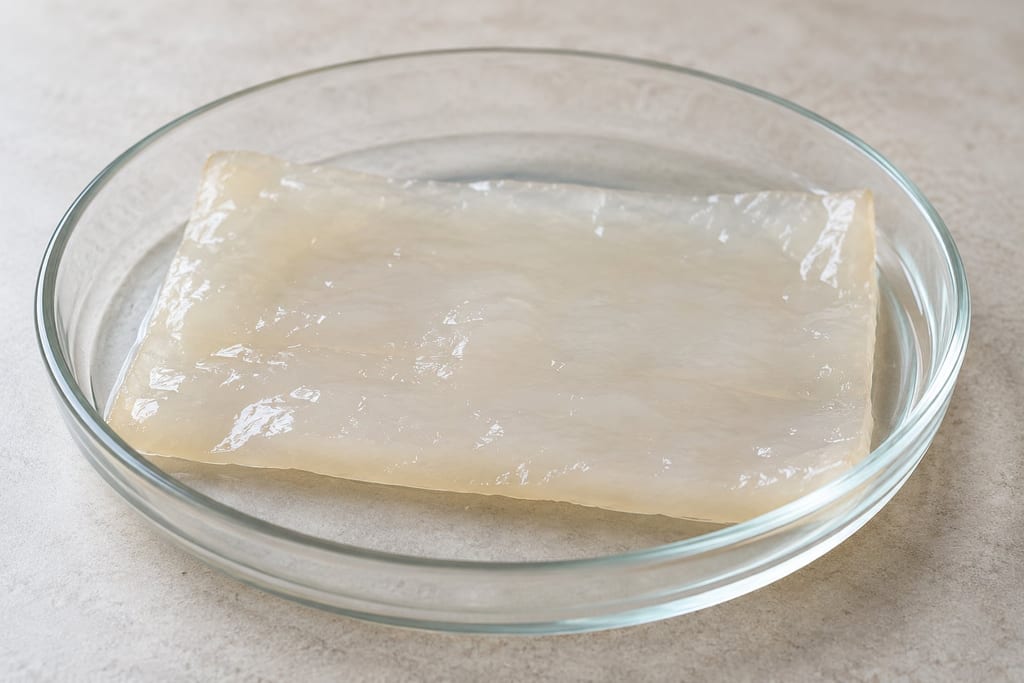
Nata de piña is a translucent cellulose gel grown from a pineapple-peel liquid instead of coconut water. A bacterial starter is added to the cooled peel extract and the pellicle forms over 14 to 28 days in a laboratory study.
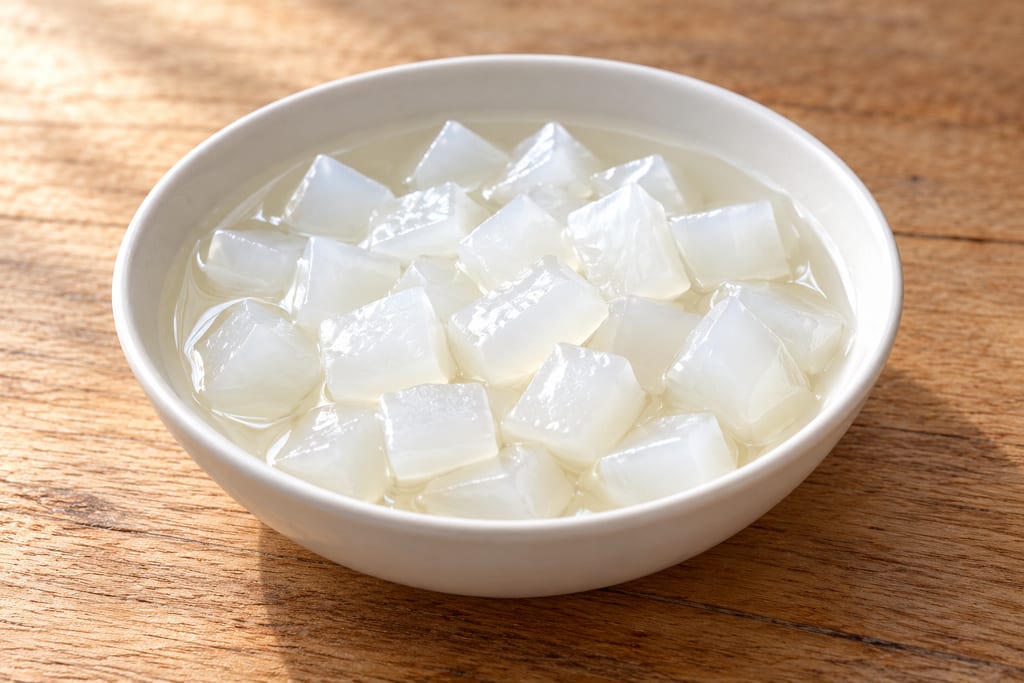
Nata de coco is a chewy, translucent dessert gel. It is cut from a cellulose pellicle that acetic acid bacteria grow on the surface of mature coconut water, then cleaned, boiled and usually stored in syrup.
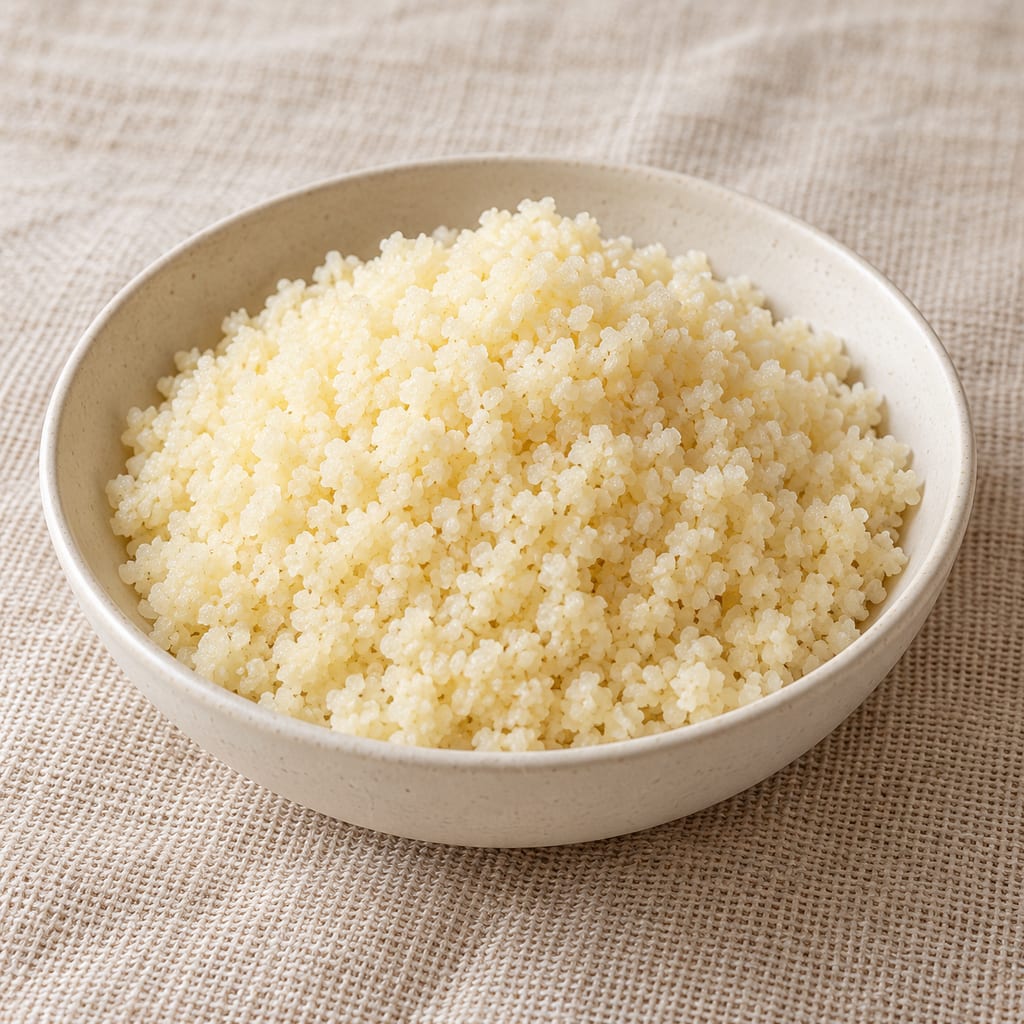
Ivorian cassava semolina: grated cassava is fermented overnight with a traditional inoculum, pressed, sieved into granules, dried and steamed. Documented in a 2006 field study; no sole original process is established.
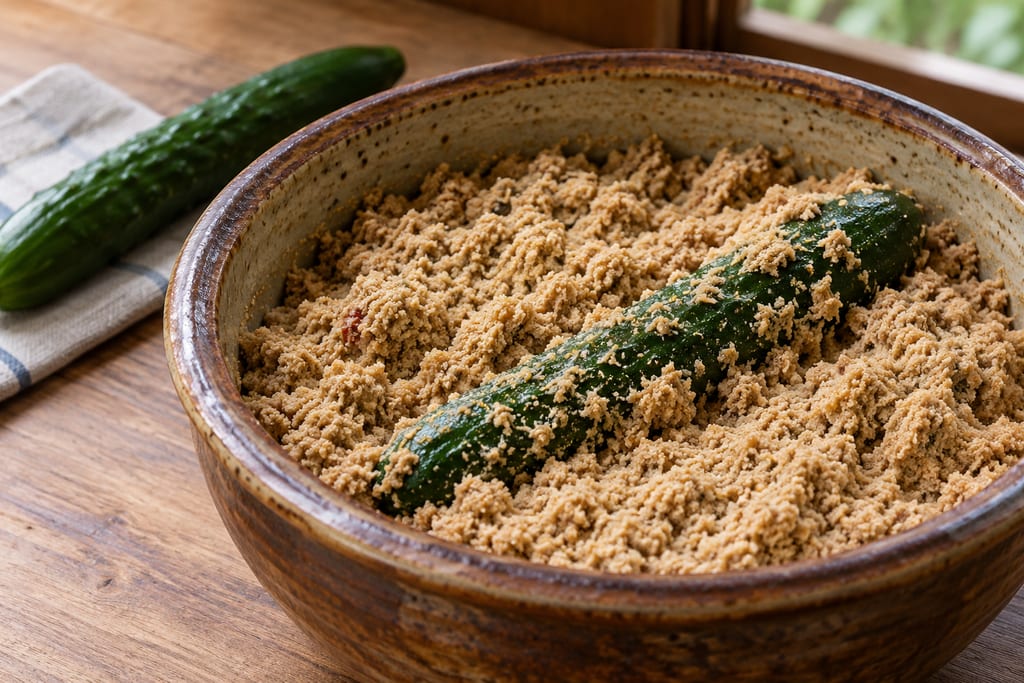
Cucumber ferments in a maintained rice-bran bed seeded through repeated vegetable scrap picklings; the record includes the starter-bed method.
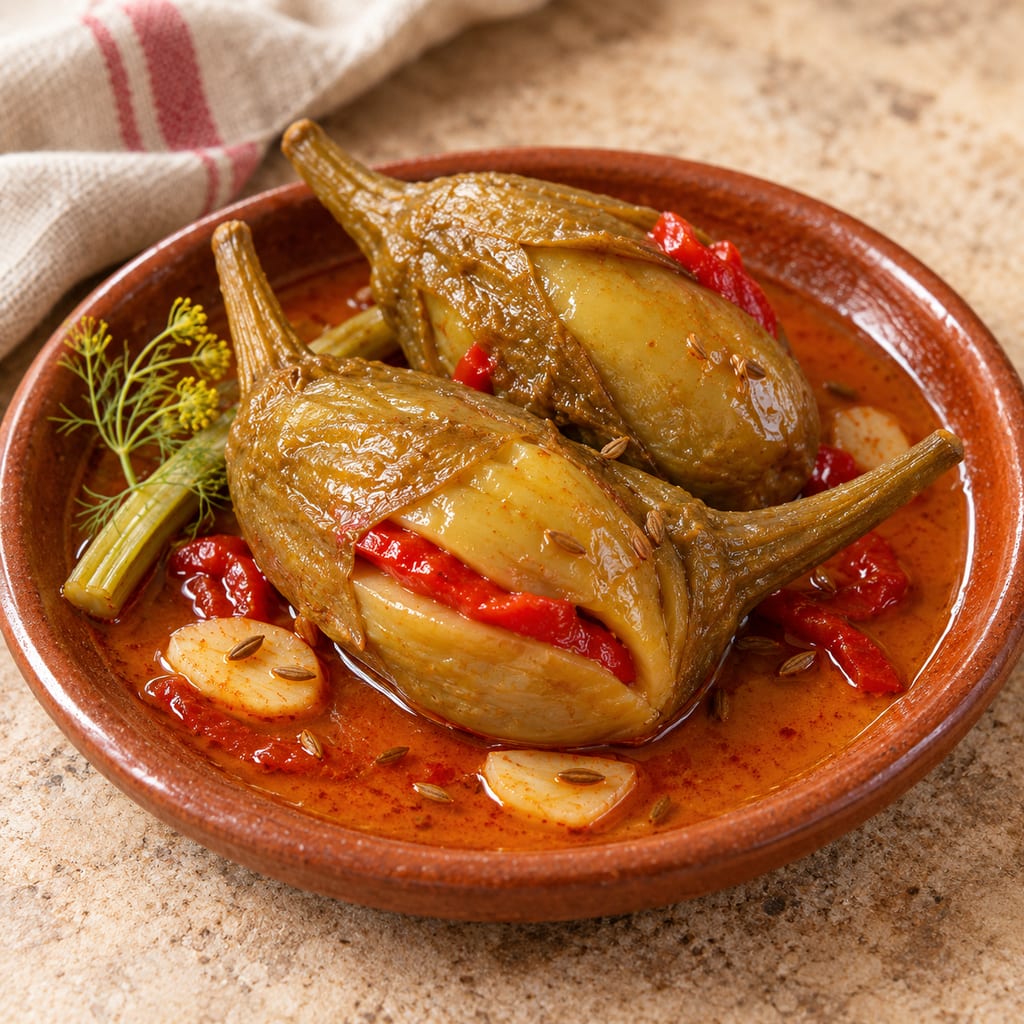
A protected aubergine preserve from Ciudad Real in Spain: tender fruit of the local Dealmagro variety, cooked briefly and then fermented in a vinegared, paprika-seasoned dressing.
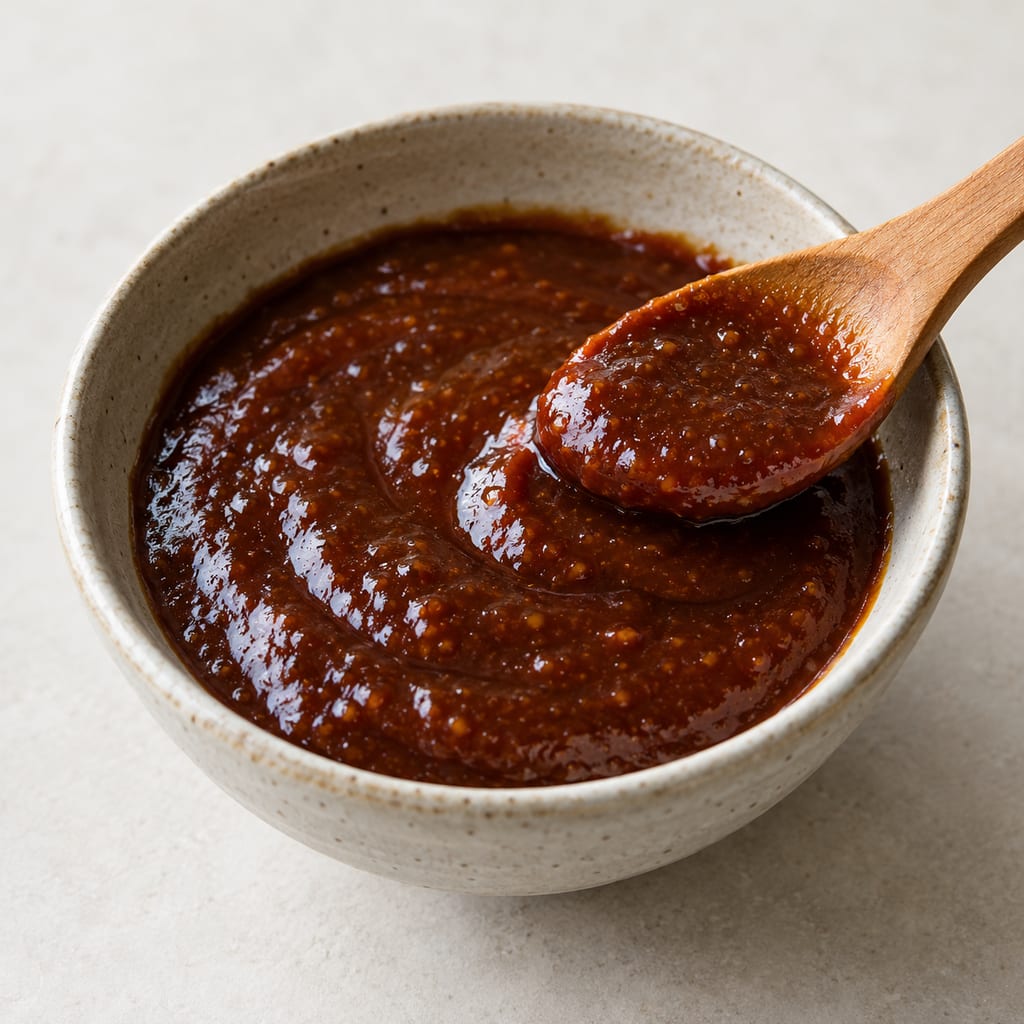
A sweet-salty Japanese glaze of miso, mirin, sake and sugar, warmed until thick and spread on grilled tofu, eggplant, daikon or konnyaku. Regional versions in Aichi use red miso and dashi.