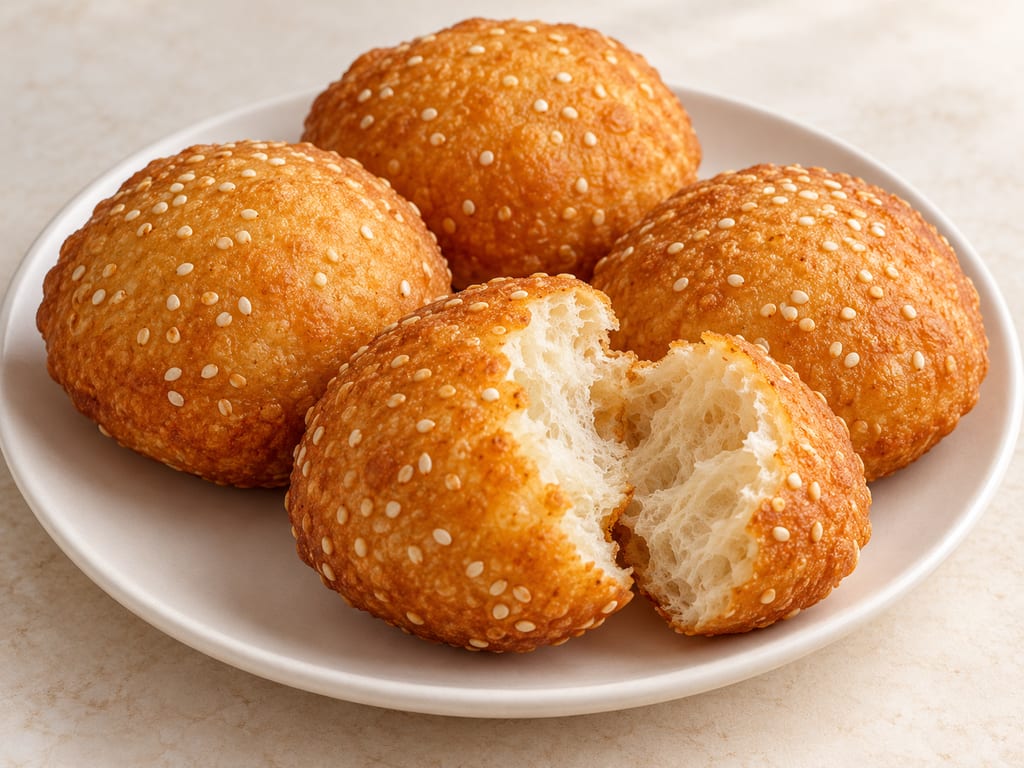
Bánh tiêu
Bánh tiêu is a lightly sweet Vietnamese fried bread coated with sesame. A yeast-raised dough with baking powder is rolled into small rounds and fried until puffed and golden.
 FermenteaWhere food goes to change
1504 records with their sources, across 11 categories.
Bánh tiêu is a lightly sweet Vietnamese fried bread coated with sesame. A yeast-raised dough with baking powder is rolled into small rounds and fried until puffed and golden.
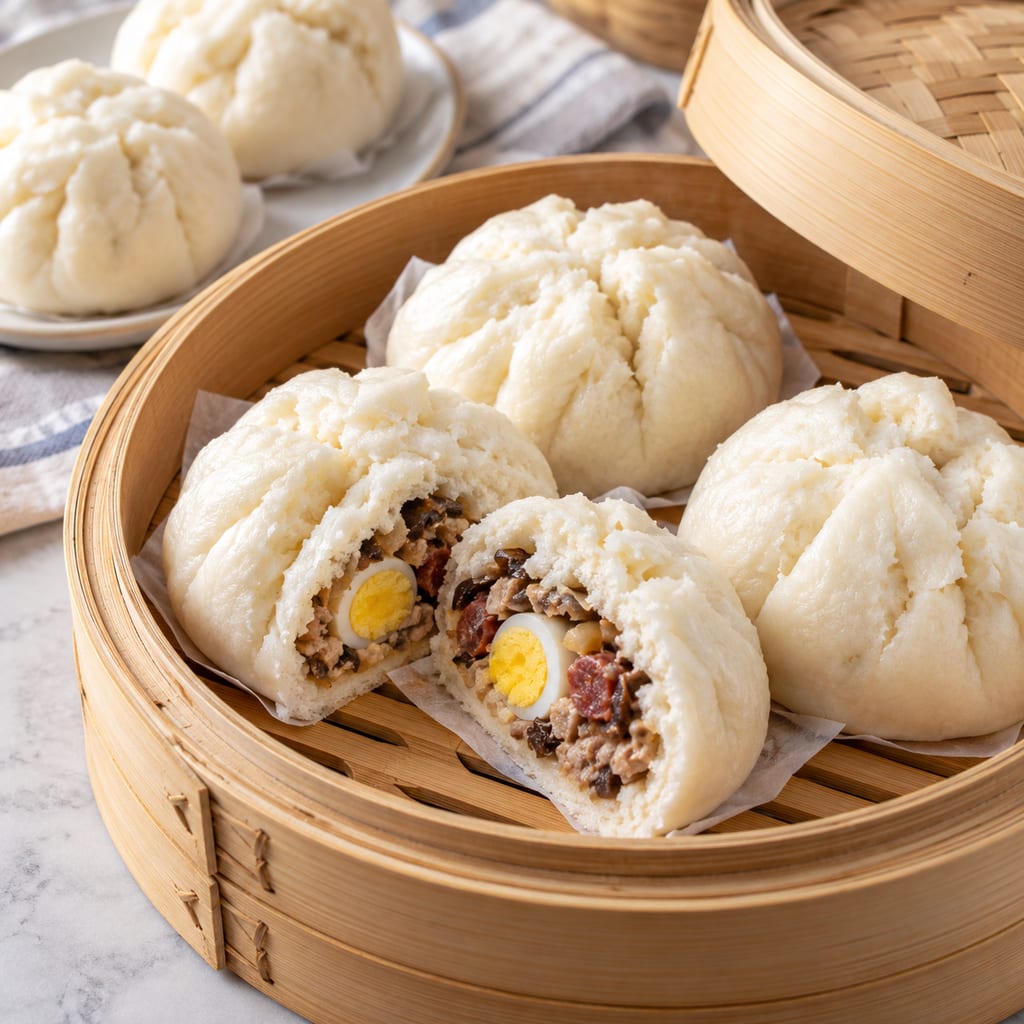
Vietnamese steamed wheat buns wrapped around seasoned pork, mushrooms, Chinese sausage and hard-boiled quail eggs. This from-scratch version uses yeast and self-rising flour.
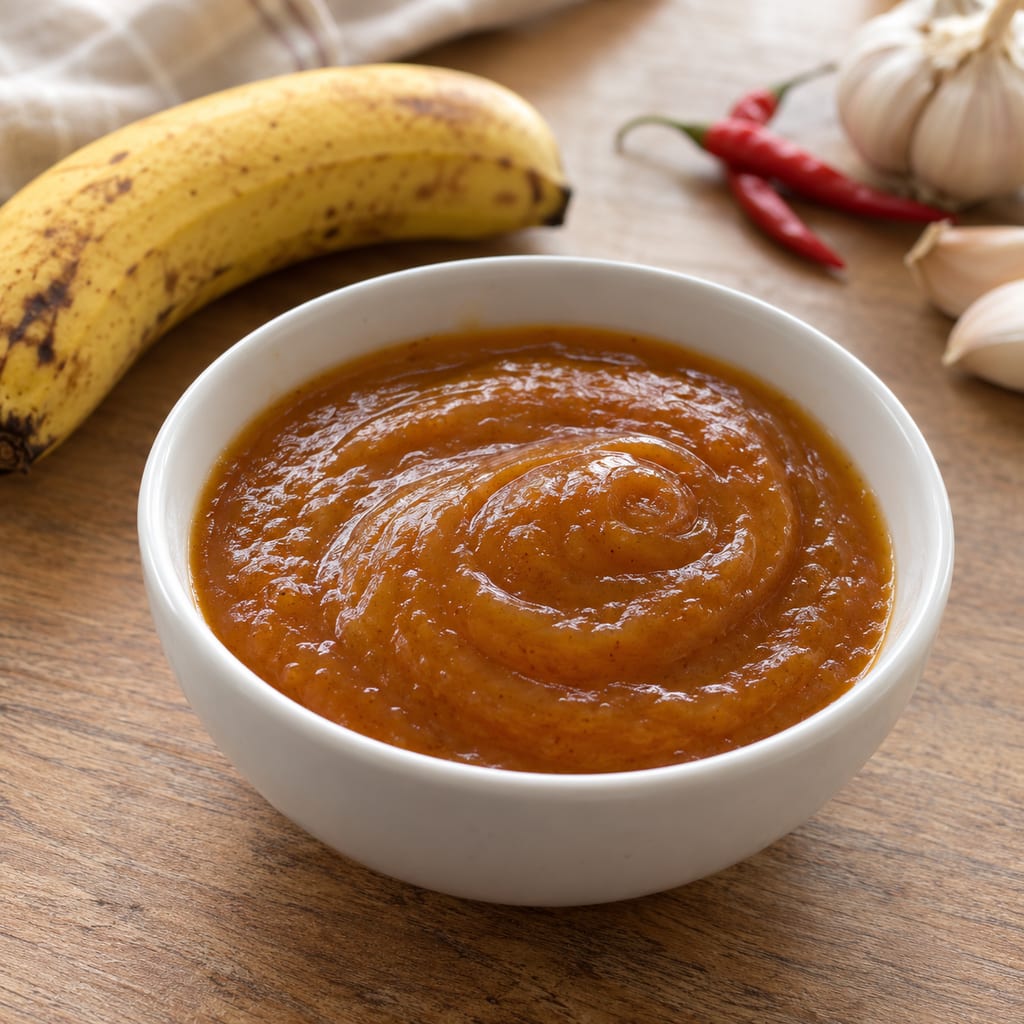
A sweet-hot table sauce of ripe banana simmered with vinegar, sugar, onion, garlic and fresh chilli, in the manner of Philippine banana ketchup. An untested development batch of about 500 g.
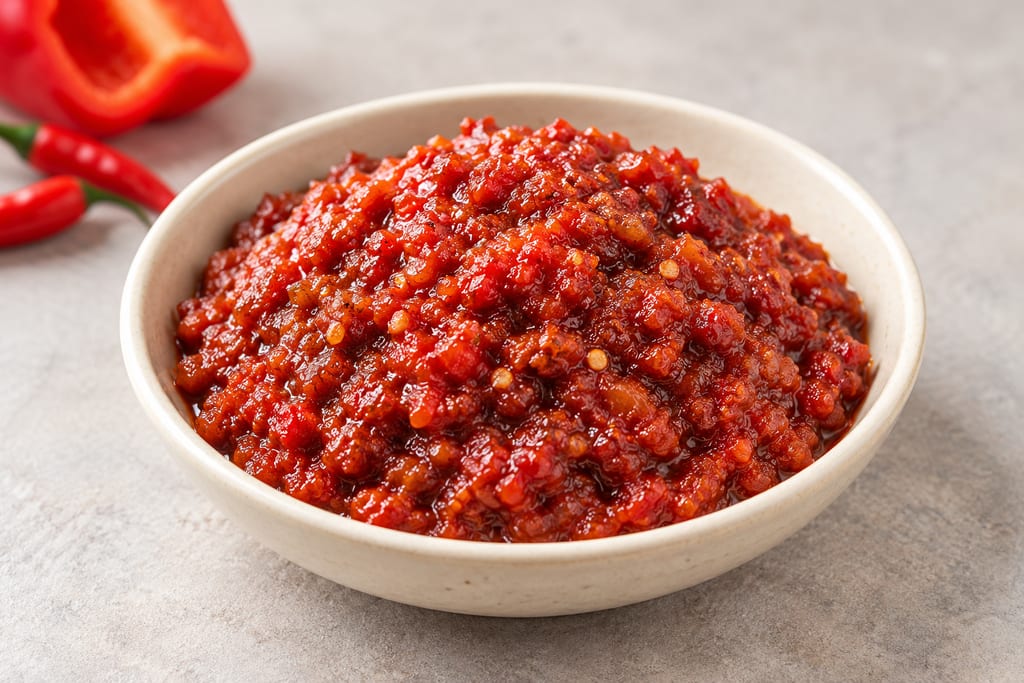
Ata dindin is the Yoruba fried pepper sauce: chillies, red bell pepper and onion blended and cooked down in oil until the oil separates. The same name is also given to a finished stew built on it.
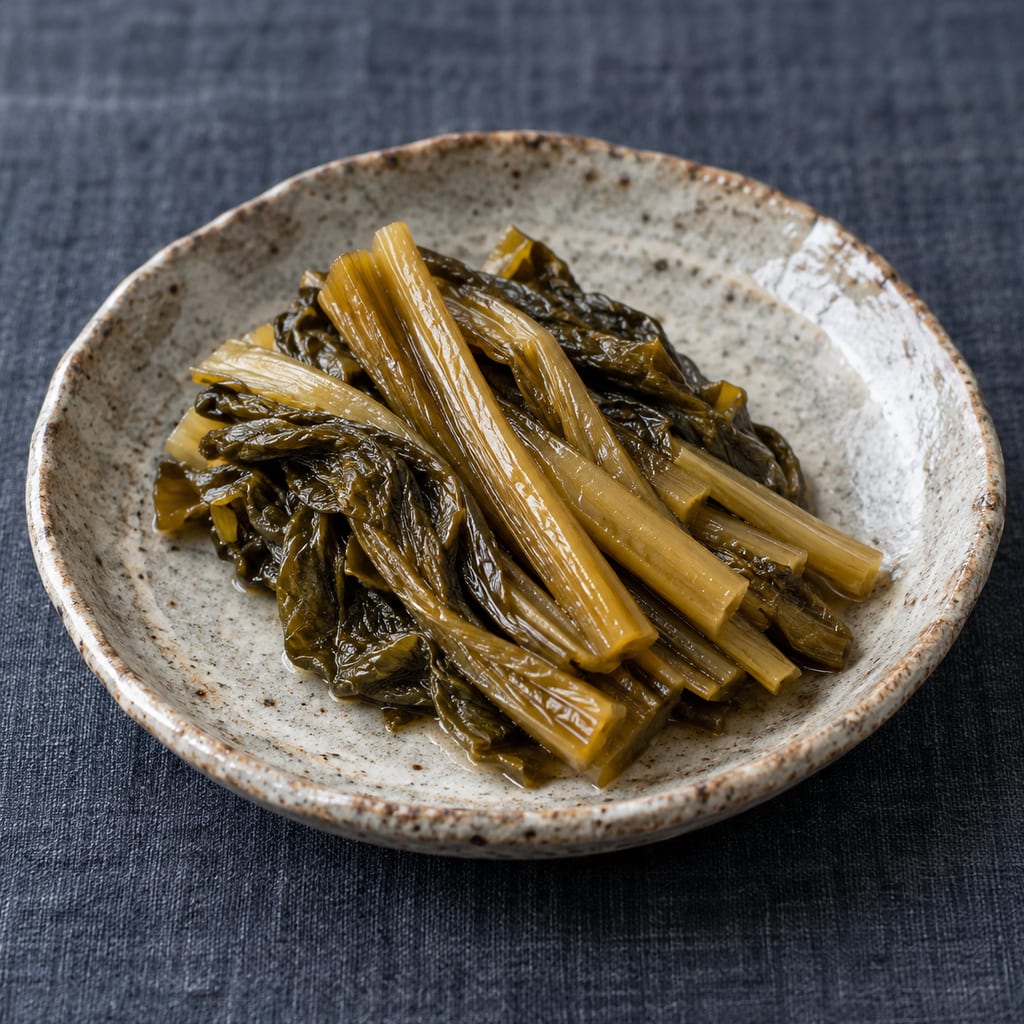
Takana mustard greens from Aso in Kumamoto are salted and pressed into a fresh spring pickle, or aged into a sour furuzuke that is fried and mixed into takana rice.
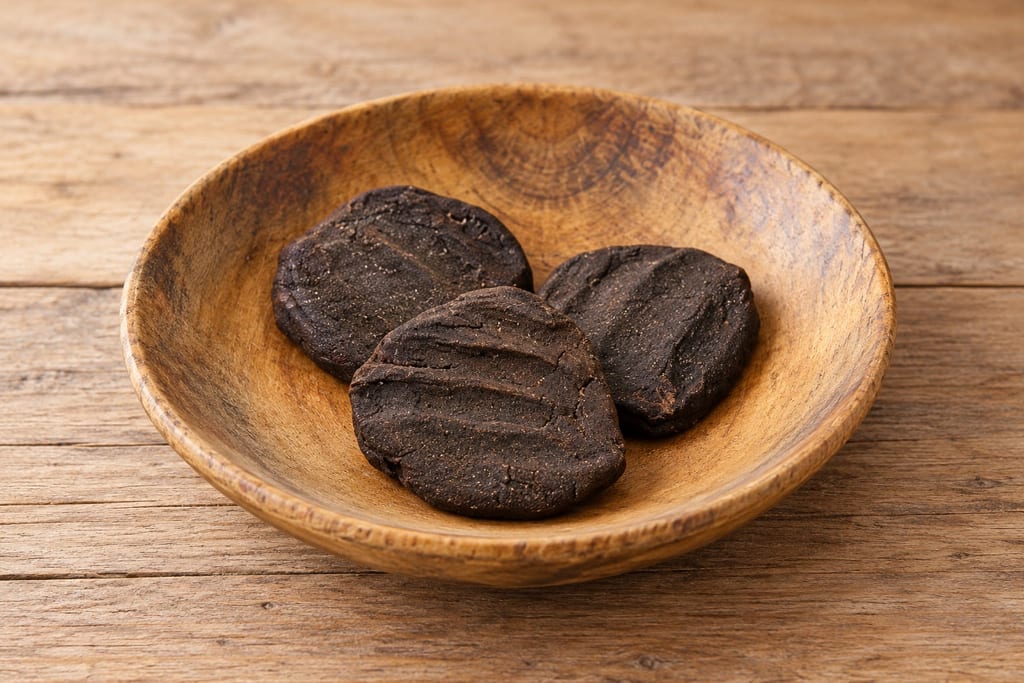
Dried cakes of pounded taro leaves from the Ao Naga in Nagaland, yellowed in a bag, then dried by hot ash or sun and used to flavour meat dishes.

Salmon roe is separated from skeins and treated in two salt-water stages using a University of Alaska Extension formula.

A Dominican table and seasoning condiment of sour orange juice, mixed with lime and salt and bottled raw; garlic, oregano or a hot pepper may be added for meat or a spicier bottle.
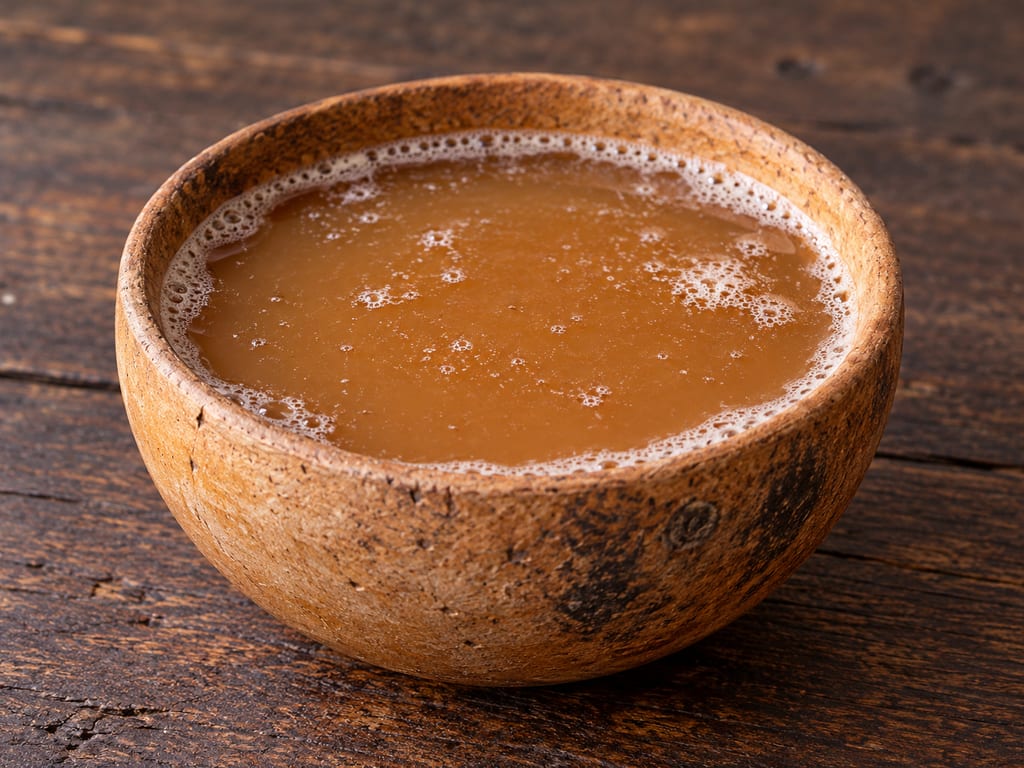
A Burkina Faso sorghum beer brewed from malted grain, soured by a spontaneous lactic stage and then fermented with a traditional yeast leaven.

Beyaz peynir is a Turkish white cheese matured in brine. Sheep milk, alone or mixed with other milks, gives a close-textured cheese cut into blocks and packed in cans.
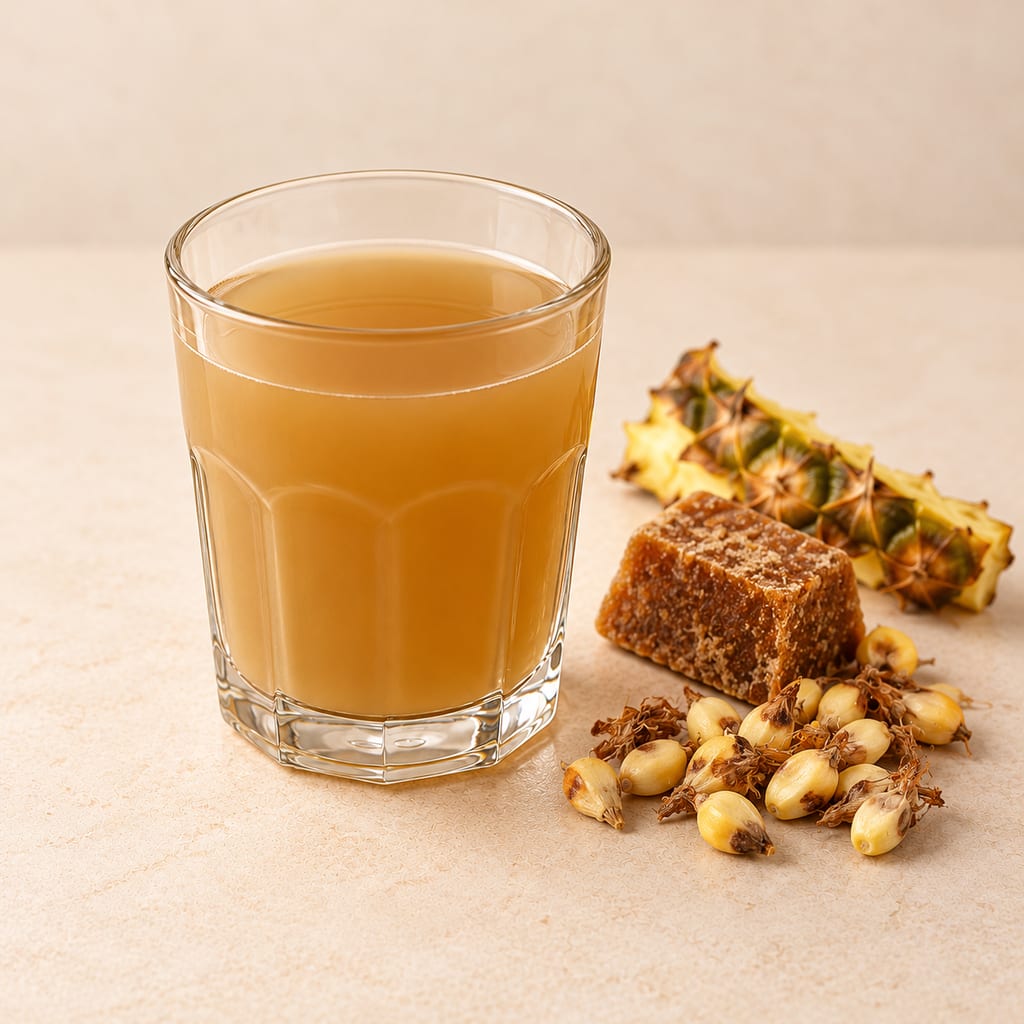
A contemporary Ecuadorian recipe simmers jora flour with spices, then adds panela and pineapple peel before a short spontaneous ferment. Its particular aromatics and measurements belong to this published adaptation.
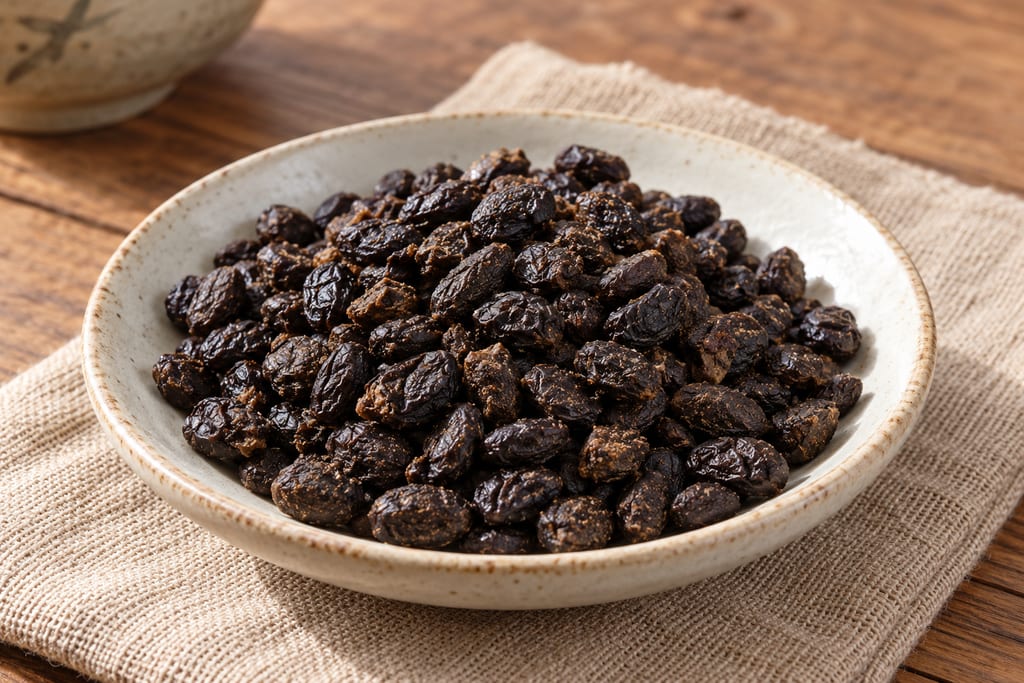
A Chinese fermented soybean condiment in which Bacillus-led bacteria, not moulds, drive the fermentation. Documented in Zunyi, Guizhou, and kept separate from mould-led douchi.
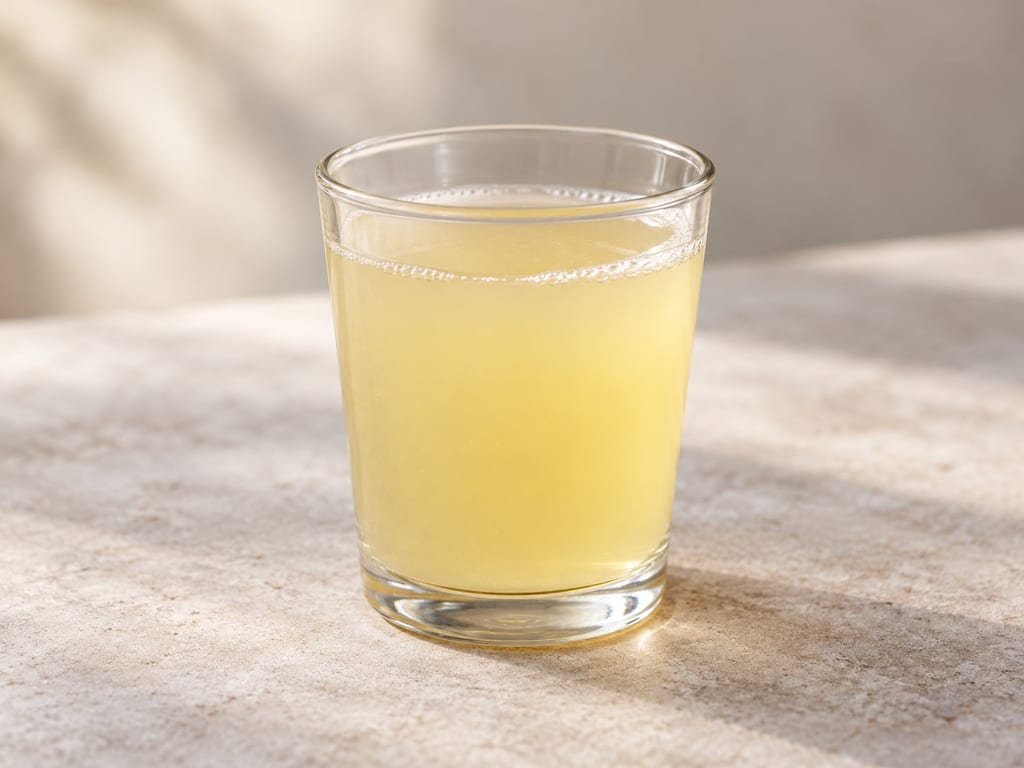
A Manipuri rice beverage: cooked rice is cooled to about 40°C, inoculated with Hamei starter cakes, fermented for a season-dependent spell, then held submerged before filtering.

Three long, crusty wheat loaves made with an overnight yeast poolish, shaped by hand and baked with steam for a crisp crust.

Meat-trim koji garum is a savoury liquid seasoning made by holding meat scraps with rice koji, salt and water at steady warmth before straining the mash.
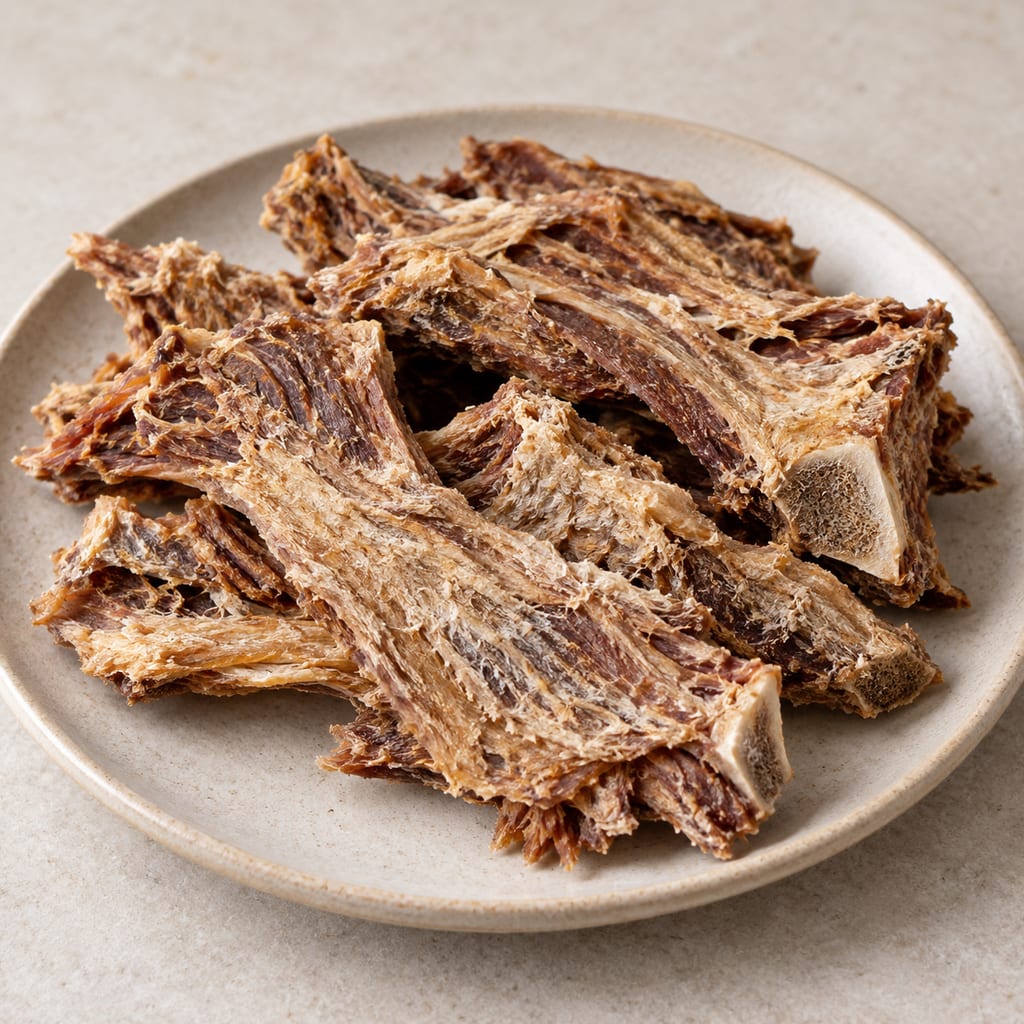
Alpaca charqui is Andean dried meat, made from camelid meat exposed to hot sun by day and frost by night at high altitude, the ancestor of the modern word jerky.

Unfed sourdough starter flavours a soft pretzel dough raised with instant yeast. After a short rest, the dough is shaped, brushed with a sweet wash, salted and baked without a final proof.

Ghanaian sour cassava dough fermented with traditional inoculum and drained during fermentation. It is used as a base for cooked foods such as banku and akple; process variants and safety outcomes differ.
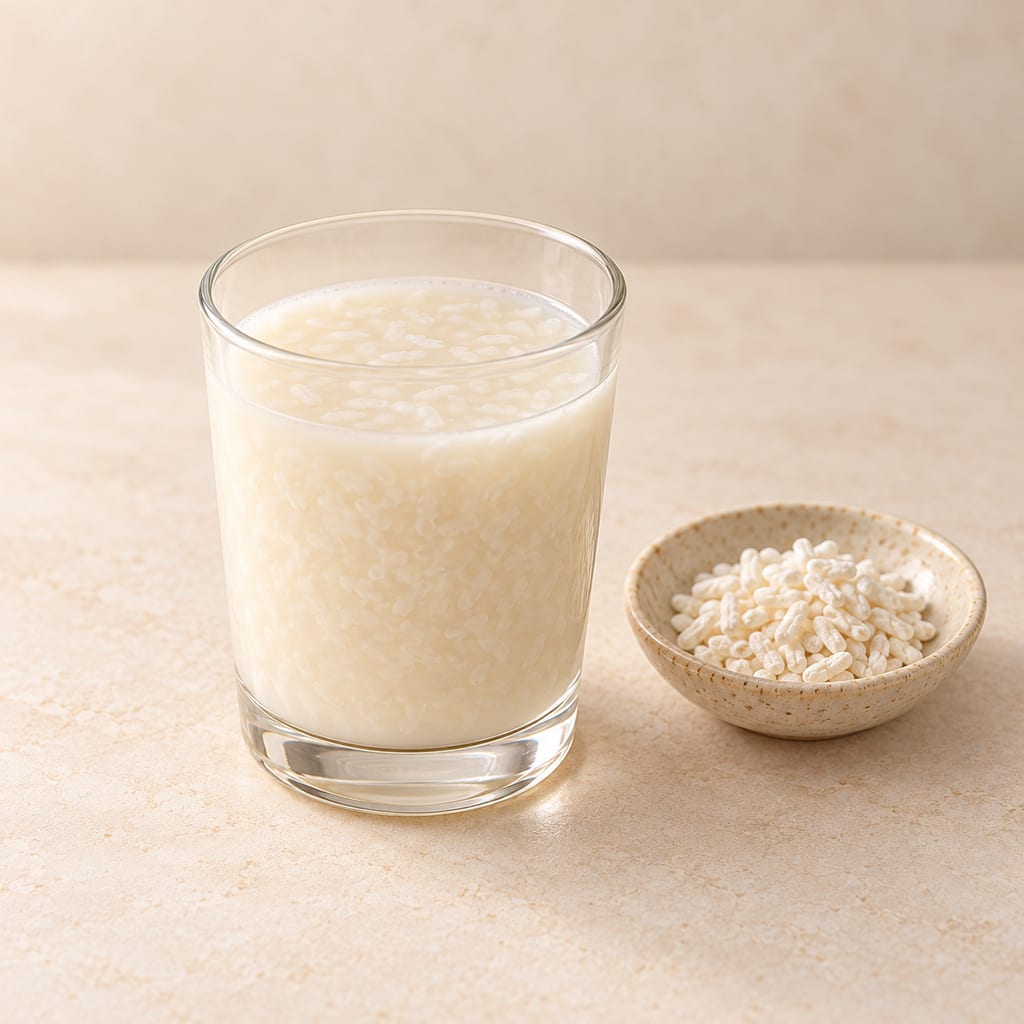
Cooked rice, rice koji and water are held warm for hours so koji enzymes turn the rice starch to sugars, giving a naturally sweet Japanese drink with no added sugar and no second fermentation.
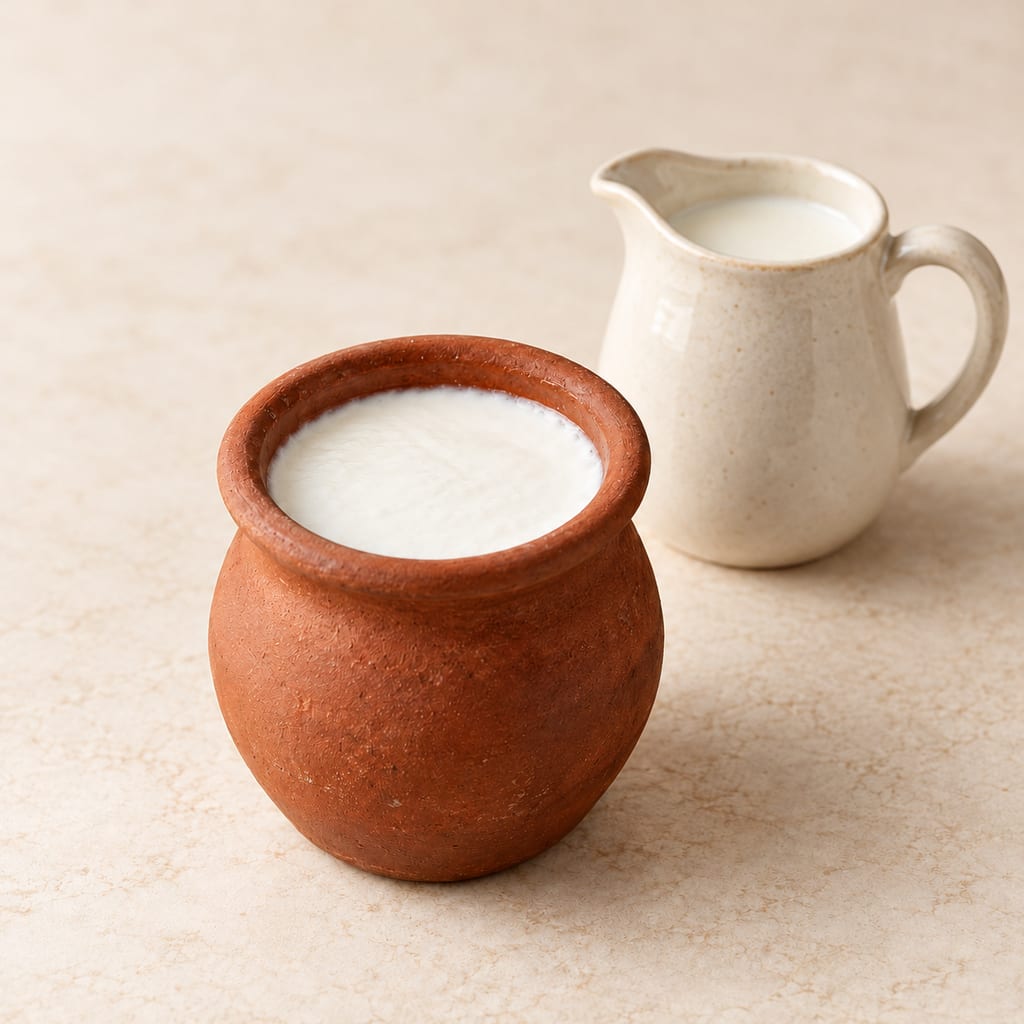
A commercial countertop-culture version of matsoni, a Georgian cultured milk. Its room-temperature method differs from the warmer Georgian production process.
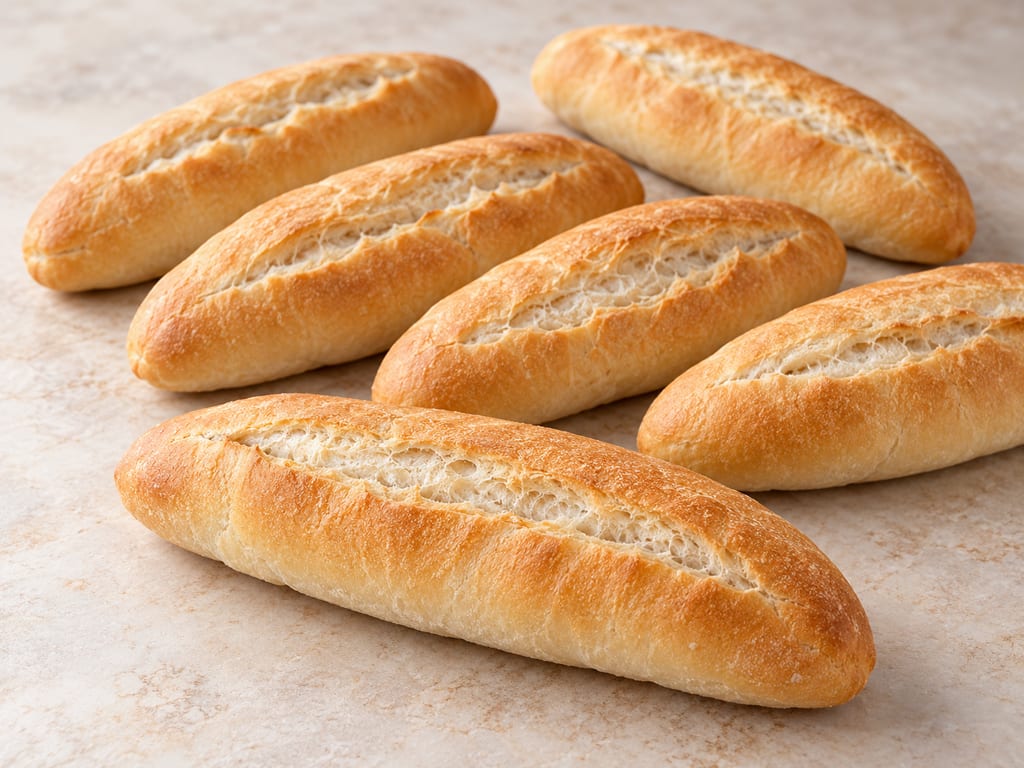
Six yeast rolls for Cuban sandwiches, shaped into long tapered loaves and slashed down the center.
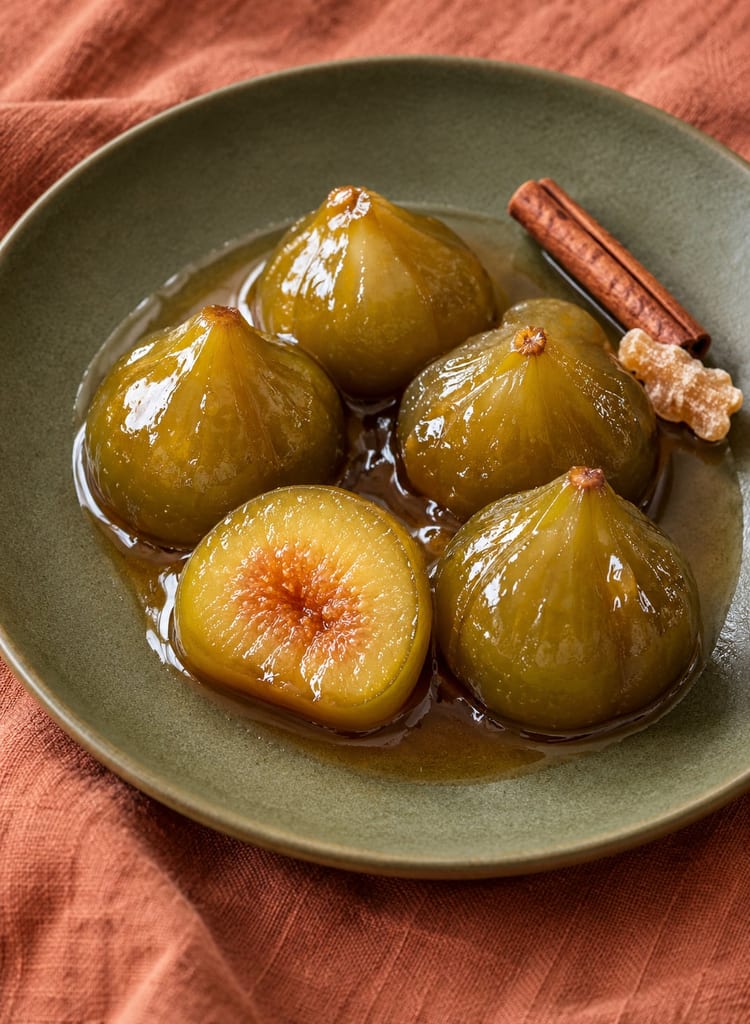
Whole unripe figs are softened and cooked in cinnamon and ginger syrup as a refrigerator-only South African konfyt; this method does not provide a shelf-stable canning process.
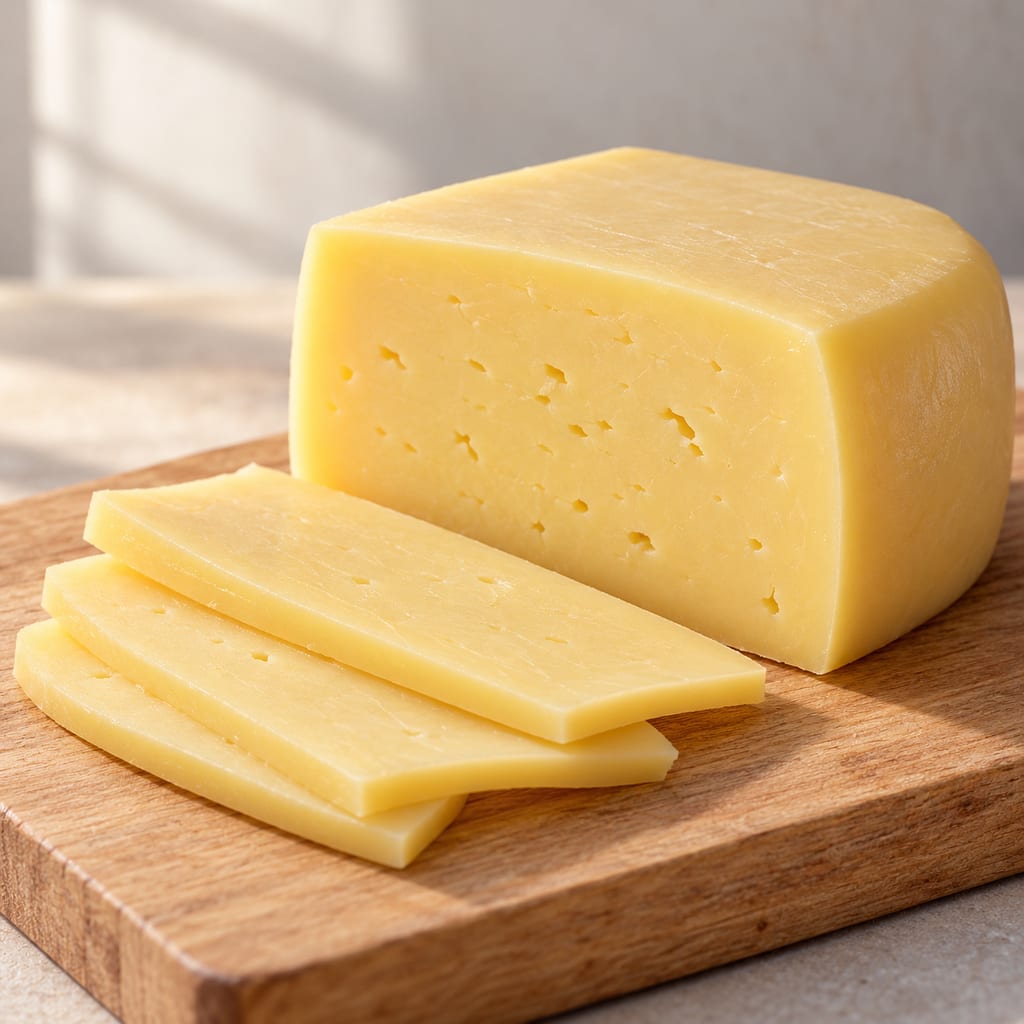
A yellow stretched-curd cheese made by acidifying, draining and kneading curd in hot brine. This small-batch kashkaval uses a commercial starter and a brine finish.
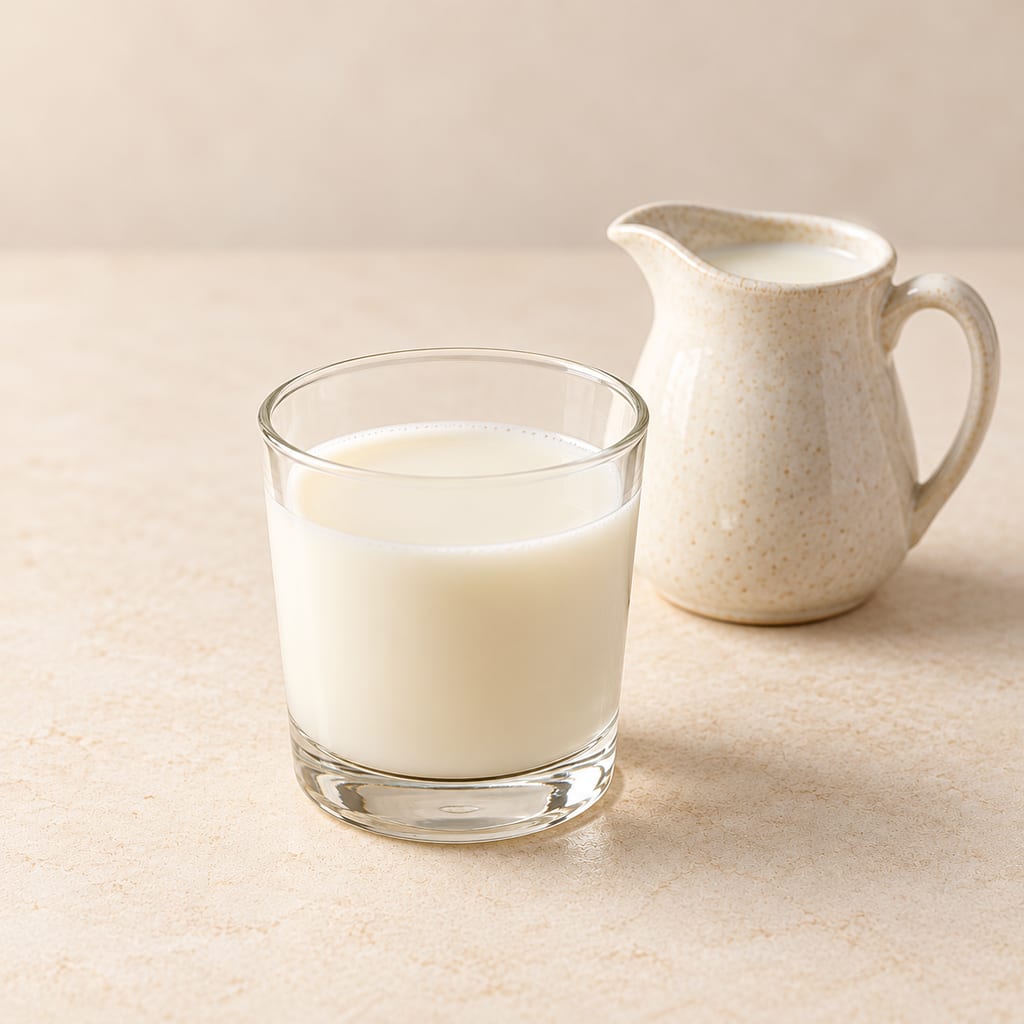
Koumiss is a sour, lightly alcoholic mare-milk drink made by lactic bacteria and yeasts. This technical method uses pasteurized milk, a previous-batch starter and staged cooling.
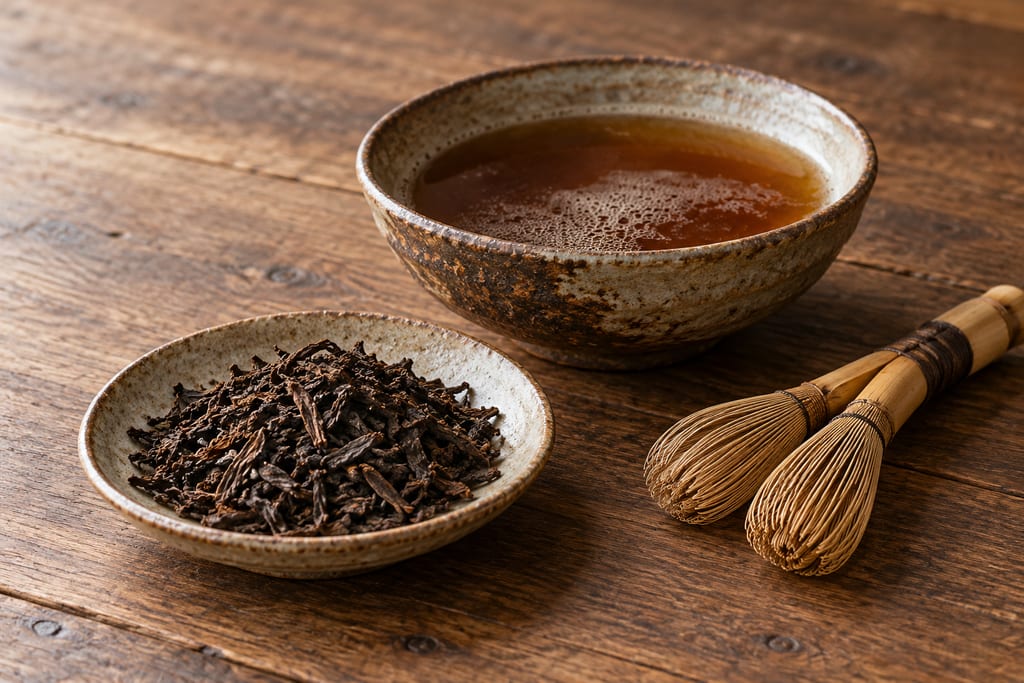
A Japanese post-fermented tea from Asahi in Toyama: mature tea leaves are steamed and fermented aerobically in turned, self-heating heaps, then dried; traditionally boiled and whisked into a foam.
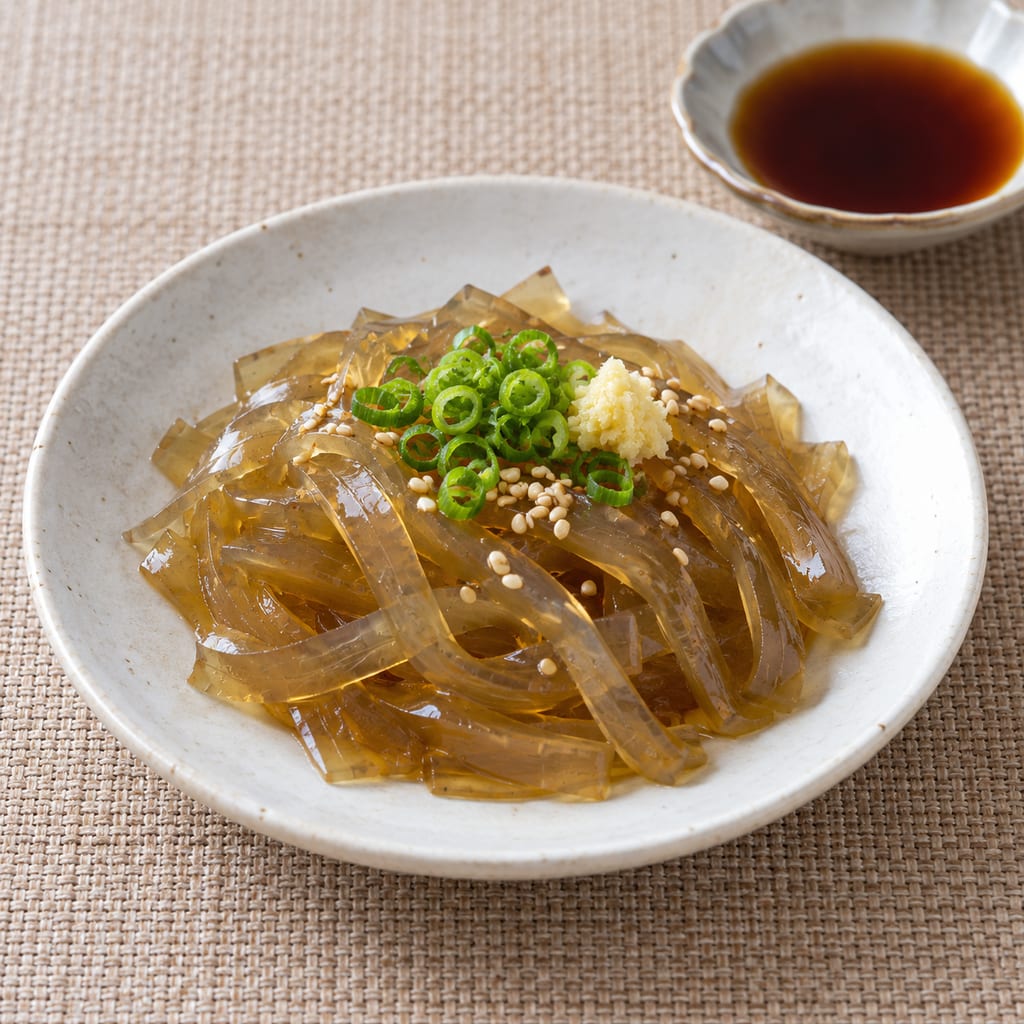
A traditional Fukuoka seaweed jelly made by boiling dried egonori, sometimes with igisu, until it forms a thick extract that sets into soft sheets, eaten cold with soy sauce, vinegar and aromatic condiments.
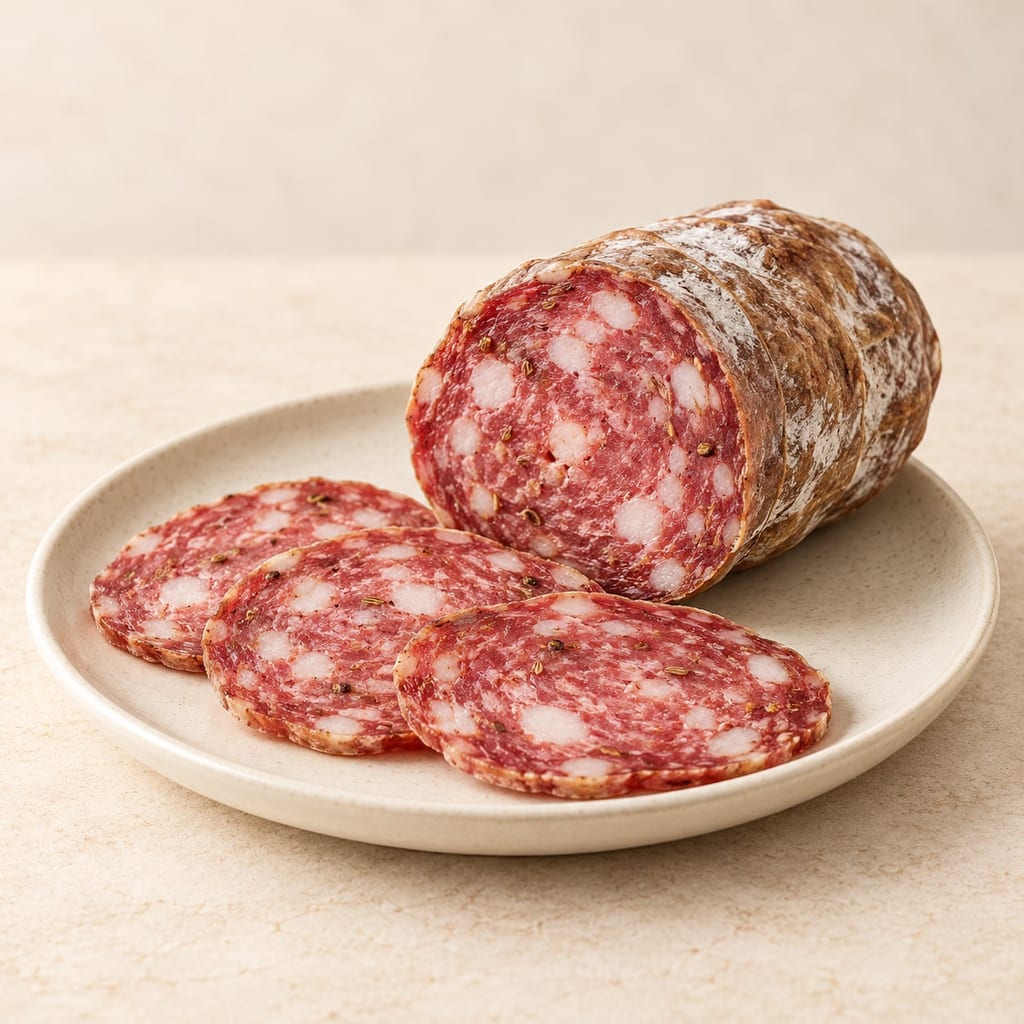
A Tuscan-style fennel salami made with pork and back fat. Toasted fennel, fennel pollen and Sambuca flavor this starter-cultured preparation.
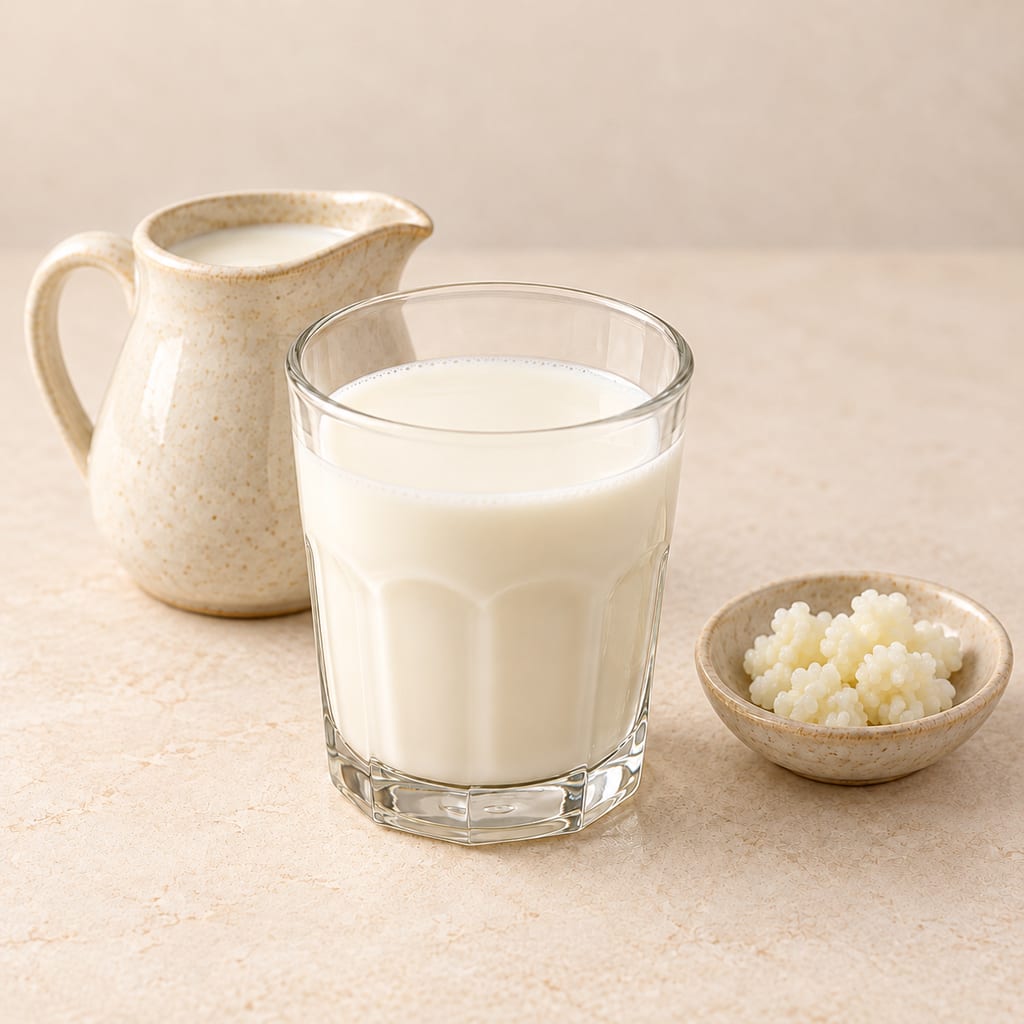
Milk kefir is a tangy fermented drink made with reusable grains of bacteria and yeasts. Grain fermentation can give the milk a light fizz and some alcohol.

A yeast-raised wheat ring shaped from a firm dough, briefly boiled and baked. This source-batch formula gives a gently malted crust and a chewy crumb.
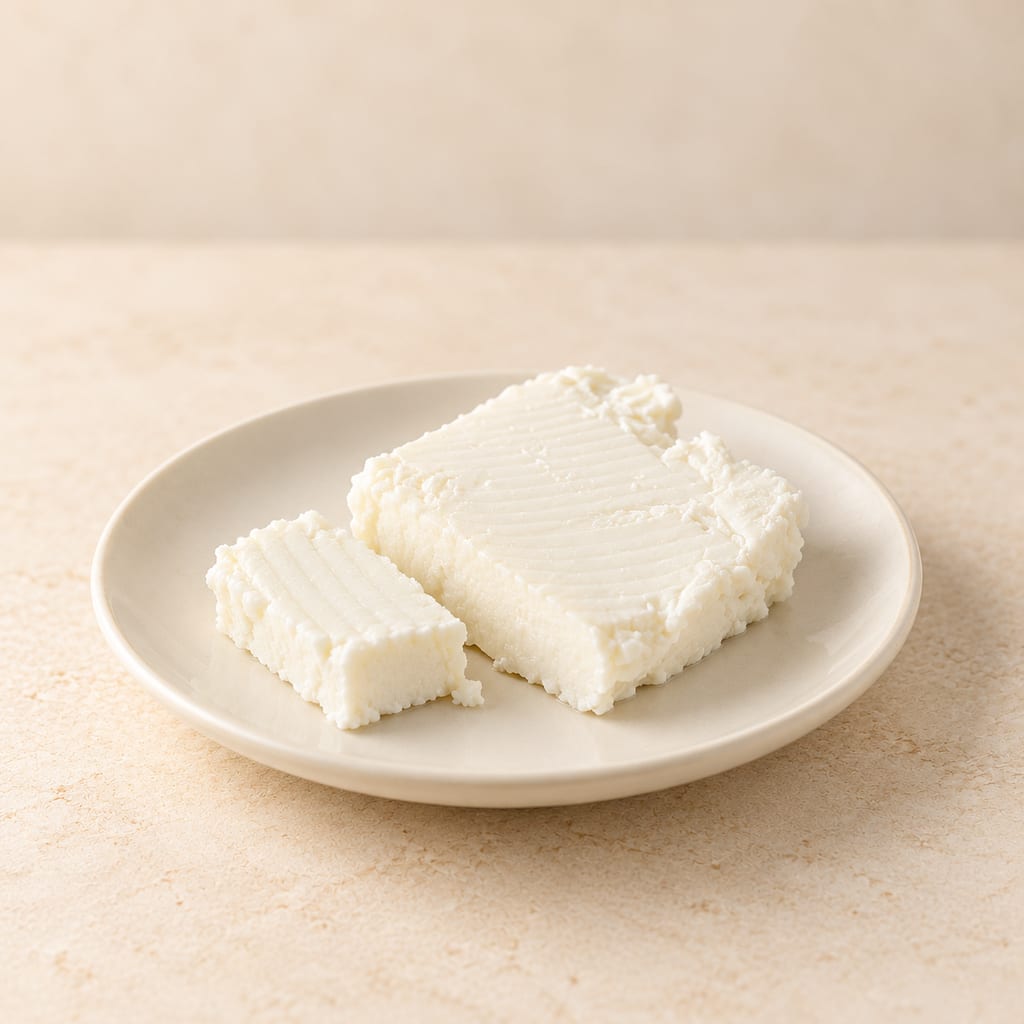
Domiati is a soft Egyptian white cheese made by salting milk before renneting. It is eaten fresh or ripened in brine, with cow and buffalo milk used in varying proportions.
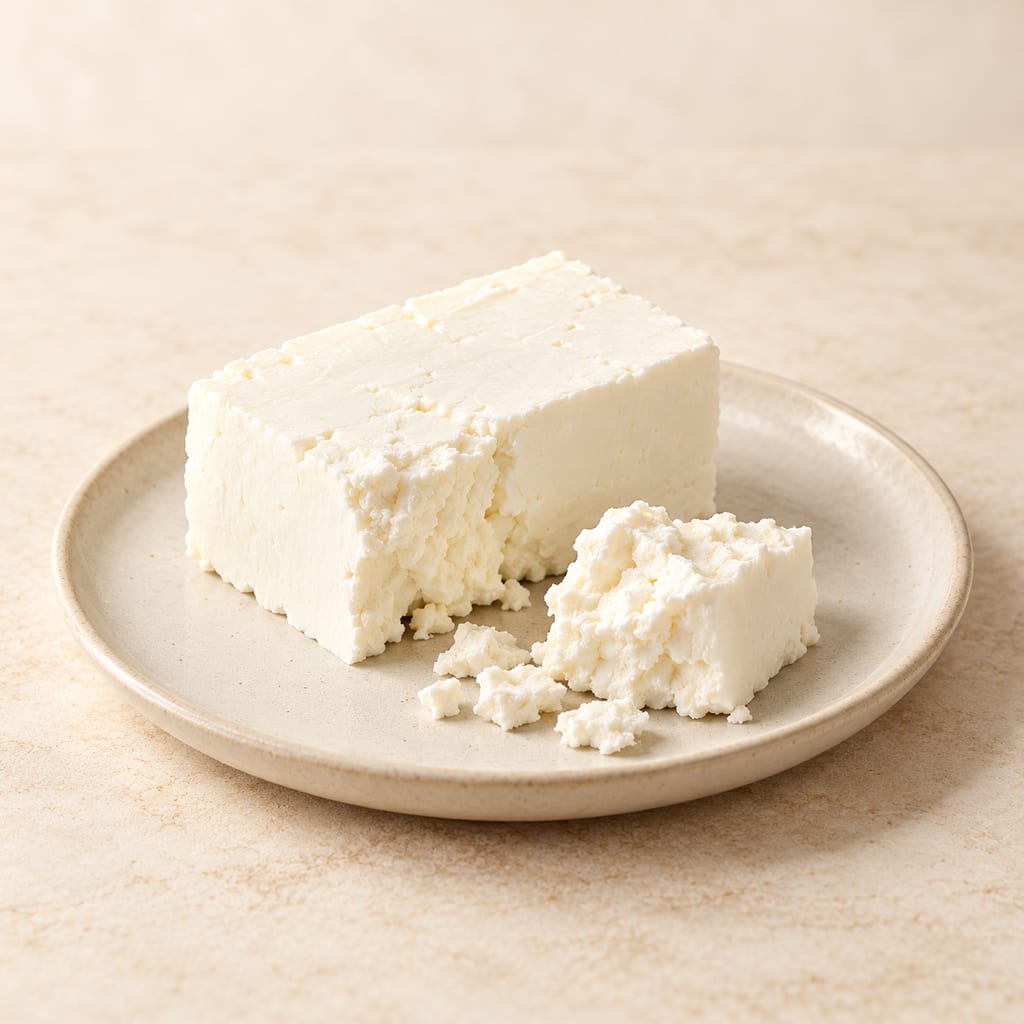
White cheese made with a lactic starter and rennet, drained without pressing, dry-salted and covered in brine. This home adaptation allows whole milk from different dairy animals.
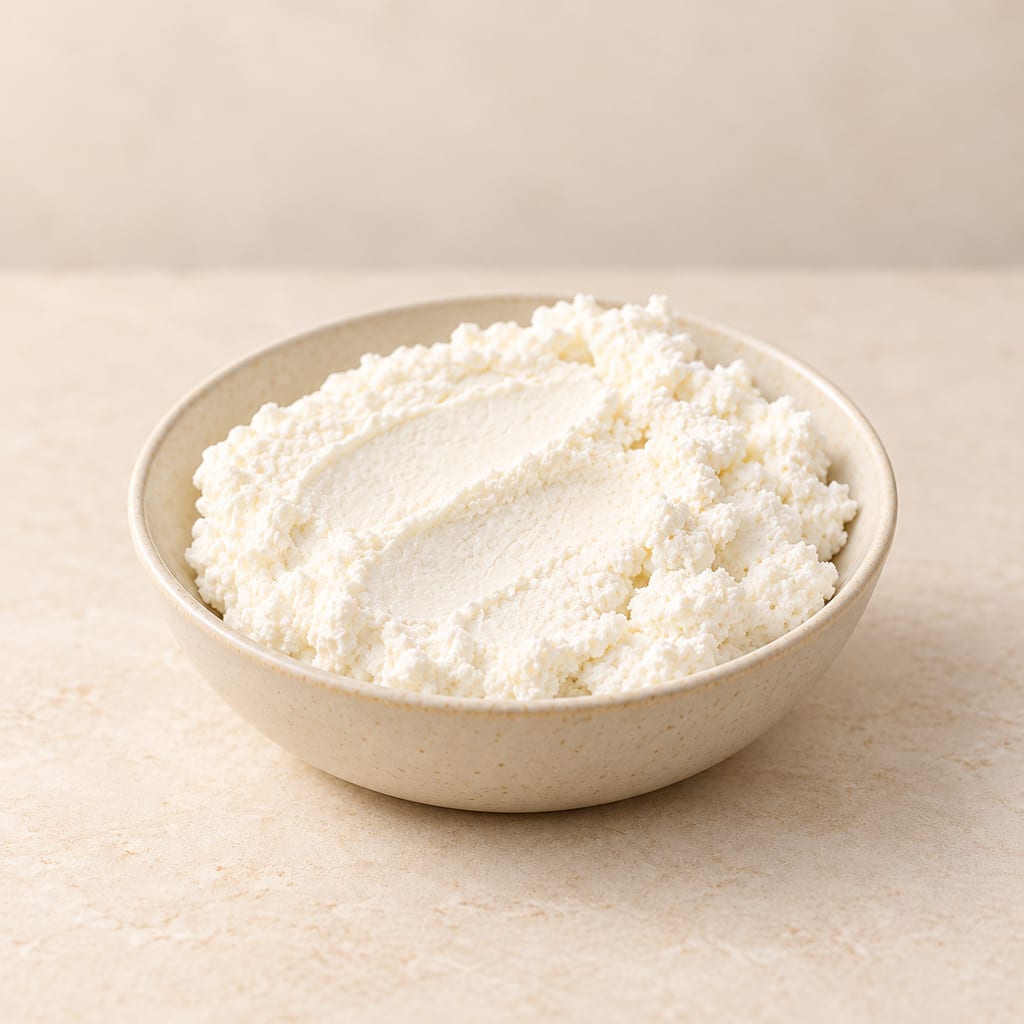
Fresh chèvre is a soft goat-milk cheese with a gently tangy flavour. This home method uses a combined lactic starter and coagulant, then drains the curd in cloth before salting and chilling.
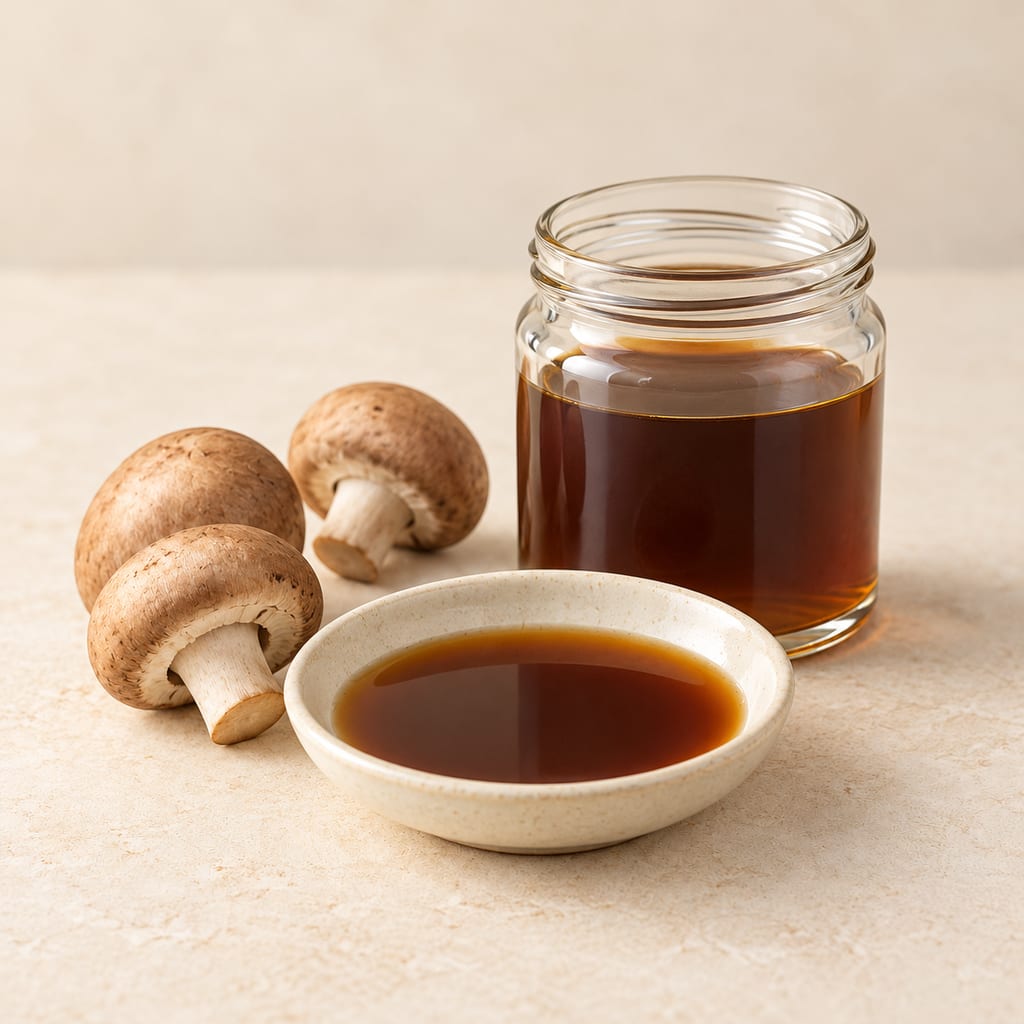
Mushroom garum turns mushrooms, rice koji, salt and water into a dark savoury seasoning. A sustained warm hold lets koji enzymes break down the mixture before straining.
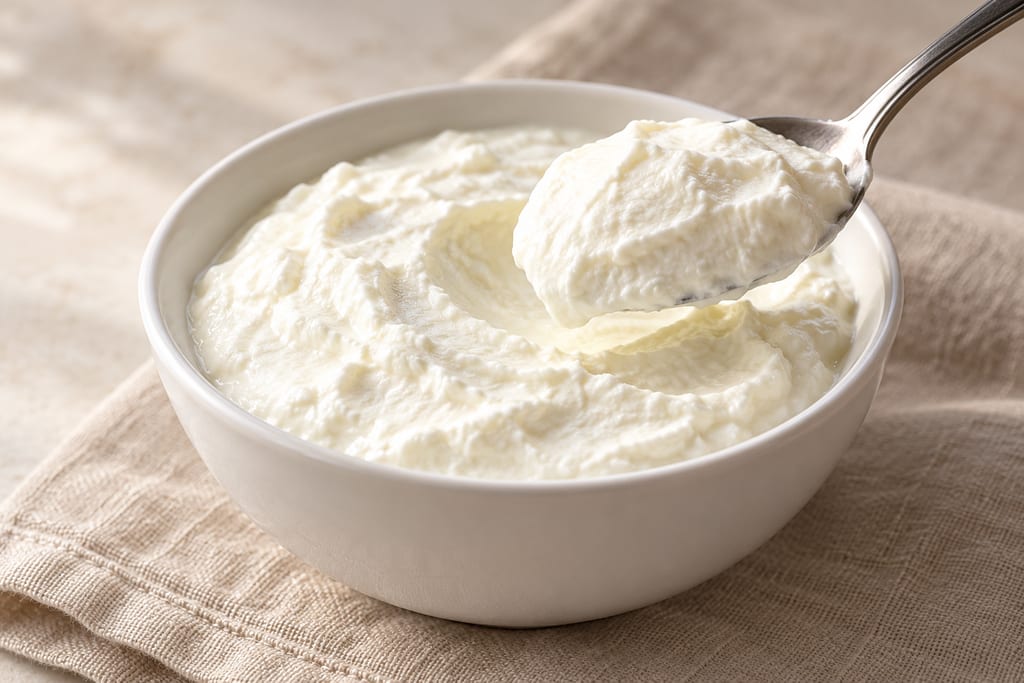
Greek-style strained yogurt is cultured whole milk drained through cloth to remove whey. This modern Utah home method makes a thick yogurt from a gallon batch.
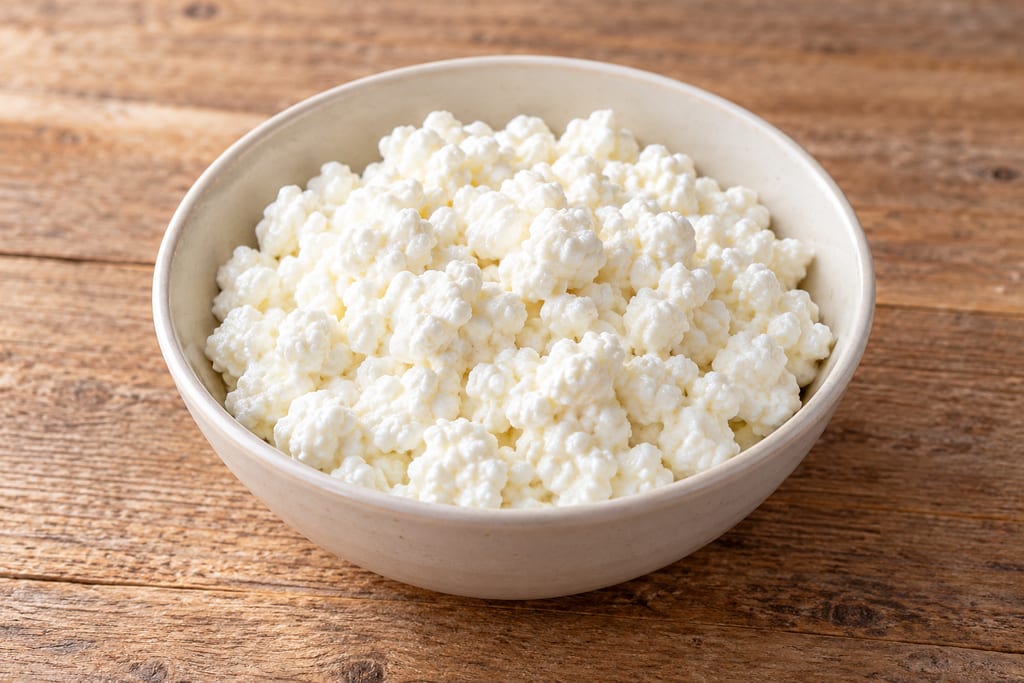
Skim milk is cultured slowly, cut into curds, warmed and drained to make fresh cottage cheese. Cold-water washing softens its flavour before cream and salt are added.
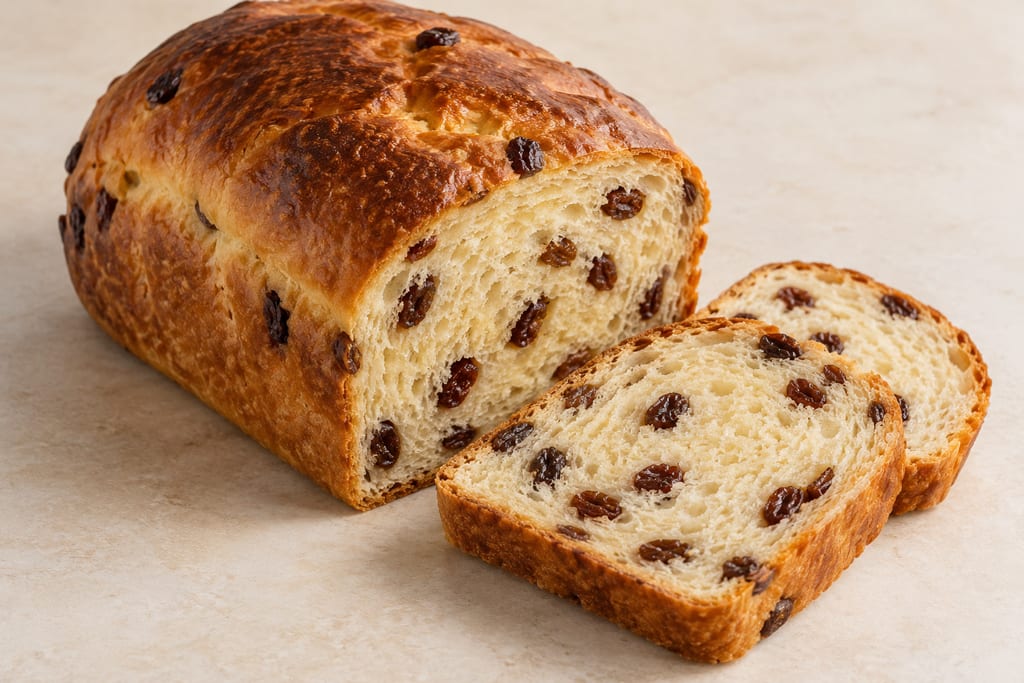
A tender Belgian wheat loaf enriched with milk, butter and egg, with raisins scattered through the crumb. Cramique is sliced for breakfast or a snack, often with butter, jam or chocolate cream.
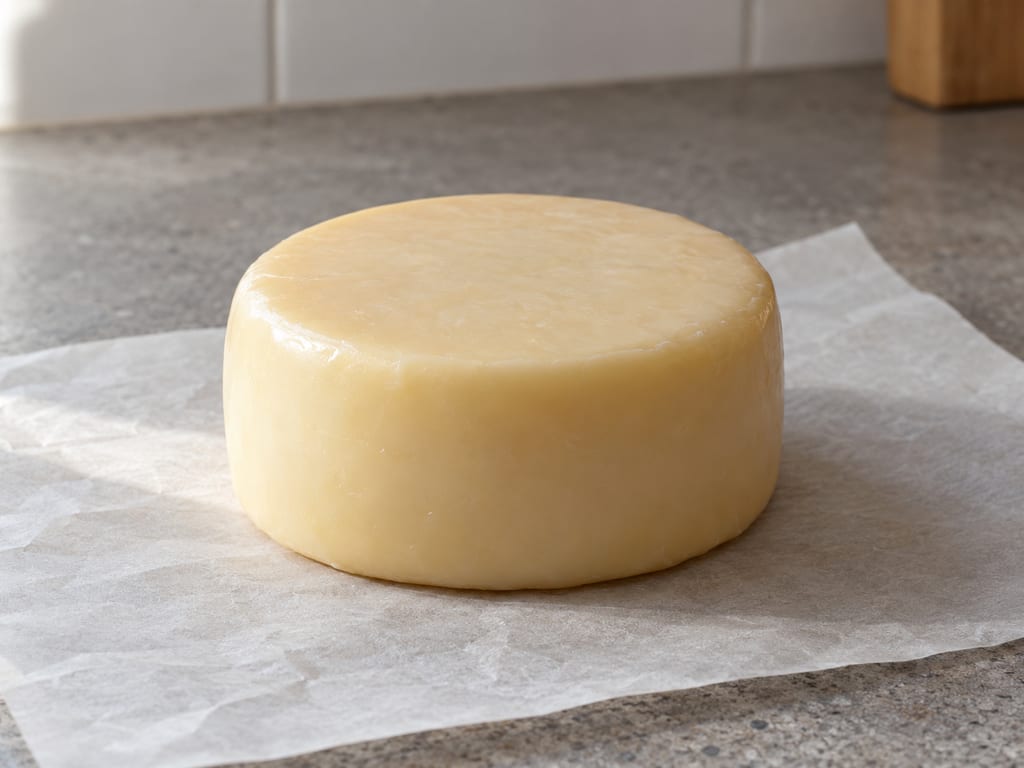
A mild whole-milk cheese set with starter and rennet, drained in a mould, dry-salted and ripened. This small-batch method appeared in Canadian home-dairy guidance.
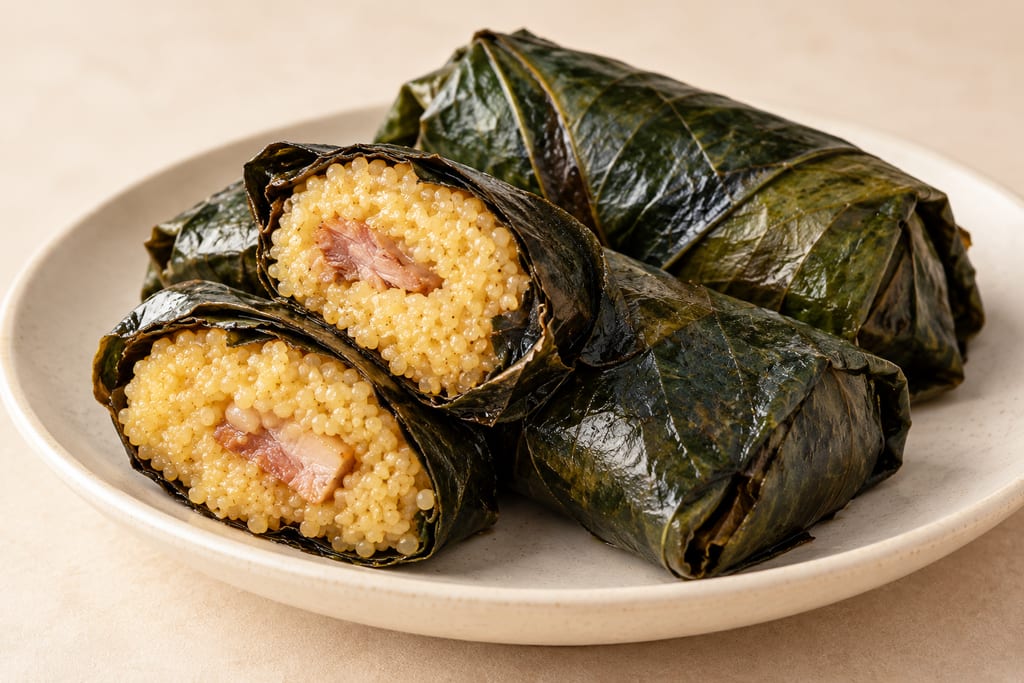
Cinavu is a Paiwan leaf-wrapped parcel built around millet or taro, meat and locally gathered leaves. It belongs to a food culture of harvest, hospitality and shared work, with village recipes differing in both filling and cooking time.
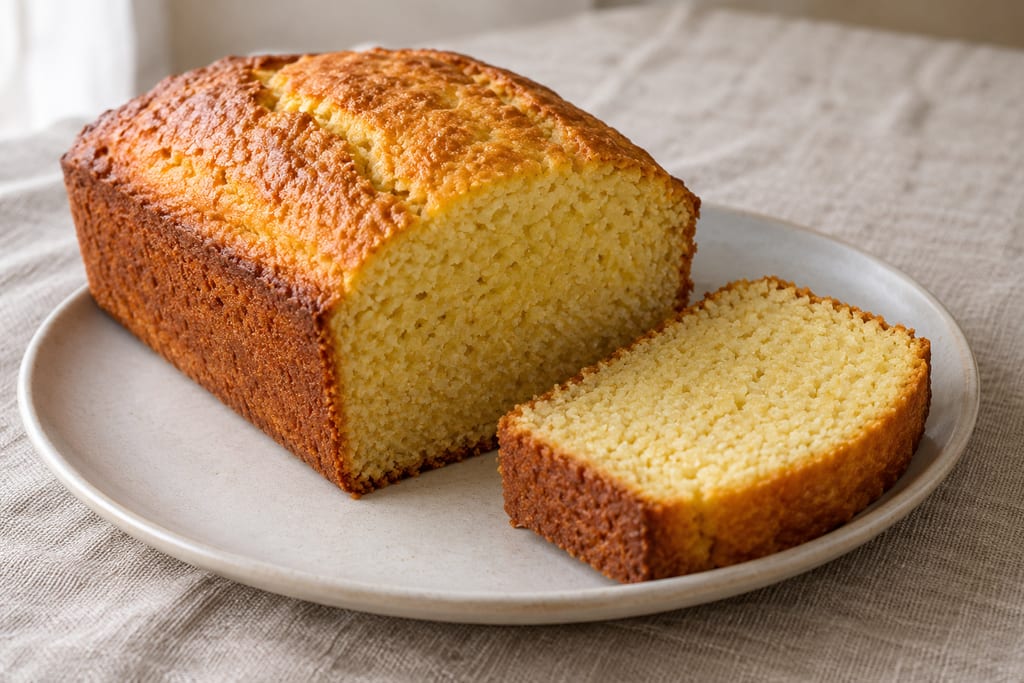
A Zimbabwean maize-meal bread, baked with buttermilk and served plain or with a spread.
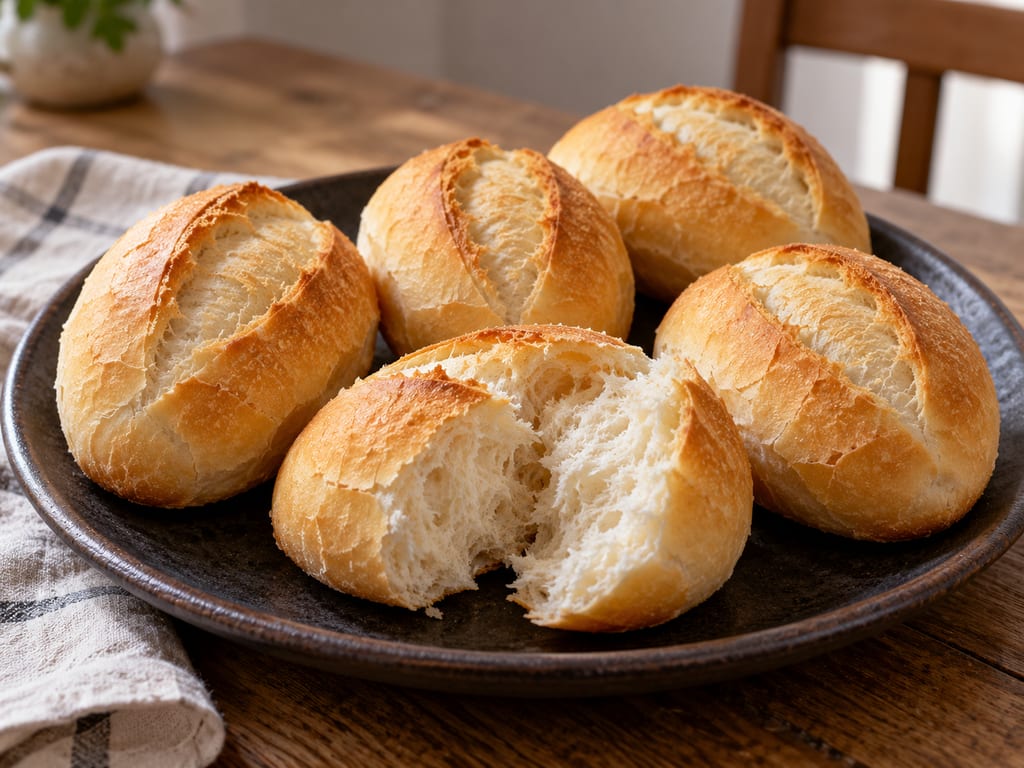
A Brazilian wheat roll with a crisp crust, this home batch uses dry baker’s yeast and a steam-assisted oven bake.
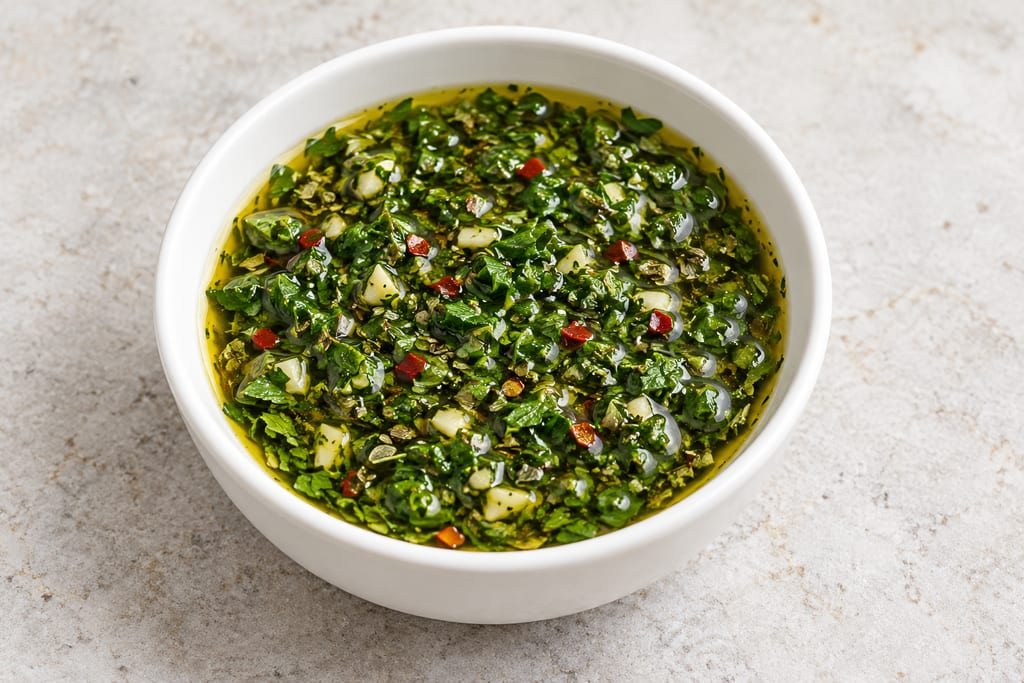
Chimichurri is an uncooked sauce of chopped parsley, garlic, oregano, oil and vinegar from Argentina. It is spooned over grilled meat and has spread across Latin America.
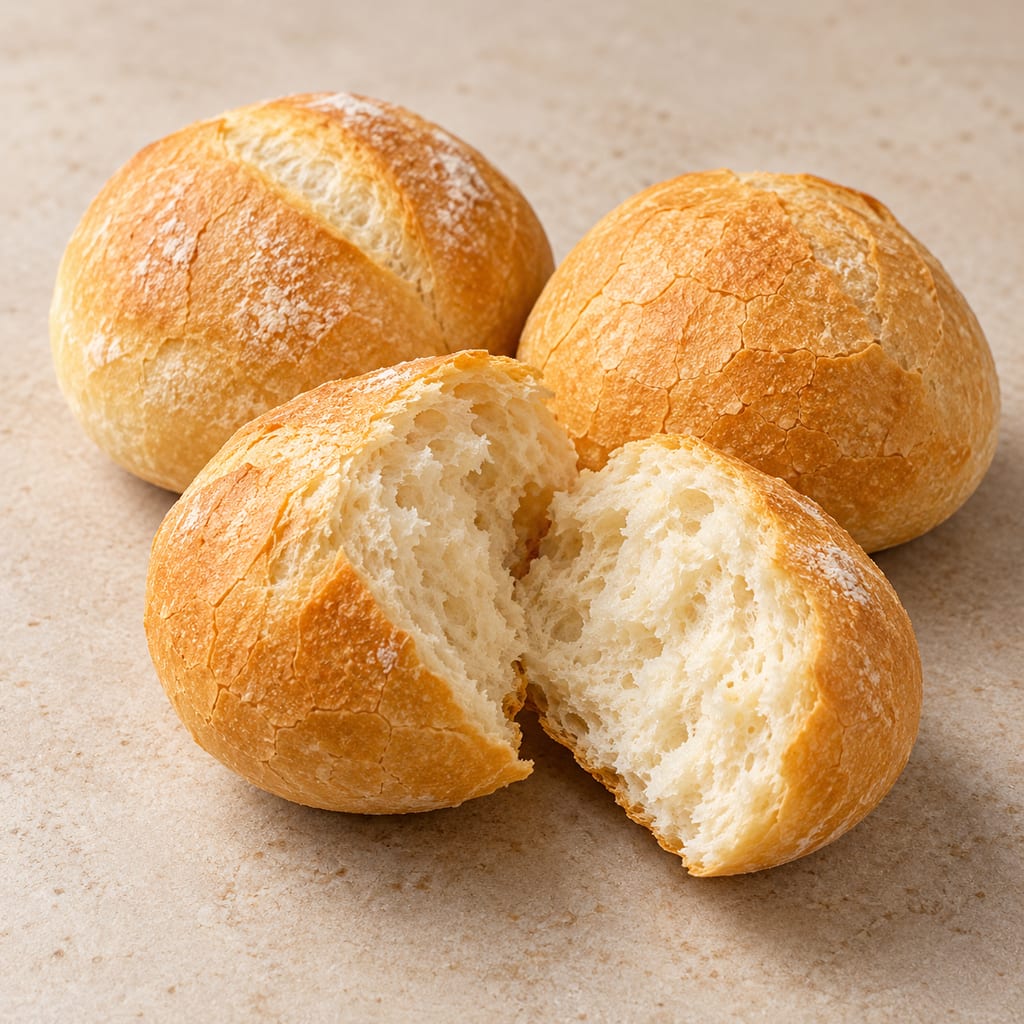
A crisp Belgian roll made from a supplier’s Croc-flour dough, mixed by hand or machine, proofed in rounds and baked with steam.
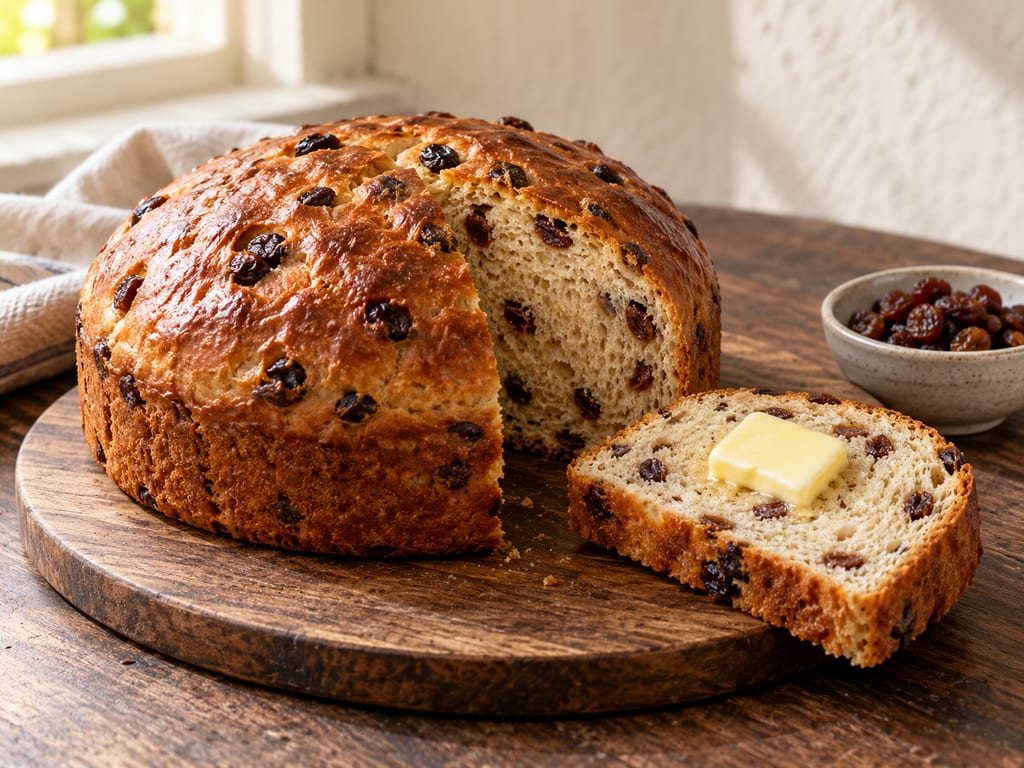
An Irish fruit-studded yeast loaf, associated in a contemporary cultural account with Halloween and often served fresh or toasted with butter.
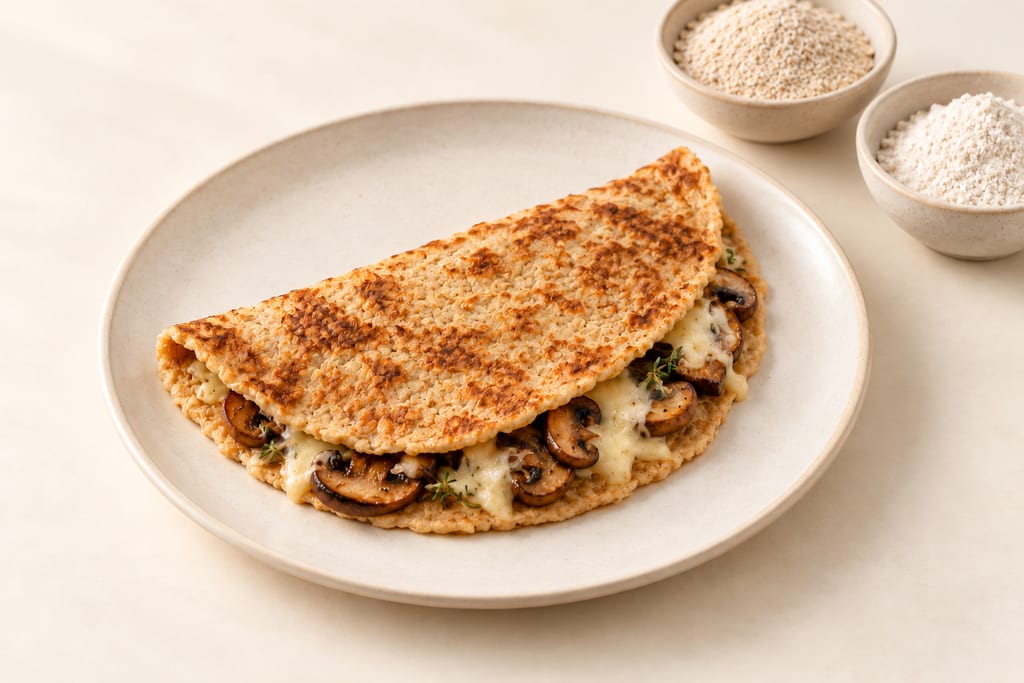
A North Staffordshire speciality, this soft yeast-raised oat-and-wheat pancake is cooked on a pan or griddle and folded around a savoury filling.
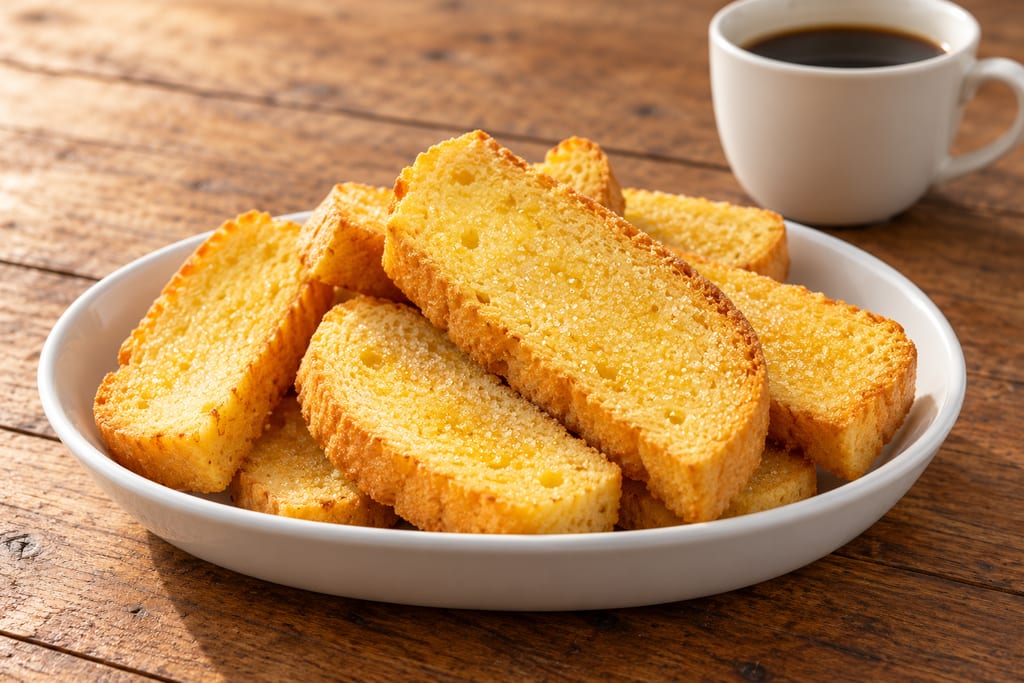
PagkainPinoy’s 24–30 piece version twice-bakes day-old soft bread with a thin butter-and-sugar coating.
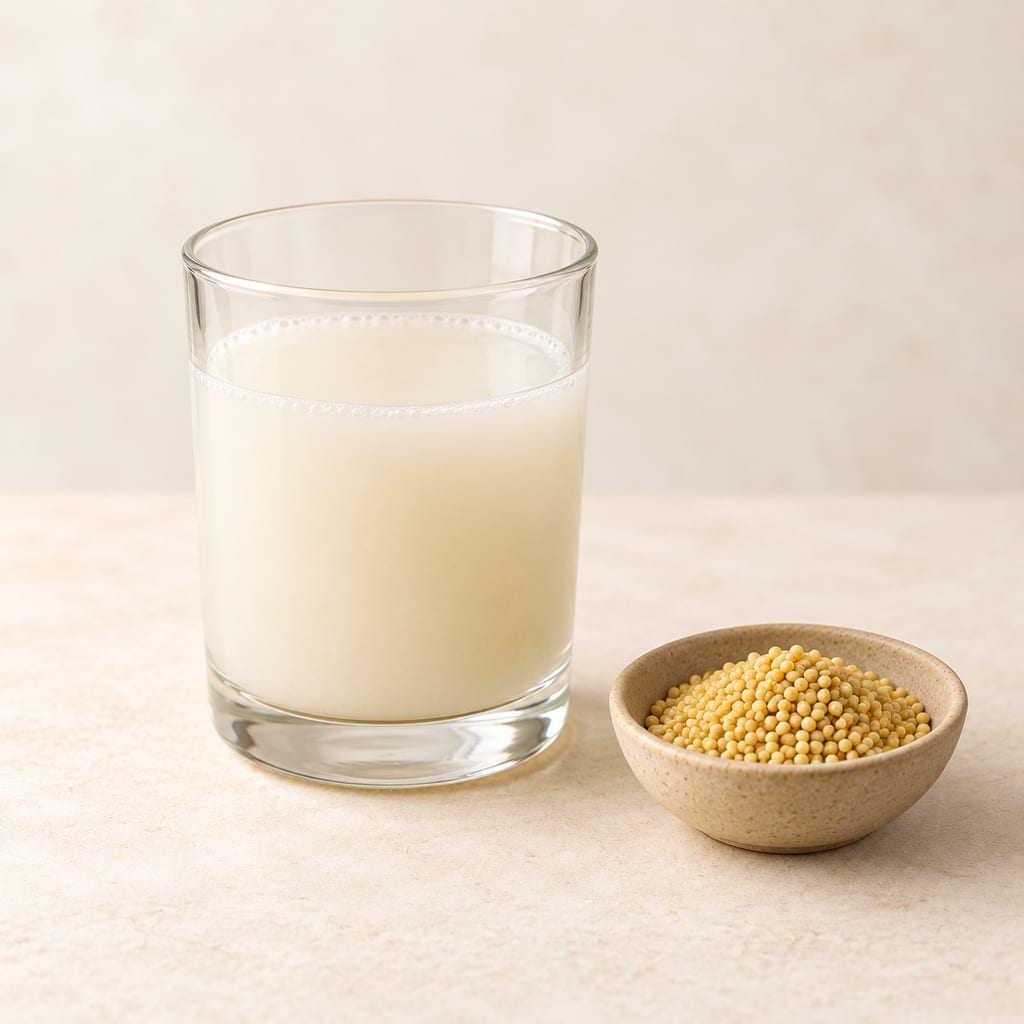
An Ainu grain drink for festivals and housewarmings, made by cooling cooked grain gruel, adding millet malt and holding it in a sake-making vessel.
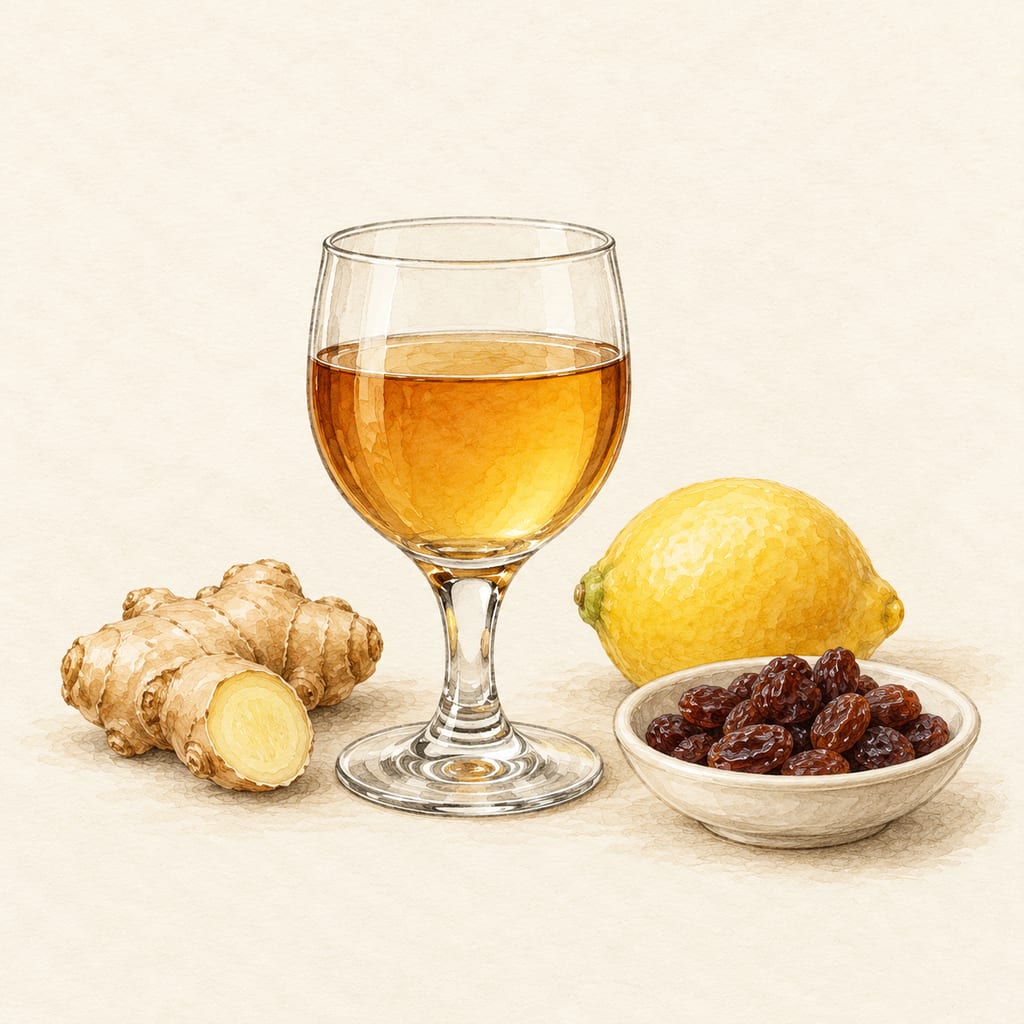
A Victorian household wine of boiled sugar, lemon and bruised ginger, worked on raisins in a cask for a fortnight and finished with brandy, made nine gallons at a time.

Adrak murabba preserves young ginger in sugar syrup, a sweet South Asian preparation recorded in Indian cookery and food-processing sources.
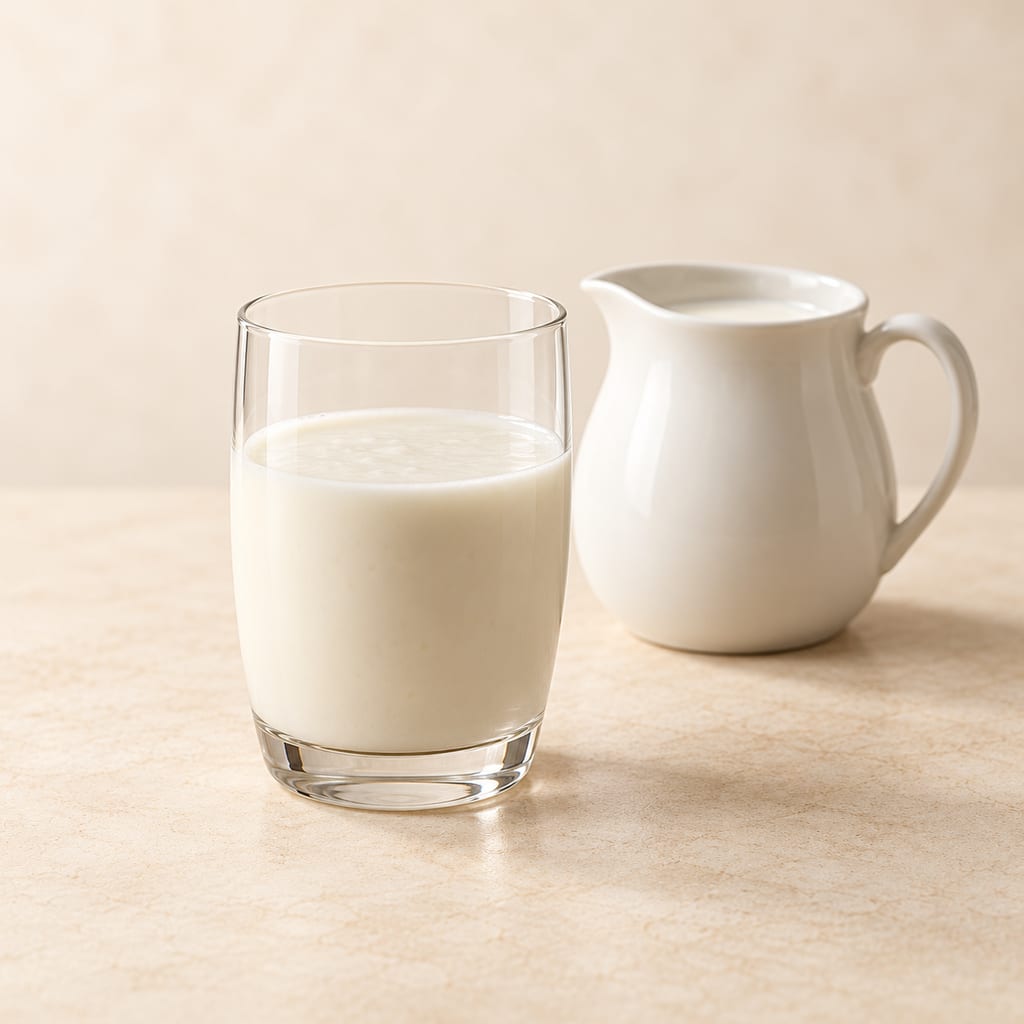
A thin cultured-milk drink made with a commercial countertop starter. Finnish piimä is a mealtime sour milk with distinct regional traditions.

Aam panna is a tart Indian summer drink made by cooking unripe green mango until its flesh softens, then blending the pulp with sweetener, salt and spices and diluting it with water.