






















































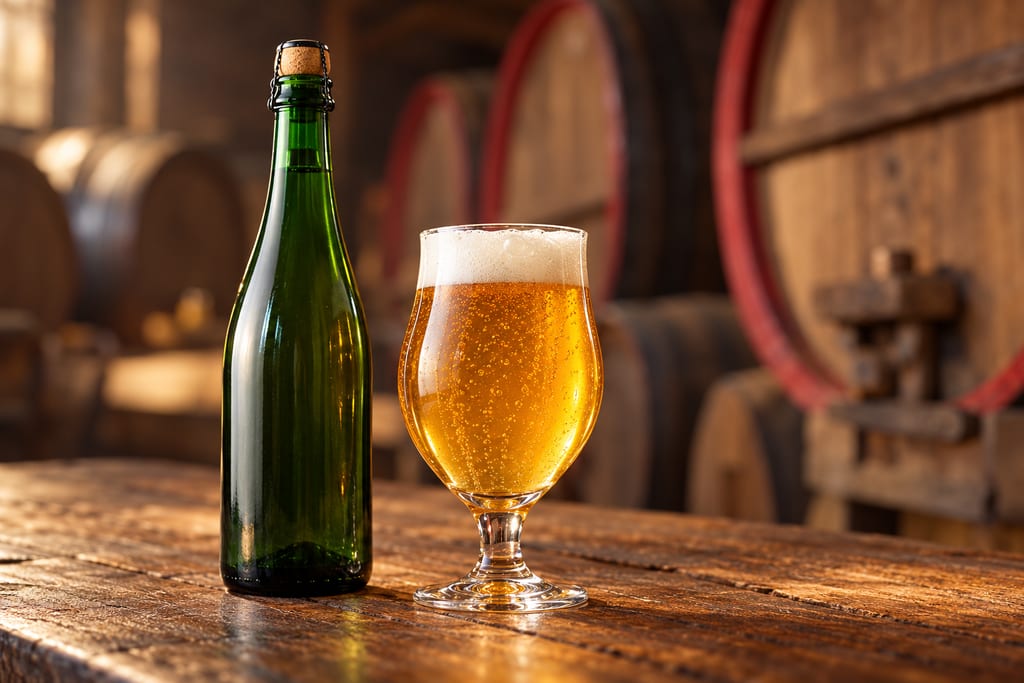
Gueuze
Belgian beer blended from young and mature spontaneously fermented lambics, then refermented in the bottle to natural carbonation. The recipe follows a 2,600-litre blend studied in 2024.
 FermenteaWhere food goes to change
1507 records with their sources, across 11 categories.
 Fermented, enzyme-ripened and mixed seasonings328
 Fruit preserves10
 Legume, seed and plant-protein ferments10
 Garum and fish sauces8
 Adjacent and excluded7
 Koji, mold starters and mold-ripened ferments4
 Acid and oil pickles3
 Fermented fruit and fruit-derived foods3
 Vegetable lactic3
 Dairy ferments2
 Smoked salted and dried foods2
 Cheese1
 Not yet classified1
 Fermented beverages86
 Fermented fruit and fruit-derived foods6
 Fruit preserves3
 Cereal, grain, root and starch fermentations2
 Koji, mold starters and mold-ripened ferments2
Belgian beer blended from young and mature spontaneously fermented lambics, then refermented in the bottle to natural carbonation. The recipe follows a 2,600-litre blend studied in 2024.
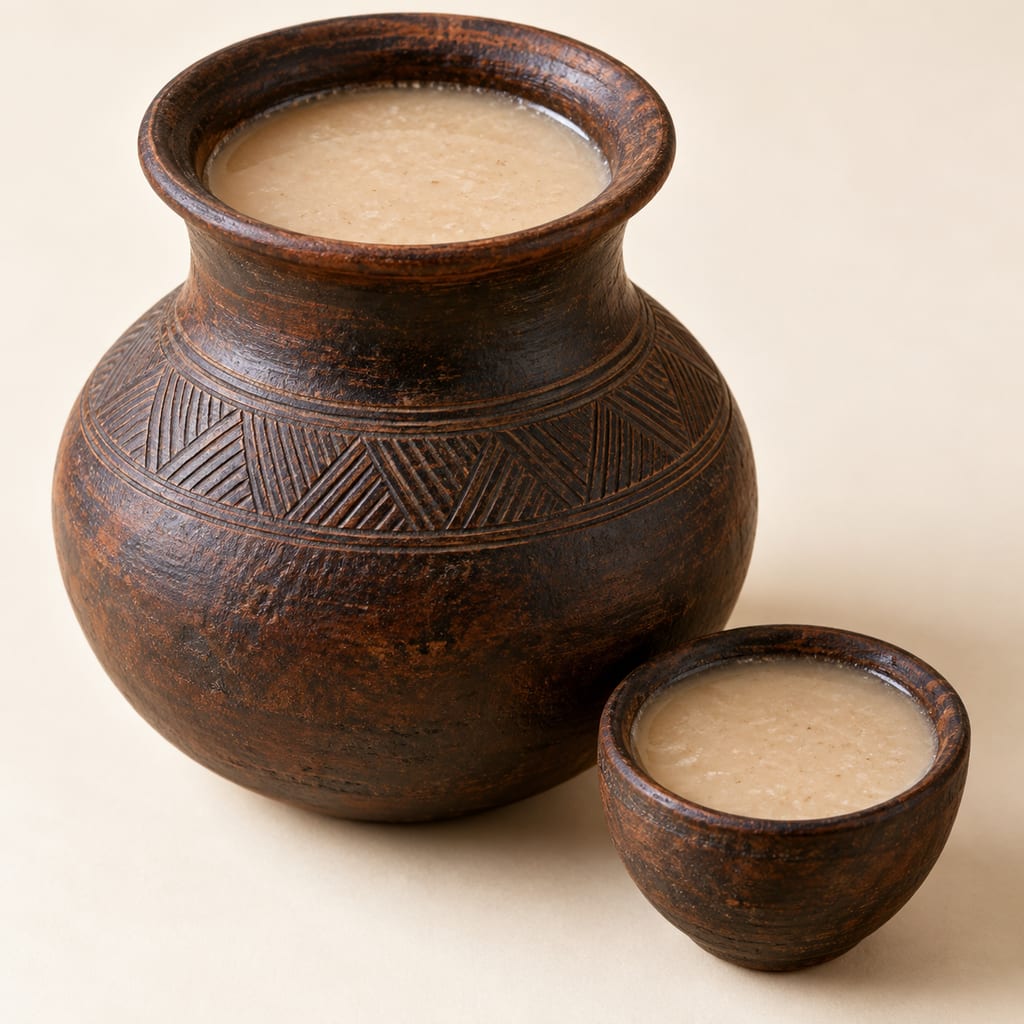
A 2025 study formula combines wheat dough and sorghum porridge with sorghum malt and gesho in staged fermentation. Konso and Dirashe fieldwork records distinct cereal-and-leaf Cheka variants; the study formula is not universal.
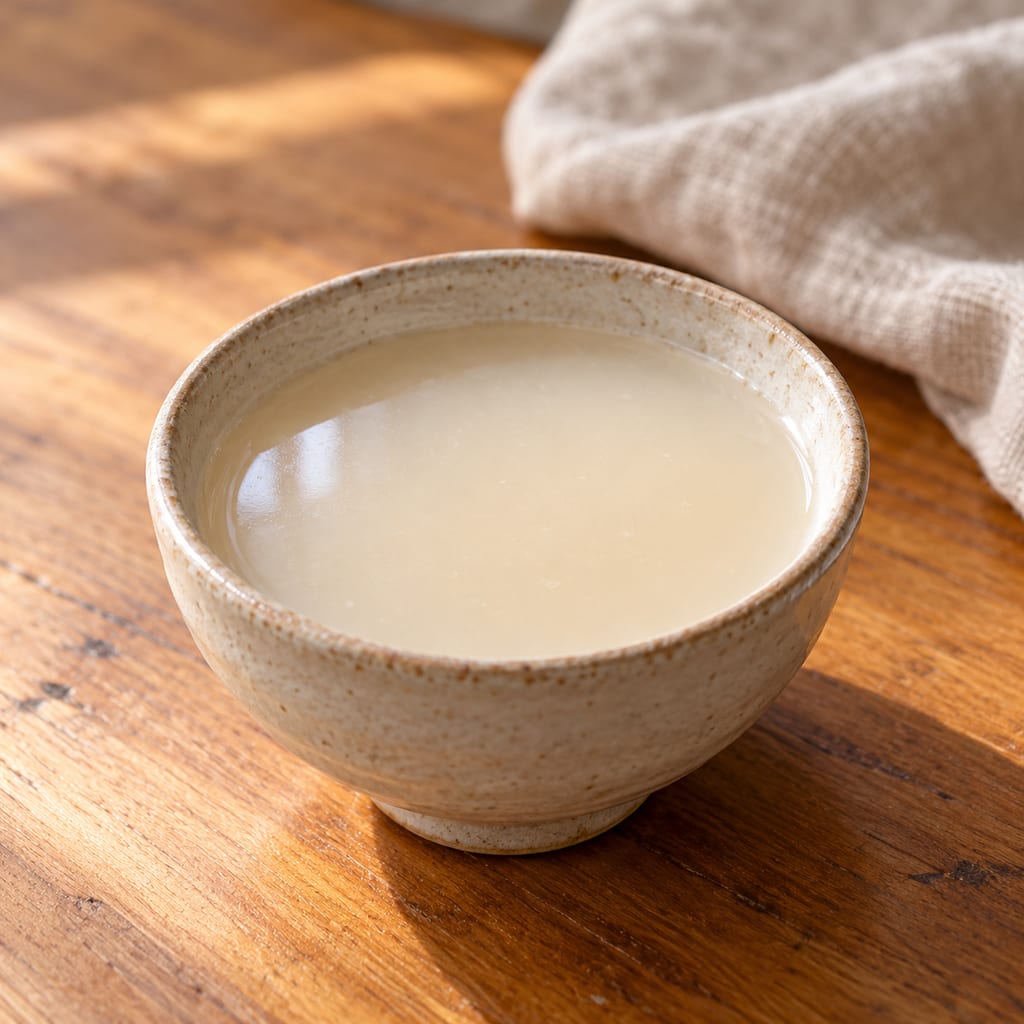
An alcoholic Korean rice drink of steamed glutinous rice and nuruk, mashed in a single stage and fermented for 7 to 14 days.
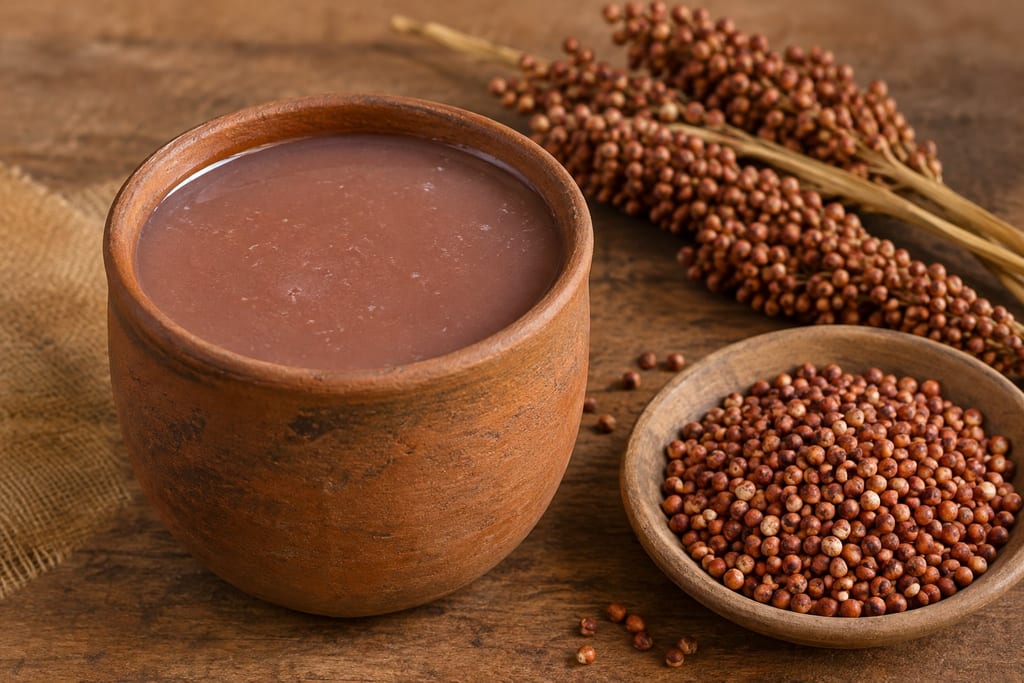
A cloudy Zimbabwean beer brewed from malted red sorghum, given a two-day lactic souring and then a longer alcoholic fermentation.
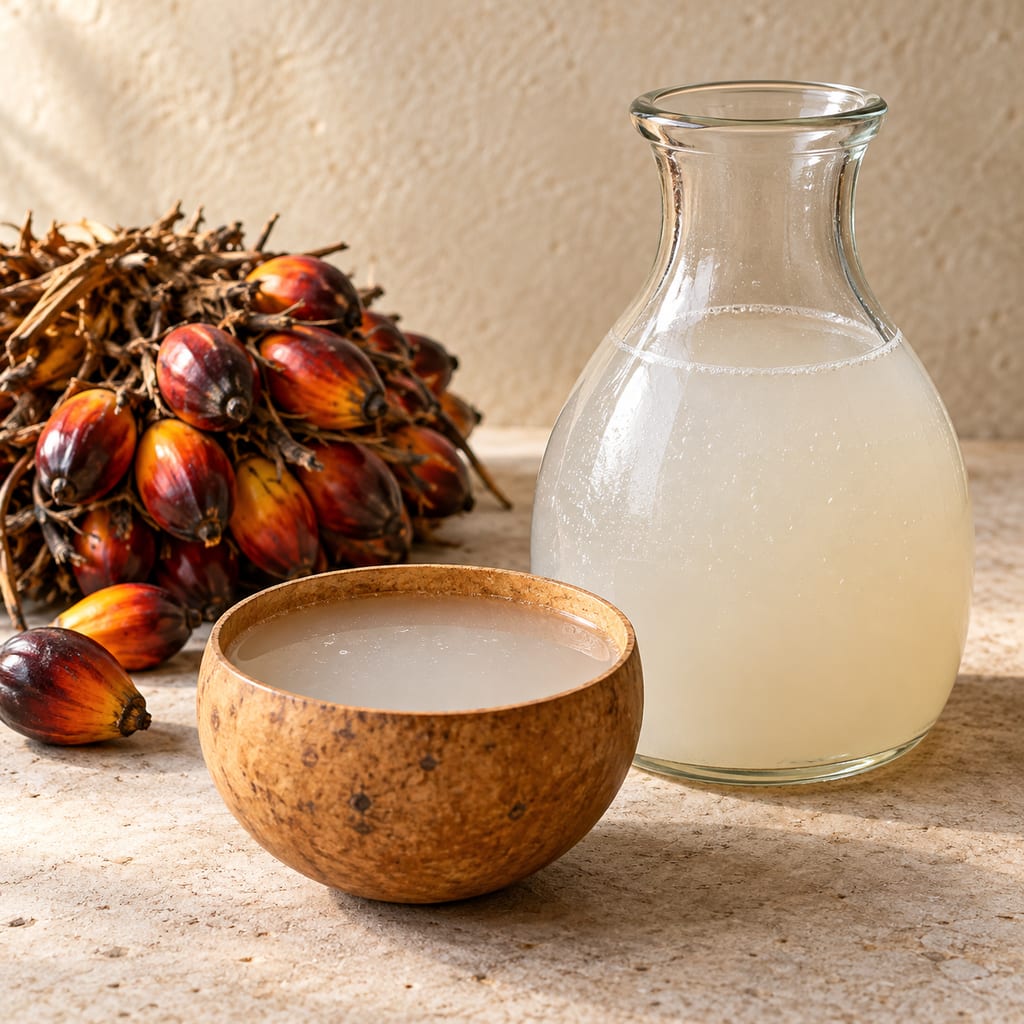
Palm wine is fermented sap from several palm species. West and Central African traditions differ in palm, tapping, vessel and serving stage; this page records shared principles without claiming one universal home-scale process.
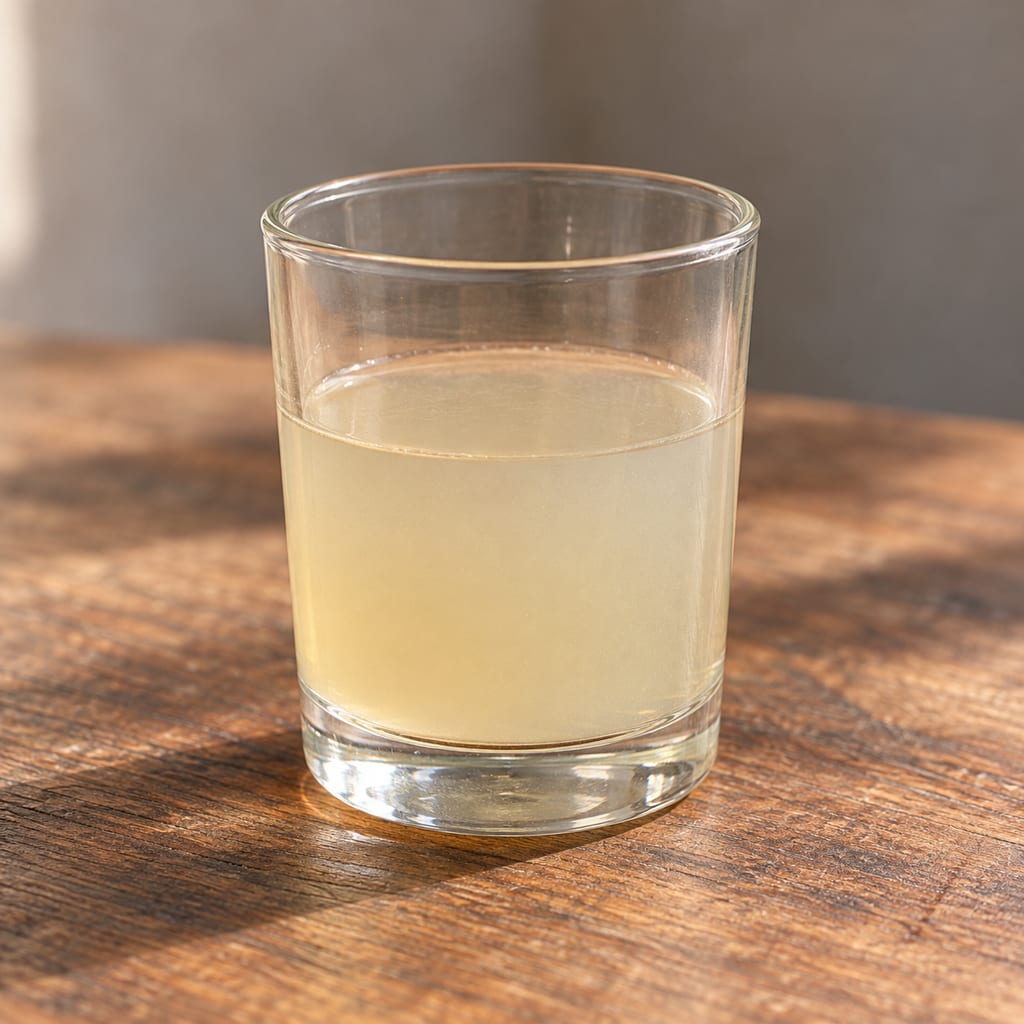
Judima is a Dimasa fermented rice drink from Assam. A 2022 Dhansiri account describes humao starter and rice fermentation, but sources disagree on the thembra bark species and do not provide a complete or validated home batch.
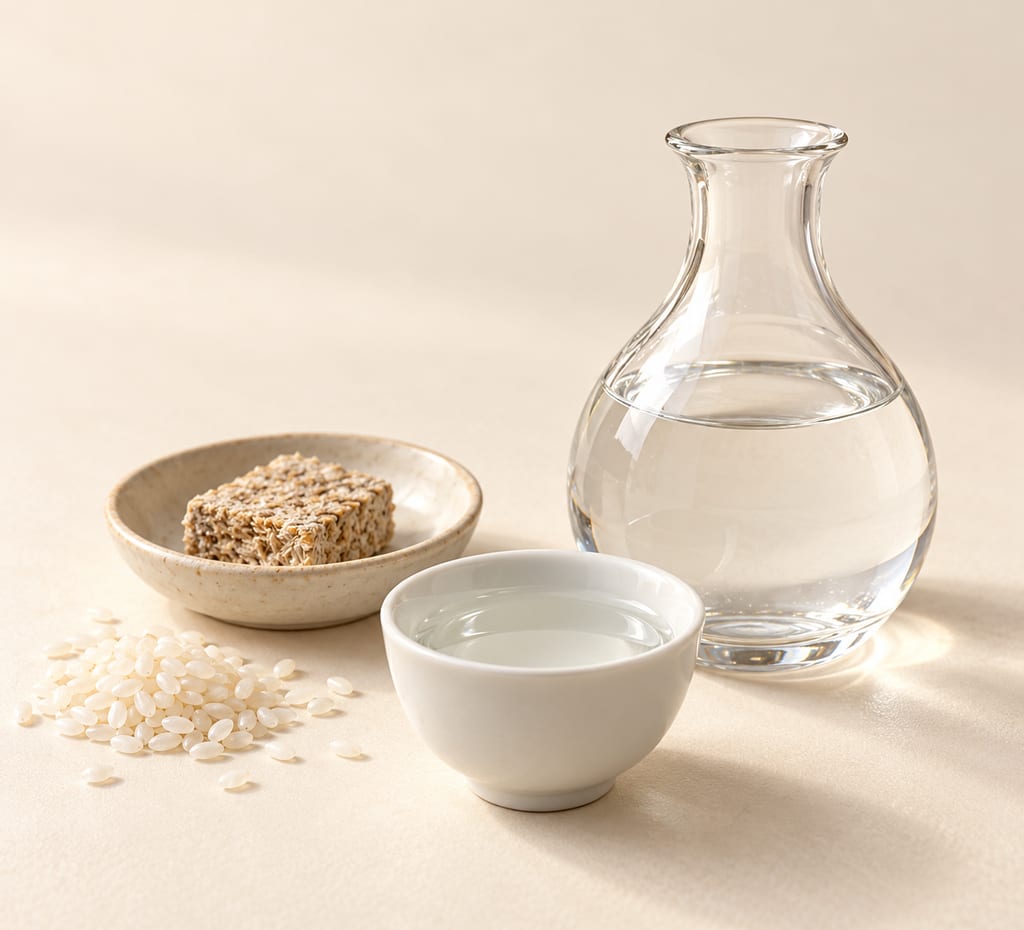
Andong soju is a rice spirit from North Gyeongsang, distilled from steamed rice and wheat nuruk. This method makes the starter before fermenting the rice mash in a jar.
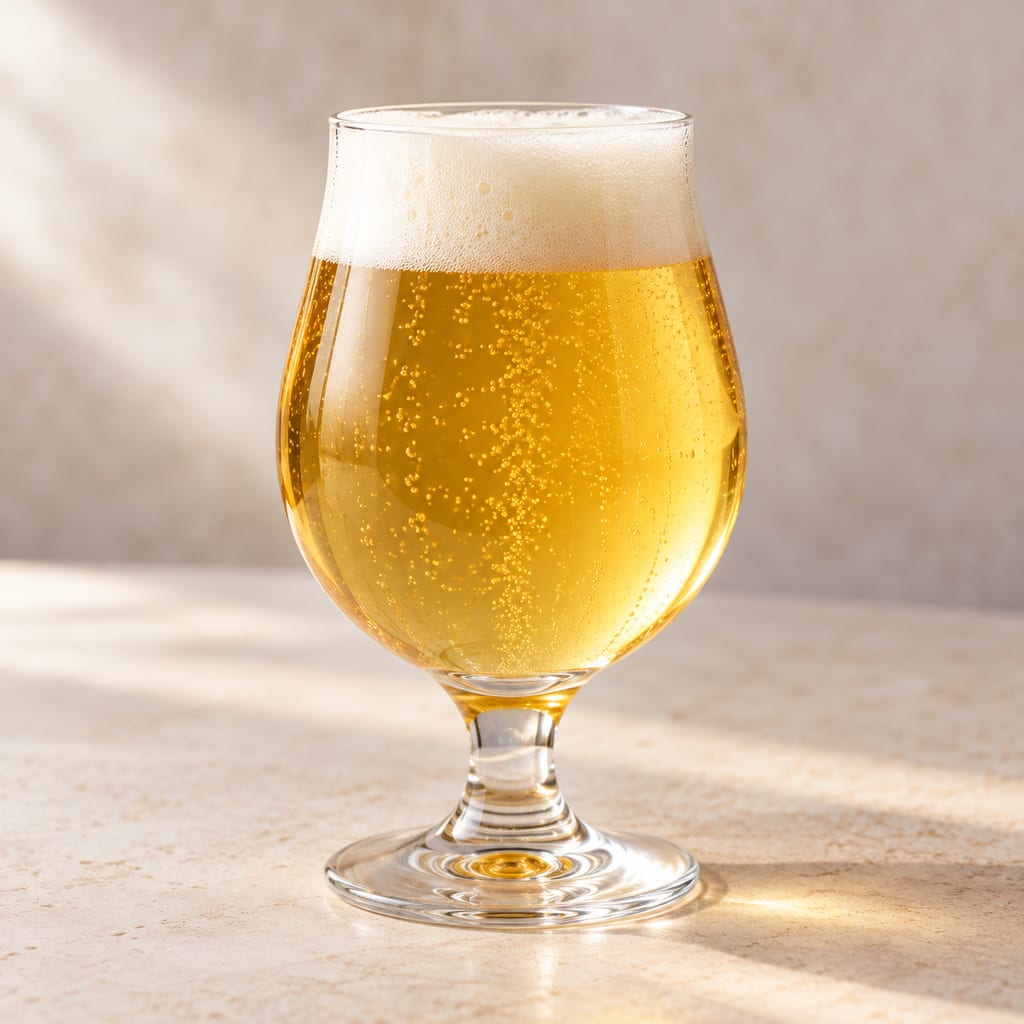
A pale Belgian-style ale with Pilsner and aromatic malts, cane sugar and Saaz hops, fermented under loose foil before an airlock is fitted.
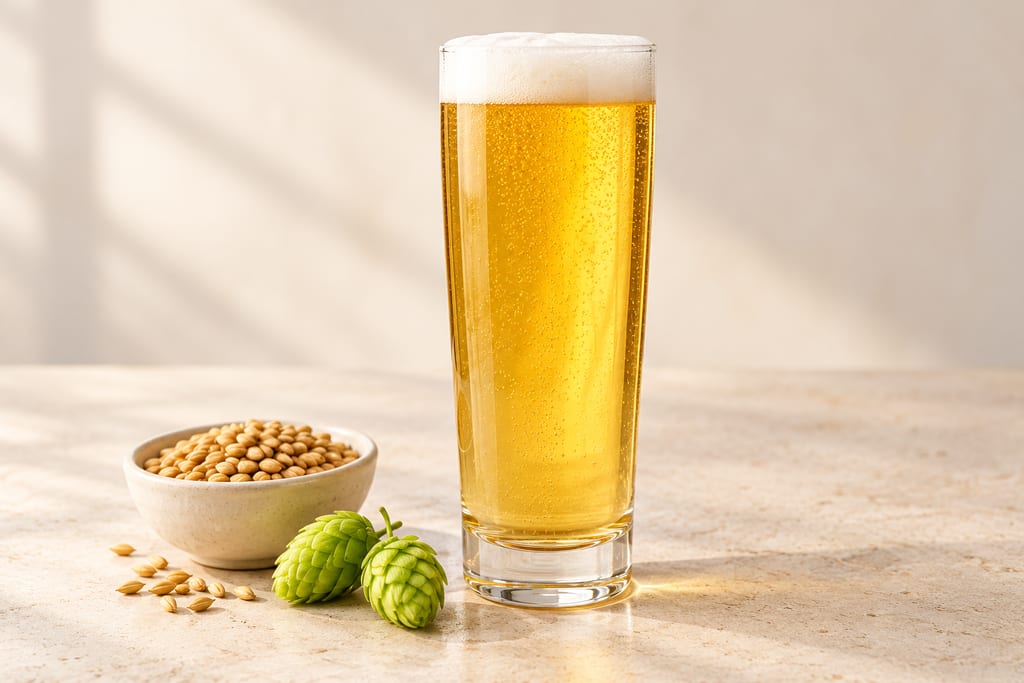
A pale, dry lager with Pilsner malt, Magnum bittering hops and Hallertau Mittelfrüh and Tettnang additions, followed by cold maturation.
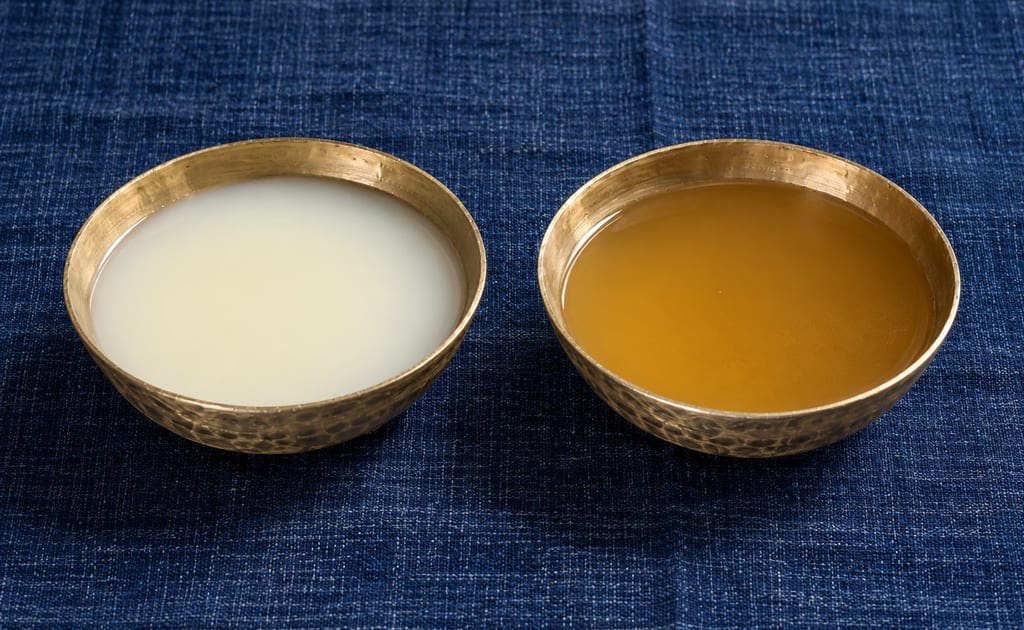
Apong names Mising rice beverages in Assam, including pale Nogin and ash-associated Po:ro. Sources describe distinct preparations and do not establish one unified household recipe or validated safety endpoint.
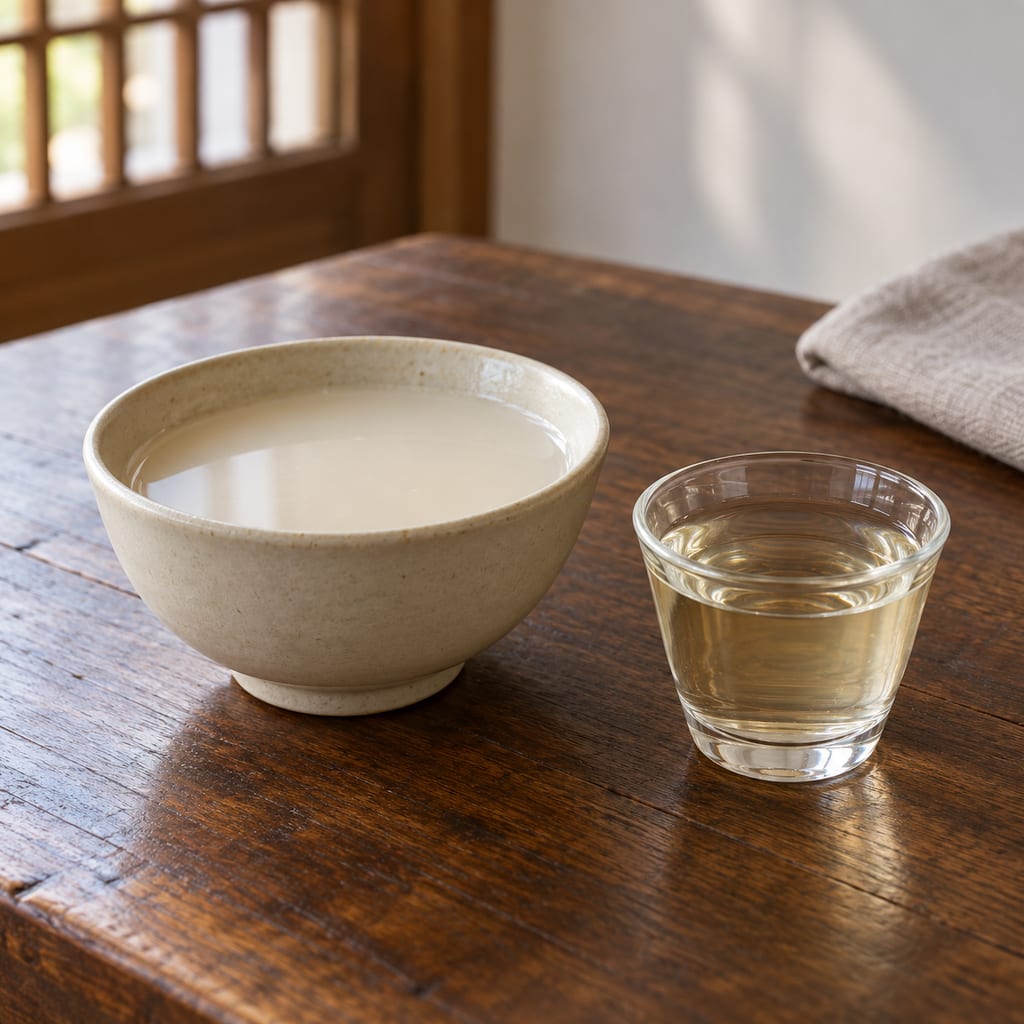
A Korean grain wine fermented from steamed rice, nuruk and yeast in two mash additions, drawn off clear as yakju or blended cloudy with rice solids and water as makgeolli.
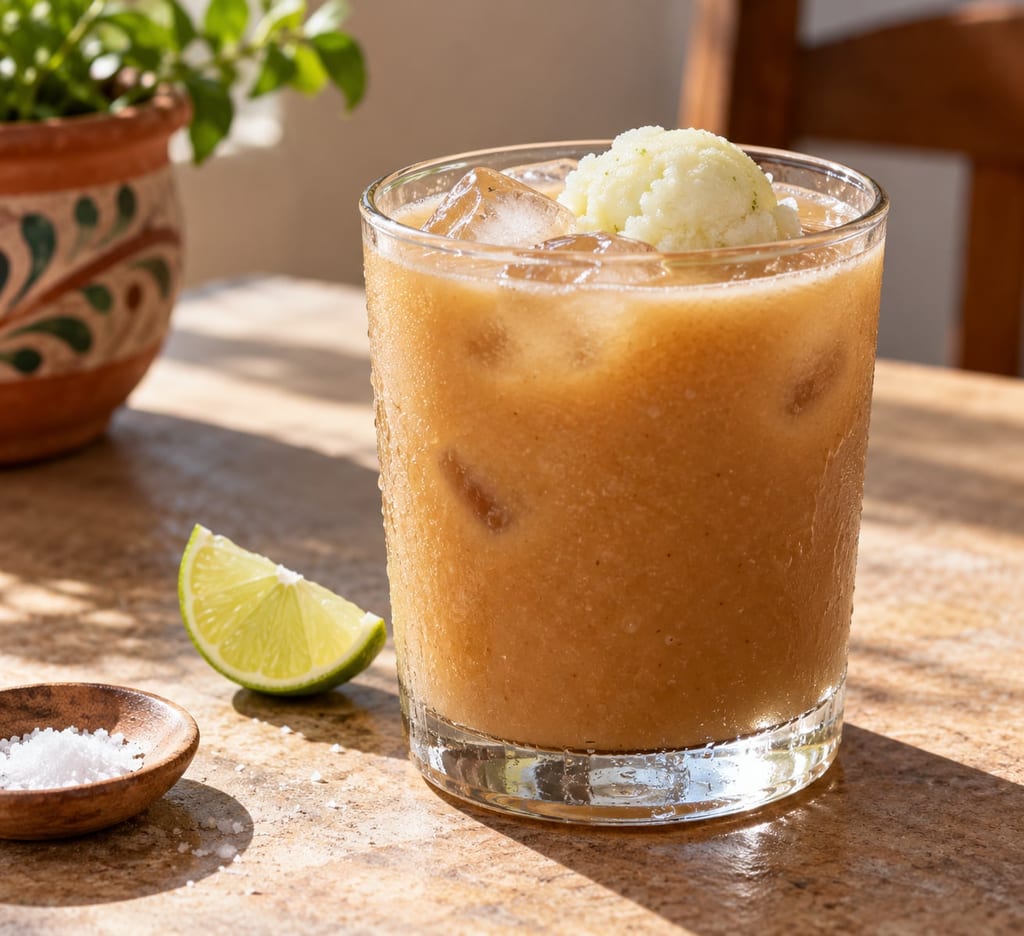
A tart, lightly fermented drink of Jalisco: nixtamalized maize masa cooked with piloncillo and limed, then diluted over ice and salted at serving.
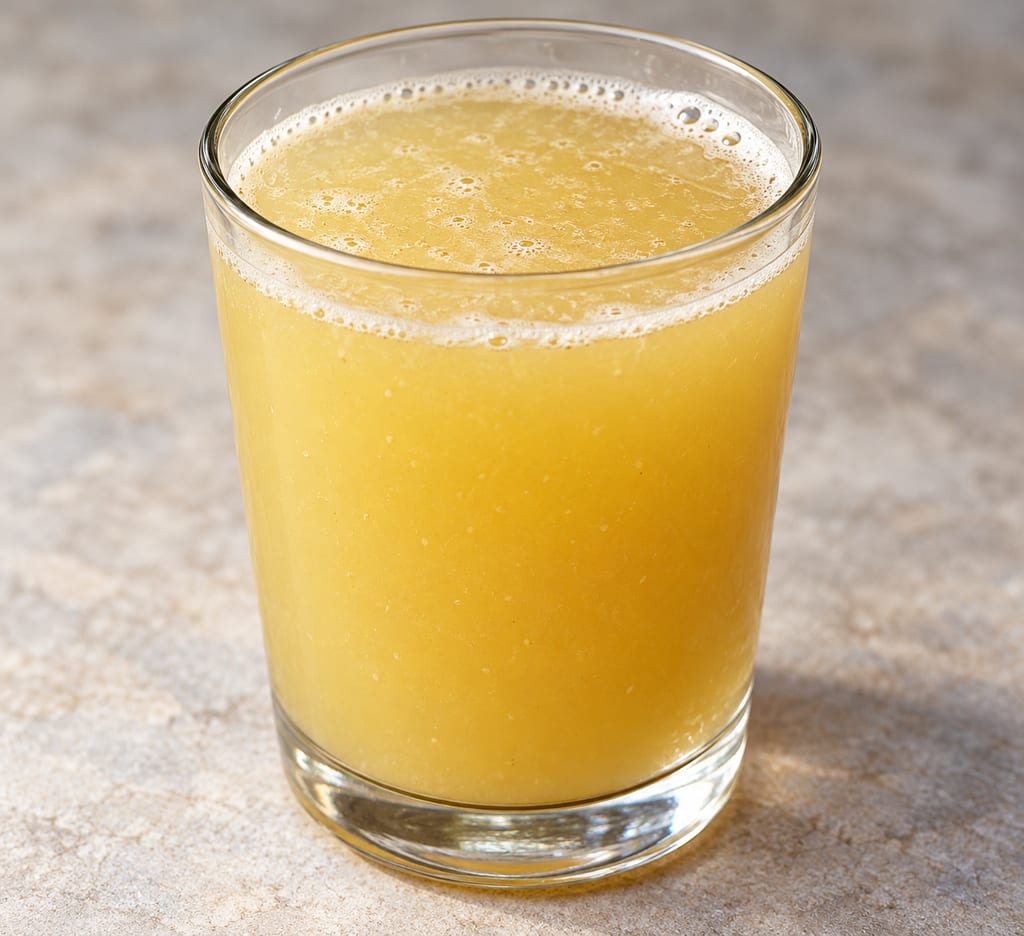
A pale Ethiopian maize tella, brewed from maize baked into a kita pancake at a gentler heat and then fermented in three stages with barley malt, gesho and water.
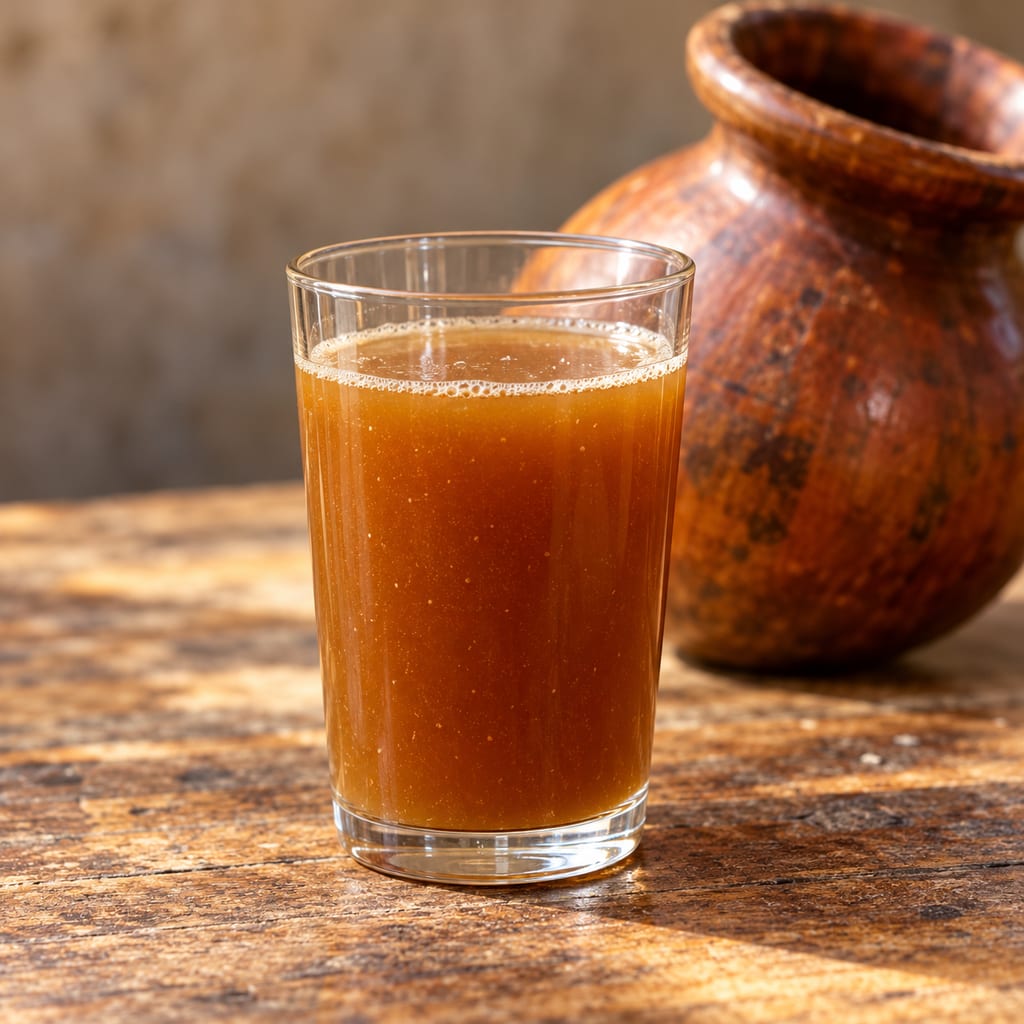
A darker Ethiopian maize tella, brewed from maize baked into a hot, dry kita pancake and then fermented in three stages with barley malt, gesho and water.
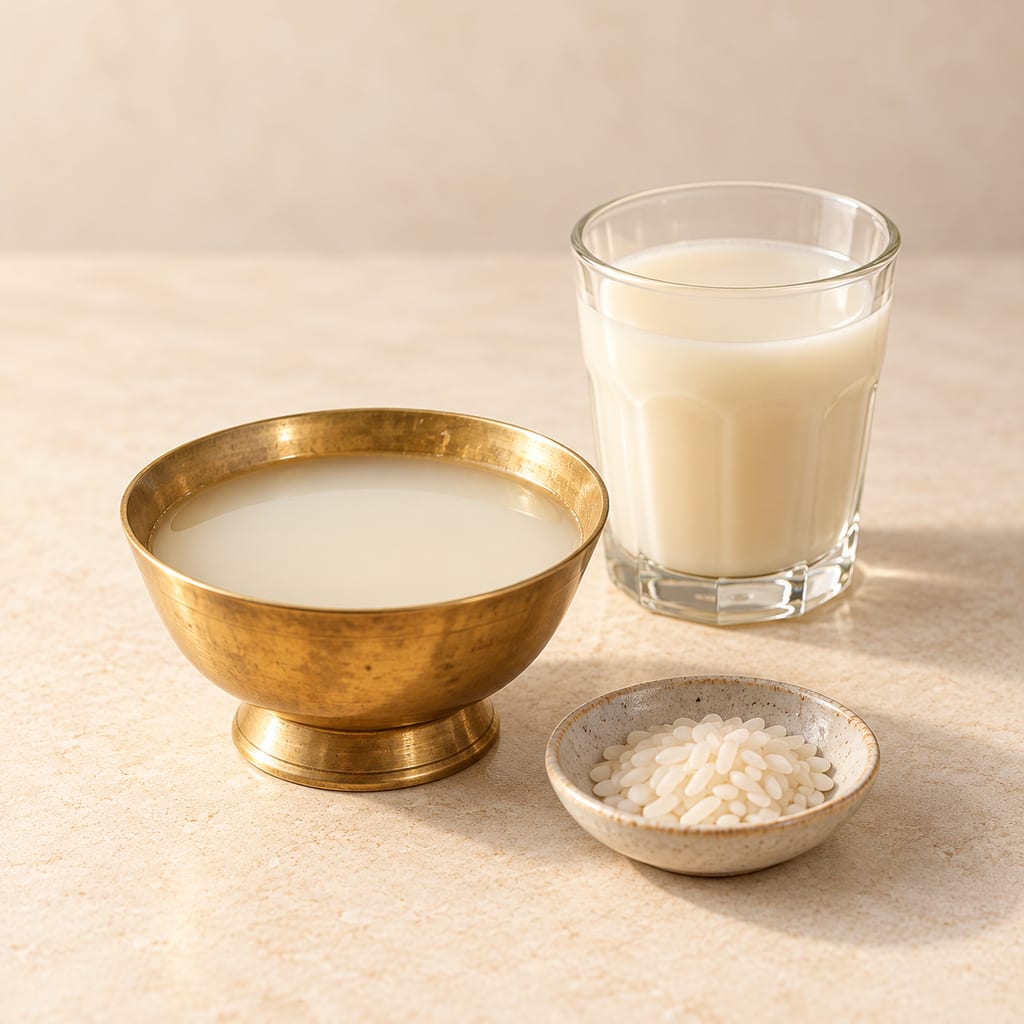
A Kathmandu rice beer in which a marcha starter saccharifies and ferments cooked white rice, the mash later thinned with water for drinking.
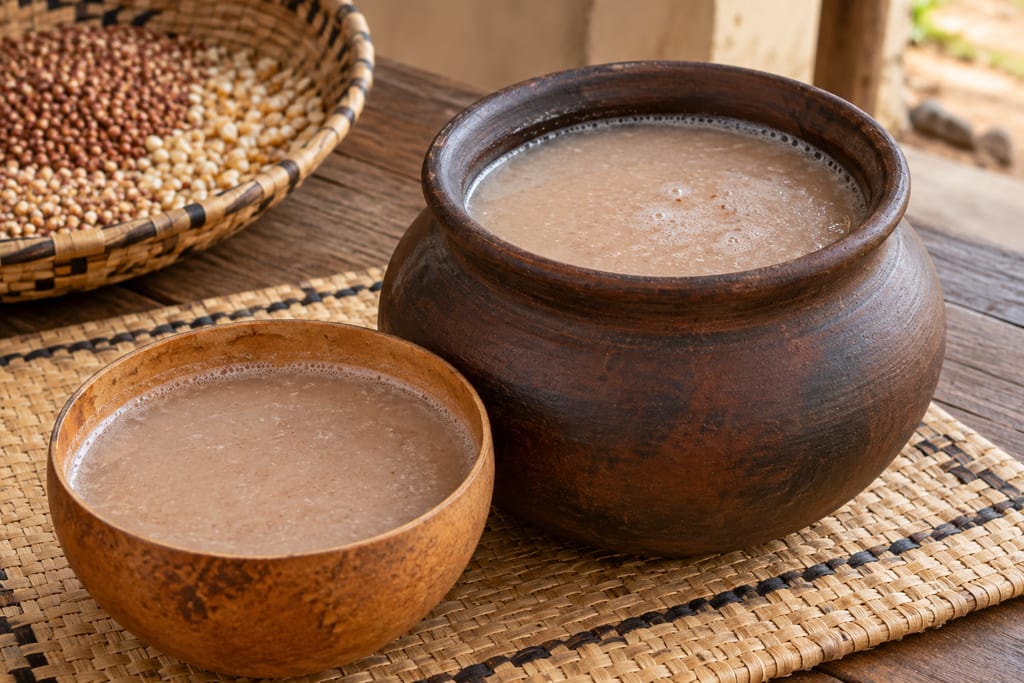
A South African opaque beer soured from sorghum malt and maize meal, cooked as a thick porridge, then fermented again after a second addition of malted sorghum.
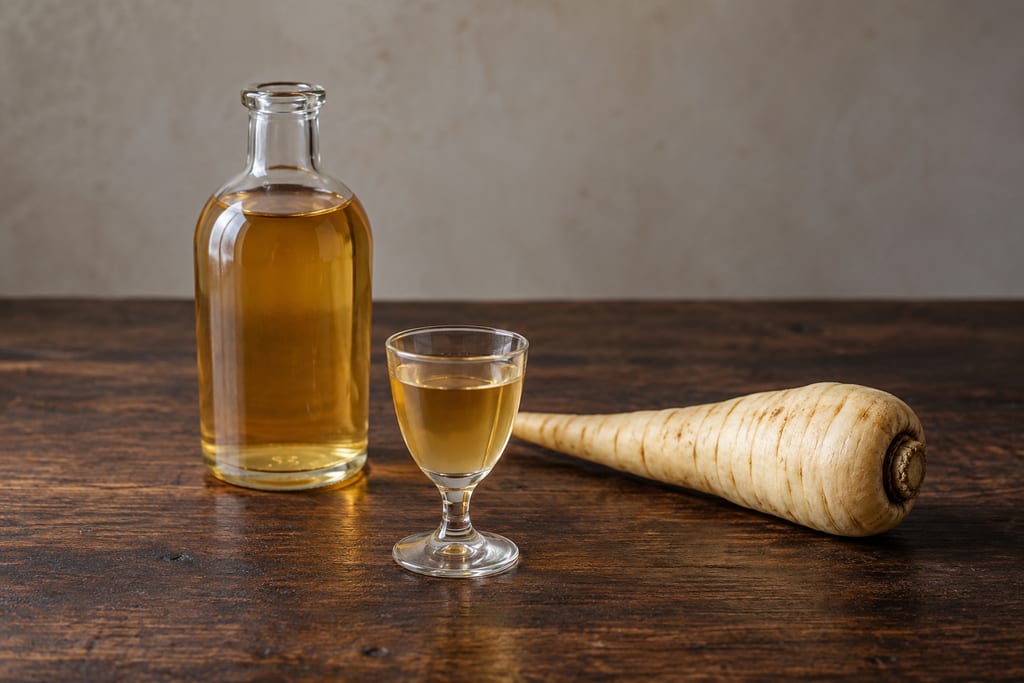
Wright's 1909 compilation records a parsnip wine made from boiled roots, sugar and a little yeast. The liquor spends ten days in a tub, then twelve months in a cask topped up daily only while the wine works over.
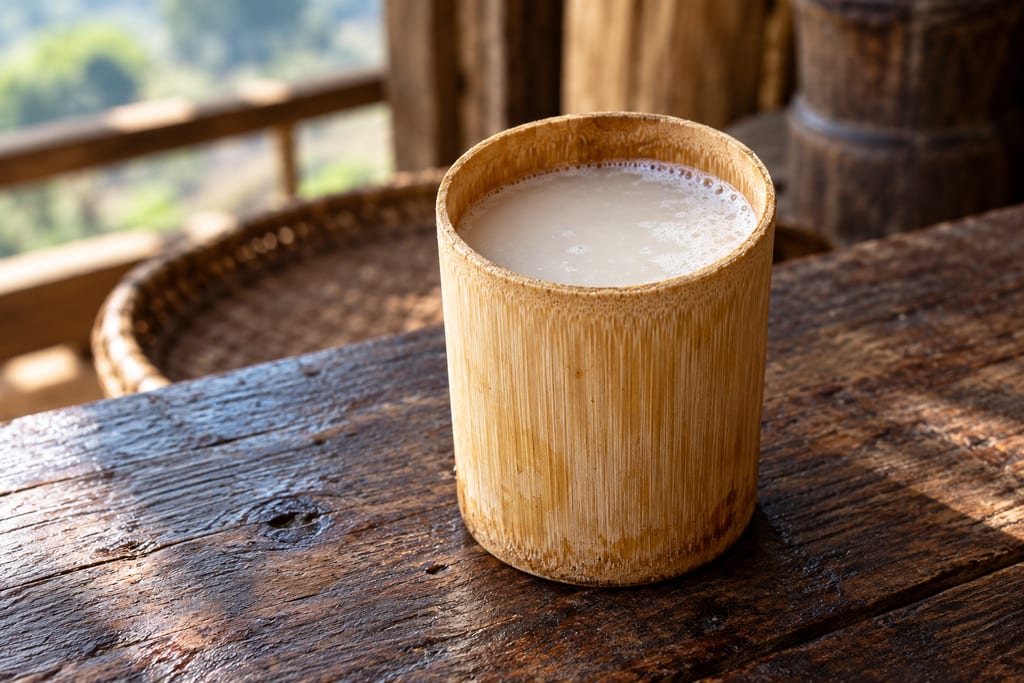
Angami rice beer from Nagaland. A surveyed method mixed cooked rice with piazu, fermented it for about four days in summer or a week in winter, then added water and filtered it. The starter ratio leaves the rice-weight basis unclear.
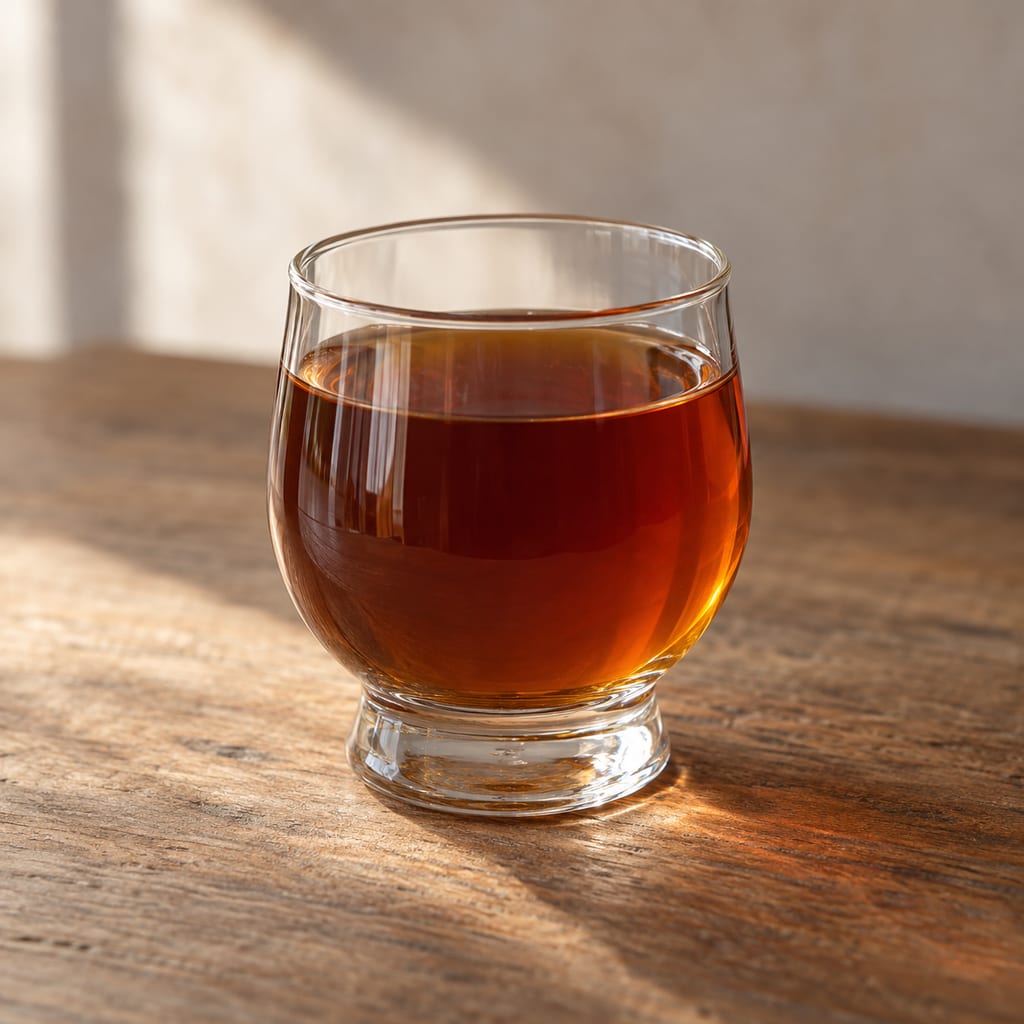
Musalais is a fermented grape drink documented among Uyghur producers in A’wati, southern Xinjiang. A studied process combines grape juice and heated pomace extract before spontaneous fermentation.
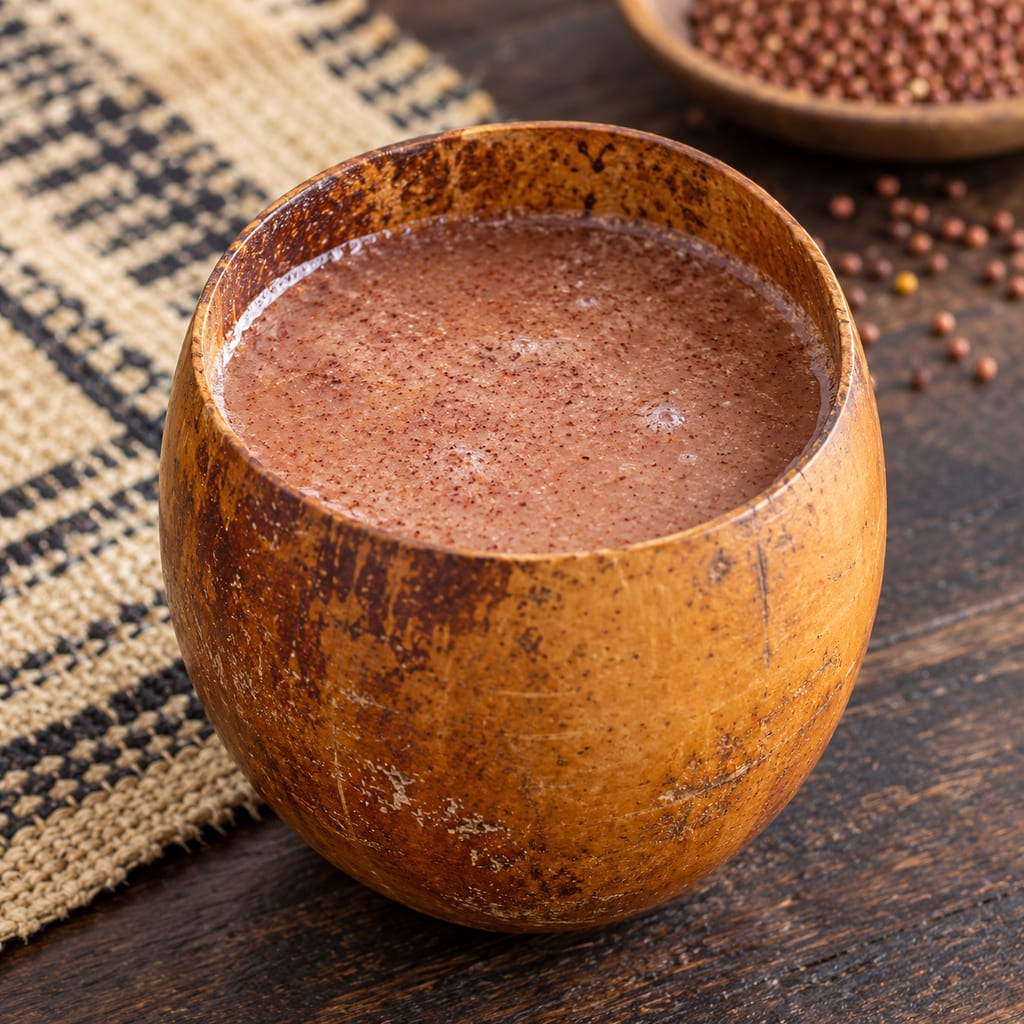
Chagga beer from the slopes of Kilimanjaro in Tanzania, made by combining a fermented banana porridge with a sweet porridge of germinated finger millet and drunk fresh within a day or two.
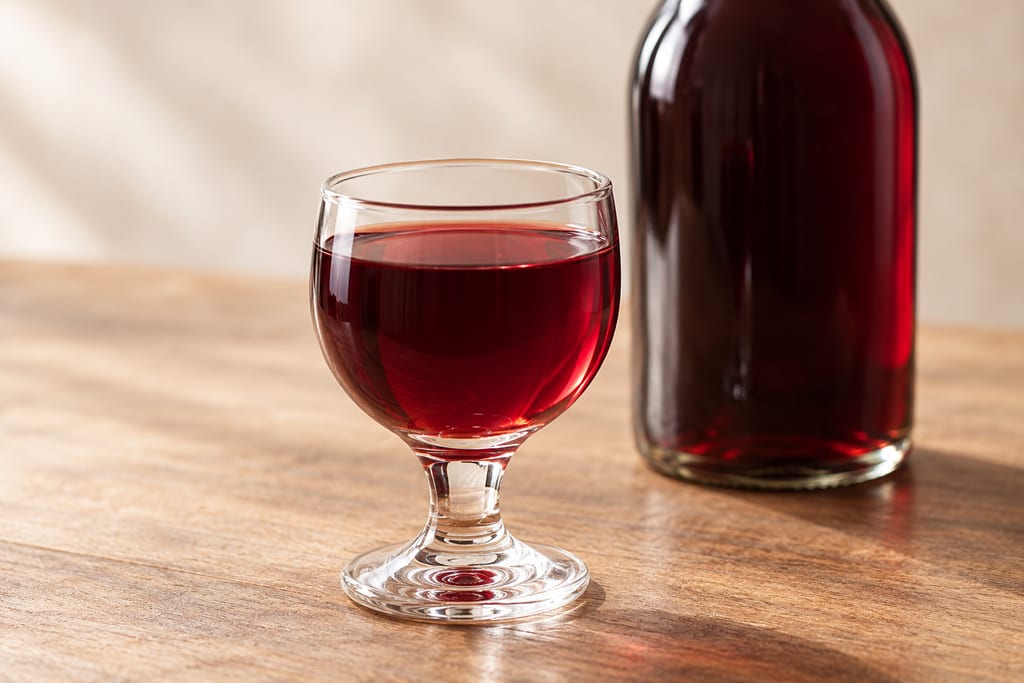
Korean black raspberry wine: crushed bokbunja berries with their seeds, sweetened to 20 °Brix, fermented 15 days at 25 °C with wine yeast, filtered and matured three months.
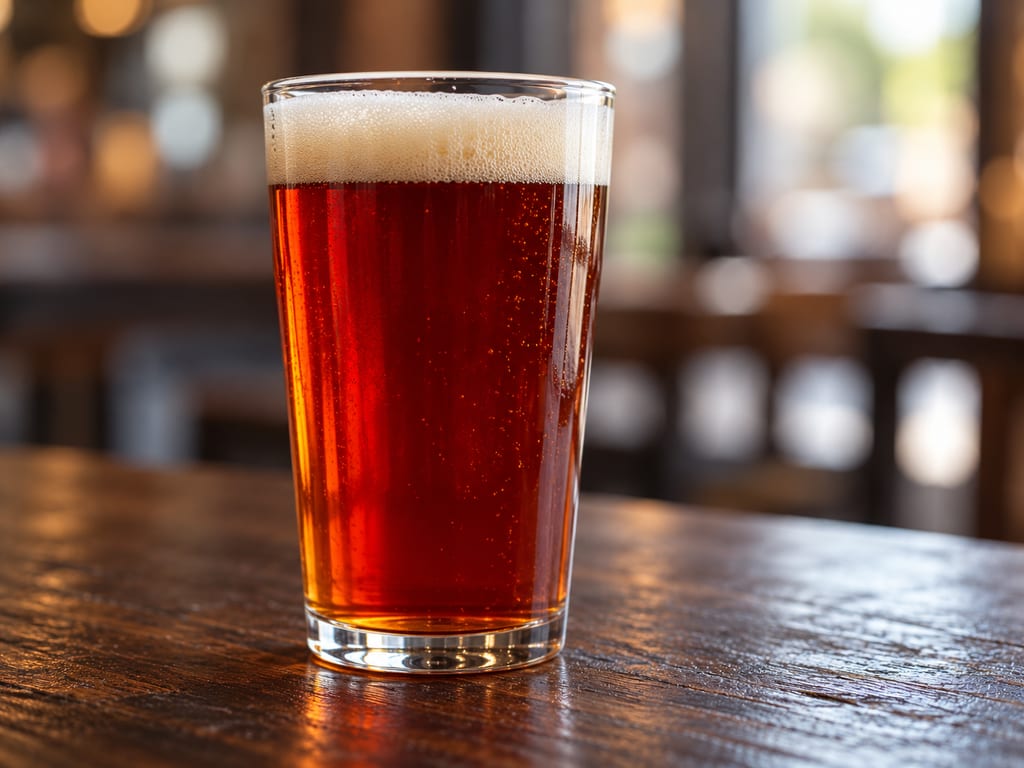
A deep amber-red American ale brewed from pale, Munich, CaraVienne and chocolate malts, bittered with Columbus hops and finished with Amarillo.
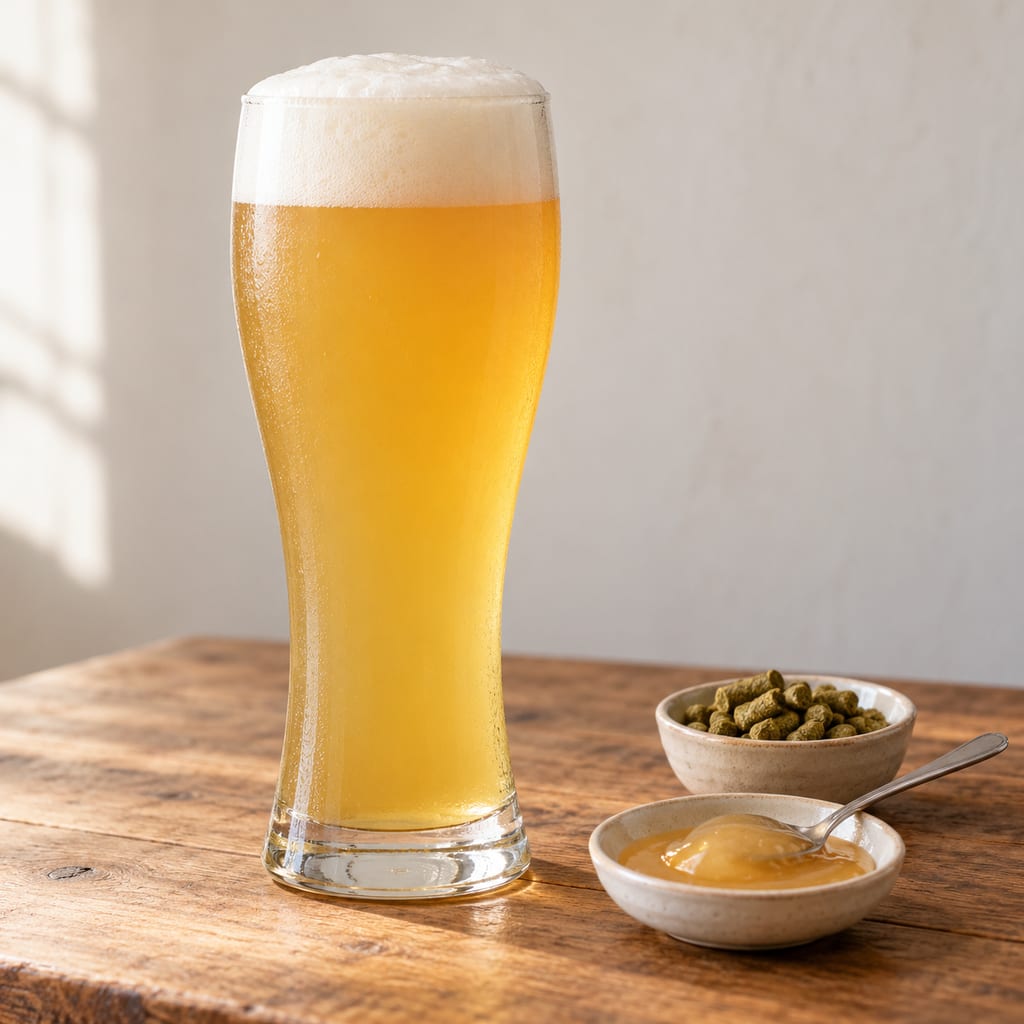
A German-style wheat beer made with wheat extract, a short hop boil and a hefeweizen yeast, using cold water to top up the fermenter.
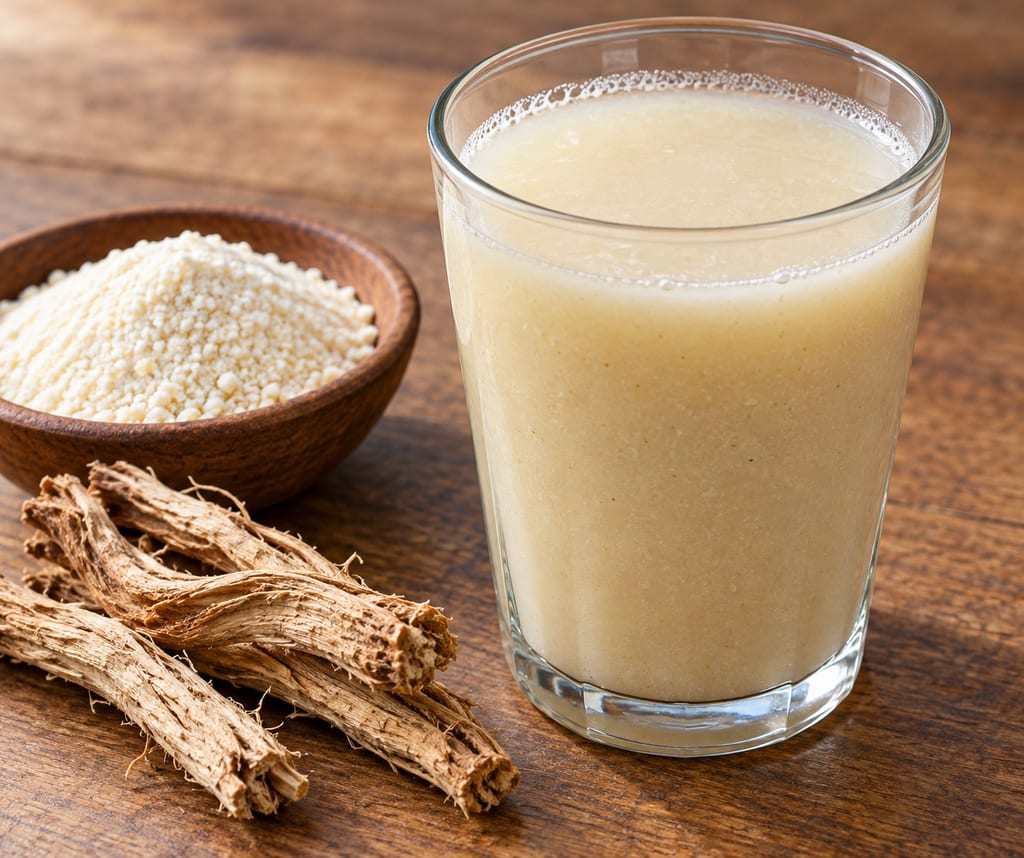
A creamy, mildly sour Zambian cereal drink in which the dug roots of wild legumes supply both the enzymes that break the cooked starch down and the microorganisms that then ferment it.
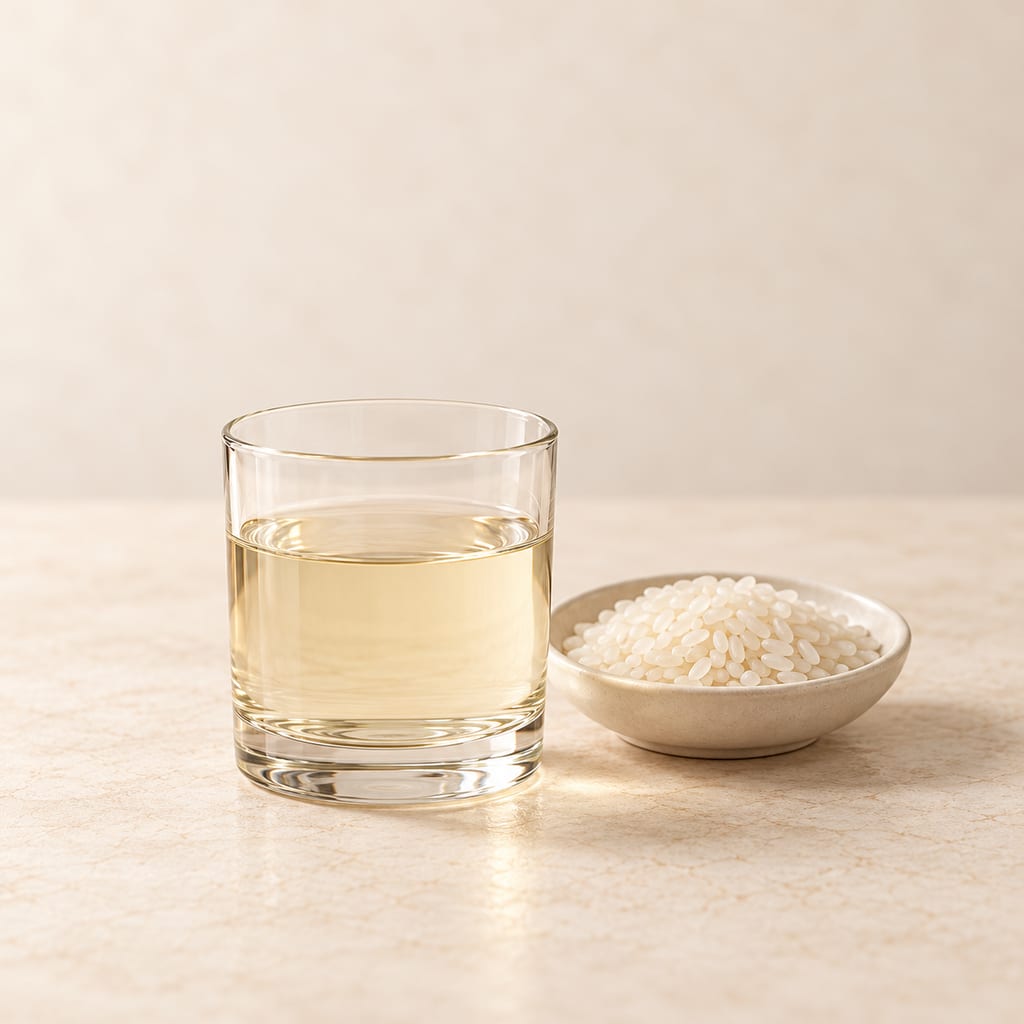
A 2021 study's white-rice yakju: steamed Hanareum rice ferments with rice-flour nuruk and takju yeast for 11 days, then the clear upper liquid is filtered and centrifuged.
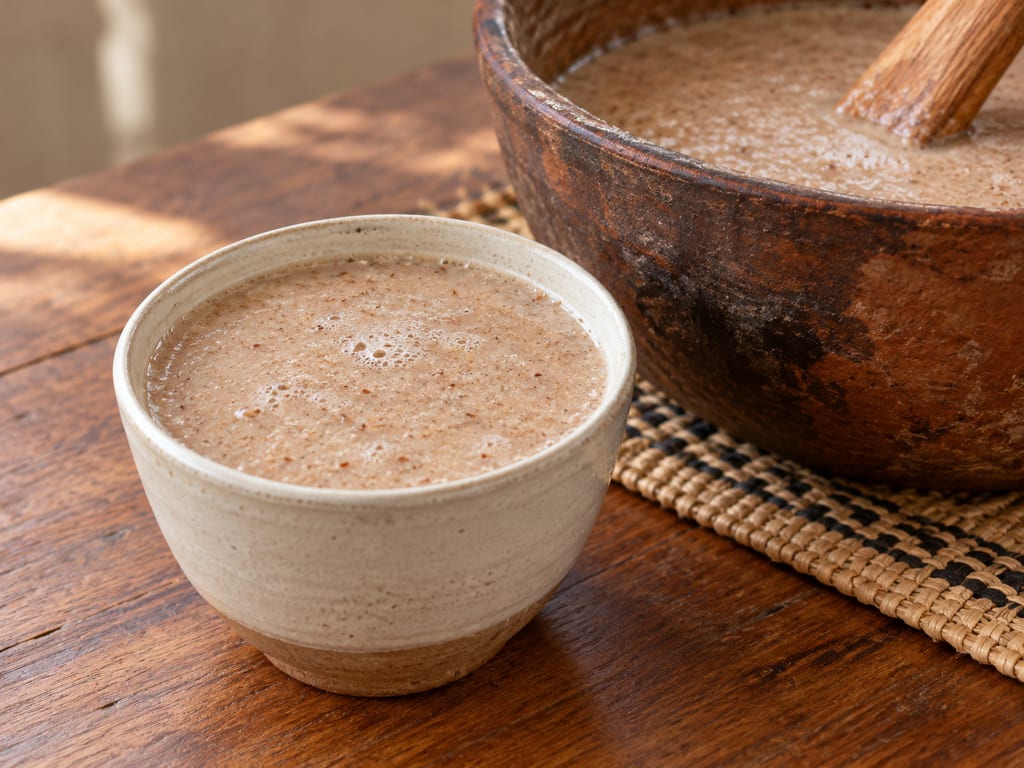
A Namibian everyday drink of pearl-millet flour scalded with hot water, thinned with sorghum malt and bran and soured quickly by a spoonful of the previous batch.
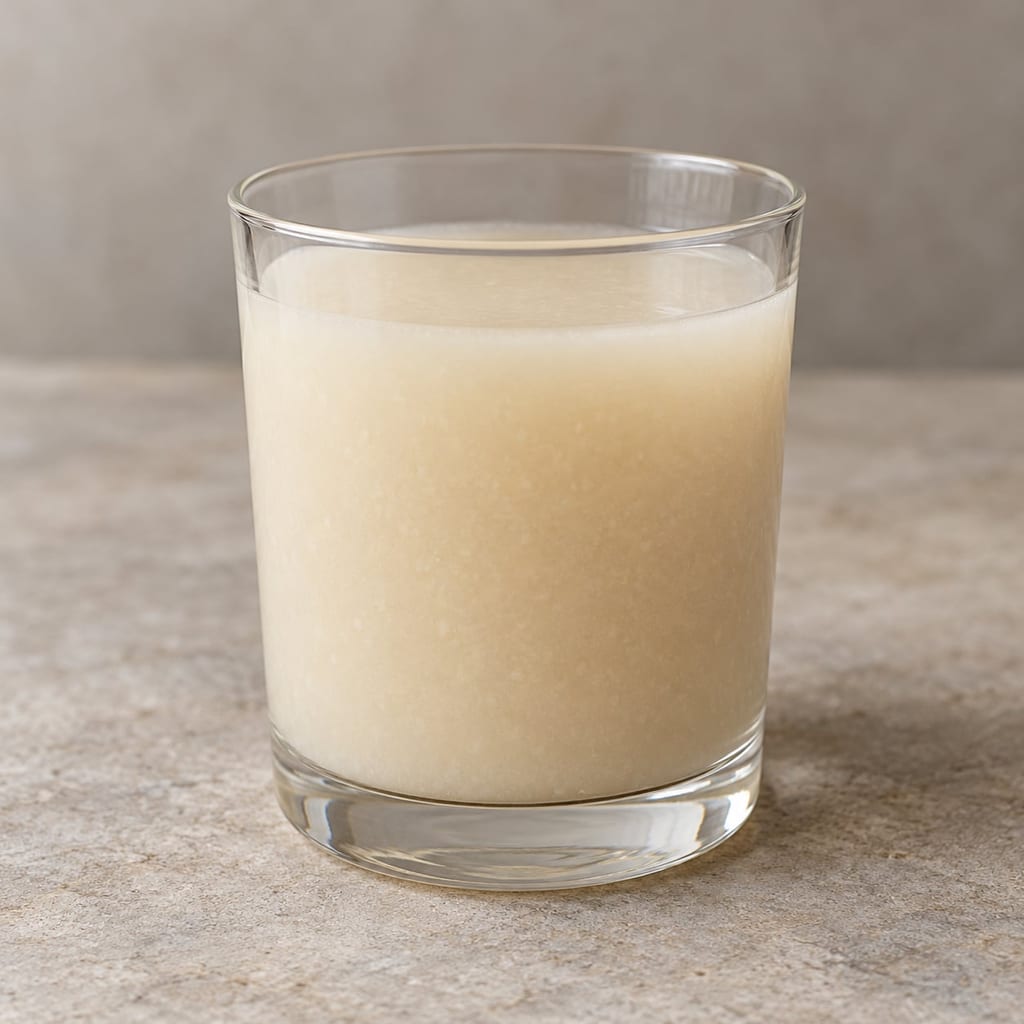
An alcoholic rice beer from Maroua, Cameroon, brewed from boiled rice flour with some malt and started with chai or bili-bili.
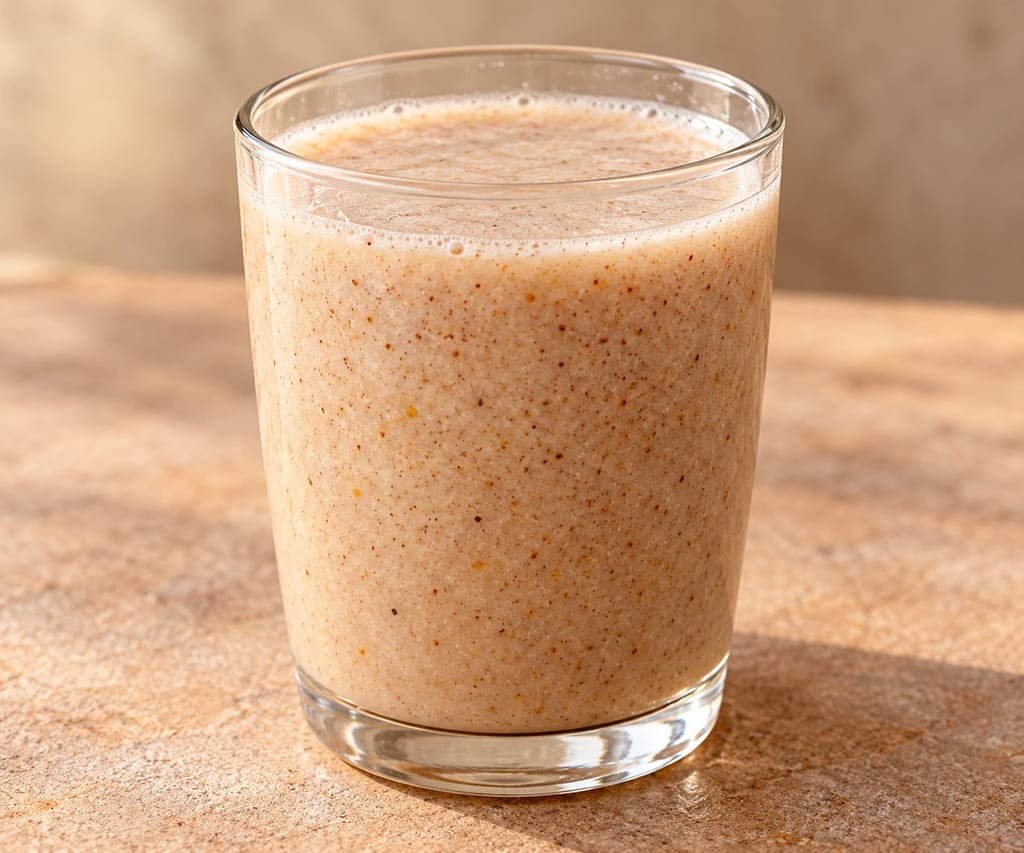
A thick, sweet-sour Malawian drink of boiled maize flour into which sorghum flour is stirred before an overnight spontaneous fermentation.
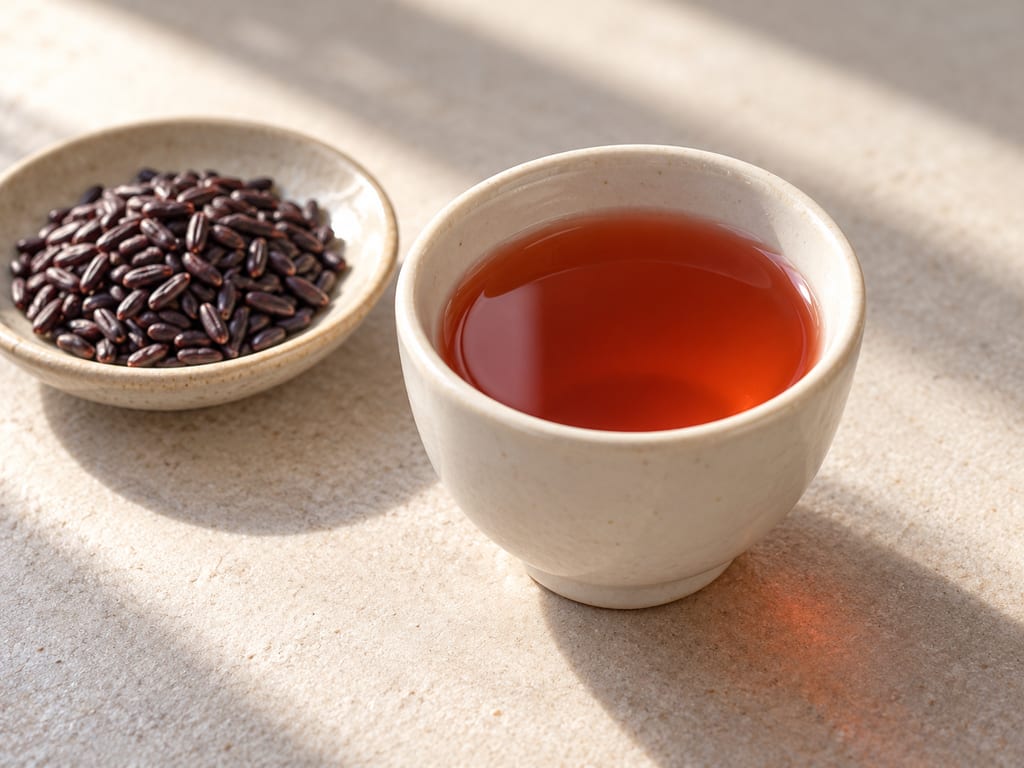
A clear Korean rice wine made with aromatic Dahyangheukmi pigmented rice, matching rice-flour nuruk and takju yeast.
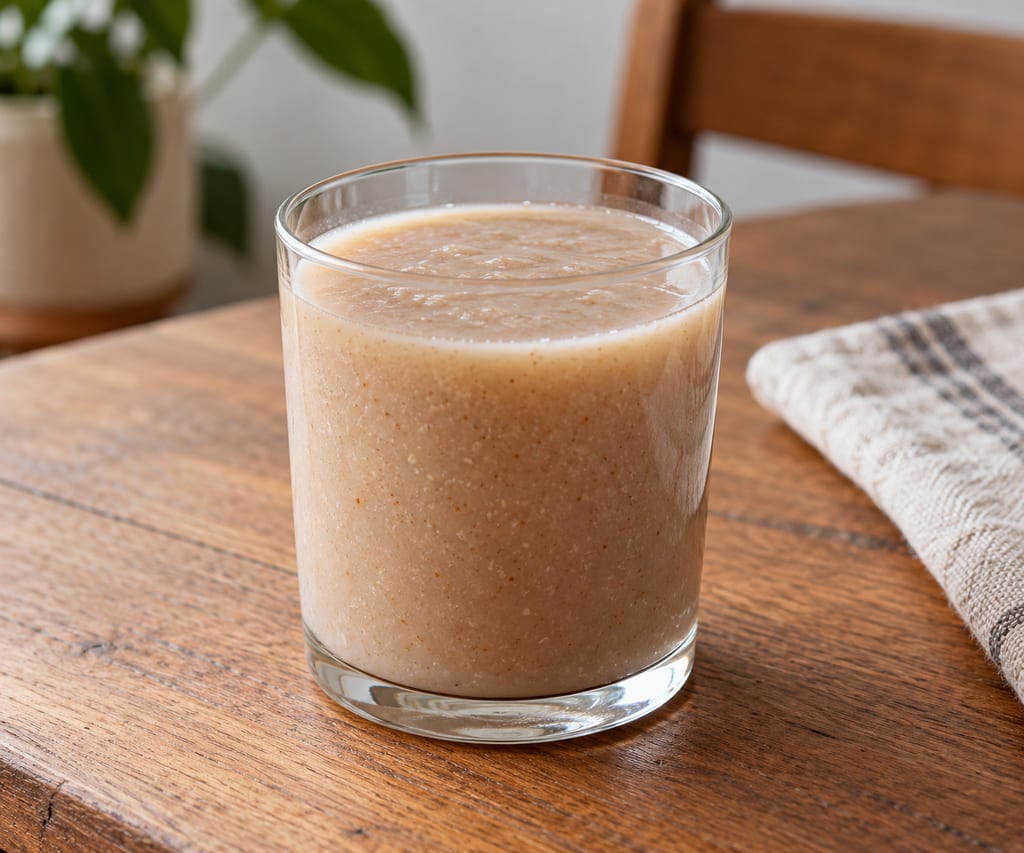
A Tanzanian cereal drink of cooked maize and sorghum flour thinned by sorghum-malt enzymes, soured by lactic acid bacteria and often started with a little of the previous batch.
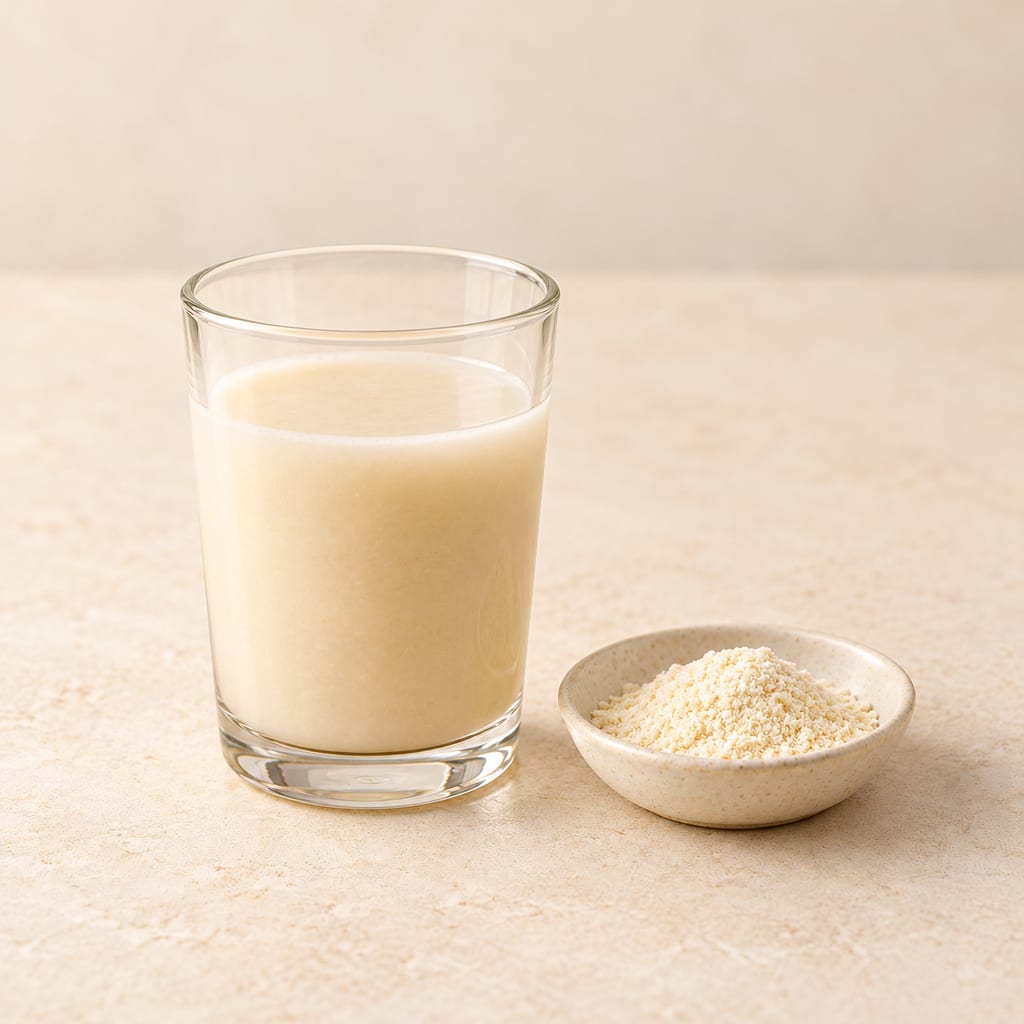
A Ugandan maize drink remade with a defined two-strain starter: roasted maize dough boiled to porridge, cooled and fermented under controlled conditions.
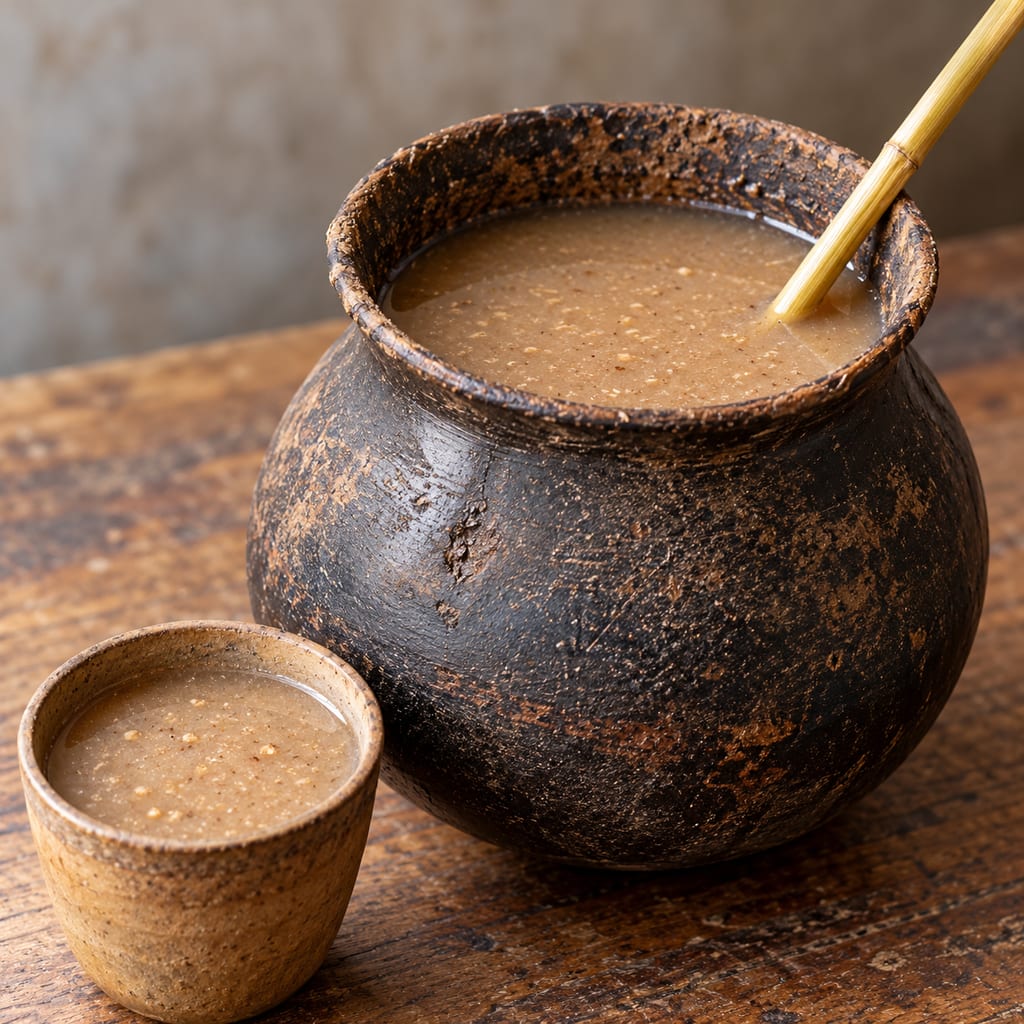
An opaque Kenyan maize beer: fermented maize paste is roasted into tsimbale, then mixed with finger-millet malt called kimera at ten to one and fermented a second time.
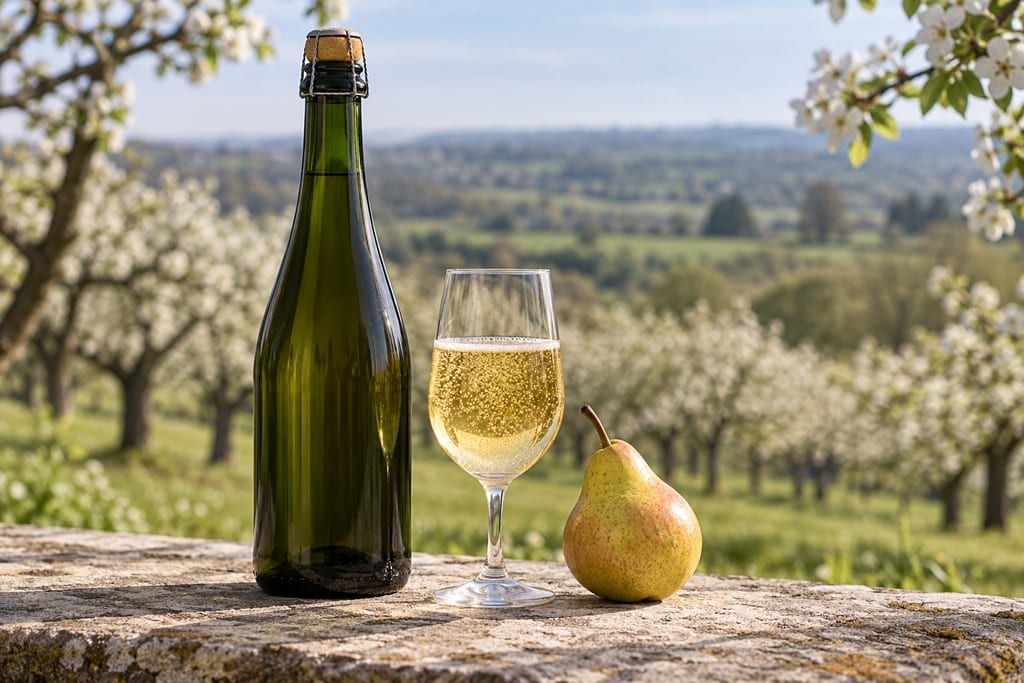
Naturally sparkling perry from the Bas Domfrontais in Normandy, pressed from high-stem orchard pears with at least 40% Plant de Blanc and carbonated by fermentation in the bottle.
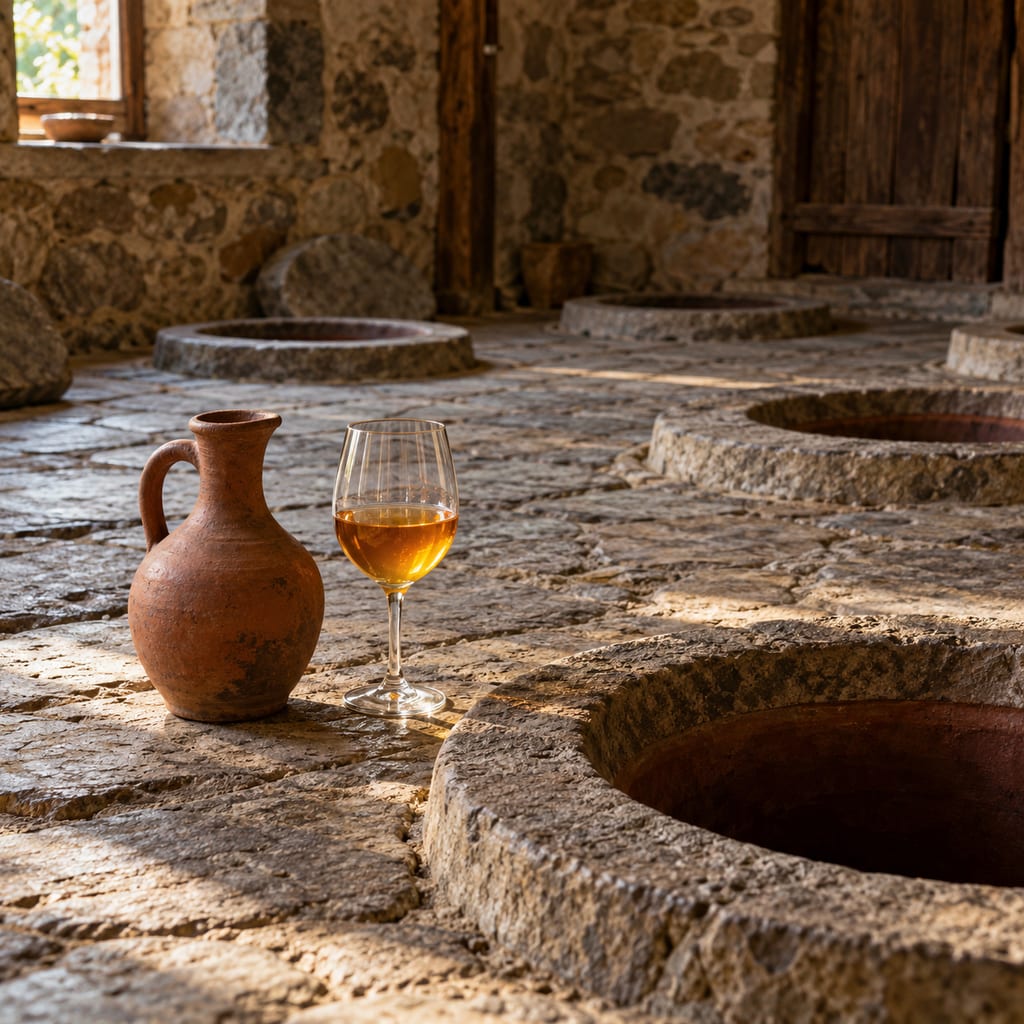
Georgian wine fermented and matured in buried clay vessels called qvevri, usually with grape skins, pips and sometimes stems, in styles from amber to red that differ by region.
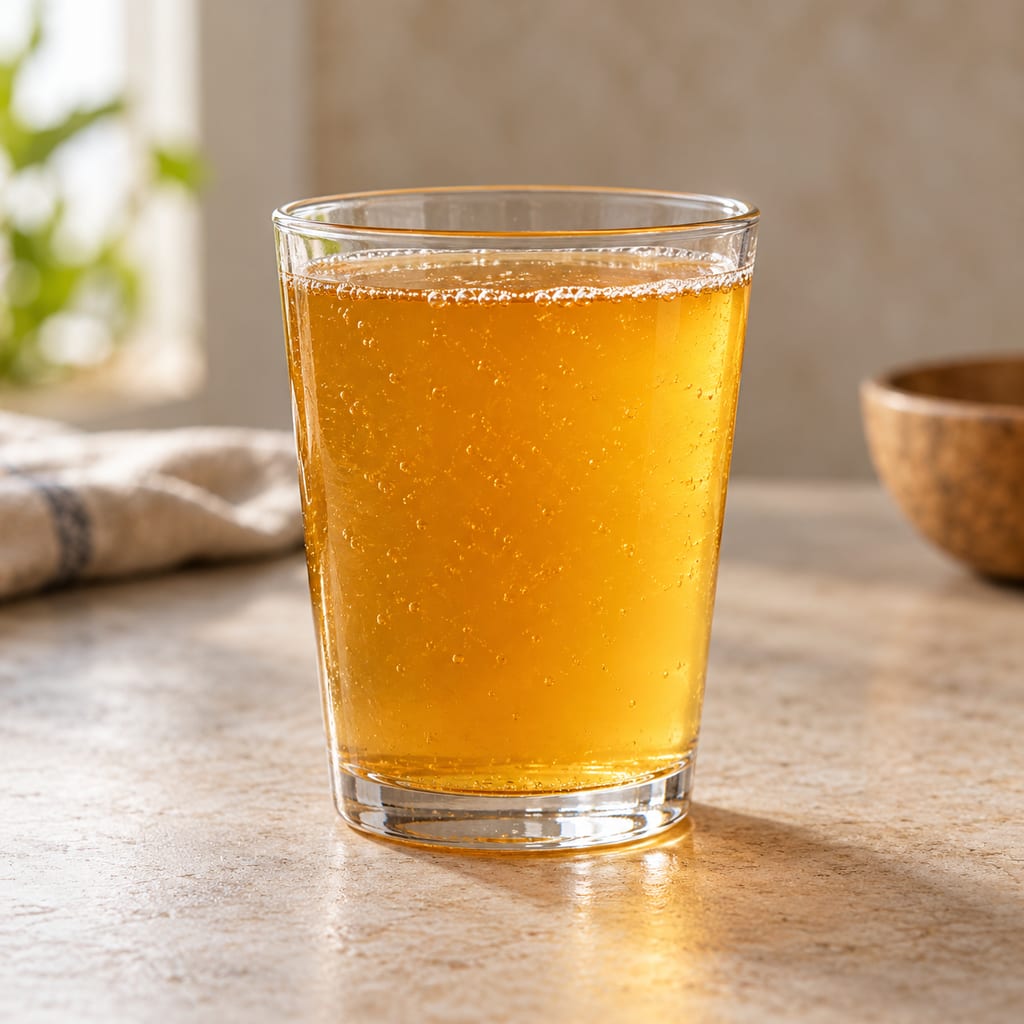
An Oregon State food-science lab formula ferments pineapple skin and piloncillo with jalapeño and warm spices for three to five days, then strains and refrigerates it. The handout reports wide alcohol variability.
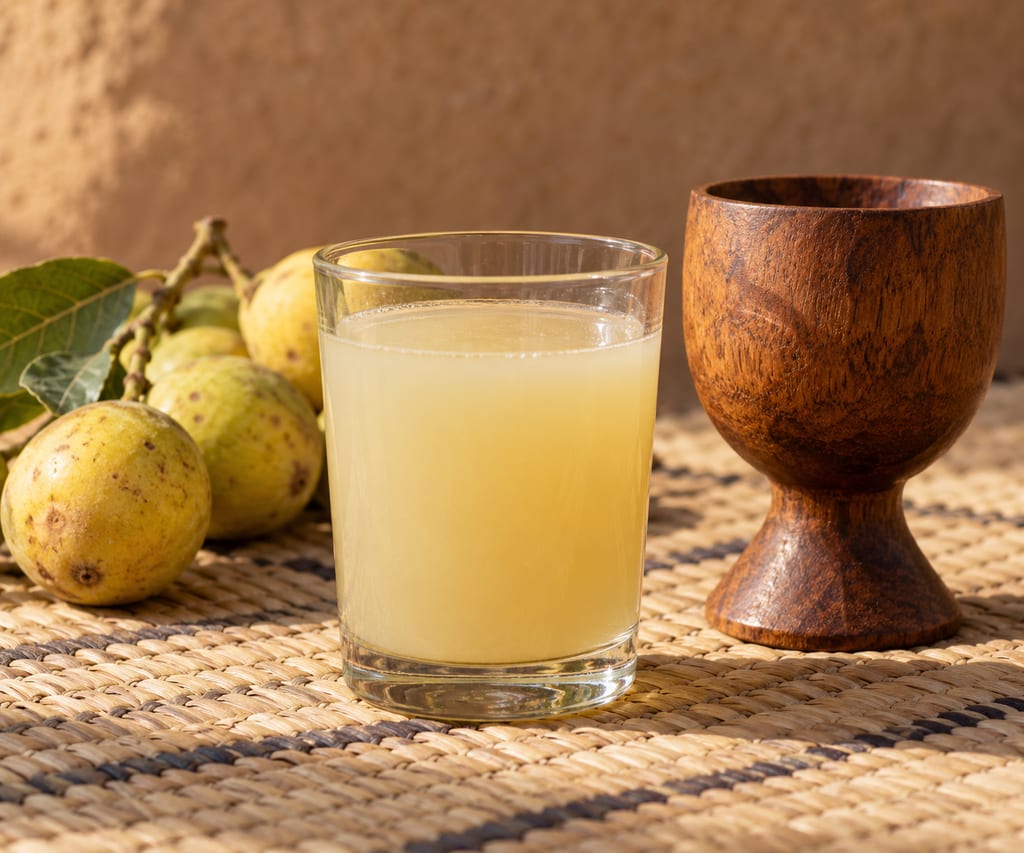
The fermented marula drink of northern Namibia's Aawambo communities, pressed from ripe Sclerocarya birrea fruit and left to the yeasts already on it, and drunk at the Oshituthi shomagongo festival.
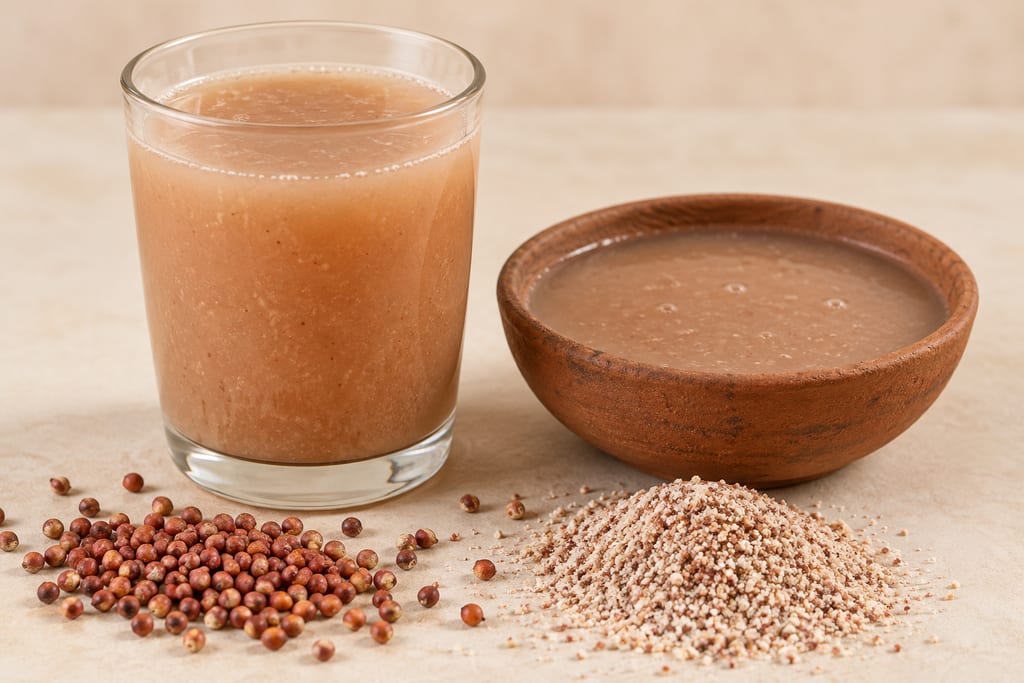
Sudanese opaque sorghum beer made from soured, toasted, cooked and malted grain through three linked fermentations, drunk fresh while still fermenting.
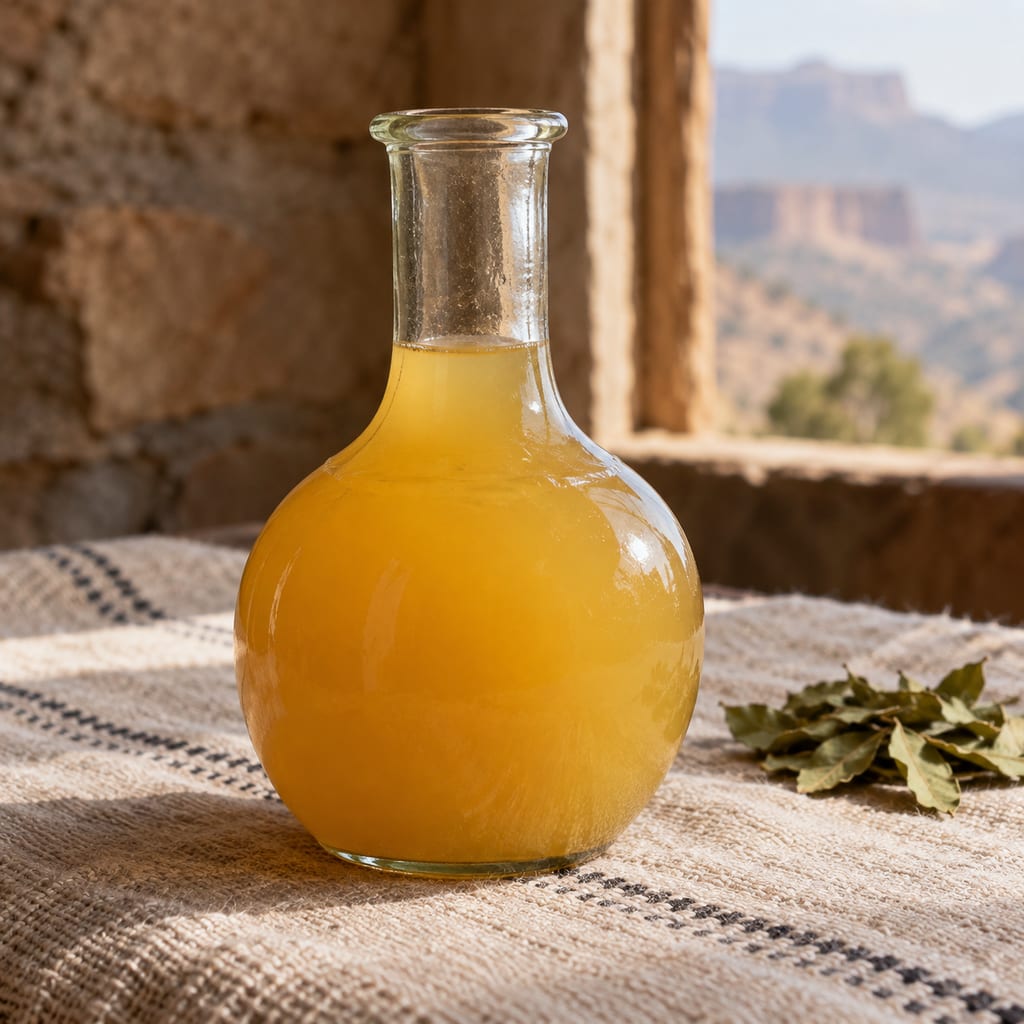
An Ethiopian honey wine of the Tigray highlands, fermented with the leaves and stems of gesho, which supply both bitterness and the microorganisms that carry the ferment.
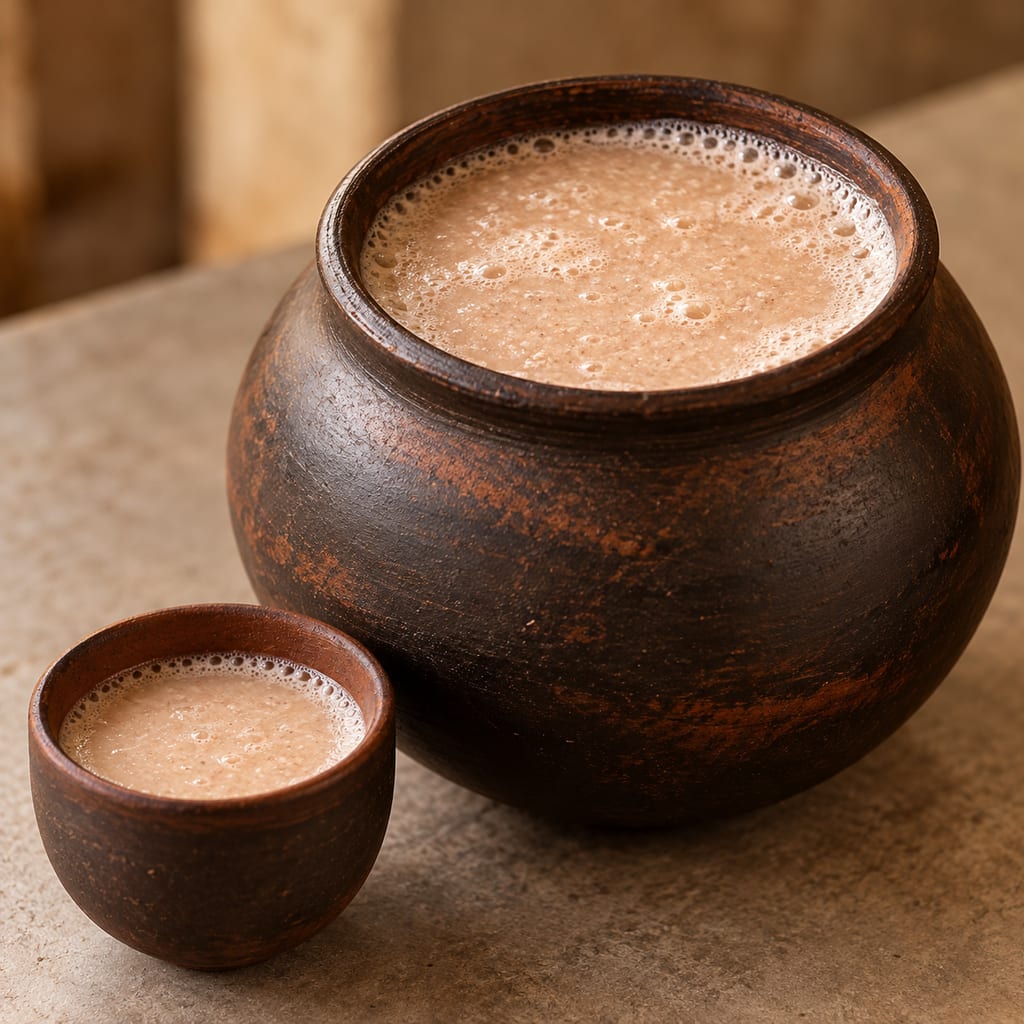
South Africa's opaque sorghum beer, soured by lactic acid bacteria before its mash is cooked and fresh malt stirred in, leaving a cloudy, creamy, cereal-thick drink that keeps only a day or two.
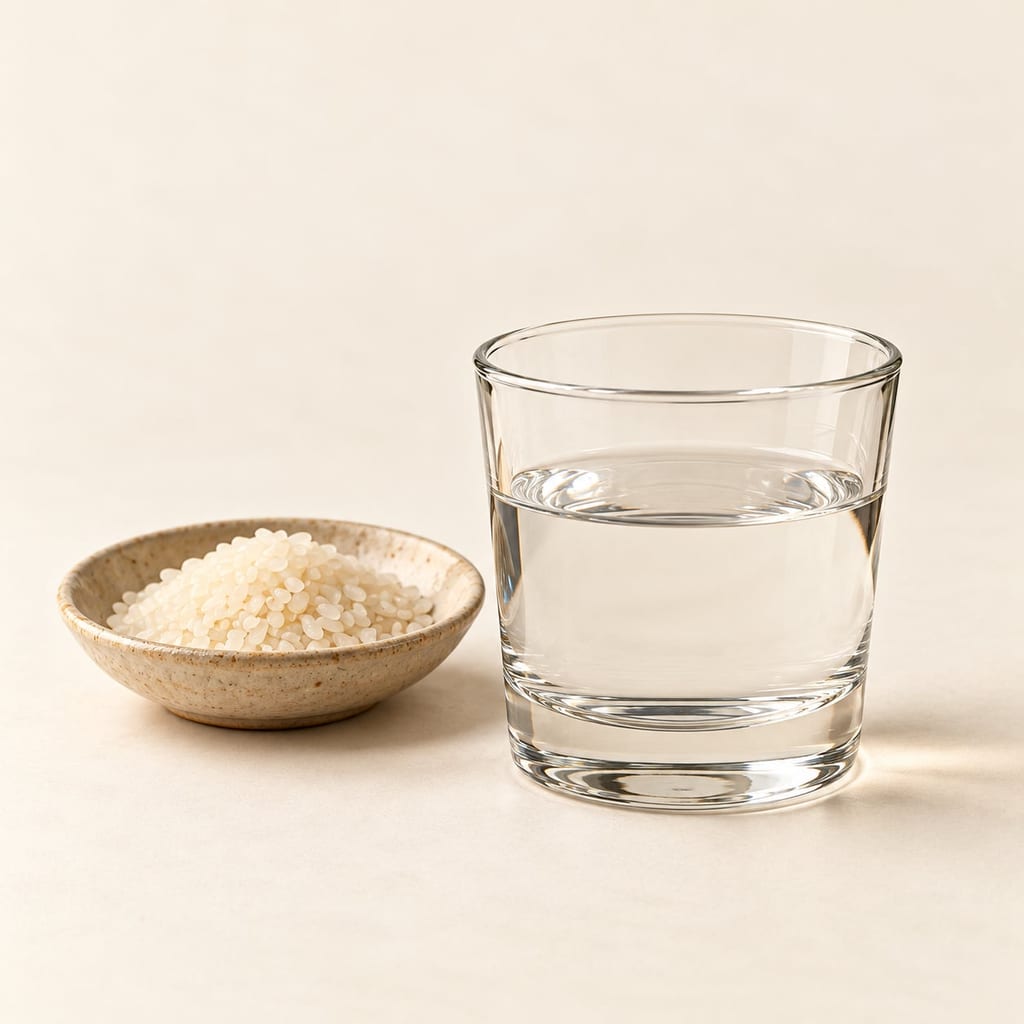
An Okinawan rice spirit made by turning all the rice into black koji, fermenting it with water and yeast, then pot-distilling and maturing the spirit.
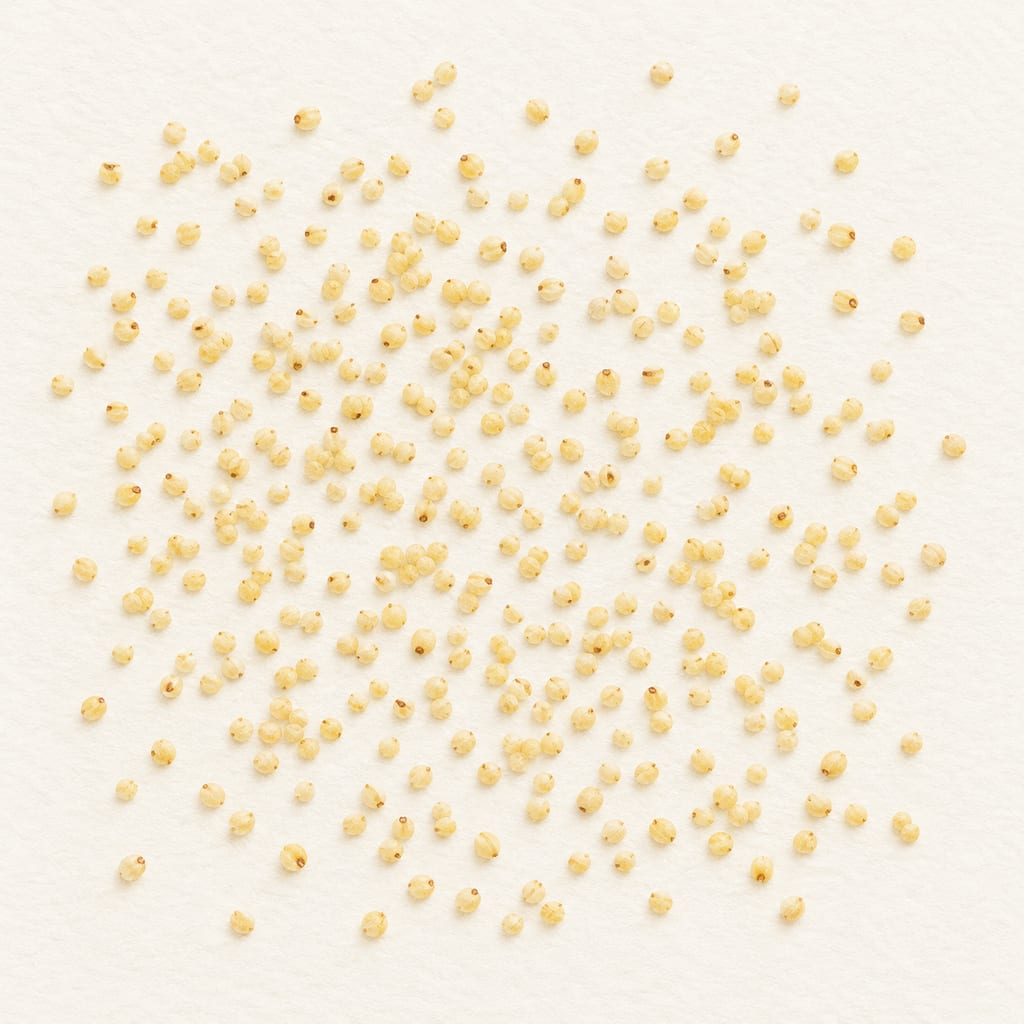
Tonoto from Shizunai in Hidaka is made of barnyard millet alone: a firm porridge kneaded with an equal amount of malted grain in a sake vessel, warmed by two embers, and left a week to ten days.
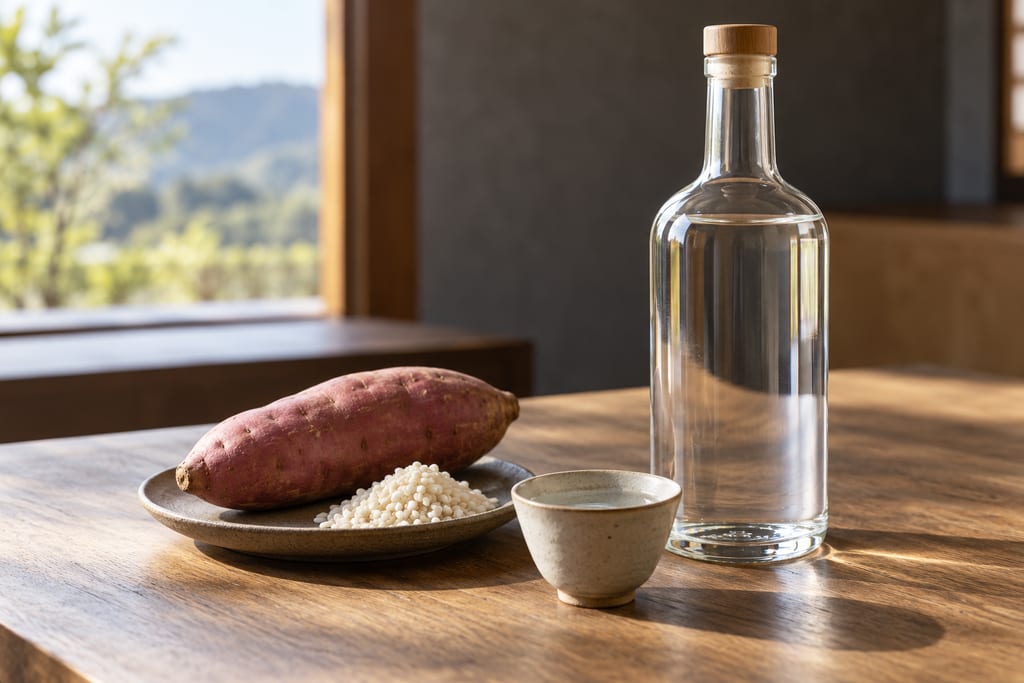
Japanese pot-distilled spirit made by fermenting sweet potatoes, rice or barley with koji and yeast in two stages, then distilling the mash once so the ingredients' aroma survives.
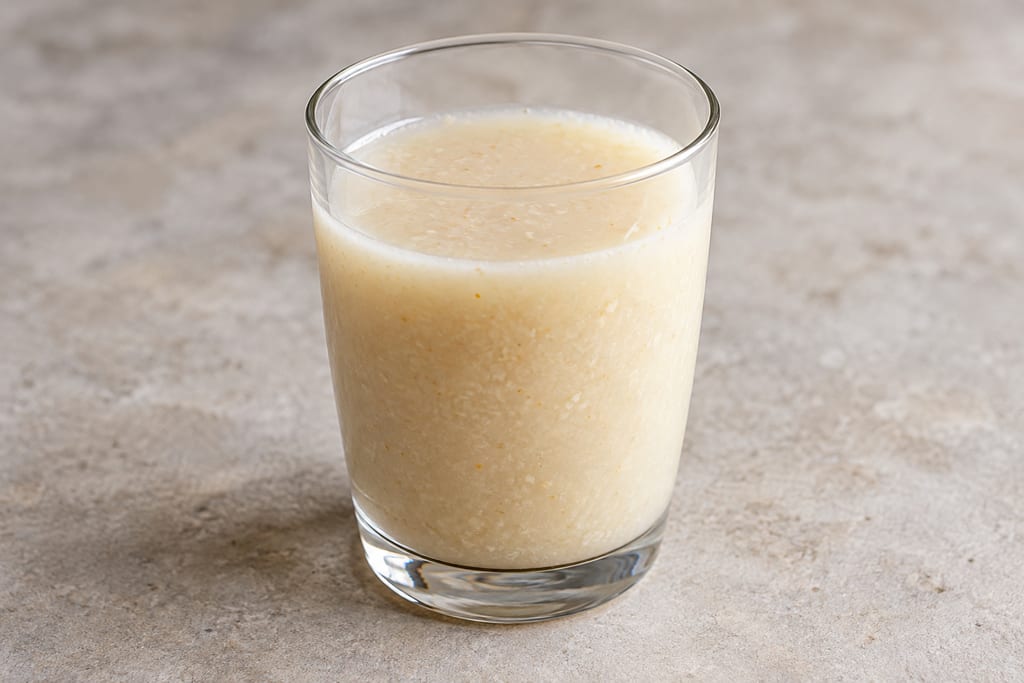
A Zambian cereal drink built on coarse maize grits rather than meal, saccharified with an extract of wild munkoyo roots and then left to ferment spontaneously.
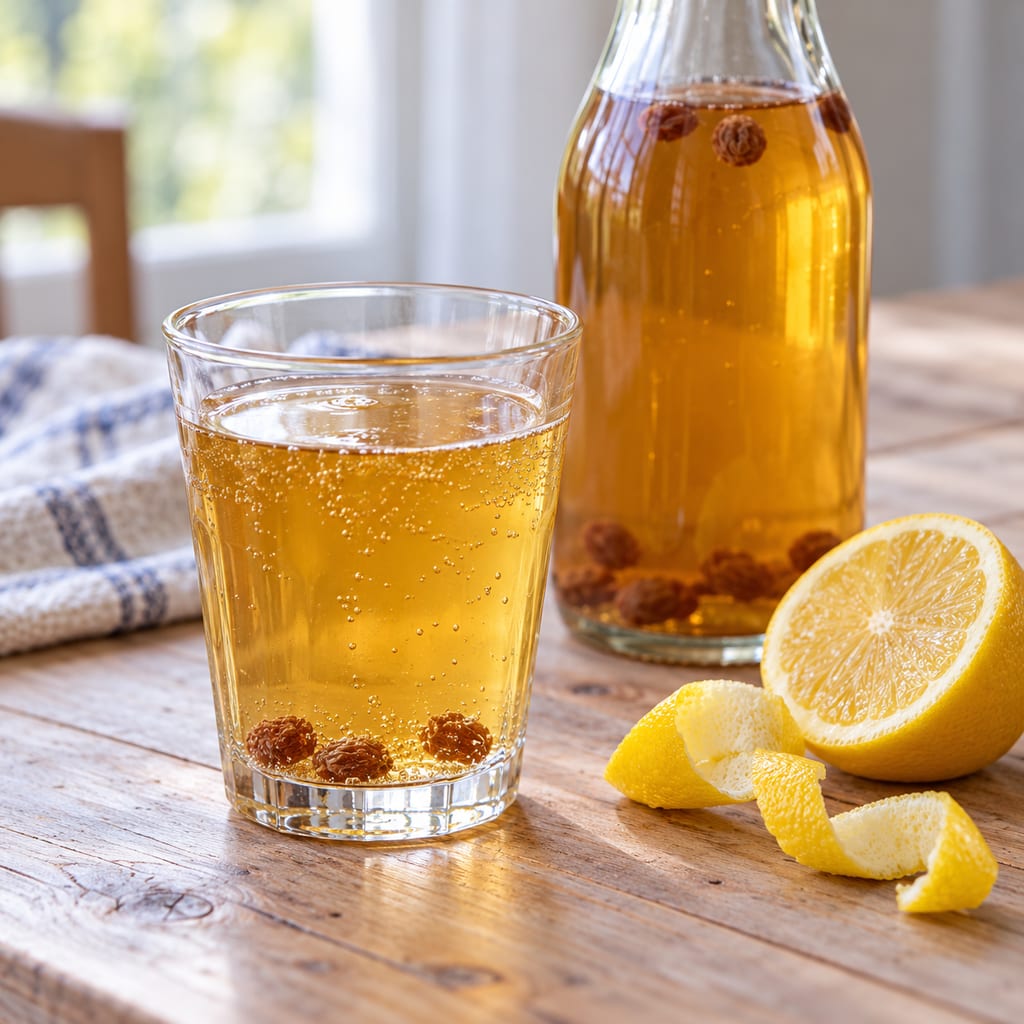
A lightly fermented Finnish May Day drink of lemon, white and brown sugar and a little yeast, bottled with raisins that rise as the carbonation builds.
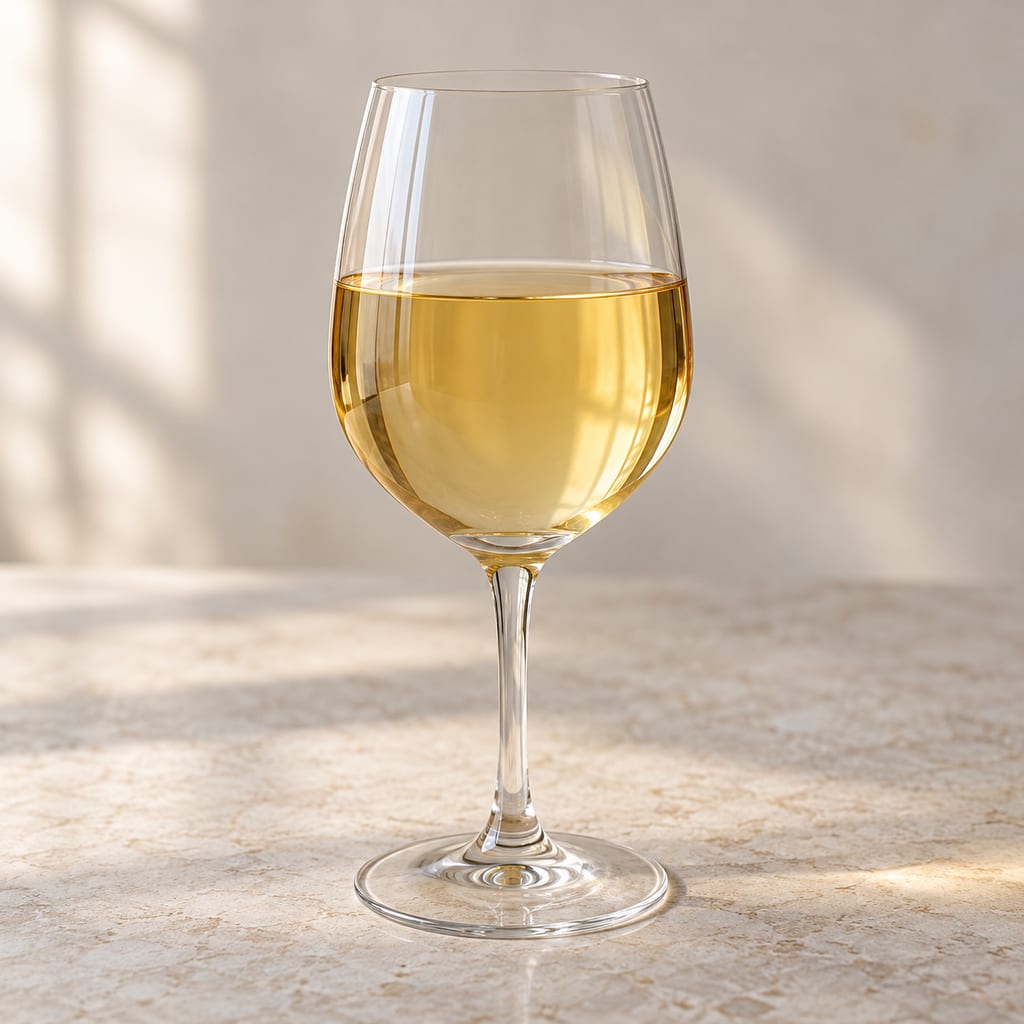
A still, dry honey wine fermented from varietal honey and water with a single wine yeast, carrying no residual sweetness and no added carbonation.
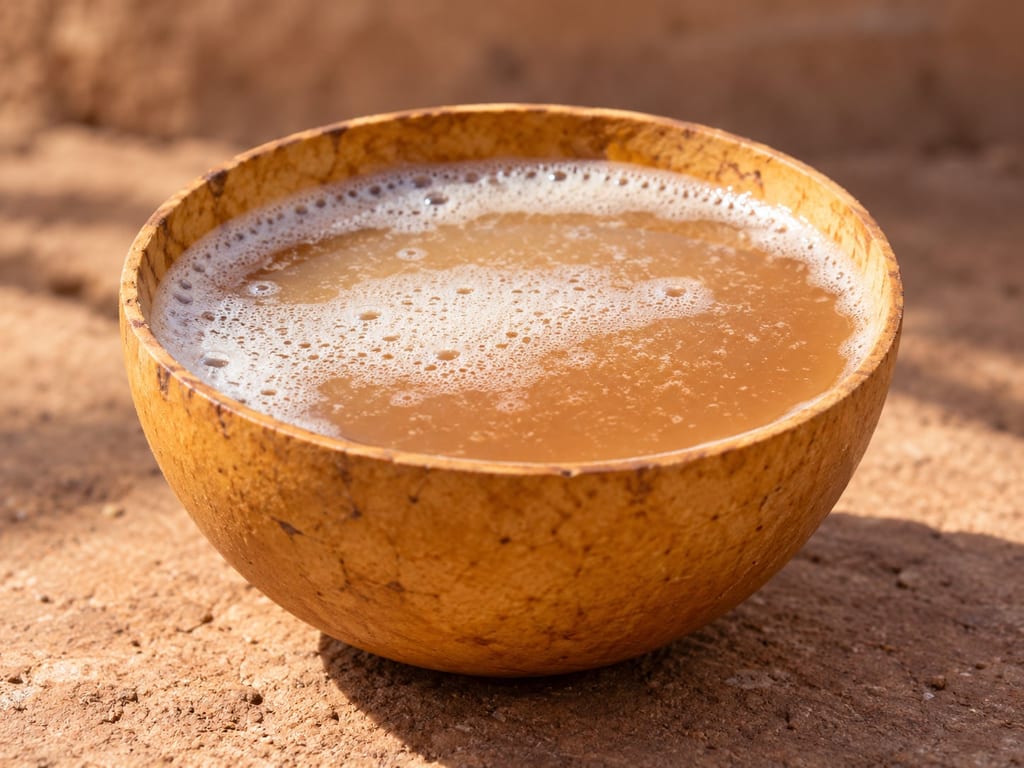
An alcoholic, opaque and bitter sorghum beer from Maroua, northern Cameroon, made from malted sorghum and fermented with a chai starter.
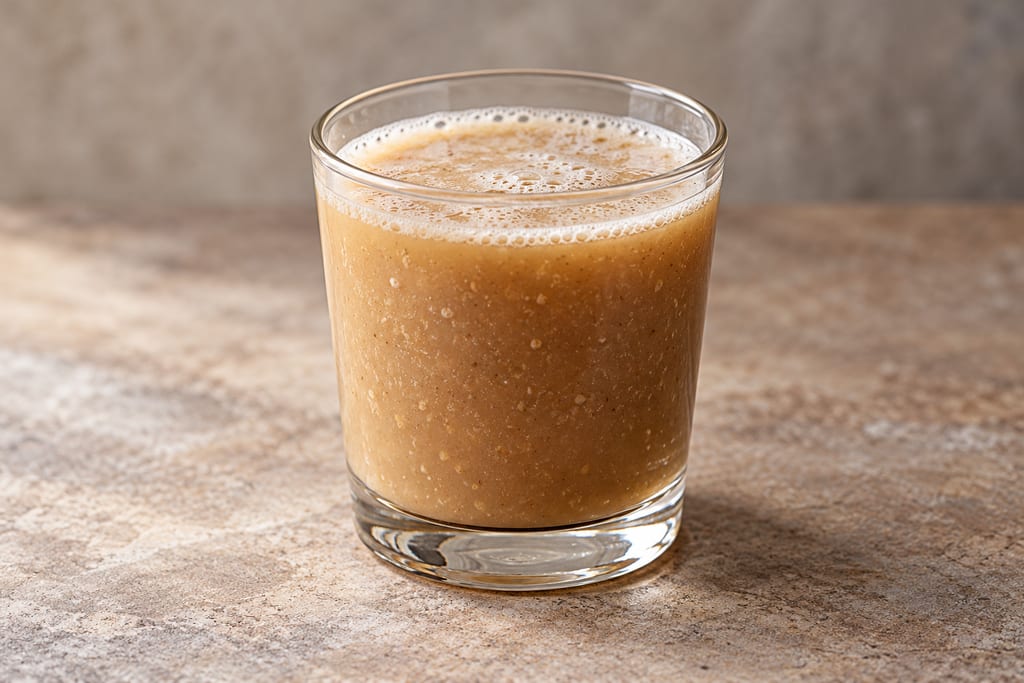
A thick, faintly fizzy Ethiopian cereal drink in which a wheat dough is fermented, roasted dark, then fermented a second time with barley malt into a drinkable slurry.
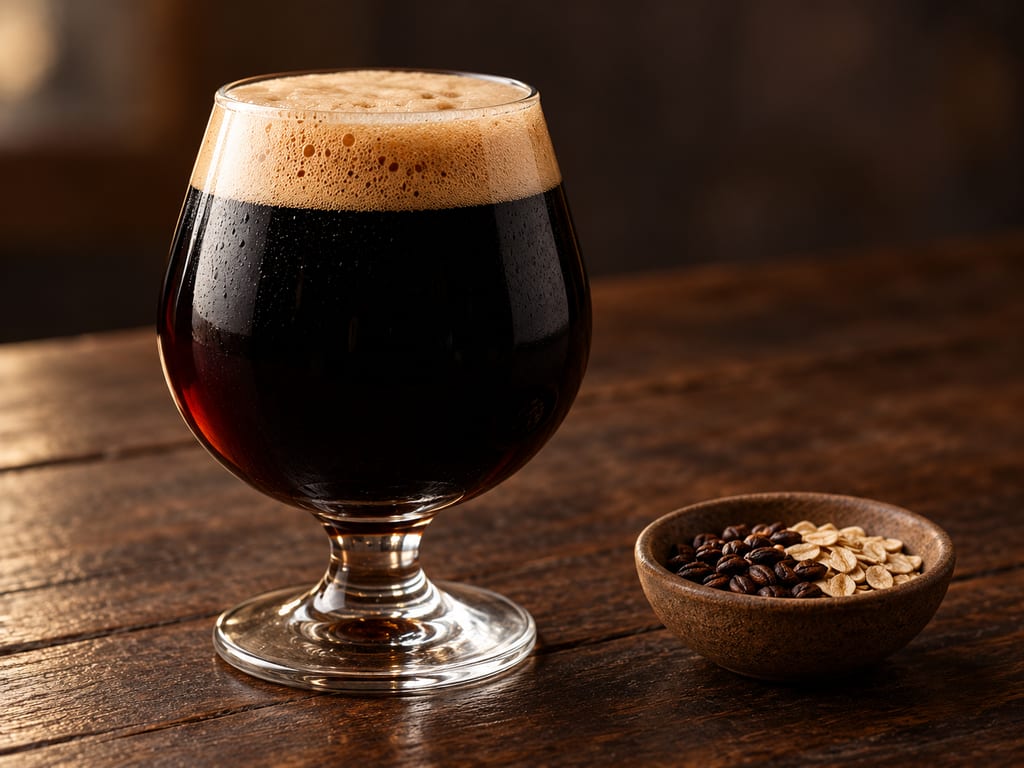
An all-grain imperial stout with pale malt, roasted barley, dark malts and oats, fermented with an American ale-yeast starter.
A Yonaguni rice spirit made with two-day koji, a nineteen-day moromi stage and direct-fire pot distillation, followed by filtration and tank maturation.