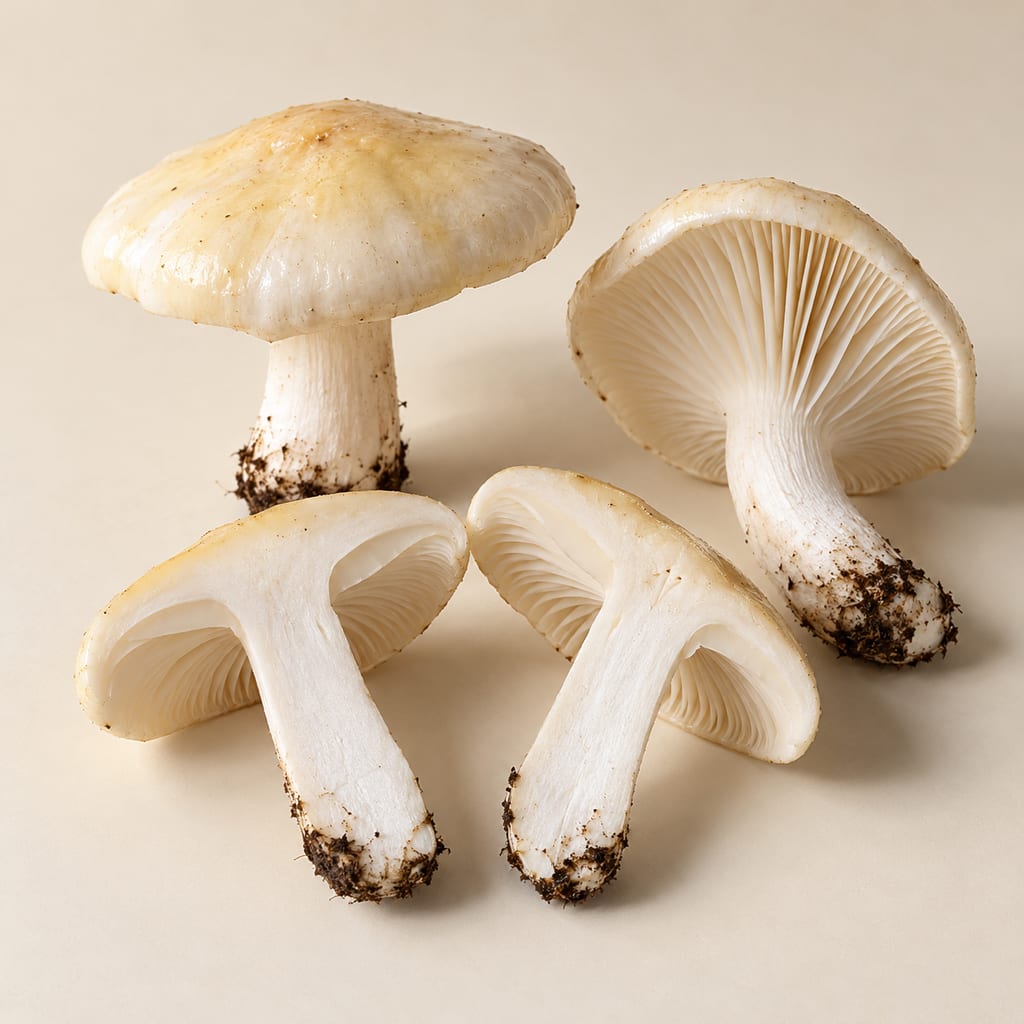
Hygrophorus gliocyclus
Hygrophorus gliocyclus is a slimy, cream-yellow wild woodwax of conifer woods. Spain lists it among wild mushrooms that may be sold fresh, and the sources read record little else about its food use.
 FermenteaWhere food goes to change
1086 articles on substrates, cultures and additives.
Hygrophorus gliocyclus is a slimy, cream-yellow wild woodwax of conifer woods. Spain lists it among wild mushrooms that may be sold fresh, and the sources read record little else about its food use.
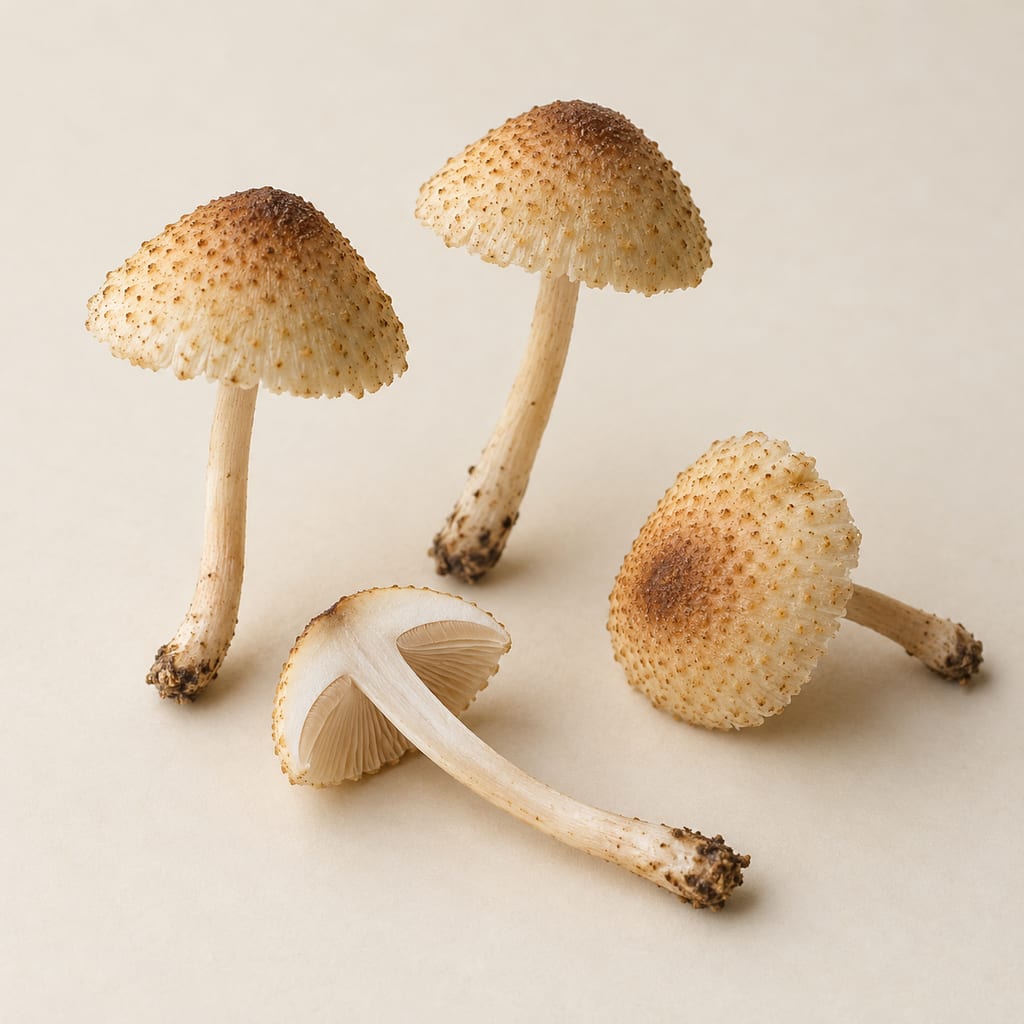
Hymenagaricus luteolosporus is a forest mushroom recorded as locally eaten in Tshopo Province, DR Congo, with no preparation or safety assessment established for it.
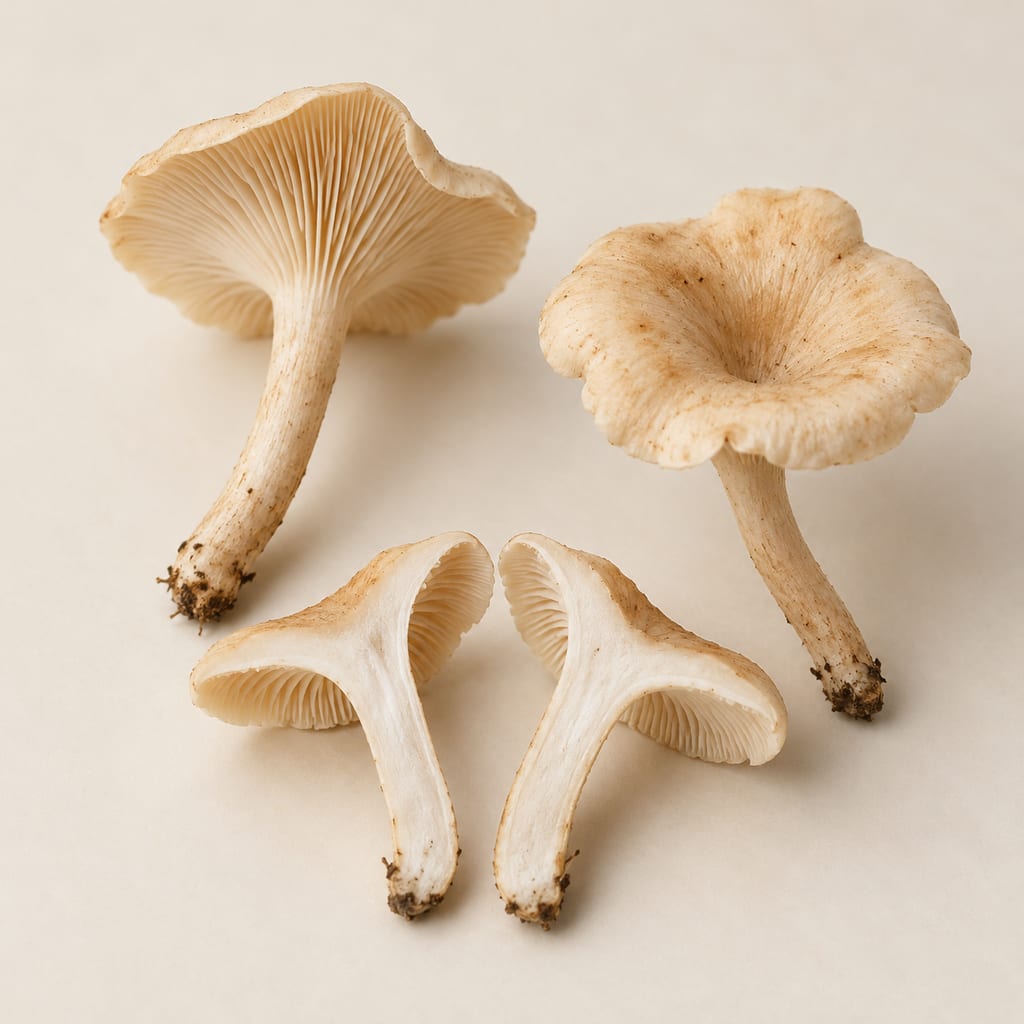
Lactarius tenellus is a small ectomycorrhizal milkcap of the Zambezian miombo woodlands of Africa, recorded in several countries but not established as a food by the sources consulted.
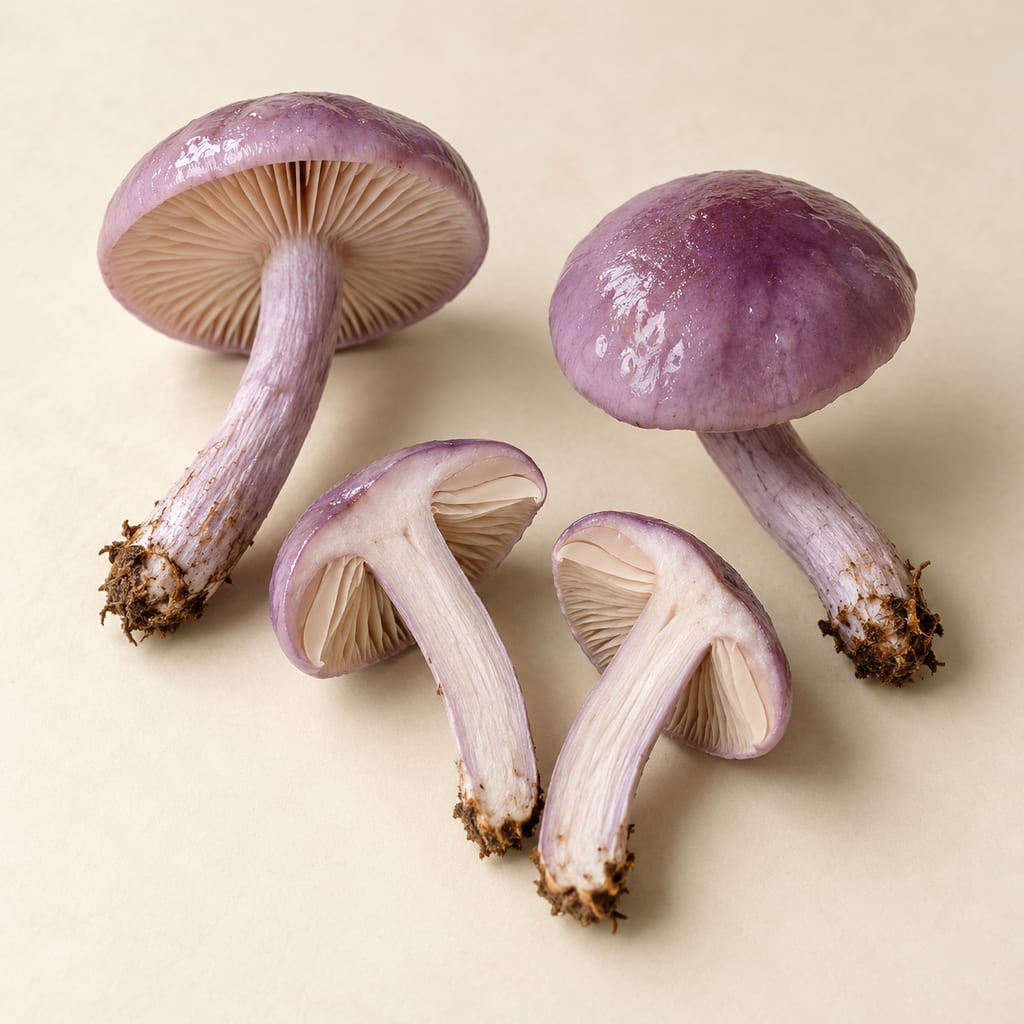
Cortinarius magellanicus is a webcap mushroom of Nothofagus forests in Patagonia, recorded in regional food use, but it belongs to a species complex and its genus contains deadly toxic species.
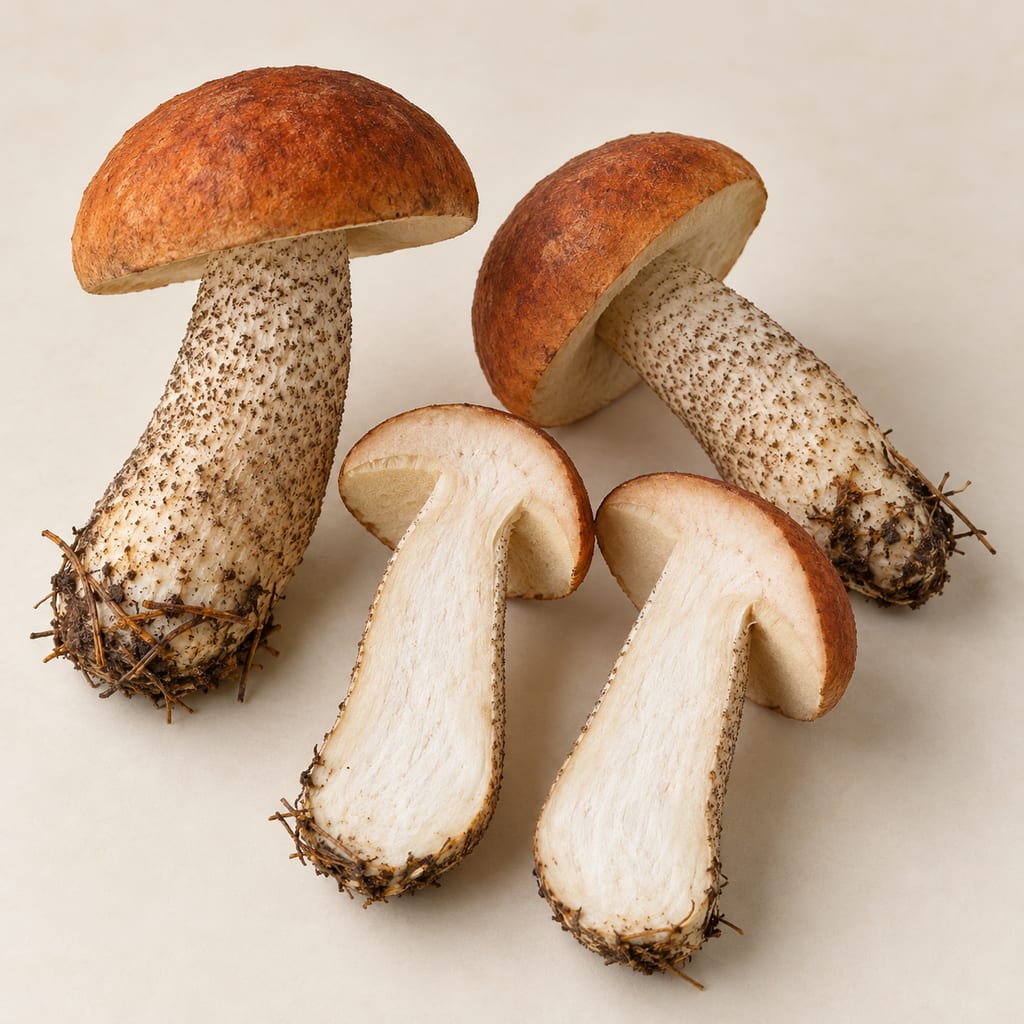
Leccinum vulpinum, the foxy bolete, is a red-brown bolete that grows with Scots pine. Sources describe it as edible, and advise careful identification because it has close relatives.
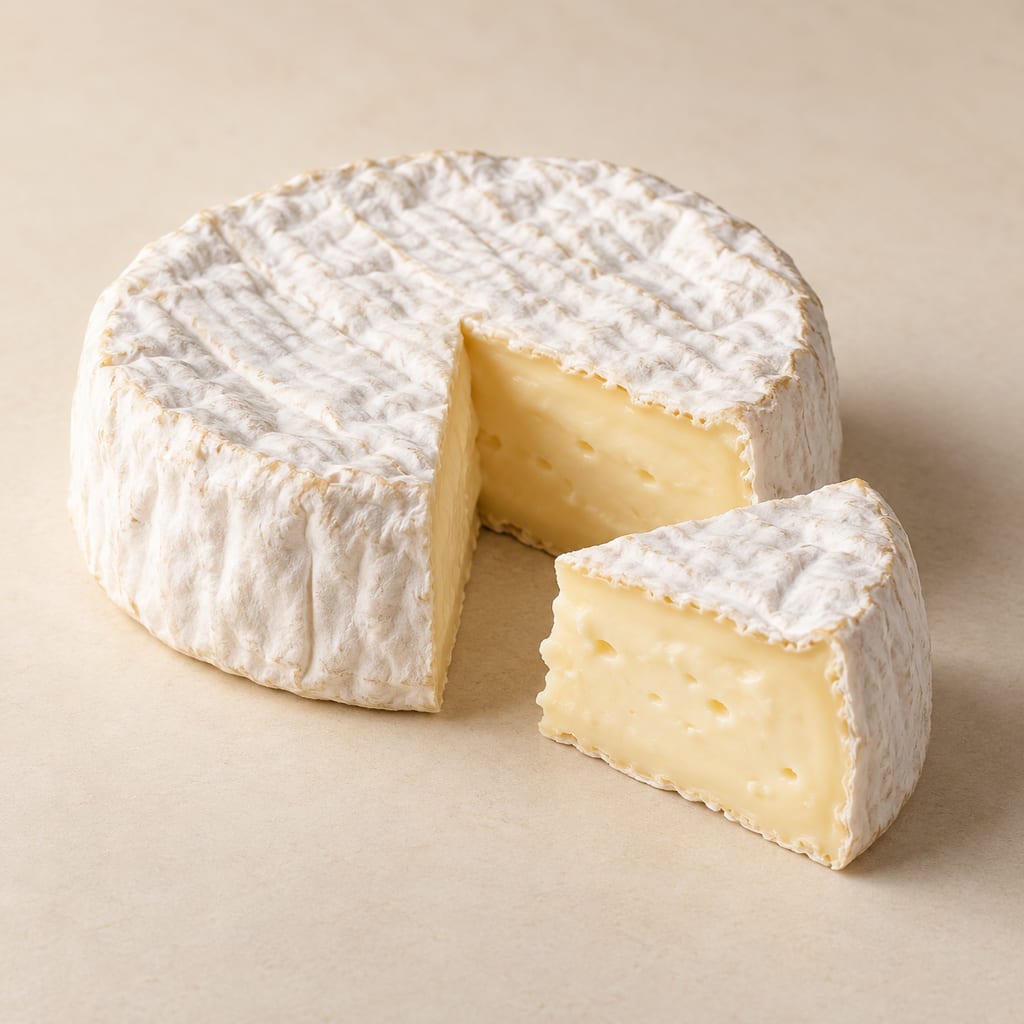
Penicillium camemberti is the white mould of Camembert and Brie, a domesticated fungus whose white, fluffy coat ripens soft cheese from the outside in.
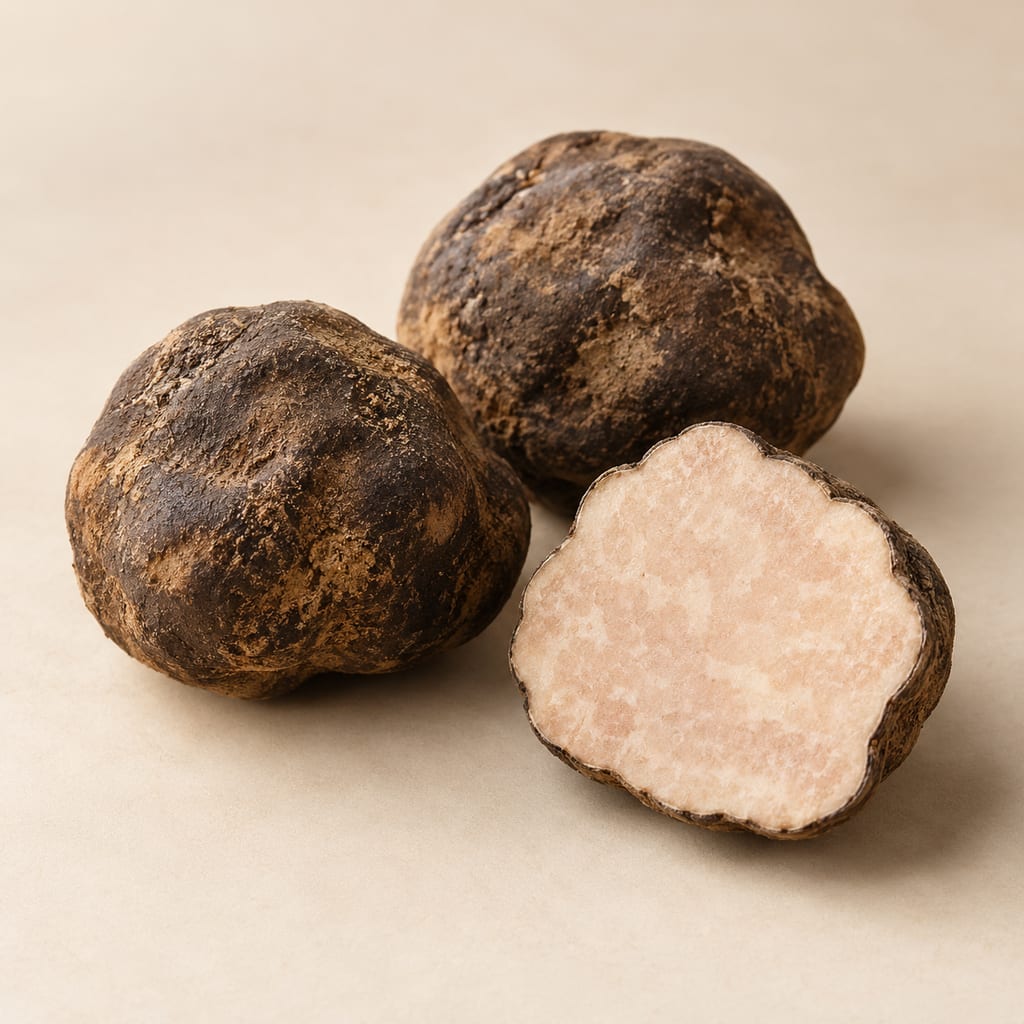
Desert truffle, Terfezia claveryi, is an underground fungus of dry Spanish and Moroccan ground that is gathered and sold seasonally, under names such as terfass, in local markets.
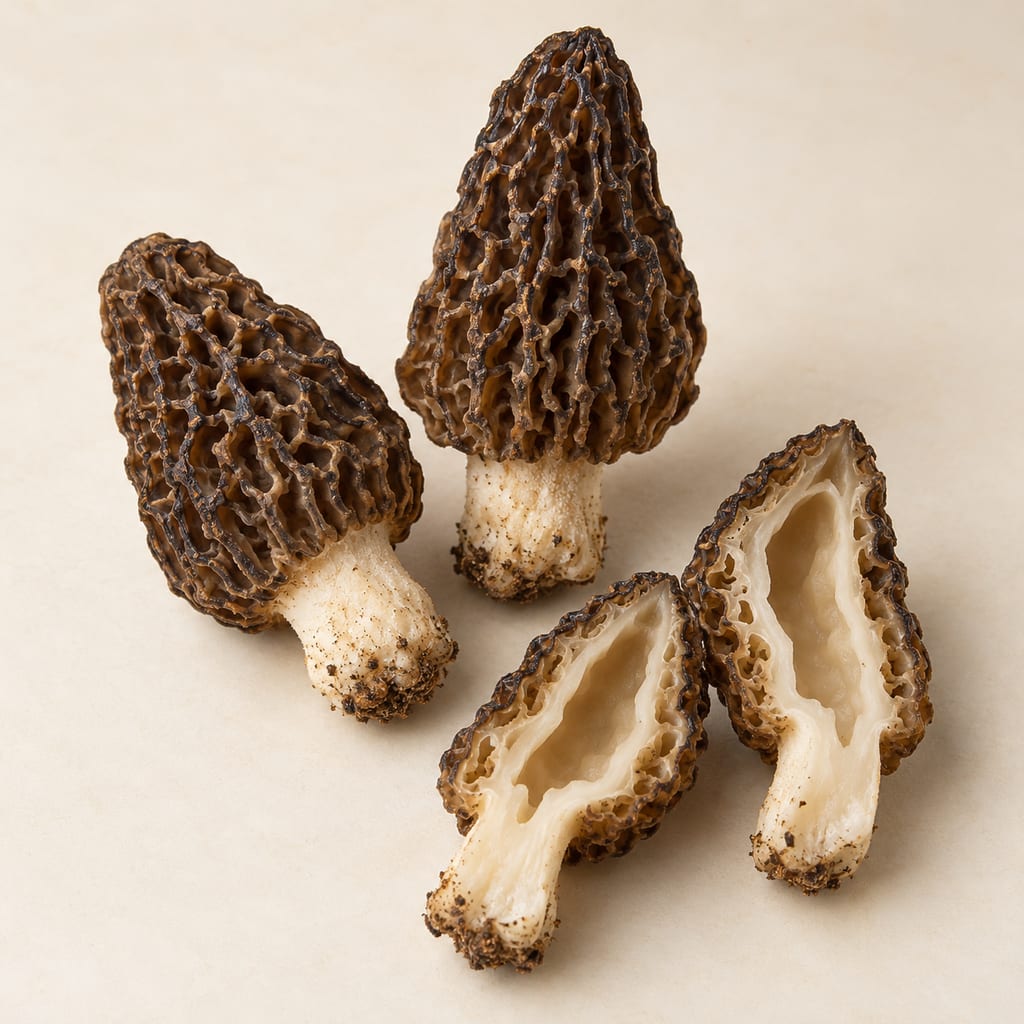
Western hardwood black morel, Morchella brunnea, is a wild true morel recorded in western North America. Morels must be cooked thoroughly before eating.
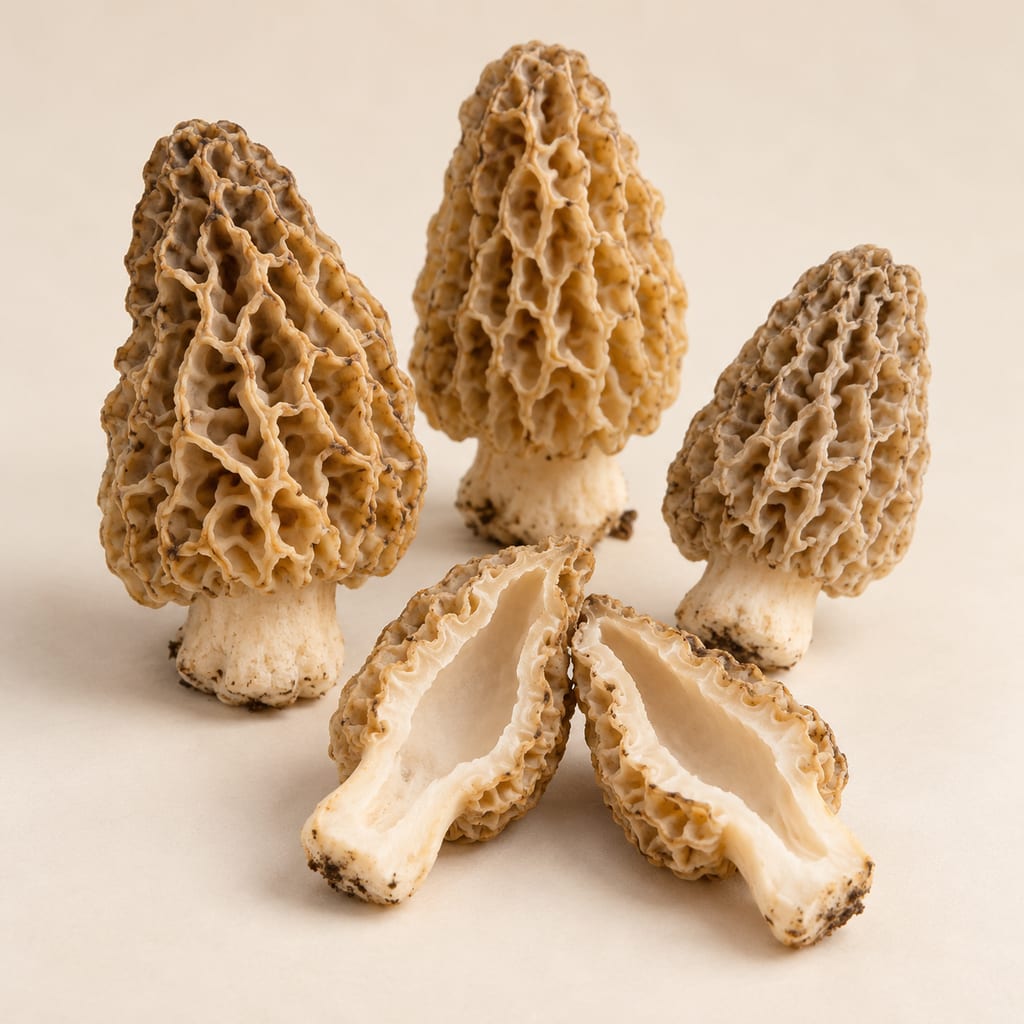
Blonde morel, Morchella tridentina, is a wild true morel recorded as gathered and traded in Patagonia. Morels are eaten only after thorough cooking.
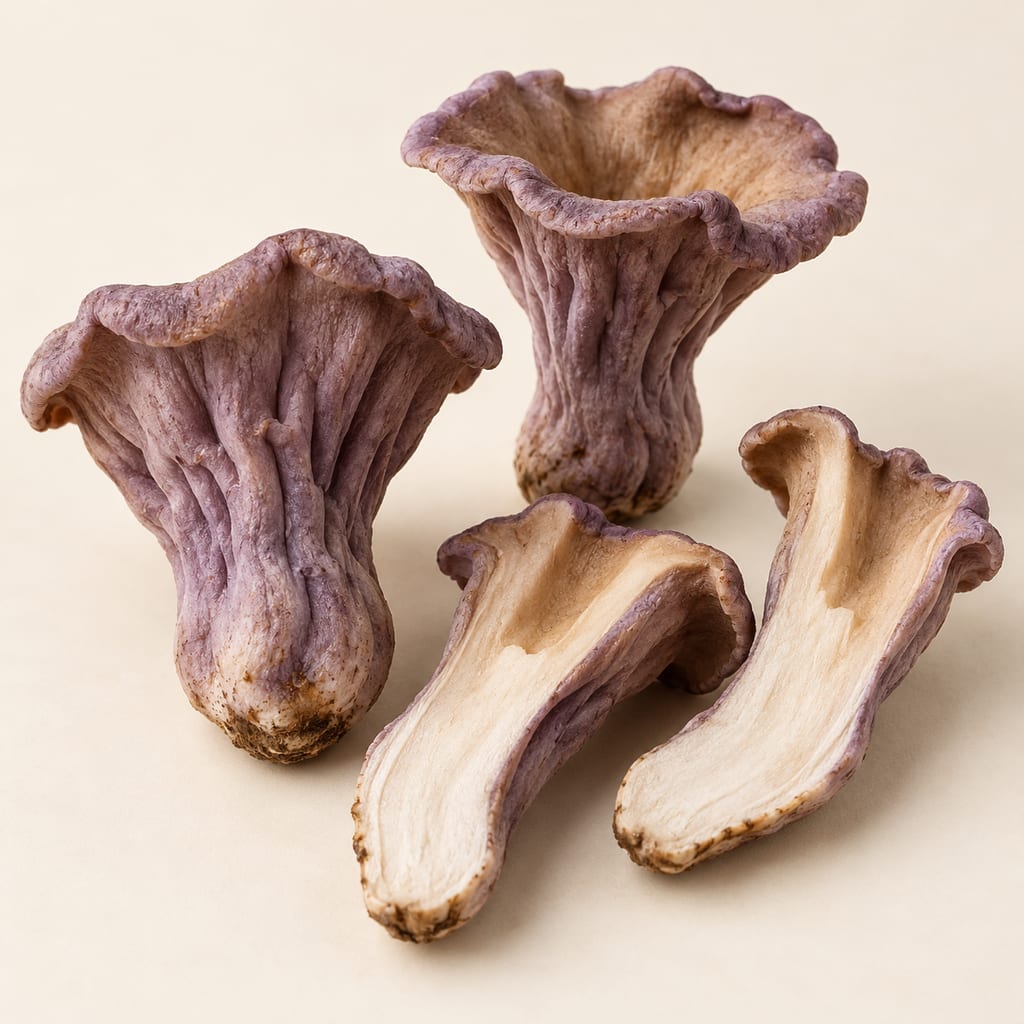
Gomphus clavatus, the pig's ear or violet chanterelle, is a club-shaped wild fungus of old spruce and beech forest. It is eaten in Europe and North America, and it is red-listed in parts of Europe.
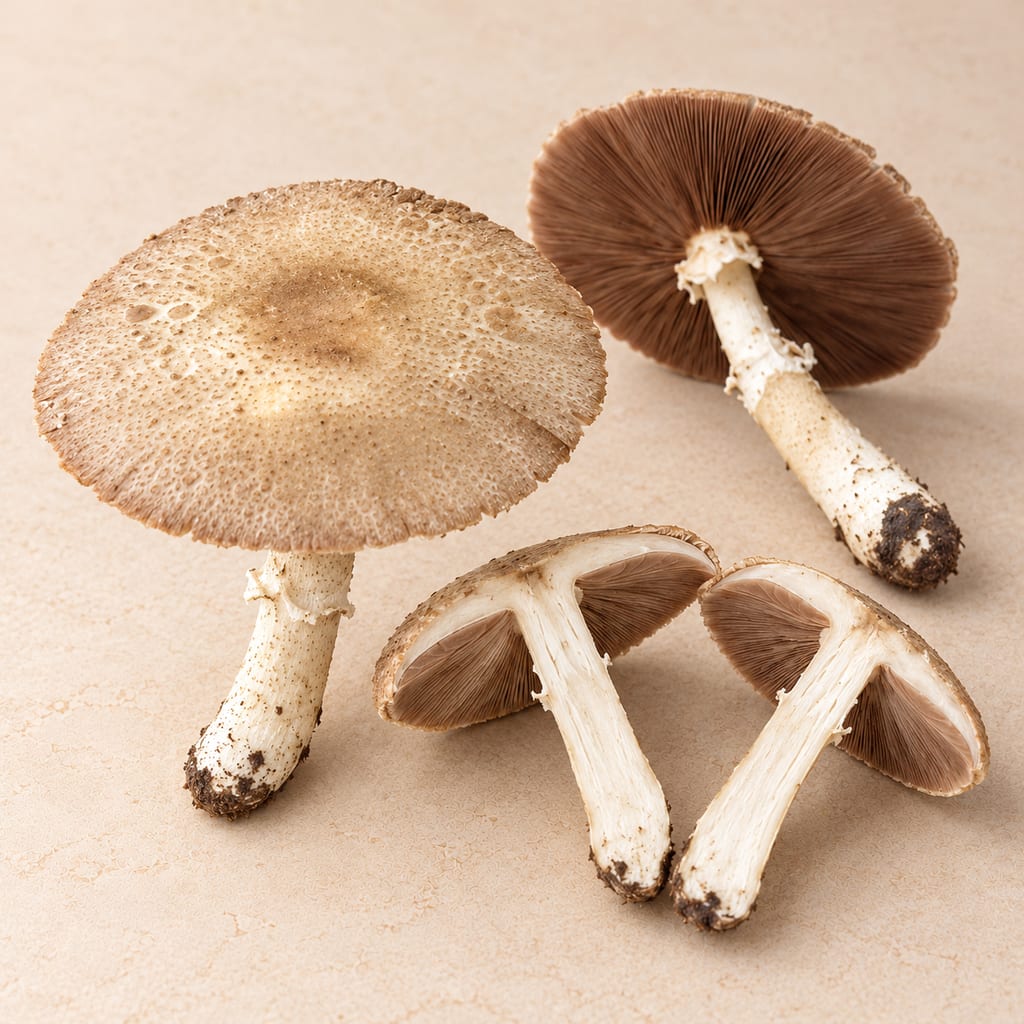
Termitomyces eurhizus, a wild mushroom that grows from the nests of fungus-growing termites in Yunnan and parts of South and Southeast Asia, recorded in soups, fried dishes and preserved in oil.
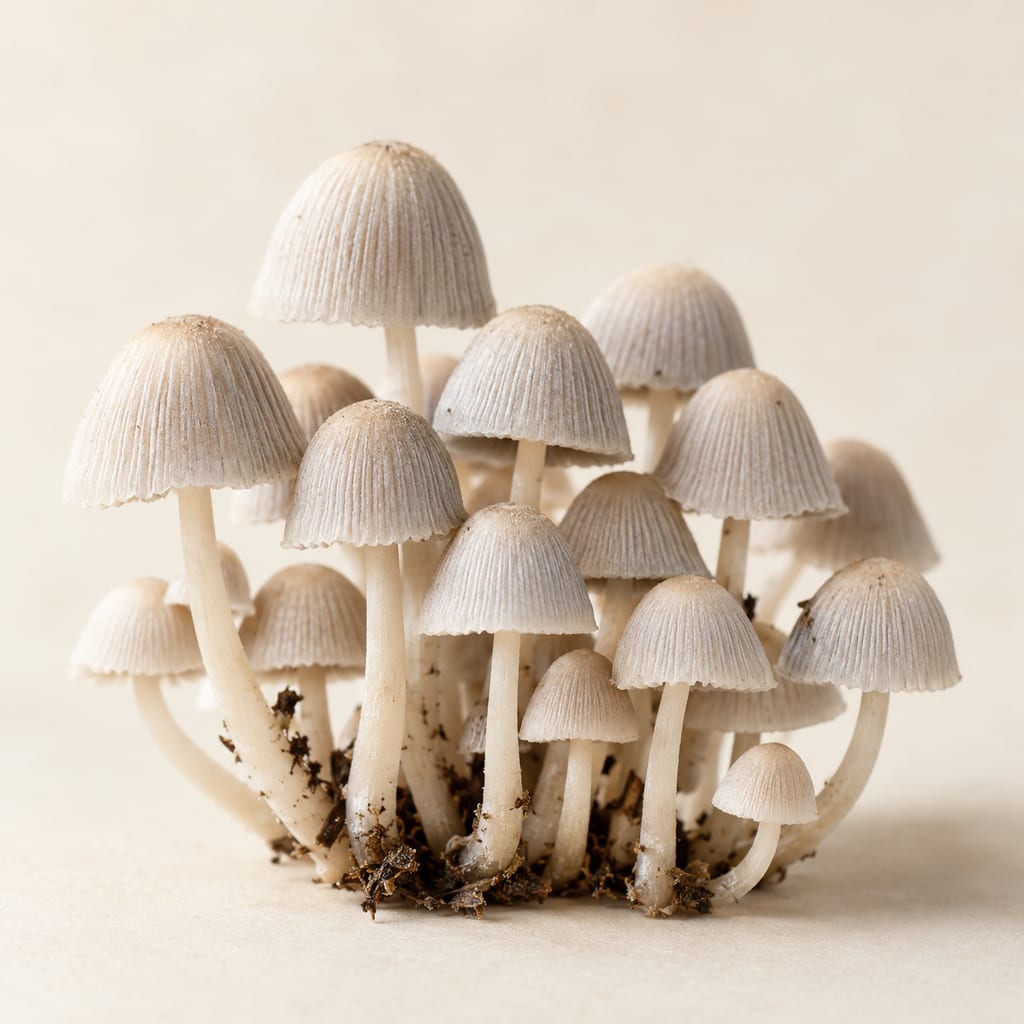
Coprinellus disseminatus is a small saprotrophic inky-cap mushroom that grows in clusters on wood and debris. A Congolese food-use record and a Colombian catalogue entry both call it edible, but neither describes its preparation.
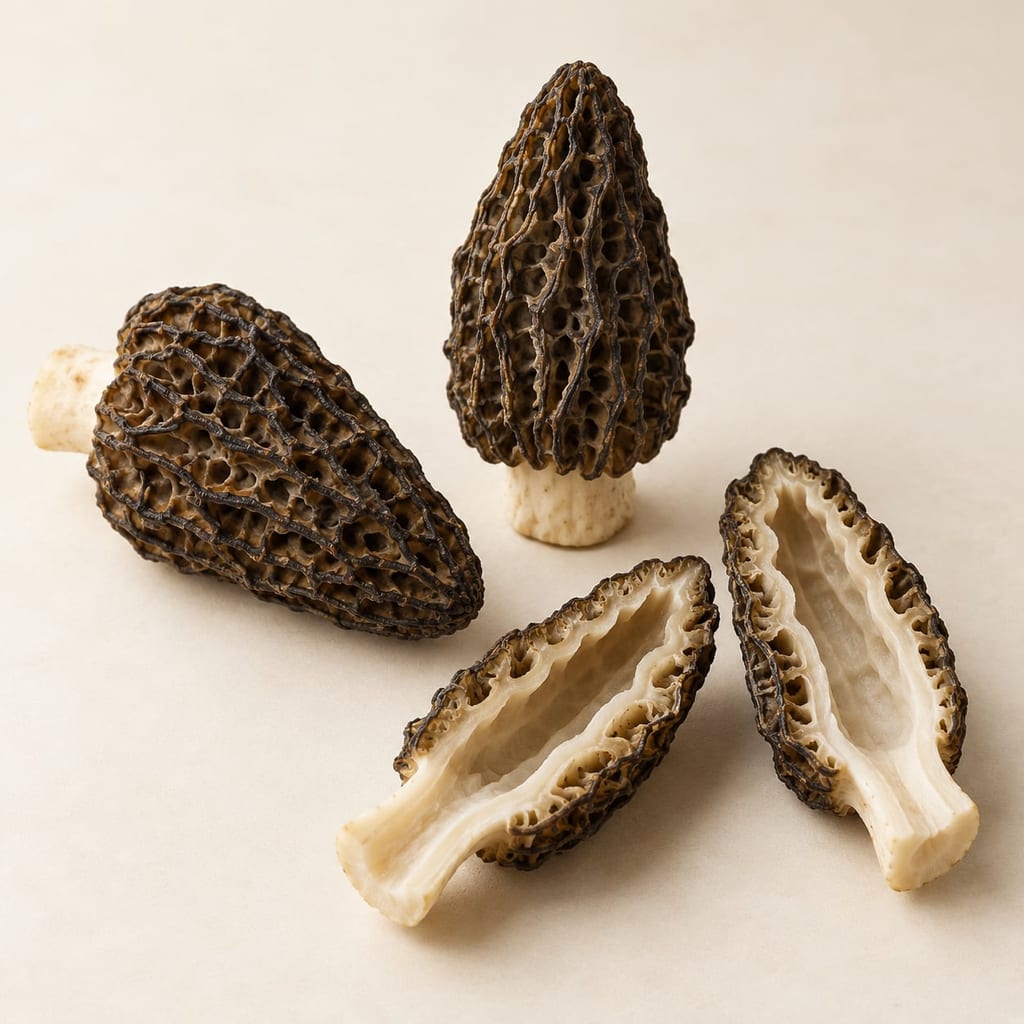
The black morel, Morchella elata, is a pitted, hollow fungus of conifer woods and disturbed ground. It is a popular edible in Europe, and its sources insist it must always be cooked thoroughly.
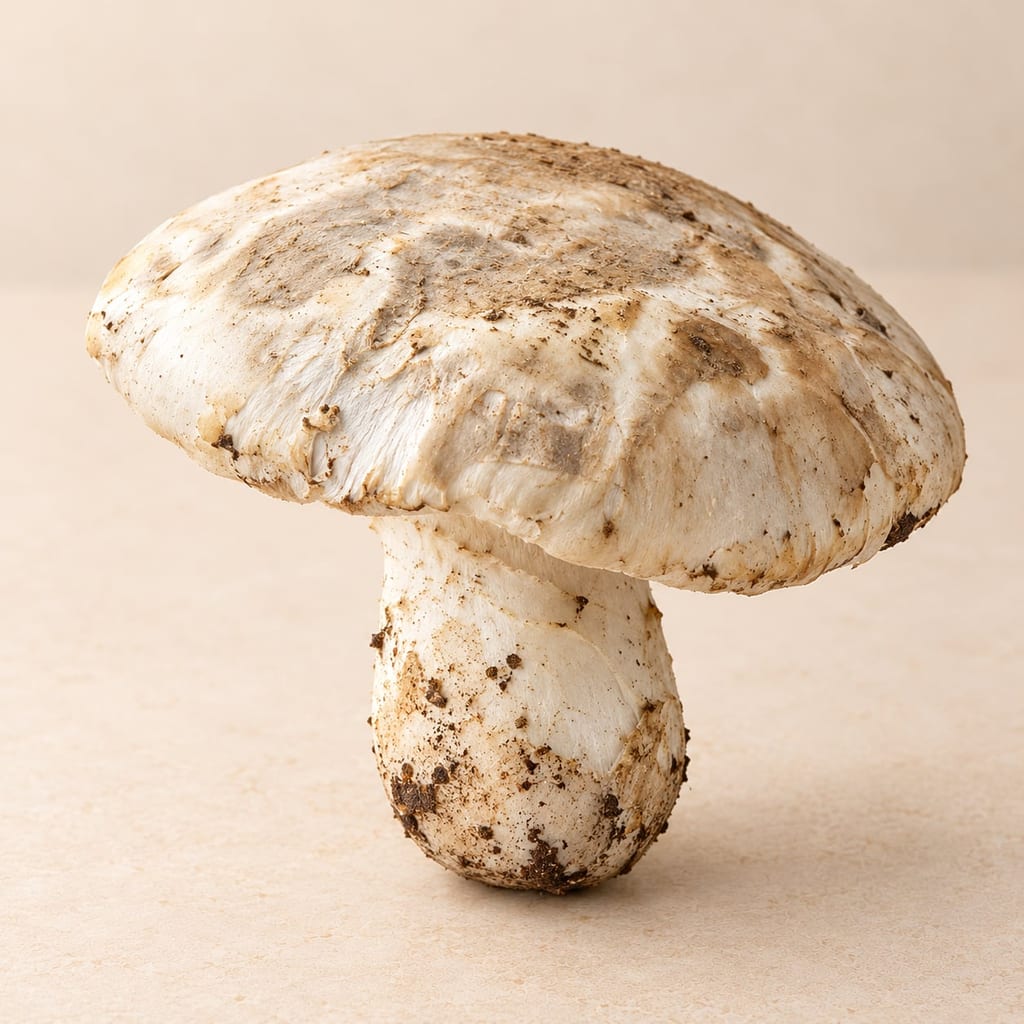
Subalpine catathelasma, Catathelasma subalpinum, is a wild ectomycorrhizal mushroom described from Yunnan in 2020. It is listed as edible in a 2026 Chinese catalogue, but its food use is not yet documented.
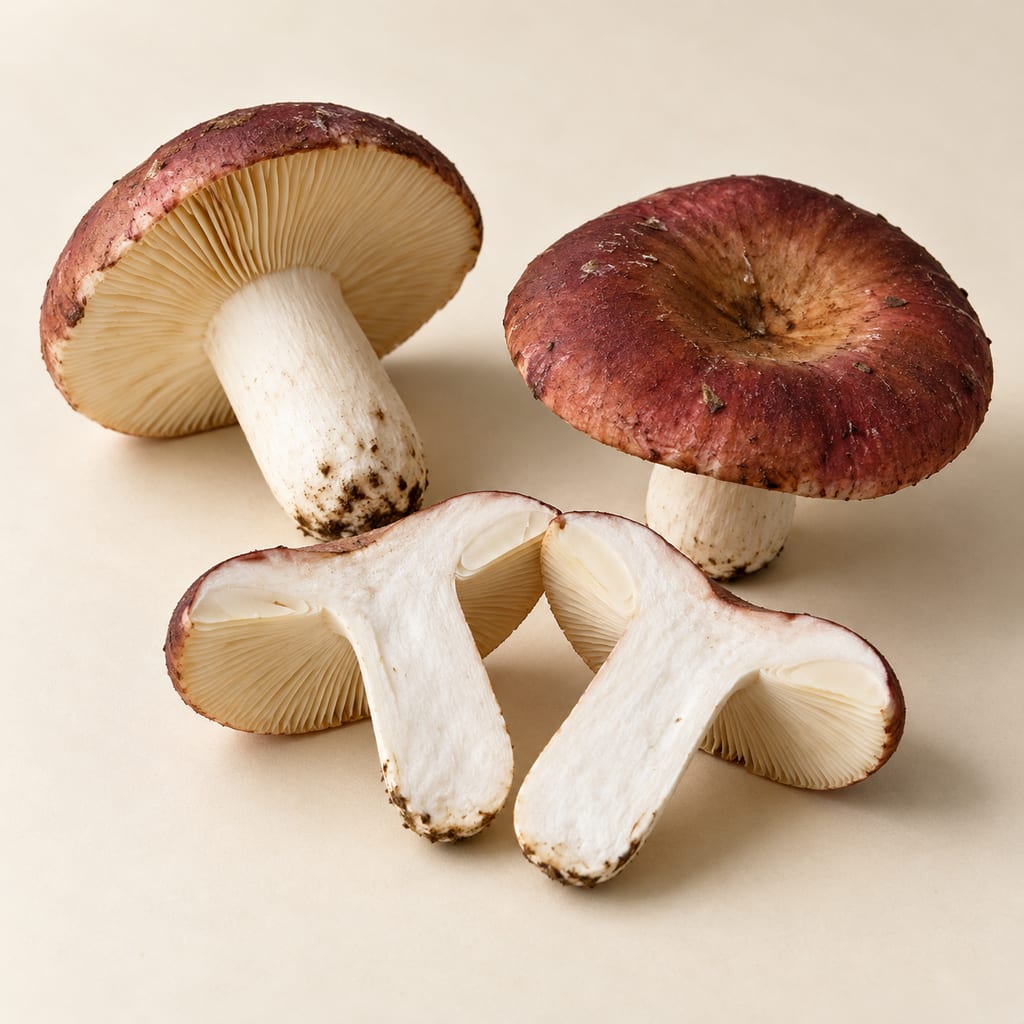
Nutty brittlegill (Russula integra) is a conifer-woodland mushroom with firm white flesh and a mild, nutty taste. Sources say it is edible when cooked thoroughly, and that quick cooking does not remove its toxins.
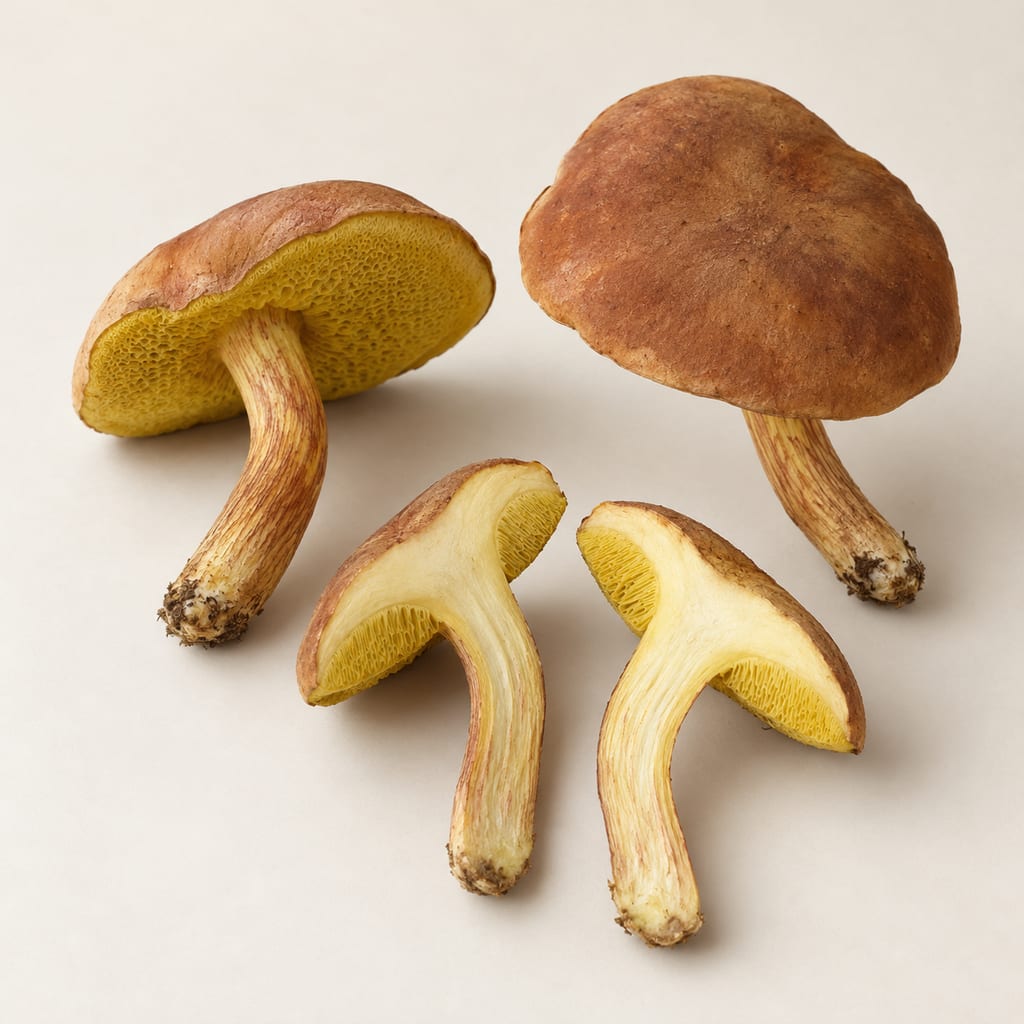
Xerocomus illudens, a forest bolete of Mexico that is gathered by some communities but was ranked low by others, partly because of its sour taste.
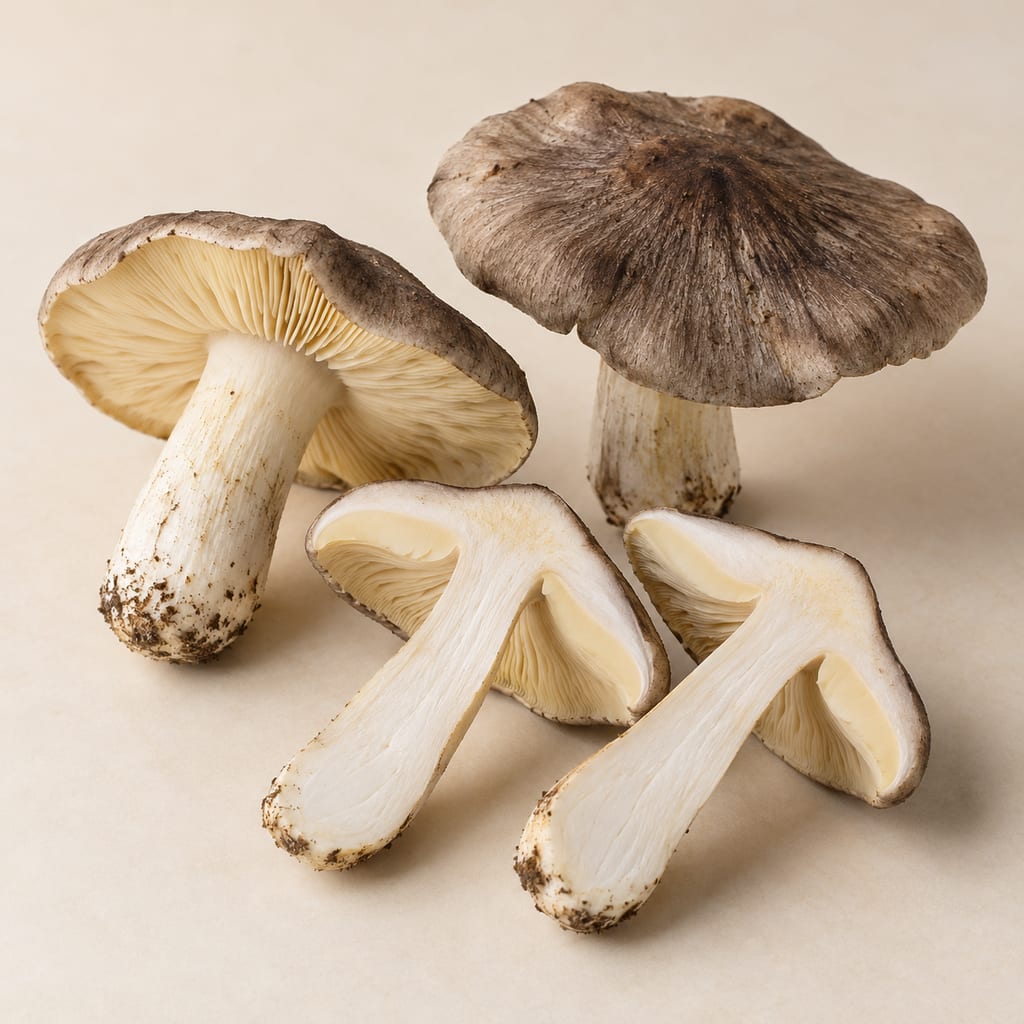
Charbonnier, Tricholoma portentosum, is a wild tree-associated mushroom of Europe that is sold as a seasonal market mushroom. Spanish law permits fresh sale of the species, and other grey Tricholoma species must not be assumed edible.
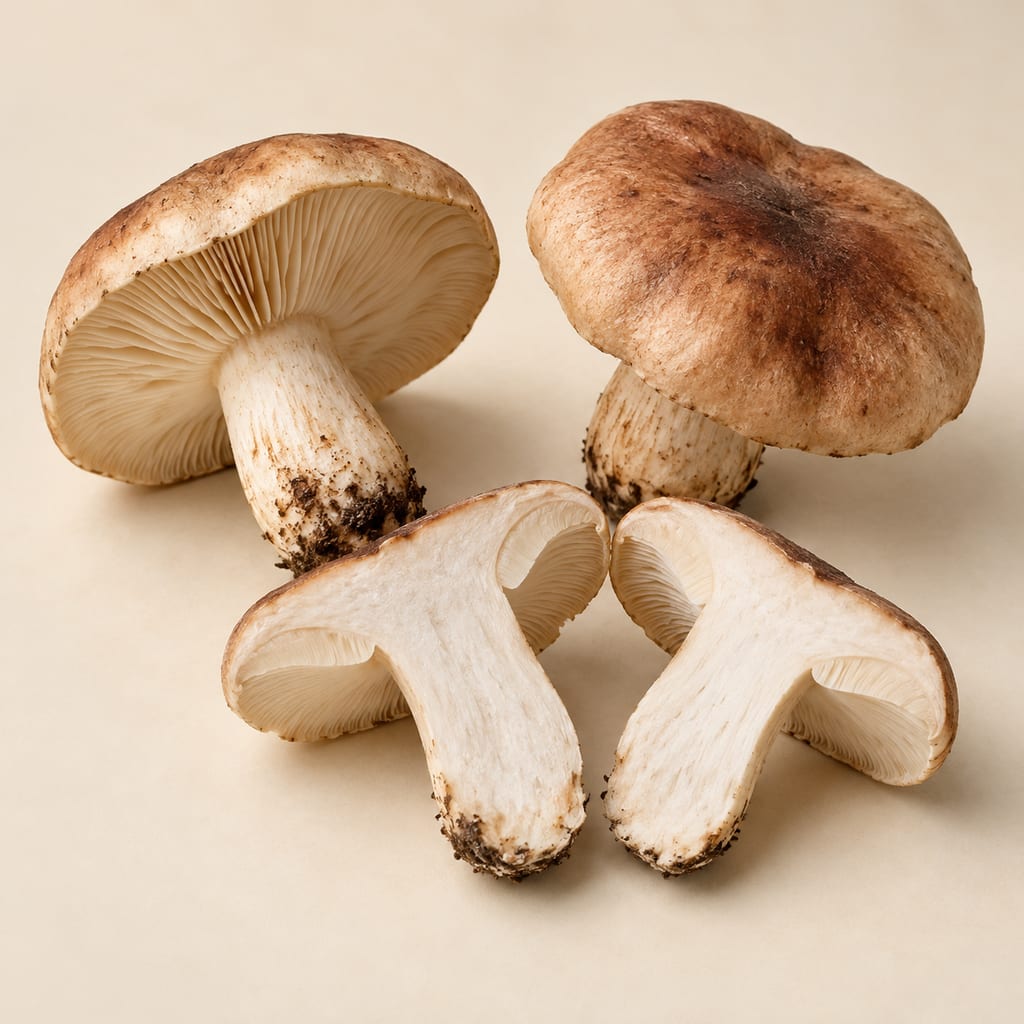
Tricholoma populinum, the cottonwood mushroom, grows under cottonwoods and poplars in western North America. Wikipedia records traditional eating by Salish peoples; other sources call its taste mediocre.
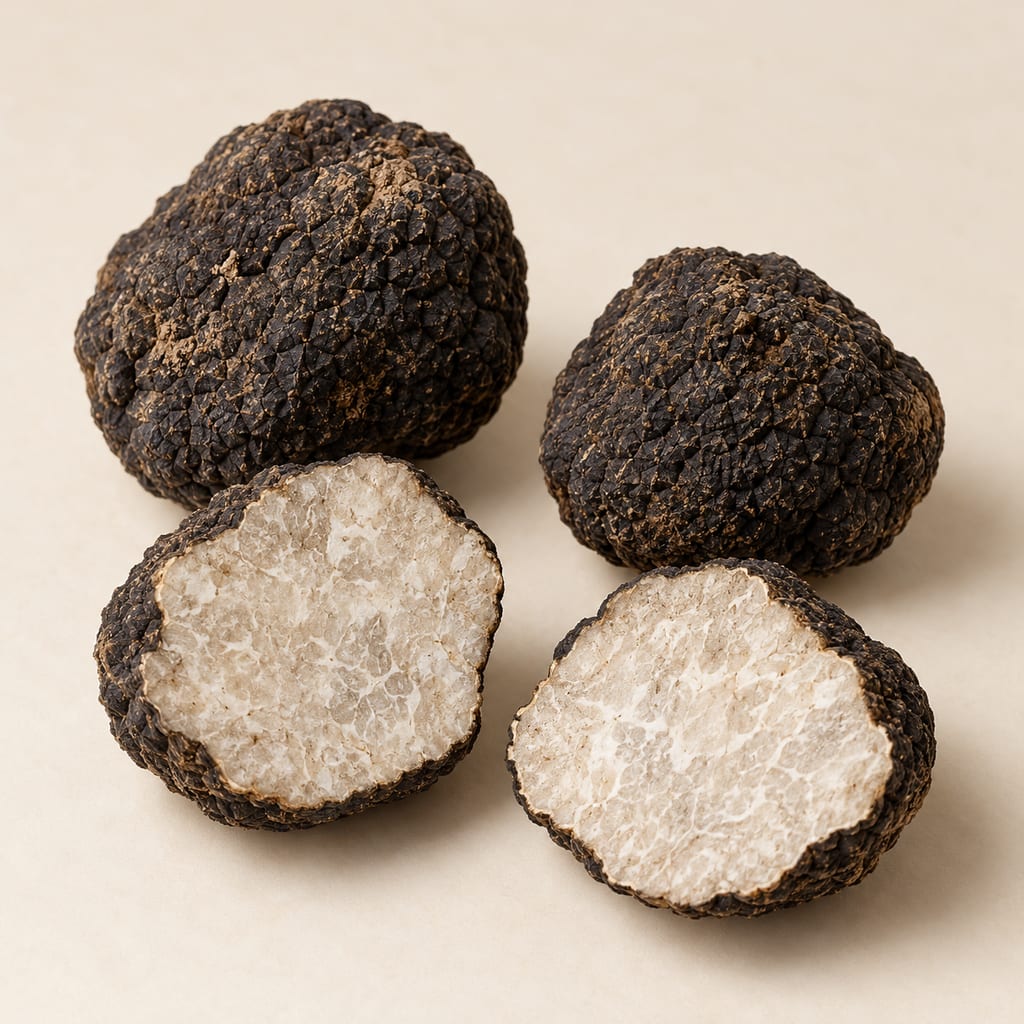
The black desert truffle, catalogued as Picoa juniperi, is a subterranean fungus gathered wild in arid and semi-arid lands. Eastern Anatolian households eat it, usually fried with eggs.
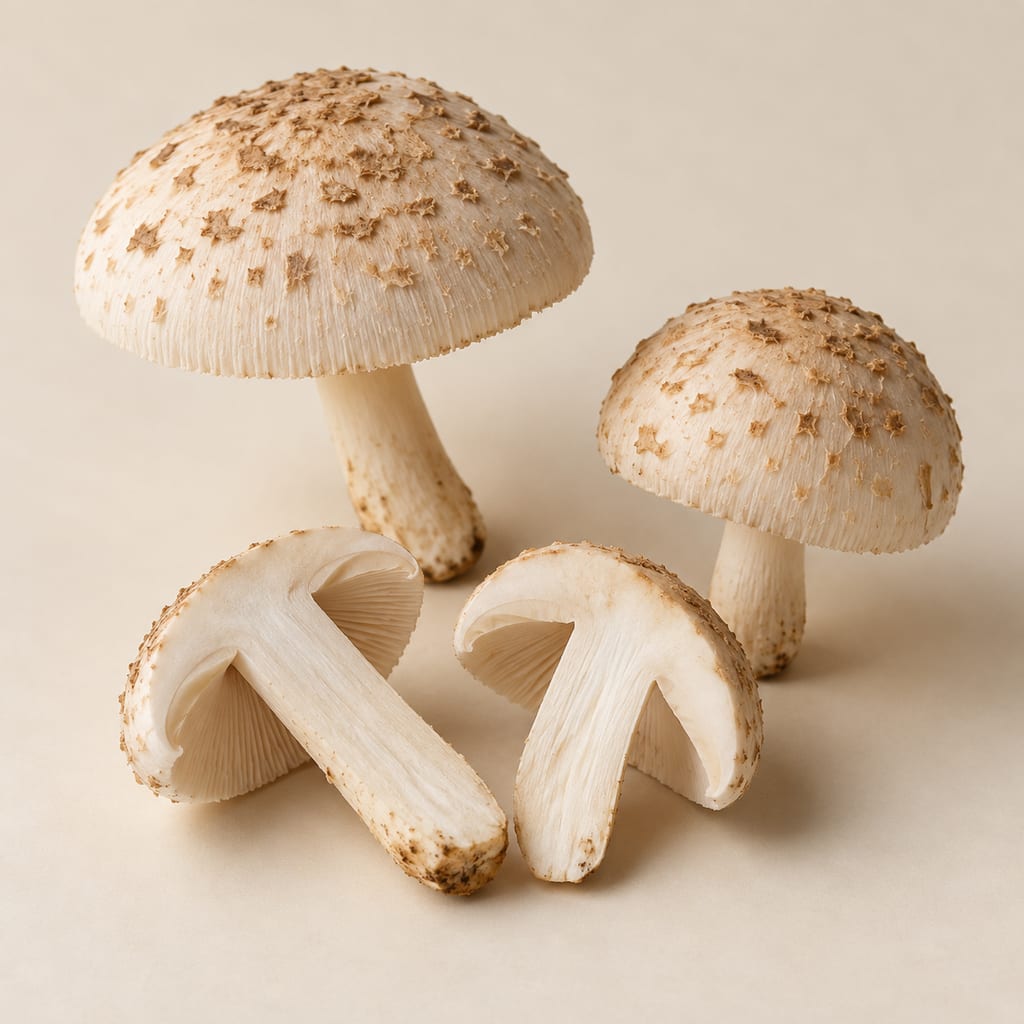
Oudemansiella platensis is a wood-rotting mushroom of the Brazilian Atlantic Forest and Cerrado, recorded in one Brazilian food-use source. The evidence for human consumption is thin, and no edibility verdict follows from it.
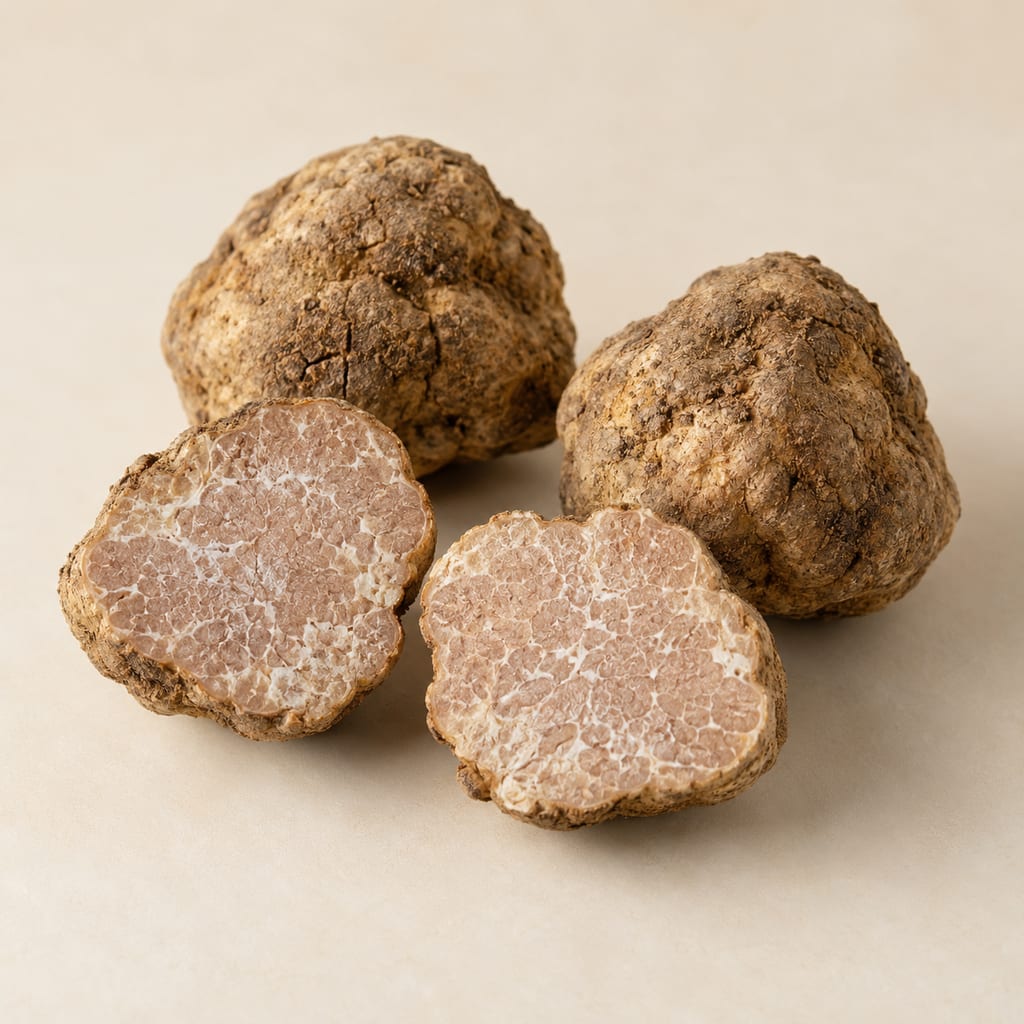
The sand desert truffle, Terfezia arenaria, is an underground fungus of sandy, arid soils around the Mediterranean Basin. It is widely harvested and traded, but the European Union does not list it as an edible truffle authorised for sale.
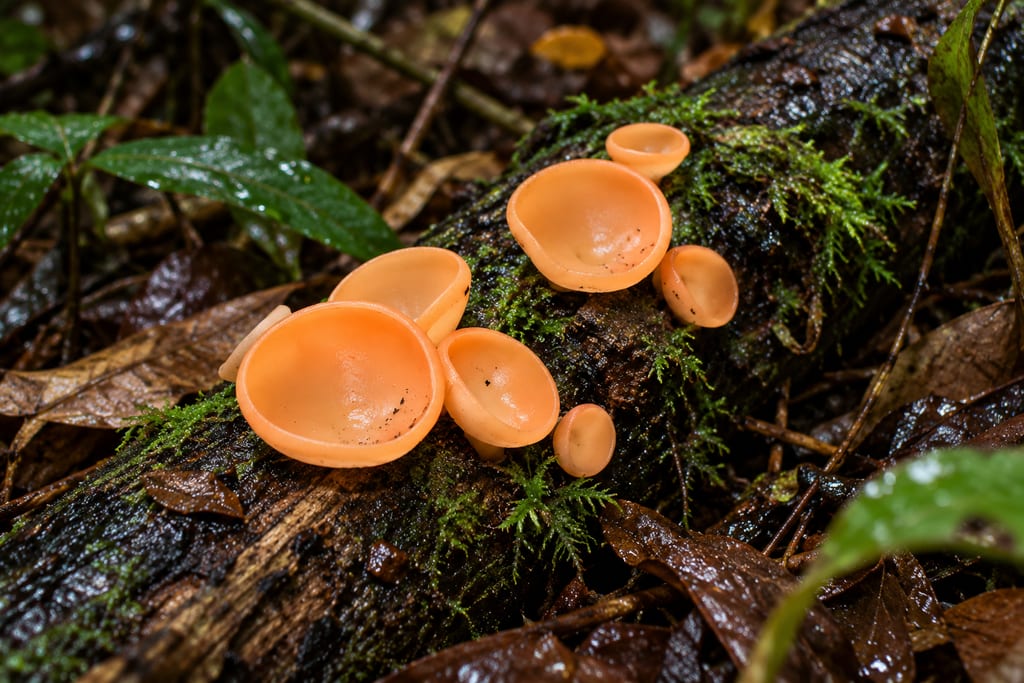
Cookeina venezuelae, a cup fungus that grows on wood in Brazilian Atlantic rainforest, whose food use was newly recorded in a 2024 audit of wild edible mushrooms from Brazil.
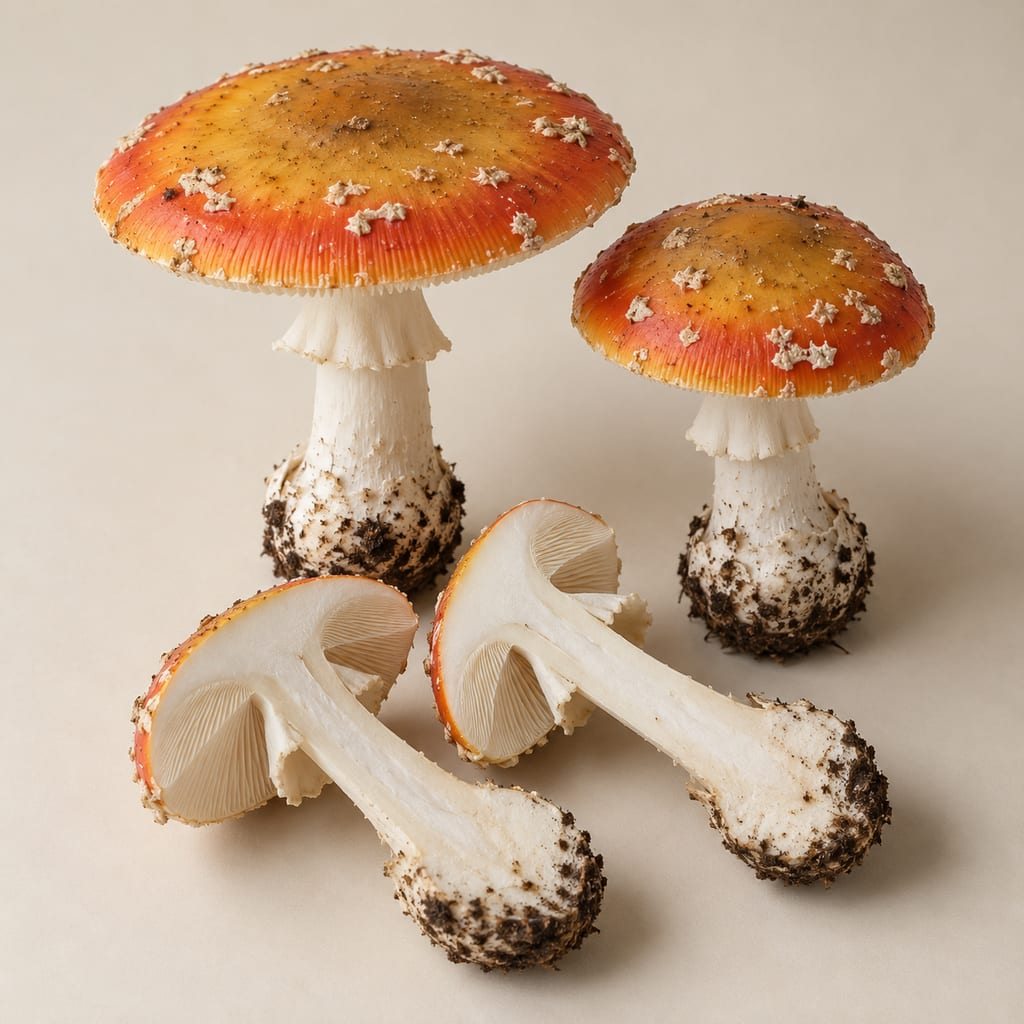
Amanita mafingensis is a reddish Amanita described from Tanzania in 1994, where local people regard it as edible. Its genus includes some of the most dangerous mushrooms, so this page gives no edibility verdict for any other place.
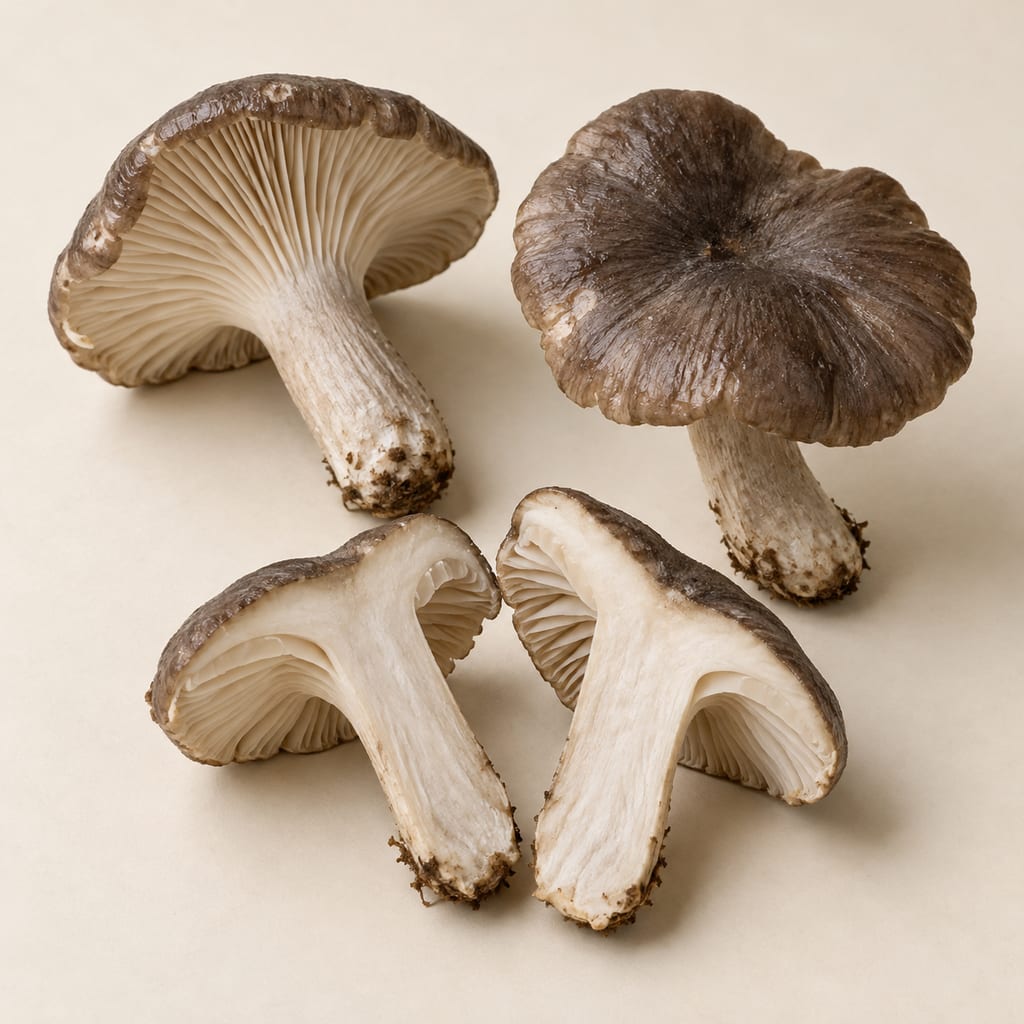
Hygrophorus camarophyllus, the arched woodwax, is a waxcap of northern conifer forests with a dark, soot-brown cap. Svampguiden lists it as edible with a mild, slightly sweet taste.
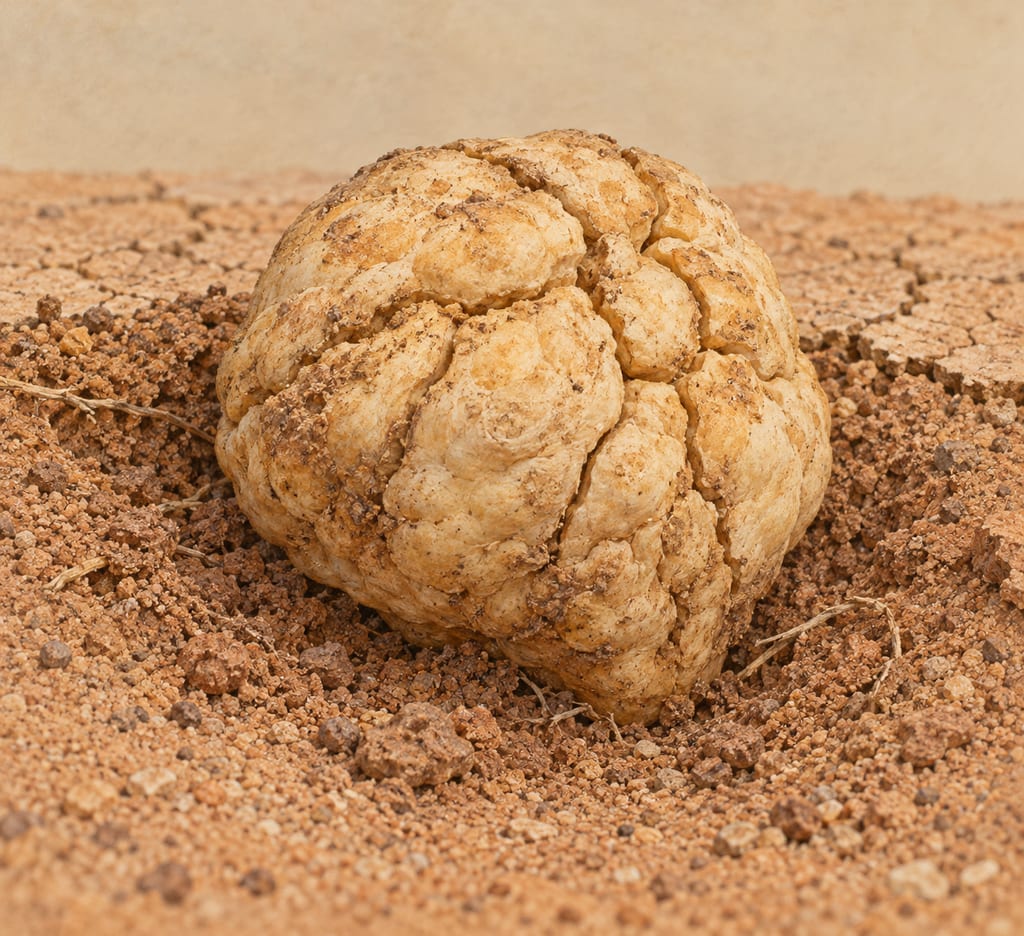
Choiromyces aboriginum is an underground desert truffle of Australia's dry interior. Aboriginal peoples ate its fruiting bodies raw or cooked and also drew water from it. Its accepted scientific name is disputed.
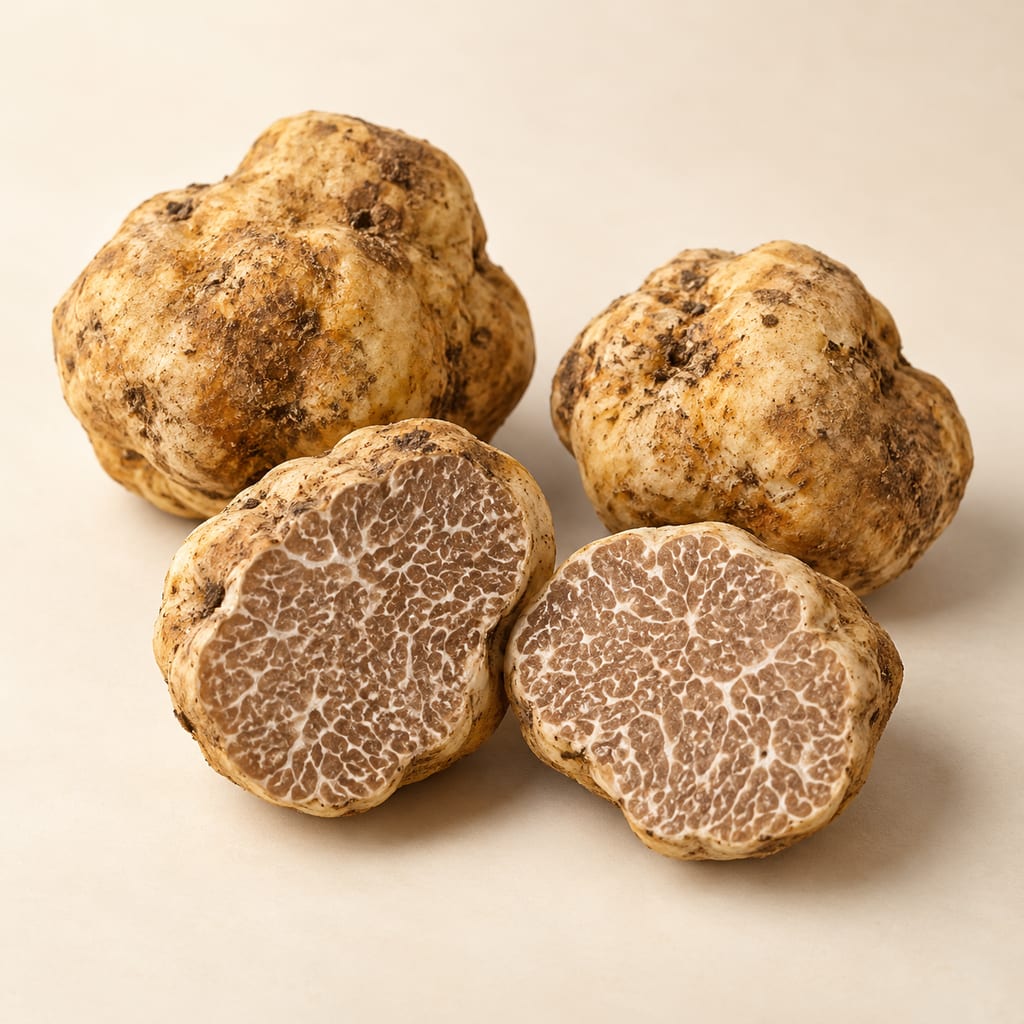
Tuber cumberlandense, an aromatic truffle described as a new species in 2024, native to eastern North America and sold from truffle orchards and woodlands dominated by broadleaf trees.
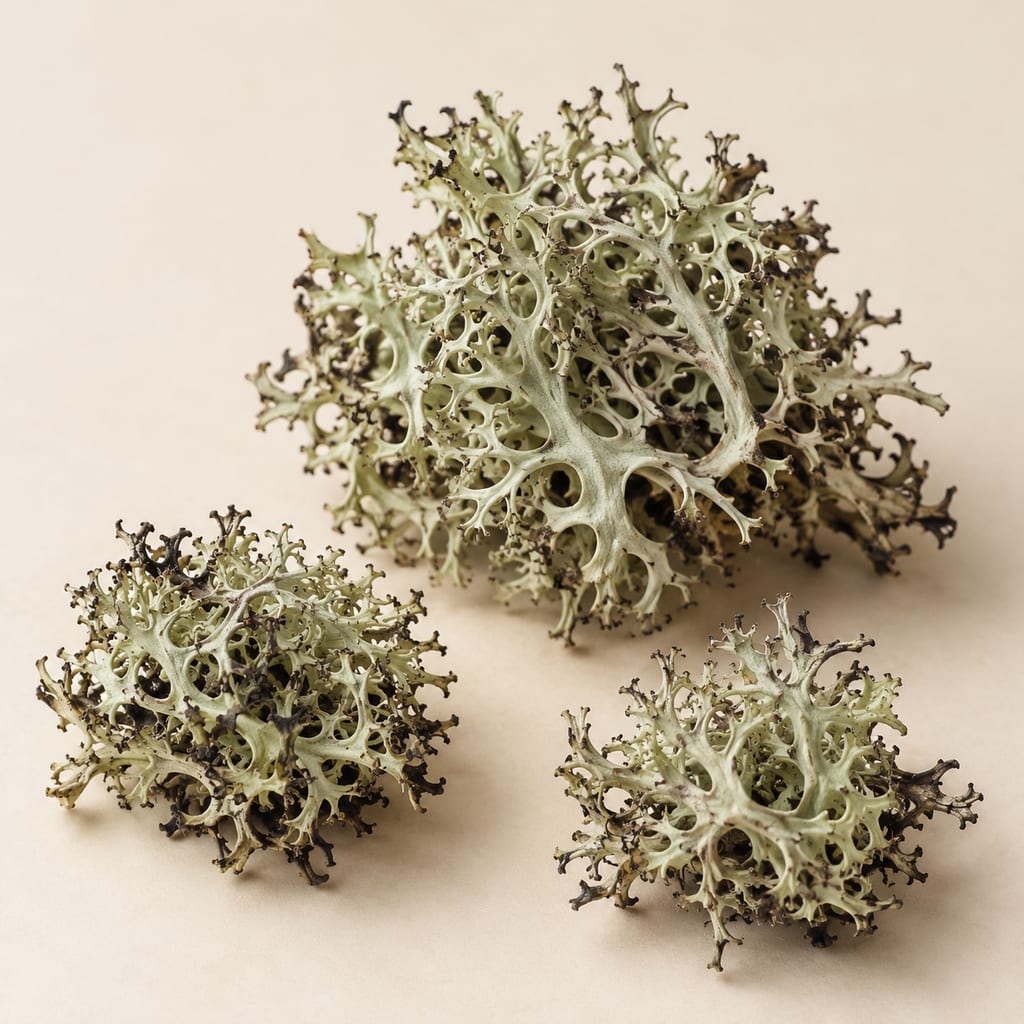
Everniastrum cirrhatum, a tree-dwelling lichen of the Nepal Himalaya, gathered wild and used in soups, pickles and sausages by the Limbu and Rai communities of the north-east hills.
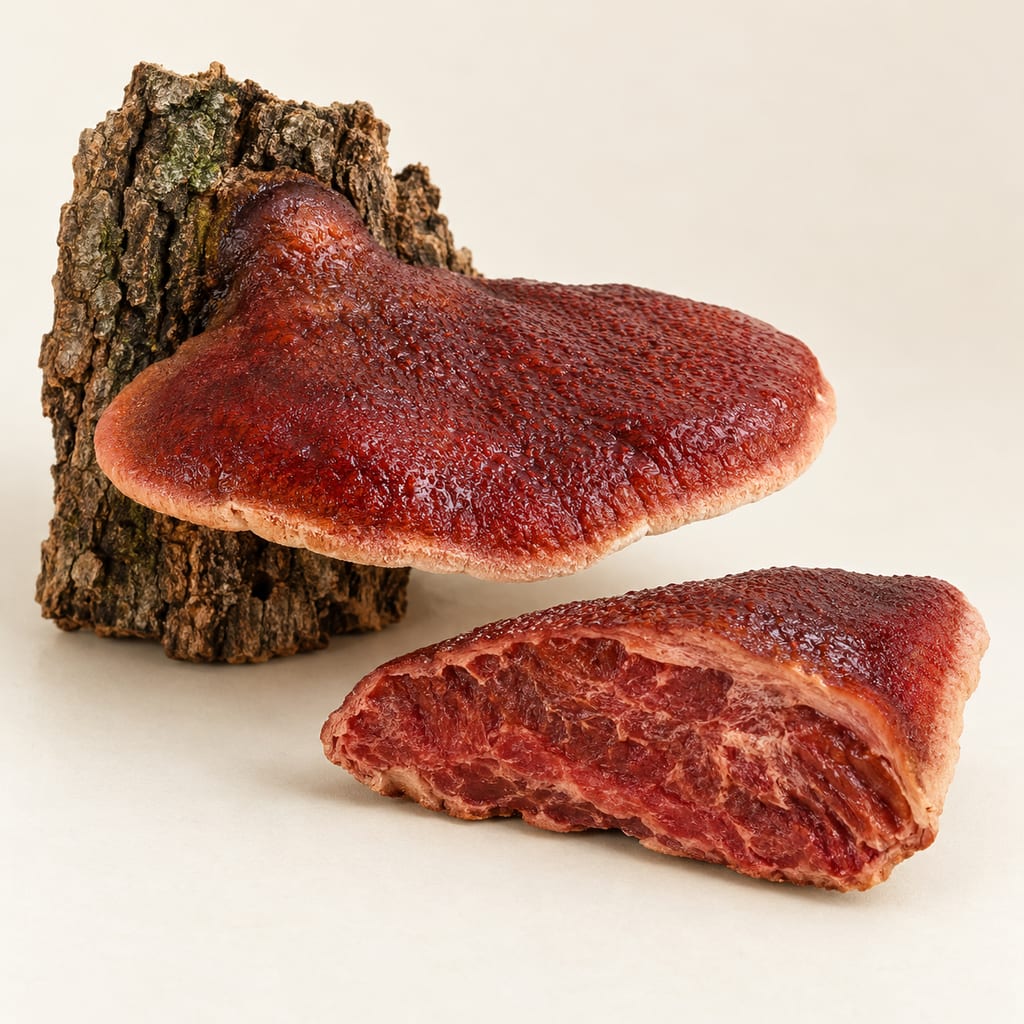
Beefsteak fungus (Fistulina hepatica) is a wild bracket fungus of oak and sweet chestnut wood. Its sour, meat-like flesh is eaten in parts of Europe, but only after cooking, and sources advise care with older specimens.
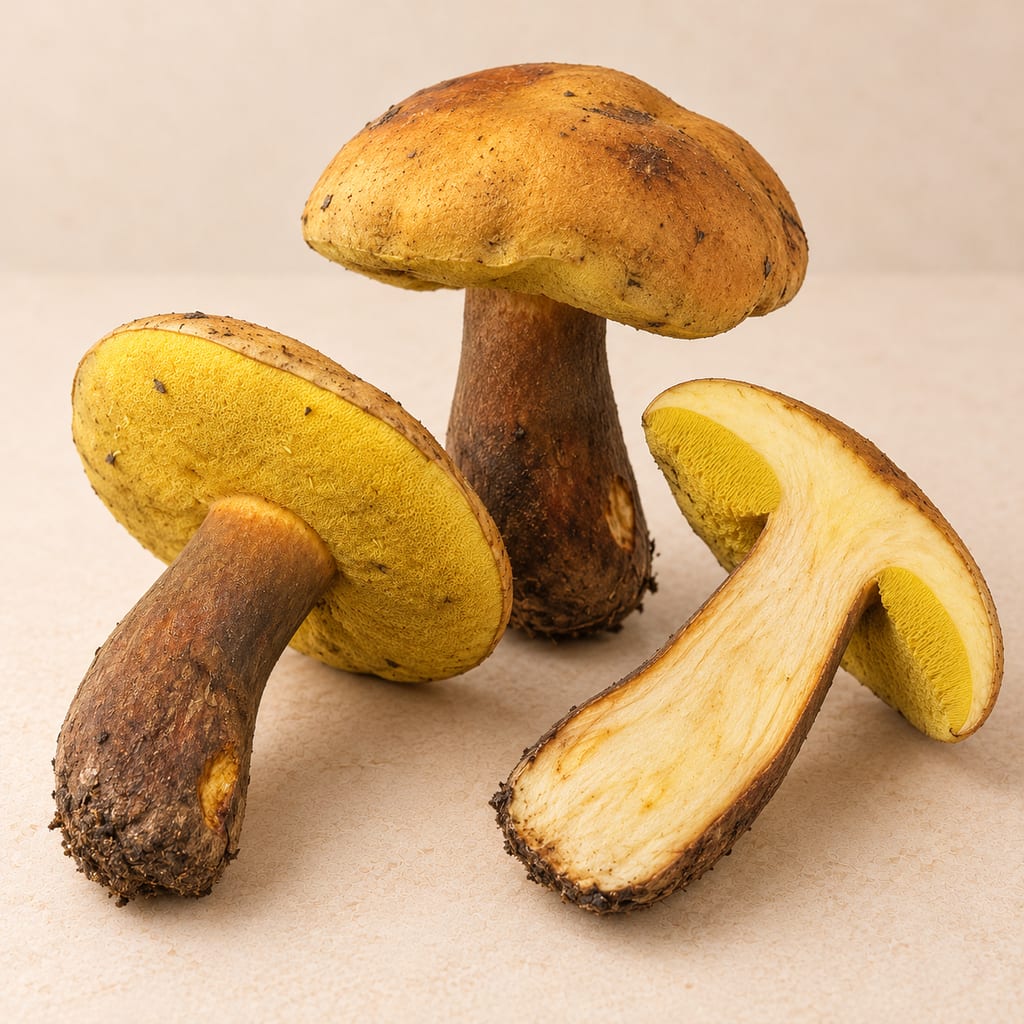
Phlebopus beniensis, a bolete of tropical South American forests and savannas, recorded as a food in Brazil and Paraguay, where it is known locally by names such as chapéu-de-baiano.
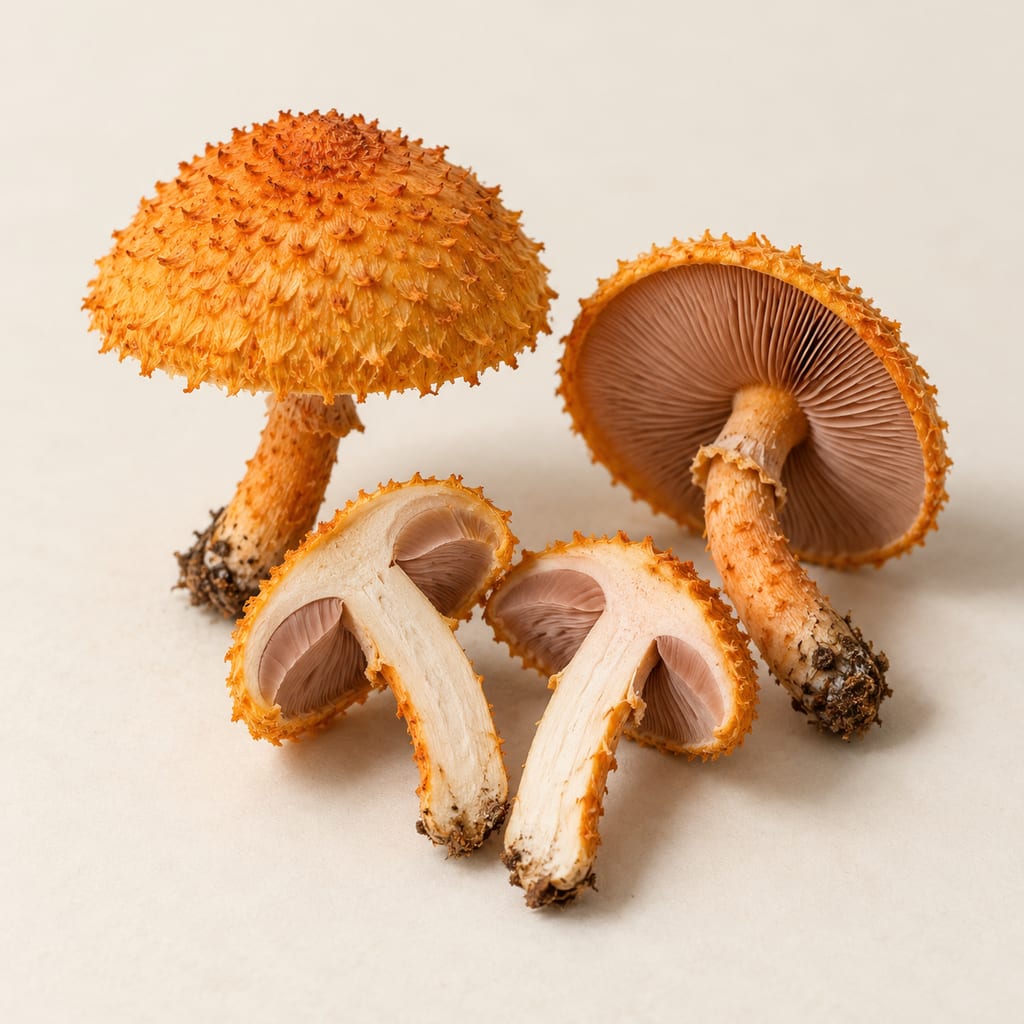
A forest mushroom of the genus Agaricus, recorded as a wild food in the Tshopo province of the Democratic Republic of the Congo in a voucher-backed ethnomycological survey.
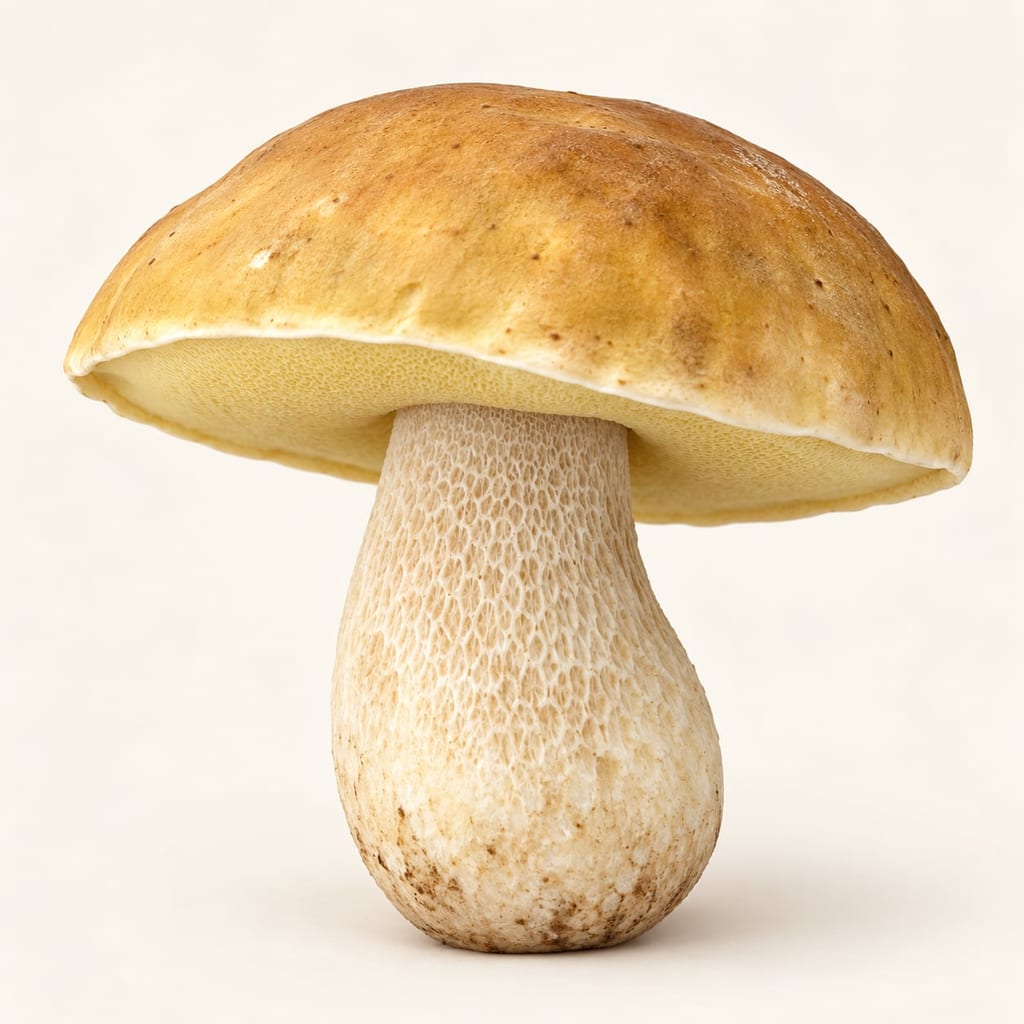
A Chinese bolete described as Boletus sinoedulis from subalpine spruce and fir forests in southwestern China. A 2026 Chinese catalogue lists it as edible or edible-and-medicinal; that listing is not a safety assessment.
A wild Andean gilled fungus eaten in Peru under the name q’oncha. A 2017 study moved it from Pleurocollybia to Gerhardtia, and it features in Cusco festival tradition.
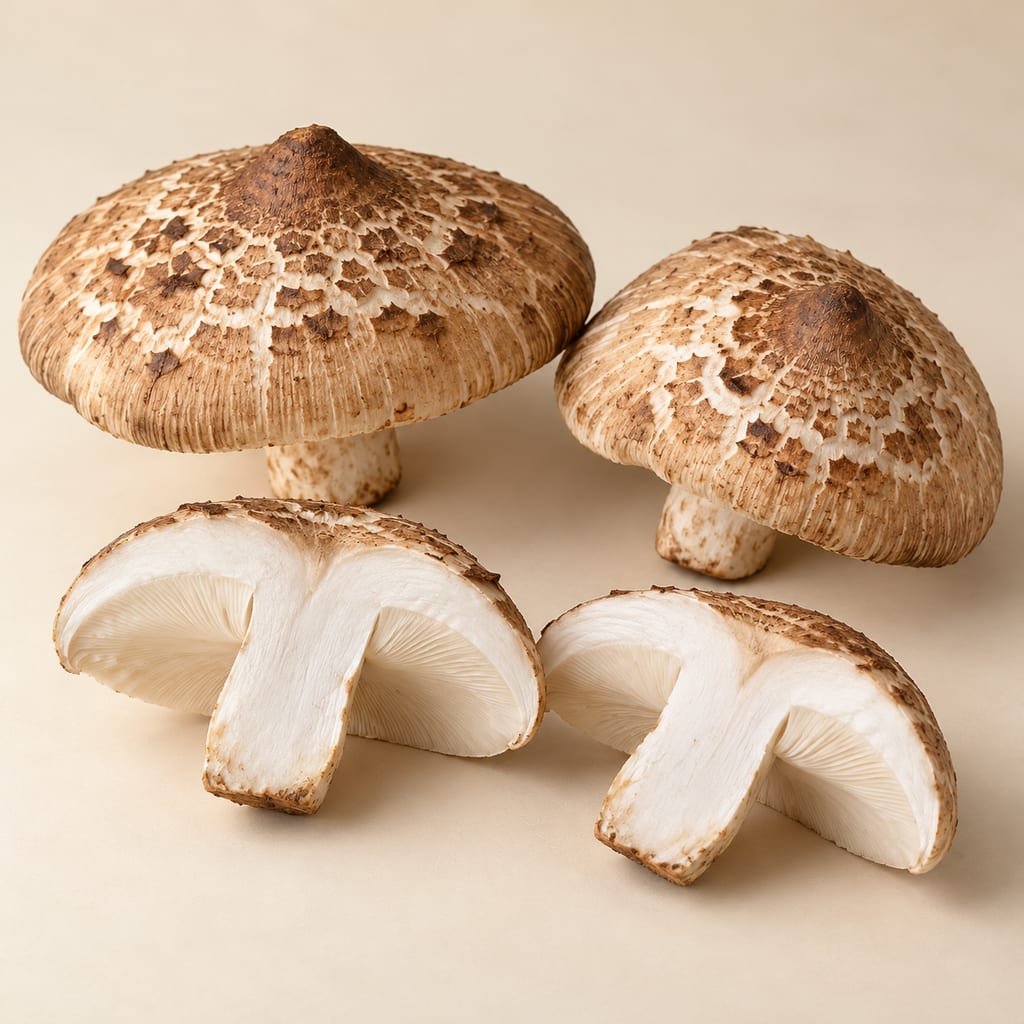
The termite mushroom, a large wild fungus of tropical Africa that fruits on Odontotermes termite mounds. The EFTA inventory lists it but gives no edibility rating or preparation.
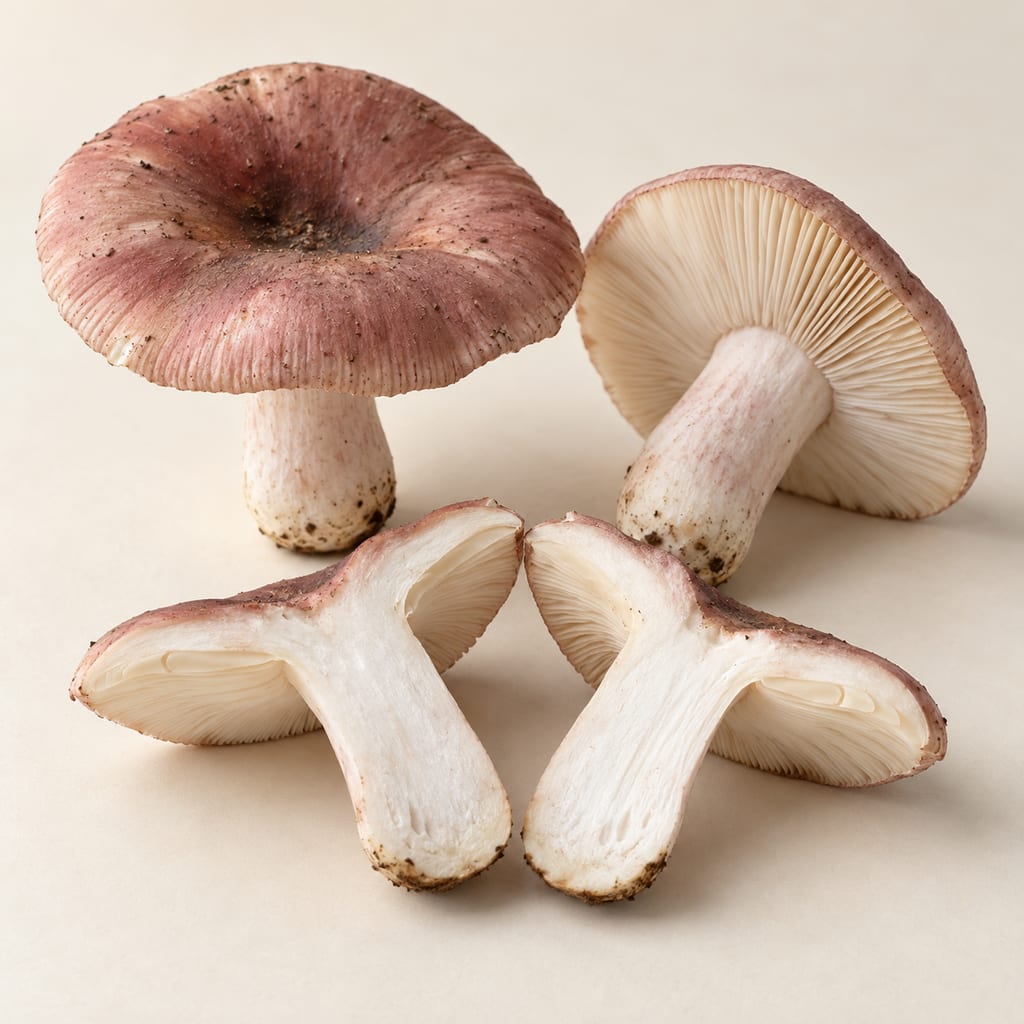
A wild Russula recorded as locally eaten in Tshopo province, DR Congo, in voucher-backed interviews. No preparation or toxicity assessment is recorded.
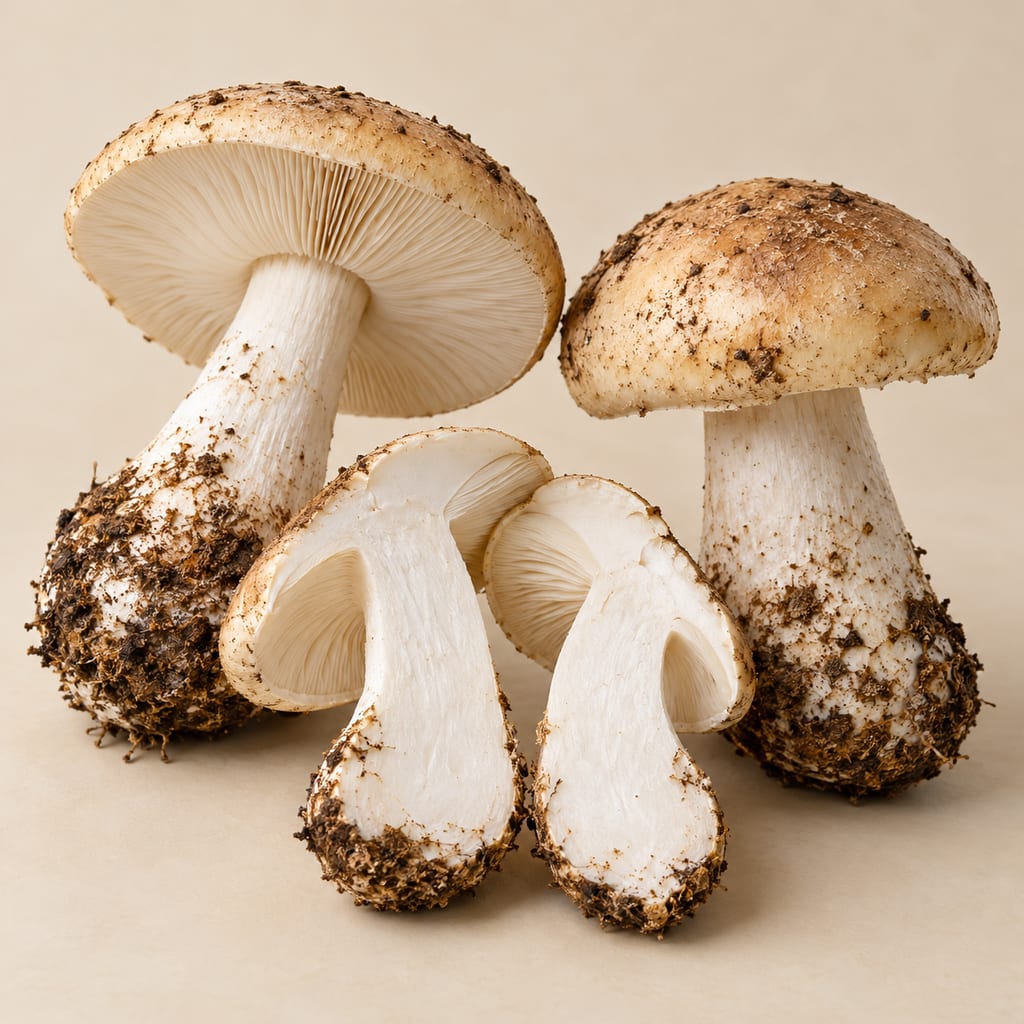
The Spanish name for a wild Amanita of the Iberian Peninsula. Spain’s 2009 mushroom decree lists it among wild species that may be sold fresh; it is a high-consequence identification.
A wild brittlegill of African miombo woodland listed in the EFTA edible-fungi inventory across eight countries. The inventory gives no preparation and no explicit edibility rating.
Rhizopus microsporus is a fast-growing mould of the Rhizopus group, found in fresh Indonesian tempeh, where it is the species that most tempeh strains belong to.
A wild bolete recorded as locally eaten in Tshopo province, DR Congo, in voucher-backed interviews. No preparation was established and no toxicity assessment is recorded.
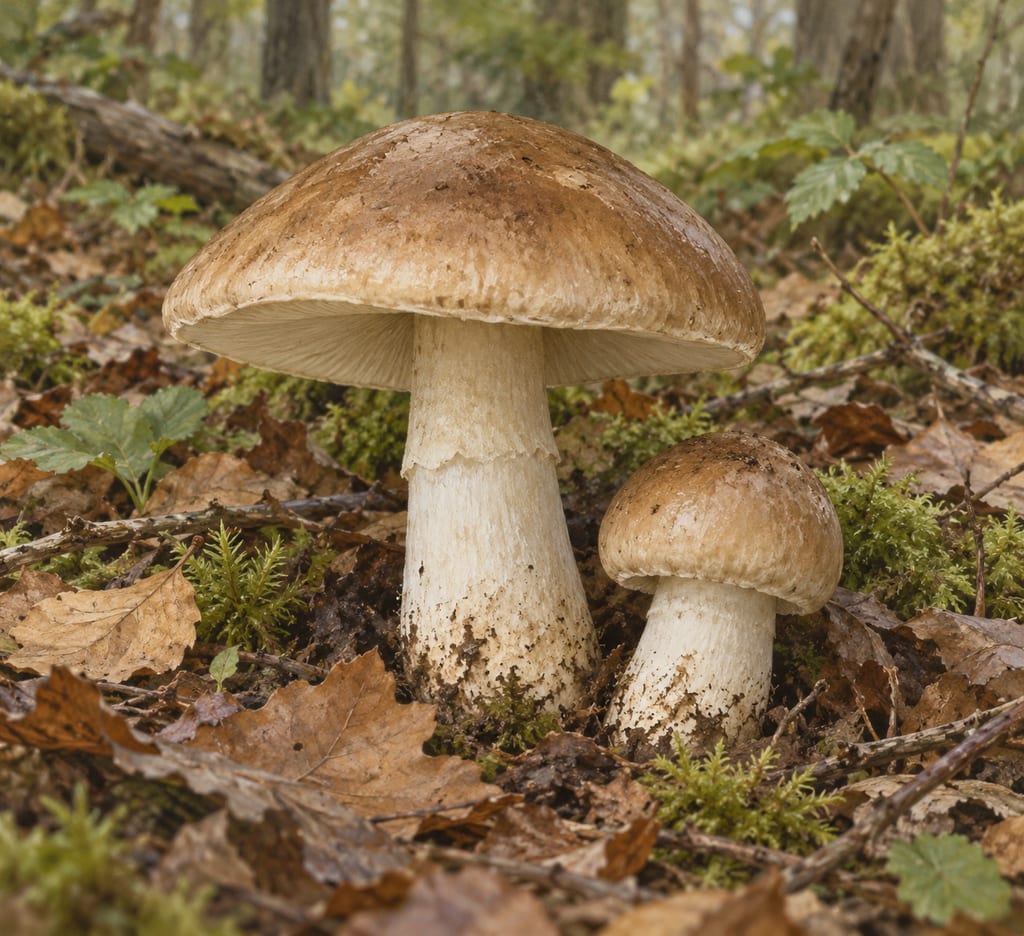
A wild Amanita that a 2026 Chinese catalogue of edible and medicinal fungi lists as edible or edible-and-medicinal. The genus holds deadly species, so identification carries high risk.
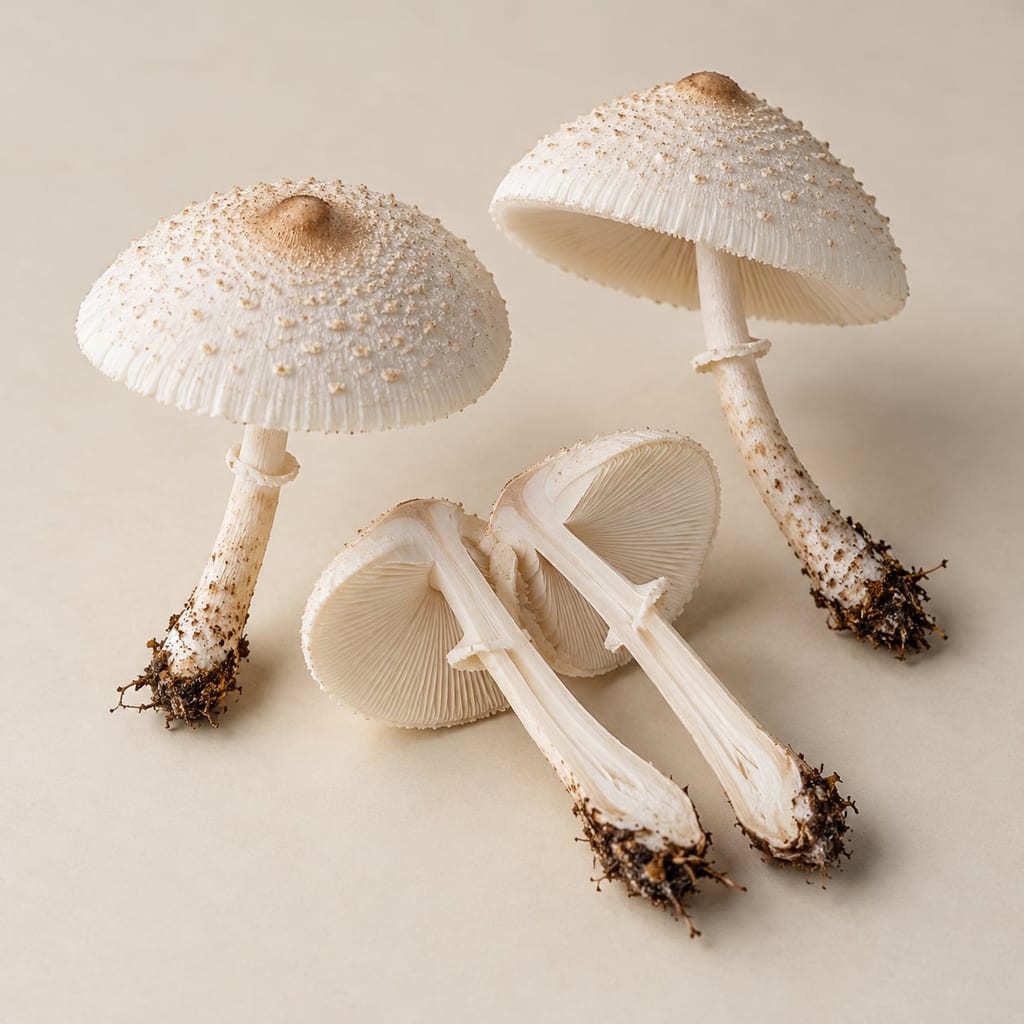
Leucocoprinus cepistipes is a forest saprotrophic mushroom of the Congo Basin. A Tshopo consumption report conflicts with inedibility reports, so it is recorded here as a research item, not a food recommendation.
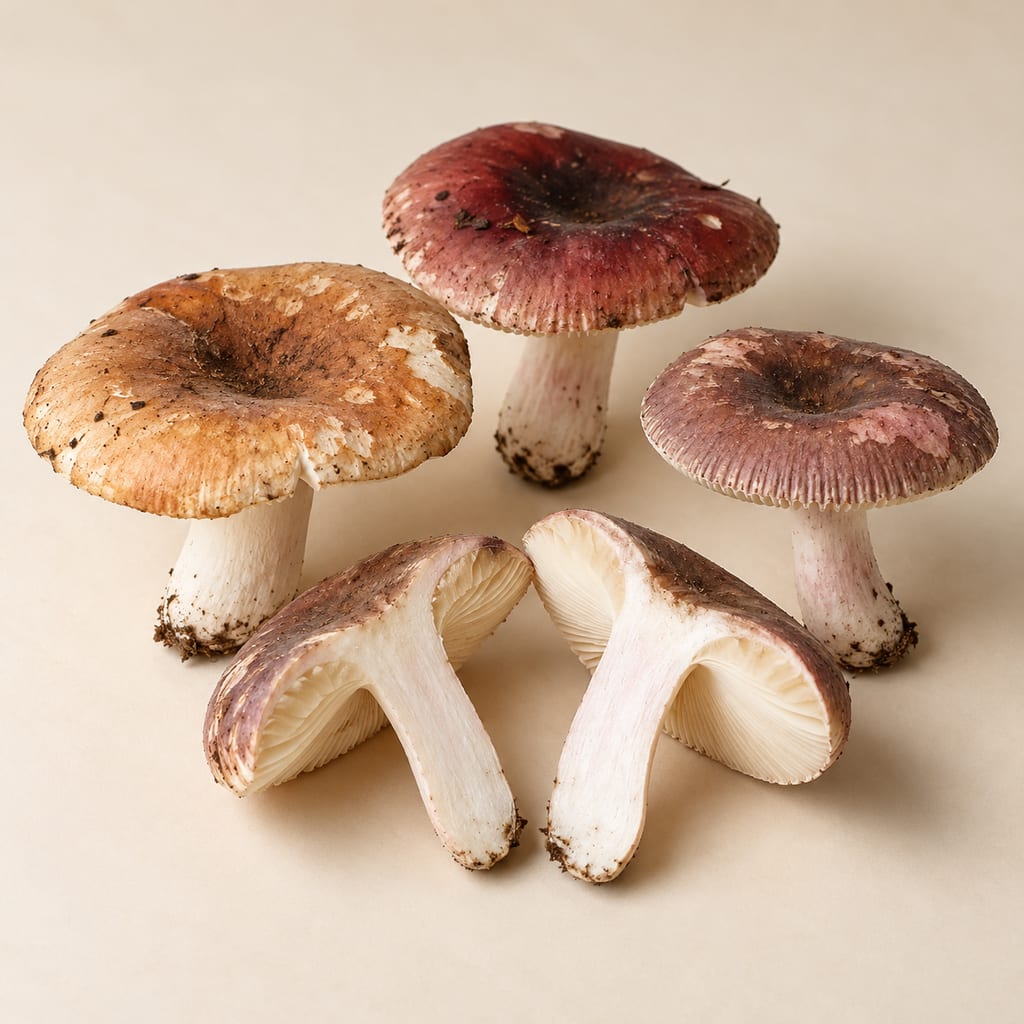
Russula xerampelina, the shrimp brittlegill, is a wild mushroom of conifer and mixed woods with a shellfish smell. Guides rate it edible and mild-tasting, but its red relatives include acrid look-alikes.
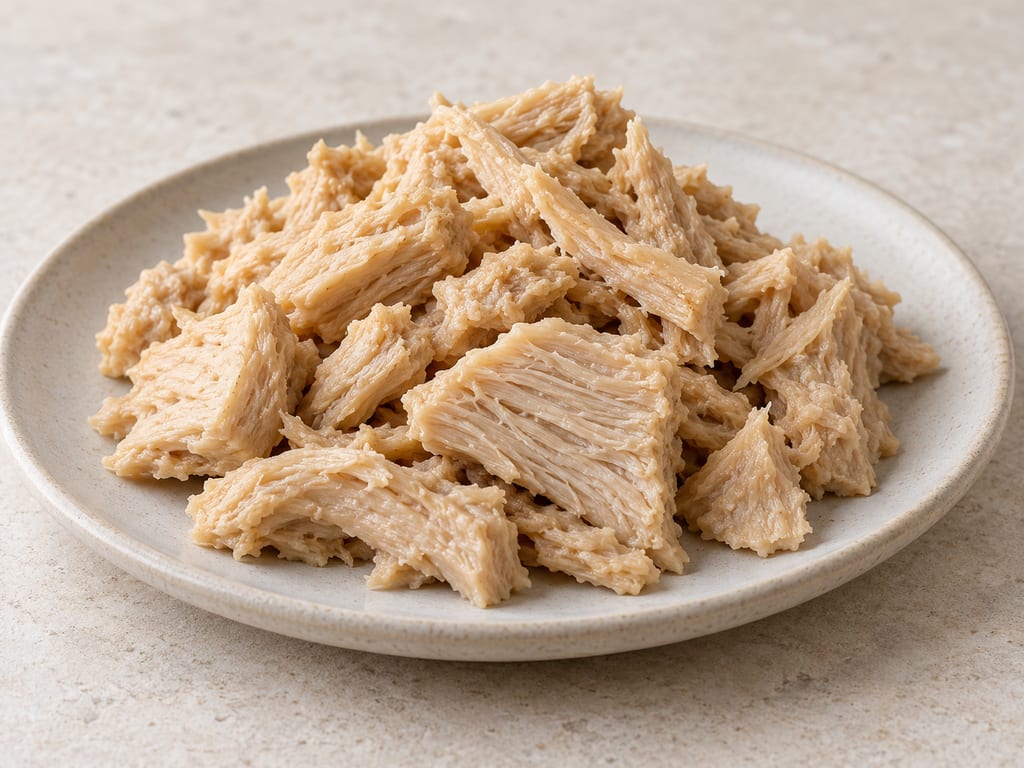
Fusarium venenatum is the filamentous fungus grown in large fermenters to make mycoprotein, the edible mycelium behind Quorn, using glucose as feedstock in a continuous process.
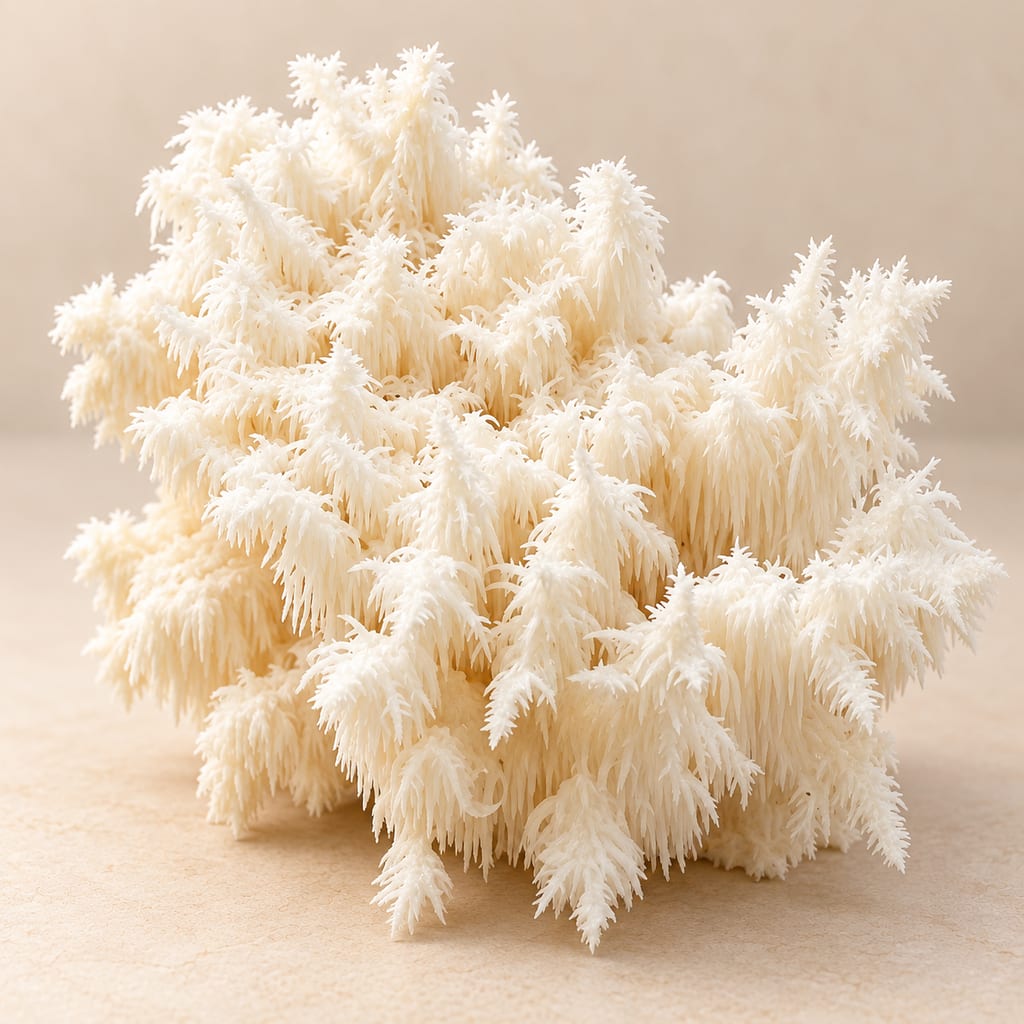
Hericium coralloides, the coral tooth, is a wild fungus of dead hardwood. Its young, white, branching fruit bodies are eaten; older ones turn brittle, yellow-brown and bitter.
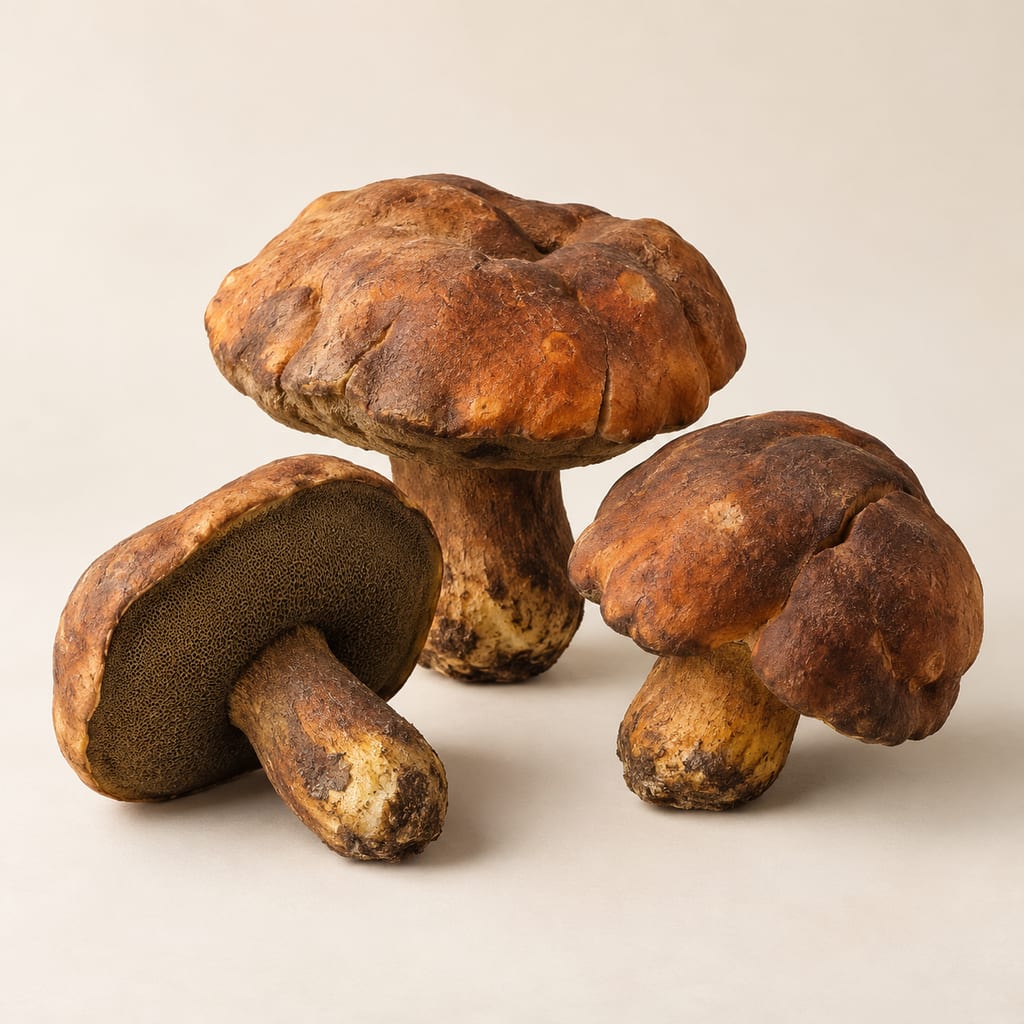
Phlebopus sudanicus, the African giant bolete, is a tropical African bolete eaten in parts of Central and southern Africa. Sources disagree on its toxicity, and its boiling is a practice rather than a validated detoxification.
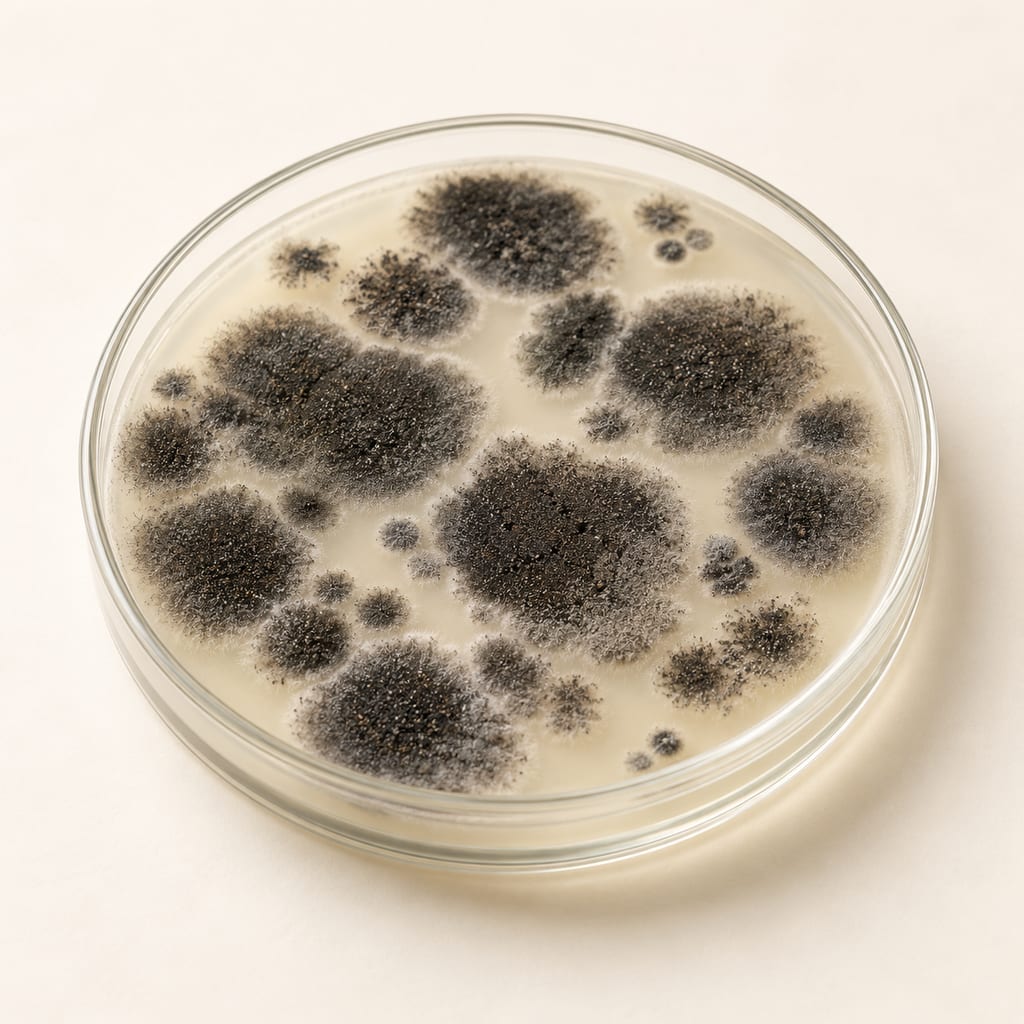
Aspergillus luchuensis is the black koji mould used in Japanese shochu and awamori, valued for the citric acid it makes alongside the starch-converting enzymes of koji.
Saccharomyces pastorianus is the hybrid lager yeast, a cross of the ale yeast S. cerevisiae and the cold-tolerant S. eubayanus, that ferments beer at cool temperatures from the bottom of the tank.
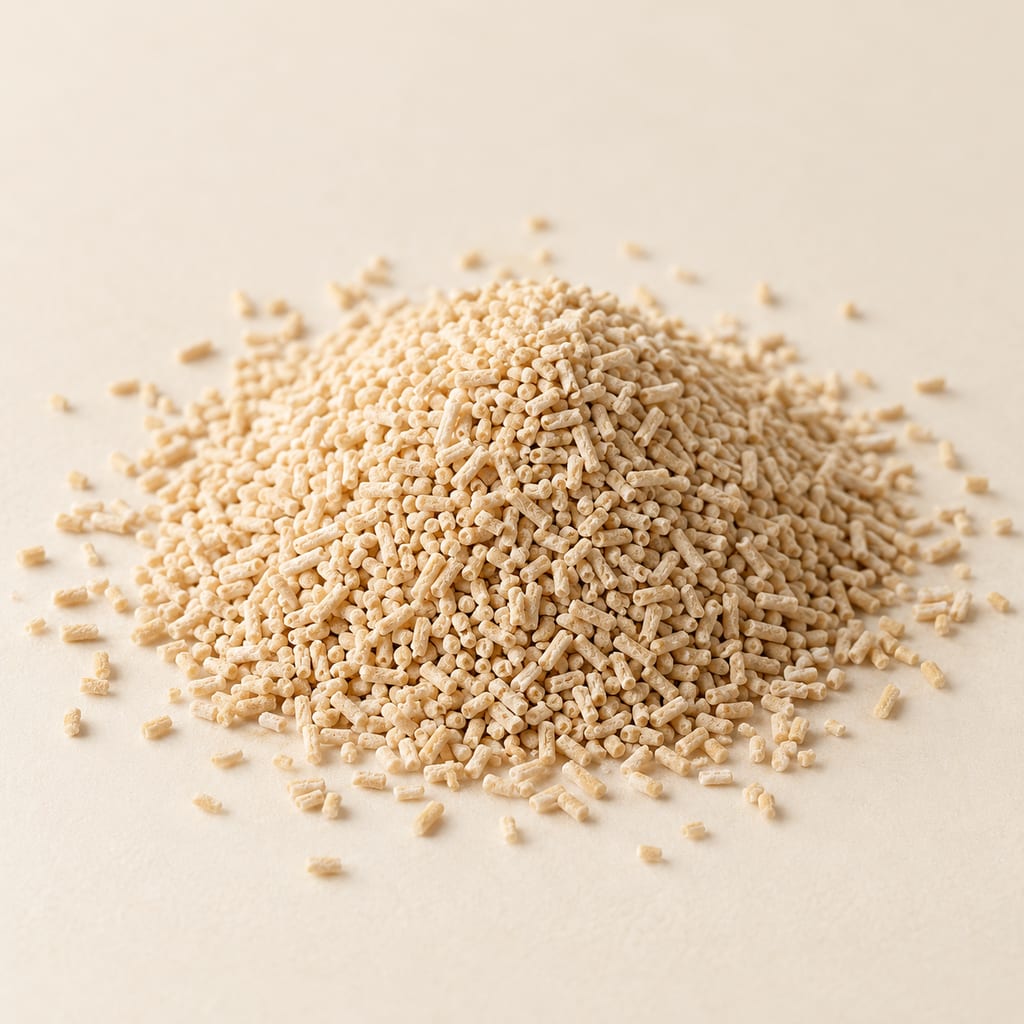
Saccharomyces cerevisiae is the budding yeast that raises bread, ferments most wine and ale, and is sold as named strains whose behaviour in dough or wort differs.
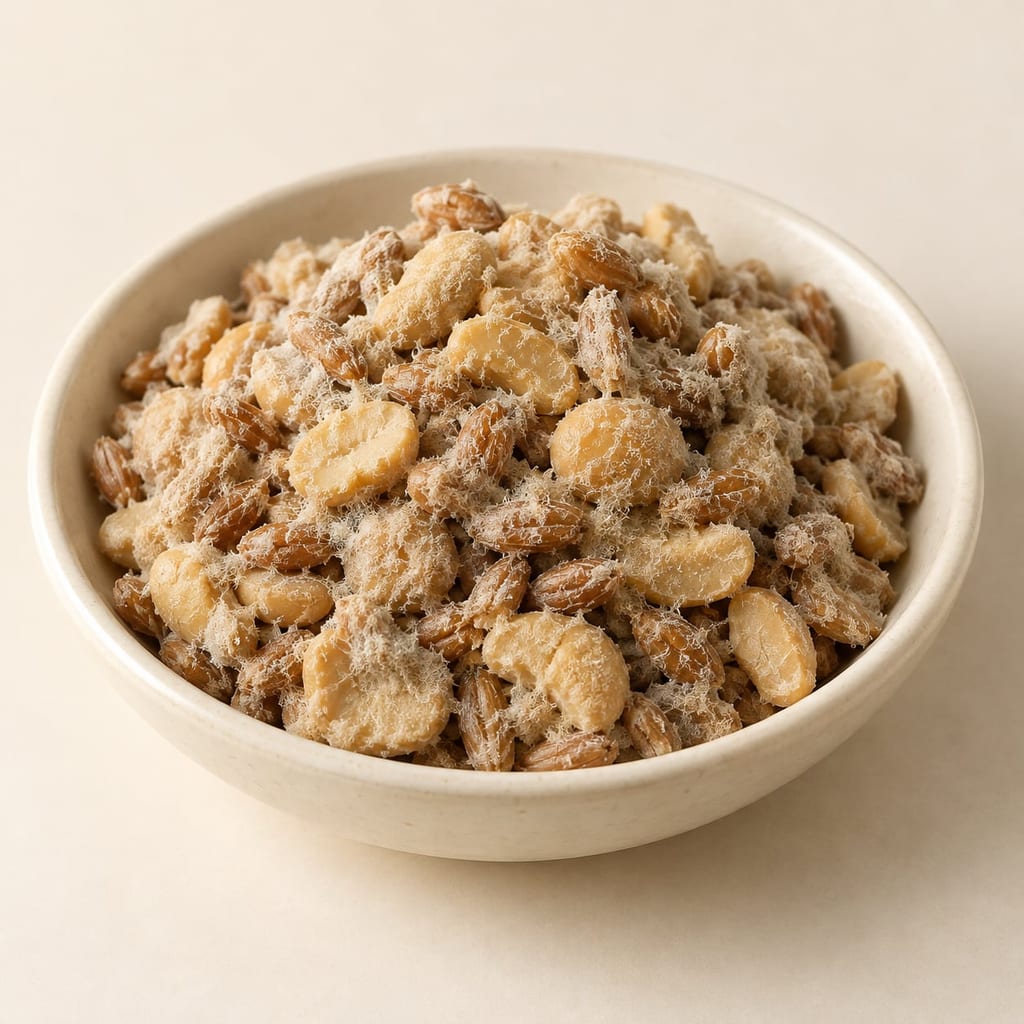
Aspergillus sojae is a koji mould of the Aspergillus flavus group, closely related to A. oryzae, used as a starter in soybean fermentations such as Korean meju, doenjang and ganjang.
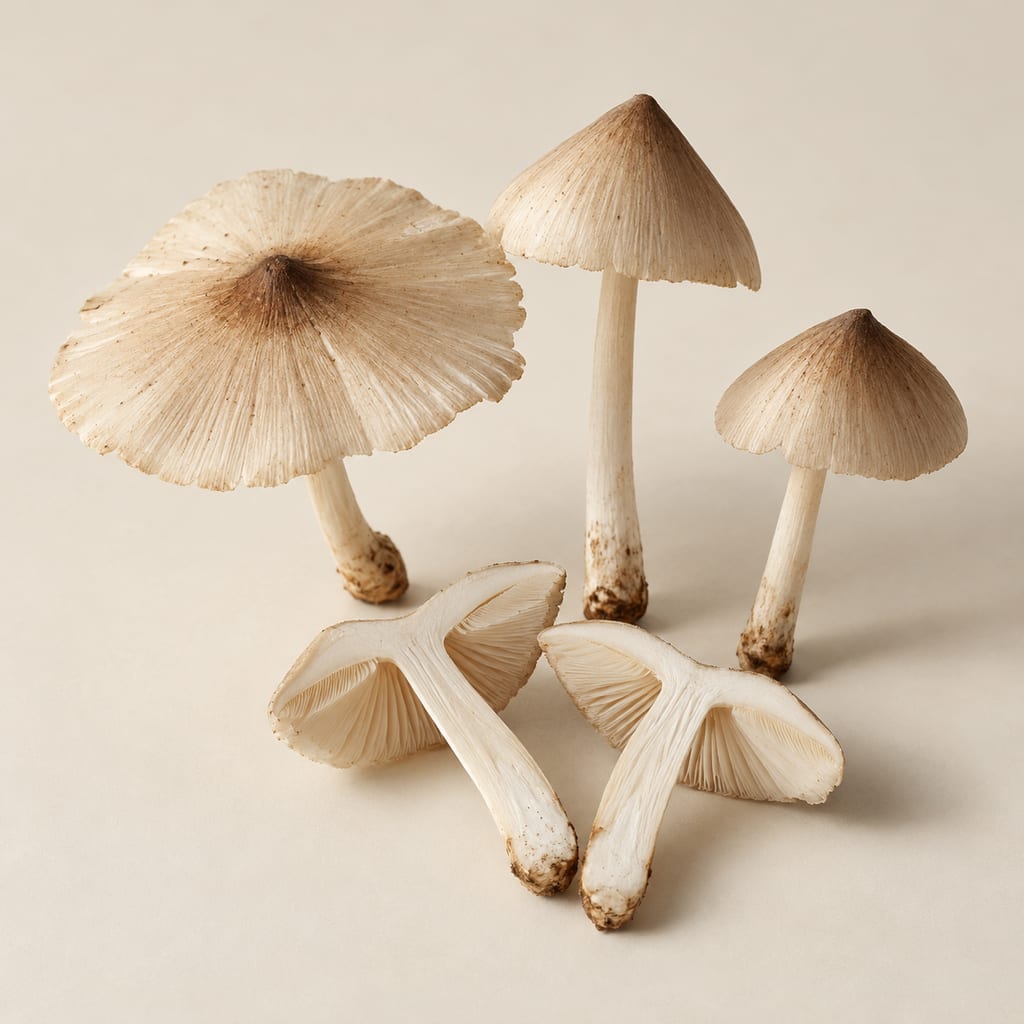
A wild mushroom of humid tropical forests that grows from the fungus combs of fungus-growing termites, recorded as a food in parts of Central and West Africa and in Yunnan, China.
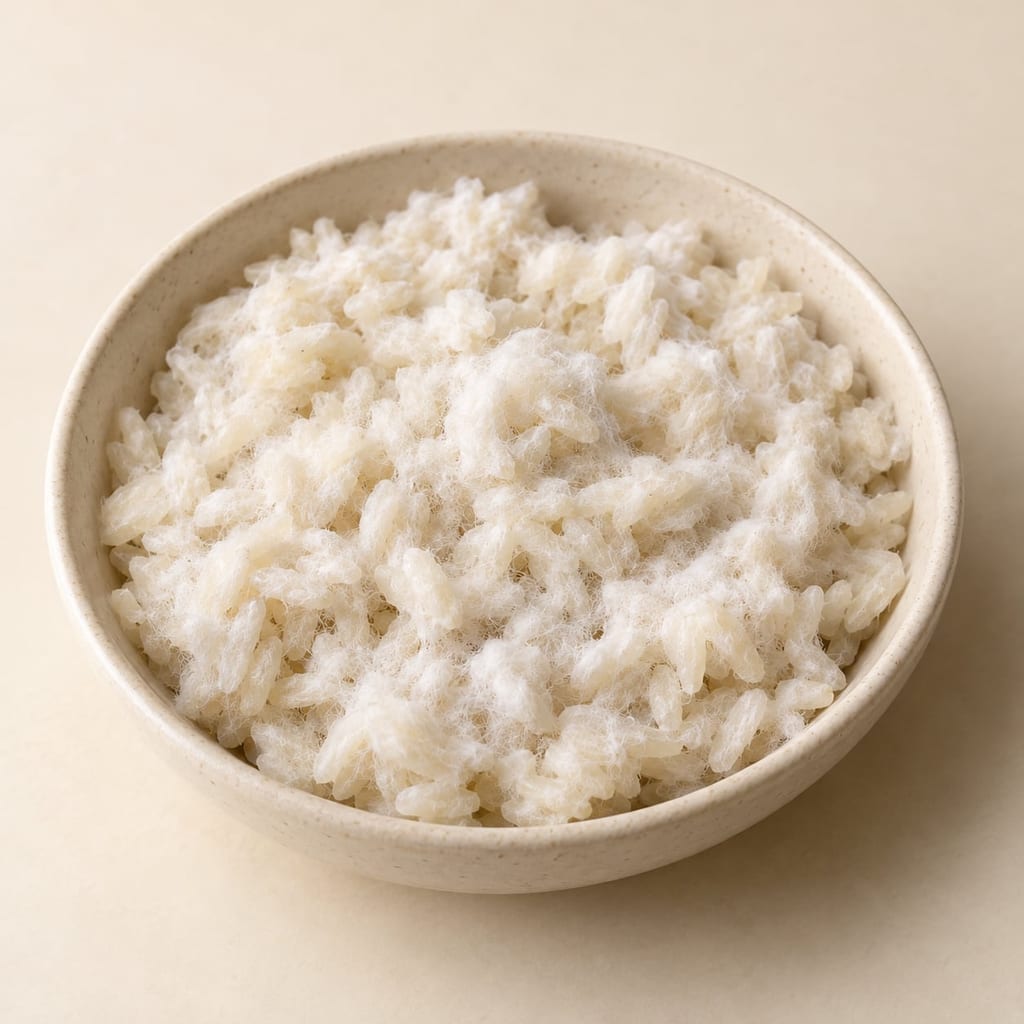
Aspergillus oryzae is the koji mould, a domesticated filamentous fungus grown on steamed grain or soybeans to make the enzyme-rich starter behind sake, soy sauce, miso and shochu.