


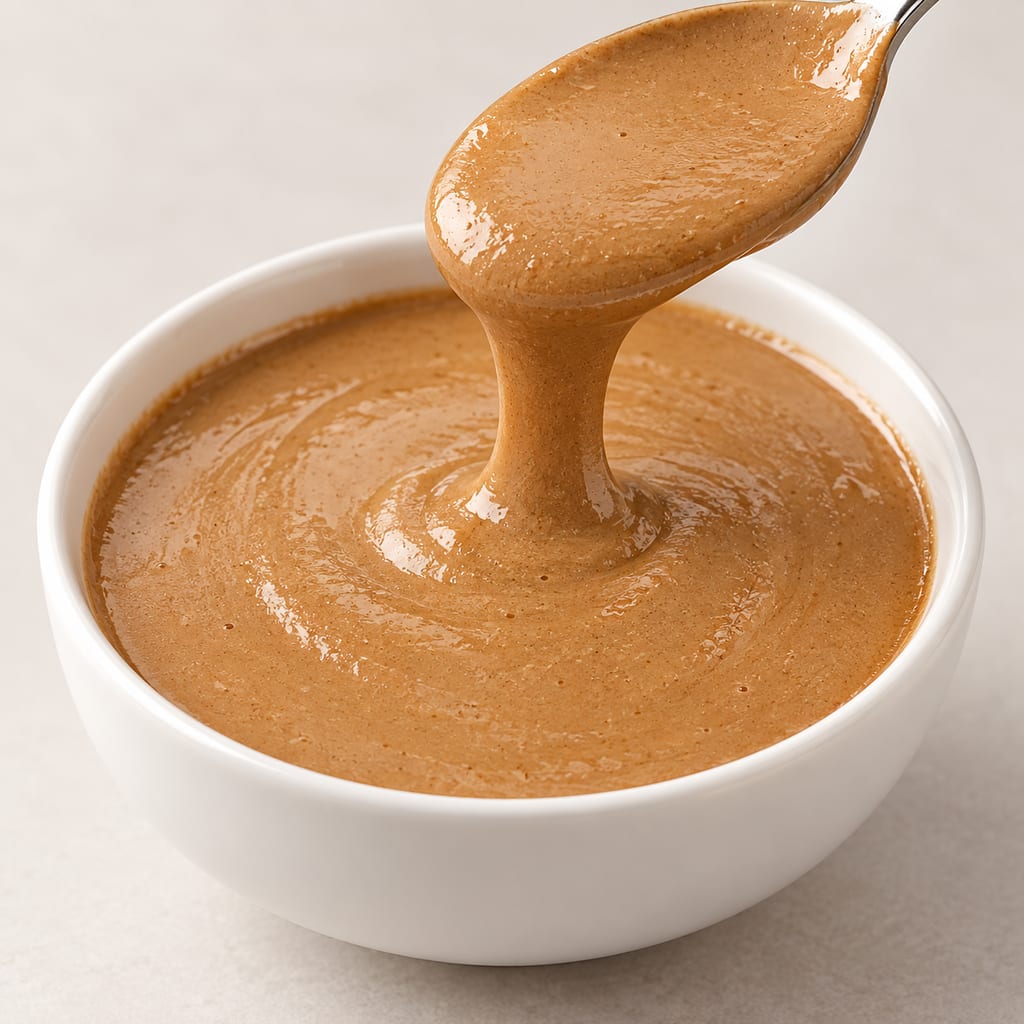
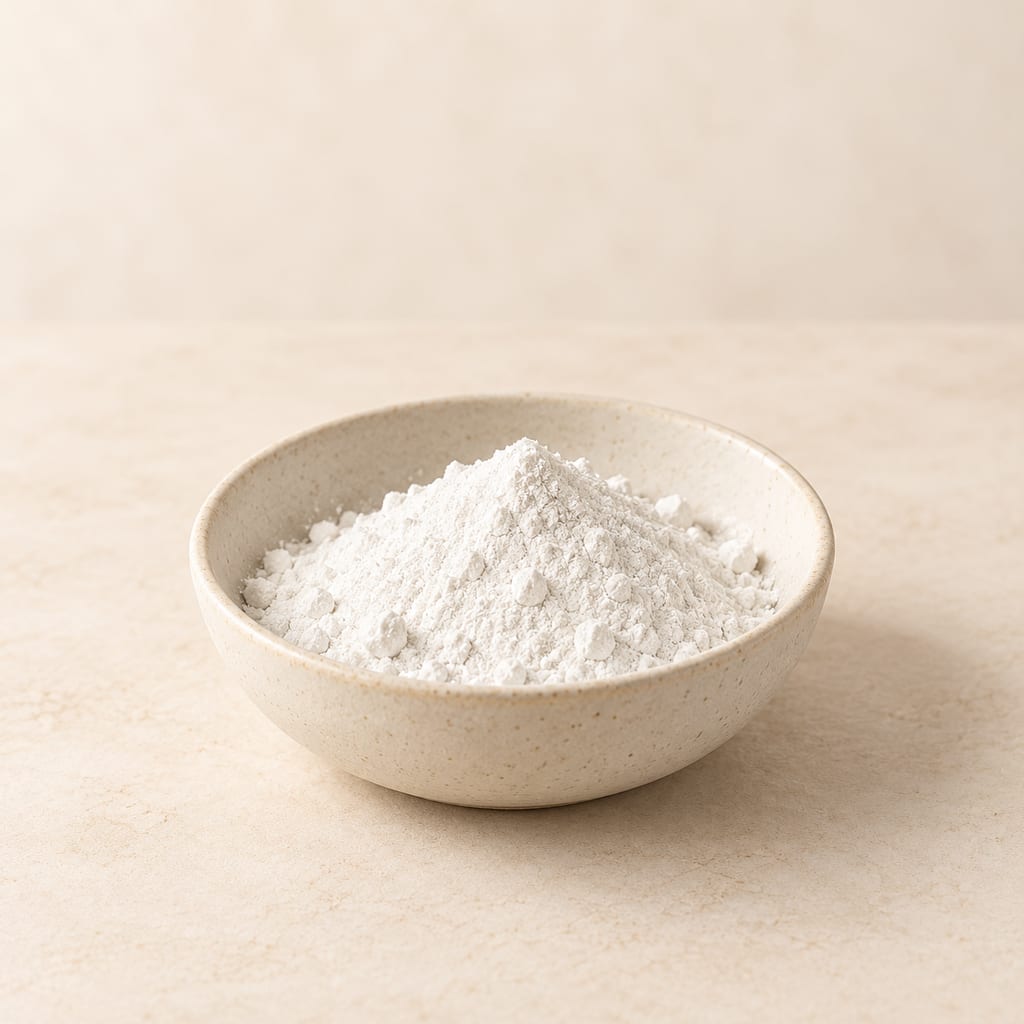
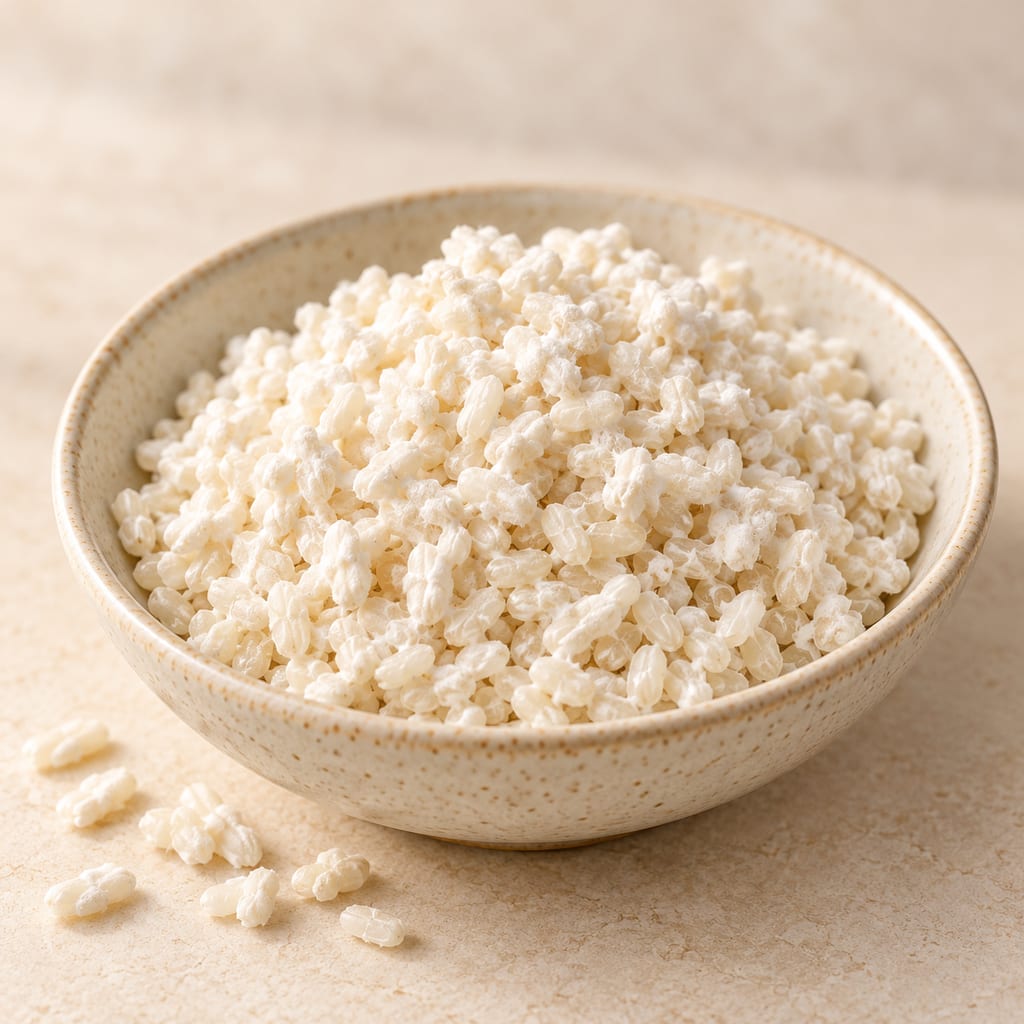
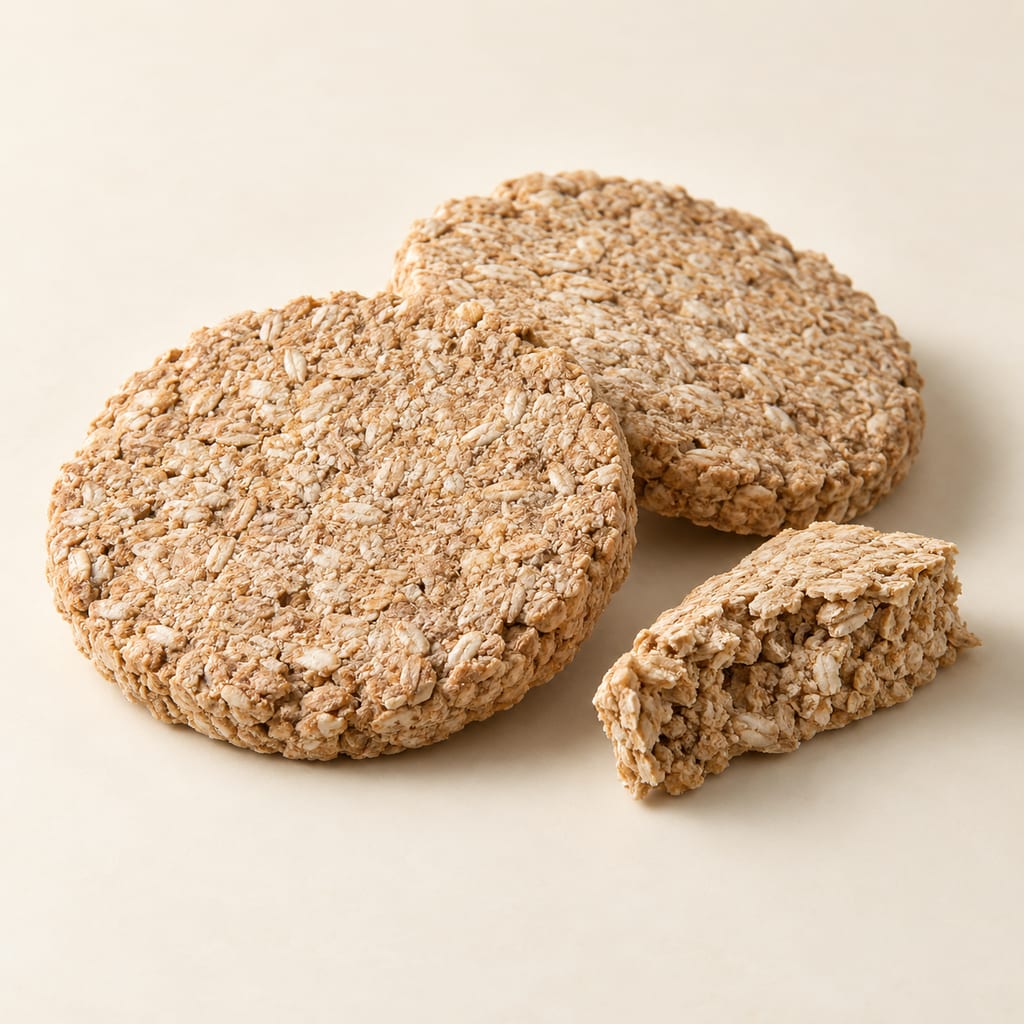
Korean nuruk
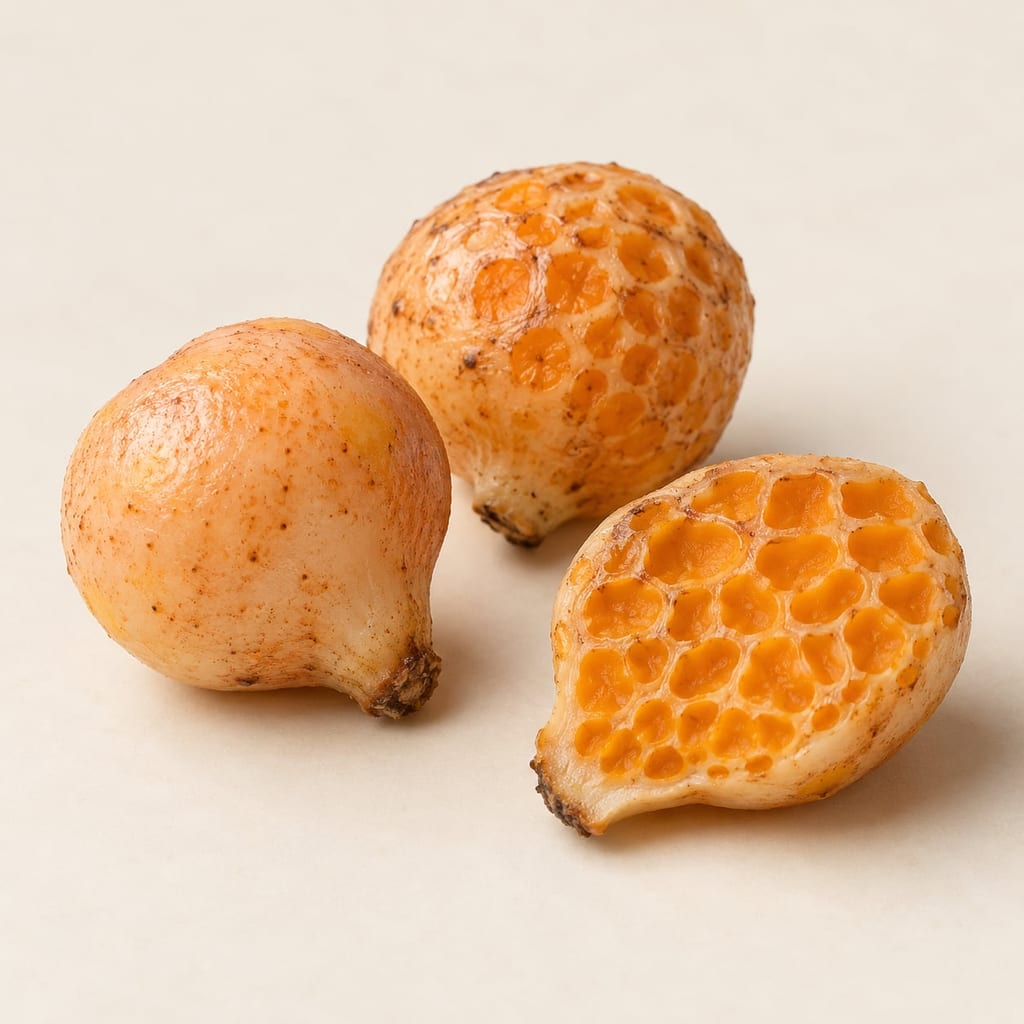
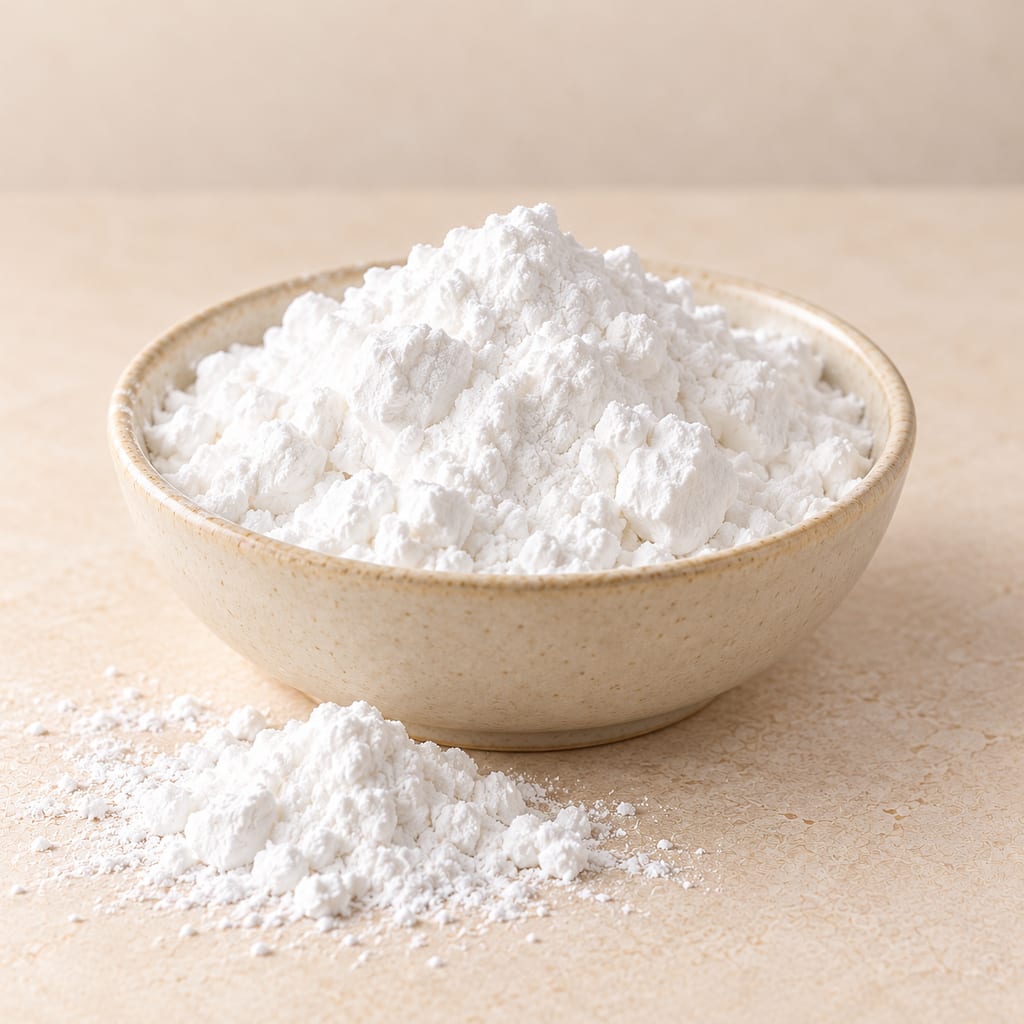
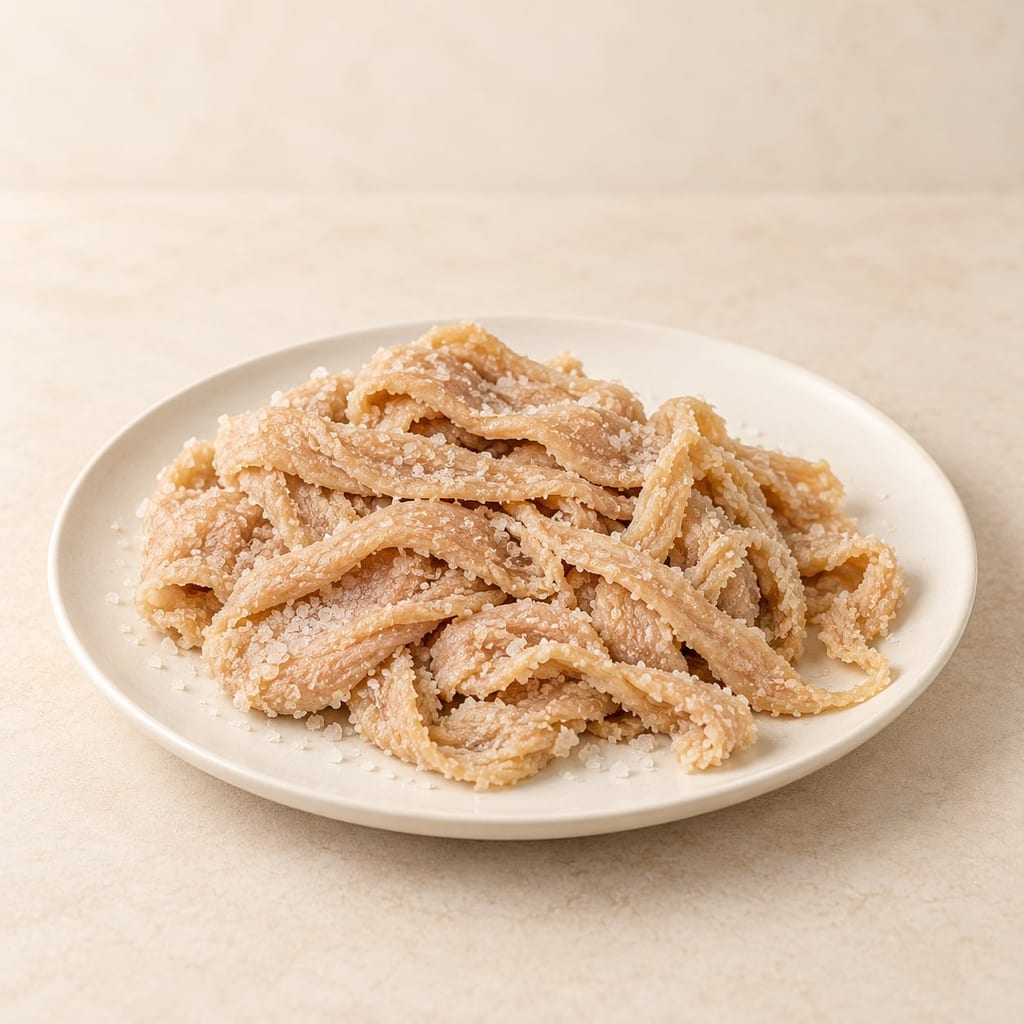
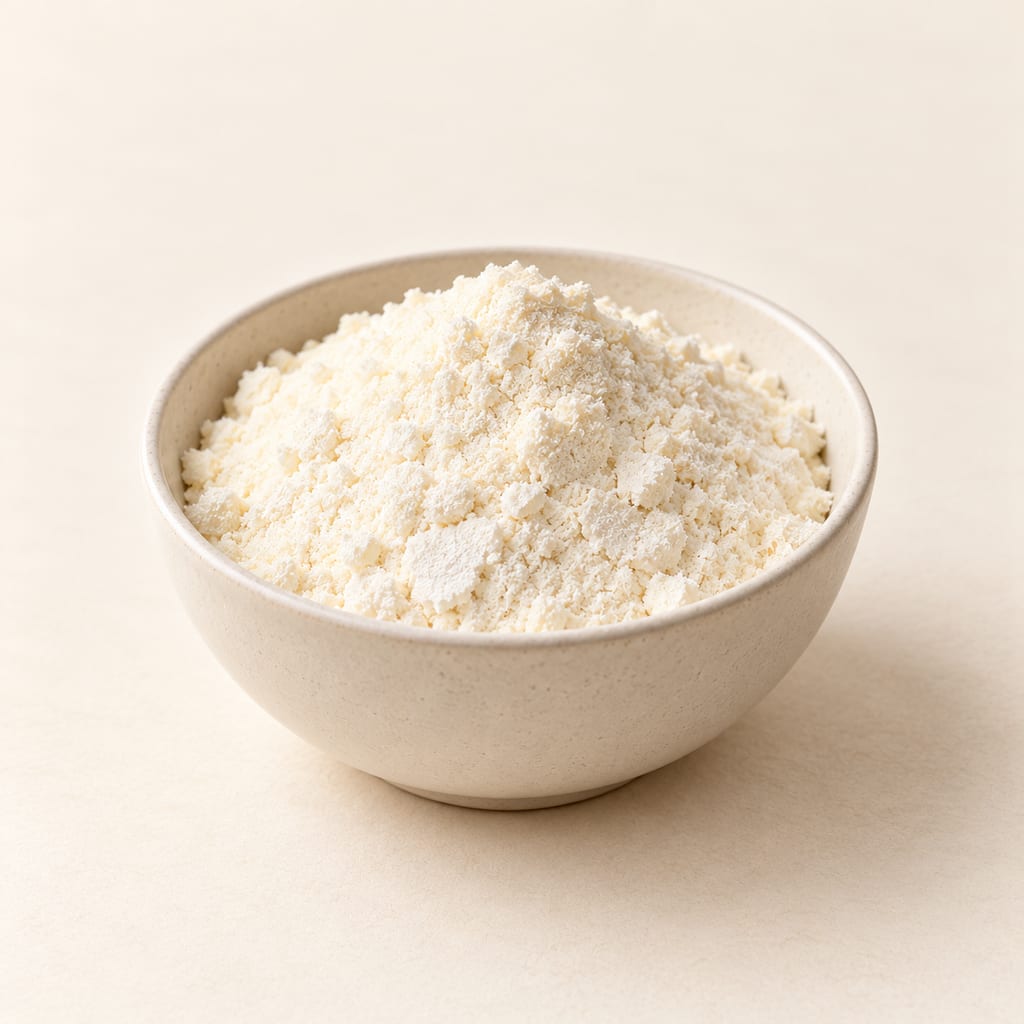
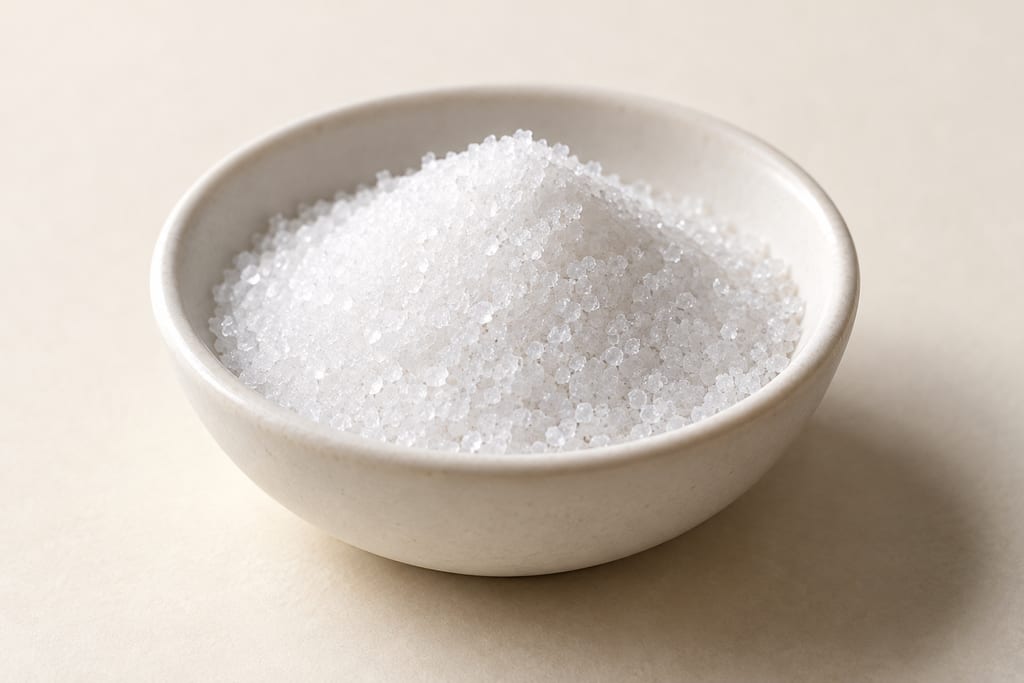
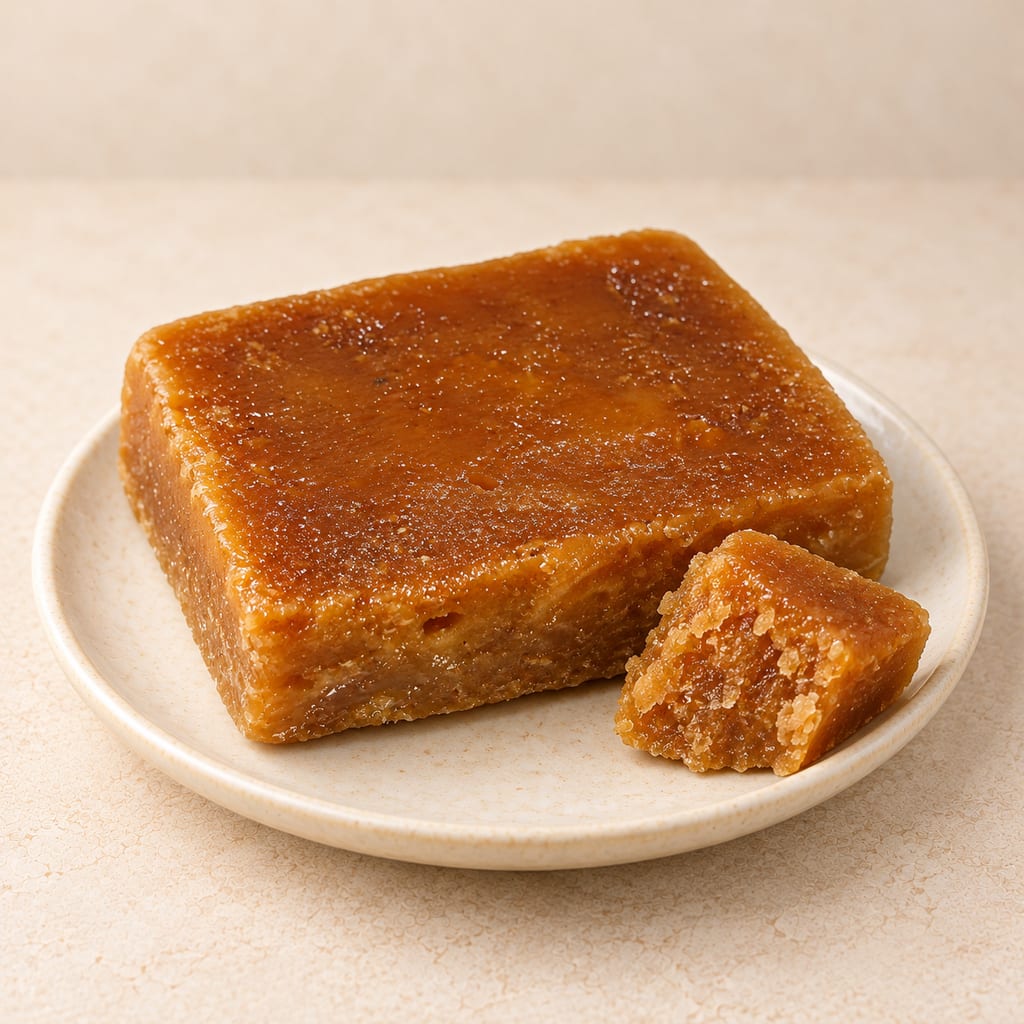
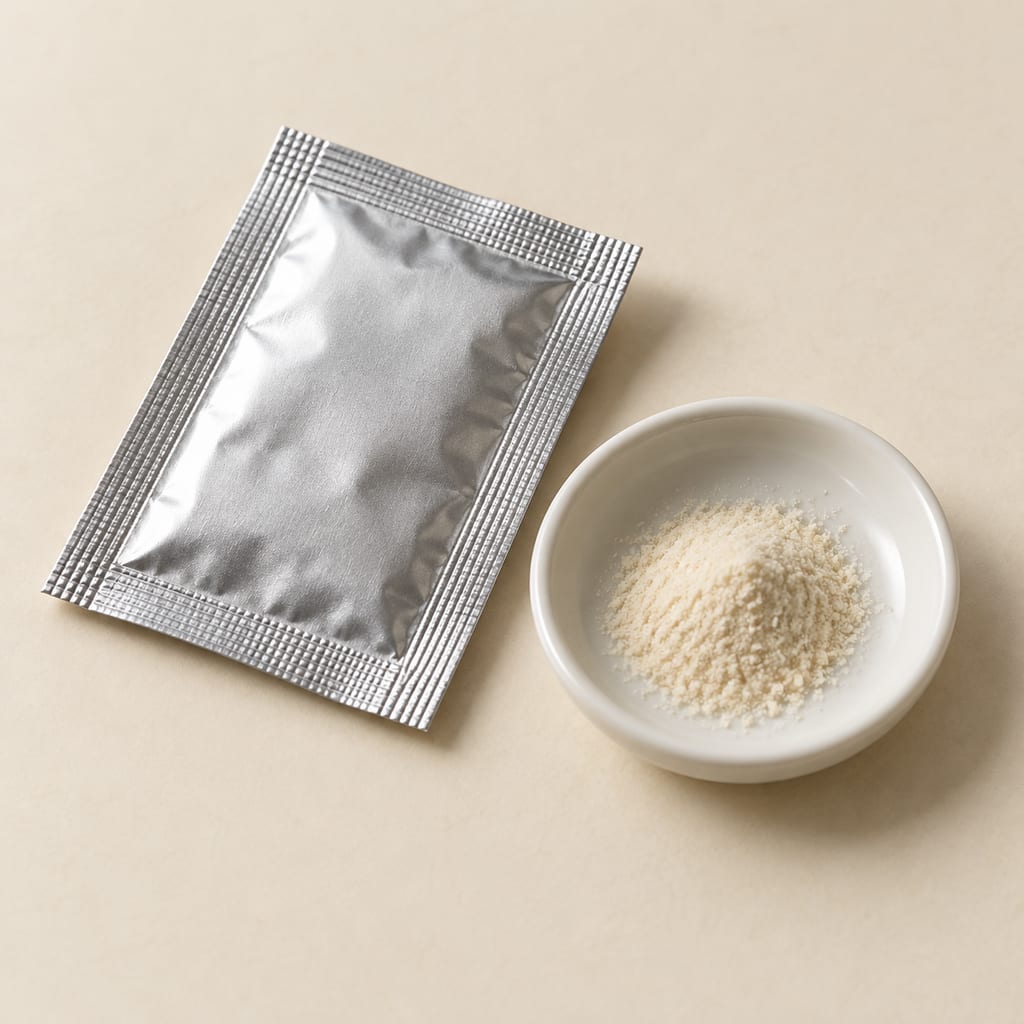
Korean nuruk is a grain-based starter used to ferment traditional Korean alcoholic drinks. Its microbial communities vary among samples, so the name does not specify one organism or standardized culture.
 FermenteaWhere food goes to change
1086 articles on substrates, cultures and additives.
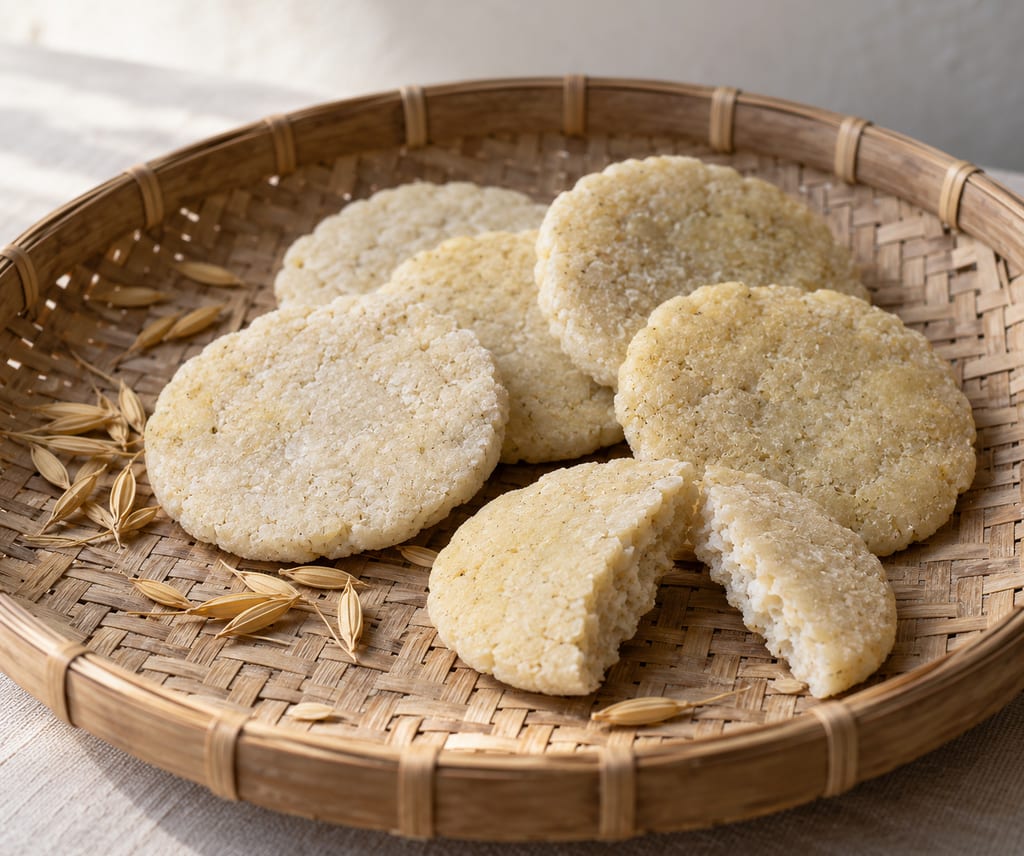 Koji and amylolytic starters33
 Yeasts19
 Dairy starter cultures15
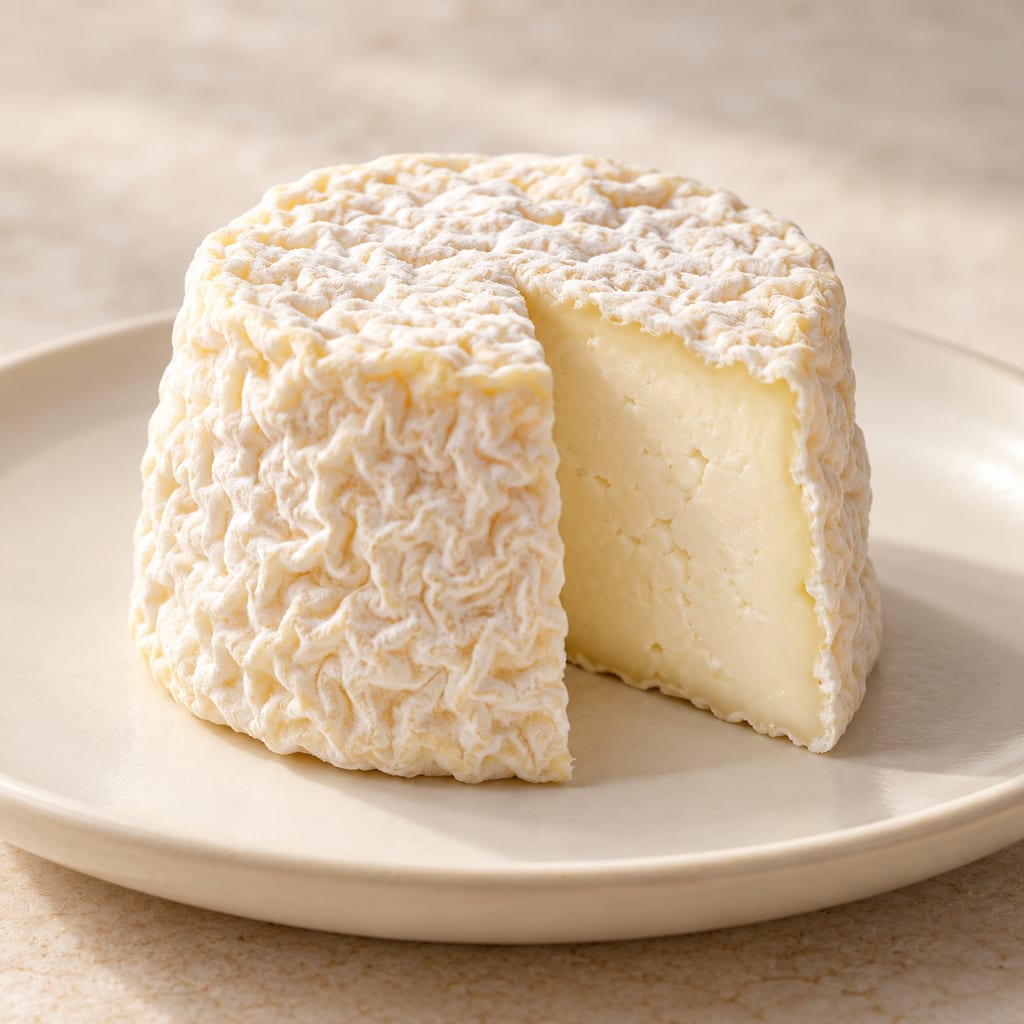 Ripening moulds and yeasts11
 Meat starter cultures8
 SCOBYs and grain cultures6
 Back-slopped and retained starters5
 Leavens and sourdough starters3
 Lactic cultures2Legume mould starters1
Korean nuruk is a grain-based starter used to ferment traditional Korean alcoholic drinks. Its microbial communities vary among samples, so the name does not specify one organism or standardized culture.
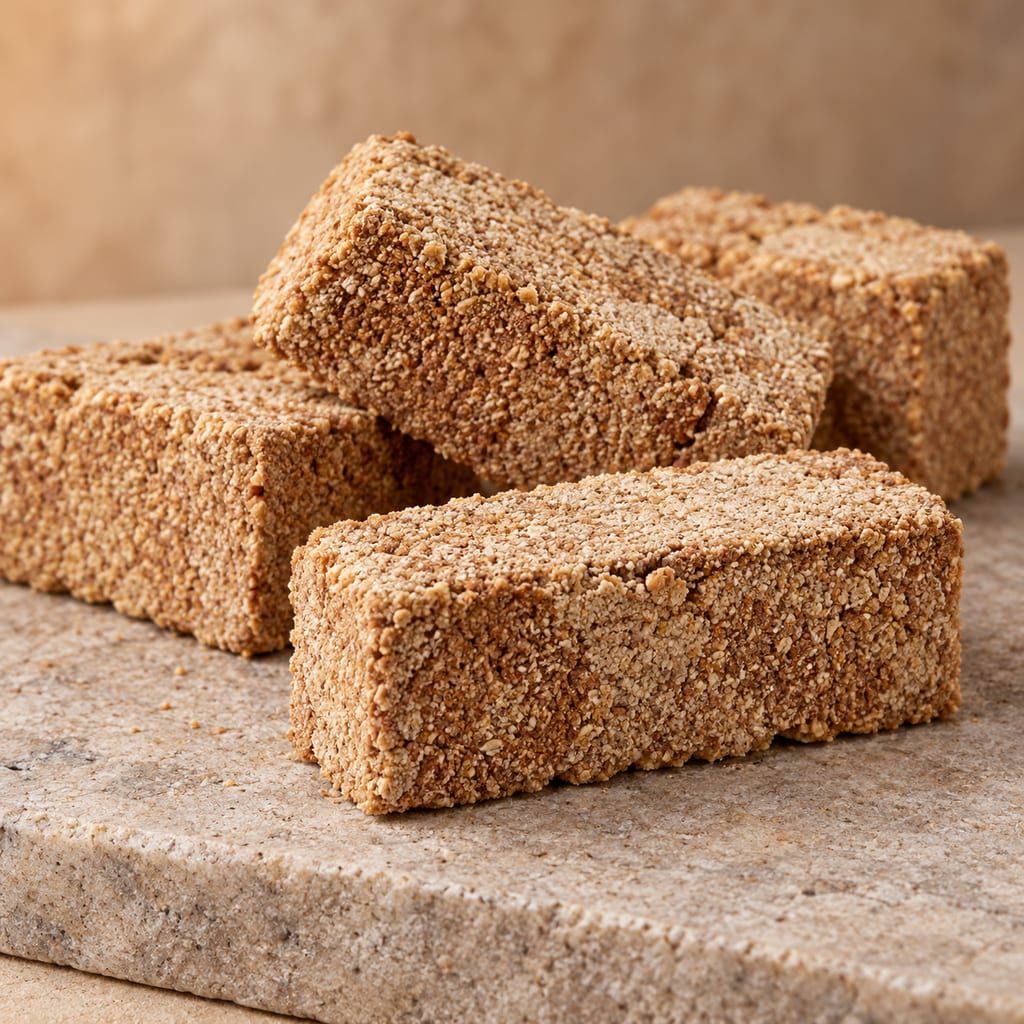
Maiqu (麦曲, wheat qu) is a wheat-based enzyme starter used in Chinese huangjiu such as Shaoxing wine; it is a starter category, not one defined strain.
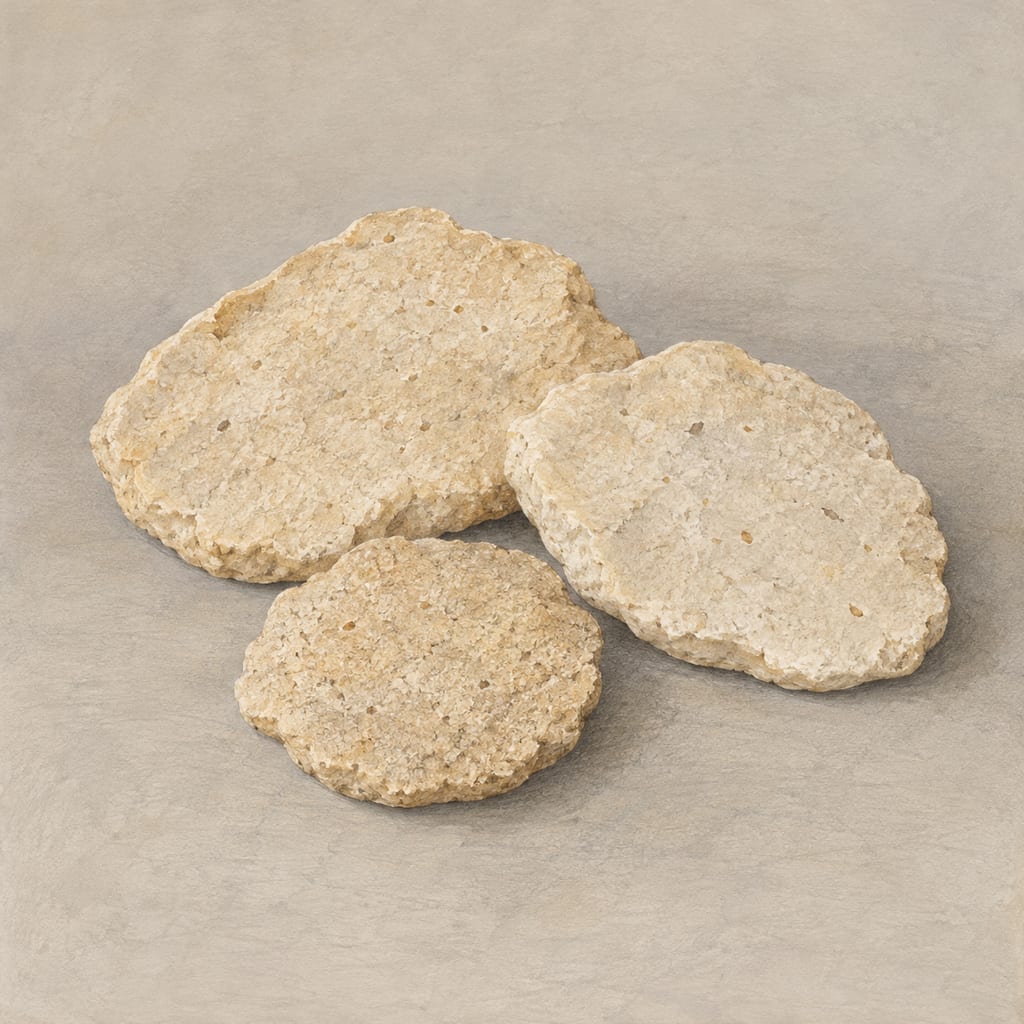
Chowan is a dried cereal starter associated with Tripura. Published accounts differ on its local names, and microbial findings come from sampled cakes; no single origin, method or culture is established.
Thiat is a dried mixed starter used for alcoholic beverages in Meghalaya. Field accounts differ and laboratory studies describe particular samples; none gives a universal recipe or validated household method.
Fuqu (鹸曲, bran qu) is a bran-based starter format used in Chinese liquor production; it is a production format, not one fixed species or formula.
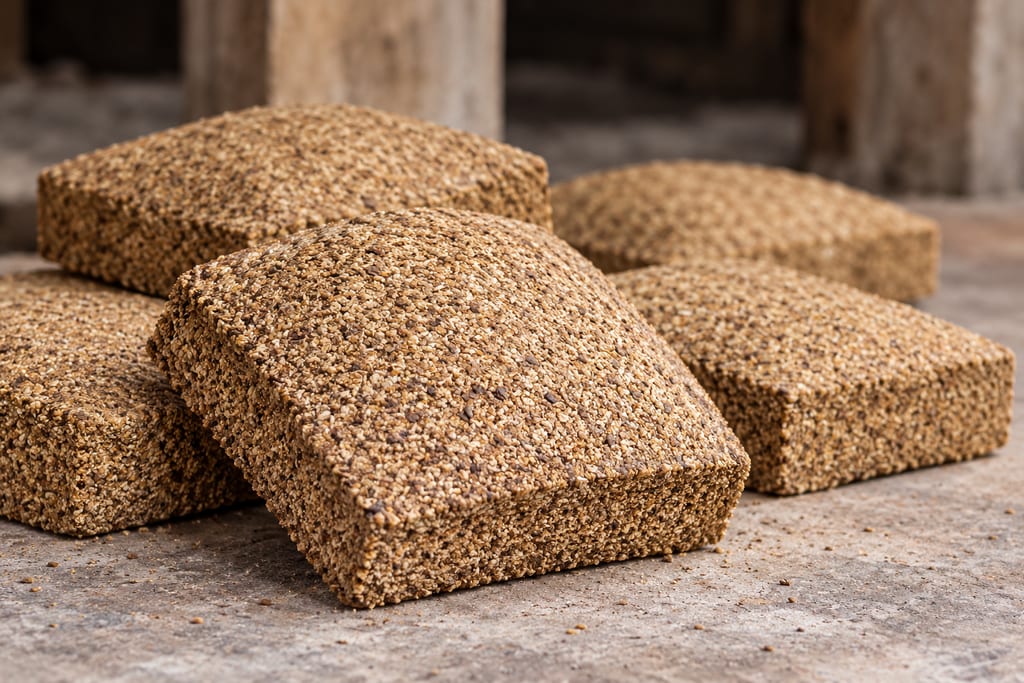
High-temperature daqu is a formed, mixed-community grain starter used for sauce-aroma (Maotai-flavor) baijiu, made by a separate heat-driven process and sold or kept as dry bricks.
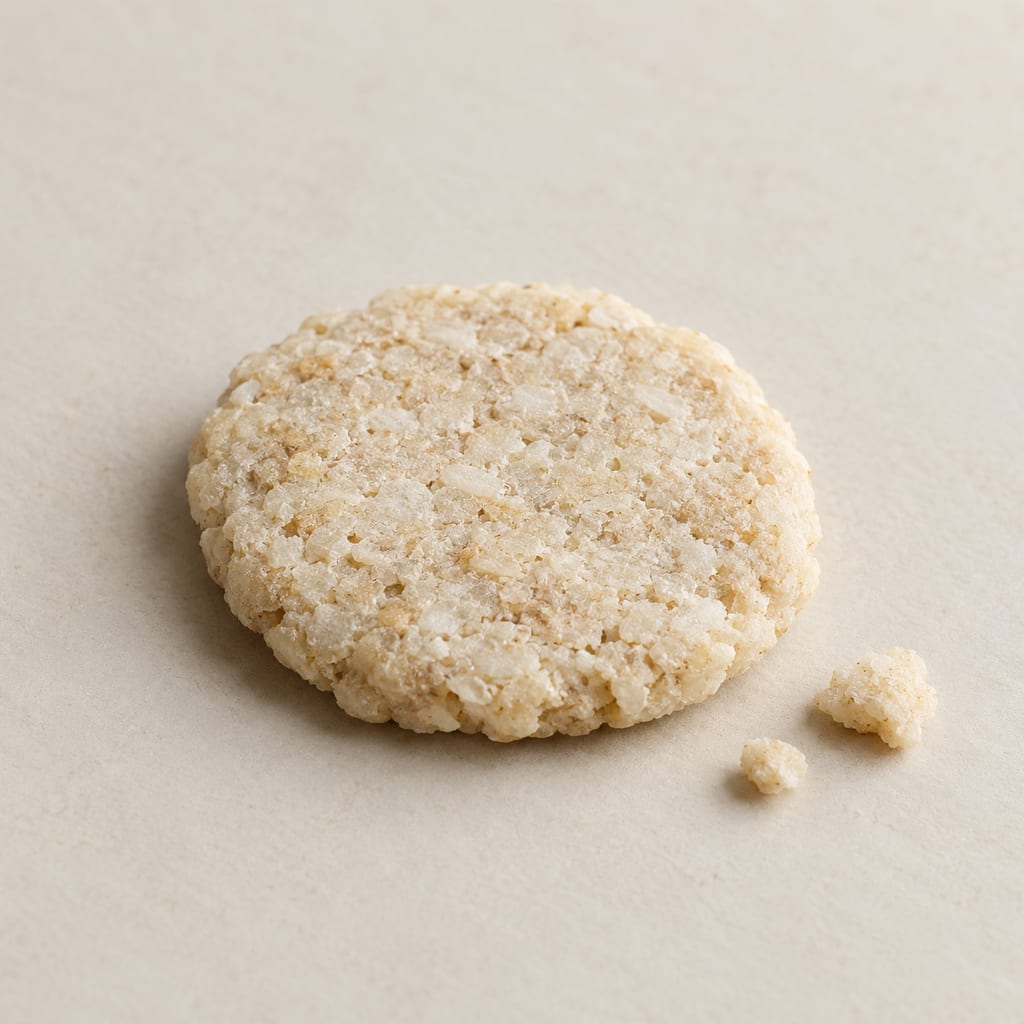
Humao is a sun-dried cereal starter of the Dimasa in Assam, used for Judima rice beer. Accounts of its making are single-household reports and microbial studies describe single sample sets, not a standard.
Kveik is a name for traditional Norwegian farm-brewing yeast cultures, especially associated with western Norway. It refers to locally maintained cultures rather than one uniform strain or starter product.
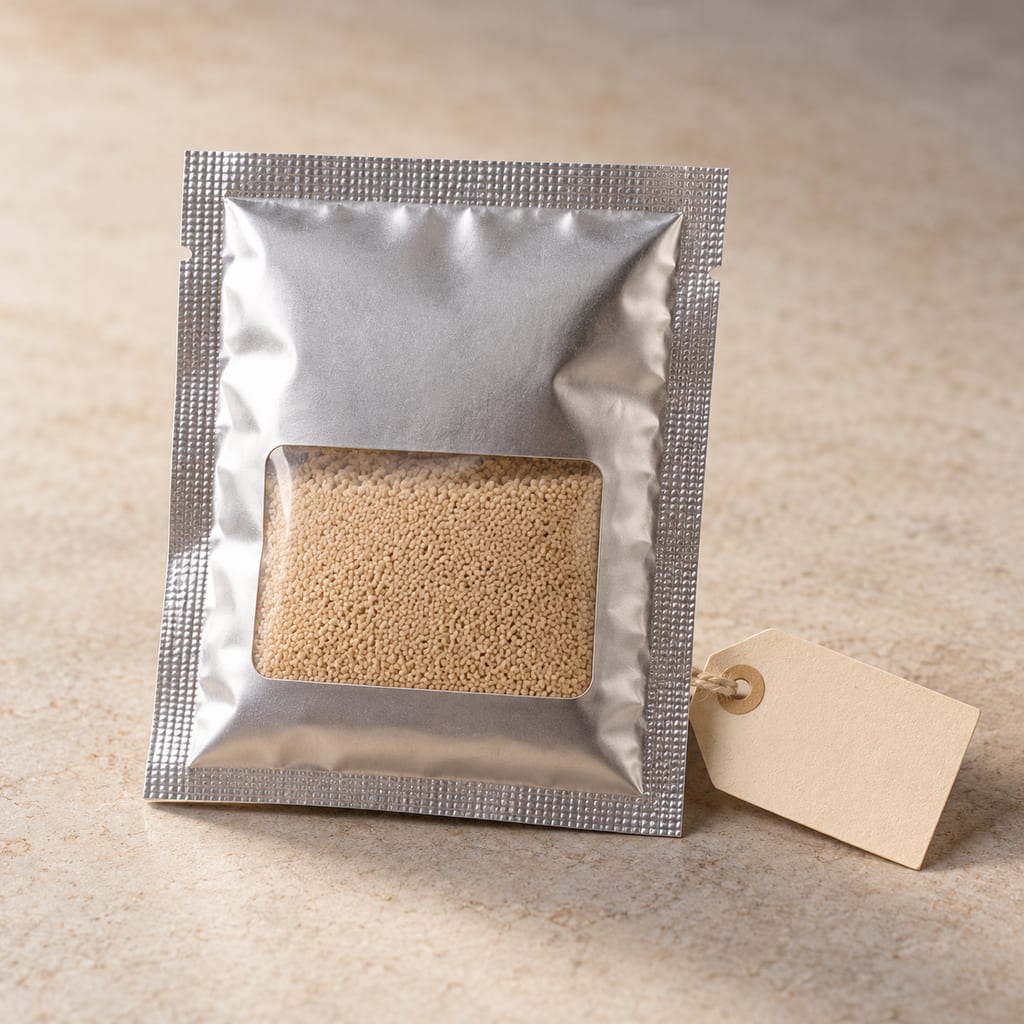
Lager yeast is the bottom-fermenting brewing yeast Saccharomyces pastorianus, a hybrid of S. cerevisiae and S. eubayanus, sold and kept as named strains that are not interchangeable.
Hamei is a Manipur rice-cake starter used for Atingba. Accounts of how the cakes are made differ, and microbial studies describe particular samples; none defines a universal formula or safety standard.
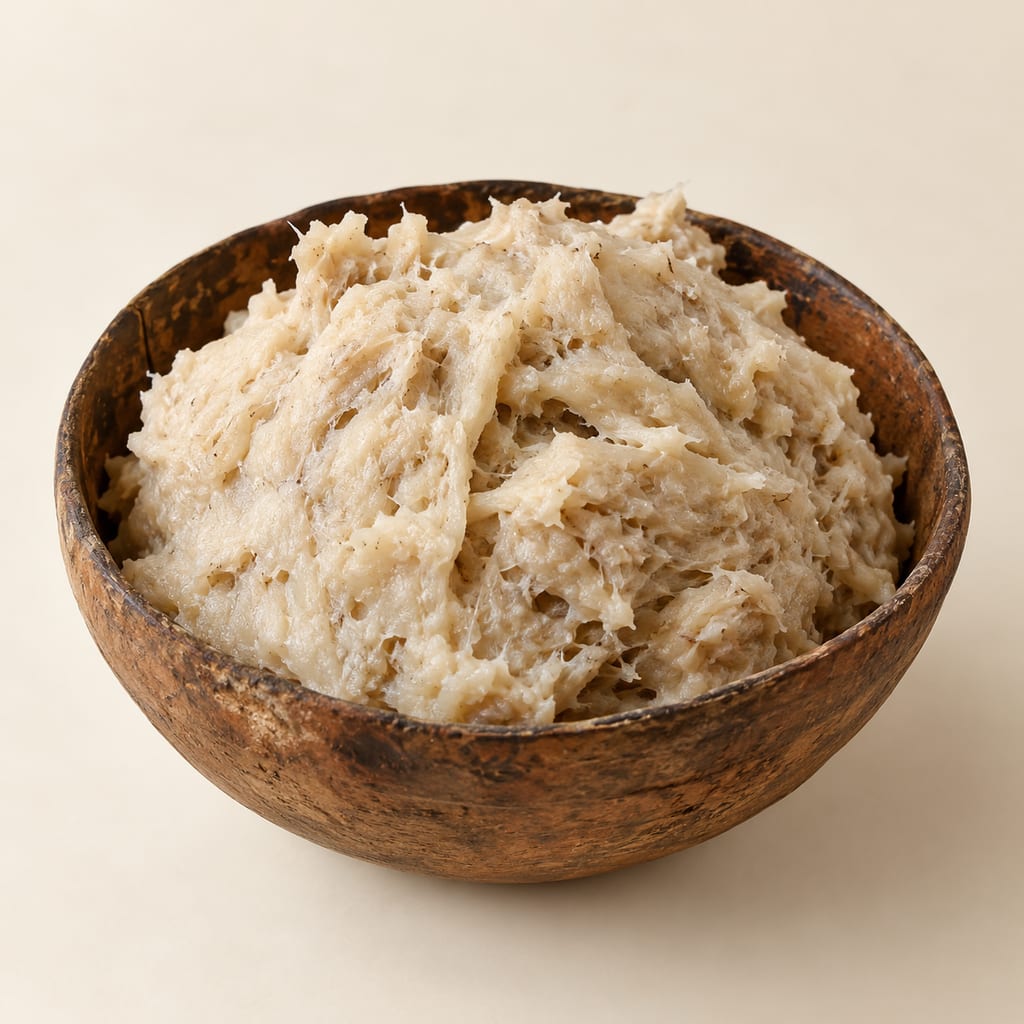
Gamma and gamancho are the names of the enset starter carried from one batch of kocho to the next in southern Ethiopia, made from enset material and dominated by lactic acid bacteria.
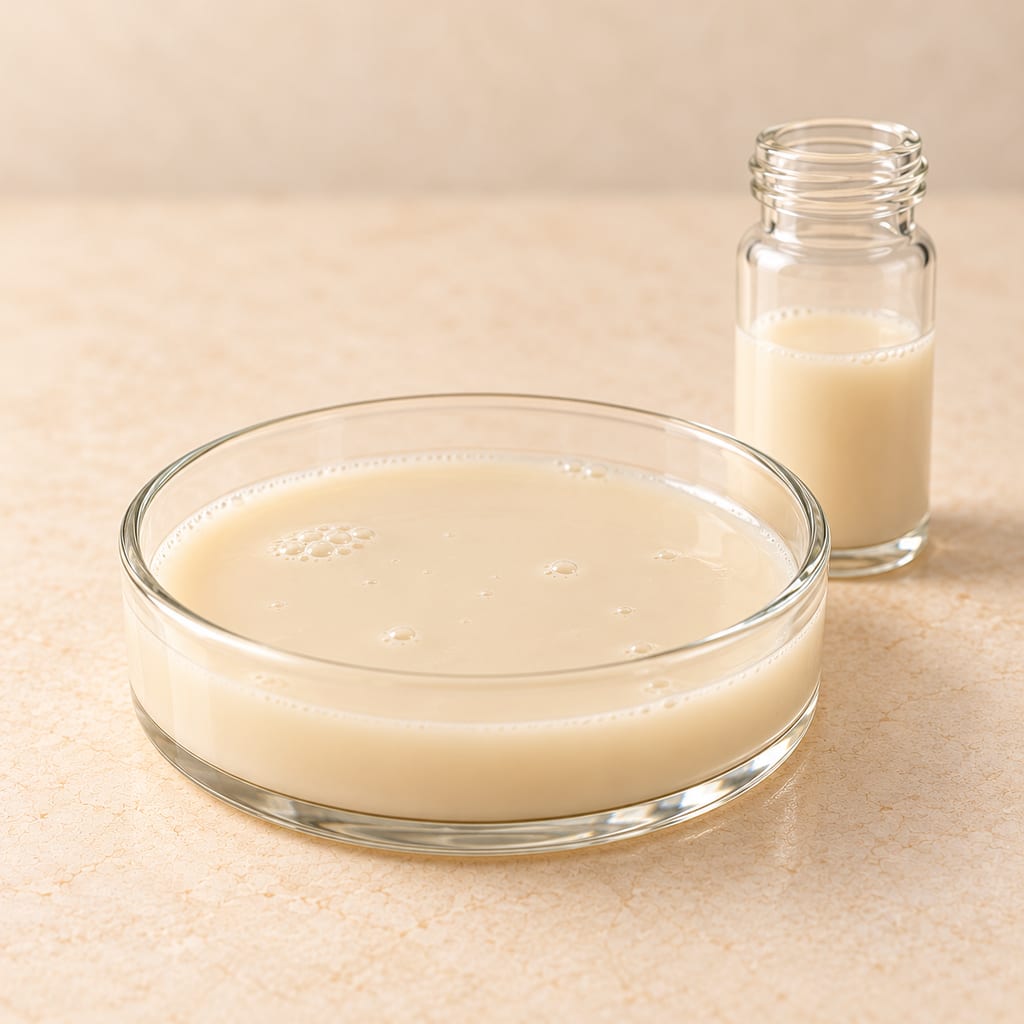
Brewer’s yeast is a working name for living cultures selected for brewing, not one strain or always one species. Ale and lager cultures differ, and older household books may use the term for foam or sediment from brewery beer.
Pingo is a whey-derived natural starter used in some Minas Gerais artisanal cheese traditions, collected as whey drains from salted, moulded cheese and used to inoculate a later batch.
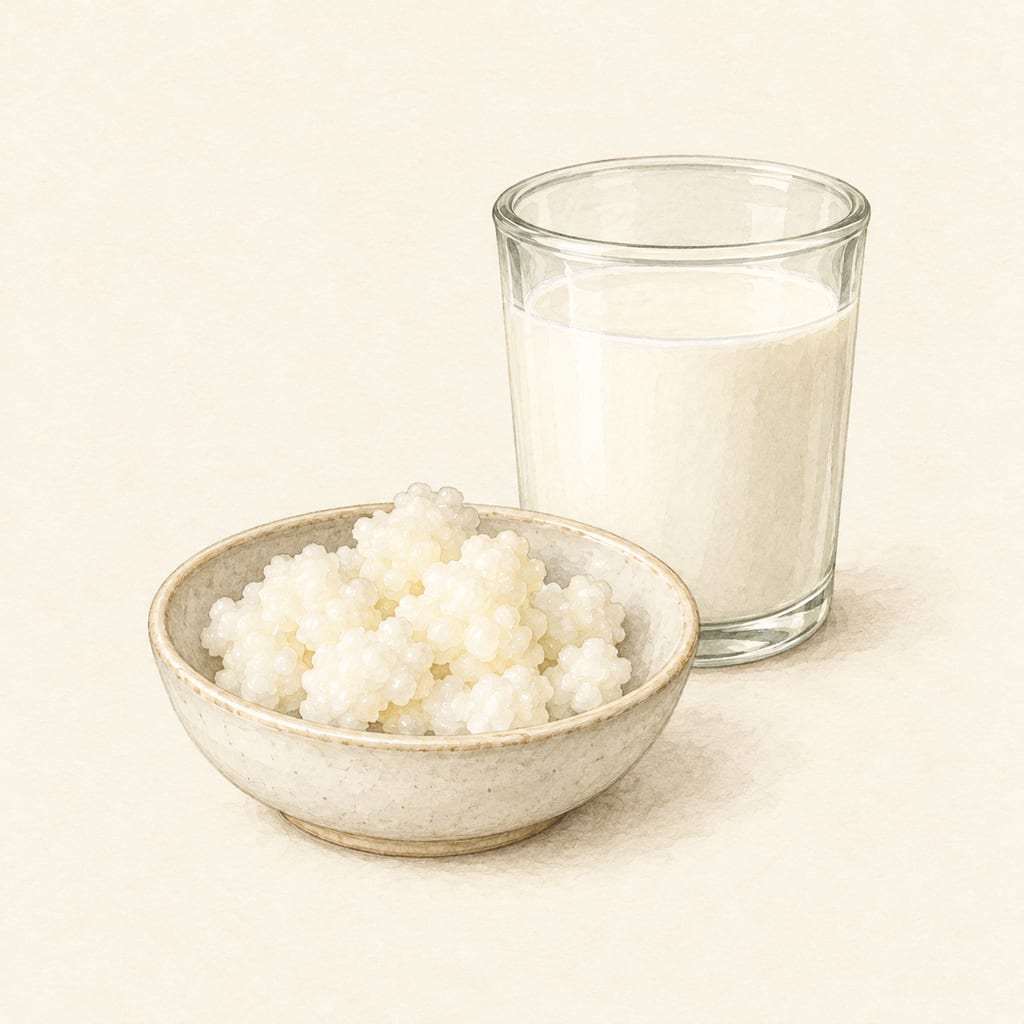
Milk kefir grains are a reusable mixed culture that ferments milk. The grains are a living bacterial and yeast community held in a polysaccharide matrix, distinct from cereal grains and water-kefir cultures.
A shaped, inoculated white-rice-flour starter prepared by Han and colleagues for a 2021 yakju comparison; the commercial baekguk strain was not identified.
A named fungal ripening culture in the cream-enriched Brie method. Geotrichum participates in the changing chemistry and community of the cheese surface.
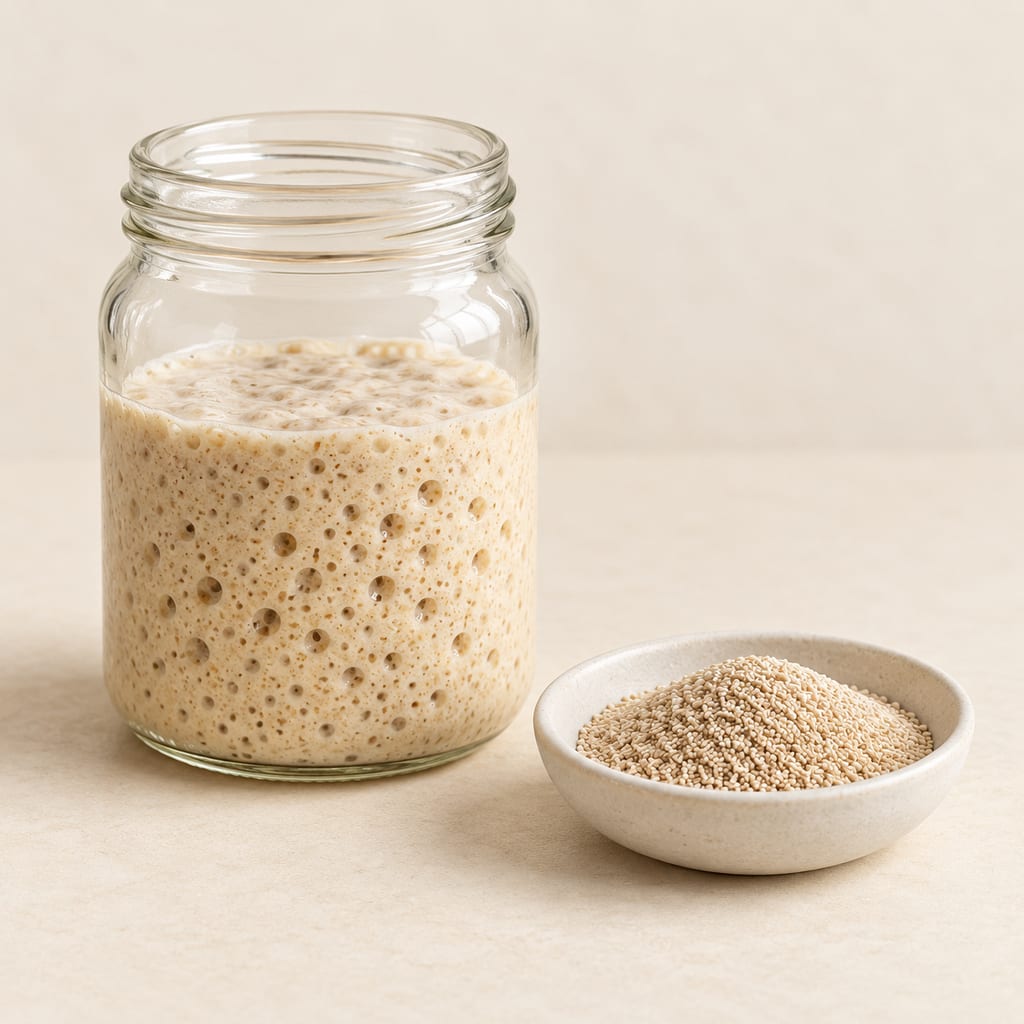
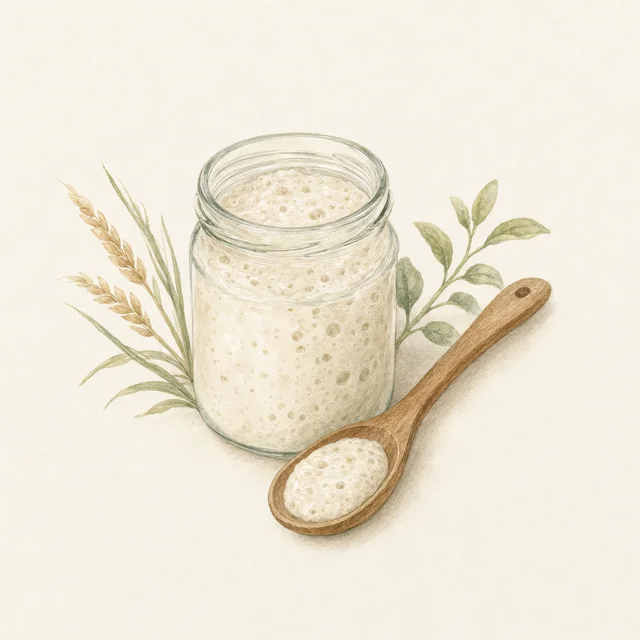
Sourdough starter is a maintained flour-and-water community of yeasts and bacteria. Commercial baker’s yeast is a separate cultured leavener, used alone or with starter in hybrid dough.
A named liquid Saccharomyces cerevisiae culture used for restrained, malt- and hop-forward ale fermentation; its living cells and package format require product-specific handling.
A selected fungal culture for white, bloomy cheese rinds. Its growth and enzymes help change the acidity, texture and aroma of soft-ripened cheese.
MM100 is a concentrated mesophilic dairy starter. Its selected lactococcal blend acidifies milk and contributes to the aromatic character of several cheese and cultured-cream makes.
Mesophilic dairy starters are live bacterial cultures selected to acidify milk at moderate temperatures. Their organisms, aroma production, strength and handling vary by product.
WLP300 is a commercial brewing yeast culture selected for German-style wheat beer, with banana-like ester and clove-like phenolic character. Its performance depends on the wort, culture condition and fermentation process.
A living starter for warm milk fermentation, supplied as a concentrated culture or maintained in milk. Yoghurt cultures also have documented cheese applications.

Awamori yeast ferments sugar released from rice koji in the Okinawan spirit’s mash. Sakimoto names the ingredient but gives no strain, form, supplier or dose.
A commercial freeze-dried dairy culture for Kashkaval, made in Bulgaria according to its supplier. Its powder includes skim milk material; the published organism list needs clarification of one name.
A purchased mixed meat starter associated with mild acidification and flavour and colour development. Chr. Hansen documents Pediococcus pentosaceus and Staphylococcus xylosus; the recipe packet’s strains and lot are unreported.
SM-194 is a freeze-dried, five-species culture for fermented sausage; its manufacturer and the linked Genoa-style recipe give different addition directions.
A selected fungal culture for blue cheese. Growth in air spaces and enzymes acting on casein and fat help develop the marbled paste and characteristic aroma.
Nottingham is a selected dry Saccharomyces cerevisiae culture for English-style ales, also documented in cider recipes and research. Its brewing profile does not predict a cider’s sweetness or fermentation schedule.
MOLD-800 is a freeze-dried blend of two Penicillium species applied to the outside of dry sausage to establish a pale surface bloom.
MA4002 is a mixed dairy starter with mesophilic predominance. In the linked Spanish-style blue cheese it acidifies milk separately from rennet and blue mold; the manufacturer names four bacterial components and a milk-derived nutrient.
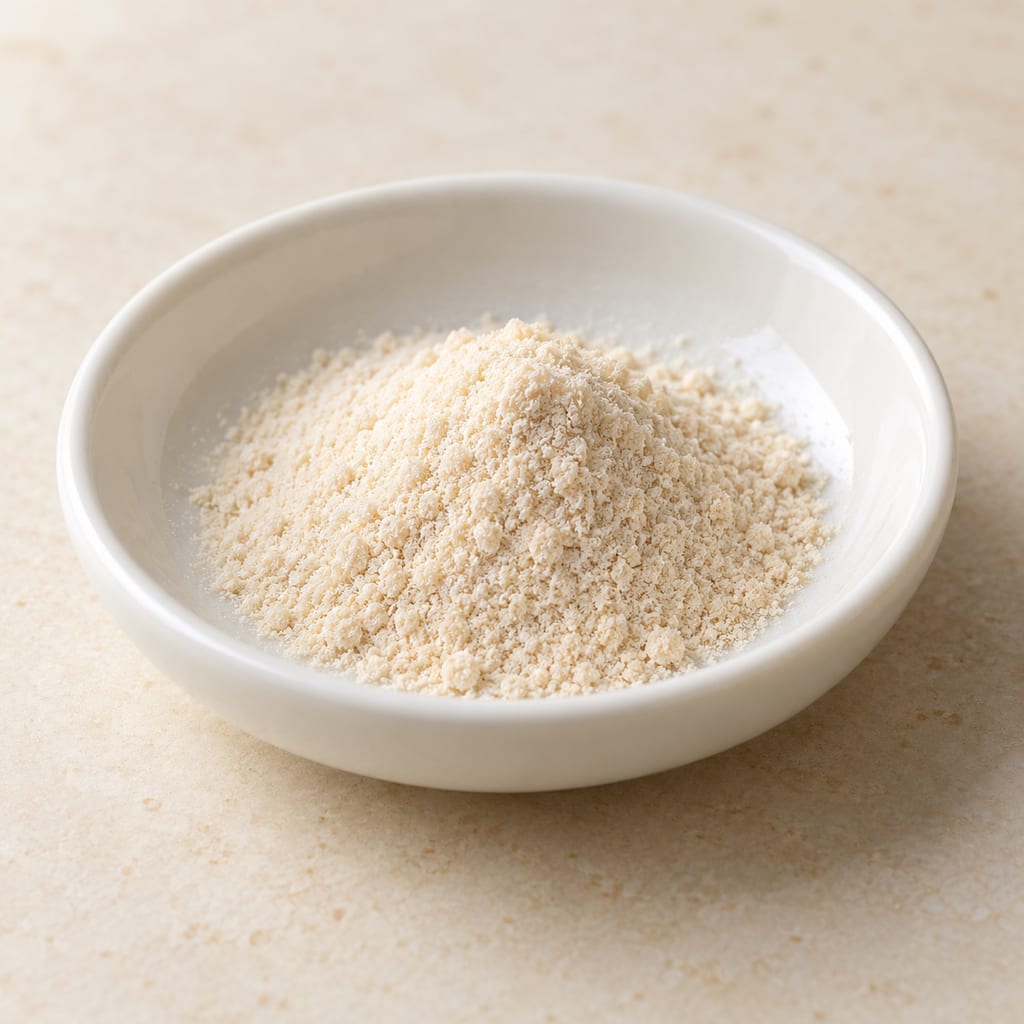
A purchased meat starter named in a contemporary Sai Krok Issan recipe. Chr. Hansen documents Bactoferm LHP-DRY US as a dried Pediococcus blend for rapid acidification; the recipe does not identify a lot or strain.
An active dry wine yeast selected in Narbonne, France, with documented partial malic-acid consumption and producer-described fruity ester production. Its effects depend on the must and fermentation.
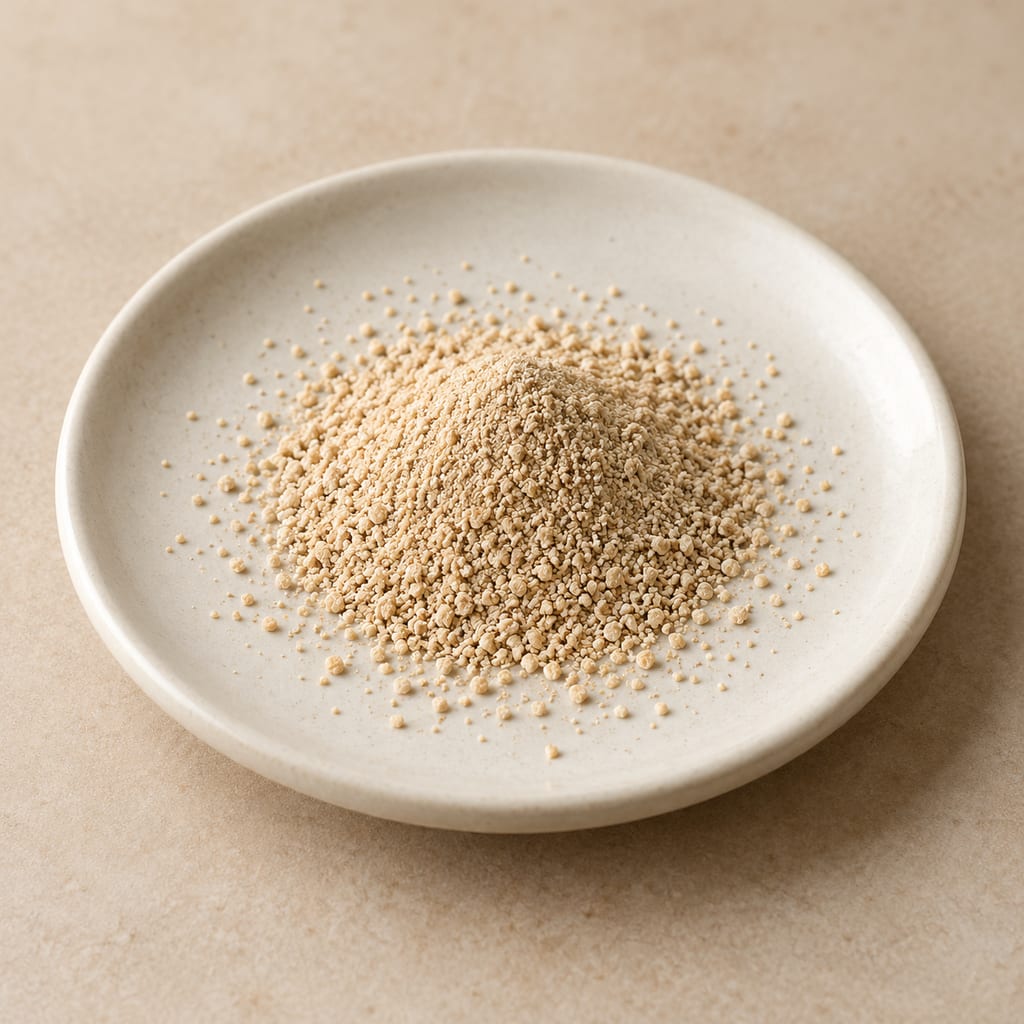
Lallemand Abbaye is a dried Saccharomyces cerevisiae brewing culture for fruity, spicy Belgian-style ales. Its published Belgian-origin claim does not identify a monastery or donor brewery.
An unspecified dairy starter supplies lactic acid bacteria to guide milk acidification. The documented Beyaz peynir method names no organism, commercial blend or physical form.
Koumiss starter is a retained previous-batch liquid or bulk dairy culture used to inoculate fresh milk. Its bacteria, yeasts and activity depend on the culture and production method.
An unspecified dairy starter for moderate-temperature acidification, documented in a sheep-milk Kashkaval method. The name identifies a functional temperature class, not a fixed species blend or supplied form.
A direct-set blend of lactic bacteria, a microbial coagulant and carriers for fresh chèvre, combining milk acidification and enzyme-assisted curd formation in one packet.
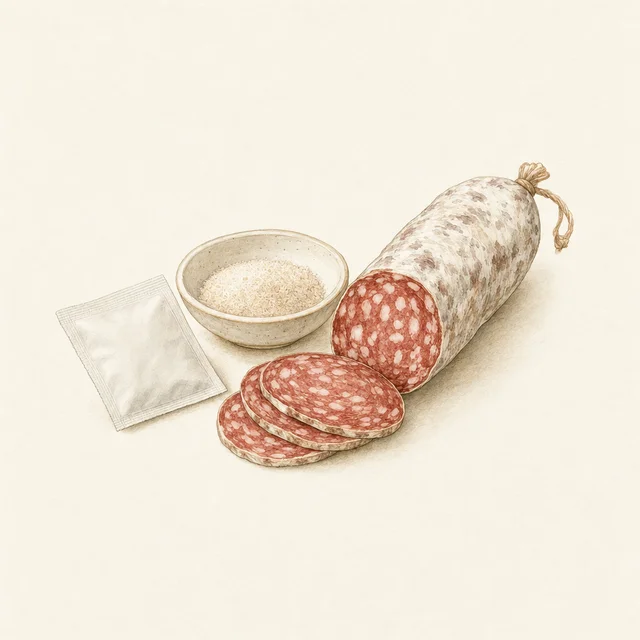
Commercial starter cultures are chosen for a defined sausage process. Product-specific instructions and safety validation matter; a species name alone does not establish that any strain is suitable.
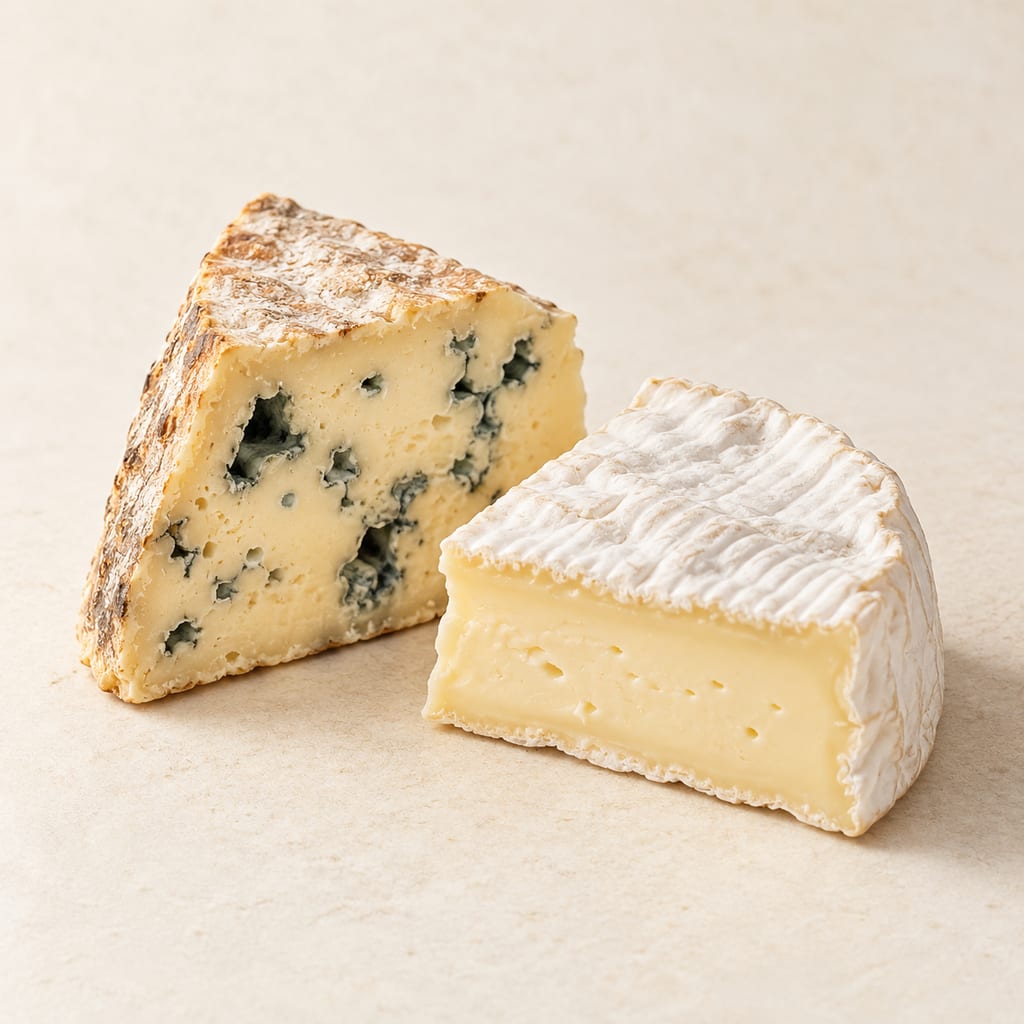
Selected molds and other surface organisms create characteristic ripening patterns in some cheeses. Identified commercial cultures are not interchangeable with unknown environmental mold.
A freeze-dried mesophilic starter for cultured buttermilk, combining acid and aroma bacteria with a lactose carrier. Also named in specific fresh-cheese methods.
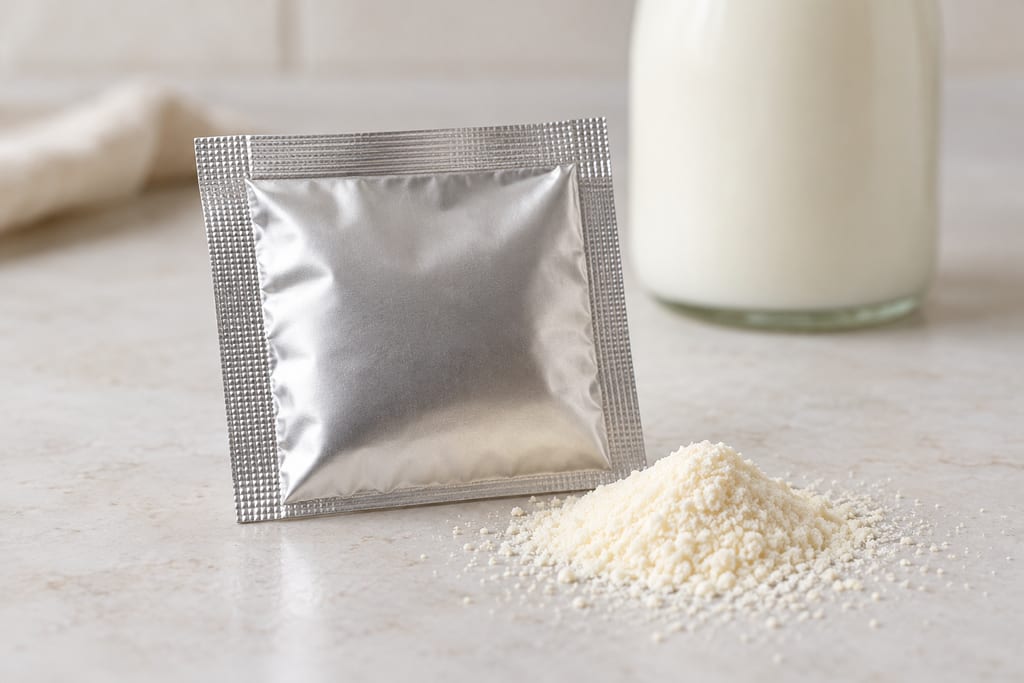
A mixed dairy starter selected for acidification and aroma. The documented Queso Andino culture has no identified modern strain blend or commercial formulation.
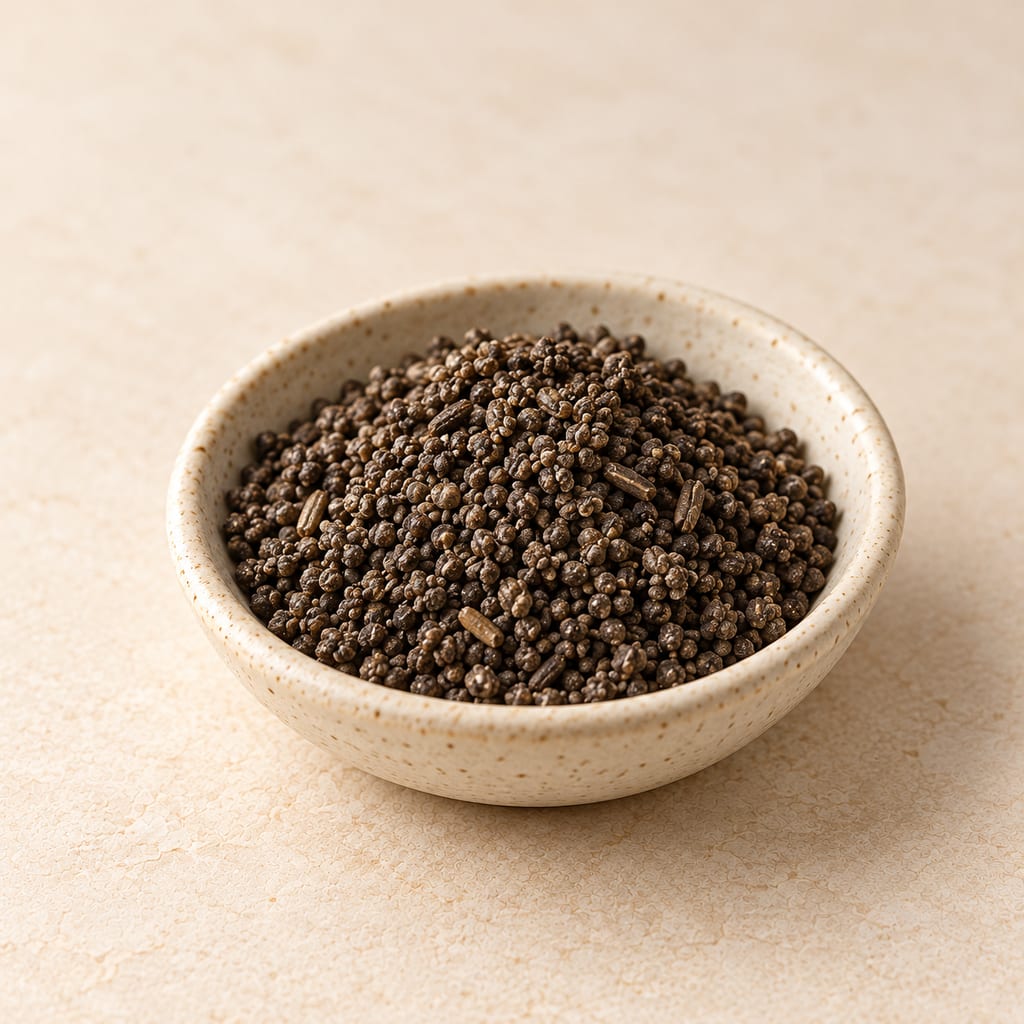
Tane-koji is the mold inoculum Sakimoto plants on steamed rice to make rice koji for Yonaguni awamori; its exact strain and supplier are unpublished.
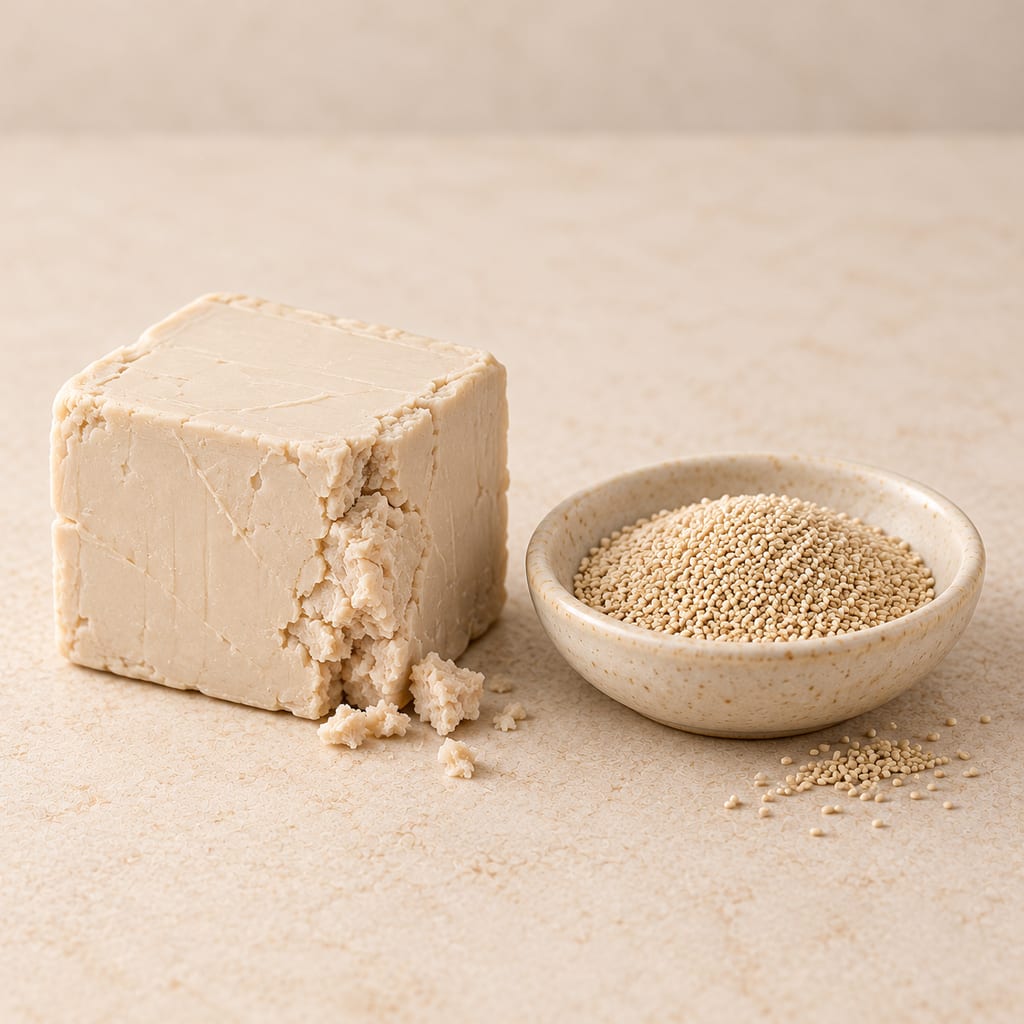
Baker's yeast is a cultivated living leavener, commonly sold fresh or dried. In dough, selected Saccharomyces cerevisiae cells make gas that can raise bread.
Yeast named by a recipe without an identified species, strain or commercial form, used to begin a fermentation.
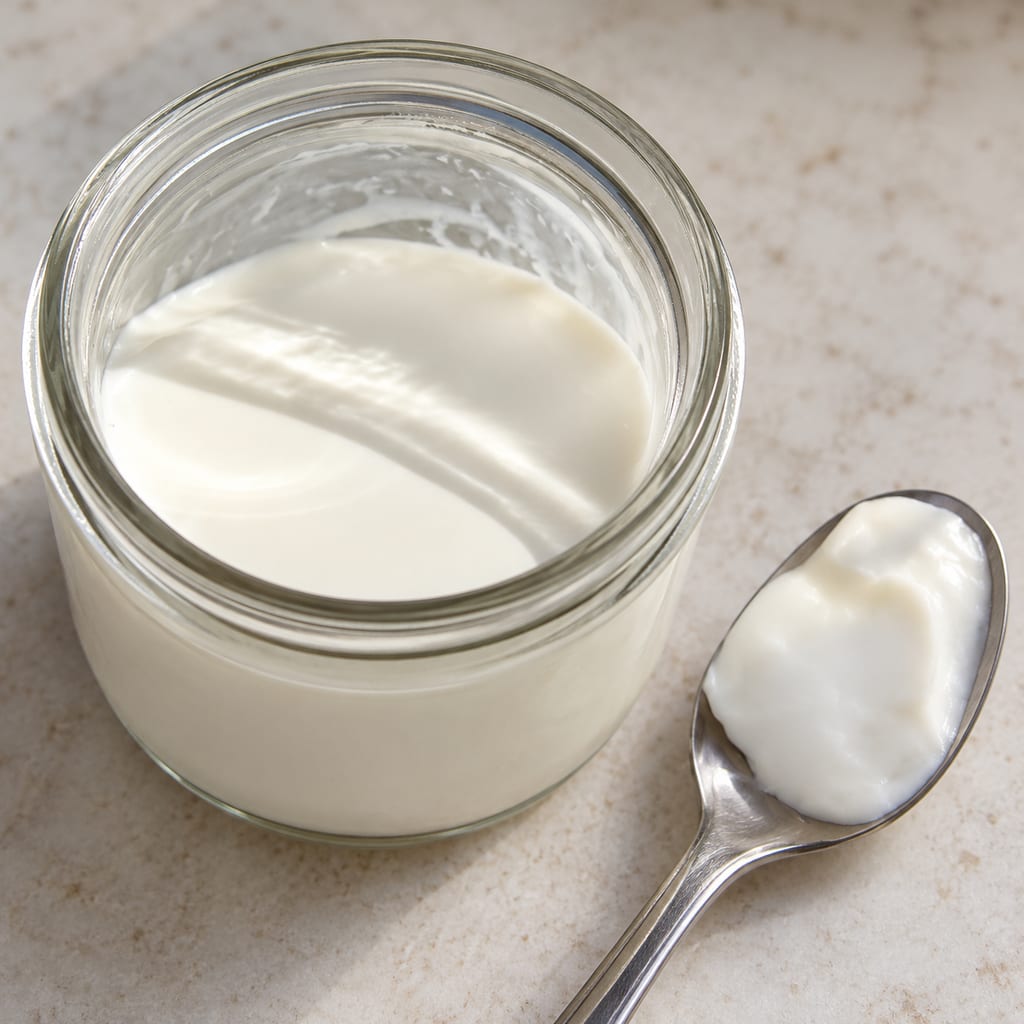
A dairy inoculum grown before use to direct souring in household cheese, including acid-set and rennet-set preparations.
Flavor of Italy is a freeze-dried meat culture combining lactic acid bacteria with Staphylococcus carnosus to support sausage acidification, colour and aroma.
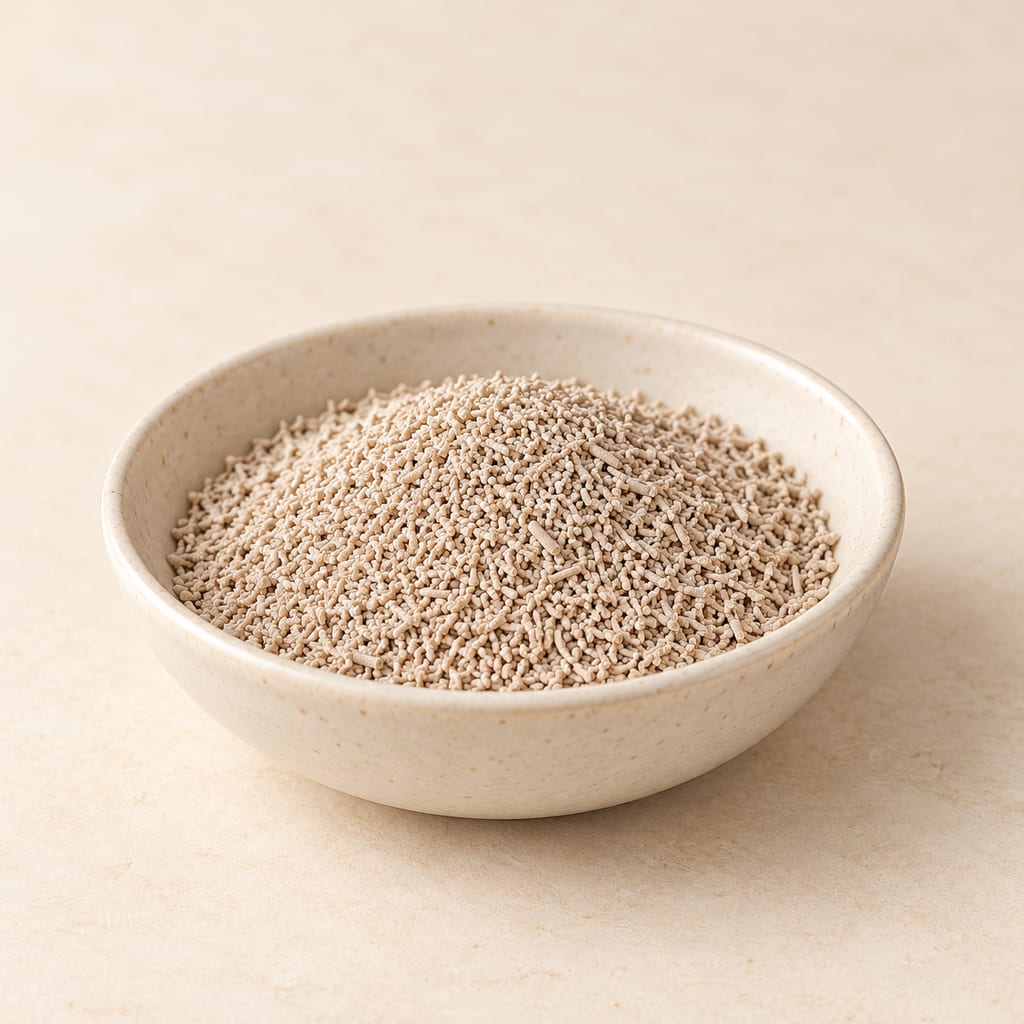
A living culture selected to ferment fruit sugars into alcohol, sold in forms whose strain, handling and flavour contribution depend on the product.
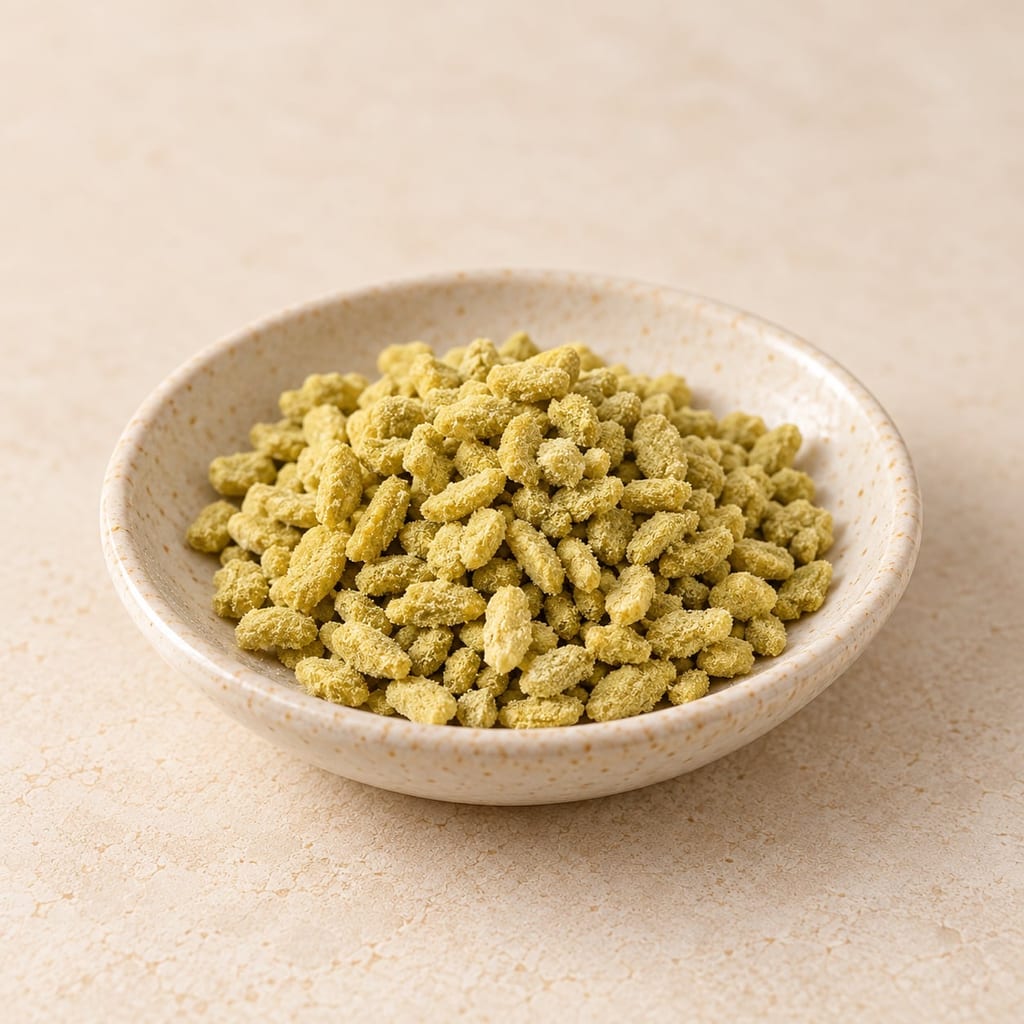
Yellow-koji starter is the spore inoculum of the yellow koji mold — Aspergillus oryzae and the related A. sojae — sold by specialist tane-kōji houses to grow koji for sake, miso and soy sauce.
Mold 600 is a freeze-dried Penicillium nalgiovense culture applied to dry sausage casings, where it develops a pale surface bloom and mushroom-like aroma.