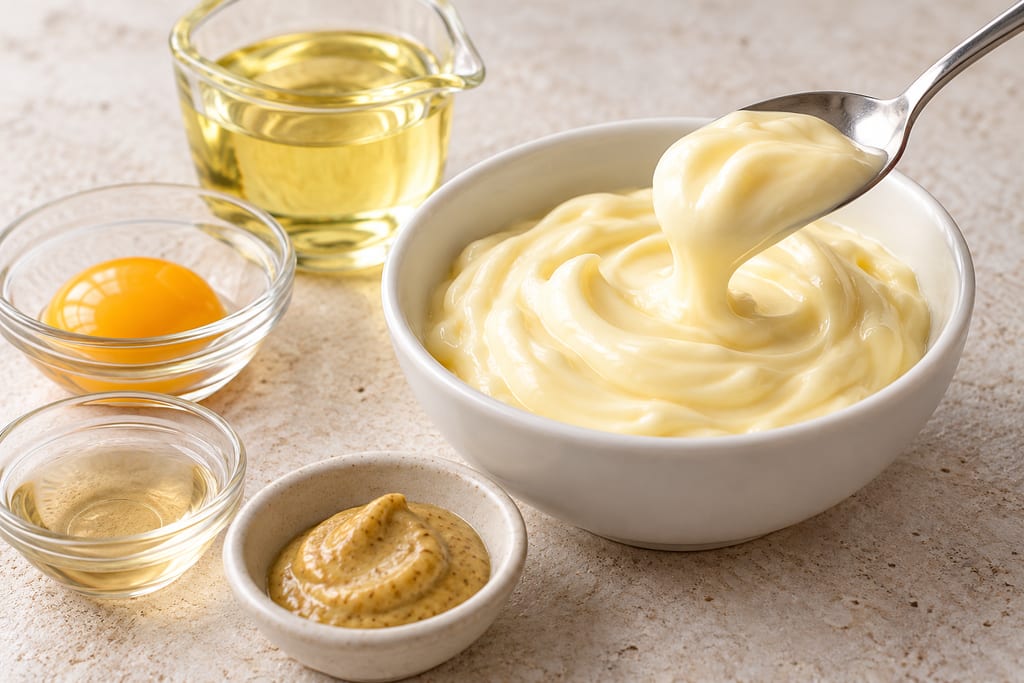
Neutral classic mayonnaise
A plain mayonnaise of 200 g refined neutral oil emulsified into pasteurised yolk, vinegar, water and a little Dijon mustard: a clean base for tasting, comparing and flavouring.
 FermenteaWhere food goes to change
Recipes by the places recorded in their sources.
A plain mayonnaise of 200 g refined neutral oil emulsified into pasteurised yolk, vinegar, water and a little Dijon mustard: a clean base for tasting, comparing and flavouring.
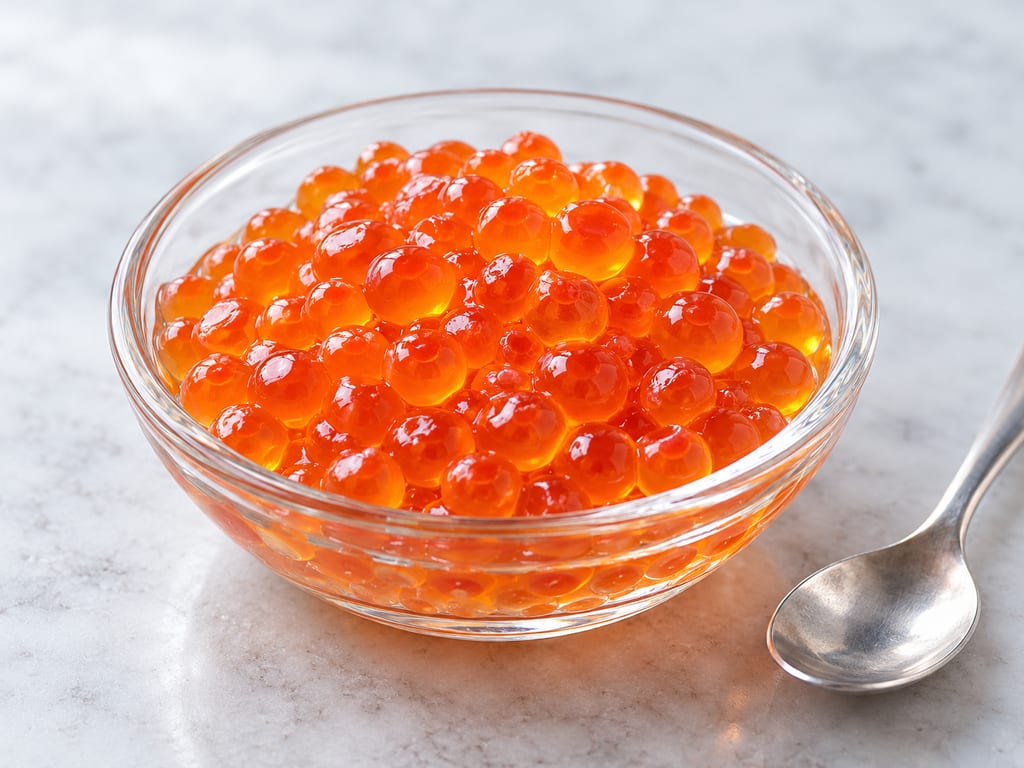
Salmon roe is separated from skeins and treated in two salt-water stages using a University of Alaska Extension formula.
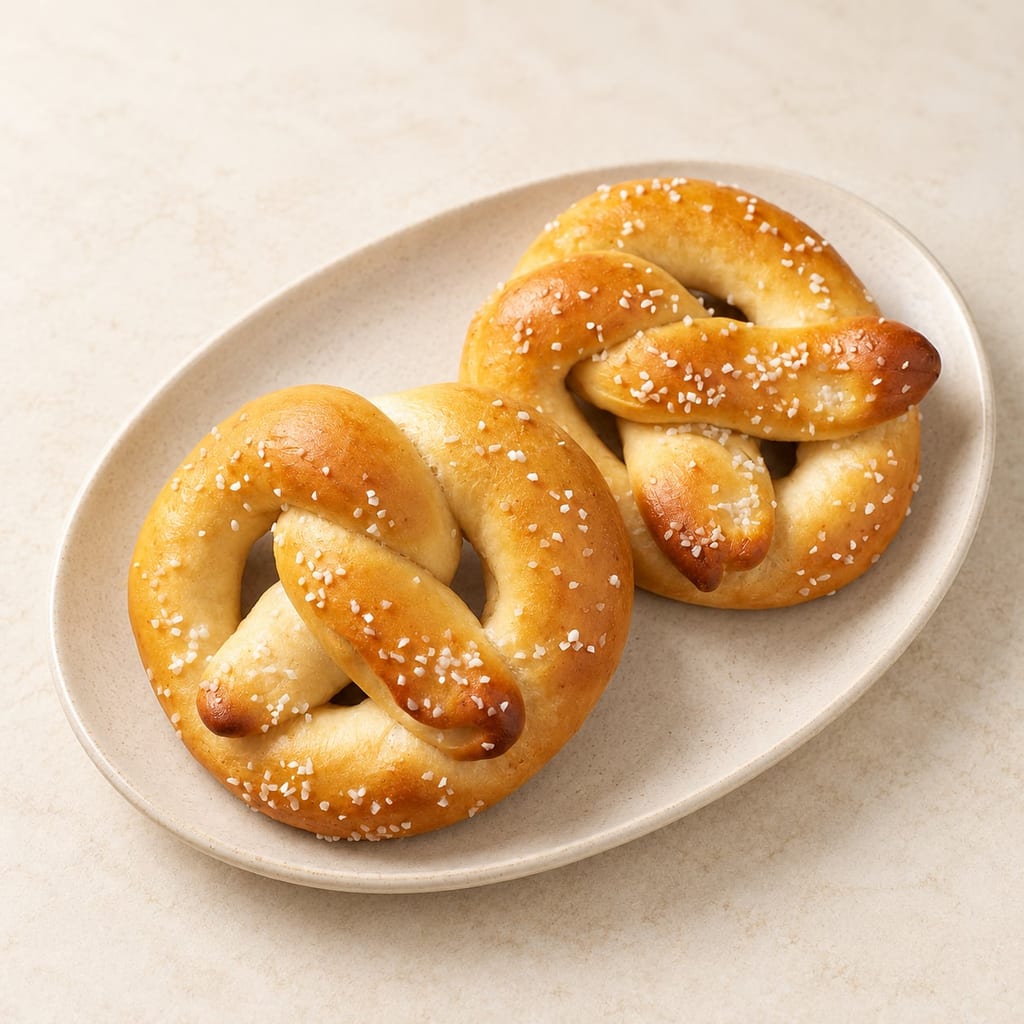
Unfed sourdough starter flavours a soft pretzel dough raised with instant yeast. After a short rest, the dough is shaped, brushed with a sweet wash, salted and baked without a final proof.
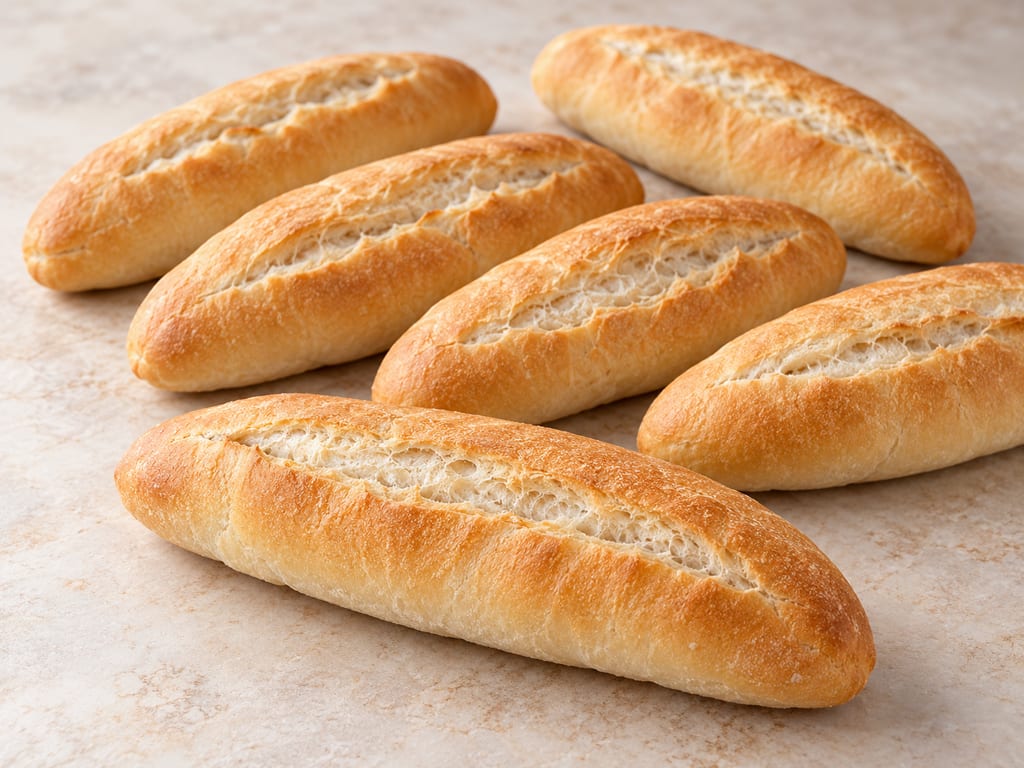
Six yeast rolls for Cuban sandwiches, shaped into long tapered loaves and slashed down the center.

A yeast-raised wheat ring shaped from a firm dough, briefly boiled and baked. This source-batch formula gives a gently malted crust and a chewy crumb.
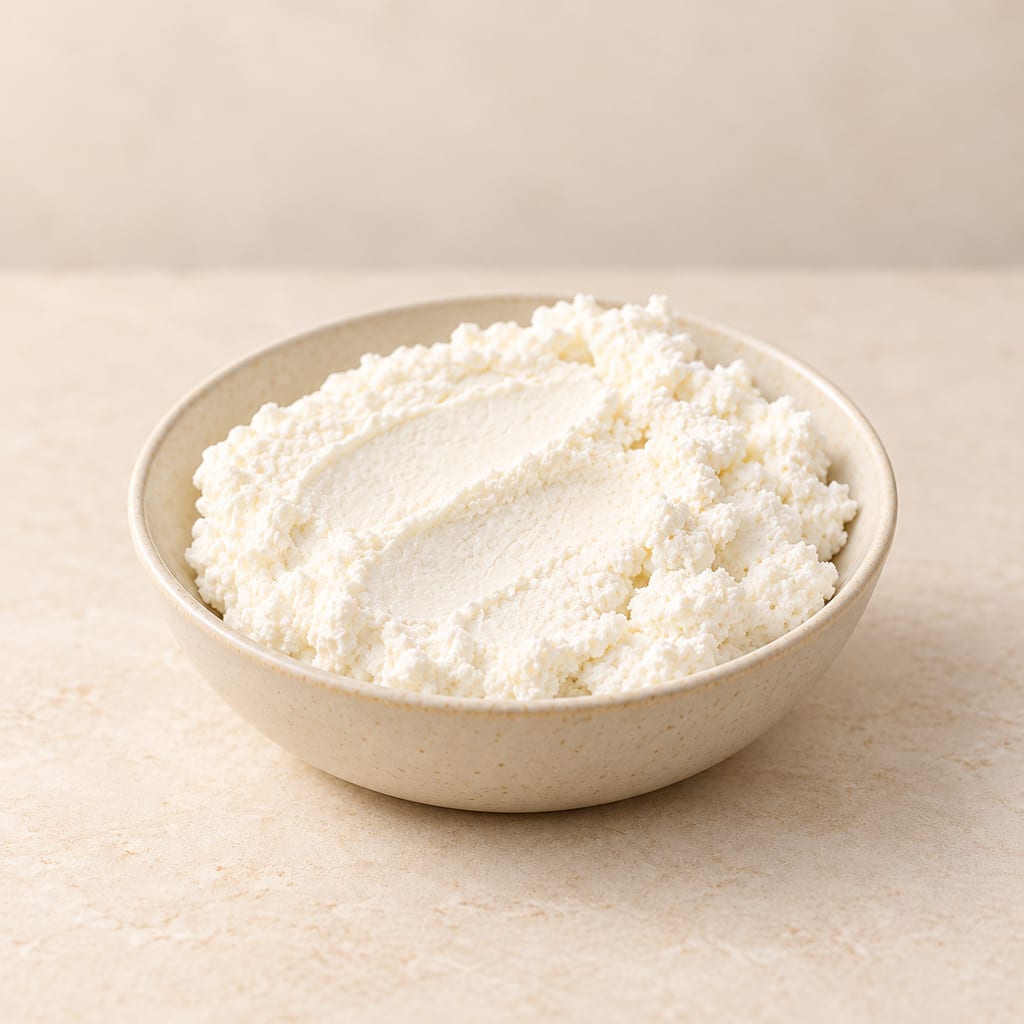
Fresh chèvre is a soft goat-milk cheese with a gently tangy flavour. This home method uses a combined lactic starter and coagulant, then drains the curd in cloth before salting and chilling.
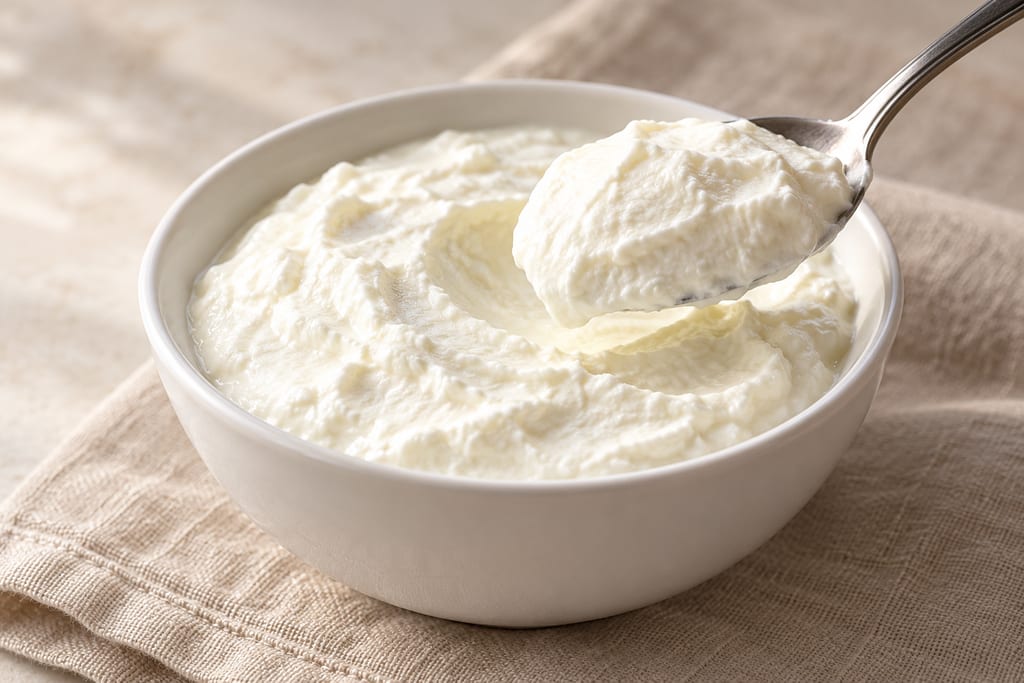
Greek-style strained yogurt is cultured whole milk drained through cloth to remove whey. This modern Utah home method makes a thick yogurt from a gallon batch.
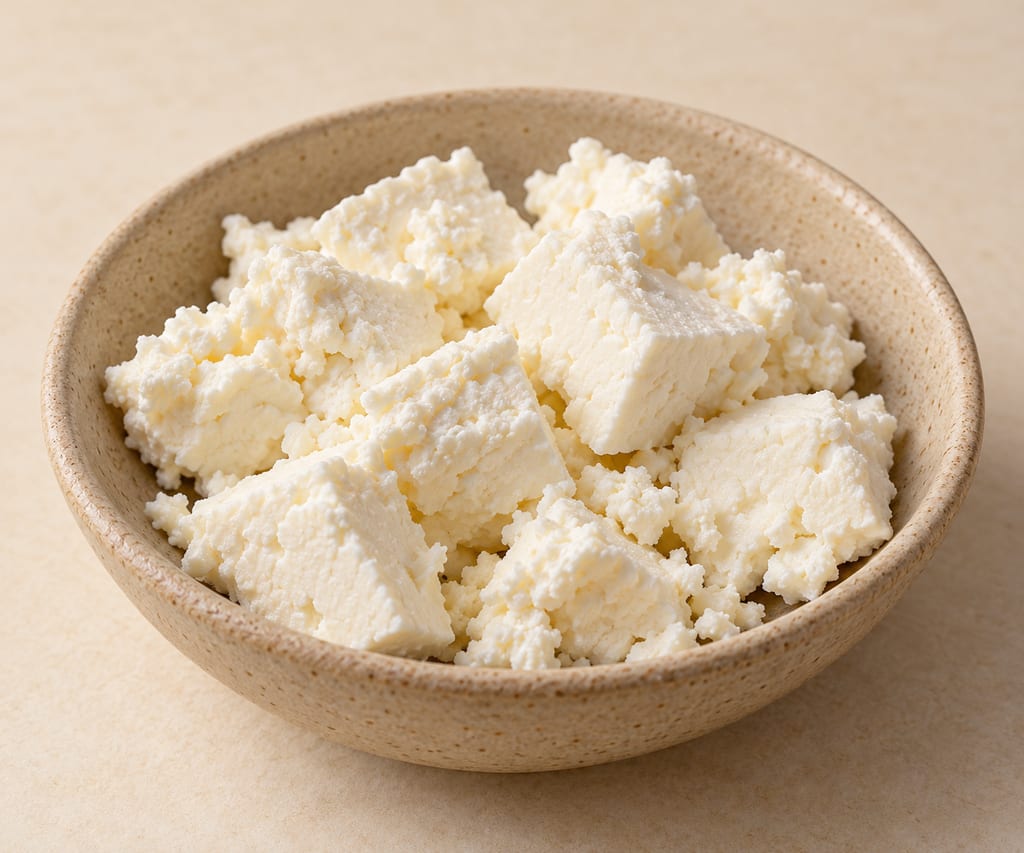
Whole milk set with a mesophilic starter and rennet makes a fresh, crumbly feta-style cheese. Its curds pass through hot salted whey before molding.
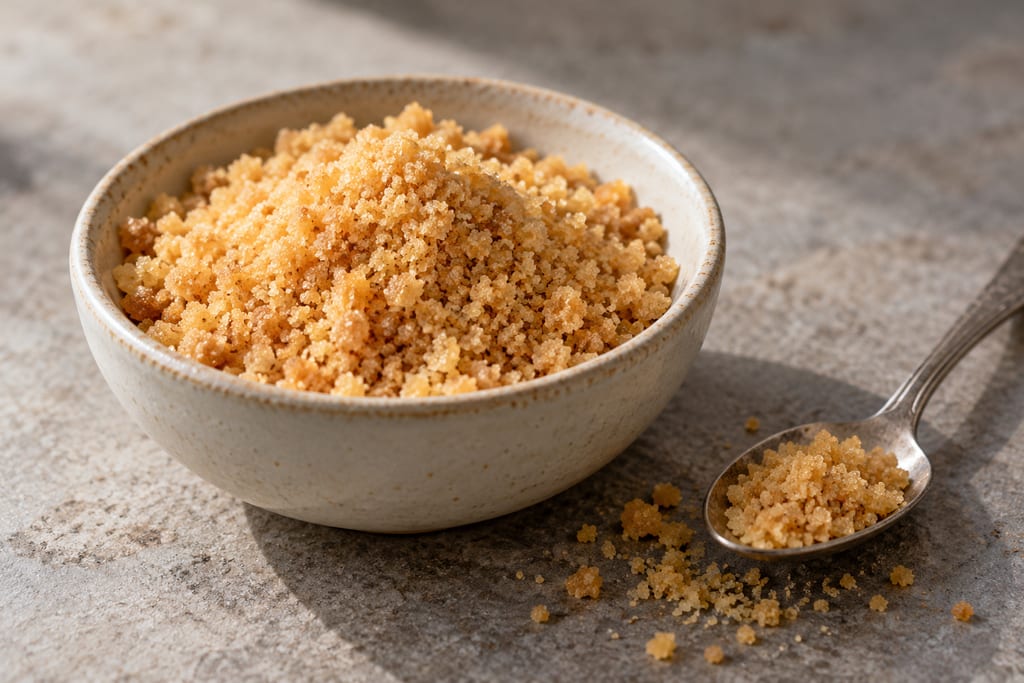
Maple sugar is sap from maple trees boiled down until it granulates. Great Lakes Indigenous makers stored the concentrated sugar for later use and for exchange.
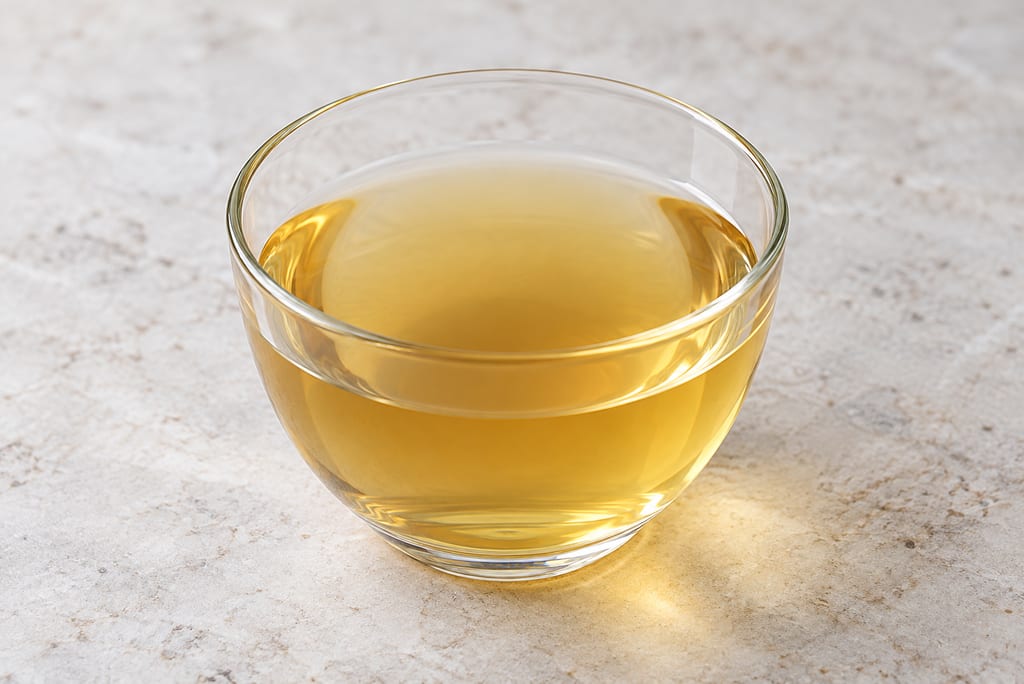
A liquid set with a little gelatin, frozen solid, then thawed through cloth in the refrigerator so that clear liquid drips out and the cloudy gel stays behind.
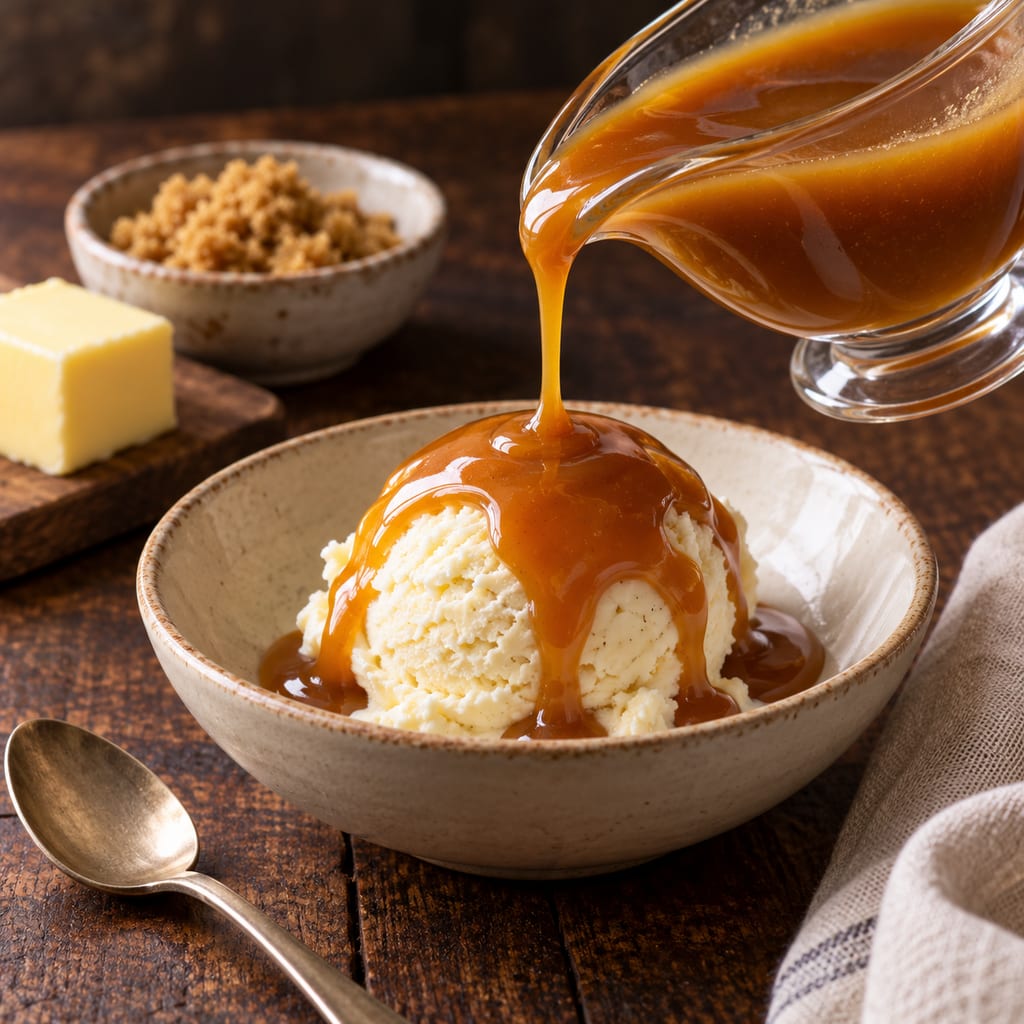
A pourable dessert sauce of brown sugar, butter and cream, with a little corn syrup and salt. It is the sauce form of the butterscotch confection and is made without water, unlike caramel.
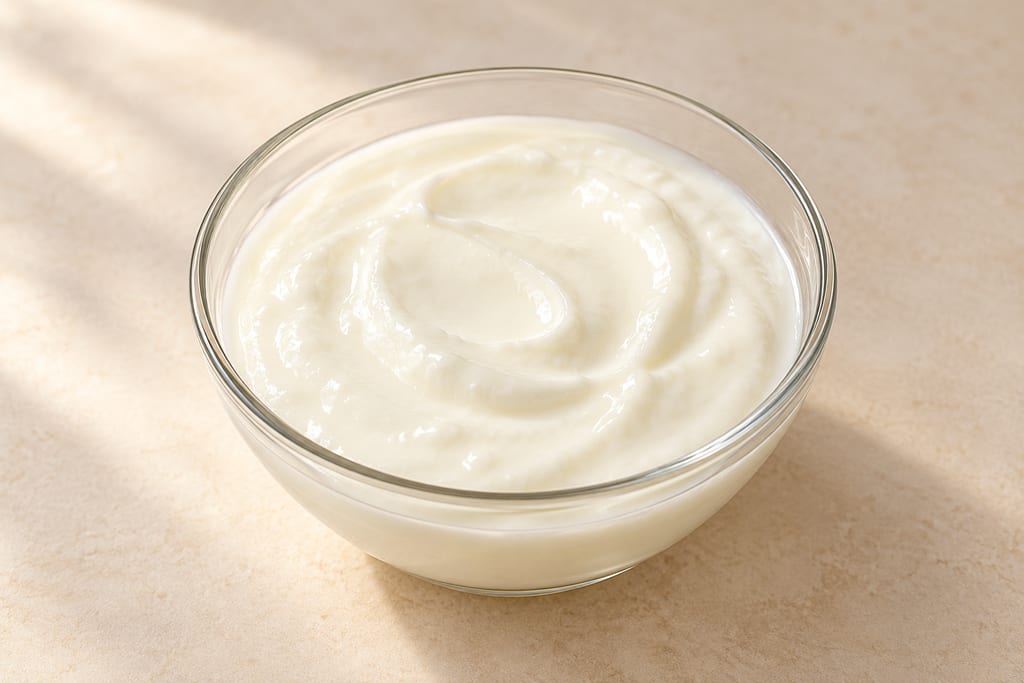
A mild, set yogurt made by inoculating warm pasteurized milk with live-culture yogurt and holding it until it gels. This US extension method uses a short ingredient list and controlled incubation.
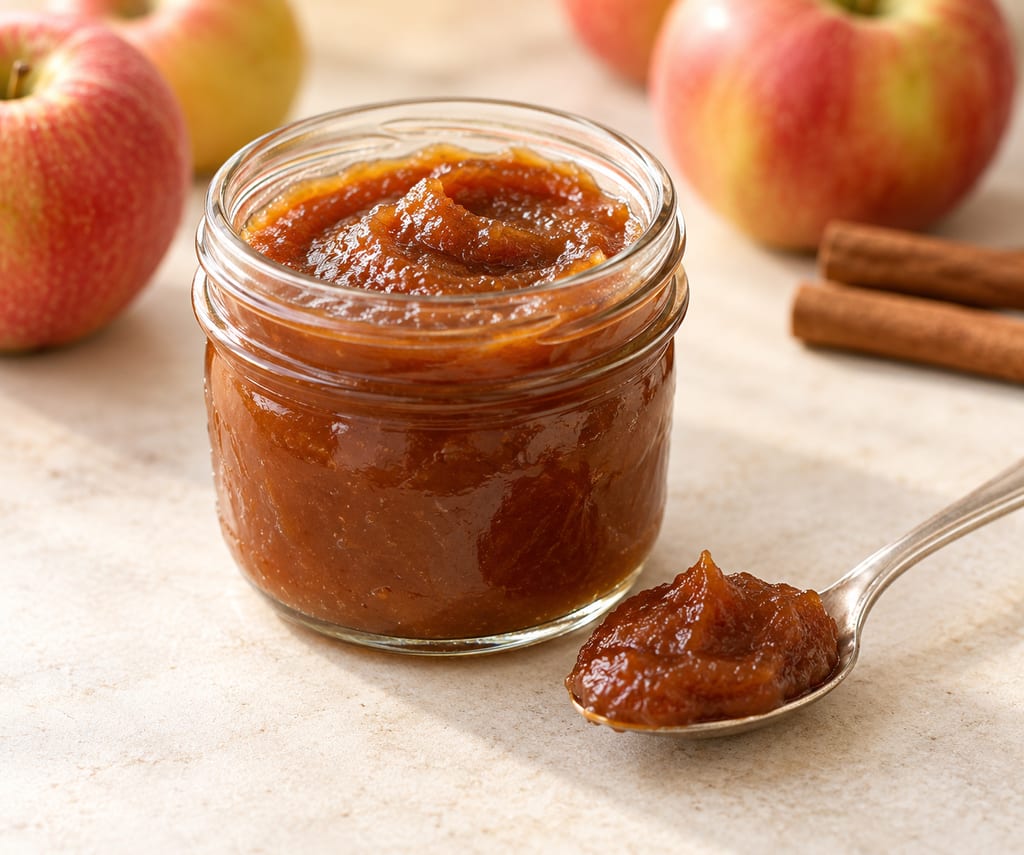
Apple butter is a smooth, concentrated apple preserve cooked with cider, vinegar, two sugars and spices, then hot-filled and processed in a boiling-water canner using the published jar-size and elevation schedule.
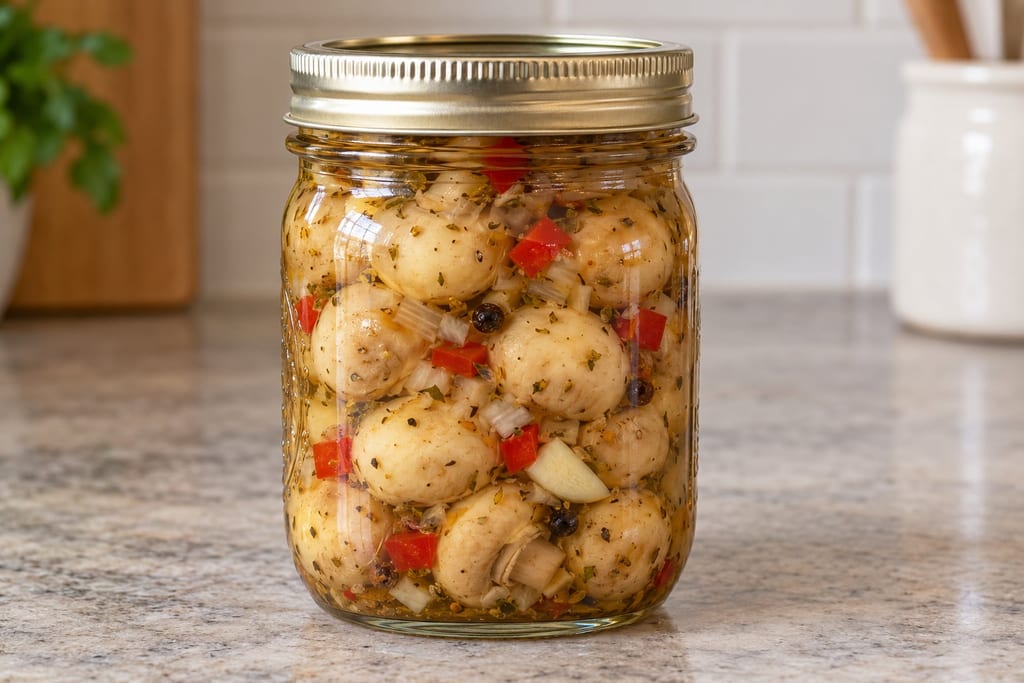
Small whole button mushrooms cooked in an acid and oil marinade and sealed in half-pint jars for shelf storage, using the tested US home-canning method.
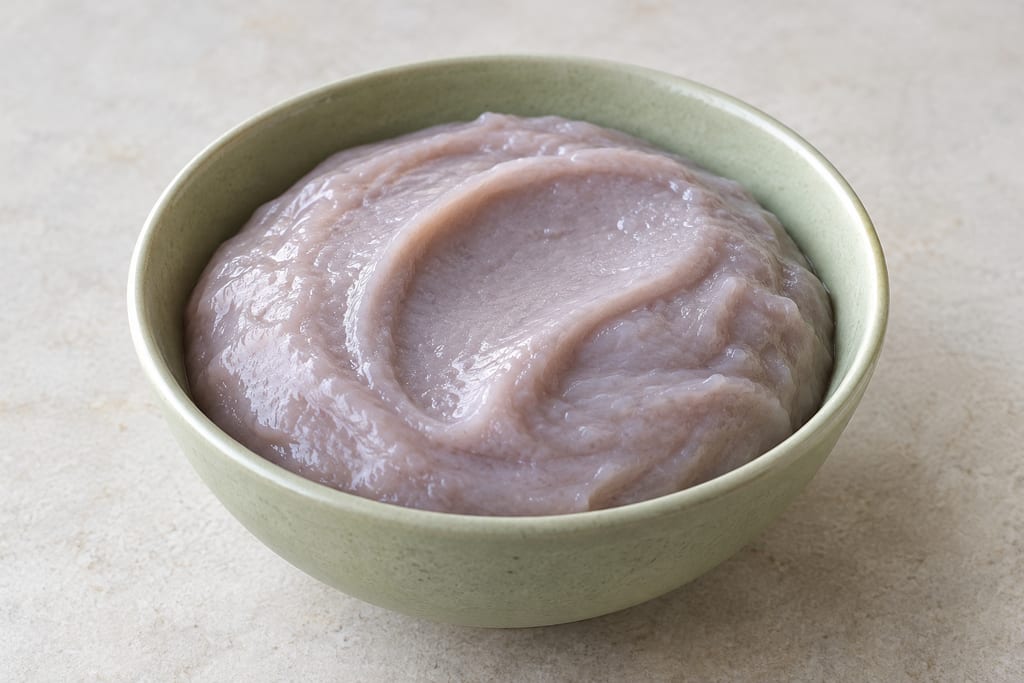
This modern introductory batch boils 500 g edible taro, then pounds it with water into fresh poi. It stops before fermentation and makes no preservation claim.
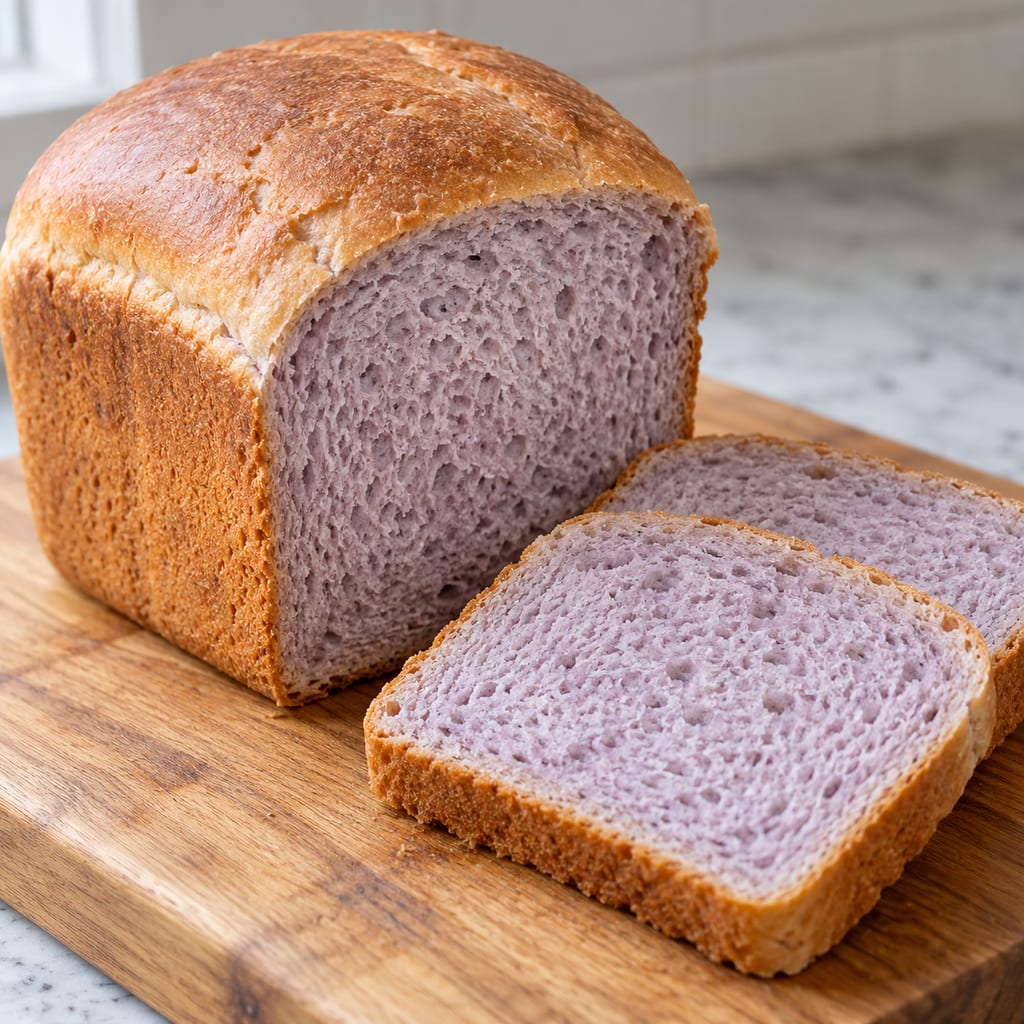
A sweet bread-machine loaf adapted from HI Cookery's version of poi bread, with poi or cooked mashed taro, butter and egg.
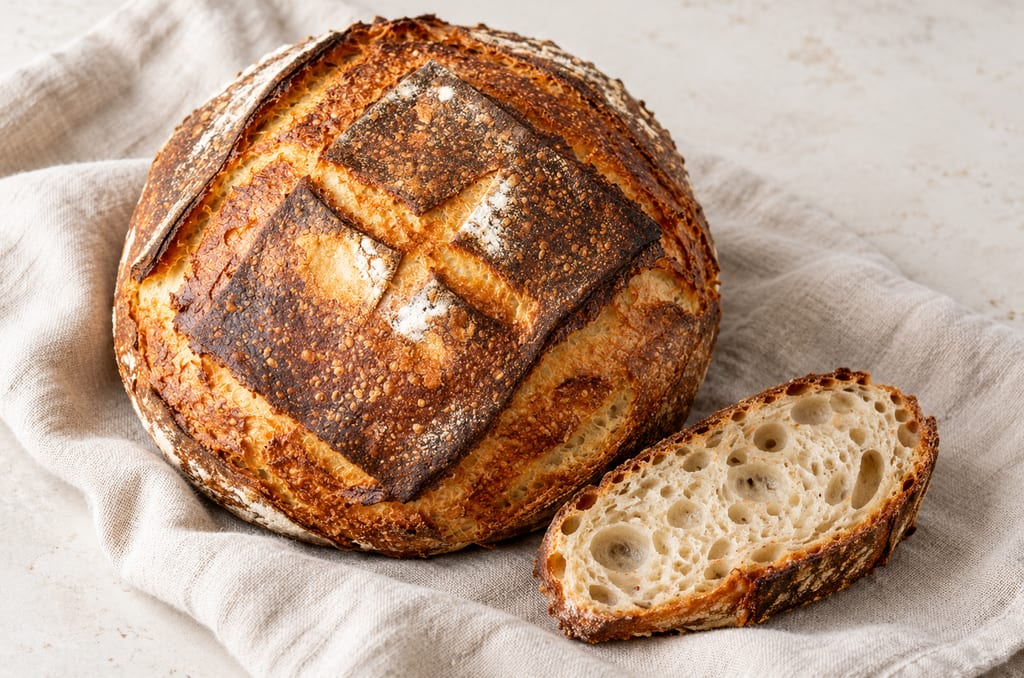
A ripe sourdough starter leavens this modern low-handling loaf. Three hourly folds organize the sticky dough before a long refrigerator rest, final proof and covered bake.
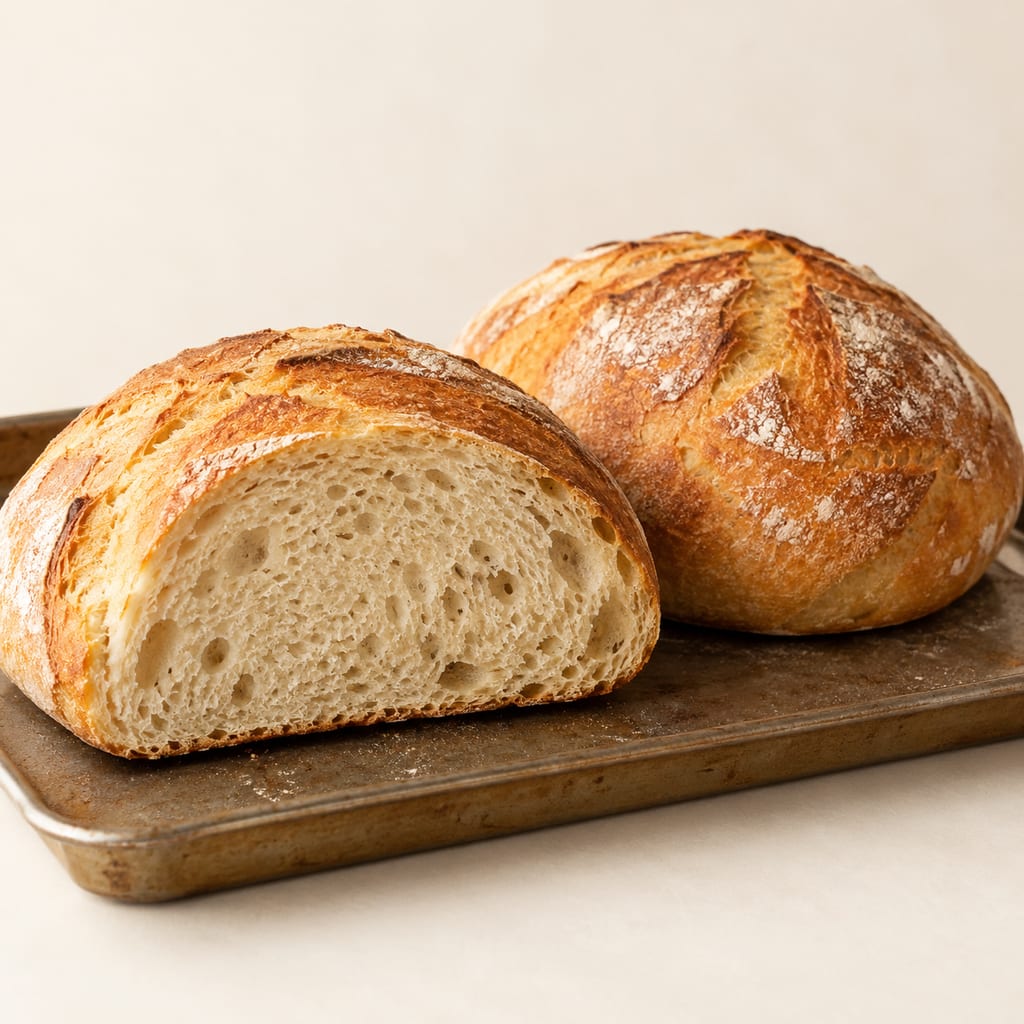
The National Park Service gives a two-loaf yeast bread for a home oven, set beside its account of Pueblo hornos. The home formula is not a horno firing process, which varies by village and family.
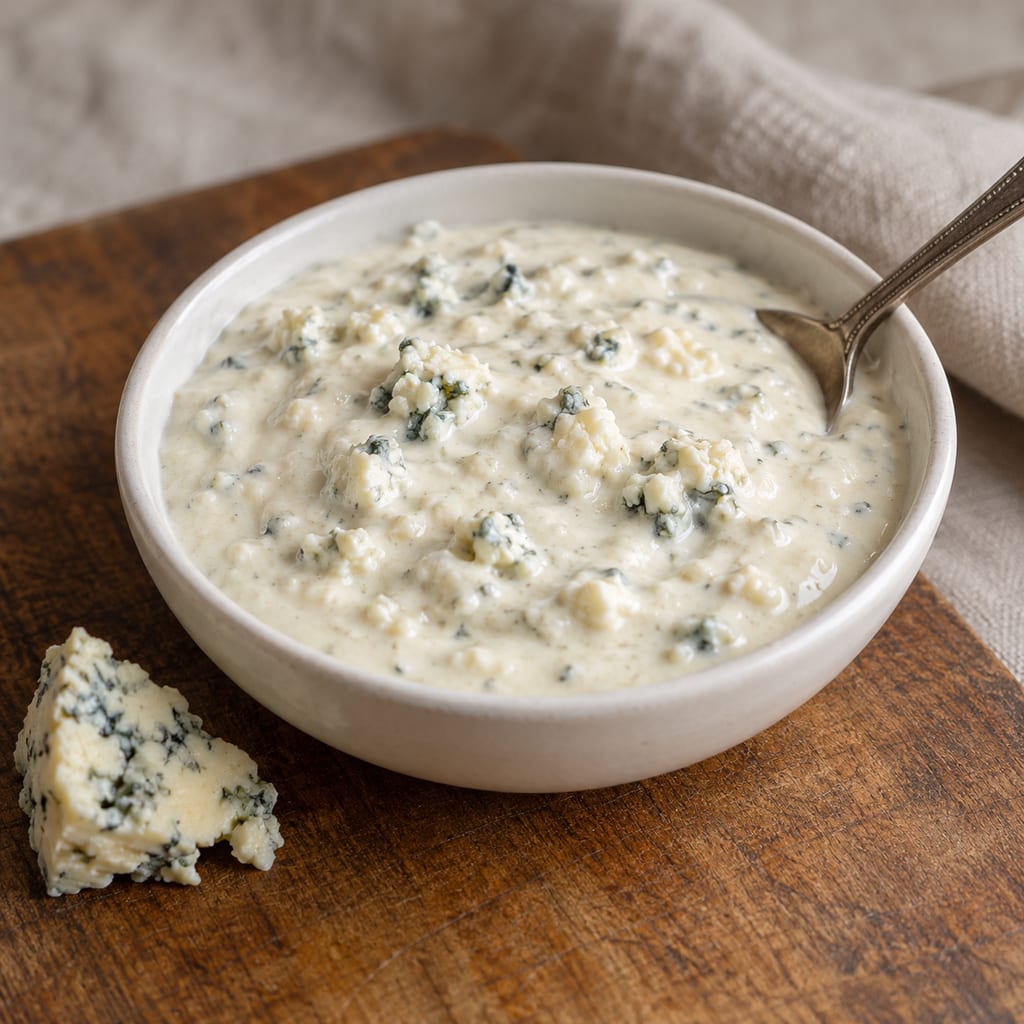
Blue cheese dressing is a creamy dressing built on crumbled blue cheese mashed into buttermilk, with sour cream, mayonnaise, vinegar and seasoning, and kept cold for up to two weeks.
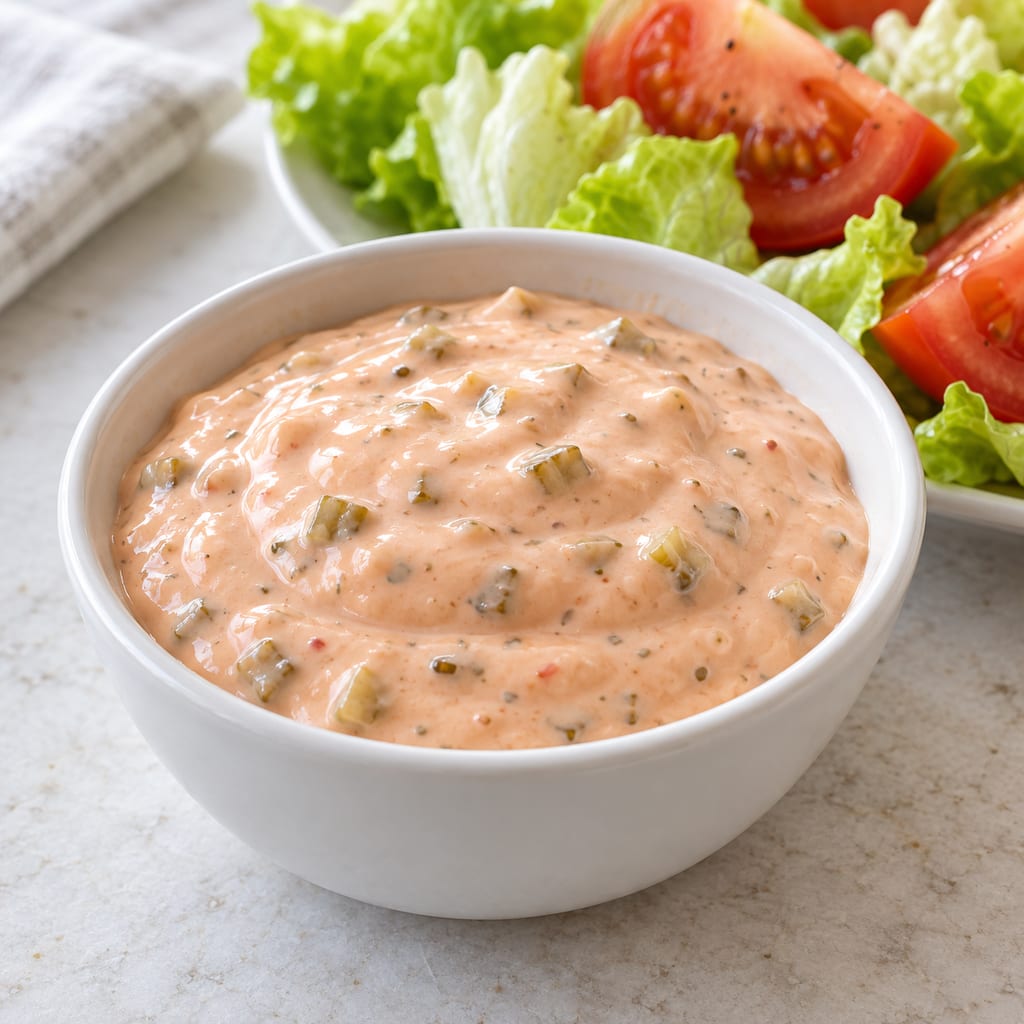
Thousand Island dressing is a pink, sweet-savoury dressing of mayonnaise, tomato condiment and chopped pickle relish, named for the Thousand Islands region on the St. Lawrence River, where its origin is placed.
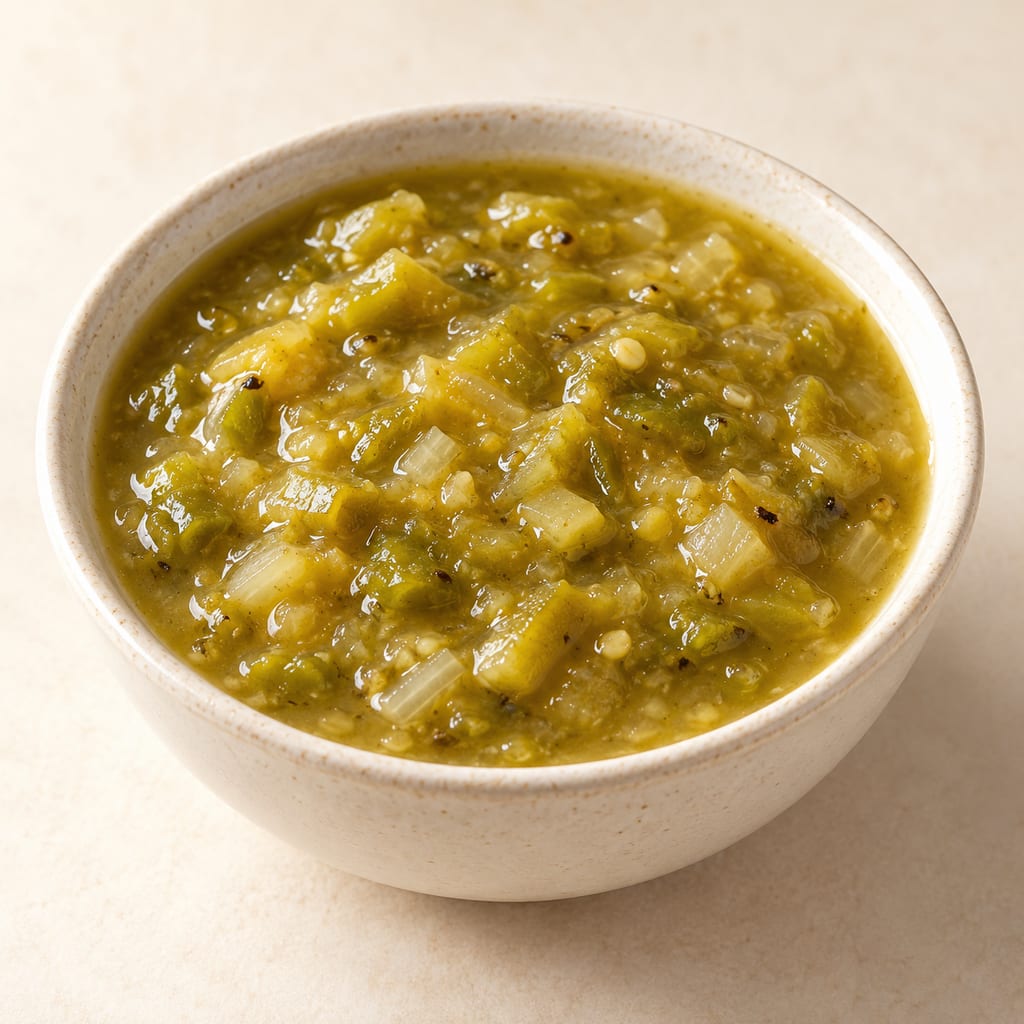
New Mexican green chile sauce is a cooked sauce of roasted fresh green chile, onion and garlic, thickened with a little flour and a 15-minute simmer in stock.
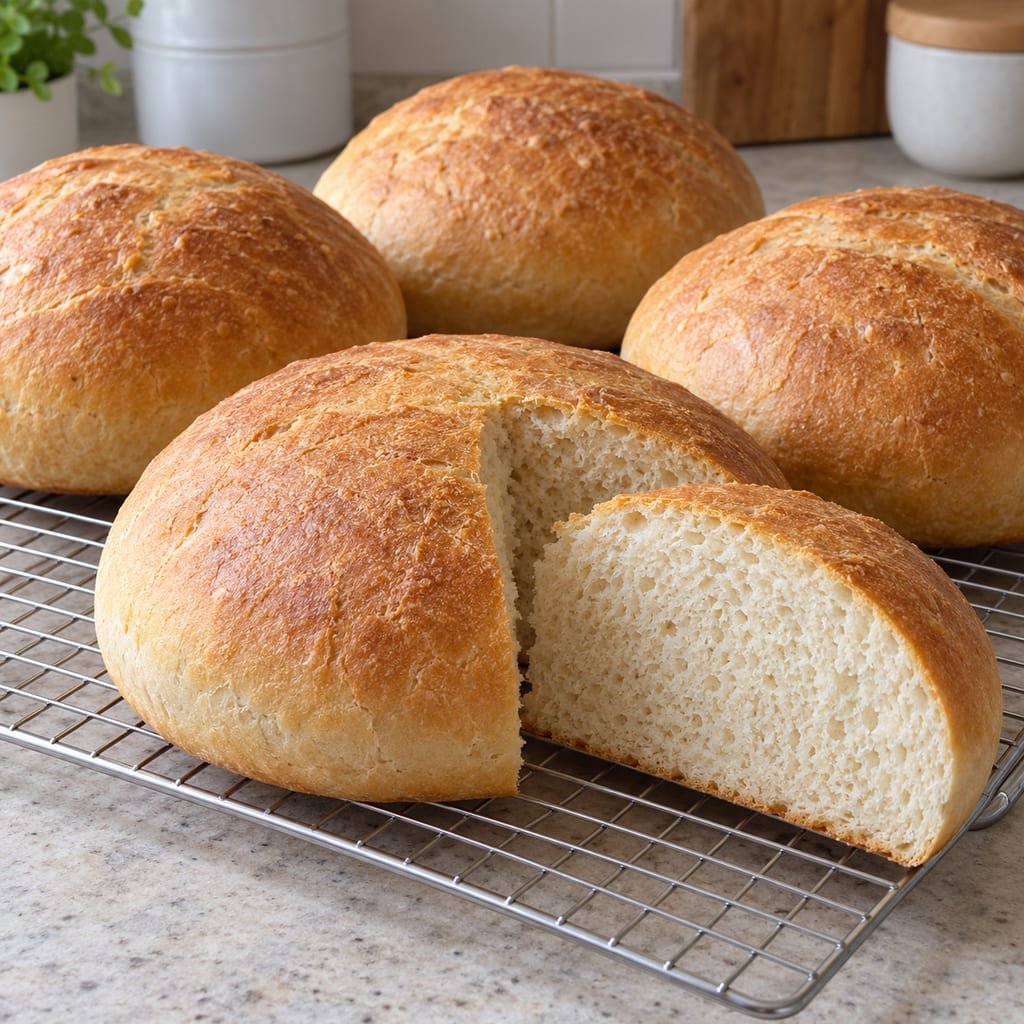
A four-loaf, yeast-raised home-oven version that Navajo Grandma identifies as Jemez Pueblo bread. It is her published adaptation, not a single formula for Pueblo communities or a horno firing protocol.
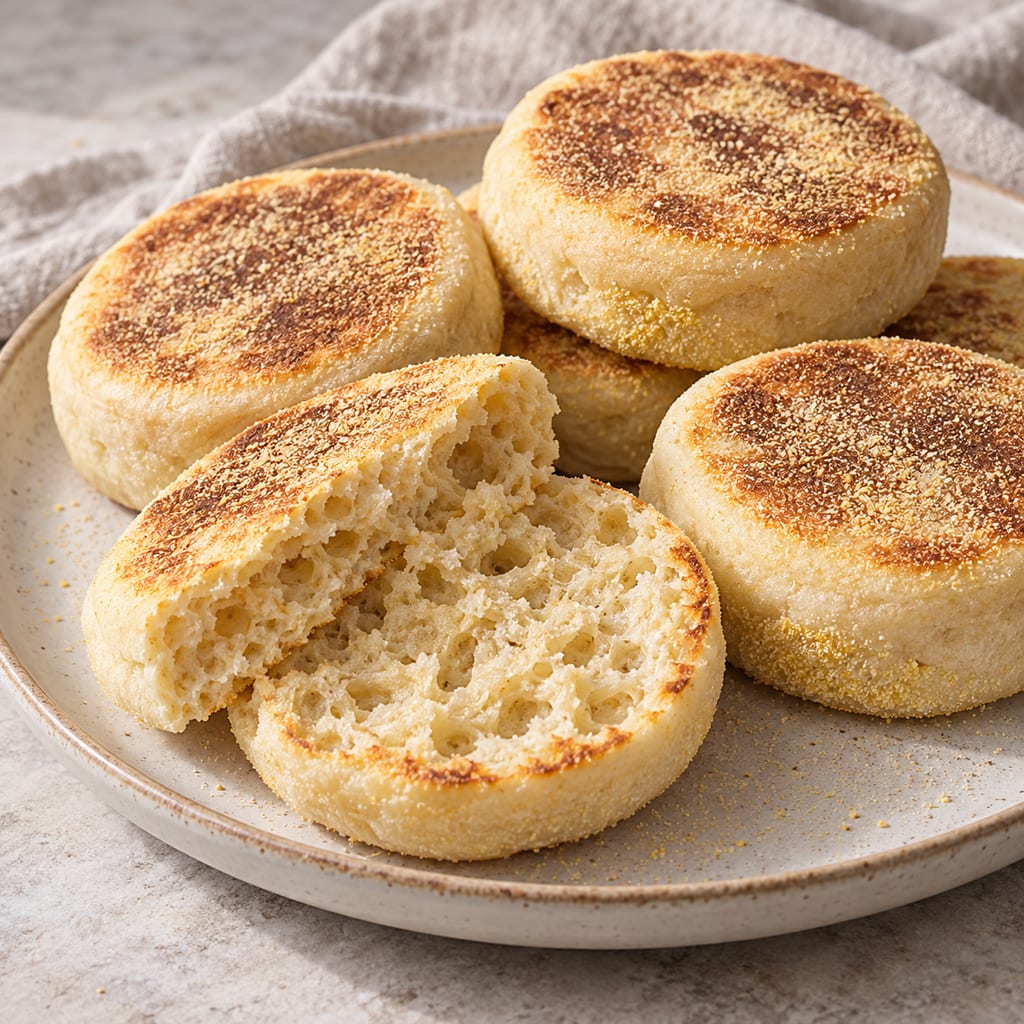
A soft English muffin dough combines sourdough starter with baker’s yeast, then rises, is cut into rounds and cooks on a griddle. The starter adds tang; the added yeast helps it rise.
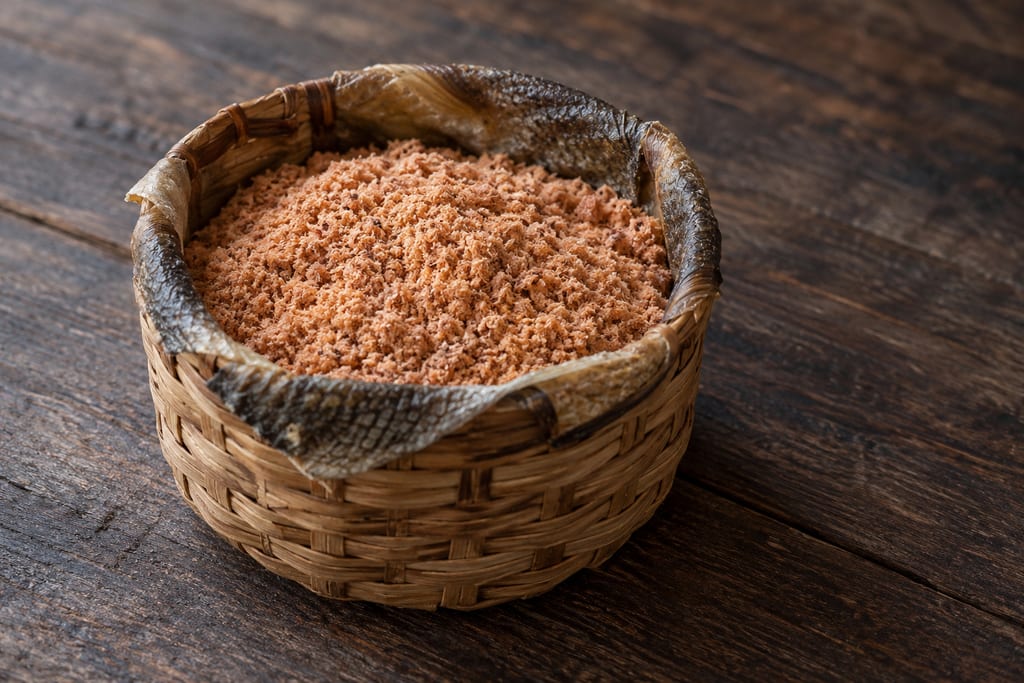
Dried salmon broken down, pounded to a meal and pressed into grass baskets lined with fish skin: the compact trade food of Celilo Falls and The Dalles.
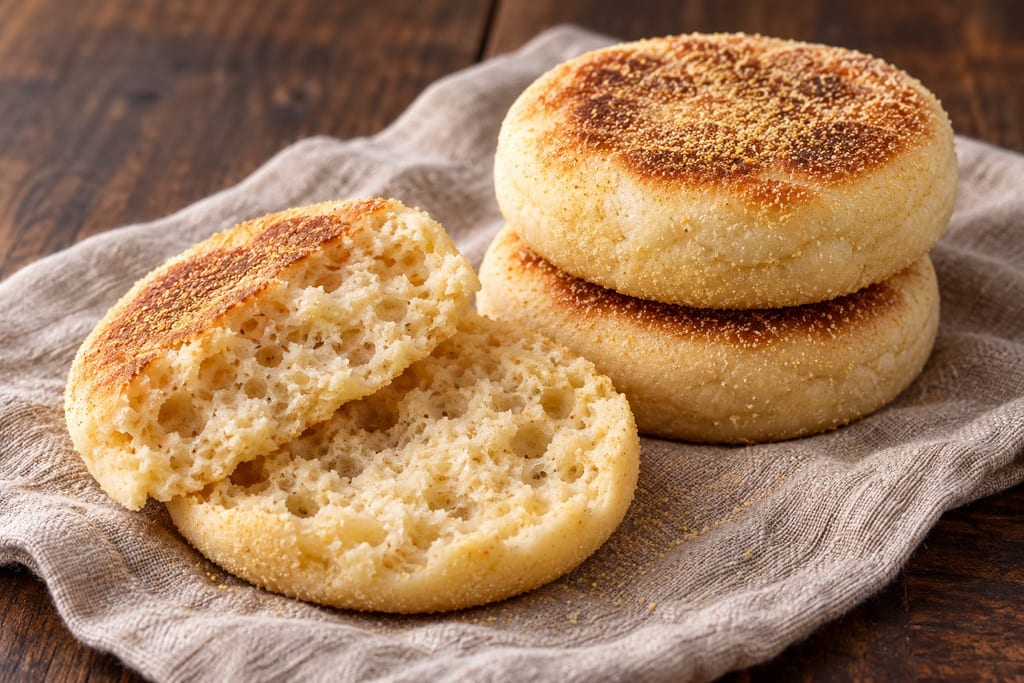
King Arthur’s six-piece English muffin batch uses a yeast preferment, two folds and a skillet or electric griddle; it is distinct from the sourdough-and-yeast version already catalogued.
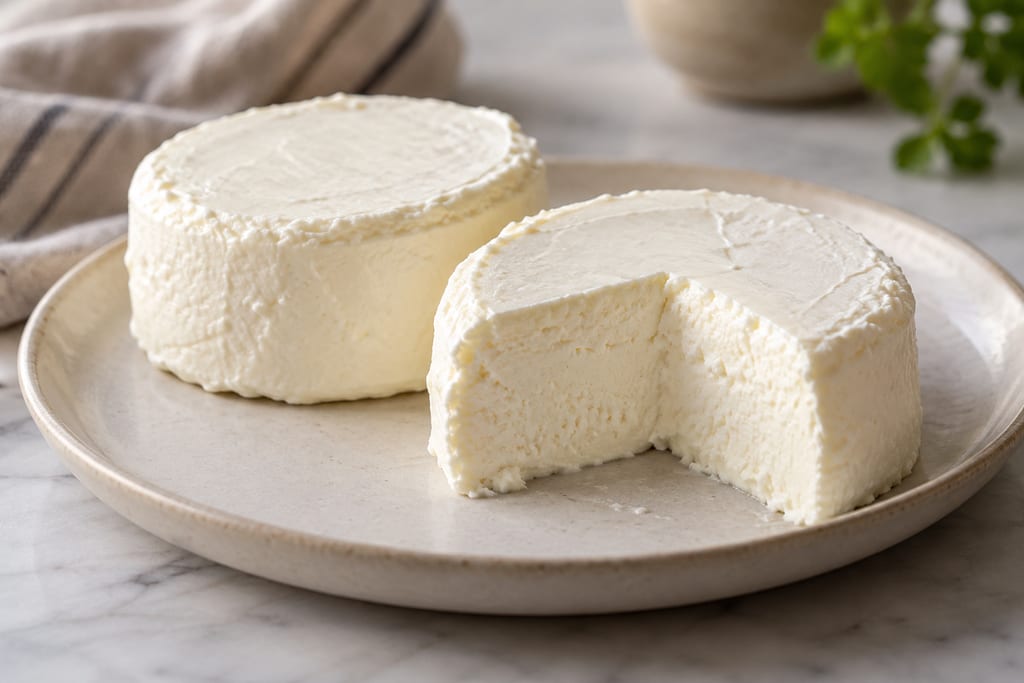
Pasteurized milk cultured with buttermilk or yogurt and set with rennet makes this soft, smooth Neufchâtel-style cheese, pressed into small forms and chilled.
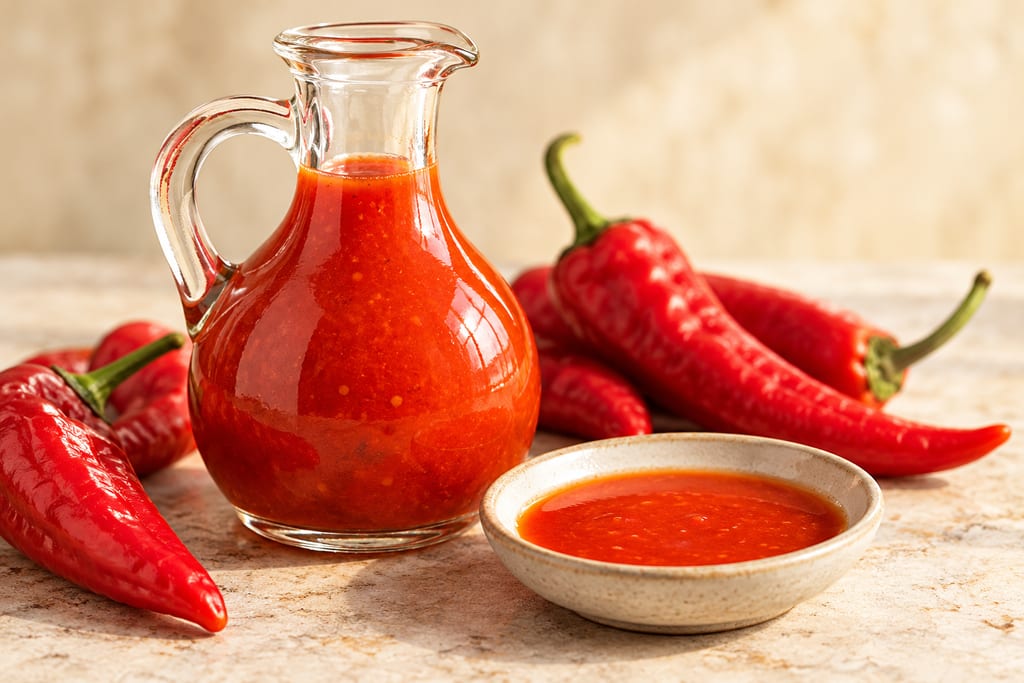
Fresh hot peppers ferment beneath a measured salt brine, then become a bright, tangy sauce blended from the peppers and their liquor.
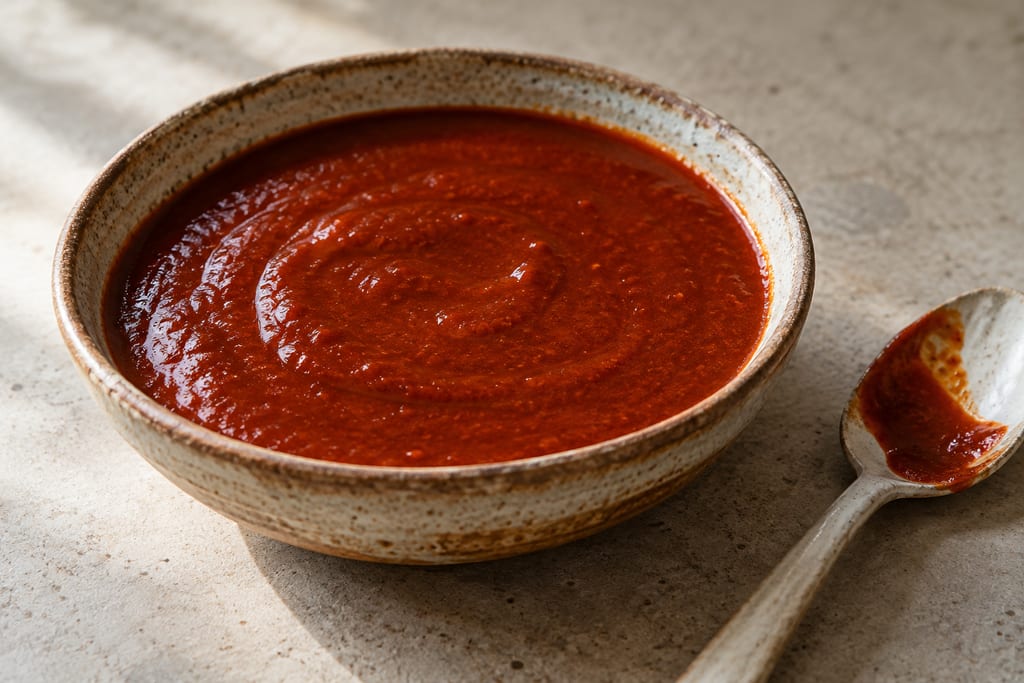
New Mexican red chile sauce is a smooth, cooked sauce of dried red chile, thickened with a little flour and loosened with water, and used to coat enchiladas and to build chile con carne.
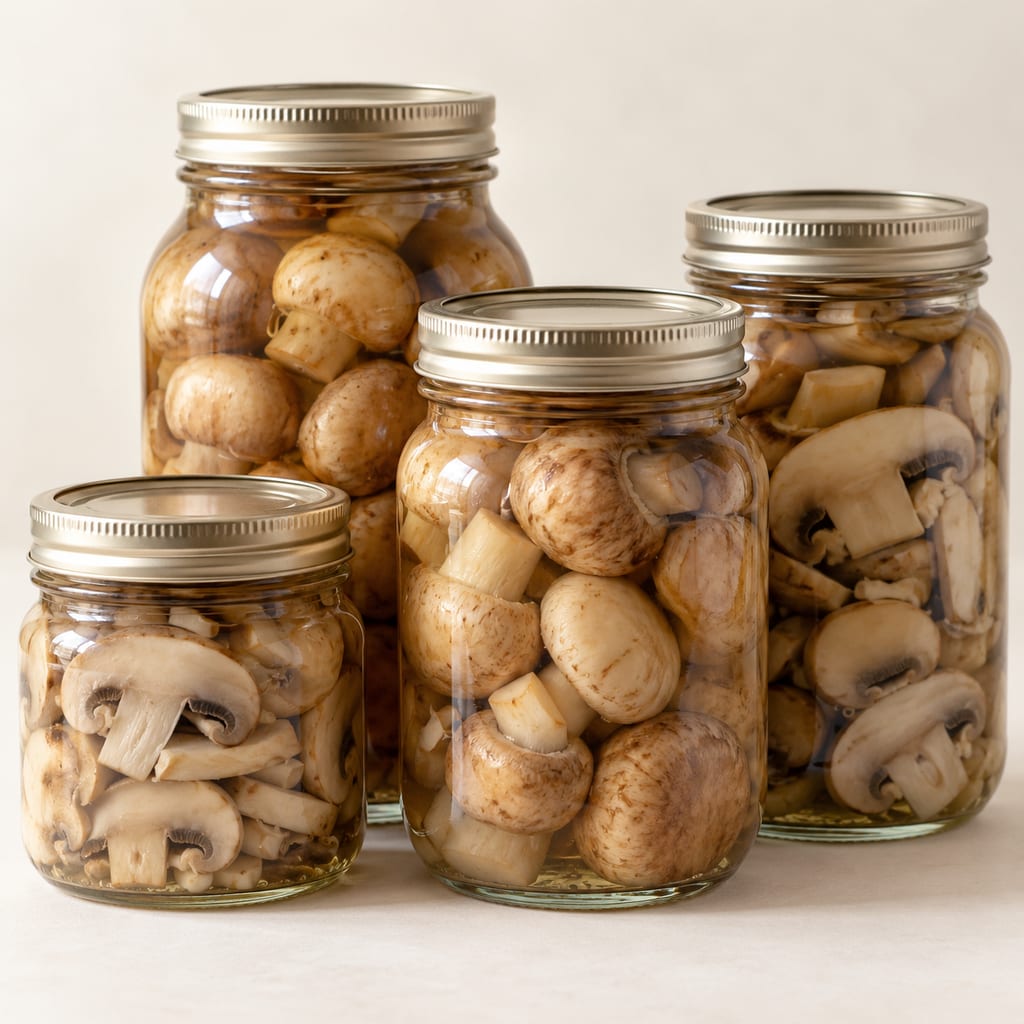
Whole or sliced domestic mushrooms packed hot in jars with fresh water and processed in a pressure canner, the tested home method for a low-acid vegetable.
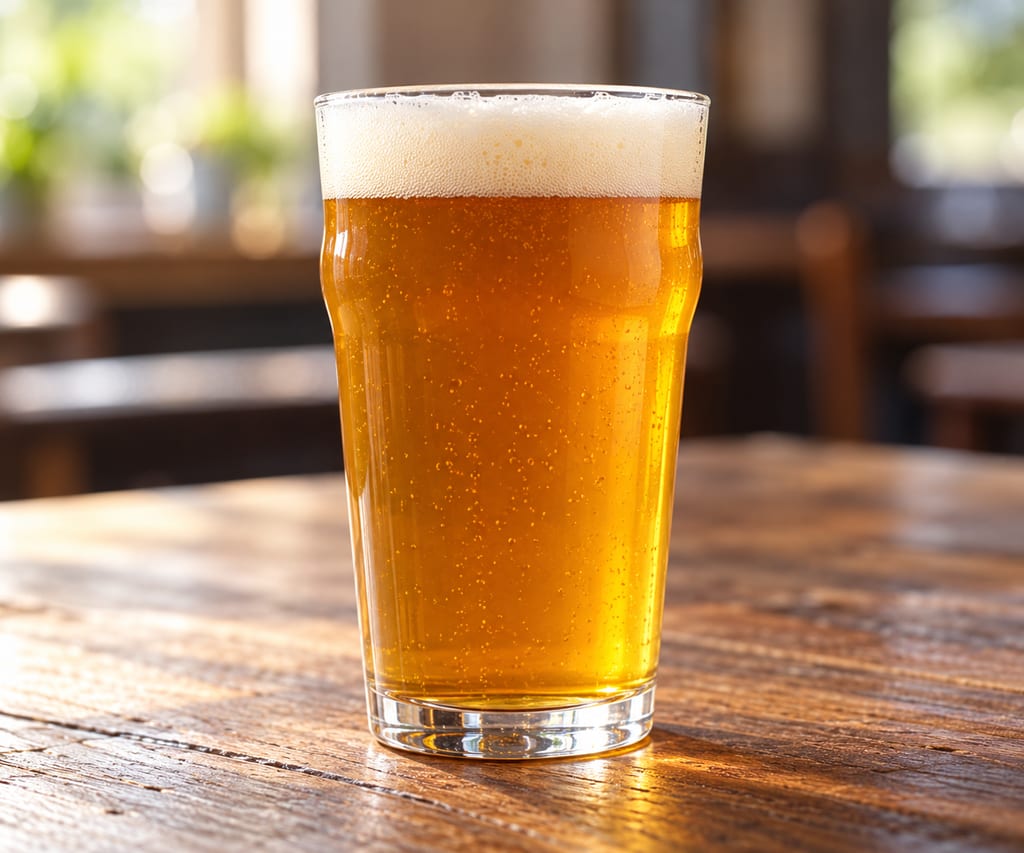
This is a process overview, not a complete batch recipe: key quantities, yield and packaging directions are absent. The AHA tutorial uses Hop Hammer Imperial IPA as an example; this page is not that full formulation.
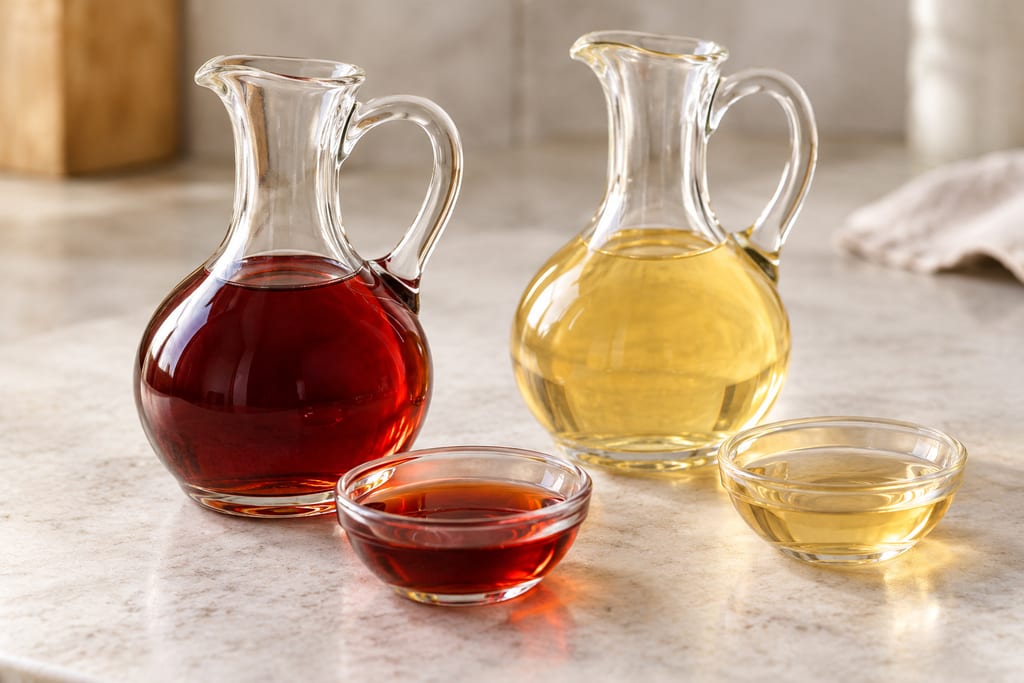
Wine vinegar is made by the aerobic oxidation of wine's alcohol into acetic acid by bacteria, producing a sour, wine-derived condiment used in dressings, sauces, marinades and preserved foods.
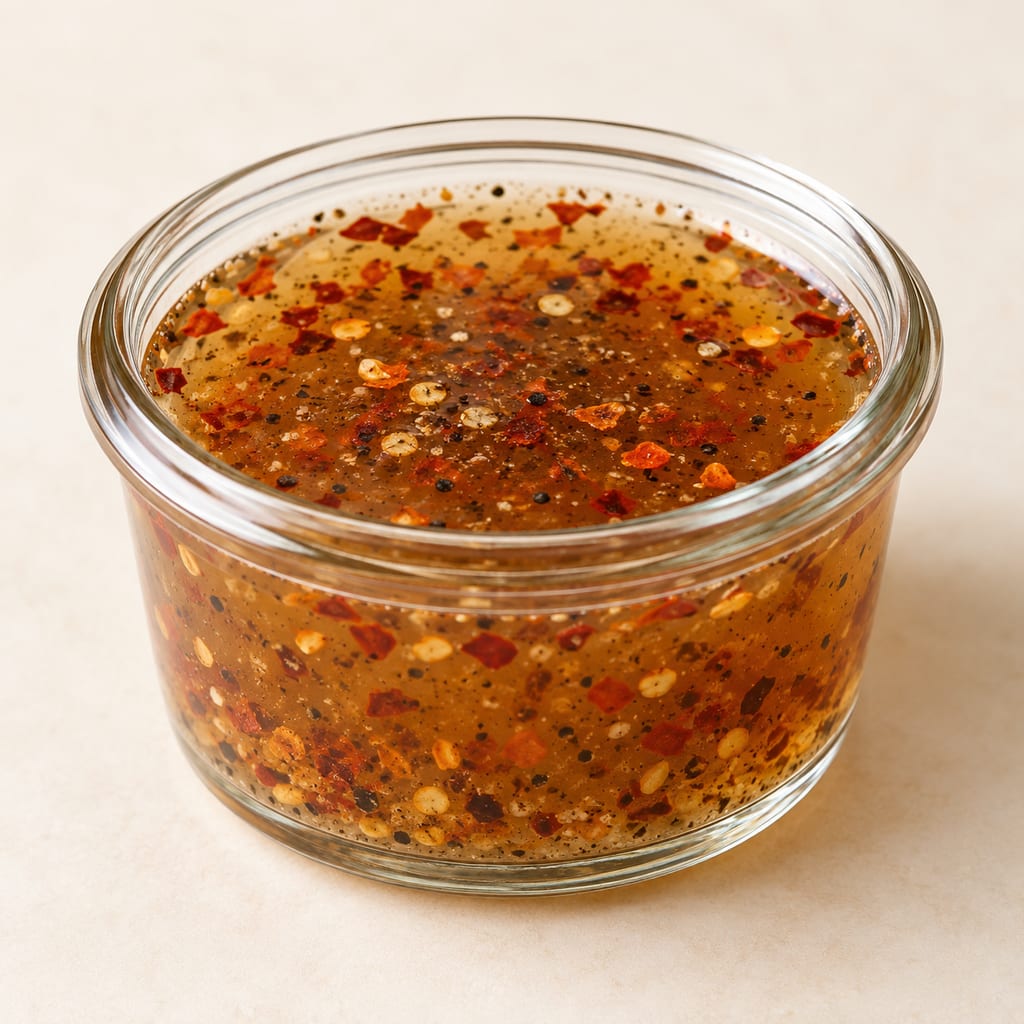
A thin eastern North Carolina sauce of distilled vinegar, pepper flakes, black pepper and salt, mixed cold and used to season chopped or pulled pork.
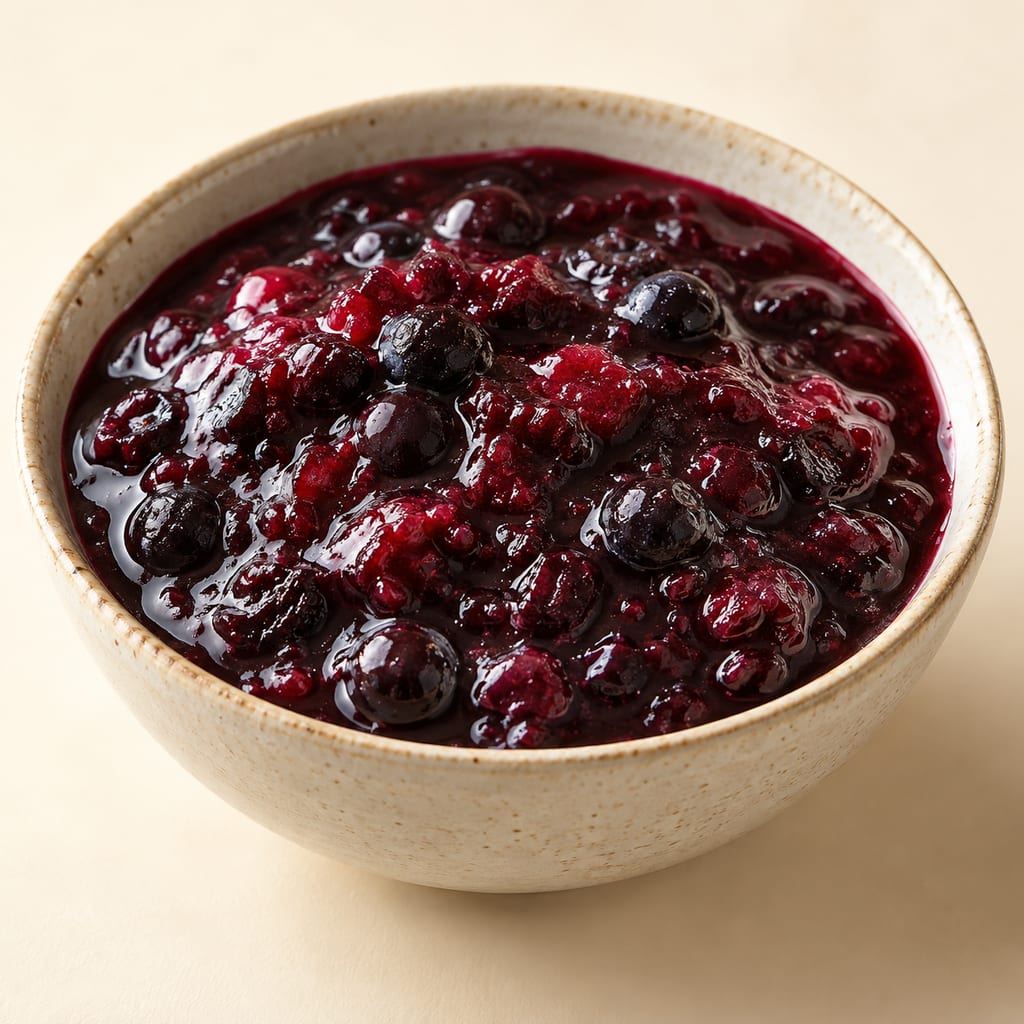
Wojapi is a cooked berry sauce of the Lakota and Dakota peoples of the Northern Plains, traditionally made from pounded chokecherries and today most often made with blueberries and a starch.
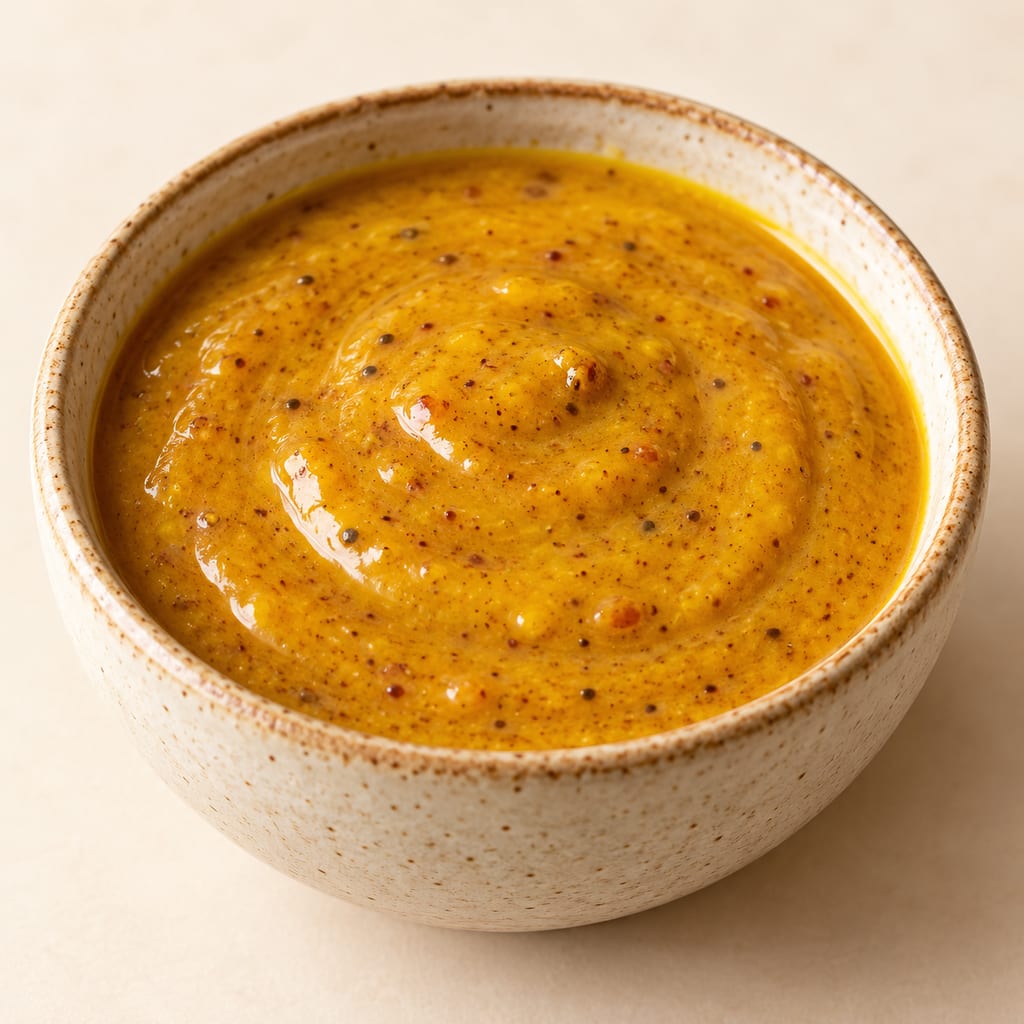
South Carolina mustard barbecue sauce is a yellow-to-golden sauce built on prepared mustard, balanced with vinegar, sweetness and spice, and associated with the Midlands of the state.
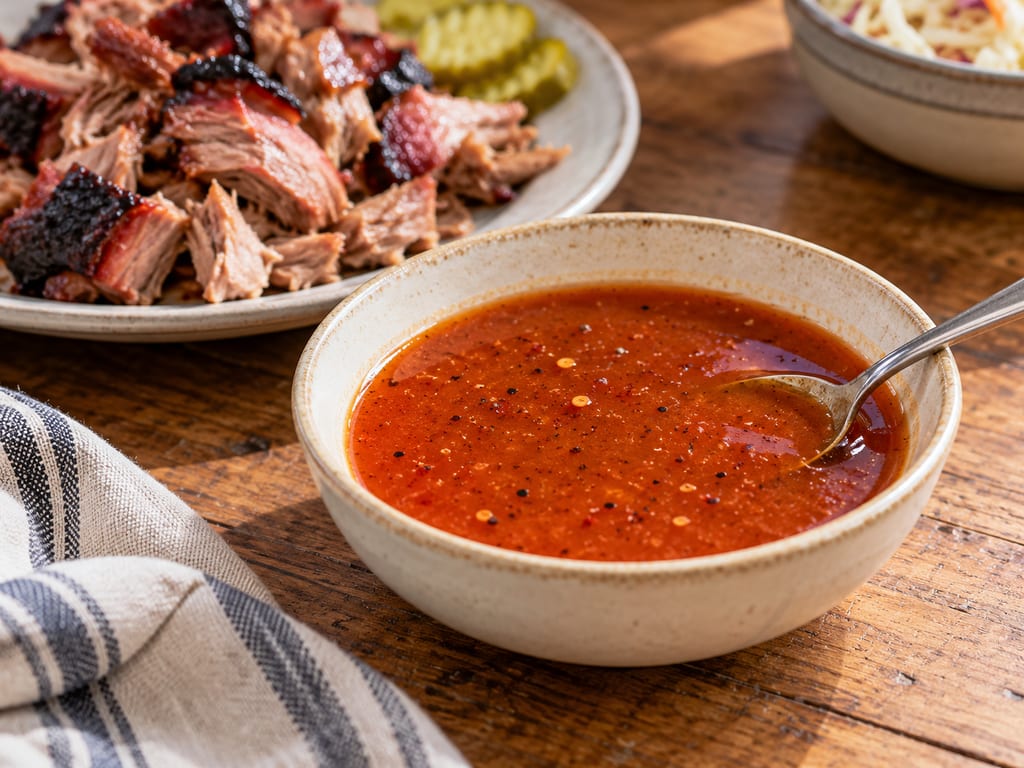
Light tomato barbecue sauce is a thin, sharp South Carolina sauce: a vinegar and pepper base with a small amount of ketchup, sitting between the clear vinegar sauce and the sweeter tomato sauces.
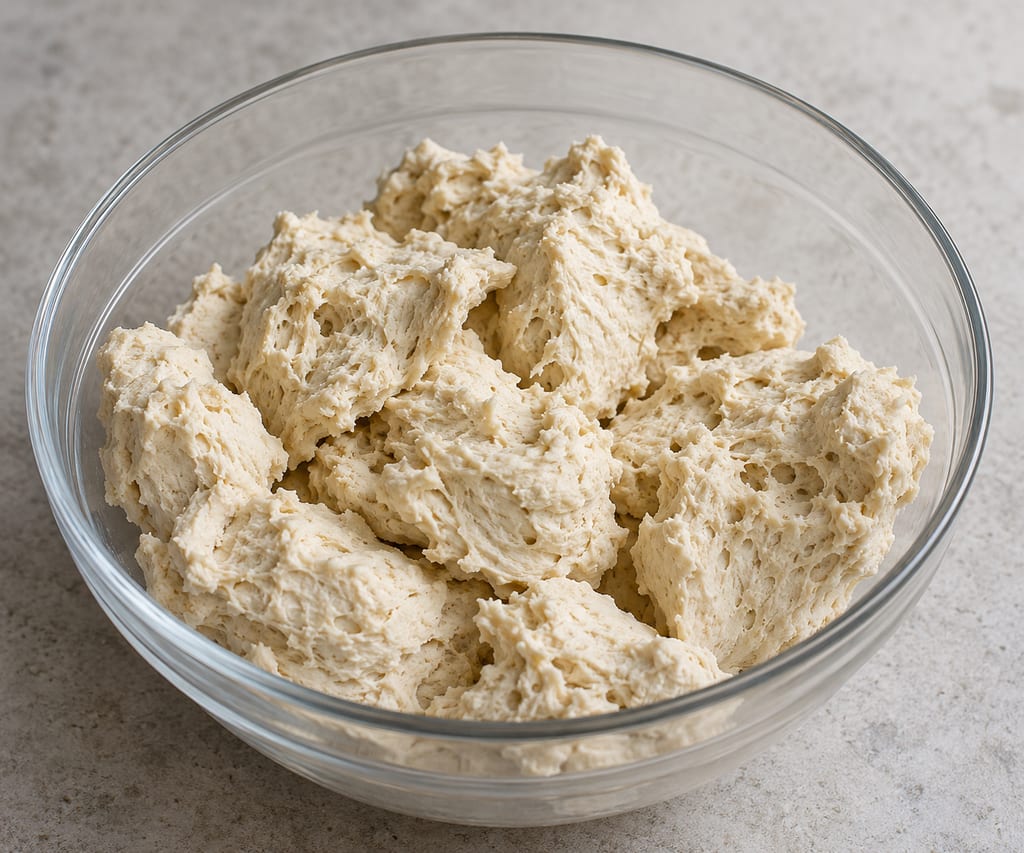
Biga is an Italian bread preferment of flour, water and a little yeast, usually a stiff unsalted mass of about 45 per cent water, fermented ahead and then mixed into the final dough.
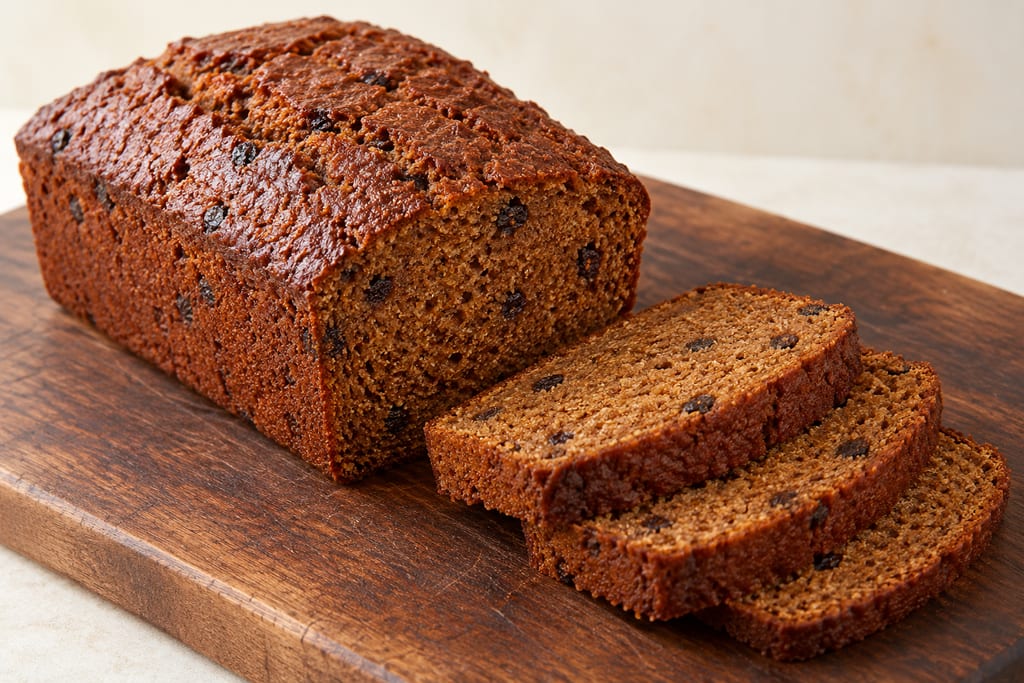
A molasses-sweetened rye, wheat and cornmeal batter that can be steamed on the stovetop or baked in a covered pan.
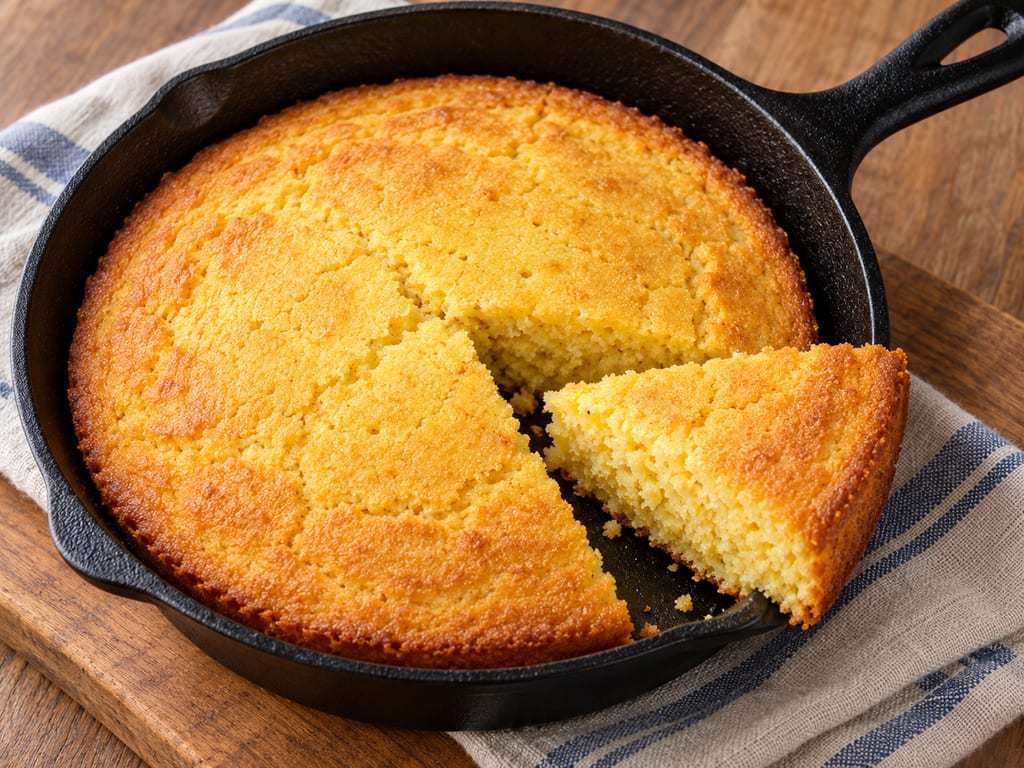
A modern cornmeal-and-wheat cornbread that King Arthur Baking describes as a compromise between Northern and Southern styles. The batter is baked in a pan or as muffins and served warm.
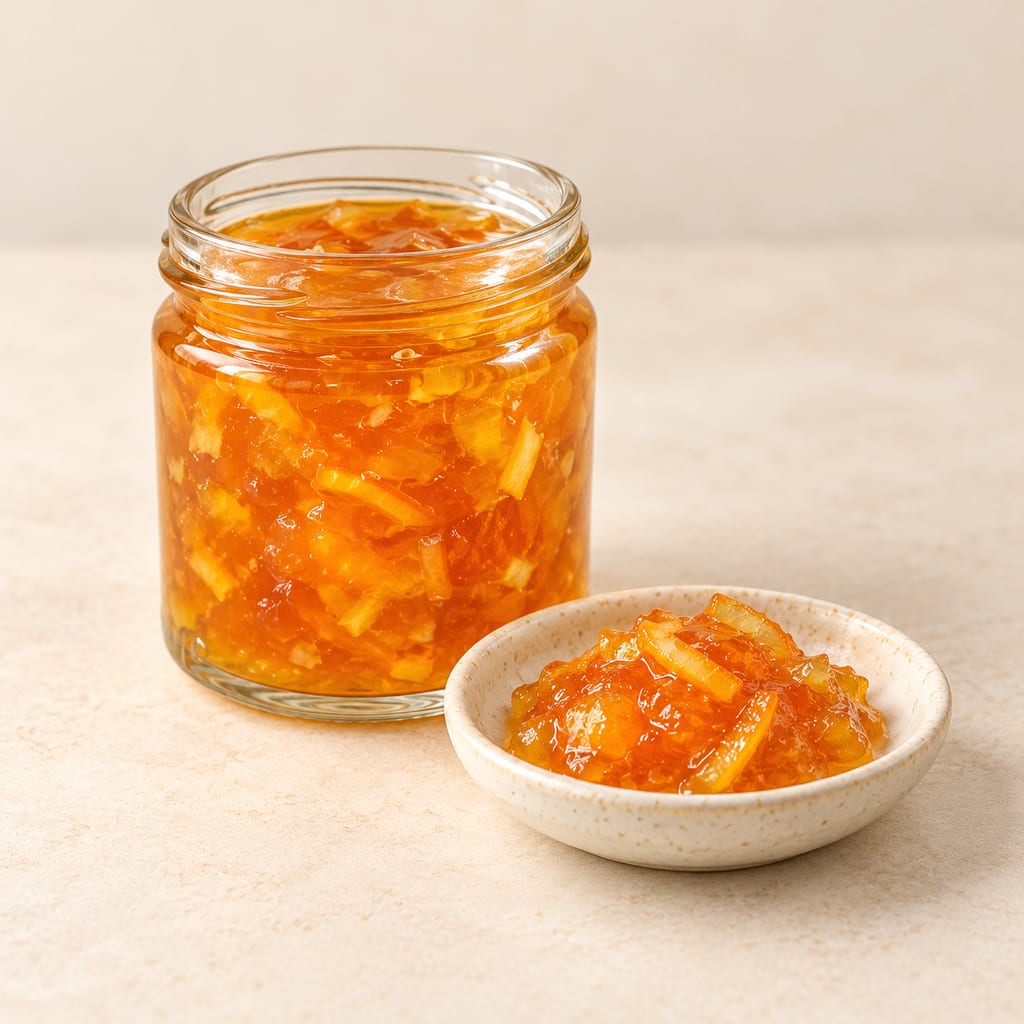
Orange marmalade suspends thin strips of citrus peel in a sweet gel. This navel-orange batch includes pulp and lemon and is preserved in a boiling-water canner.
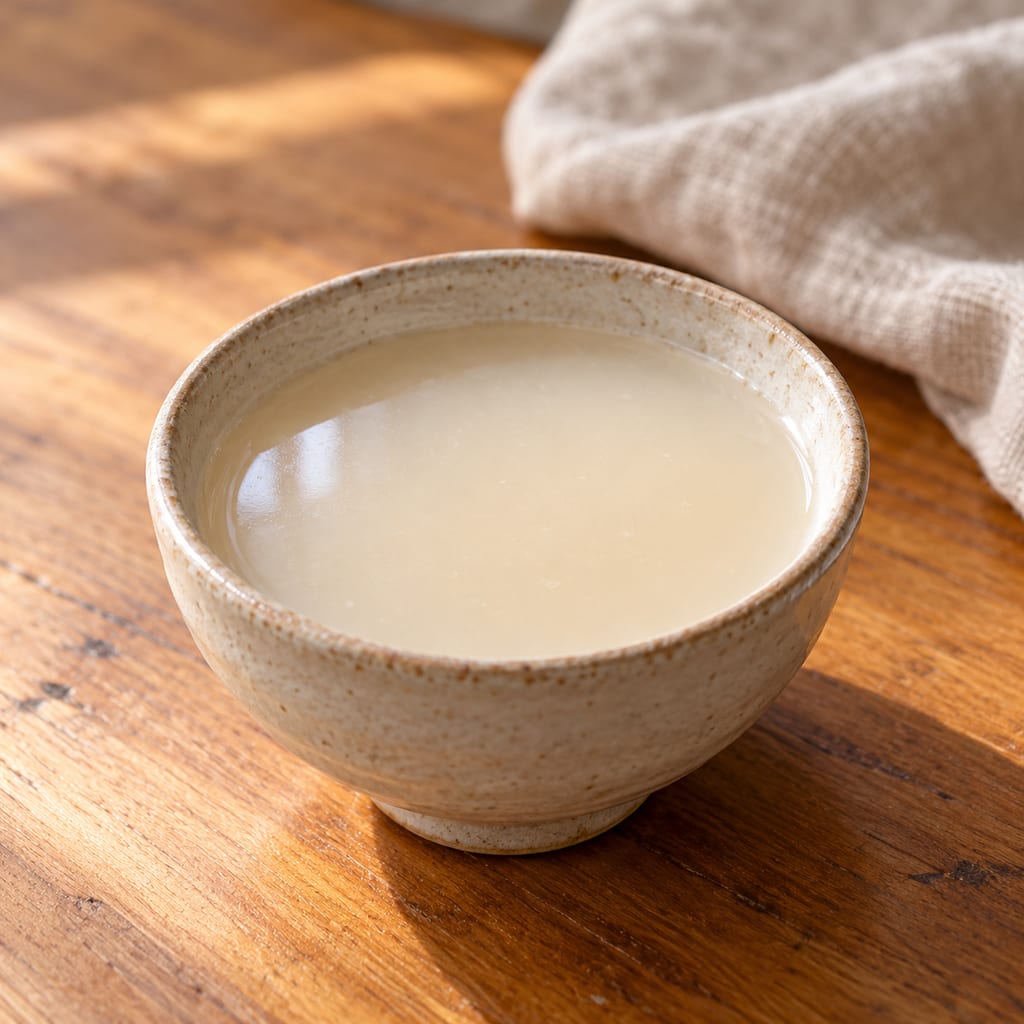
An alcoholic Korean rice drink of steamed glutinous rice and nuruk, mashed in a single stage and fermented for 7 to 14 days.
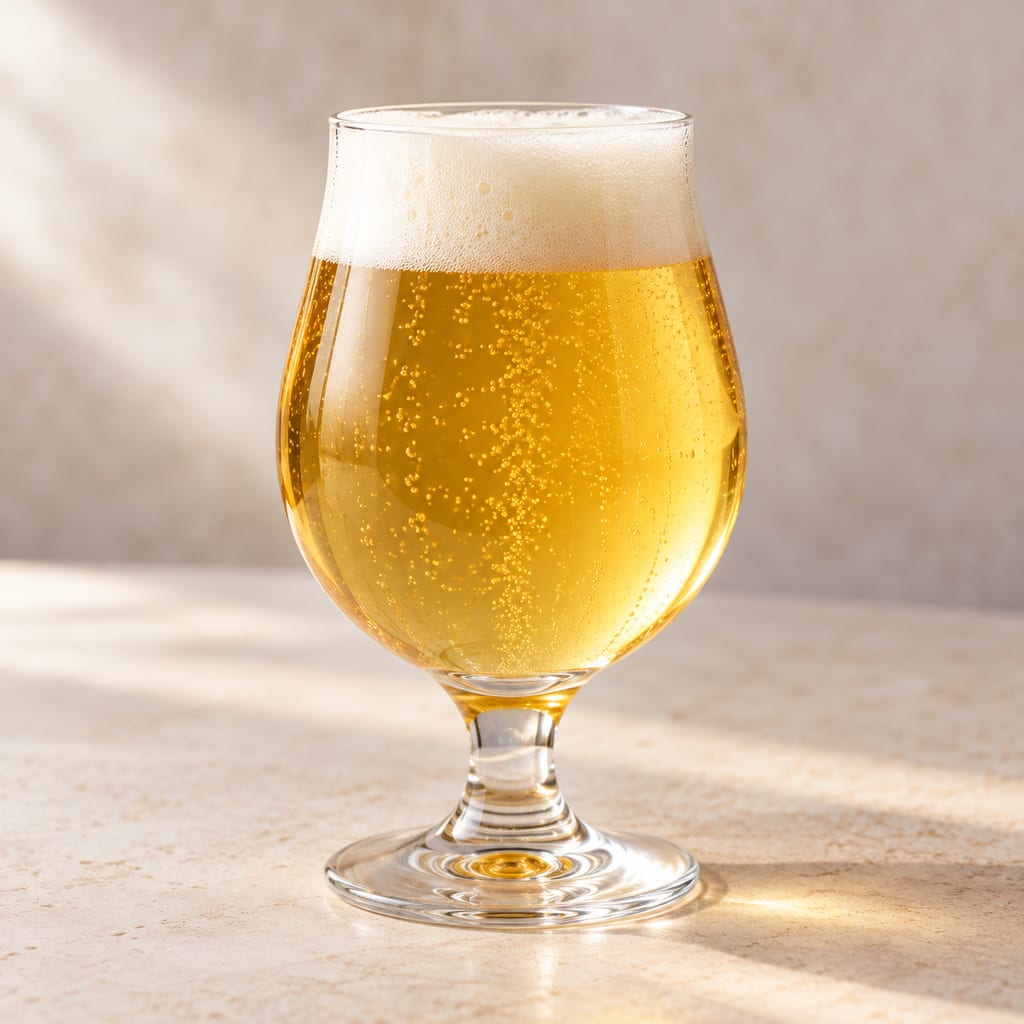
A pale Belgian-style ale with Pilsner and aromatic malts, cane sugar and Saaz hops, fermented under loose foil before an airlock is fitted.
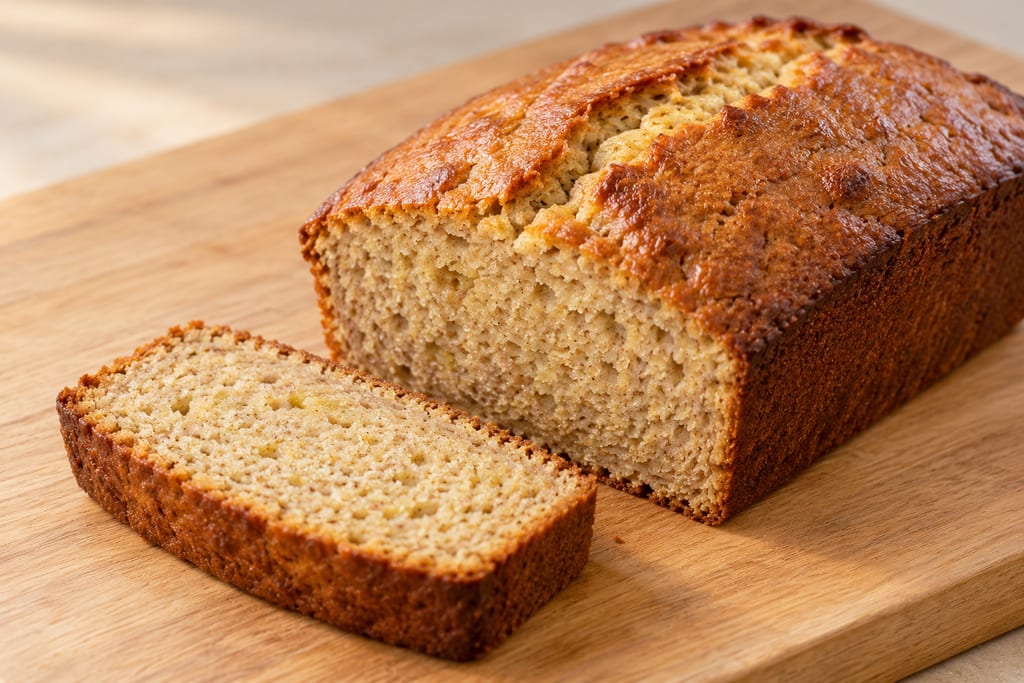
A Hawaiʻi ʻUlu Cooperative home loaf made with ripe banana, ʻulu, or a mixture of the two, leavened with baking powder.
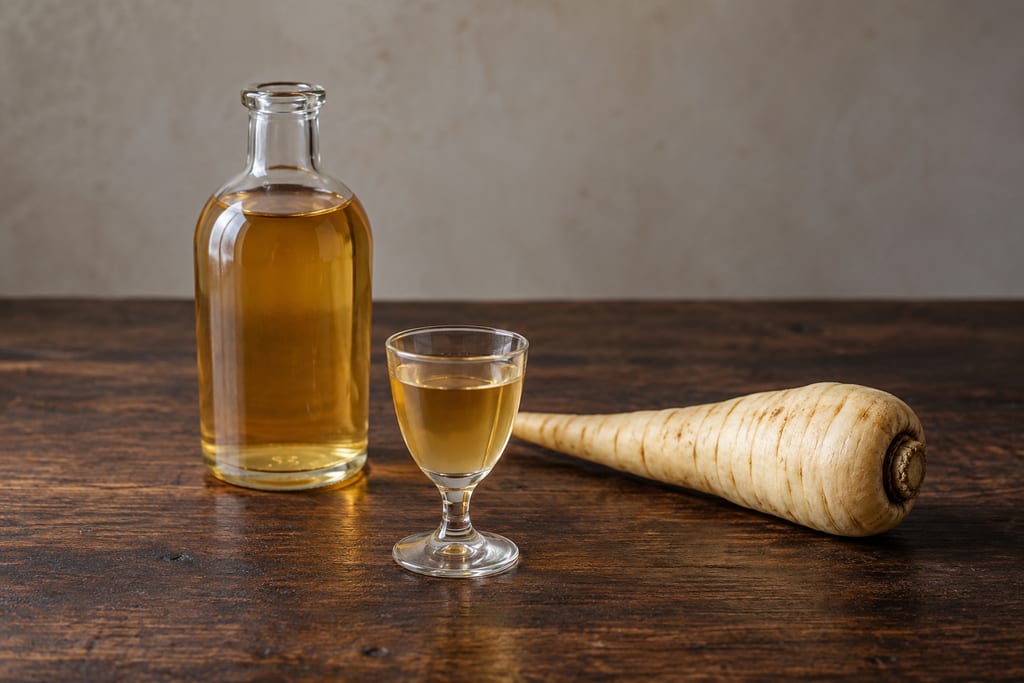
Wright's 1909 compilation records a parsnip wine made from boiled roots, sugar and a little yeast. The liquor spends ten days in a tub, then twelve months in a cask topped up daily only while the wine works over.
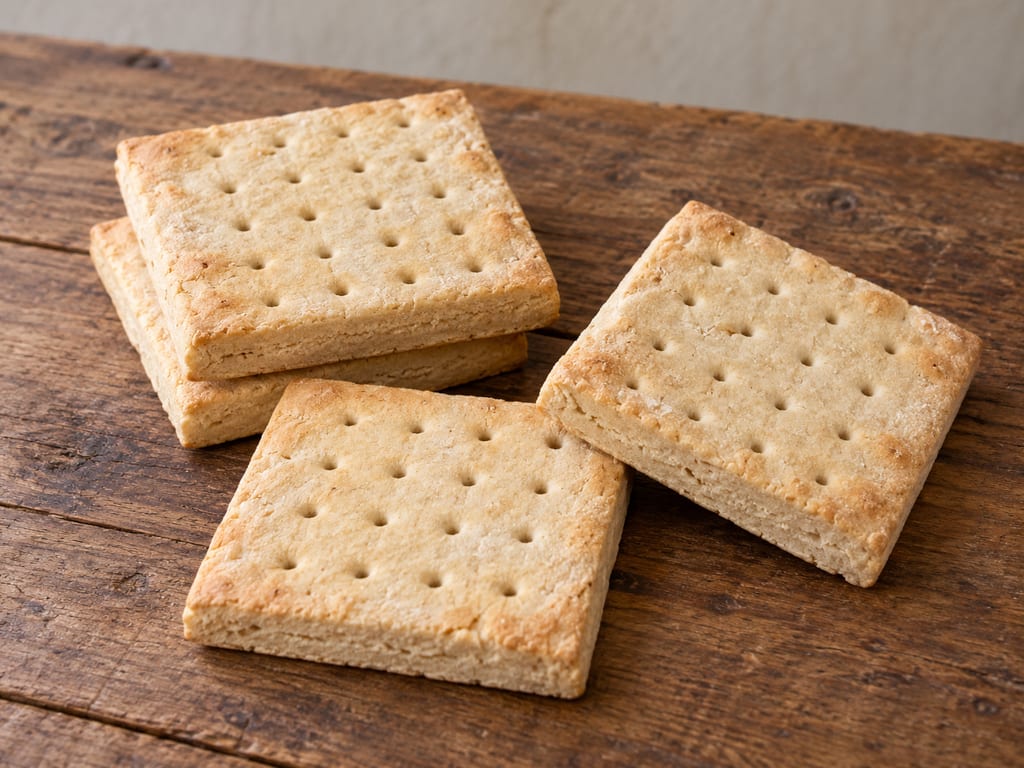
A flour-and-water biscuit baked hard for transport; this home version follows the measured National Park Service Manassas interpretation.
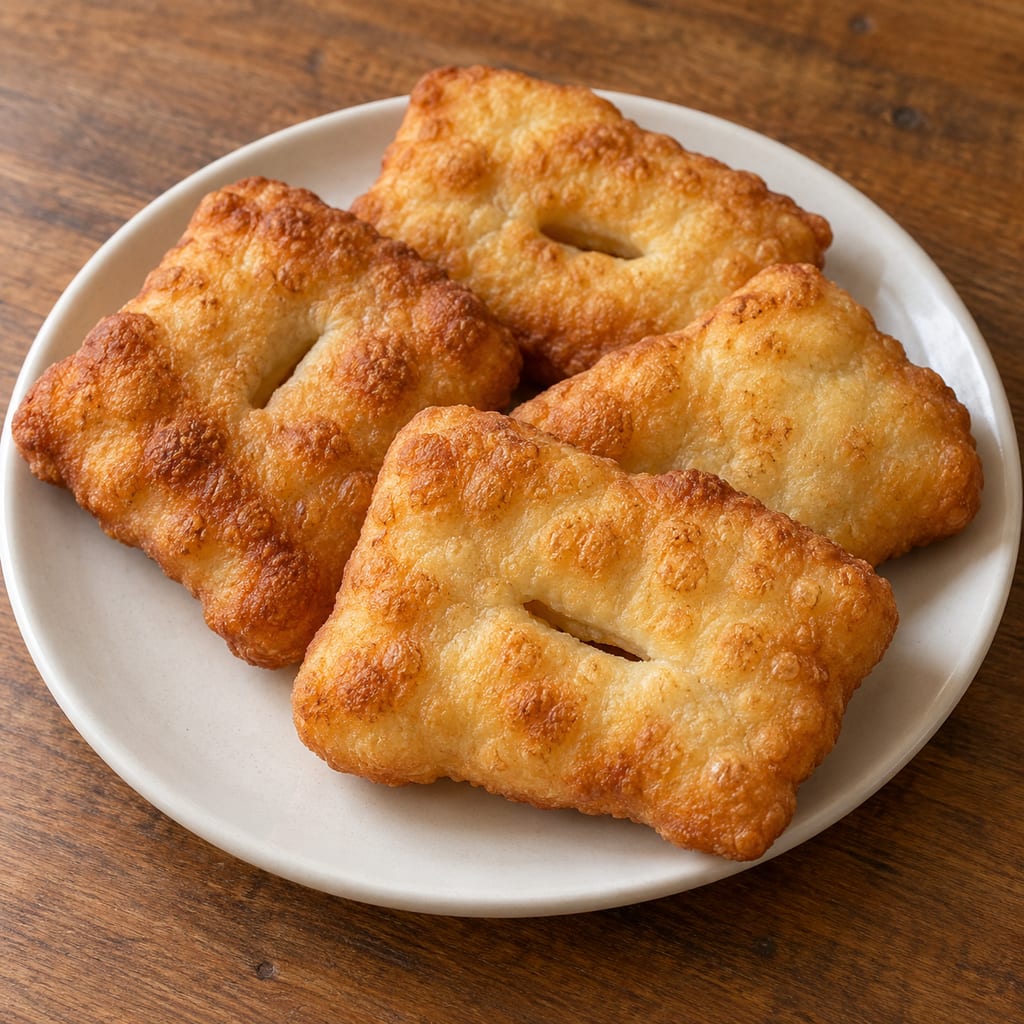
A soft egg-and-flour dough is lightly kneaded, cut into strips and fried until browned on both sides.
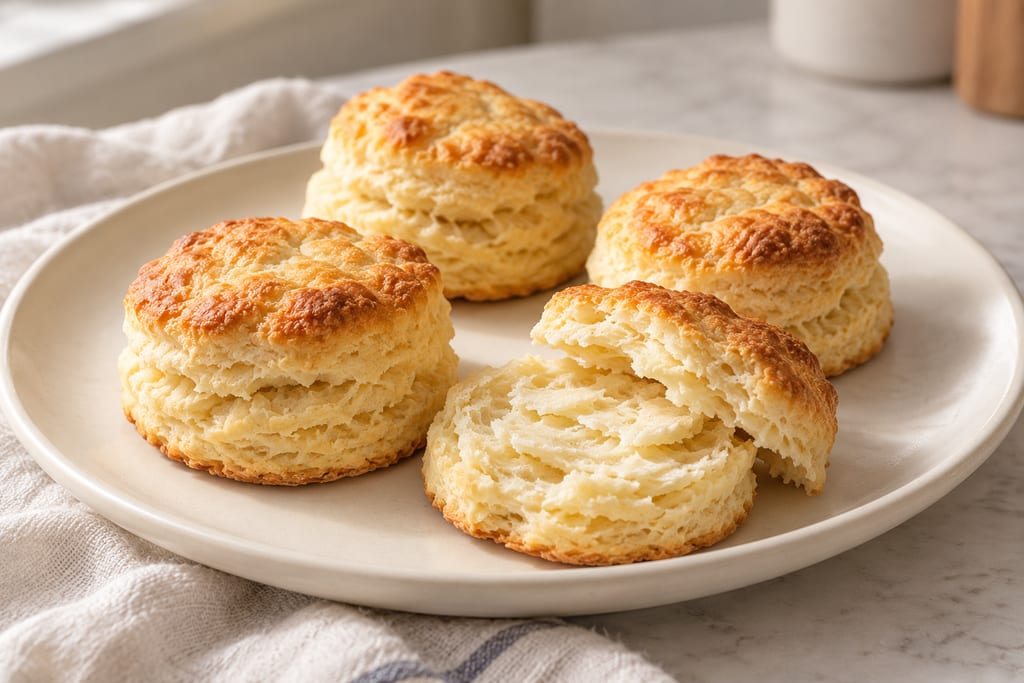
A small batch of tender American quick breads made with cold butter, buttermilk and baking powder.
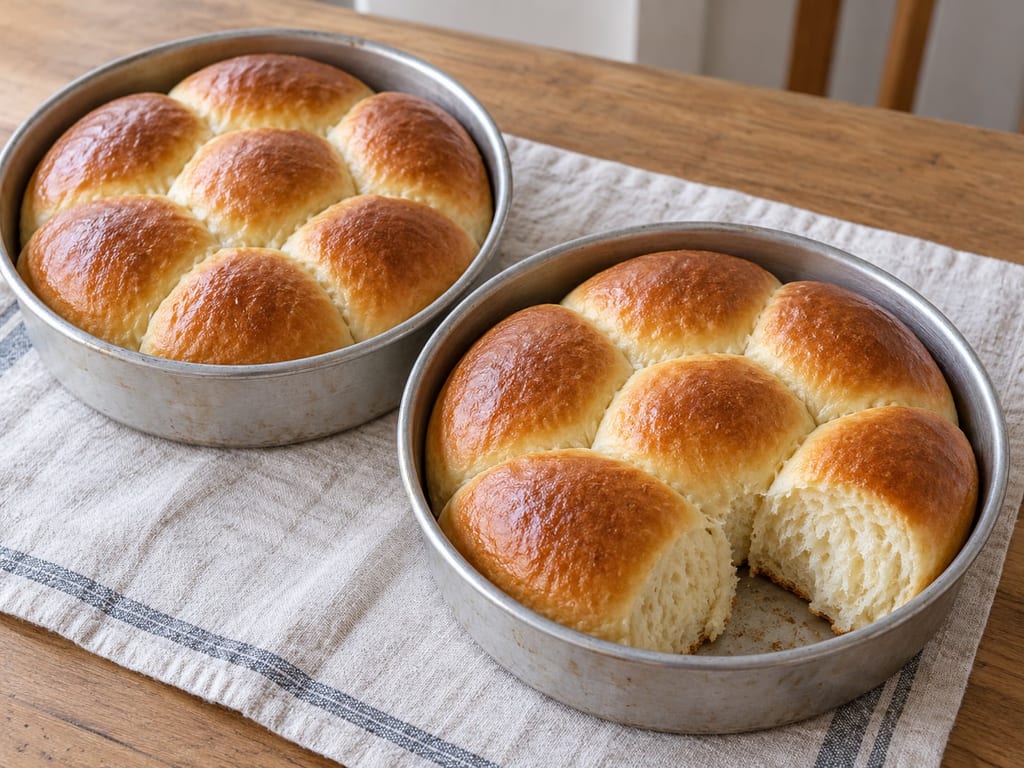
This Hawaiian Electric pão doce is an enriched yeast bread with milk, eggs, melted butter and sugar, baked as two loaves or shaped into small rolls.
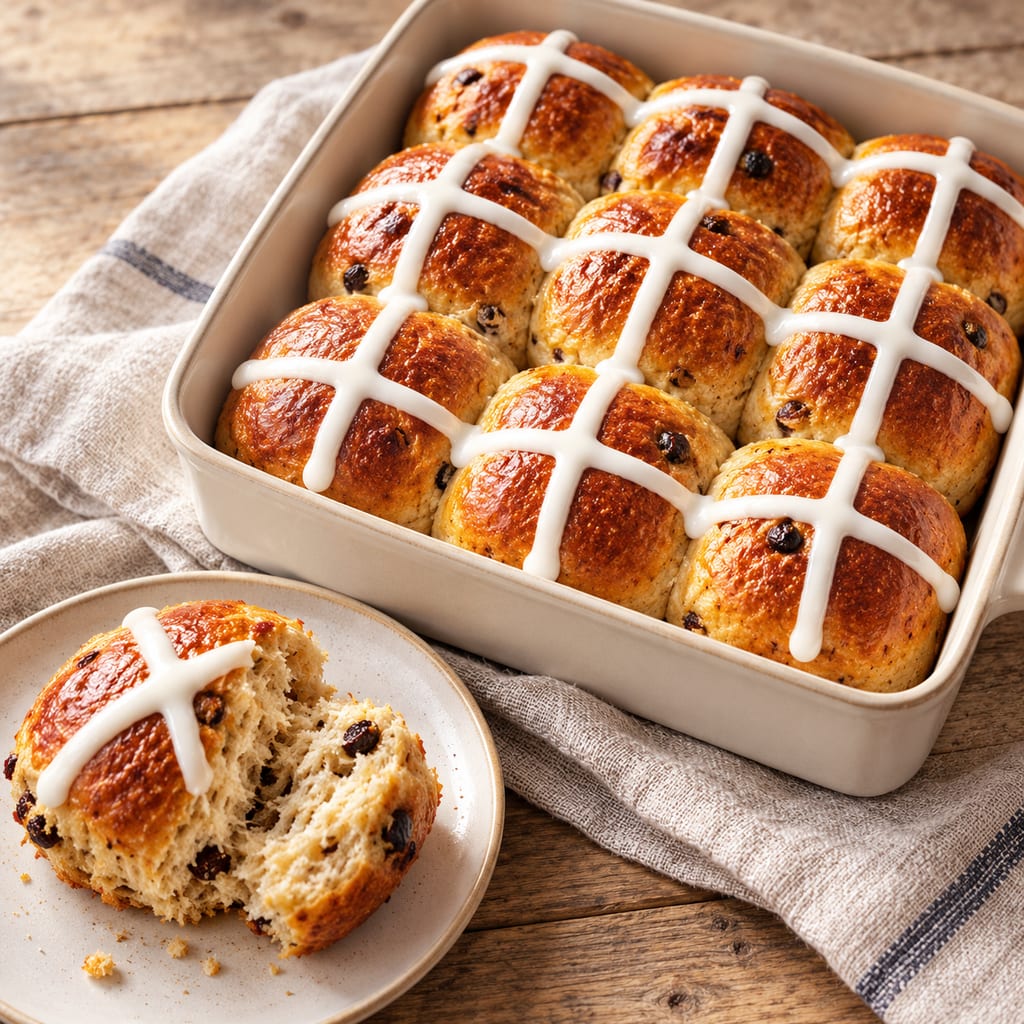
These spiced fruit buns use yeast and baking powder in a soft wheat dough, then receive an icing cross after baking.
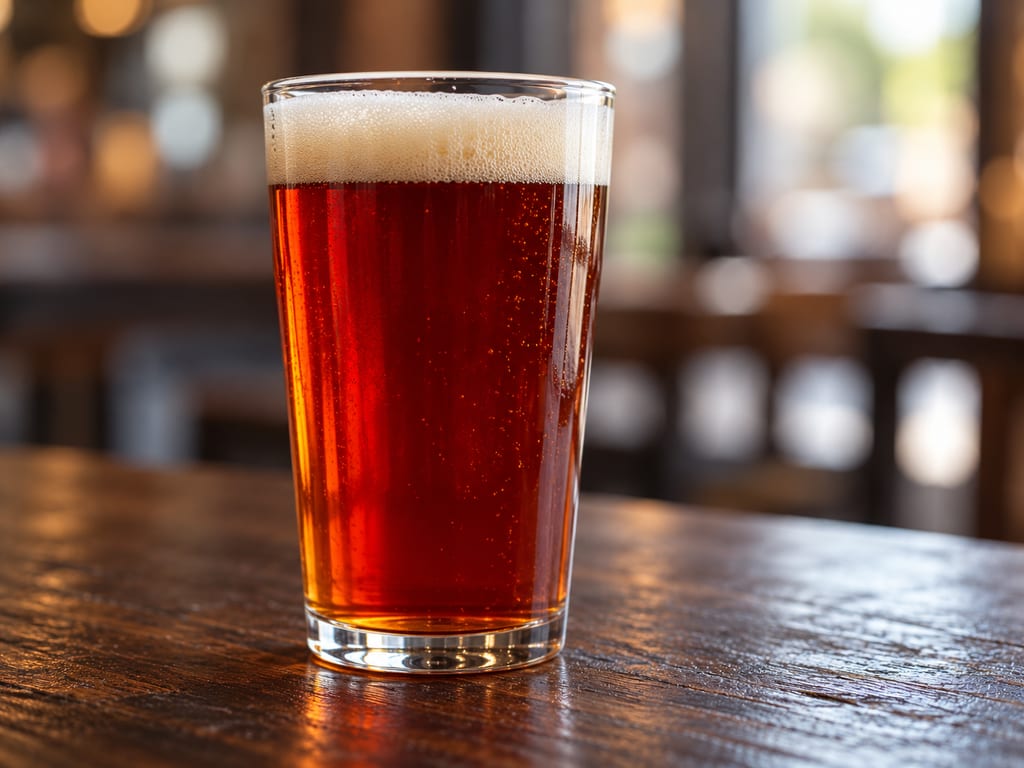
A deep amber-red American ale brewed from pale, Munich, CaraVienne and chocolate malts, bittered with Columbus hops and finished with Amarillo.
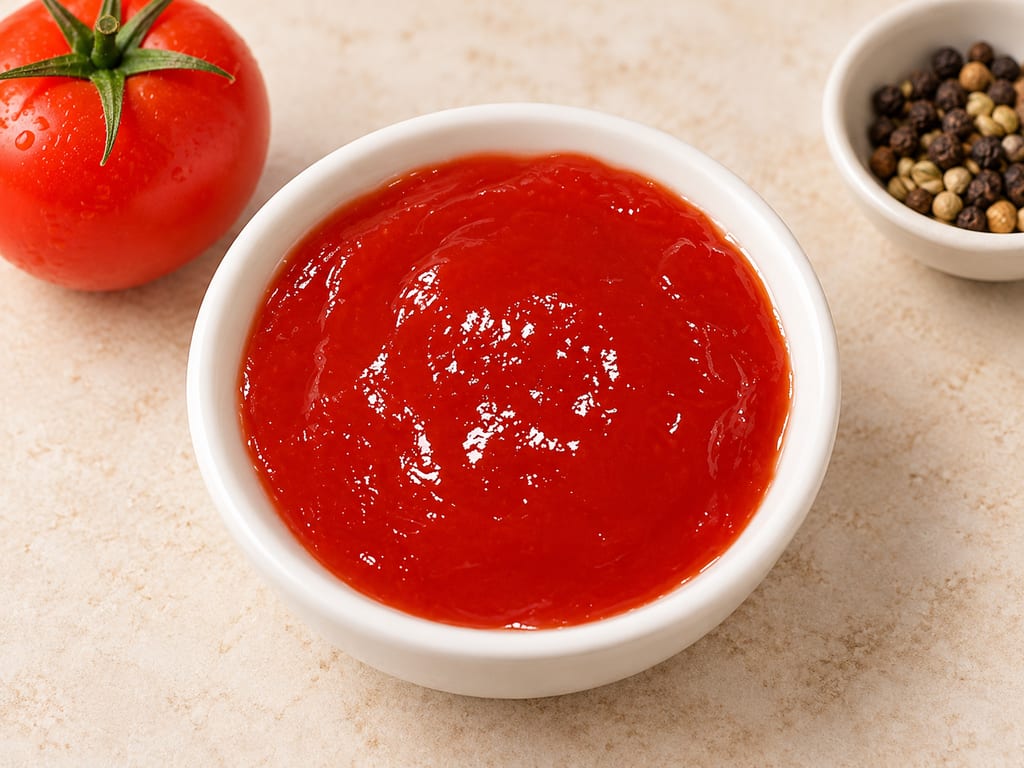
Tomato ketchup is a smooth, sweet-sour tomato sauce whose modern form grew from an older family of savoury ketchups; this version follows a tested home-canning recipe.