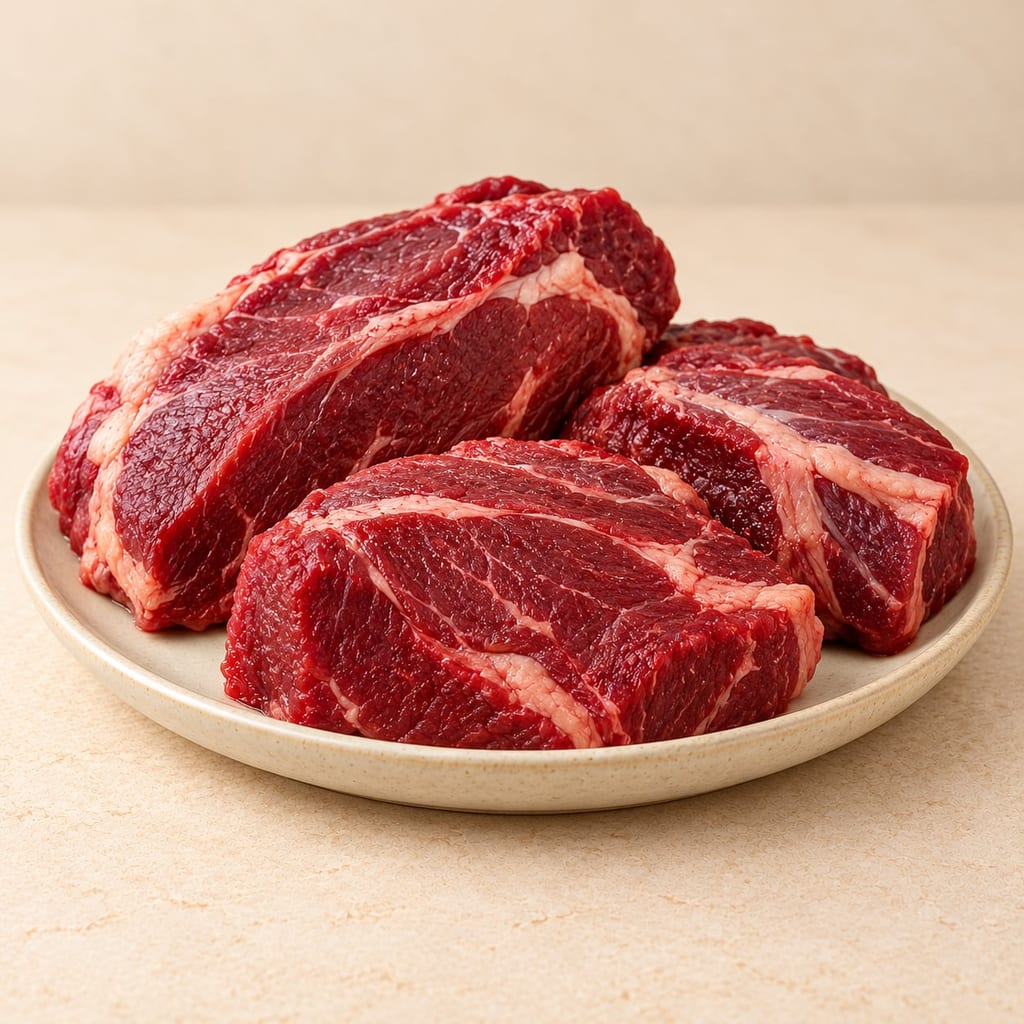
Yak meat
Yak meat is the flesh of domestic yak (Bos grunniens), eaten fresh and used in regional highland foods, including khyopeh, the fermented meat of Lachung, North Sikkim.
 FermenteaWhere food goes to change
1086 articles on substrates, cultures and additives.
Yak meat is the flesh of domestic yak (Bos grunniens), eaten fresh and used in regional highland foods, including khyopeh, the fermented meat of Lachung, North Sikkim.
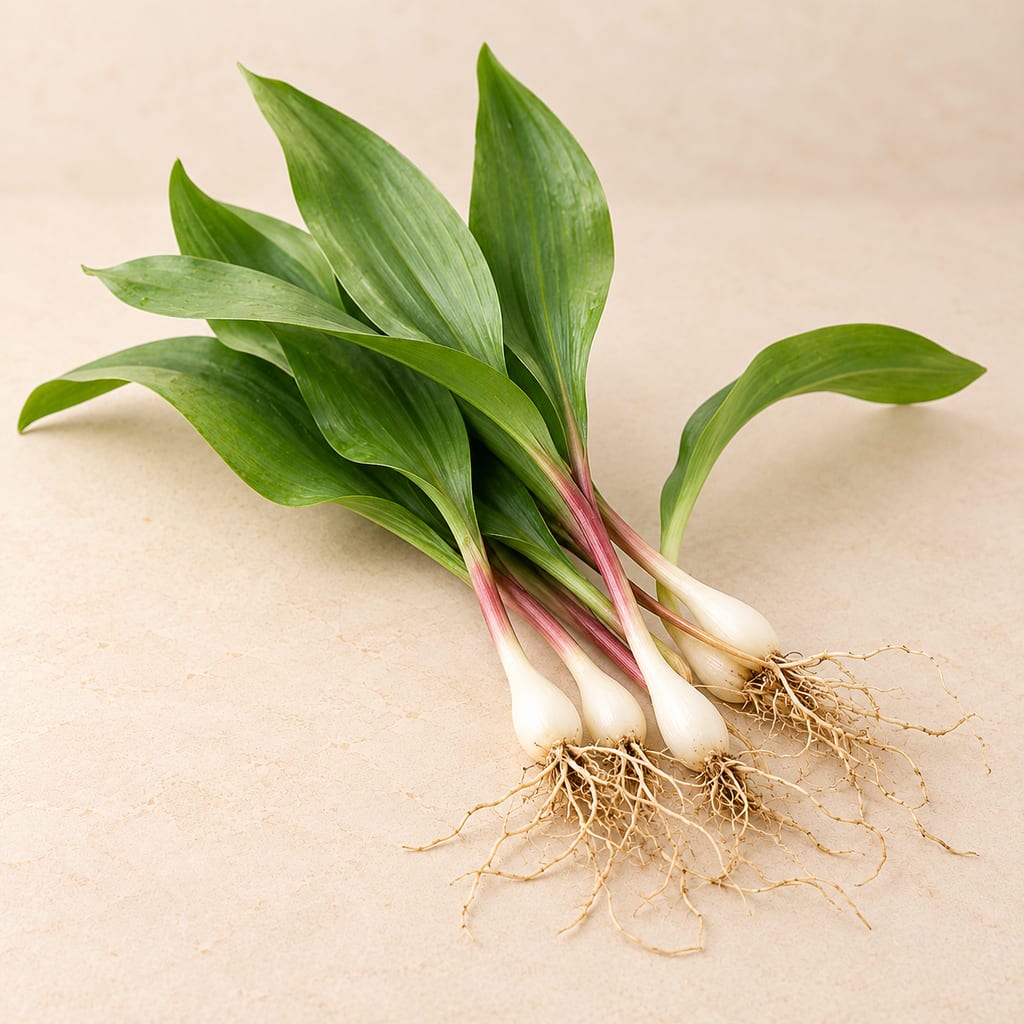
Allium tricoccum is a North American spring ephemeral documented in Appalachian food and cultivation sources. Older ramp studies may combine it with Allium burdickii or use a broader variety concept.
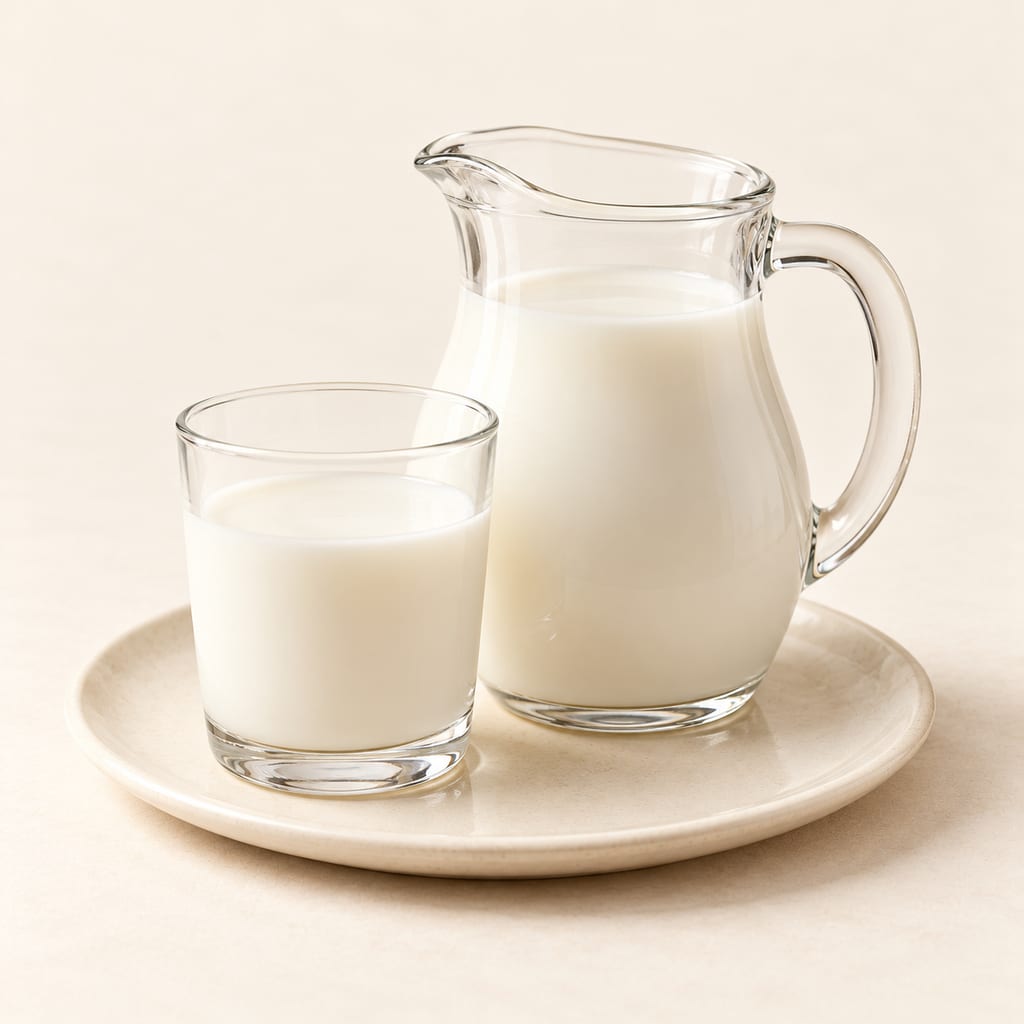
Camel milk from one- and two-humped camels supplies fresh drinks, fermented milks and specialised cheeses across pastoral food systems in Africa and Asia.
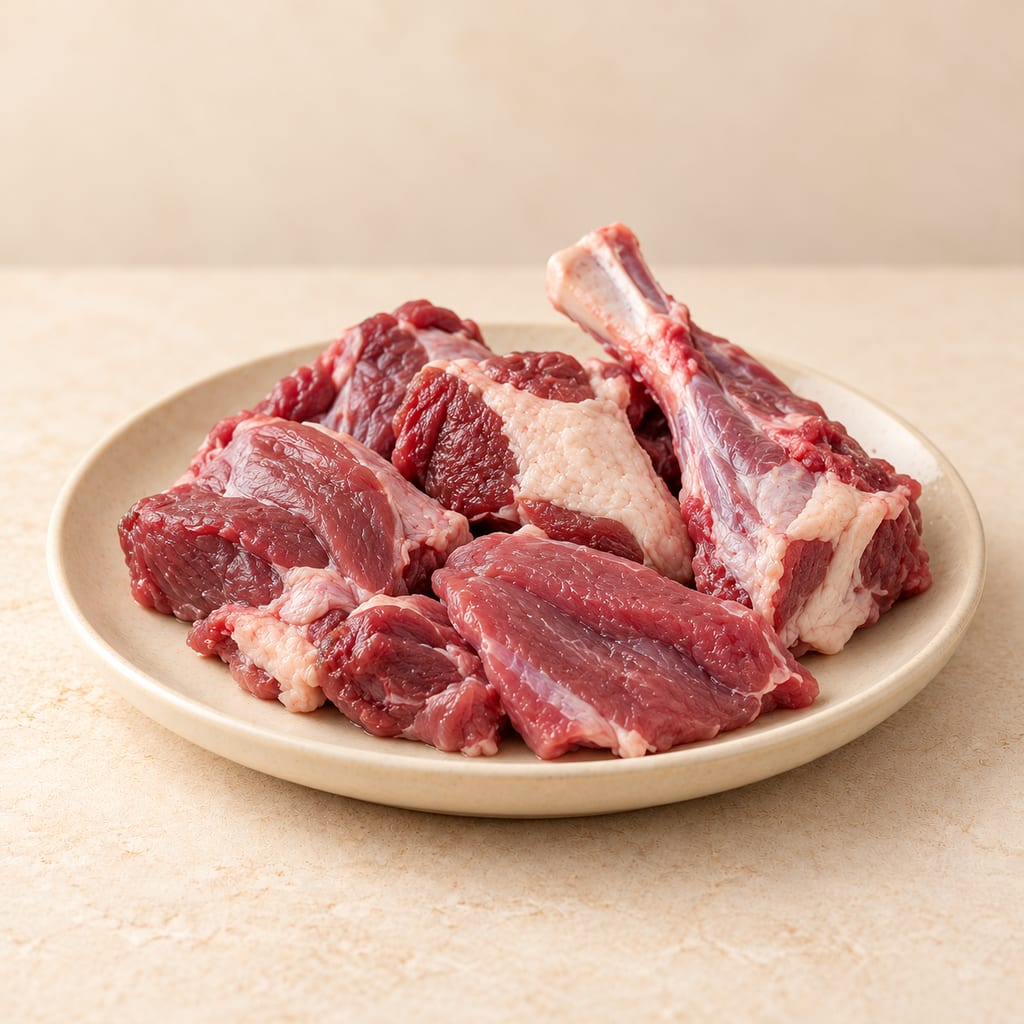
Goat meat is the edible flesh of domestic goats, traded as many cuts and forms whose character depends on the animal, the herd system and local butchery.
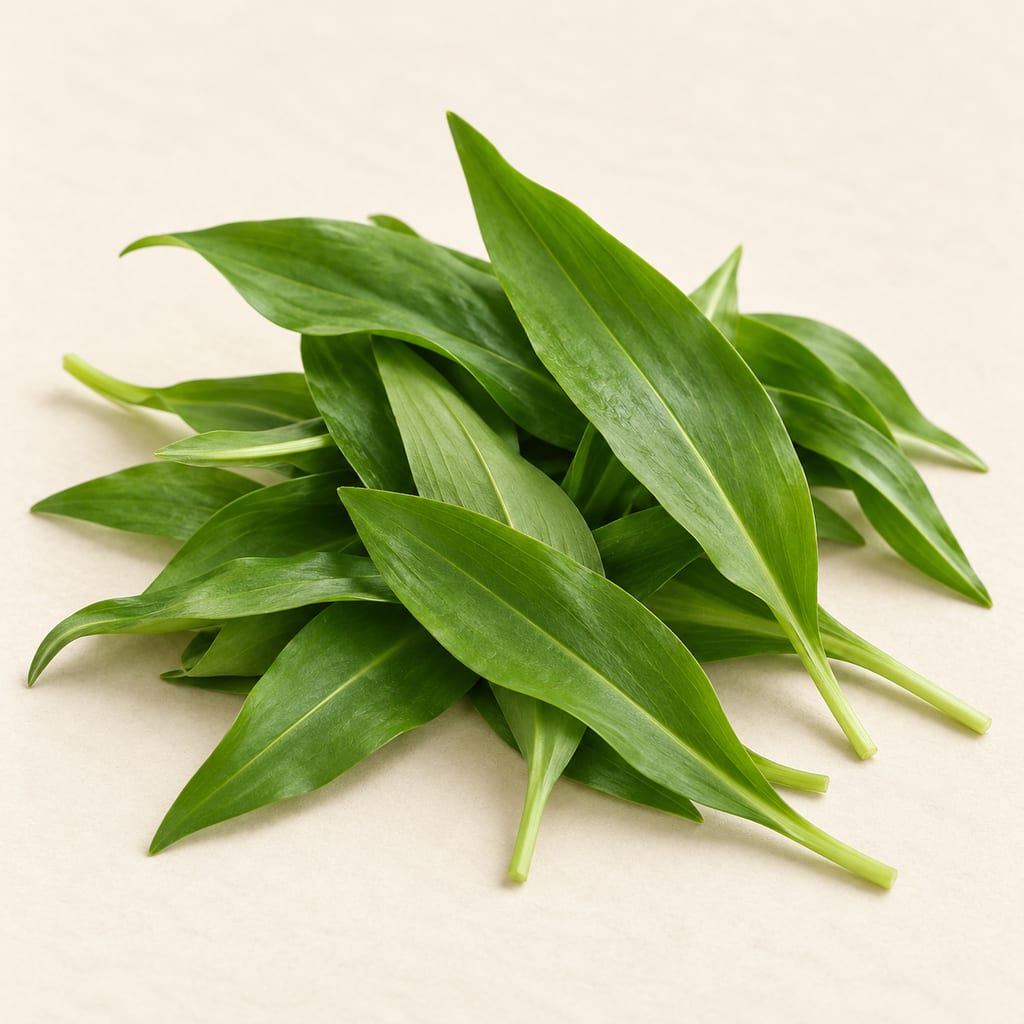
A source-linked account of ramsons as a European spring woodland plant and culinary leaf, with cultivation limits and serious wild-harvest lookalike warnings.
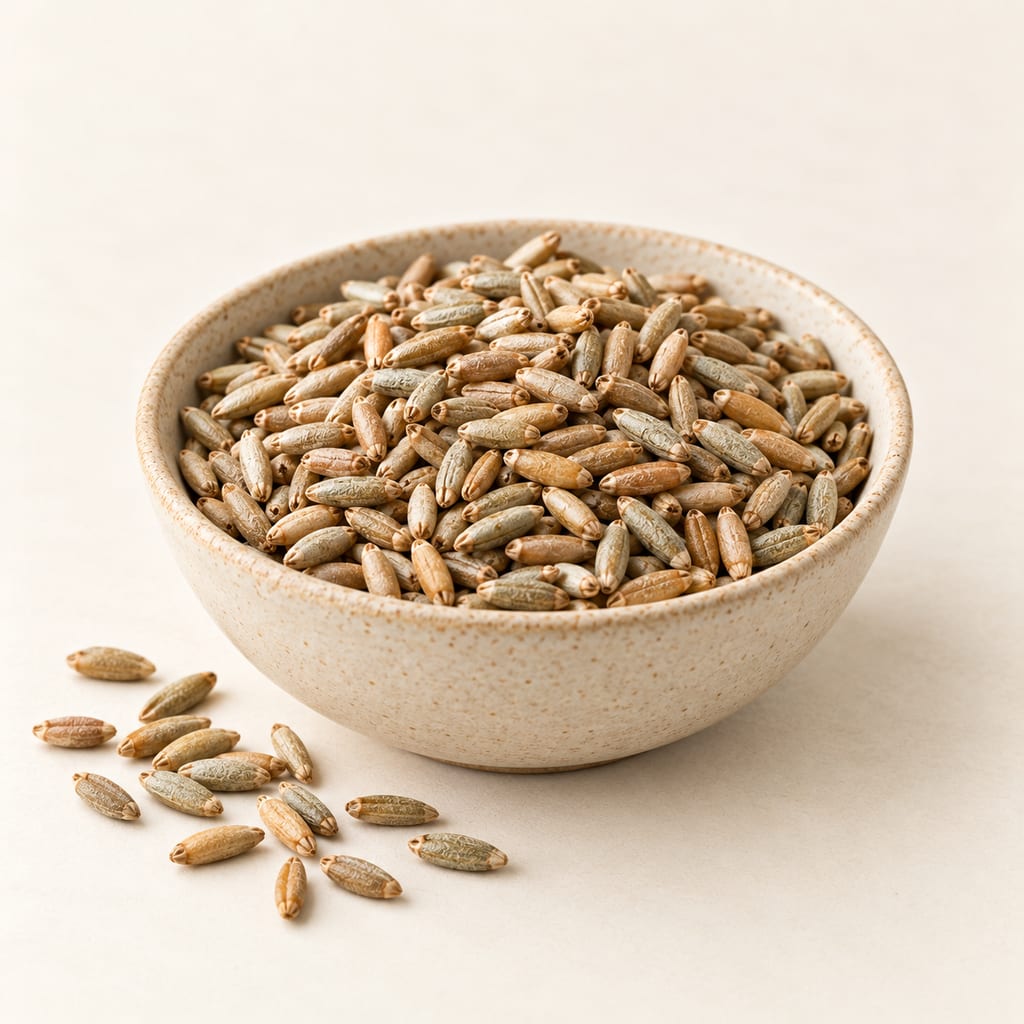
The grain of Secale cereale is milled whole or refined for breads whose crumb, flavour and fermentation differ from wheat loaves.
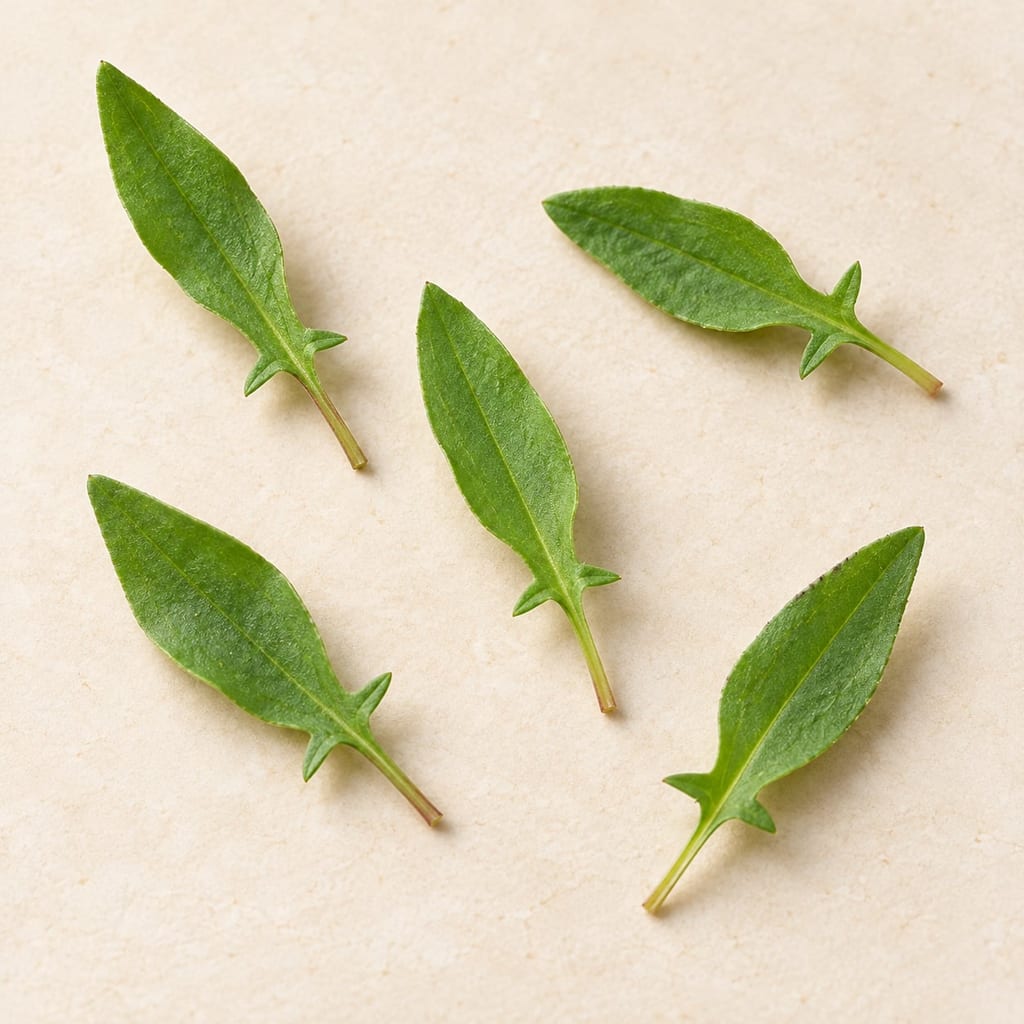
Rumex acetosella is a small perennial distinct from common sorrel and from Oxalis plants also called wood sorrel. RHS sources report edible leaves but also warn against eating large quantities; they do not provide a safe amount or a complete species-specific recipe.
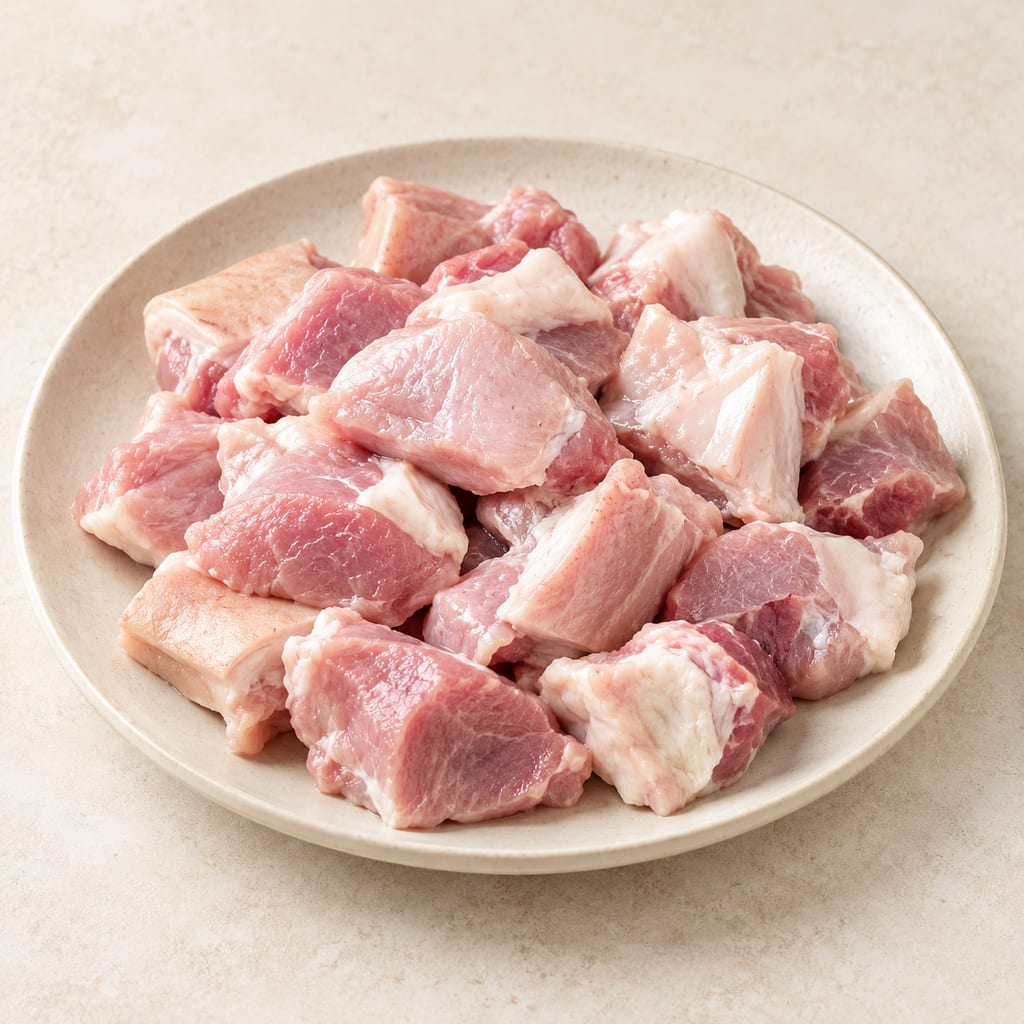
Pork is meat from domestic pigs, sold as distinct cuts, ground meat and fat; its form and composition shape its roles in fermented foods.
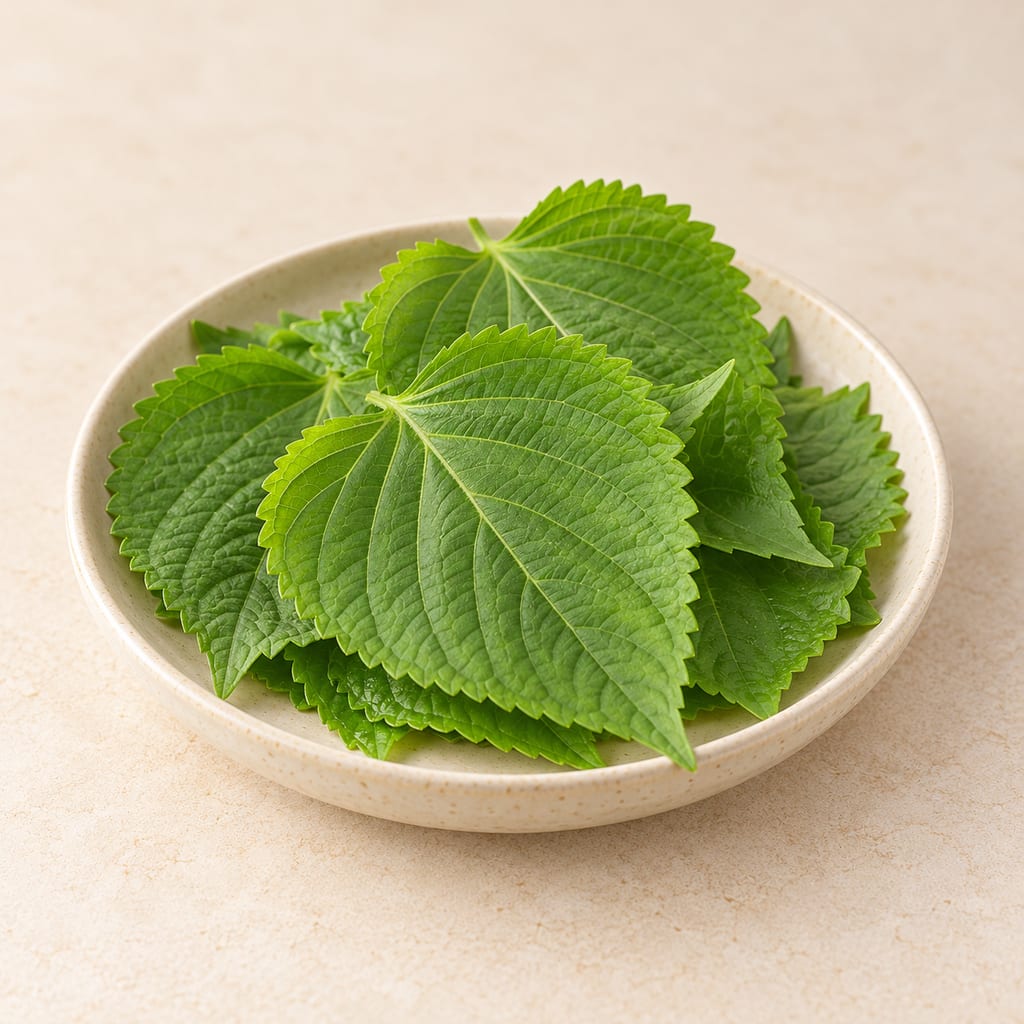
A guide to Perilla names, food uses and regional cultivation reports, with cultivar and plant-part boundaries kept visible.
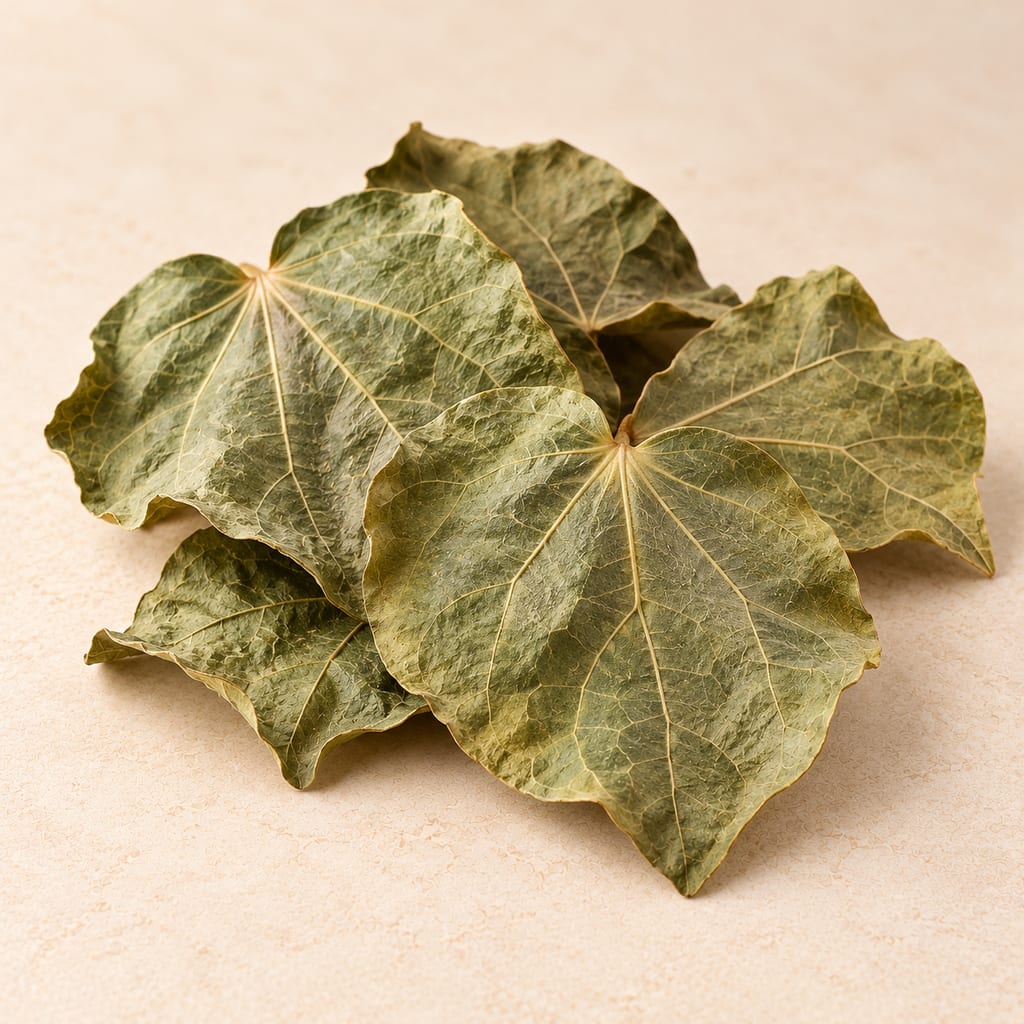
Kawakawa is a New Zealand pepper-family plant with source-specific Māori food knowledge, dated regulatory views for dried leaves and cultivation advice that varies by taxonomic and regional scope.
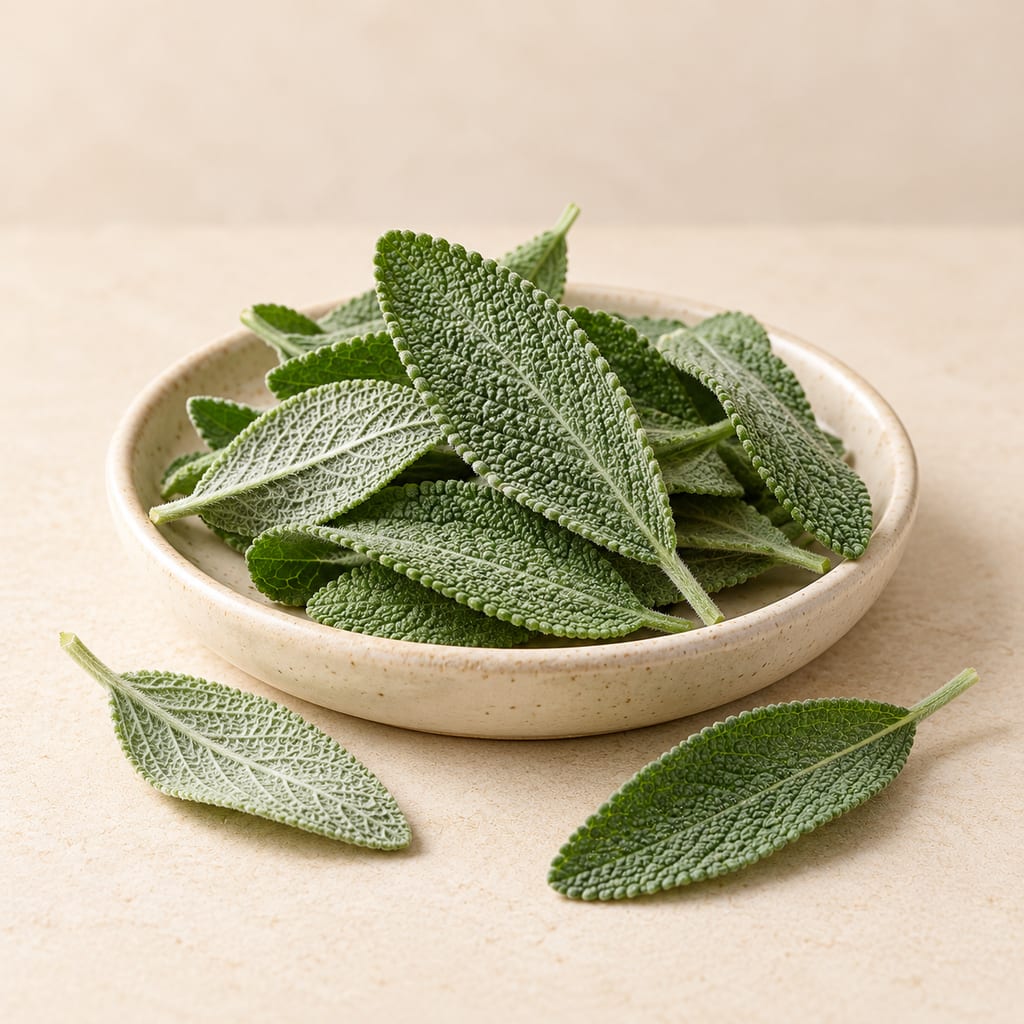
Common or culinary sage, Salvia officinalis: a perennial subshrub of southern Europe whose aromatic leaves season stuffings and meat, used fresh, dried or frozen.
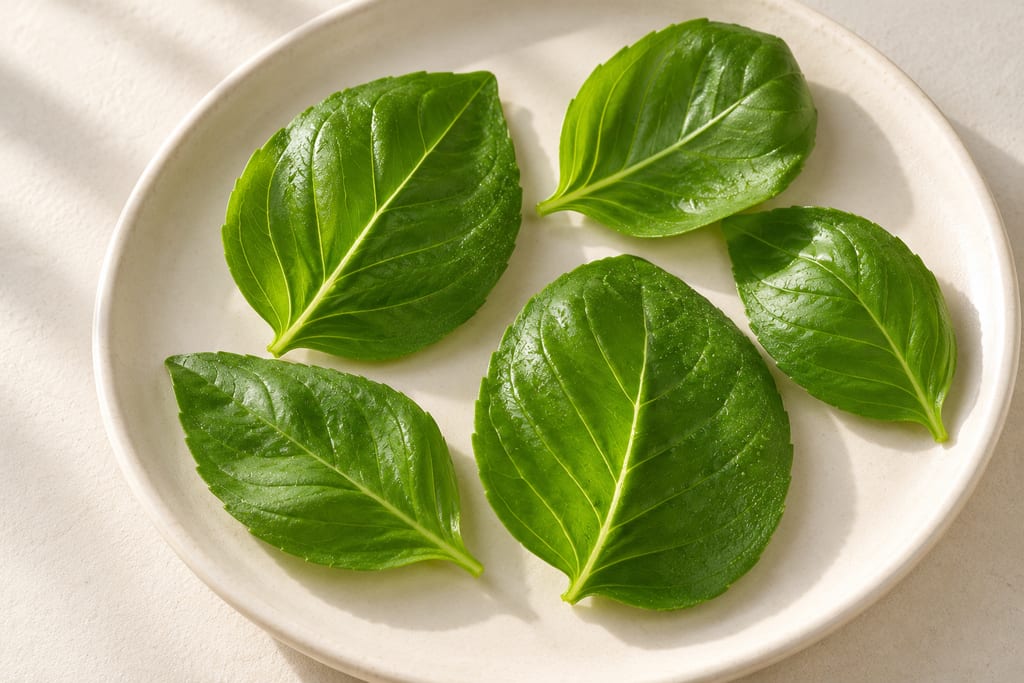
A source-linked overview of sweet basil's culinary names, one Ligurian pesto account, and the limits of UK and Maryland growing advice.
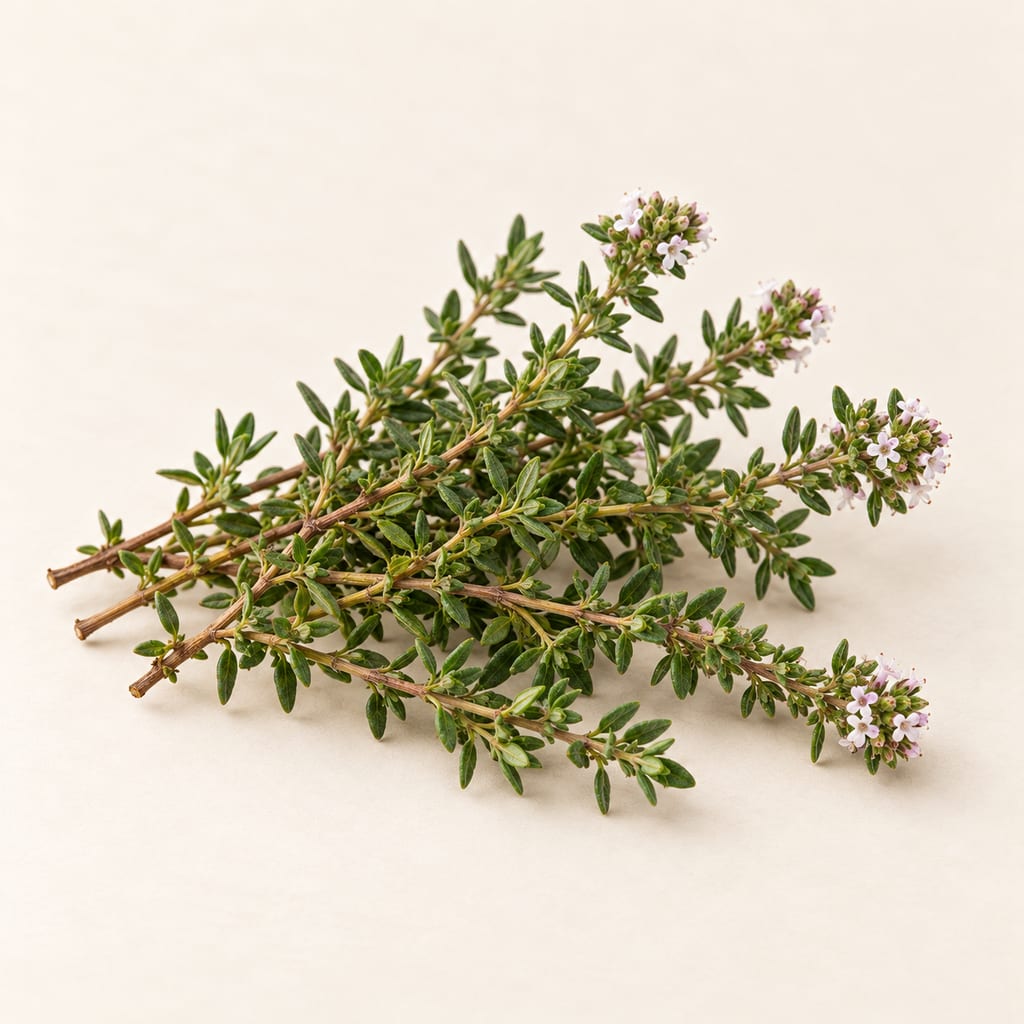
A culinary thyme with source-specific garden guidance and a regional Italian record of seasoning and tisane use.
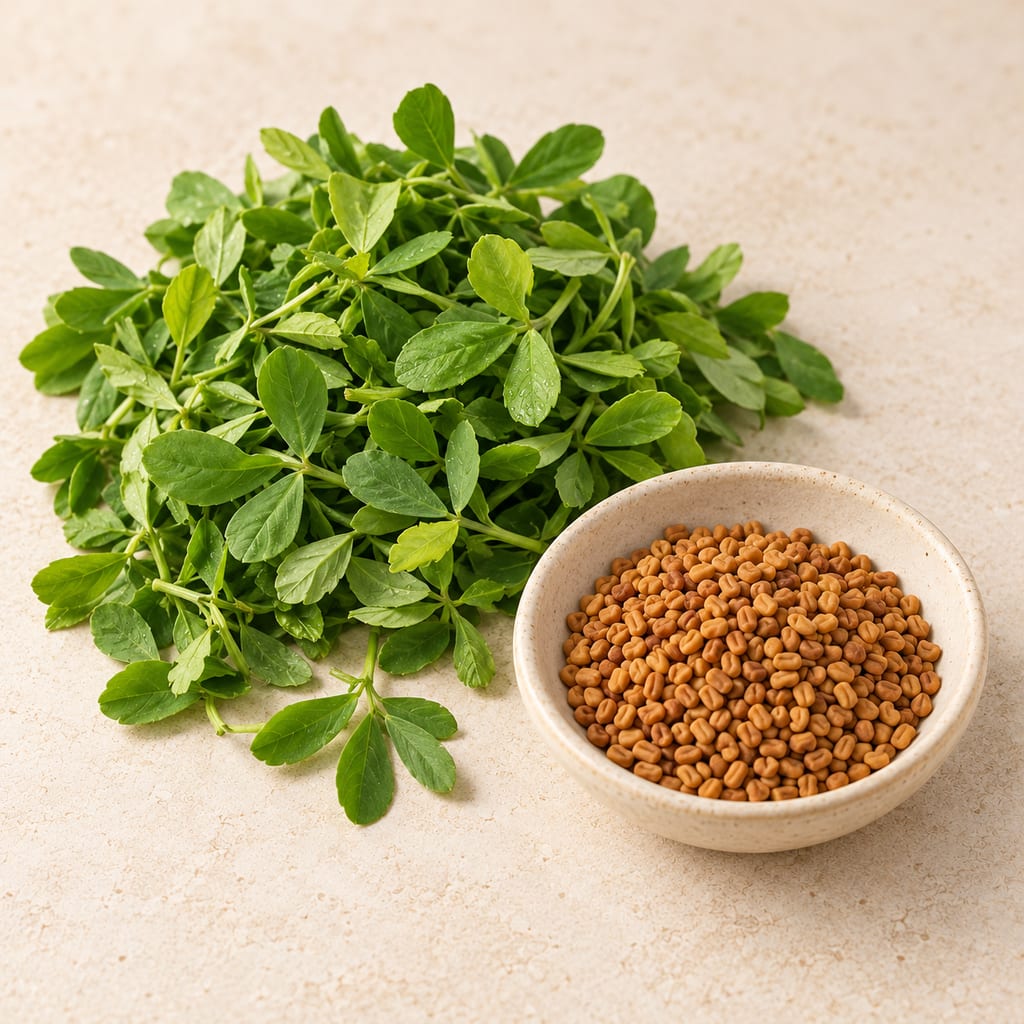
Fenugreek has separate leaf and seed food uses. This account distinguishes Tamil Nadu field guidance and a Gujarat protected-crop trial from two Egyptian station experiments, regional food reports and untested household container growing.
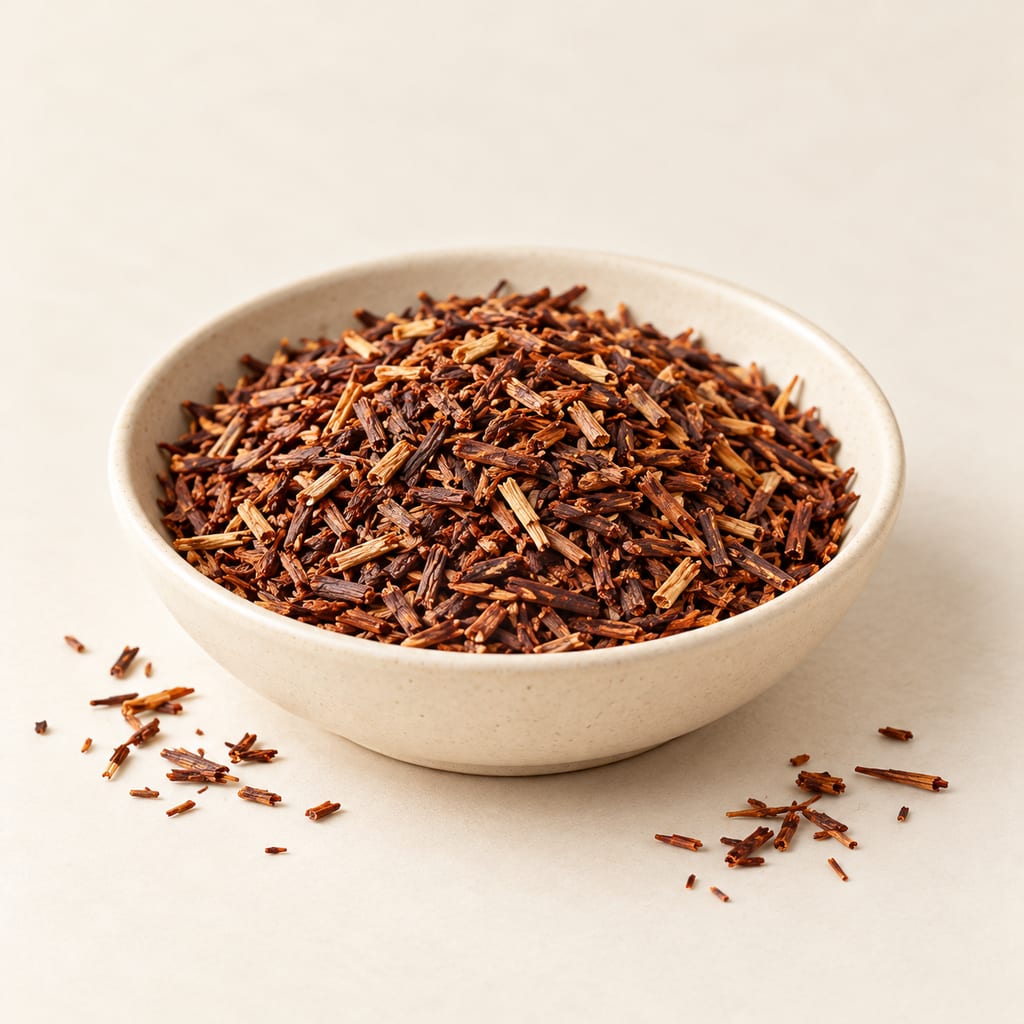
South African tea use and crop reports describe A. linearis, while cultivar, wild ecotype and regional growing observations remain distinct. No complete consumer recipe or universal growing threshold was established.
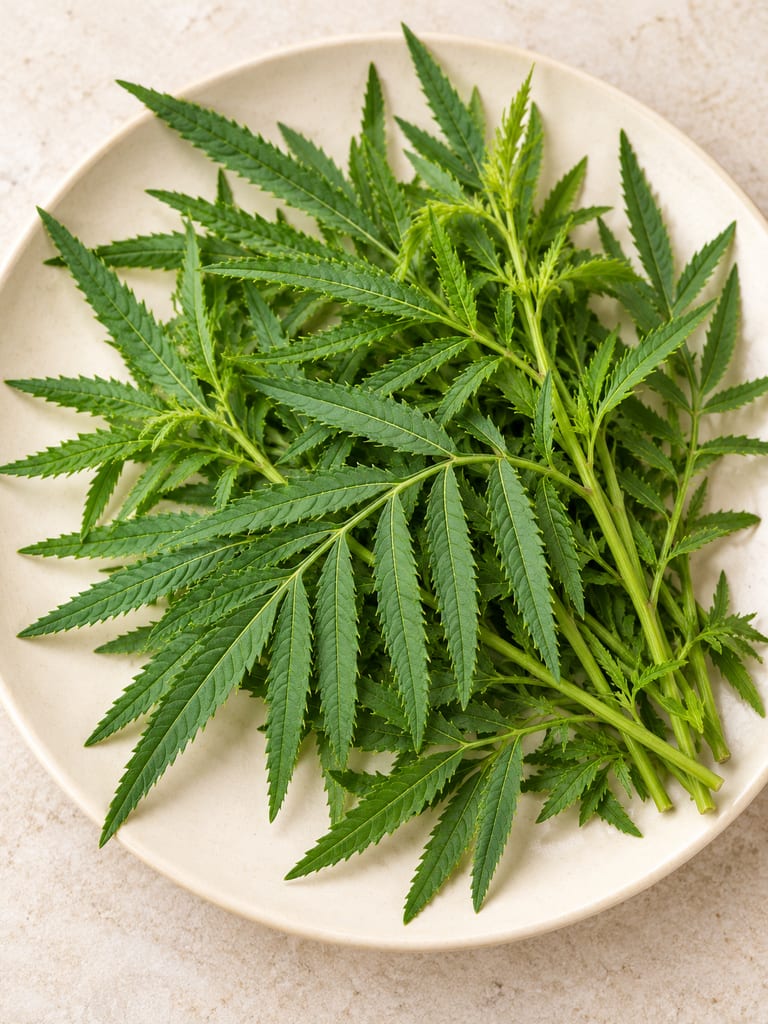
A source-bounded account of Tagetes minuta in Peruvian food and cultivation records, including the limits of the shared name huacatay.
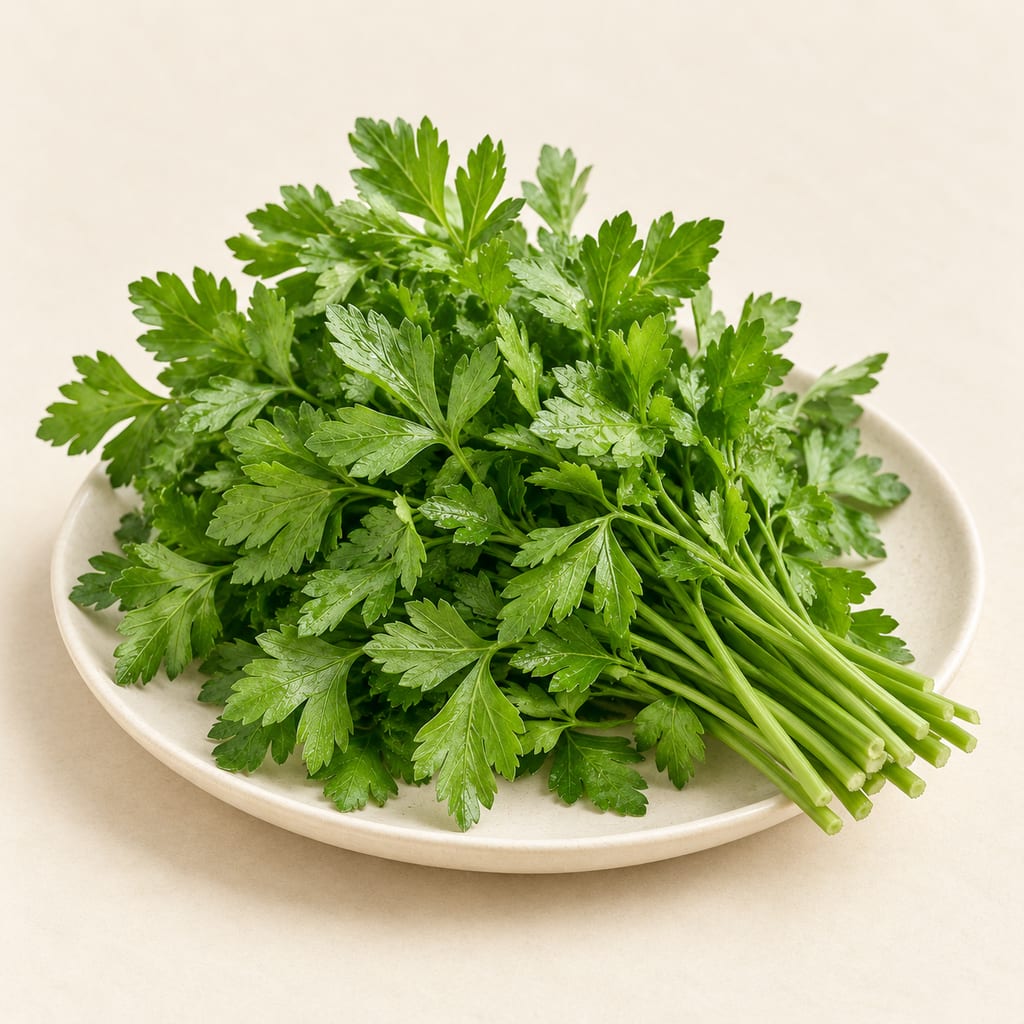
Parsley (Petroselinum crispum) is a cultivated Apiaceae herb grown mainly for its fresh leaves, though root parsley is a separate crop form. Flat-leaf and curly-leaf parsley differ in leaf shape and reported flavour.
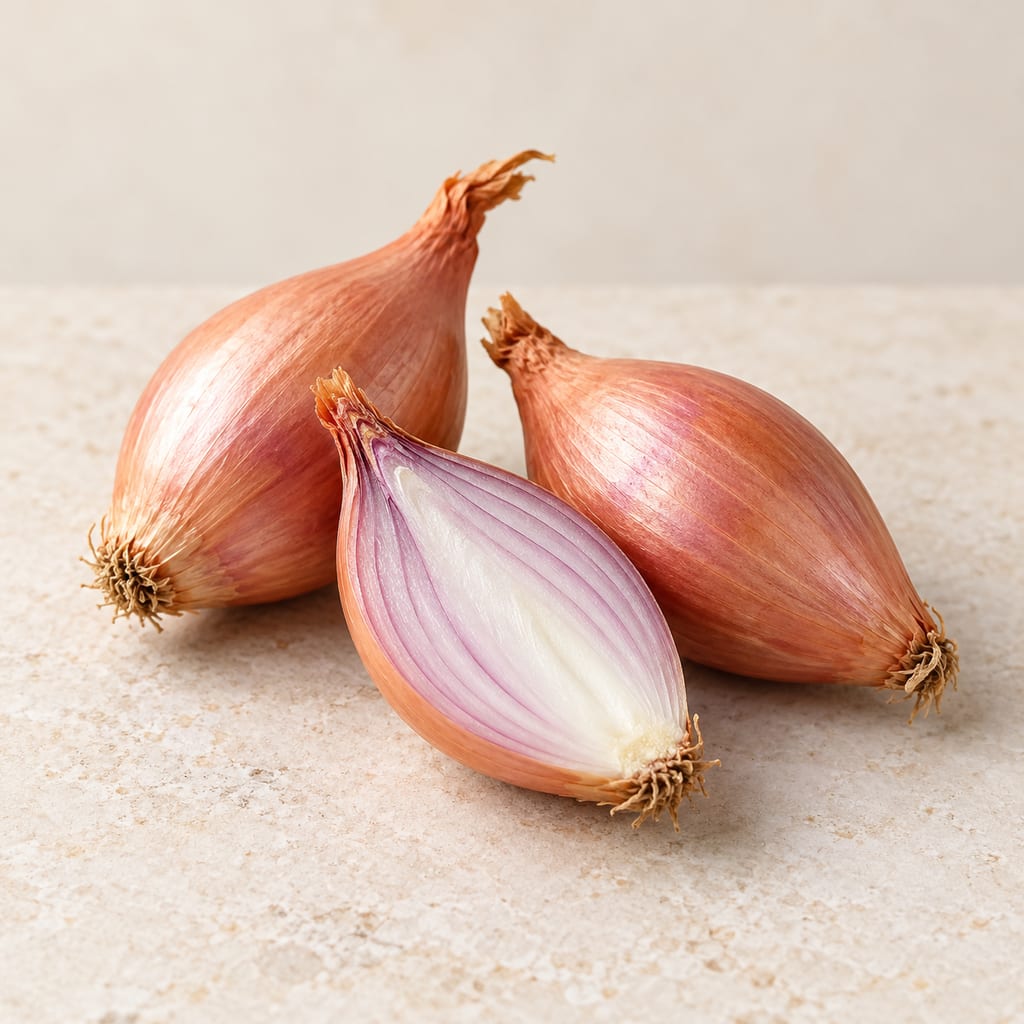
Shallots are small aromatic allium bulbs used raw, cooked and in condiments and fermented vegetable dishes.
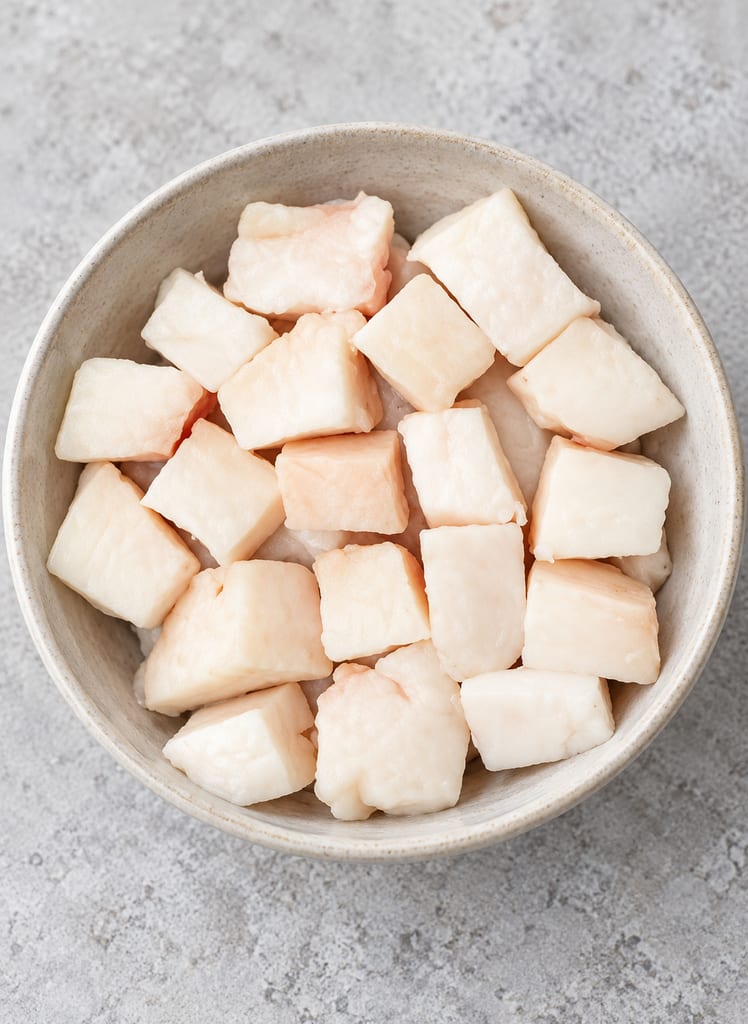
Sheep fat is edible adipose tissue from sheep, including back and tail depots. A South African zebra-droëwors experiment compared several fat levels; its findings are specific to that formulation.
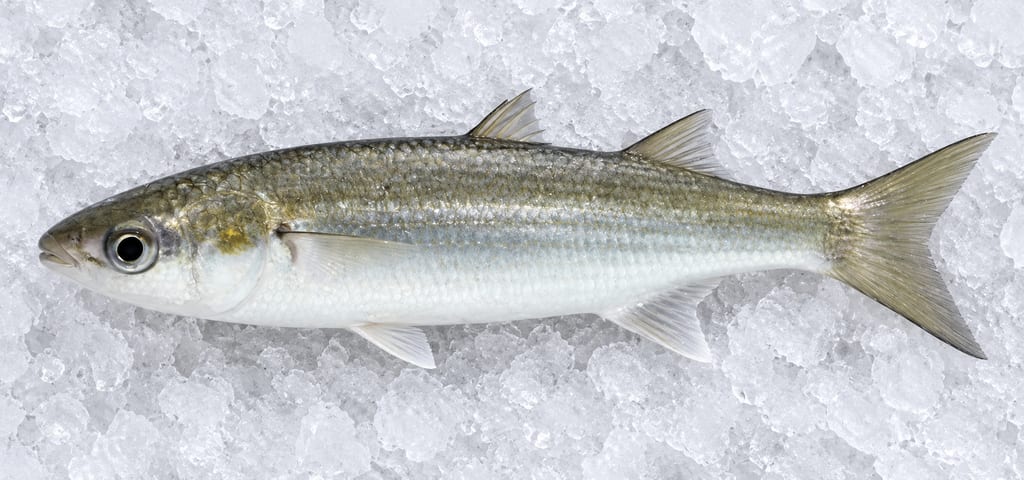
Mullet is a broad name for several coastal fishes. In the Cape West Coast bokkom tradition, the local harder is the southern mullet Chelon richardsonii, formerly Liza richardsonii; identify species and product before substituting.
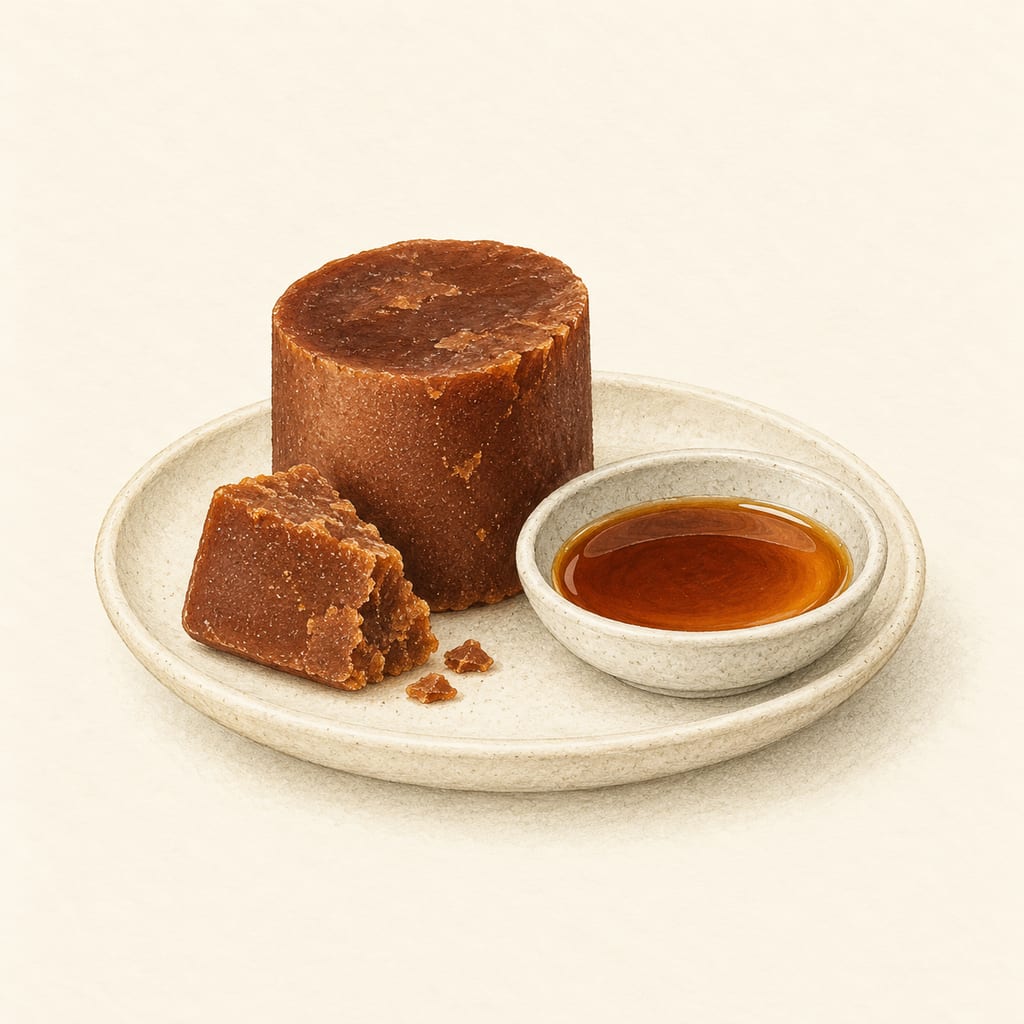
Palm sugar is made by concentrating sap from several palm species. The plant and the finished form shape its aroma, flavour and use.
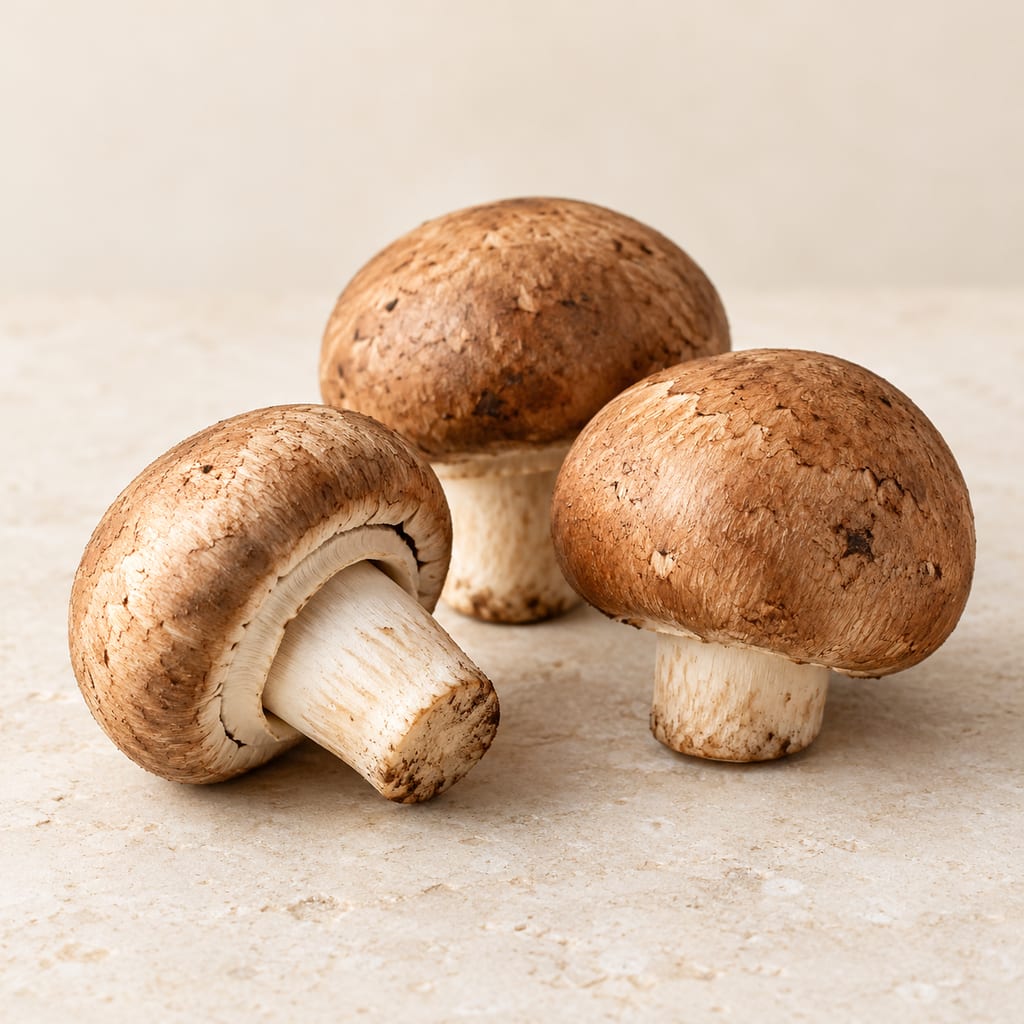
Chestnut mushroom is a brown-capped cultivated form of Agaricus bisporus used as a savoury kitchen ingredient.
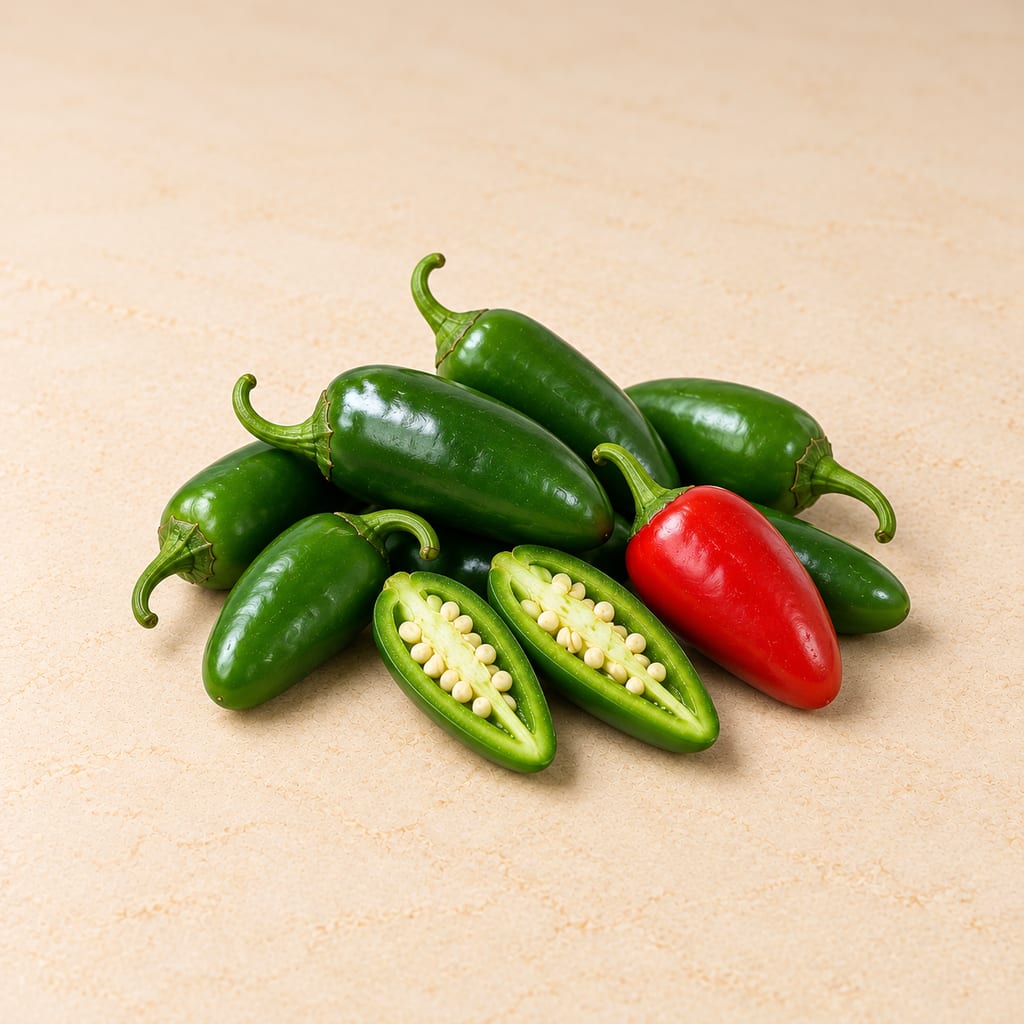
Jalapeño is a named type of Capsicum annuum, usually sold green and also eaten red when ripe. It has a fresh green aroma and a reported heat range of about 2,000–8,000 Scoville units.
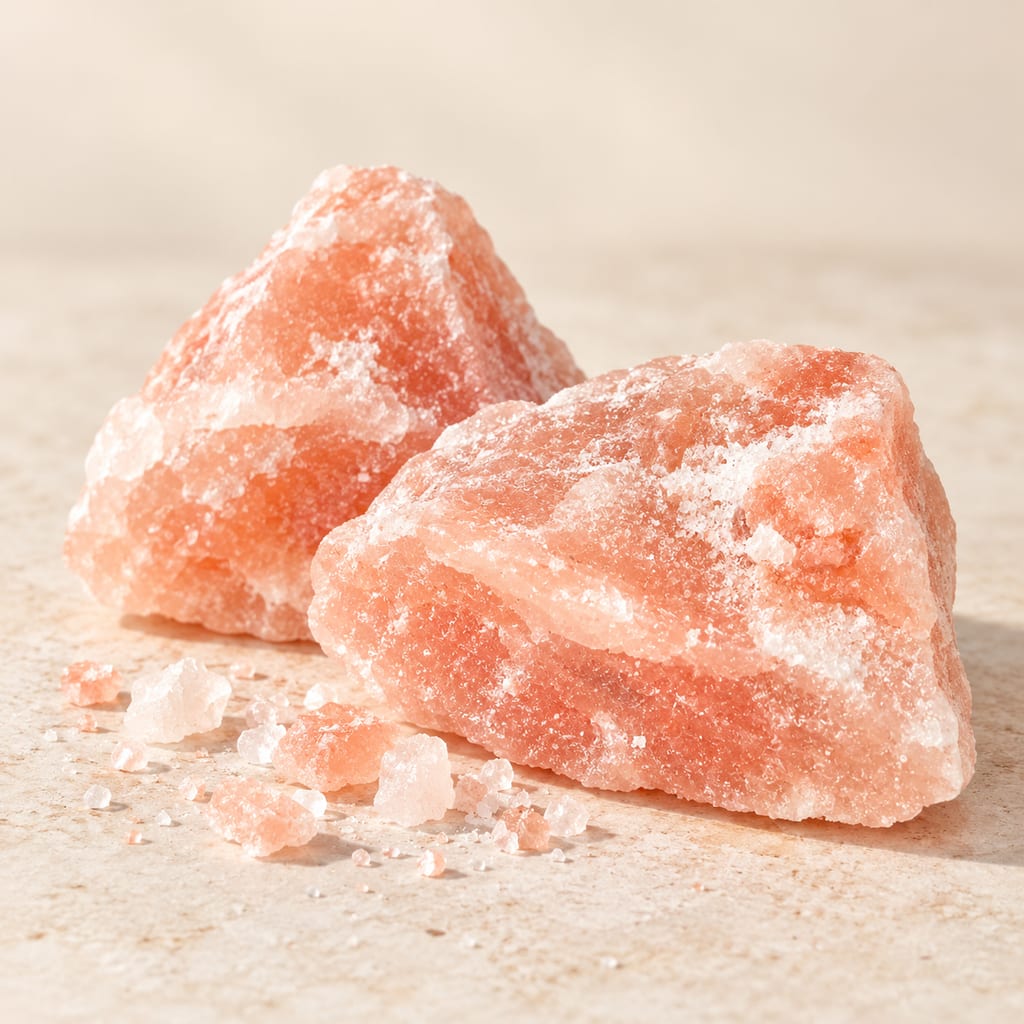
Rock salt from Pakistan’s Salt Range is sold in various forms, including pink salt intended for culinary use.
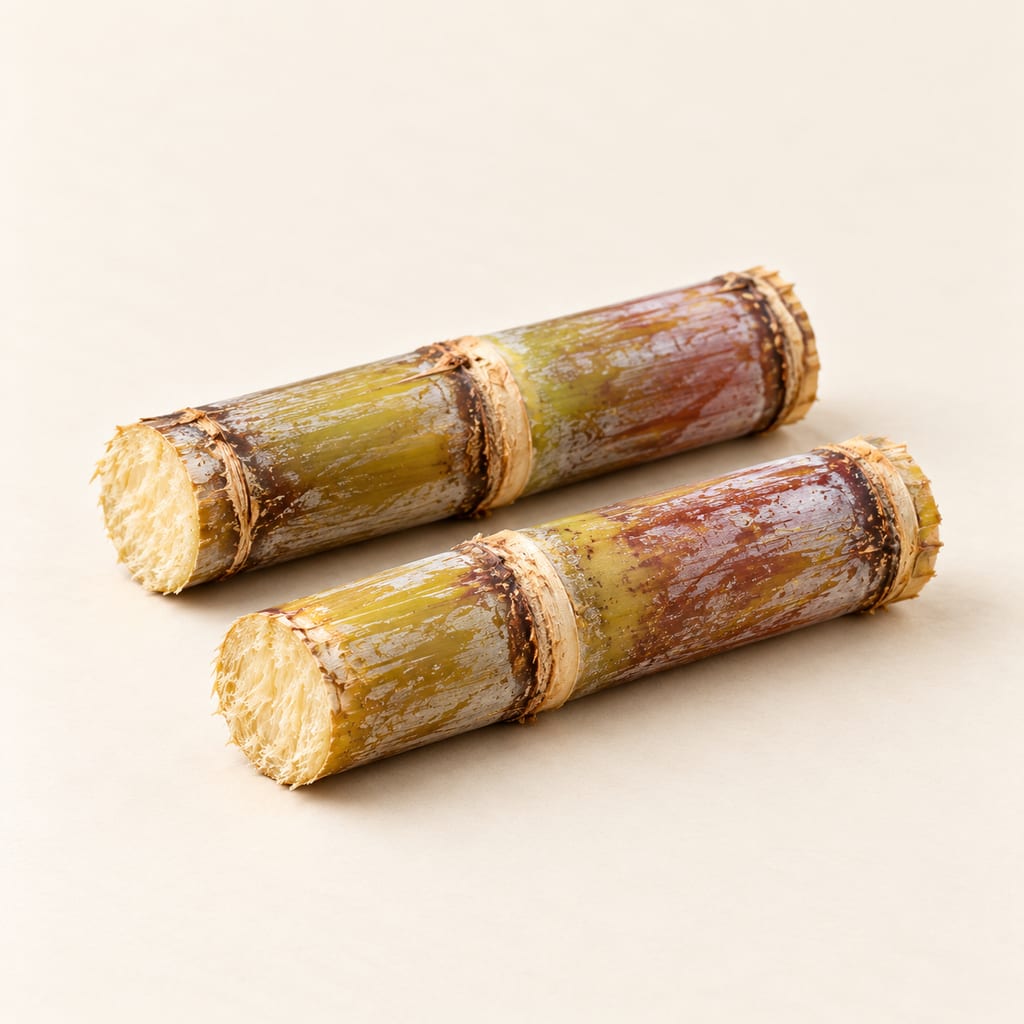
Sugarcane is a tall tropical grass whose jointed stalk stores sucrose-rich juice. Fresh cane and its expressed juice feed very different preparations, from boiled sugar and syrups to fermented drinks such as Ilocano basi.
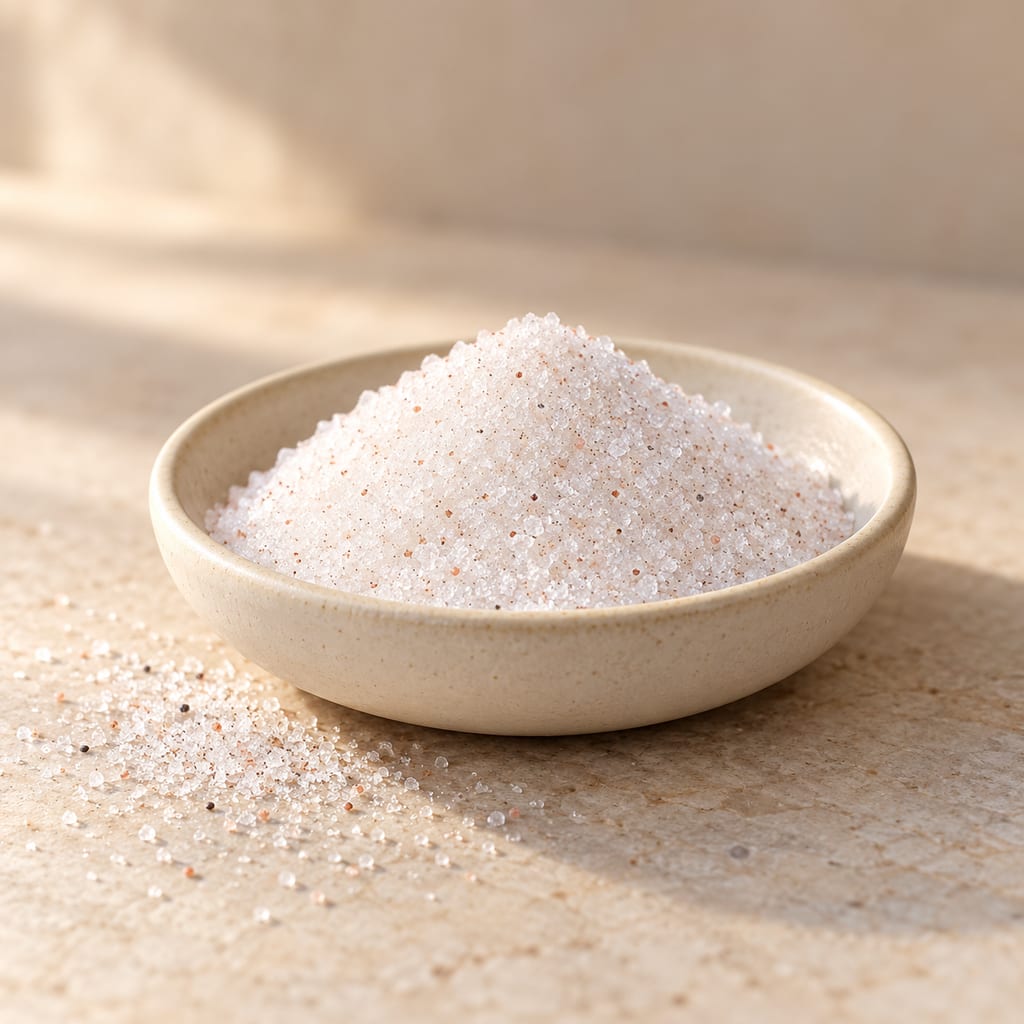
Redmond Real Salt is a branded culinary salt mined in central Utah and sold in several grain sizes.
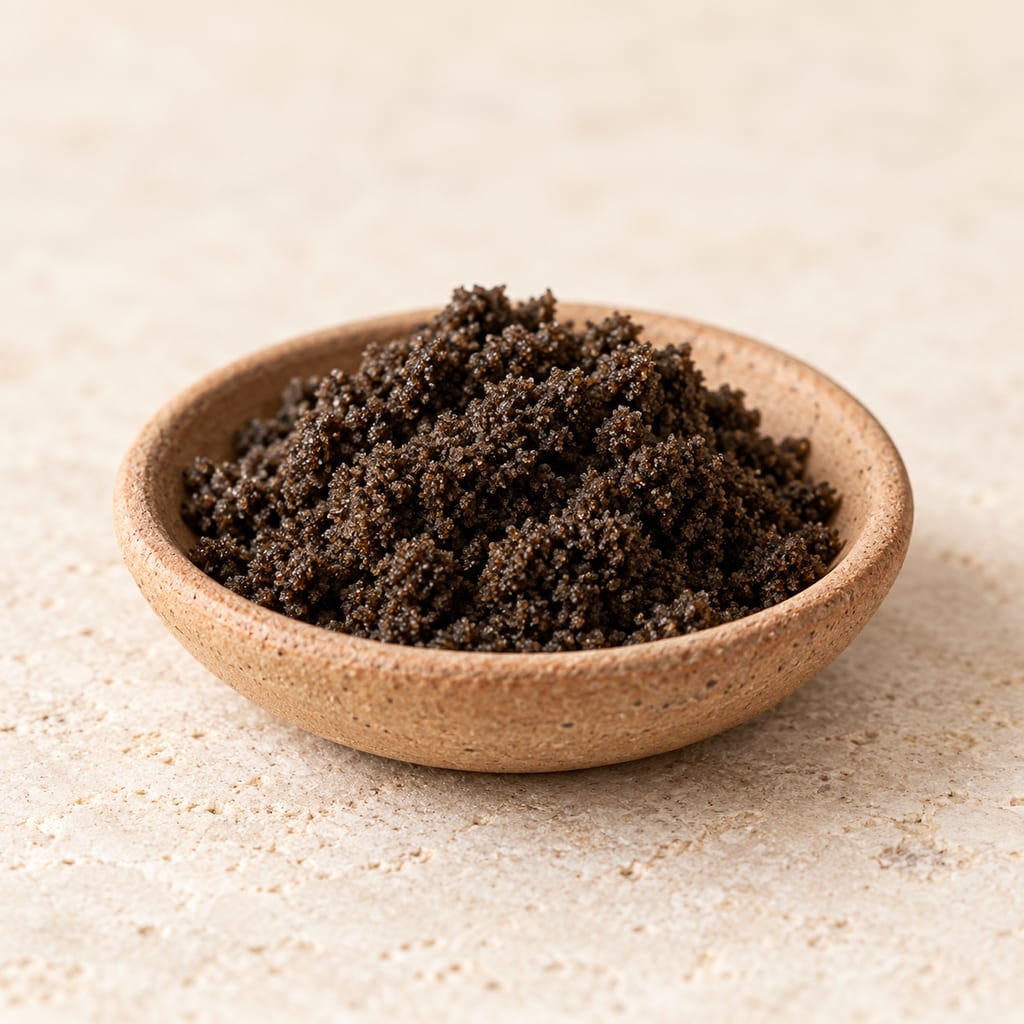
A dark, traditionally produced salt associated with Sacapulas in Guatemala’s Quiché department.
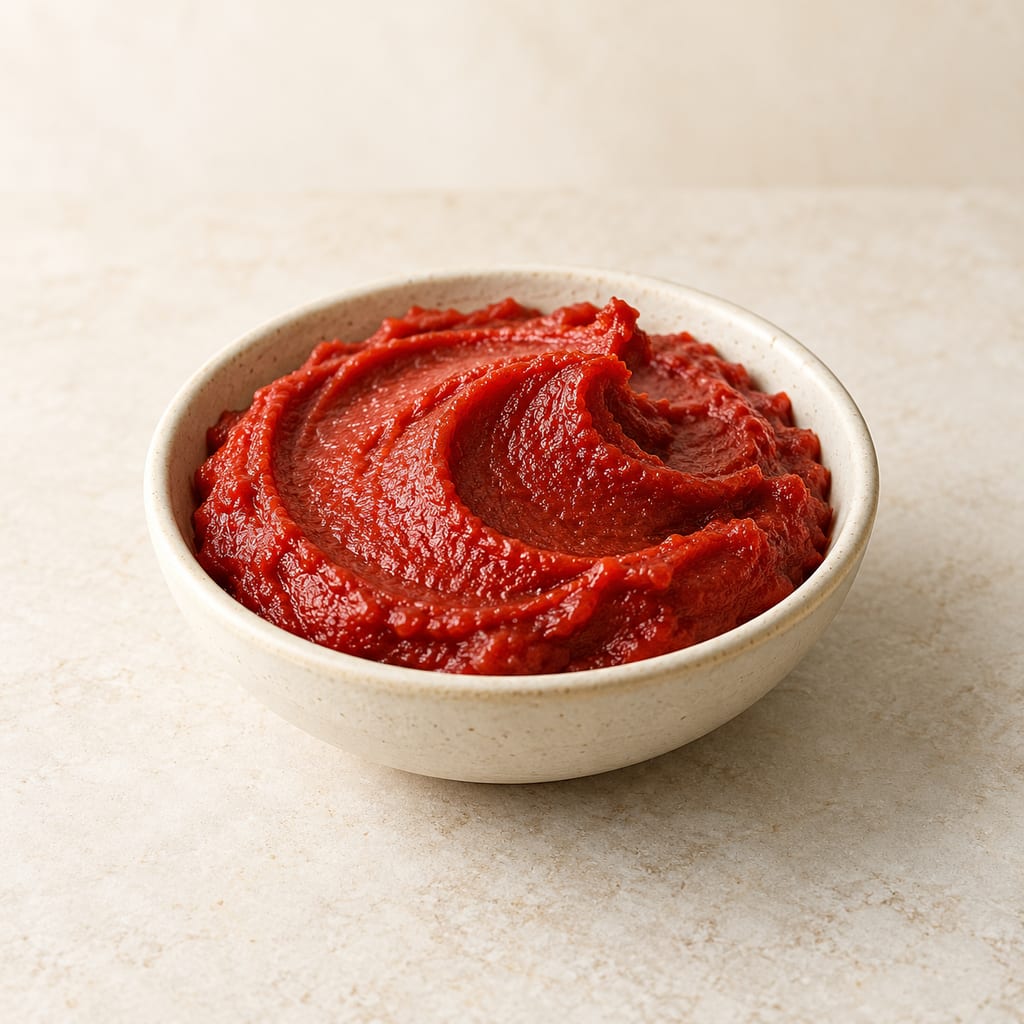
Double concentrated tomato paste is a thick tomato ingredient used to add colour and concentrated flavour to sauces and condiments.
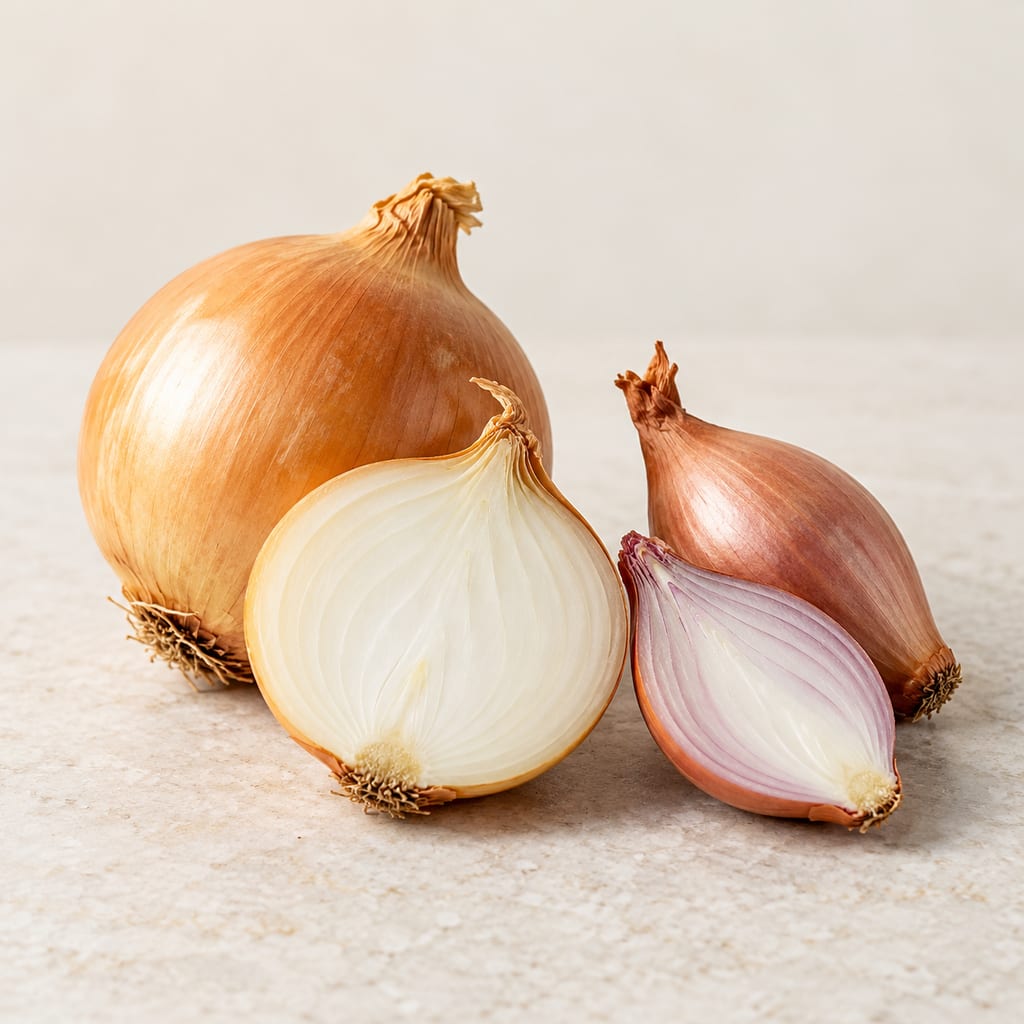
Onions and shallots are aromatic layered bulbs used raw, cooked and in fermented or preserved condiments.
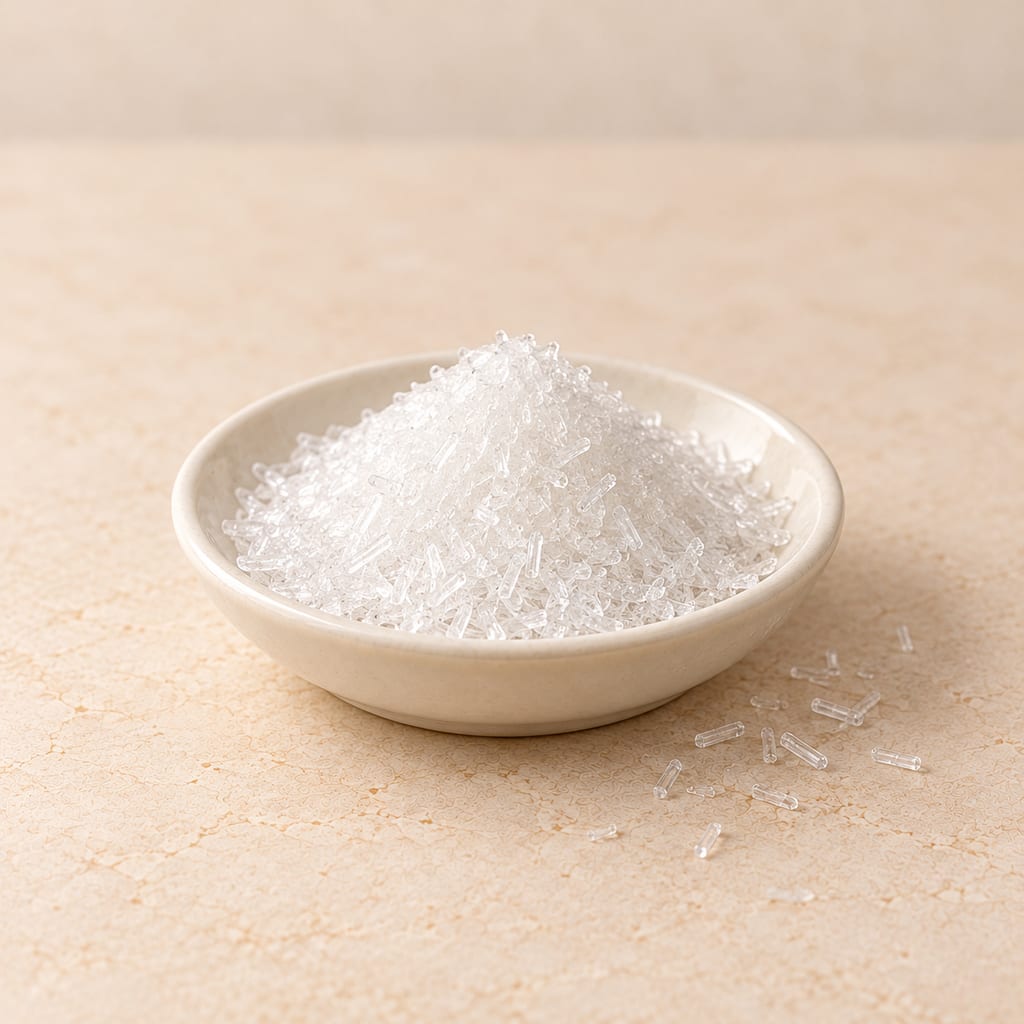
Monosodium glutamate is a crystalline savoury seasoning whose glutamate contributes umami to foods.
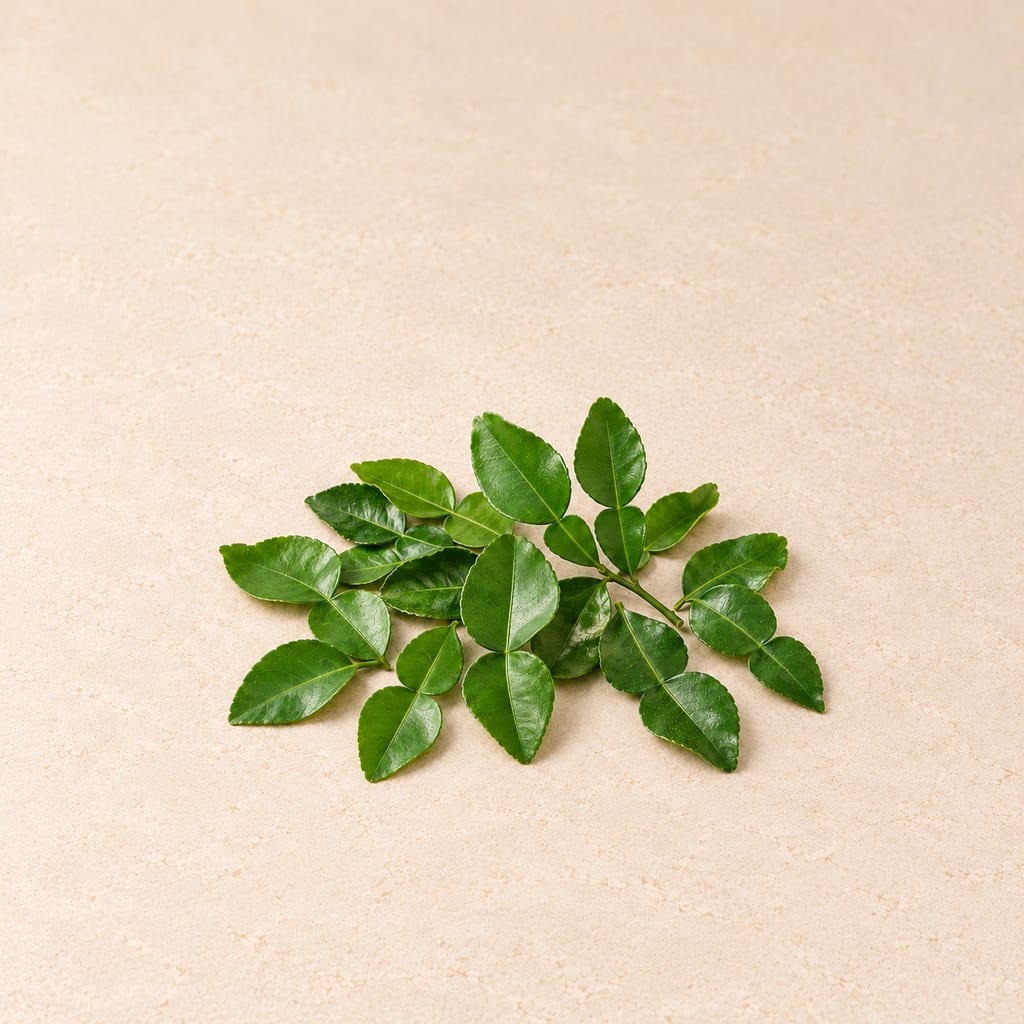
The fragrant leaves of Citrus hystrix bring a distinctive citrus aroma to Southeast Asian soups, curries, pastes and condiments.
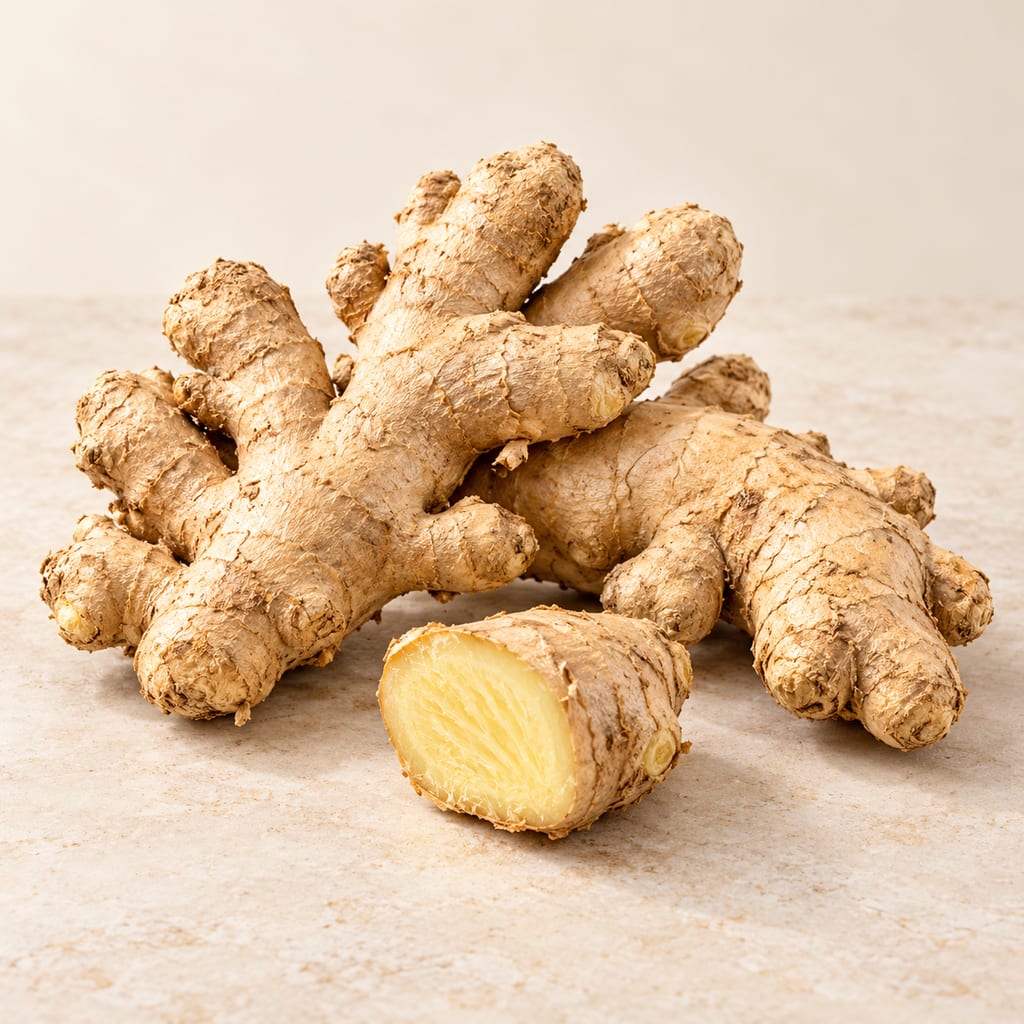
Fresh ginger is the aromatic underground stem of Zingiber officinale, used as a pungent ingredient in sauces, preserves, fermented foods and drinks.
A shaped, inoculated white-rice-flour starter prepared by Han and colleagues for a 2021 yakju comparison; the commercial baekguk strain was not identified.
A family of pectin-active enzyme preparations used in fruit and beverage processing. Exact activities and formulations vary; the linked Concord recipe and its current powder product give conflicting use rates.
A named fungal ripening culture in the cream-enriched Brie method. Geotrichum participates in the changing chemistry and community of the cheese surface.
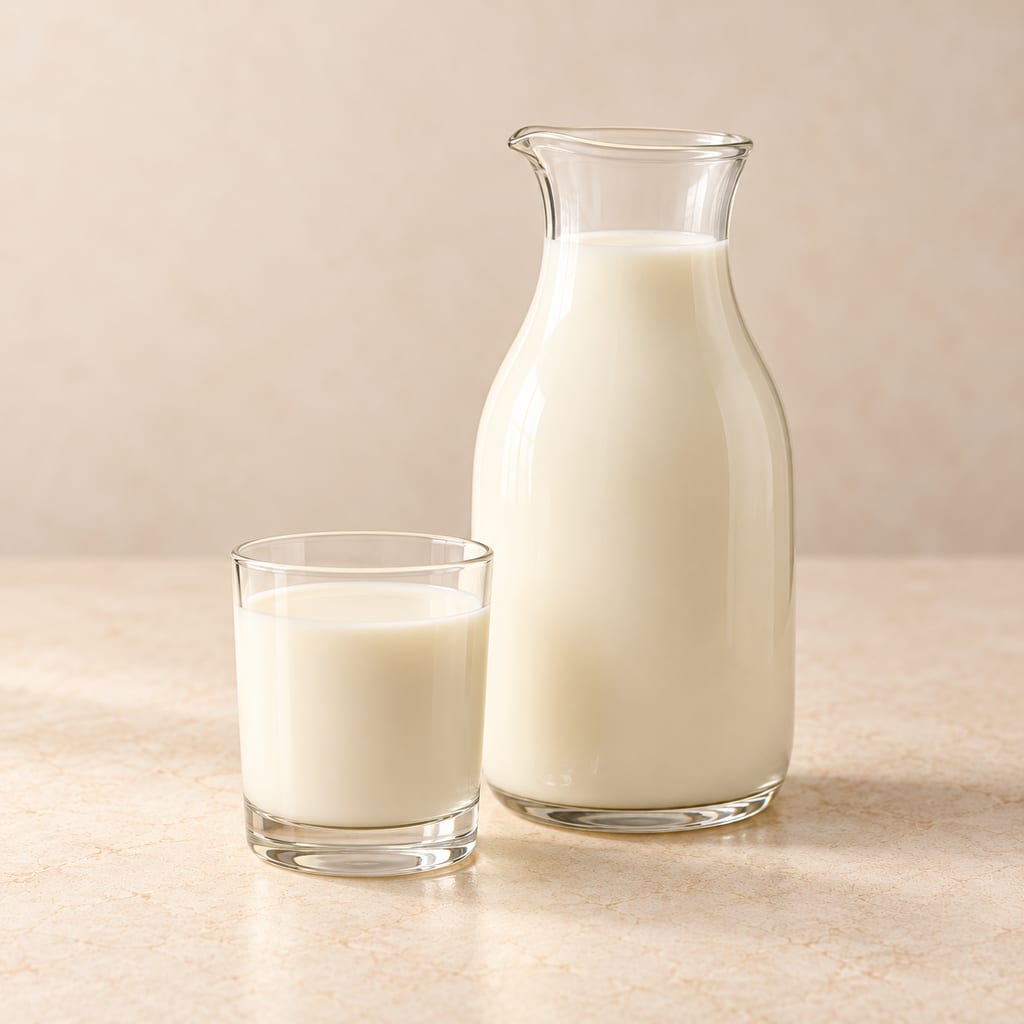
Full-fat fluid milk, available with different heat treatments and fat distributions; the linked Quark method permits homogenized or UHT forms.
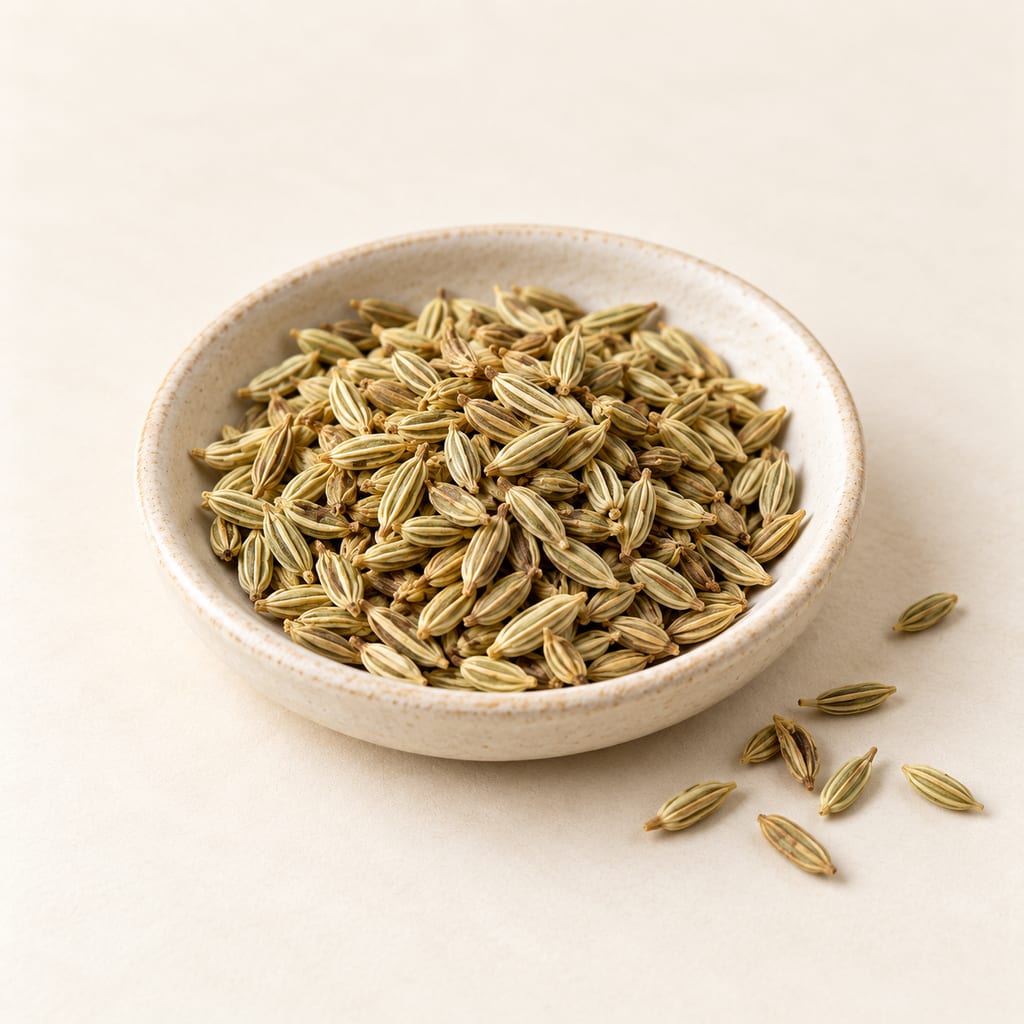
Fennel seed is the dried aromatic fruit of Foeniculum vulgare; a Himachal Pradesh survey records it among the seasonings of Galgal pickle.
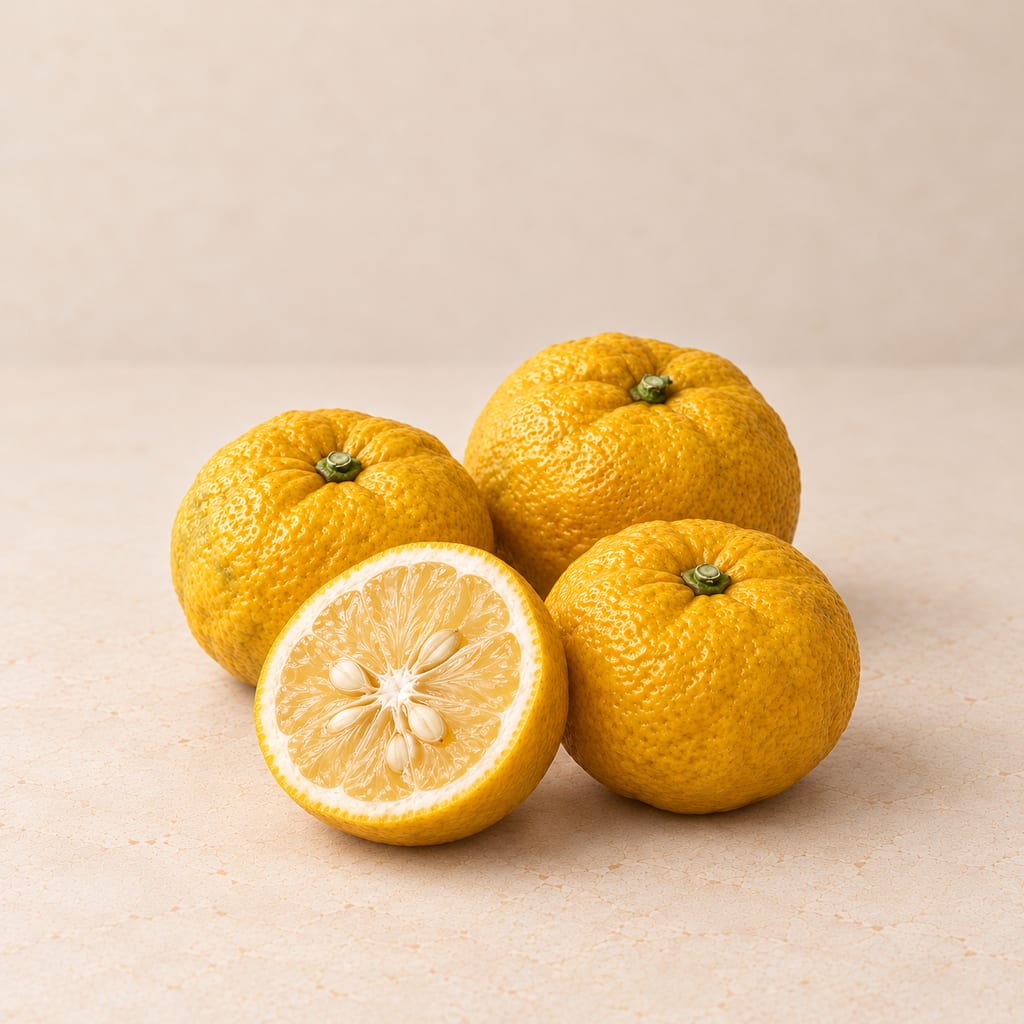
Yuzu (Citrus junos) is a hardy, thorny East Asian citrus whose sour juice and intensely scented peel flavour ponzu, yuzu kosho and preserves.
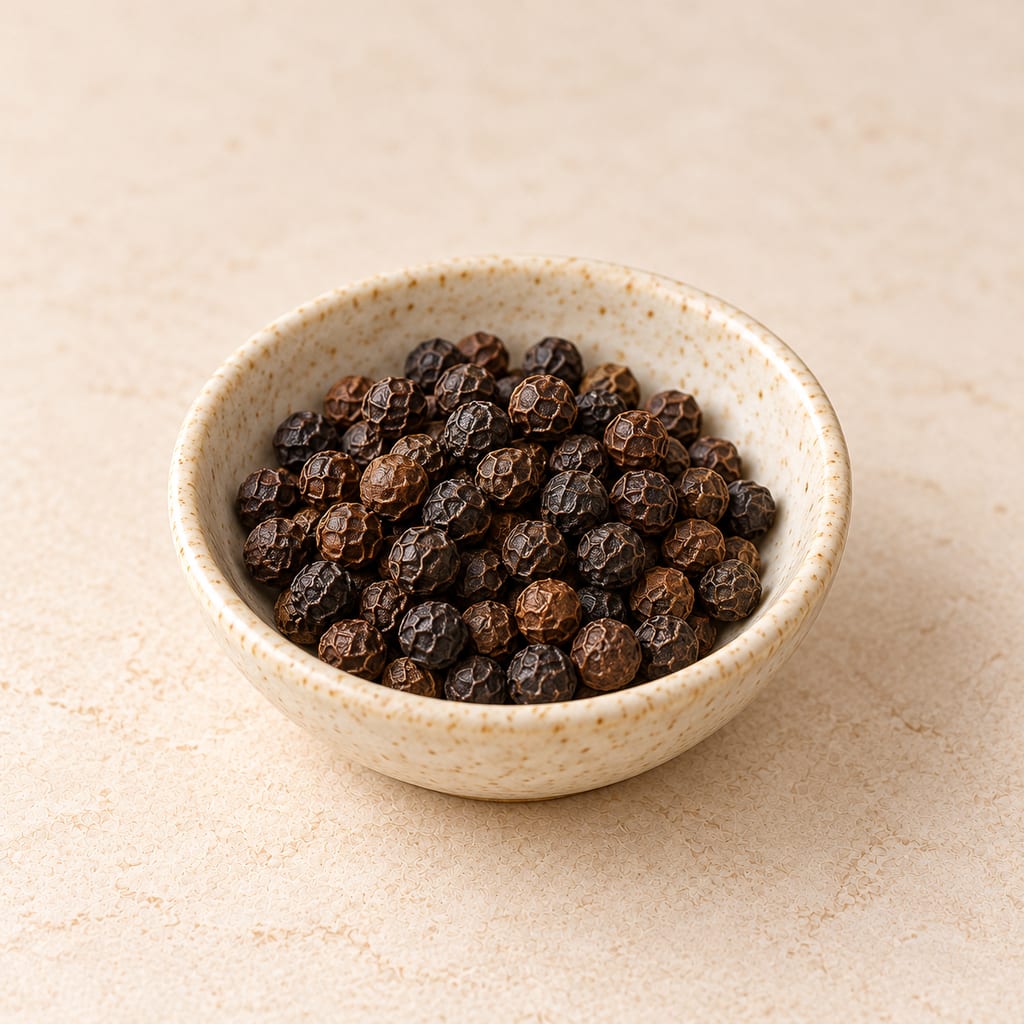
Whole peppercorns are the dried, uncracked berries of Piper nigrum, sold with their pungent seed intact. They season cured sausages such as Genoa-style salami and soppressata di Calabria beside a ground pepper.
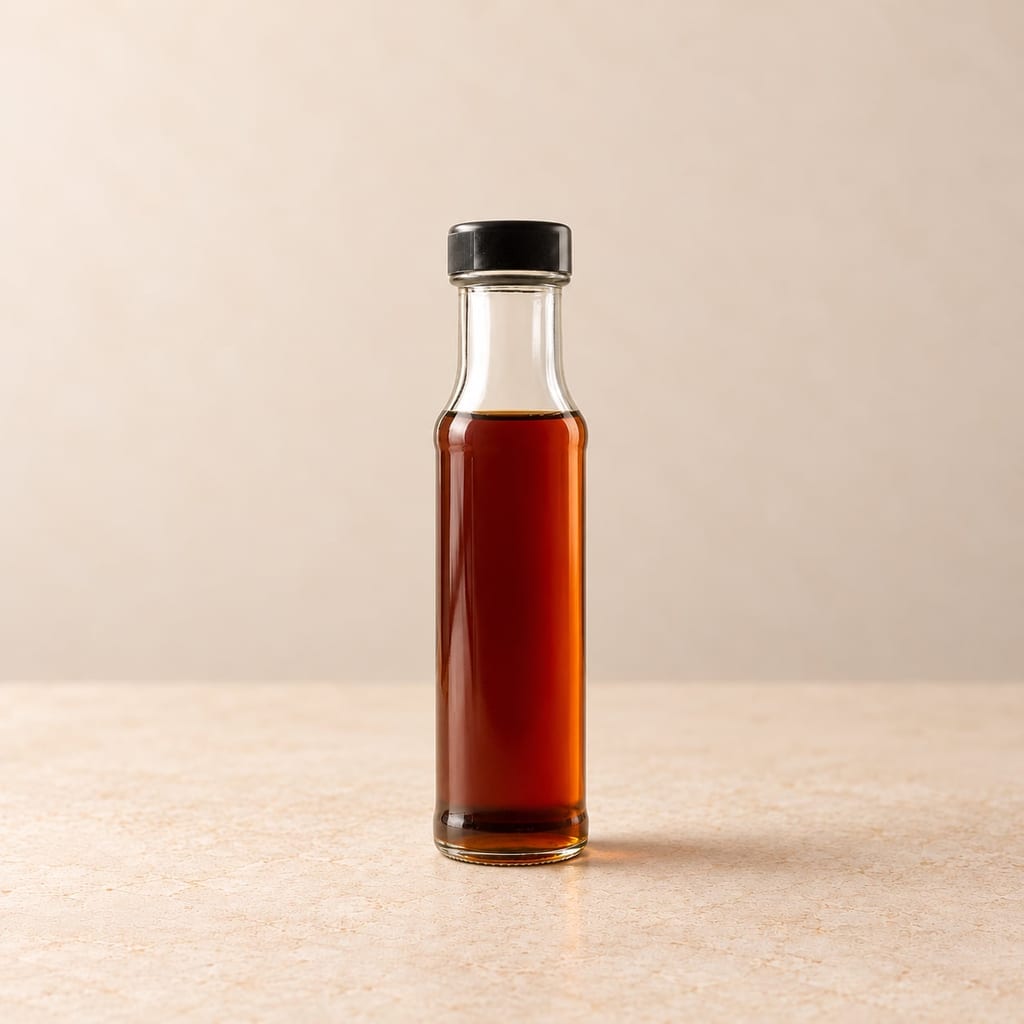
Dark, strongly scented oil pressed from roasted sesame seed, used as a last-minute seasoning in East Asian sauces, dips and dressings rather than as a frying oil.
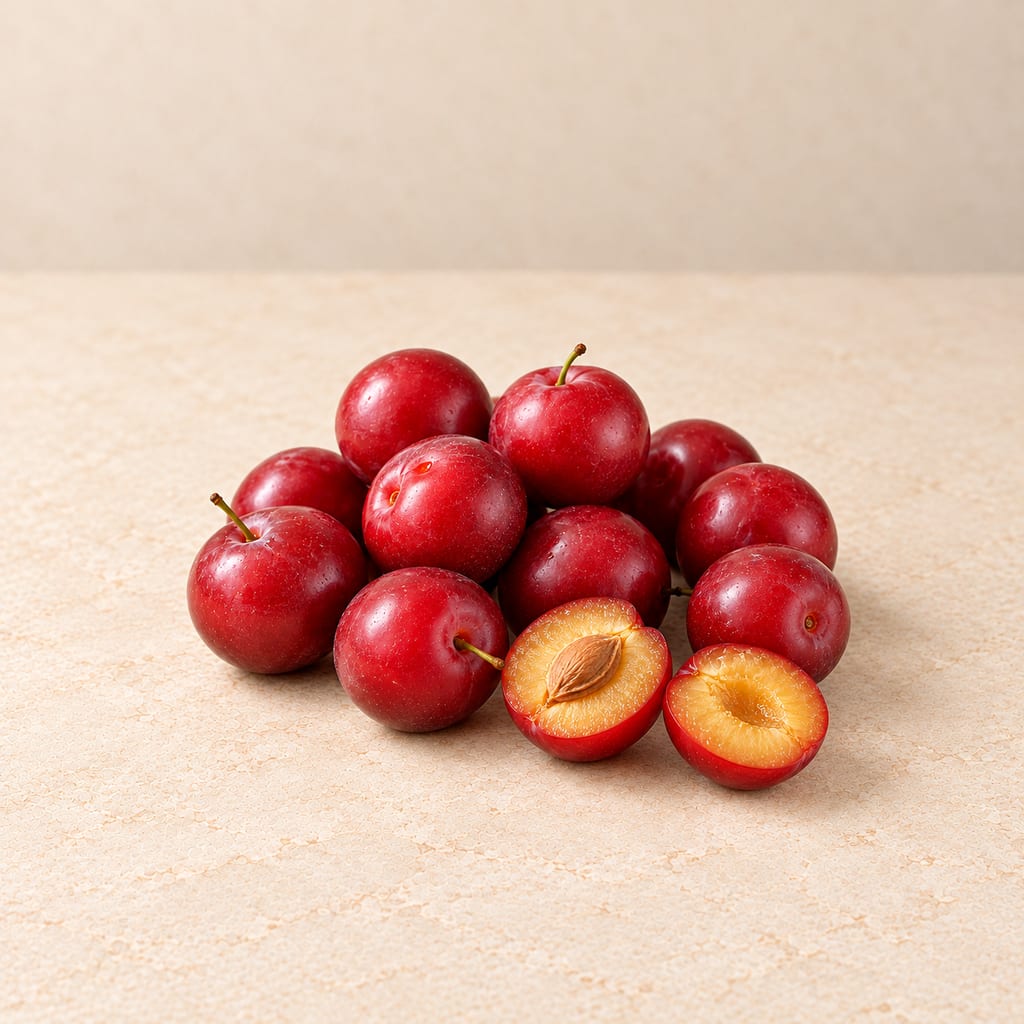
Cherry plums (Prunus cerasifera) are small, malic-acid-rich plums, red, yellow or green, that give Georgian tkemali sauce its sharp, fruity sourness.
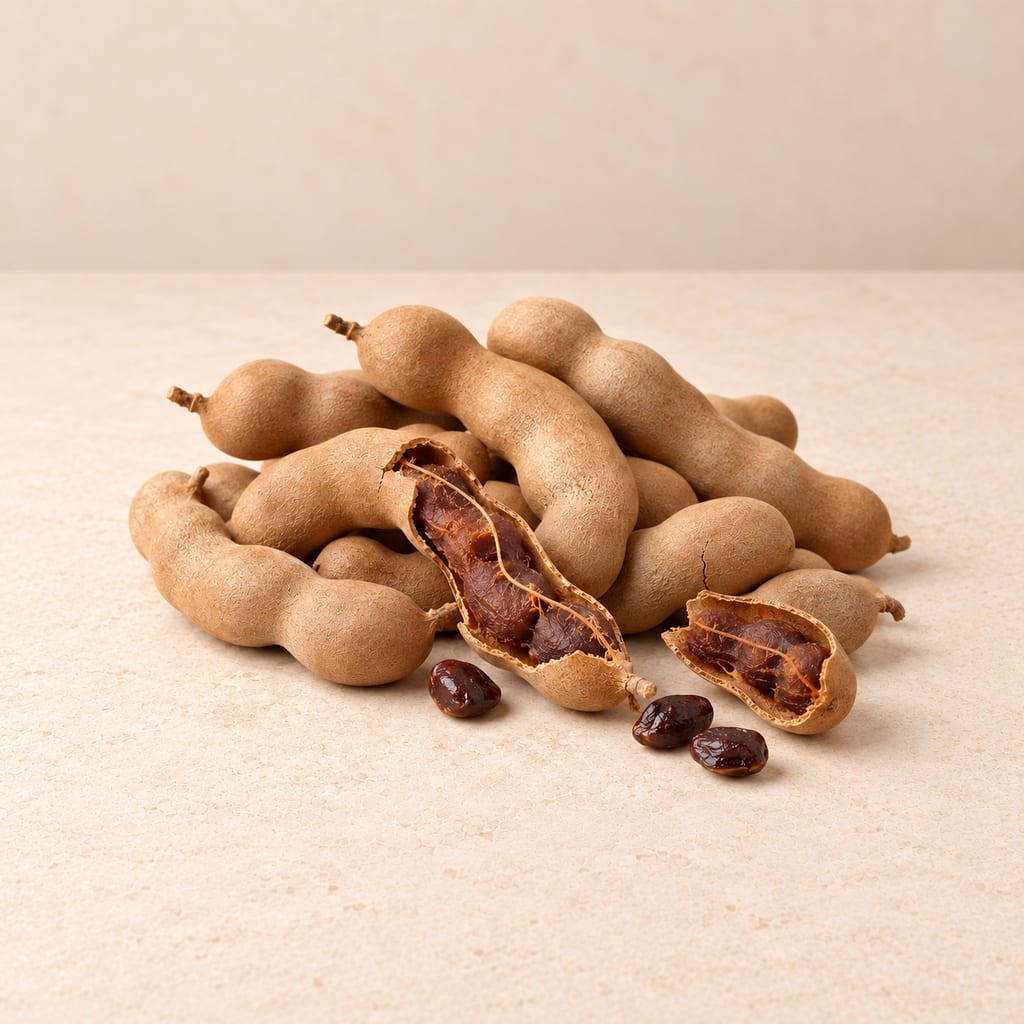
Tamarind pulp is the sweet-sour flesh of Tamarindus indica. It brings a tartaric-acid-led fruit flavour to chutneys, sauces and drinks; water content and sourness vary across forms and brands.
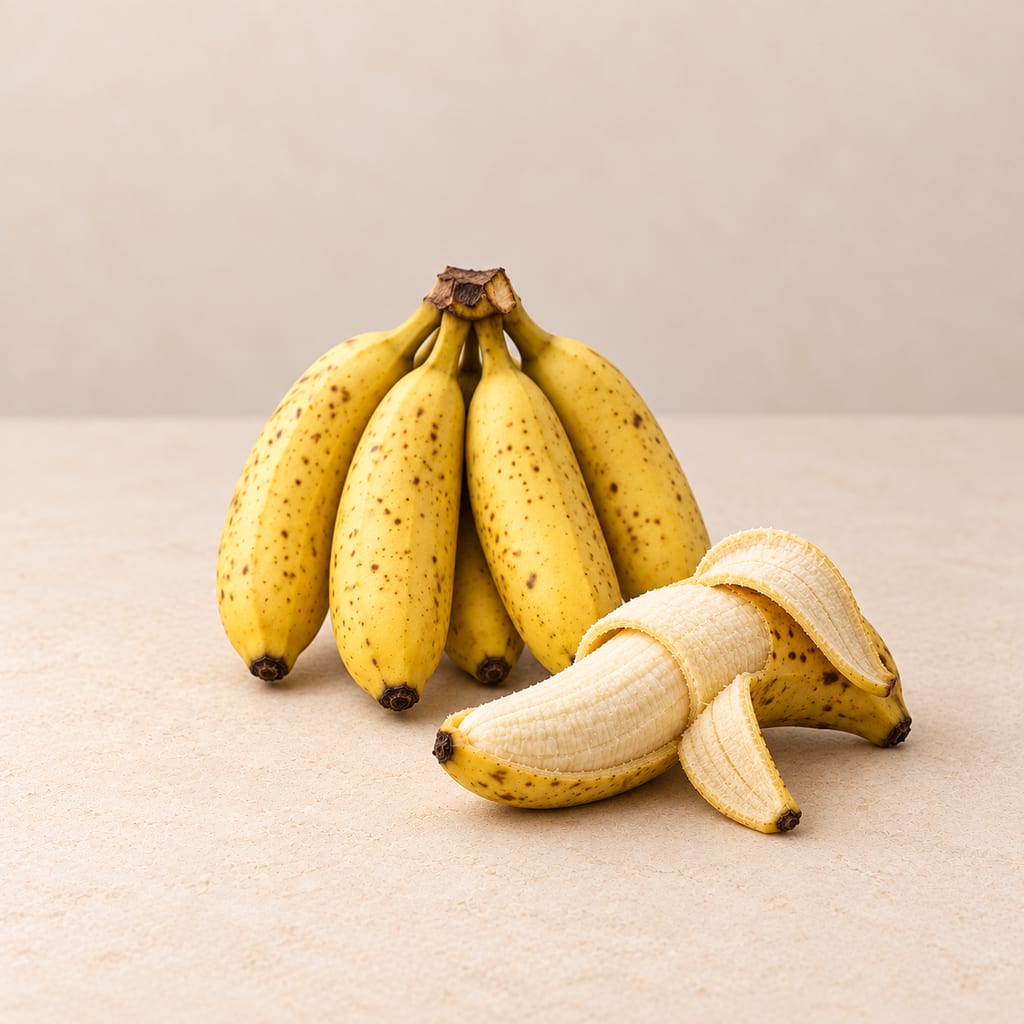
A ripe banana is sweet, soft pulp in which ripening has turned most of the starch into sugar. That sugar and softness make it a base for banana ketchup, beer, wine and vinegar.
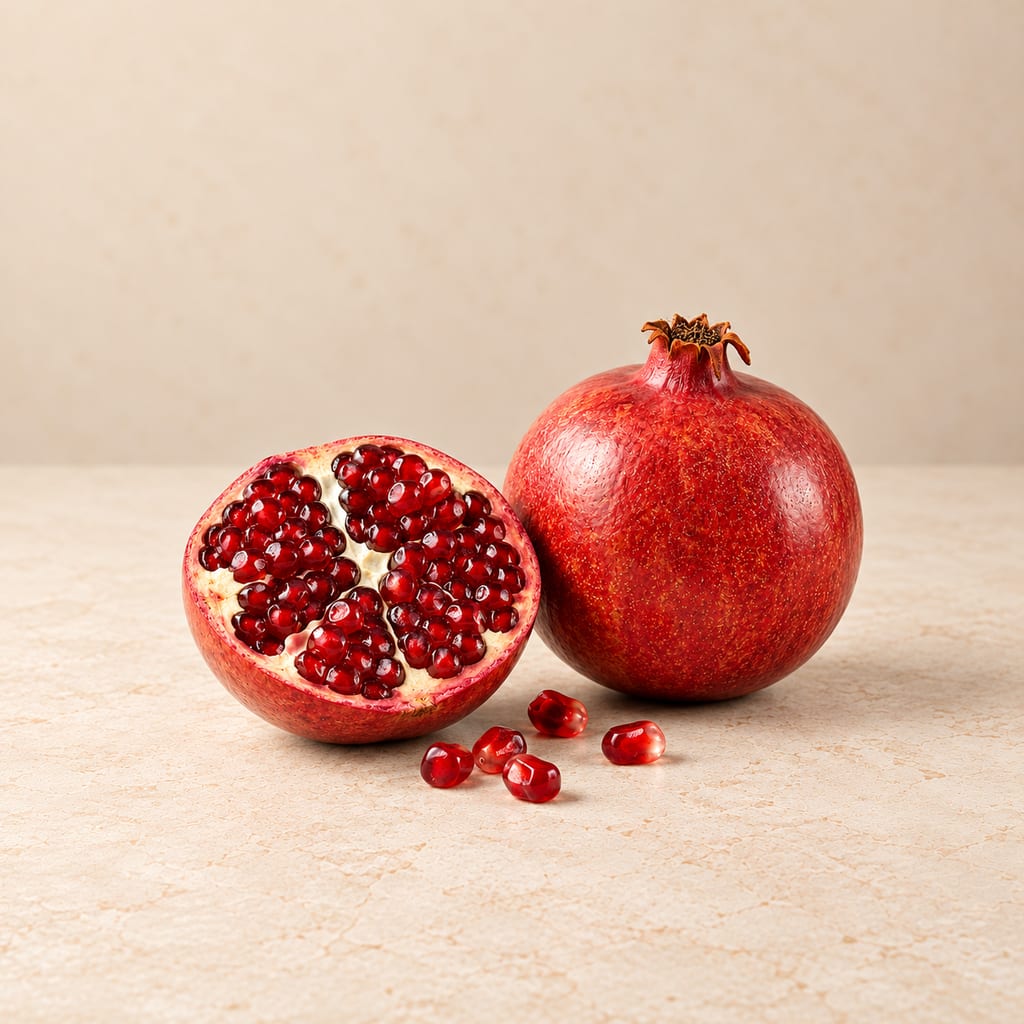
The pomegranate (Punica granatum) is a seed-filled fruit whose arils run from sweet to sharply sour, depending on citric acid. Sour fruit becomes juice, molasses and dried anardana.
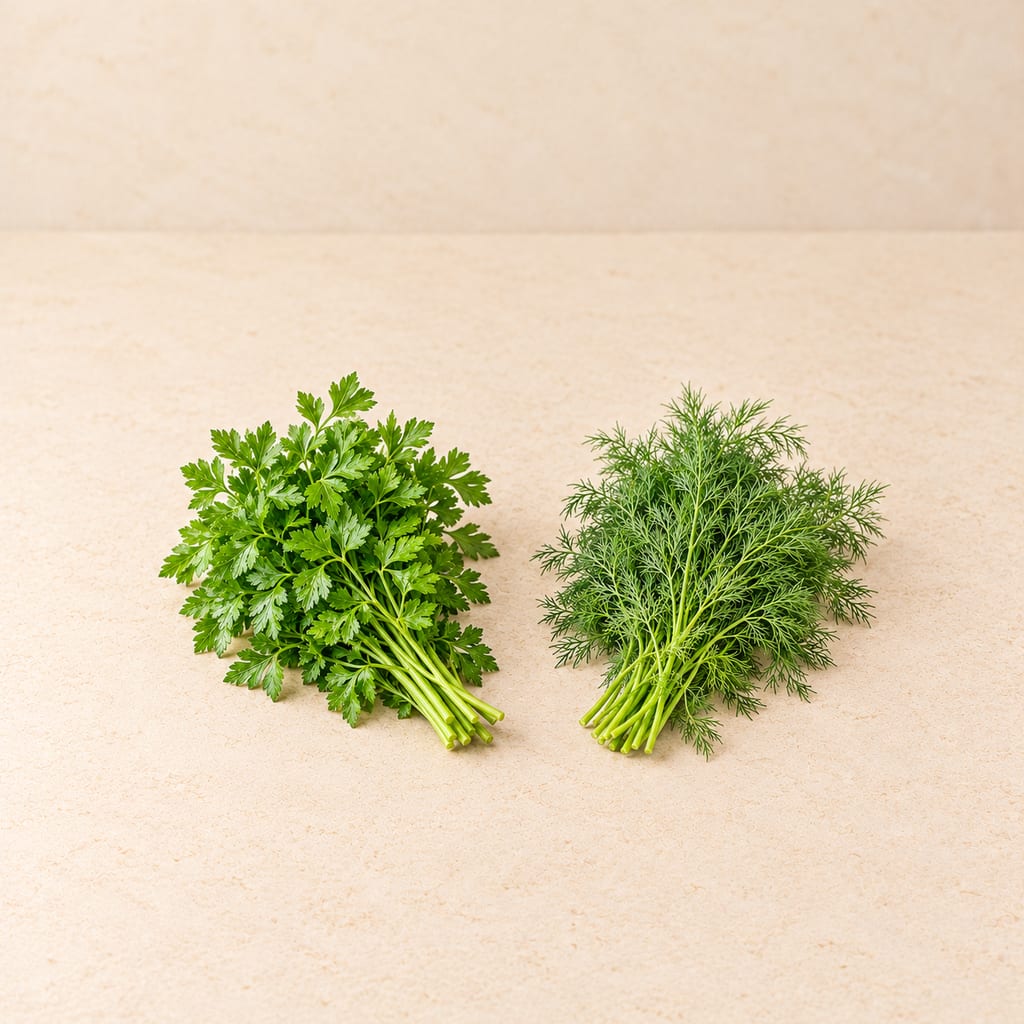
Parsley and dill are two leafy herbs of the carrot family, used fresh for their green, clean flavour. Dill also gives its name to dill pickles, the best-known cucumber ferment.
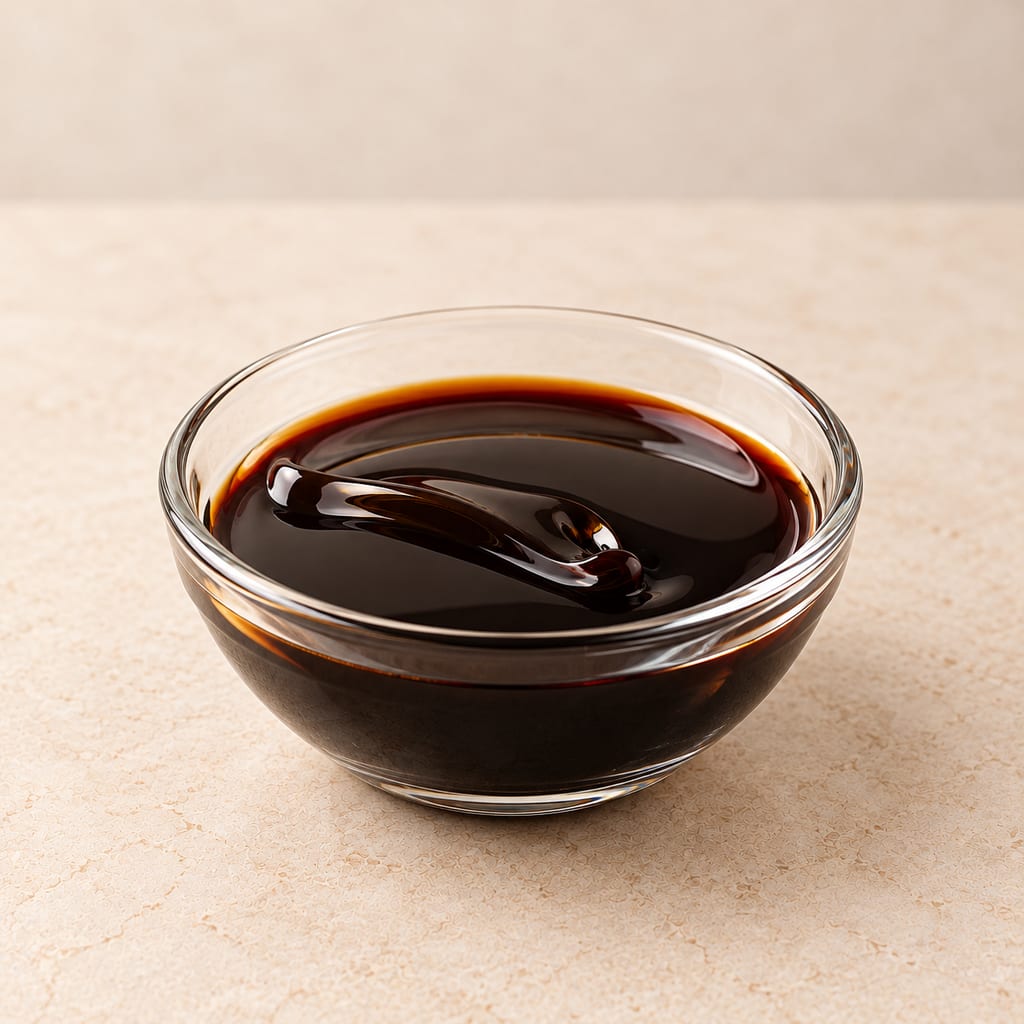
Cane syrup is sugarcane juice boiled down until it is thick and sweet, or the first syrup left after sugar is crystallised. Historical American recipes used it as a sweetener in ham cures.
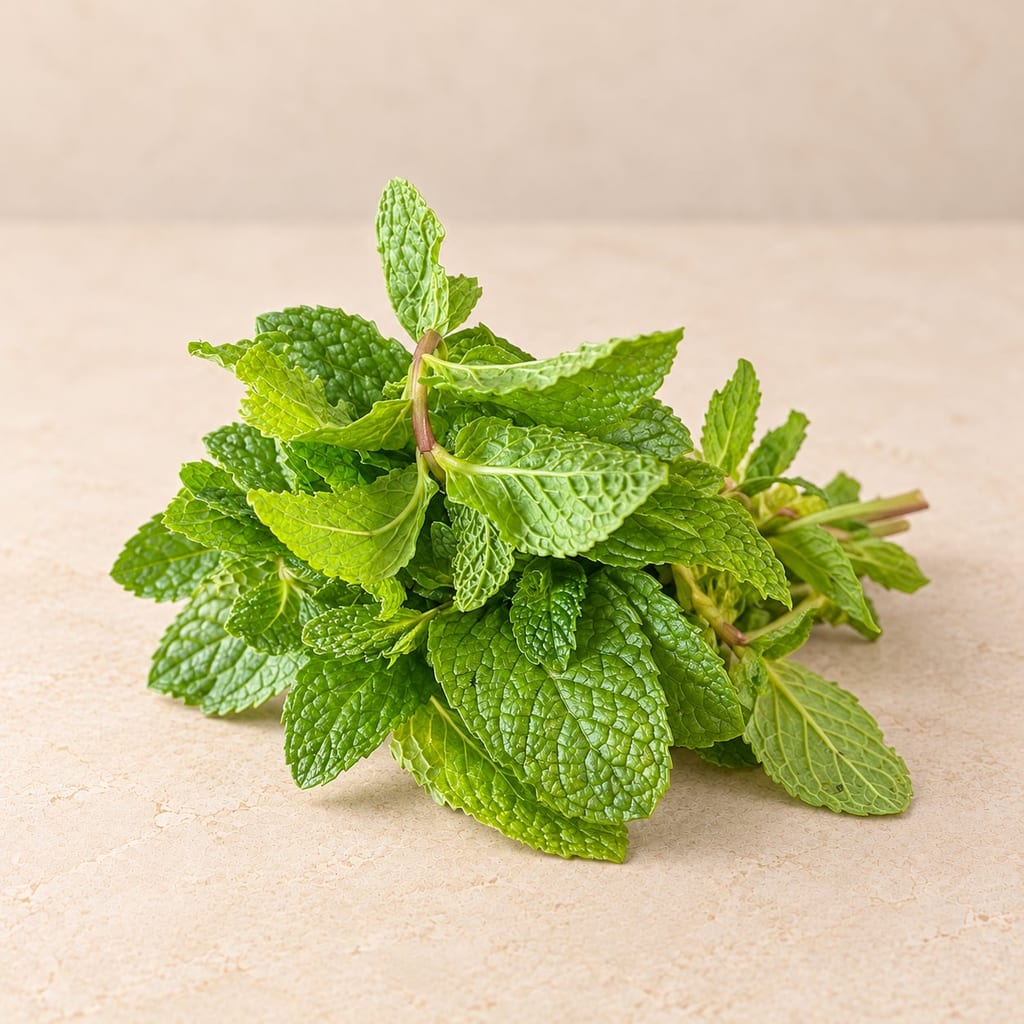
Mint is the fresh leaf of aromatic Mentha plants, chiefly spearmint and peppermint. It gives chutneys, yoghurt sauces and fermented drinks a cool, sweet, green note.
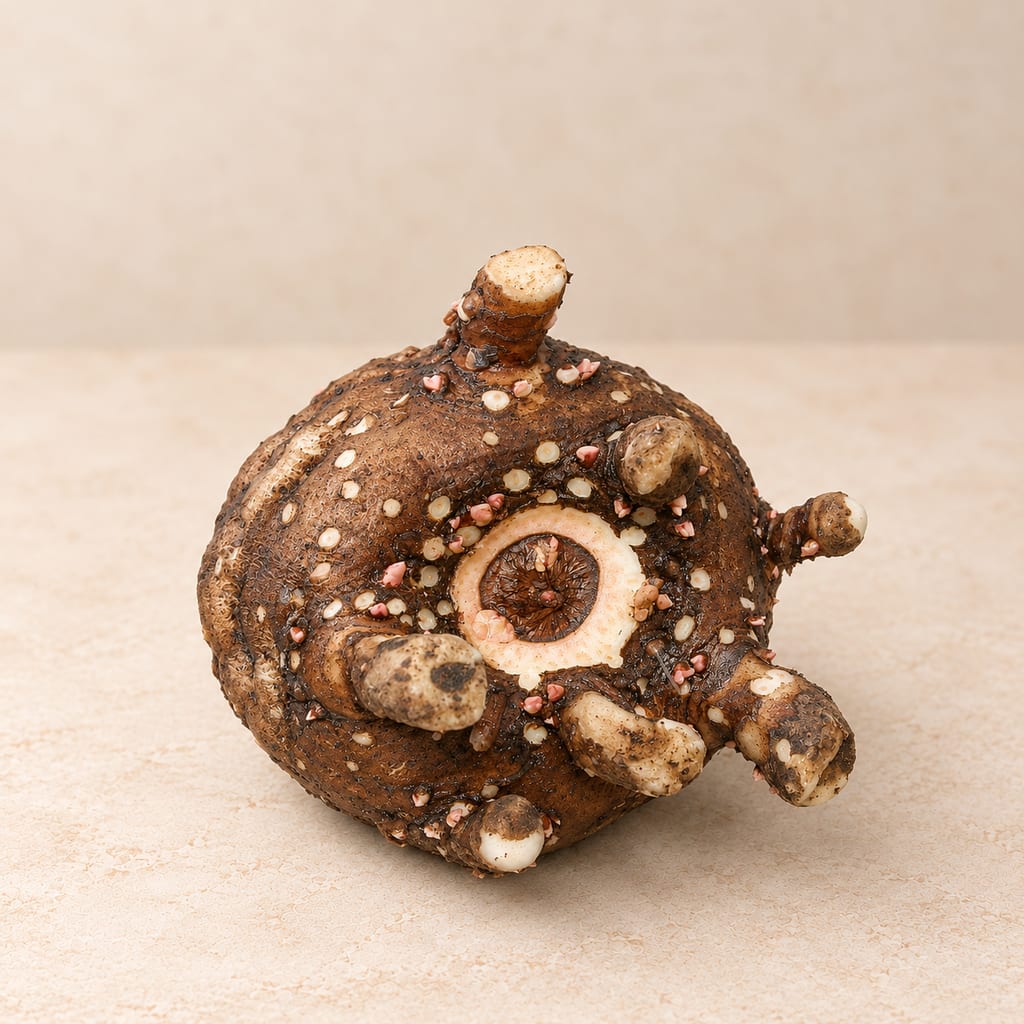
The toxic corm of Amorphophallus konjac and the glucomannan flour milled from it, which sets into a firm, heat-stable konnyaku gel when cooked with limewater.
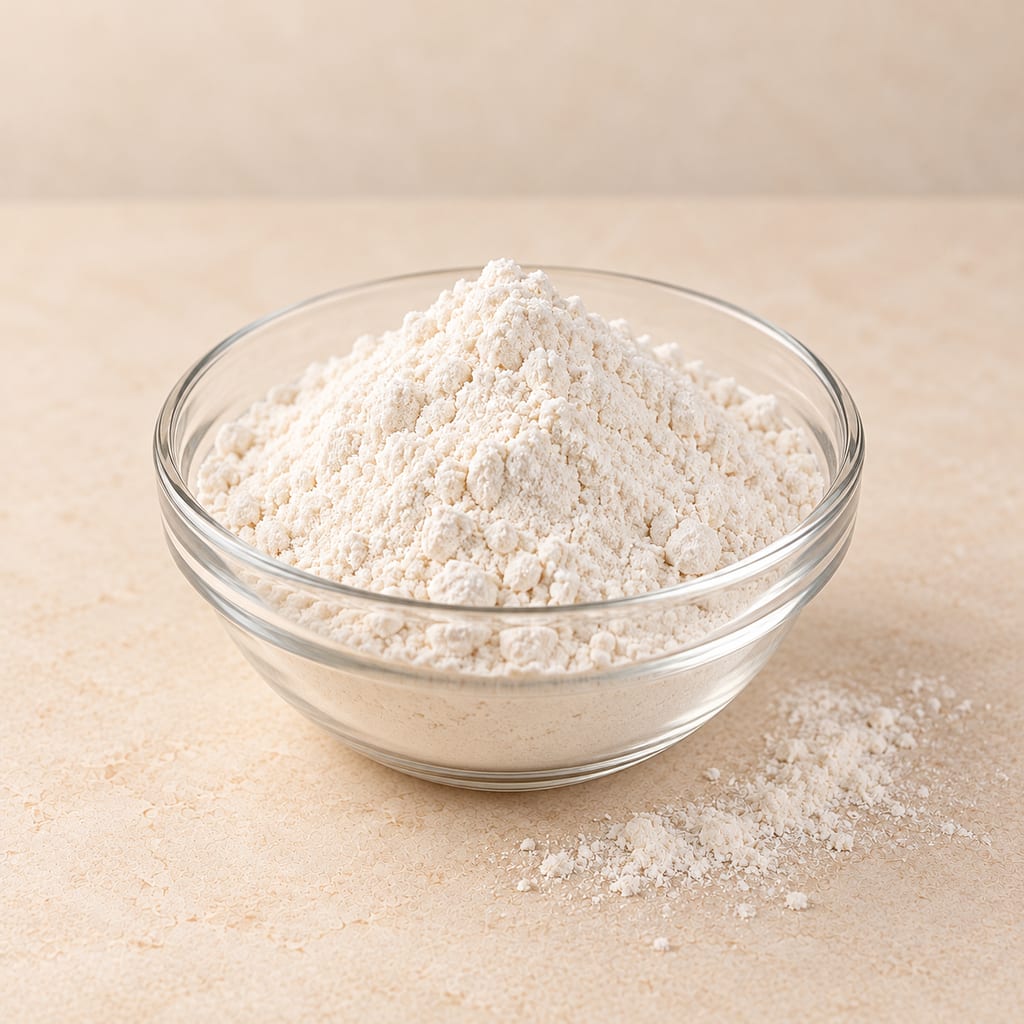
Bread flour and all-purpose flour give yeast dough its gluten network; pan de cristal and pain de mie use them in different ways.
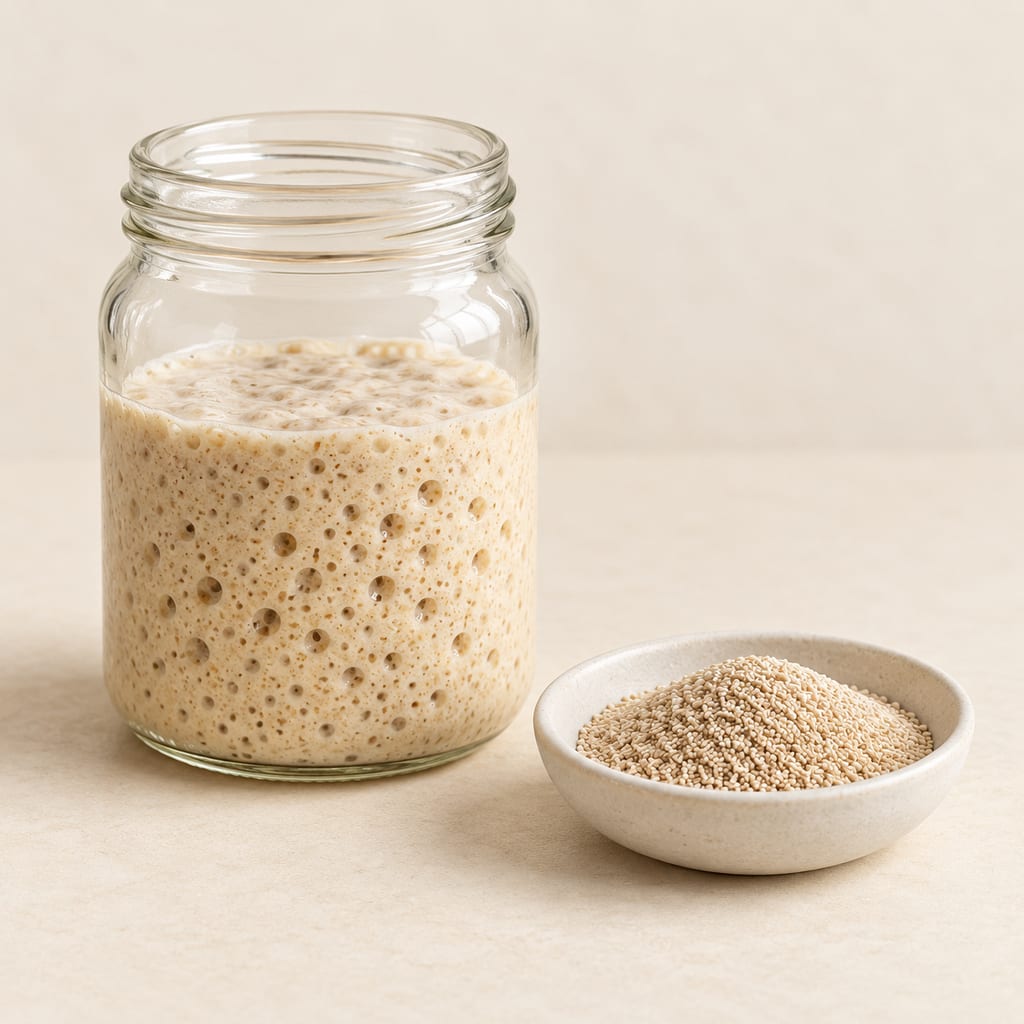
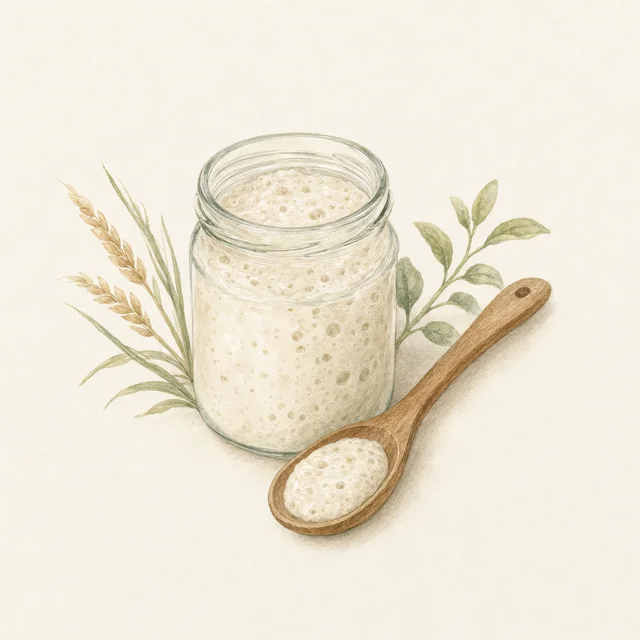
Sourdough starter is a maintained flour-and-water community of yeasts and bacteria. Commercial baker’s yeast is a separate cultured leavener, used alone or with starter in hybrid dough.