Ingredients

1086 articles on substrates, cultures and additives.

All ingredients

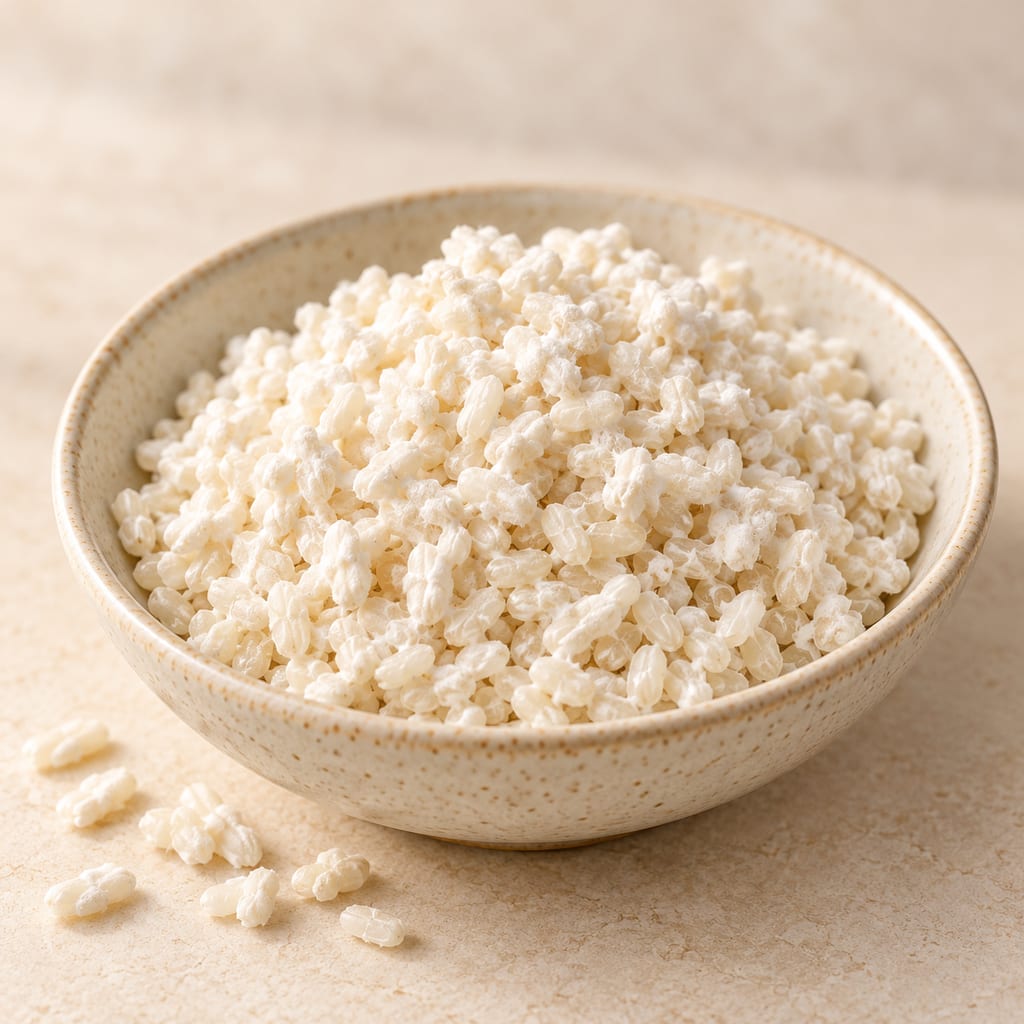
White rice kōji with fine surface growth in a shallow speckled ivory ceramic bowl.
Enzyme sources

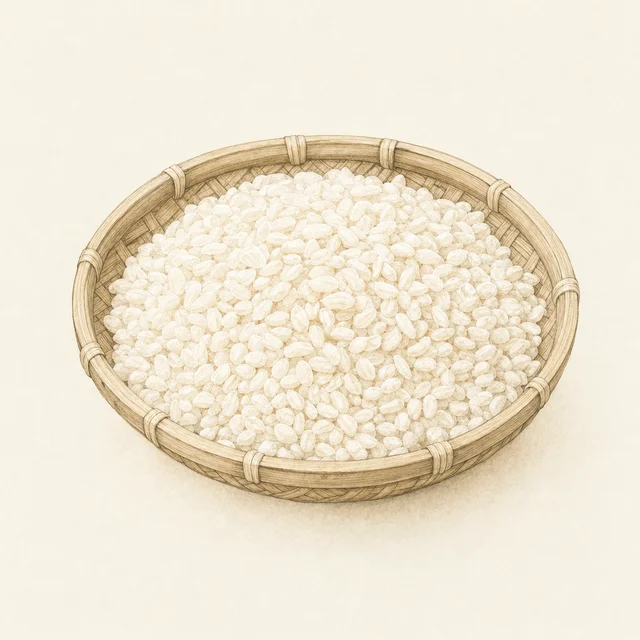
Koji culture: named mold, substrate and enzyme system

Koji is steamed grain — rice, barley, soybean or wheat — grown out with a food-grade Aspergillus mold until the kernels carry working enzymes. It is bought or cultivated, and it converts starch and protein for the foods that follow.
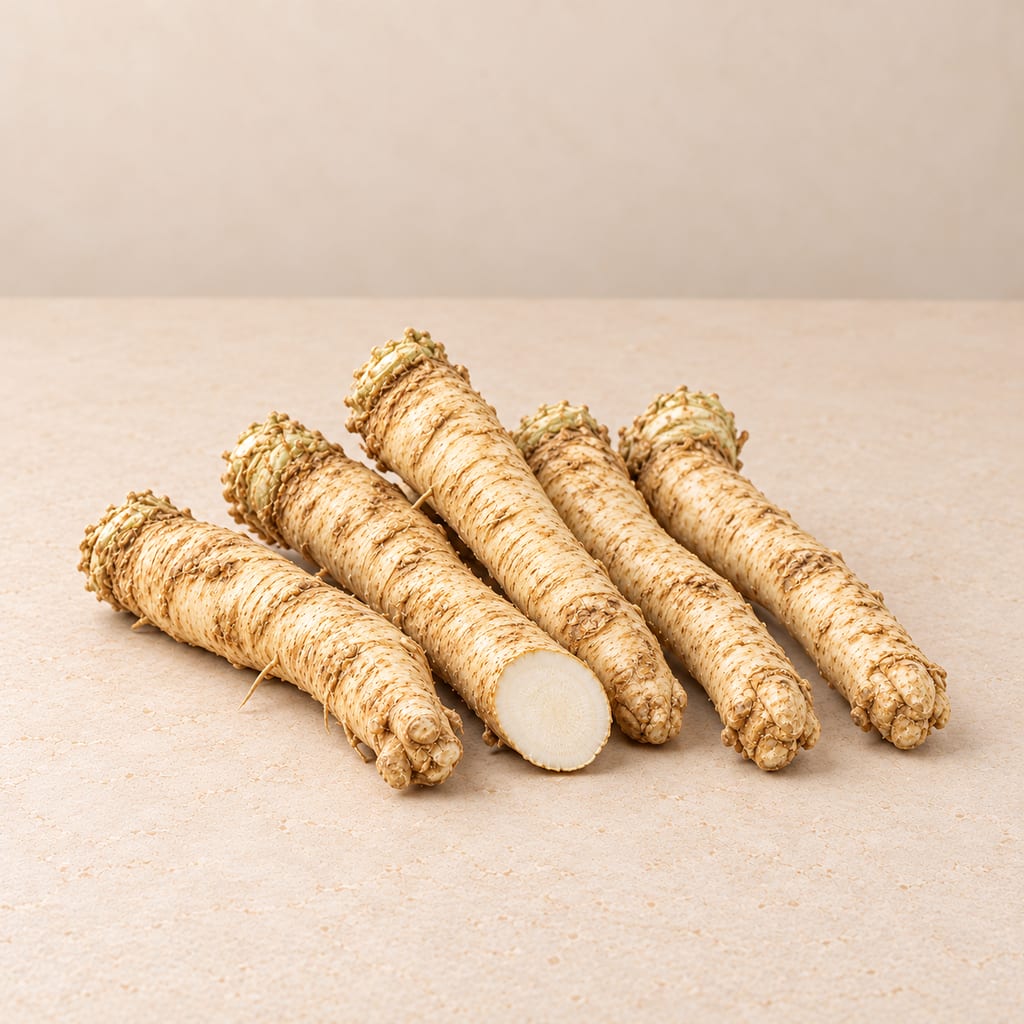
Five fresh tan horseradish roots rest on a warm ivory tabletop, with one cut across to reveal creamy white flesh.
Spices and aromatics

Horseradish root

Horseradish is the long white root of Armoracia rusticana, a perennial of the mustard family. Grated, it releases a sharp, nose-clearing heat that vinegar fixes in the sauce.

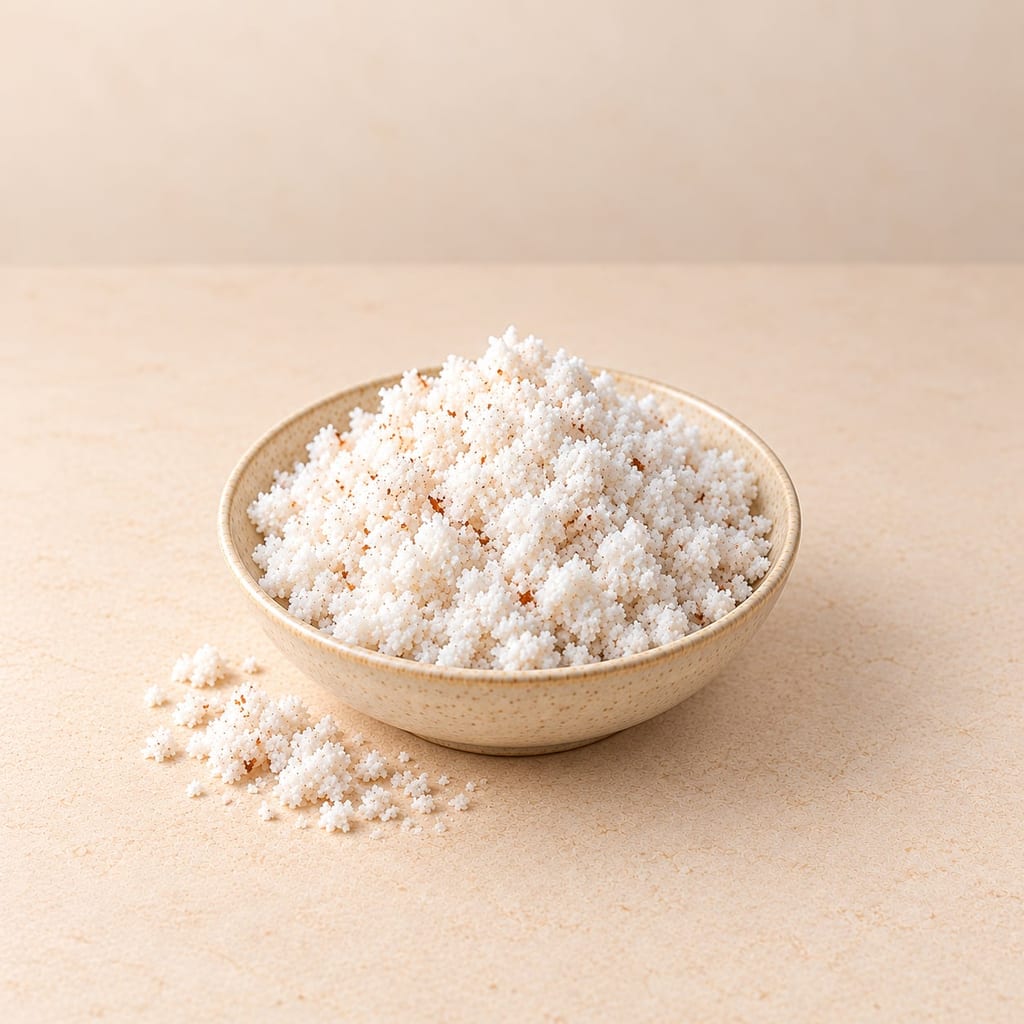
Moist finely grated coconut heaped in a shallow cream ceramic bowl, with a small scatter beside it on a warm ivory tabletop.
Substrates

Grated coconut (fresh or thawed unsweetened)

The shredded white kernel of a mature coconut, used fresh or thawed from frozen in sambols and chutneys; its lauric-acid fat is rich and the moist meat is perishable.

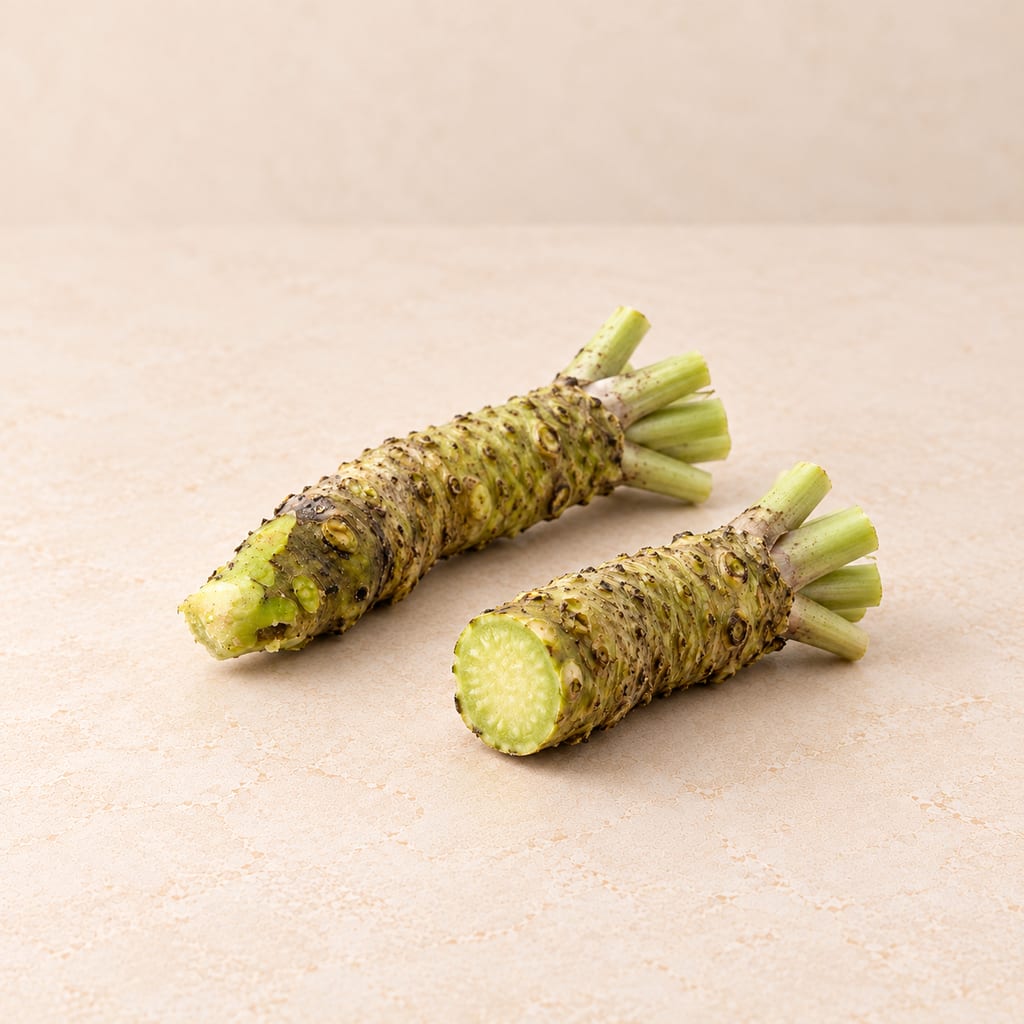
Two knobby green wasabi rhizomes with trimmed stalks rest on an ivory tabletop, one cut across to reveal pale green flesh.
Spices and aromatics

Fresh wasabi rhizome

Wasabi is the enlarged stem of Eutrema japonicum, a pungent perennial in the mustard family. Fresh rhizome is grated as a Japanese condiment; powder and prepared paste are separate products.

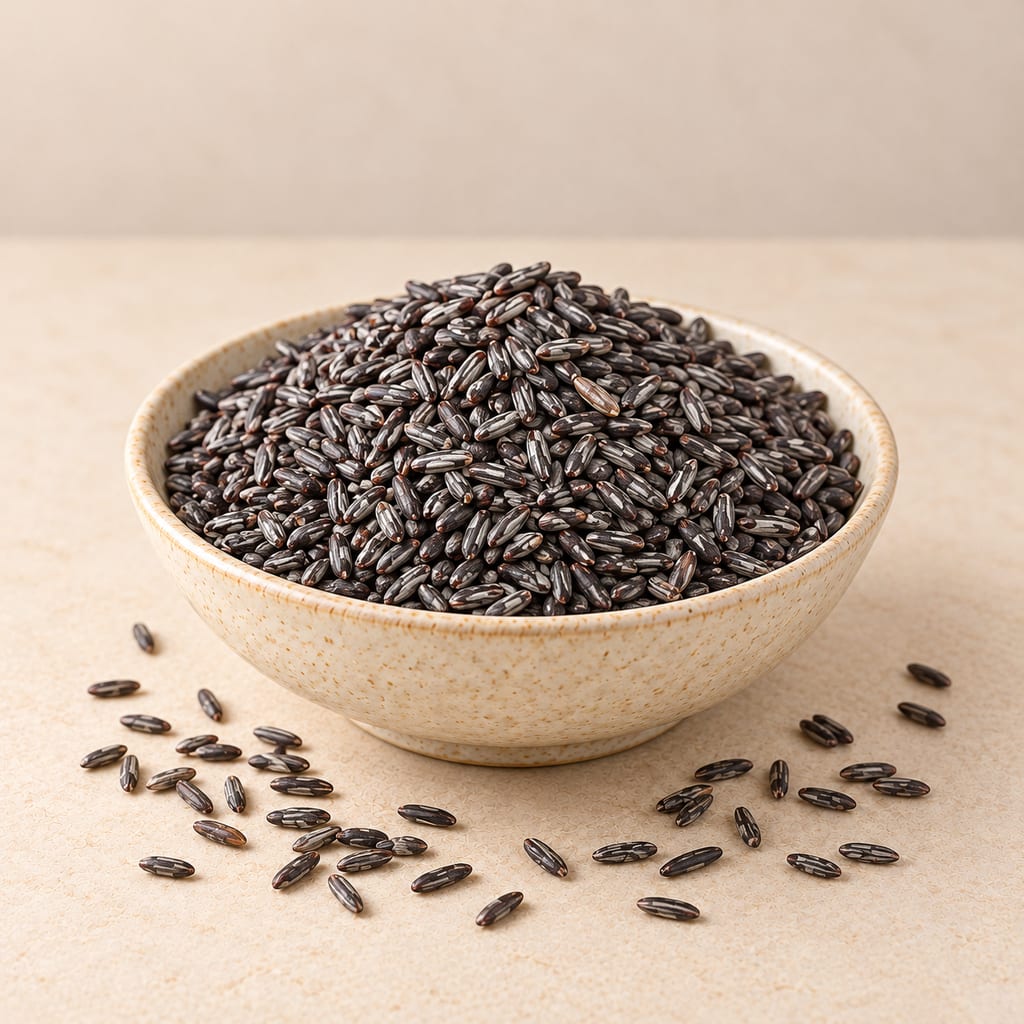
Uncooked black rice heaped in a shallow speckled cream bowl with scattered kernels on a warm ivory tabletop.
Substrates

Dahyangheukmi pigmented rice

Dahyangheukmi (다향흑미) is a registered Korean black-rice cultivar with an aromatic, non-glutinous grain. It has been used to make rice-flour nuruk, yakju and gochujang in published studies.

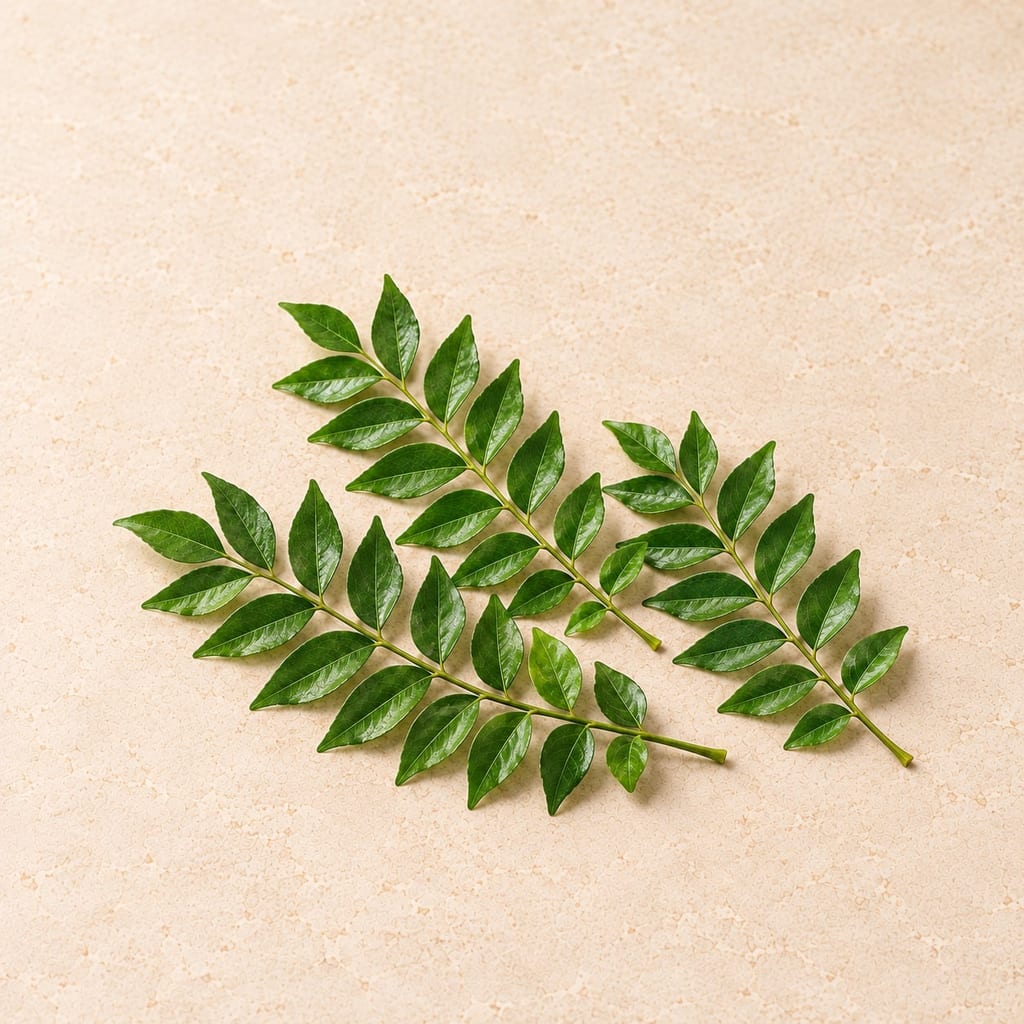
Three fresh green curry leaf sprigs rest on a warm ivory tabletop with generous space around them.
Spices and aromatics

Curry leaves

Curry leaves are the glossy compound leaves of the curry tree, Bergera koenigii, used fresh across southern India and Sri Lanka. Fried in hot oil they give a citrusy, nutty, faintly smoky note.

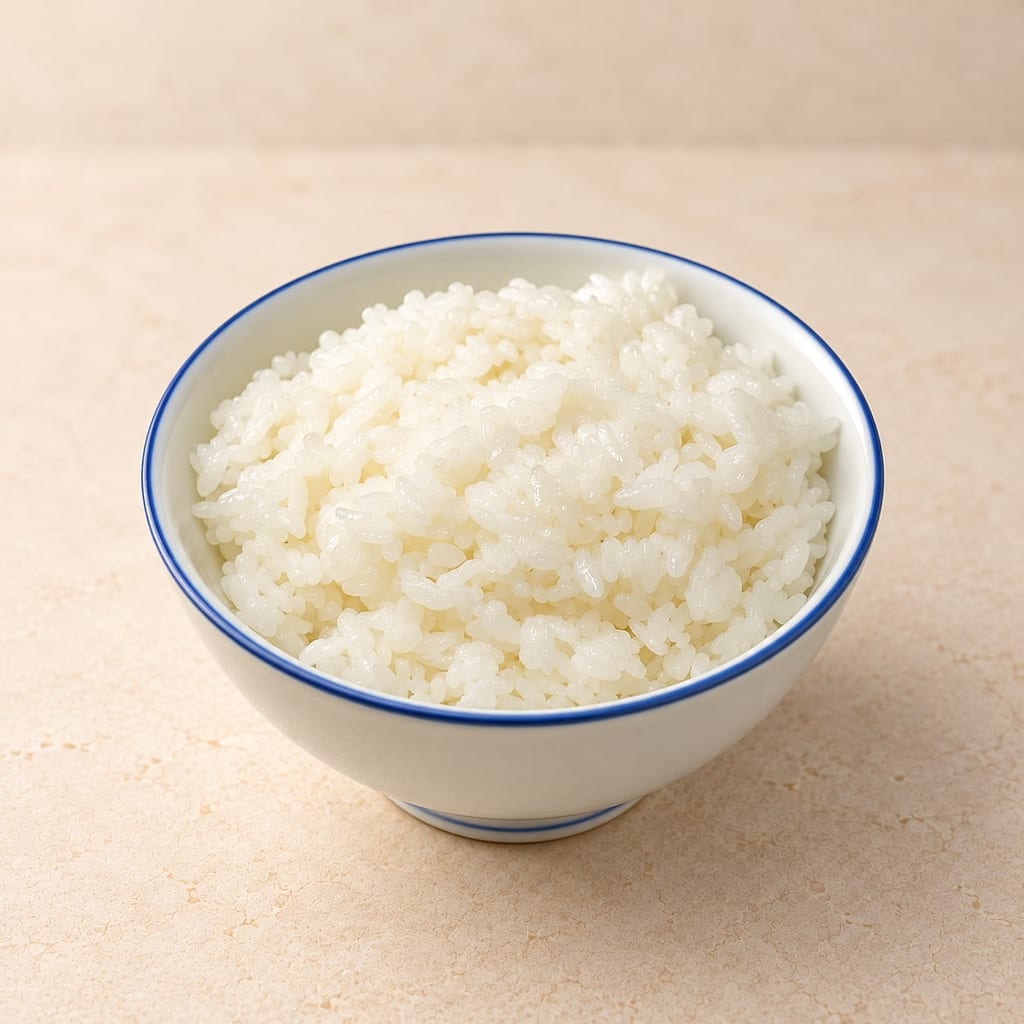
Glossy cooked white rice loosely mounded in a blue-rimmed white ceramic bowl on a warm ivory tabletop.
Substrates

Cooked rice

Cooked rice is rice grain heated in water until its starch gelatinizes; in Thai sour sausage it feeds the bacteria that acidify the meat.

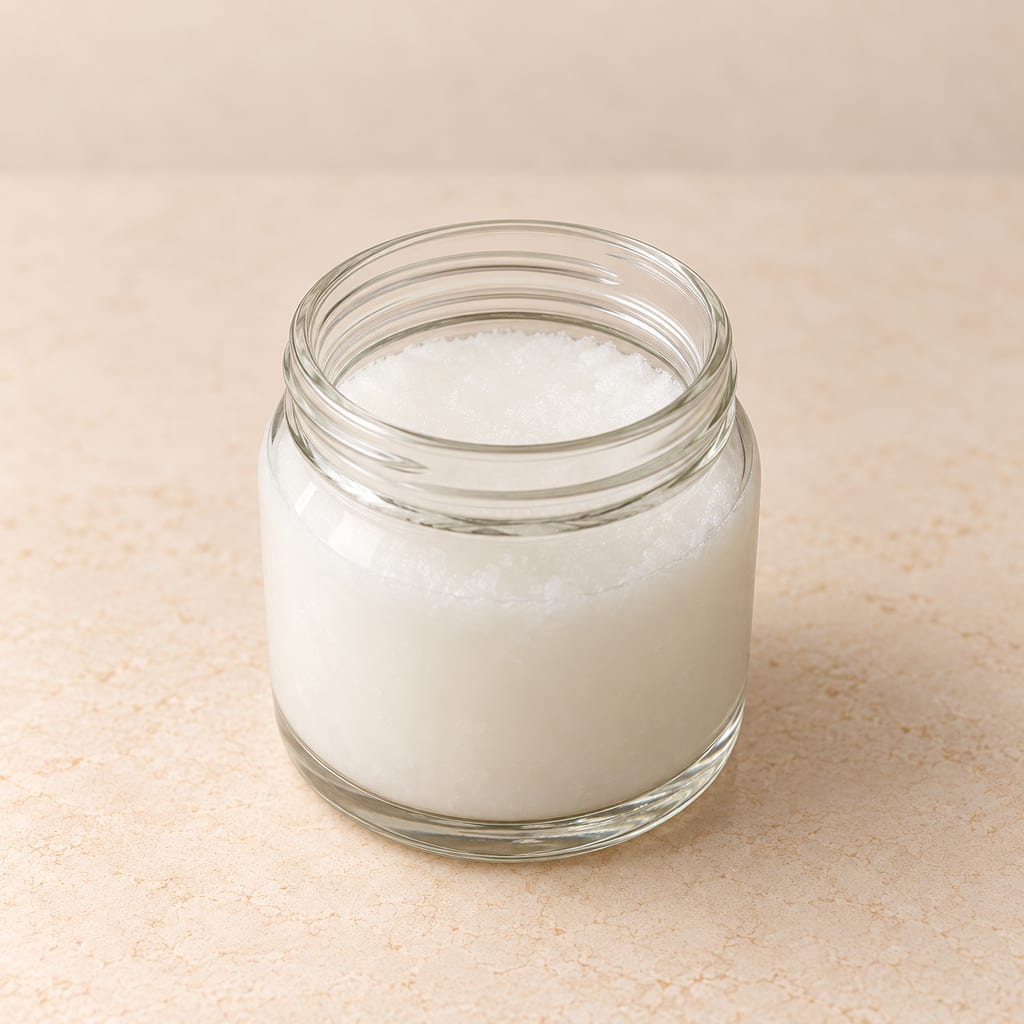
An open clear glass jar of solid white coconut oil stands on a warm ivory tabletop.
Fat or oil

Coconut oil

Fat pressed or separated from the kernel of a mature coconut: solid below about 25 °C, mostly saturated and half lauric acid, sold virgin, refined or hydrogenated.

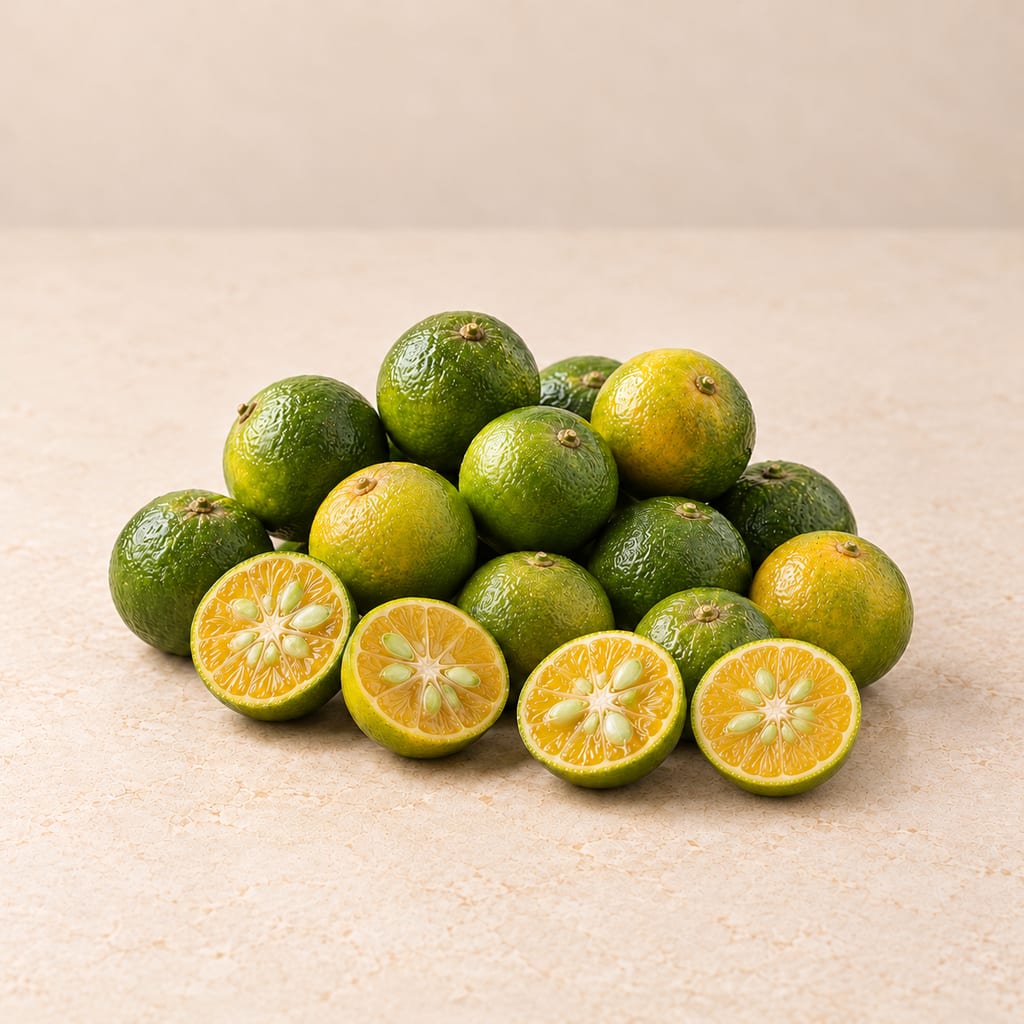
Green and yellow-orange calamansi form a small heap with four seed-filled cut halves on a warm ivory tabletop.
Acids

Calamansi

Calamansi is a small, very sour kumquat-mandarin hybrid, Philippine cooking’s all-purpose citrus, squeezed into soy sauce, fish sauce, broths and dips.

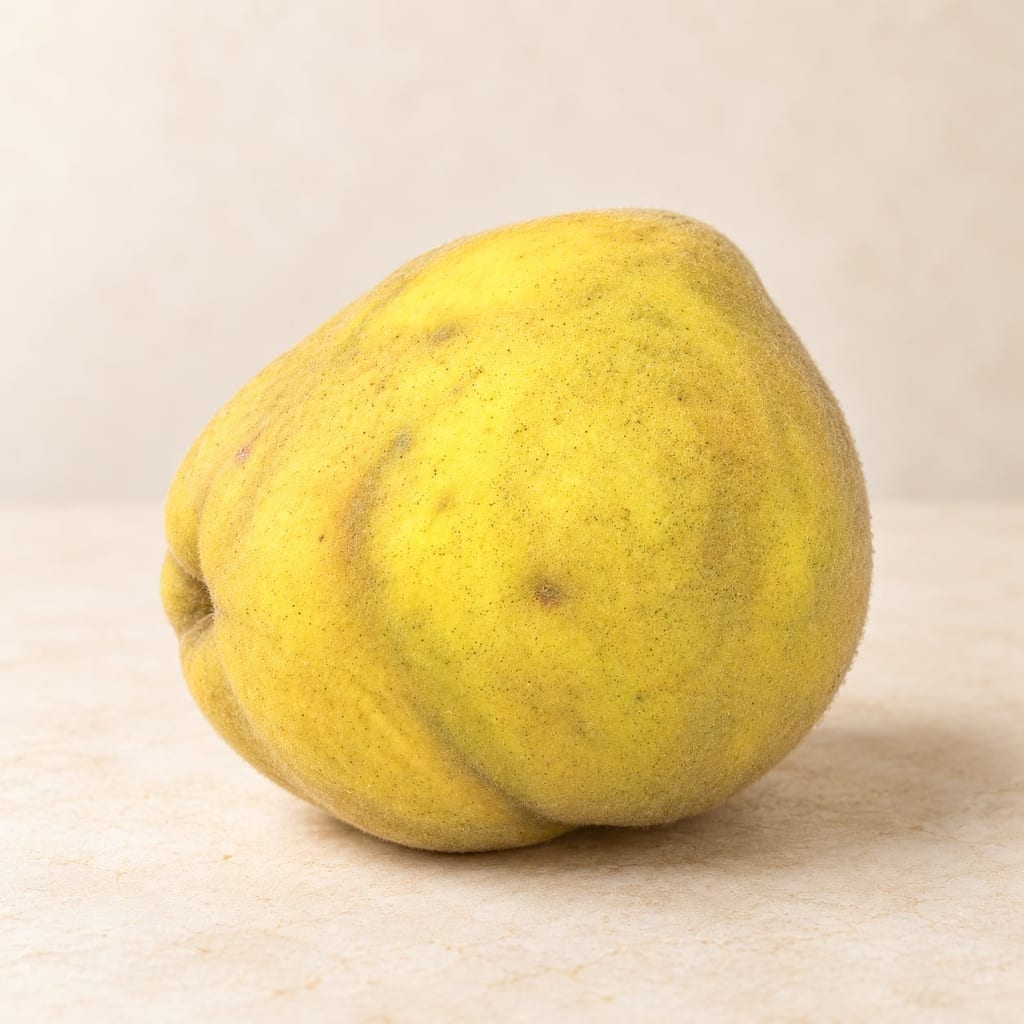
One whole golden-yellow quince with fine down on an ivory surface.
Substrates

Quince

A fragrant, usually yellow pome with firm, tart and astringent flesh, cooked for tender fruit dishes, jelly and dense quince paste.

Fine pale cream agar powder in a shallow white ceramic bowl on a warm ivory tabletop, with a few scattered grains beside it.
Coagulants

Agar / kanten

A gelling polysaccharide extracted from red seaweeds, sold as kanten strips or powder; it sets firm at a low concentration and stays solid until about 85 °C.

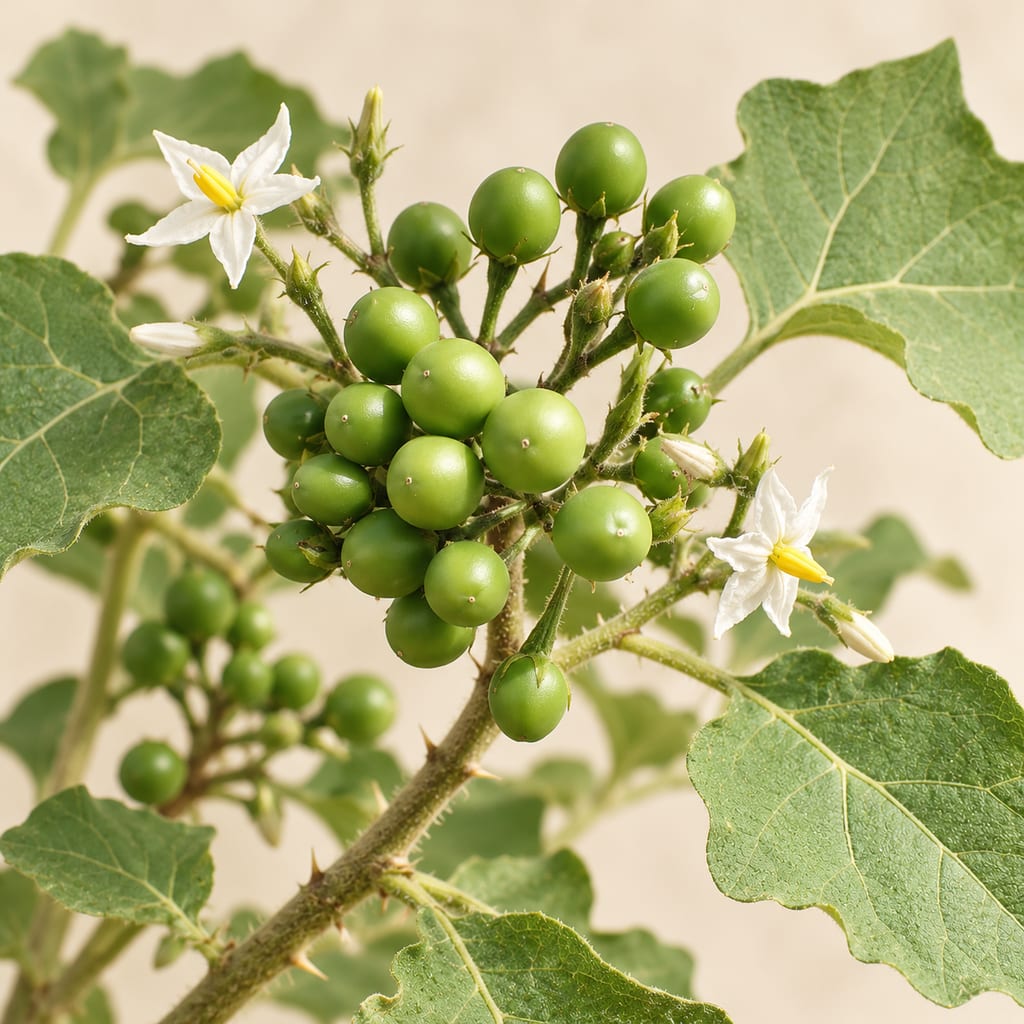
Botanical depiction of a Solanum torvum fruiting branch with leaves, white flowers and attached green berries; not safety or consumption guidance.
Substrates

Solanum torvum fruit and leaves

An East Akim survey reports fruit and leaf use in soups and stews; a separate Cape Coast experiment grew a selected seed accession. External poisoning reports do not establish Ghanaian incidence or a safe preparation method.

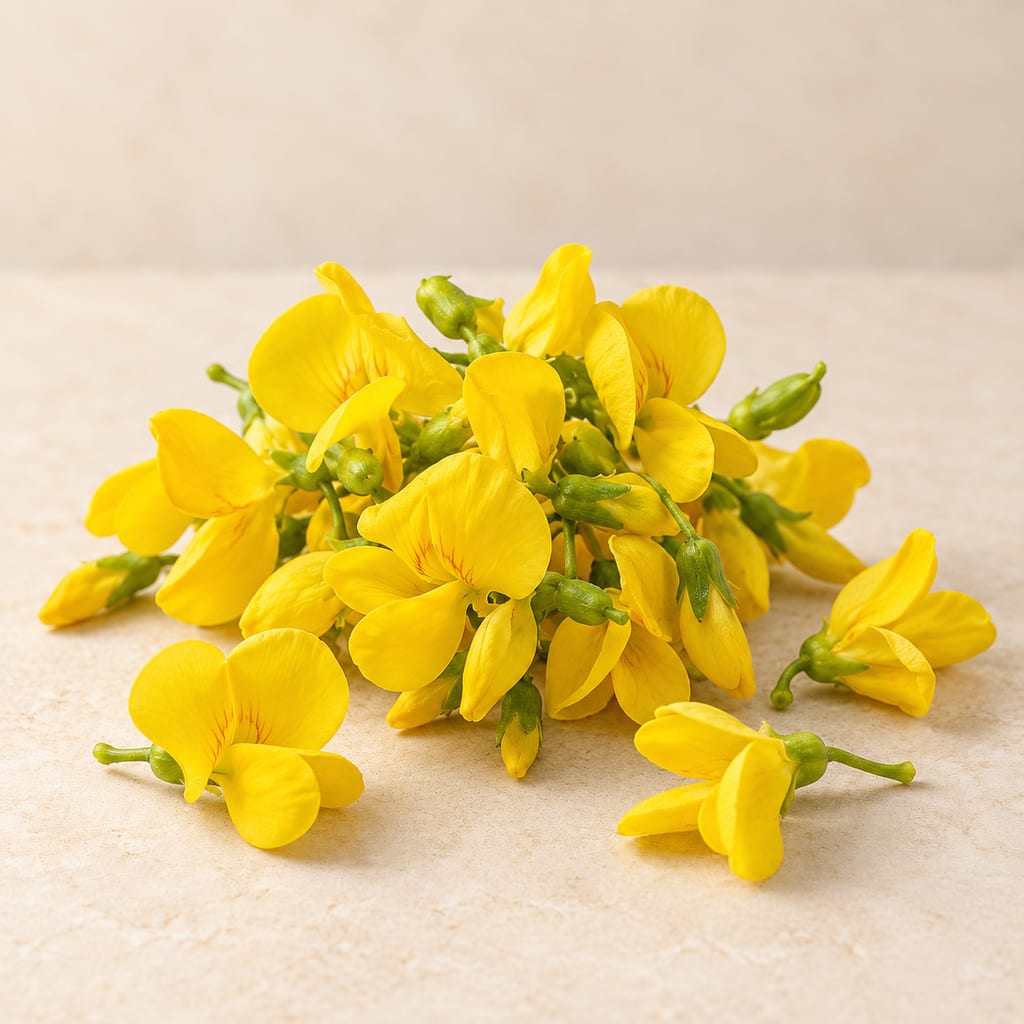
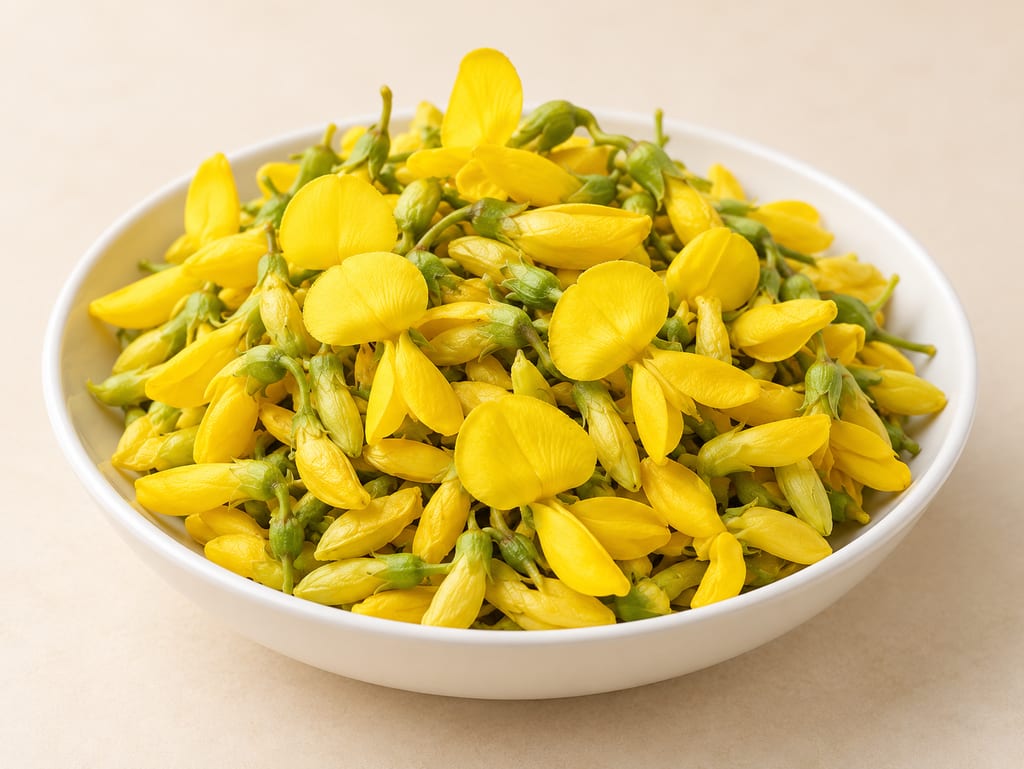
Fresh yellow Diphysa americana flowers arranged on a warm ivory surface.
Substrates

Diphysa americana flowers

Oaxaca market research documents food uses of Diphysa americana flowers. A separate Honduran Lenca table contains an unvouchered “Diphysa robiniodes” leaf row that remains a provisional crosswalk; forestry observations from Honduras and Guatemala do not confirm that food identity.

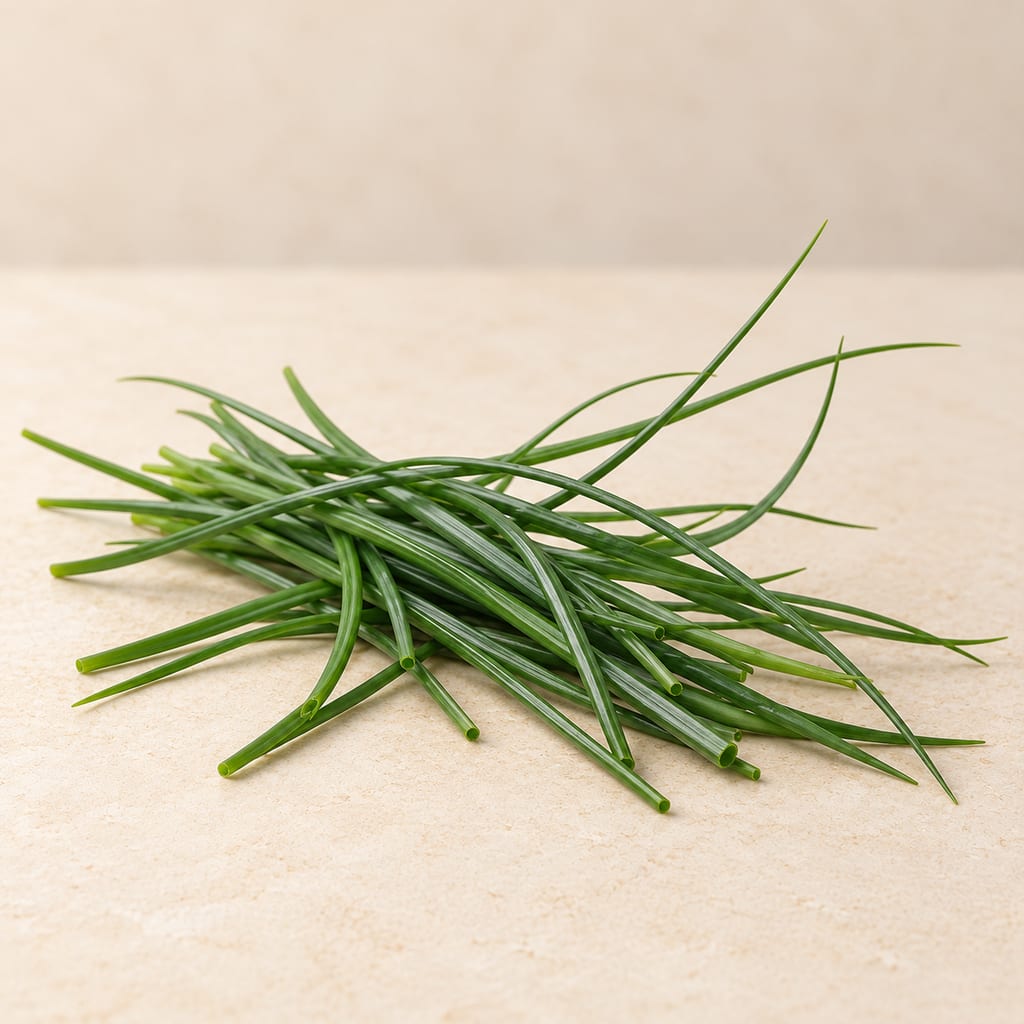
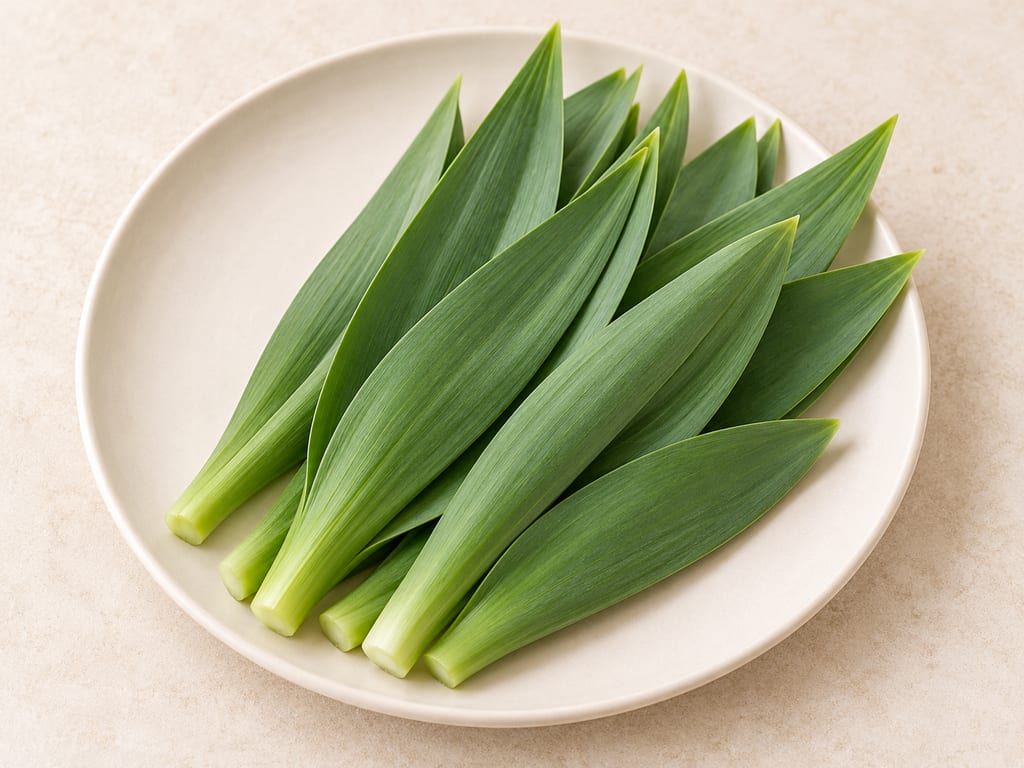
Fresh crow garlic leaves with hollow cut ends, arranged on a warm ivory surface.
Substrates

Crow garlic leaves

Allium vineale is a widespread European allium with hollow leaves and bulbil-bearing flowerheads. A White Carpathian ethnobotany study records a narrow, source-specific leaf-use tradition; it does not provide a complete recipe or gathering guidance.

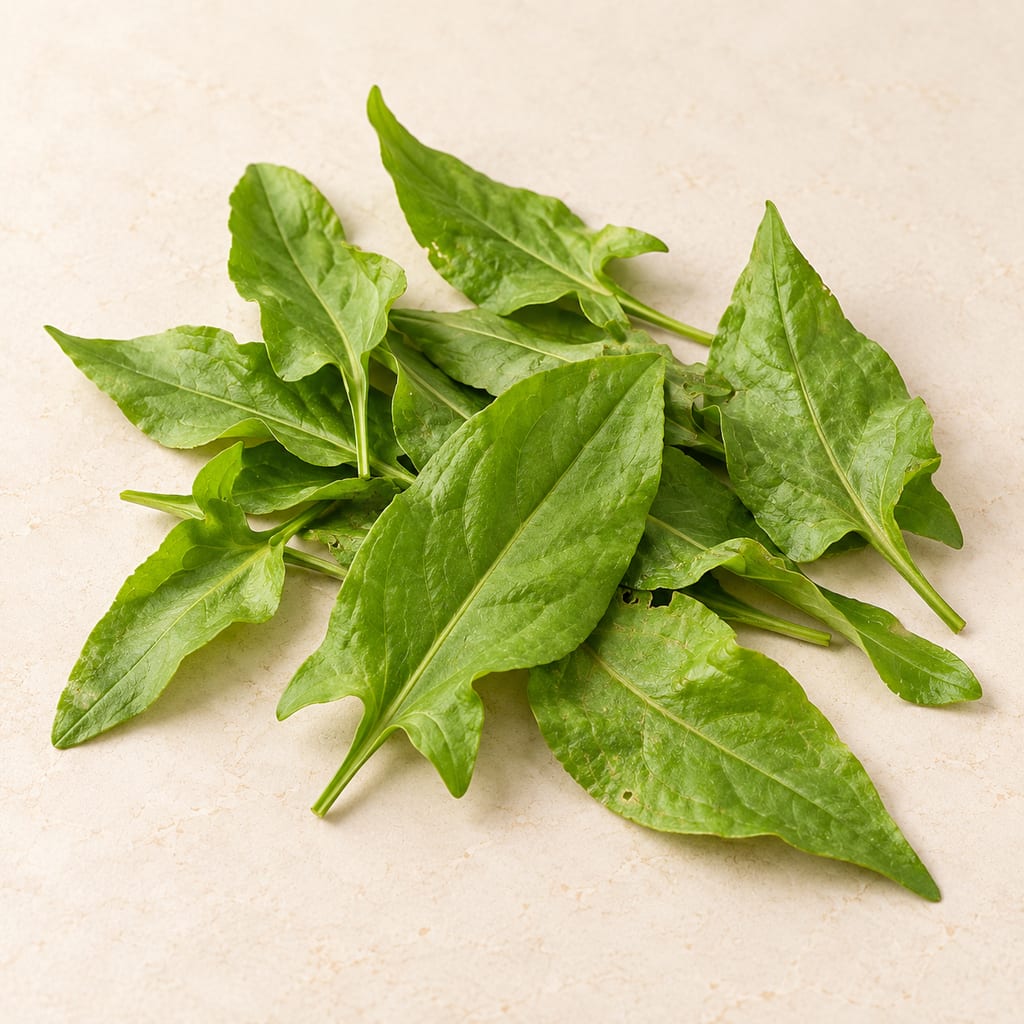
Fresh common sorrel leaves (Rumex acetosa) arranged on a warm ivory surface.
Spices and aromatics

Common sorrel leaves

Common sorrel (Rumex acetosa) has a tart leaf used in salads and cooked dishes. UK growing guidance covers outdoor beds and containers, while the source does not give a numeric cold limit or a complete recipe or food-safety threshold.

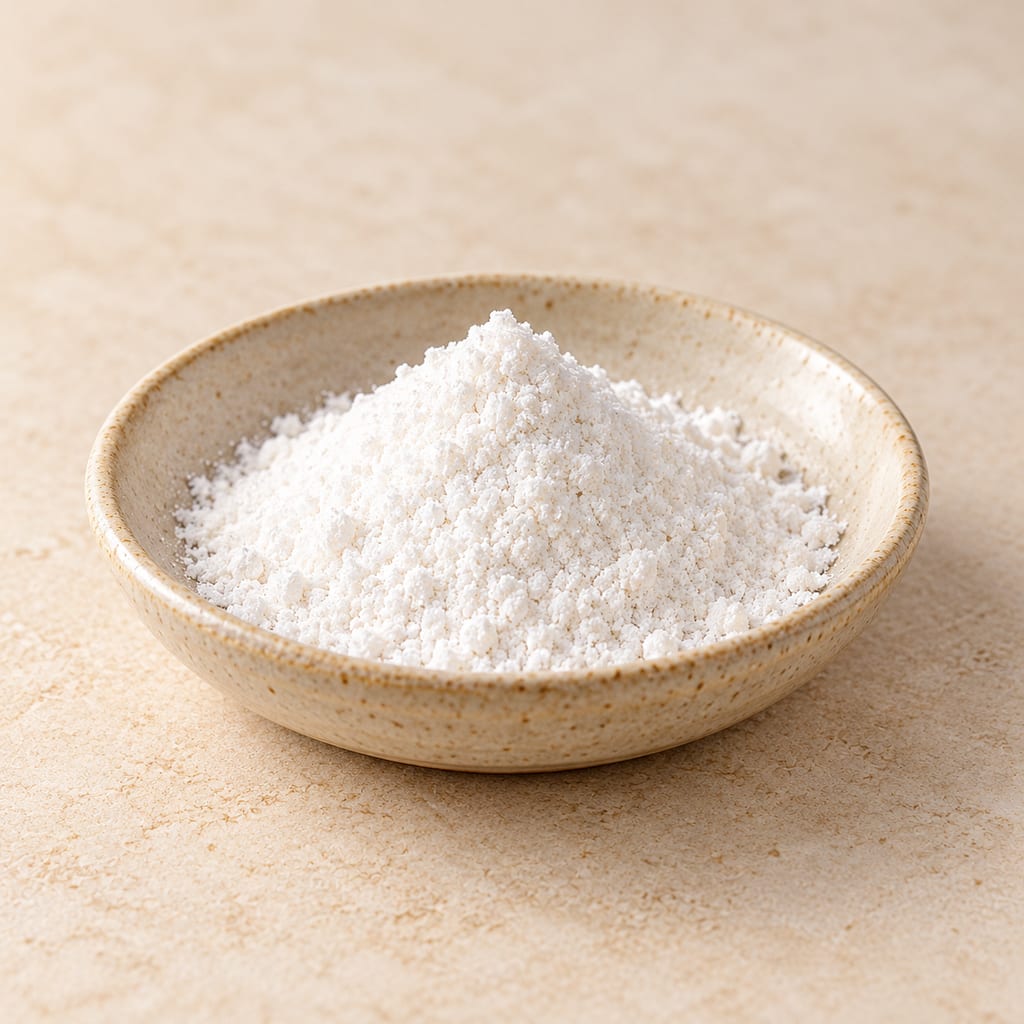
A small mound of dry, pale Tacca leontopetaloides tuber starch in a shallow neutral ceramic dish.
Substrates

Tavolo starch

Madagascar food studies identify tavolo as Tacca leontopetaloides and describe tuber use in distinct regional settings; broader crop guidance comes from a tropical handbook.

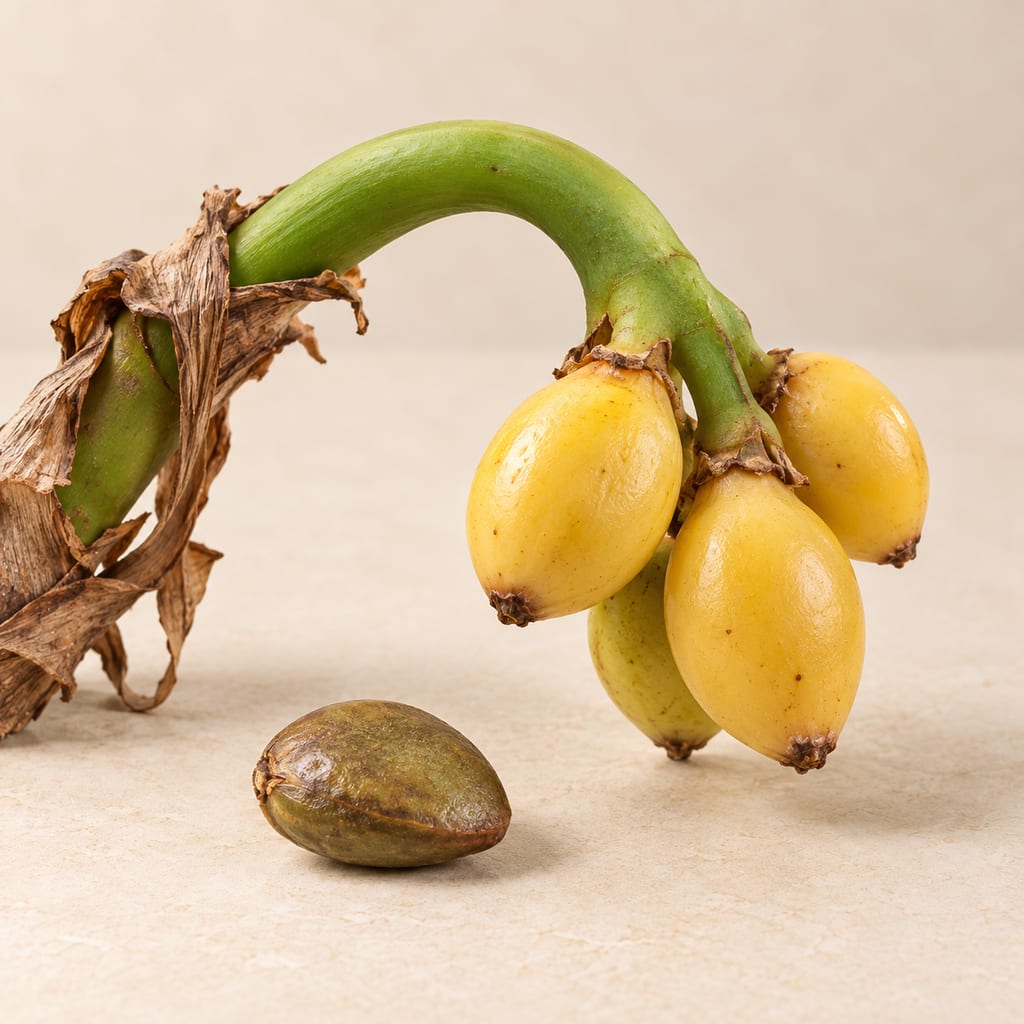
Editorial botanical still life of the unprocessed Typhonodorum lindleyanum fruiting stalk and flattened seed. It is not identification, edibility, preparation or safety guidance.
Substrates

Viha seed and tuber

Madagascar sources document distinct seed and tuber food accounts for this wetland aroid; greenhouse cultivation data come from a botanical display, not food production.

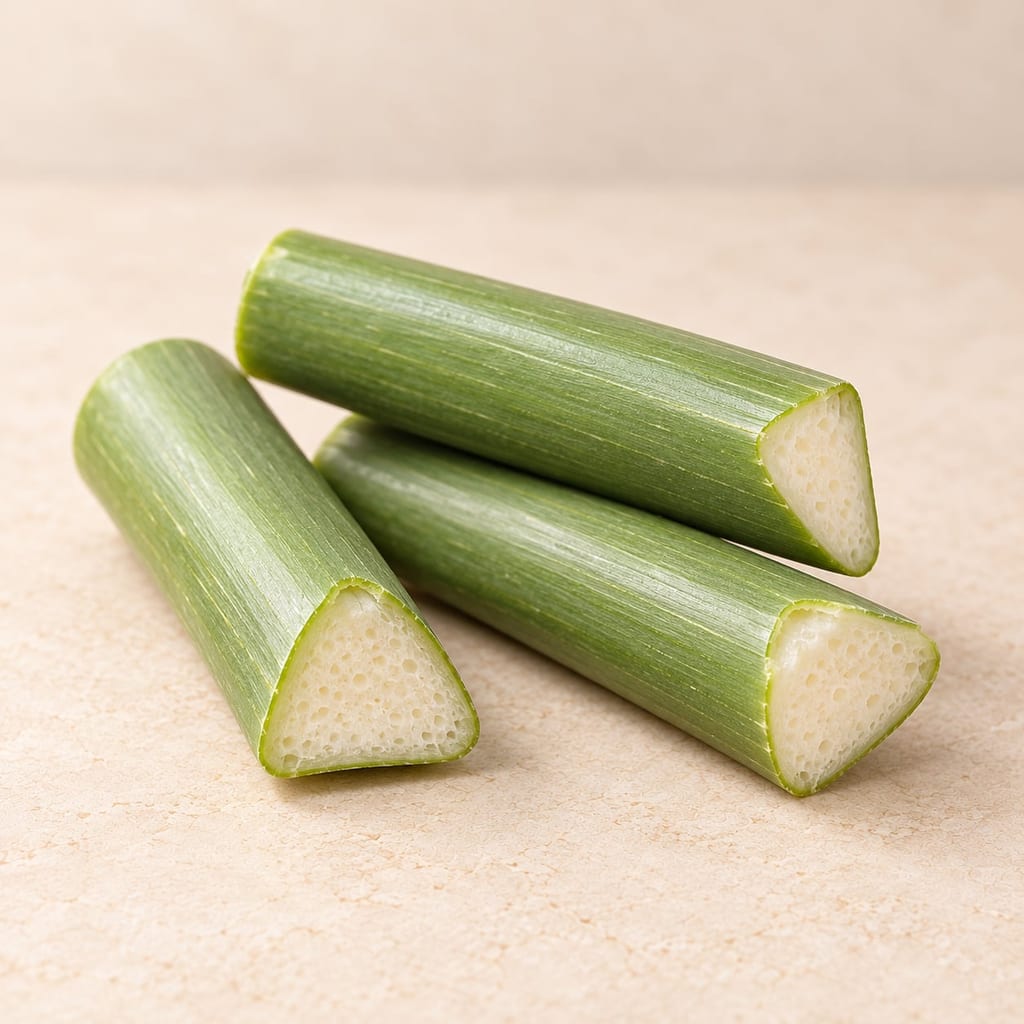
Freshly cut totora basal stems with pale triangular interiors on warm ivory.
Substrates

Totora as food

Aymara records from Lake Titicaca describe totora as food, with separate reports of rhizomes and the basal tutura stem; later planting evidence comes from a wastewater lagoon.

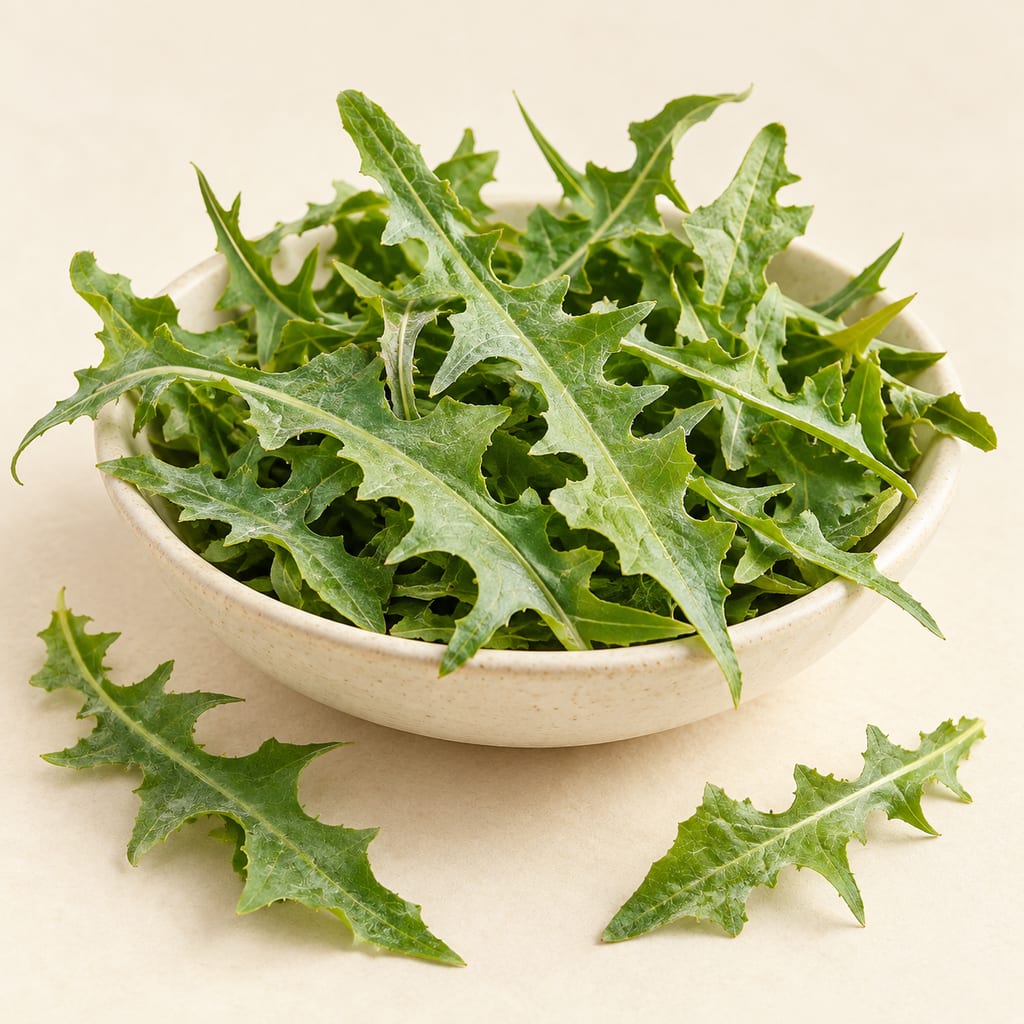
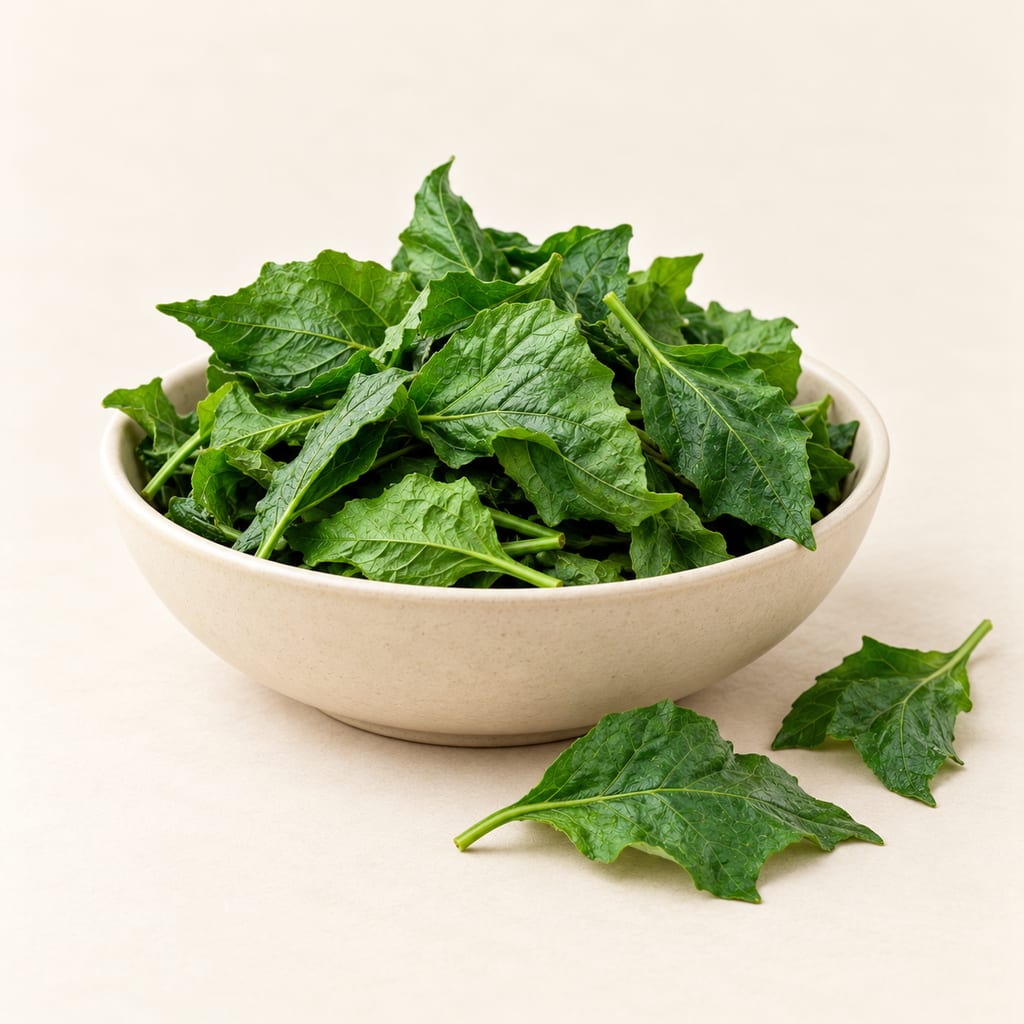
Generated editorial image of raw young Chondrilla juncea basal rosette leaves in an ivory bowl.
Substrates

Chondrilla juncea greens

One 2017 Mostaganem thesis reports young leaves, later shoot tips and capitula as food. The Algerian food attribution is provisional: the entry has no inspected voucher or informant-level record, and no independent Algerian food source was found.

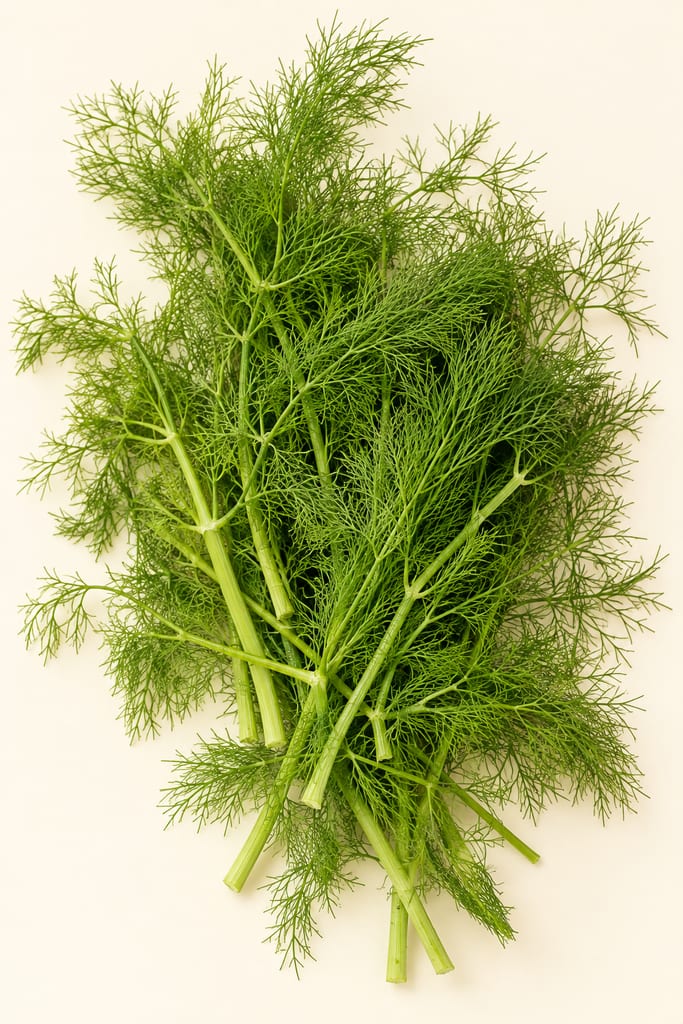
Fresh fennel fronds and a few tender stems arranged on a warm ivory background.
Spices and aromatics

Fennel fronds

Moroccan and Tunisian sources describe fennel leaves, stems, fruits and bulb forms in different food contexts; one Tunisian folk label also pools fennel with dill.

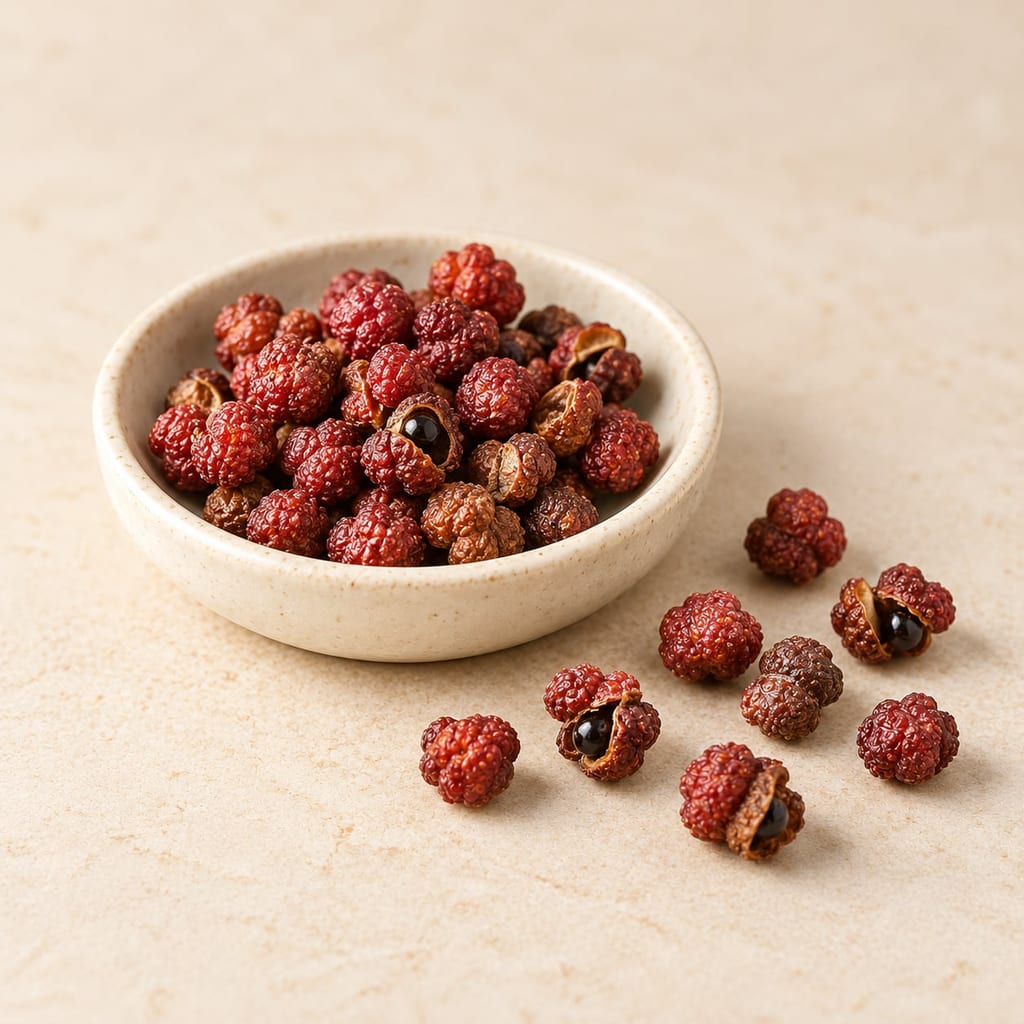
Whole dried Timur fruits in a small cream ceramic dish.
Spices and aromatics

Timur fruit

Timur is recorded as a spice made from fruit in a Nepal study and government growing guide. Sources describe regional cultivation and nursery guidance, but their flowering and planting calendars conflict and do not validate a household food process.

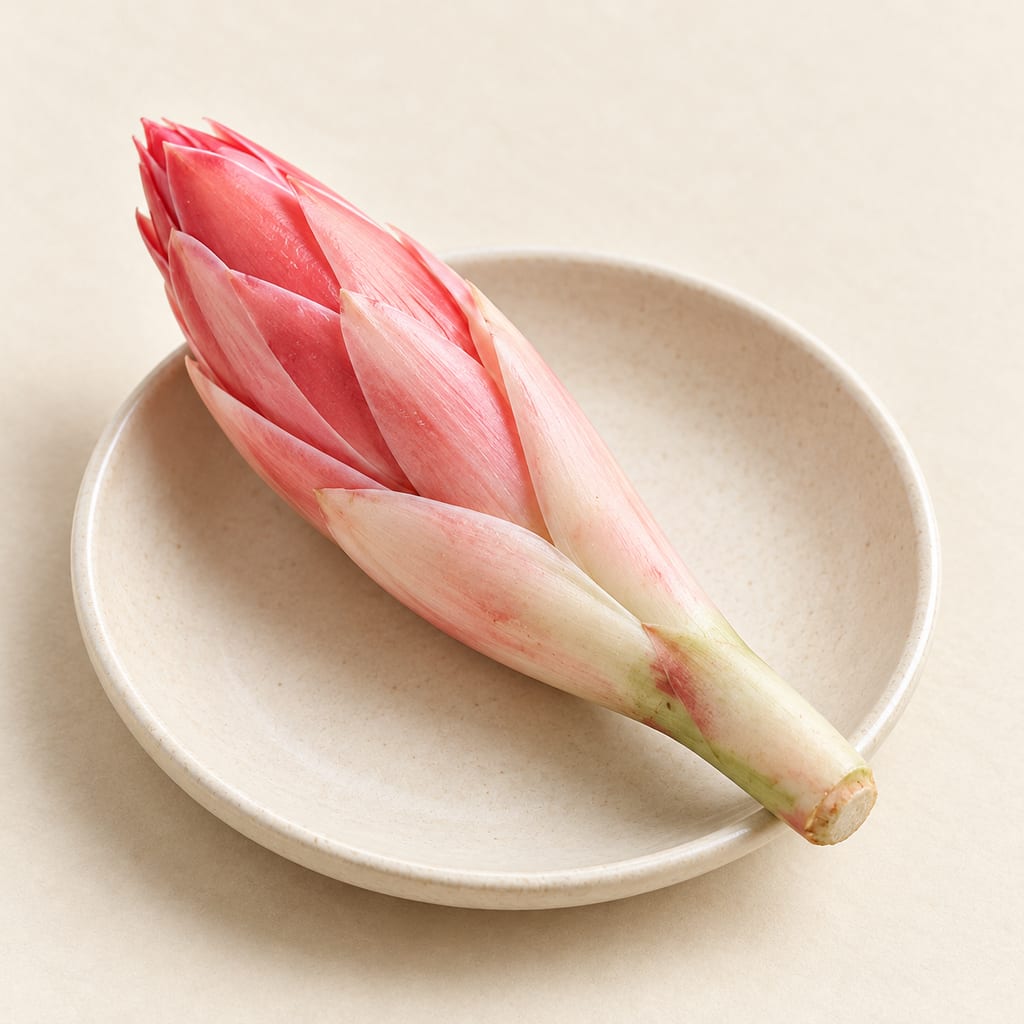
A fresh unopened pink torch ginger flower bud in a shallow cream dish on a warm ivory background.
Spices and aromatics

Torch ginger flowers

A two-site MARDI trial compared 15 Etlingera elatior accessions in Negeri Sembilan and Terengganu and found yield traits varied by genotype and location.

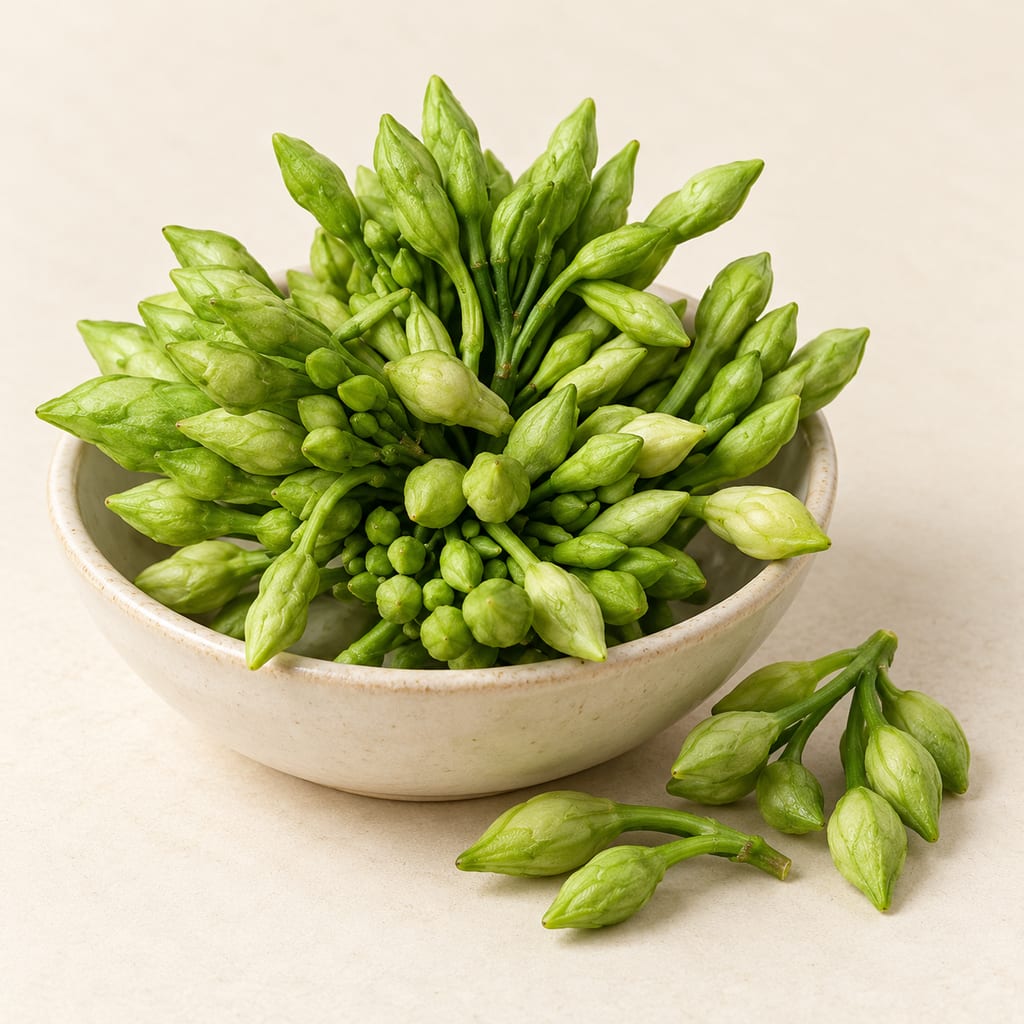
Fresh green loroco flower buds clustered on short stems in a small cream ceramic bowl on a warm ivory surface.
Substrates

Loroco flowers

Loroco is the edible flower bud of Echites panduratus (syn. Fernaldia pandurata), eaten in Guatemalan dips, pupusas, soups and rice; local growing and preservation studies leave household production open.

Fresh yellow snaô flowers and buds with a few green calyxes in a shallow white ceramic bowl.
Substrates

Snaô flowers

Cambodian accounts describe Sesbania javanica flowers as food, with separate reports of leaves. PROSEA records wetland habitat; a 2003 home-gardening handbook preserves a historical sowing row whose continuation cells cannot be reliably assigned.

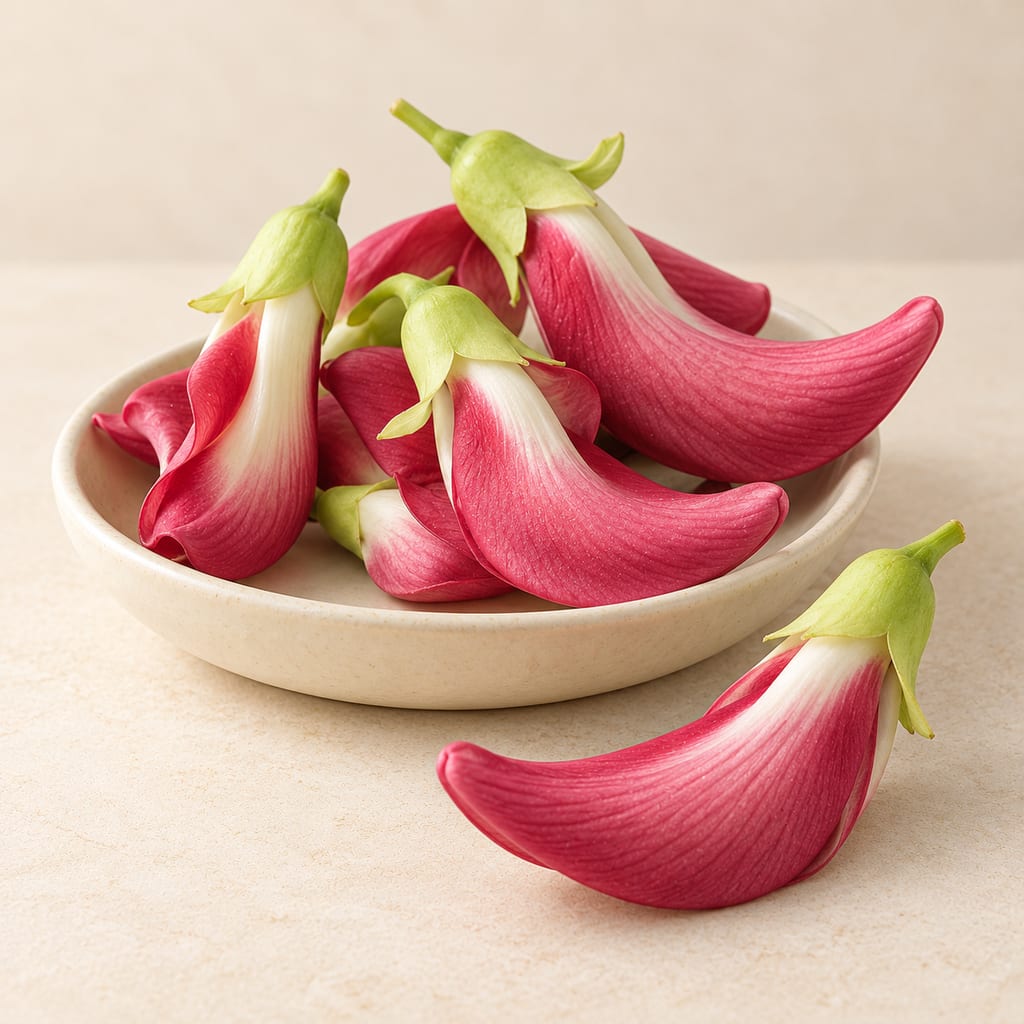
Fresh pink-red katuray flowers with pale green calyxes in a shallow ivory dish.
Substrates

Katuray flowers

A source-linked account of katuray food uses in Philippine crop guides and an abstract-level regional survey, with conflicting field-spacing figures and incomplete household growing evidence.

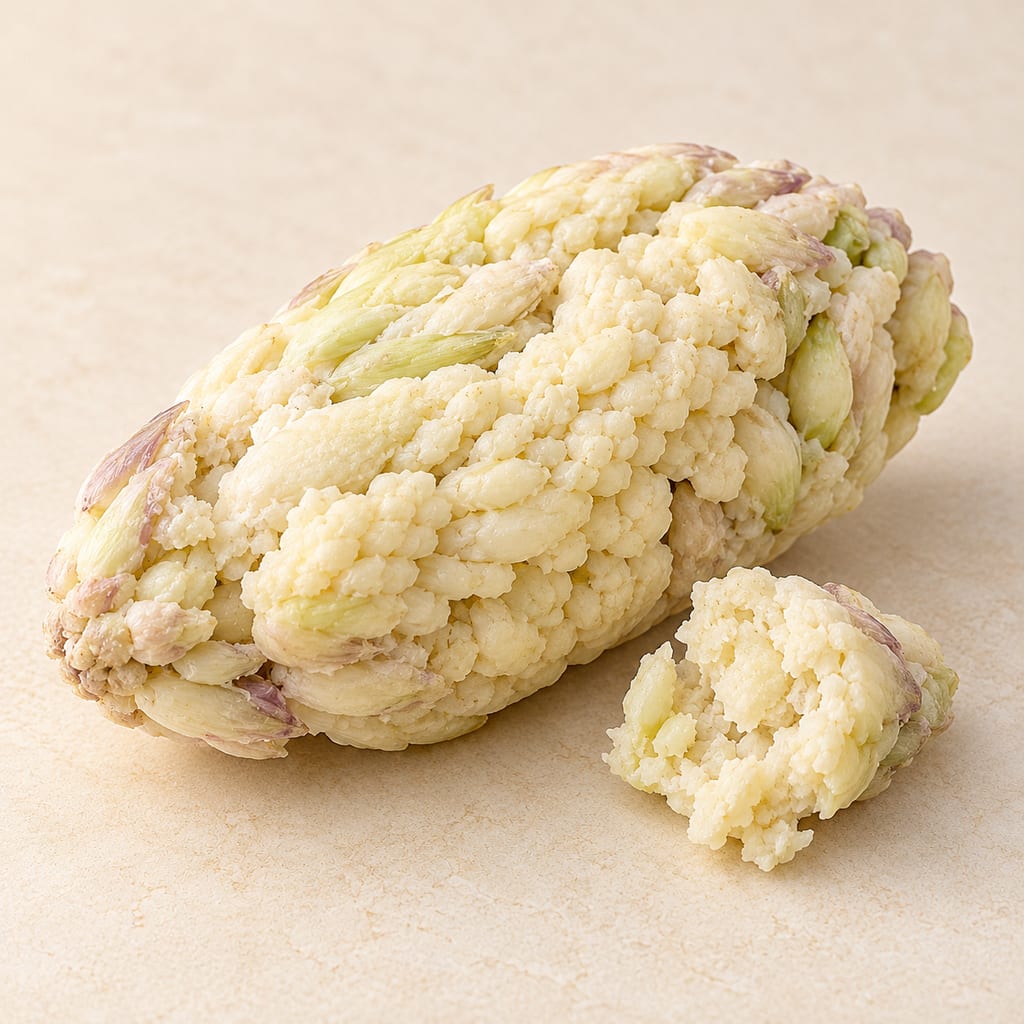
A raw unopened duruka inflorescence core, compact and pale with tightly packed flower primordia, arranged on a warm ivory surface.
Substrates

Duruka inflorescence

Fiji crop accounts call the edible inflorescence crop Saccharum edule; this crop-name concept remains unresolved in current botanical treatments.

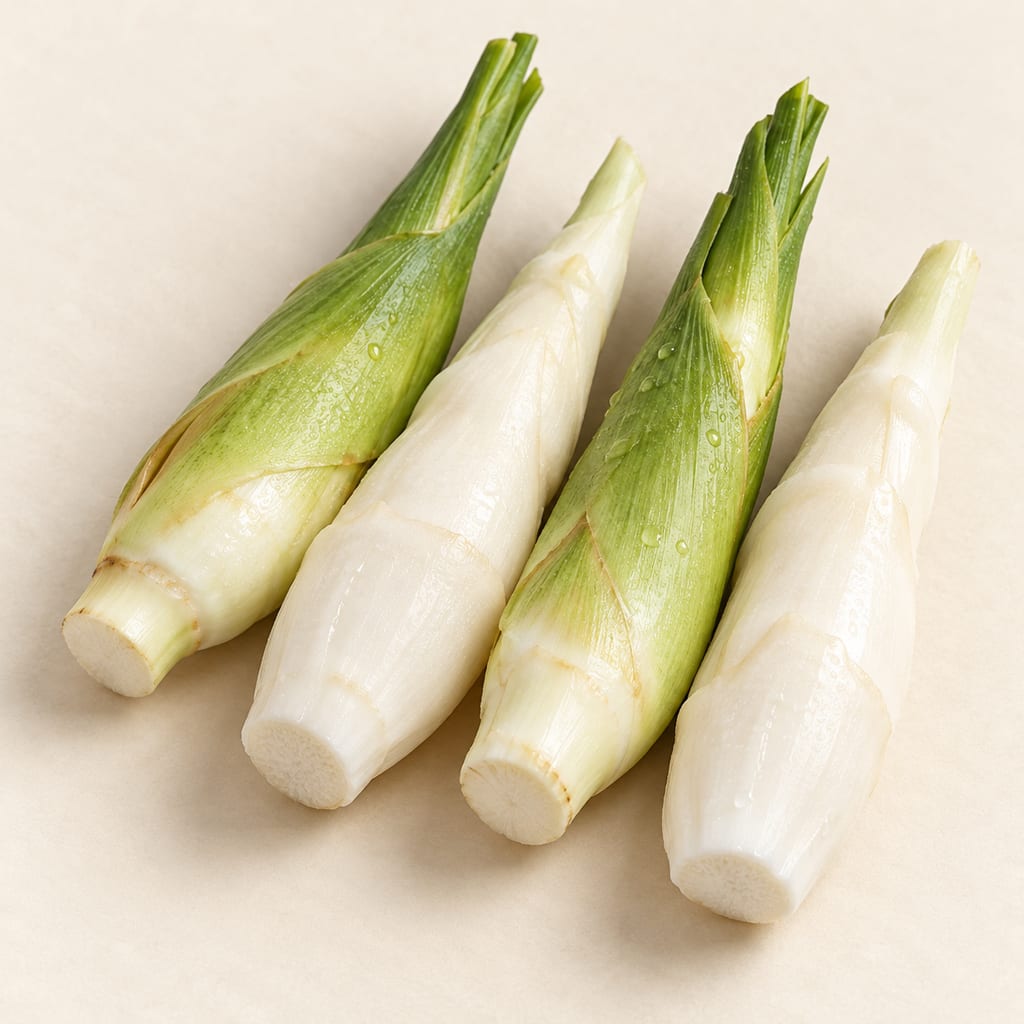
Fresh jiaobai (Zizania latifolia swollen stems), shown with green outer sheaths and peeled white culms.
Substrates

Water bamboo stems

In Taiwan and Hong Kong food sources, jiaobai is the swollen stem of Zizania latifolia associated with Ustilago esculenta. It is distinct from the grain called North American wild rice, and the plant-fungus association is not food fermentation.

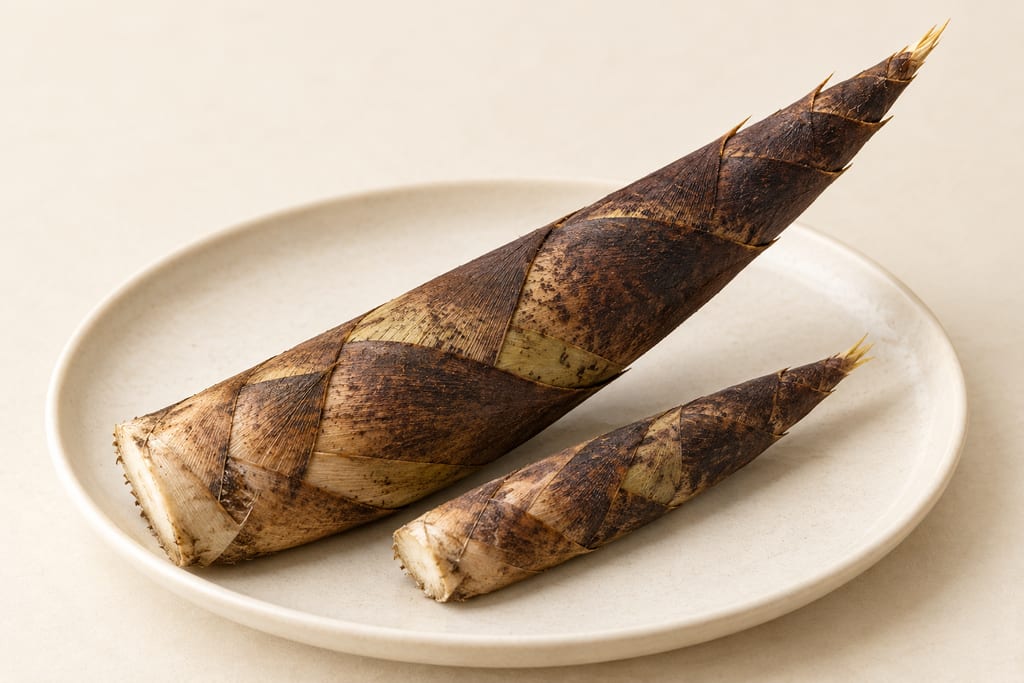
Two unpeeled young Madake bamboo shoots (Phyllostachys bambusoides) on an ivory plate.
Substrates

Madake bamboo shoots

Japanese sources identify madake, Phyllostachys bambusoides, as a historically eaten bamboo shoot and describe a regional emergence season. Kew uses P. reticulata for the accepted-name treatment, while other floras retain P. bambusoides; species-specific food processing and household cultivation details remain unresolved.

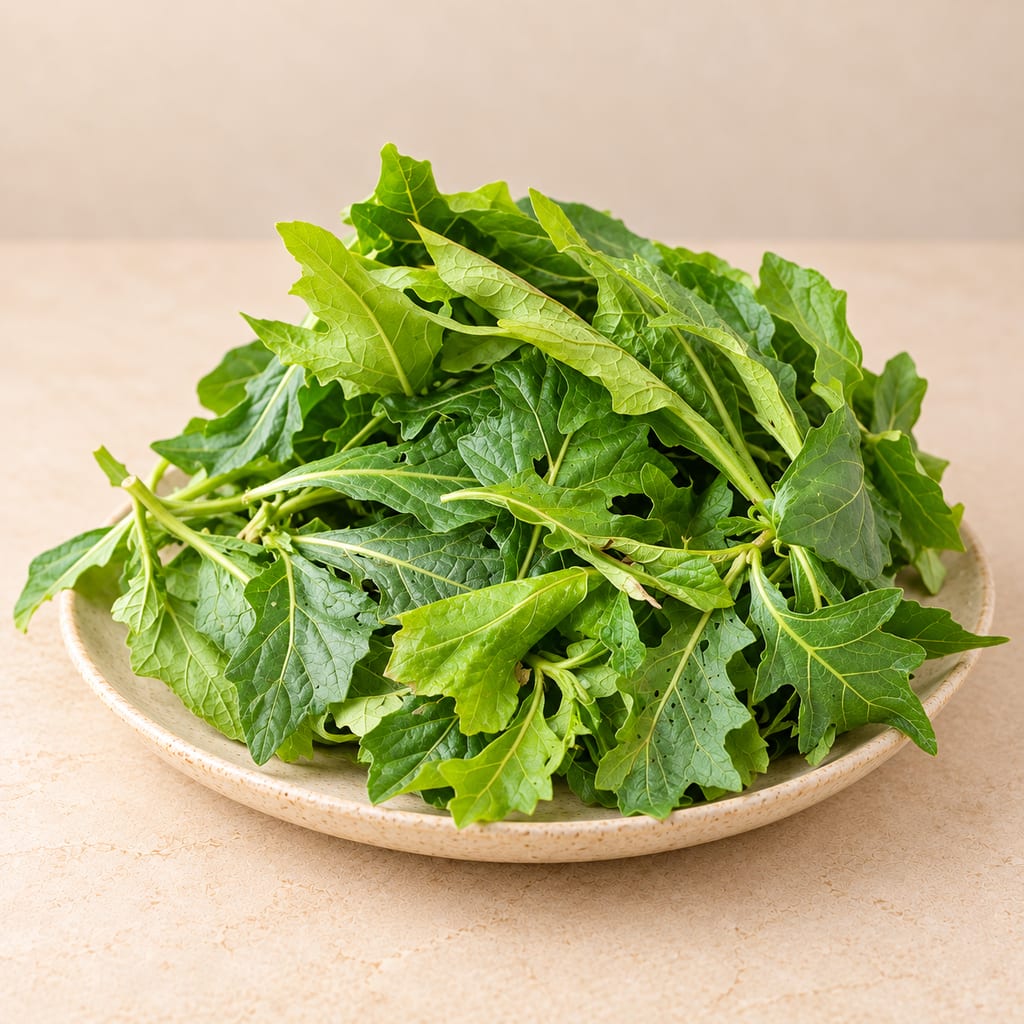
Fresh Solanum aethiopicum Shum-group Nakati leaves arranged in a shallow ivory bowl.
Substrates

Nakati greens

Ugandan Nakati sources describe the leafy Shum group of a species that also includes fruit, dual-use and ornamental groups. Regional cultivation and a small pickling study offer context, but neither establishes universal crop limits or a validated home preservation method.

Fresh gboma leaves of Solanum macrocarpon arranged on an ivory ceramic plate.
Substrates

Solanum macrocarpon leaves and fruit

A historical Ghana flora account reports leaf and fruit use, while a Cape Coast fertilizer experiment supplies one accession and one-site growing data. Its abstract and detailed yield results conflict.

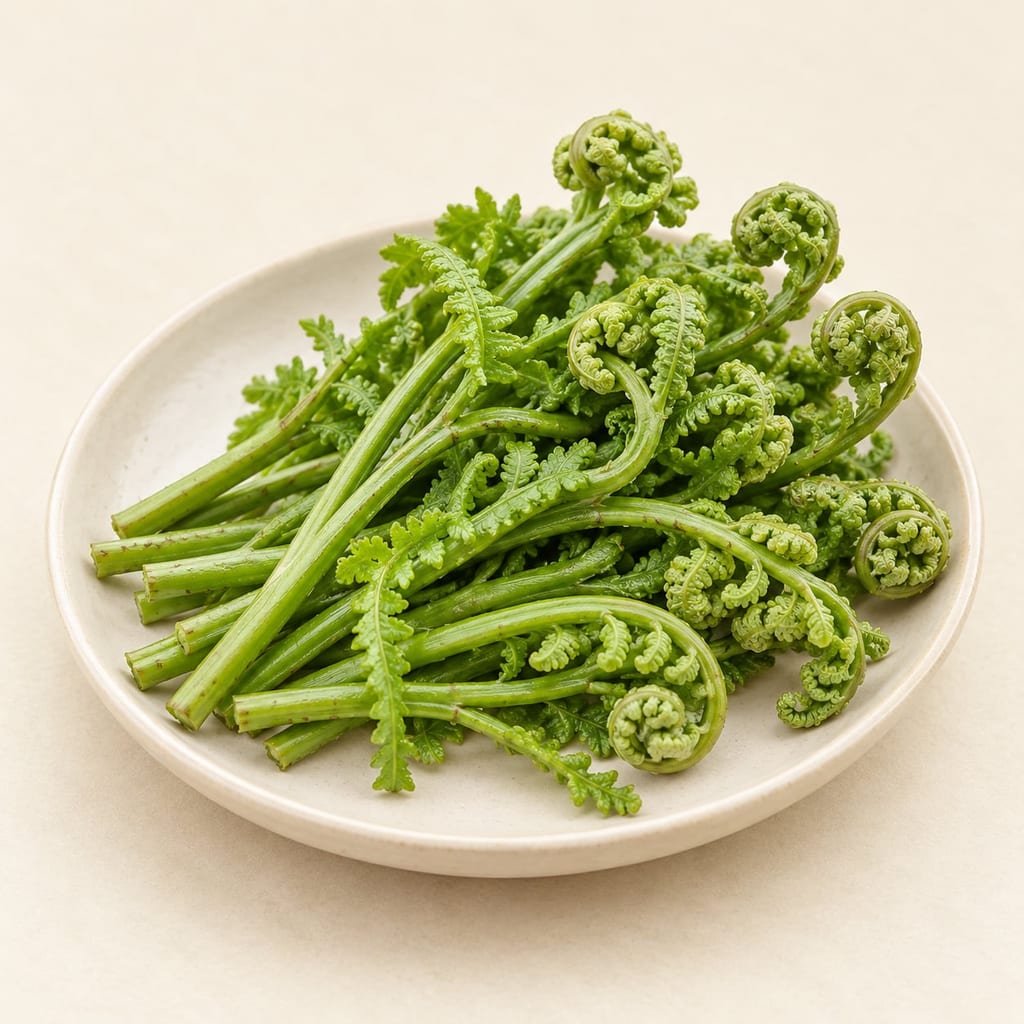
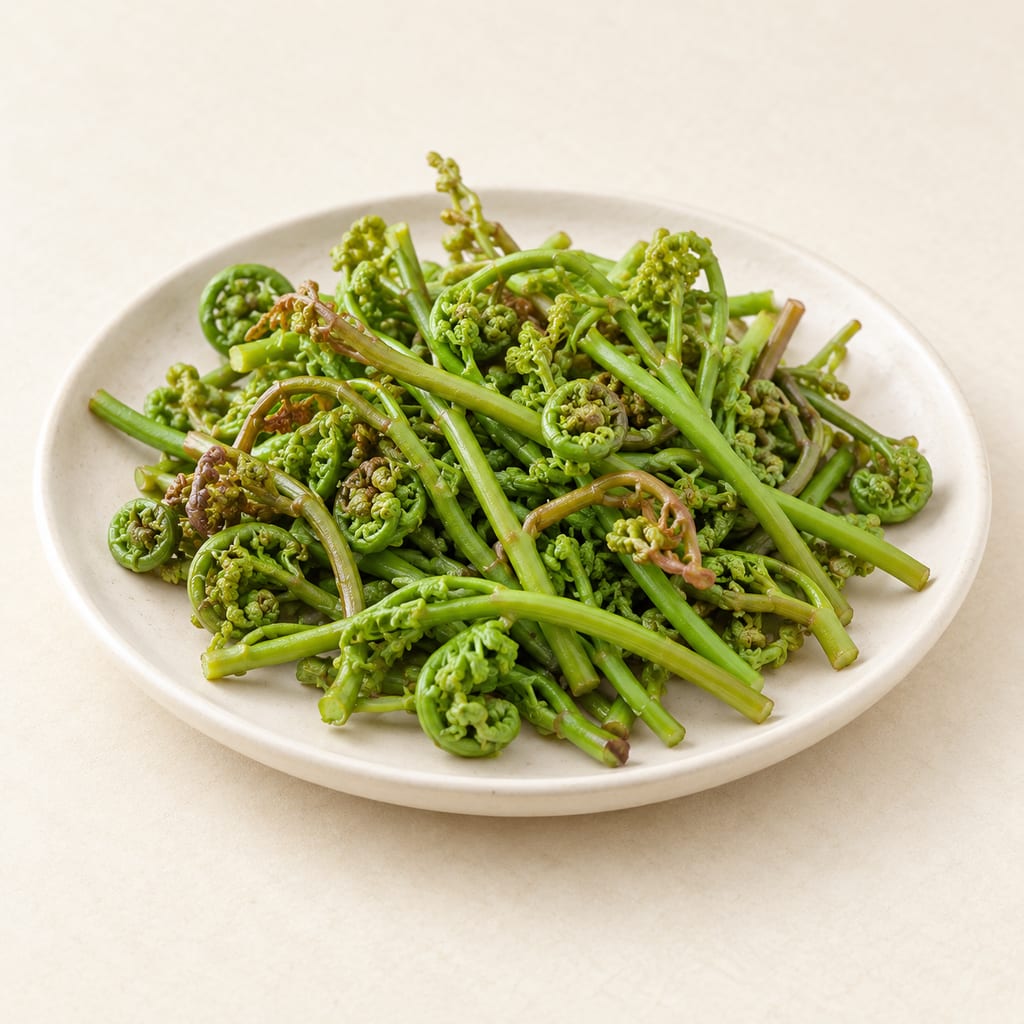
Generated editorial portrait of young vegetable fern fiddlehead shoots in a cream dish on a warm ivory background.
Substrates

Pani niguro shoots

A wild fern recorded as a cooked young-shoot vegetable in one Gurung study in Nepal. Source-specific growing accounts describe wet, partly shaded habitats and propagation, but do not establish a household crop method.

Fresh tender miding fern shoots with tightly curled young frond tips and slender stems on an ivory plate.
Substrates

Miding fern shoots

Sarawak sources describe young Stenochlaena palustris fronds as a vegetable and give regional cultivation guidance for nursery propagation, wet field sites and harvest.

Fresh false sesame leaves and tender shoots in a shallow cream ceramic dish on a warm ivory background.
Substrates

False sesame greens

Tanzanian sources document false sesame in distinct leafy-green traditions. The name mlenda also covers other plants, and reported cooking and growing details remain tied to their source communities and studies.

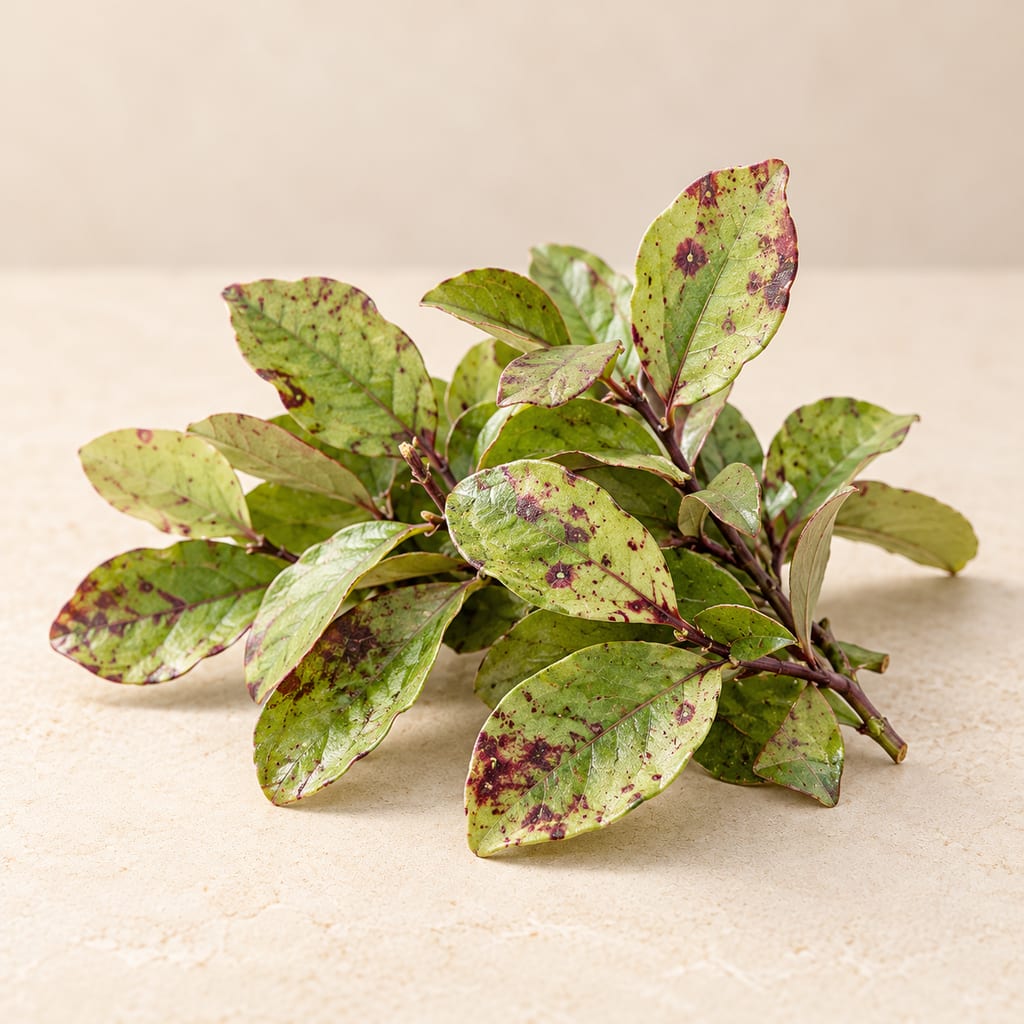
Fresh Horopito (Pseudowintera colorata) leaves with their characteristic red-purple mottling, gathered as a culinary spice.
Spices and aromatics

Horopito leaves

Horopito is a New Zealand endemic whose peppery leaves are described as a culinary flavouring; garden advice is qualitative and household preparation evidence remains incomplete.

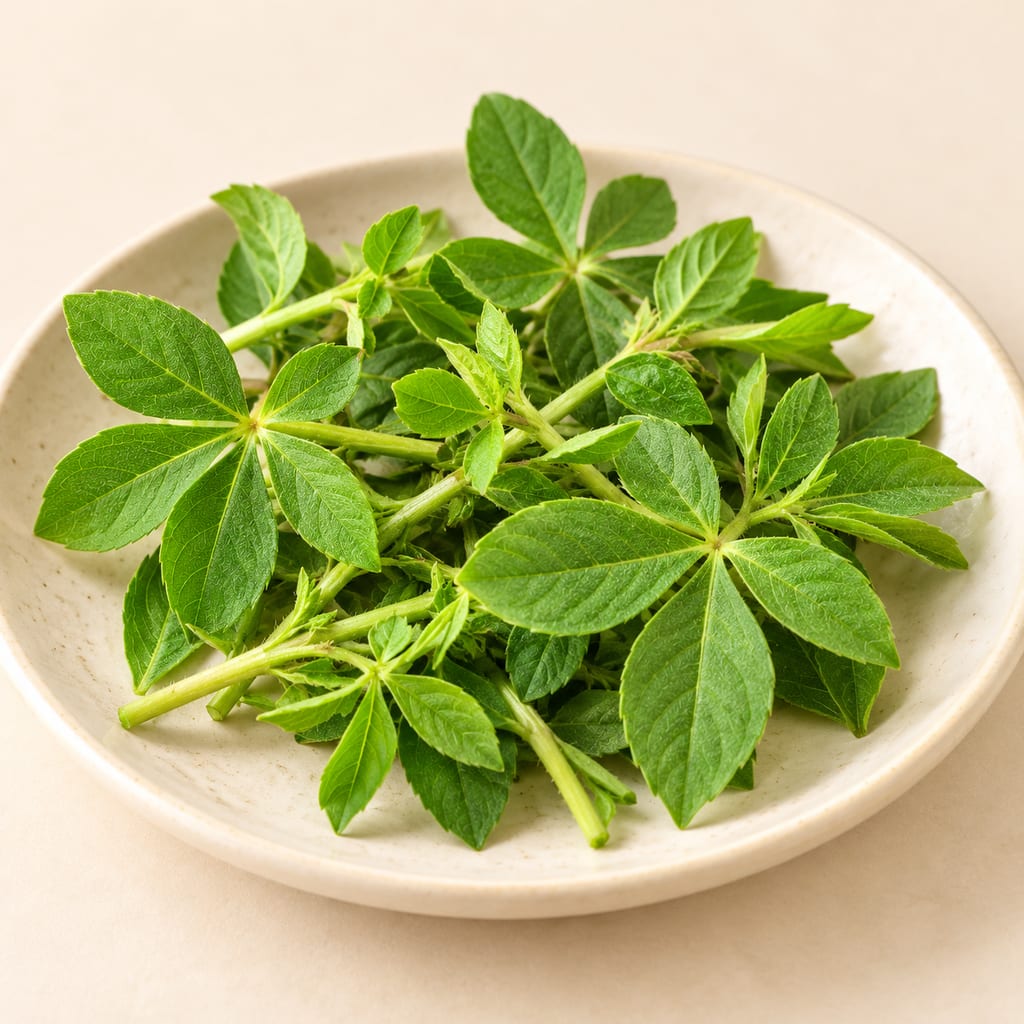
Fresh young Cleome gynandra leafy shoots and palmate leaves arranged in an ivory dish
Substrates

Spider plant greens

Cleome gynandra is documented in Kenyan growing guides and regional food and crop records from Zambia, Malawi and Zimbabwe. Zimbabwe sources add local leaf uses, seasonal observations and one Marondera manure trial whose published spacing and plant-density figures conflict. These records remain tied to their settings and do not establish a universal recipe or home-production prescription.

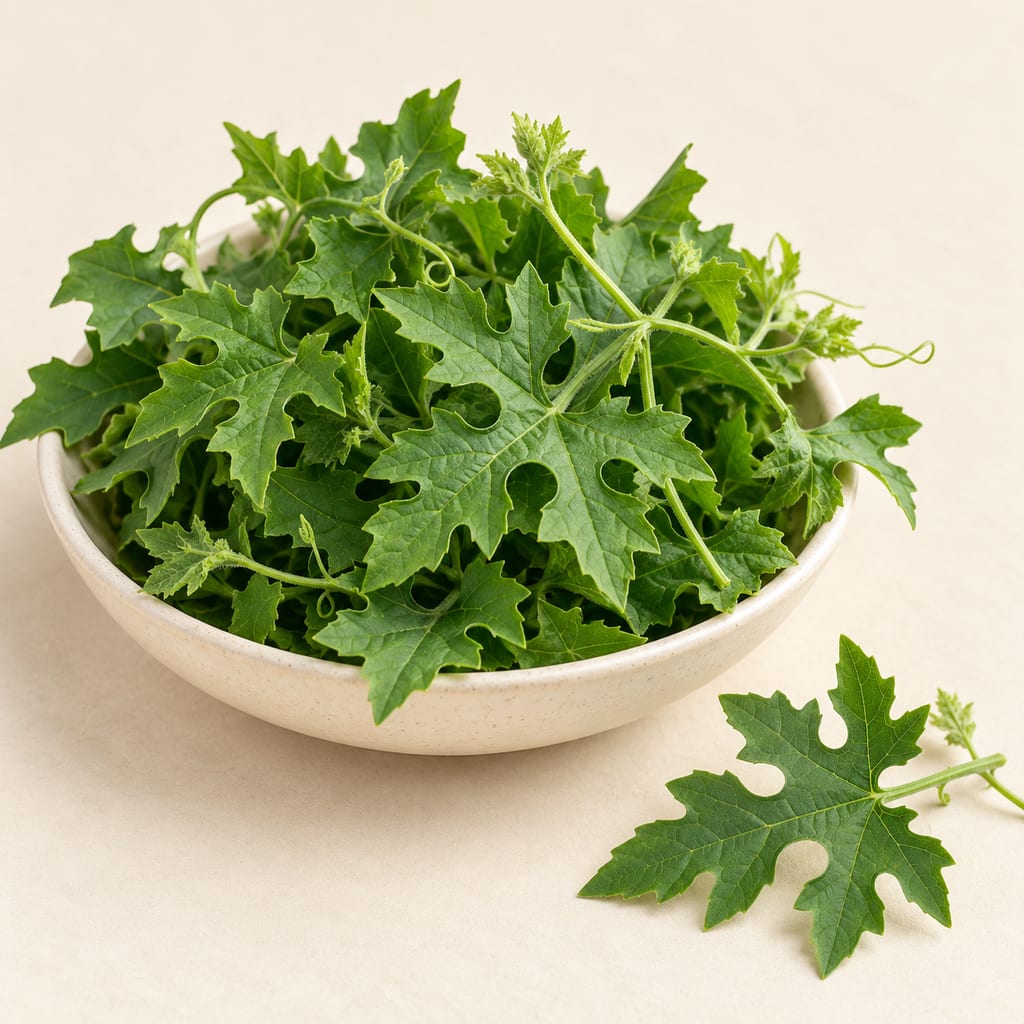
Deeply lobed fresh Momordica balsamina leaves arranged in an ivory bowl beside one whole leaf.
Substrates

Momordica balsamina greens

A Muda food-use study identifies nkakana as Momordica balsamina. A separate UEM abstract uses cacana for the same printed name but calls the plant introduced; another crop overview prints Momordica indica, a different current taxonomic concept. The source records remain distinct.

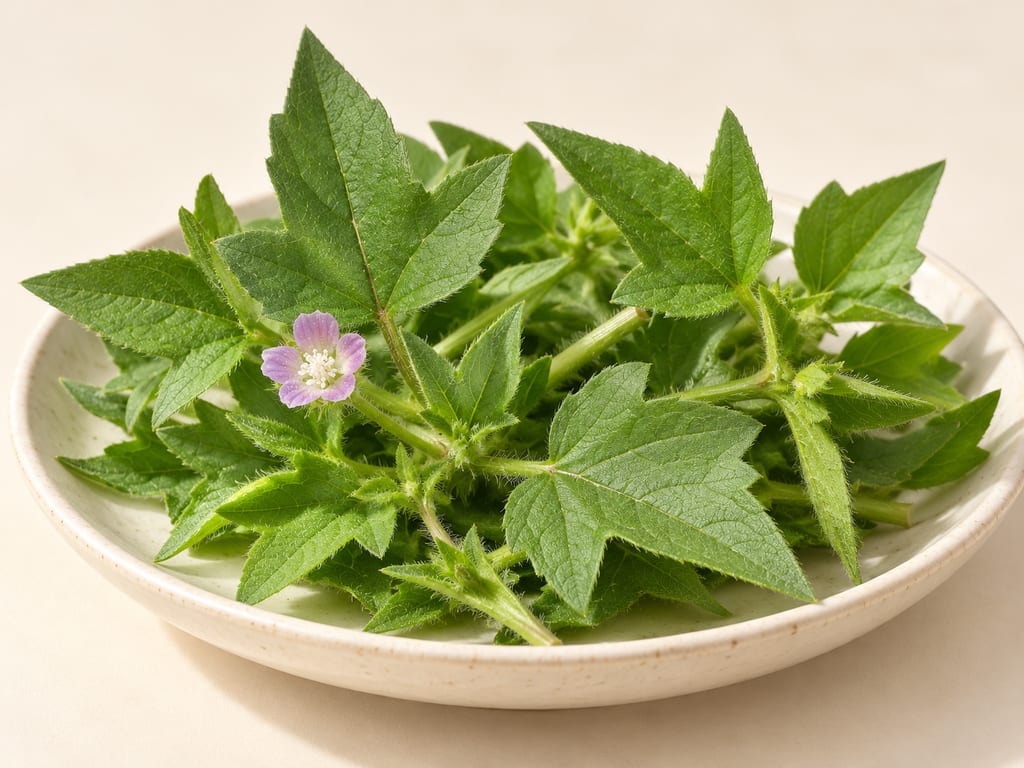
Fresh alache greens with lobed, softly toothed leaves and a pale-purple flower on an ivory dish.
Substrates

Alache greens (Anoda cristata)

Regional Mexican food accounts and a Guerrero common-garden study document Anoda cristata names, dishes and growing observations, with identification and safety limits kept explicit.

Fresh young genjer leaves with attached thick petioles arranged on a warm ivory surface.
Substrates

Genjer greens

Genjer is an aquatic leafy vegetable used in parts of Java; food and growing reports describe differing plant parts and cultivation settings.

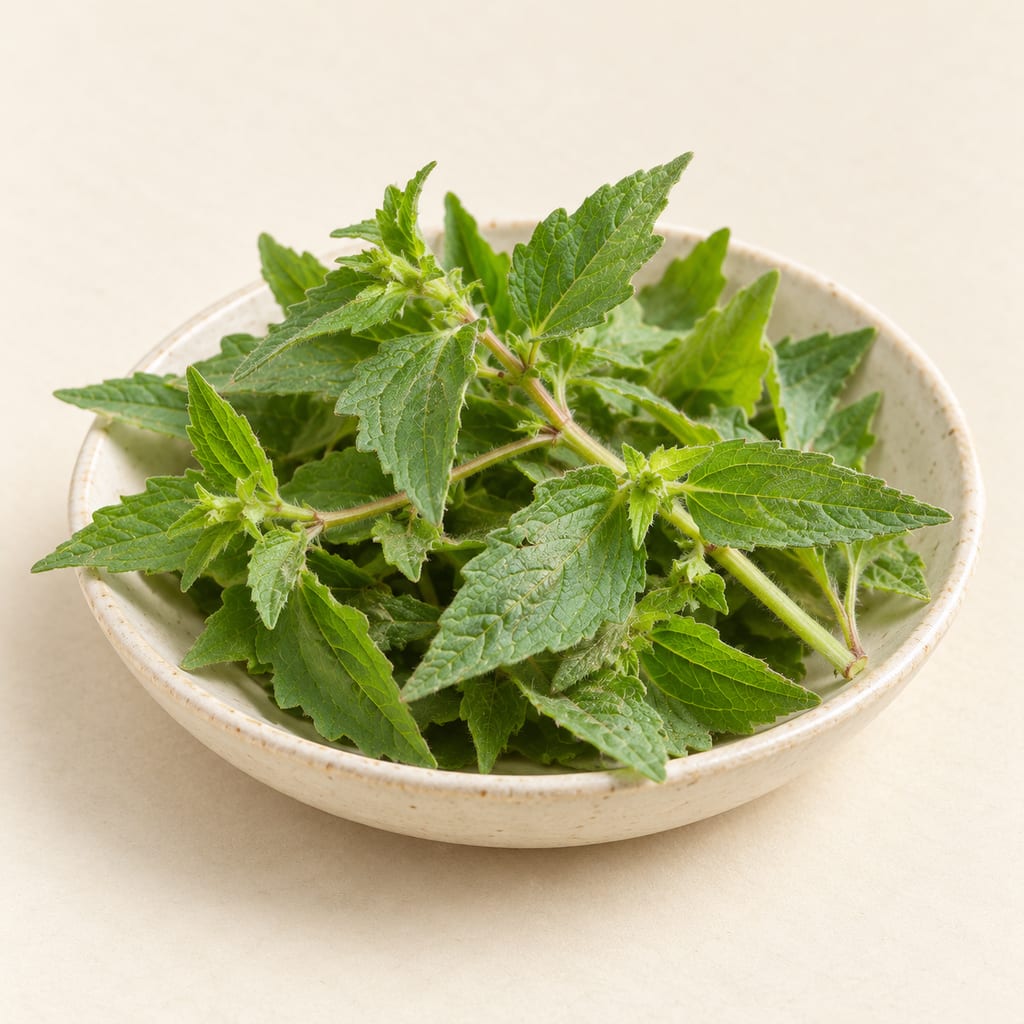
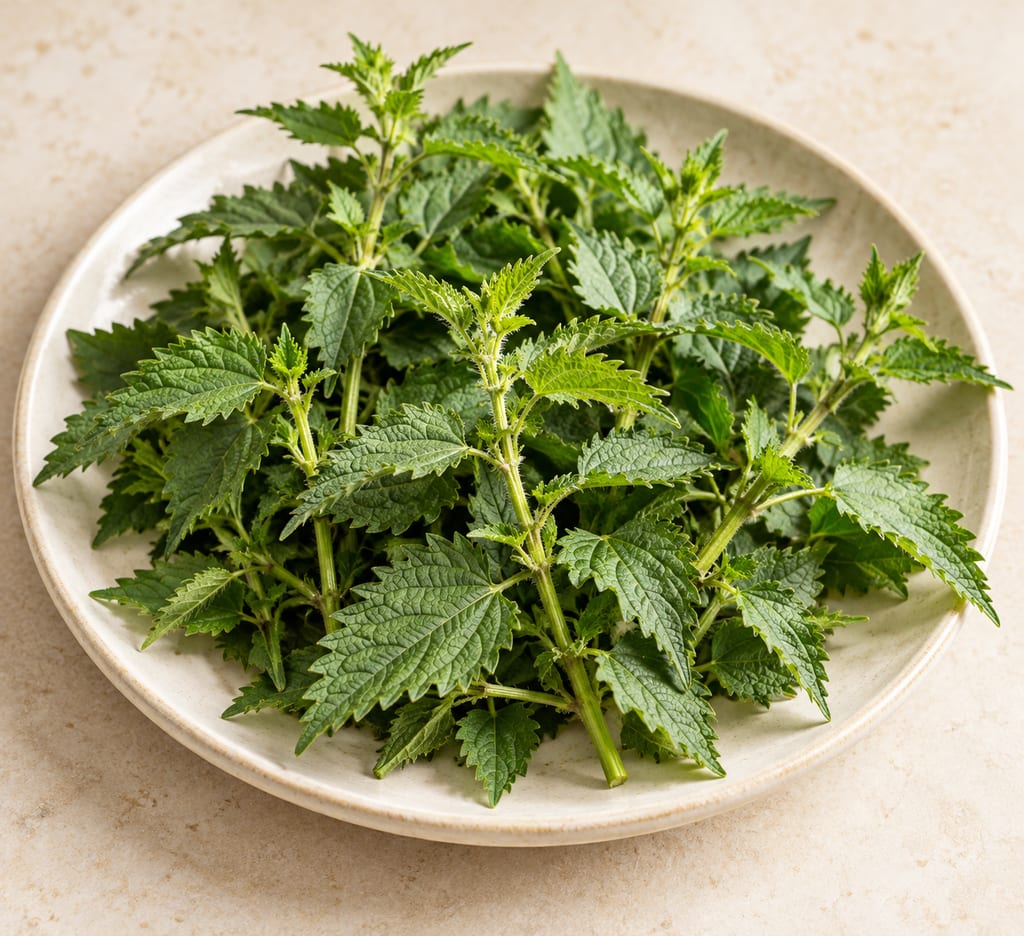
Fresh Ethiopian nettle greens, with tender stems and opposite serrated leaves, arranged on an ivory plate.
Substrates

Ethiopian nettle greens

Ethiopian ethnobotanical studies describe regional use of Urtica simensis leaves and young shoots. A separate four-site study reports outdoor livestock-forage cultivation; those yields and methods are not human-food production guidance.

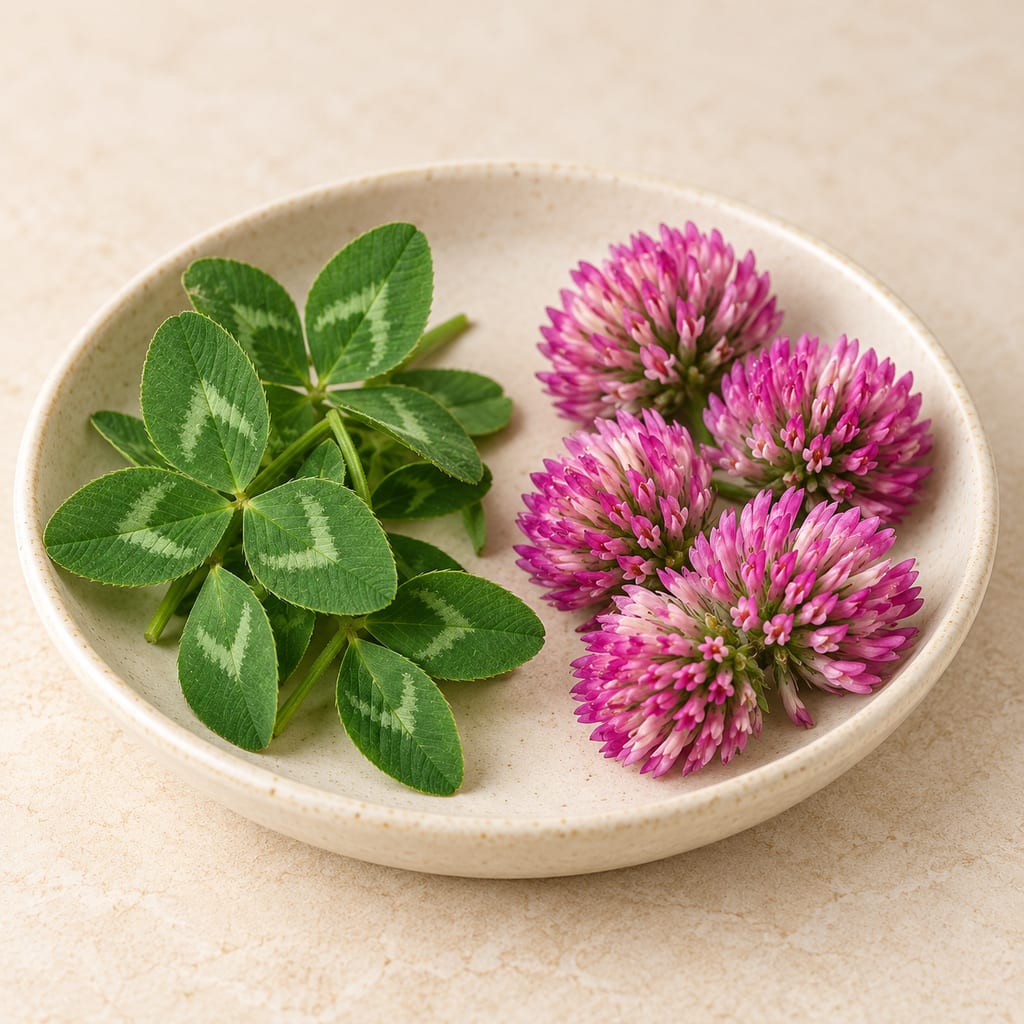
Separate groups of young red clover leaves and pink-purple flower heads in a shallow cream ceramic dish.
Spices and aromatics

Red clover leaves and flowers

Trifolium pratense is used as a forage crop and has separate human food reports for leaves and flowers. NCSU Extension describes salads, soups and cooked greens; a Mediterranean review summarizes flower uses in several countries. The growing evidence differs by region and purpose, and the available sources do not provide a complete food recipe.

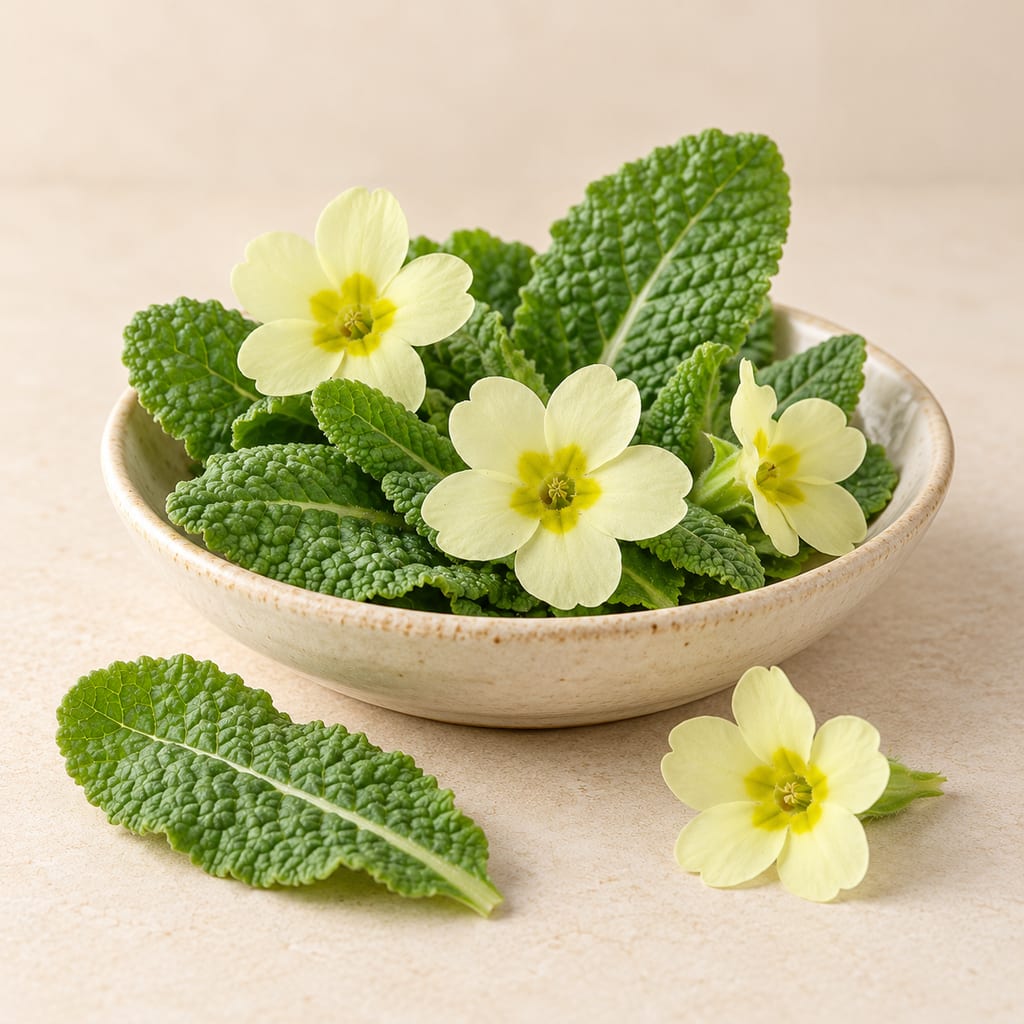
Pale yellow common primrose flowers and textured green leaves in a shallow ivory dish.
Spices and aromatics

Primrose flowers and leaves

Primula vulgaris is a spring-flowering European perennial with documented flower-garnish and leaf-use notes, alongside regional garden guidance that does not define a household crop protocol.

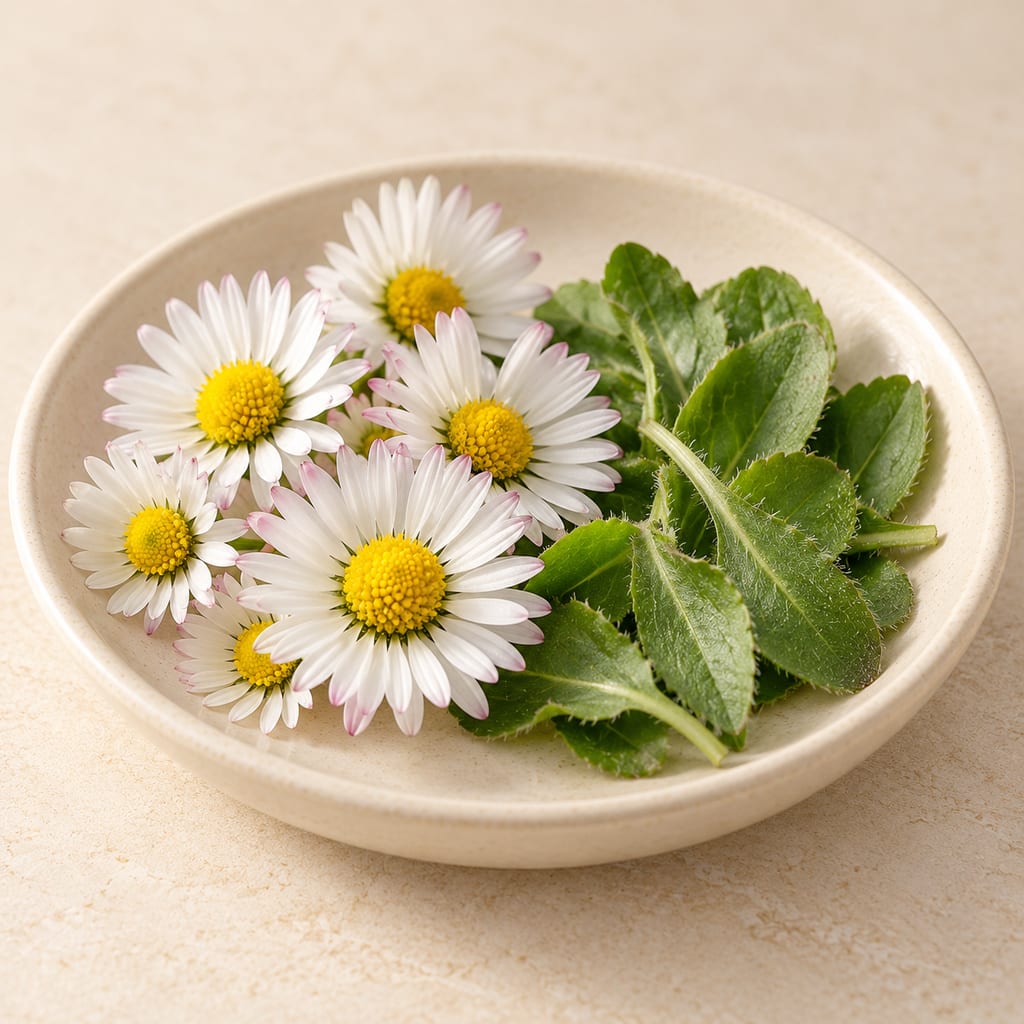
Common daisy flower heads with white petals and yellow centers, beside fresh spoon-shaped green leaves in a cream dish.
Spices and aromatics

Common daisy flowers and leaves

Bellis perennis has Danish reports of leaves in salads and flowers used candied, as garnish and in cabbage dishes. A Colorado extension list names the petals as a garnish or salad ingredient. The accounts differ on heating and do not provide a complete recipe or safety limit.

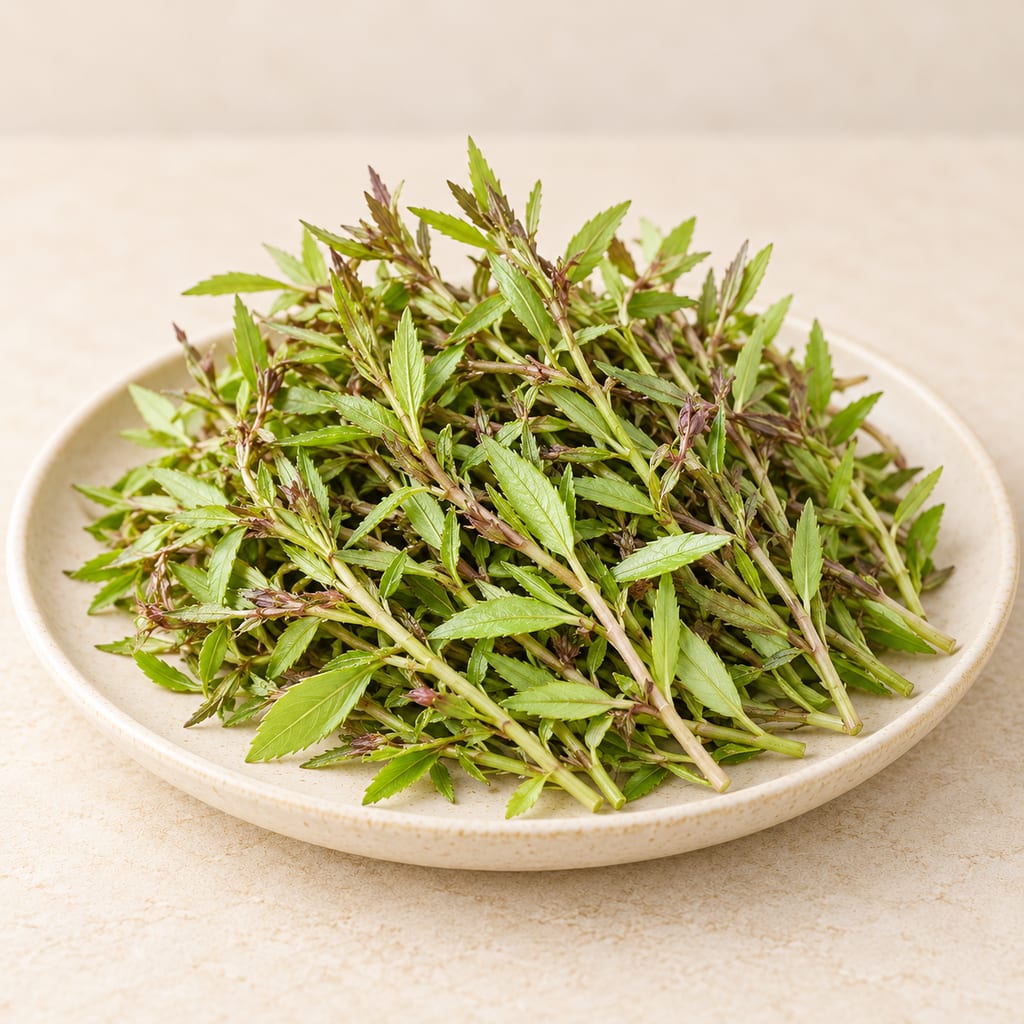
Fresh young Geoffray’s marshweed shoots arranged on a matte warm-ivory plate.
Spices and aromatics

Geoffray’s marshweed shoots

Lao field and ethnobotanical accounts describe young shoots used to flavor bamboo-shoot soup, alongside paddy-field and limited garden-growing records.

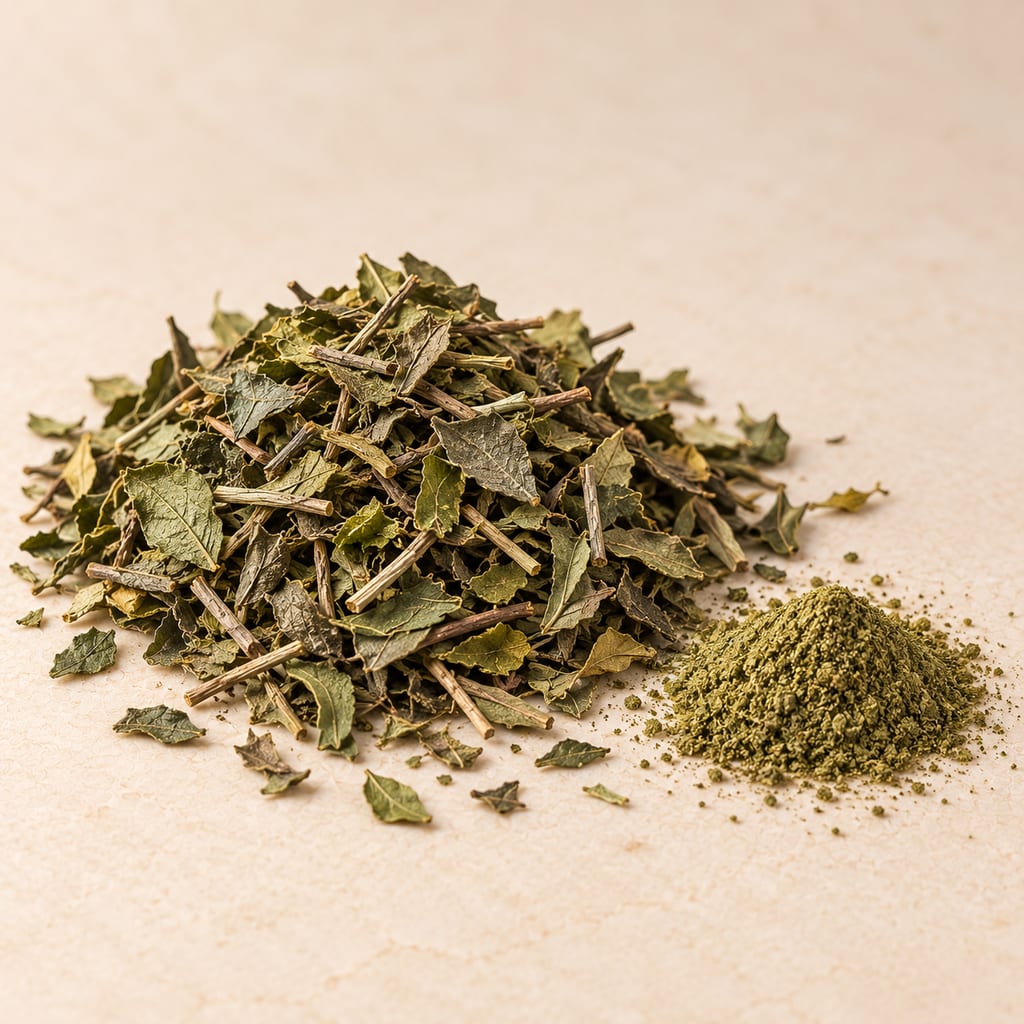
Sun-dried gesho leaf and stem shreds beside ground leaf powder on warm ivory.
Spices and aromatics

Gesho leaves and stems

Gesho (Rhamnus prinoides) is used in Ethiopian cereal beers and honey wines for bitterness and flavour. Sources document regional cultivation and use but do not establish one origin, universal brewing measure, starter role or safety limit.

Substrates

Japanese butterbur stalks and flower heads

Fuki is eaten as leaf stalks and spring flower heads; Japanese sources describe seasonal food use, water-based preparation and region-specific growing guidance.

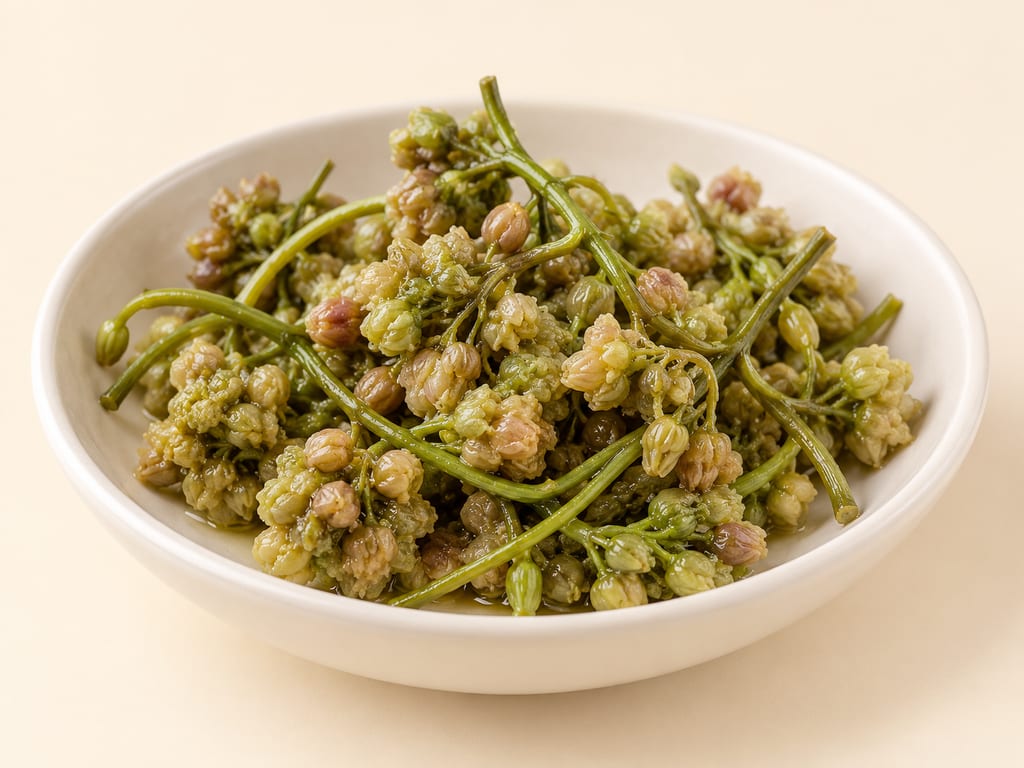
Brined Colchic jonjoli flower clusters and their slender green stems in a shallow white ceramic bowl.
Substrates

Colchic jonjoli flower clusters

Colchic jonjoli is a Georgian food plant whose unopened flower clusters are reported pickled. Sources also use jonjoli for the distinct species Staphylea pinnata, leaving some food reports taxonomically mixed.

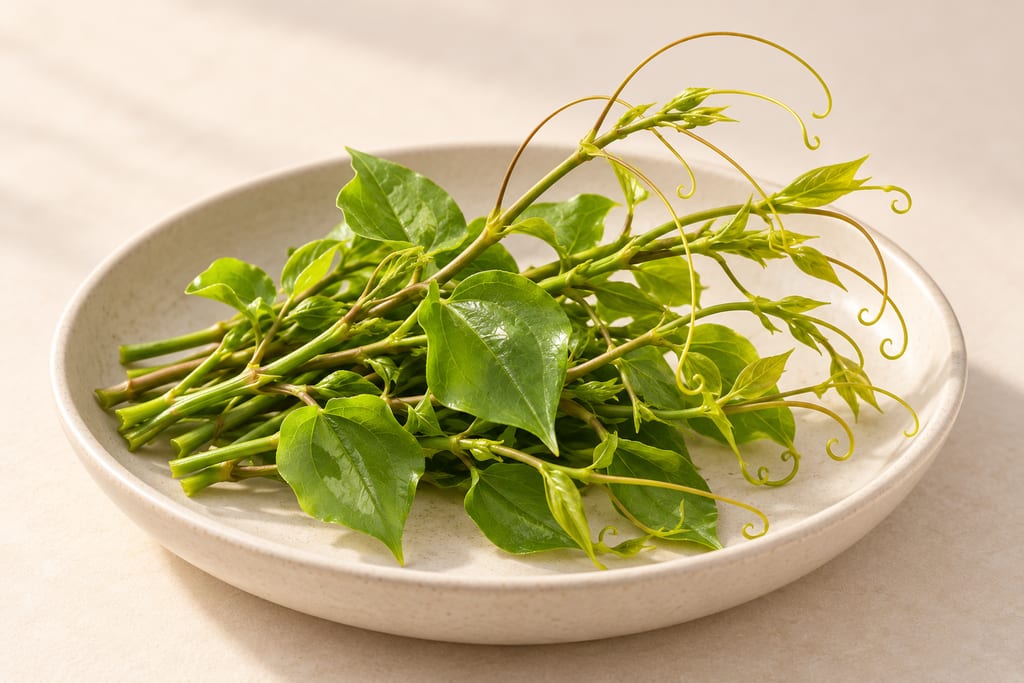
Fresh young ekala shoots with tender stems, unfolding leaves and curling tendrils in a pale ceramic dish.
Substrates

Ekala shoots

Georgian sources describe ekala as a wild food plant used in pkhali and report brine preparations. Names and plant-part labels vary by source; the food accounts do not establish a field identification or a productive growing method.

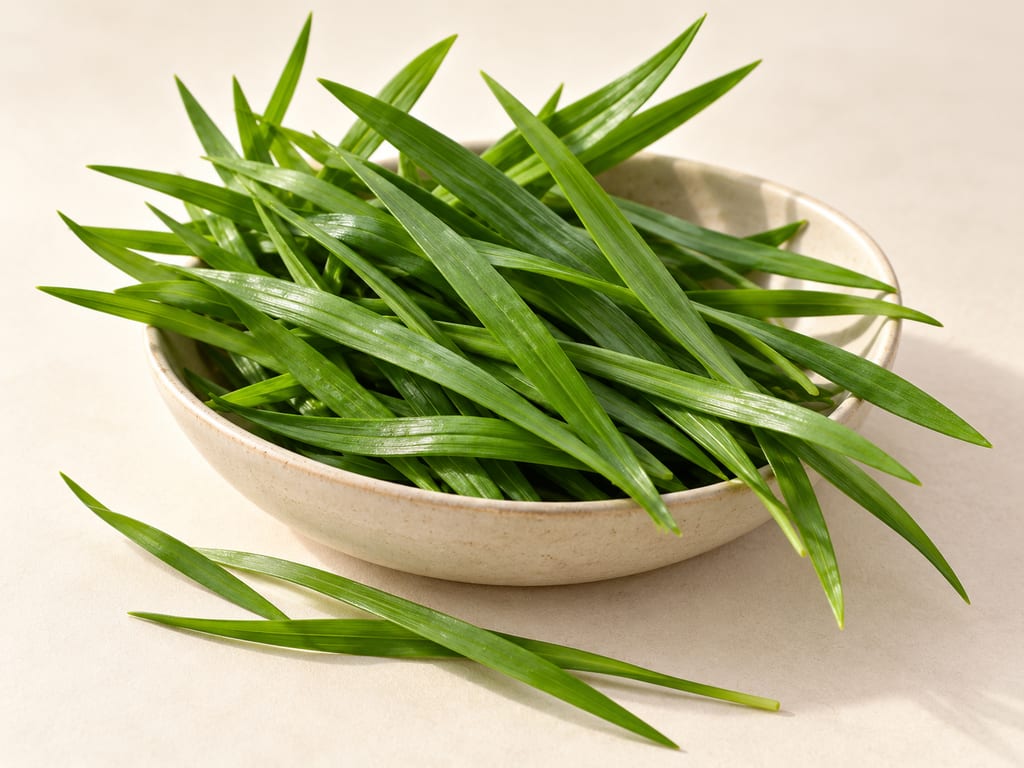
Fresh young çiriş (Eremurus spectabilis) leaves on a ceramic plate.
Substrates

Çiriş (Eremurus spectabilis)

A source-bounded account of reported young-leaf uses in Ağrı and separate Turkish seed and laboratory studies. The evidence does not establish a home-growing method or identify a plant gathered under a shared local name.

Fresh three-cornered leek leaves in a shallow pale ceramic bowl on a warm ivory surface.
Substrates

Three-cornered leek greens

Allium triquetrum is a Mediterranean bulbous allium with a three-angled flowering stalk. An Australian gardening handout reports culinary uses for its leaves, bulbs and flowers, while separate sources document invasive spread and jurisdiction-specific restrictions.