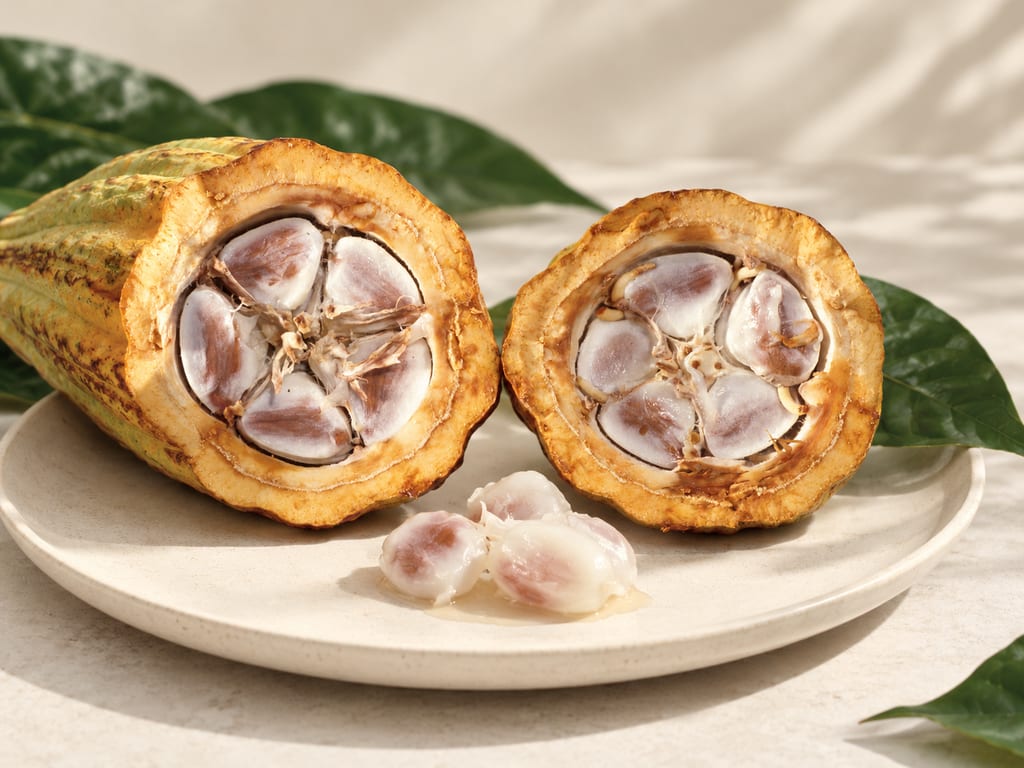
Cacao pulp
Cacao pulp is the moist, sweet-acid mucilage around cacao seeds. It fuels bean fermentation and can be extracted for fruit drinks, wine and vinegar.
 FermenteaWhere food goes to change
1086 articles on substrates, cultures and additives.
Cacao pulp is the moist, sweet-acid mucilage around cacao seeds. It fuels bean fermentation and can be extracted for fruit drinks, wine and vinegar.
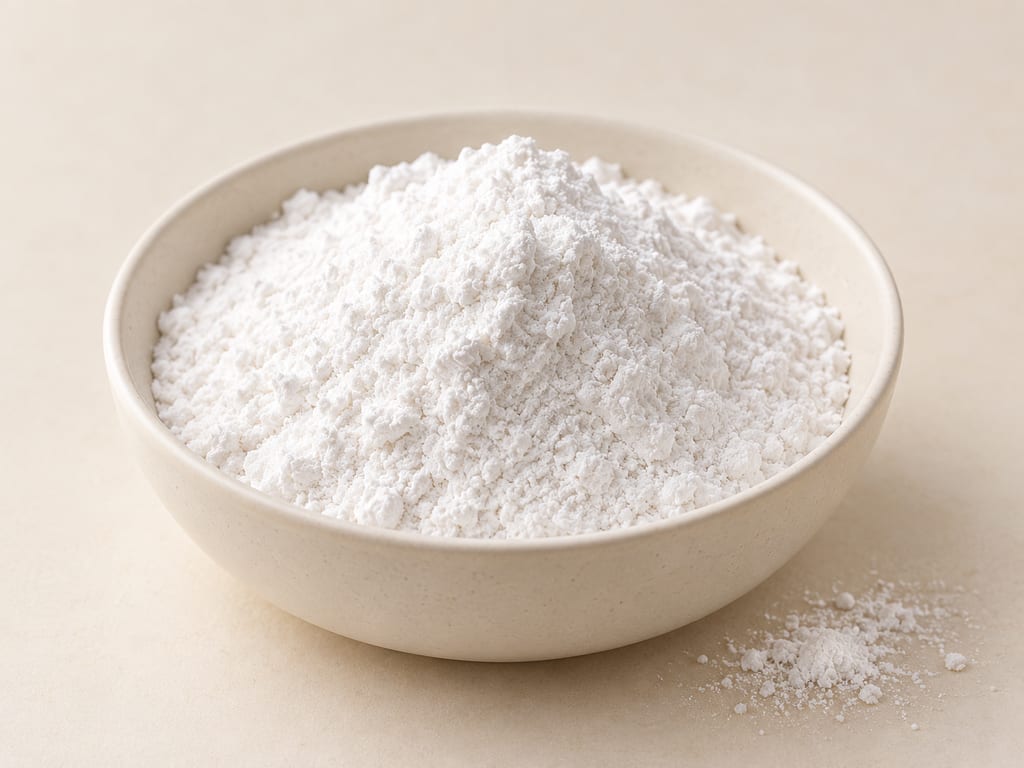
Flour from waxy rice varieties sets into cohesive, chewy doughs and pastes. Cooks use it in rice cakes, dumplings, selected breads and fermented seasoning pastes.
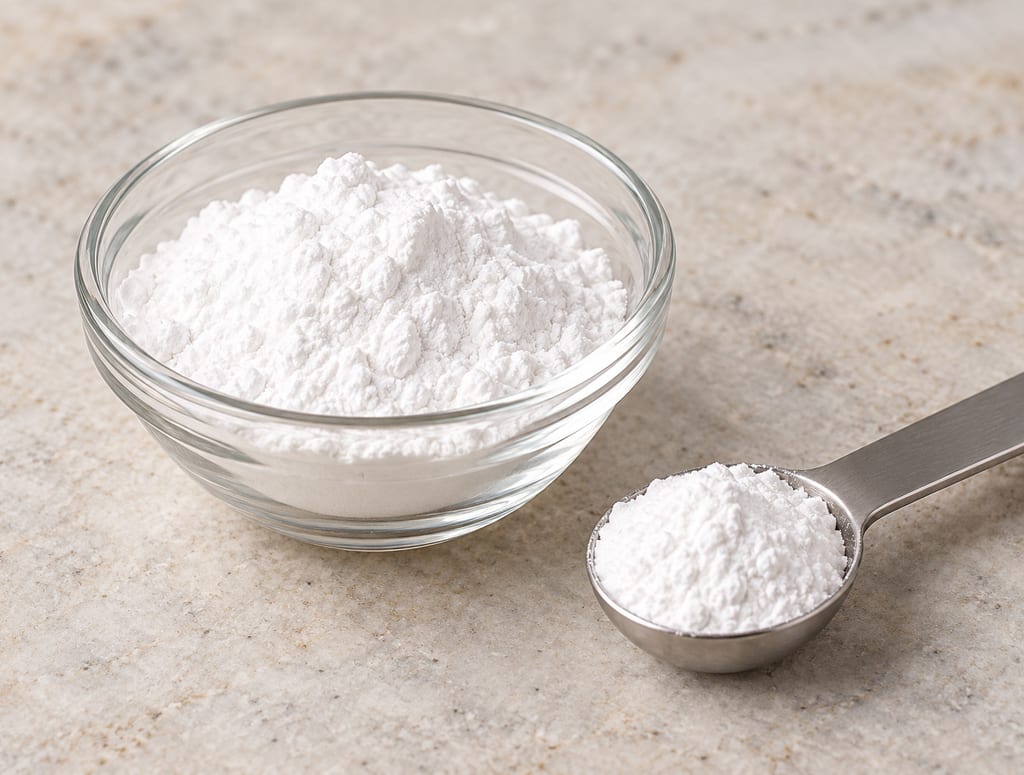
Baking powder is a dry chemical leavener that combines bicarbonate with acid-reacting ingredients and a carrier. Moisture and heat release carbon dioxide for quick breads, batters and griddle cakes.
Oat flour is milled oats, from fine whole-groat powder to flour with some bran removed; its low gluten-forming capacity changes how it behaves in dough.
Pingo is a whey-derived natural starter used in some Minas Gerais artisanal cheese traditions, collected as whey drains from salted, moulded cheese and used to inoculate a later batch.
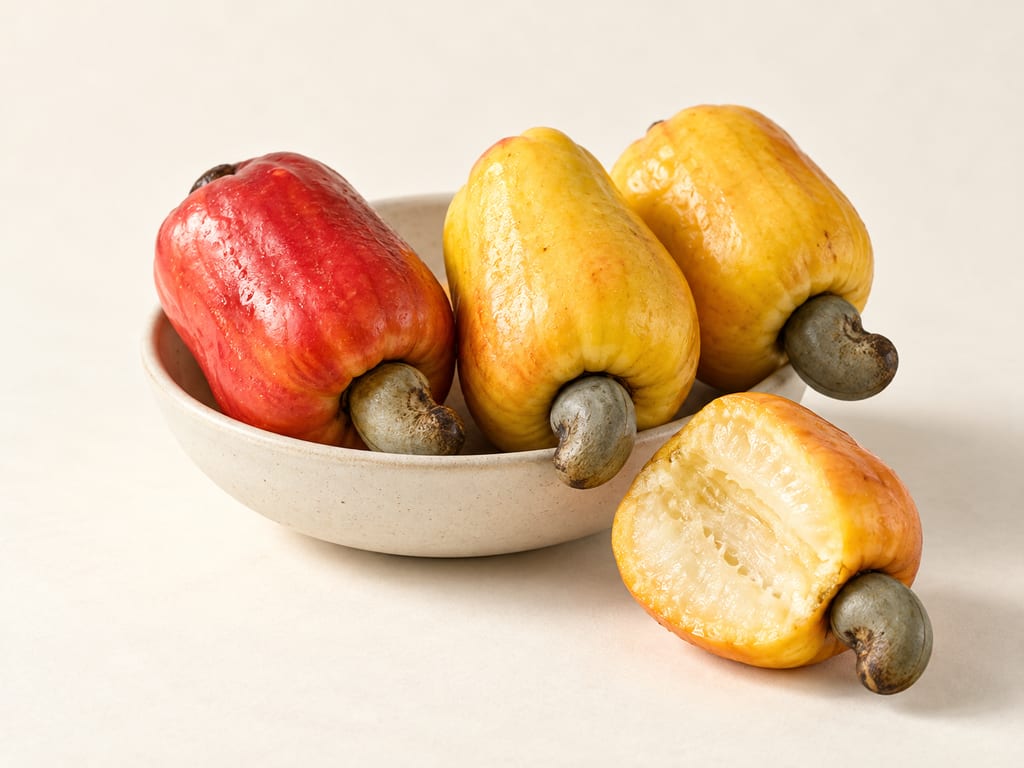
Cashew apple is the juicy swollen flower stalk attached to the cashew nut. Its fresh juice, cajuína, alcoholic ferments and vinegar are distinct products; the nut and its shell are separate materials.
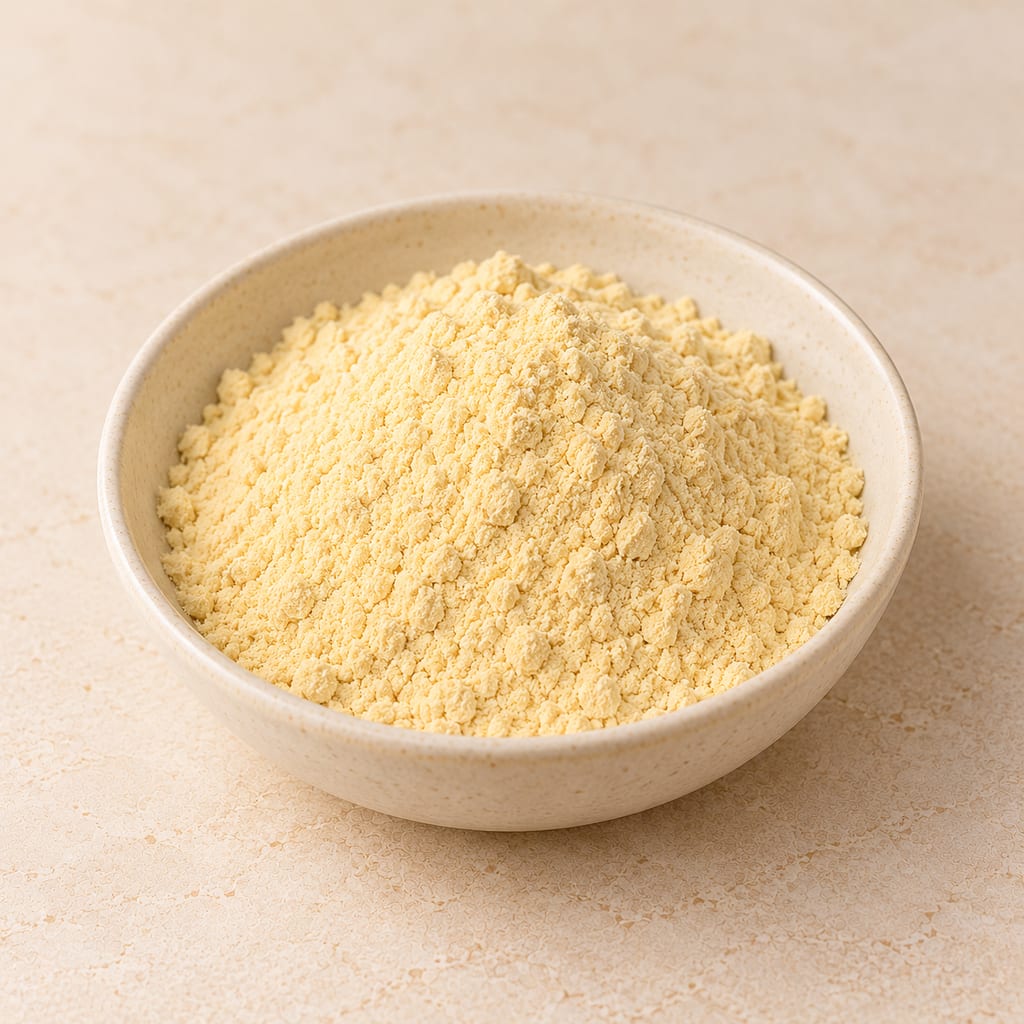
Chickpea flour is milled Cicer arietinum, used as besan in many Indian dishes and as the base of breads such as socca and farinata.
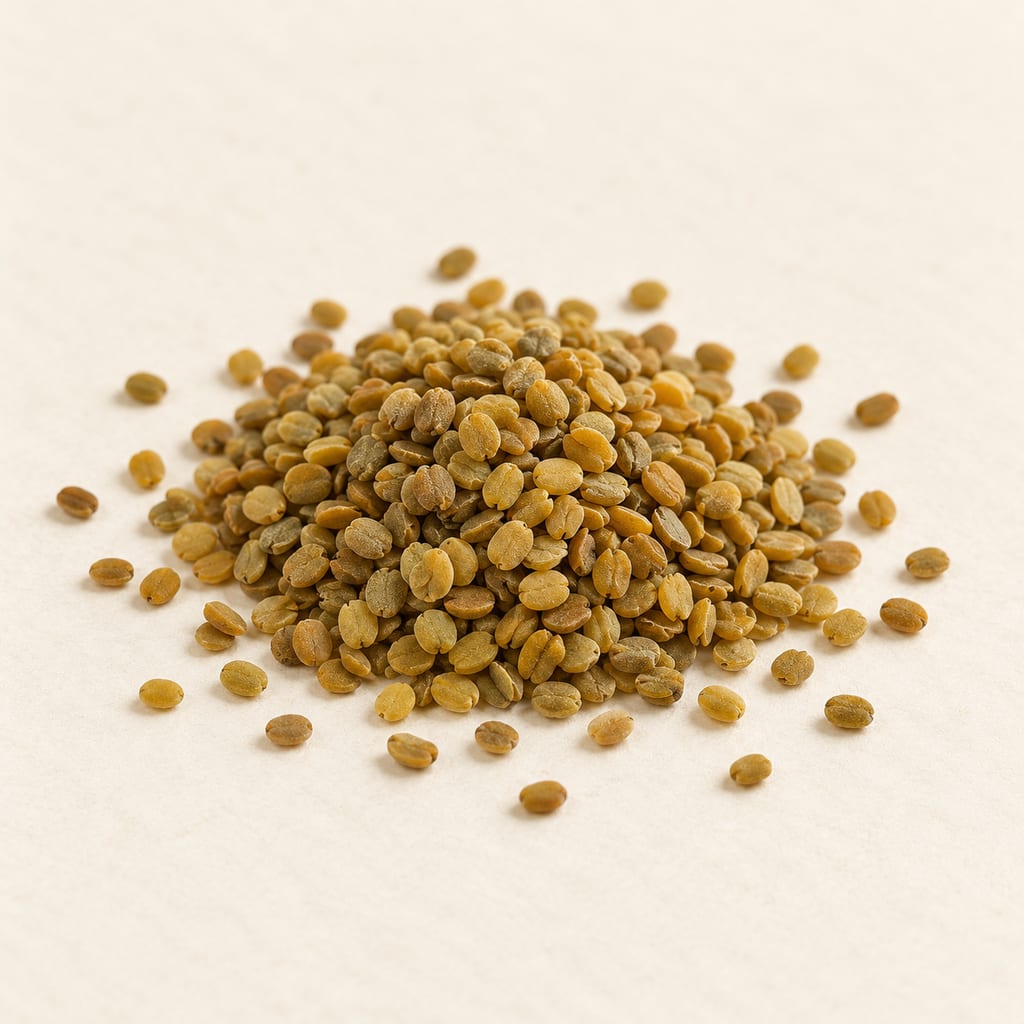
Blue fenugreek (Trigonella caerulea) is an aromatic annual used as an herb in Alpine cheese and bread and as a seed spice in Georgian cooking; its identity differs from common fenugreek.
Reindeer meat is the flesh of Rangifer tarandus, used fresh and preserved across northern foodways; animal populations, cuts, and regional practices differ, and no single culinary origin is established.
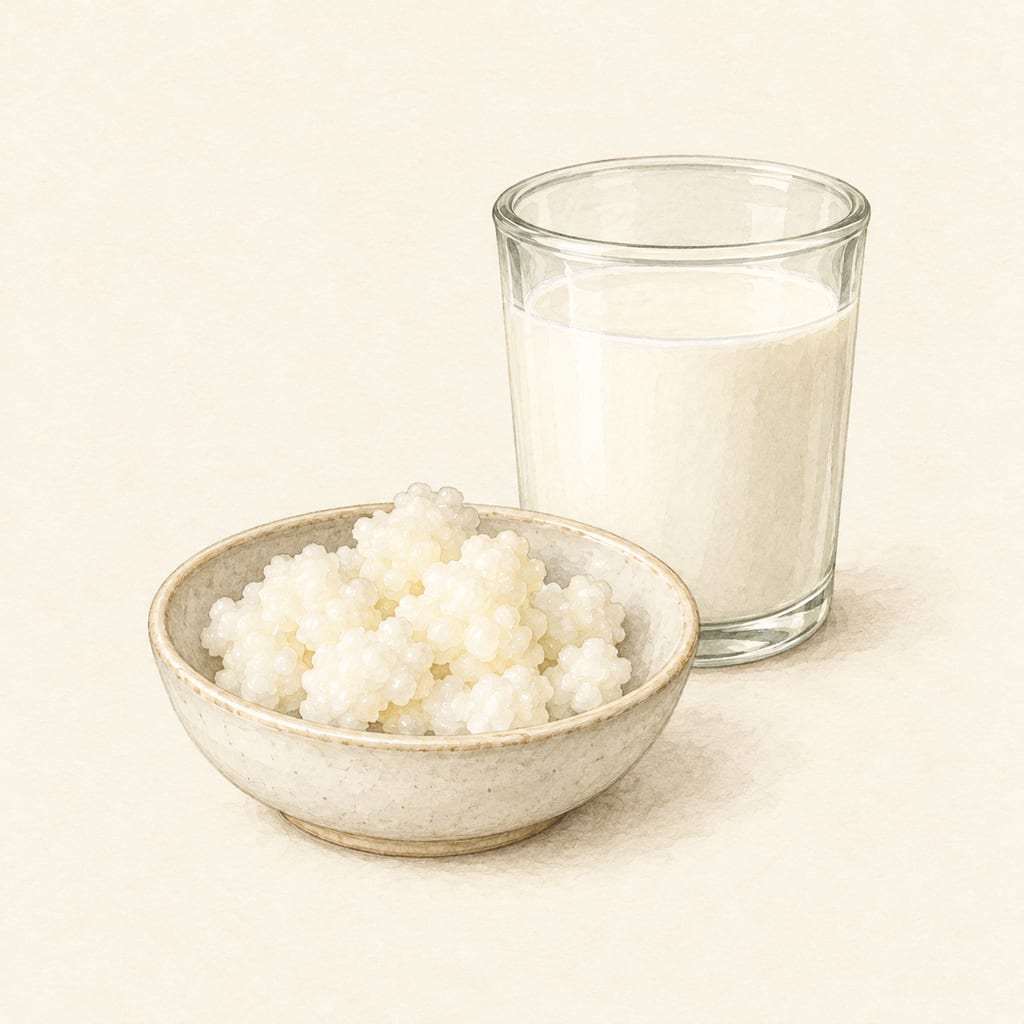
Milk kefir grains are a reusable mixed culture that ferments milk. The grains are a living bacterial and yeast community held in a polysaccharide matrix, distinct from cereal grains and water-kefir cultures.
Tapioca starch is the fine starch separated from cassava roots. Cheese breads such as pandebono and pão de queijo use cassava starch, but some recipes specify fermented sour starch. Whole-root cassava flour is a different ingredient.
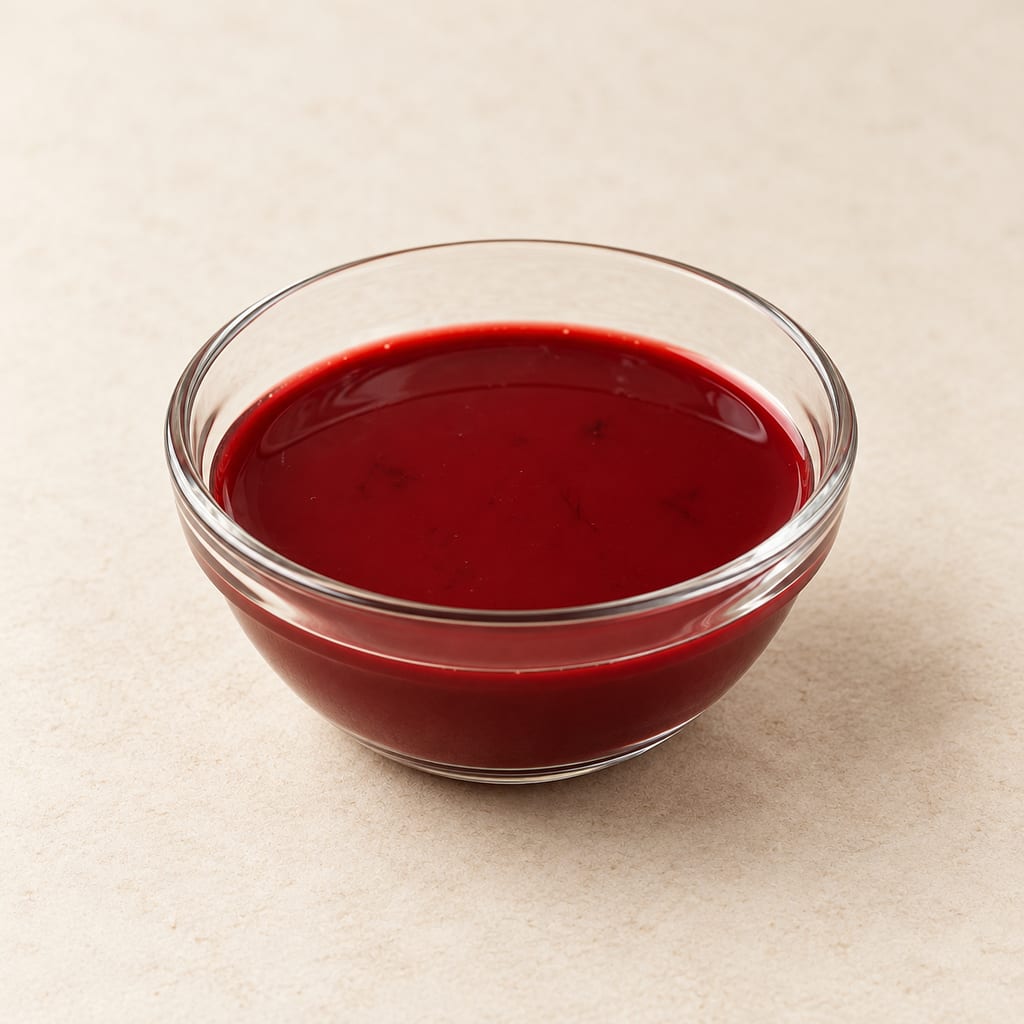
Animal blood is a perishable food material used fresh, coagulated, cooked, dried or processed into ingredients. Its uses range from grain-filled puddings to functional protein ingredients, each with distinct history and handling needs.
Sugar-rich liquid tapped from different palms, gathered fresh or transformed into local drinks and sweeteners; species and collection stage shape its composition.
Papaya latex from unripe Carica papaya fruit supplies proteases used to set Enrekang Dangke. Fresh latex, dried latex and standardized papain are distinct preparations with different evidence and handling needs.
Rice flour is ground, non-waxy rice used in breads, batters and noodles. Its particle size, milling and rice variety shape how it absorbs water and sets when cooked.
Reindeer milk is milk from female reindeer (Rangifer tarandus). Sámi sources document its former use in cheese and stored foods in parts of Sápmi; one source says reindeer milking no longer occurs in its described context.
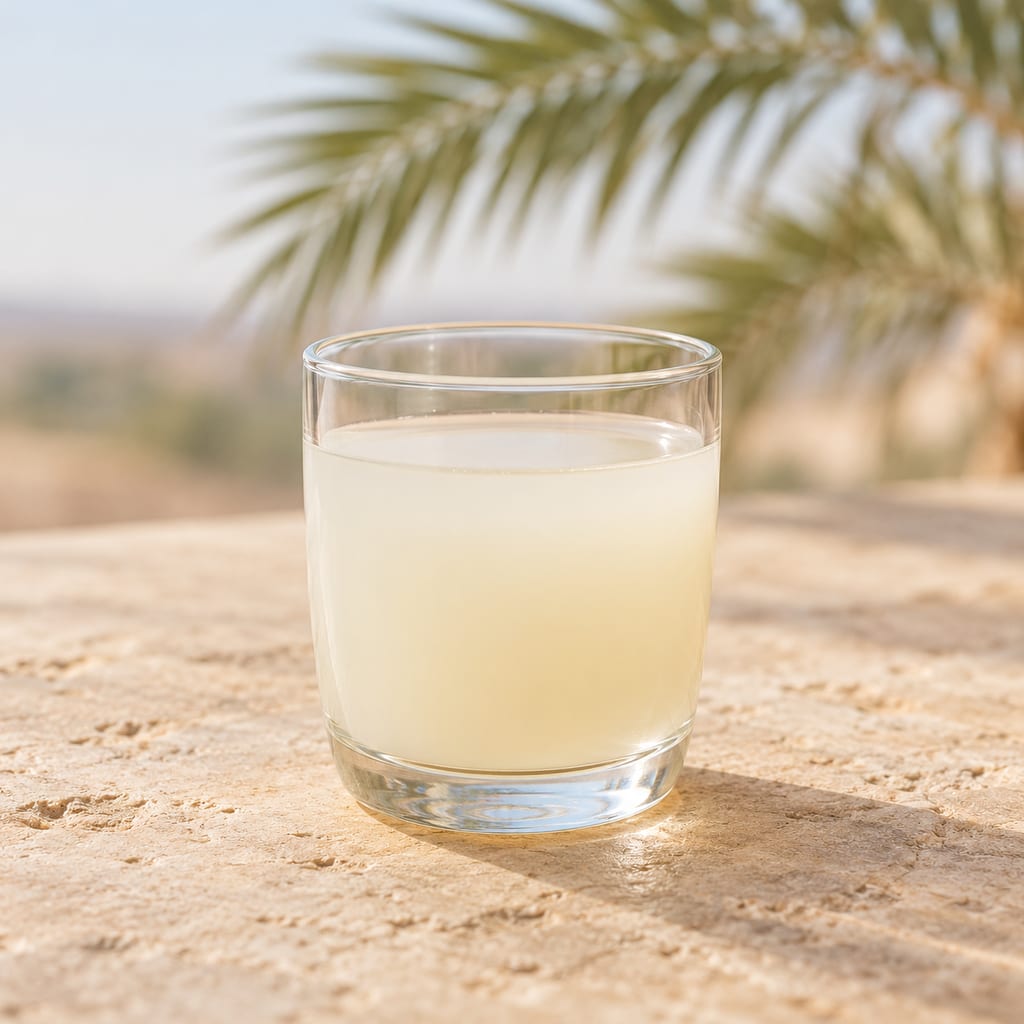
Legmi is sweet sap tapped from date palms in southern Tunisia. It is consumed fresh and can ferment rapidly through native yeasts, lactic acid bacteria and acetic acid bacteria.
Seal meat is the flesh of hunted seals, eaten fresh, frozen, boiled, dried and, in distinct preparations, aged or fermented. Species and community practices vary; the name describes neither one recipe nor one place of origin.
Seal blubber is the fat beneath a seal’s skin, used as food and oil. Greenlandic iginneq is a named fermented blubber food, distinct from aged seal meat.
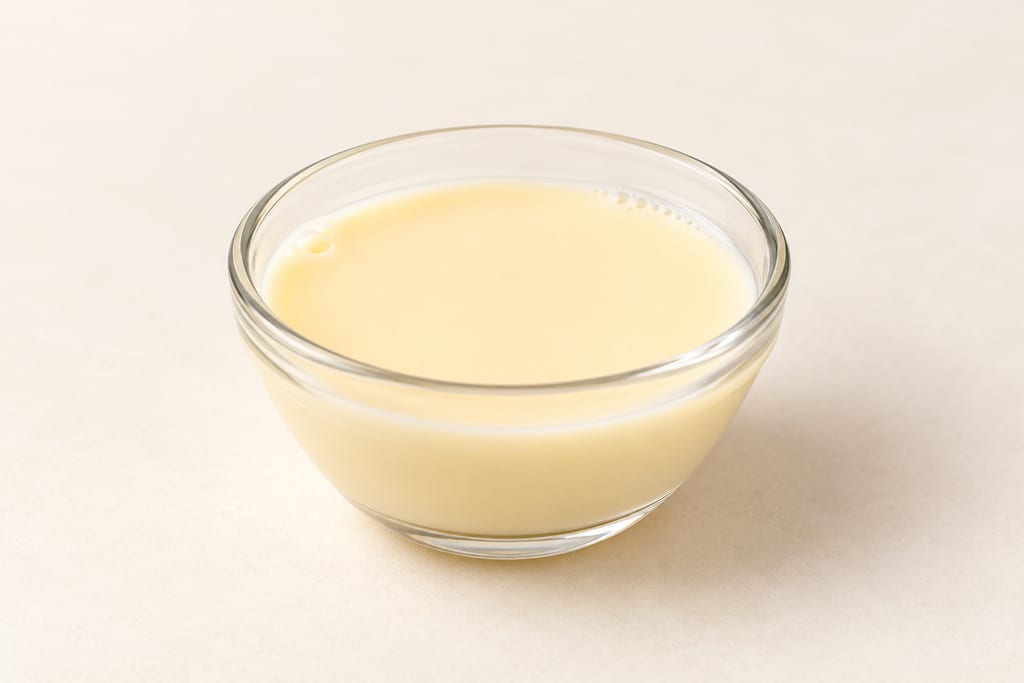
Bovine colostrum is the changing first secretion around calving, concentrated in proteins and maternal immune components; it feeds newborn calves and appears in seasonal foods and processed products.
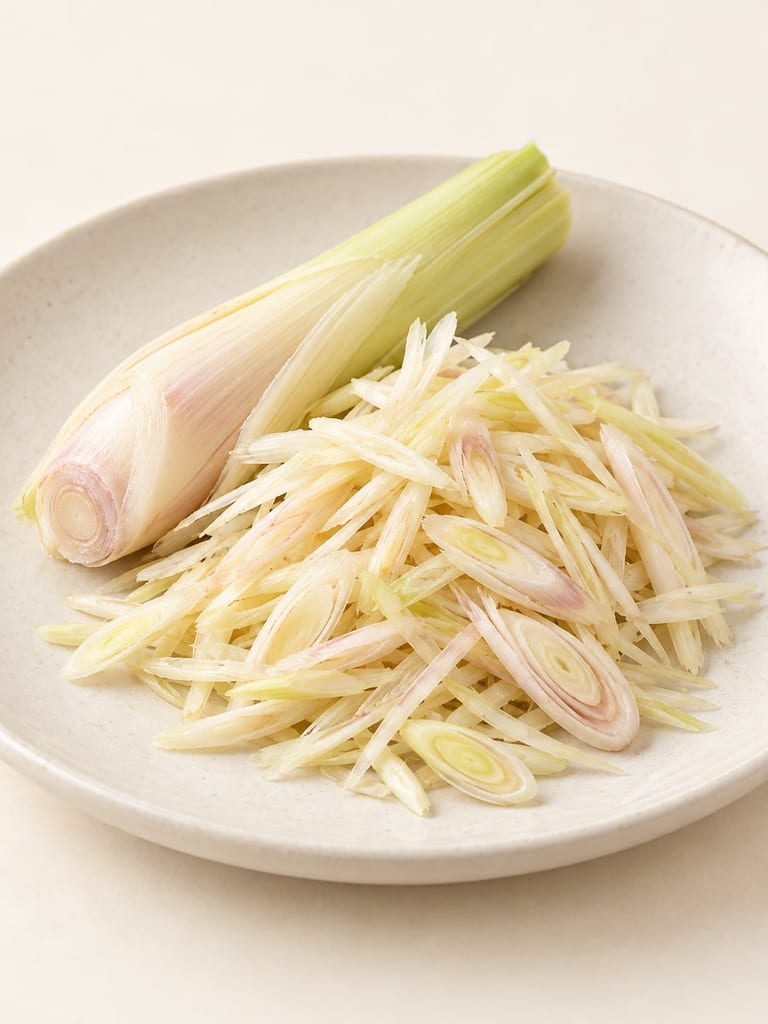
Food uses and cultivation reports for Cymbopogon citratus, with regional limits and a clear distinction between fresh culinary plant material and traded essential oil.
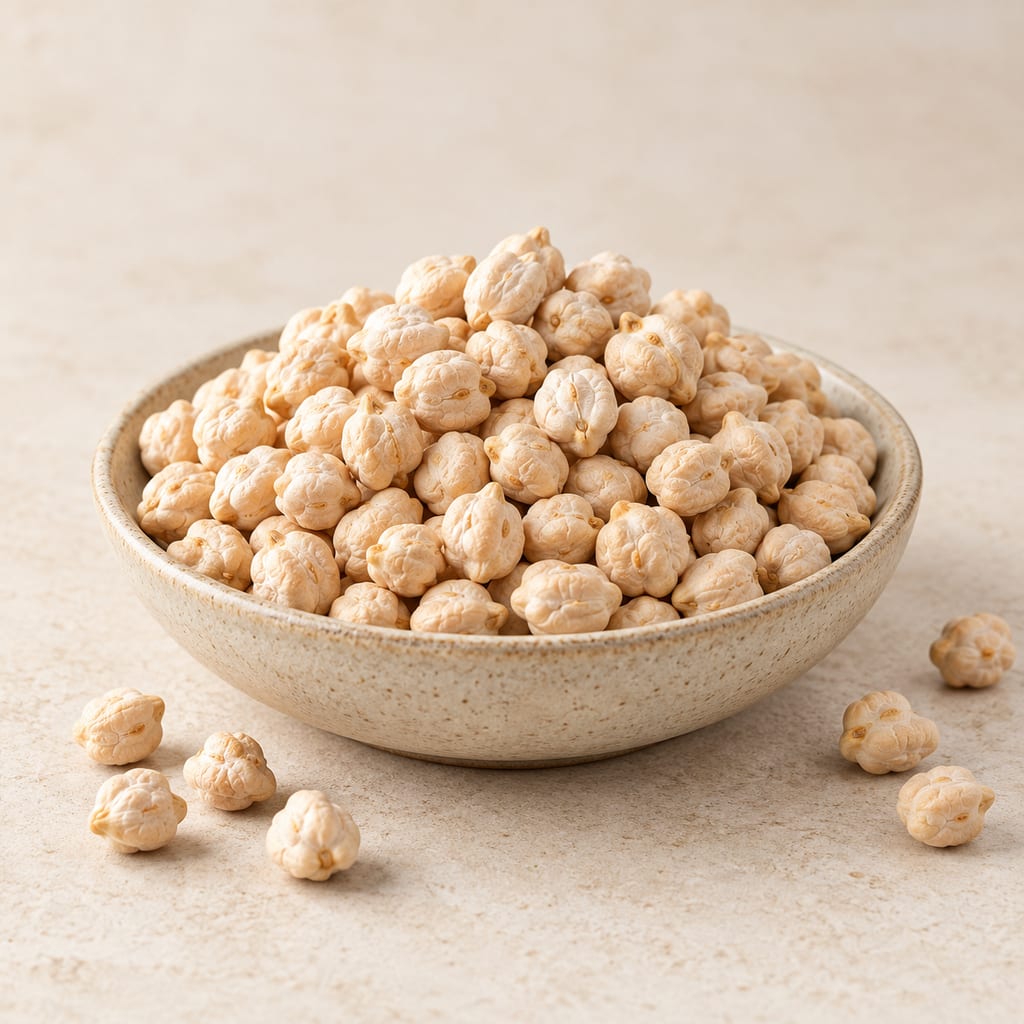
Chickpeas (Cicer arietinum) are dry pulses eaten whole or milled into flour, which gives socca, farinata and other breads a dense, nutty batter or dough.
Sago starch is edible starch recovered from the pith of sago palms. It is pressed into thin cakes for Indonesian sagu lempeng, cooked as porridge and formed into other foods; in some regions, wet starch also ferments during storage.
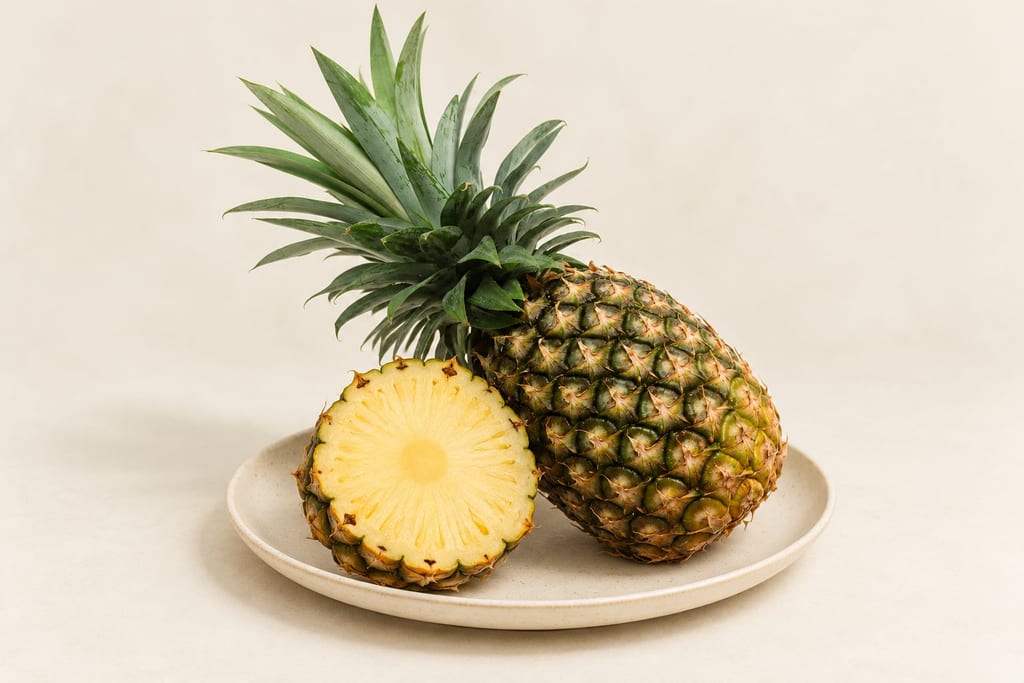
Pineapple is a sweet-tart tropical multiple fruit whose fresh flesh and peel supply sugars and acids to fruit ferments, while cultivar and maturity shape the balance.
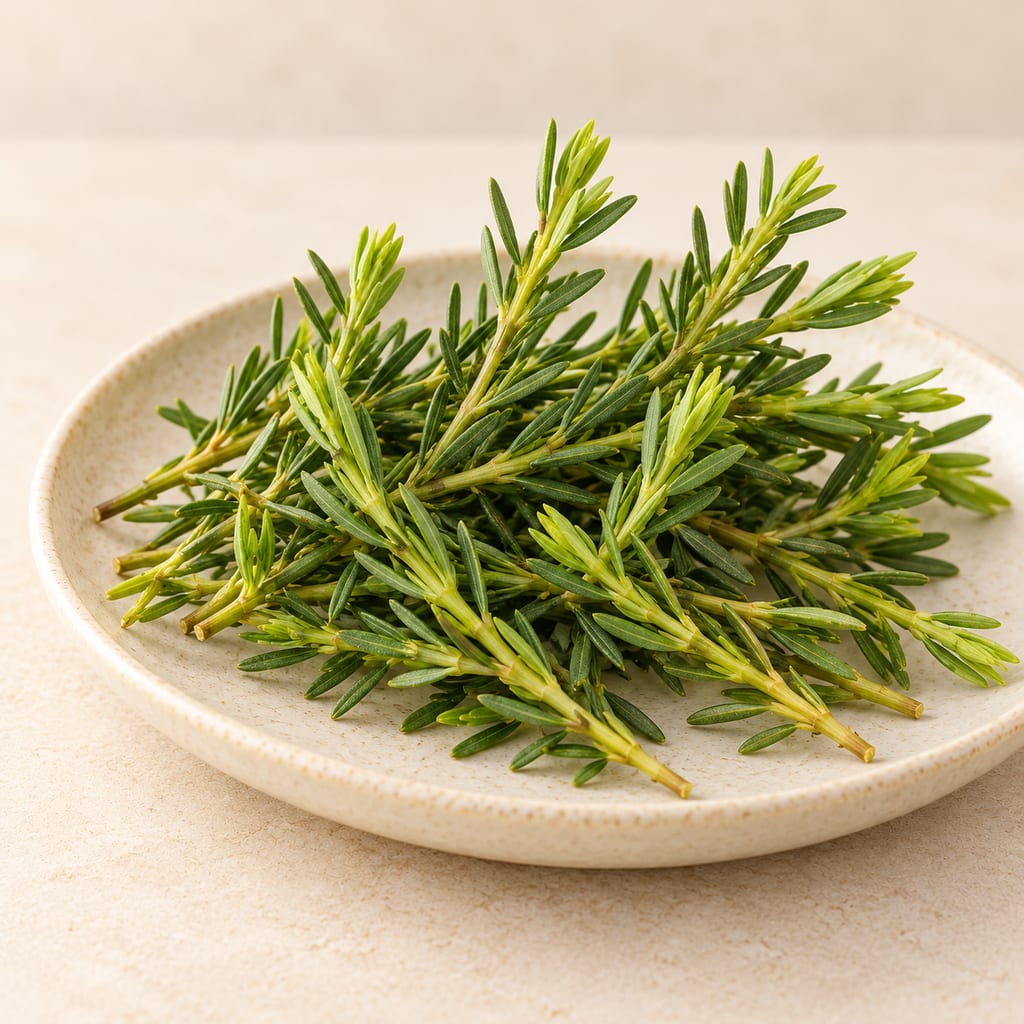
C. genistoides has a species-specific Cape tea history and cultivation evidence, alongside broader genus-level honeybush accounts. Propagation and crop observations vary by source, setting and plant material.
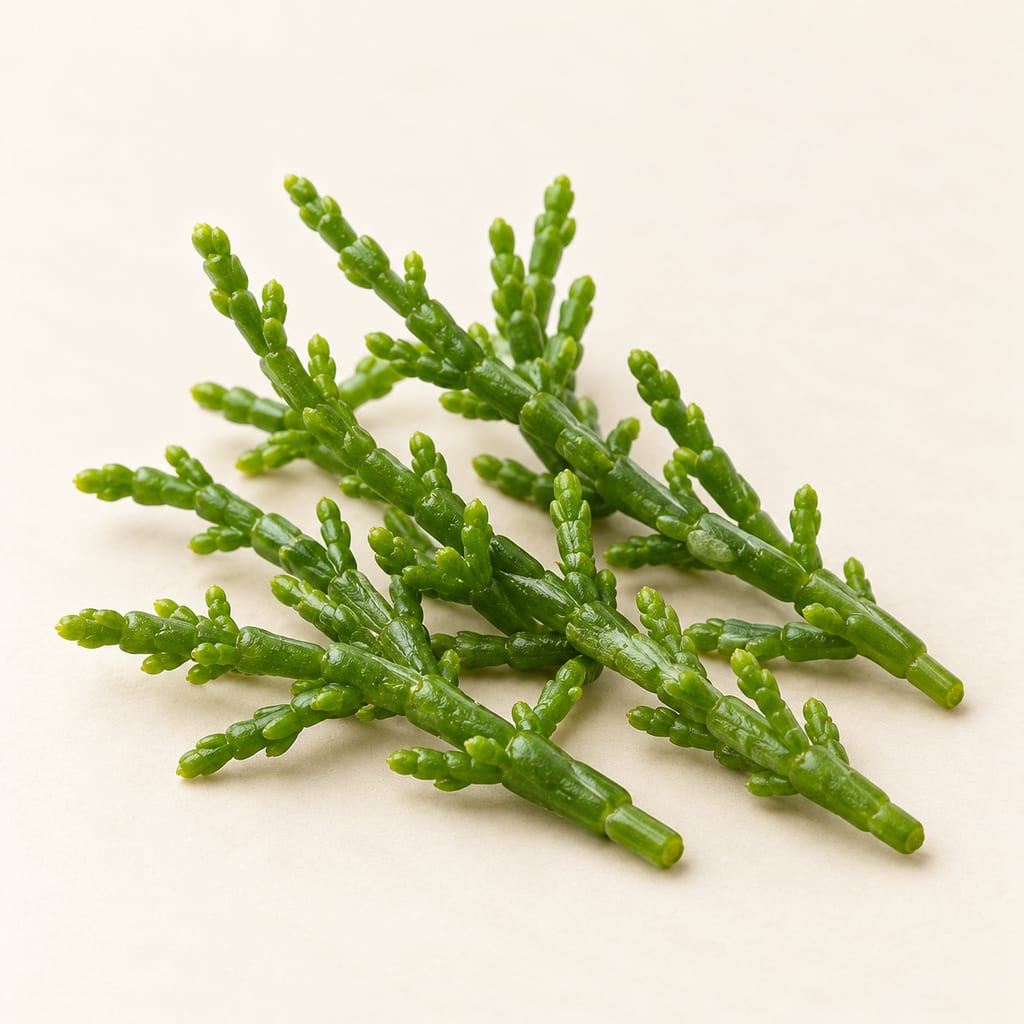
Kew accepts Salicornia europaea, while older glasswort names can cover broader groups. French sources report food uses; one study tested S. europaea var. aprica under controlled salt treatments.
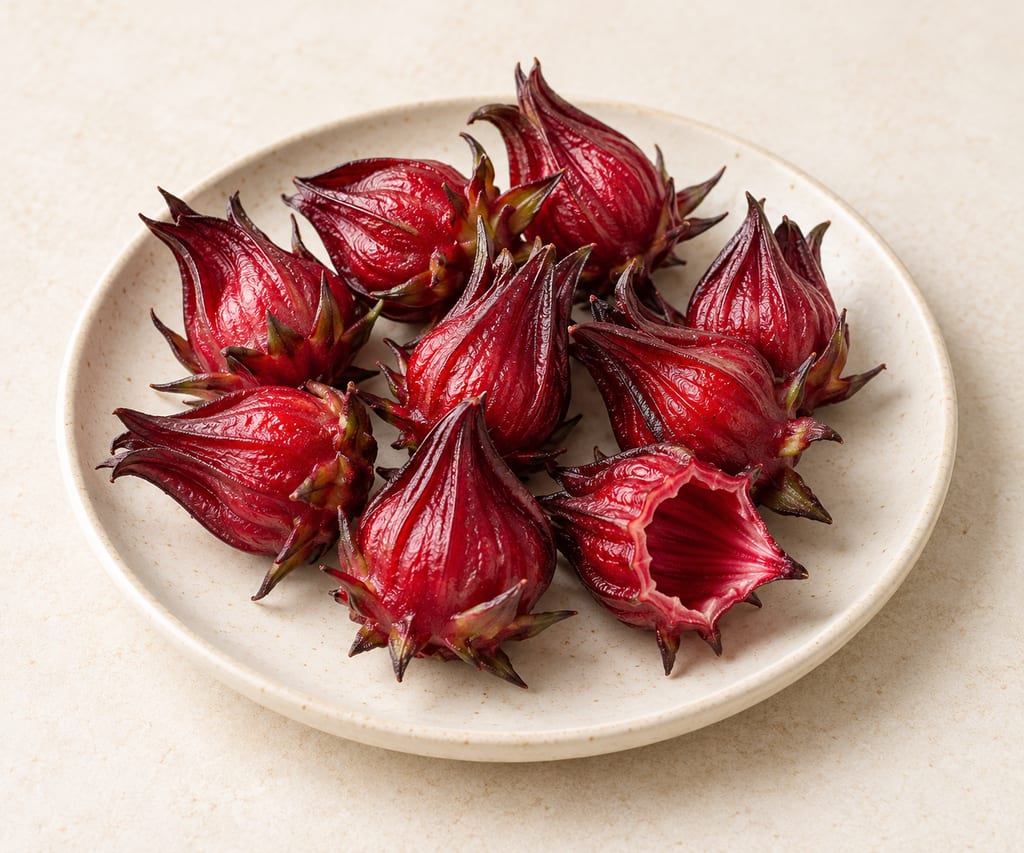
A source-linked account of roselle's leafy and calyx uses, with Kew's updated name treatment and region-specific growing observations kept visible.
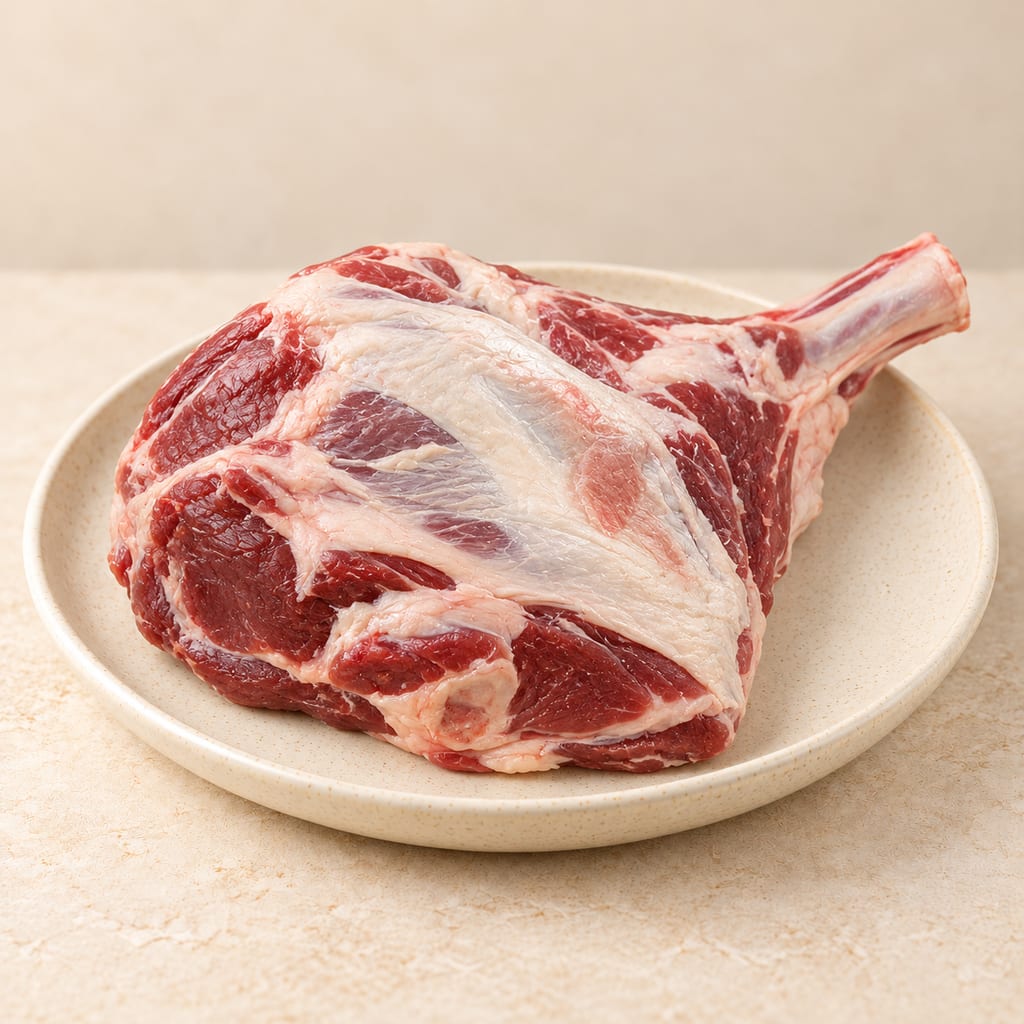
Sheep meat spans lamb from younger animals and mutton from mature sheep; age, breed, diet, cut and fat cover shape its texture and how it behaves in curing and fermentation.
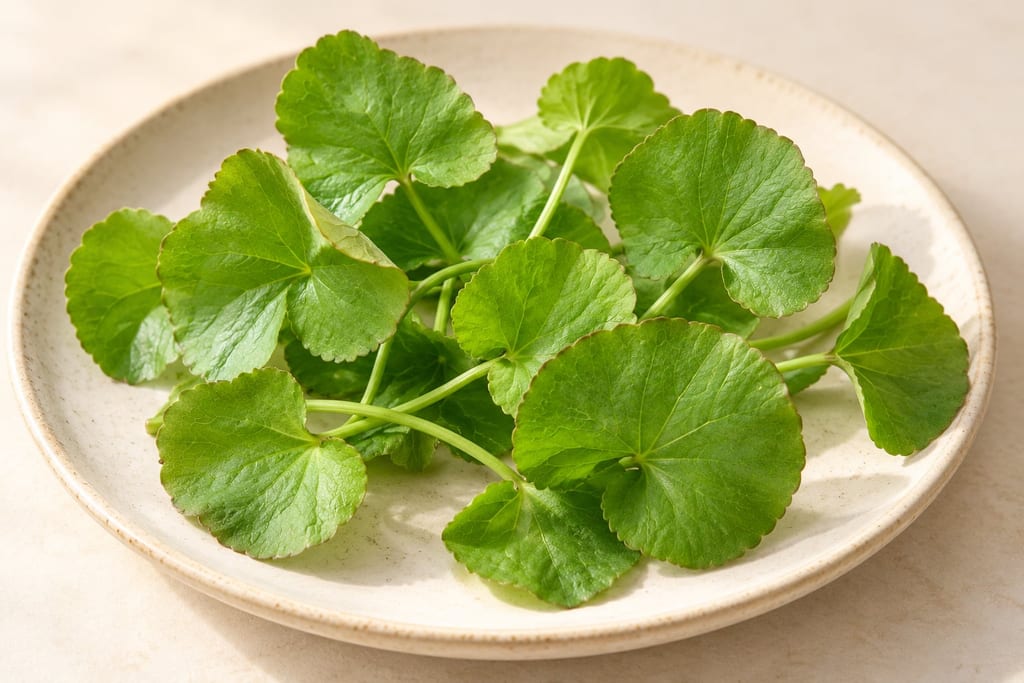
A guide to Centella food reports from Thai, Sri Lankan and Taishan sources, with Thai and Sri Lankan cultivation guidance and common-name, plant-part and local-status uncertainties preserved.

Parkia biglobosa seeds are fermented into regional West African seasonings, including nététou, iru, dawadawa and soumbala. The yellow fruit pulp is a separate food, and names and methods vary by place.
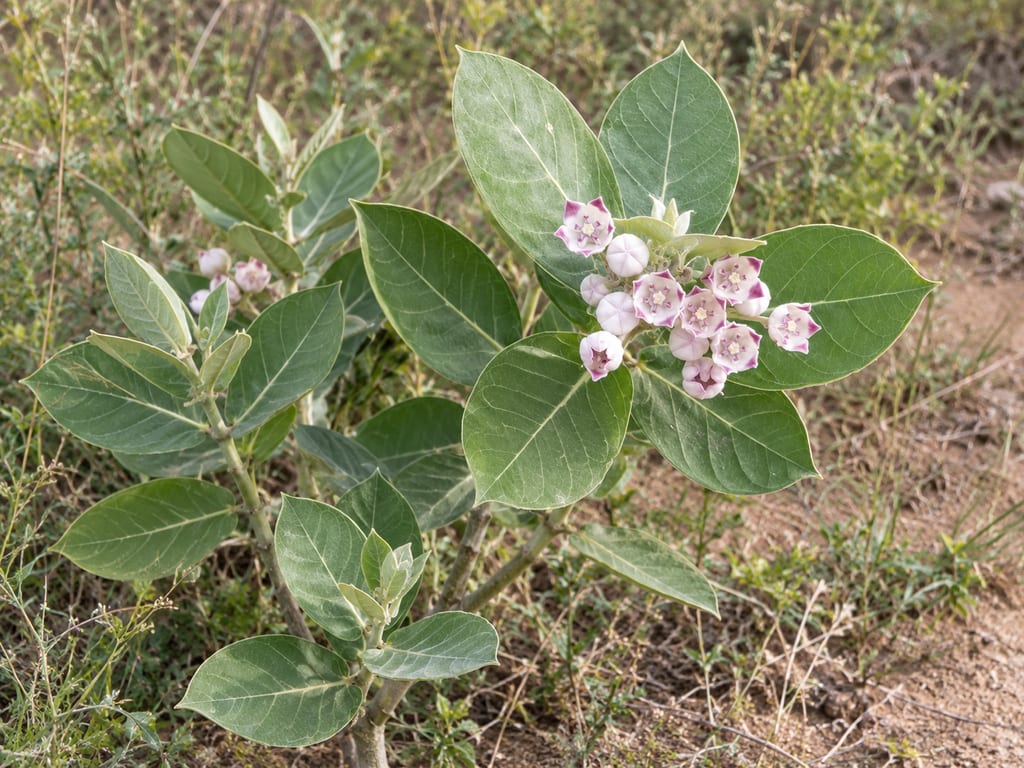
Calotropis procera preparations are documented as coagulants for wagashi gassirè in Benin and wara in Nigeria. Crude plant materials differ from purified research enzymes, and current evidence does not support a general home preparation.
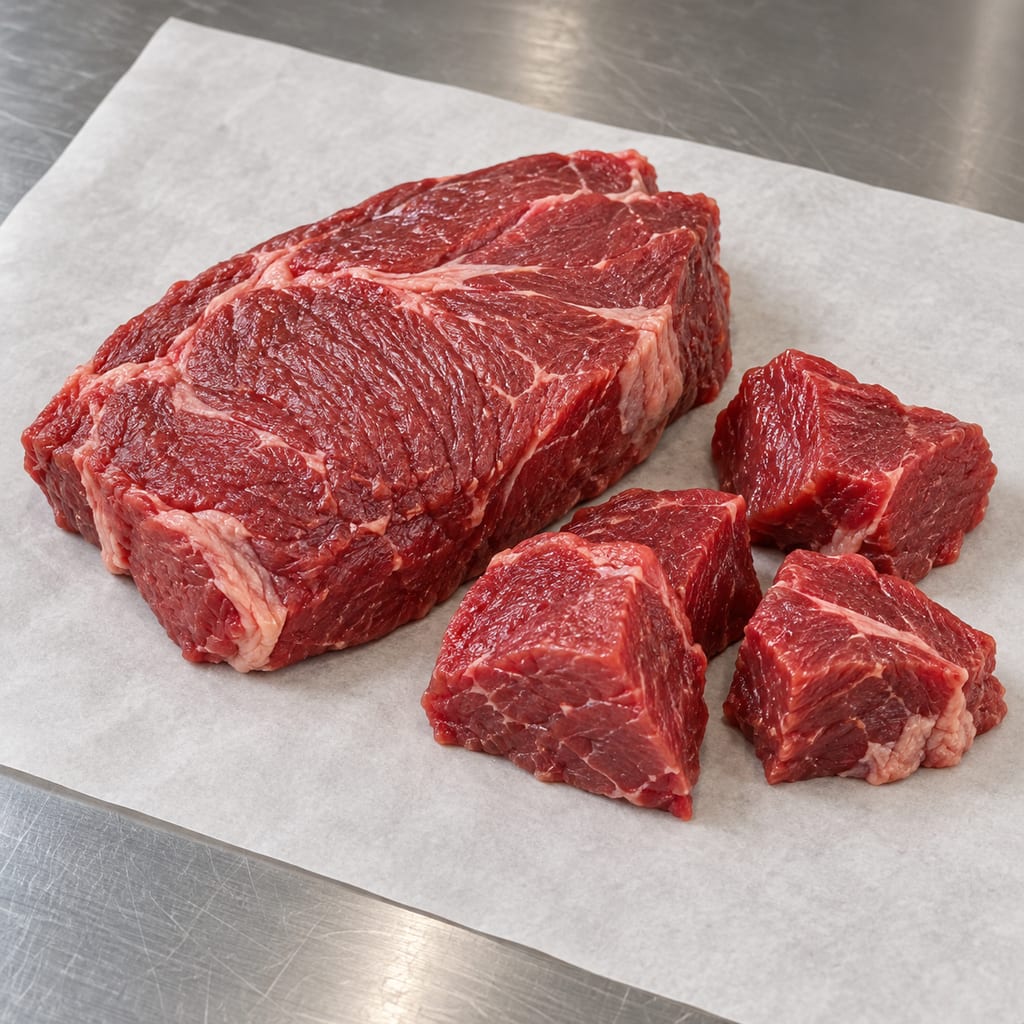
Water-buffalo meat, often called carabeef, is the flesh of Bubalus bubalis; its colour, texture and fat vary with animal, cut and production system. “Buffalo” can also mean bison or African buffalo in other contexts.

Mare milk is milk produced by a lactating female horse. Its composition varies with breed and lactation; raw milk, pasteurized milk and fermented drinks such as airag or qymyz are distinct forms with different handling and evidence.
Walrus meat is an Arctic subsistence food whose forms, names, and uses vary by community. Its fermented preparations require source-specific description, and fermentation or freezing cannot be assumed to control Trichinella.
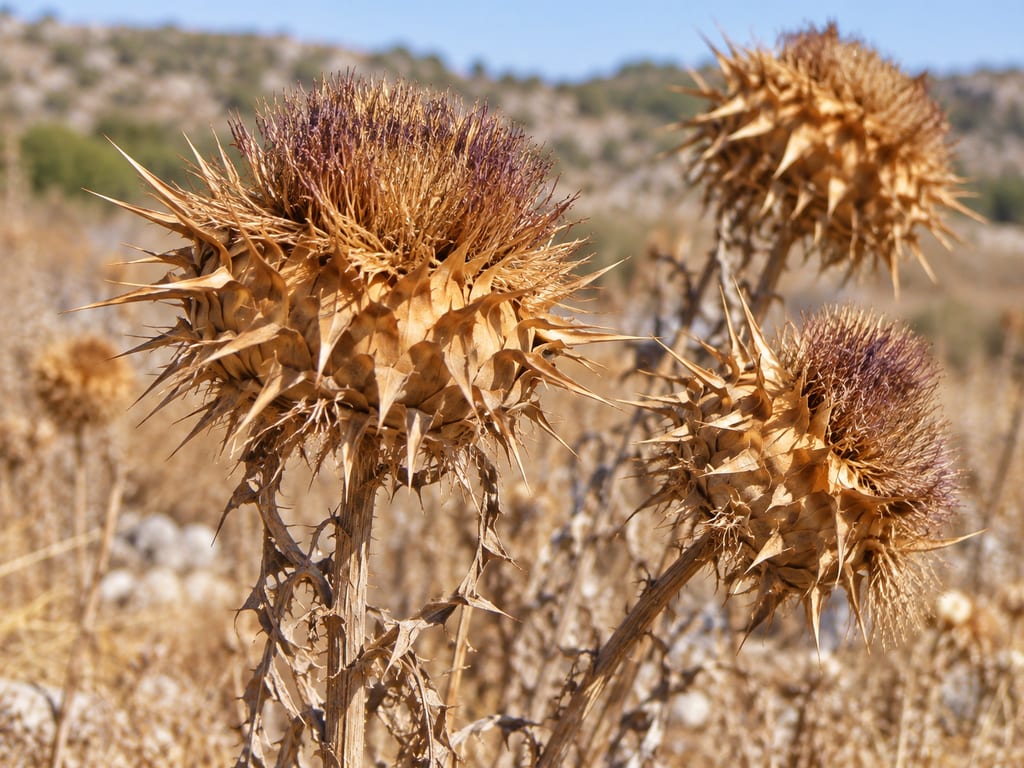
Dried flower heads of cardoon (Cynara cardunculus) supply plant proteases used to coagulate milk in several documented regional cheeses. Plant, extraction, milk and dose matter; evidence does not establish a universal home method.
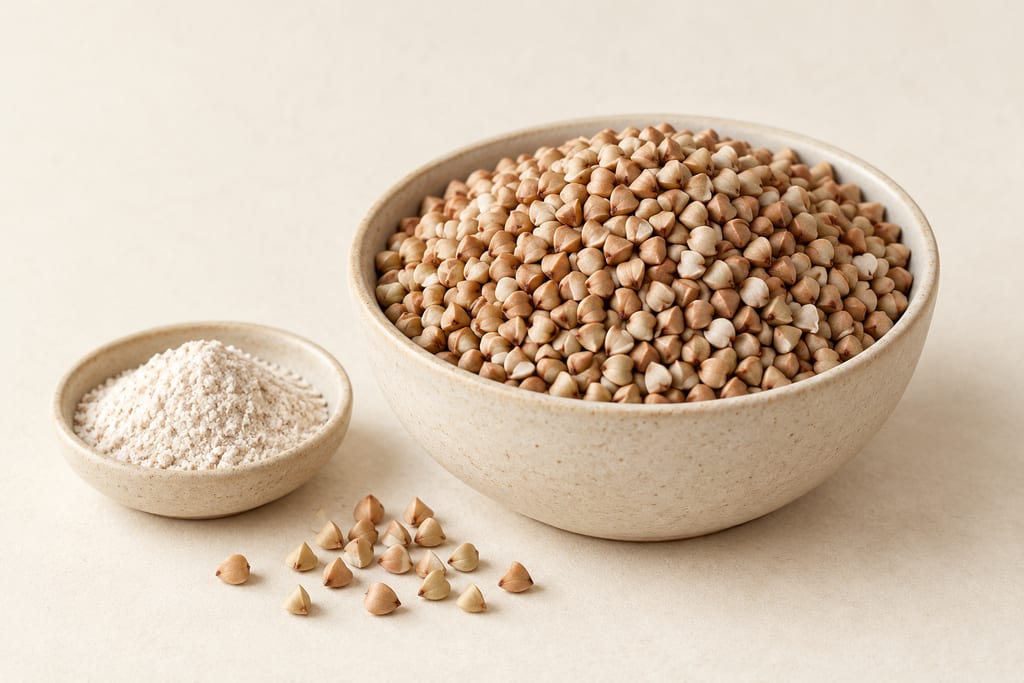
Buckwheat is a triangular-seeded flowering plant whose whole groats and flour cross regional food traditions, from porridge and pancakes to modern sourdough and gluten-free bread.
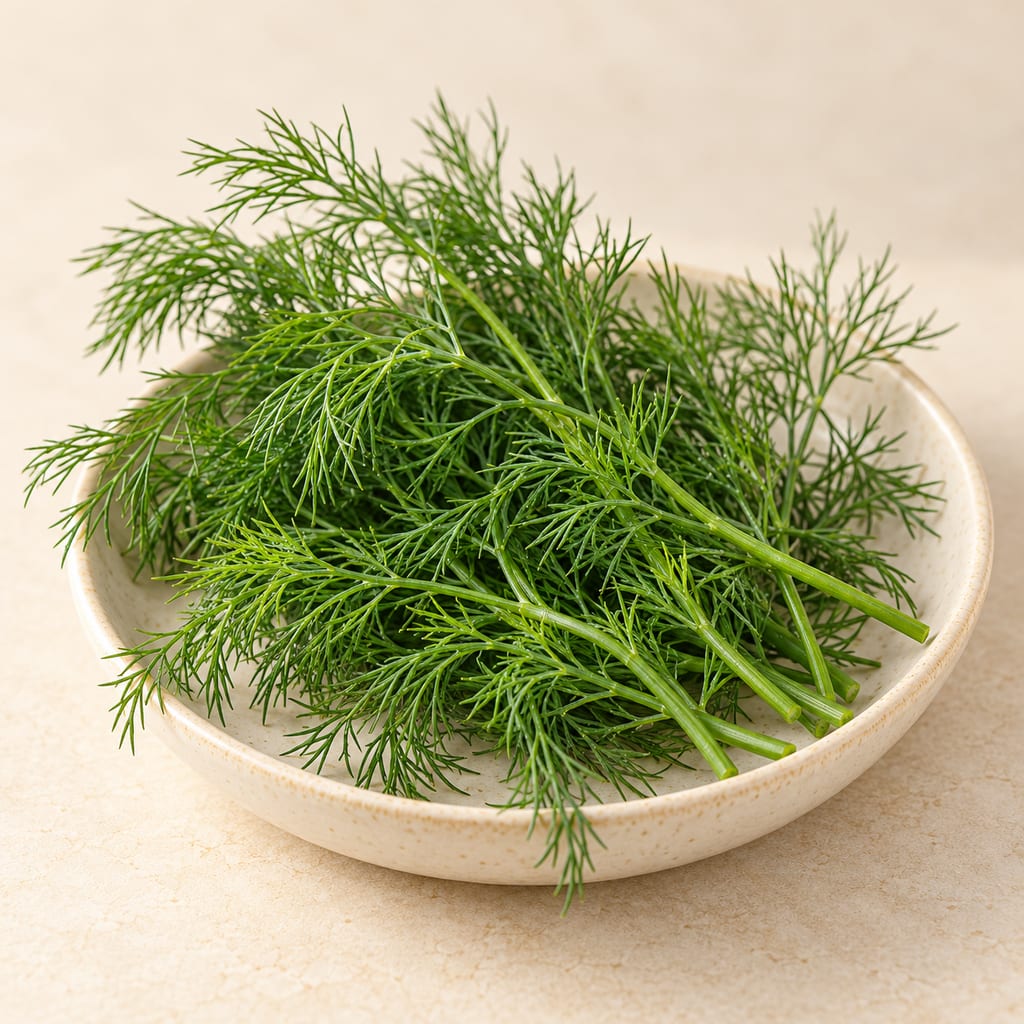
Dill is an annual culinary herb grown for its leaves, flowers and seeds. Garden guidance and regional food sources describe different harvest stages and dishes, with cultivation advice that varies by climate and intended crop.
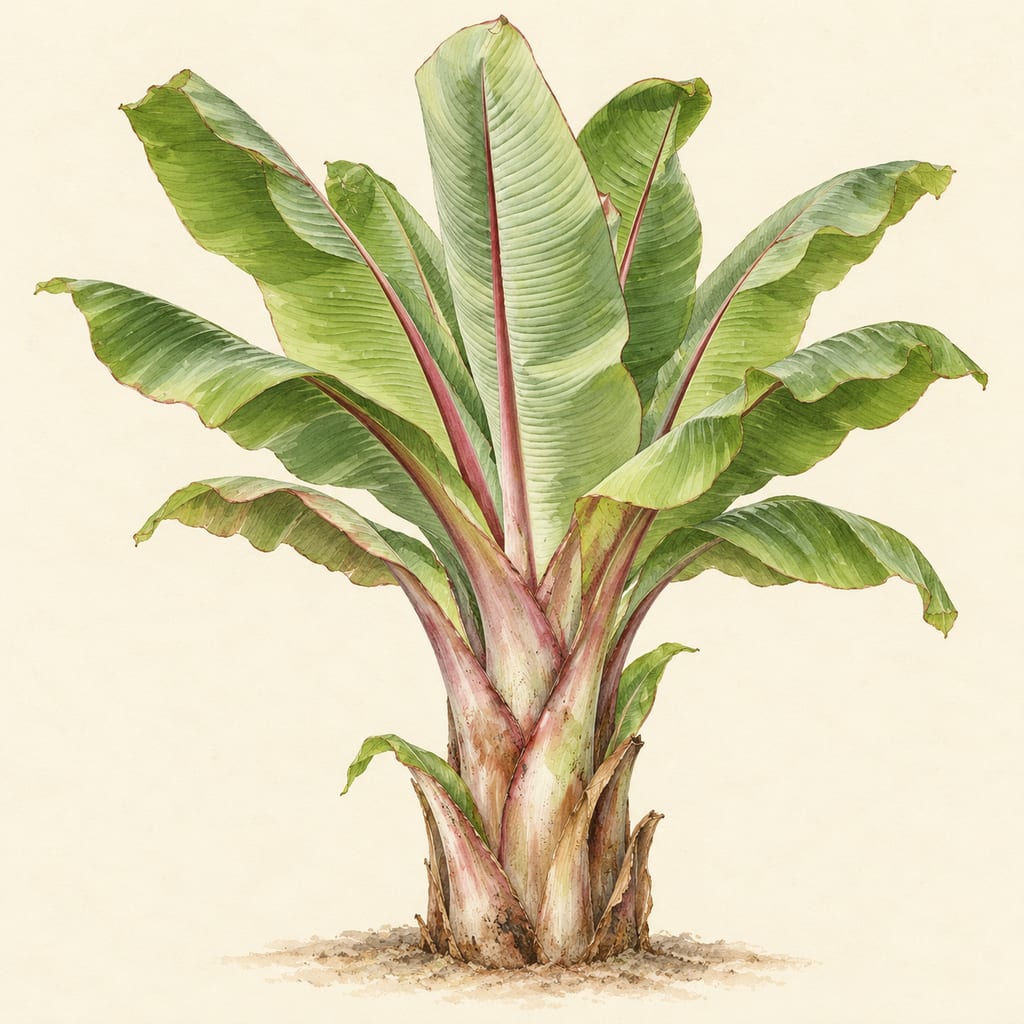
Enset is an Ethiopian staple crop grown for its starchy corm and pseudostem. Fermented kocho, extracted bulla and boiled amicho are distinct foods from the plant.
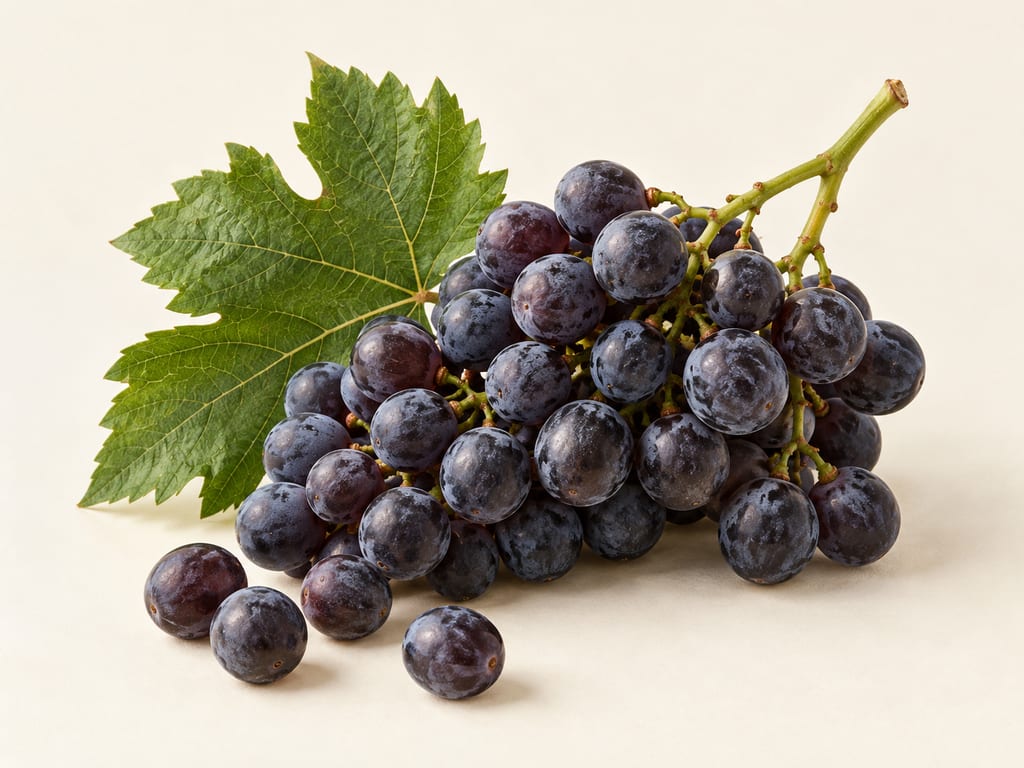
Wine grapes are fresh berries selected for vinification; their sugars fuel alcoholic fermentation, while cultivar, ripeness and handling shape the fruit and the wine it can become.
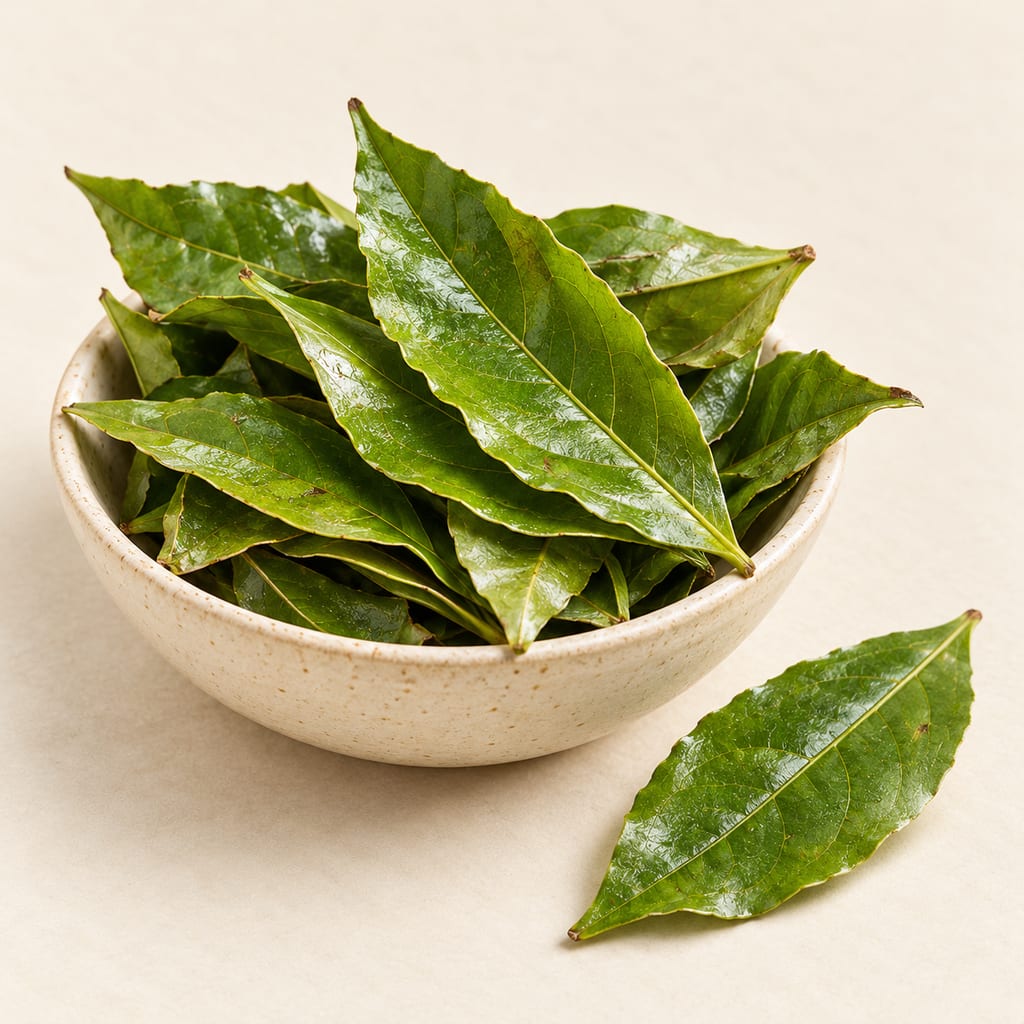
Kew accepts Ilex guayusa. A qualitative study documents leaf-infusion and chakra accounts from a bounded group of Kichwa producers connected to Napo; its variable reports are not a standardized beverage method or measured crop guide.
Wheat is the edible seed of grasses in the Triticum genus, a diverse family of grain crops used whole, cracked and milled. The page covers the raw grain; flour grades and blends have separate pages.
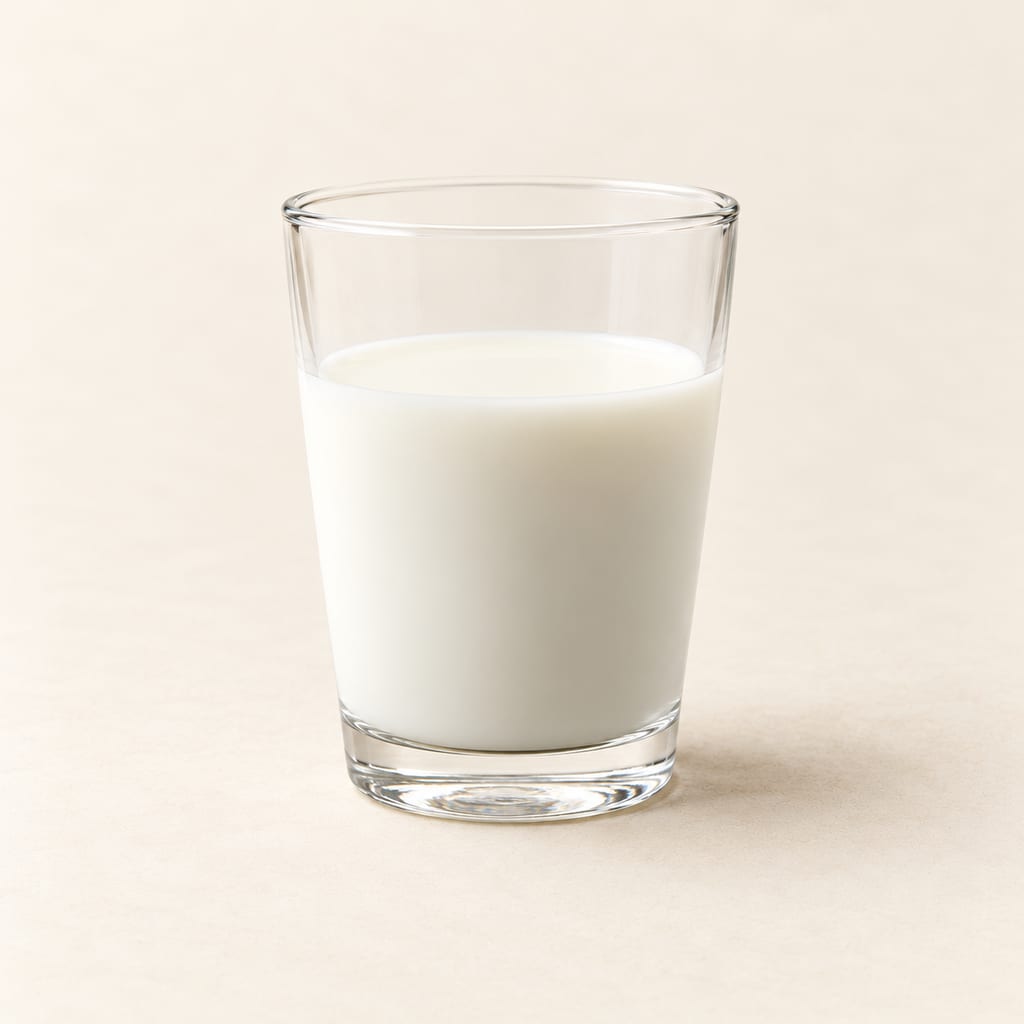
Goat milk is the liquid milk of domestic goats, used as a drink, a cheesemaking substrate and the base of regional dairy foods. Its composition varies among animals and farms, and its species name does not say whether it is pasteurized.
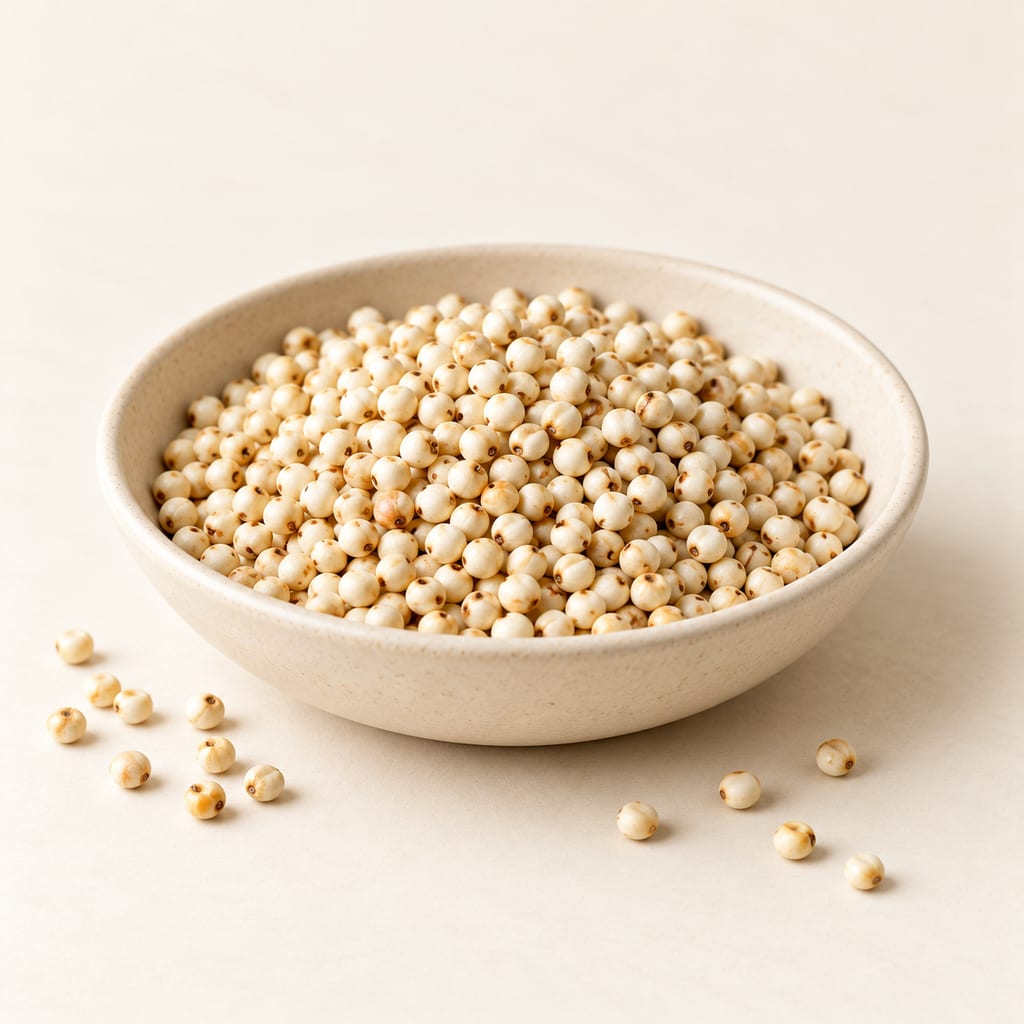
Sorghum is the grain of Sorghum bicolor, a variable African-origin cereal used whole, milled, malted and cooked in distinct fermented foods and drinks.
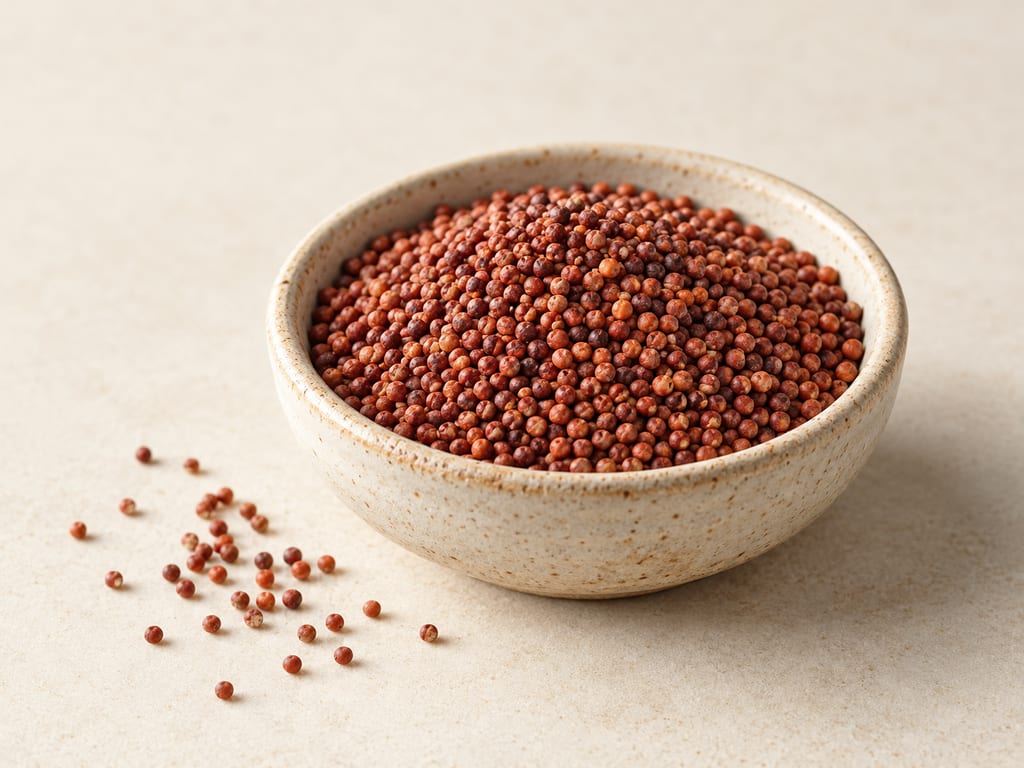
Finger millet (Eleusine coracana) is a small-grained cereal grown across parts of Africa and Asia. It is milled, cooked, malted and fermented in distinct food traditions.
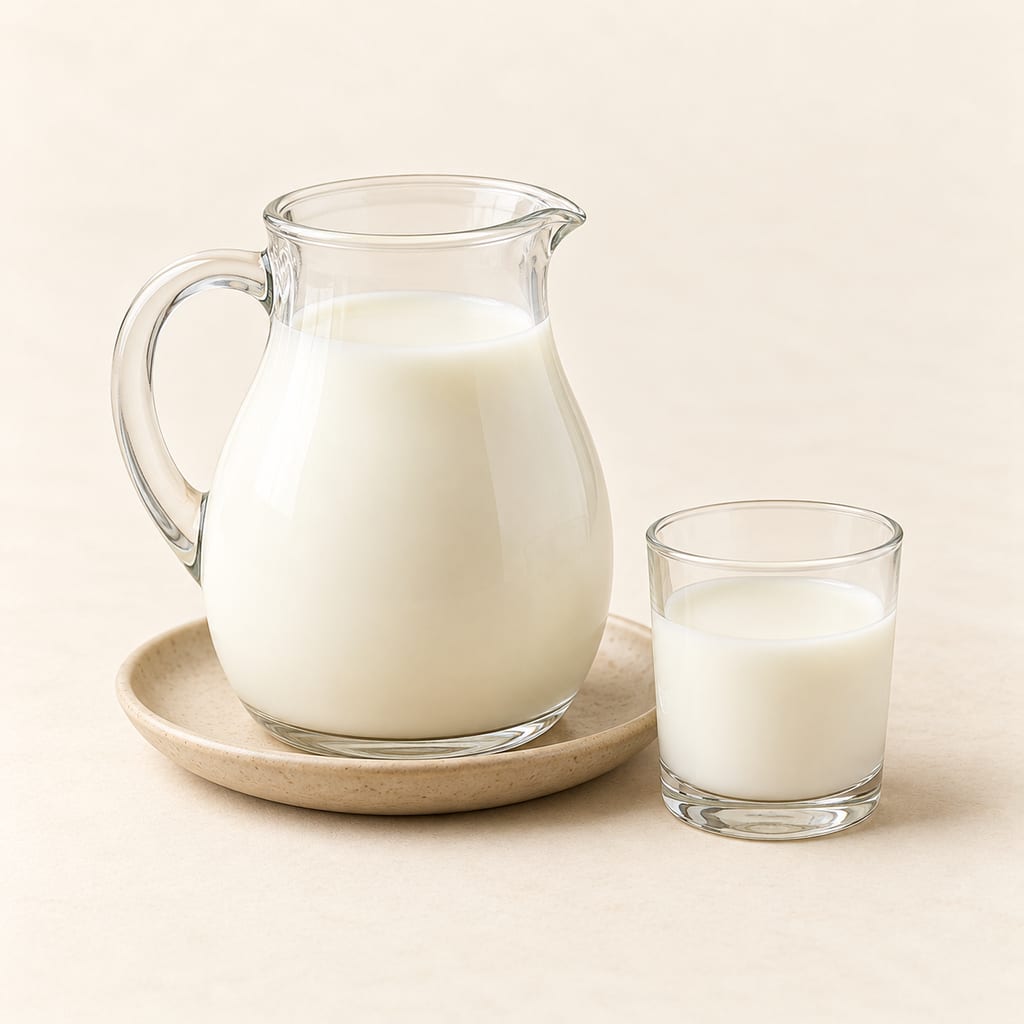
Water buffalo milk comes from Bubalus bubalis and appears in regional dairy traditions across Asia and beyond. Its richer average fat and casein profile affects processing, while composition and raw-milk risk depend on the actual supply.
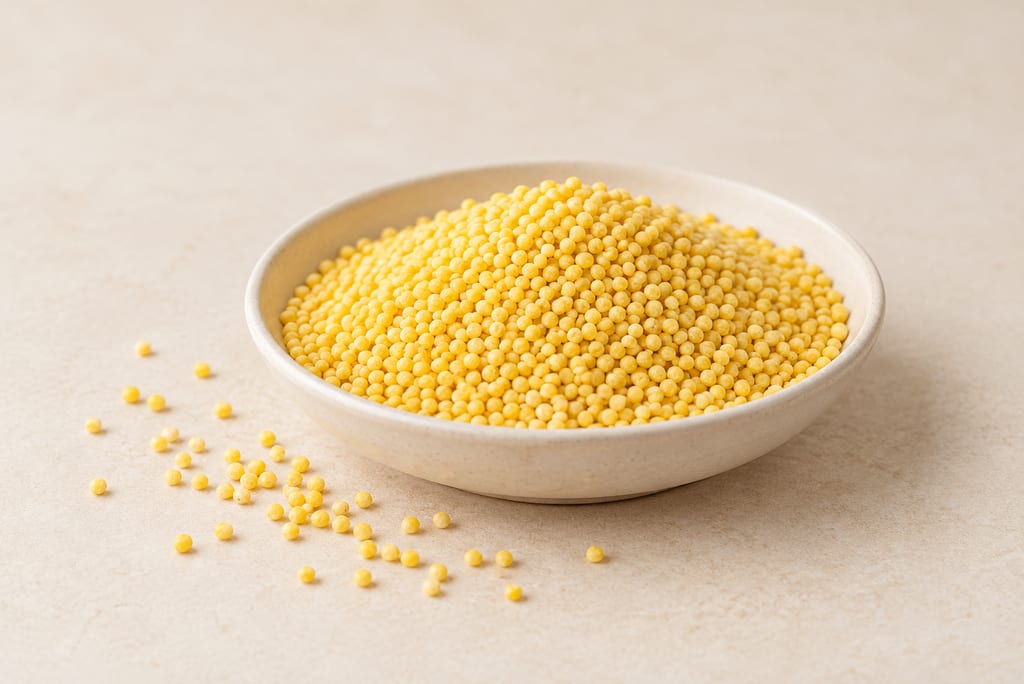
Millet names several small-seeded cereals. In African fermented foods, pearl millet and finger millet become sour gruels, doughs and drinks through distinct combinations of soaking, milling, cooking, malting and fermentation.
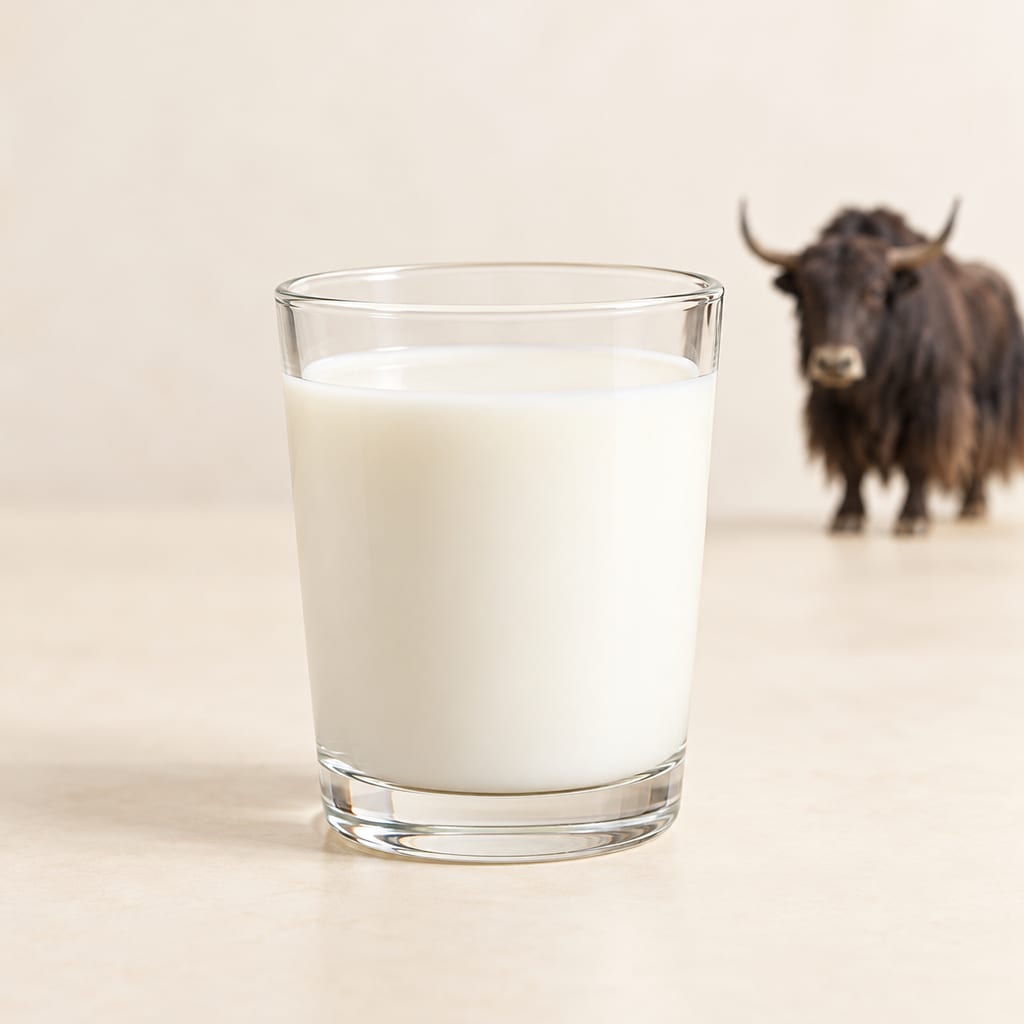
Milk from female domestic yaks is a rich, seasonal ingredient for household tea, butter, curds, and cheeses across highland pastoral systems.
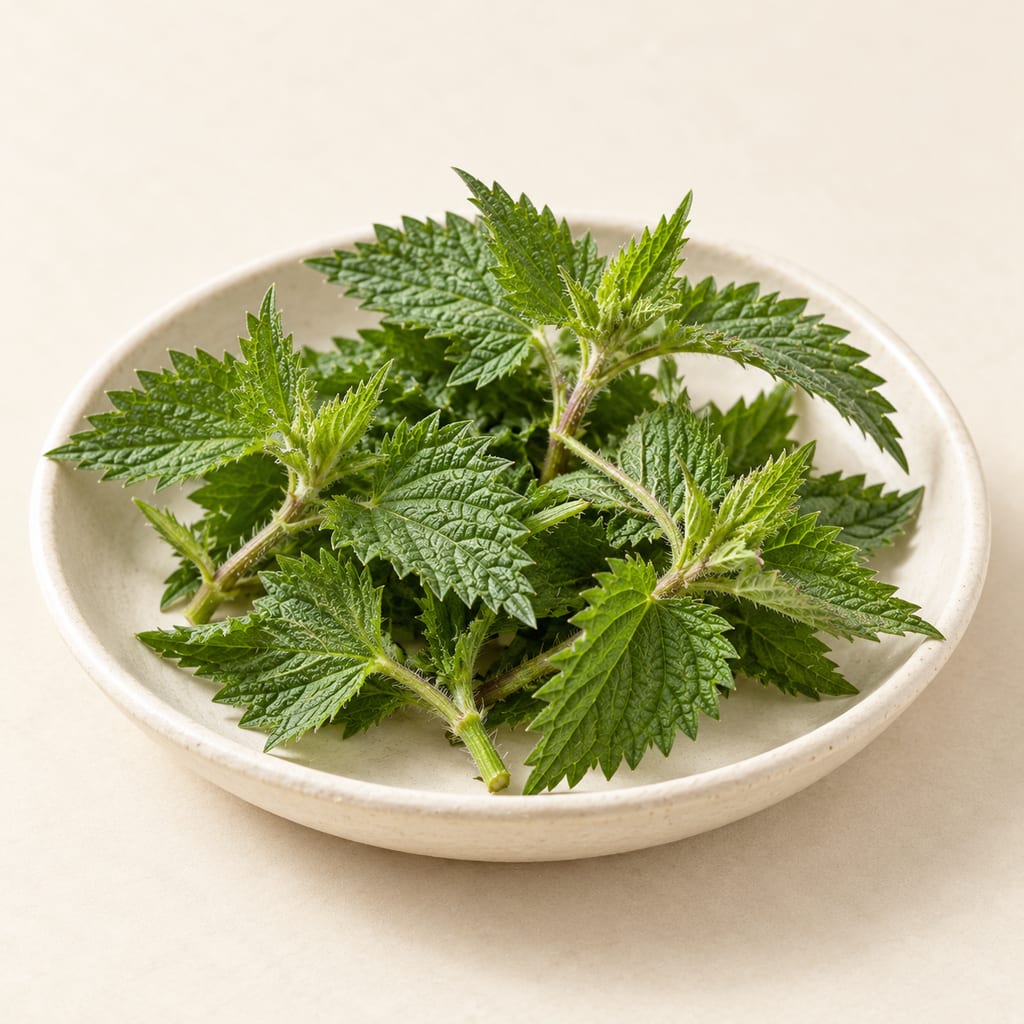
A source-linked account of common stinging nettle as a food plant and spreading perennial, with regional cooking reports, handling cautions and cultivation limits.
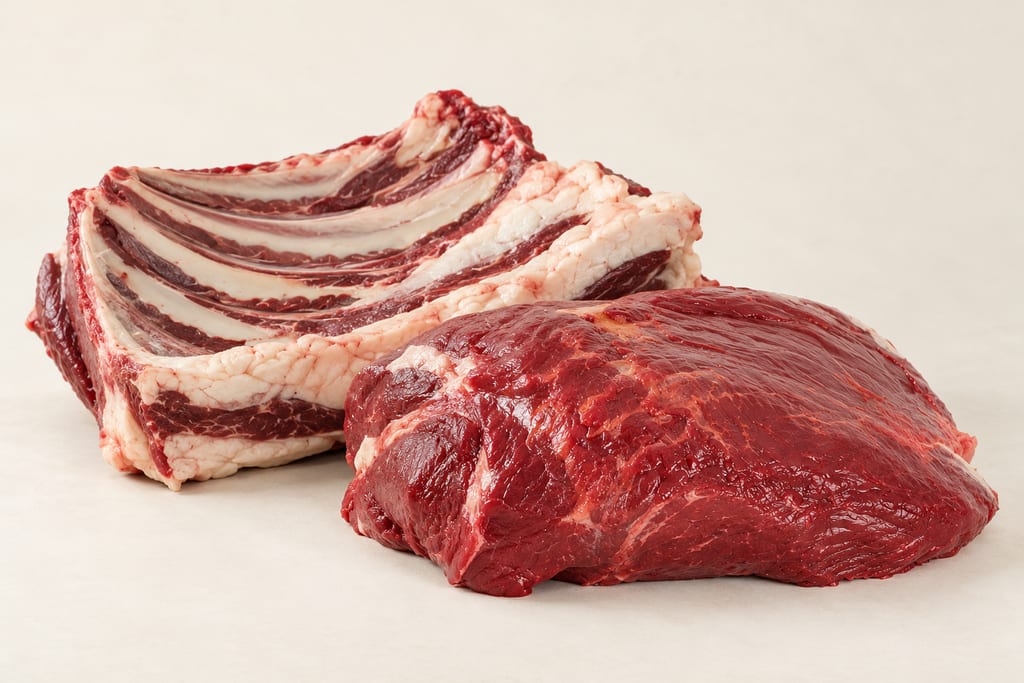
Horse meat is raw equine muscle and fat used fresh or in regionally distinct cooked and preserved foods; cuts and processes vary, and no single culinary origin is established.
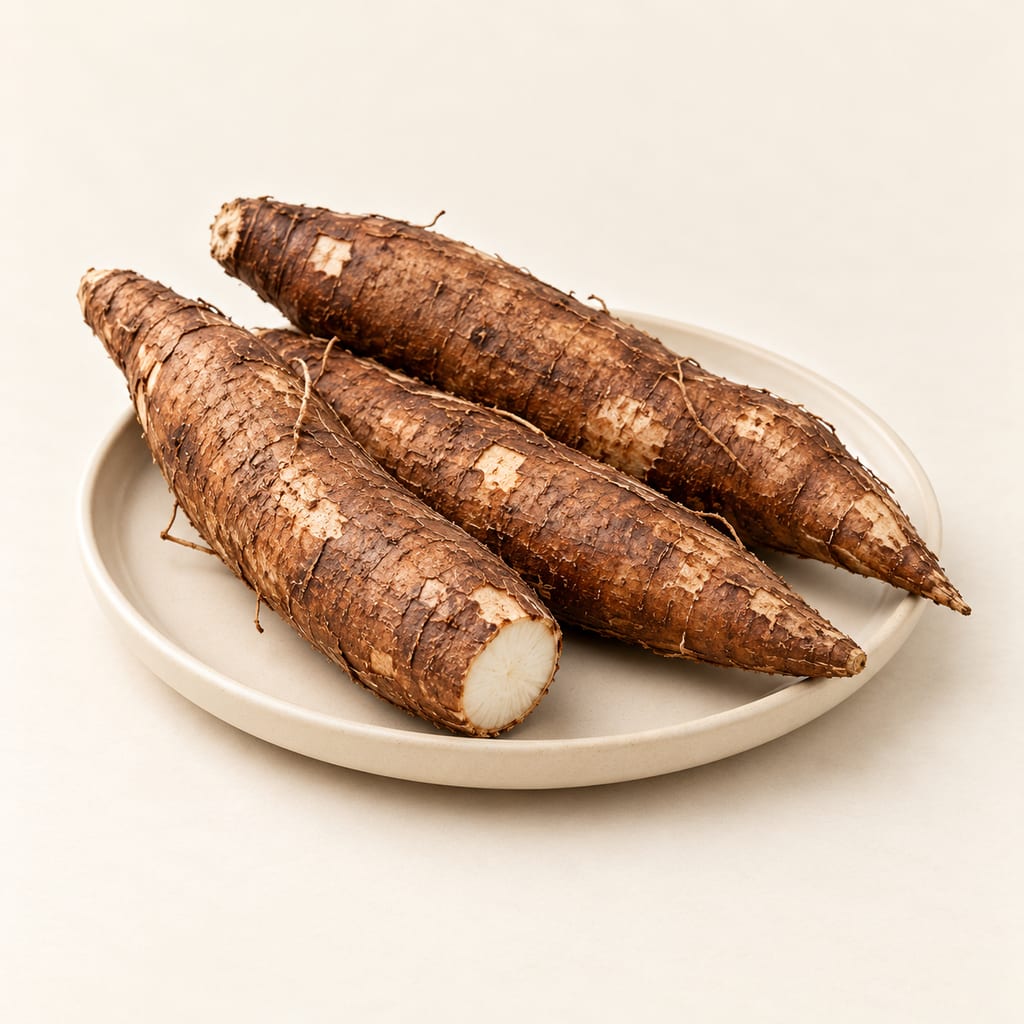
Cassava is the starchy root of Manihot esculenta, transformed across Africa into fermented doughs, granules and flours through distinct processes whose safety depends on thorough cyanogen removal.