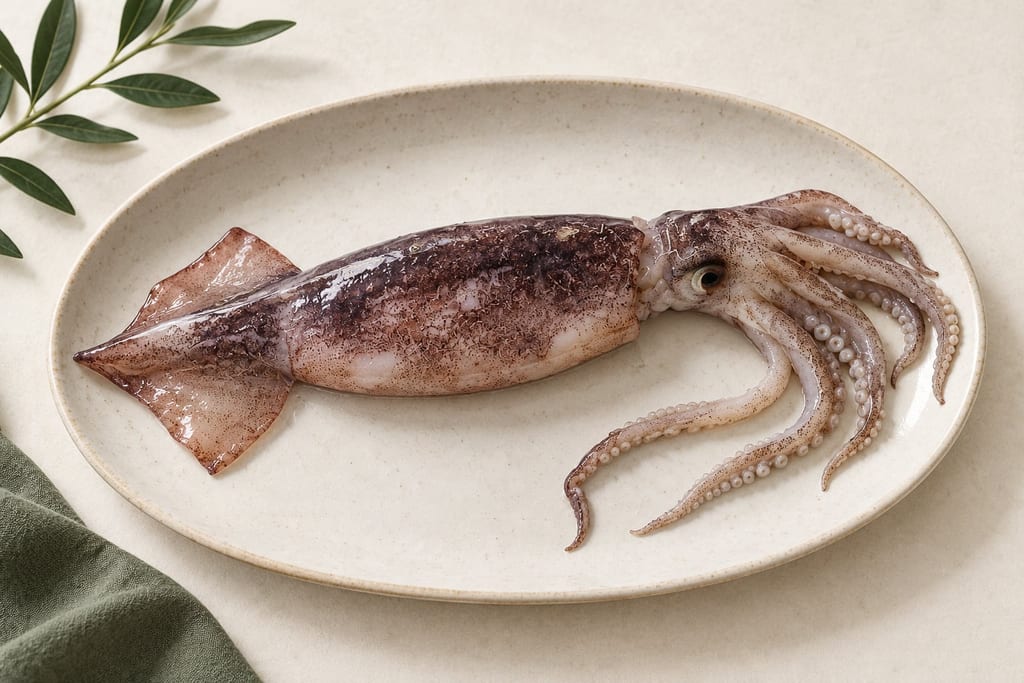
Squid
Squid is a cephalopod used fresh, dried and in salted seafood ferments such as Japanese shiokara. Its body, viscera and ink appear in distinct regional preparations, so the name alone does not specify a species or process.
 FermenteaWhere food goes to change
1086 articles on substrates, cultures and additives.
Squid is a cephalopod used fresh, dried and in salted seafood ferments such as Japanese shiokara. Its body, viscera and ink appear in distinct regional preparations, so the name alone does not specify a species or process.

Cicerbita alpina is an alpine perennial whose tender shoots and leaves have been eaten raw or cooked. Sámi milk preparations and modern Carnian dishes are distinct uses, with serious identification and preservation limits.
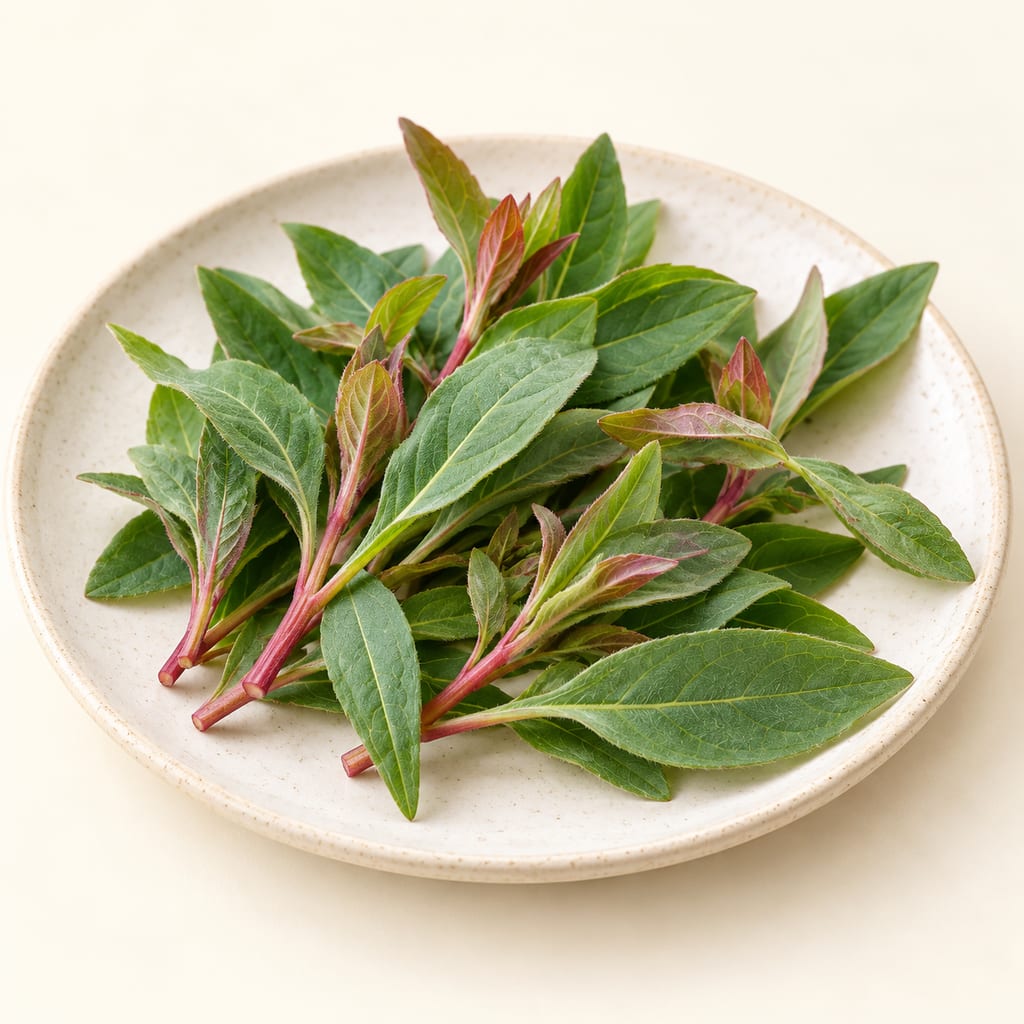
Dwarf fireweed (Epilobium latifolium) is a northern wild herb whose tender leaves and flowers appear in distinct Arctic food traditions.
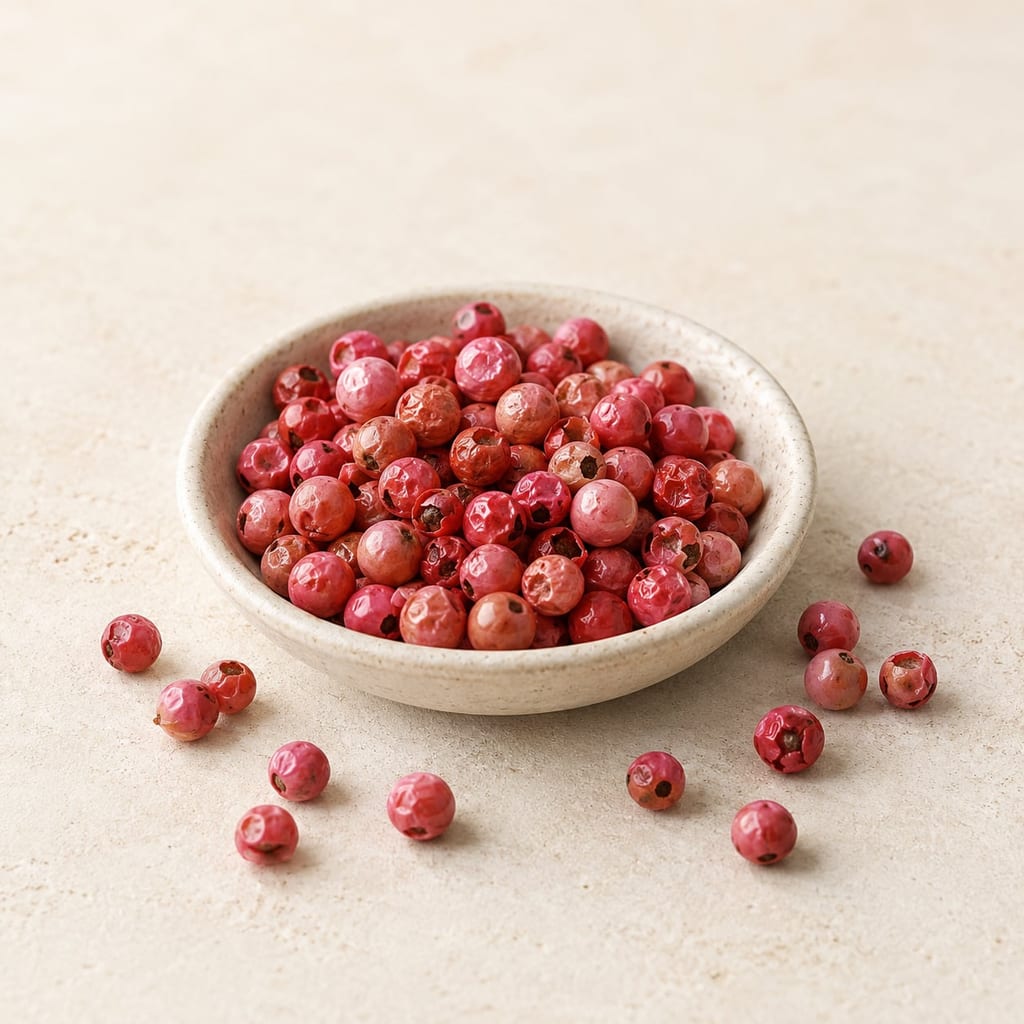
Pink peppercorn is a shared name for dried fruits of several plants, not true Piper nigrum pepper. MURI documents one fermented use but does not identify its species; allergy evidence is limited and species-specific.
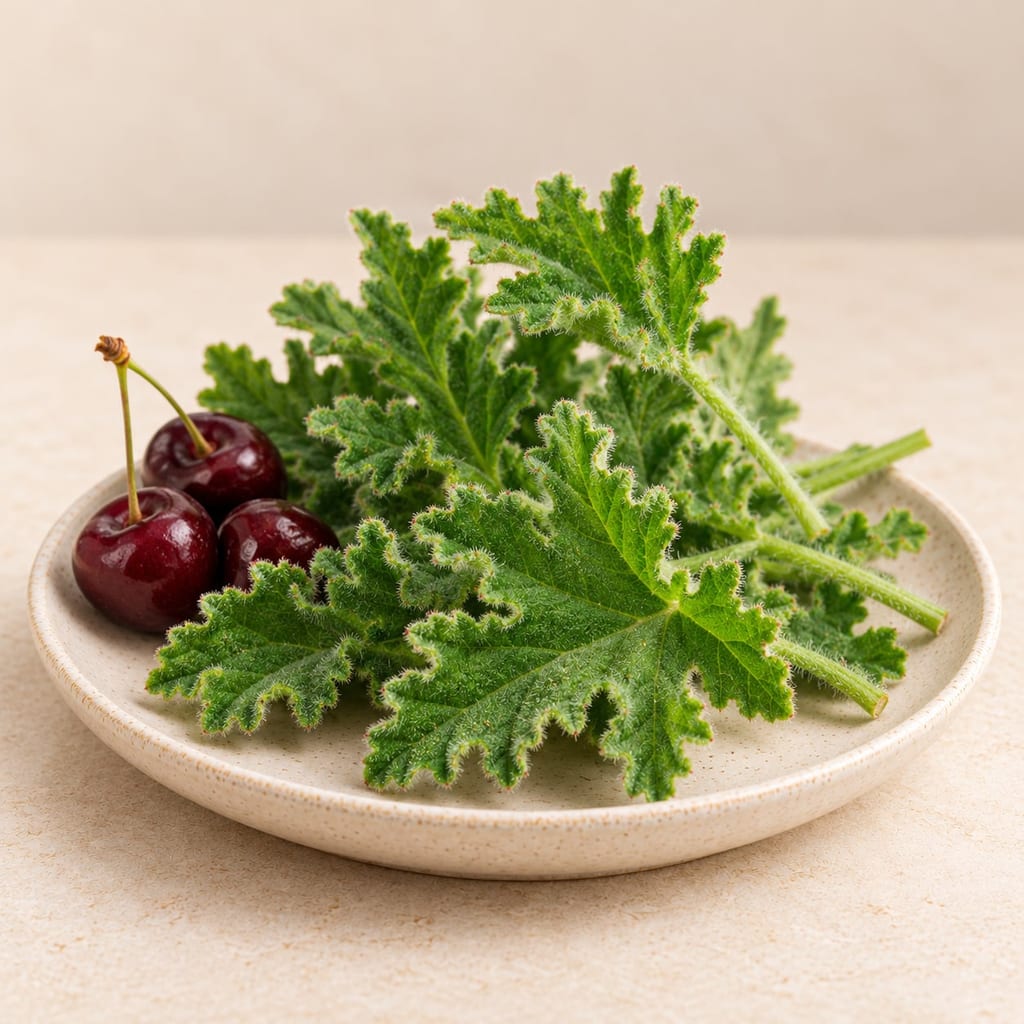
Fresh scented-leaf Pelargonium leaves bring rose, lemon, mint, or fruit-like aromas to selected sweets, sugars, and infusions; the plant type determines the flavor and food-use evidence.
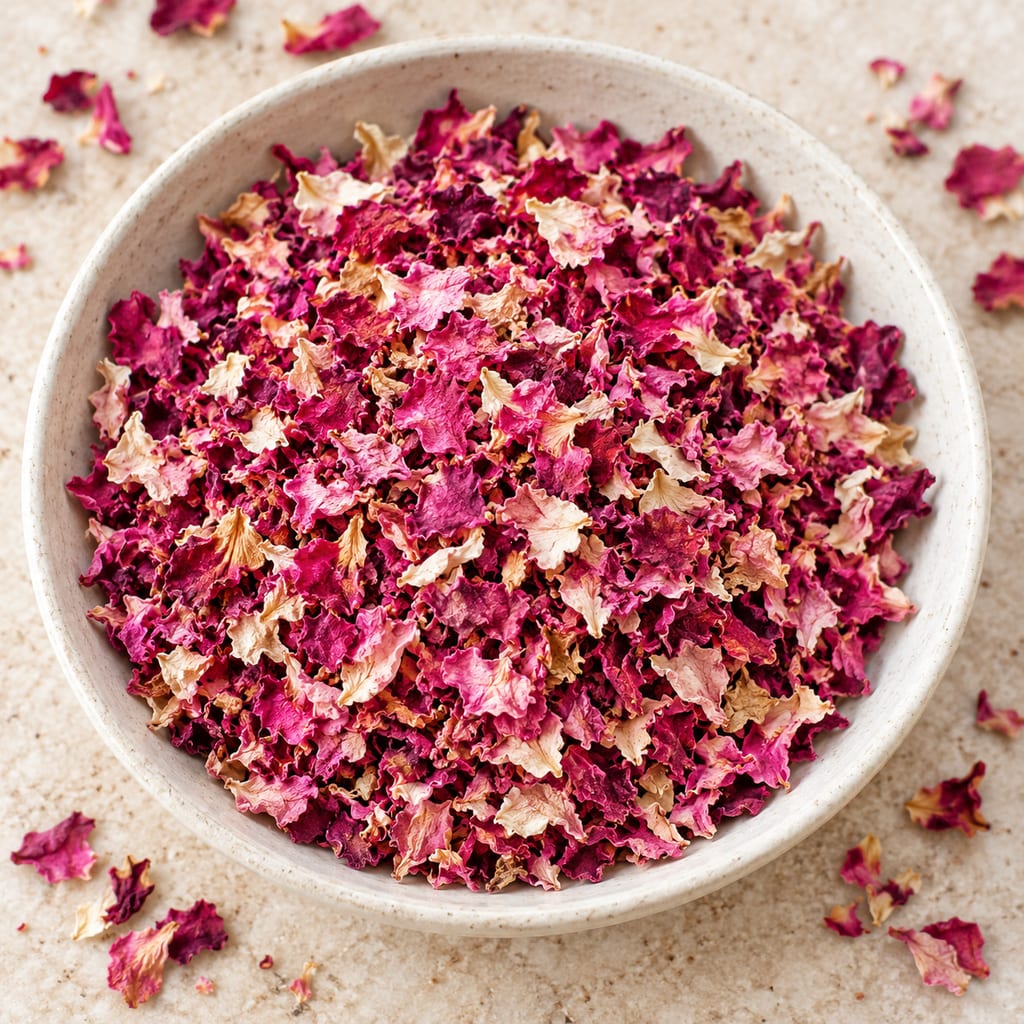
Rose petals are fragrant floral ingredients used fresh or dried in syrups, jams, jellies, drinks and desserts; culinary use depends on correct identification and food-safe growing.
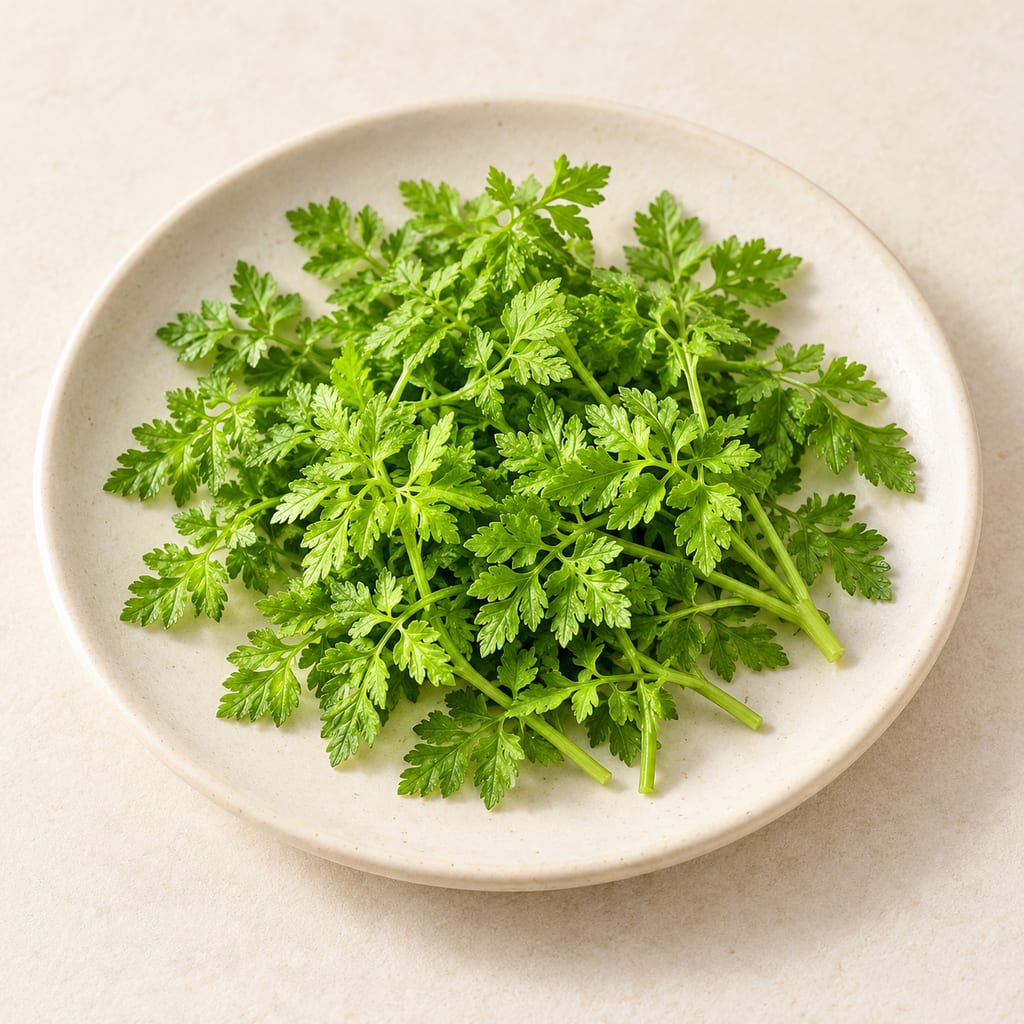
Wild chervil is Anthriscus sylvestris, a mildly aromatic wild leafy herb distinct from garden chervil. It resembles poisonous Apiaceae; this account is not a foraging identification guide.
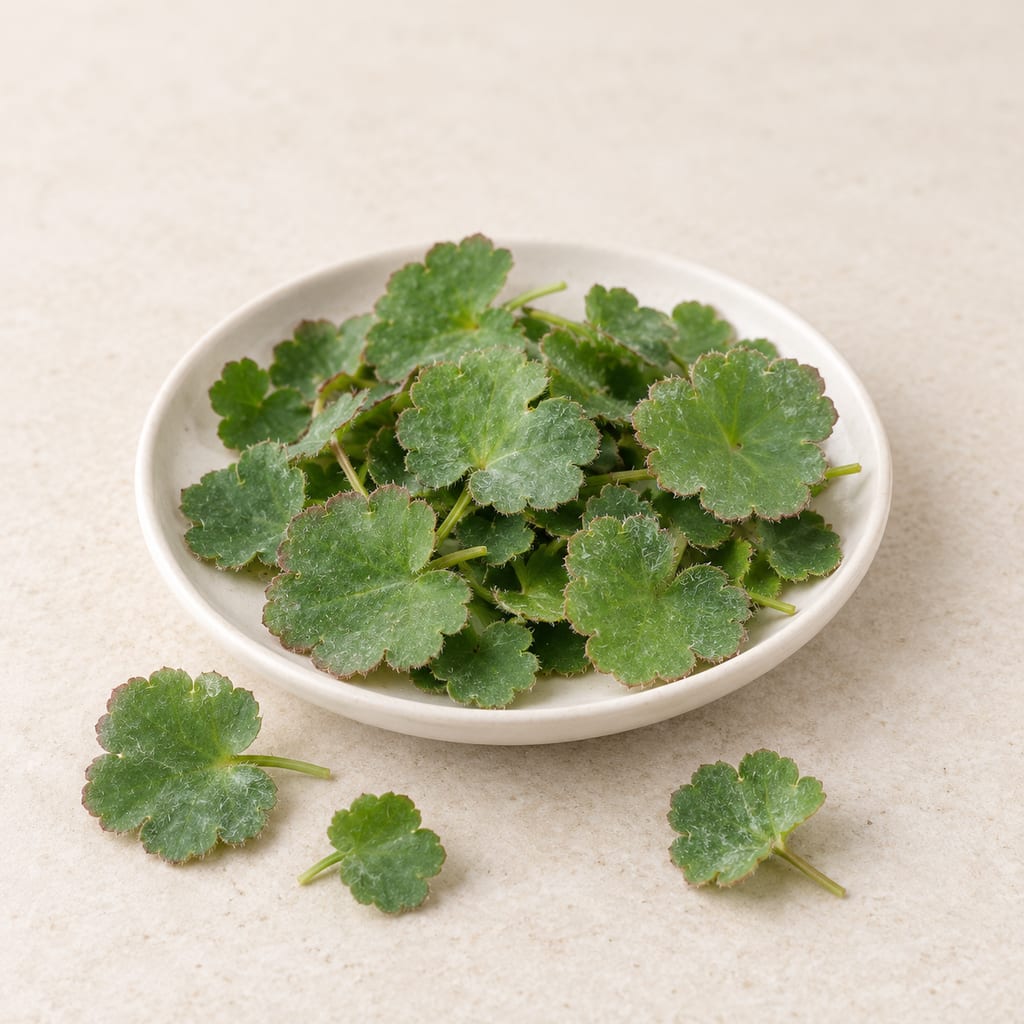
Heartleaf saxifrage is a small Arctic perennial whose soft, toothed leaves are recorded as food among Naukan and Chukchi communities. The botanical name appears as Micranthes nelsoniana and Saxifraga nelsoniana in different references.
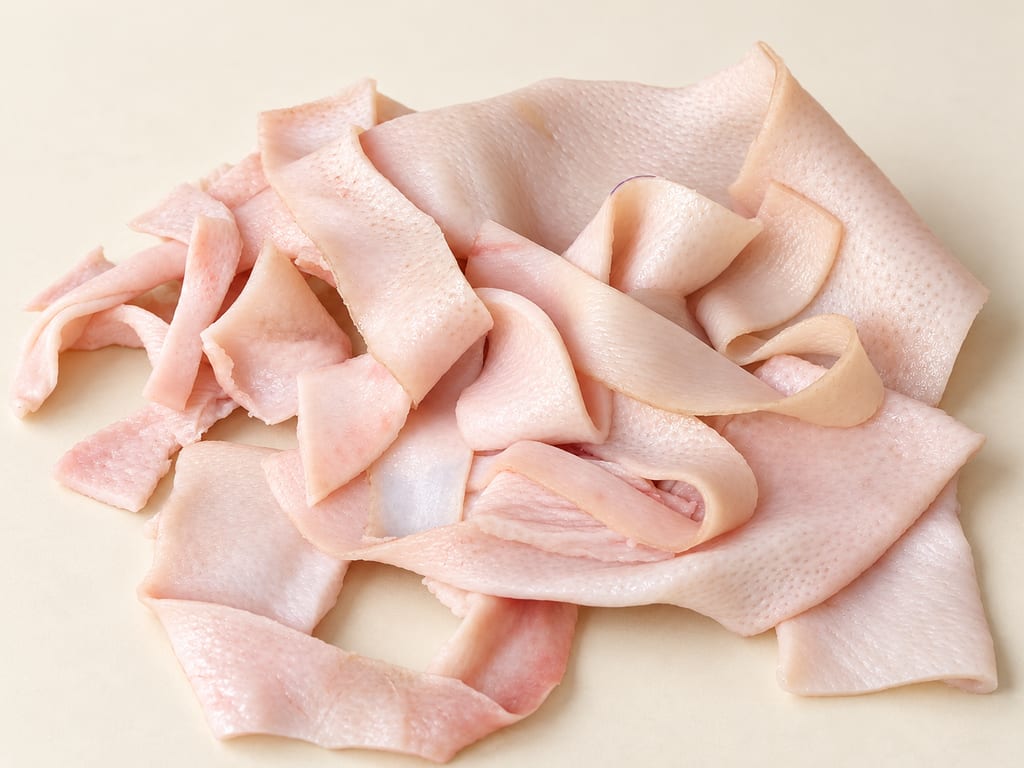
Pork skin is collagen-rich pig skin used fresh or cooked; in documented Southeast Asian meat ferments it is usually prepared separately before it joins the pork.
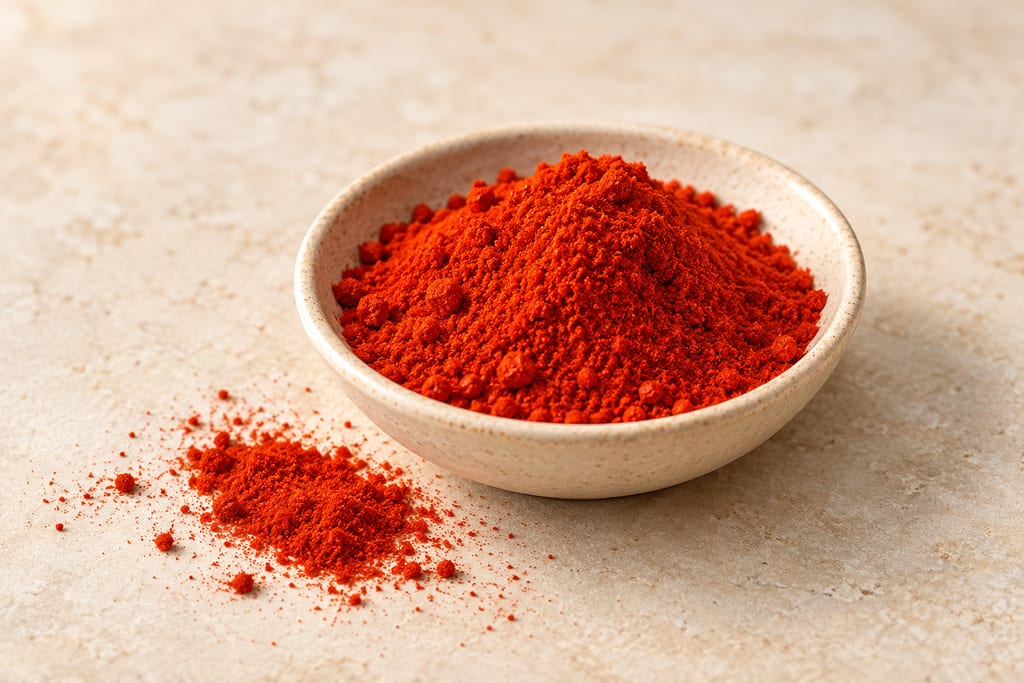
Paprika is ground, dried Capsicum fruit used for red color and pepper flavor; the name alone does not specify its heat, smoke, cultivar or origin.
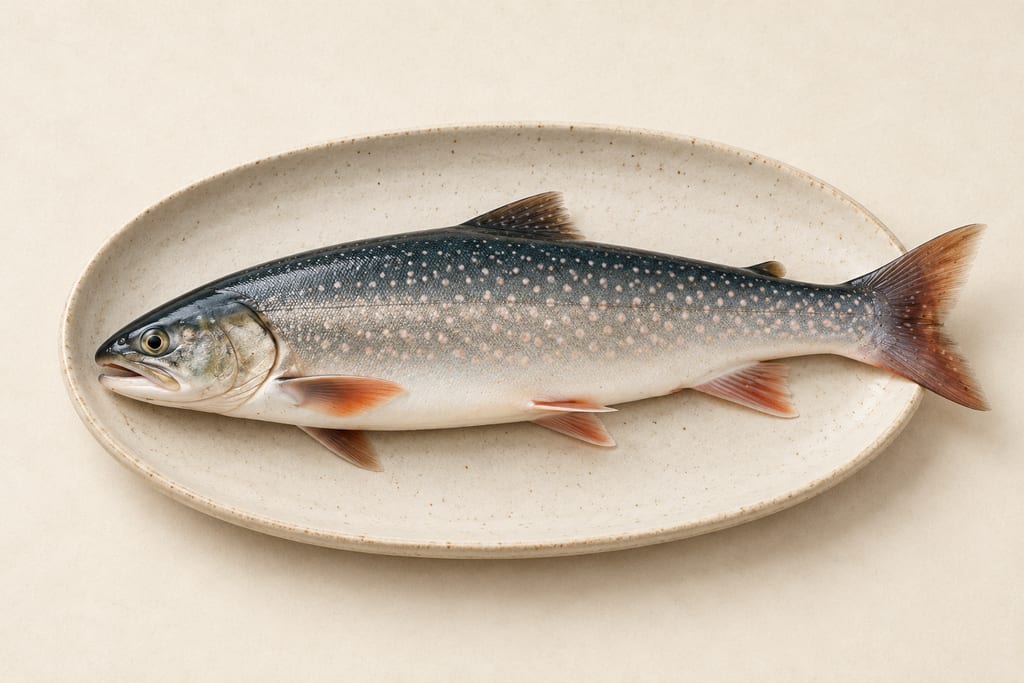
Arctic char (Salvelinus alpinus) is a circumpolar salmonid eaten fresh and preserved in northern communities. Its local forms and food traditions vary; dried or smoked fish and fermented char are distinct from the raw ingredient.
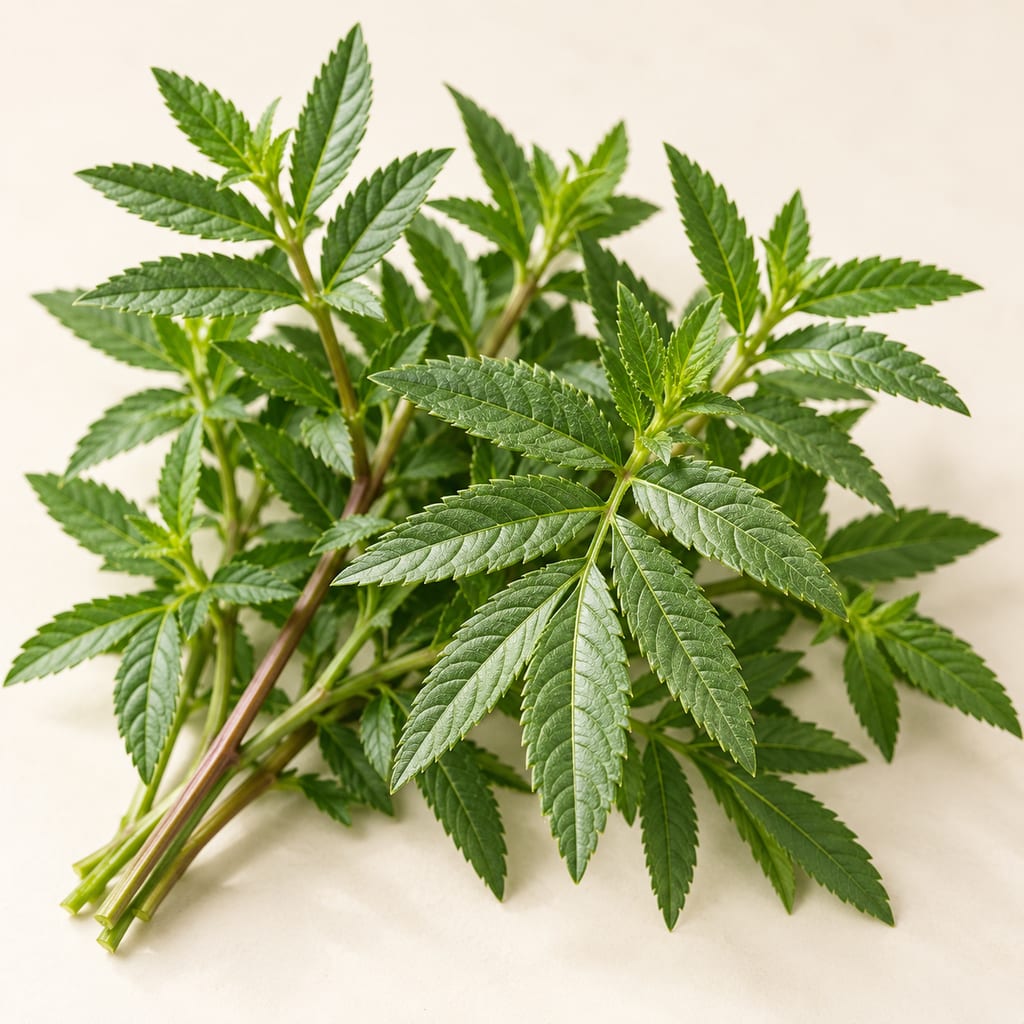
Chincho is the aromatic leaf of Tagetes elliptica, a perennial Andean herb used especially to season pachamanca in Peru's central highlands.
Pig adipose tissue used raw in some fermented meats and made into distinct products such as cured lardo, salo and rendered lard. Cut and firmness affect processing.
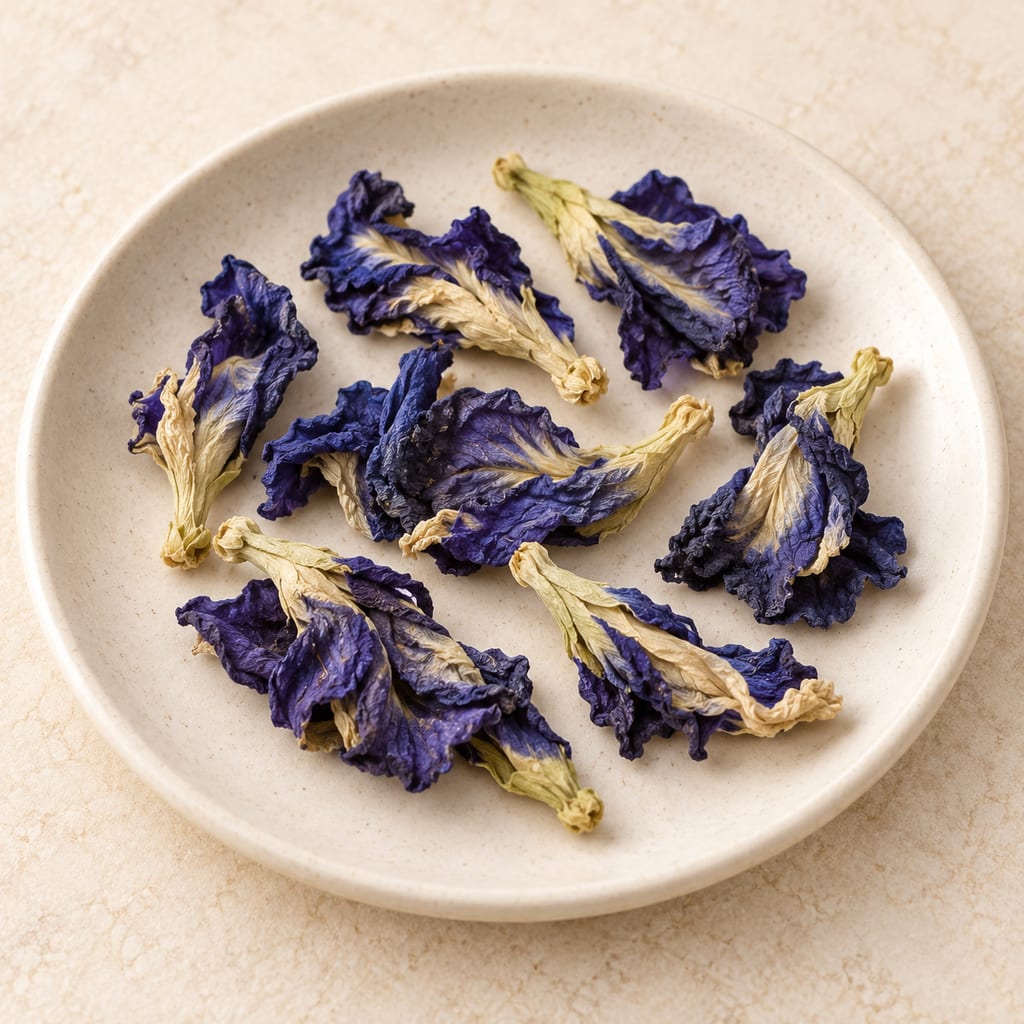
Clitoria ternatea's blue flower is used as a colourant and appears in a Thai dried-flower tea product. Food use is preparation-specific; EFSA raised safety objections to a dried-flower traditional-food notification.
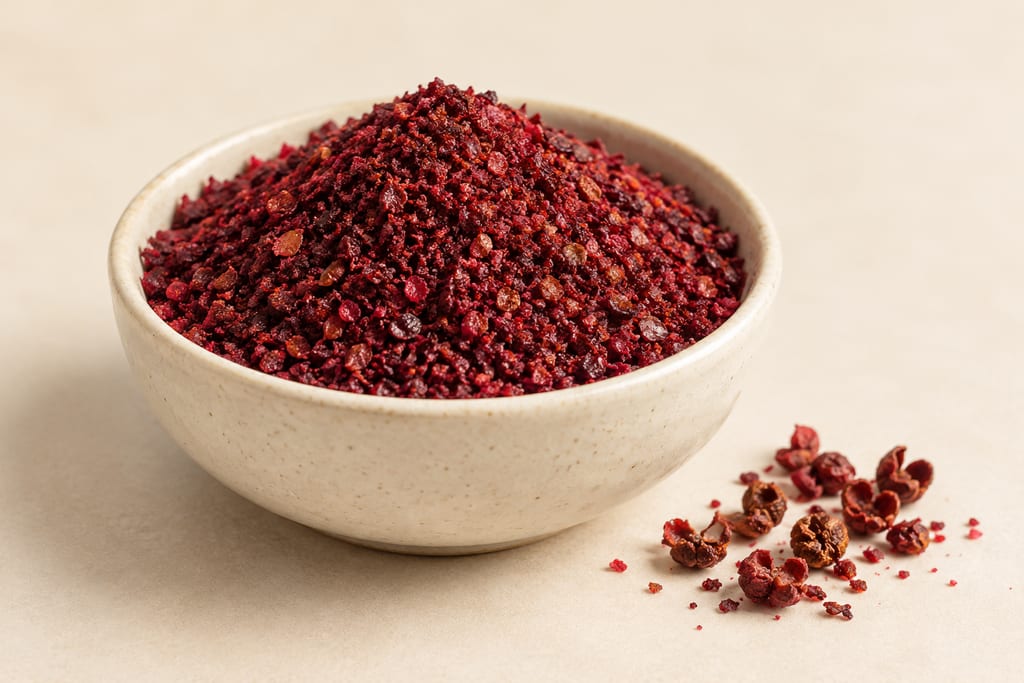
Sumac is the tart fruit seasoning of several shrubs in the genus Rhus; Mediterranean spice is usually Rhus coriaria, while North American sumac berries also make a sour drink.
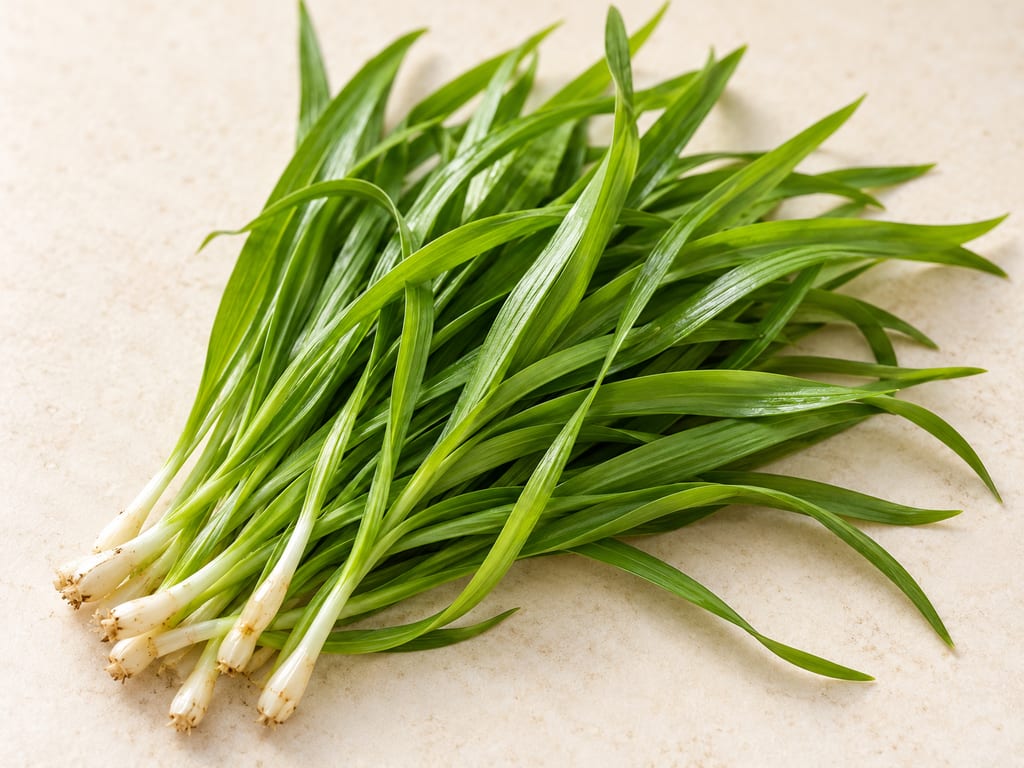
Few-flowered garlic (Allium paradoxum) is a bulbous perennial native from eastern Ukraine through the Caucasus to Iran. Its leaves and, in some documented traditions, stems, bulbs or bulbils are eaten fresh, cooked or preserved.
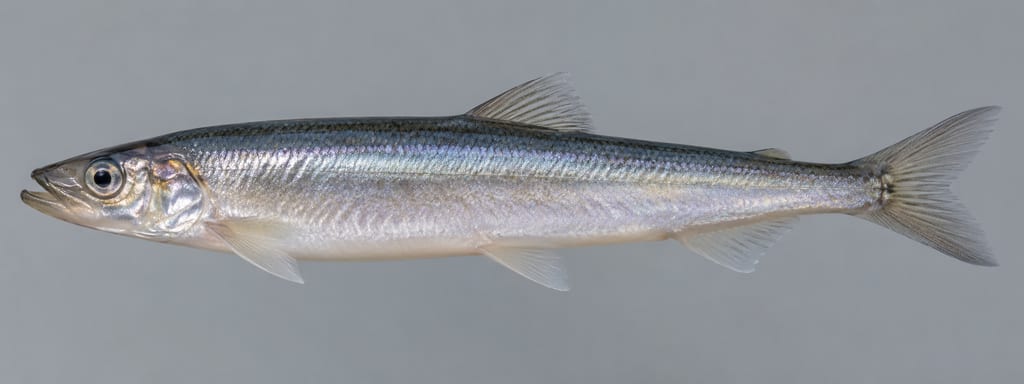
Eulachon (Thaleichthys pacificus) is a small anadromous North Pacific smelt used fresh, dried, smoked and, in some communities, to make rendered grease. Ripened fish and eulachon grease are separate stages and products.
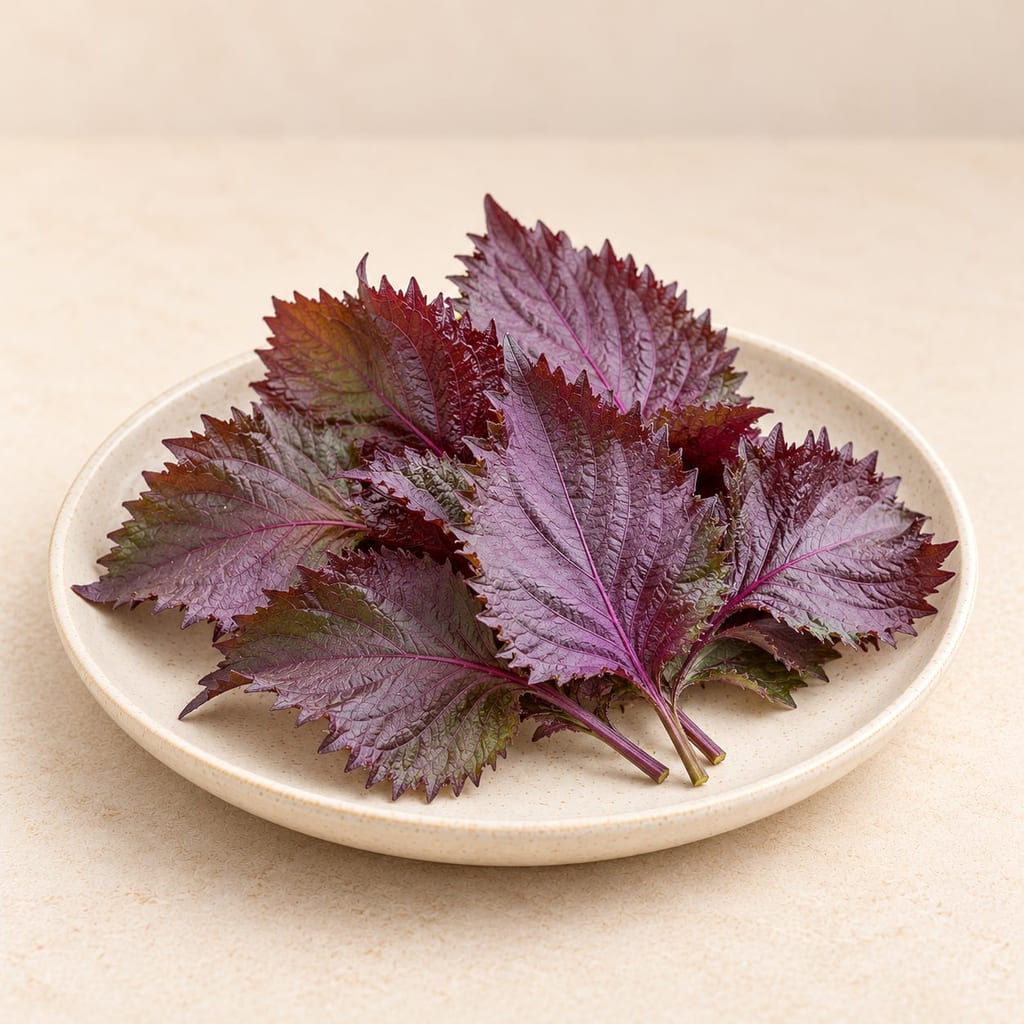
Red perilla is the purple-leaved form of Perilla frutescens used as a fresh aromatic leaf and as a color-giving herb in some East Asian foods. This page distinguishes that form from green perilla leaves and from perilla seed.
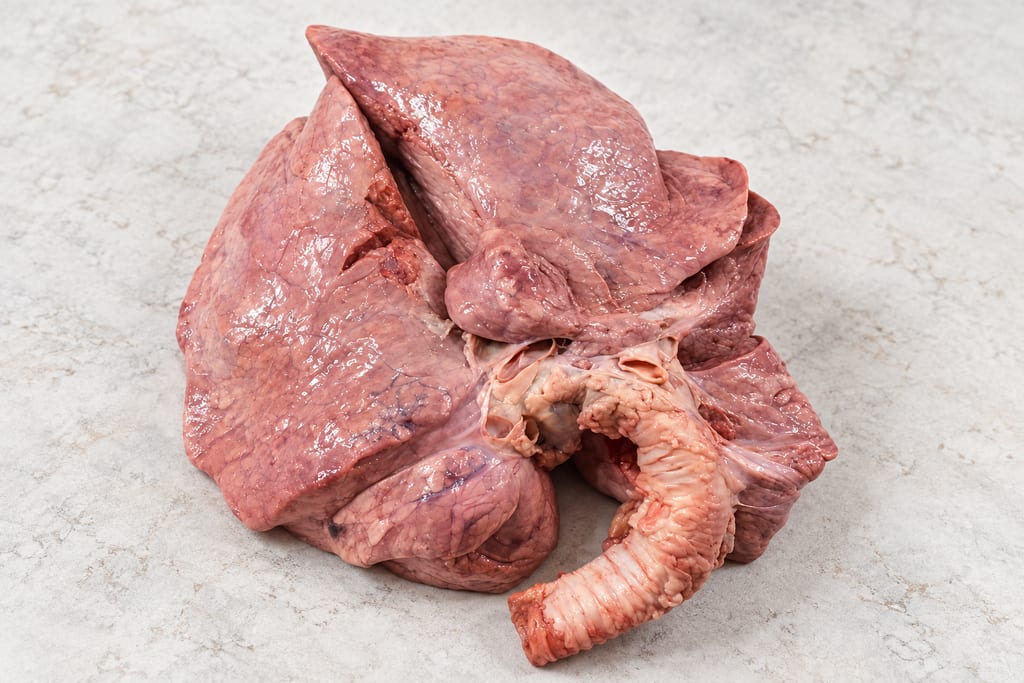
Beef lung is cattle offal used in regional Indonesian dishes and studied as a substrate for a modern fermented-sauce proof of concept. Culinary, regulatory and experimental uses vary; the sources support no universal process.
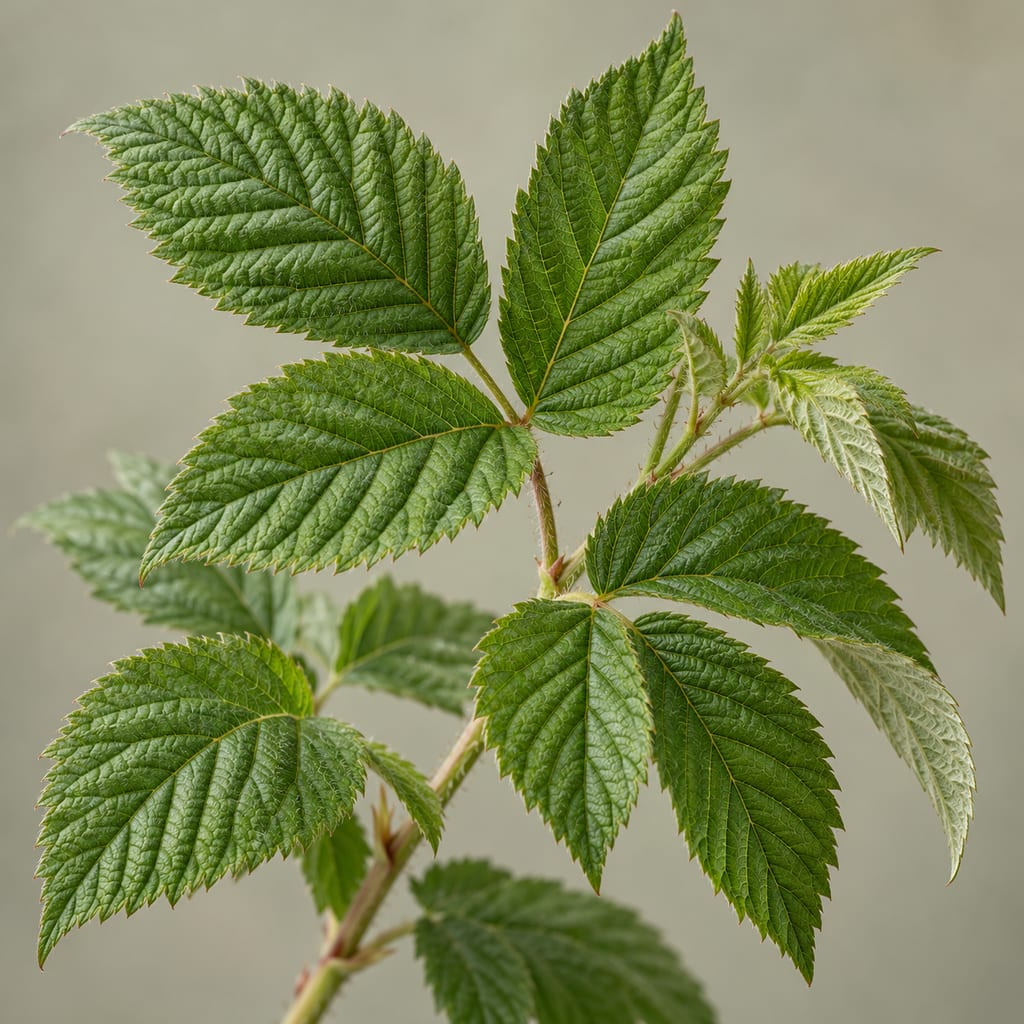
Fresh raspberry leaves are reported as a colour-giving material in Phongsaly lao-lao distillation. The account does not identify the plant species.
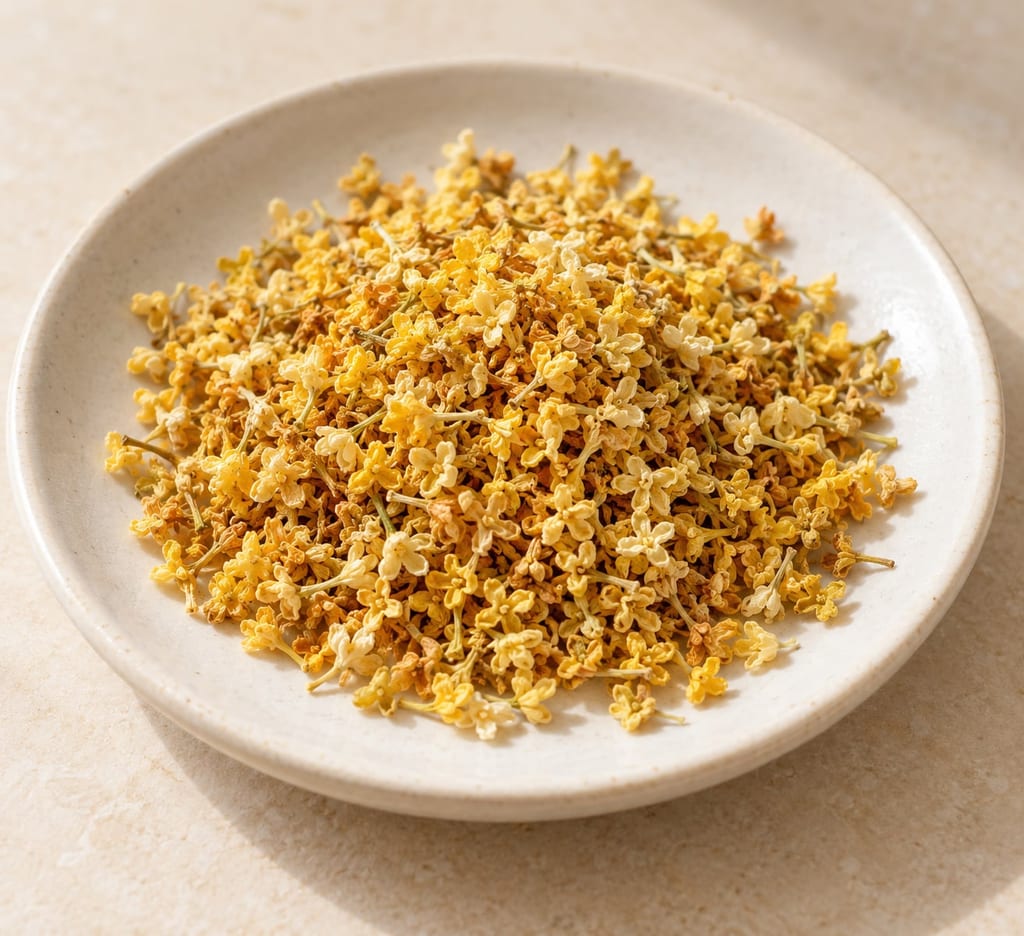
The fragrant flowers of Osmanthus fragrans are used as an aromatic food in East Asian teas, sweets and drinks; species identification and food-grade sourcing matter.
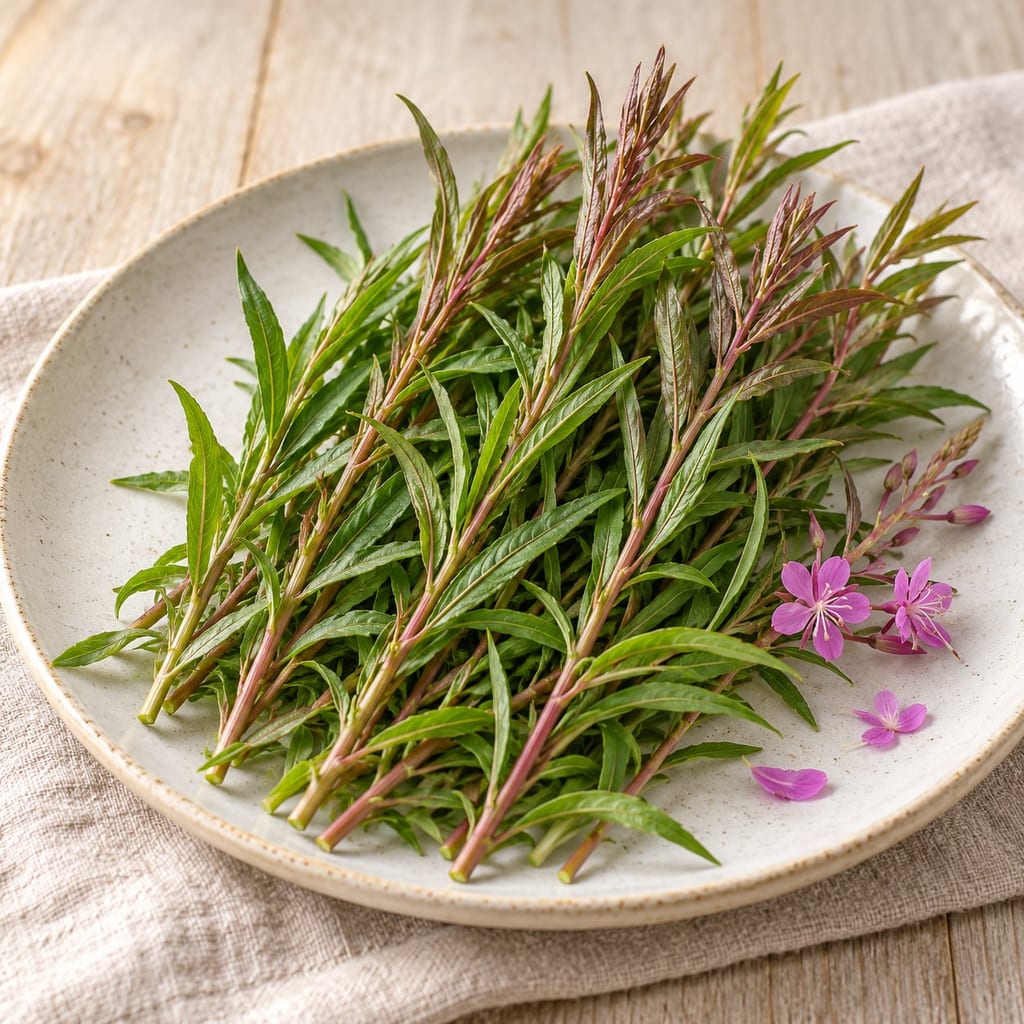
Rosebay willowherb (fireweed) is a widespread northern perennial whose tender shoots, young leaves and pink petals have distinct seasonal uses. Mature leaves become tougher and stronger in flavor; its leaf tea may be mildly laxative.
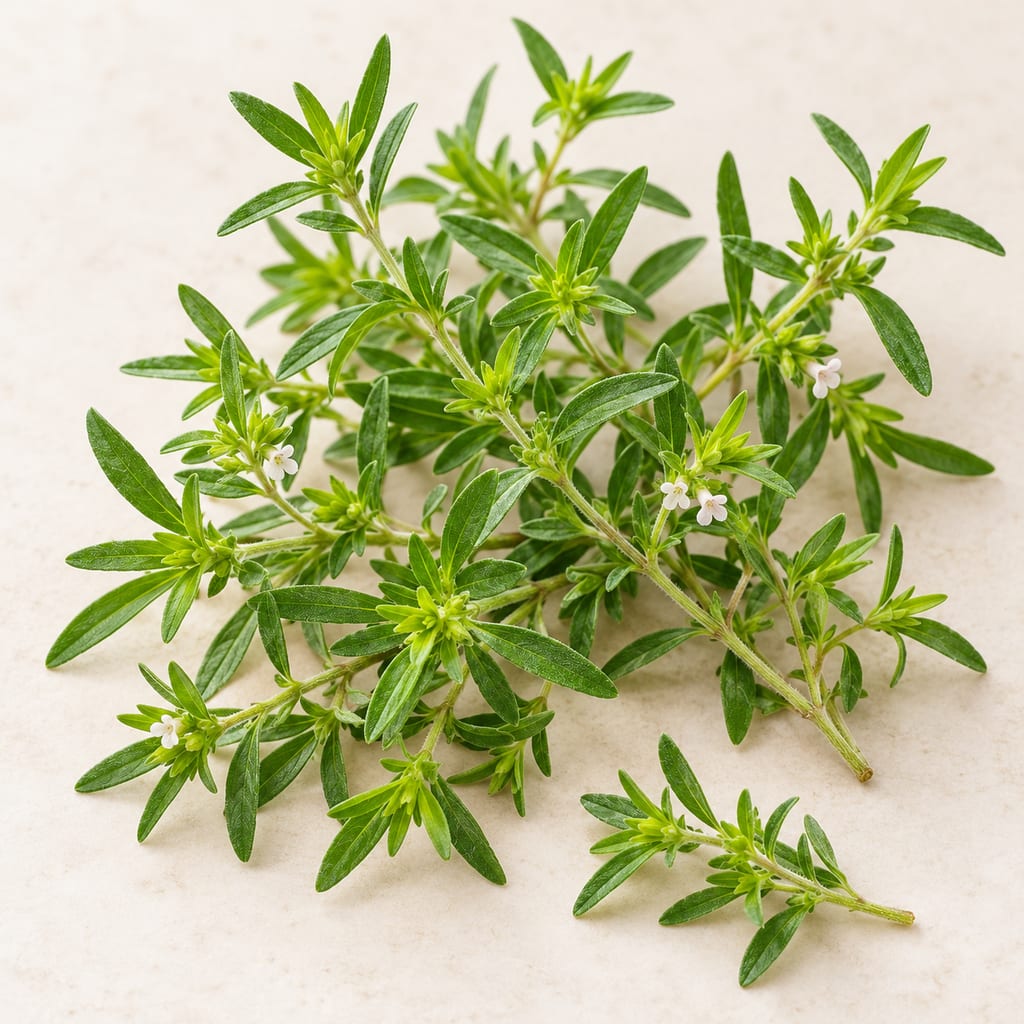
Summer savory (Satureja hortensis) is an annual aromatic herb whose fresh or dried leaves season beans, vegetables and other foods.
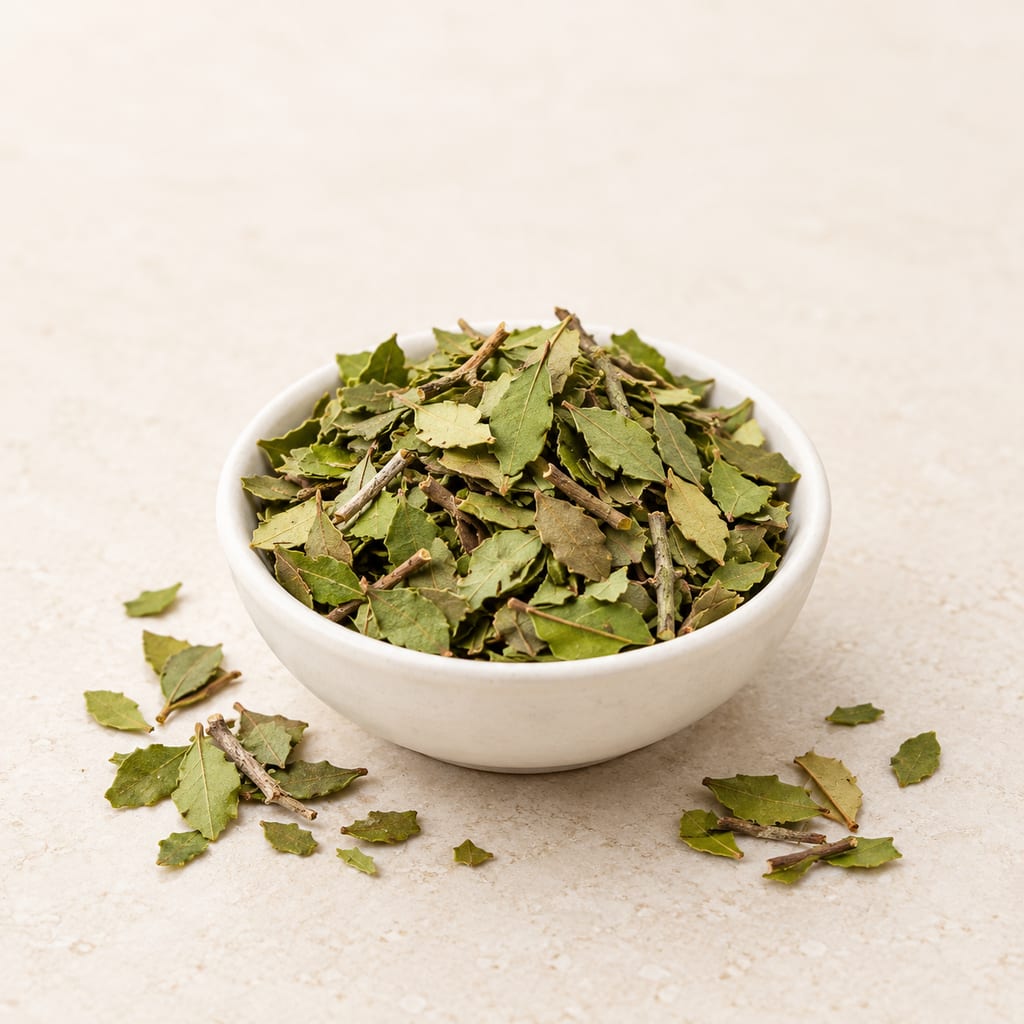
Yaupon is the caffeinated leaf of the southeastern North American holly Ilex vomitoria, dried and sometimes roasted for infusions. Its identity and cultural history differ from other hollies.
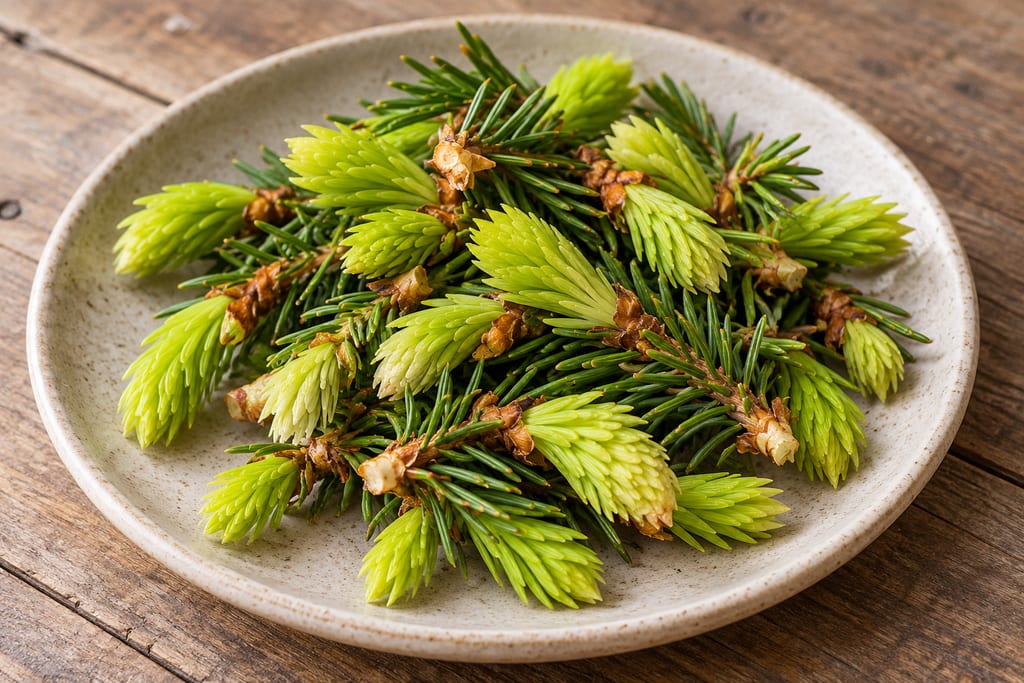
Spruce tips are the soft, light-green new shoots at spruce twig ends, used as a seasonal aromatic in some regional foods. The Jezersko preserves record does not identify its spruce species.
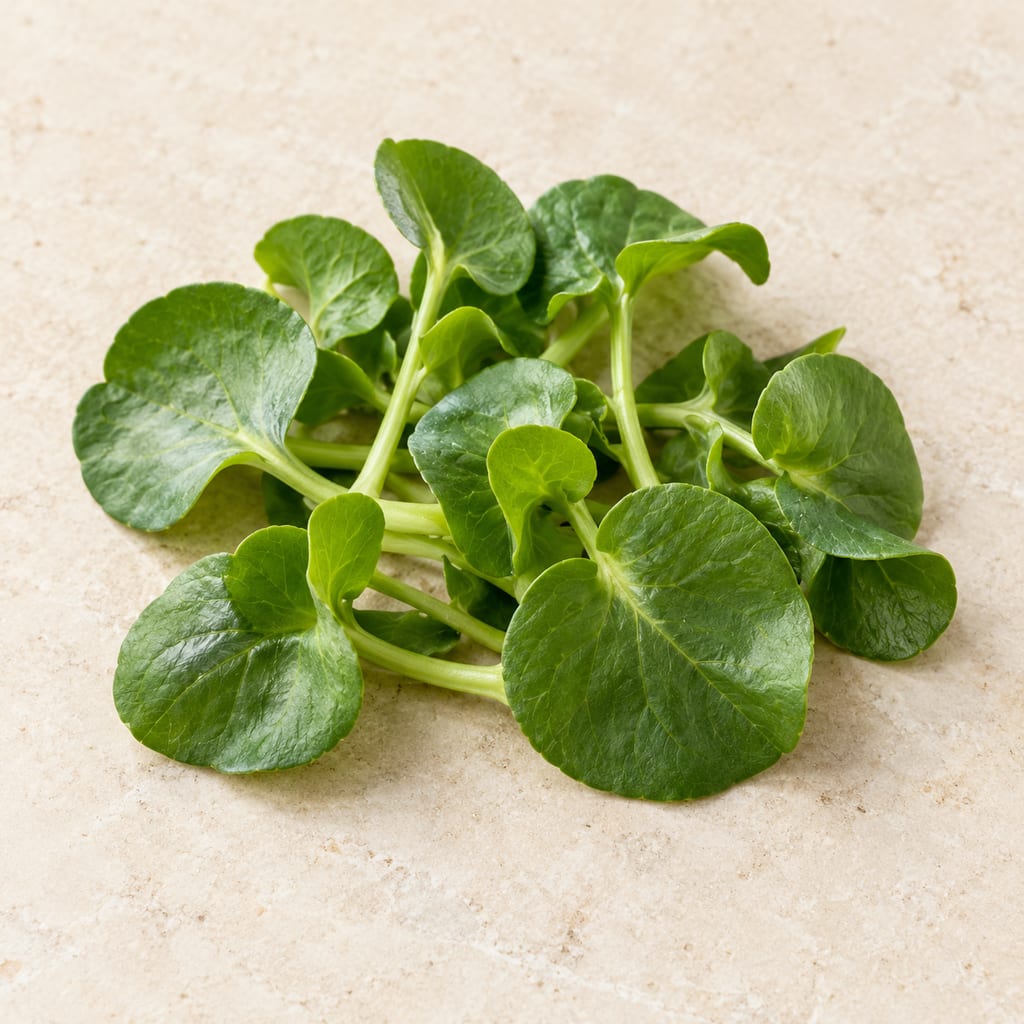
Scurvygrass is Cochlearia officinalis, a fleshy-leaved coastal herb whose leaves have been eaten raw or boiled. Svalbard Museum records Norwegian trappers consuming it historically; that account does not give a preparation method.
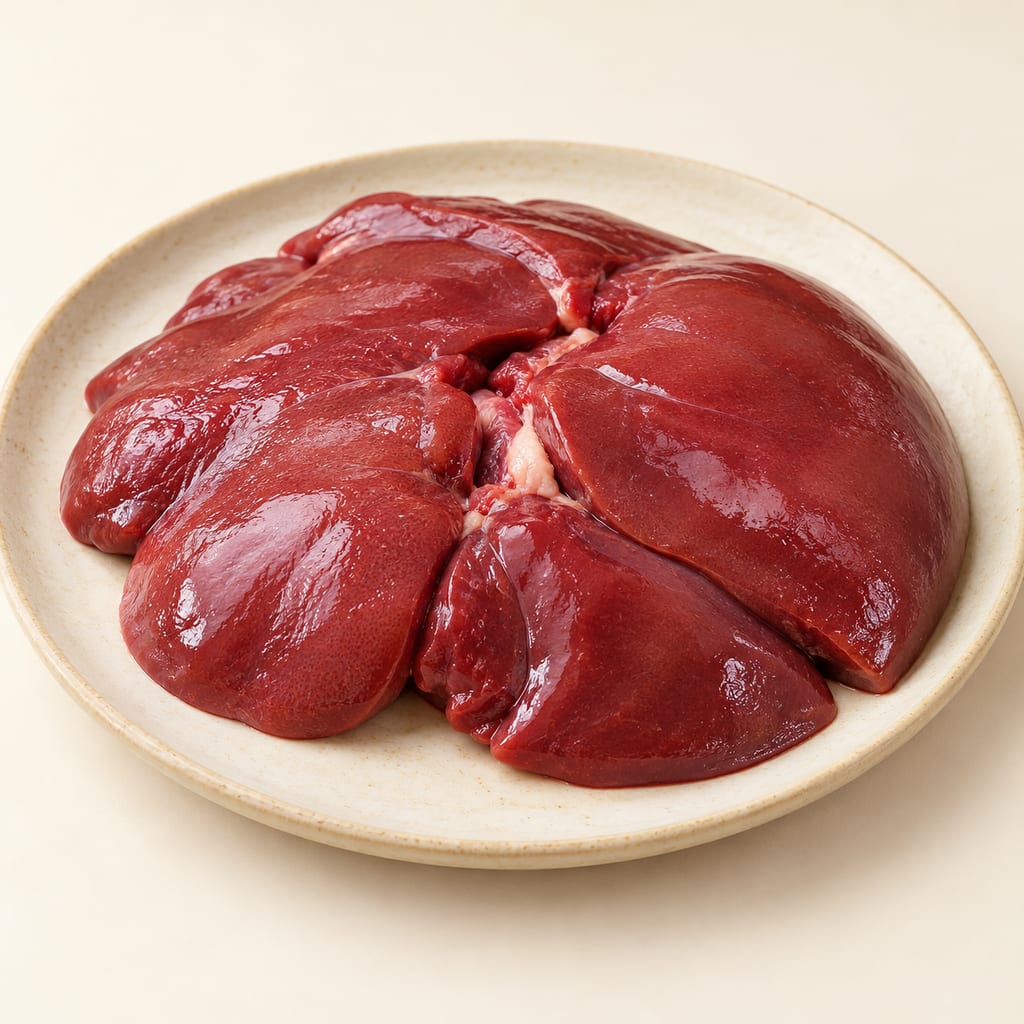
Pork liver is a richly flavoured pig organ used fresh, in cooked sausages and pâtés, and in several preserved meat traditions. Its documented uses differ in process and place; it is not one finished product.
Saithe (Pollachius virens), also called coalfish and coley, is a North Atlantic cod-family fish used fresh and in distinct preserved forms. Faroese ræstur fiskur and Shetland salted piltocks are not the same product.
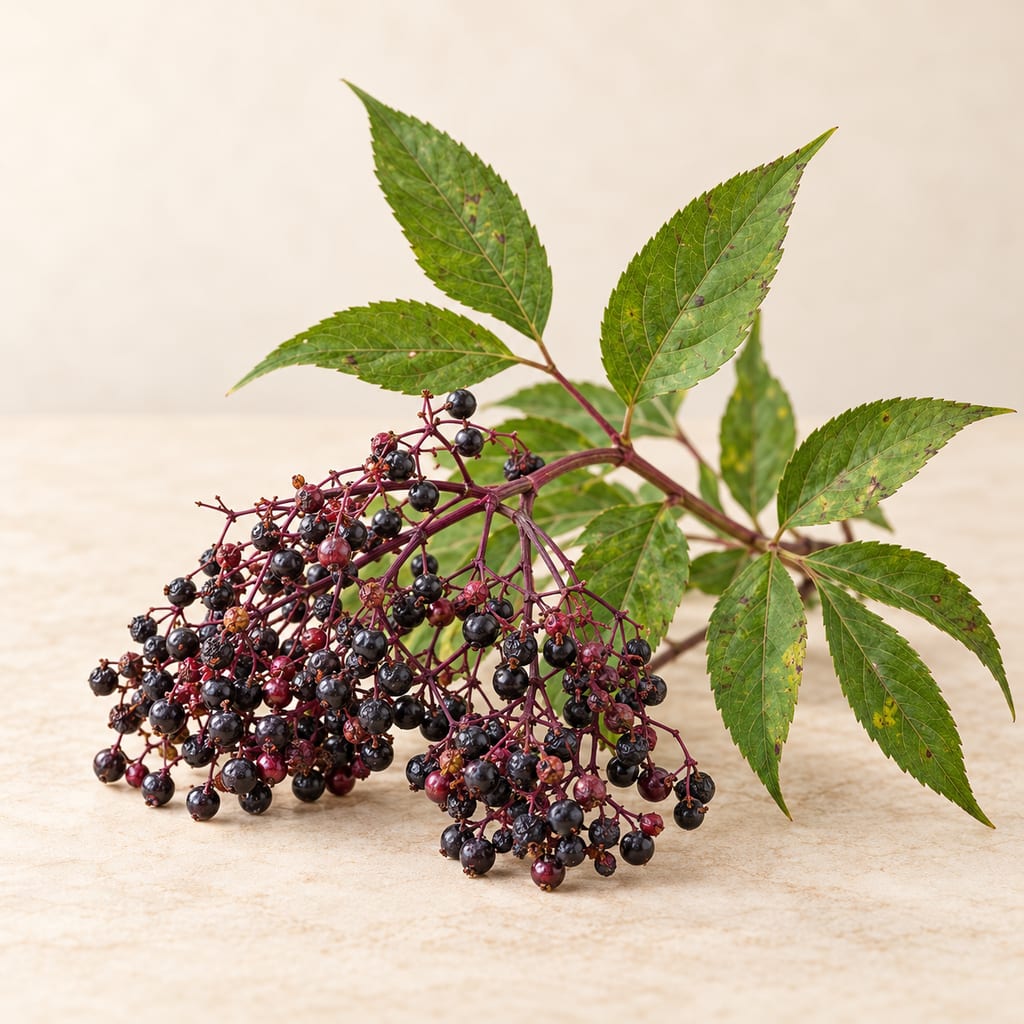
Sambucus canadensis is the accepted name used here for American elderberry. Missouri production guidance and named-cultivar studies give useful regional growing information, while food and analytical sources leave process questions open.
Puntius is a genus of small freshwater fishes cited as raw material for fermented fish in northeastern South Asia. Shidal studies name the genus broadly; studies of ngari and hentak identify Puntius sophore specifically.
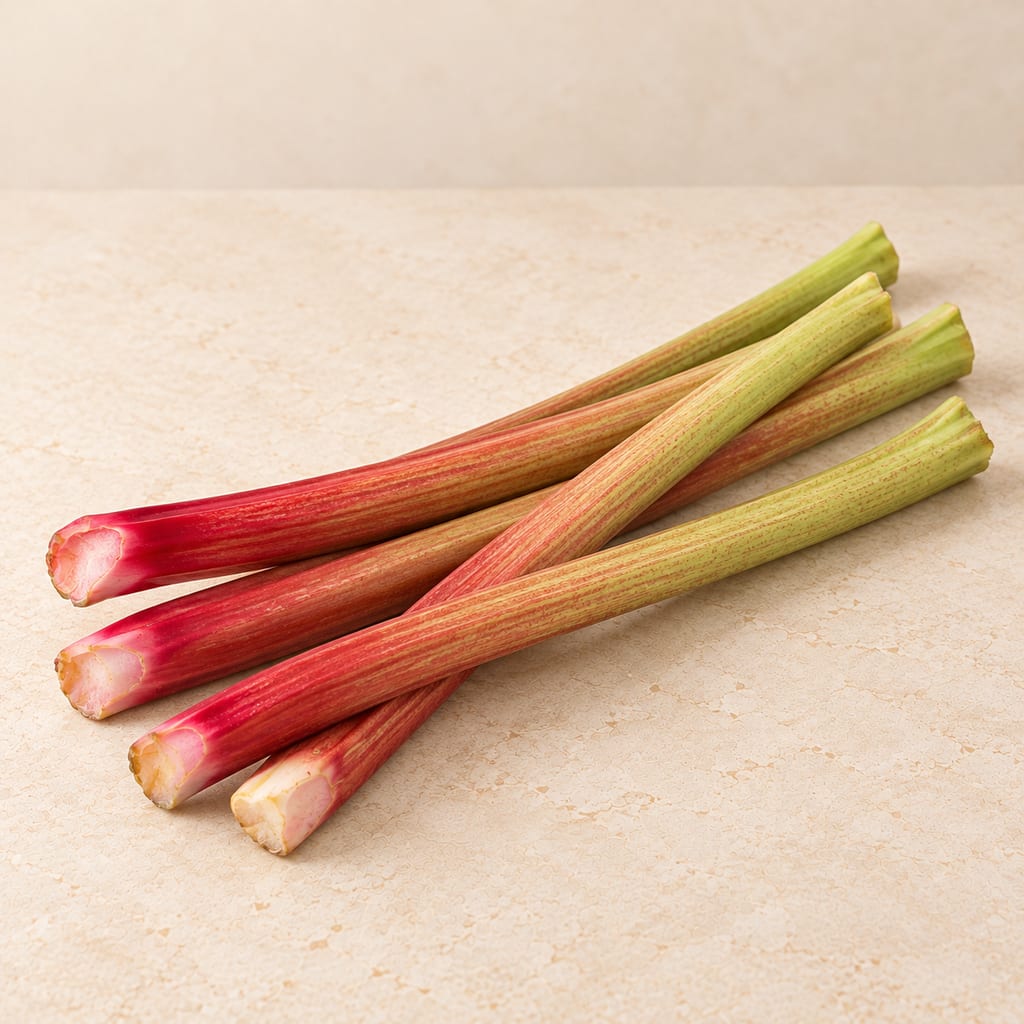
Rhubarb stalks are the tart leaf petioles of garden rhubarb, eaten as a vegetable and used in sweet dishes and wines; they lend a must sharpness and aroma but little sugar.
Remilled durum wheat flour (Italian semola rimacinata di grano duro) is durum semolina milled again to a finer particle size. It is used in regional and home breads, but handles differently from coarse semolina.
Trout names several salmonid food fish, not one globally uniform ingredient. Inuit accounts from Nunavut and Norway’s Valdres rakfisk document distinct fermented preparations; neither establishes a universal process or safe limits.
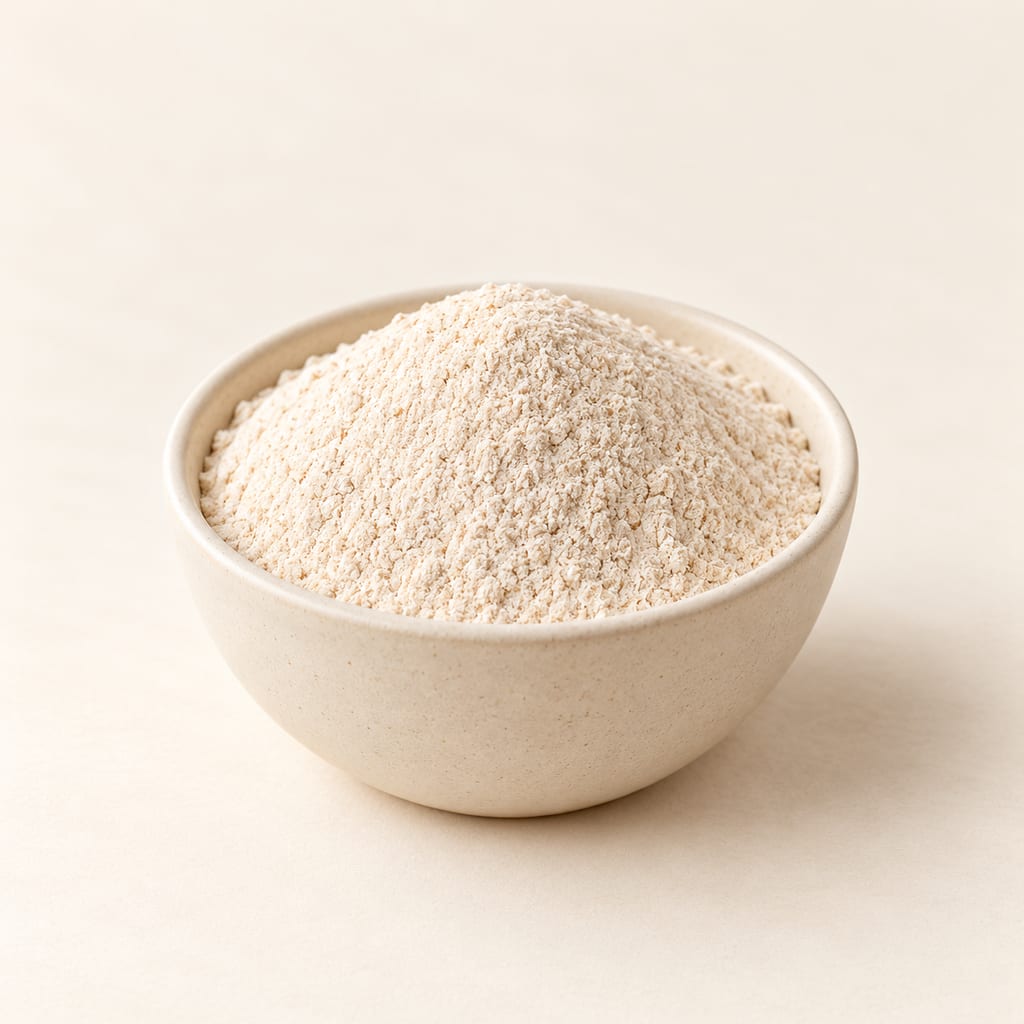
Atta is wheat flour used across South Asian bread traditions. Indian standards distinguish wheat flour (atta) from resultant atta; milling route and particle size shape its behavior in chapati dough.
A cleaned pig caecum forms the broad, closed-end casing used for Slavonski kulen and Baranjski kulen. Its shape, preparation and regional names differ from other pig intestines.
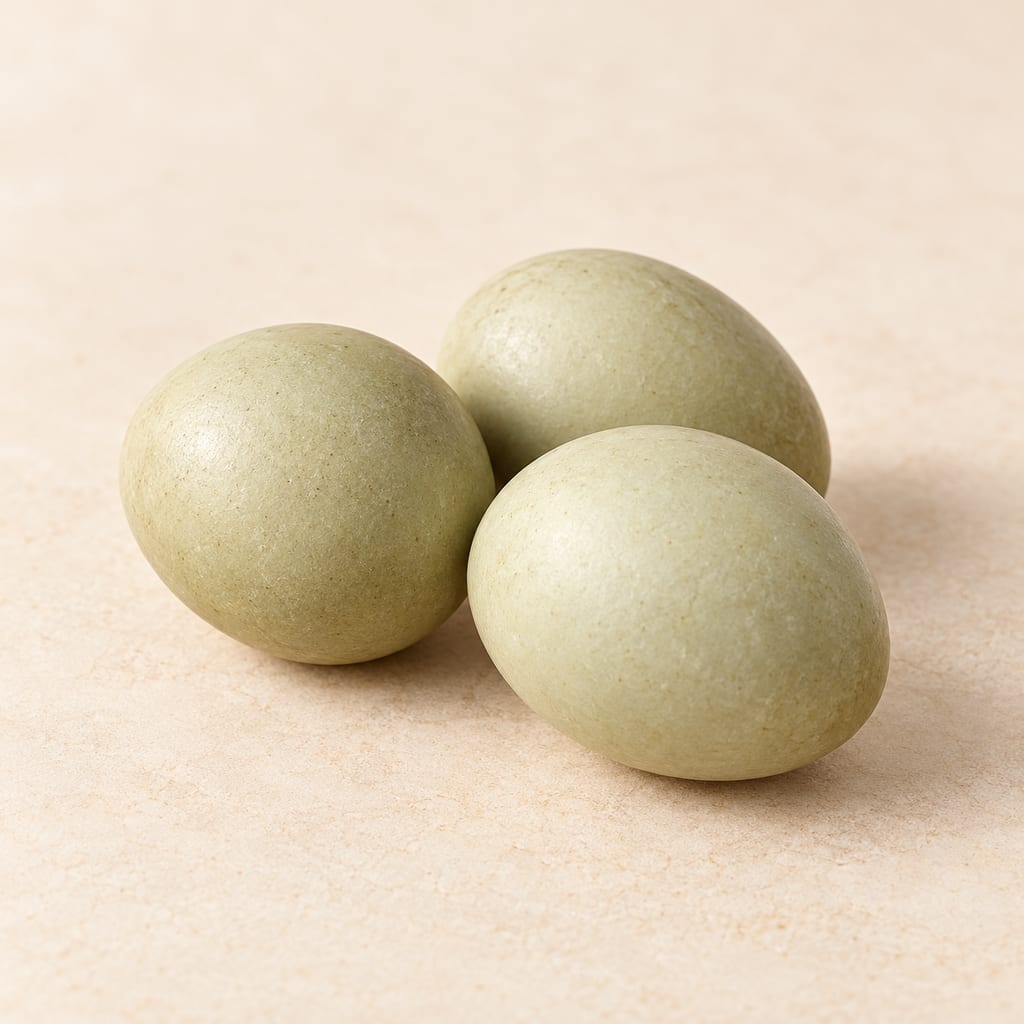
Firsthand accounts describe eider-egg fermentation in Northern Greenland, including a 2019 encounter published in 2024. Sources give no validated controls; egg collection follows Greenland's licensing and seasonal rules.
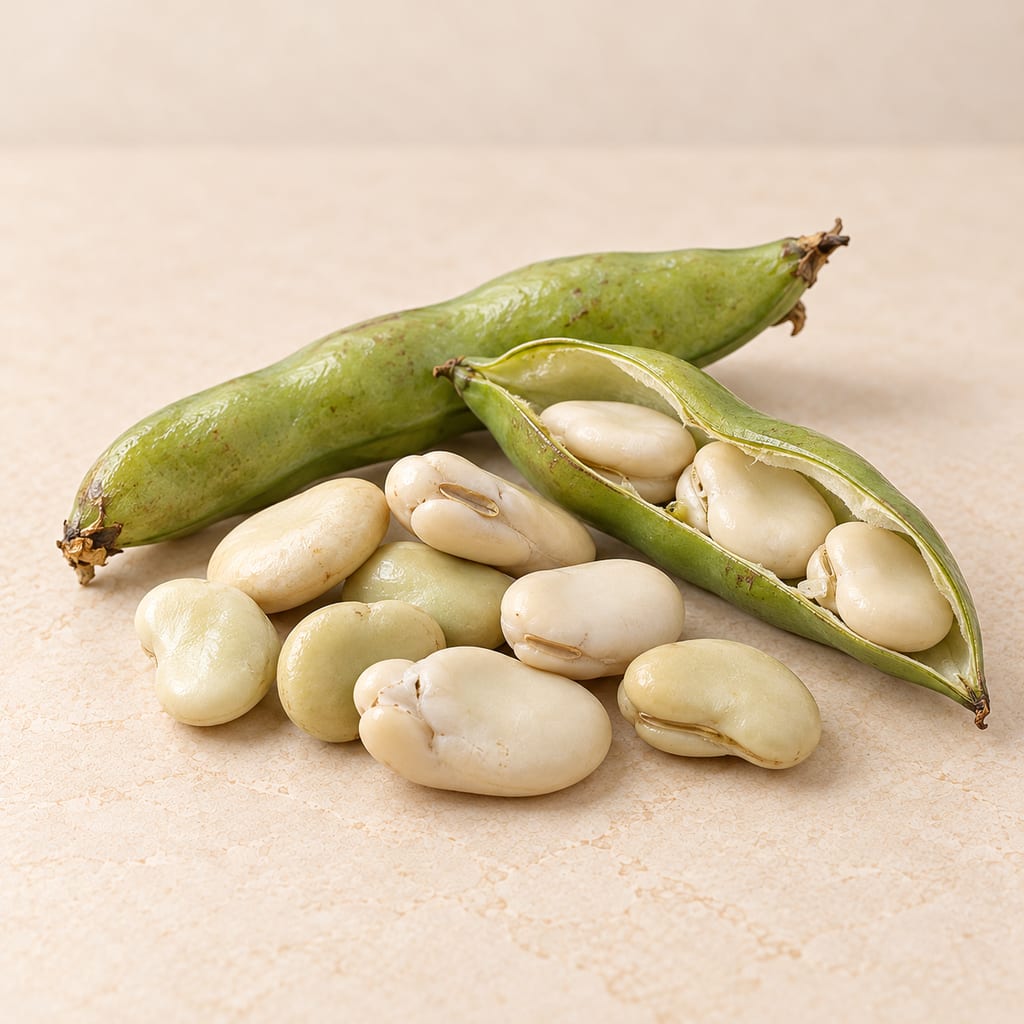
Faba beans are the seeds and edible pods of the cultivated legume Vicia faba L., also sold as broad beans or fava beans. They are eaten fresh or dried and provide the bean flour used in Ethiopian siljo, a sour fermented condiment.
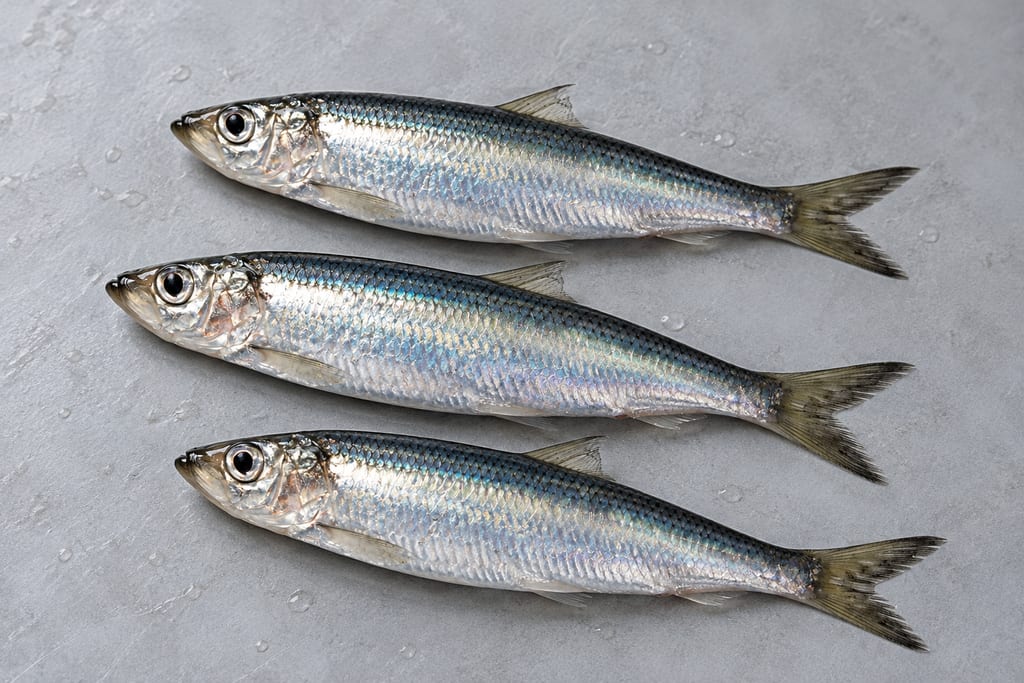
A small, schooling herring of the brackish Baltic Sea, sold under regional names including Finnish silakka and Swedish strömming. It is the raw fish behind several regional preparations, including Sweden’s fermented surströmming.
Faroese spik is the under-skin blubber of the long-finned pilot whale, eaten salted alongside dried fish or whale meat and sometimes spread on bread. It is a distinct fat tissue, not meat, sheep tallow or rendered whale oil.
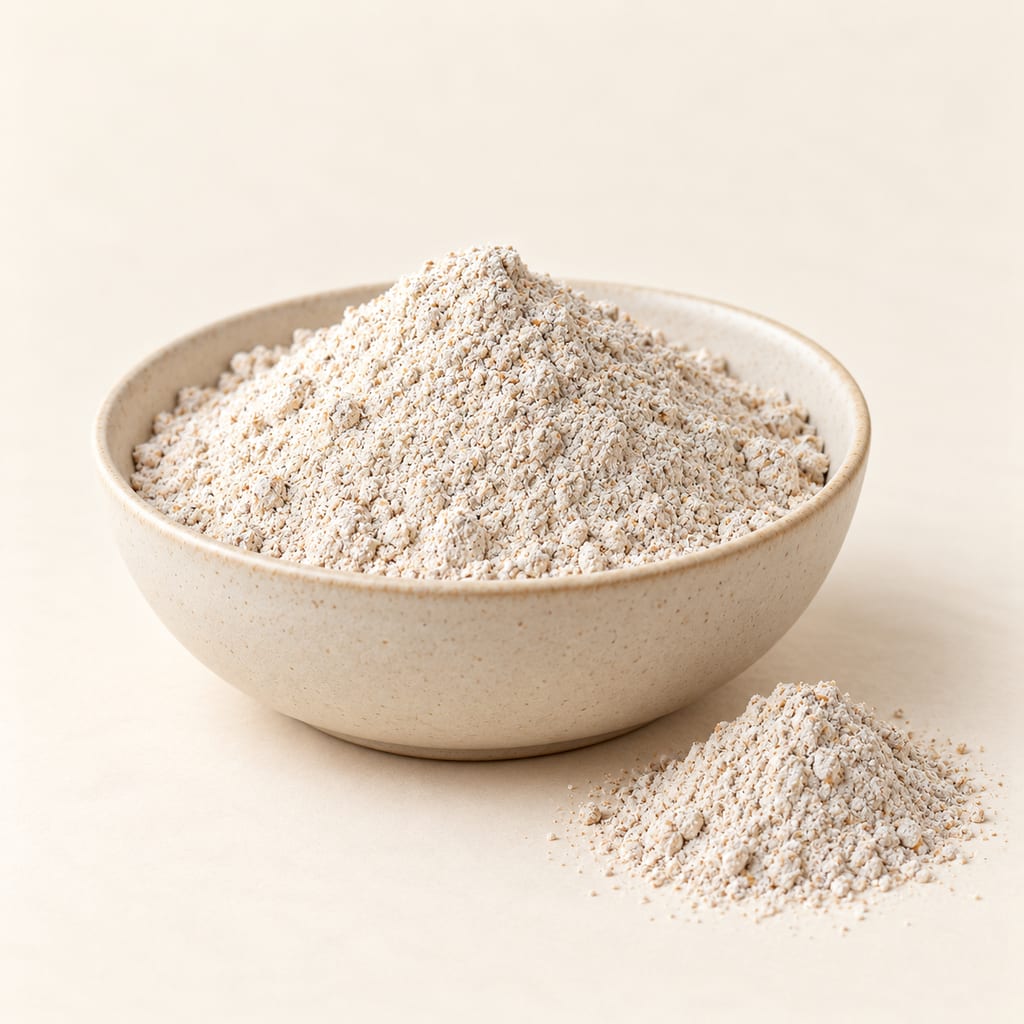
Rye flour is milled rye grain, sold as sifted, dark or wholemeal forms. Its starch and water-binding arabinoxylans shape rye breads, while its proteins do not form wheat's gas-trapping network.
Salmon roe is the eggs of salmon, eaten fresh, salted or dried and preserved in distinct regional ways. Nuxalk records distinguish fresh roe from aged mutsi; those accounts are historical, not safe-process instructions.
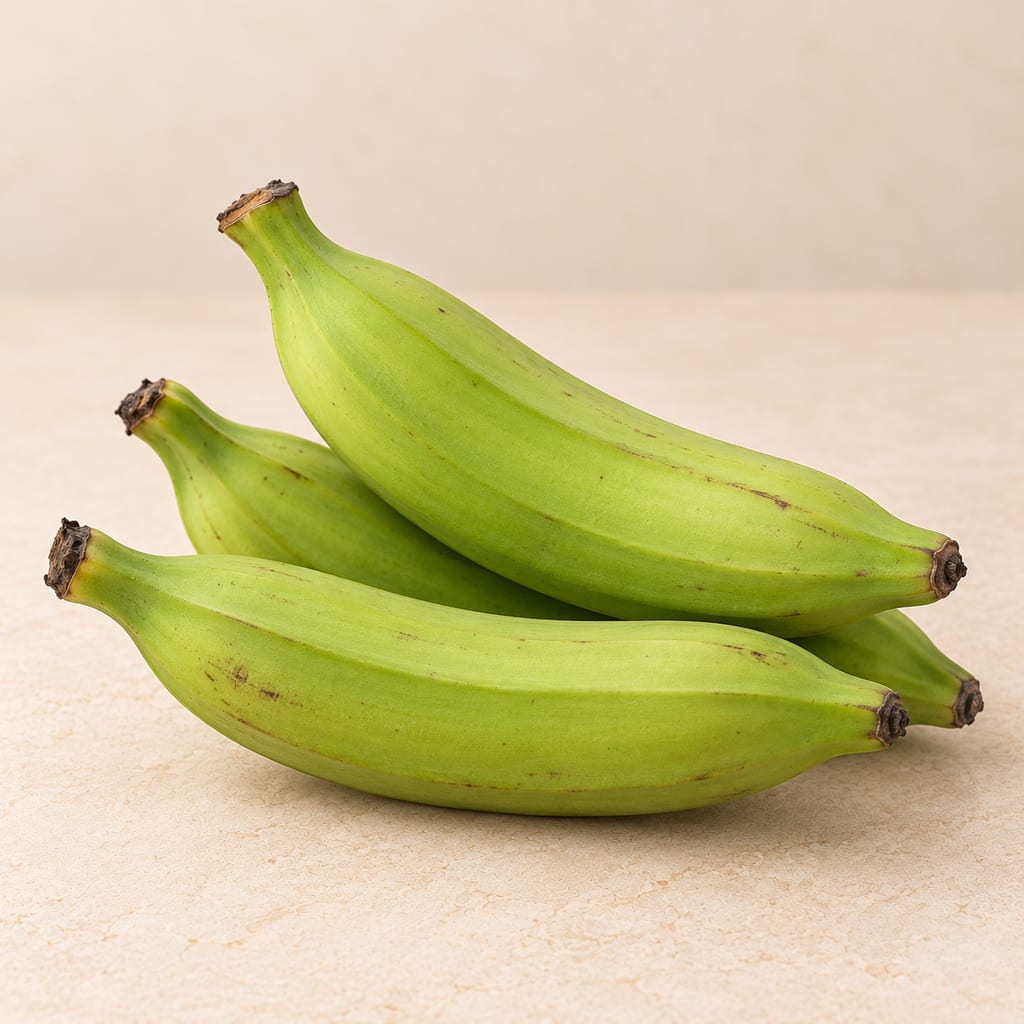
Plantains are starchy cooking bananas used green through fully ripe. Their firmness and sweetness shift with maturity, and ripe mashed fruit appears in a University of Rhode Island Liberian rice-bread adaptation.
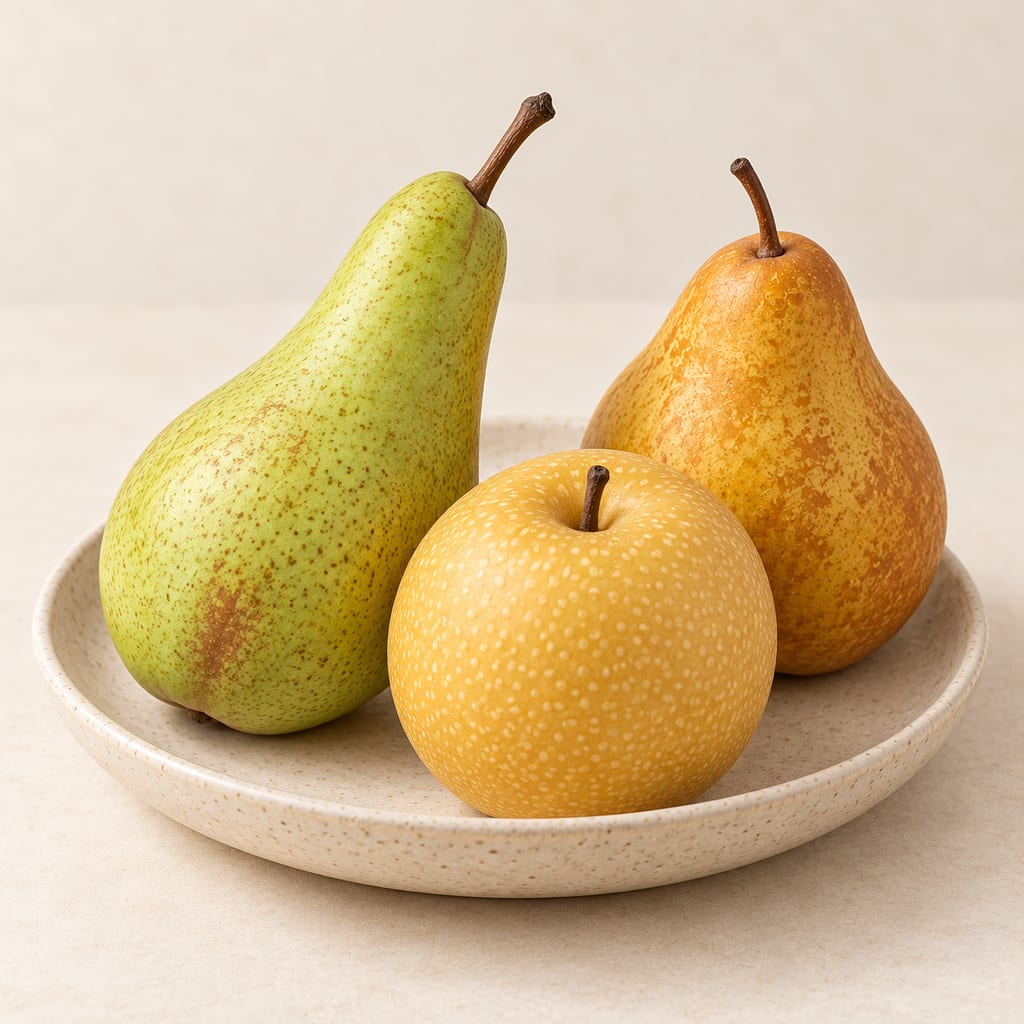
Pears are Pyrus fruits used fresh, pressed for perry, or crushed for fruit spirits; cultivar, species and ripening stage shape each preparation.
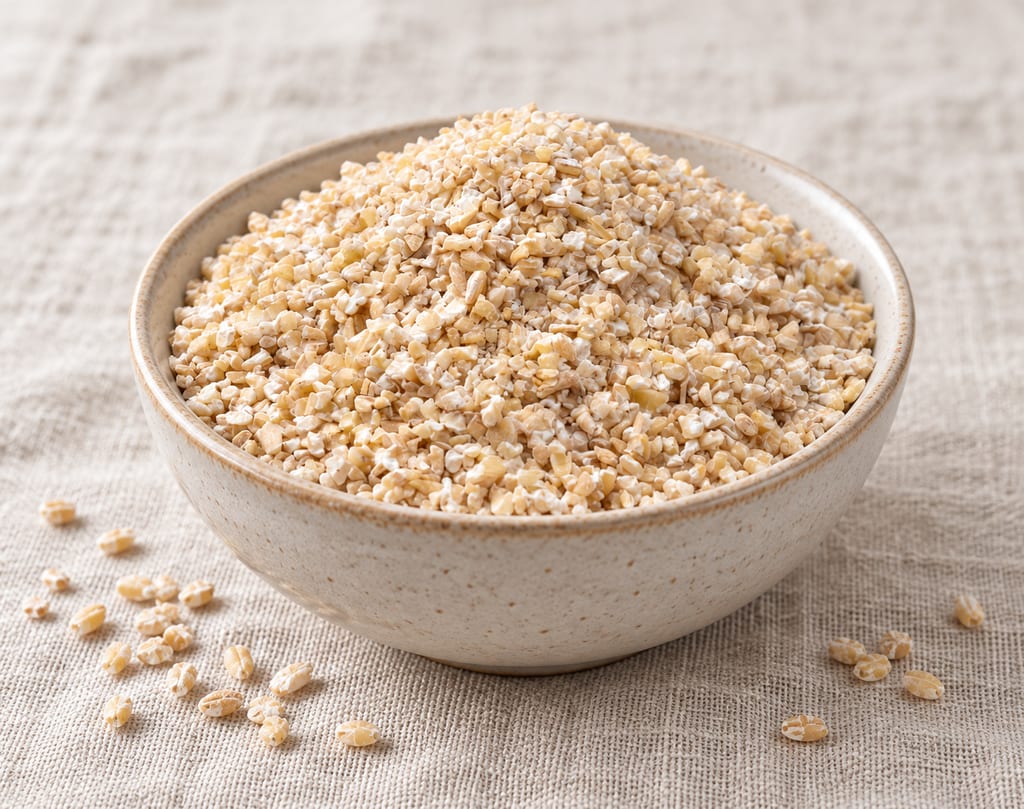
Barley groats are barley kernels with their inedible outer hull removed, sold whole or further cut and polished. In Småland’s coarse isterband sausage, cooked korngryn may extend pork and/or beef, alongside or instead of potato.

Aniseed is the dried ripe fruit of Pimpinella anisum, an aromatic Apiaceae spice commonly called a seed. It adds a sweet, warm aroma to breads such as Moroccan krachel and South African mosbolletjies, and is distinct from star anise.
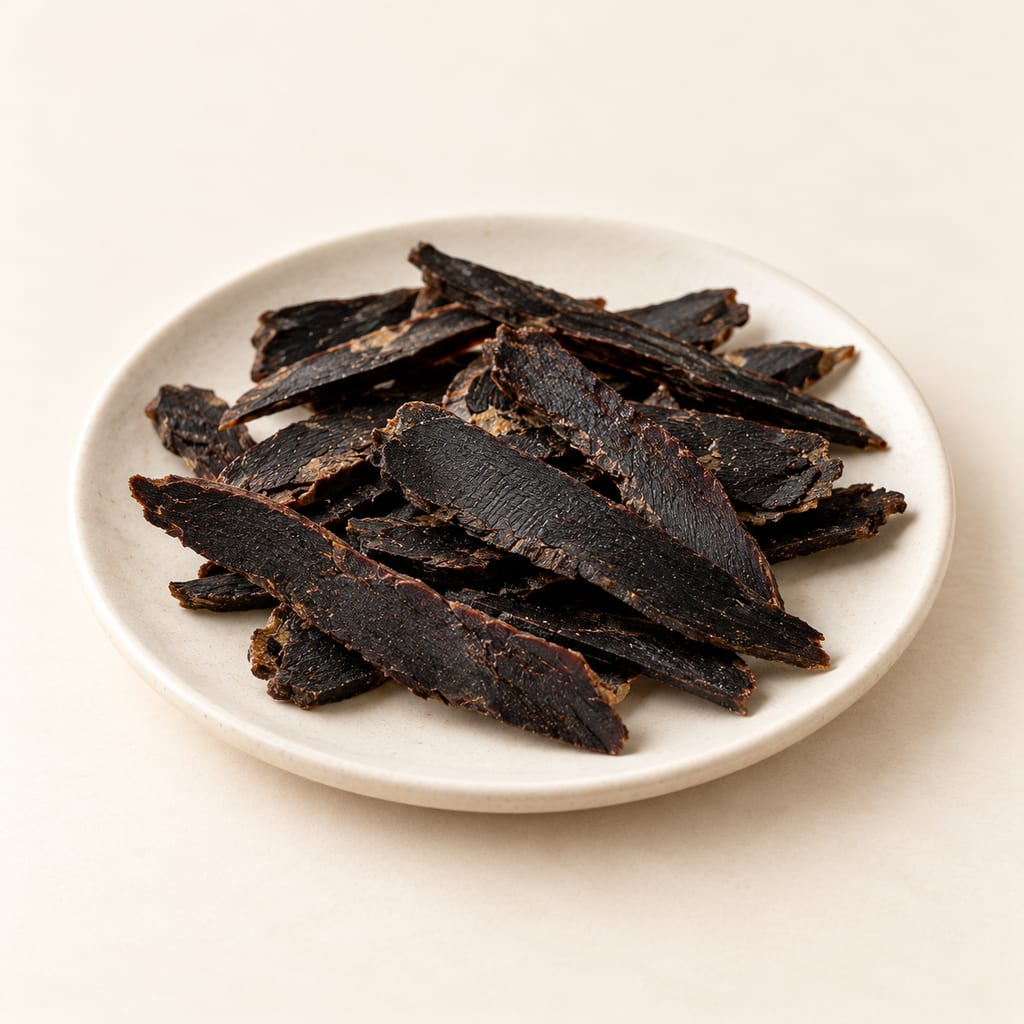
Long-finned pilot-whale meat, called Faroese tvøst, is eaten fresh and preserved in the Faroe Islands. Historical accounts place it among the meats hung to dry and pass through the ræst stage, distinct from blubber and other whale foods.
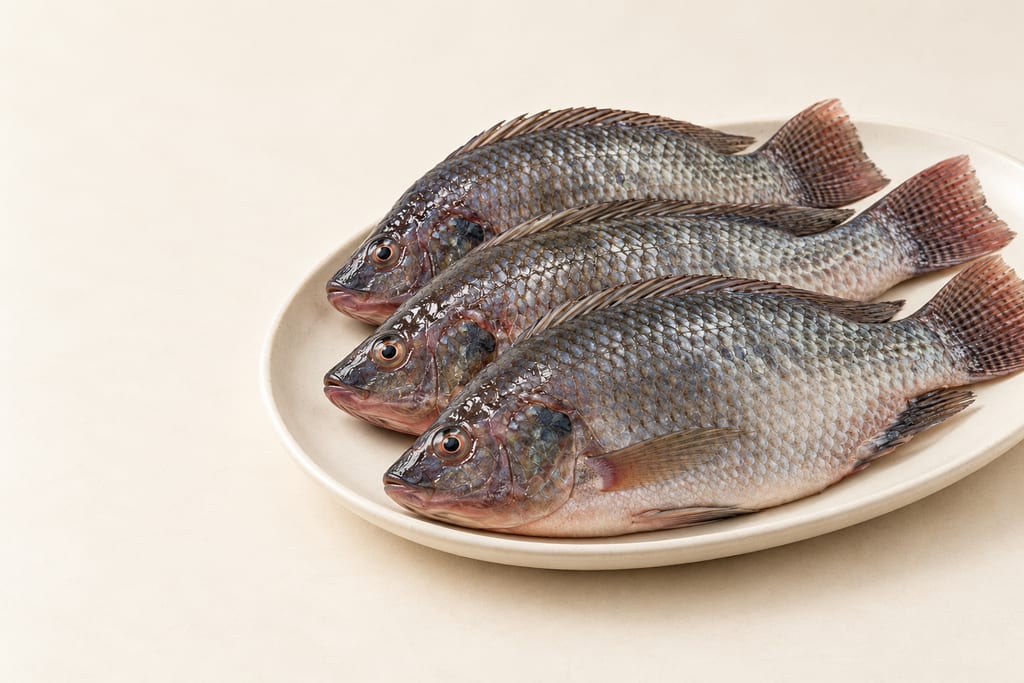
Tilapia is a common market name for several African freshwater cichlids, not one species. It is eaten fresh, farmed and preserved in distinct regional forms, including Ghanaian koobi and Botswana salt-dried fish.
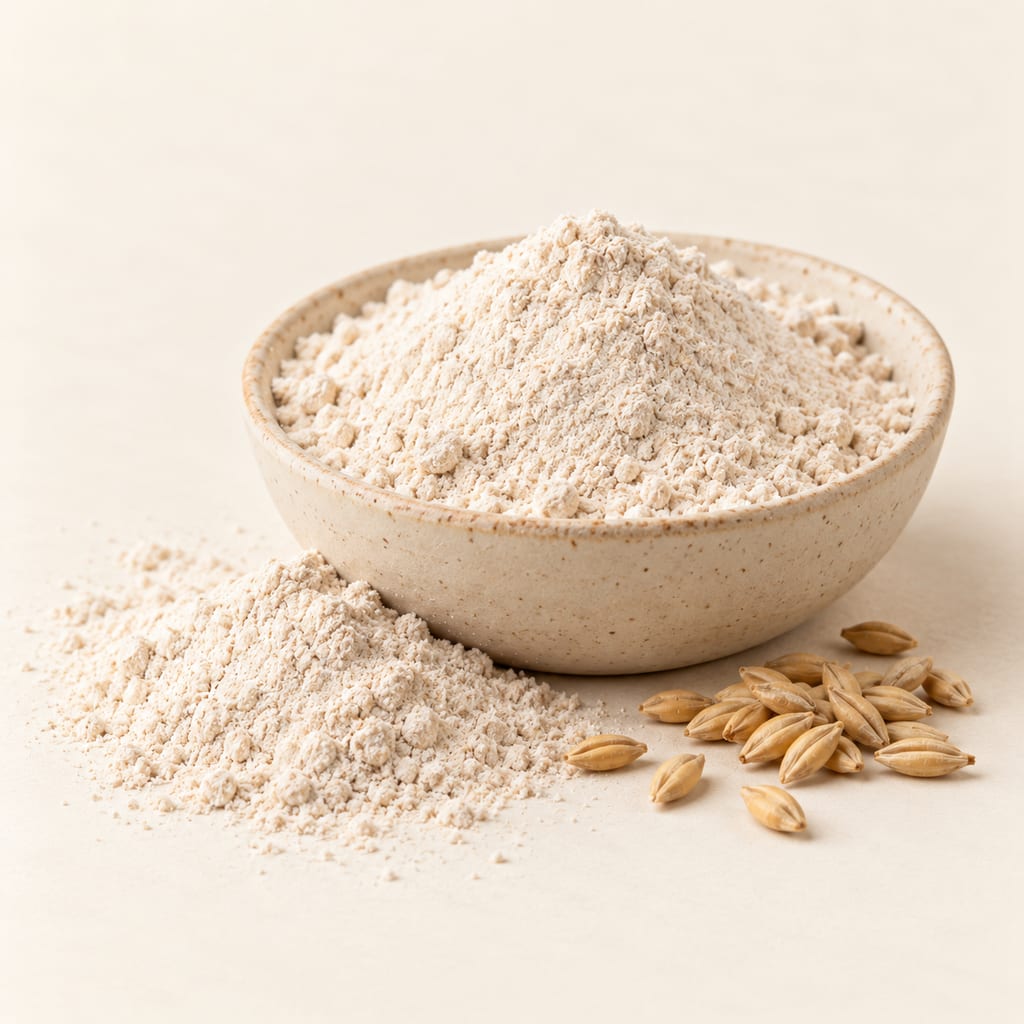
Barley flour is ground barley grain; whether it comes from pearled or hulless kernels, its milling and limited wheat-like gluten-forming ability shape the doughs and foods it can make.
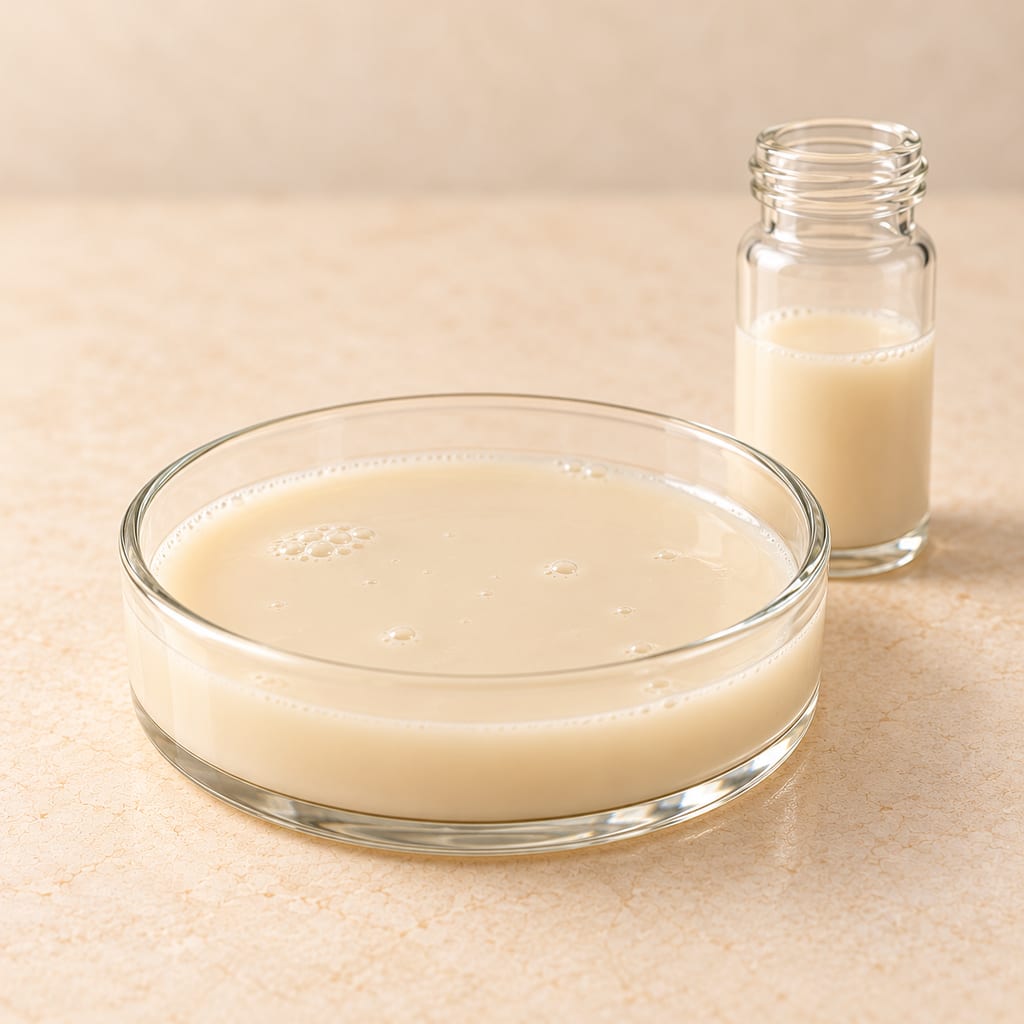
Brewer’s yeast is a working name for living cultures selected for brewing, not one strain or always one species. Ale and lager cultures differ, and older household books may use the term for foam or sediment from brewery beer.
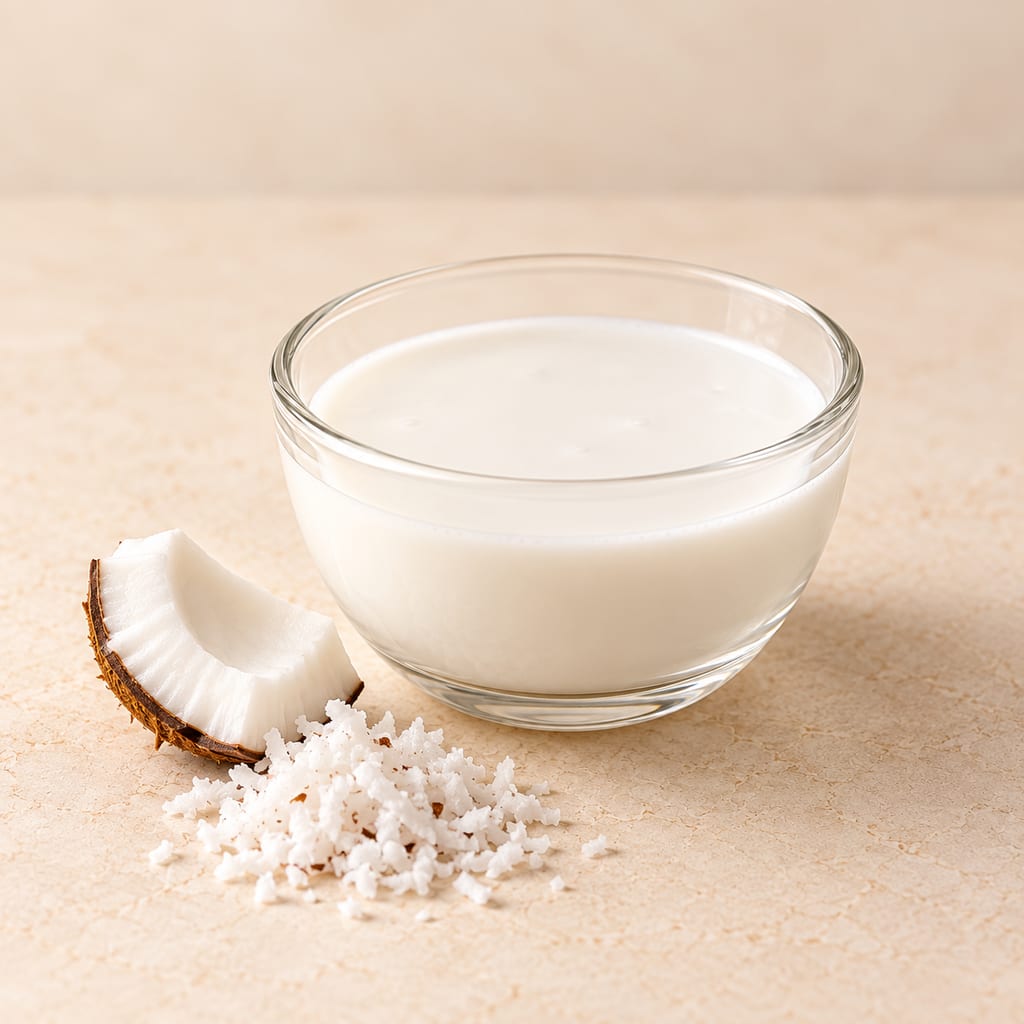
Coconut milk is an aqueous emulsion extracted from mature coconut kernel, sold fresh, packaged or reconstituted. It is distinct from the liquid naturally inside a coconut.