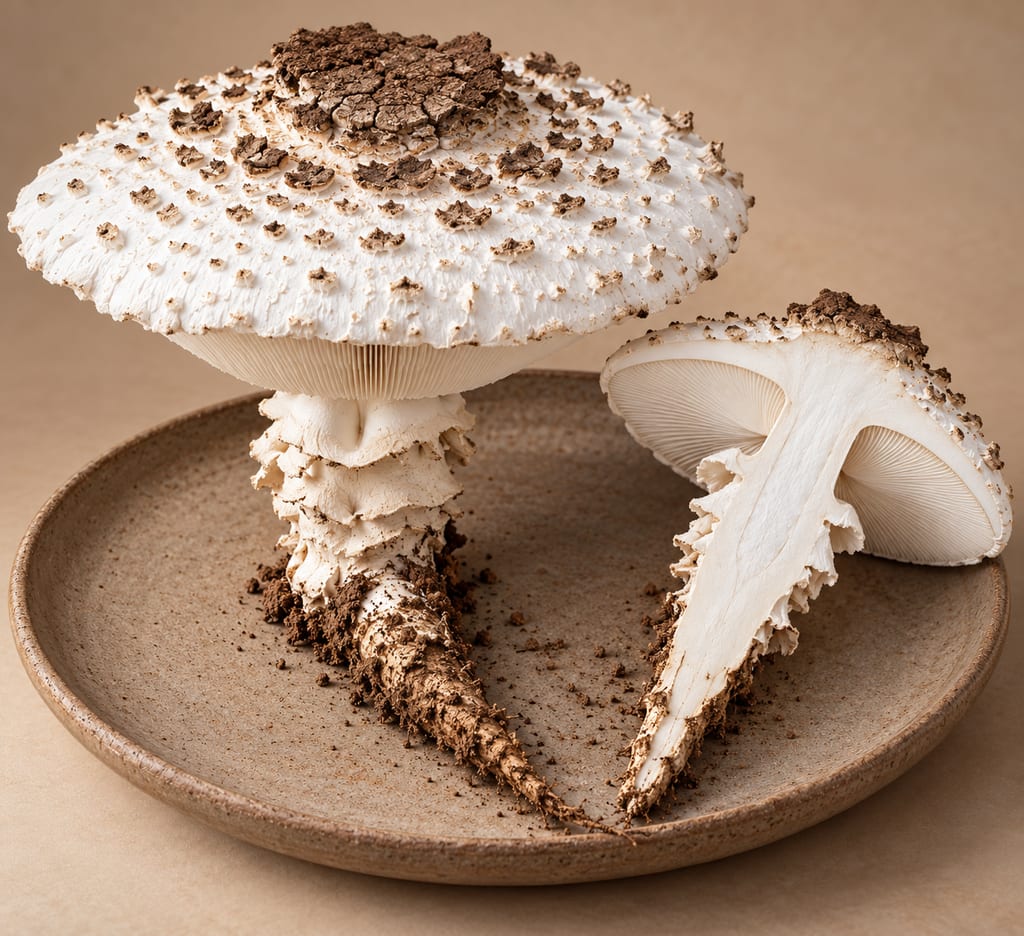
Termitomyces schimperi
A large wild termite-associated mushroom gathered across parts of tropical Africa. Local food uses and fruiting seasons vary by place and rainfall; its appearance alone cannot establish a safe identification.
 FermenteaWhere food goes to change
1086 articles on substrates, cultures and additives.
A large wild termite-associated mushroom gathered across parts of tropical Africa. Local food uses and fruiting seasons vary by place and rainfall; its appearance alone cannot establish a safe identification.
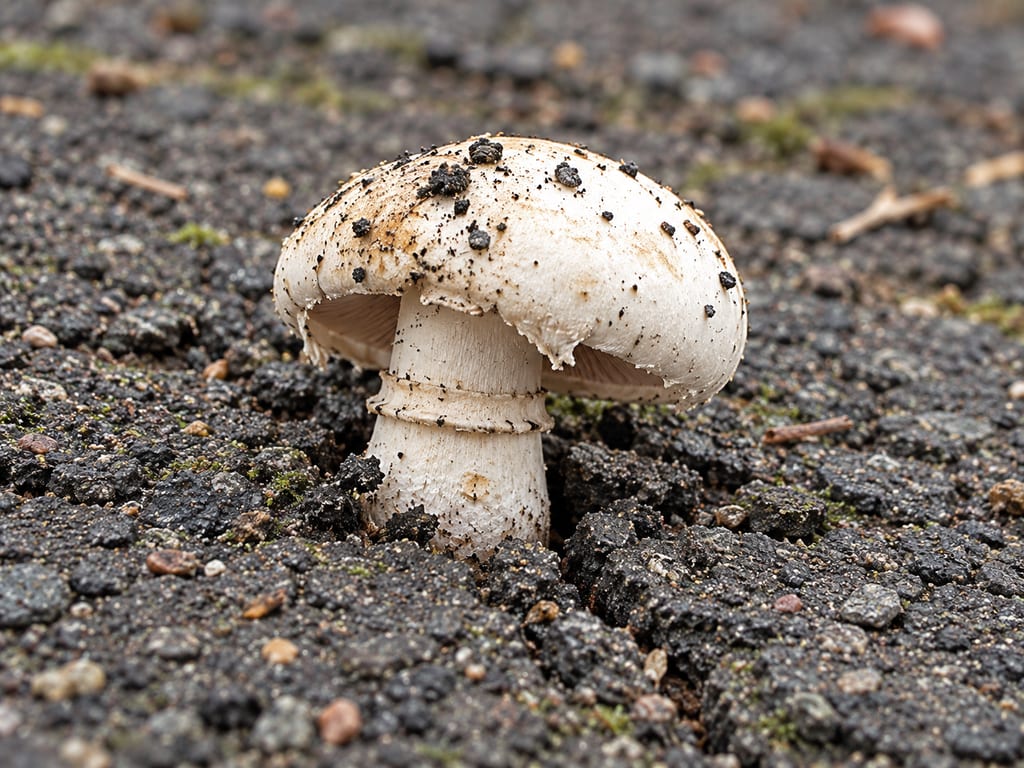
Agaricus bitorquis is a firm edible mushroom known for fruiting in hard, disturbed ground and for its persistent double ring. It is also cultivated in warmer conditions than the common button mushroom.
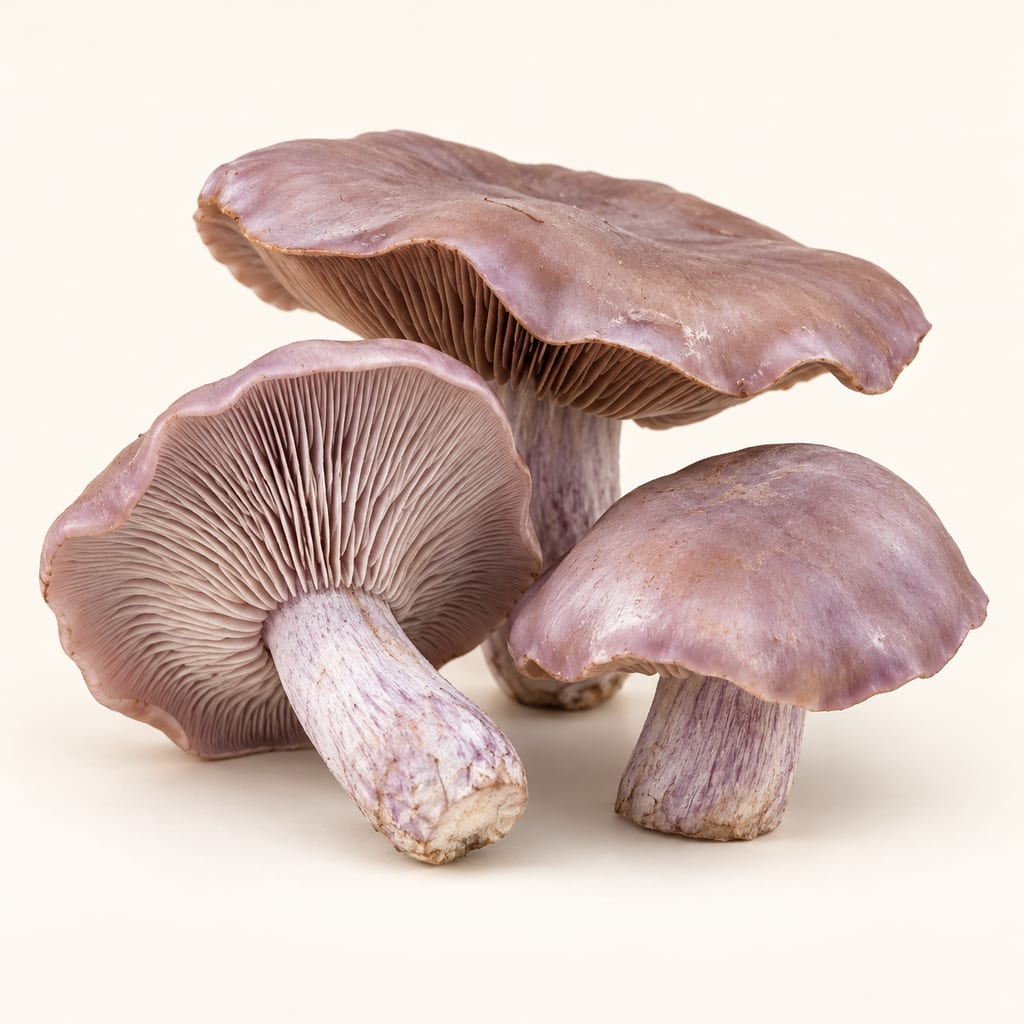
Wood blewit is a violet, litter-feeding mushroom collected and cultivated in parts of Europe. It is eaten only after thorough cooking; raw or undercooked specimens can cause gastrointestinal illness.
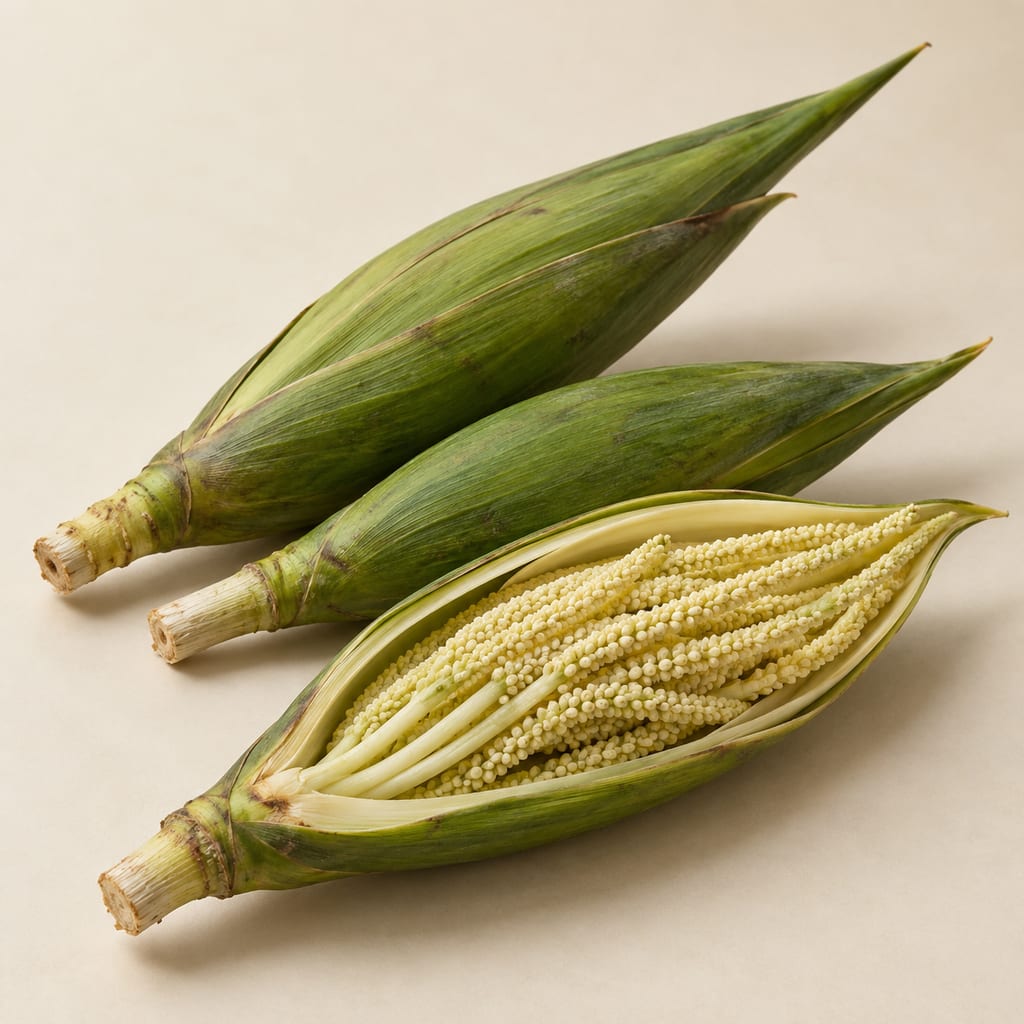
Pacaya, or tepejilote, is the edible male flower cluster of the palm Chamaedorea tepejilote, eaten in Honduras with egg, in tamales and soups, and sold pickled. Mexican farmers manage the palm in agroforests.
Thiat is a dried mixed starter used for alcoholic beverages in Meghalaya. Field accounts differ and laboratory studies describe particular samples; none gives a universal recipe or validated household method.
Fuqu (鹸曲, bran qu) is a bran-based starter format used in Chinese liquor production; it is a production format, not one fixed species or formula.
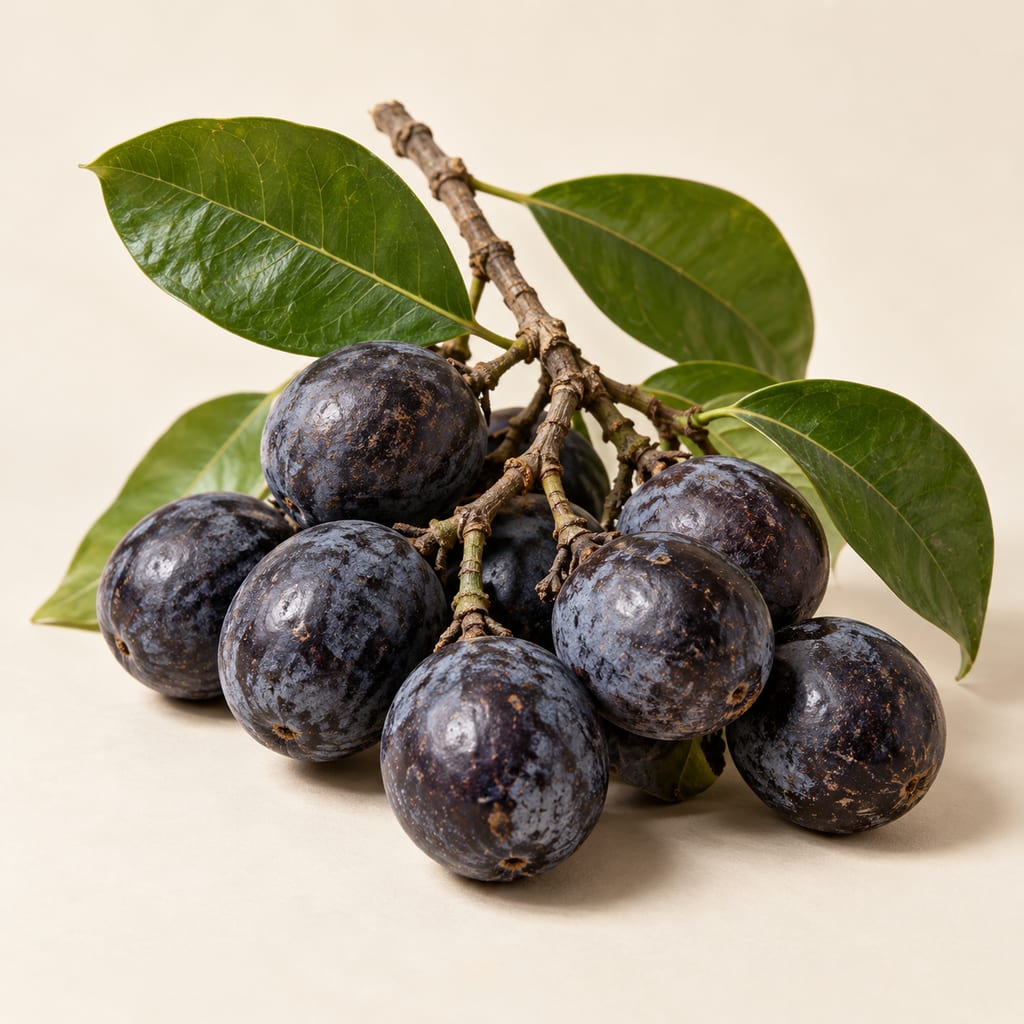
Matiti is the fruit of Artabotrys brachypetalus, a Mozambican Annonaceae species. Communities in Chicualacuala District eat the ripe fruit fresh and make traditional drinks and jam from it.
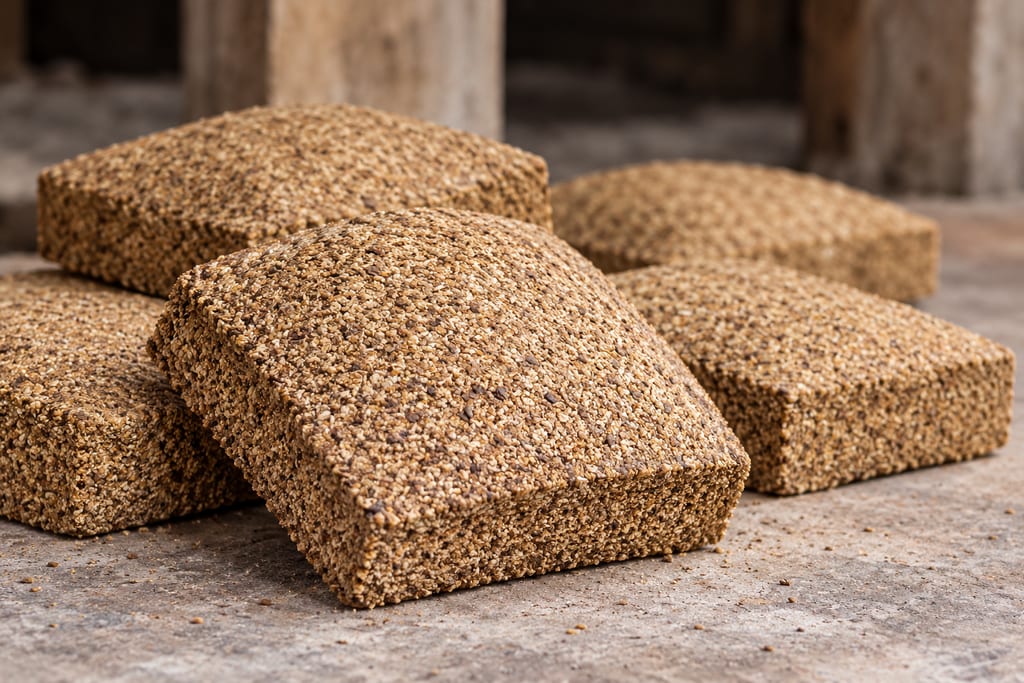
High-temperature daqu is a formed, mixed-community grain starter used for sauce-aroma (Maotai-flavor) baijiu, made by a separate heat-driven process and sold or kept as dry bricks.
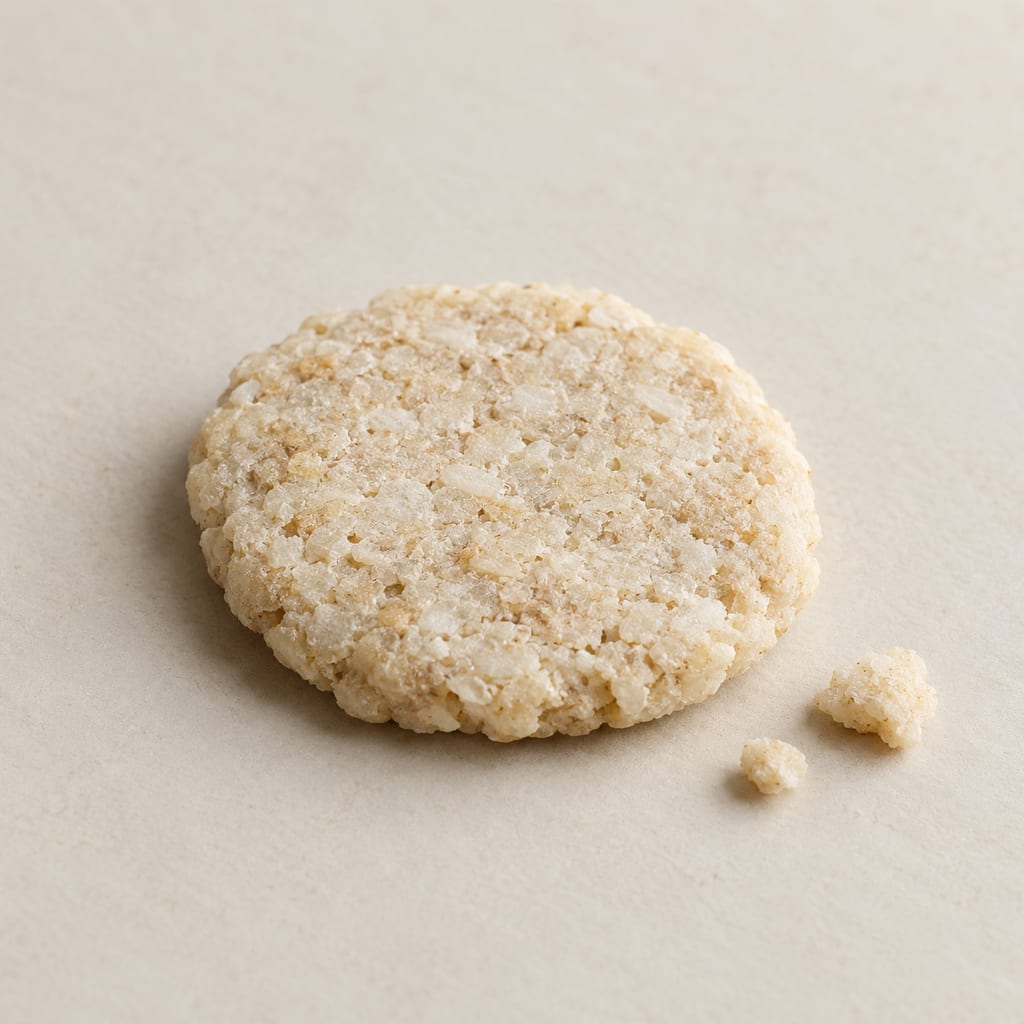
Humao is a sun-dried cereal starter of the Dimasa in Assam, used for Judima rice beer. Accounts of its making are single-household reports and microbial studies describe single sample sets, not a standard.
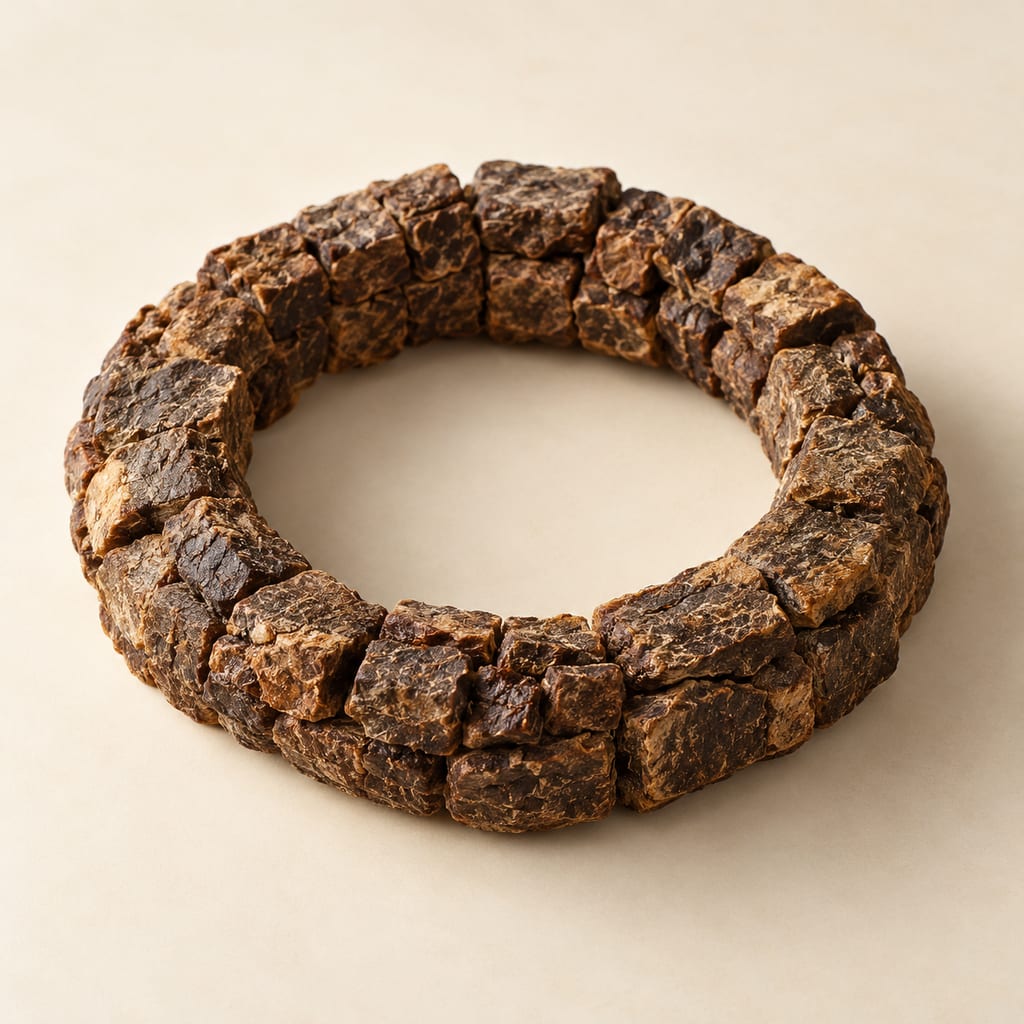
Kveik is a name for traditional Norwegian farm-brewing yeast cultures, especially associated with western Norway. It refers to locally maintained cultures rather than one uniform strain or starter product.
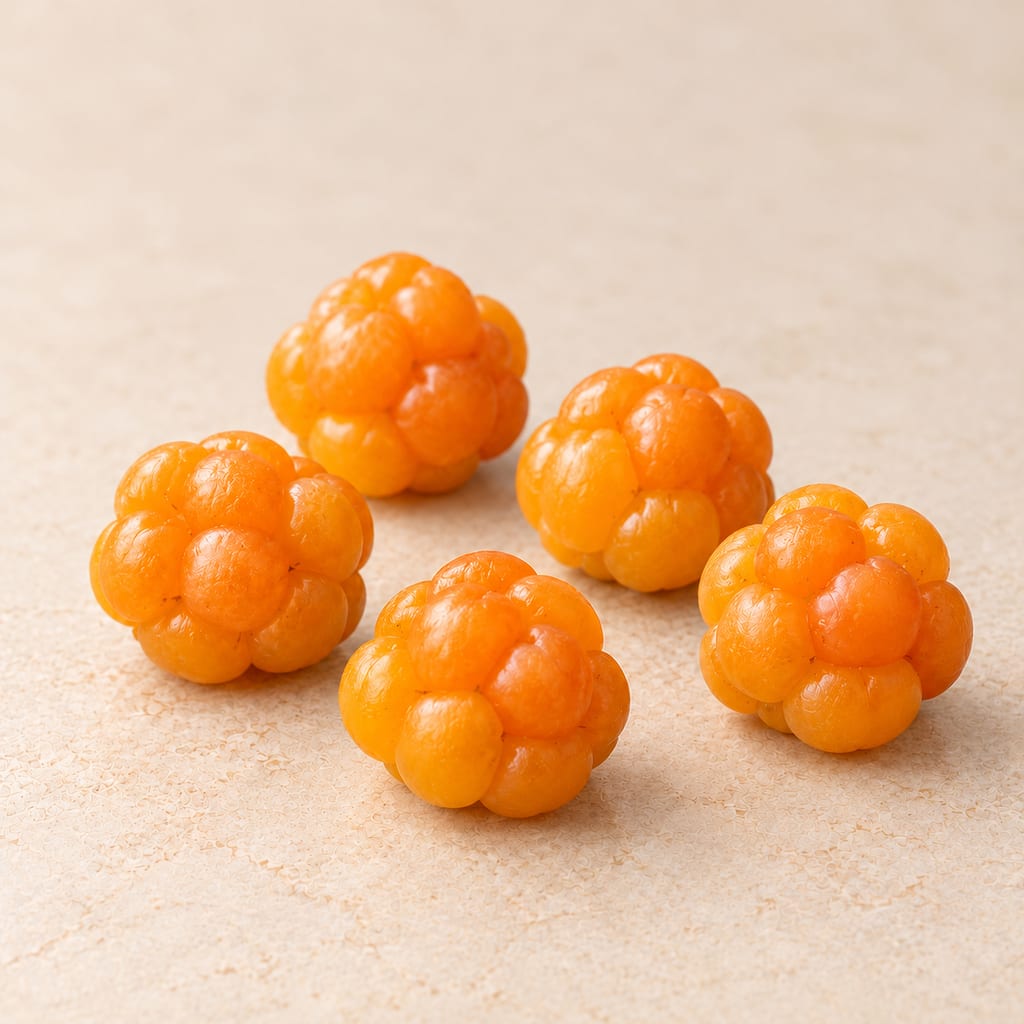
Cloudberry has distinct Gwich’in, Nunatsiavut, NunatuKavut-area and Québec records. A 2009 cutover-peatland trial reports site-specific rhizome establishment results, not a household pot or fruit-yield method.
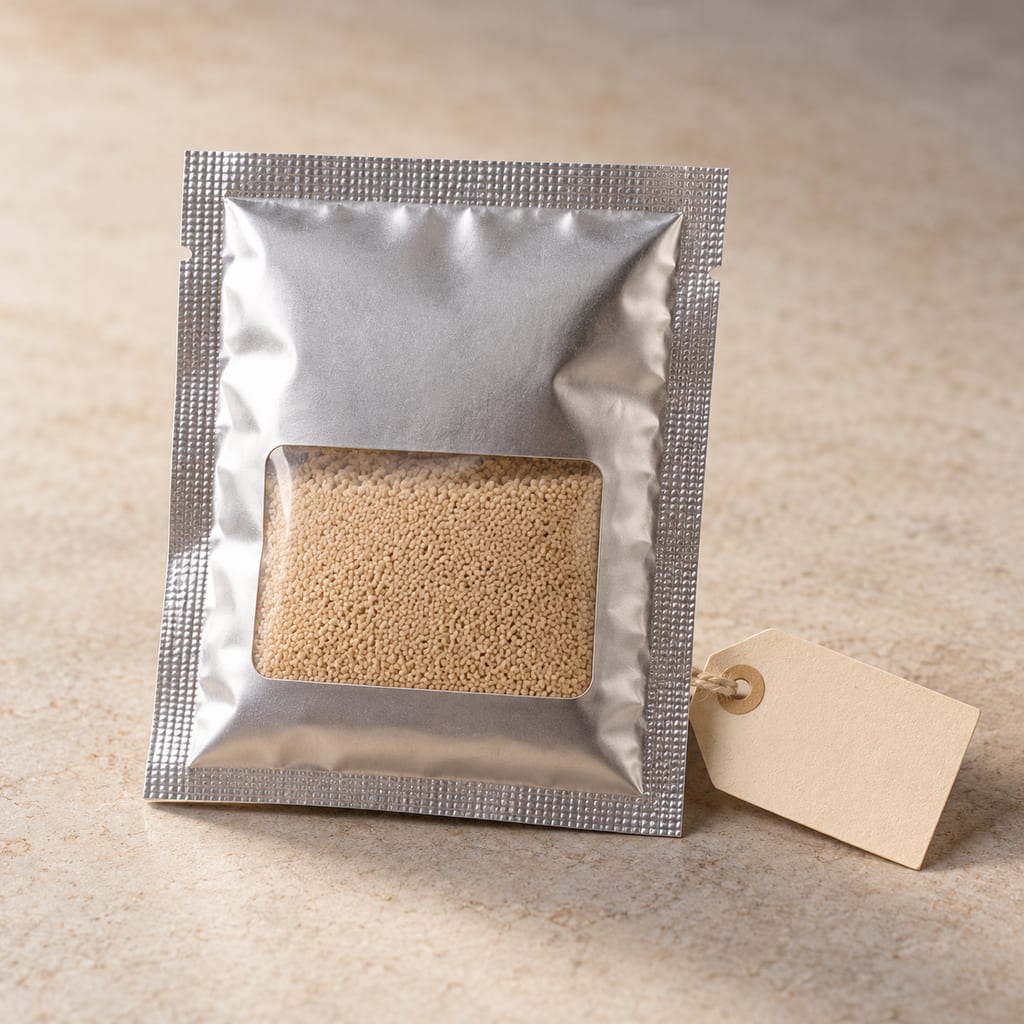
Lager yeast is the bottom-fermenting brewing yeast Saccharomyces pastorianus, a hybrid of S. cerevisiae and S. eubayanus, sold and kept as named strains that are not interchangeable.
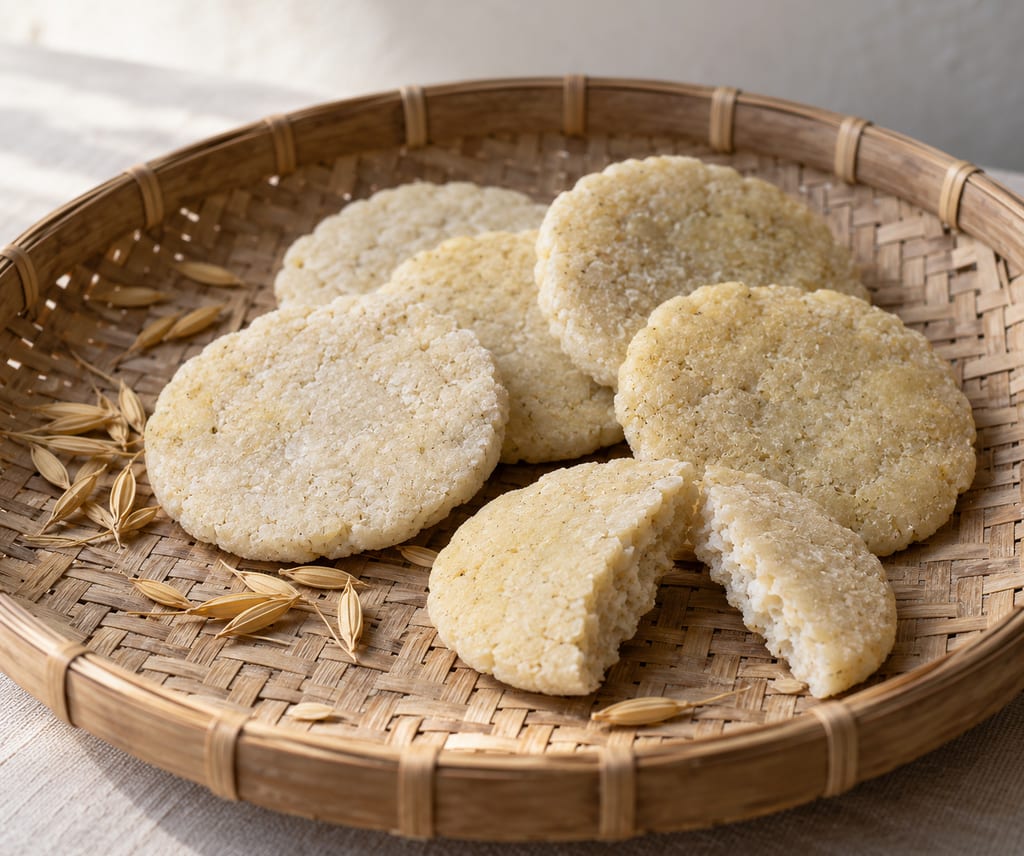
Hamei is a Manipur rice-cake starter used for Atingba. Accounts of how the cakes are made differ, and microbial studies describe particular samples; none defines a universal formula or safety standard.
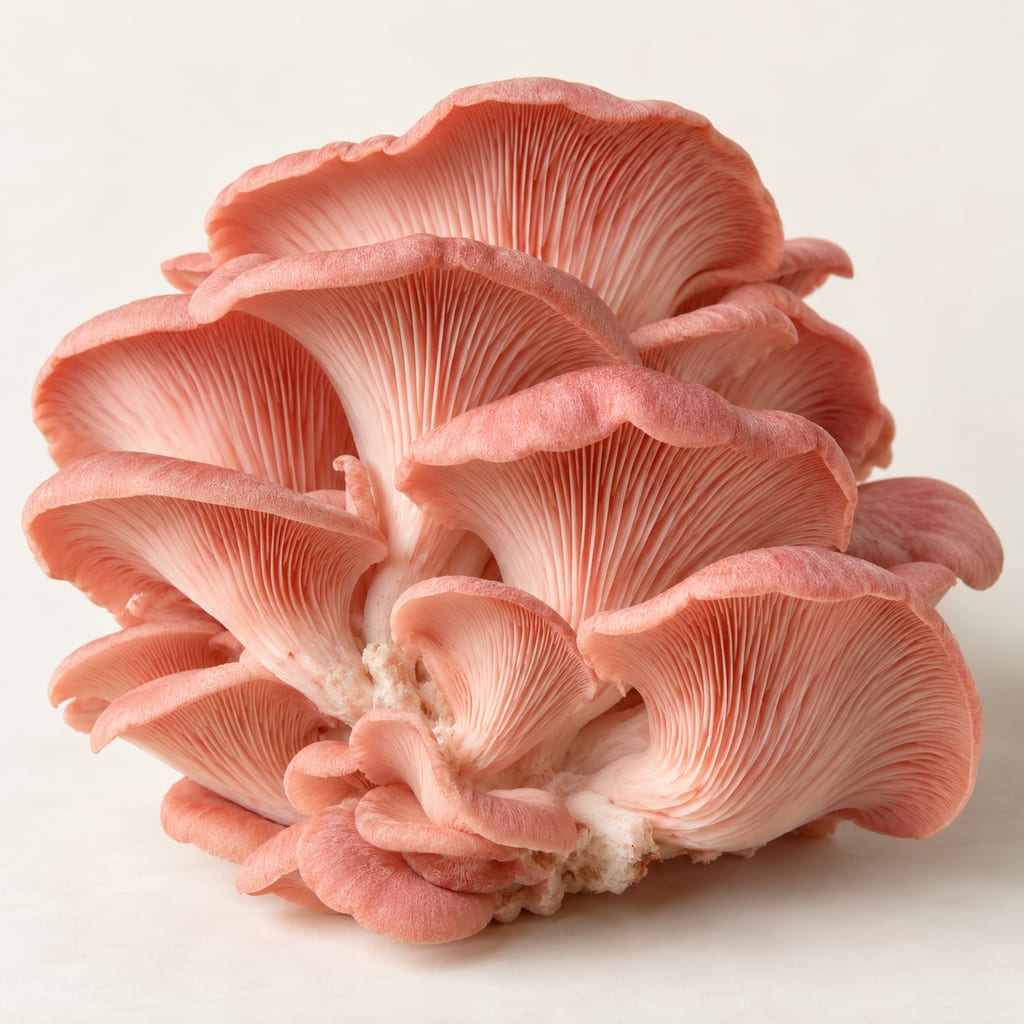
The pink oyster mushroom, Pleurotus djamor, is a pantropical oyster that grows fast on warm-climate agricultural waste, and it is cultivated commercially in parts of Asia.
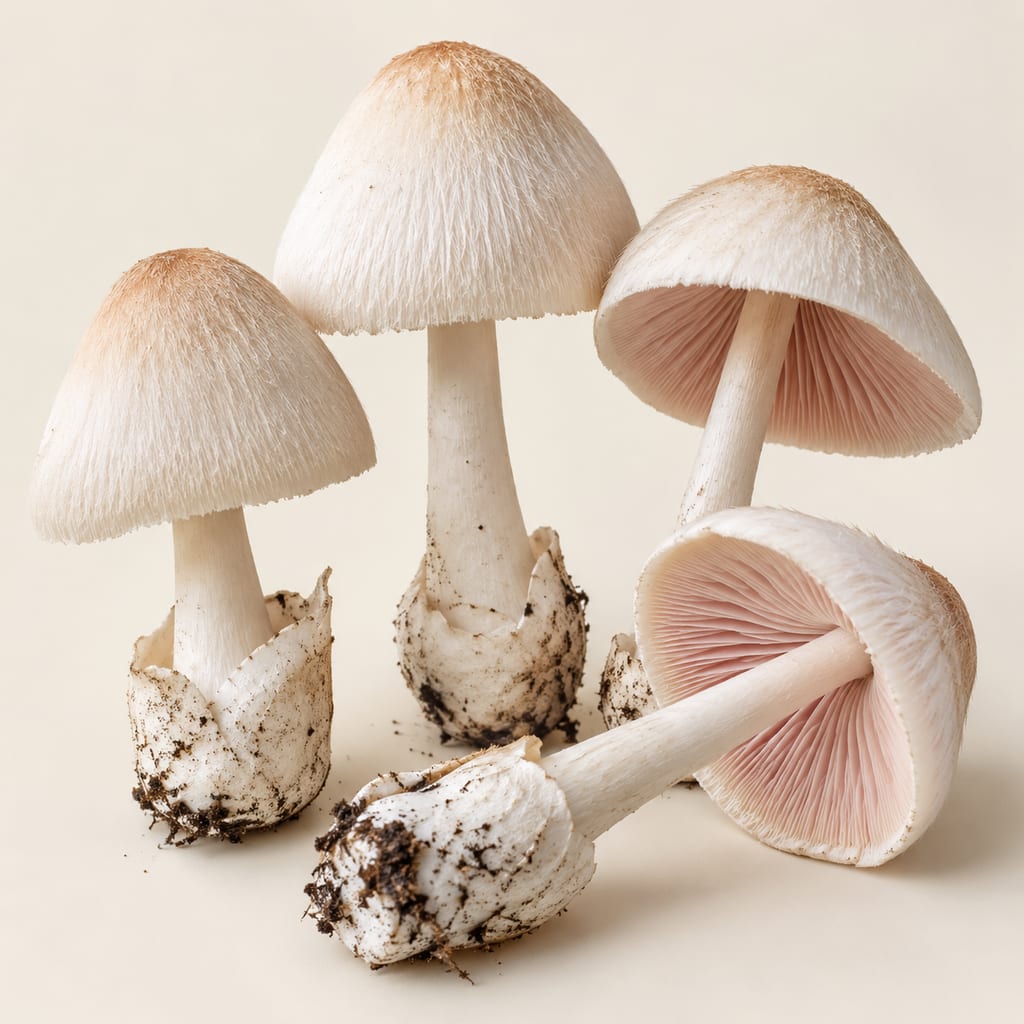
Silky rosegill, Volvariella bombycina, is a wild edible mushroom of dead wood on several continents, grown in laboratory trials and on a small scale in India, and its commercial record is thin.
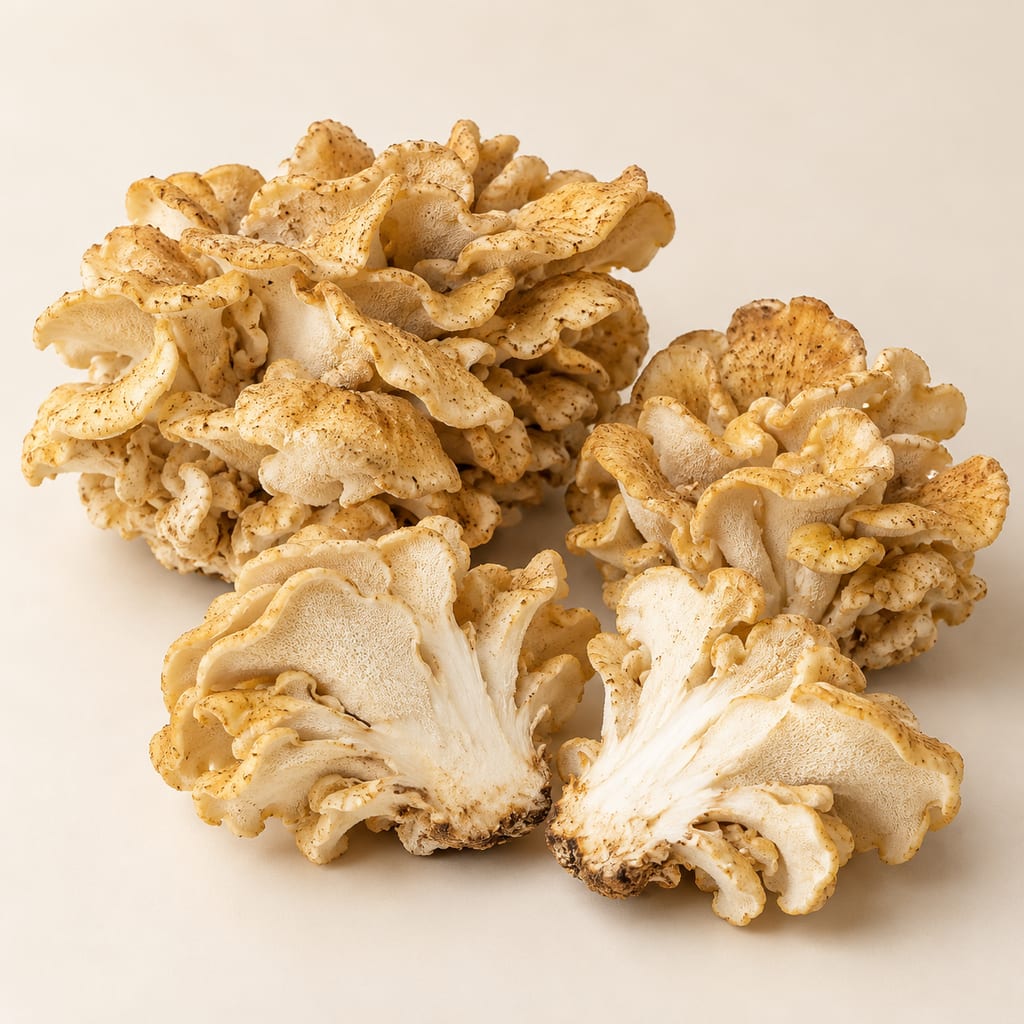
Gargal, Grifola gargal, is a wild mushroom of the Andean-Patagonian forests of Argentina and Chile, prized for its taste and now rated Endangered because wild stocks are declining.
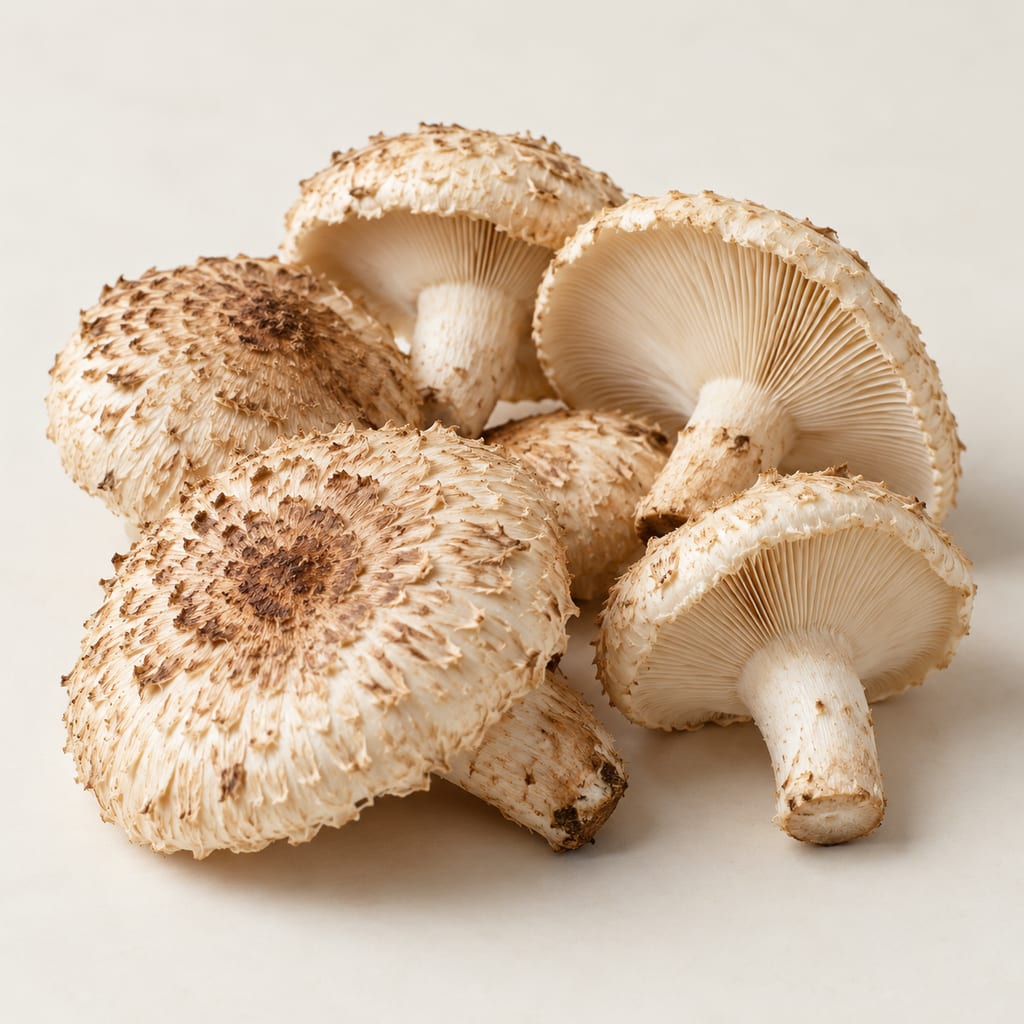
Tropical sawgill, Lentinus squarrosulus, is a wild mushroom of decaying wood in tropical Africa, eaten and valued in some areas, and now under trial on farm waste, with commercial production still early.
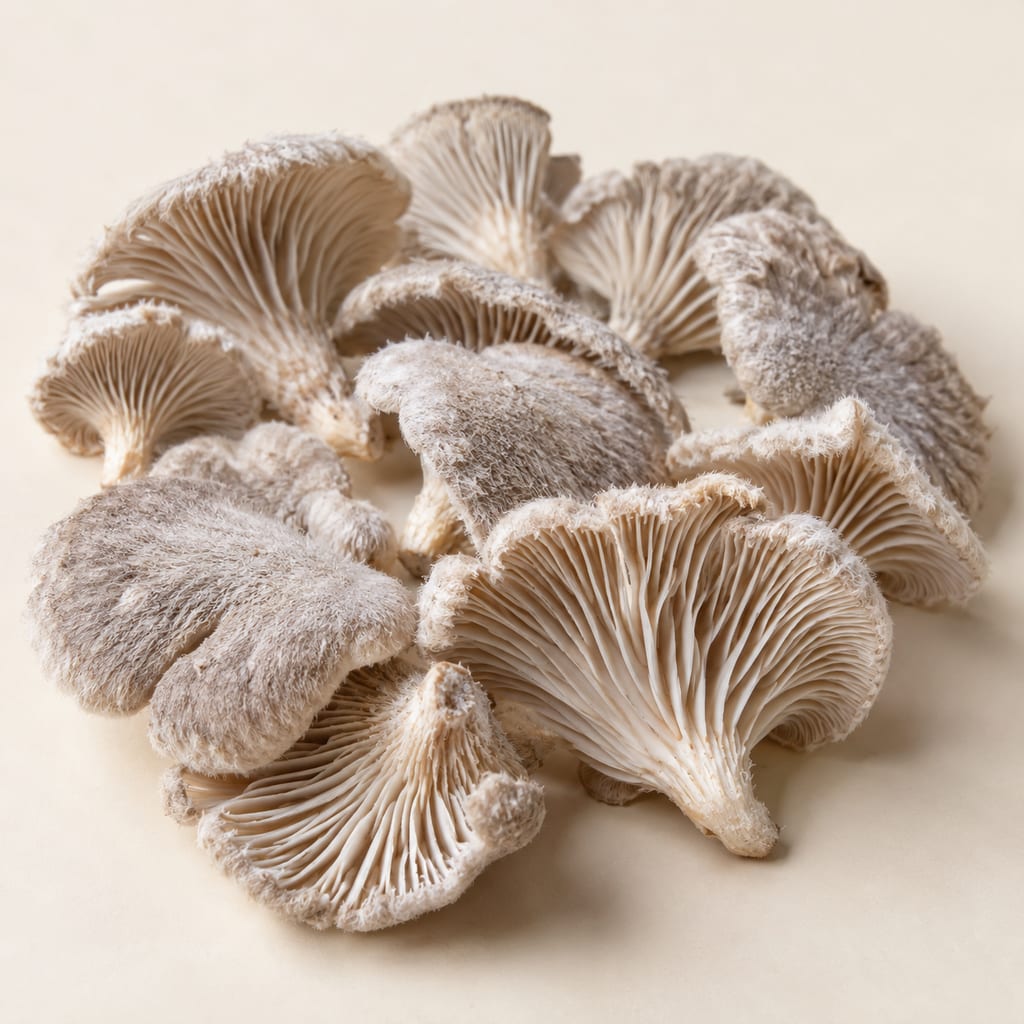
Split gill, Schizophyllum commune, is a common wood-decay mushroom that some sources report as eaten in parts of Southeast Asia and India, with its cultivation history unsettled in the sources.
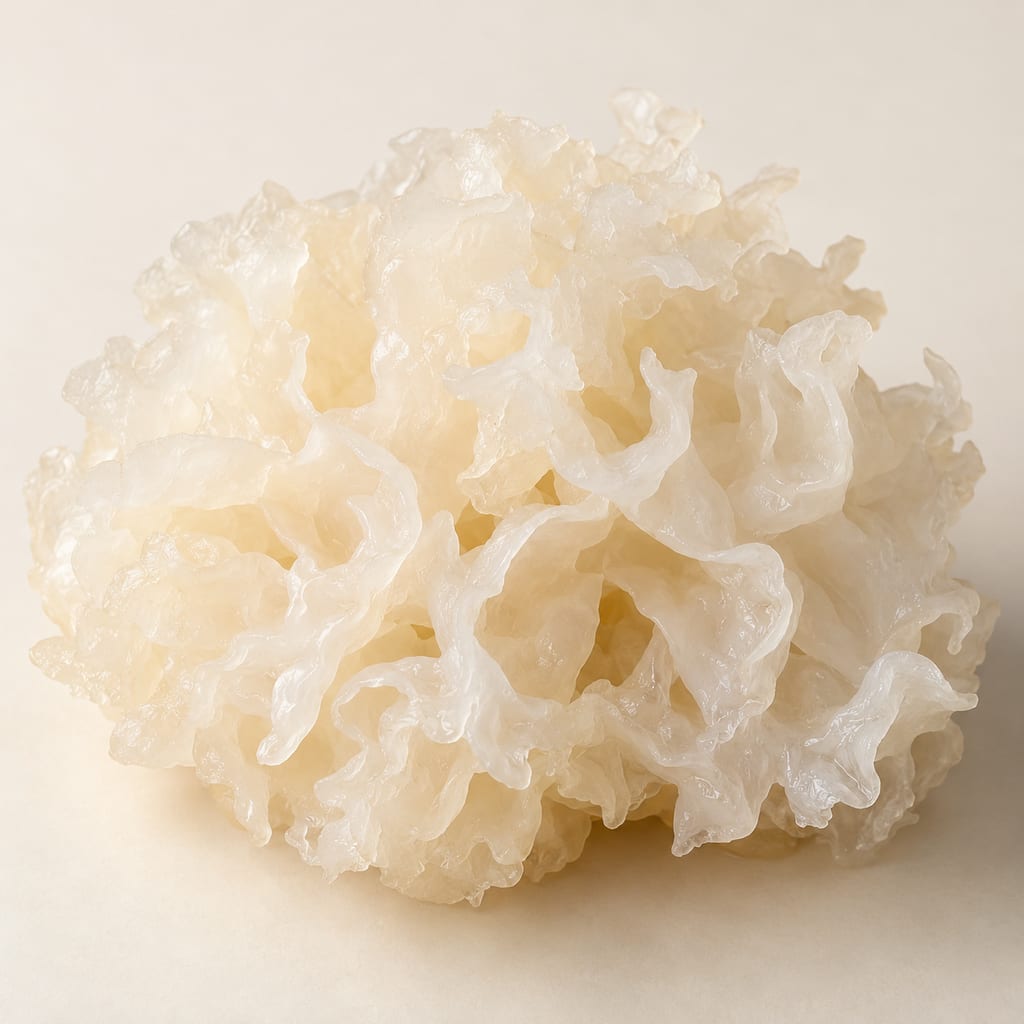
Snow fungus, Tremella fuciformis, is a white, gelatinous fungus that grows on dead broadleaf wood, and it was farmed for centuries in China before cultivation became a regular practice.
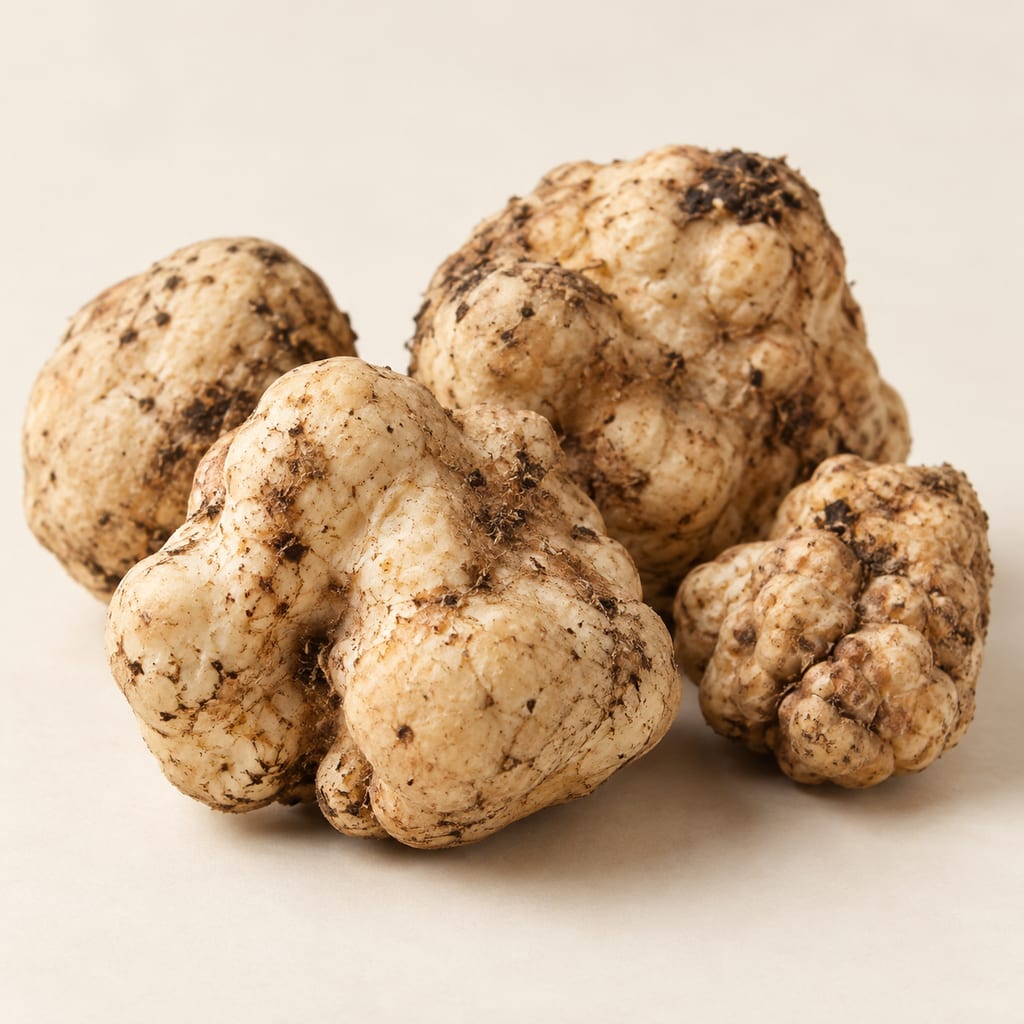
The Oregon spring white truffle, Tuber gibbosum, is a wild truffle of Douglas-fir forests in the Pacific Northwest, valued for a garlic, spice and cheese aroma that often develops only after harvest.
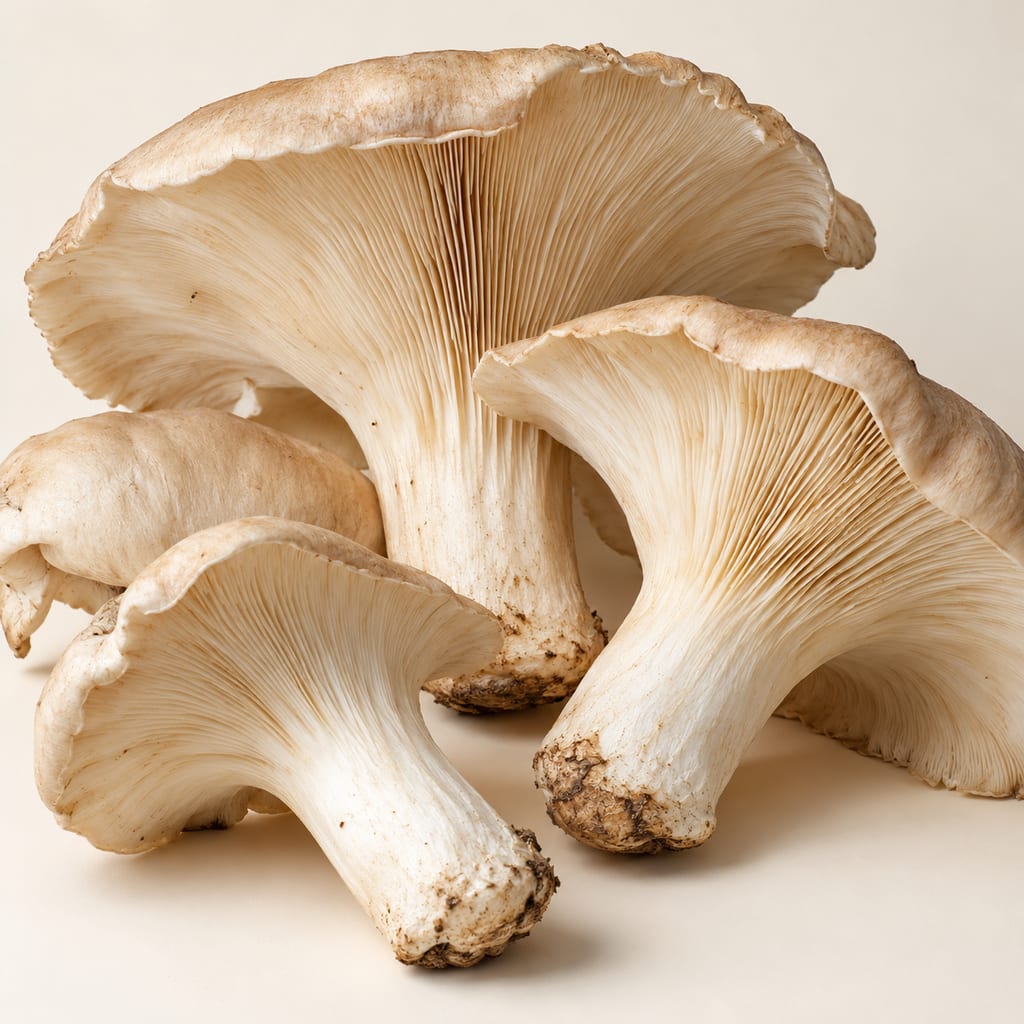
The giant oyster, Pleurotus giganteus, is a large tropical wild mushroom that was once named Lentinus giganteus and is now placed in the oyster genus, eaten in Thailand and Sri Lanka and only recently grown on purpose.

The almond mushroom, Agaricus subrufescens, was cultivated in eastern North America in the 1800s, lost its market, and returned as a cultivated mushroom from Brazil, where it is grown under several names.
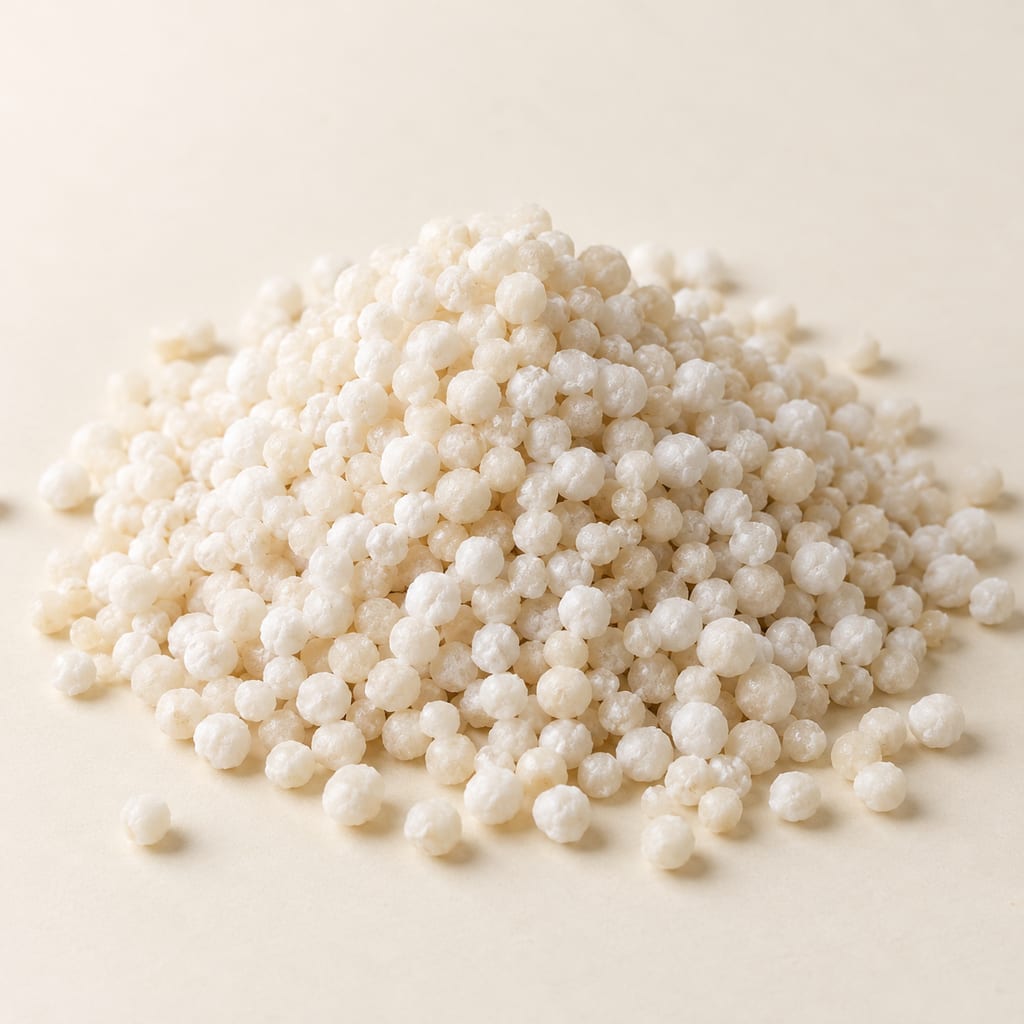
Sago is the starch extracted from the pith of several palms, mainly Metroxylon sagu, and it is dried into flour or pearls that are a staple in Southeast Asia and New Guinea.
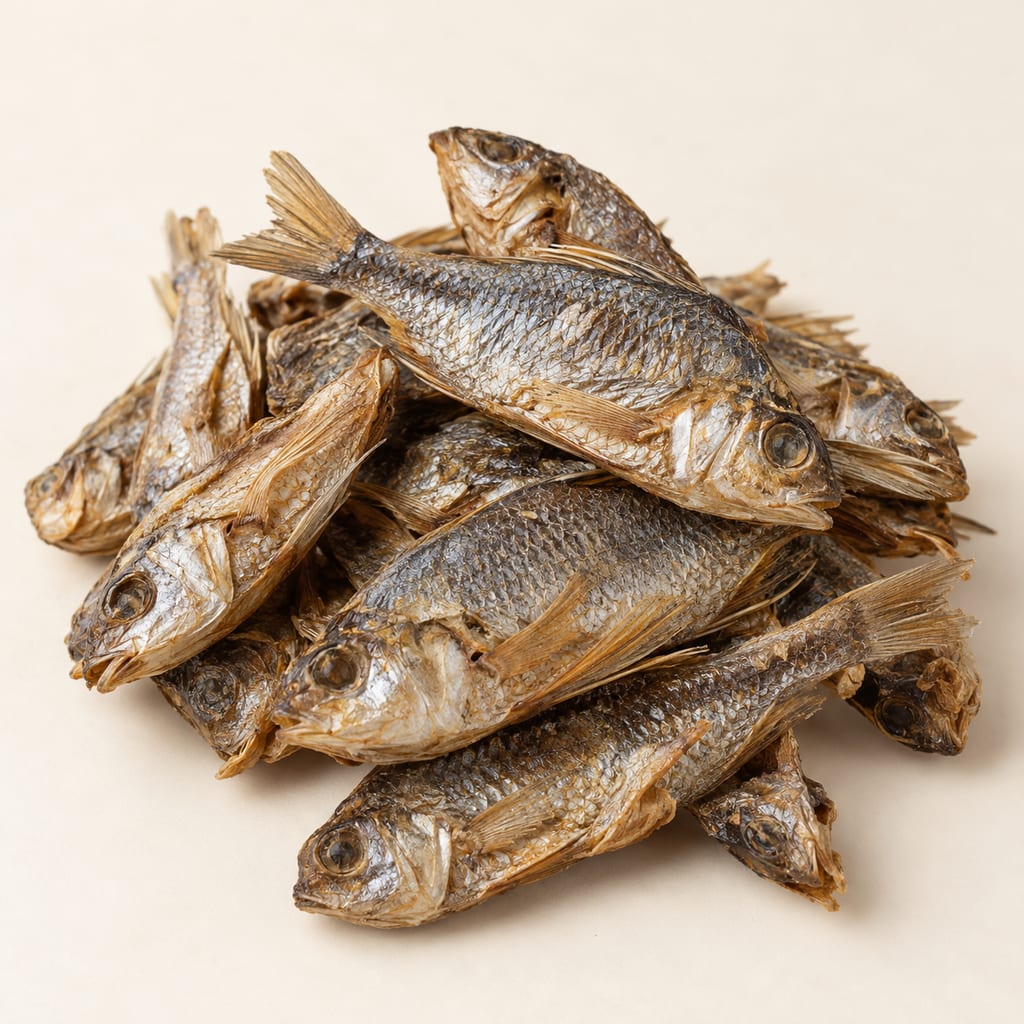
Ndunduma is the Malawian name for small deep-water cichlids of the genus Diplotaxodon, caught in Lake Malawi and dried with usipa and utaka. The species in a given lot is often not recorded.
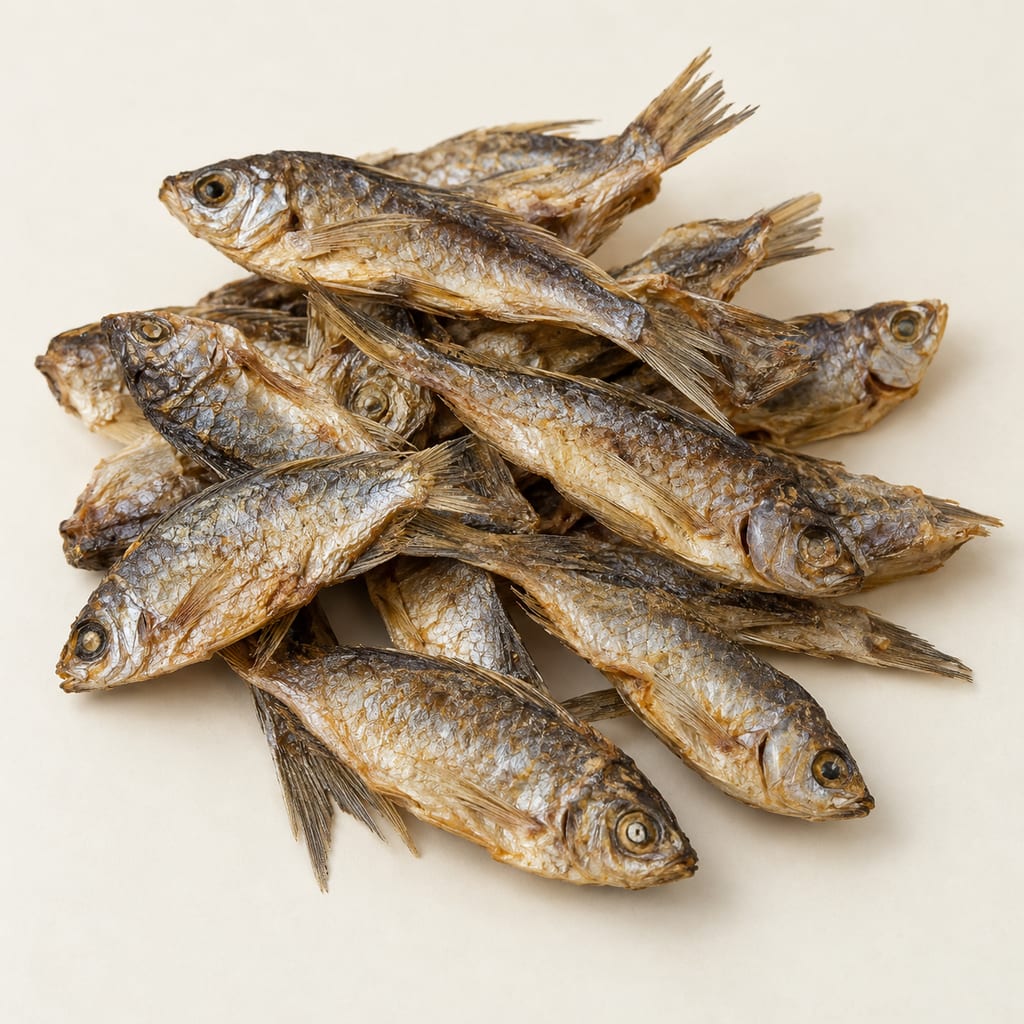
Utaka is a small cichlid of Lake Malawi, from the genus Copadichromis, sold dried in Malawi. It is one of the small fish that solar tents were tested on alongside usipa and ndunduma.
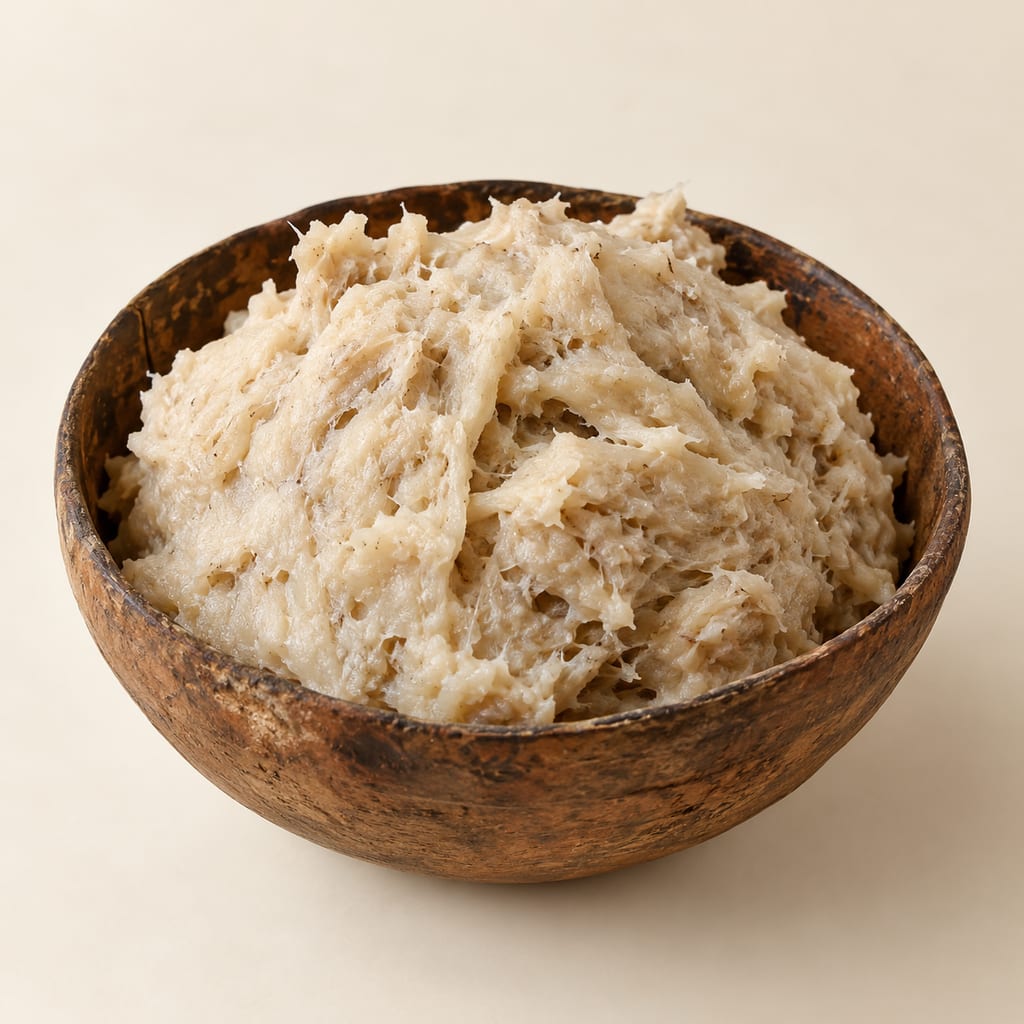
Gamma and gamancho are the names of the enset starter carried from one batch of kocho to the next in southern Ethiopia, made from enset material and dominated by lactic acid bacteria.
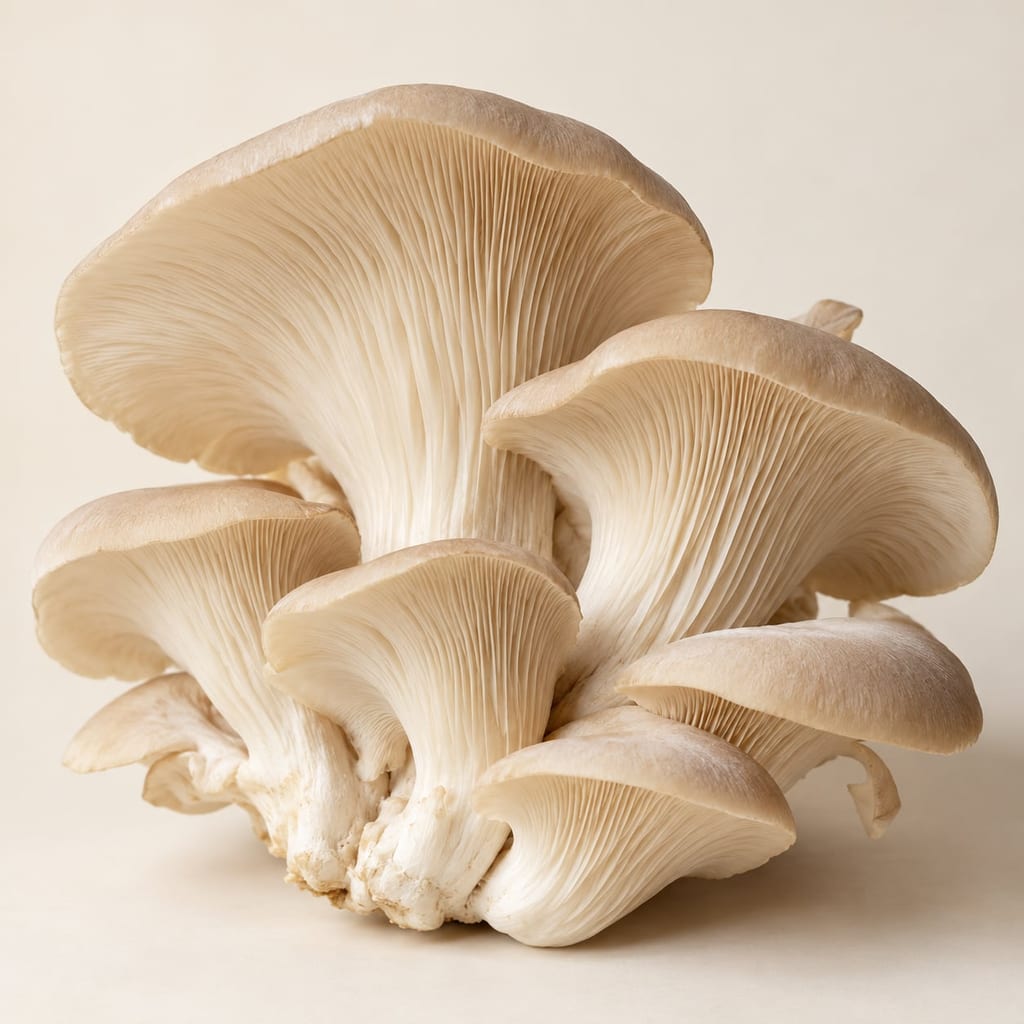
The phoenix oyster, Pleurotus pulmonarius, is a close relative of the oyster mushroom that prefers warmer weather, appears later in summer and is grown on wood-based and straw substrates.
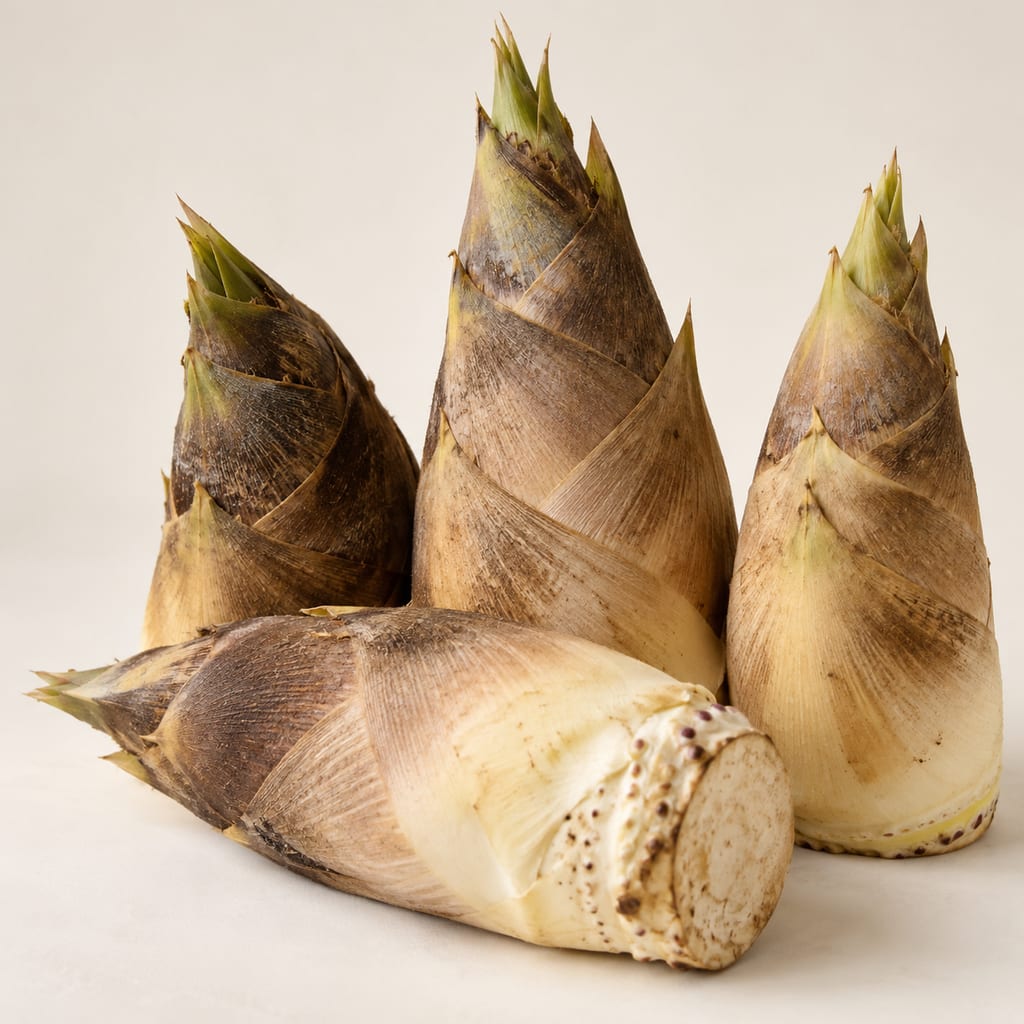
Bamboo shoots are the young culms of many bamboo species, eaten after boiling or leaching in Asia, and fermented into sour and preserved foods in the Himalayas, northeast India and Burma.
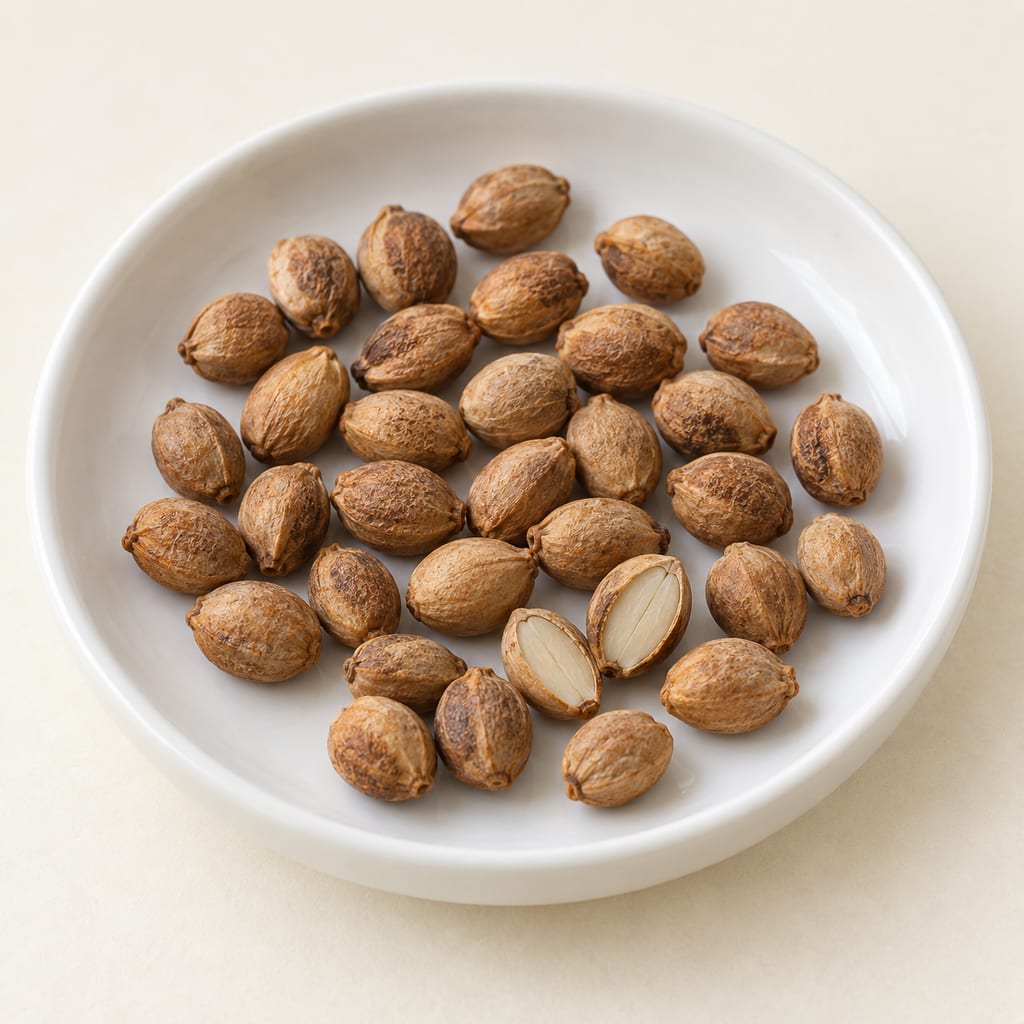
The seeds of the African breadfruit, Treculia africana, are cooked, dried and milled into flour in West and Central Africa, and the fruit is heaped and fermented before the seeds are washed out.
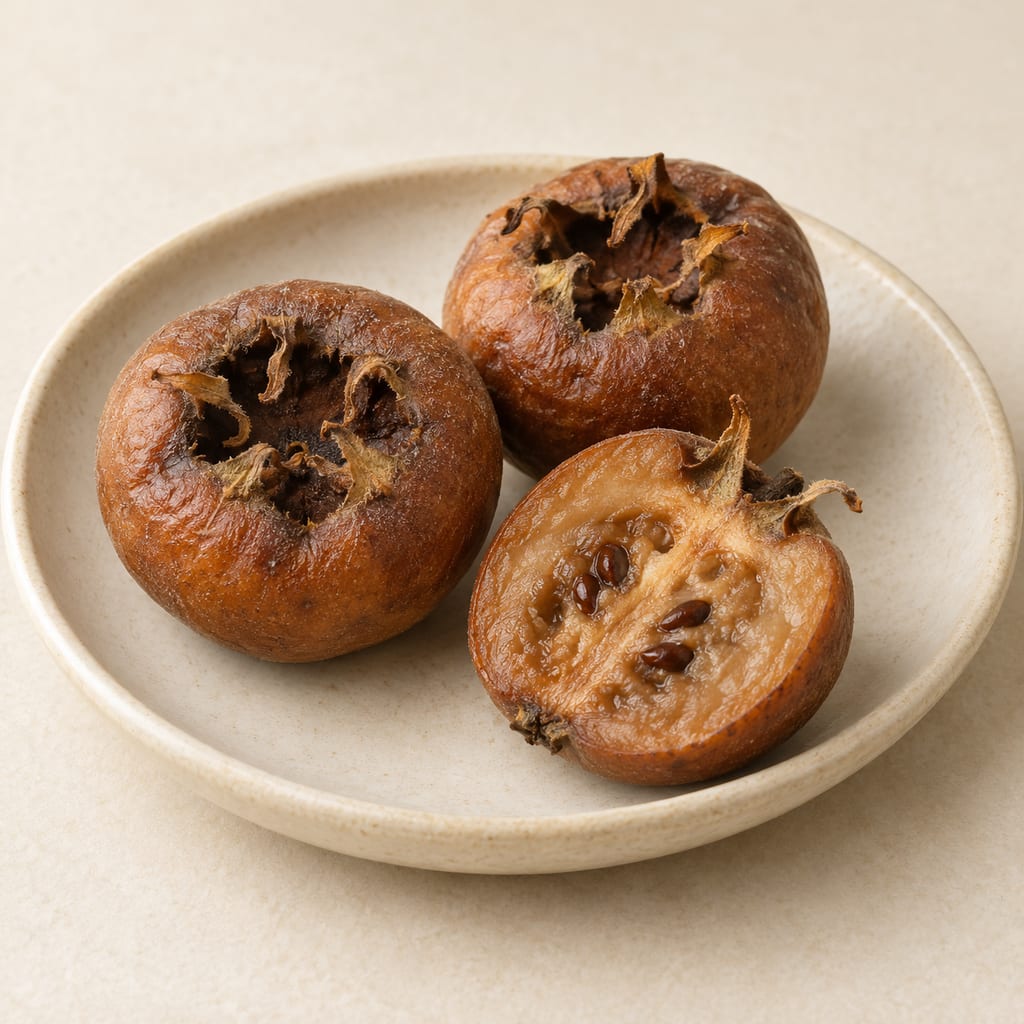
The common medlar, Mespilus germanica, is a small tree whose hard, sour fruit is eaten only after it has bletted, softening through decay into a sweet, apple-sauce-like pulp.
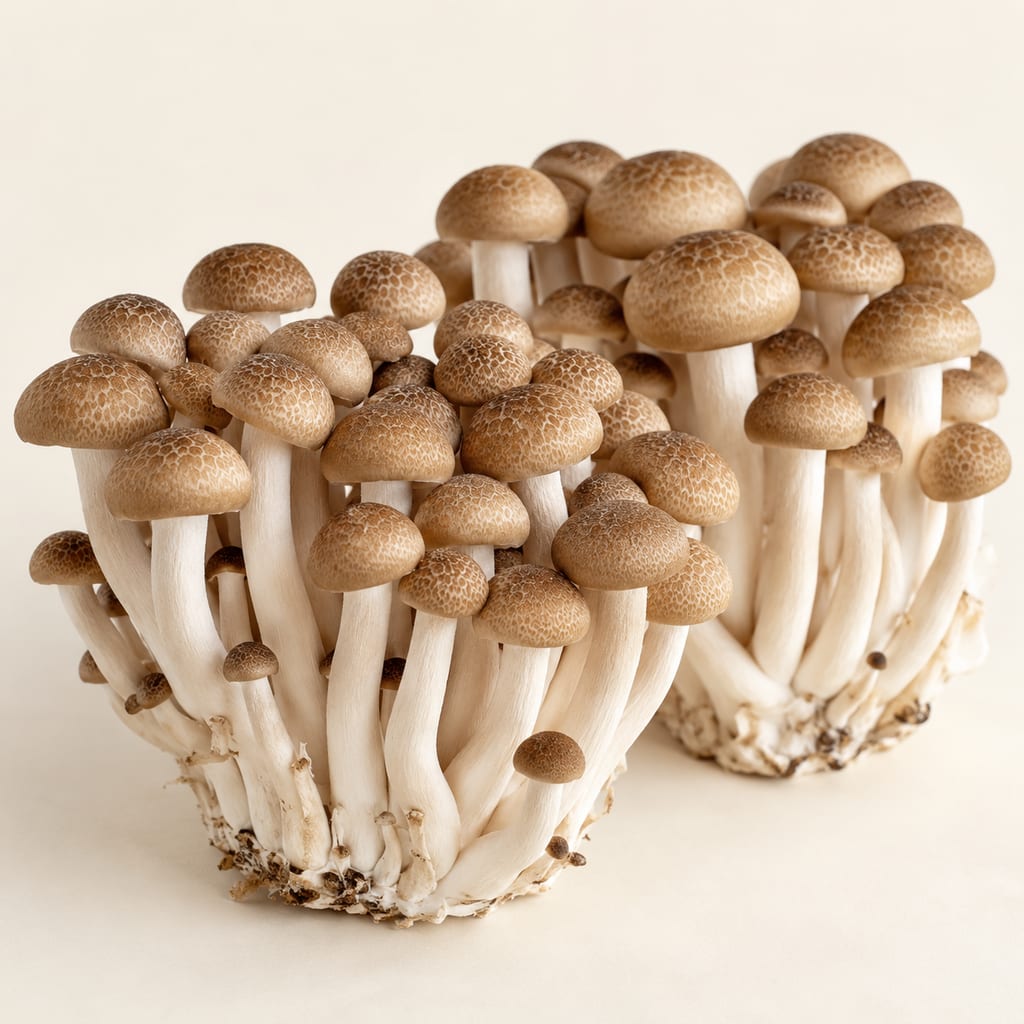
The beech mushroom, known in Japan as shimeji, is a firm, nutty cultivated mushroom sold in brown and white forms, and it needs cooking to remove its bitterness and toughness.
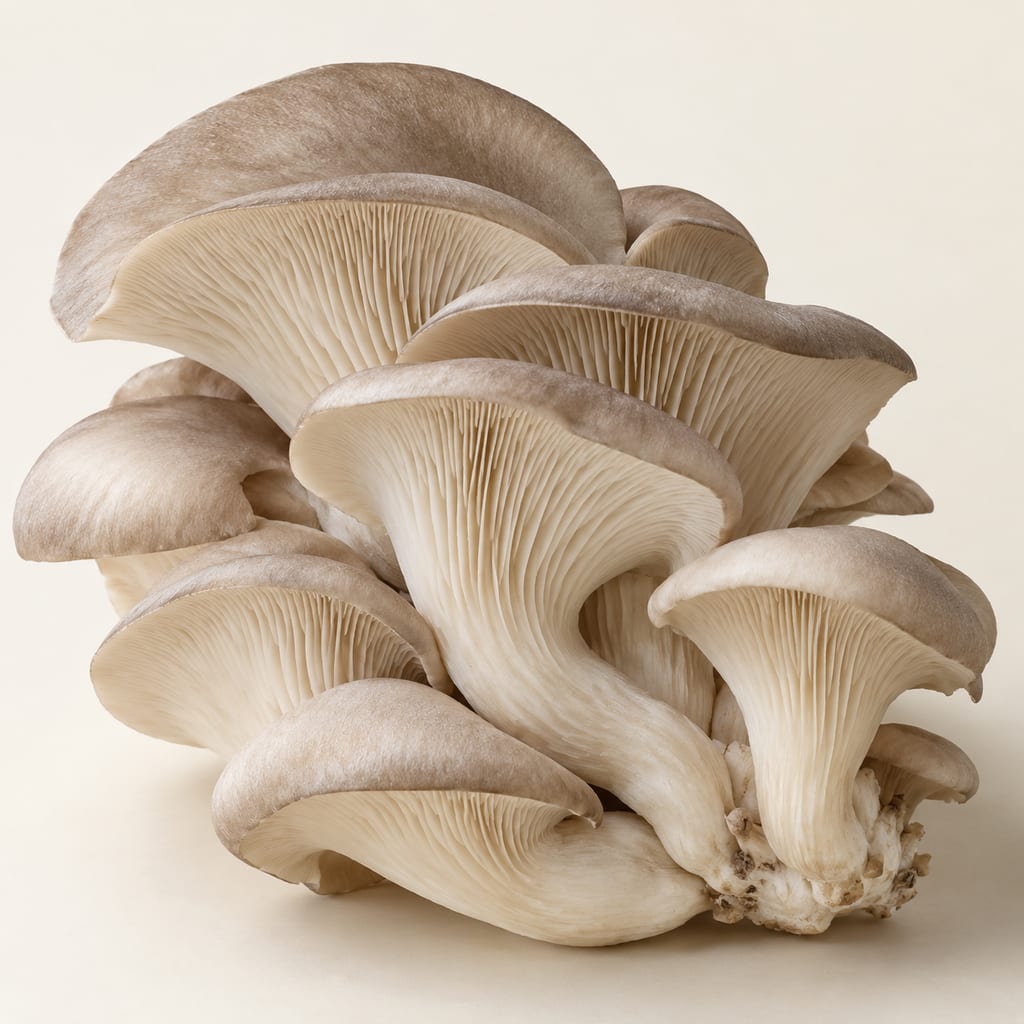
The oyster mushroom, Pleurotus ostreatus, is the most widely grown Pleurotus species, cultivated on straw, sawdust and agricultural waste, and its commercial history is shorter and less settled than its reputation suggests.
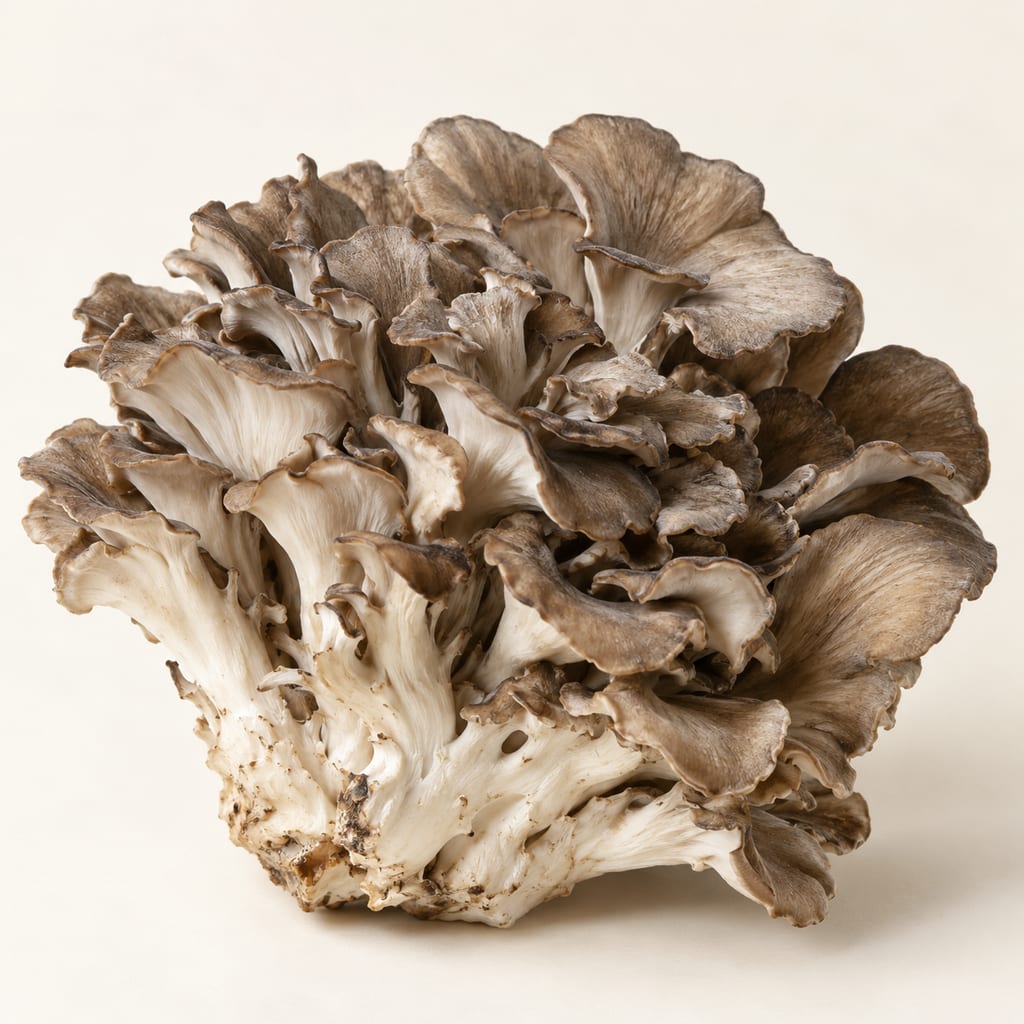
Maitake, Grifola frondosa, is a clustered polypore that grows at the base of old trees, eaten in China and Japan for centuries and cultivated indoors since the 1980s.
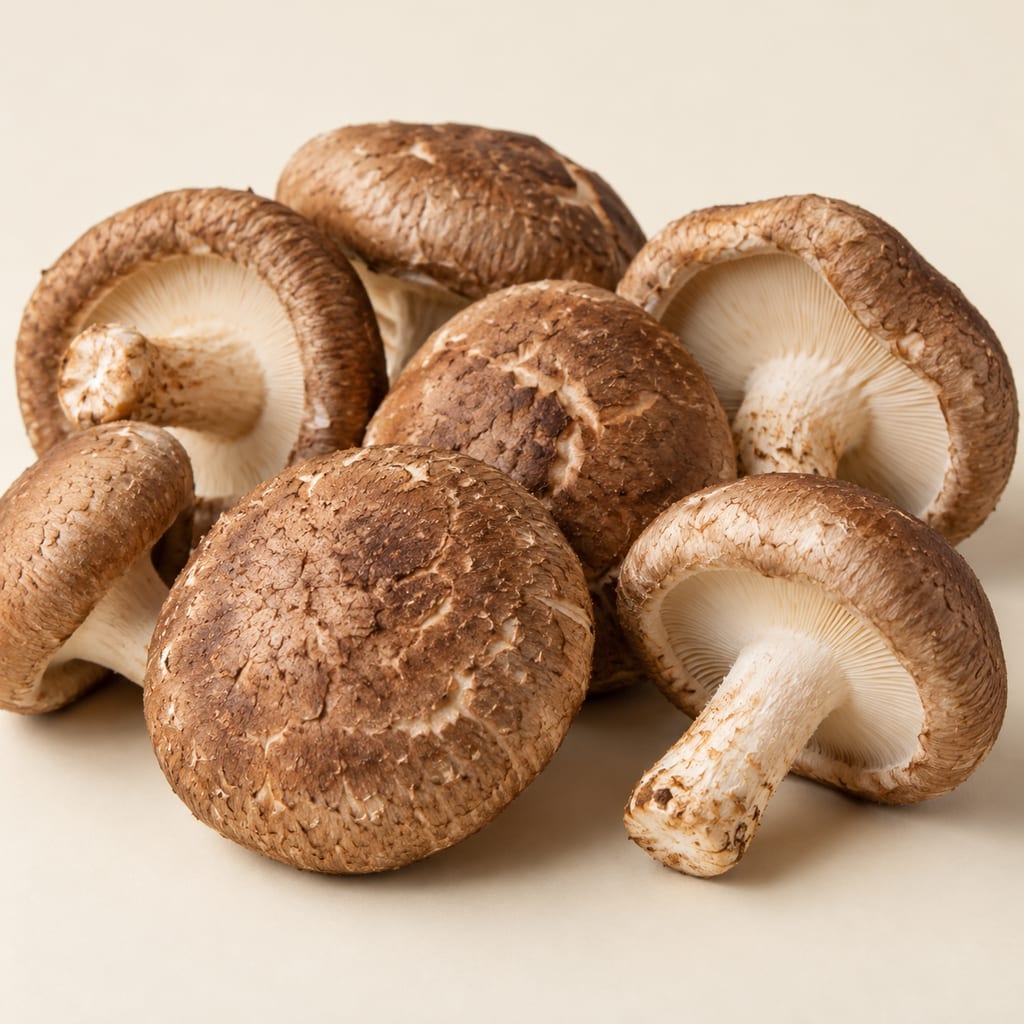
Shiitake, Lentinula edodes, is a wood-rotting mushroom cultivated in East Asia for centuries on logs and sawdust, and dried for storage and stock.
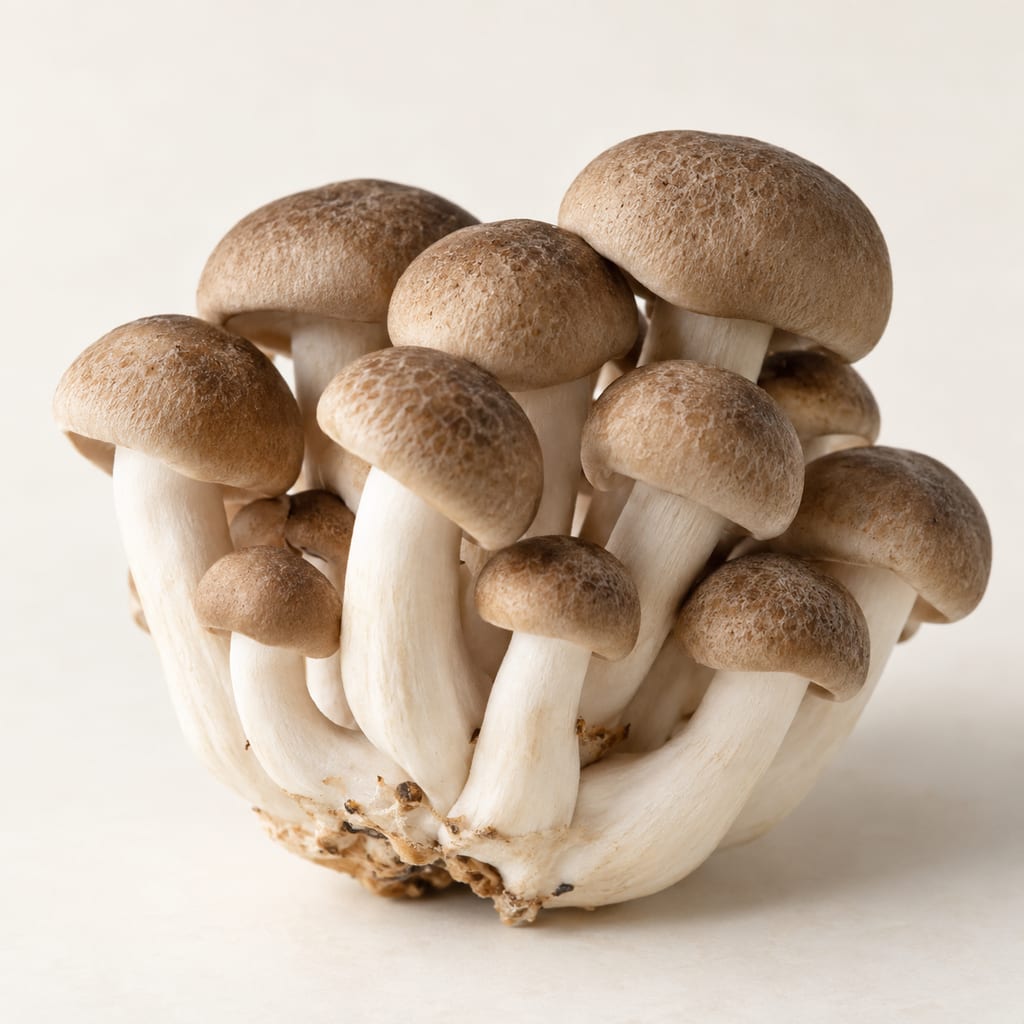
Hon-shimeji is the cultivated Japanese mushroom Lyophyllum shimeji, prized for its firm texture and clean, nutty flavour, and one of the few ectomycorrhizal mushrooms grown commercially without a host tree.
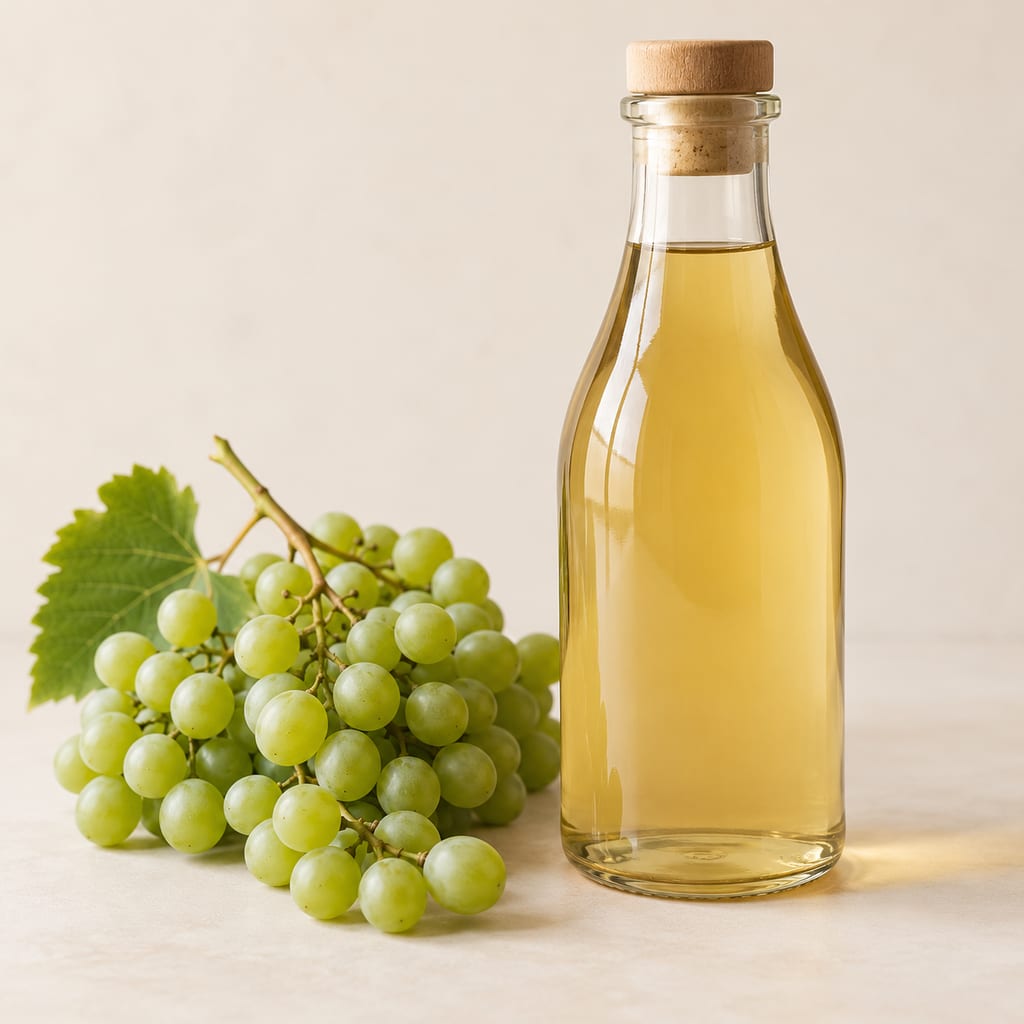
Verjuice is the sharp juice pressed from unripe grapes, and sometimes from crab apples or other sour fruit. Medieval cooks used it where later kitchens reached for vinegar or lemon.
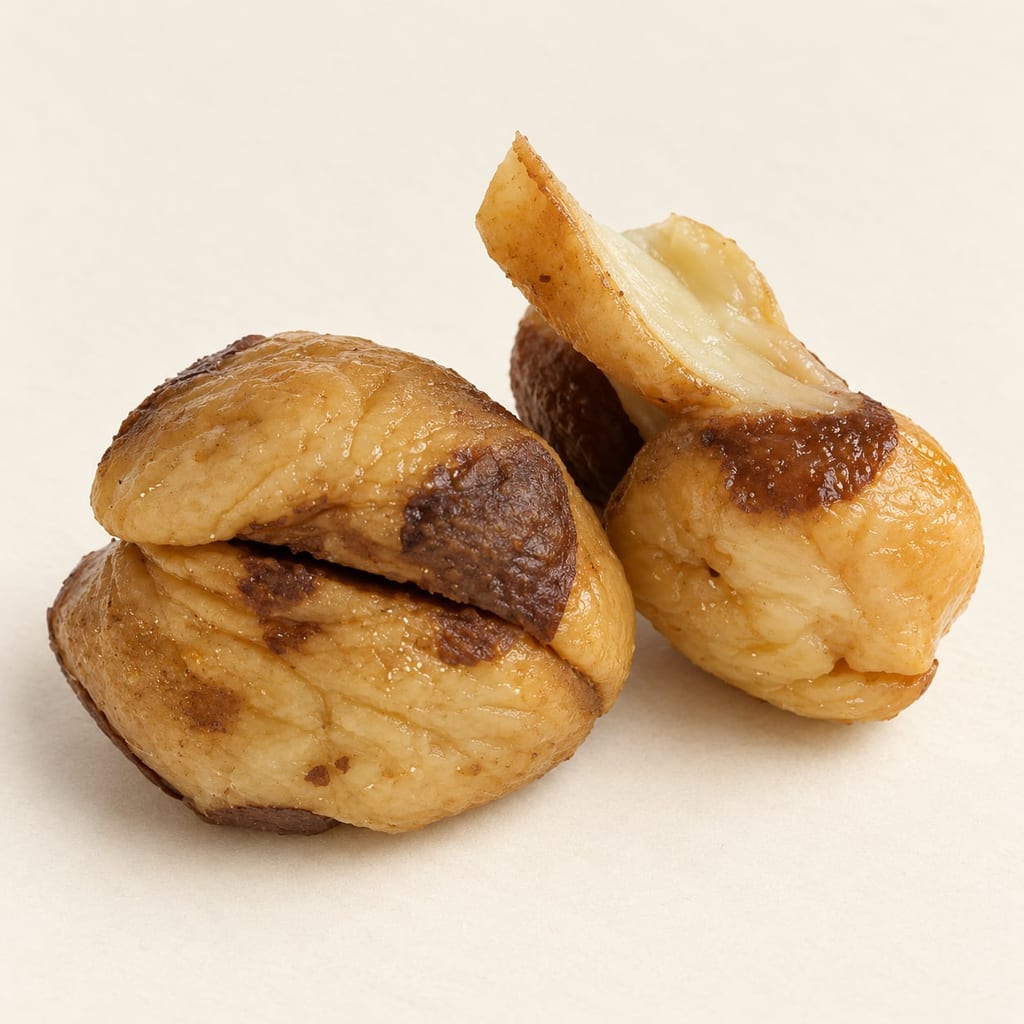
Tahitian chestnut is the starchy seed of Inocarpus fagifer, a food tree of tropical Southeast Asia and the Pacific. Despite its name, it is not a true chestnut, and the seed is cooked before eating.
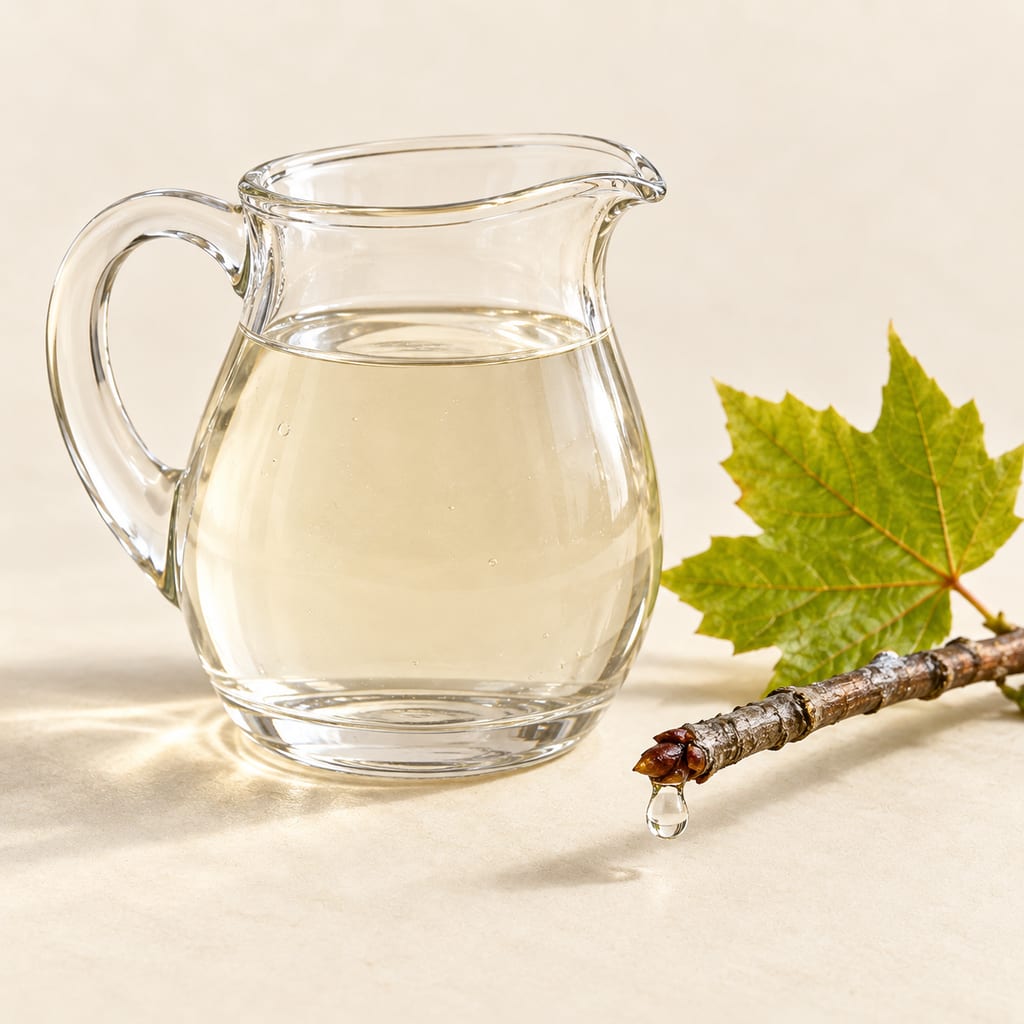
Maple sap is the dilute, mildly sweet liquid gathered from maple trees in late winter and early spring, before heat concentrates it into syrup or sugar.
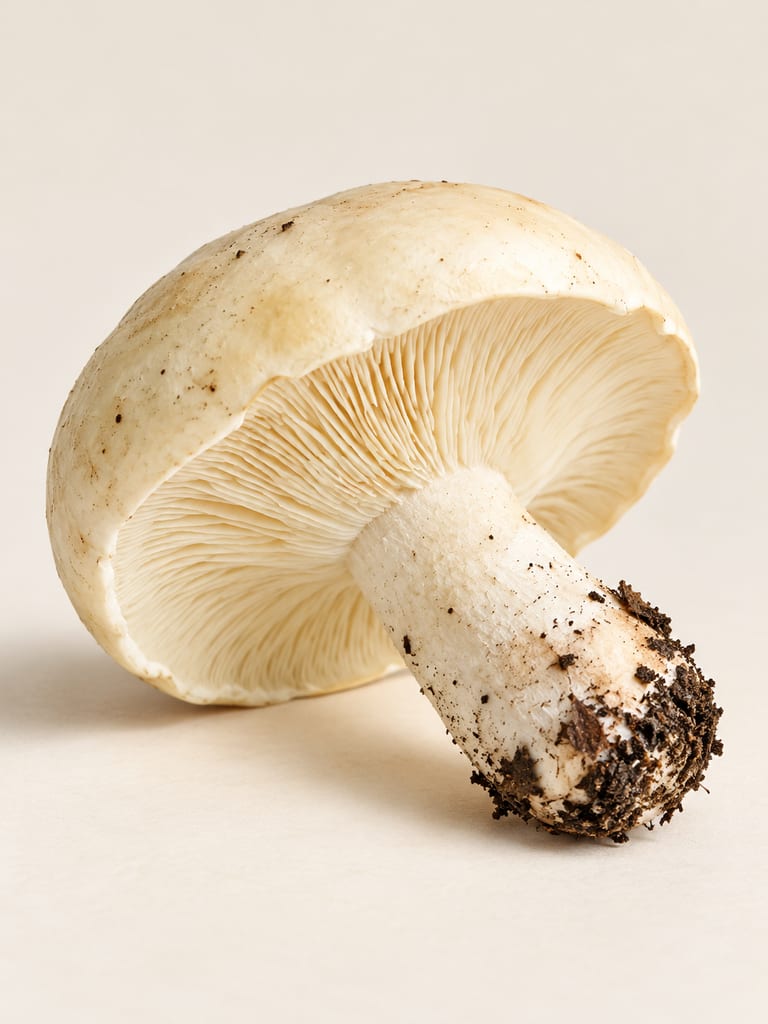
Calocybe gambosa is a spring wild mushroom valued as food in several regions. Pale caps, crowded gills and a flour-like scent are descriptive traits, not a safe identification.
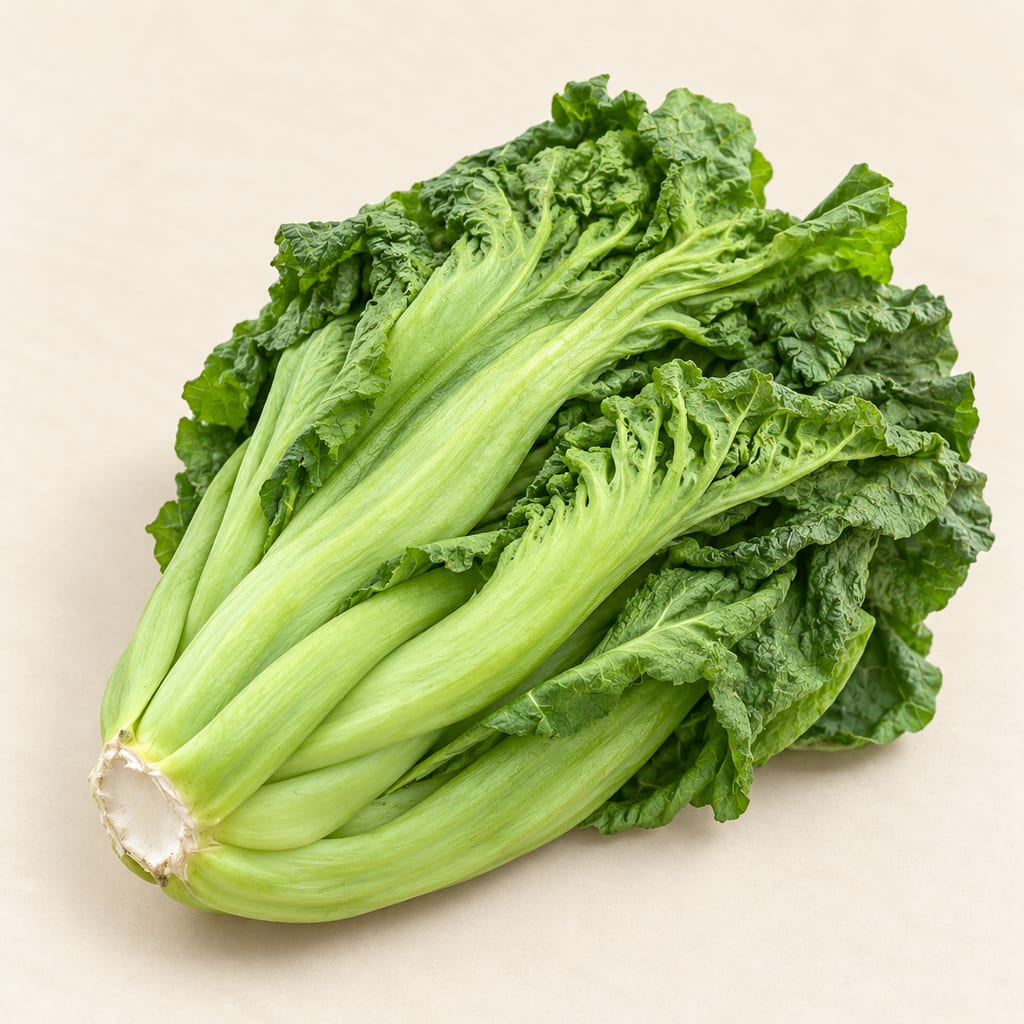
Takana is Japanese leaf mustard, including Miike takana of Fukuoka: pungent, broad leaves and stems eaten fresh or preserved as pickles.
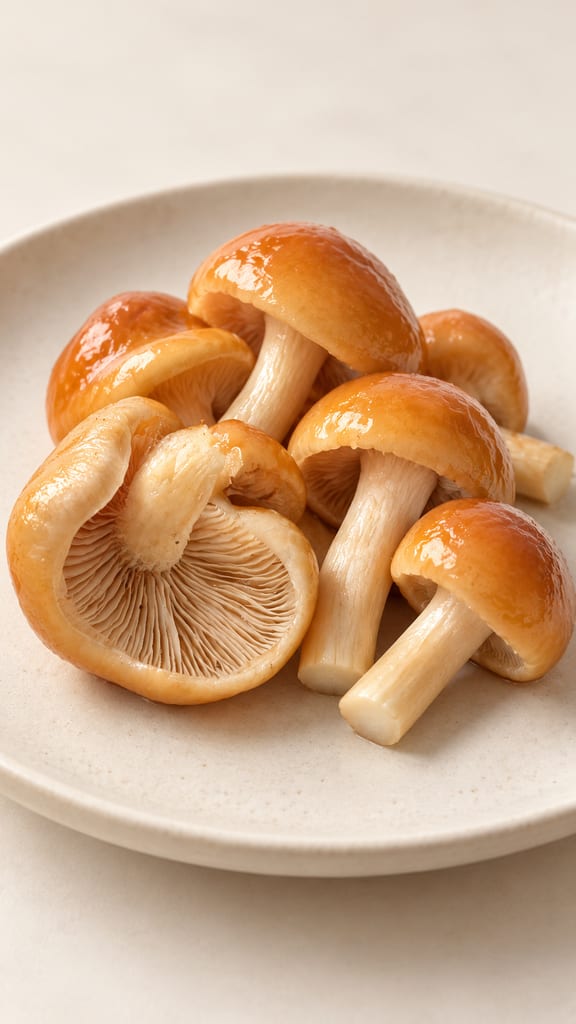
Nameko is a small Japanese mushroom with amber caps and a naturally slippery surface, eaten fresh in soups and other dishes and cultivated on wood-based media.
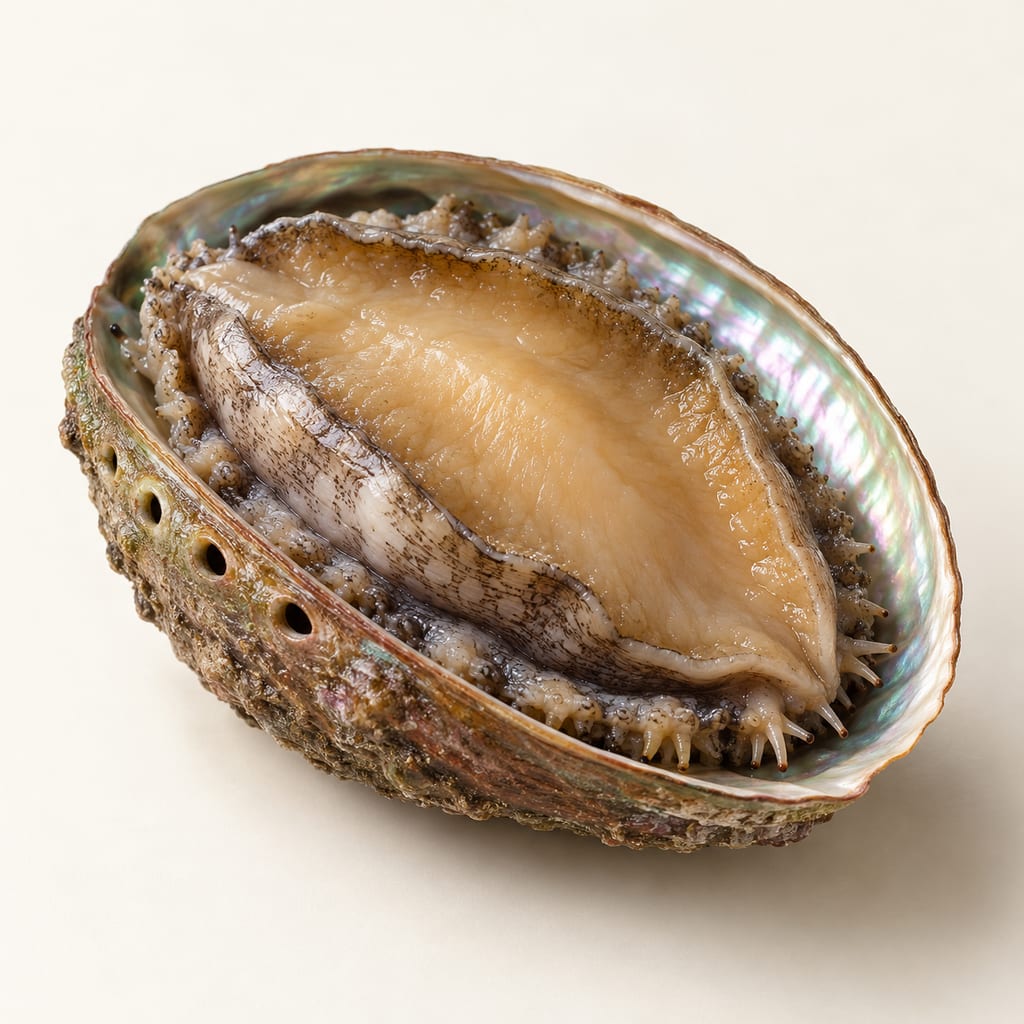
Abalone are marine snails valued for their broad muscular foot and distinctive shell. They are eaten fresh or dried and appear in documented Korean dishes and preserved seafood traditions.
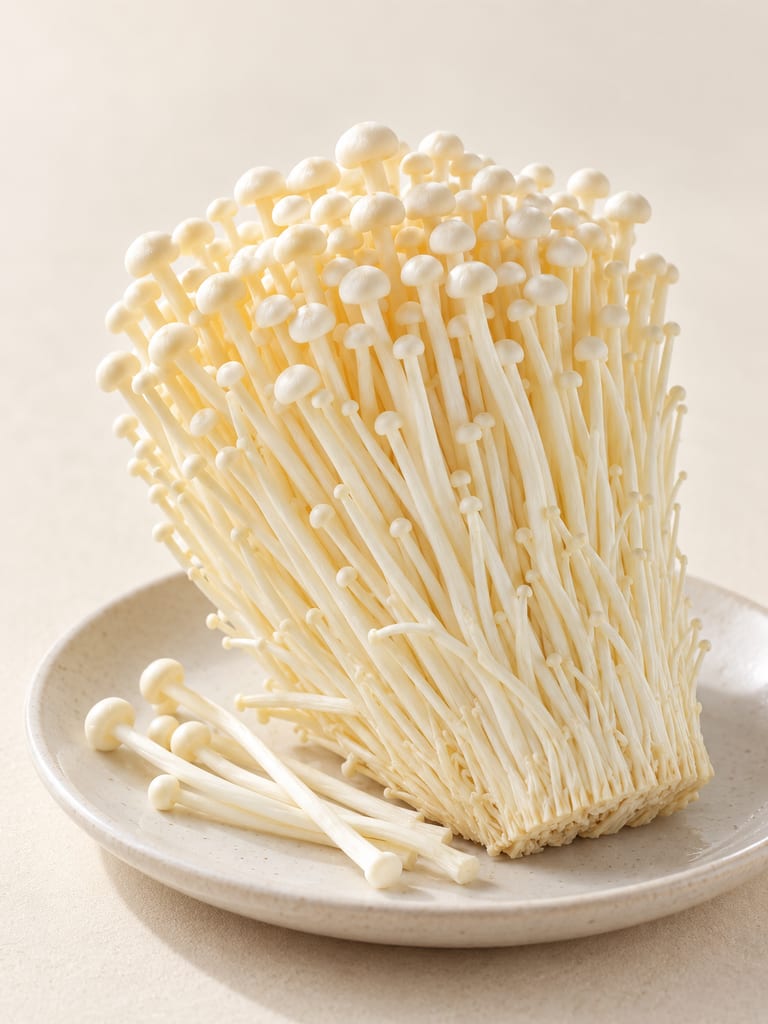
Enoki is the cultivated East Asian winter mushroom, Flammulina filiformis: a mild, crisp, slender-stemmed fungus used in soups and hot pots and best cooked thoroughly.
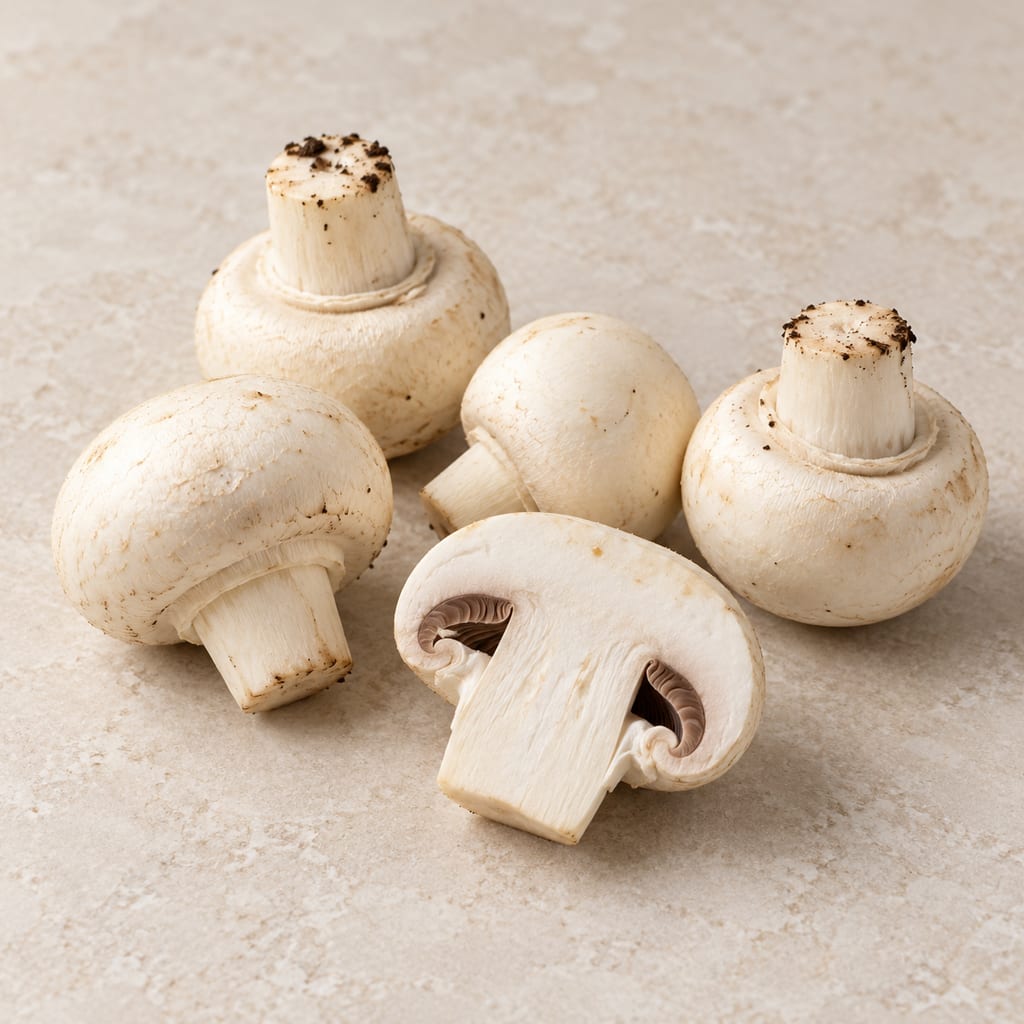
A cultivated form of Agaricus bisporus sold young as a button and at more mature stages as cremini or portobello, used fresh or preserved in everyday cooking.
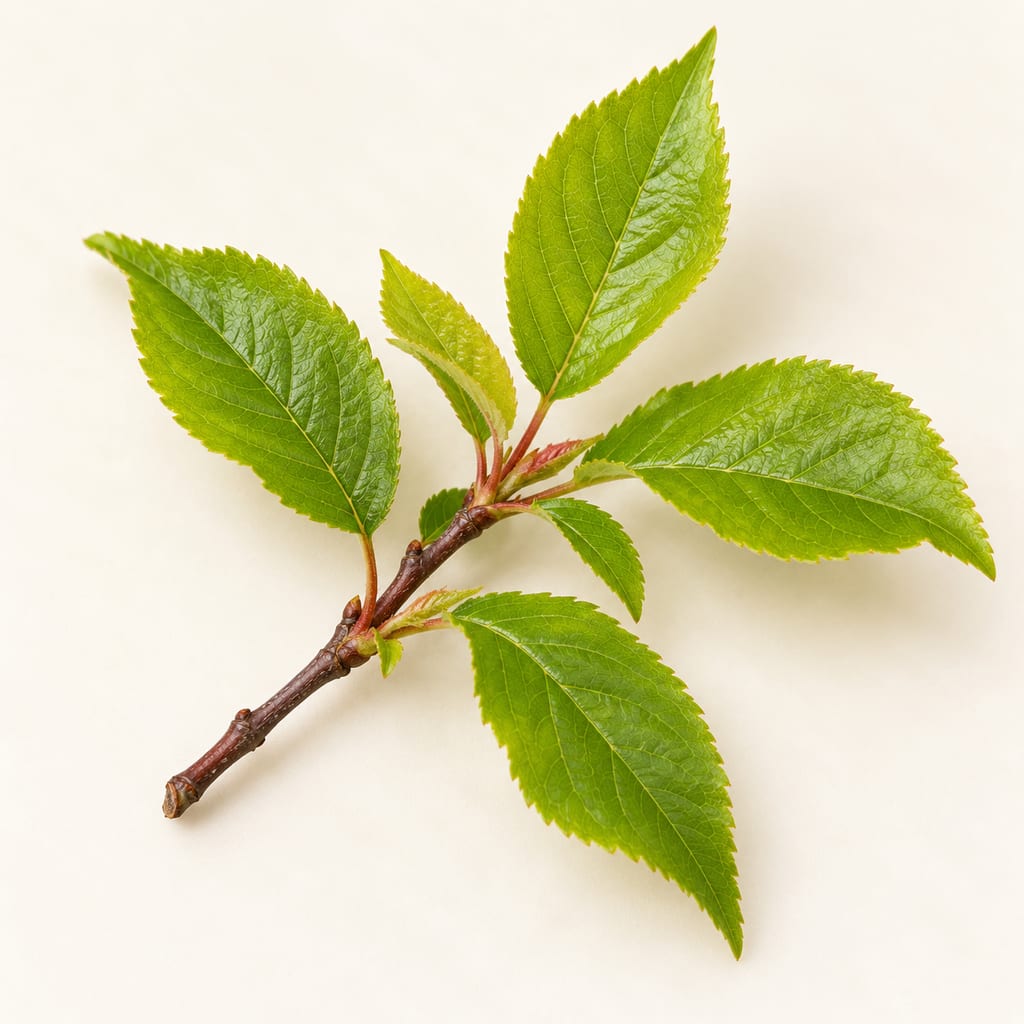
Sour-cherry leaves come from Prunus cerasus. They are documented as an aroma ingredient in Thracian hardaliye, but the sources do not establish a safe home preparation or dose.
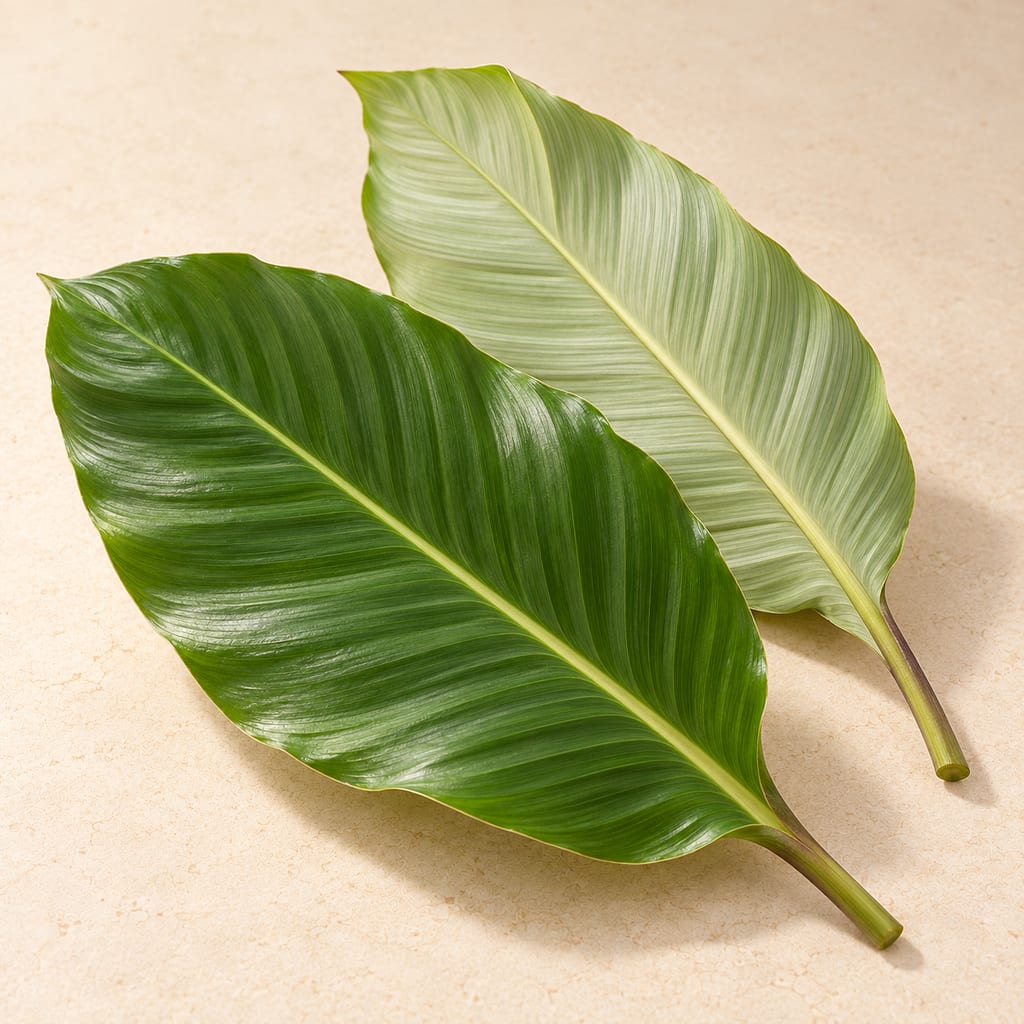
Bijao is the broad, durable leaf of Calathea lutea used in parts of Colombia as food-contact wrapping and lining. The common name also applies to other plants.
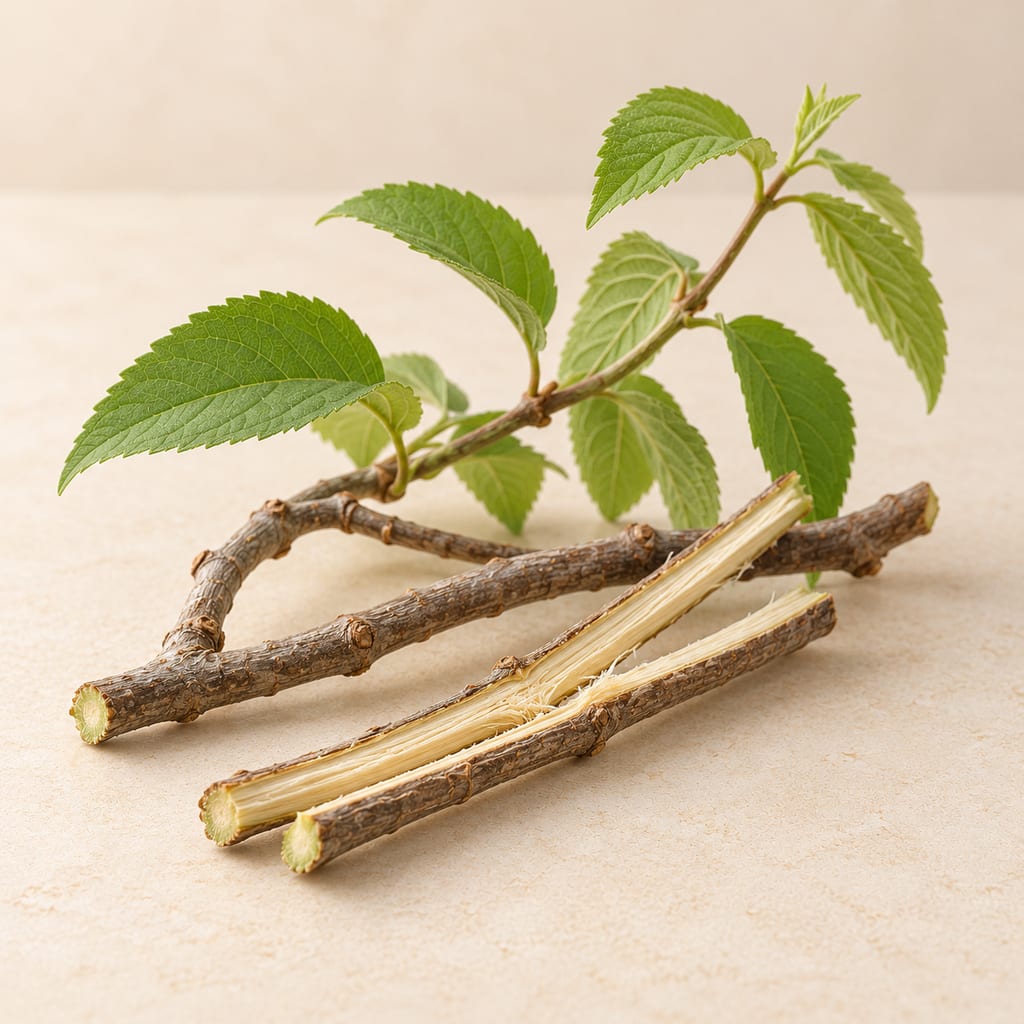
A woody climbing vine in the buckthorn family, Gouania polygama is gathered for fresh stems used in Cuban pru, where it helps give the fermented botanical drink its characteristic effervescence and taste.
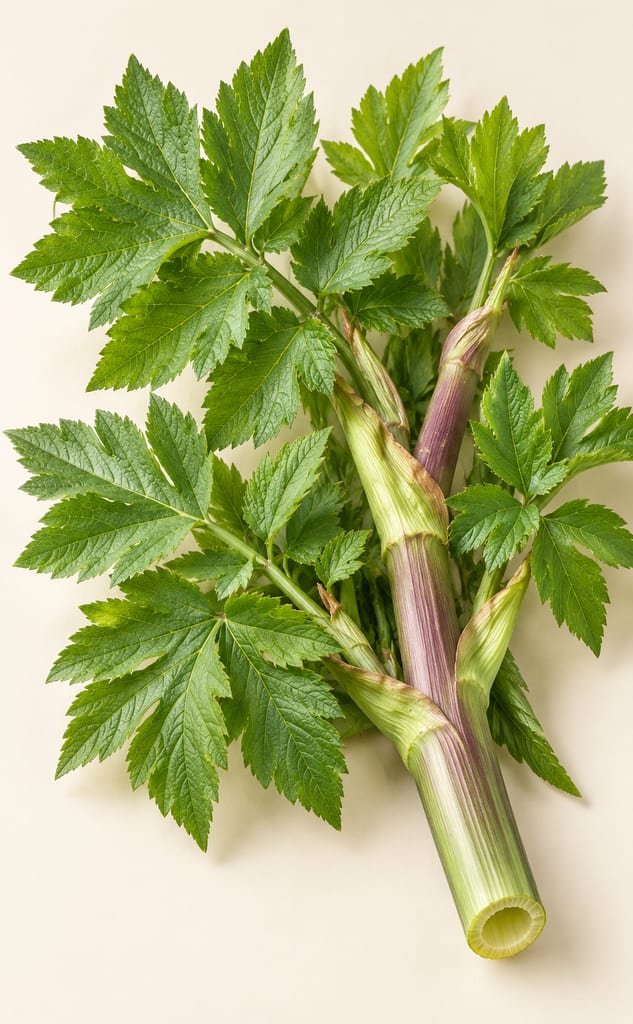
Angelica here means garden angelica (Angelica archangelica), an aromatic Apiaceae used as a vegetable, seasoning and candied stem, with Sámi food traditions linking it to preserved milk dishes.
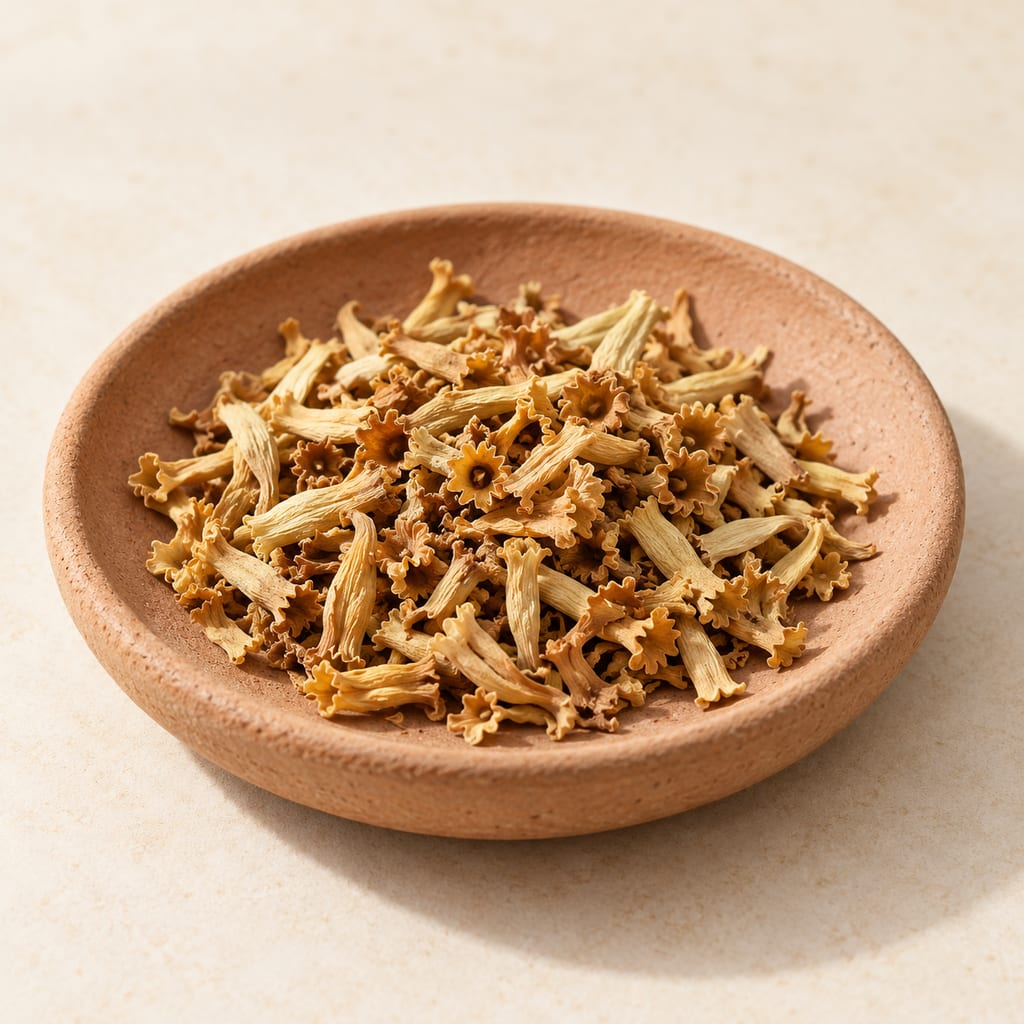
The aromatic flower of Quararibea funebris, dried and toasted for tejate in Oaxaca; despite its name, it is not cacao.
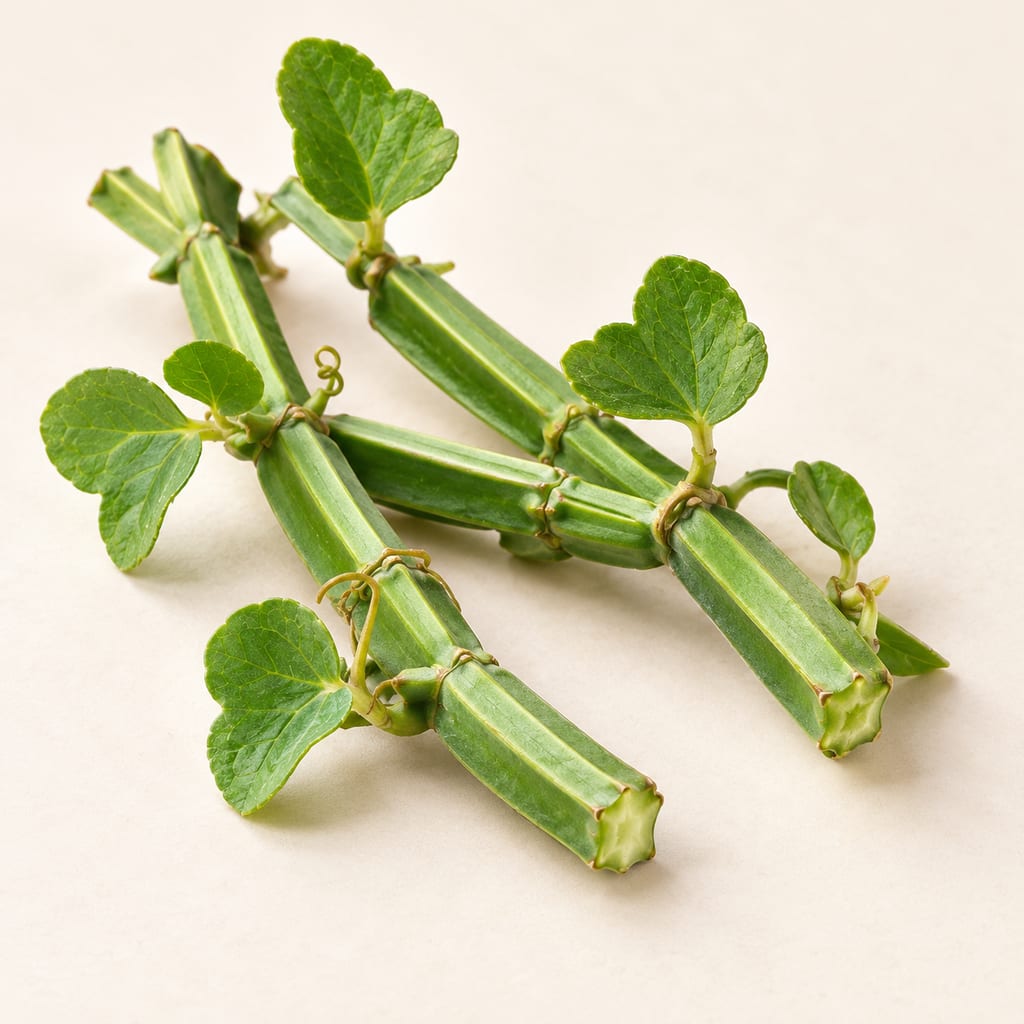
A succulent climbing vine recorded as a plant layer in Aseer haneeth; sources do not identify which part is used or say whether the plant layer is eaten.