
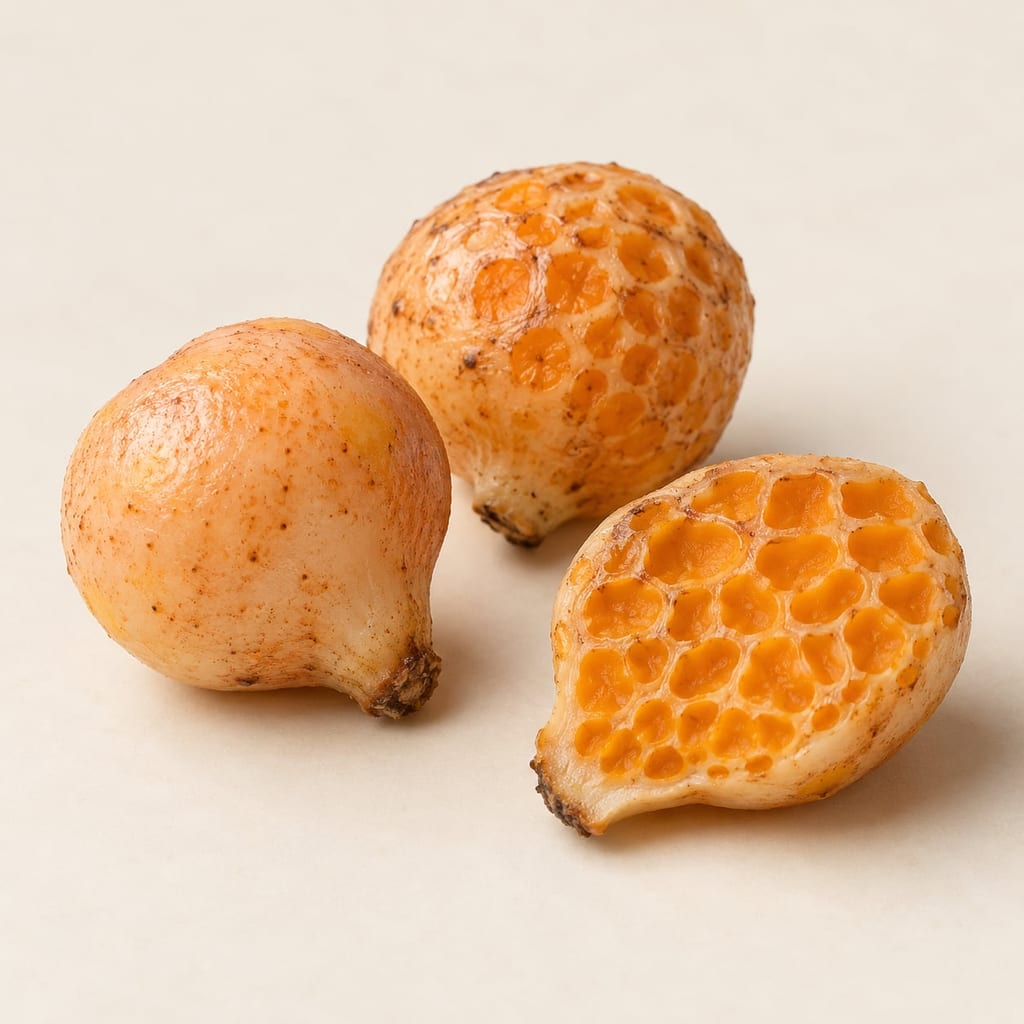
























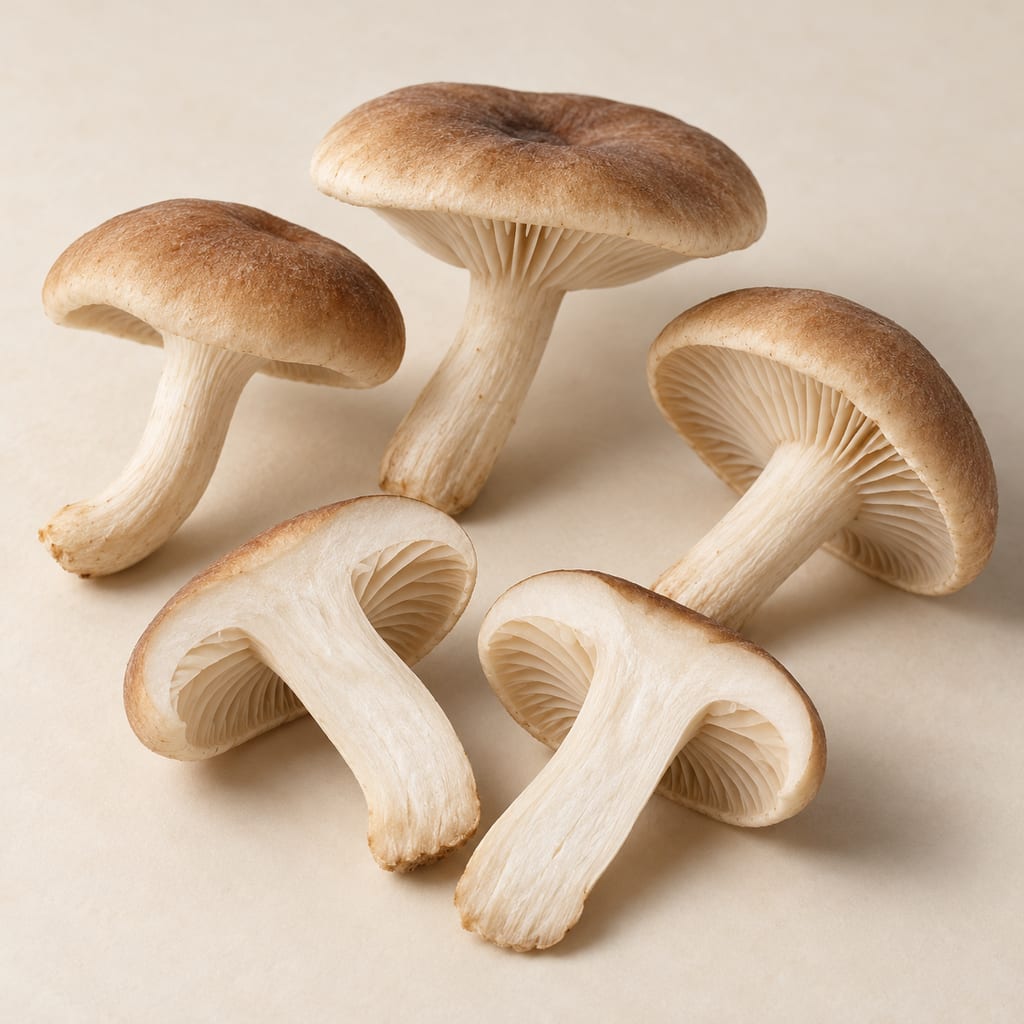
Cyclocybe chaxingu
Cyclocybe chaxingu is a cultivated edible wood-decaying mushroom best known in China, where related market names can blur species identity.
 FermenteaWhere food goes to change
1086 articles on substrates, cultures and additives.
 Edible mushrooms339
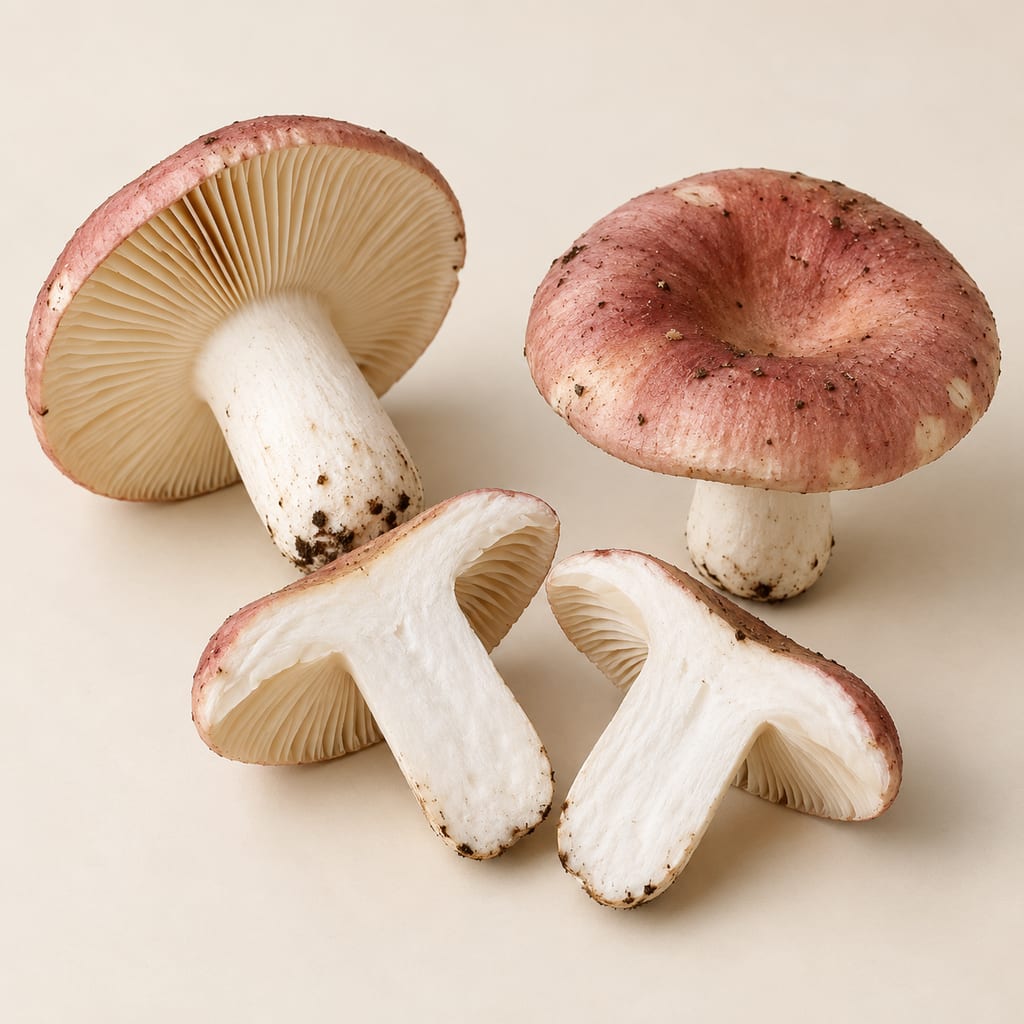 Brittlegills25
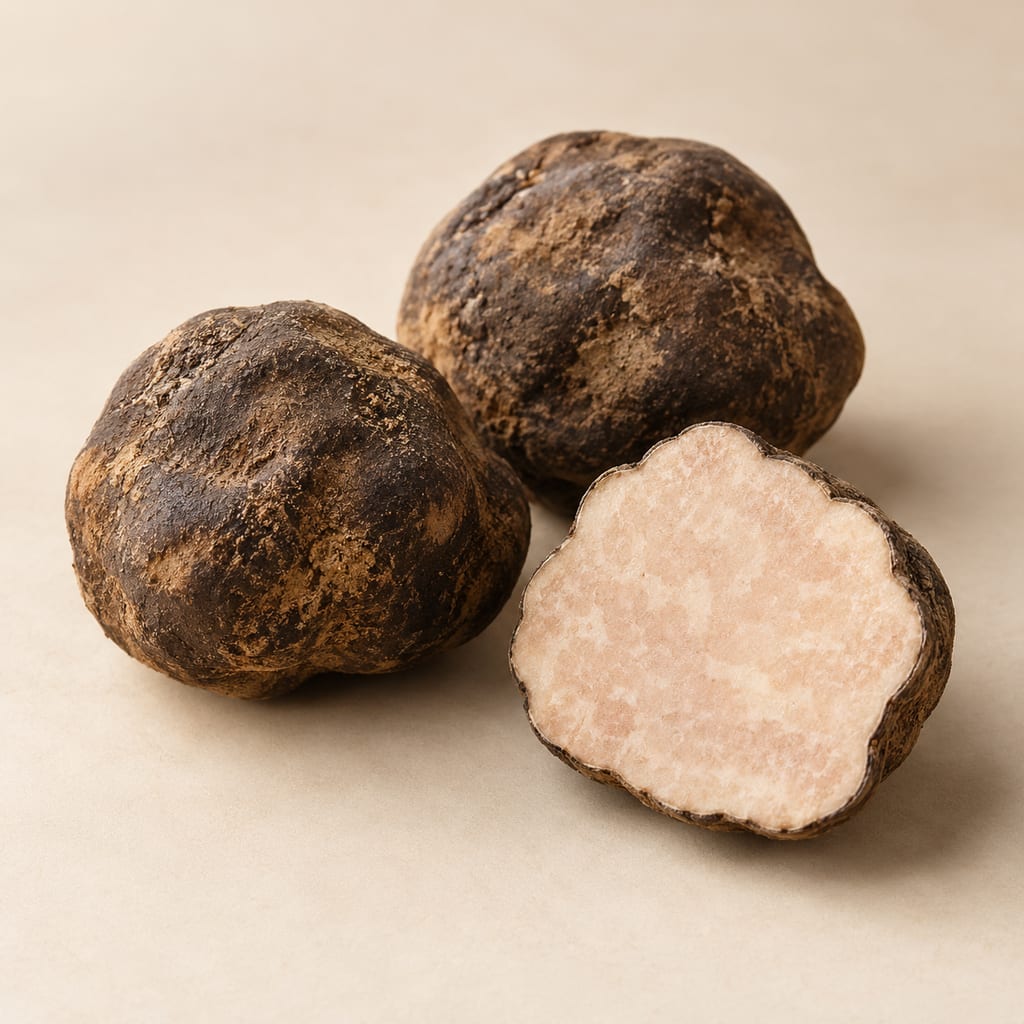 Truffles20
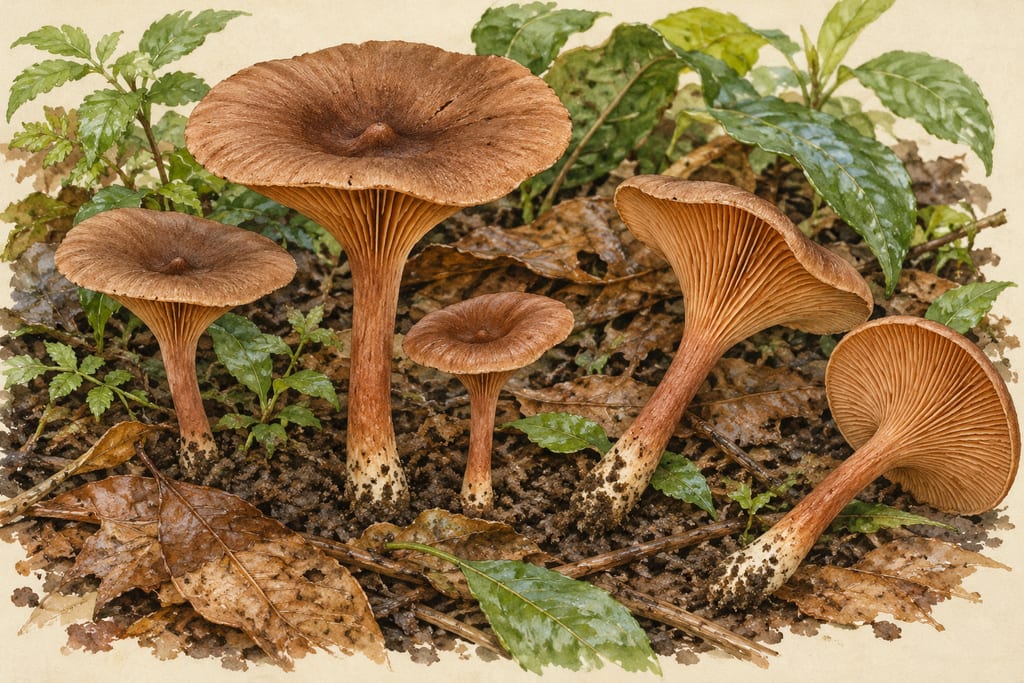 Milkcaps17
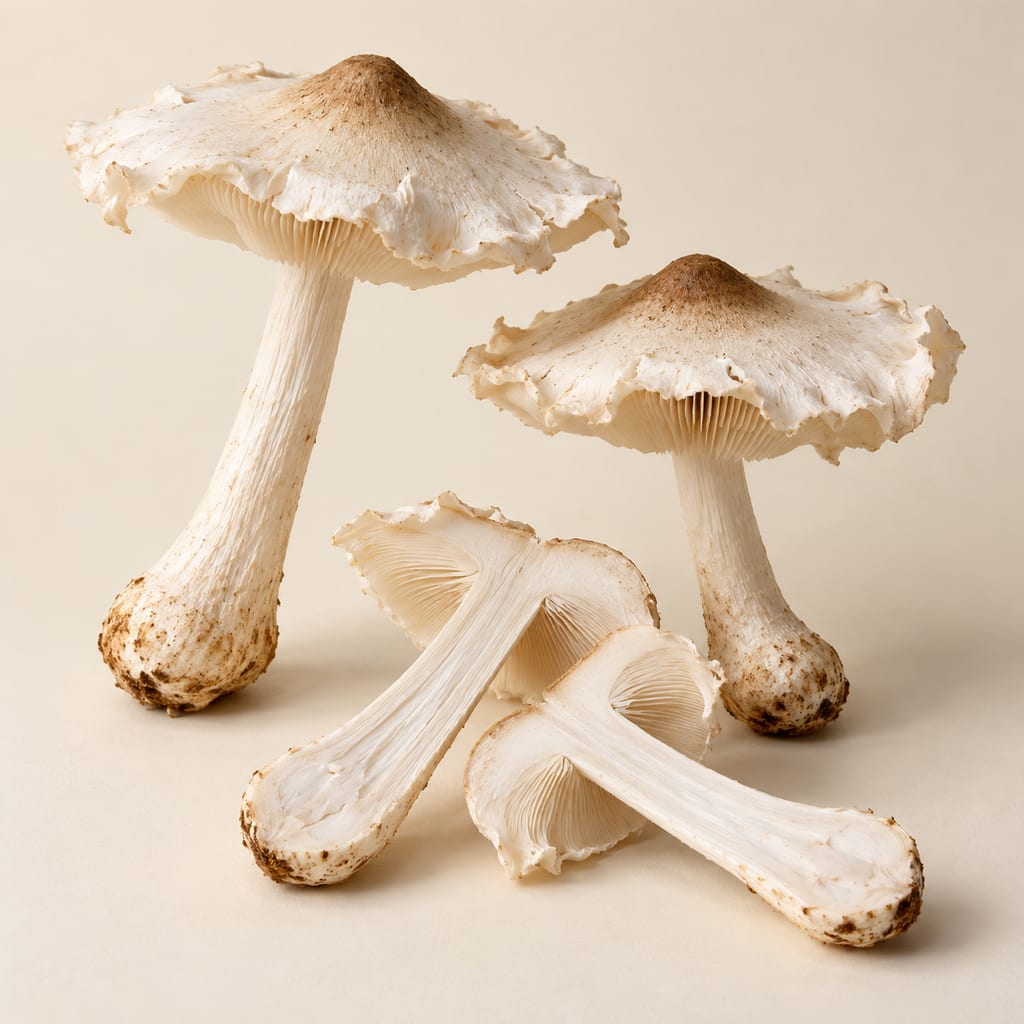 Termite mushrooms17
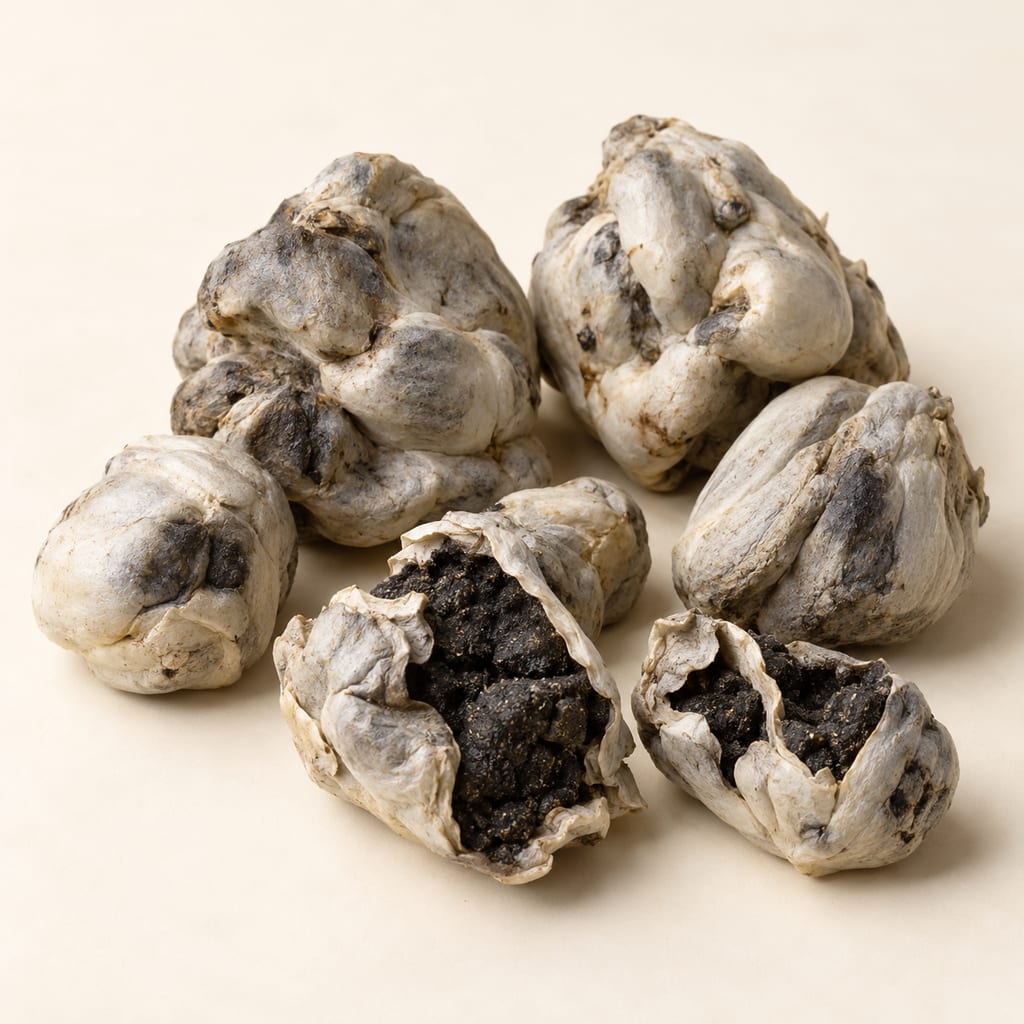 Fungi7
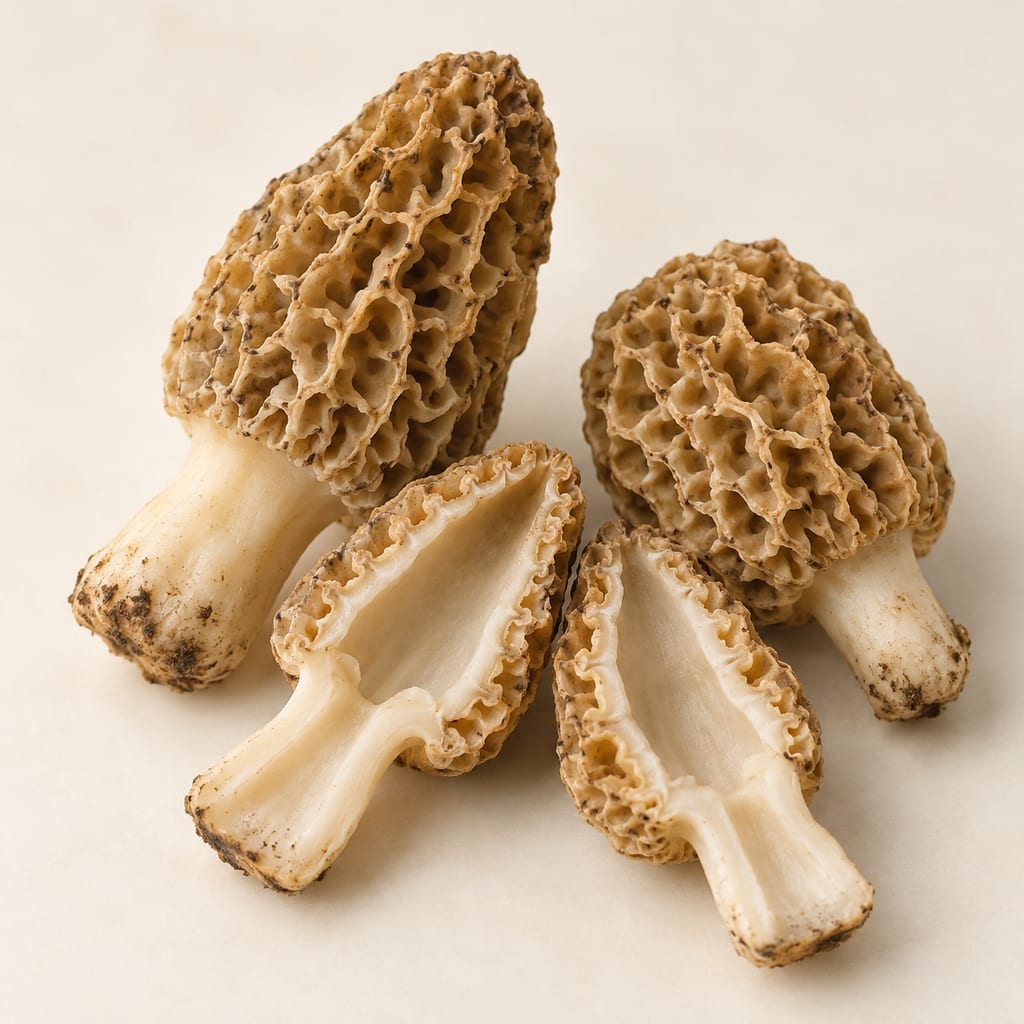 Morels4
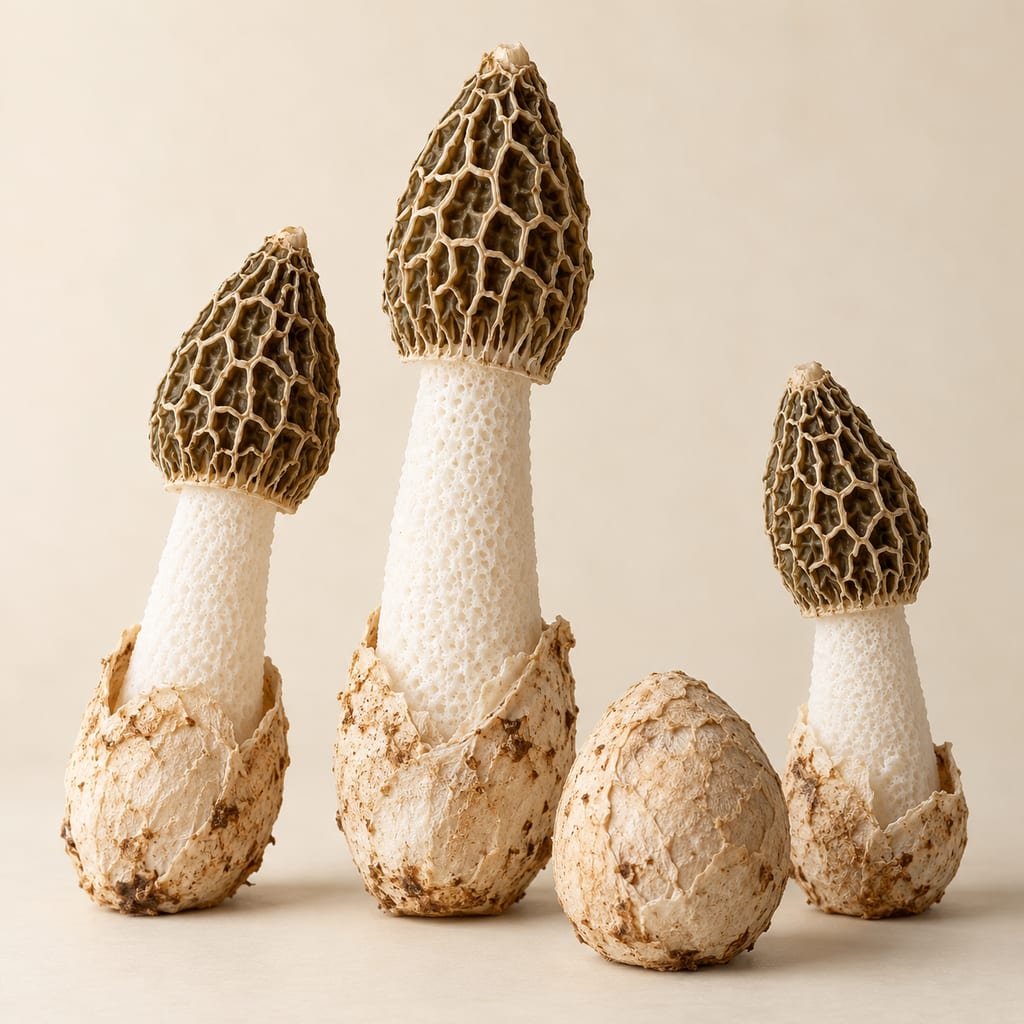 Stinkhorn fungi4
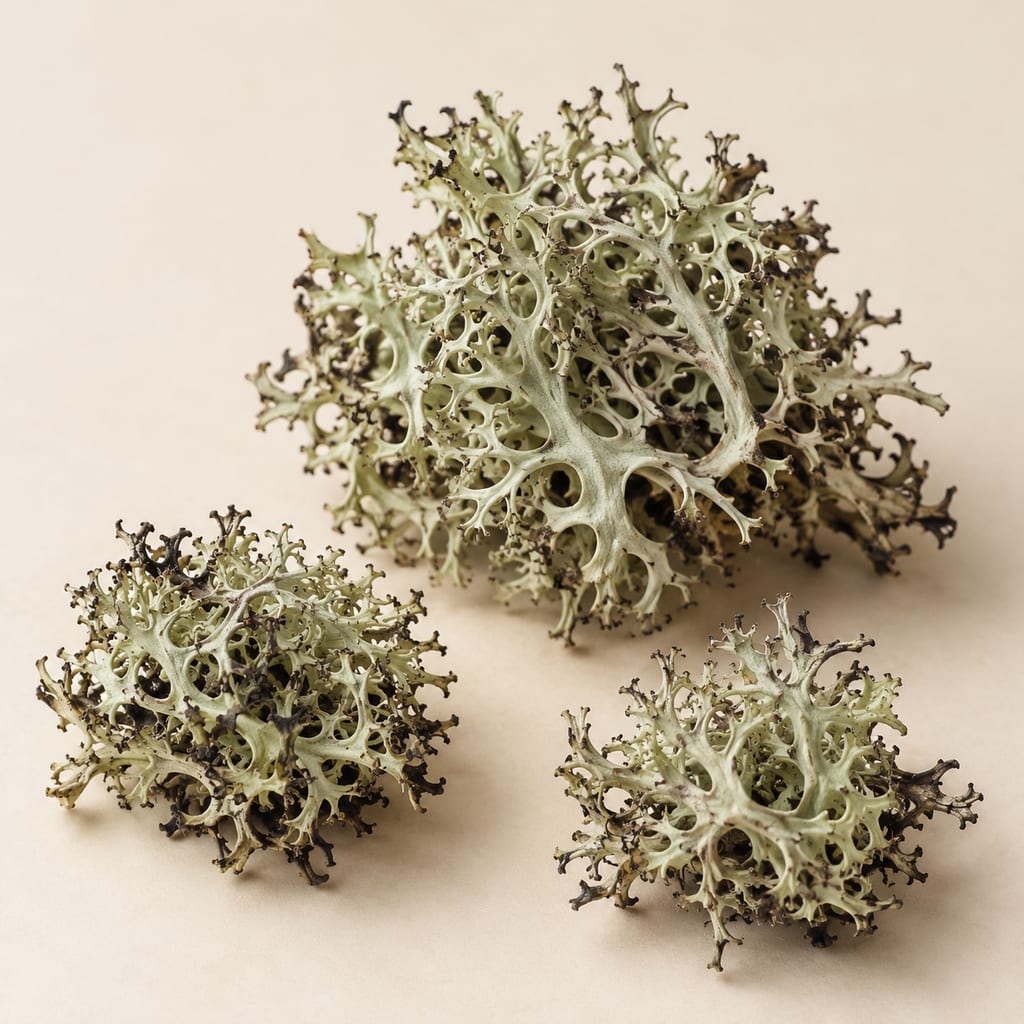 Lichens3
Cyclocybe chaxingu is a cultivated edible wood-decaying mushroom best known in China, where related market names can blur species identity.
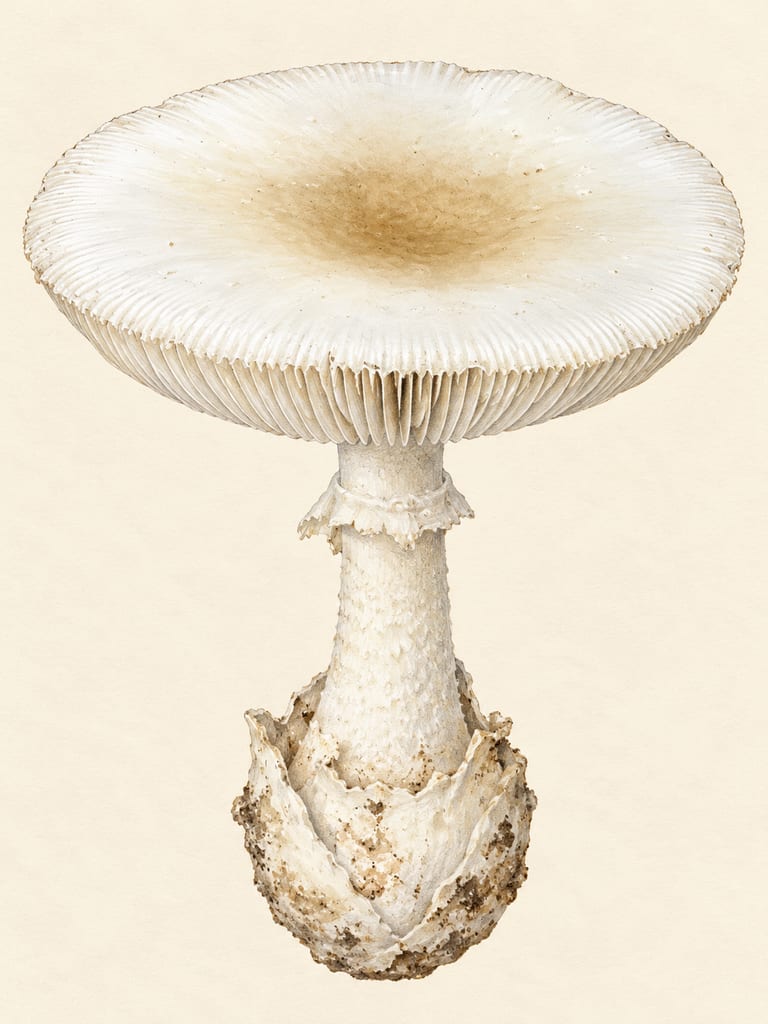
Amanita loosei is a large wild Amanita of tropical African miombo and open woodland, gathered and sold as a valued seasonal food. Regional food-use evidence is not a guide to identifying wild mushrooms.
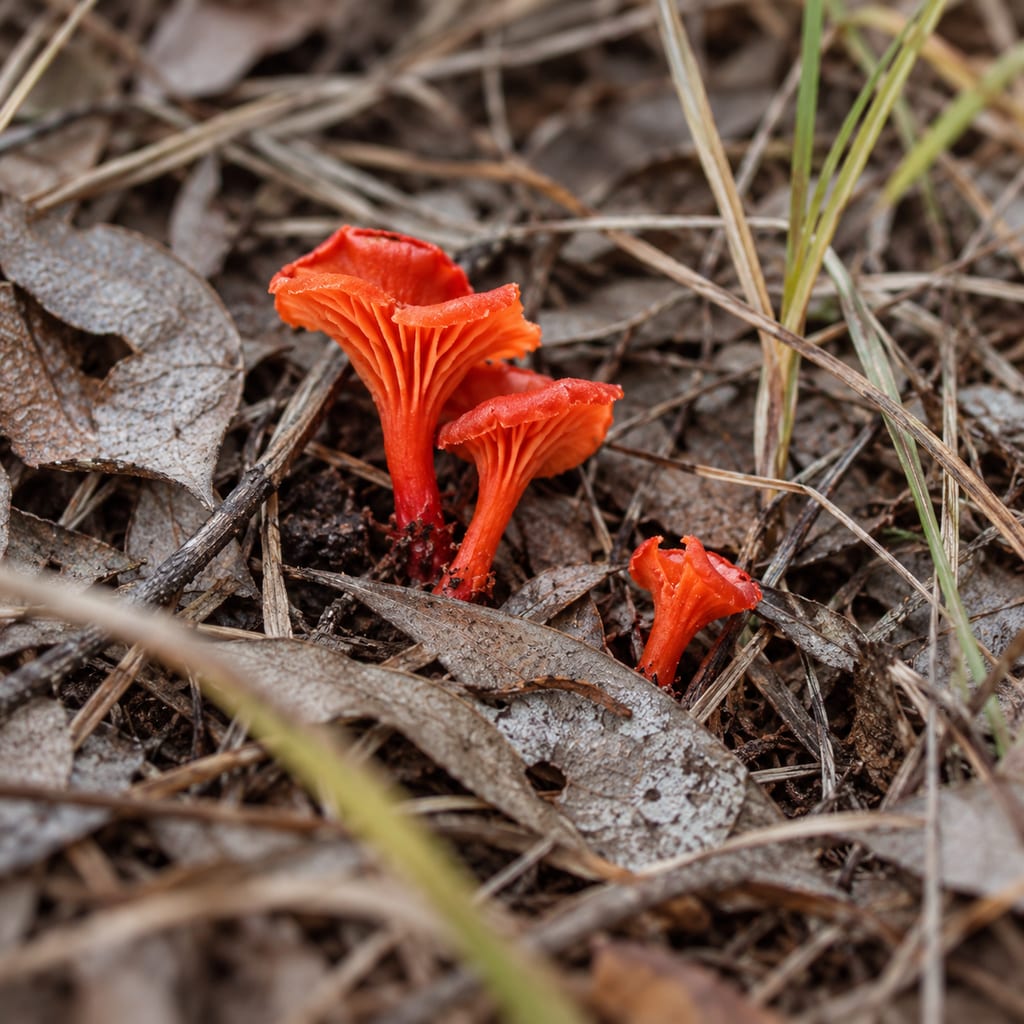
A small red ectomycorrhizal chanterelle of African open forest and miombo. Sources document regional food use but differ on taste and harvesting preference; older records as C. floridulus or C. miniatescens require care.
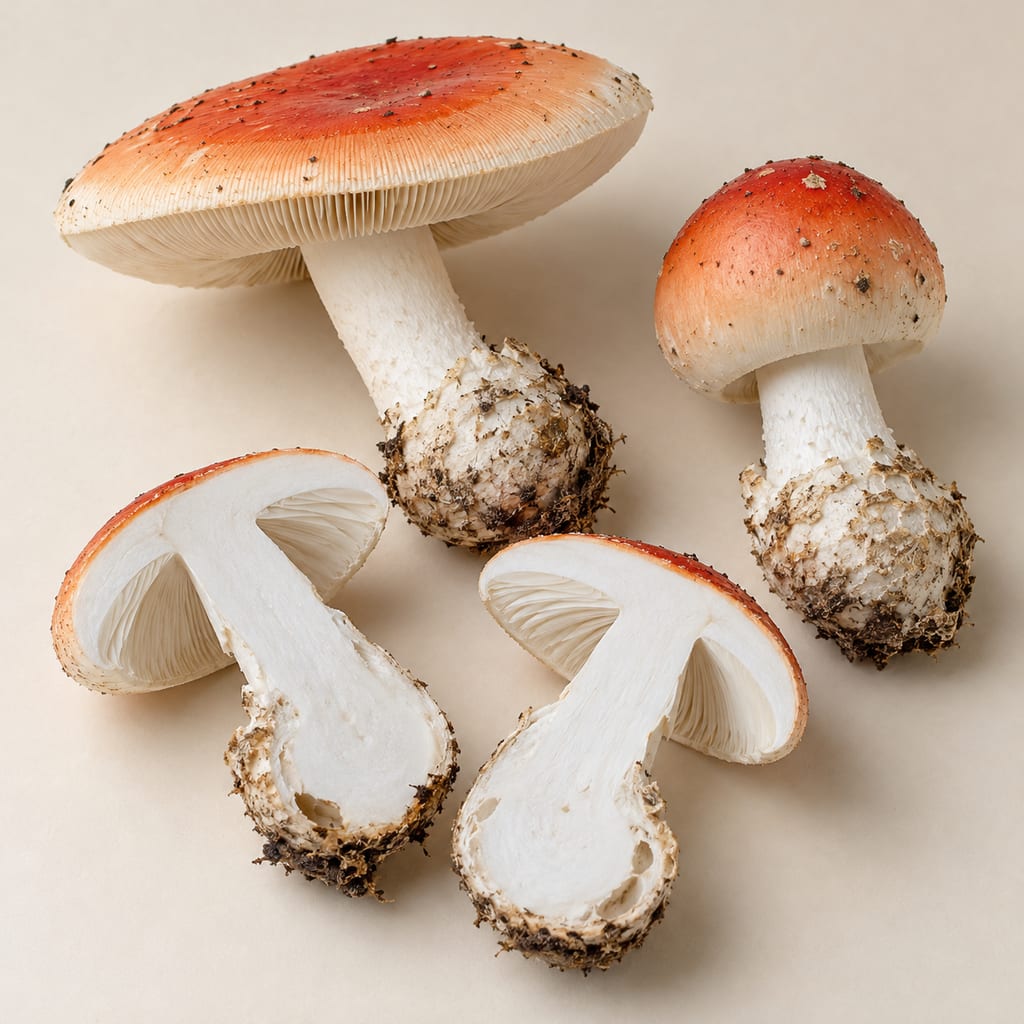
Amanita robusta Beeli is a poorly documented Central African Amanita known from voucher-backed rainforest collections in the Democratic Republic of the Congo and Cameroon. A Tshopo study reports local food use for a taxonomically supported voucher, but neither that record nor the name makes an unknown Amanita safe to identify or eat.
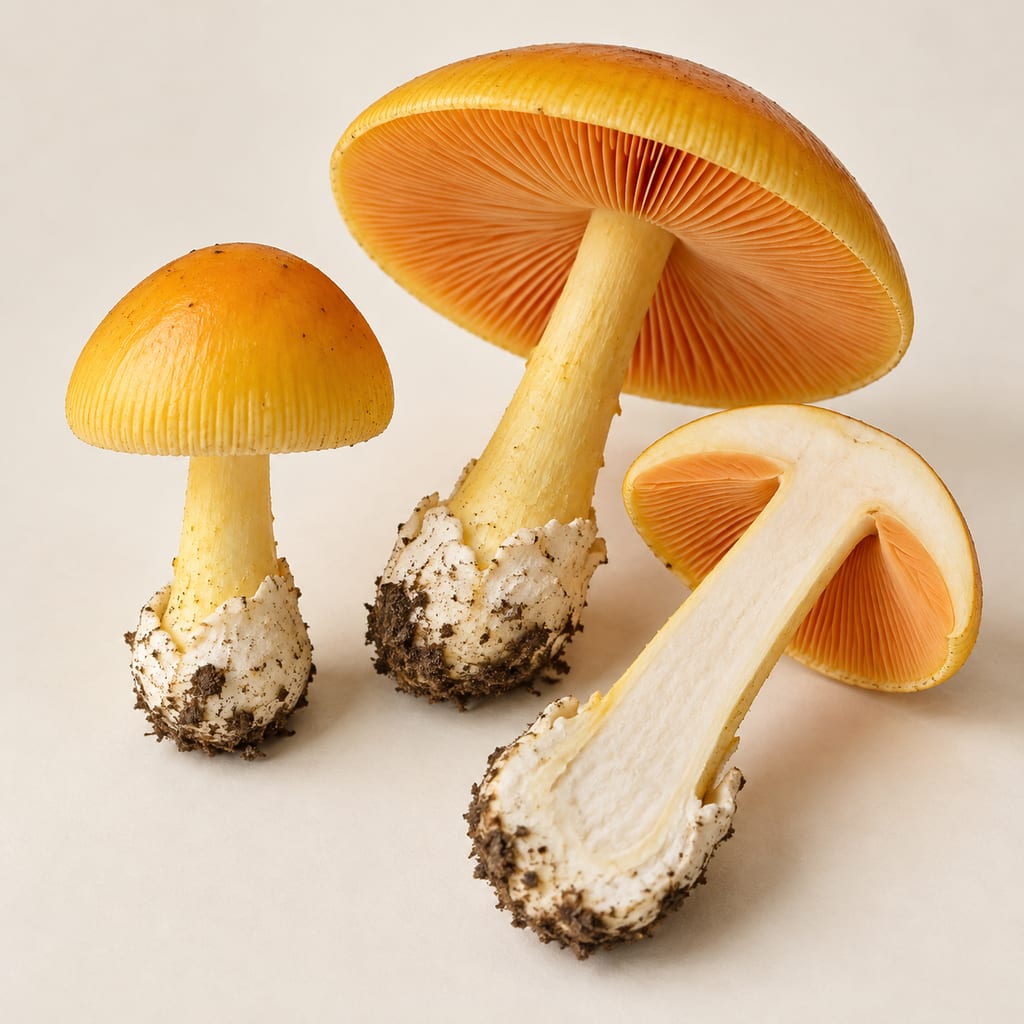
A wild miombo Amanita recorded as a local food in northern Zambia, with collections also documented in Haut-Katanga, DRC. The evidence is regional and does not make wild identification safe.
Tawny grisette (Amanita fulva) is a ringless, volva-bearing woodland Amanita with documented but taxonomically qualified food use in a few regions.
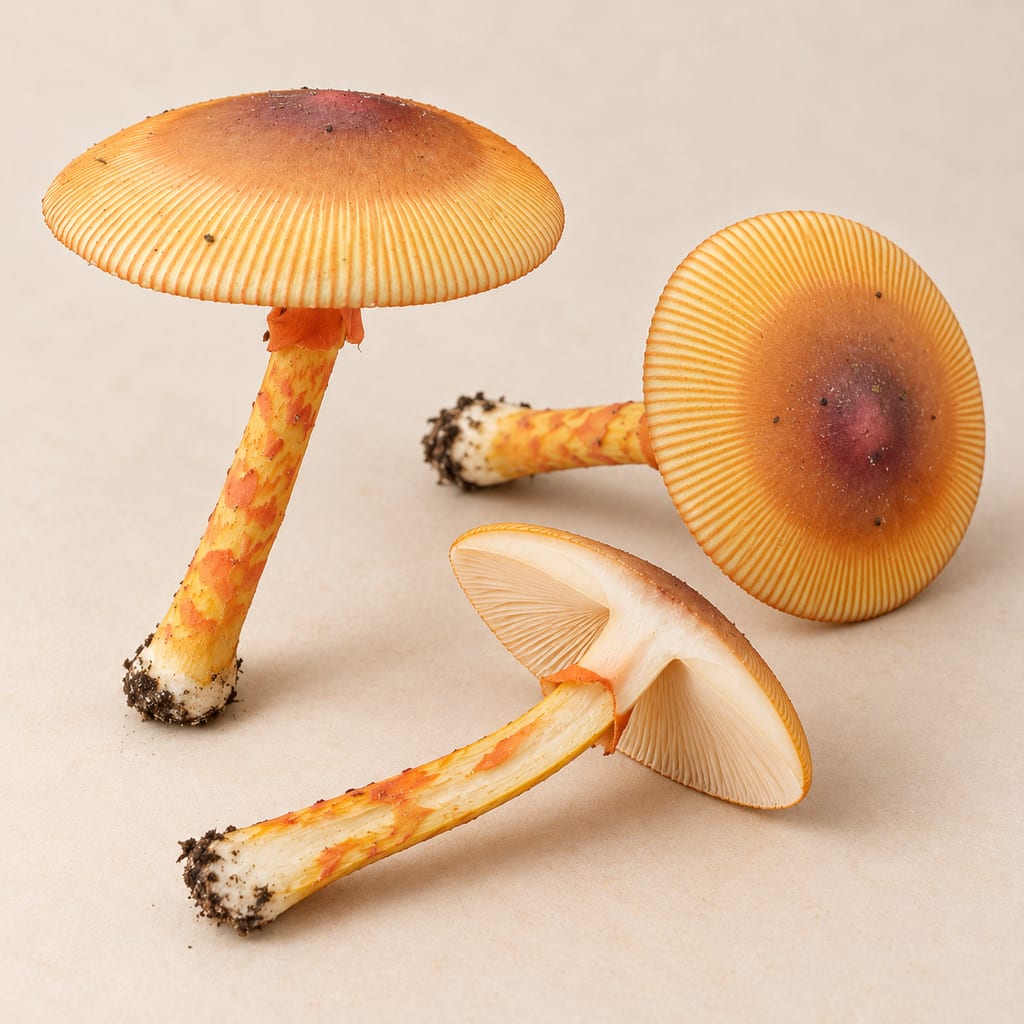
Amanita rubromarginata is a forest mushroom documented in food markets and edible-mushroom surveys in parts of China and northern Thailand. Those regional records do not make a wild specimen identified from a photograph safe to eat.
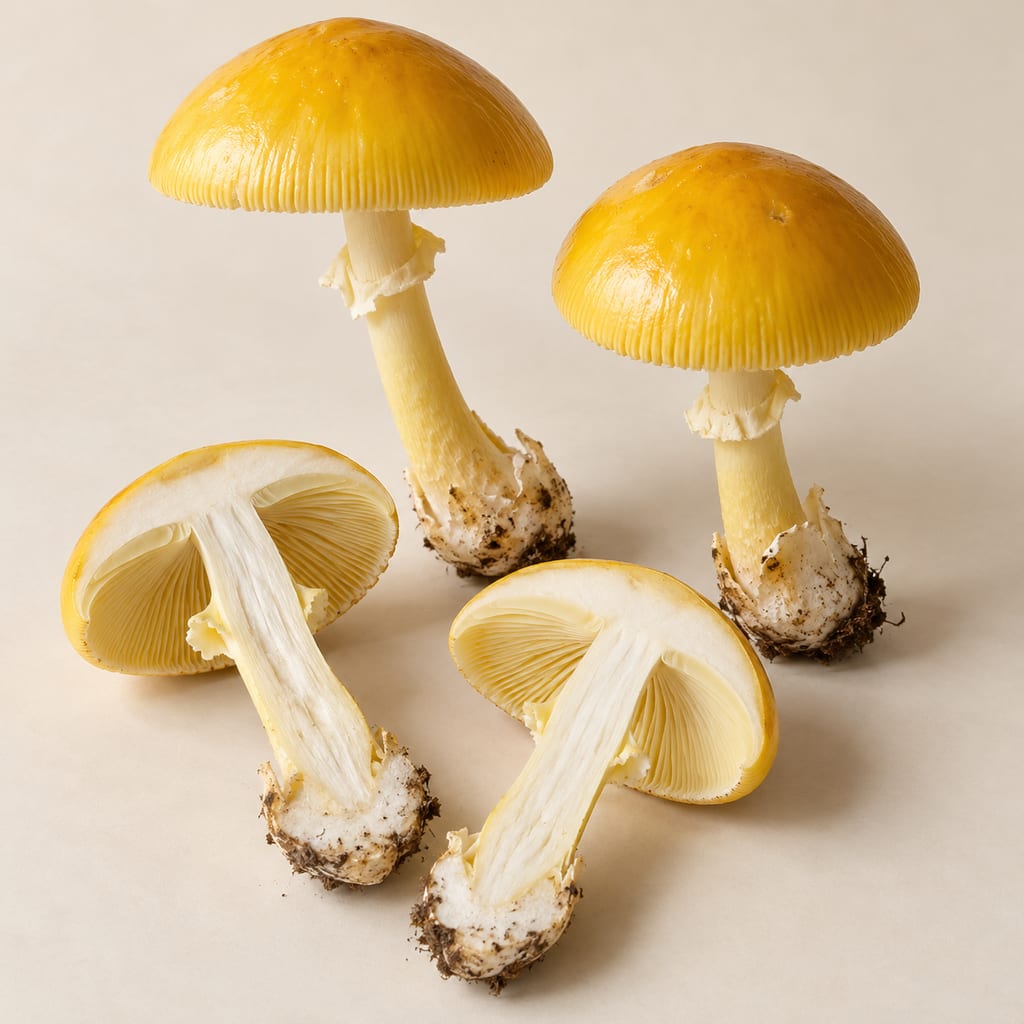
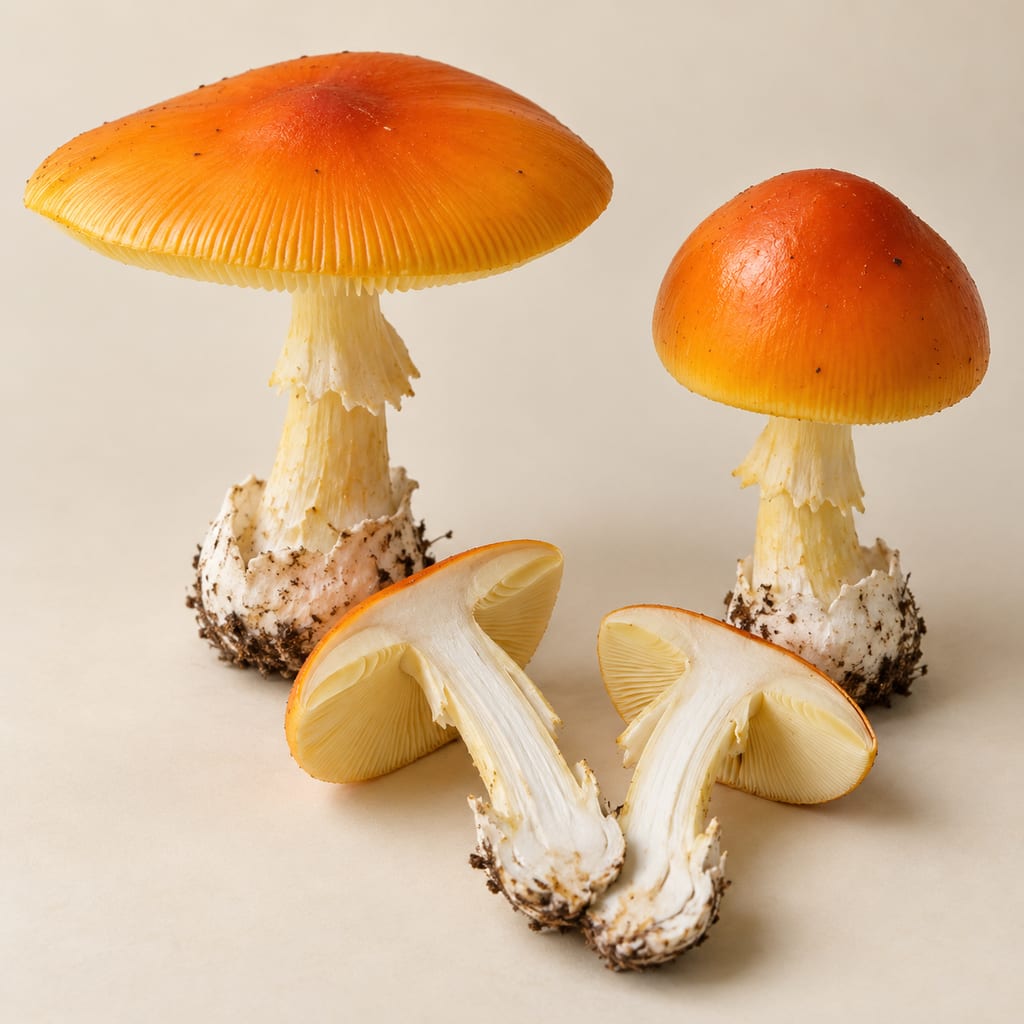
A yellow Caesar’s amanita now recognized as Amanita kitamagotake, a distinct species documented in Japan and China. Scientific catalogues list it as edible, while field identification is complicated by close relatives and lethal lookalikes.
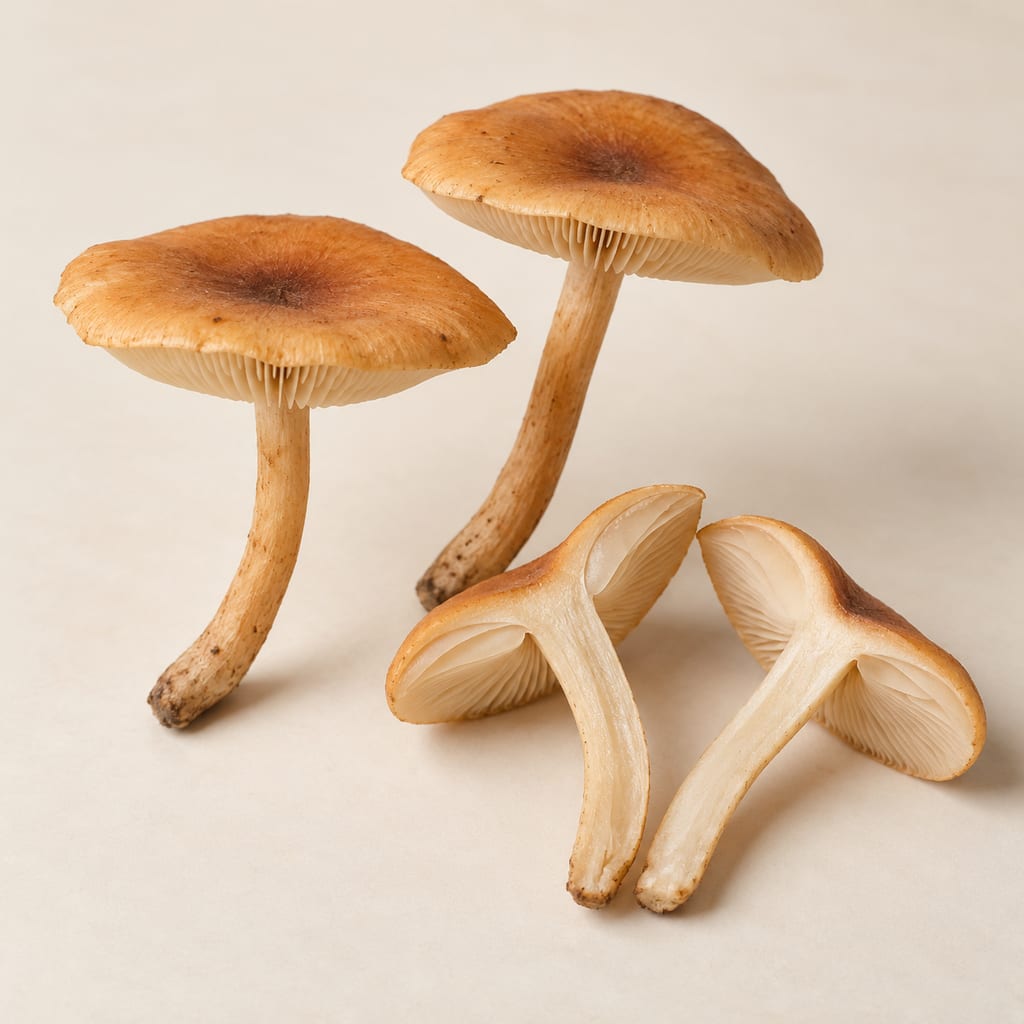
A wood-associated Armillaria recorded in Yunnan and Sichuan, China, and listed as edible in a 2026 Chinese catalogue.
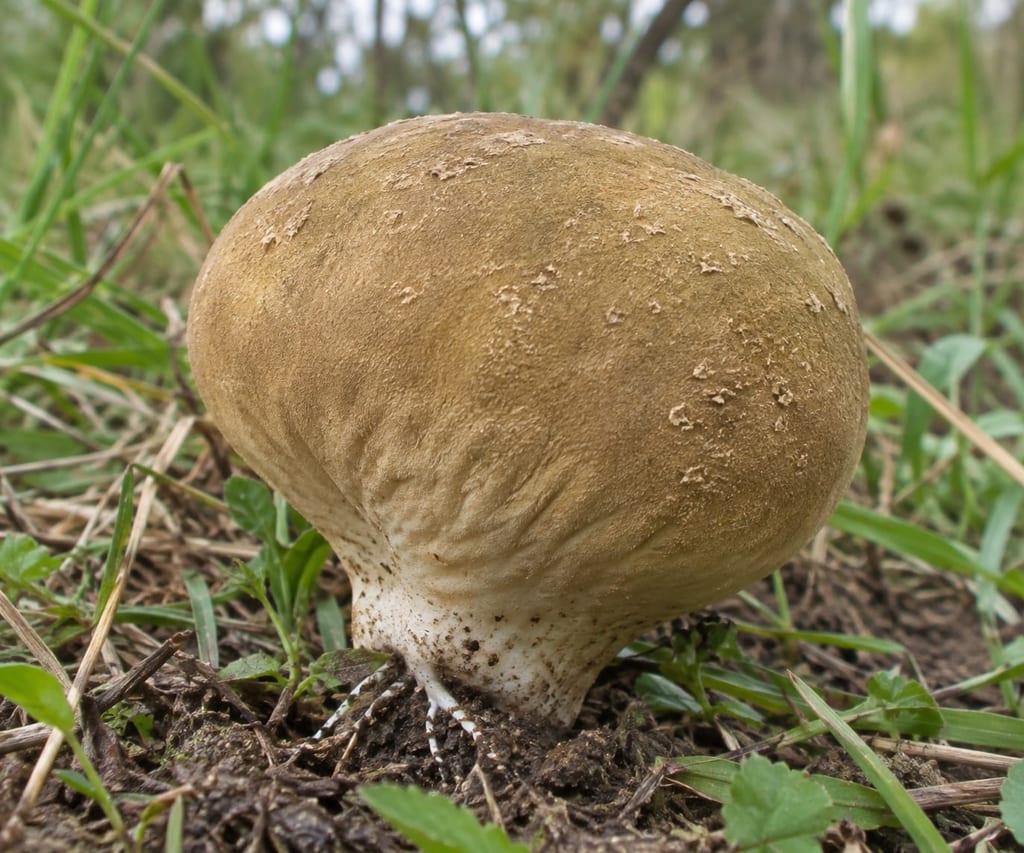
A tropical African puffball recorded in West African range accounts and Ethiopian edible-mushroom studies. Ethiopian use evidence is qualified; Benin identification and safety remain unresolved.
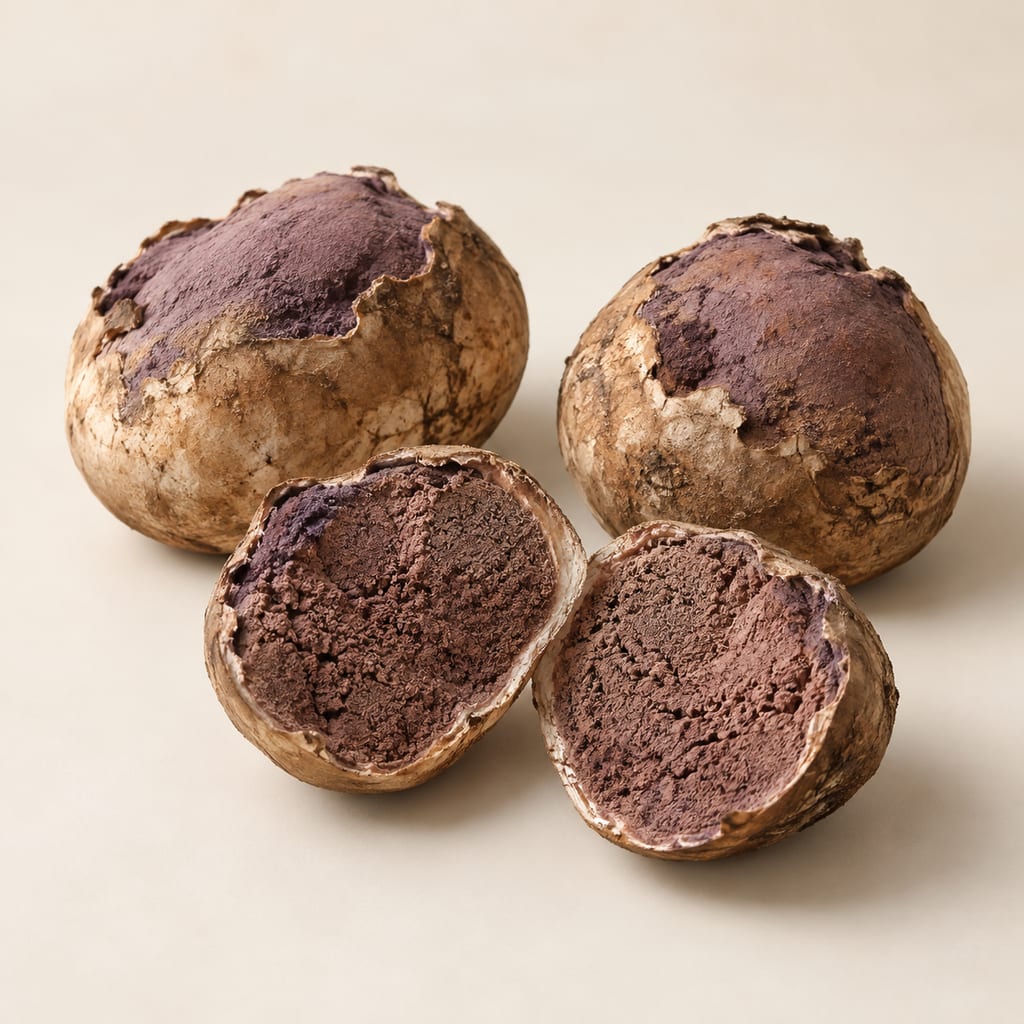
A soil-growing puffball, Calvatia cyathiformis, with white immature gleba that darkens purple as spores mature; food and seasonal records are local and do not establish a universal identification or safety rule.
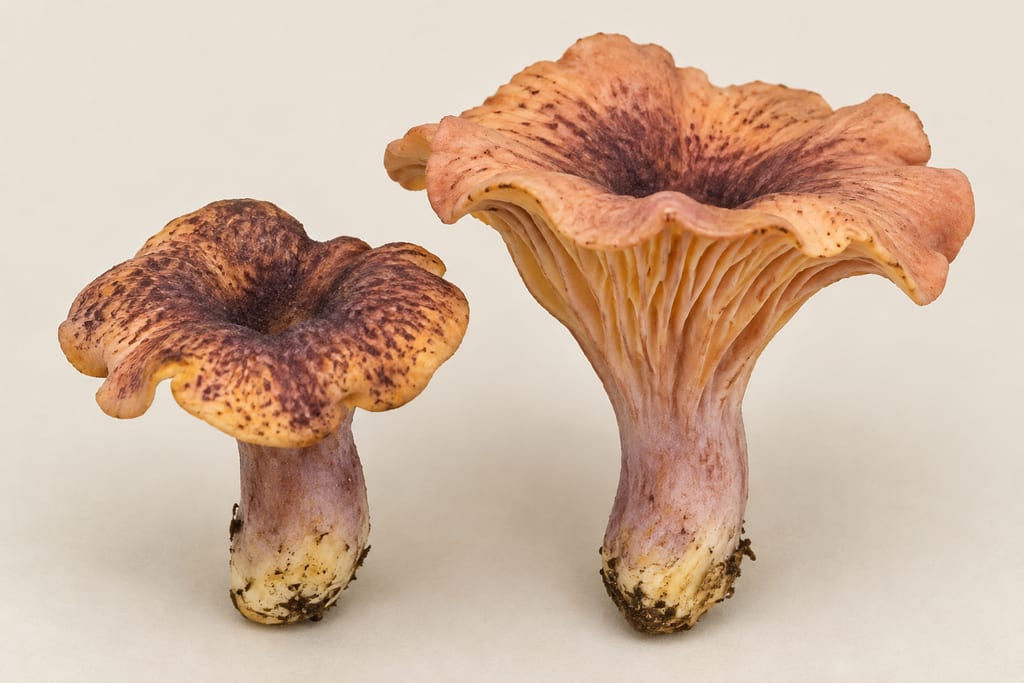
Wild Central African chanterelle recorded as locally eaten in voucher-backed Tshopo interviews. Historical country claims exceed the current revised range; preparation, fermentation and toxicology remain undocumented.
Cantharellus magnus is a large Chinese chanterelle recorded in five provinces. A national scientific catalogue lists it as edible, but evidence here does not establish preparation or local food traditions.
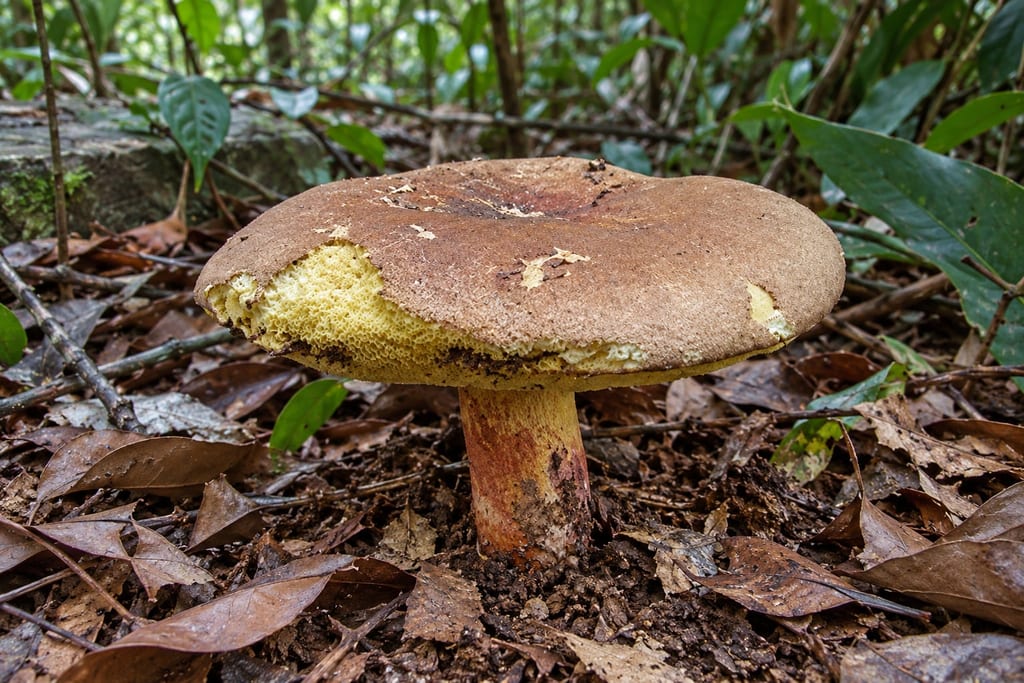
Butyriboletus huangnianlaii is a Chinese butter bolete described from Fujian and later found at market in Pu’er, Yunnan. The local edible label is limited evidence; recurring season and preparation remain unestablished.
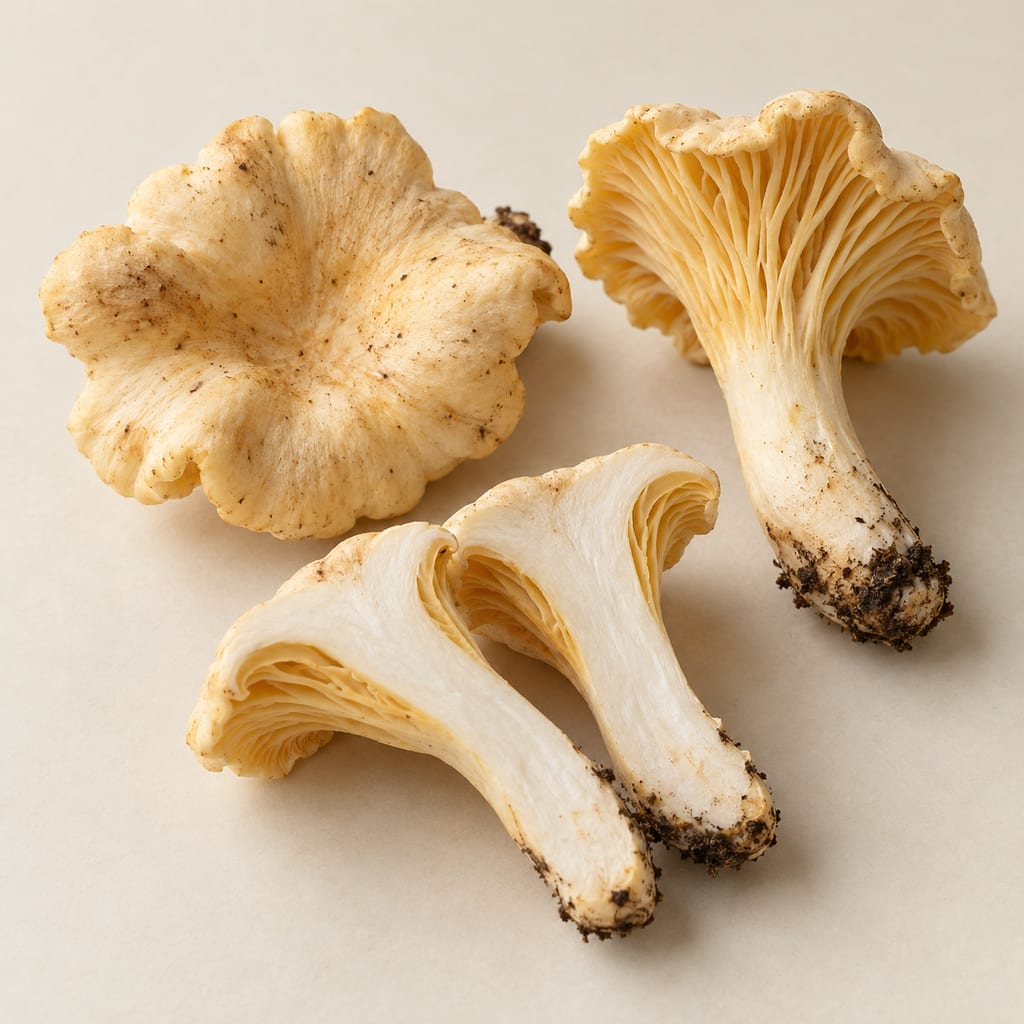
Cantharellus pallens is a pale, fleshy European chanterelle with orange-yellow folded ridges. It is gathered and sold as food in documented regional traditions, but its variable appearance makes photographs unreliable for identification.
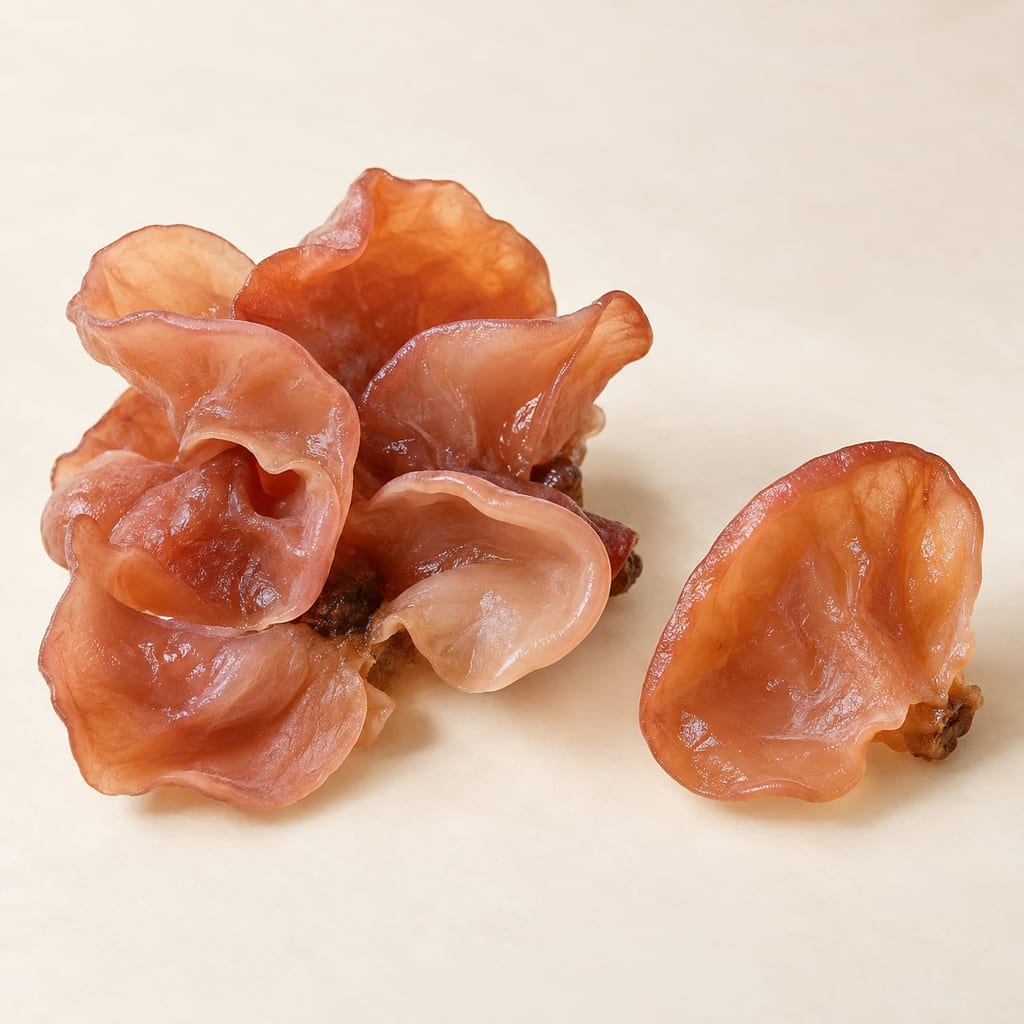
Auricularia thailandica is a thin, gelatinous wood ear described from Southeast Asian collections. Research reports it edible and experimentally cultivable, but species-specific recipes and everyday handling guidance are scarce.
Clavulina ruchengensis is a gray, branching coral fungus described from Hunan, China, where a 2024 study documents local collection and cooking.
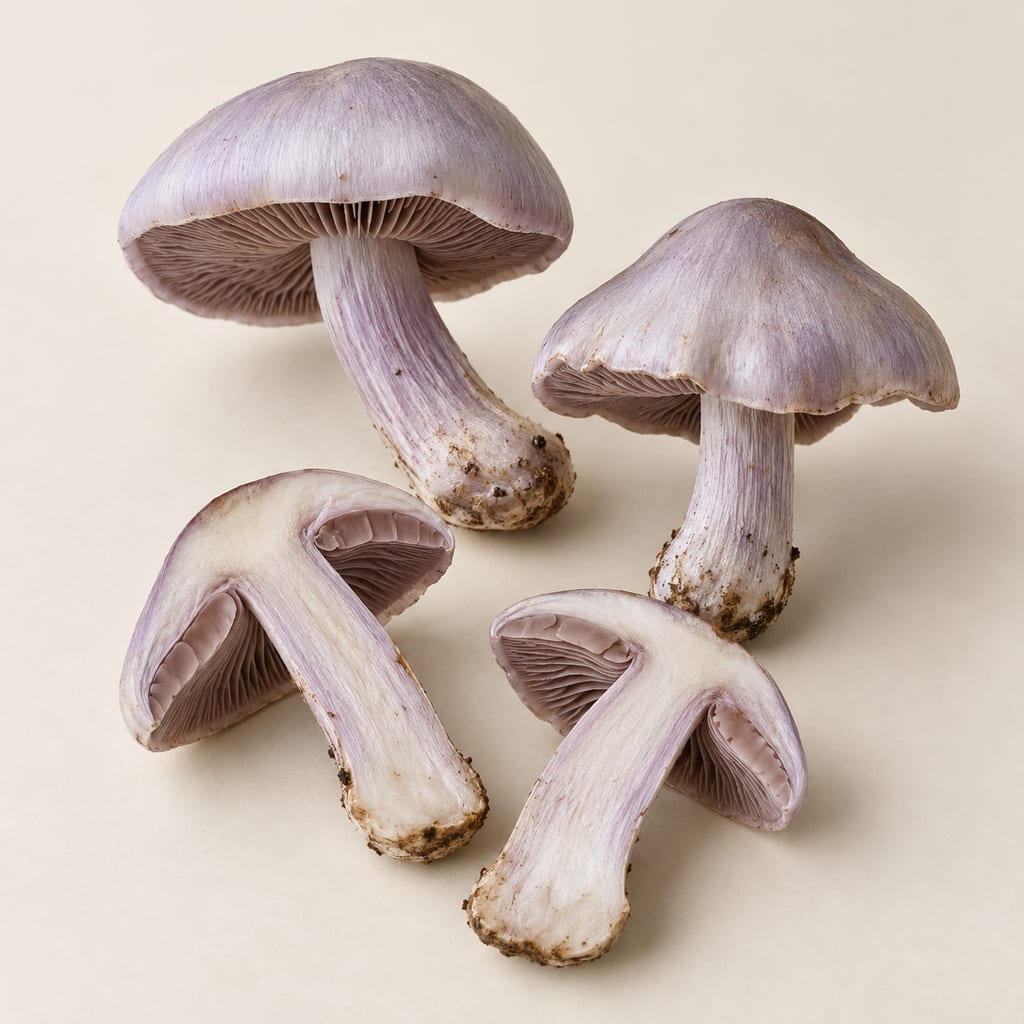
A violet woodland webcap with conflicting edible classifications. Current field guidance discourages eating it; this entry does not recommend collecting or consuming it.
A historical account records Entoloma argyropus as eaten at Amani, Tanzania. It does not establish safe modern identification, preparation, or current use.
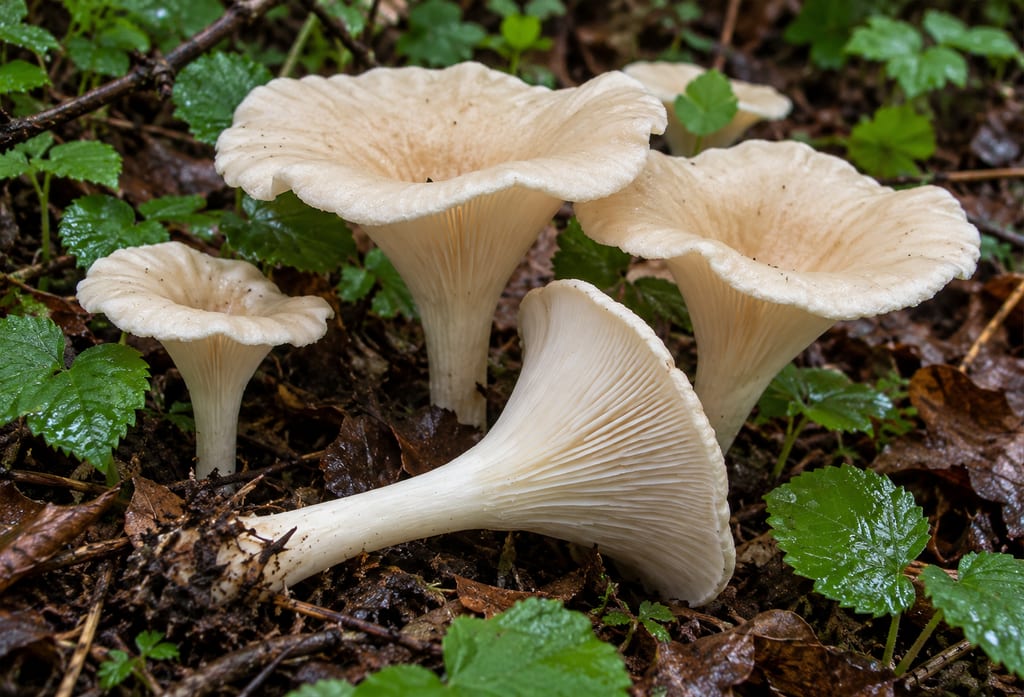
A pale funnel mushroom listed as edible in one Chinese scientific catalogue, but with unsettled taxonomy, uncertain Brazilian records and dangerous lookalikes. The evidence does not support a foraging or preparation recommendation.
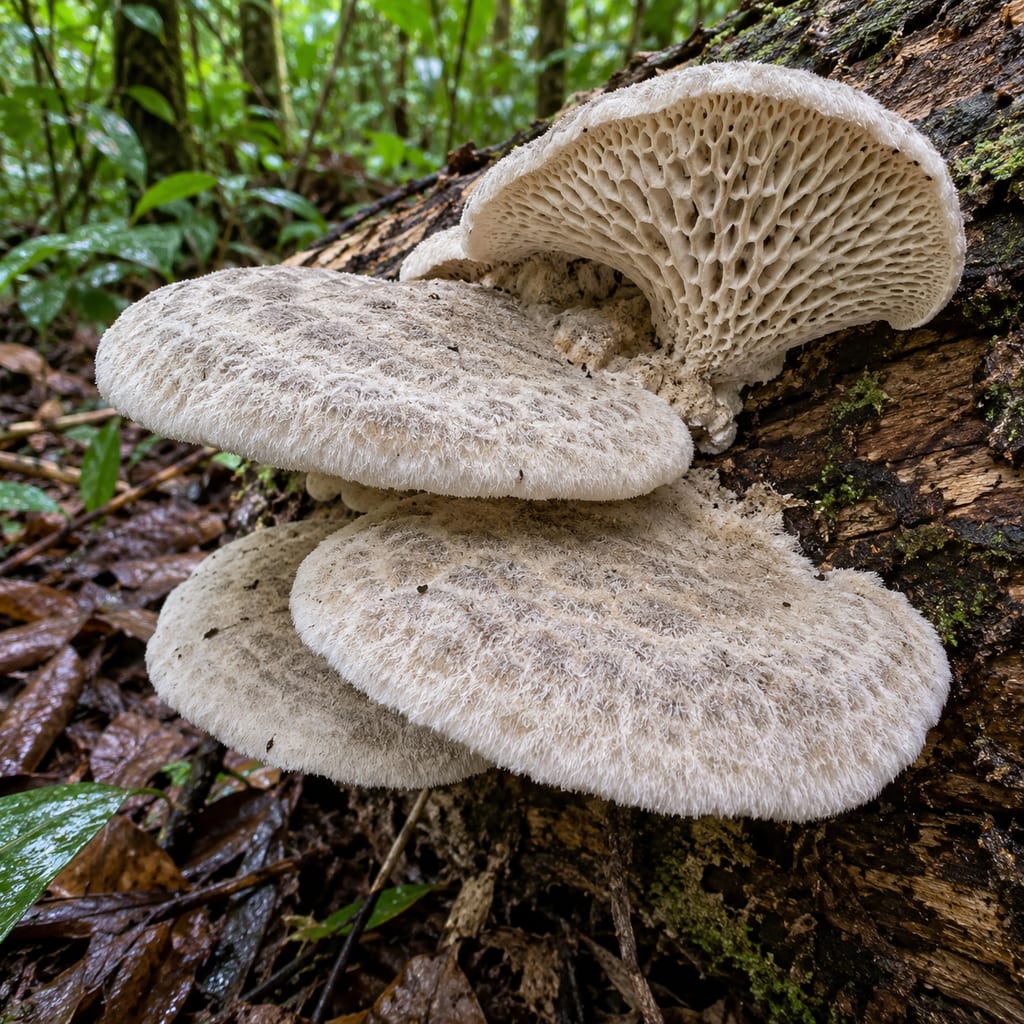
Favolus tessellatus is a tropical wood-decaying polypore with a tessellated cap and honeycomb pores. Brazilian sources record it as food, but the evidence does not establish one traditional recipe or a universal harvest season.
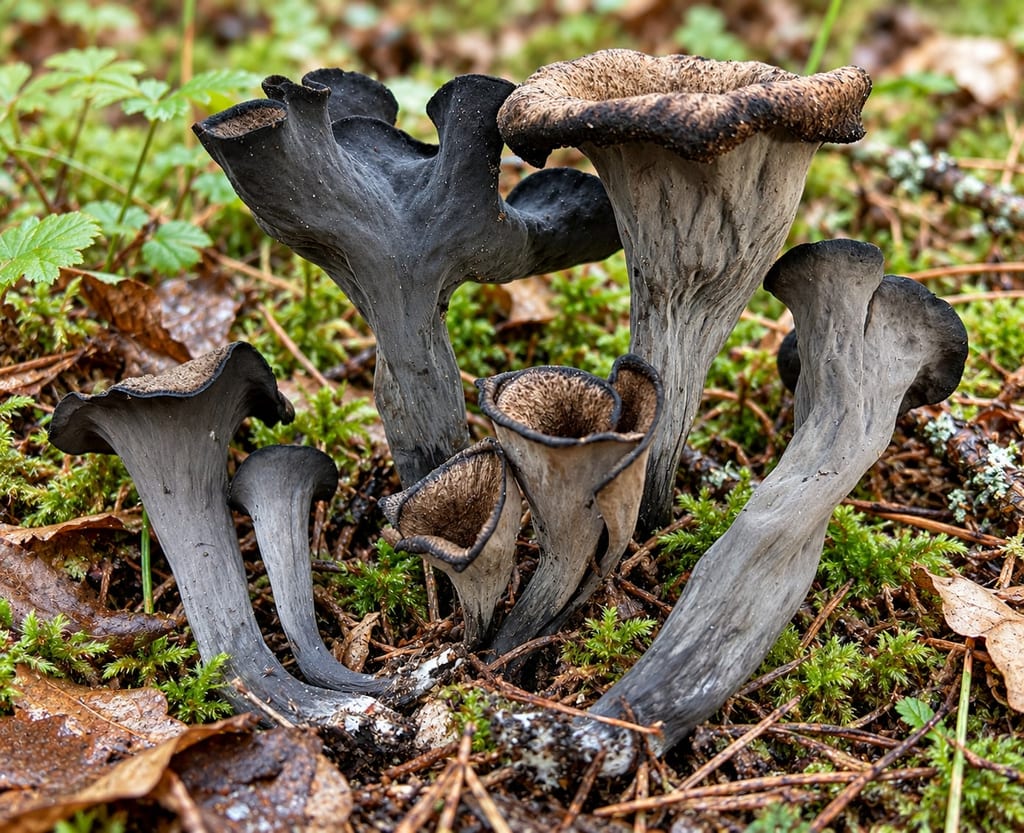
Black trumpet, or horn of plenty, is Craterellus cornucopioides, a dark hollow woodland mushroom used in cooked dishes and dried seasonings, with regional identity and range limits.
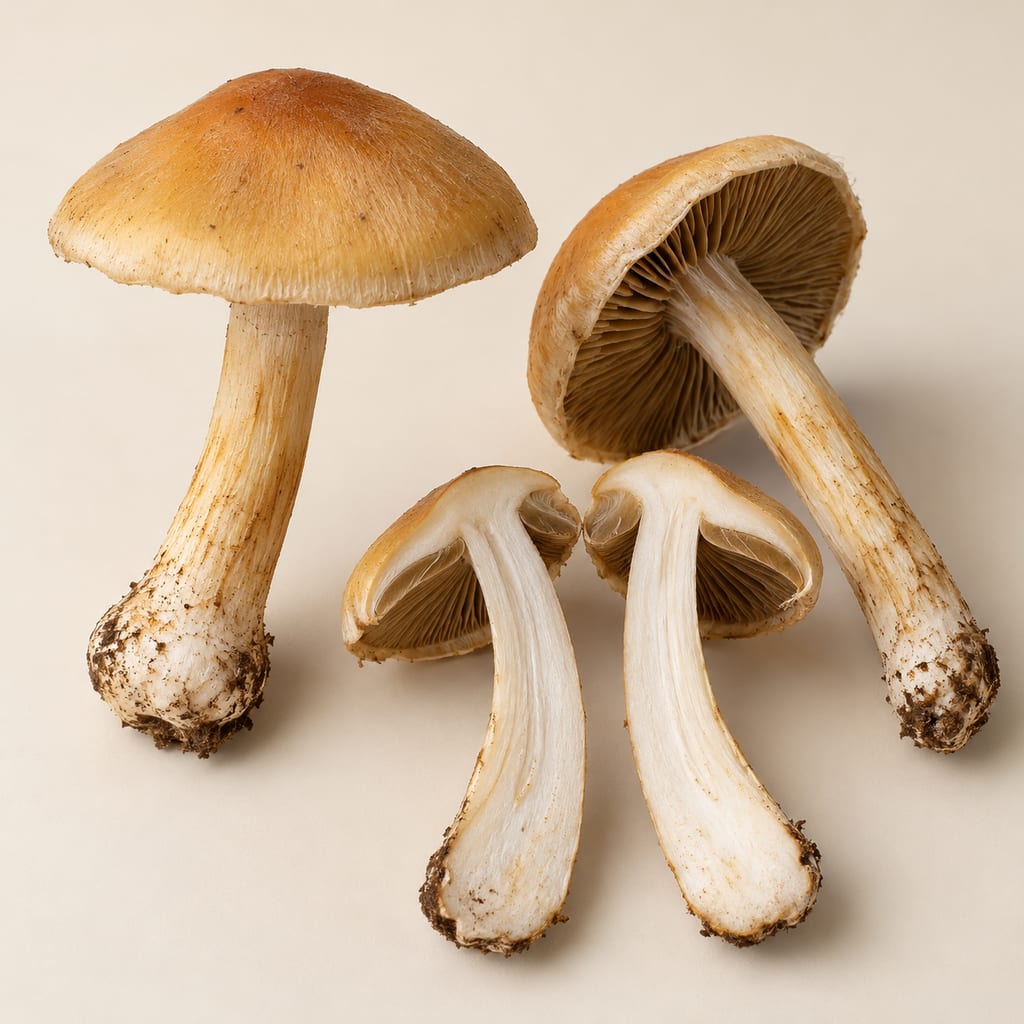
A Japanese woodland webcap listed as edible in older sources, but food use and safety evidence are limited. Toxic lookalikes and changing taxonomy make this entry unsuitable as consumption advice.
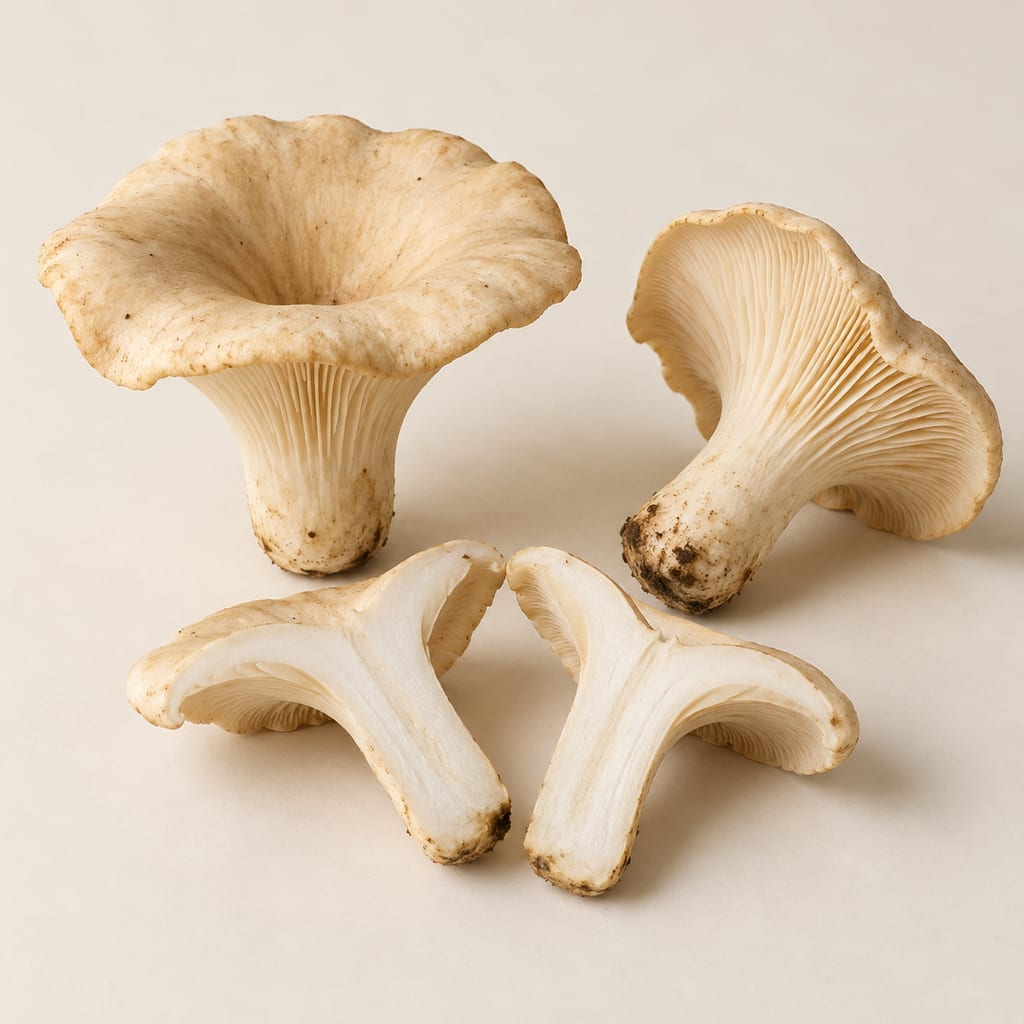
A wild litter-decomposing mushroom with a documented European food and market history. Historical country claims conflict with a recent Chinese catalogue’s toxic label; this account is not an identification or foraging guide.
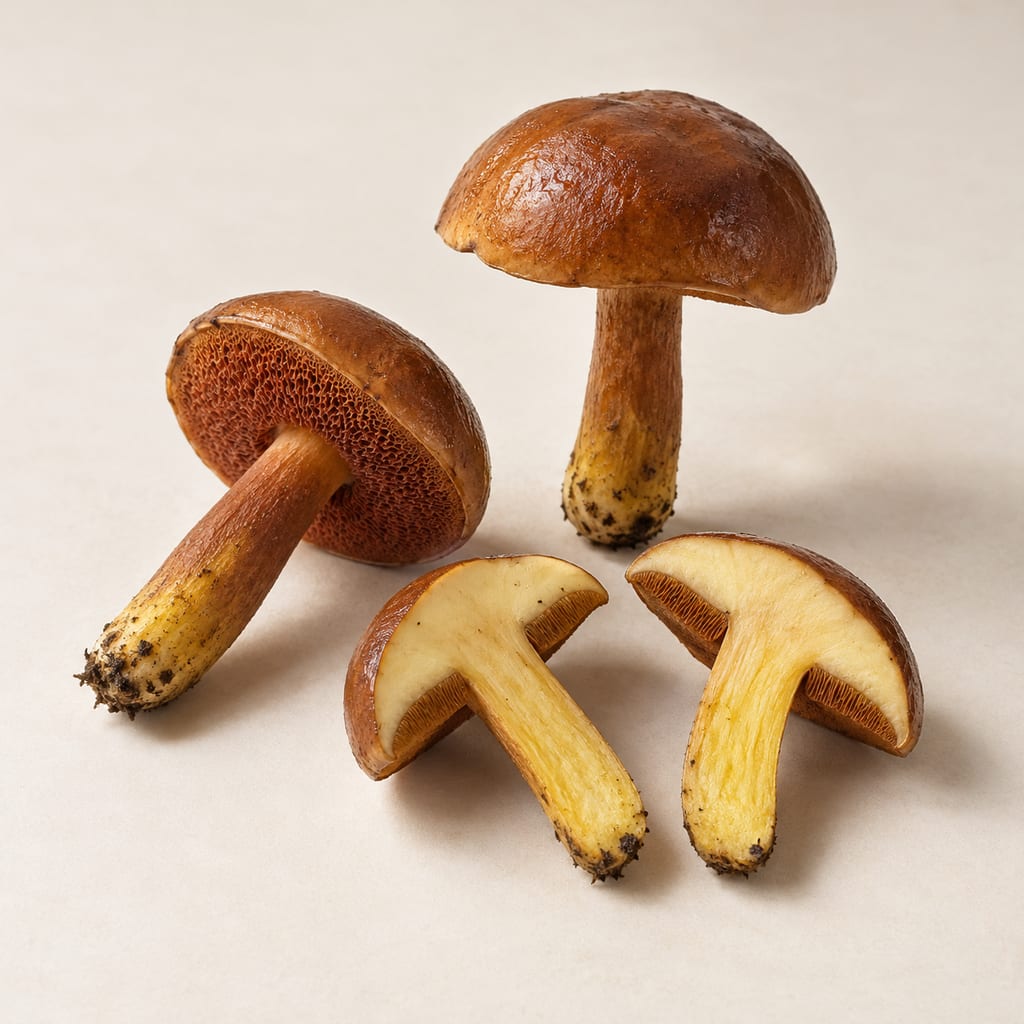
A peppery woodland bolete with historical edible labels and reported condiment use in Querétaro. Current mycological references call its edibility suspect or unestablished; this entry does not recommend consumption.
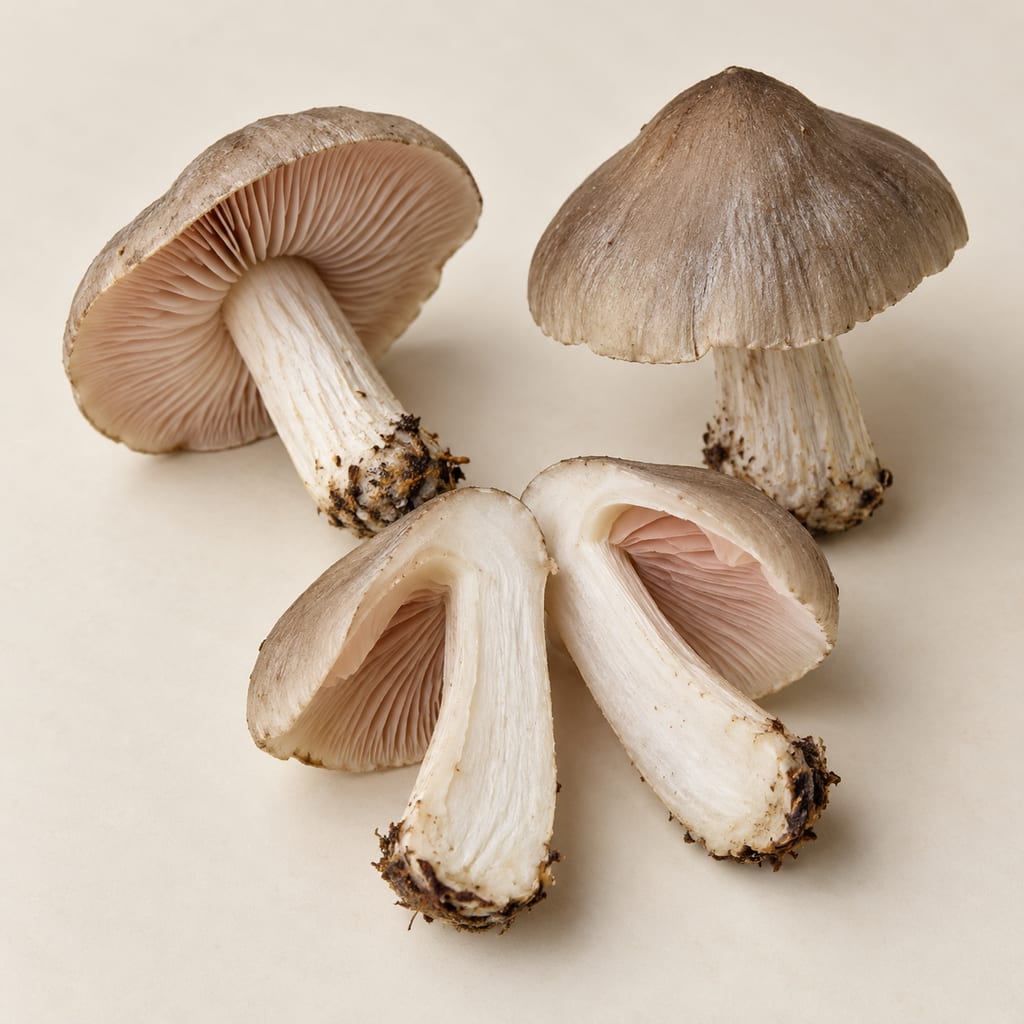
A woodland pinkgill reported as local food in Sikkim and parts of Italy, but difficult to identify and subject to strong regional warnings about confusion with toxic Entoloma species.
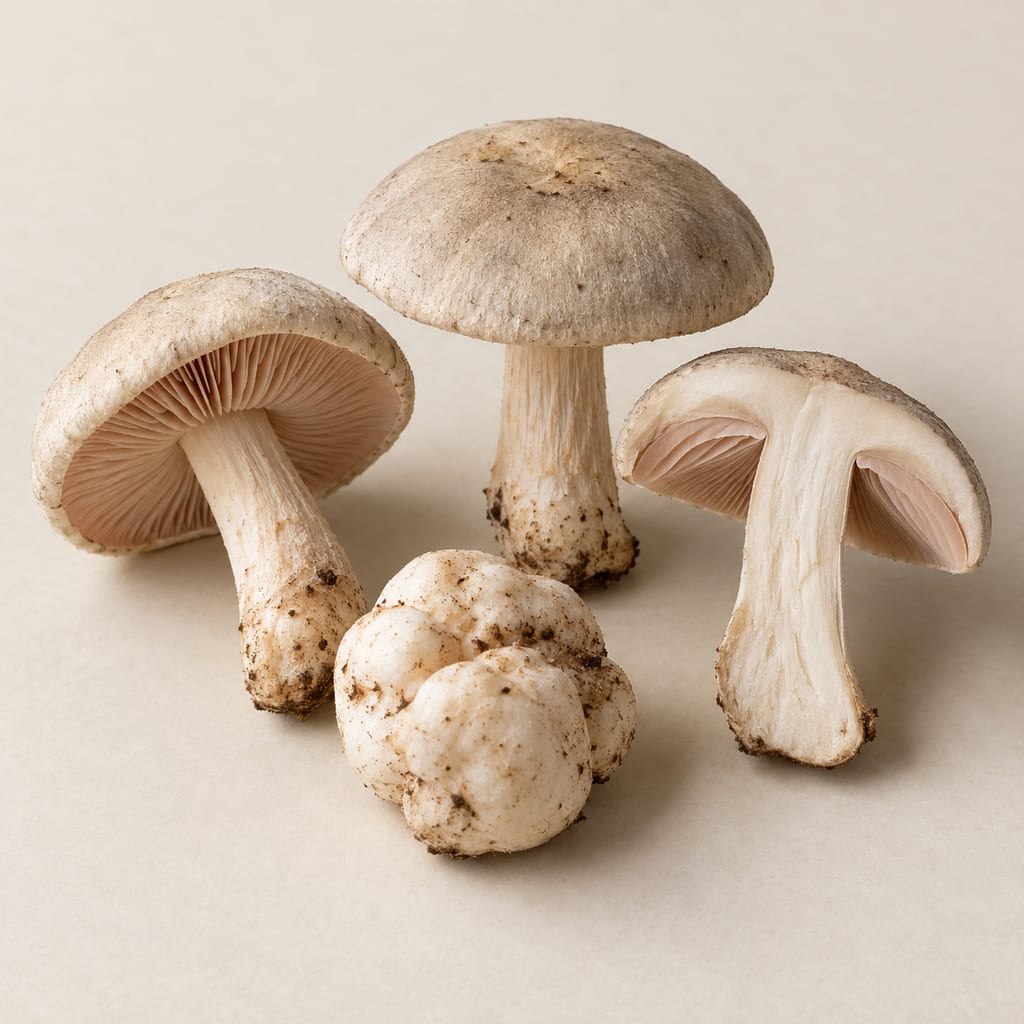
Entoloma abortivum is a woodland mushroom recorded as food in Puebla, Mexico, and in China’s edible-fungi catalogue; the latter is a checklist entry, not a safety assessment.
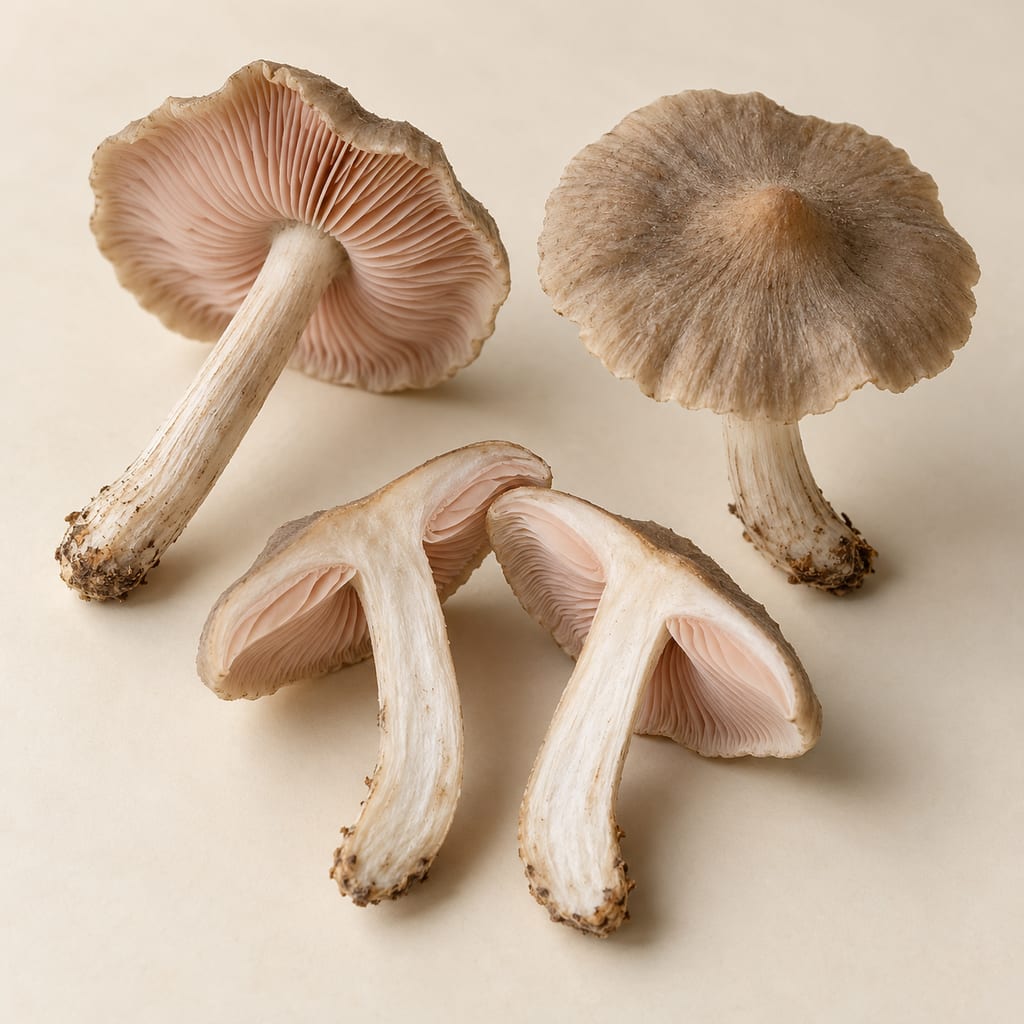
A spring pink-spored mushroom associated with Rosaceae. European food use is documented, alongside a Turkish poisoning report and unresolved species-complex records in Mexico.
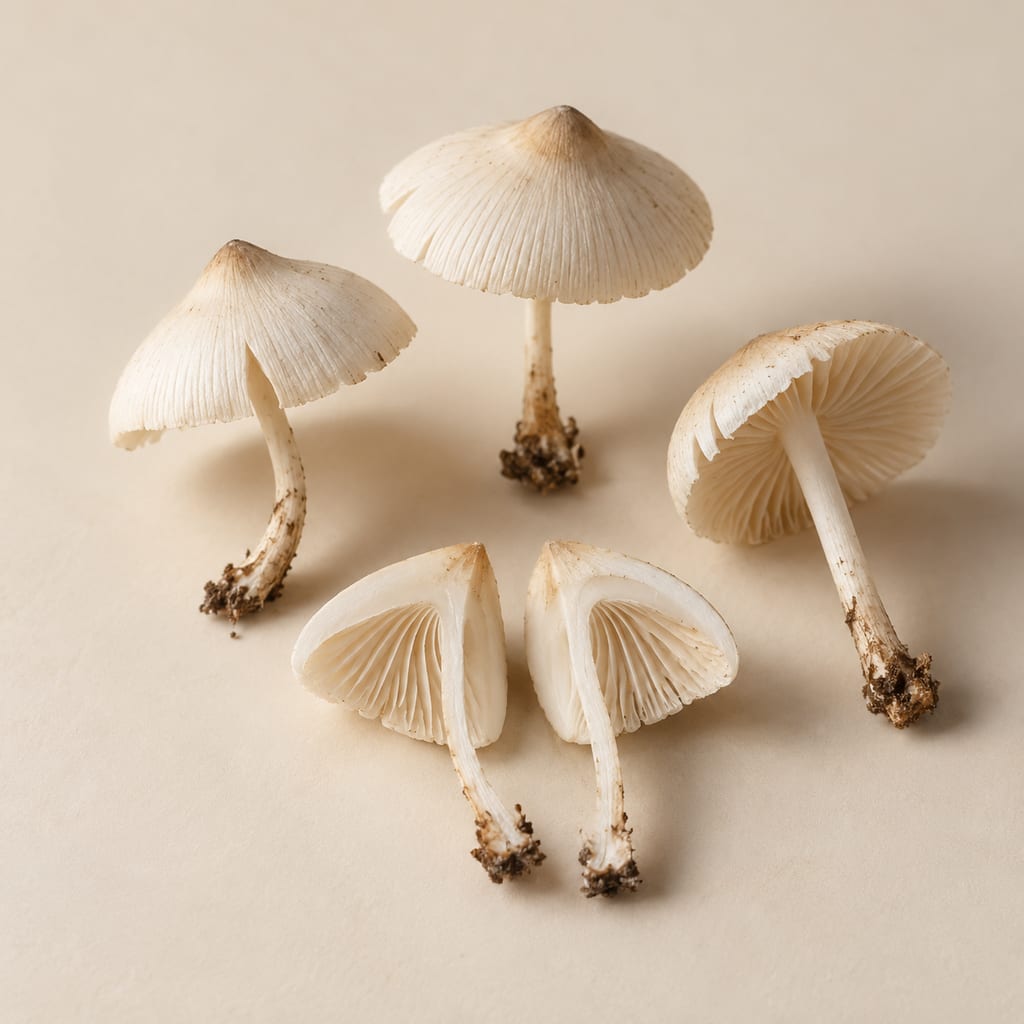
A small wild termite-associated mushroom recorded as food in parts of India and elsewhere. Its name has a taxonomic history, and some African records are treated cautiously because they may represent a different lineage.
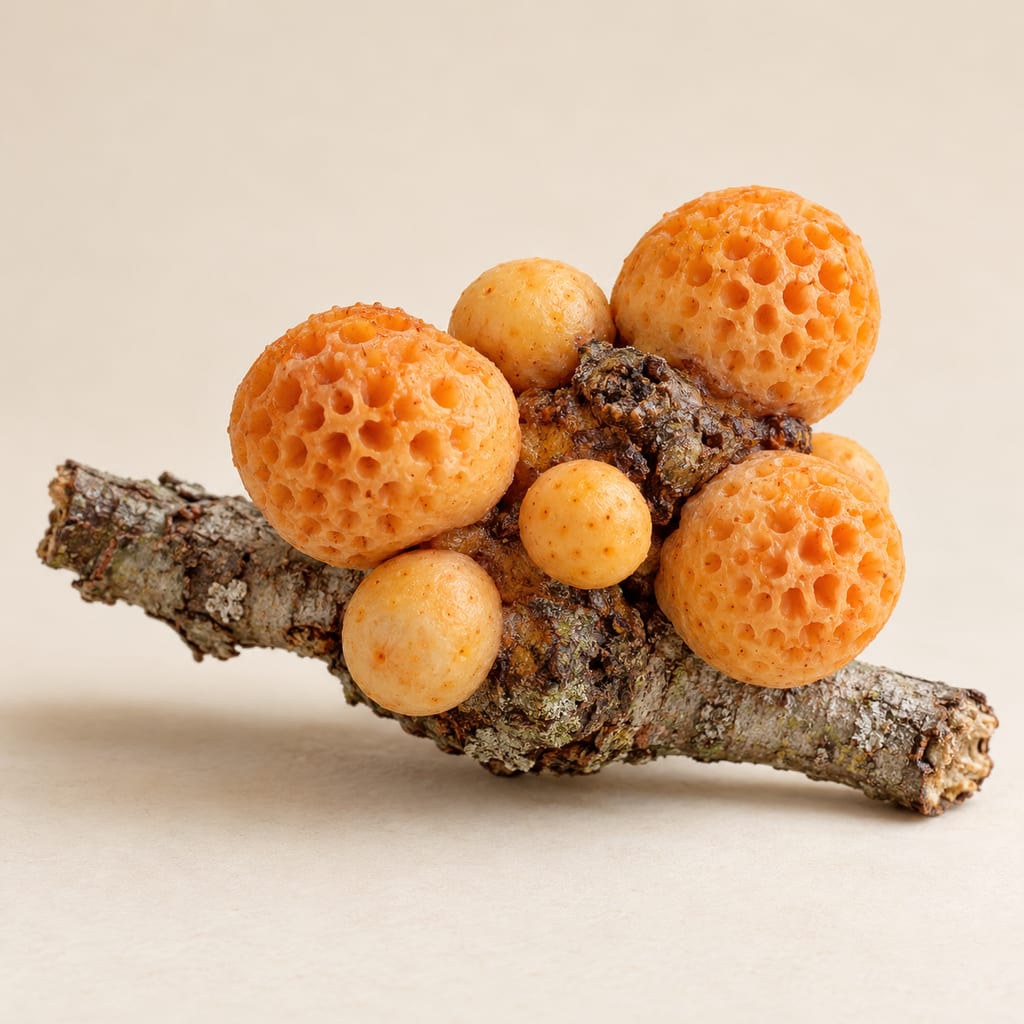
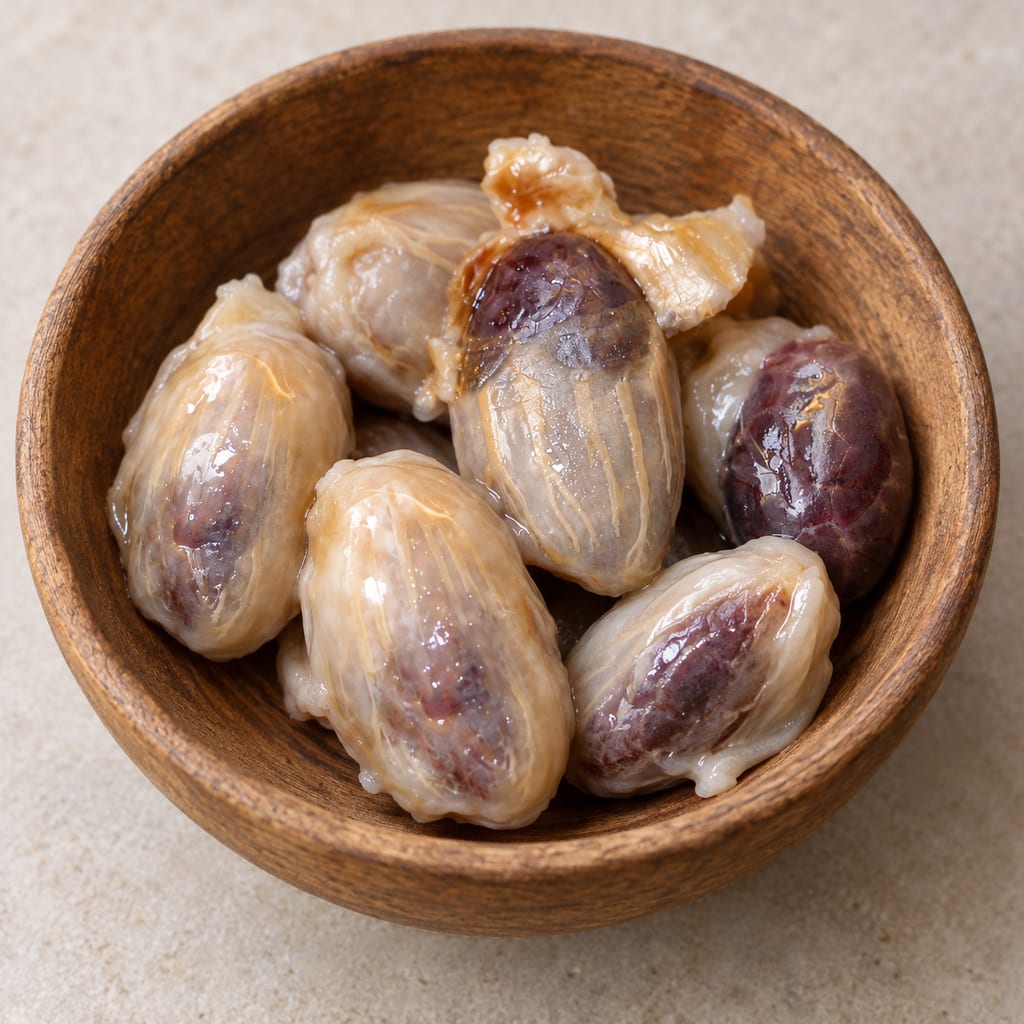
Darwin’s fungus is a pitted orange stroma that grows from galls on living southern beeches in southern Chile and Argentina. Sources document regional food use, especially in Tierra del Fuego.
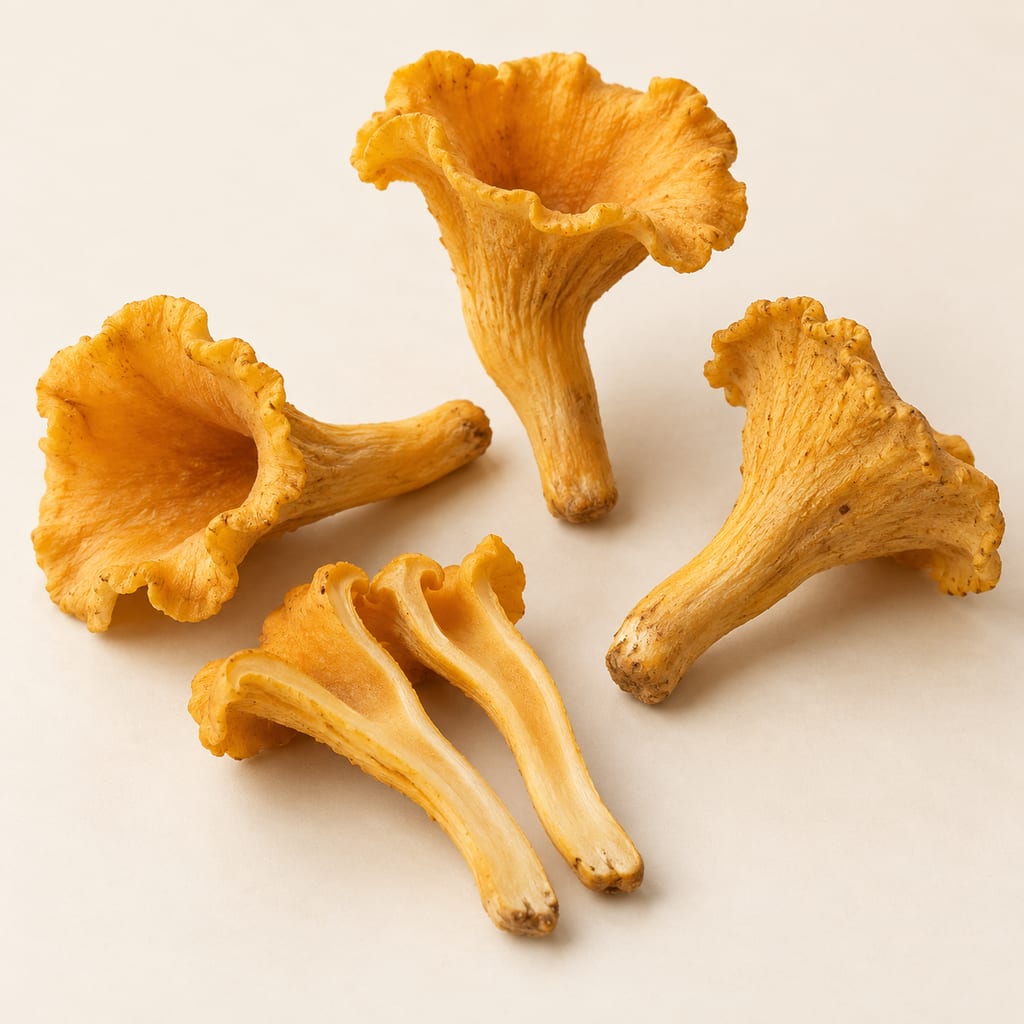
A golden funnel mushroom described from Hong Kong and documented from China; reported as food in several regions, with African taxonomy unresolved.
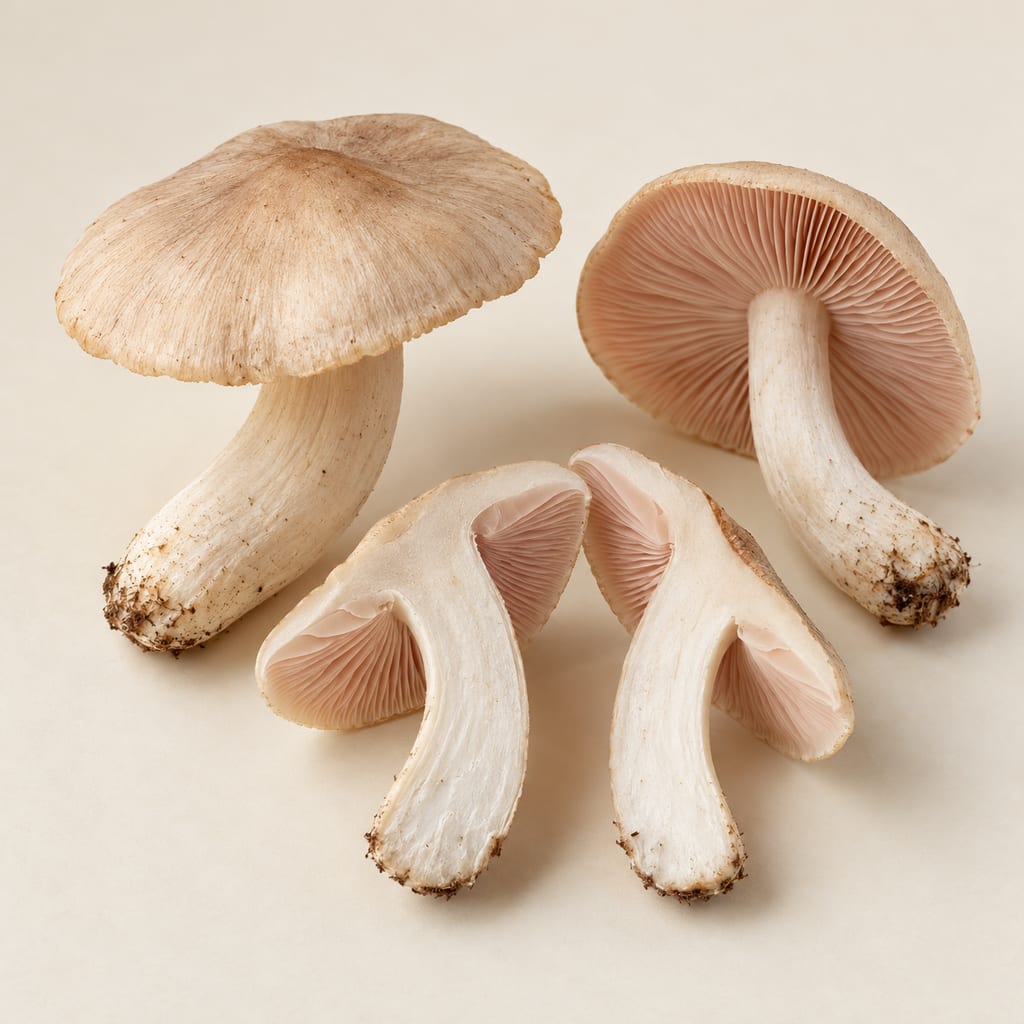
Entoloma sepium is a spring pinkgill associated with Rosaceae. Chinese and European sources list it as edible or conditionally edible, while taxonomic uncertainty and a poisonous lookalike warrant caution.
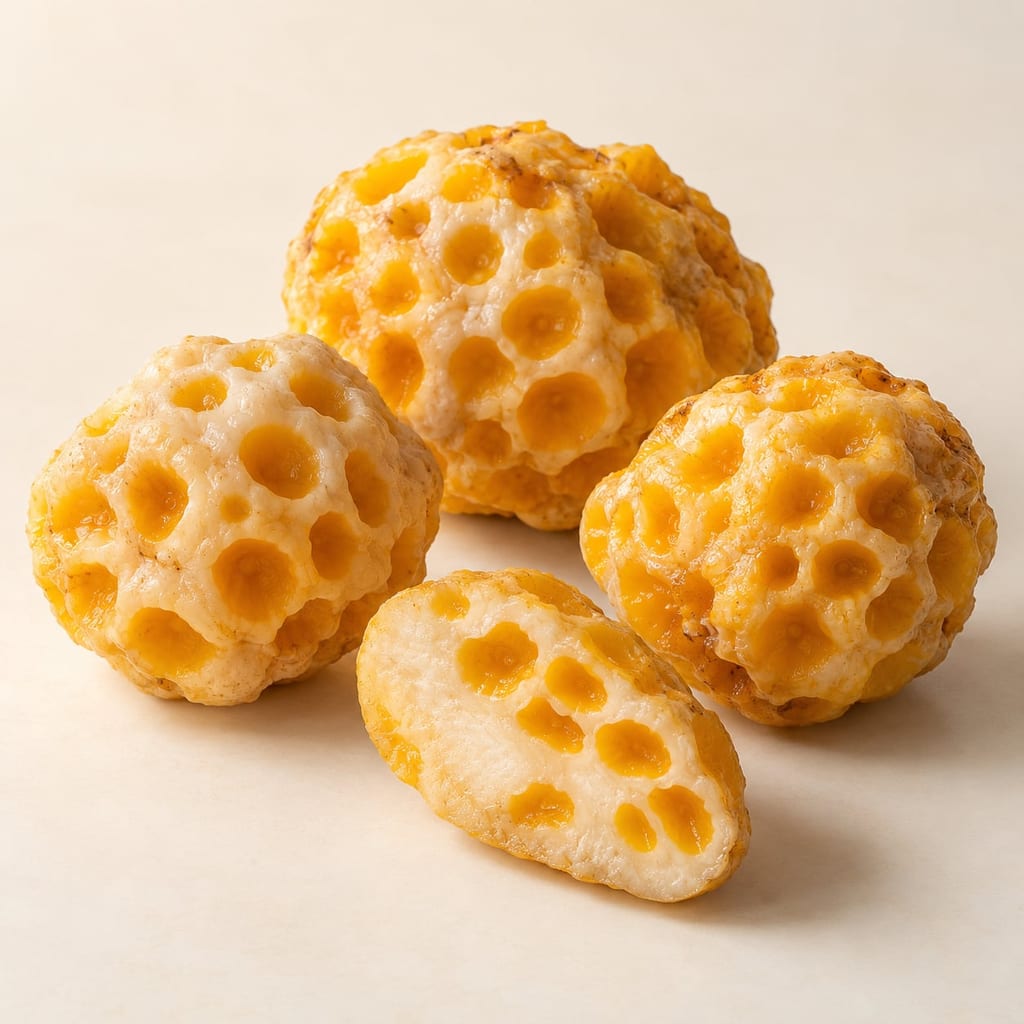
Llao-llao is the orange, gelatinous fruiting body of a southern-beech parasite in the Andean–Patagonian forests of Chile and Argentina. Regional sources document its food history, including Mapuche use in chicha.
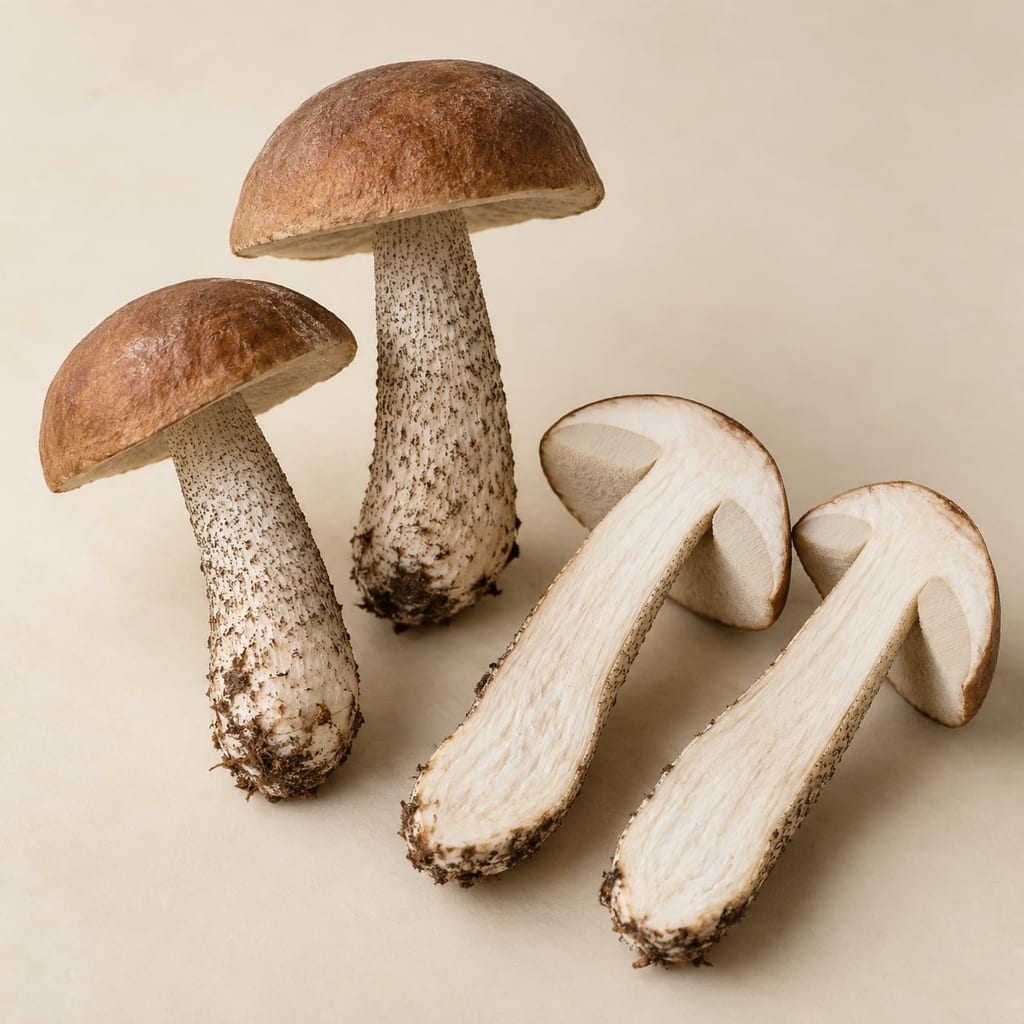
A wild birch-associated bolete eaten in parts of Europe. Its older name, Boletus scaber, remains common in historical sources; regional food records and cooking cautions require source-specific reading.
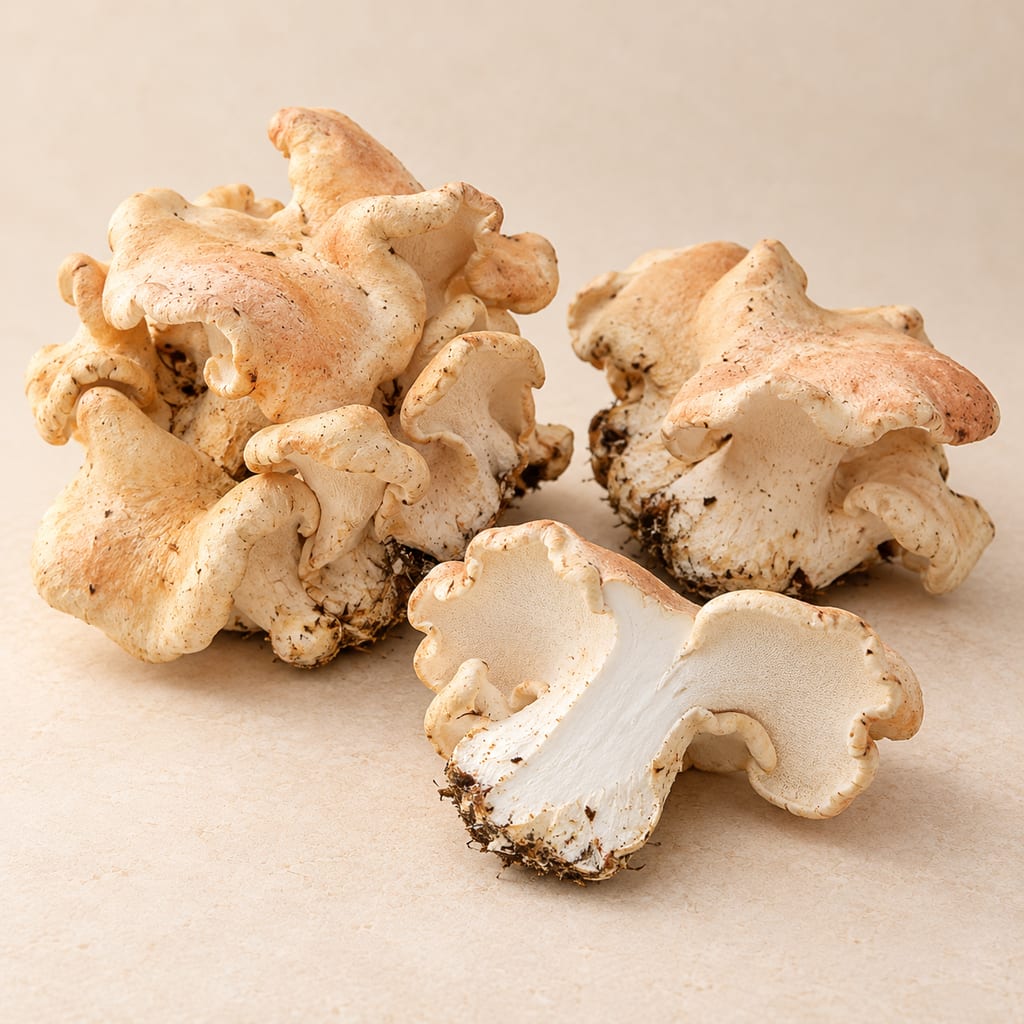
Albatrellus confluens is a ground-growing polypore with fused buff-orange caps. Sources document Chinese market use and regional edibility, but others reject it as too bitter; taxonomy also varies between Albatrellus and Albatrellopsis.
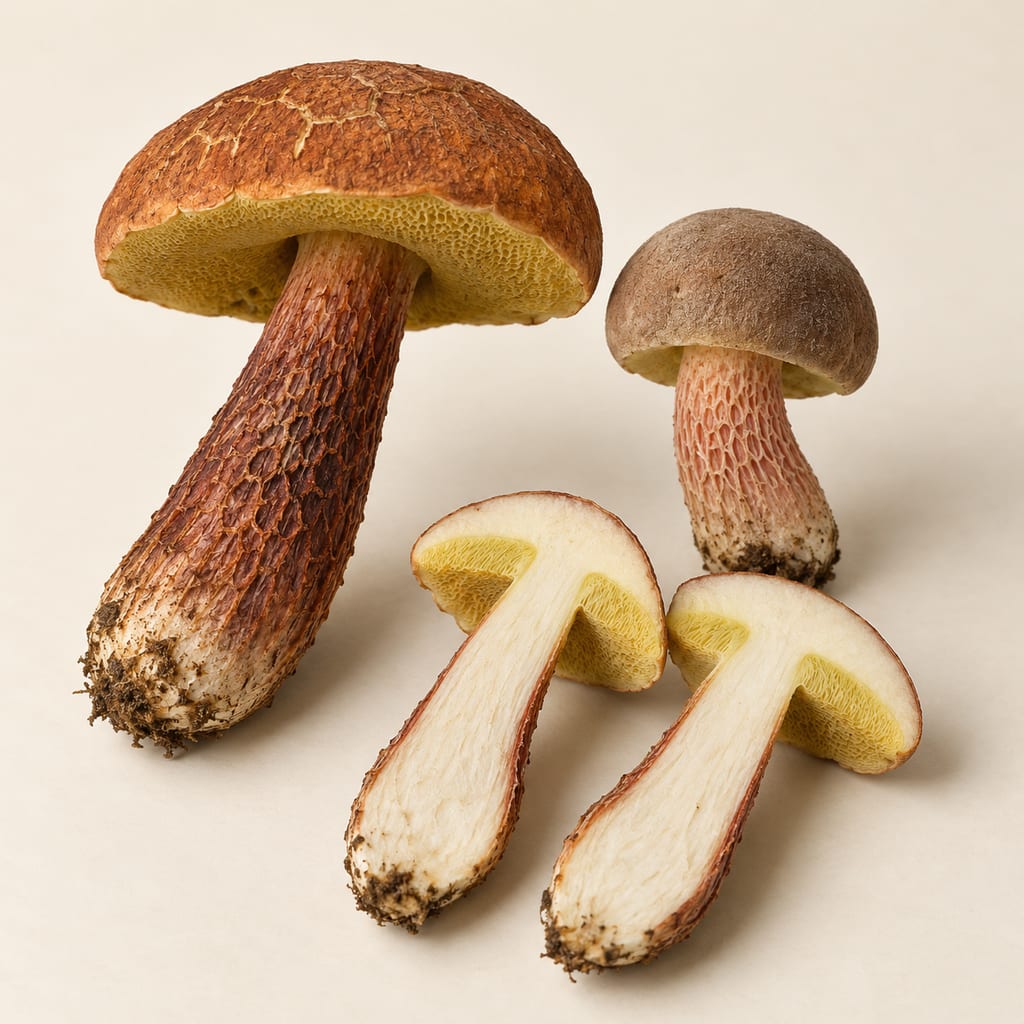
Russell’s bolete is a woodland bolete now called Aureoboletus russellii, with documented regional food use in Mexico and an unresolved historical China claim.
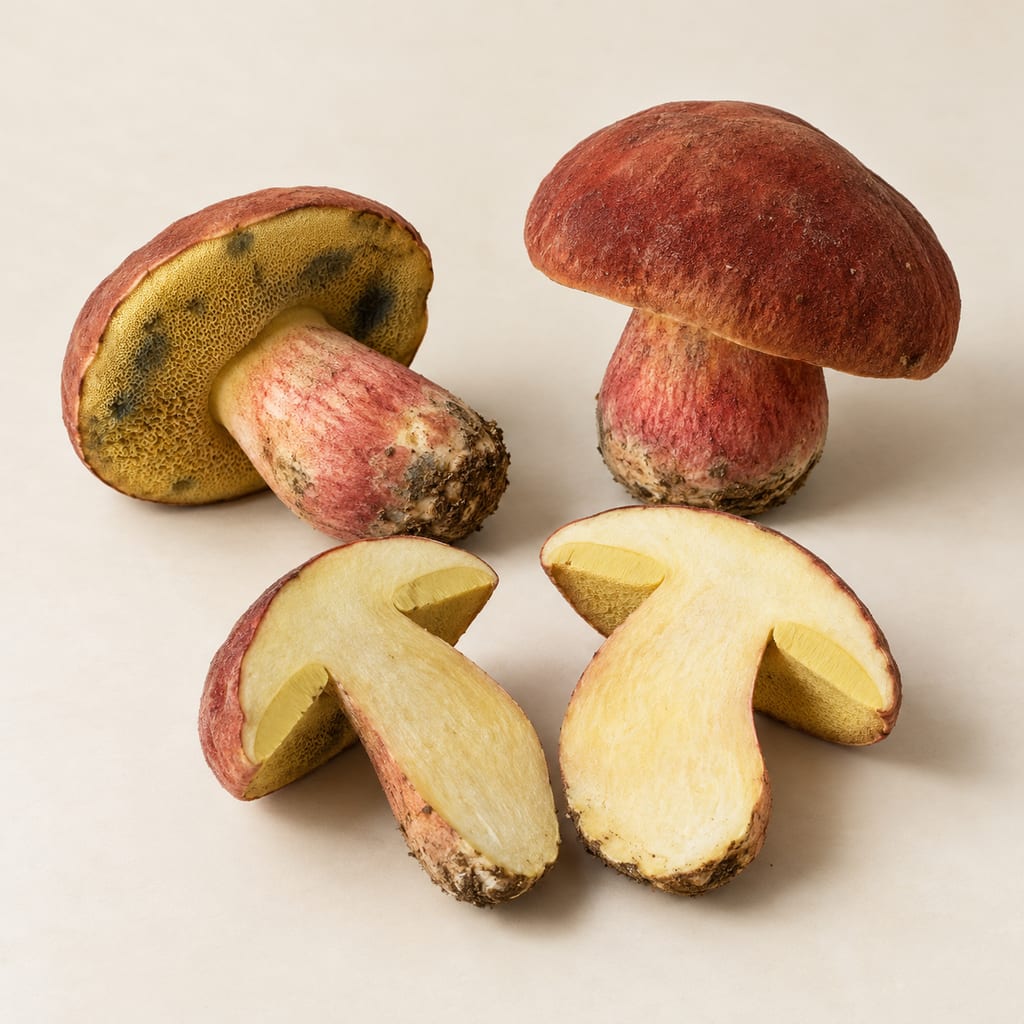
A red-and-yellow bolete described from Michigan and also listed in Mexican fungal records. Historical sources classify it as food, but its species limits, Mexican range and safe food use need careful qualification.
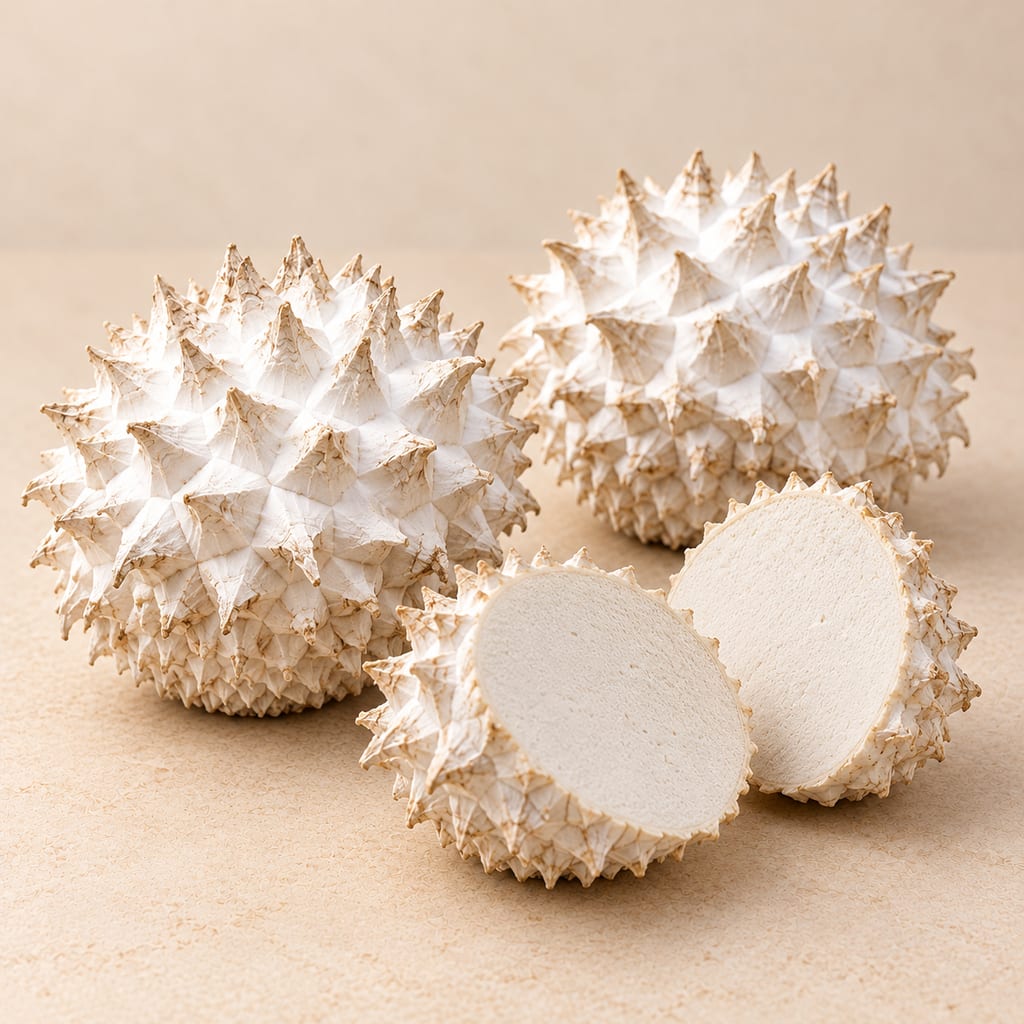
Calvatia sculpta is a high-elevation western North American and rarely reported Brazilian puffball, named for its tall, terraced pyramidal warts.
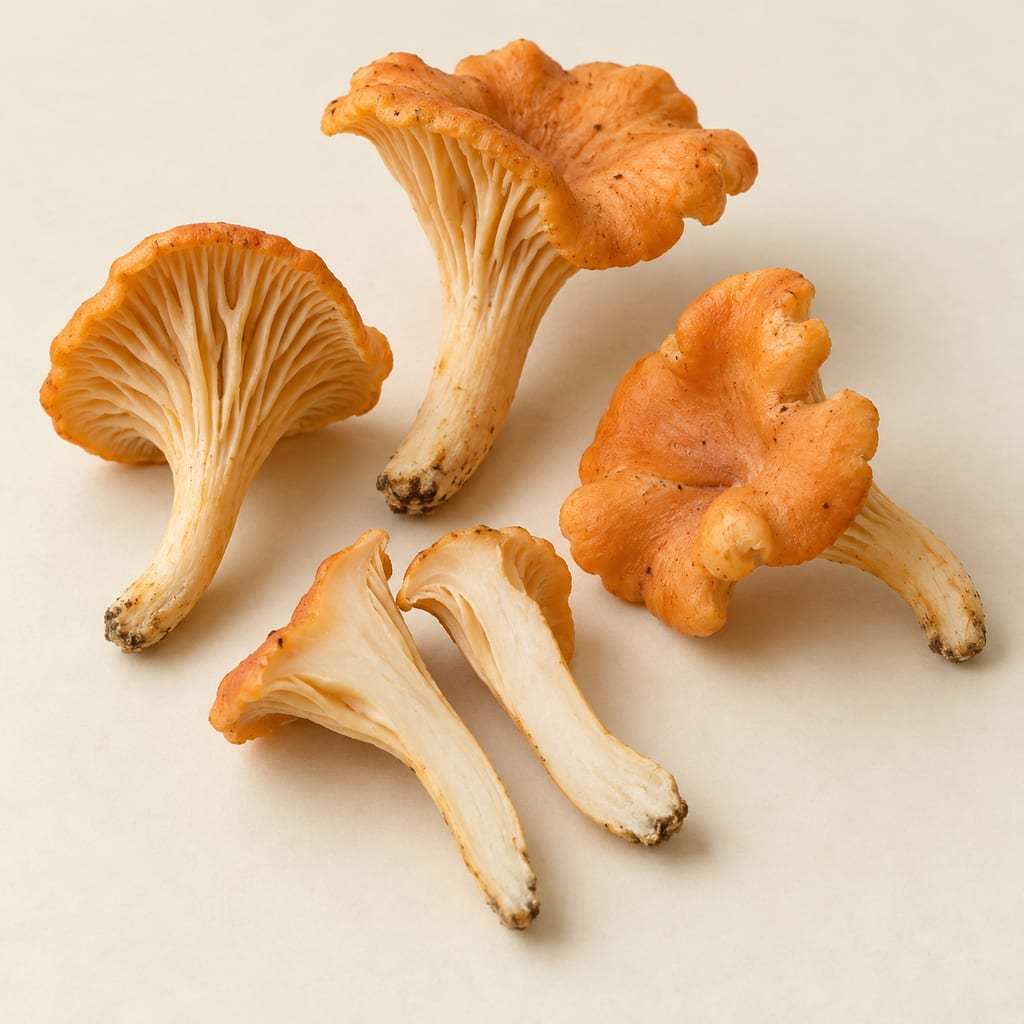
A tropical African chanterelle anchored by a sequenced epitype from Cameroon. Voucher-backed Tshopo research records local food use; older records and illustrations require taxonomic caution.
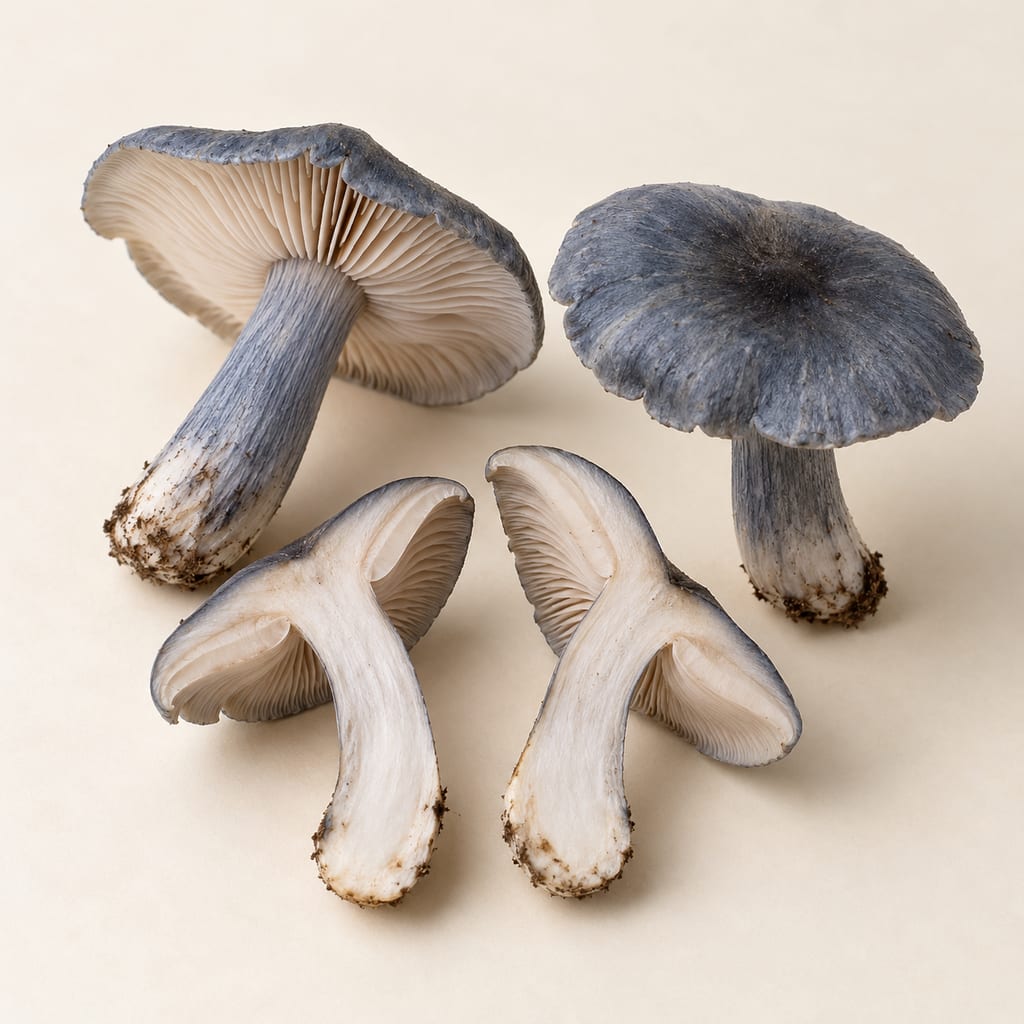
Bloxam's entoloma is a rare pink-gilled mushroom of old grasslands. Historical sources call it edible, but food-use evidence and older identifications remain uncertain; this does not recommend gathering or eating it.
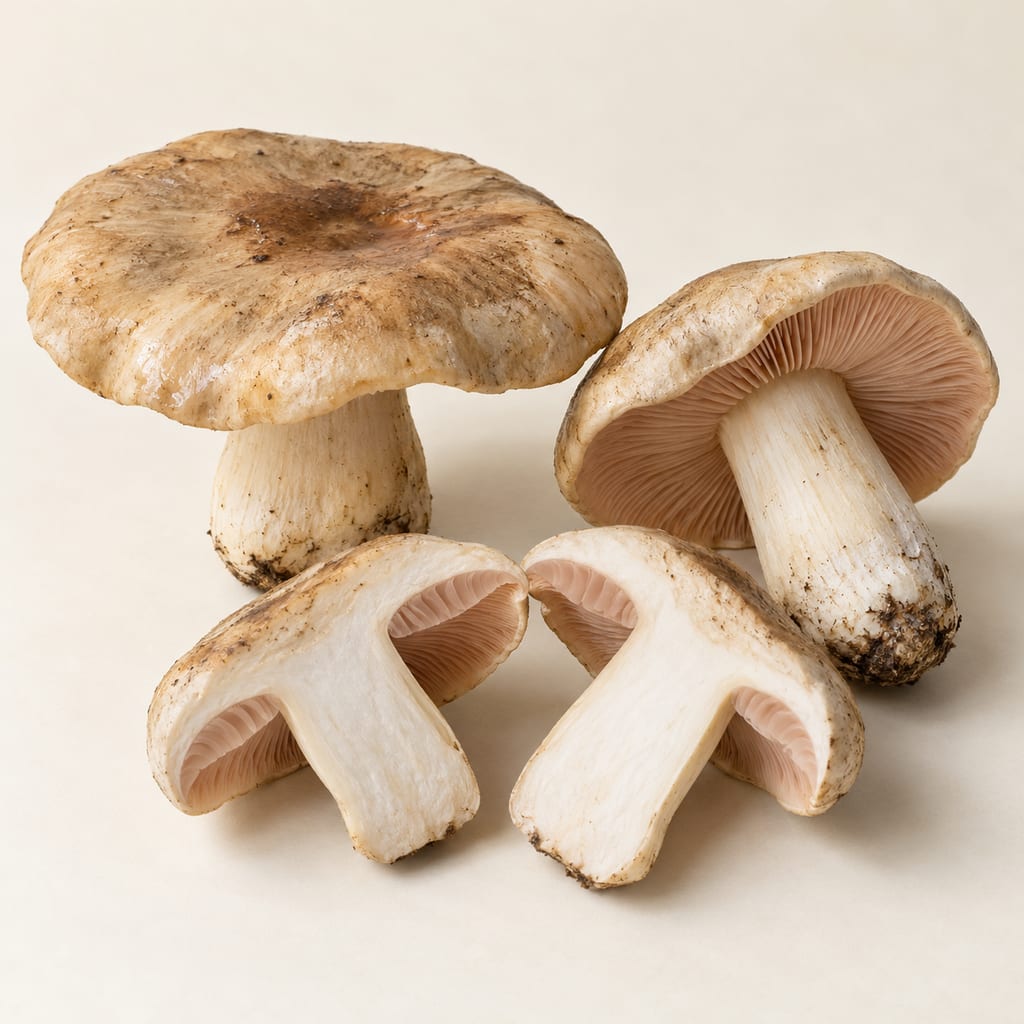
Entoloma sarcopum is a large, bitter autumn mushroom reported as food in Japan. Older sources call it Entoloma crassipes; related poisonous Entoloma make identification a serious concern.
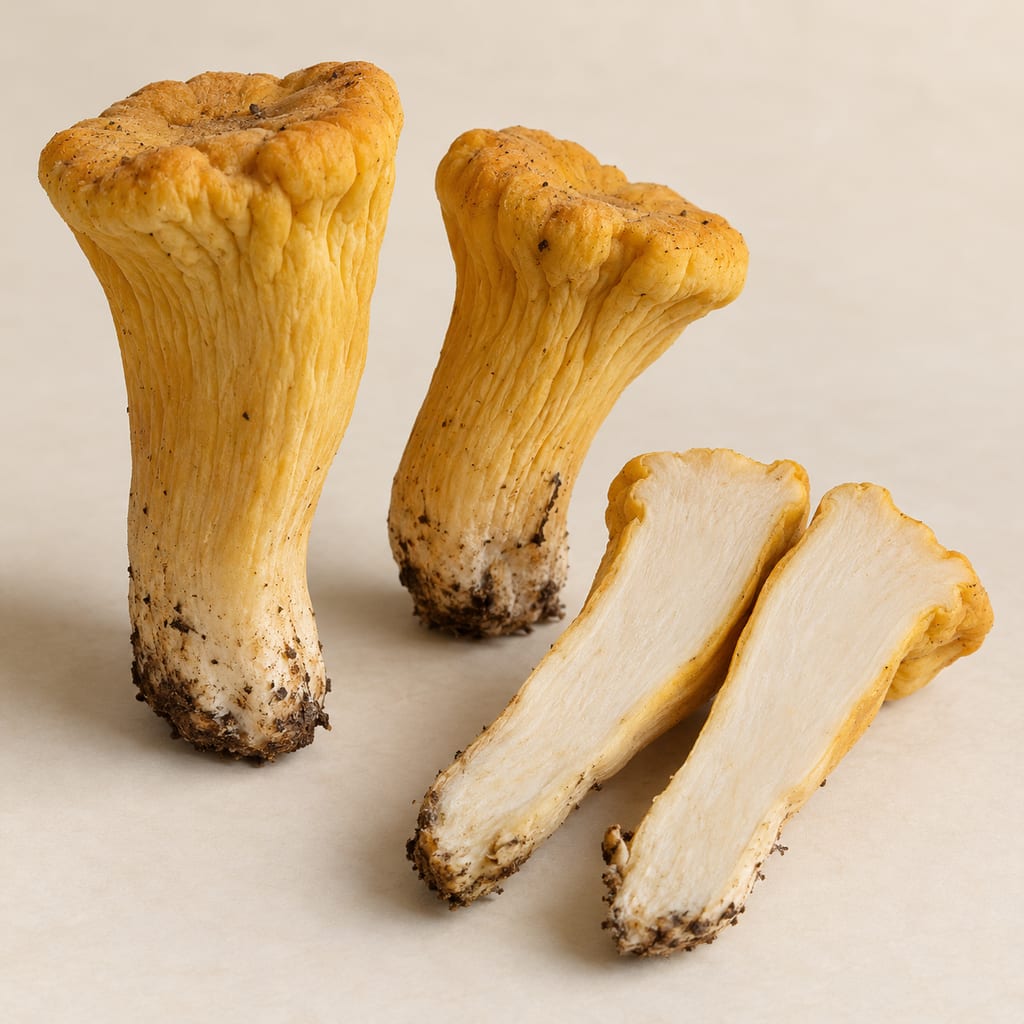
A yellow to ochre club fungus reported as food in parts of Mexico and in historical country lists. Local acceptance and taxonomy vary, and some Chinese records may refer to Clavariadelphus amplus.
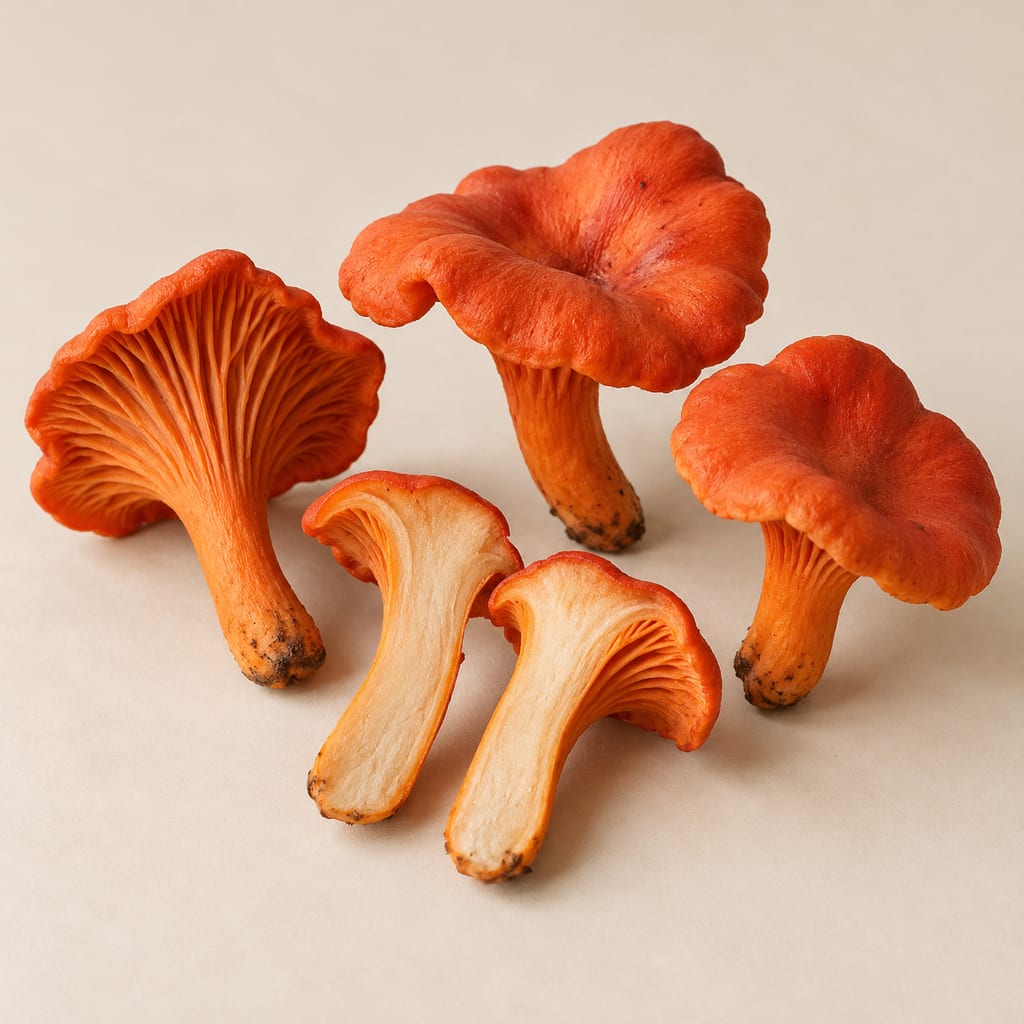
A small red-orange chanterelle of eastern North American hardwood forests, gathered as food for its mild flavour and vivid colour that persists through cooking.
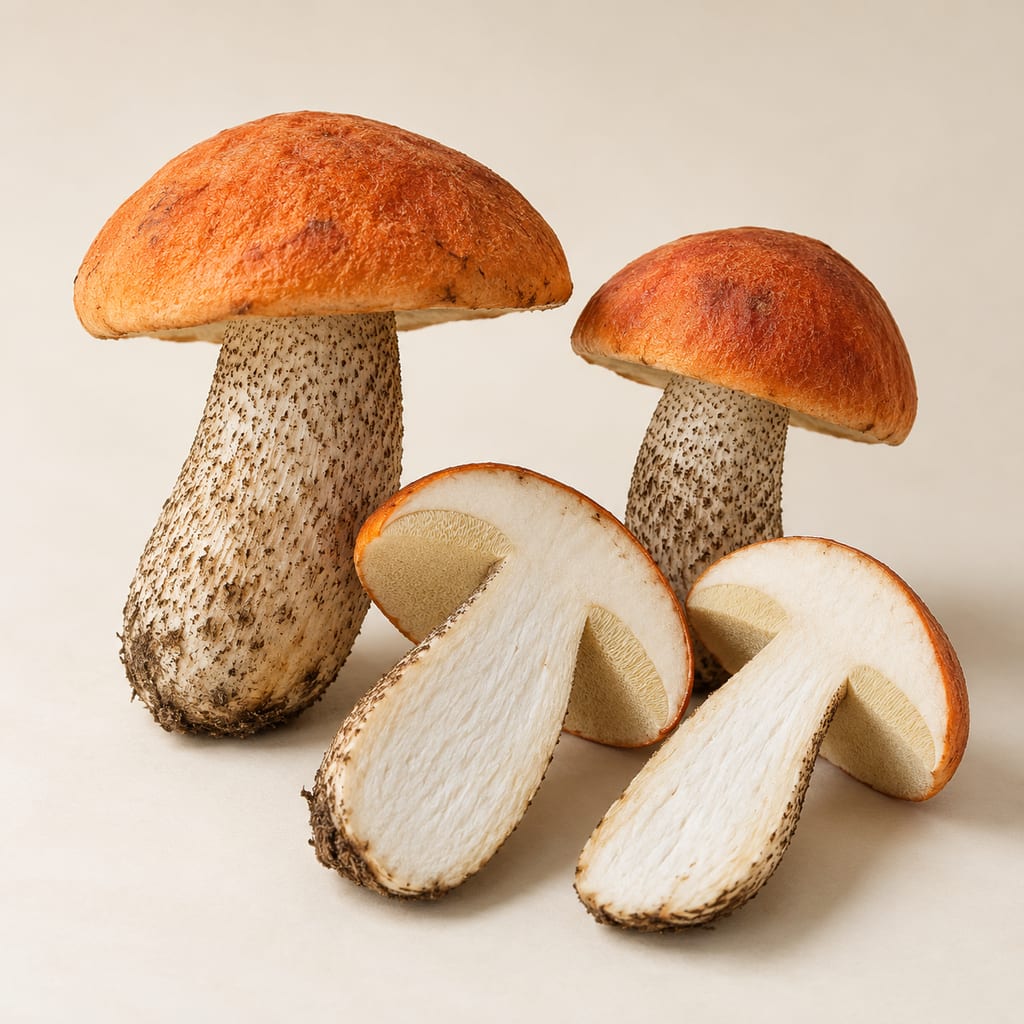
Orange bolete is the red-capped scaber-stalk bolete, accepted as Leccinum aurantiacum (Bull.) Gray; Boletus aurantiacus Bull. is its basionym. Culinary accounts are conditional on confident identification and thorough cooking.
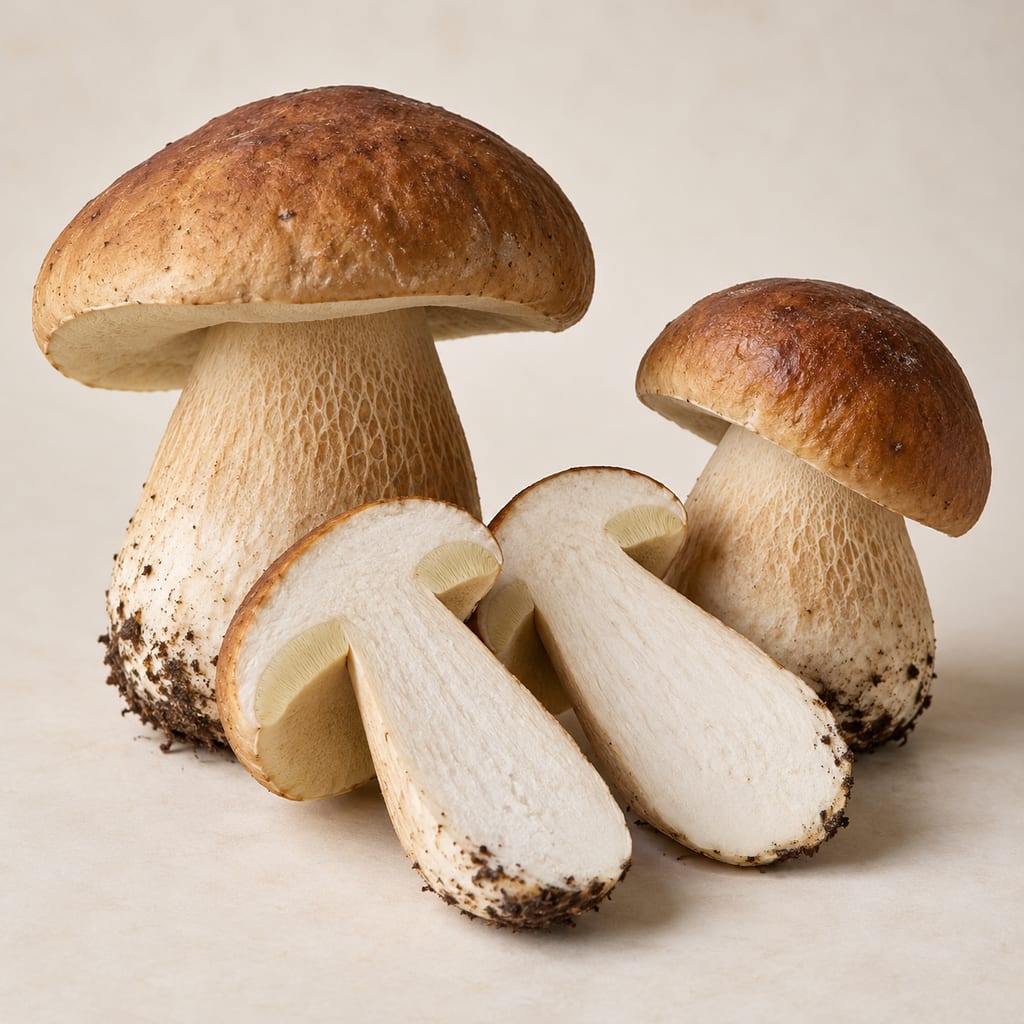
A wild European bolete with documented seasonal fruiting in broadleaf woods and culinary use. Sources treat Boletus reticulatus and B. aestivalis as synonyms, though taxonomic authorities differ on the preferred name.
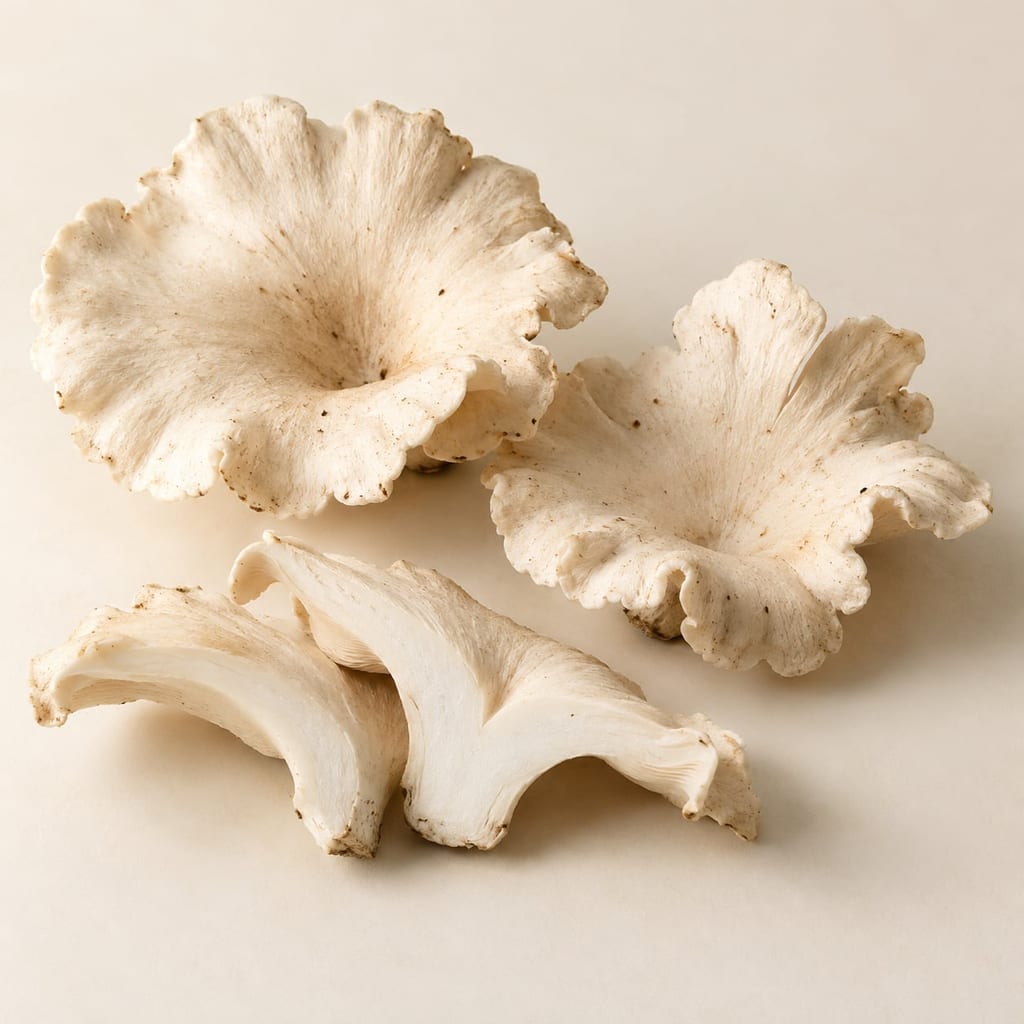
A Neotropical wood-decay mushroom with limited food records in Martinique and São Paulo. Preparation details and a reliable harvest season remain undocumented.
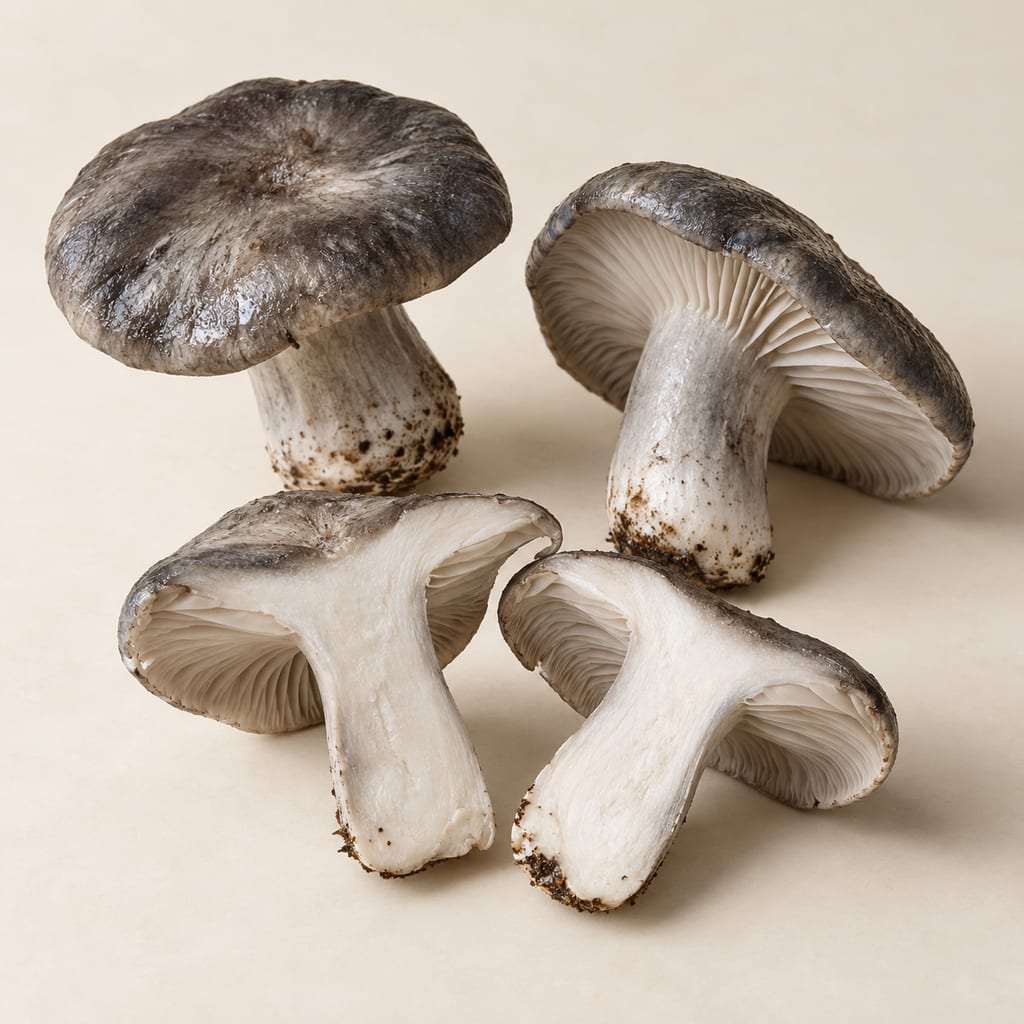
A European mountain mushroom associated with old conifer and mixed forests. It is valued as an early spring edible, but its vulnerable status and local collection rules matter.
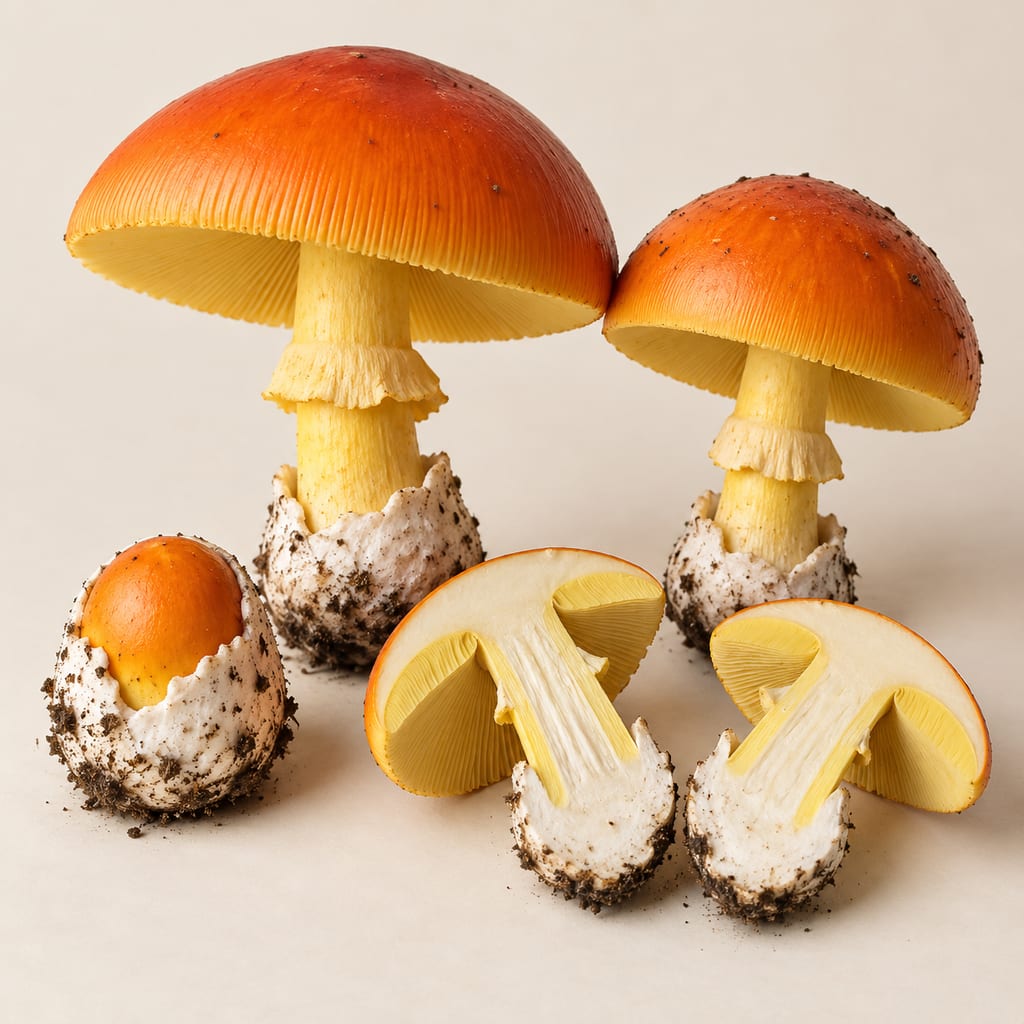
Caesar’s mushroom, Amanita caesarea, is a prized wild, tree-associated fungus of Mediterranean Europe, gathered seasonally for regional dishes. Its celebrated name and food traditions sit beside serious identification risks.
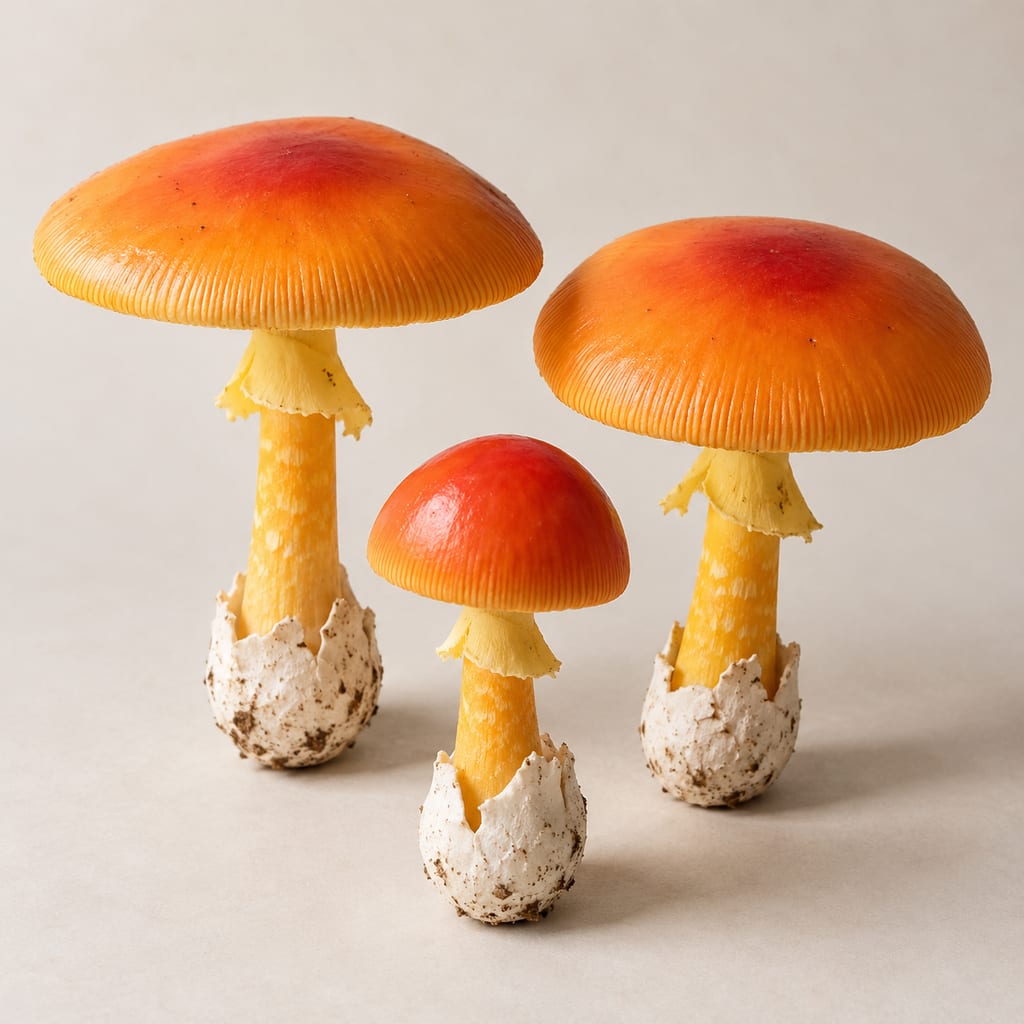
A wild Asian Amanita reported as food in regional literature and listed in China’s edible-fungi catalogue. Lookalikes include lethal species; this record is not a guide to identifying wild mushrooms.
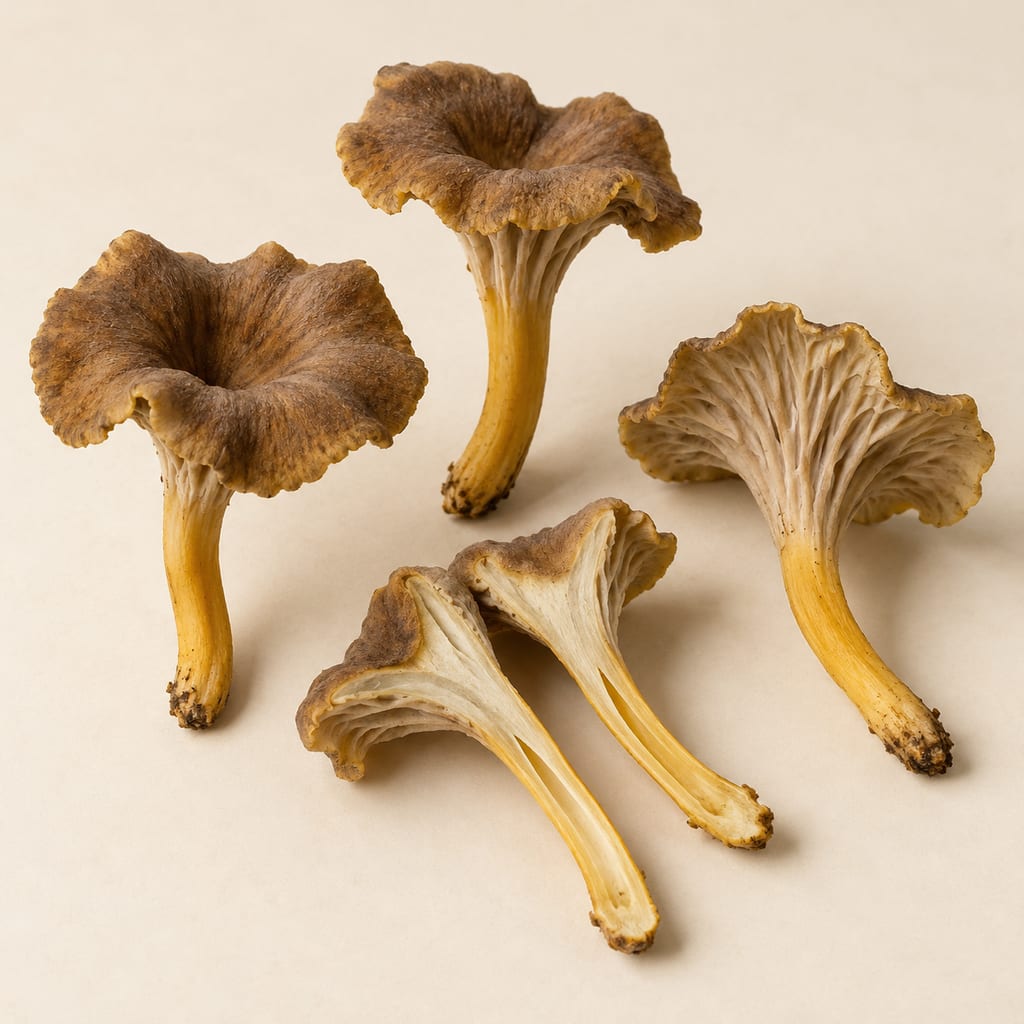
Winter chanterelle (Craterellus tubaeformis) is a funnel-shaped wild mushroom with blunt folds and a hollow yellow-brown stem, gathered in northern Europe’s autumn and winter forests.